Cambrian · 538.8 – 485.4 Ma
Cambrian fossil sites
The Cambrian Period saw the explosive radiation of complex animal life. Almost every major animal phylum we know today first appears in Cambrian rocks, including the trilobites that dominate the period's fossil record. Cambrian sites tend to be in old continental cratons. Morocco, Utah, Wales, and parts of Newfoundland are the most productive.
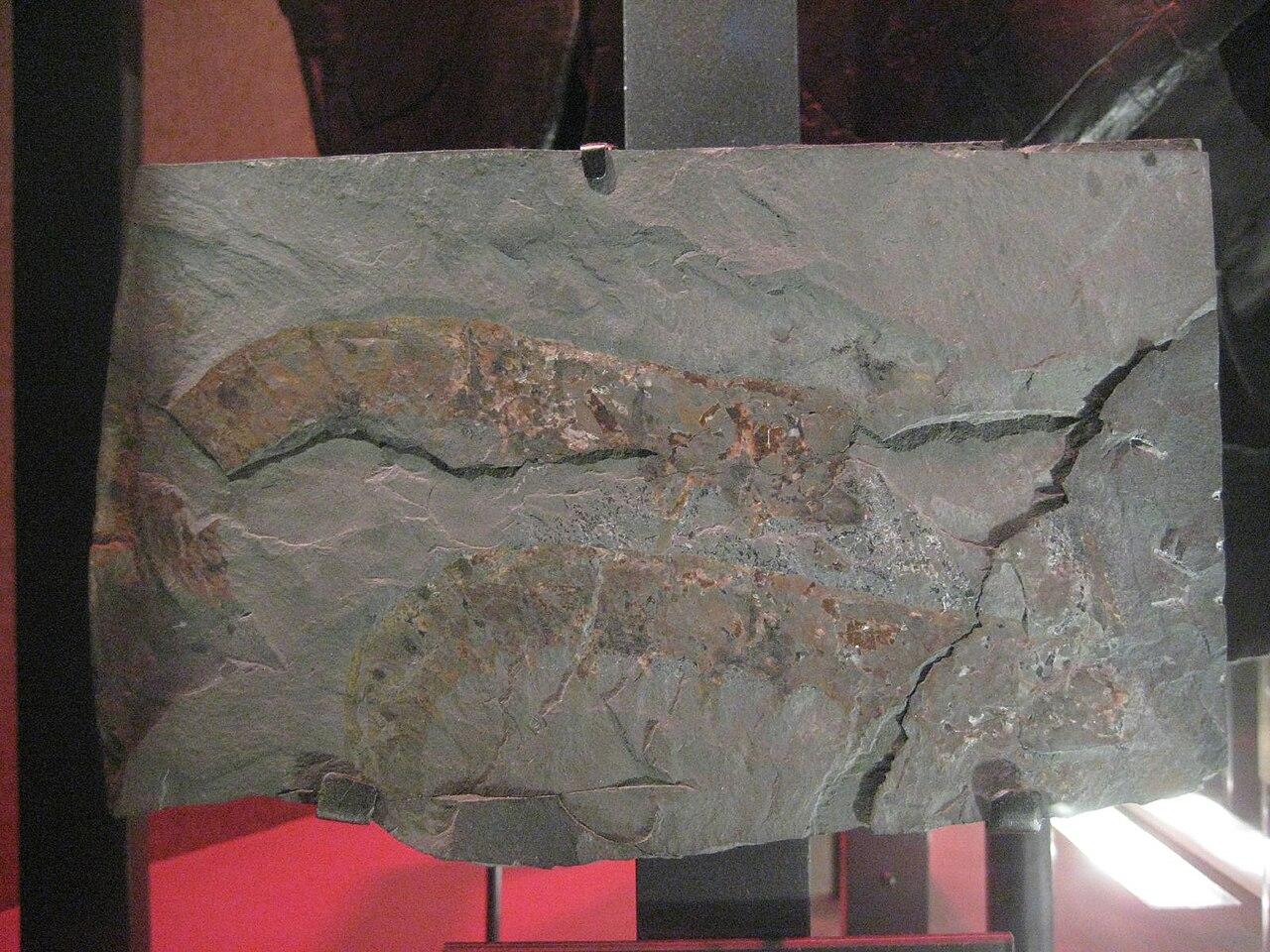
The Cambrian is where hard parts appear. Within a few tens of millions of years, animals evolved shells, carapaces, and mineralized spines. Trilobites dominate the resulting record. Their moulted exoskeletons are common because each animal shed many during its life. A trilobite bed can therefore hold far more fossils than it ever held living animals.
Cambrian preservation runs to two extremes. Ordinary shales yield broken trilobite pieces, brachiopods, and hyoliths. A small number of deposits preserve soft tissue as dark carbon films, and geologists call these Lagerstatten. The Burgess Shale in British Columbia is the most famous of them. It records animals that left no shell at all and would otherwise be invisible.
This guide covers six Cambrian sites. Two sit in the House Range of Utah, where the Wheeler Shale yields Elrathia kingii in commercial quantities. Access differs sharply between them. Some Utah quarries charge a day rate and let you keep what you split. The Burgess Shale runs guided hikes only, and collecting there is prohibited.
6 fossil sites
Updated 3 August 2026
Life of the period
Three to know from the Cambrian
You will not find all of these yourself. They are the animals and plants that make the period worth reading about.

Cambrian predatorAnomalocaris
Described three times as three different animals. Its feeding appendage became a shrimp, its mouth a jellyfish, and its body a sea cucumber. Only in 1985 did researchers realise the pieces belonged to one metre-long predator.
Maker: Tom Davies, Photographer: Jon Augier, CC BY 4.0

Five-eyed swimmerOpabinia
Five eyes and a single grasping nozzle at the front. When Harry Whittington presented the reconstruction in 1972 the audience laughed out loud, assuming it was a joke.
Junnn11, CC BY-SA 4.0

Spined wormHallucigenia Reconstructed upside down for years, walking on its spines with tentacles waving above. Then it was turned over. Then the head and tail were swapped. The name records how strange it looked.
Scorpion451, CC BY-SA 4.0
All Cambrian sites
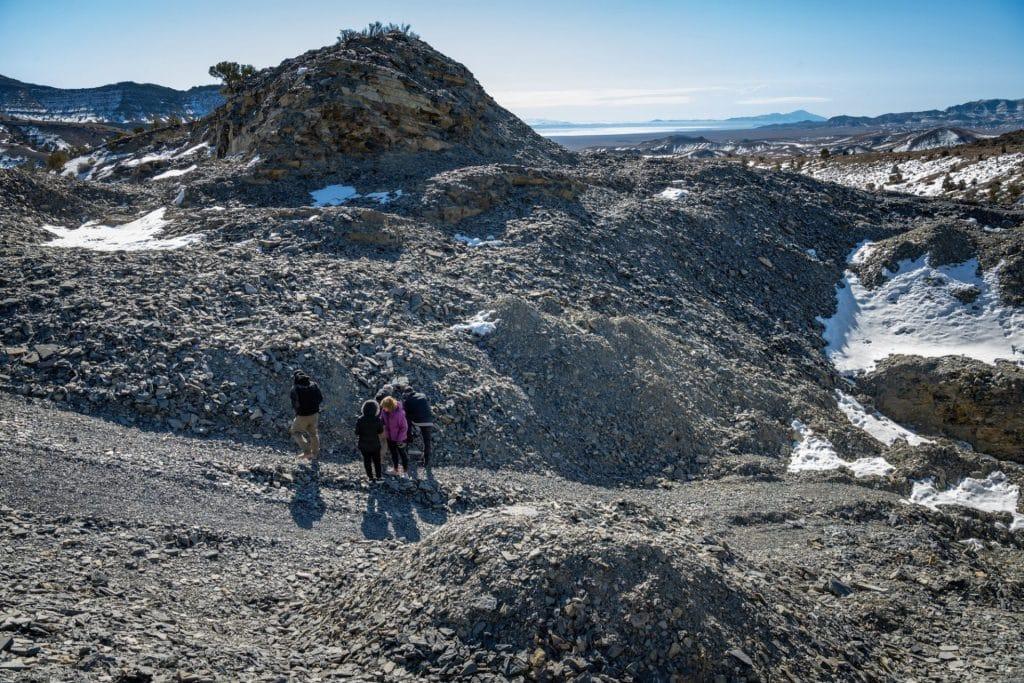
BLM Trilobite Quarry (Antelope Springs) Fossil Guide
Utah, United States
Trilobites, Elrathia kingii, Asaphiscus, Brachiopods
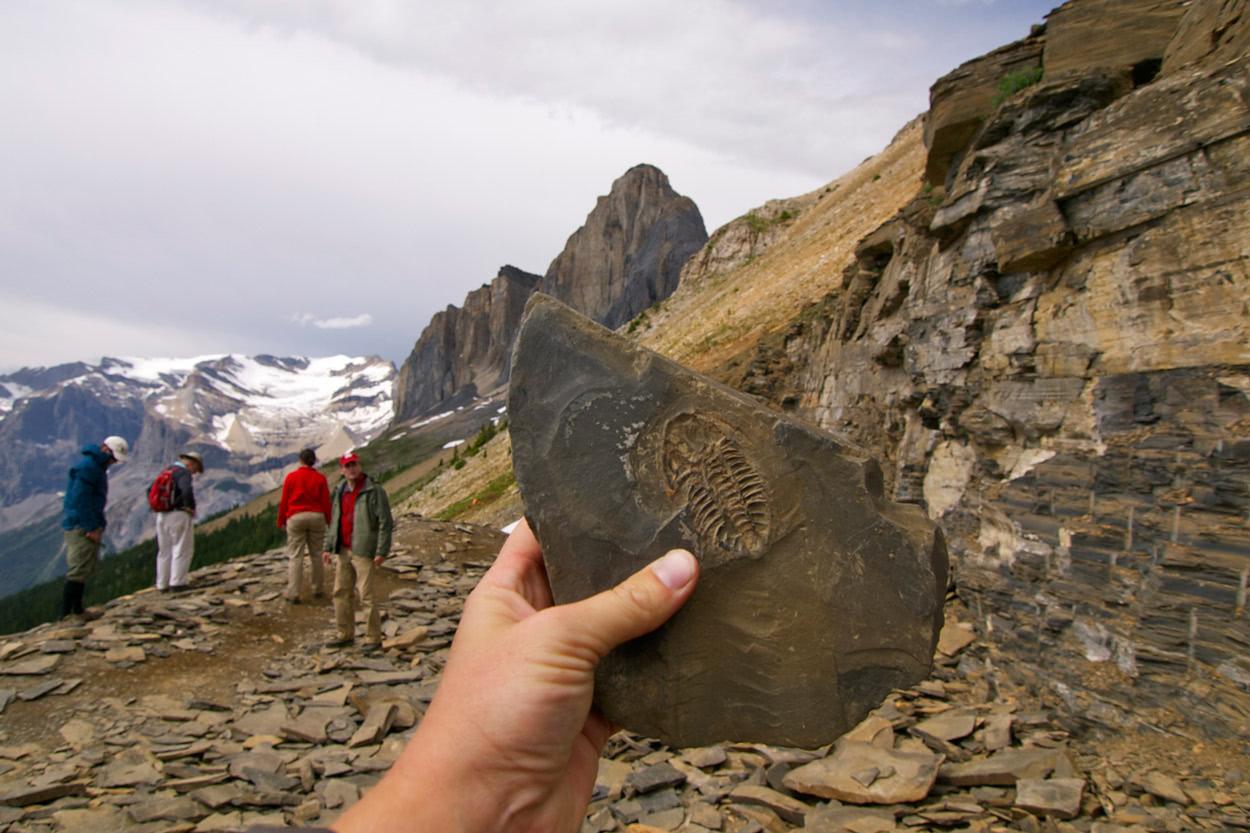
Burgess Shale Fossil Hike Guide
British Columbia, Canada
Trilobites, Anomalocaris, Marrella, Opabinia
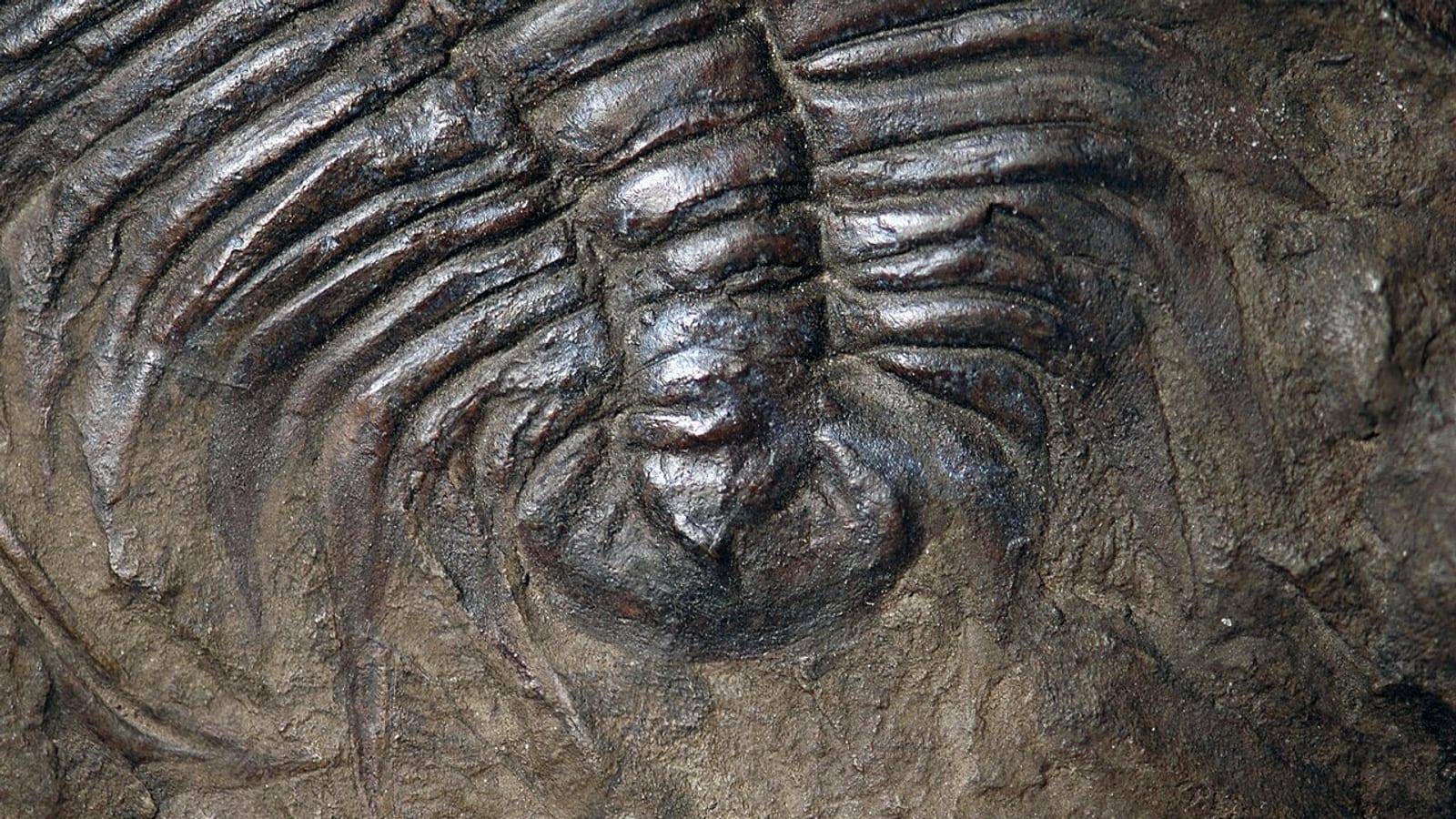
Cambrian Paradoxides Site North of Alnif Fossil Hunting Guide
Morocco
Paradoxides, Cambropallas telesto, Brachiopods, Trilobites
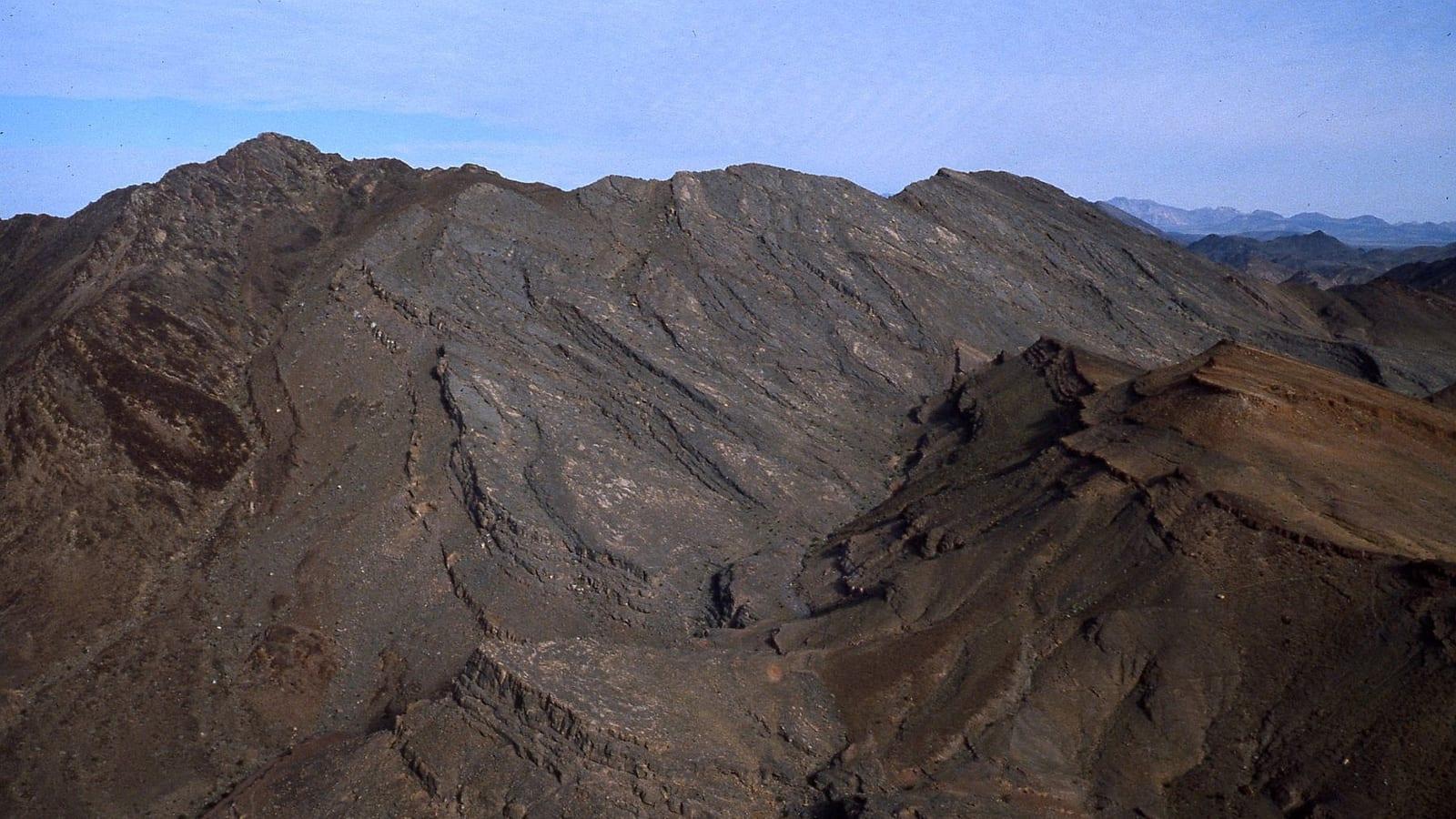
Marble Mountain Fossil Beds: Mojave Cambrian Trilobite Guide
California, United States
Trilobites, Brachiopods, Trace Fossils, Hyolithids
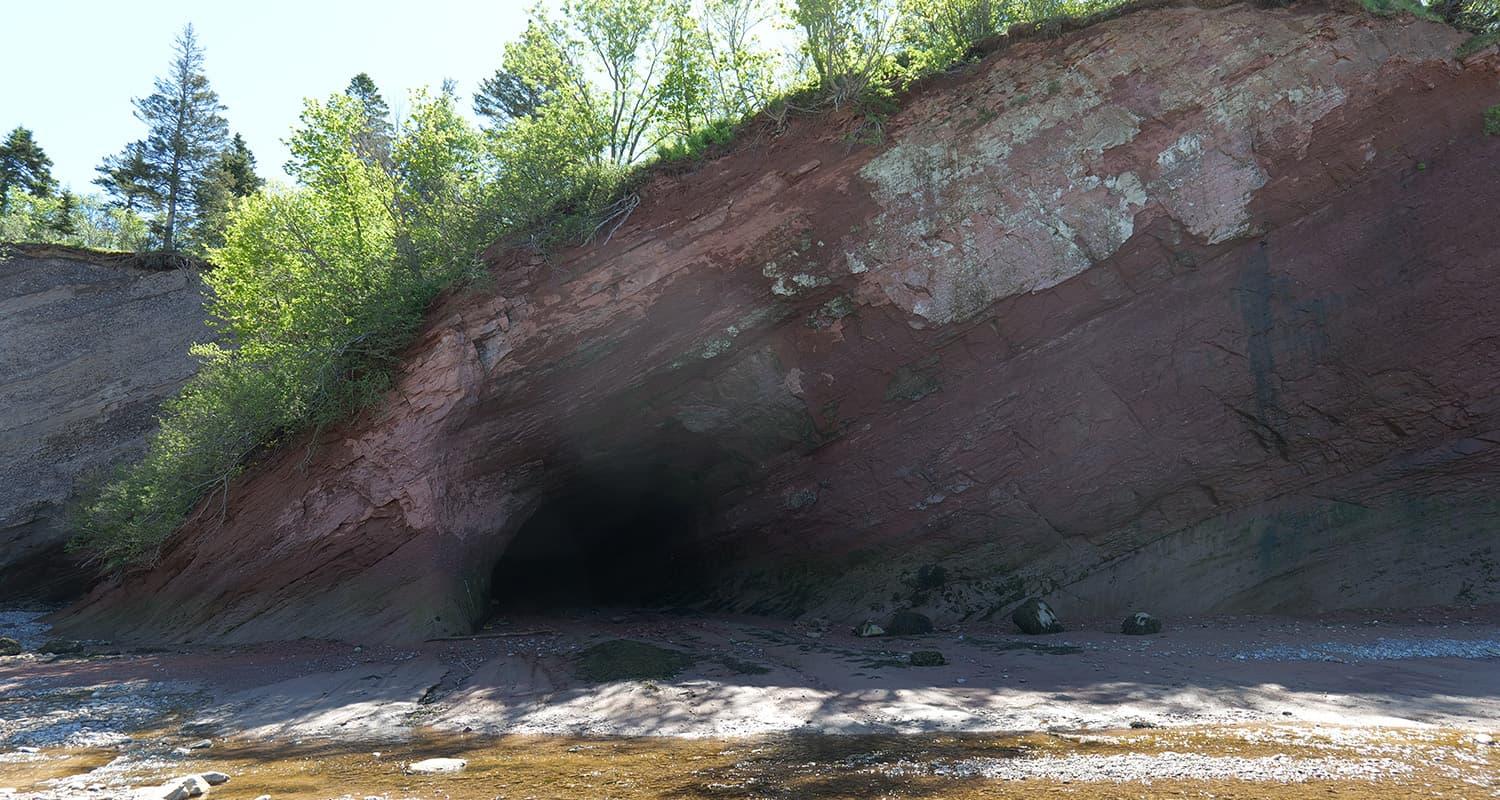
Stonehammer UNESCO Global Geopark Fossil Hunting Guide
New Brunswick, Canada
Paradoxides regina (trilobite), Carboniferous tetrapod trackways, Precambrian stromatolites, Silurian eurypterids
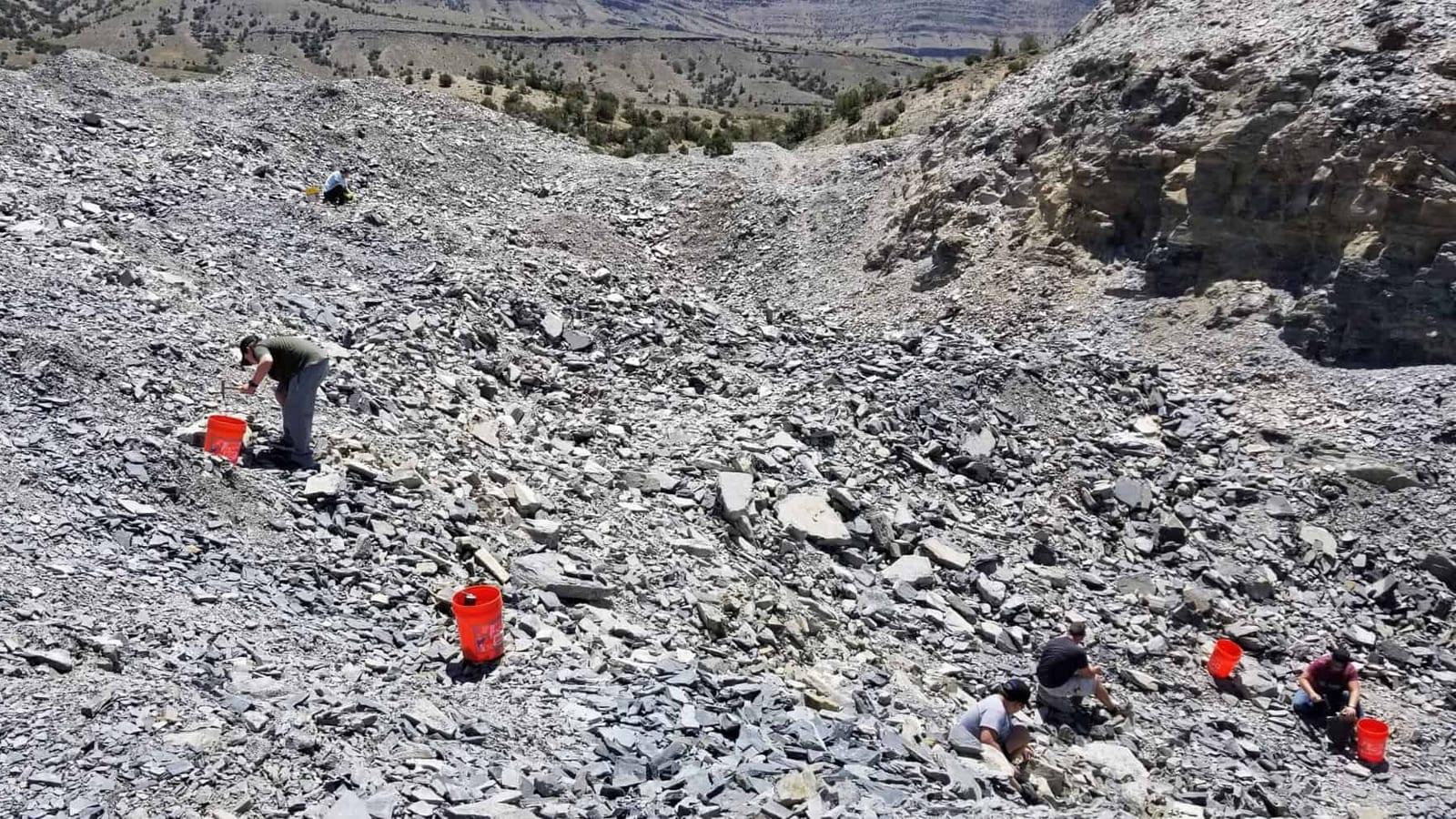
U-Dig Fossils Fossil Hunting Guide
Utah, United States
Trilobites, Brachiopods
Frequently asked questions
- What is the easiest Cambrian fossil to find?
- Elrathia kingii, a small trilobite from the Wheeler Shale in Utah. Commercial quarries in the House Range sell day passes. Split the shale along its bedding and the trilobites appear as dark outlines against pale rock.
- Can you collect at the Burgess Shale?
- No. The Burgess Shale sits inside Yoho National Park and holds World Heritage status. Parks Canada runs guided hikes to the quarries. You may look and photograph, and you must leave every specimen in place.
- Why do trilobites split into pieces?
- A trilobite exoskeleton has three parts that separate easily after death. Most finds are a head shield, a tail piece, or a run of body segments. Complete animals are much less common and command far higher prices.