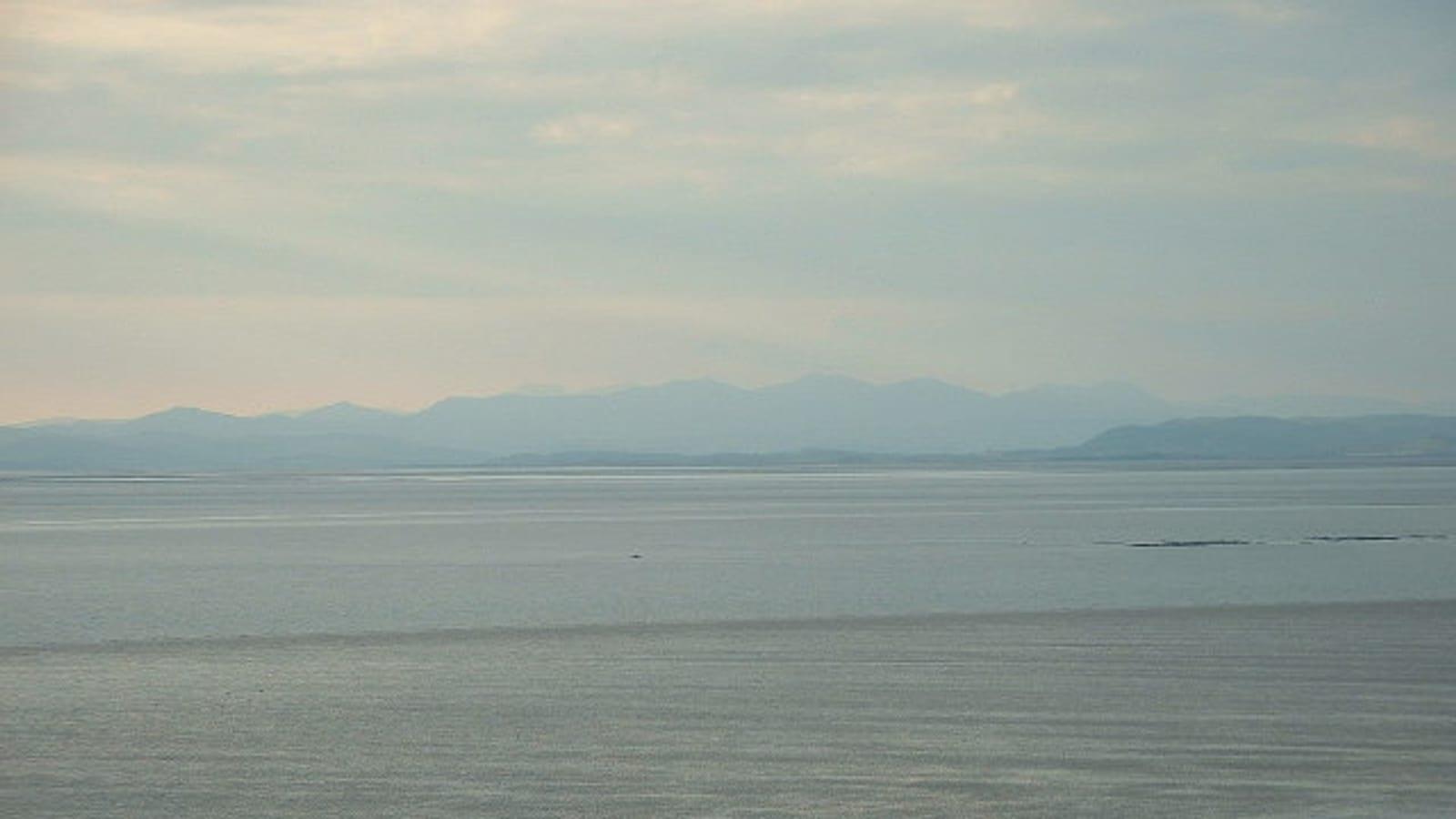
Flat Rocks Inverloch Dinosaur Dig Site Fossil Hunting Guide
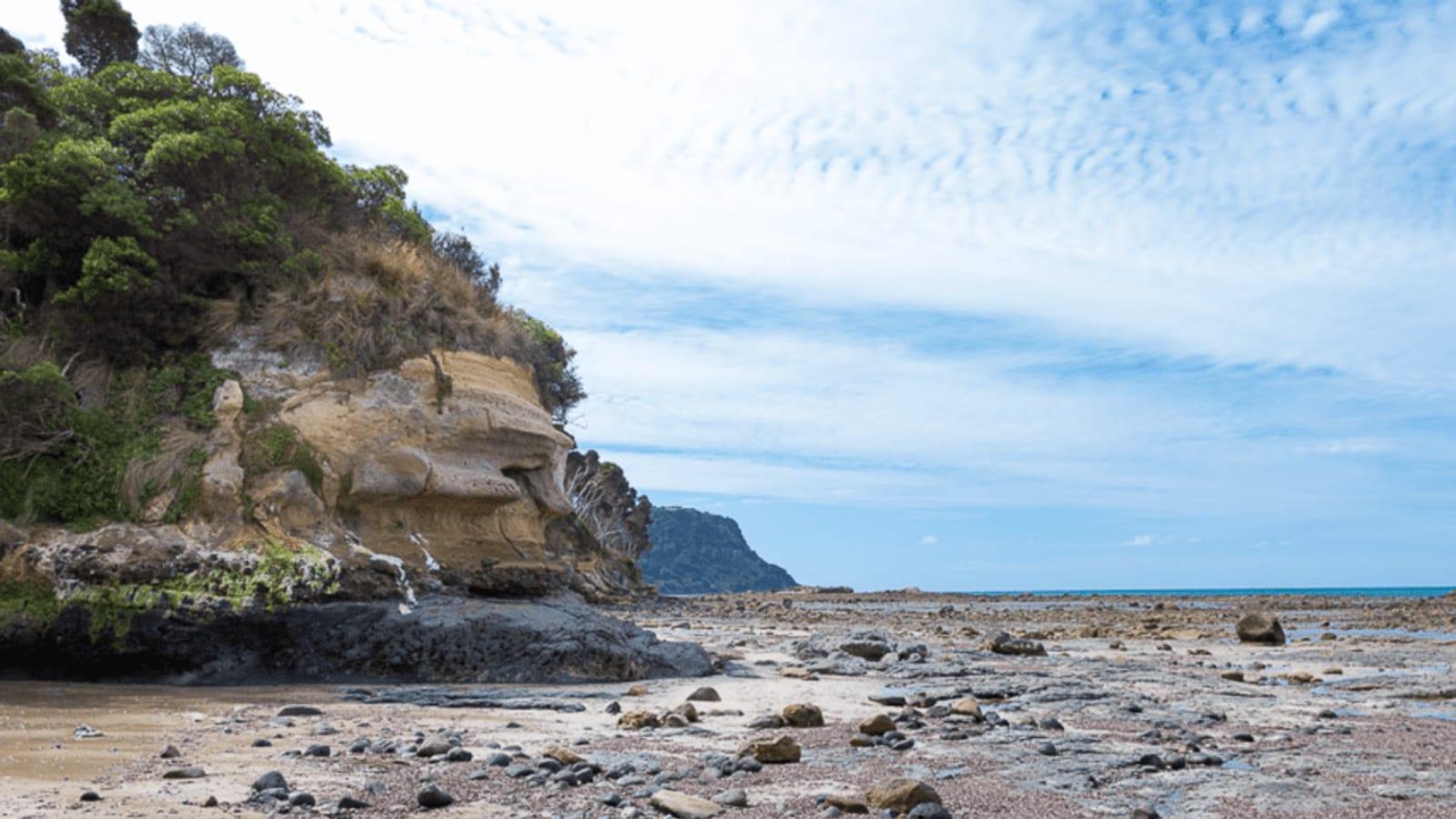
Image: MattSullivan17 (CC BY-SA 4.0)
Flat Rocks Inverloch is home to Dinosaur Dreaming, where public volunteers excavate Early Cretaceous polar dinosaur fossils alongside museum scientists each autumn in Victoria.
By Edward Chen · Updated 2 August 2026
Introduction
Every autumn since 1993, a team of professional palaeontologists and registered volunteers has gathered on the rock platform at Flat Rocks, a section of the Bass Coast shoreline near Inverloch in Victoria. The project is called Dinosaur Dreaming, and it has produced more Early Cretaceous vertebrate fossils from a single Australian locality than any comparable dig in the country. The bones, teeth, and scales recovered here come from animals that lived approximately 125 to 128 million years ago, when this part of Victoria was positioned inside the Antarctic Circle and experienced months of winter darkness each year.
What sets Flat Rocks apart from most Australian fossil sites is that members of the public can participate directly in the excavation. Registered volunteers work shoulder to shoulder with museum scientists, screening sediment and carefully extracting matrix from the fossil-bearing rock. Discoveries, which have included small polar dinosaurs, early mammal teeth, fish, pterosaur fragments, and marine reptiles, are donated to Museums Victoria for scientific study and public education. This guide covers how the volunteer programme works, what fossils have been found here, the geological context behind those finds, and what visitors need to know before attending.
Location and Directions
Address
Flat Rocks, Inverloch, Bunurong Marine and Coastal Park, Victoria 3996. The dig site is located on the intertidal rock platform at Flat Rocks Beach, accessible from the Inverloch foreshore.
Directions
From Melbourne, take the South Gippsland Highway east to Leongatha, then continue south via the Inverloch-Leongatha Road to Inverloch, approximately 140 kilometres and around 90 minutes by car. In Inverloch, follow the foreshore road southwest toward the Flat Rocks car park. The car park is a gravel area just above the beach. From the car park, a short walk north along the foreshore leads to the exposed rock platforms at the dig site. The site is visible at low tide. During high tide the active excavation trenches are submerged. Four-wheel drive is not required. The Inverloch foreshore road is sealed all the way to the parking area.
During the annual Dinosaur Dreaming season, the dig team coordinates vehicle access and parking for volunteers through the registration process. Check the Dinosaur Dreaming website for current season dates and assembly instructions.
What Fossils You'll Find
The fossil assemblage at Flat Rocks is the most diverse Early Cretaceous polar fauna documented in Australia. All material belongs to the Strzelecki Group, specifically fluvial and coastal sediments that accumulated in ancient river channels and low-energy coastal environments.
Polar dinosaurs dominate the assemblage by number of specimens. Small ornithopod dinosaurs, closely related to Leaellynasaura and other Victorian forms, are represented by limb bones, vertebrae, and teeth. Theropod material also occurs, though less abundantly. These dinosaurs lived at extreme southern latitudes and adapted to prolonged winter darkness, a subject of ongoing scientific debate.
Early mammal teeth are among the scientifically most significant finds from Flat Rocks. Several species of Mesozoic mammals have been described from material collected here and at nearby sites, contributing to understanding of early mammal evolution in Gondwana. The teeth are tiny, often under a millimetre in width, and are recovered by processing bulk sediment through fine mesh screens with water.
Fish are the most numerically common vertebrates at the site. Scales and teeth from freshwater and coastal fish species occur throughout the fossil-bearing horizon.
Pterosaur and marine reptile fragments have been recovered in smaller numbers, along with plant material including fossil wood and leaves that indicate what vegetation surrounded the ancient river systems.
 Photo: Matthew C. Herne, Jay P. Nair, Alistair R. Evans and Alan M. Tait, CC BY-SA 4.0, via Wikimedia Commons

Geologic History
The Ancient Environment
The fossil-bearing sediments at Flat Rocks belong to the Strzelecki Group, deposited during the Early Cretaceous period approximately 125 to 128 million years ago, during the Barremian and early Aptian stages. At this time, Australia and Antarctica remained connected as part of the fragmenting supercontinent Gondwana, and Victoria sat at approximately 75 to 80 degrees south latitude, well within the Antarctic Circle.
The depositional environment was a system of braided rivers and coastal floodplains that drained towards a shallow inland sea or large rift valley. The rivers carried sediment from the uplands and deposited it in broad, shallow channels. Animals that died near these channels were occasionally buried rapidly by sand and silt, allowing skeletal material to be preserved. The coastal position of the modern rock platform means these ancient river sediments are now exposed in the intertidal zone, continually abraded and freshened by wave action.
The climate was polar temperate. Winter temperatures were likely below freezing, and the site experienced complete winter darkness for weeks to months each year. Despite these conditions, the fossil record shows that a diverse community of animals inhabited the area year-round, suggesting significant physiological adaptations in the resident fauna.
How Flat Rocks Became a Fossil Dig Site
The rock platform at Flat Rocks is eroded by Bass Strait wave action every winter, gradually removing surface material and exposing fresh fossil-bearing surfaces. Palaeontologists Tom Rich and Pat Vickers-Rich of Museums Victoria recognised the palaeontological potential of the Strzelecki Group outcrops along the Bass Coast in the late 1980s and early 1990s, following earlier discoveries at Dinosaur Cove further west. The Dinosaur Dreaming project began systematic excavation at Flat Rocks in 1993, initially with small professional teams. The volunteer programme expanded over subsequent years, enabling a scale of sediment processing that would not have been possible with professional staff alone. The project is administered through Monash University and Museums Victoria.
Visiting Rules and Regulations
Is Fossil Collecting Allowed?
Independent fossil collecting by the public is not permitted at Flat Rocks. The site lies within Bunurong Marine and Coastal Park, managed by Parks Victoria. Removal of any geological or fossil material from the park is prohibited under the Victorian Crown Land (Reserves) Act and the Parks Victoria management plan for the area. All excavation is conducted under a scientific research permit issued by Museums Victoria and the Victorian government.
However, members of the public can participate as registered volunteers through the annual Dinosaur Dreaming programme. Volunteers work under direct supervision of professional palaeontologists and contribute to genuine scientific excavation. Registration opens in advance of each autumn season through the Dinosaur Dreaming website. Places are limited and typically fill quickly. There is no fee to volunteer, though participants are expected to contribute a minimum number of days and must follow site protocols strictly.
Recommended Equipment
If you are attending as a registered volunteer, the Dinosaur Dreaming team provides tools and training at the site. Wear old clothes that you do not mind getting wet and covered in mud. Rubber-soled footwear with ankle support is essential for safe movement across the intertidal rock platform, which can be extremely slippery. Bring wet weather gear, Bass Coast weather changes rapidly and dig sessions continue in light rain. Sunscreen and a hat are needed for sunny days. If you are visiting as an observer during dig season, keep a respectful distance from the active trenches and follow any instructions from the dig coordinators.
Safety
The Flat Rocks site is an intertidal platform, and dig sessions are timed around the tide schedule. Always check tide tables before visiting. Wave conditions along the Bass Coast can change with little warning, and rogue waves have occurred in the broader region. Do not turn your back on the sea while on the rock platform. The rocks themselves are wet, algae-covered in places, and uneven, take particular care when moving between rock pools. In summer, blue-ringed octopuses and other marine hazards may be present in rock pools. Do not handle any marine creatures.
Sources
- https://www.dinosaurdreaming.net/
- https://museumsvictoria.com.au/scienceworks/whats-on/dinosaur-dreaming/
- https://www.parks.vic.gov.au/places-to-see/parks/bunurong-marine-and-coastal-park
- https://en.wikipedia.org/wiki/Strzelecki\_Group
- https://en.wikipedia.org/wiki/Wonthaggi\_Formation
- https://www.sciencedirect.com/science/article/pii/S0031018218305108
Nearby sites
 The Caves Inverloch Fossil Hunting GuideDinosaur bones and teeth, Early mammal teeth
 Eagles Nest Cape Paterson First Dinosaur Fossil Hunting GuideTheropod dinosaur material, Ornithopod dinosaurs
 Beaumaris Bay Fossil Site Melbourne Fossil Hunting Guideshark teeth, Carcharocles megalodon
 Fossil Bluff Wynyard Fossil Hunting GuideBivalves, Gastropods