Woolshed Creek Fossil Hunting Guide
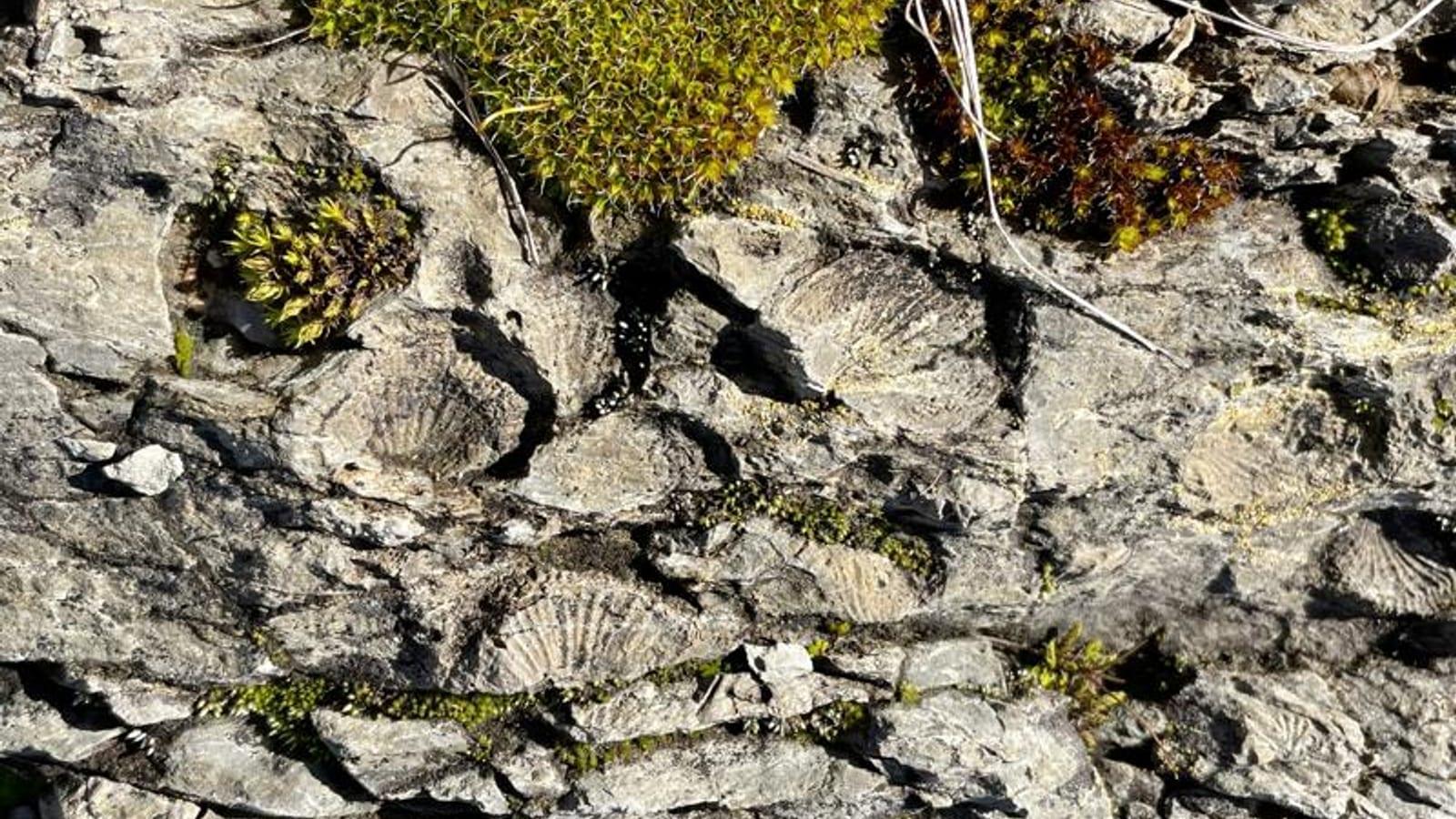
Image: Peter Ellis (CC BY-SA 3.0)
The Woolshed Creek fossil site in Canberra exposes the Silurian Canberra Formation, a marine mudstone about 430 million years old that holds brachiopods, trilobites, corals, and bryozoans. Fossils collected here in 1844 were the first Silurian rocks recognised in Australia. The site is protected.
By Edward Chen · Updated 3 August 2026
Introduction
The Woolshed Creek fossil site, near the Royal Military College at Duntroon in Canberra, is one of the oldest and most historically important fossil localities in Australia. The creek cuts through the Silurian Canberra Formation, a marine mudstone about 430 million years old, and its beds hold brachiopods, trilobites, corals, and bryozoans from an ancient sea.
Its importance is more than geological. Fossils collected here in 1844 by the Reverend William B. Clarke were the first Silurian rocks formally recognised in Australia, a finding that fed the nineteenth-century debate over the age of the continent's rocks. The site is now on the ACT Heritage Register, and while you can walk up to the fossils and see them in place, you cannot collect them.
Location and Directions
Woolshed Creek runs through the Majura Valley on the eastern side of Canberra, near 35.30°S, 149.18°E, close to Fairbairn Avenue between Majura Road and Morshead Drive at Pialligo. The fossil beds lie in and beside the creek near the Woolshed Creek bridge.
Recent improvements have made the site accessible by a pathway from the sports grounds of the Royal Military College, with interpretive information on site. Canberra's suburbs and services are close by.
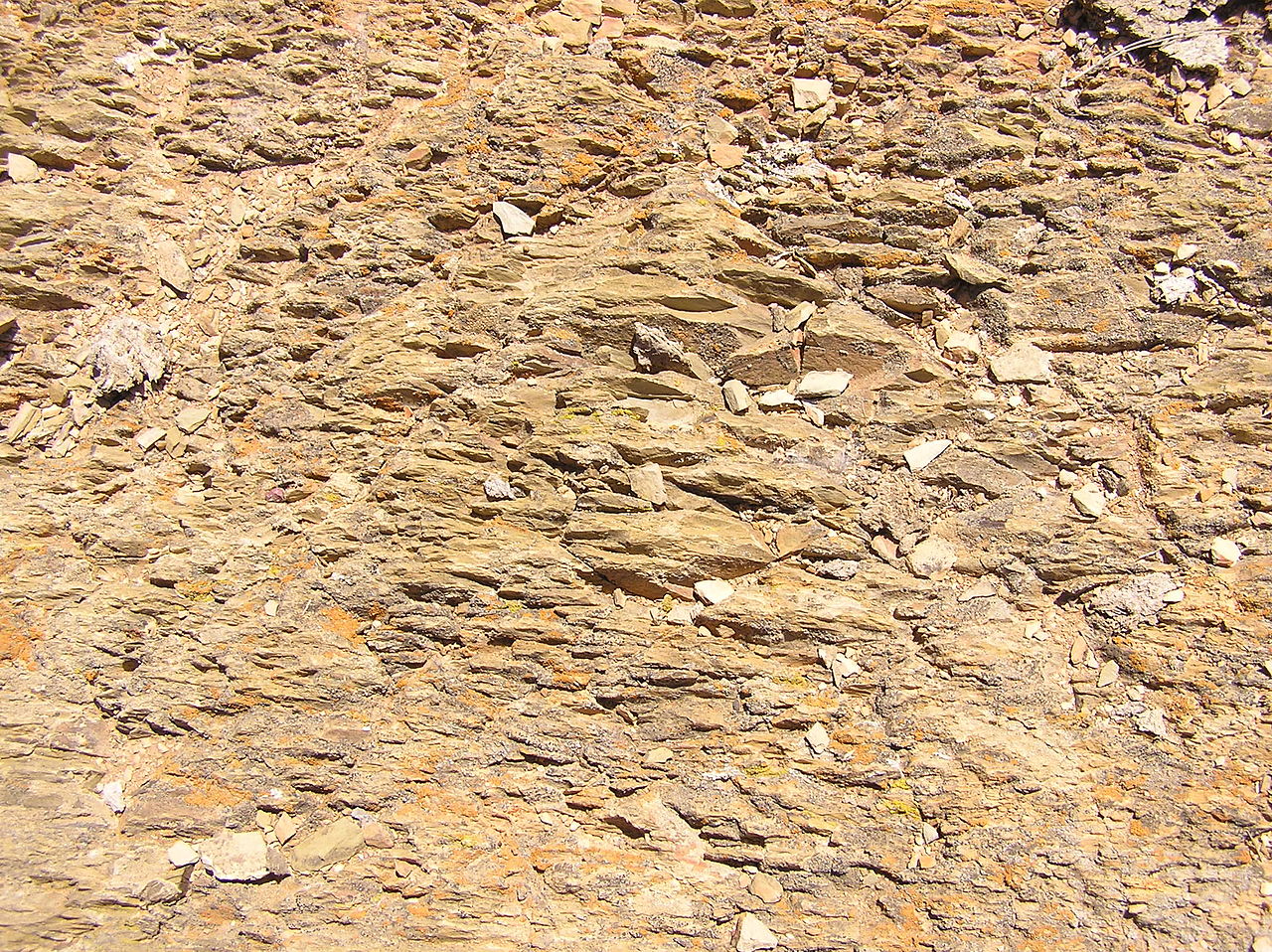 Photo: Graeme Bartlett, CC BY-SA 3.0, via Wikimedia Commons

What Fossils You'll Find
The Canberra Formation at Woolshed Creek preserves a shallow-marine Silurian fauna. Brachiopods are the most abundant and best-studied group, including the species Atrypa duntroonensis, with several species recorded from the beds. Trilobites, especially Batocara mitchelli, occur here and are part of what makes the site famous. Corals and lacy bryozoans are present too, along with gastropods and bivalves.
The fossils sit in the mudstone exposed in and along the creek. Because the site is protected, the point is to find, examine, and photograph them where they are, not to remove them.
Geologic History
During the Silurian, the Canberra region lay beneath a shallow sea, and fine mud settled on the seafloor along with the shells and skeletons of the animals living there, forming the Canberra Formation. The brachiopods, trilobites, corals, and bryozoans preserved at Woolshed Creek all lived in that sea about 430 million years ago.
Later mountain-building folded and tilted these beds, and long erosion, aided by Woolshed Creek cutting down through the rock, has exposed the fossil-bearing mudstone at the surface.
Collecting Rules and Regulations
Woolshed Creek is a heritage-listed site, and collecting is not allowed. You may walk up to the fossils, touch them, and photograph them, but you must not remove rock or specimens or damage the exposures in any way.
Treat the site as an outdoor museum. Leave everything in place so that other visitors, and future researchers, can see the same fossils that made this creek internationally known in the 1840s.
Safety
The site is easy to reach and gentle compared with remote fossil localities, but ordinary care still applies. The creek banks can be slippery and uneven, so watch your footing near the water. Wear sturdy shoes, bring sun protection and water in warm weather, and stay on the paths and access points provided. Be mindful that the site sits near the Royal Military College, so follow any posted access rules.
Visiting Tips
Viewing is best when the light is low and raking across the mudstone, early or late in the day, which throws the shell outlines into relief. A hand lens turns the bryozoans and smaller brachiopods from texture into detail, and a camera with a coin for scale records finds without disturbing them. Canberra's cold mornings leave frost on the rock in winter, so mid-morning visits are more comfortable from June through August. The walk in from the Royal Military College sports grounds is short and flat, which makes this one of the easiest fossil outings in the capital for children, and the interpretive signs carry enough context to follow the story without prior reading.
Sources
https://openjournals.library.sydney.edu.au/index.php/LIN/article/view/5061 https://www.tandfonline.com/doi/full/10.1080/08120099.2018.1499044 https://region.com.au/fossils-in-woolshed-creek/46695/
Nearby sites
 Wellington Caves Fossil Hunting GuideDiprotodon, Thylacoleo carnifex
 Talbragar Fossil Site Jurassic Fish Gulgong Fossil Hunting GuideFish, Plants
 Beaumaris Bay Fossil Site Melbourne Fossil Hunting Guideshark teeth, Carcharocles megalodon
 The Caves Inverloch Fossil Hunting GuideDinosaur bones and teeth, Early mammal teeth