Cretaceous · 145.0 – 66.0 Ma
Cretaceous fossil sites
The longest period of the Mesozoic, the Cretaceous saw the rise of flowering plants, modern bird groups, and the late dinosaur faunas including Tyrannosaurus and Triceratops. The period ends with the asteroid impact and K-Pg mass extinction.
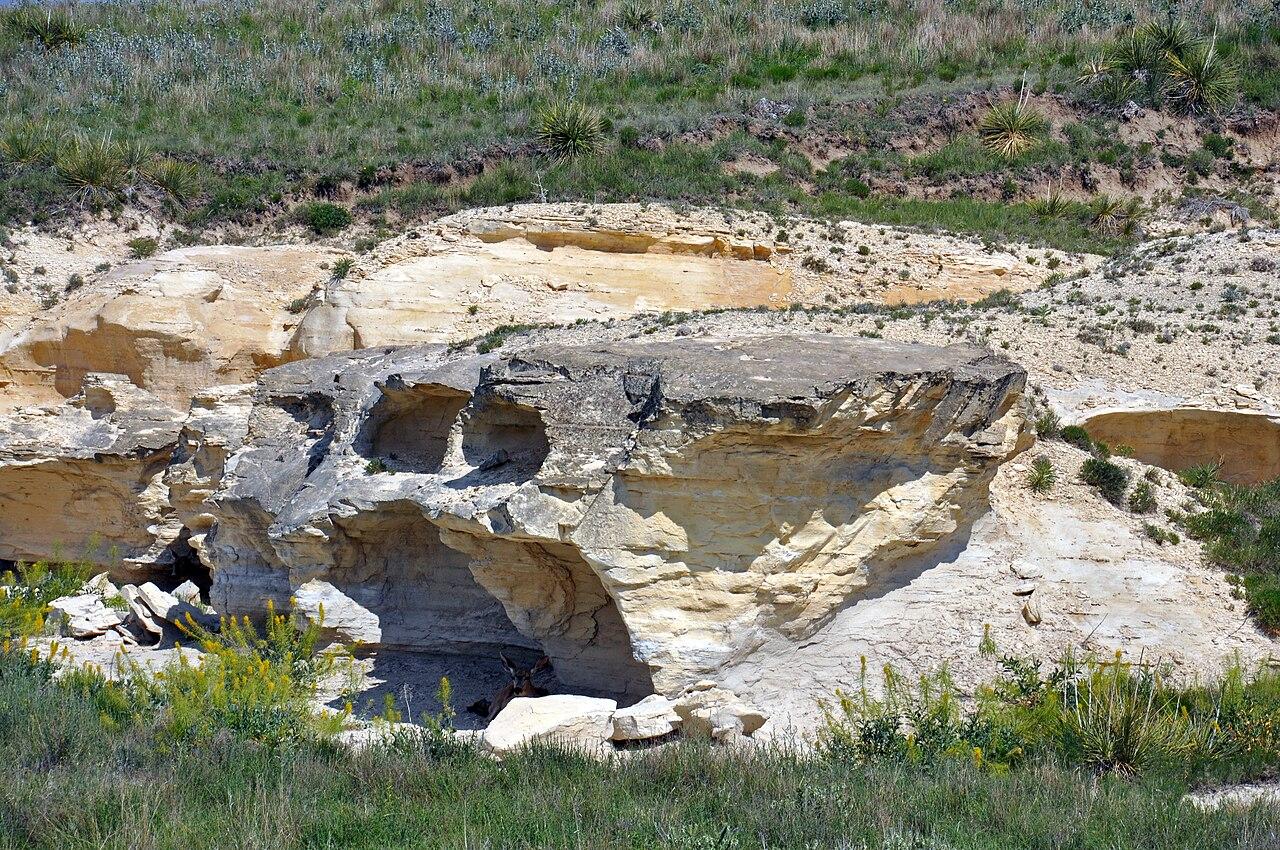
The Cretaceous is the longest period in this guide and the best represented. It ran for about 79 million years and ended with the impact that closed the Mesozoic. Sea level reached its highest point in the last 200 million years. Chalk seas covered northern Europe, and a shallow seaway split North America in two.
That flooding explains why Cretaceous fossils are so widespread. Chalk yields echinoids, belemnites, and sponges. Nearshore sands yield shark teeth in quantity, and Cretaceous shark teeth rank among the easiest vertebrate fossils to find anywhere. Flowering plants appear and spread during the period, and they changed terrestrial ecosystems permanently.
No period here is better represented, with seventy-nine entries. Thirty-eight are viewing sites and twenty-nine allow free collecting. Coverage spreads across England, Australia, Texas, and Morocco. The Kem Kem beds of southeastern Morocco supply much of the dinosaur material sold worldwide, and provenance for those specimens is often uncertain.
79 fossil sites
Updated 4 August 2026
Life of the period
Three to know from the Cretaceous
You will not find all of these yourself. They are the animals and plants that make the period worth reading about.

Late Cretaceous predatorTyrannosaurus Growth rings in its bones show a teenage spurt of roughly two kilograms a day. It lived closer in time to you than to Stegosaurus, which had been extinct for about 80 million years before it appeared.
Veselin Stefanov, CC BY-SA 4.0

Sail-backed predatorSpinosaurus The first good specimens were destroyed in a 1944 air raid on Munich, leaving only drawings. New material from the Kem Kem beds after 2014 showed a paddle-like tail and rebuilt the animal as a swimmer.
Ryan Somma, CC BY 2.0
Heart urchinMicraster A sea urchin that burrowed in chalk. Its shape changes steadily through the succession, so geologists use it to tell one chalk bed from another. It is also common enough that you can reasonably find one.
Smithsonian National Museum of Natural History, CC0
All Cretaceous sites
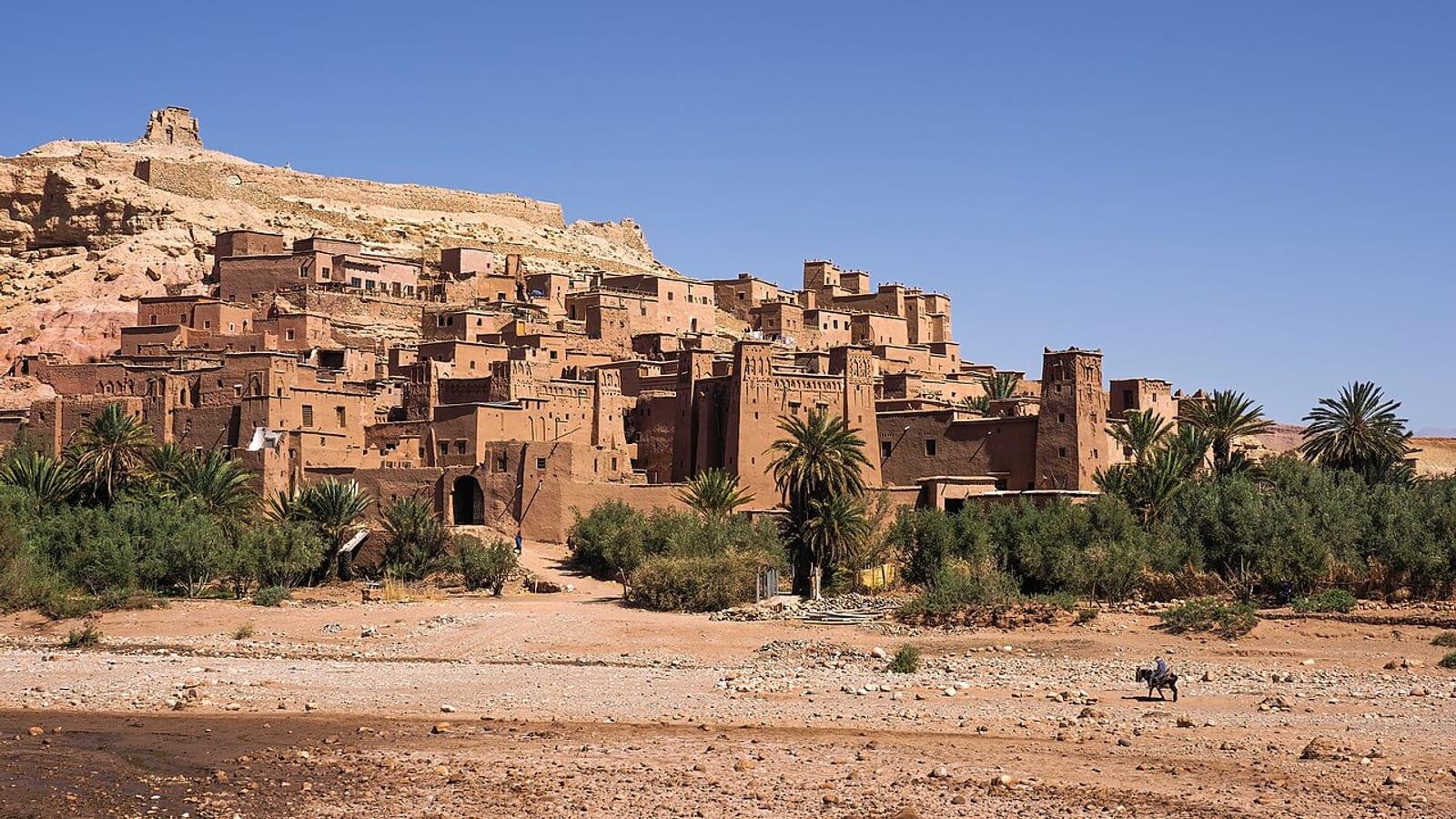
Ait Benhaddou Echinoid Site Ouarzazate Fossil Hunting Guide
Morocco
Cretaceous echinoids, Brachiopods, Gastropods, bivalves and coral fragments
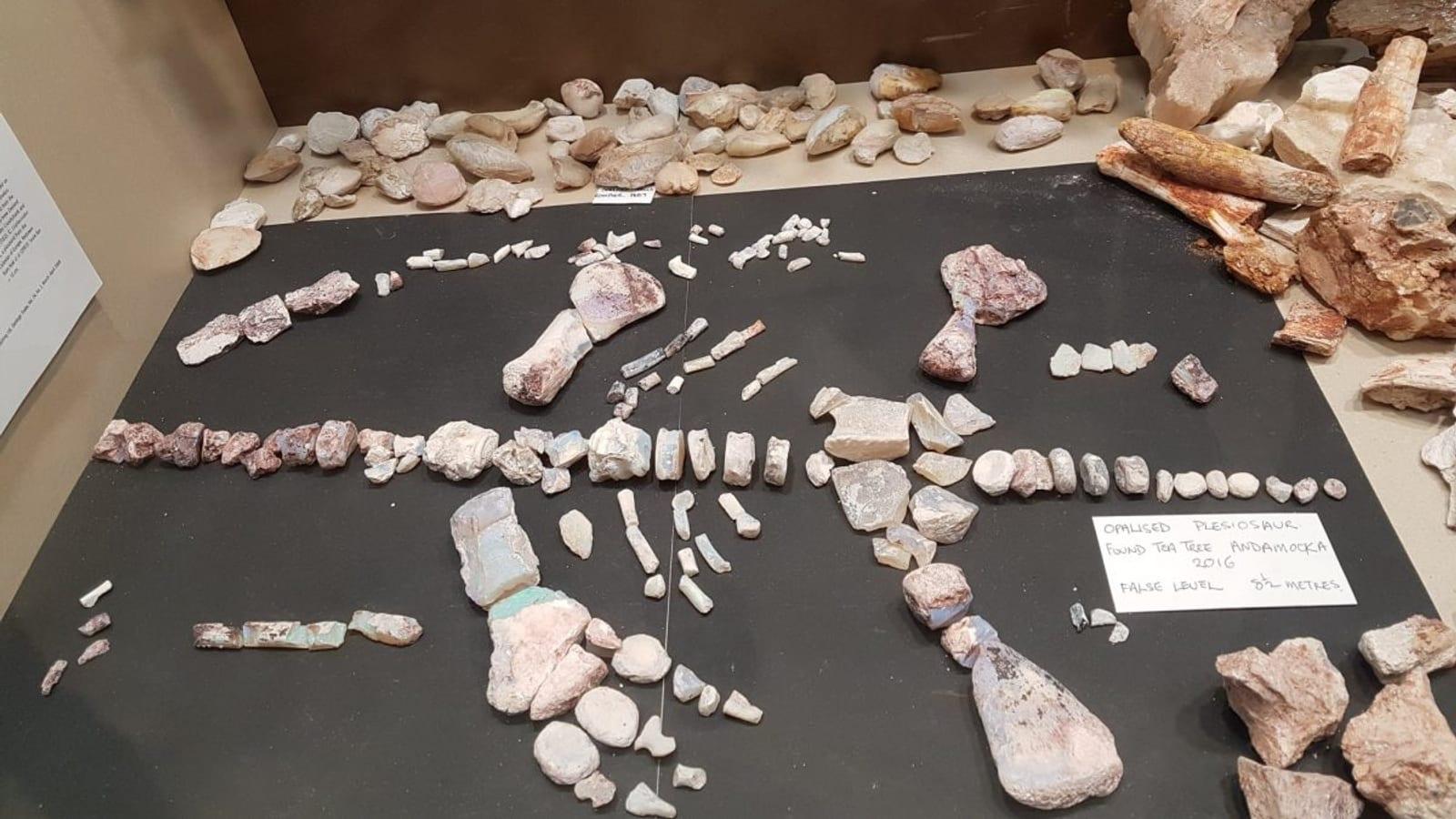
Andamooka Opal Fossils Fossicking Fossil Hunting Guide
Australia
Addyman Plesiosaur, Opallionectes andamookaensis, Kakuru kujani, Opalised bivalves
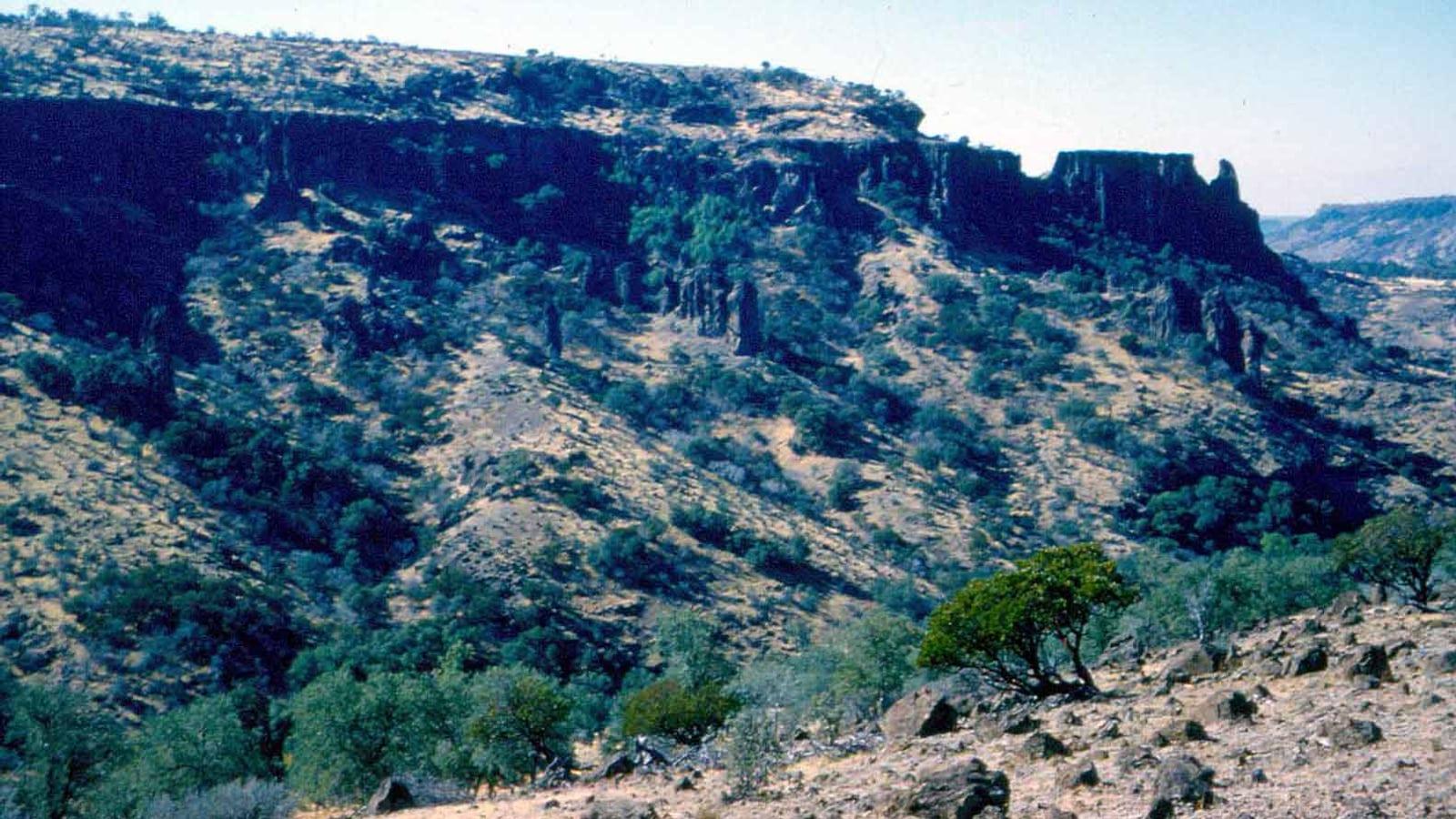
Antelope Creek Fossil Hunting Guide
Tehama County, California, United States
Ammonites, Bivalves, Gastropods
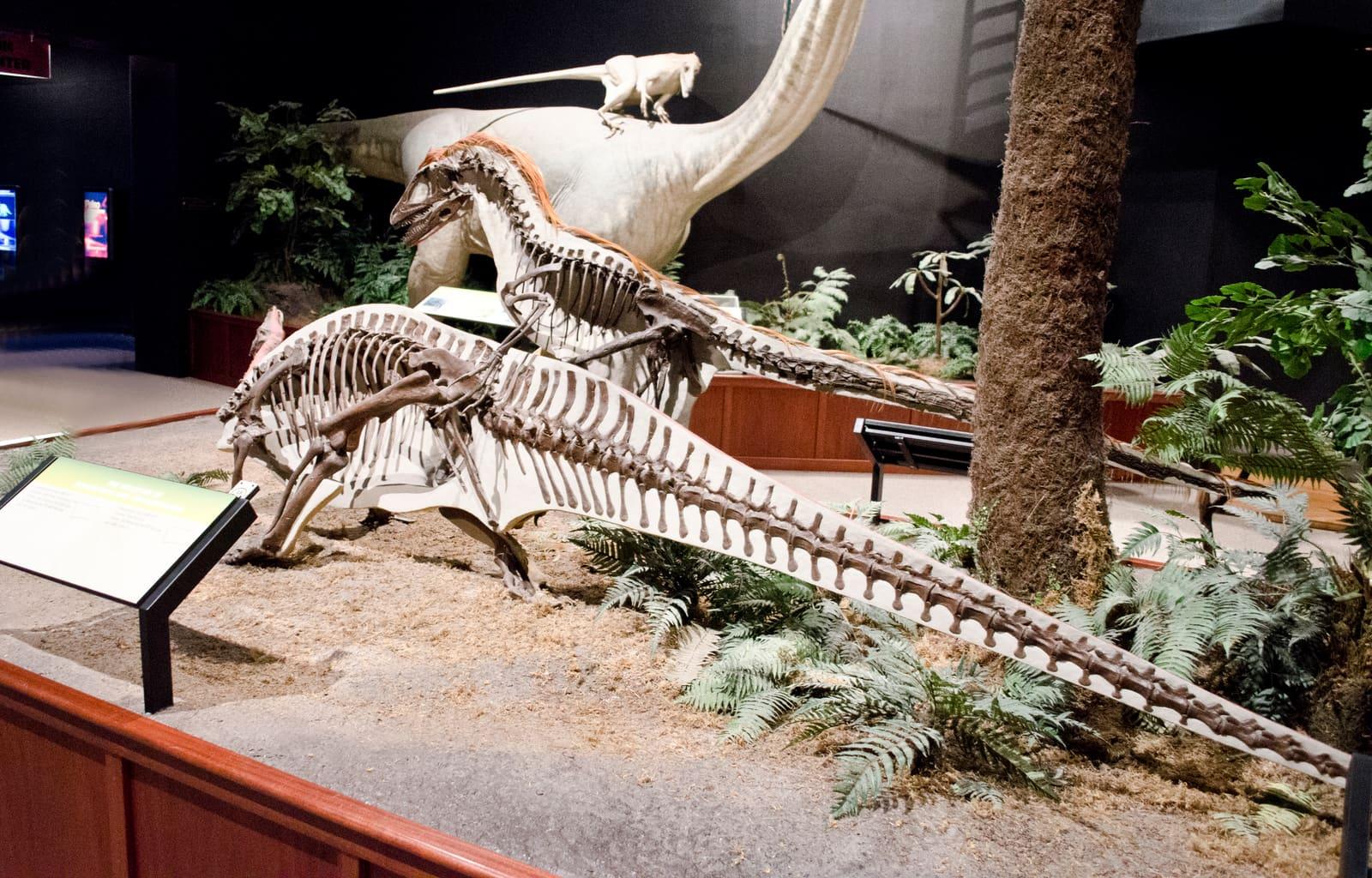
Antlers Formation Fossil Guide
Oklahoma, United States
Dinosaurs, Sauropods, Tenontosaurus, Deinonychus
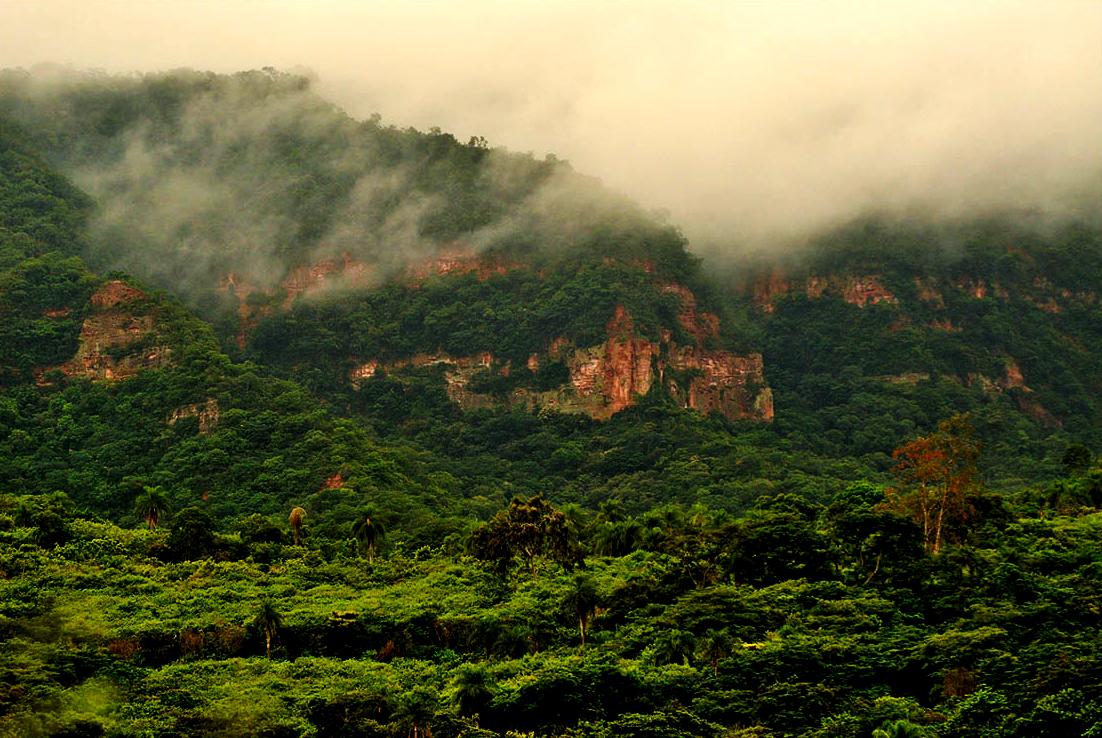
Araripe Geopark Fossil Guide
Ceará, Brazil
Pterosaurs, Fish, Insects, Early flowering plants
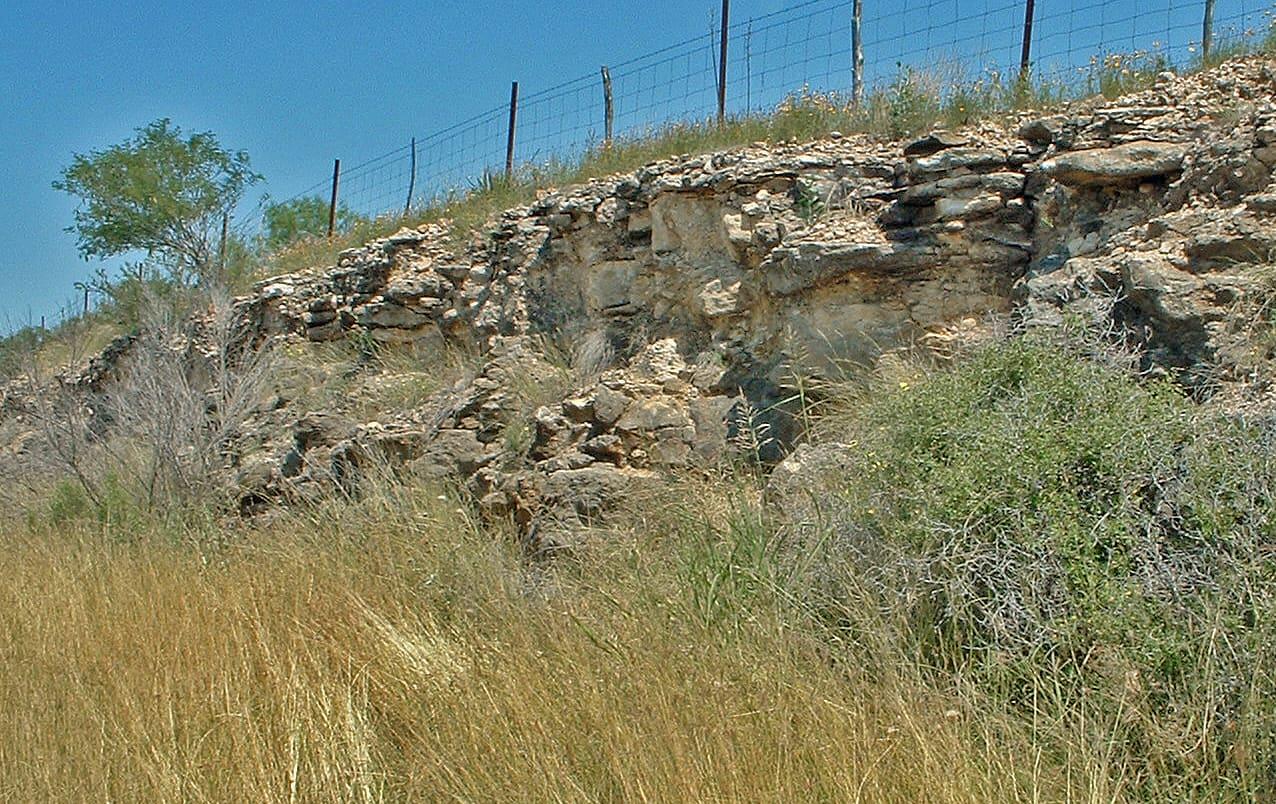
Austin Chalk Roadcuts Fossil Hunting Guide
Texas, United States
Ammonites, Inoceramus clams, Oysters, Sea urchins
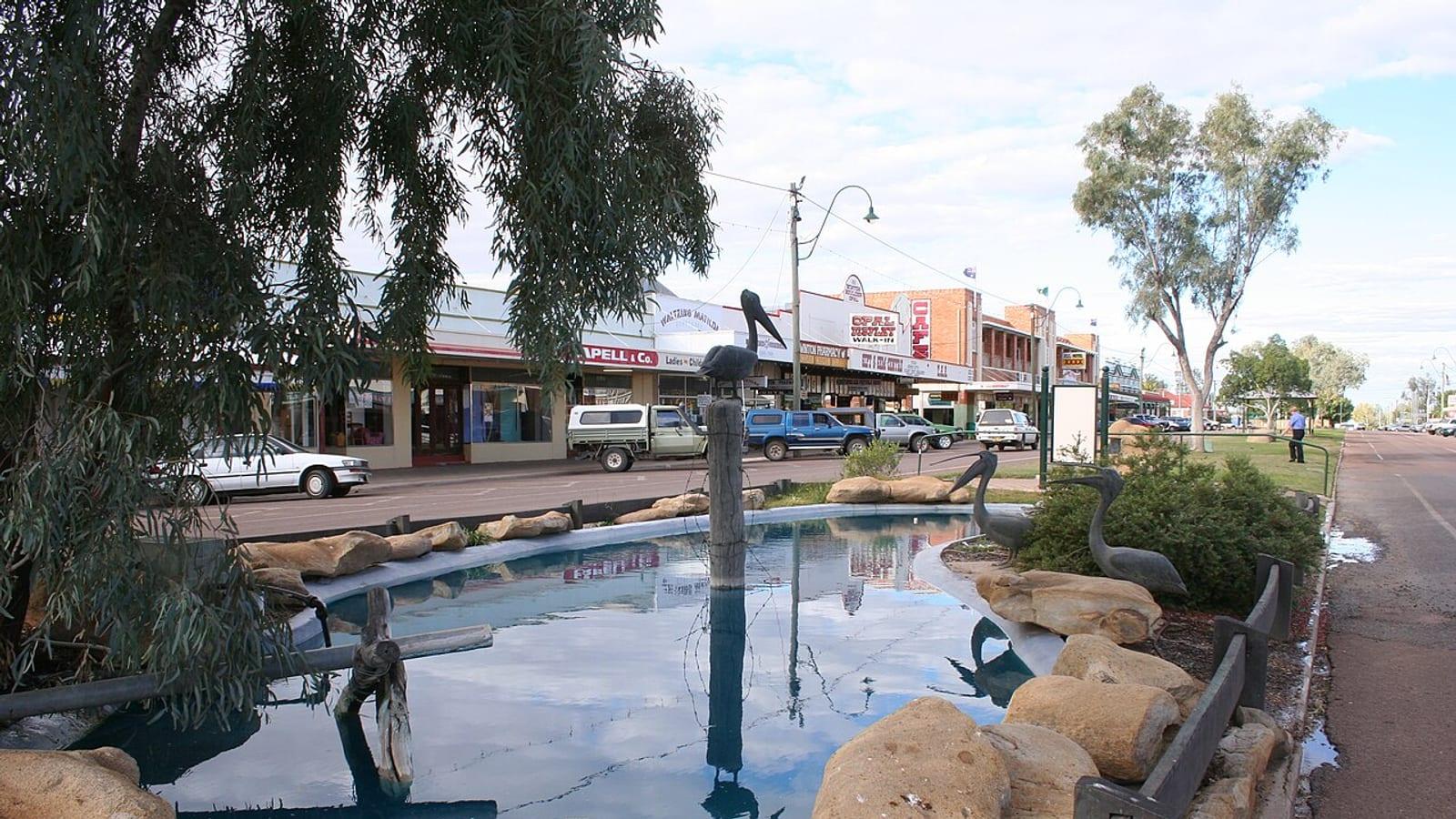
Australian Age of Dinosaurs Museum Winton Fossil Hunting Guide
Australia
Australian Age of Dinosaurs Museum, Diamantinasaurus matildae, Australovenator wintonensis, Savannasaurus elliottorum
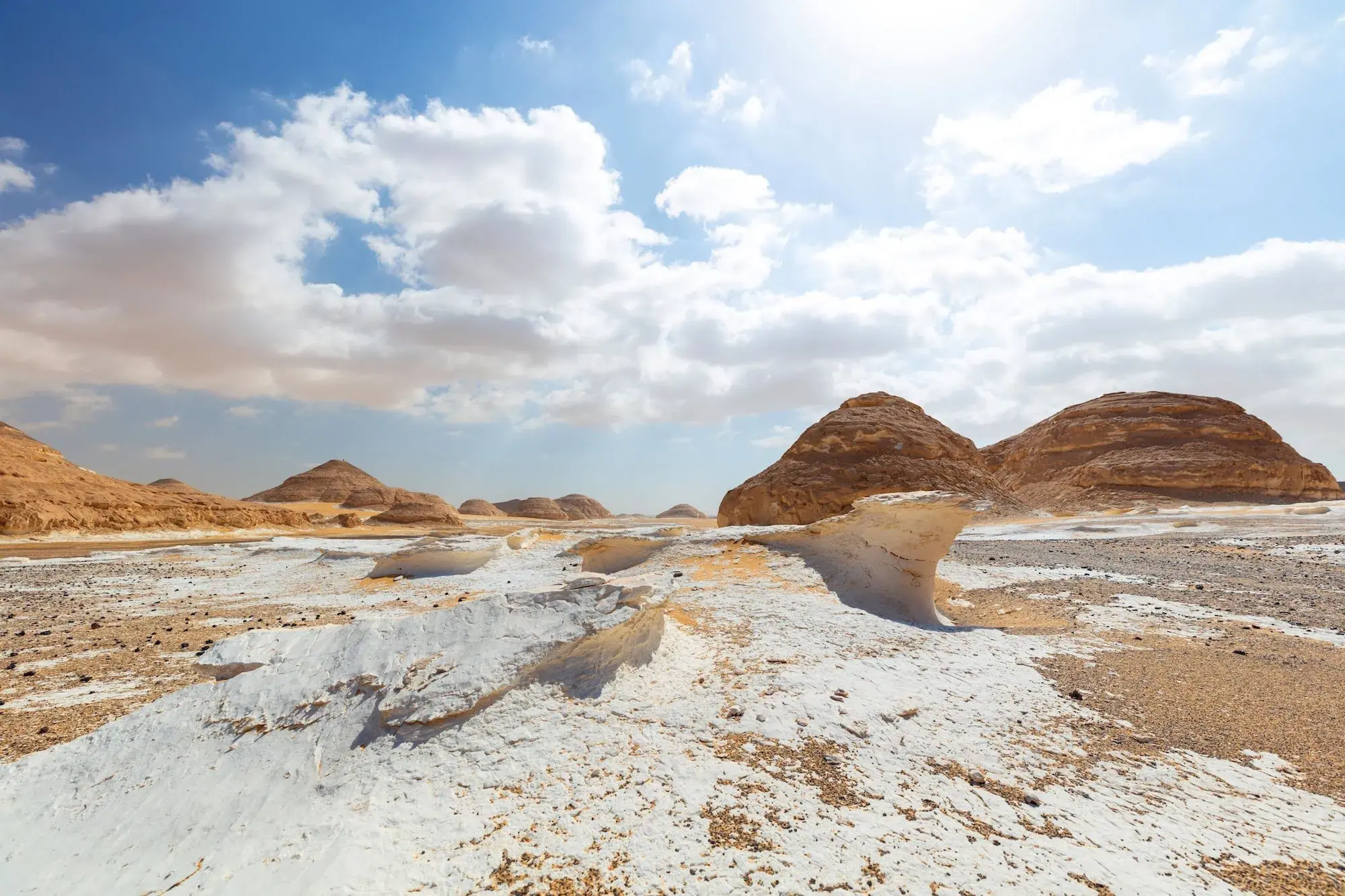
Bahariya Oasis Fossil Safari Fossil Hunting Guide
Giza Governorate, Egypt
Spinosaurus aegyptiacus, Carcharodontosaurus saharicus, Paralititan stromeri, Bahariasaurus ingens
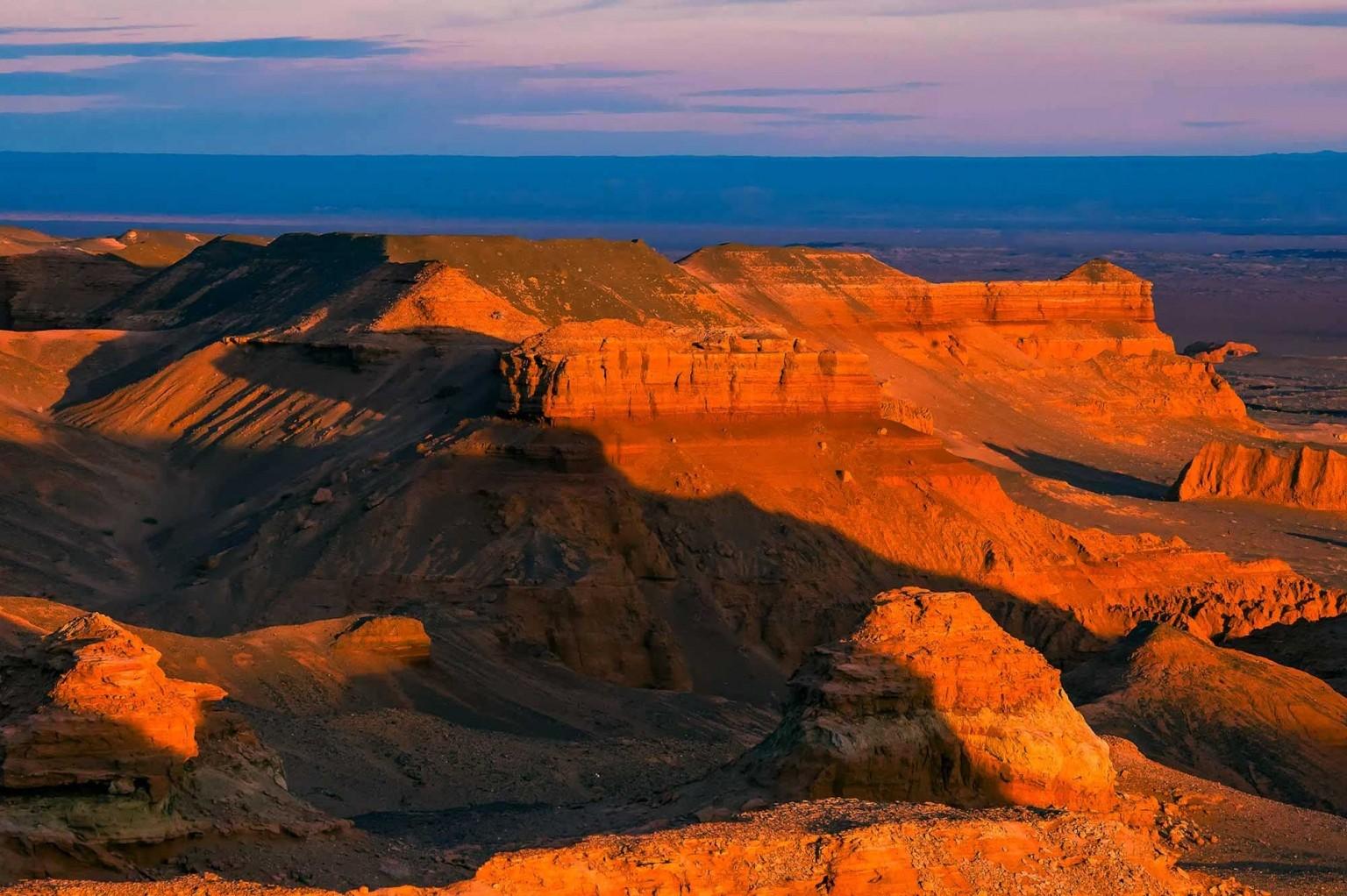
Bayanzag (Flaming Cliffs) Fossil Guide
Ömnögovi, Mongolia
Dinosaur eggs, Protoceratops, Velociraptor, Oviraptor
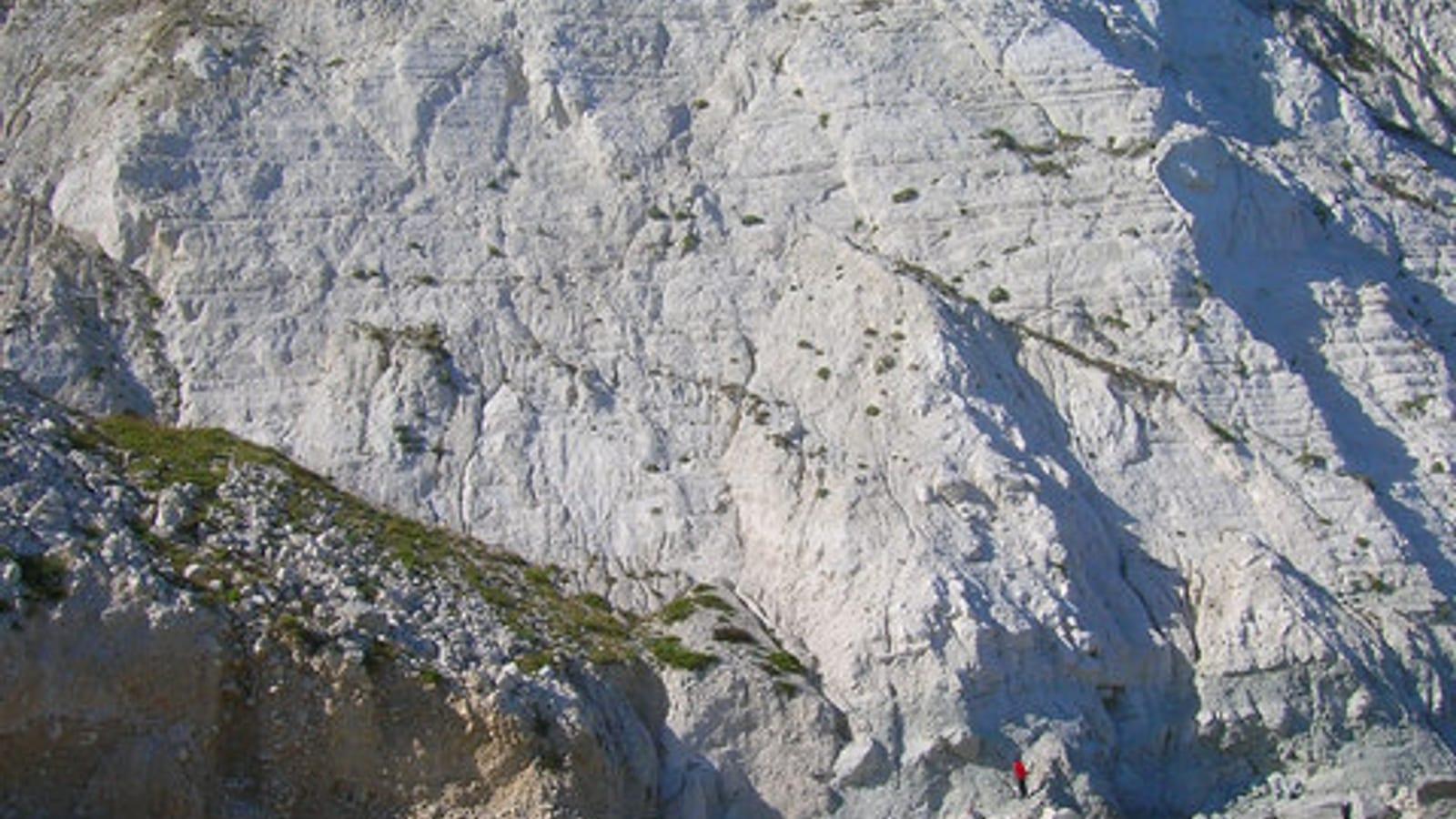
Beachy Head Fossil Hunting Guide
England, United Kingdom
Echinoids (sea urchins), Flint sponges, Bivalves, Brachiopods
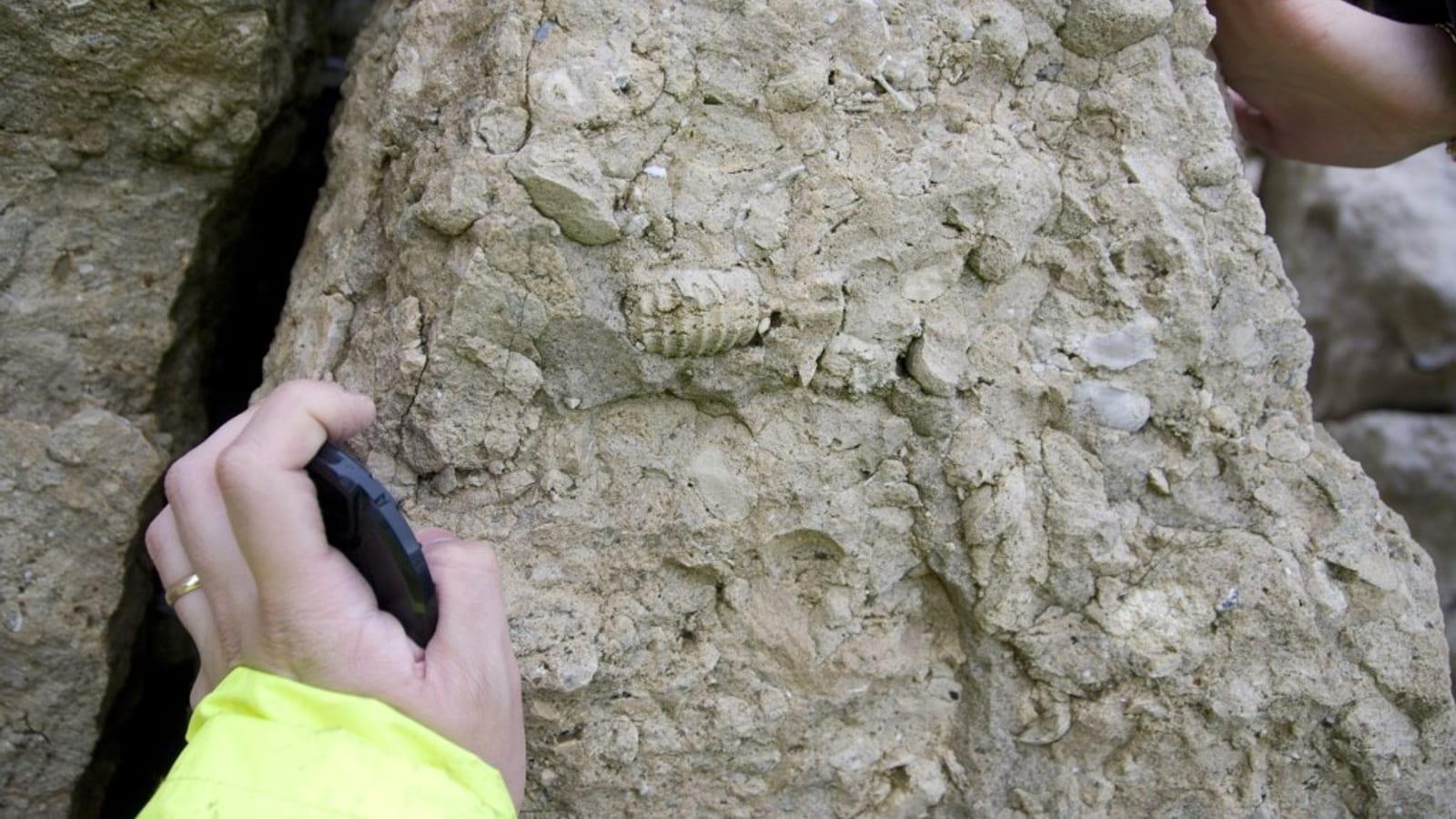
Beer Head Fossil Hunting Guide
England, United Kingdom
Ammonites, Echinoids, Brachiopods, Bivalves
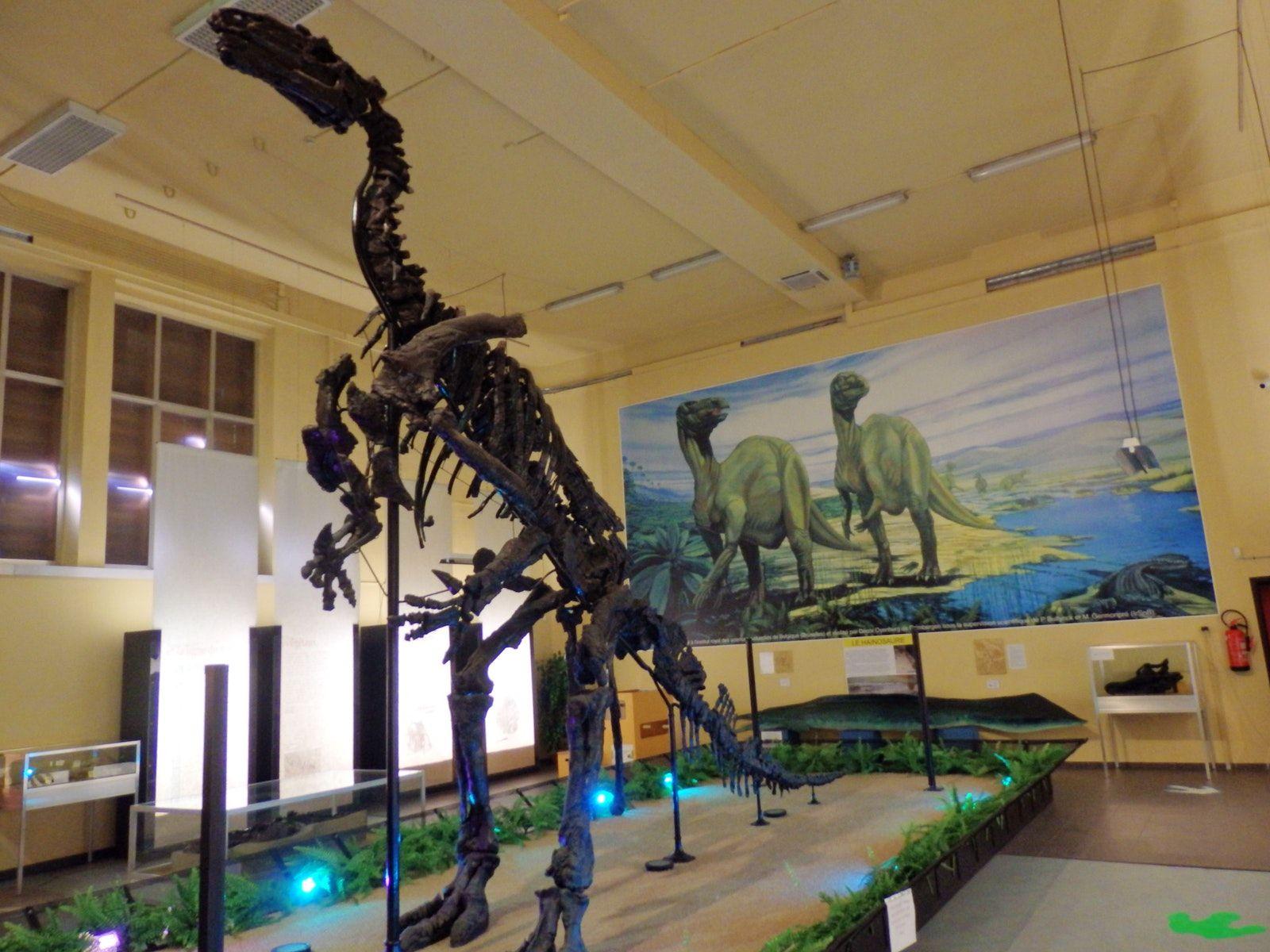
Bernissart Iguanodons (RBINS, Brussels) Fossil Hunting Guide
Hainaut, Belgium
Iguanodon bernissartensis (articulated skeletons), Mantellisaurus atherfieldensis, Cretaceous fish, Cretaceous turtles
Big Brook Preserve Fossil Hunting Guide
New Jersey, United States
Shark Teeth, Belemnites, Exogyra oysters, Crocodile teeth
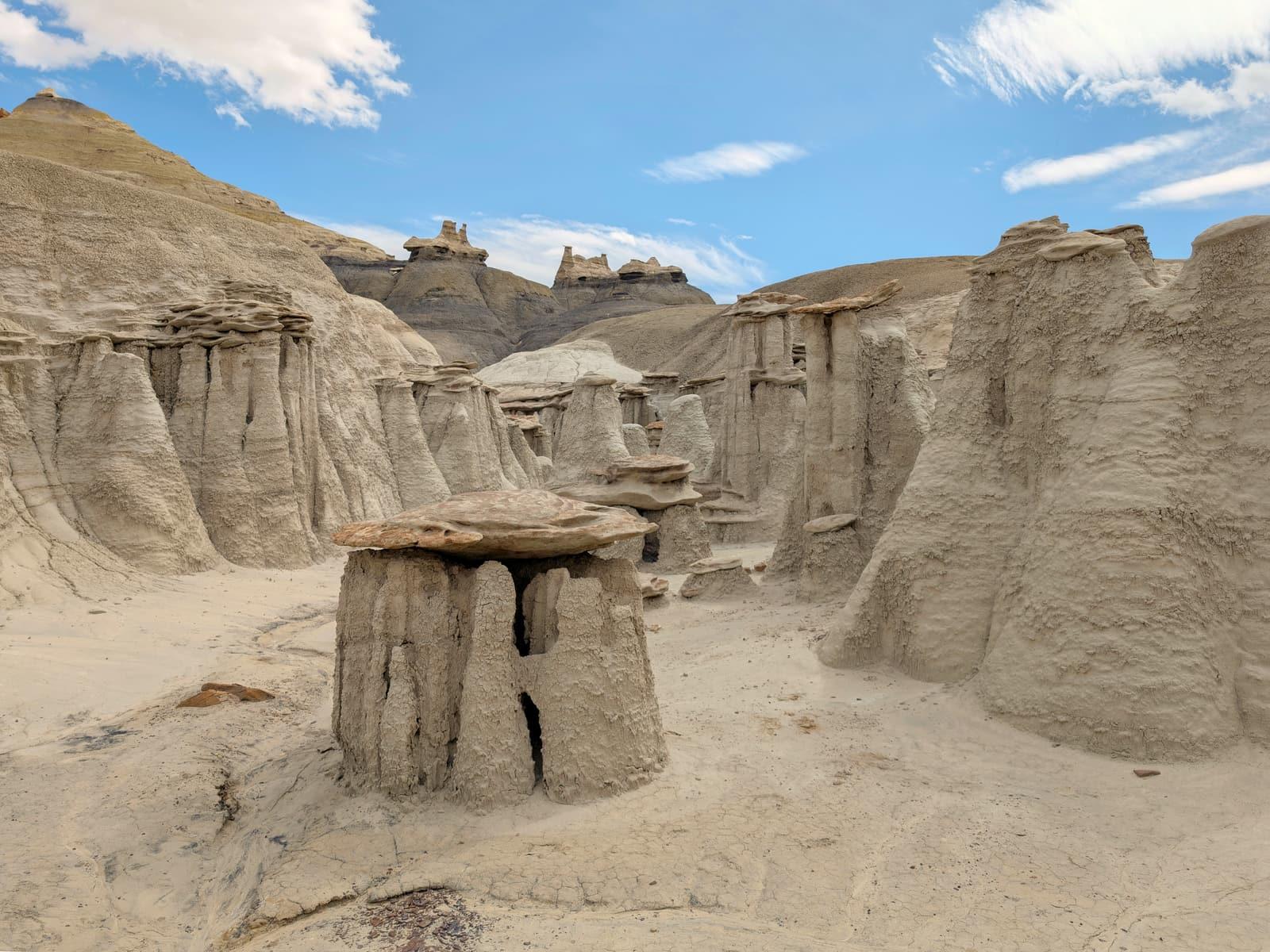
Bisti / De-Na-Zin Wilderness Fossil Guide
New Mexico, United States
Petrified wood, Fossil leaves, Pentaceratops, Hadrosaur bones
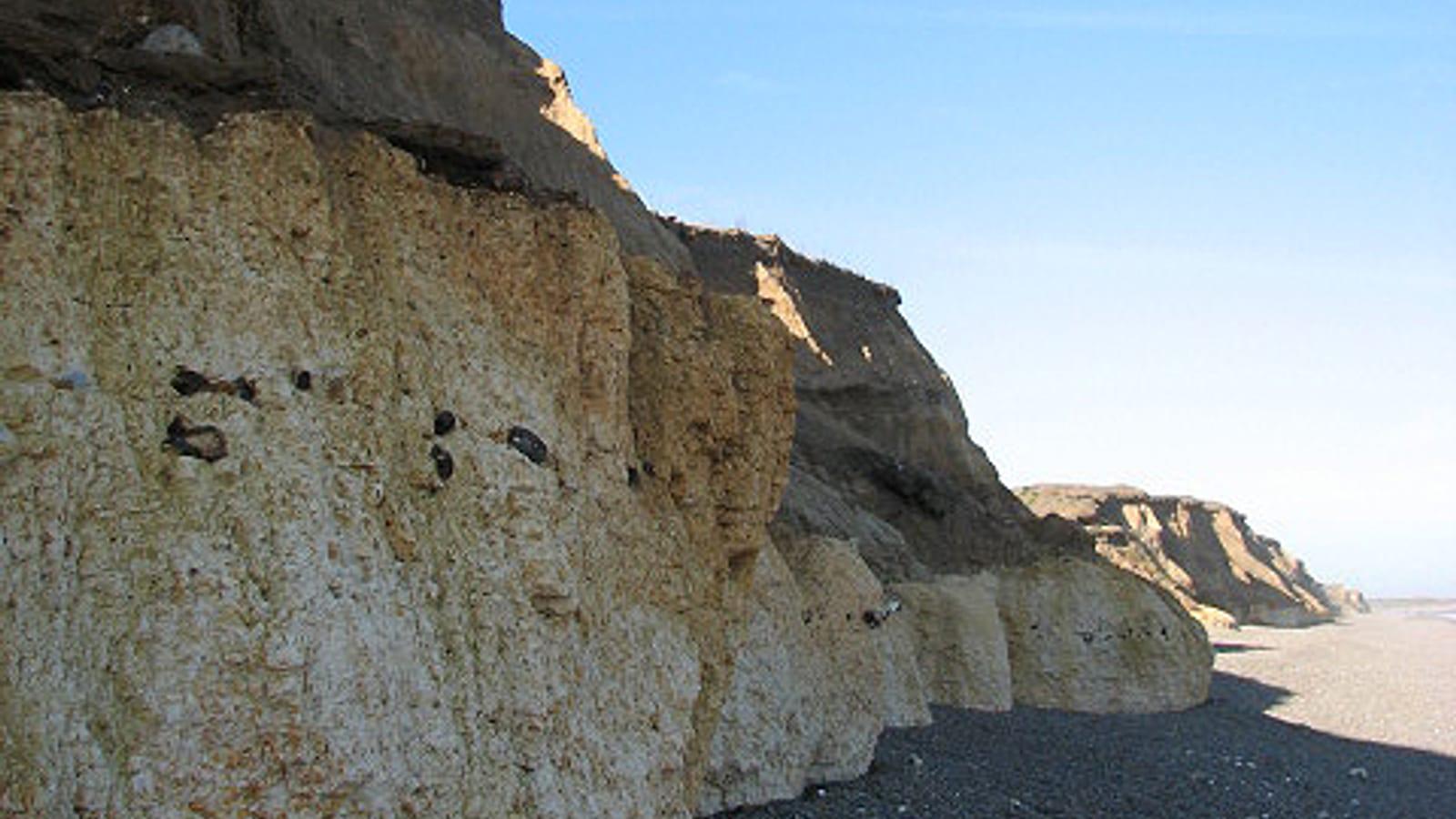
Brighstone Bay Fossil Hunting Guide
England, United Kingdom
plant debris bed, dinosaur teeth, Dinosaur bones, Crocodile remains
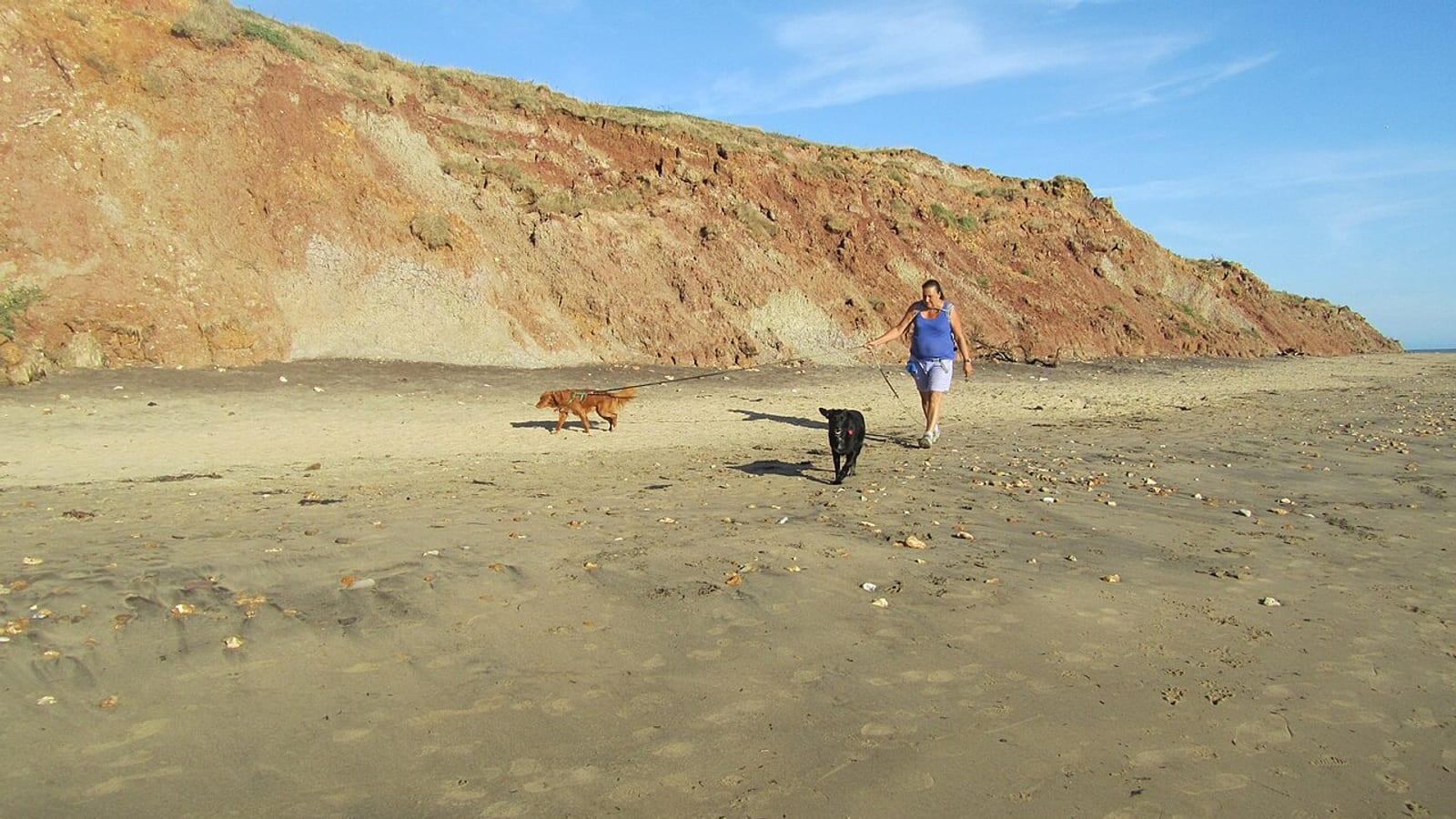
Brook Bay Isle of Wight Fossil Hunting Guide
United Kingdom
N/A
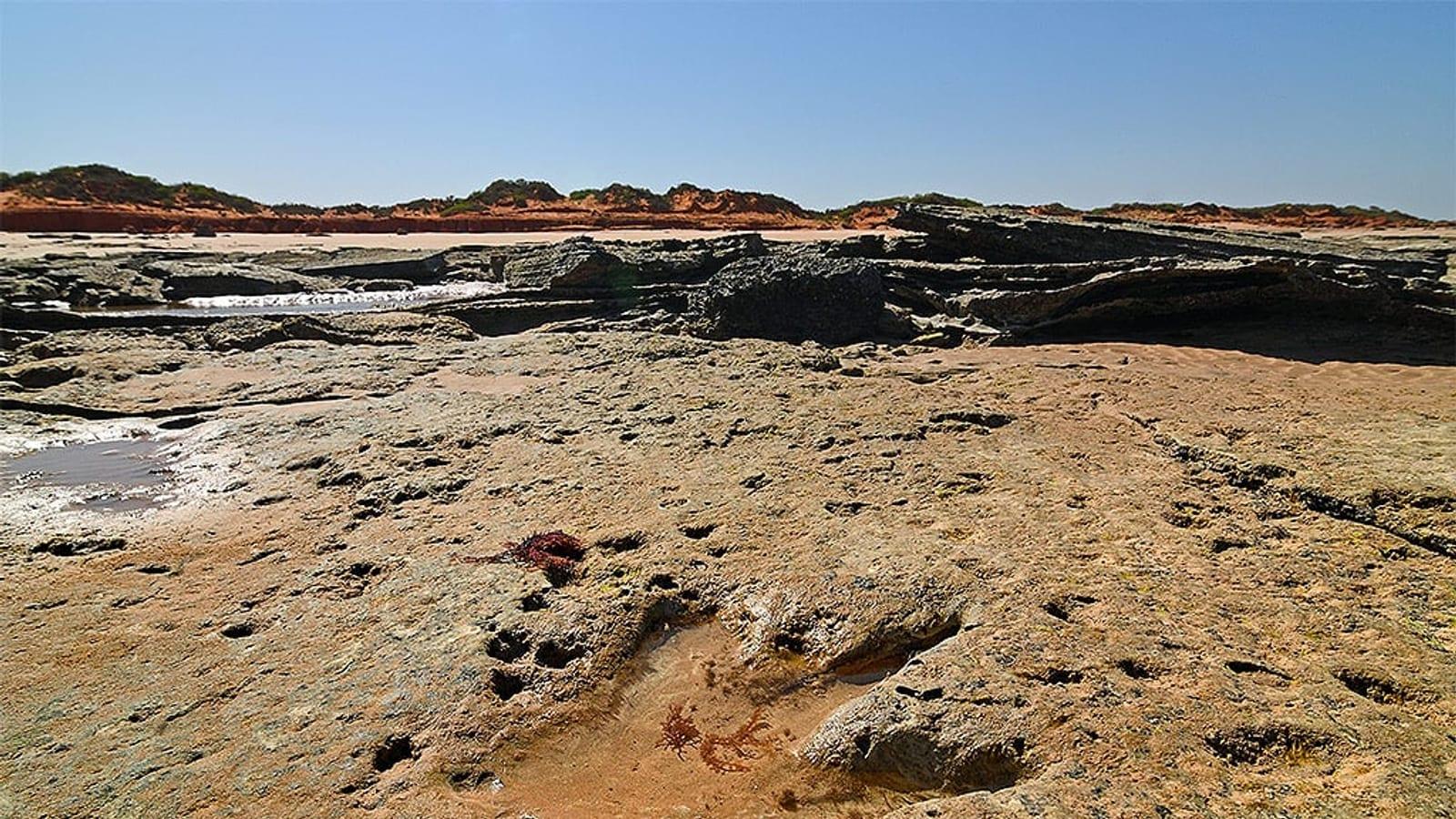
Broome Dinosaur Trackways Gantheaume Point
Broome
Sauropod tracks, Theropod tracks, Ornithopod tracks, Thyreophoran tracks
Cabrillo National Monument Fossil Hunting Guide
California, United States
Trace Fossils, Inoceramid Bivalves, Shark Teeth
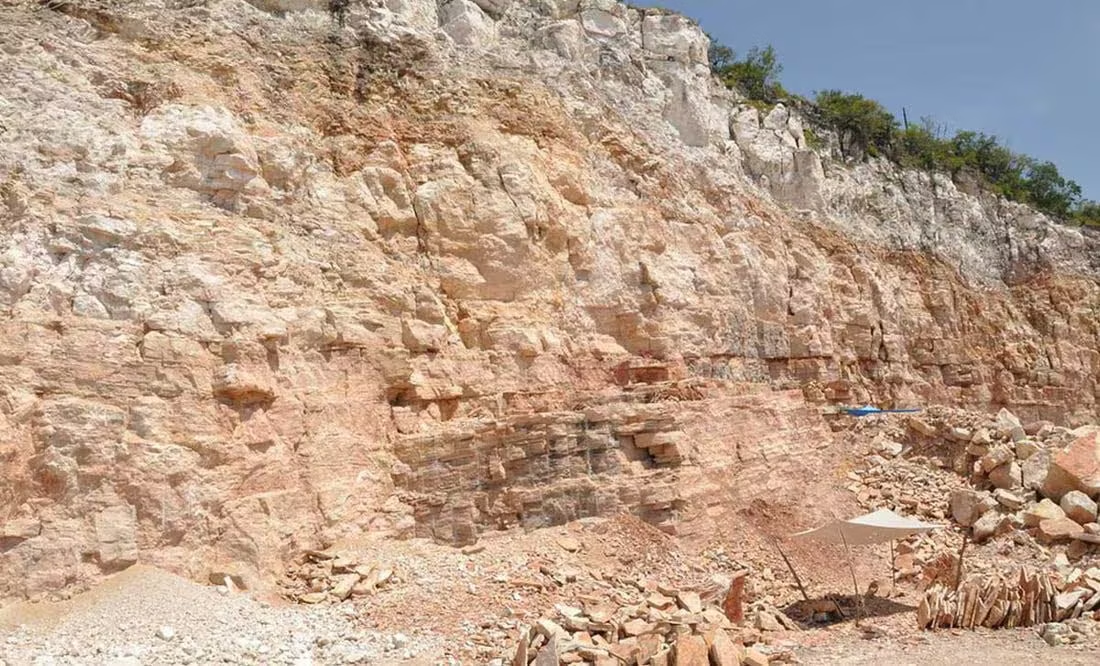
Cantera Tlayúa Fossil Quarry Guide
Puebla, Mexico
Teleost fish, Ammonites, Arthropods, Reptiles
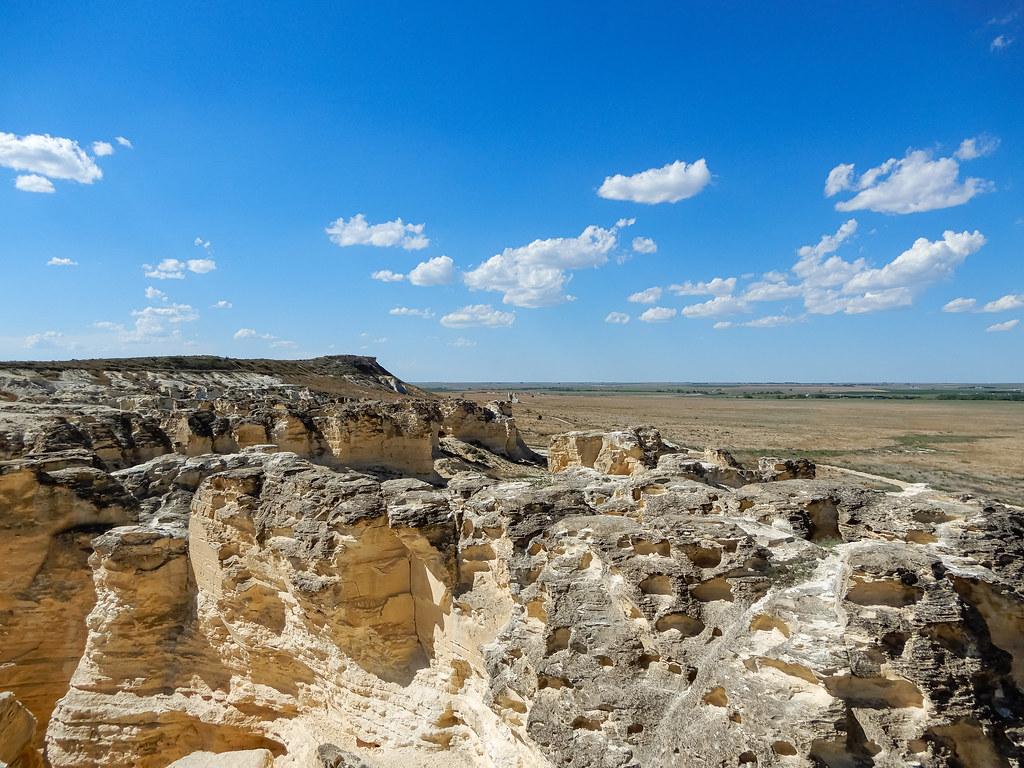
Castle Rock Badlands Fossil Hunting Guide
Kansas, United States
Inoceramus (giant clams), Foraminifera, Marine fish vertebrae, Shark teeth (rare)
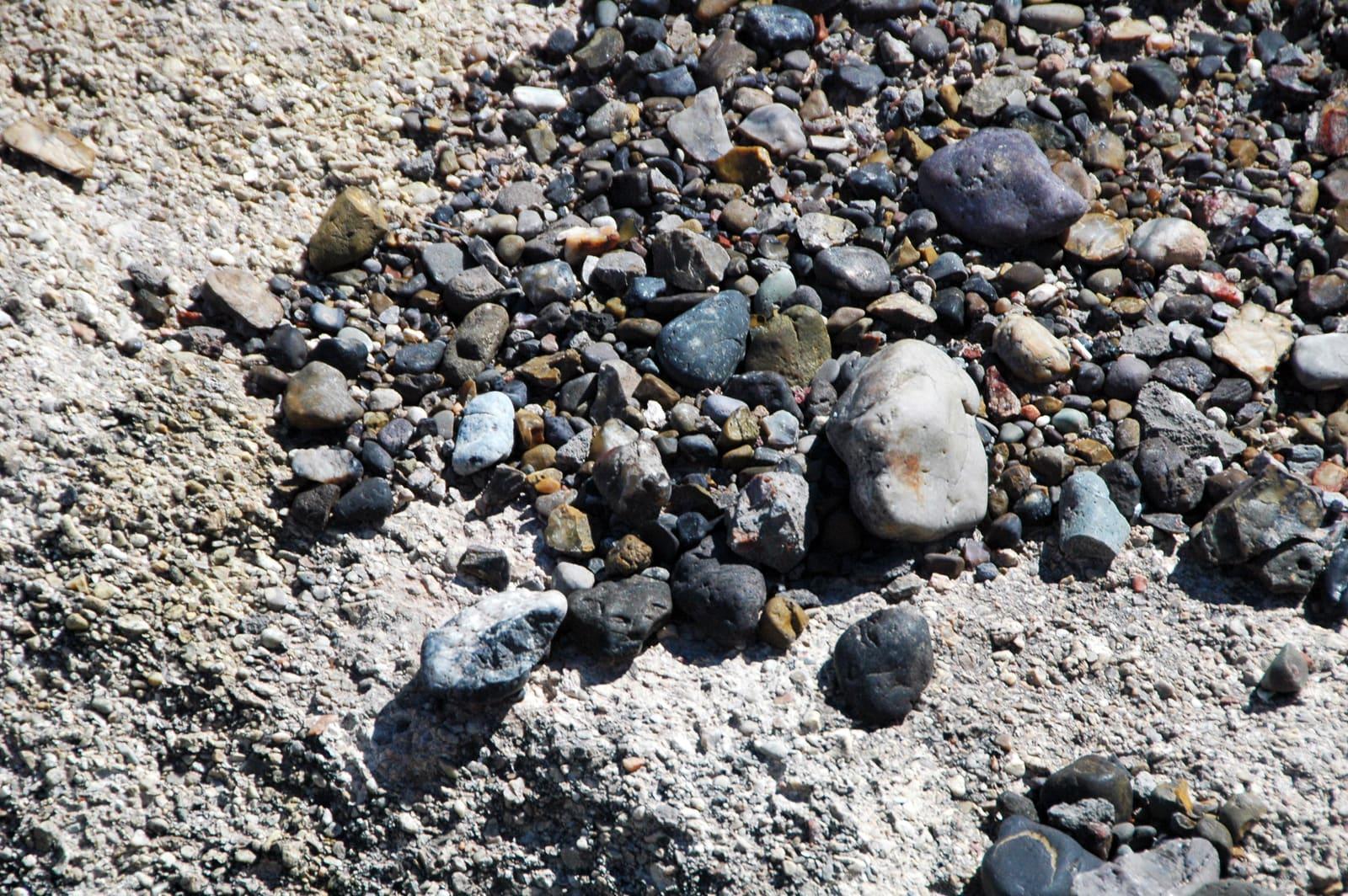
Cedar Mountain Formation Yellow Cat Member Fossil Guide
Utah, United States
Dinosaurs, Utahraptor, Theropods, Sauropods
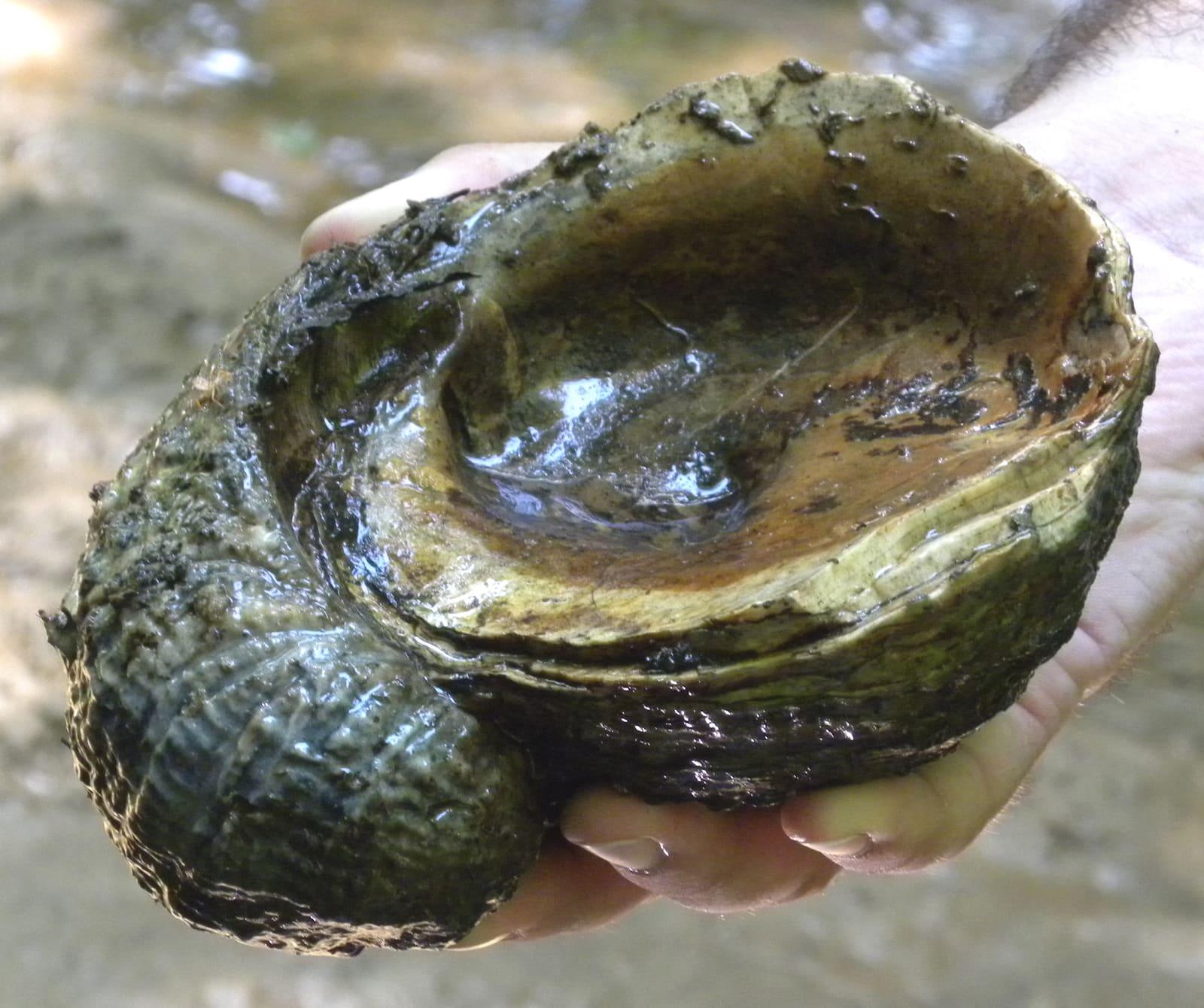
Coffee Sand and Owl Creek Formation Fossil Guide
Mississippi, United States
Ammonites, Shark Teeth, Bivalves, Gastropods
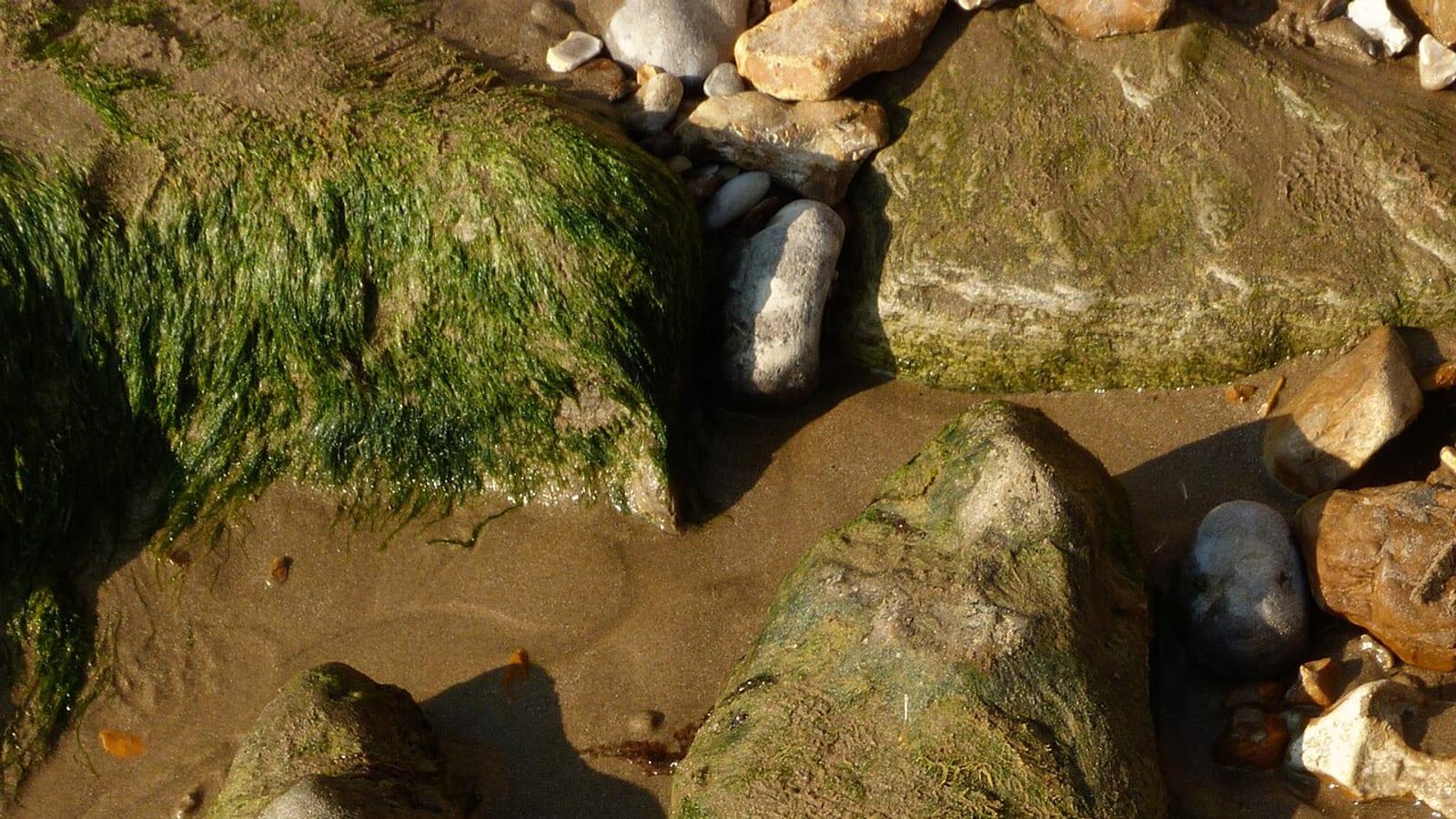
Compton Bay: Dinosaur Trackways
England, United Kingdom
Dinosaur footprints, Dinosaur bone fragments, Dinosaur teeth, Plant material
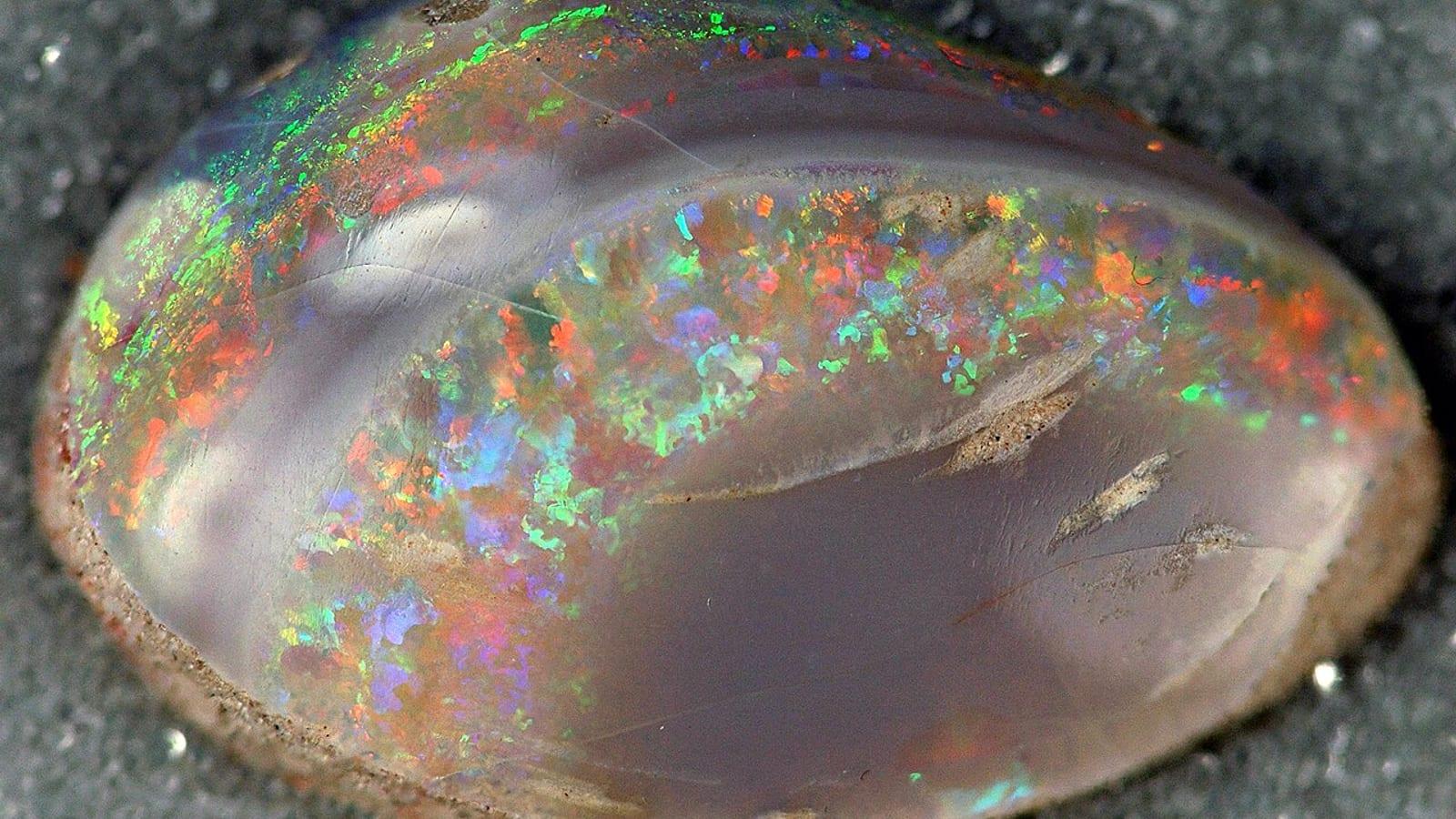
Coober Pedy Opal Fossils Eric Plesiosaur Fossil Hunting Guide
Australia
Bivalves and gastropods, Belemnites, Fish remains, marine reptiles
Cooden Beach Bexhill Fossil Hunting Guide
East Sussex, United Kingdom
Dinosaur bones and teeth, Crocodilian material, Turtle shell fragments, Fish remains
Coon Creek Science Center Fossil Dig Guide
Tennessee, United States
Crabs, Bivalves, Gastropods, Ammonites
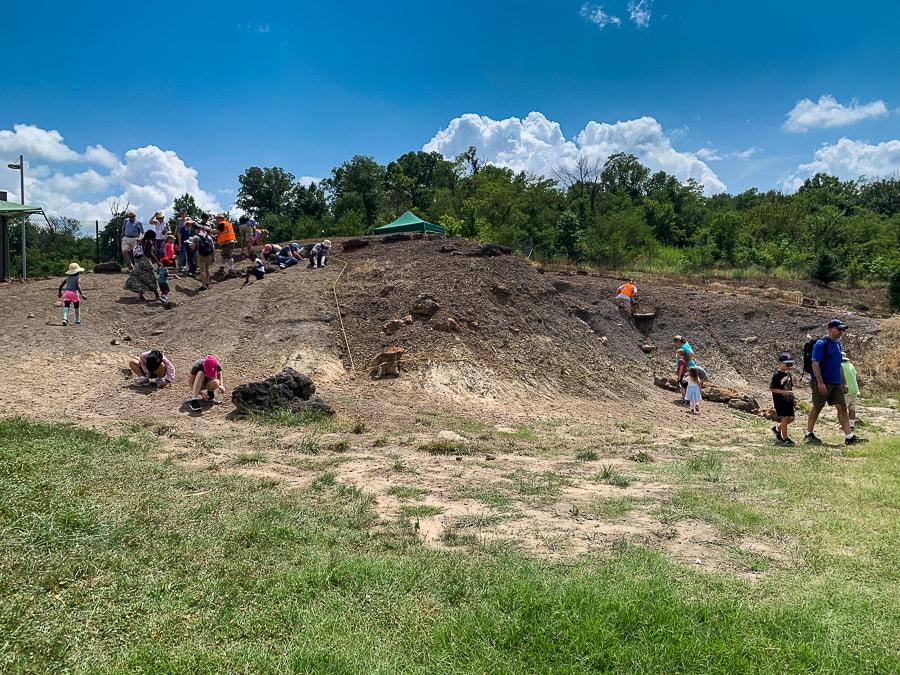
Dinosaur Park (Laurel, Maryland) Fossil Hunting Guide
Maryland, United States
Theropod teeth, Sauropod bone, Nodosaur material, Fossil wood
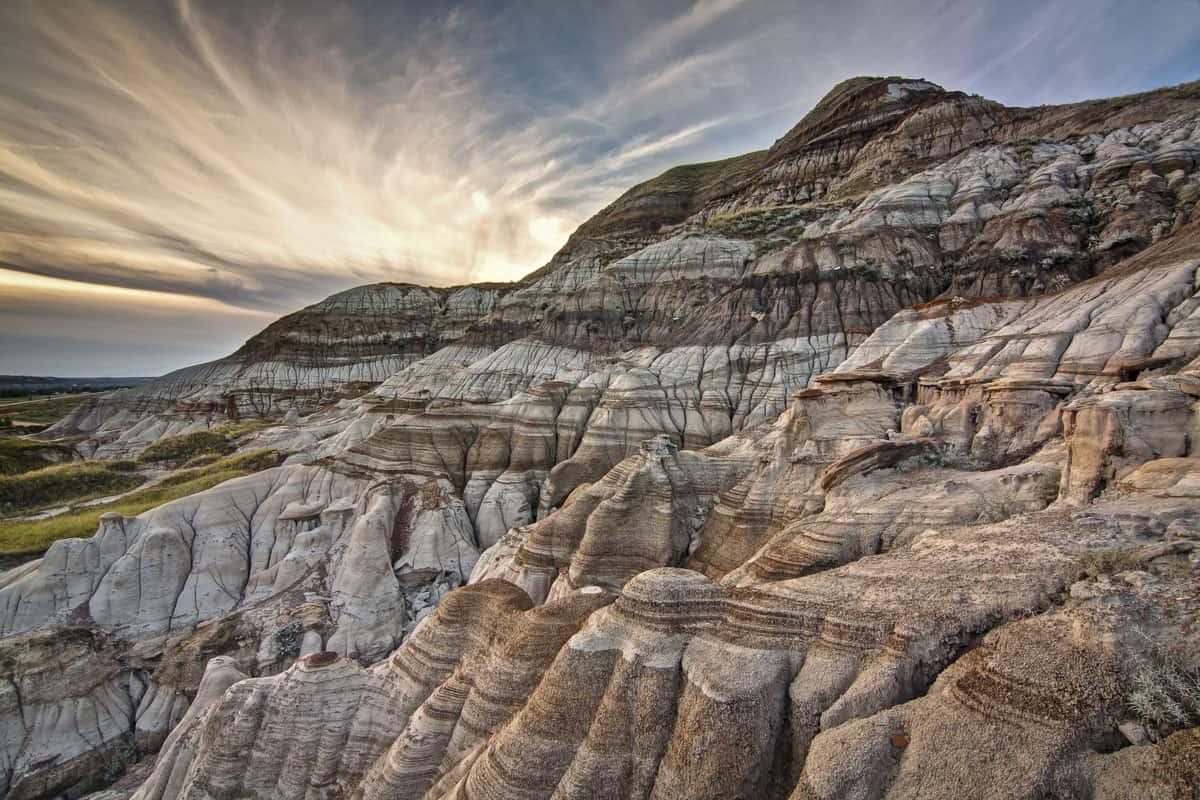
Dinosaur Provincial Park Fossil Hunting Guide
Alberta, Canada
Hadrosaurs, Ceratopsians, Tyrannosaurs, Ankylosaurs
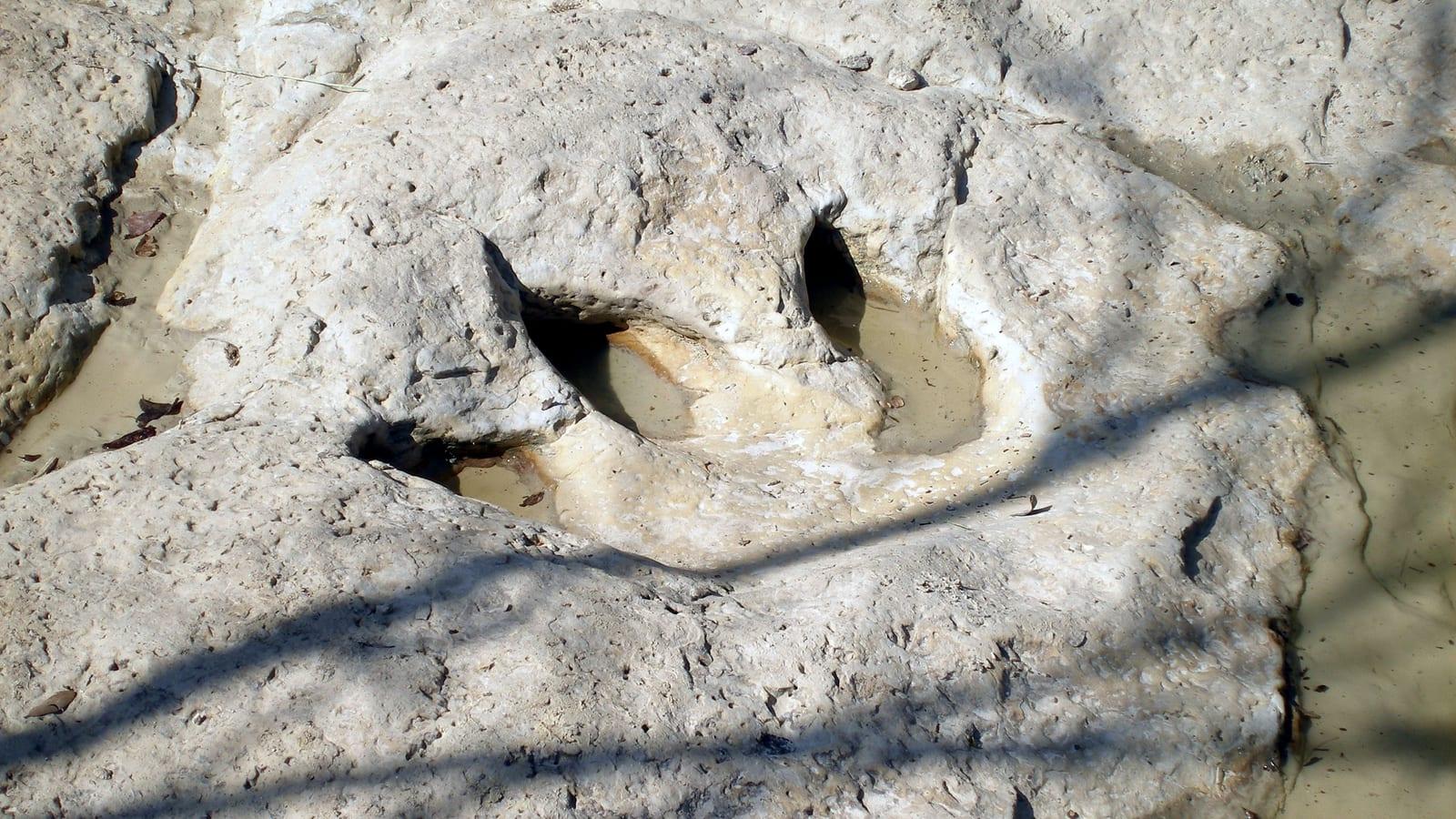
Dinosaur Valley State Park: Dinosaur Trackways
Texas, United States
Dinosaur Tracks, Trace Fossils
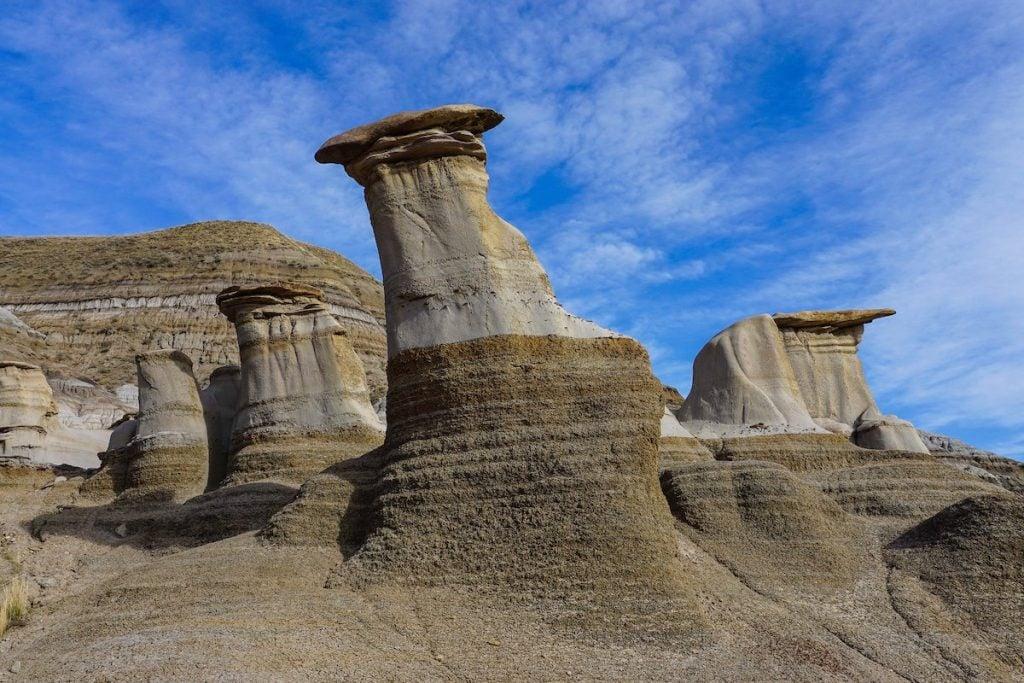
Drumheller Hoodoos Fossil Hunting Guide
Alberta, Canada
Hadrosaur bone, Dinosaur tooth fragments, Fossil plants, Fossil wood
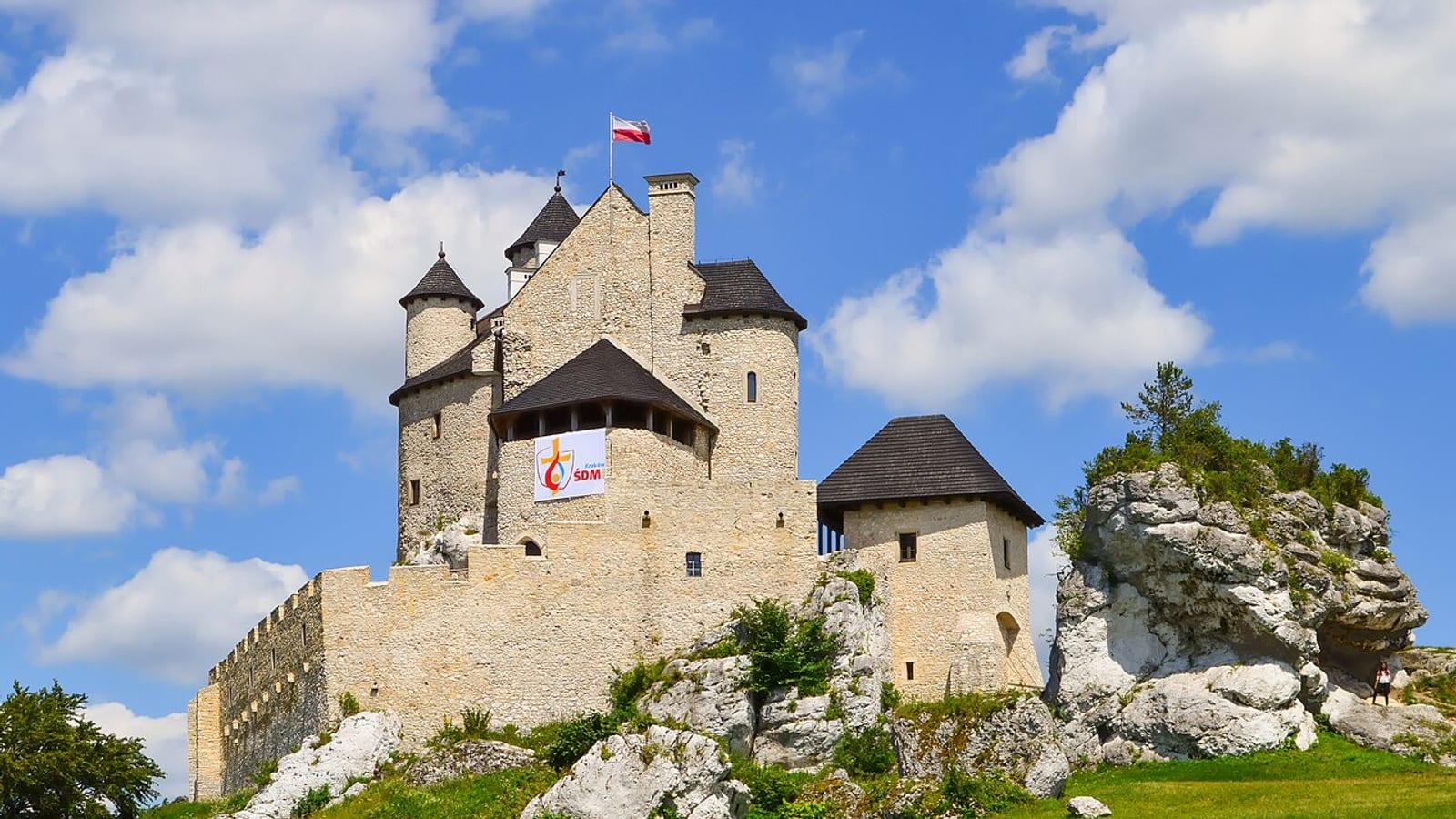
Eagles Nest Cape Paterson First Dinosaur Fossil Hunting Guide
Bunurong Marine and Coastal Park
Theropod dinosaur material, Ornithopod dinosaurs, Fish scales and teeth
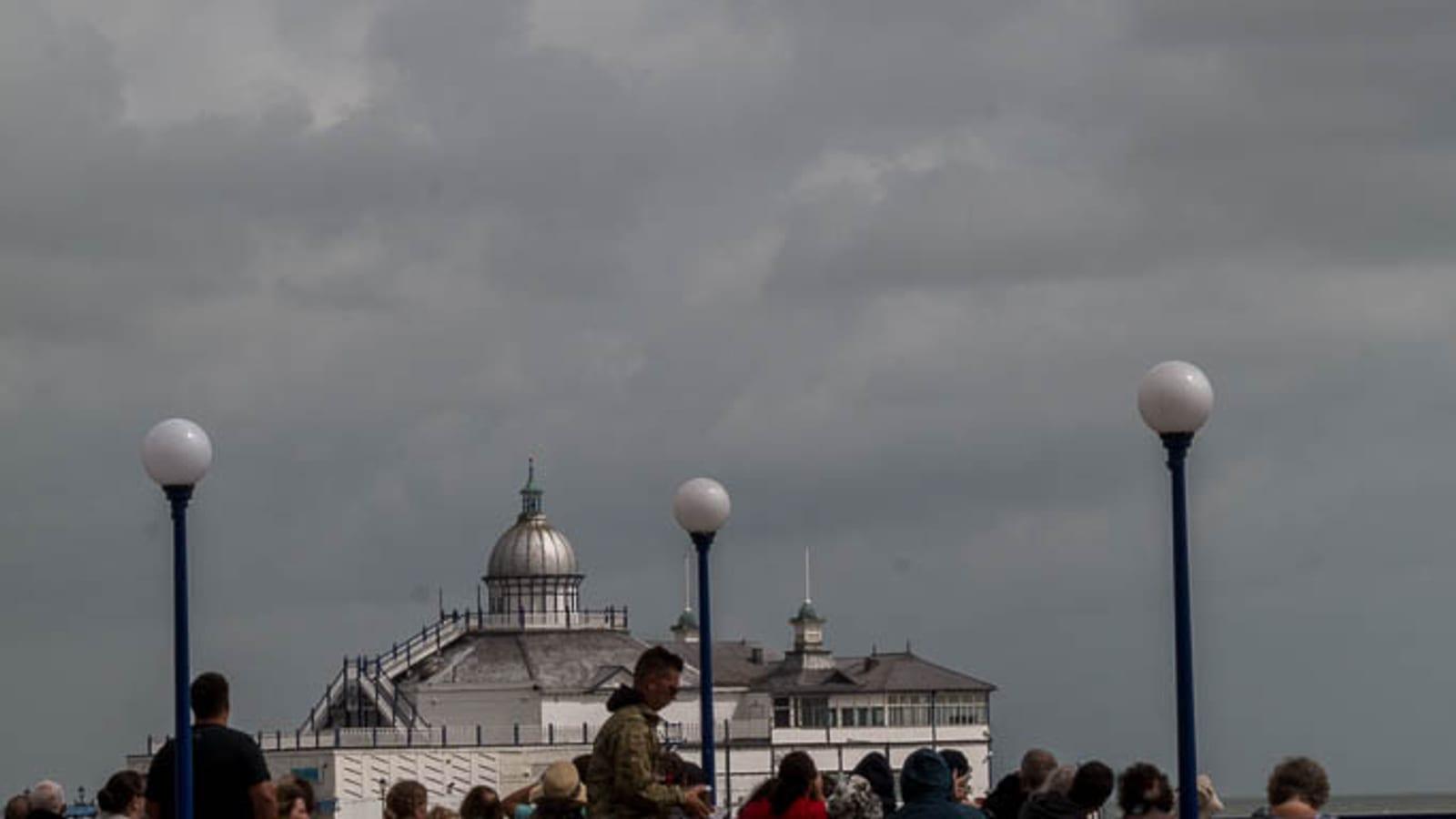
Eastbourne Sussex Fossil Hunting Guide
England, United Kingdom
Echinoids, Chalk ammonites, Ammonites
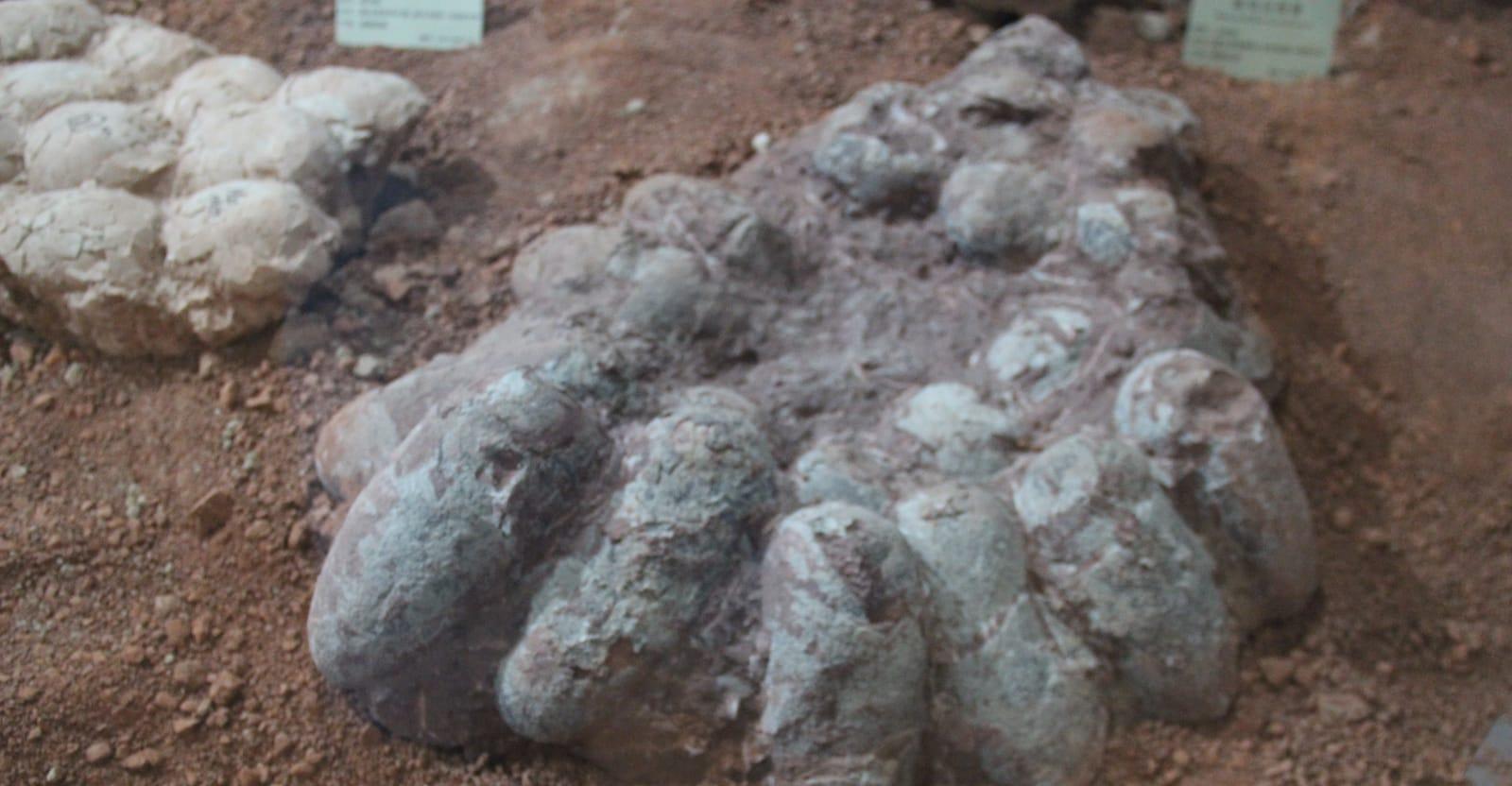
Egg Mountain and the Two Medicine Formation Fossil Guide
Montana, United States
Maiasaura nests, Dinosaur eggs, Dinosaur embryos, Troodon eggs
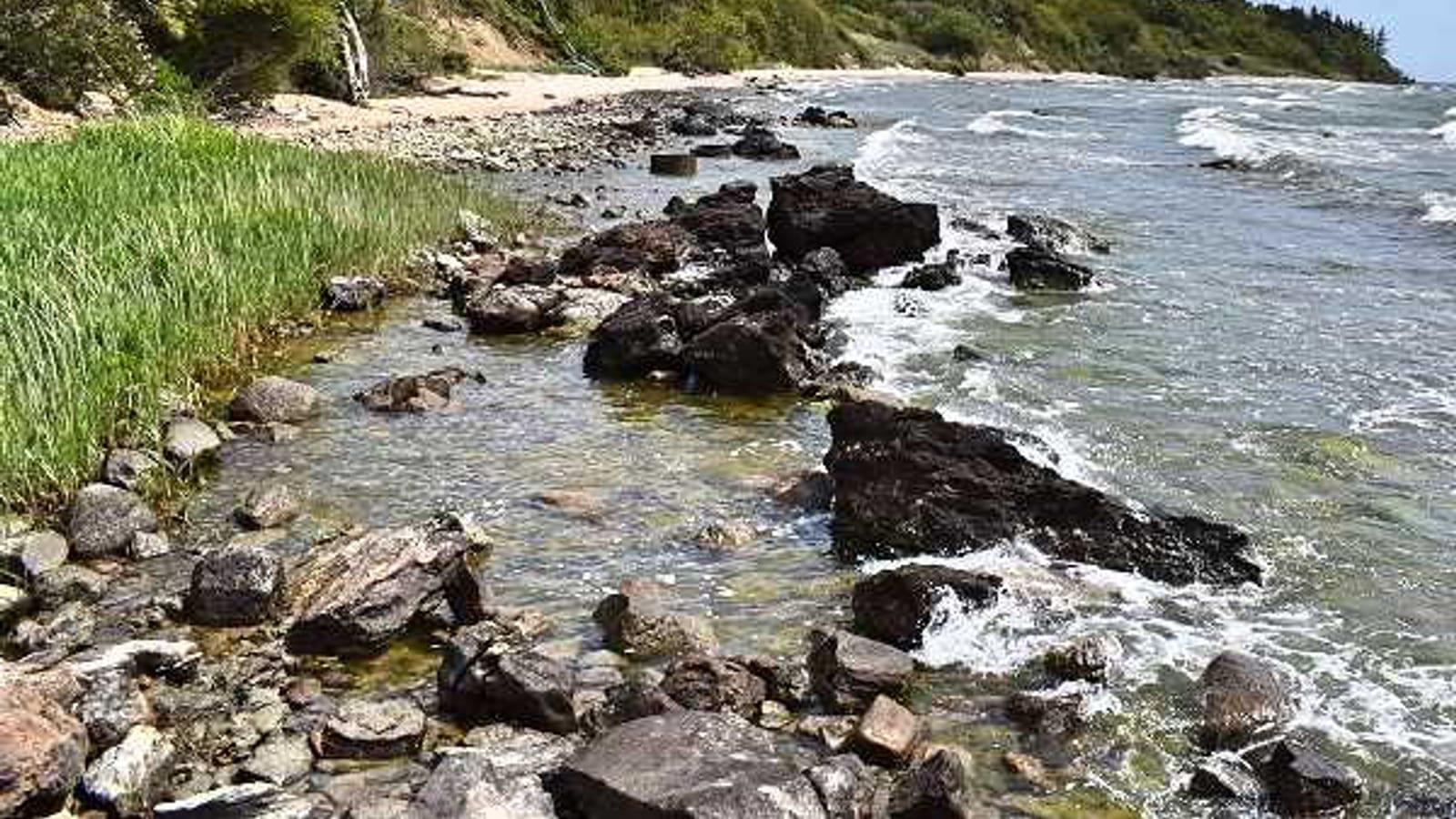
Find Campanian Fossils at Arnager Beach Bornholm Fossil Hunting Guide
Denmark
Sponges, Ammonites, Echinoids, Brachiopods
Flat Rocks Inverloch Dinosaur Dig Site Fossil Hunting Guide
Bass Coast
Polar dinosaurs, Early mammal teeth, Fish, Pterosaur

Folkestone Warren and Copt Point Fossil Hunting Guide
Kent, England
Ammonites, Crabs, Shark Teeth, Bivalves
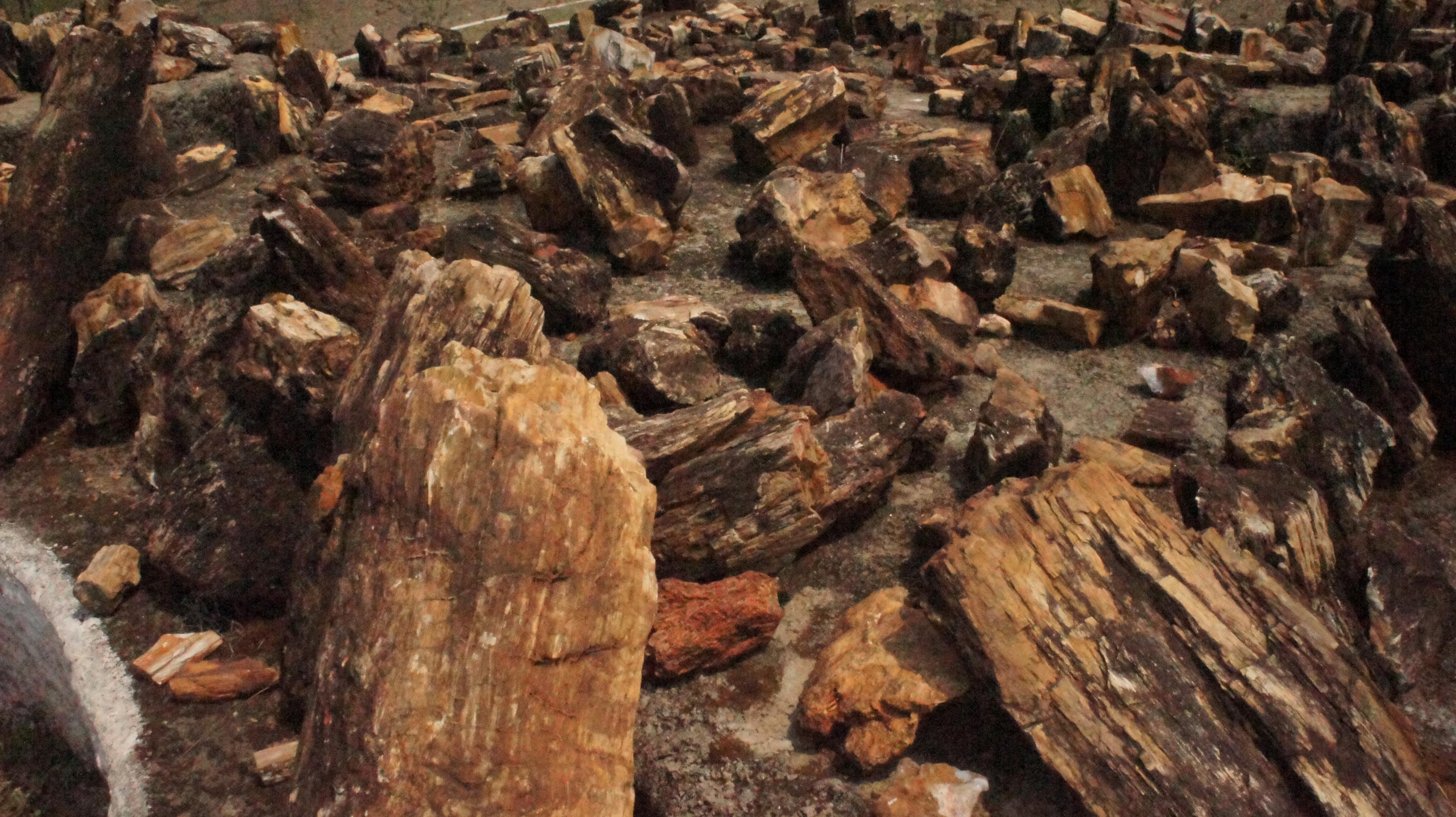
Ghughua National Fossil Park Fossil Hunting Guide
Madhya Pradesh, India
Petrified Wood, Seeds and Fruits, Dinosaur Eggs, Plants
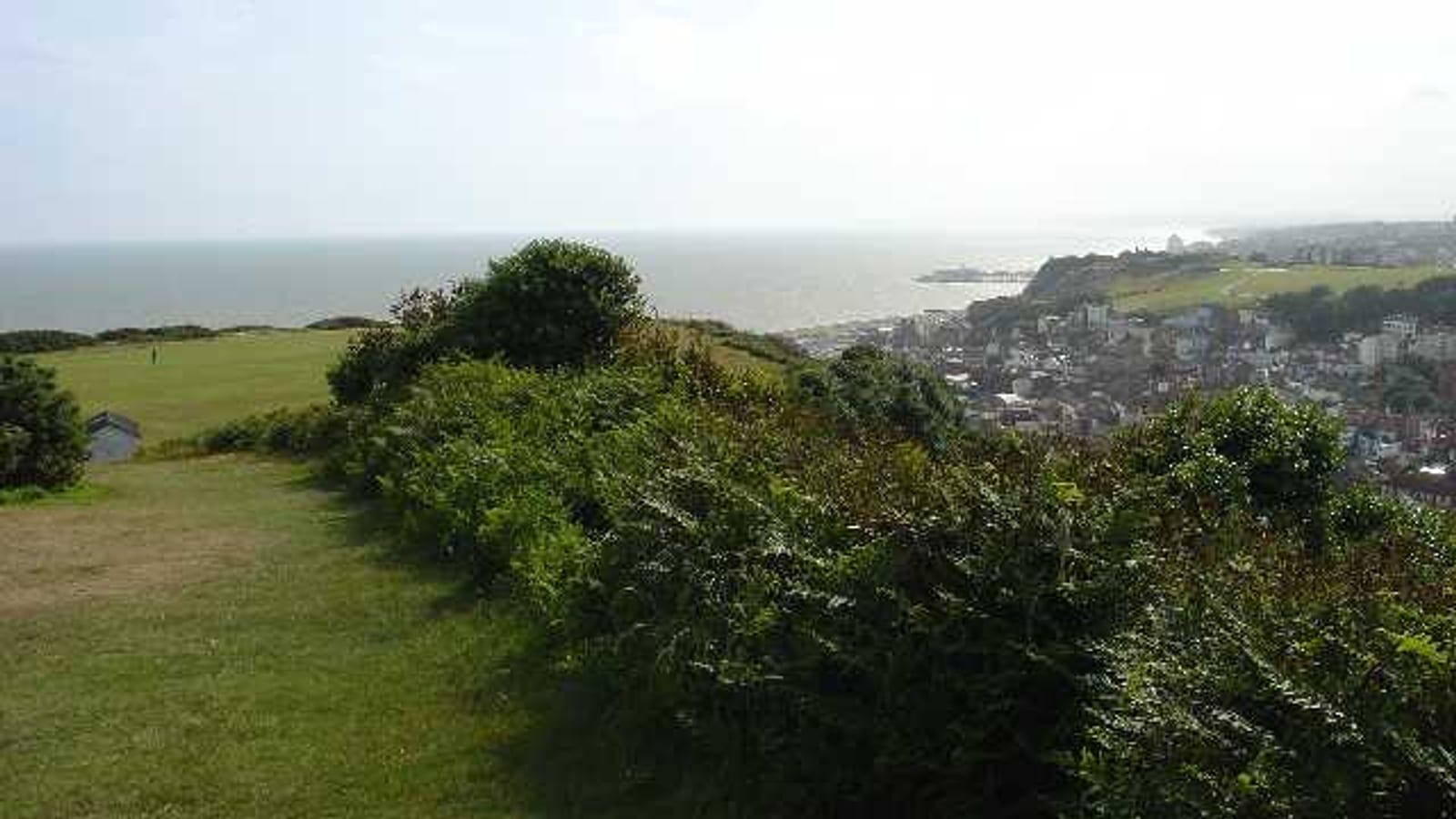
Hastings East Sussex Fossil Hunting Guide
Hastings
Dinosaur bones and teeth, Dinosaur footprints, Freshwater molluscs, Plant material
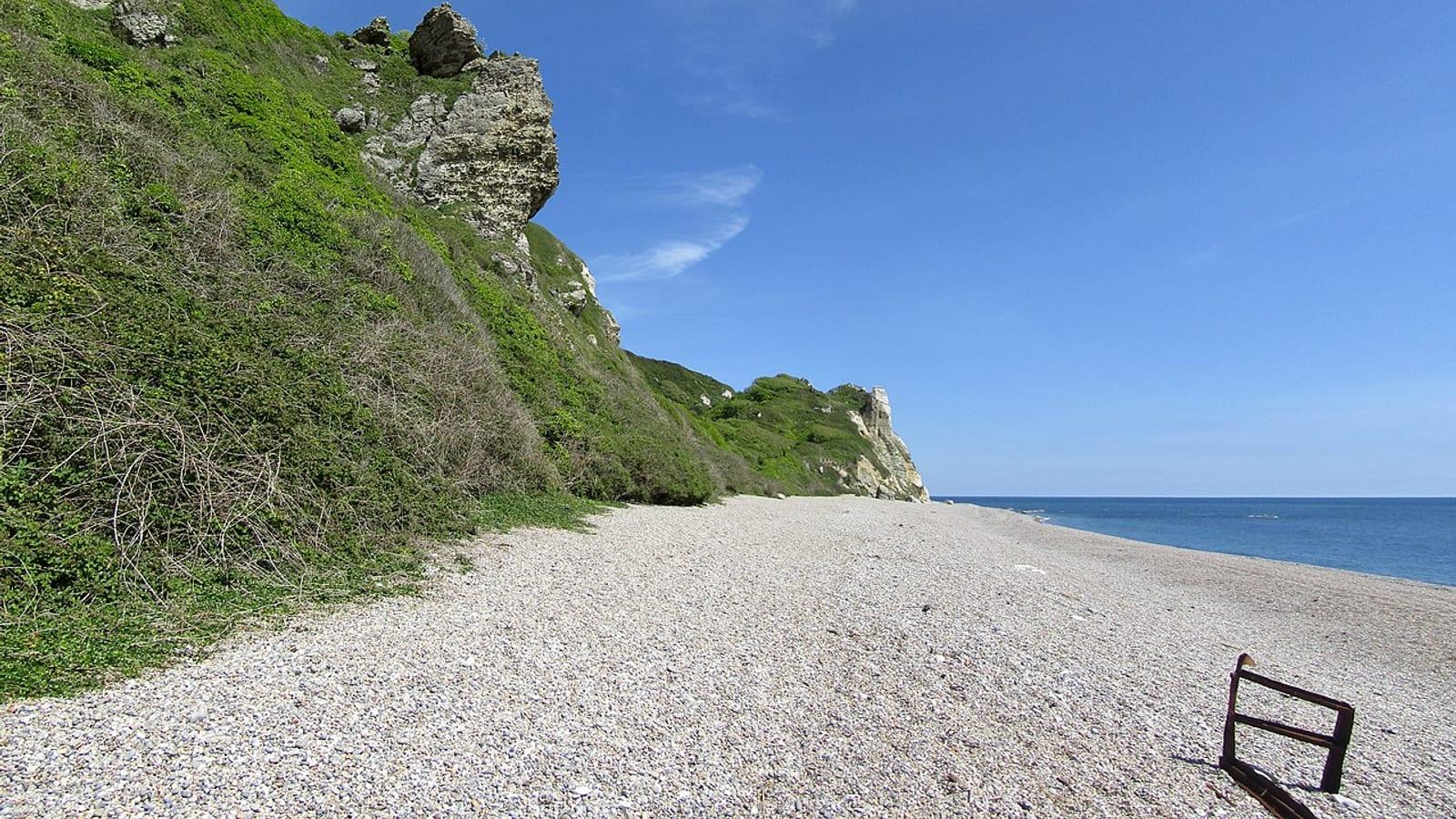
Hooken Cliff Beer Devon Fossil Hunting Guide
United Kingdom
Echinoids, Ammonites, Fish remains, Brachiopods
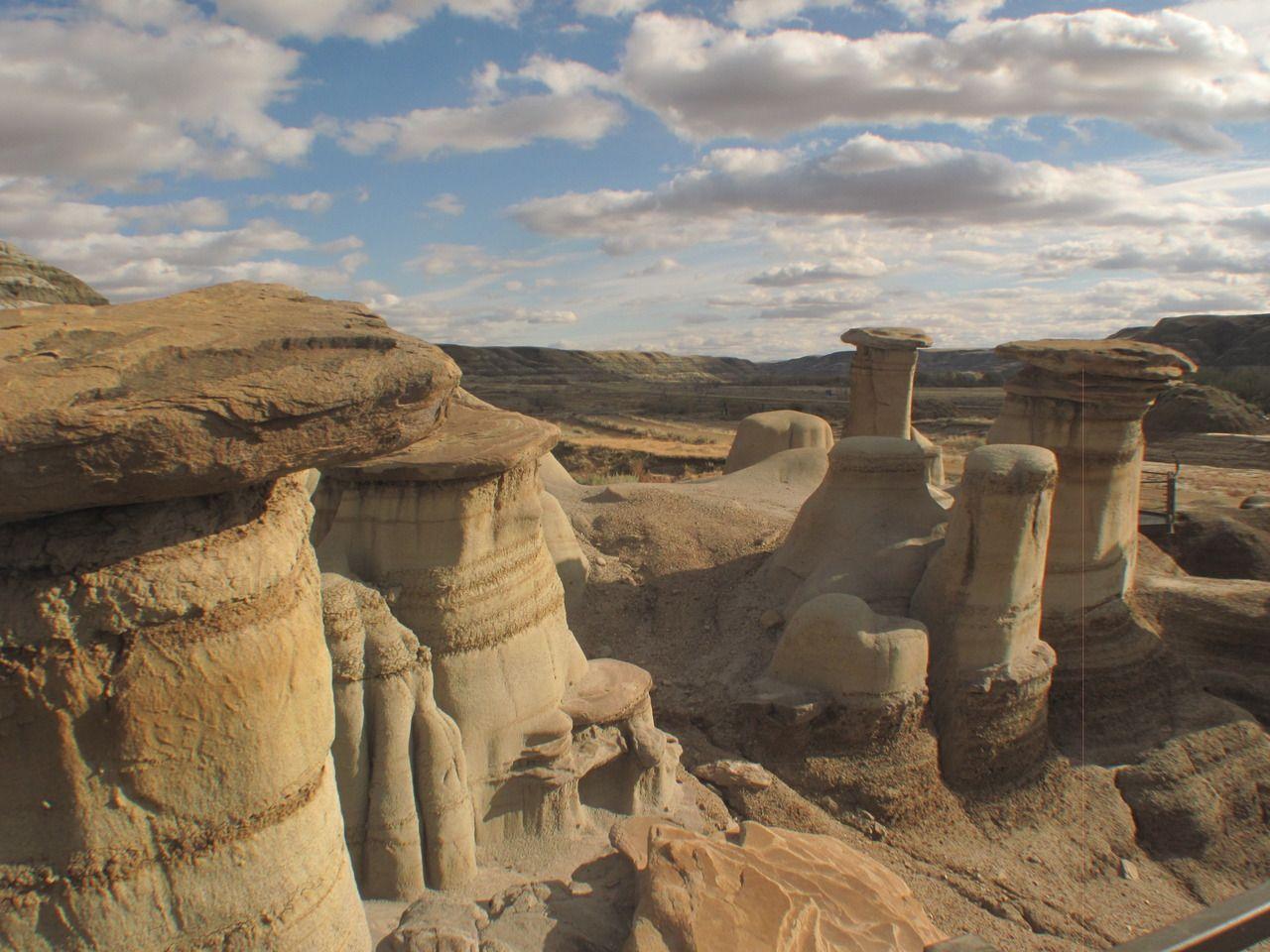
Horseshoe Canyon (Drumheller) Fossil Hunting Guide
Alberta, Canada
Hadrosaur bone, Theropod material, Fossil plants, Fossil wood
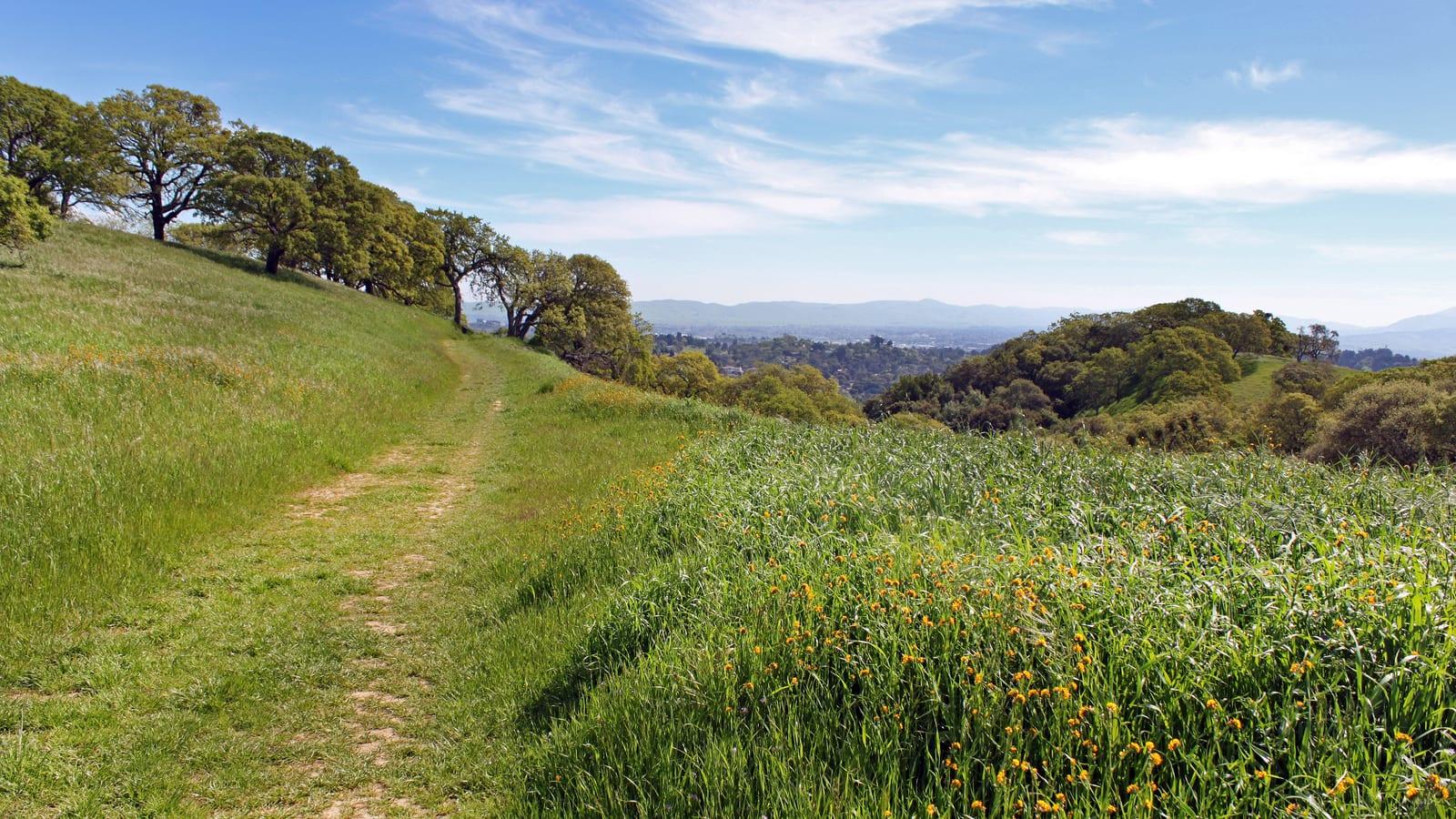
John Muir National Historic Site Fossil Hunting Guide
California, United States
N/A
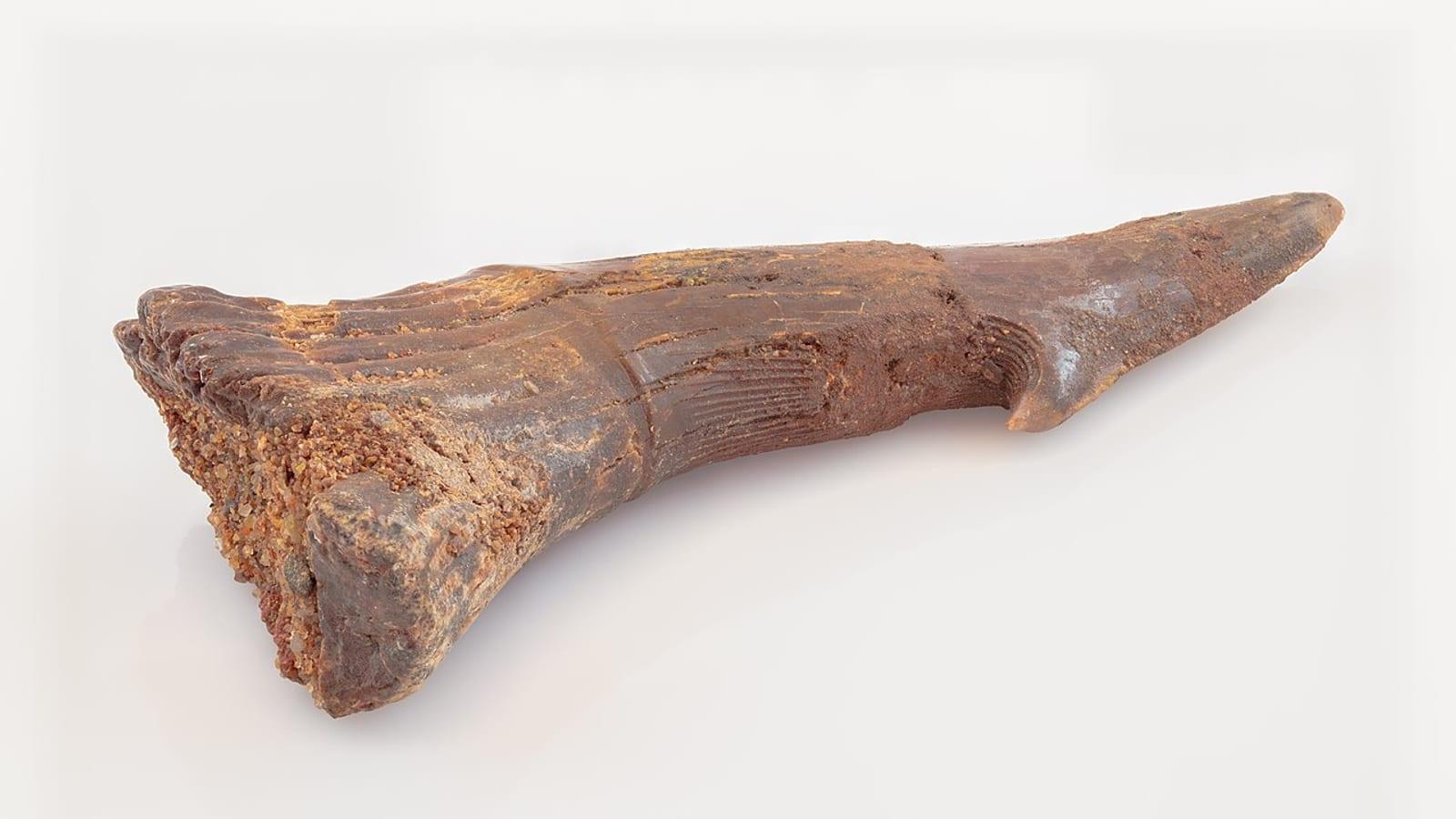
Kem Kem Dinosaur Fossil Beds Taouz Fossil Hunting Guide
Morocco
Spinosaurus aegyptiacus, Carcharodontosaurus saharicus, Fish fossils, Crocodyliform
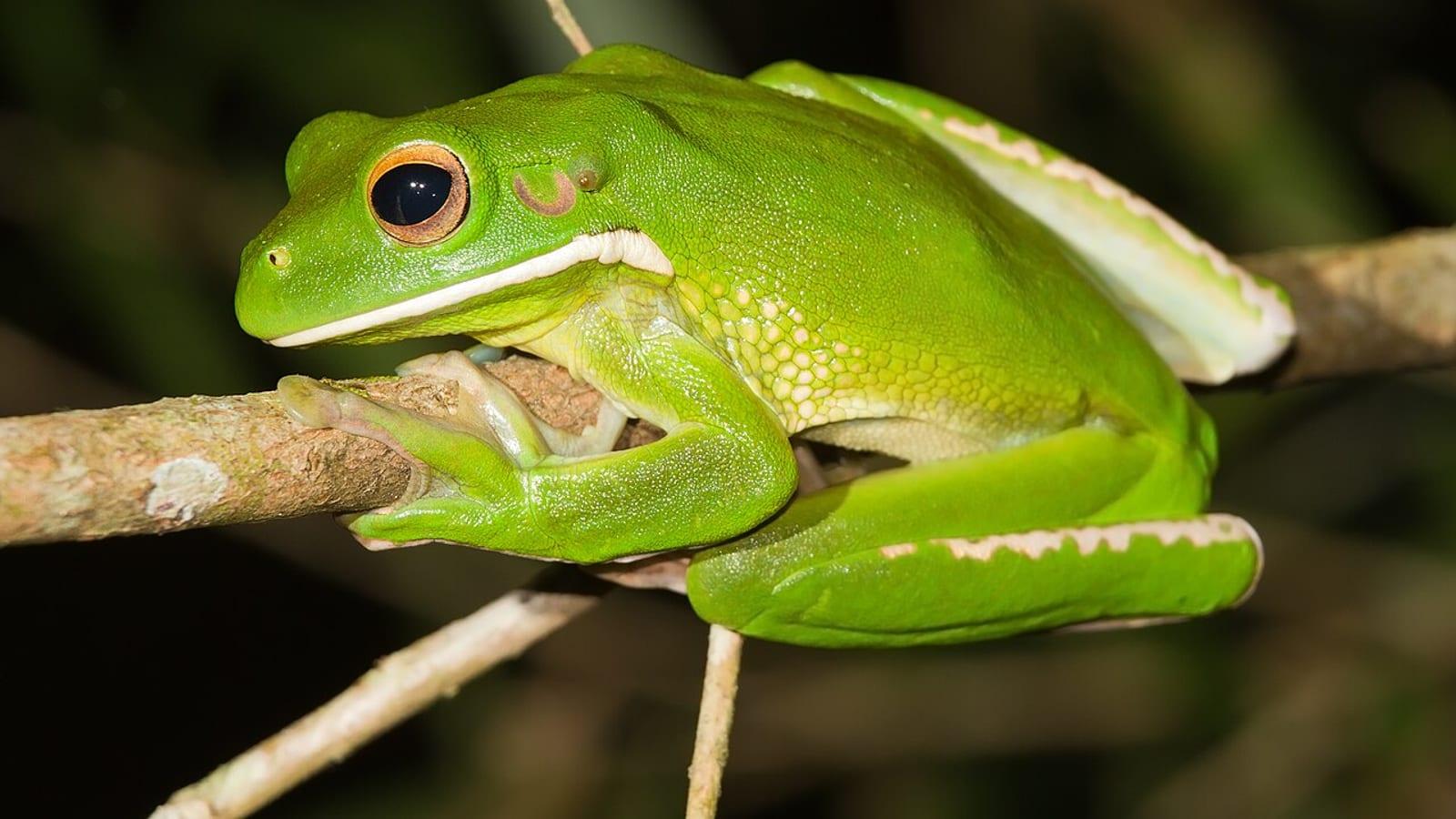
Kronosaurus Korner Queensland Fossil Museum Fossil Hunting Guide
Richmond
Eromanga Sea, Kronosaurus queenslandicus, Muttaburrasaurus langdoni, Plesiosaurs
Ladonia Fossil Park (North Sulphur River) Guide
Texas, United States
Mosasaur teeth, Shark Teeth, Ammonites, Bivalves
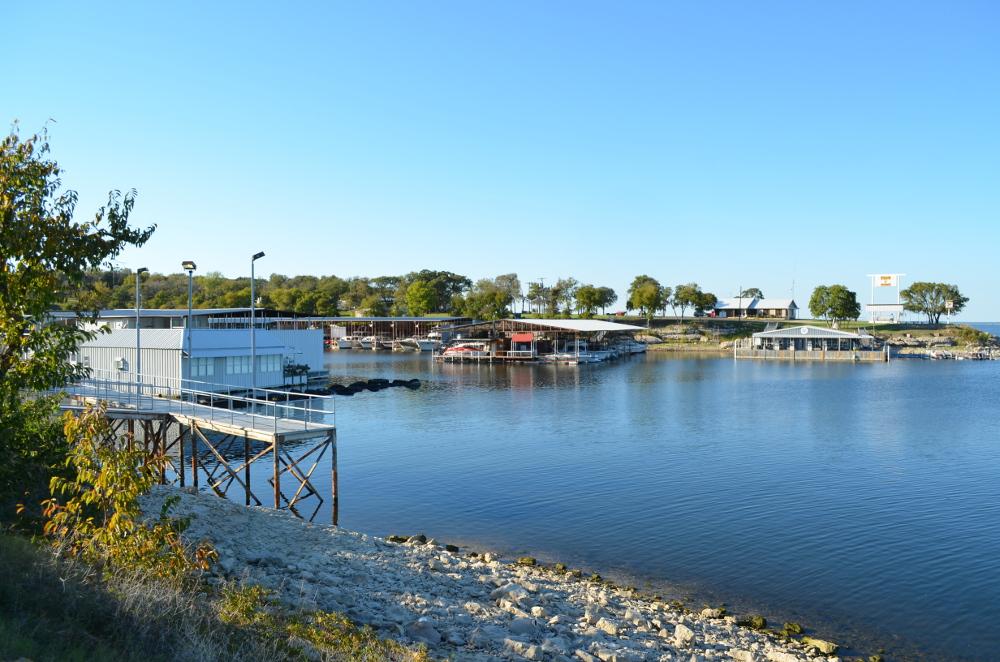
Lake Texoma (Eisenhower State Park) Fossil Hunting Guide
Texas, United States
Ammonites, Echinoids, Heart urchins, Oysters
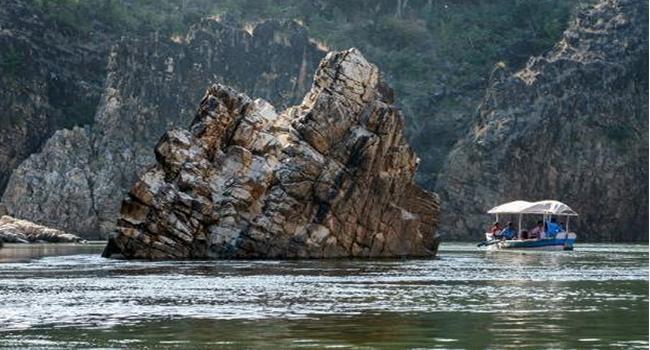
Lameta Geological Park Fossil Hunting Guide
Madhya Pradesh, India
Isisaurus colberti, Jainosaurus septentrionalis, Rajasaurus narmadensis, Indosuchus raptorius
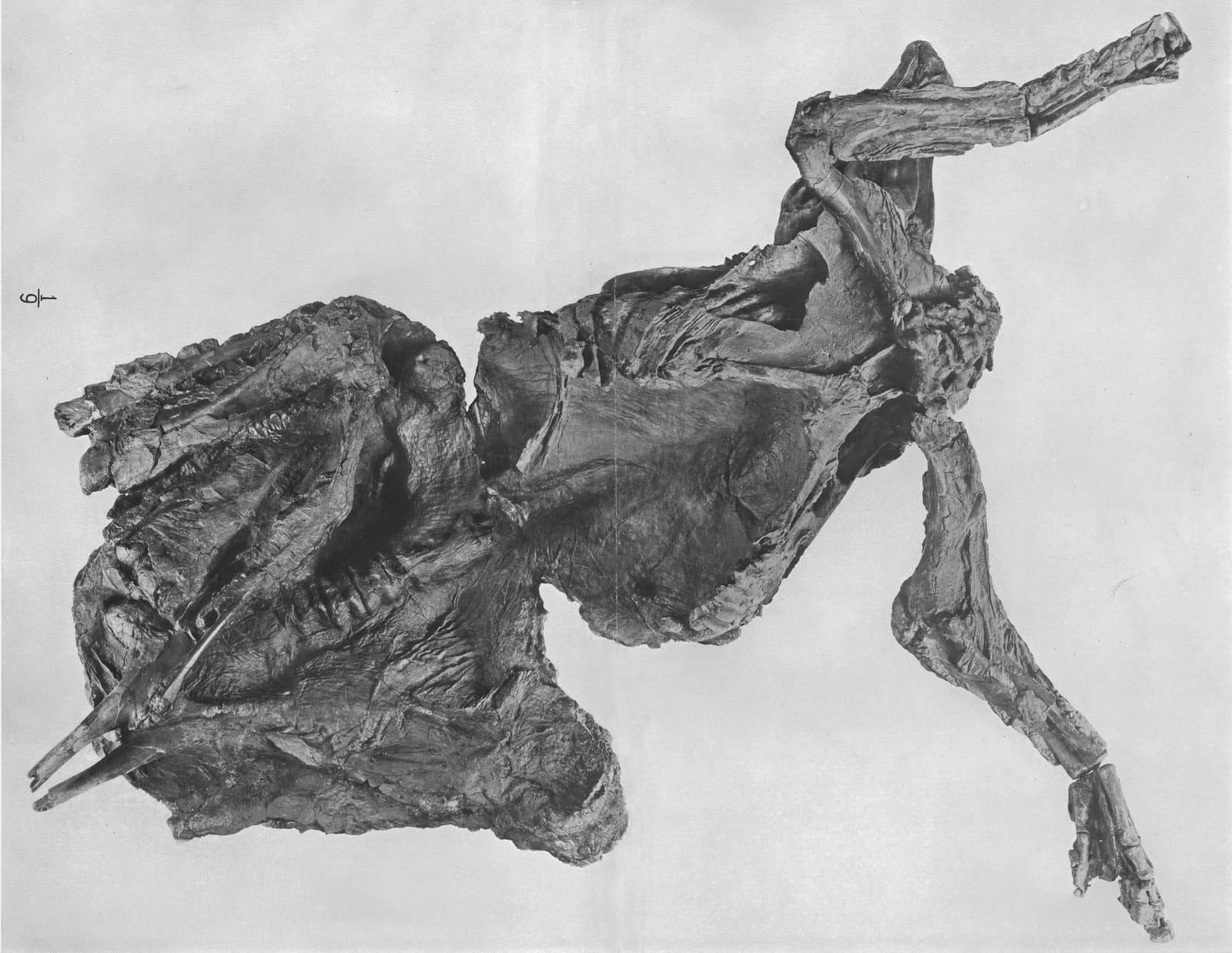
Lance Creek Fossil Hunting Guide
Wyoming, United States
Triceratops, Tyrannosaurus rex, Edmontosaurus, Mammal teeth
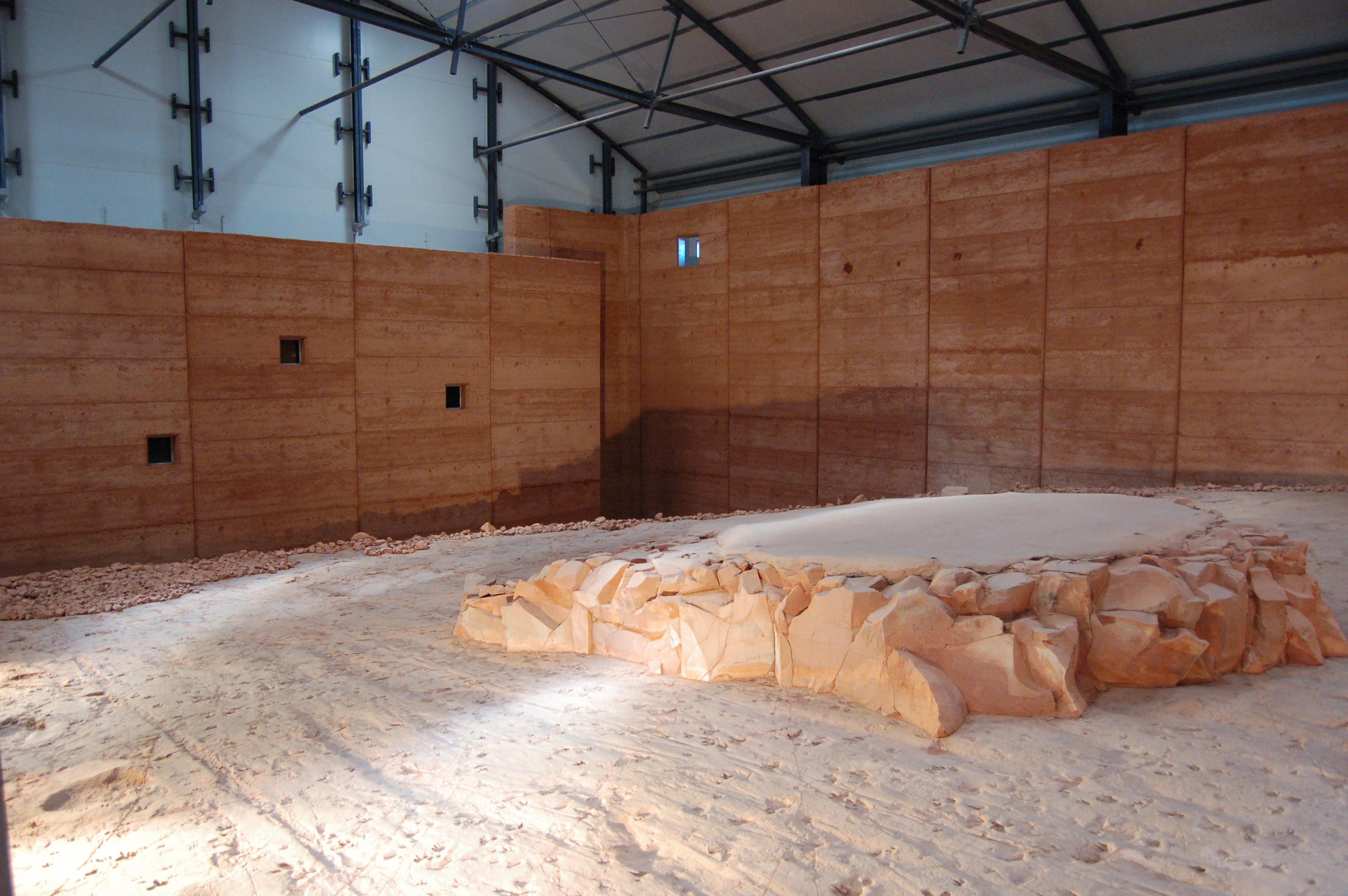
Lark Quarry Dinosaur Trackways Fossil Hunting Guide
Queensland, Australia
Theropod footprints, Small ornithopod prints, Small theropod prints, Crocodyliform tracks
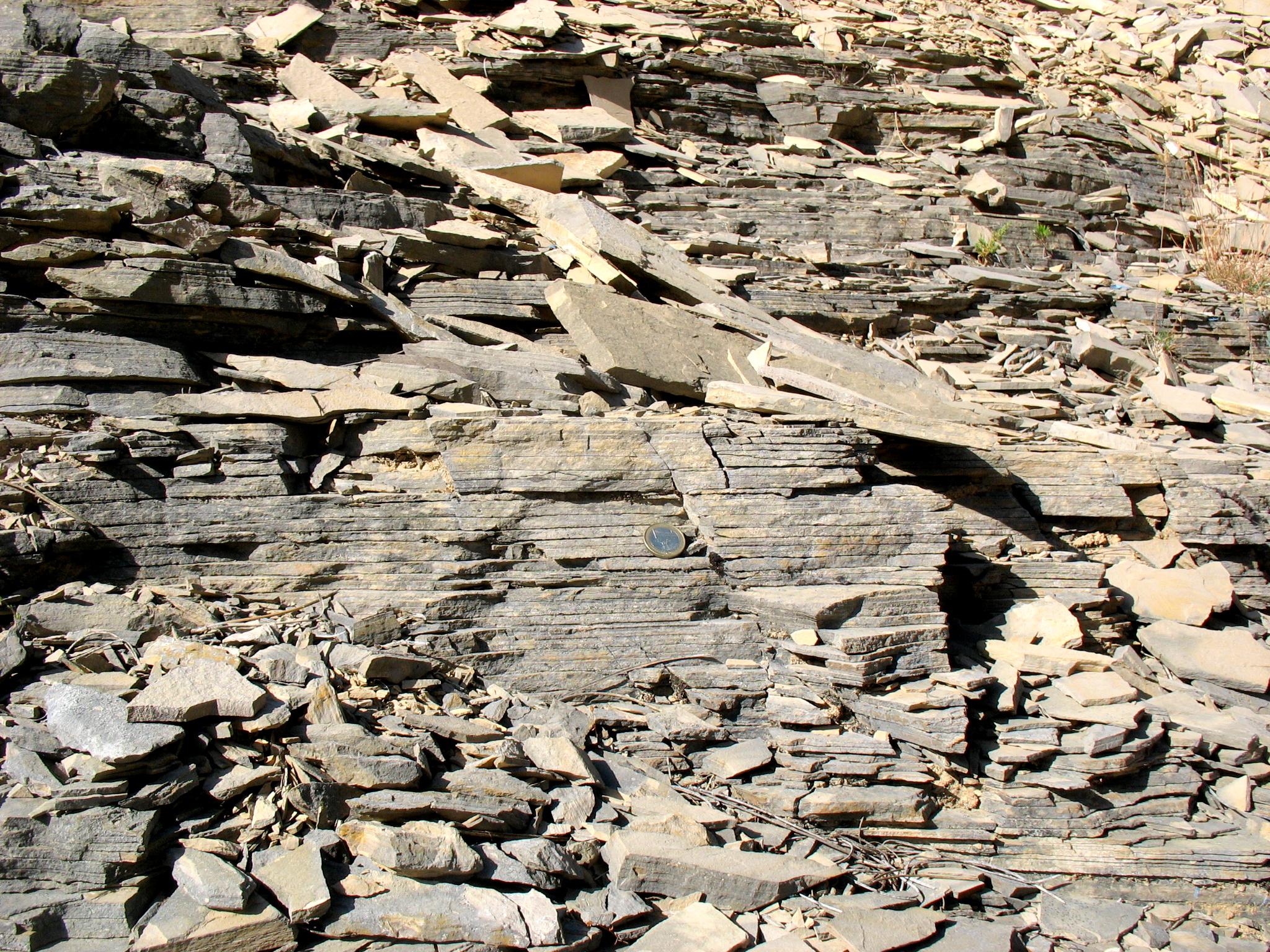
Las Hoyas Lagerstätte Fossil Hunting Guide
Cuenca, Castilla-La Mancha, Spain
Concavenator corcovatus (carcharodontosaurid), Iberomesornis romerali (early bird), Spinolestes xenarthrosus (mammal), Pelecanimimus polyodon (ornithomimid)
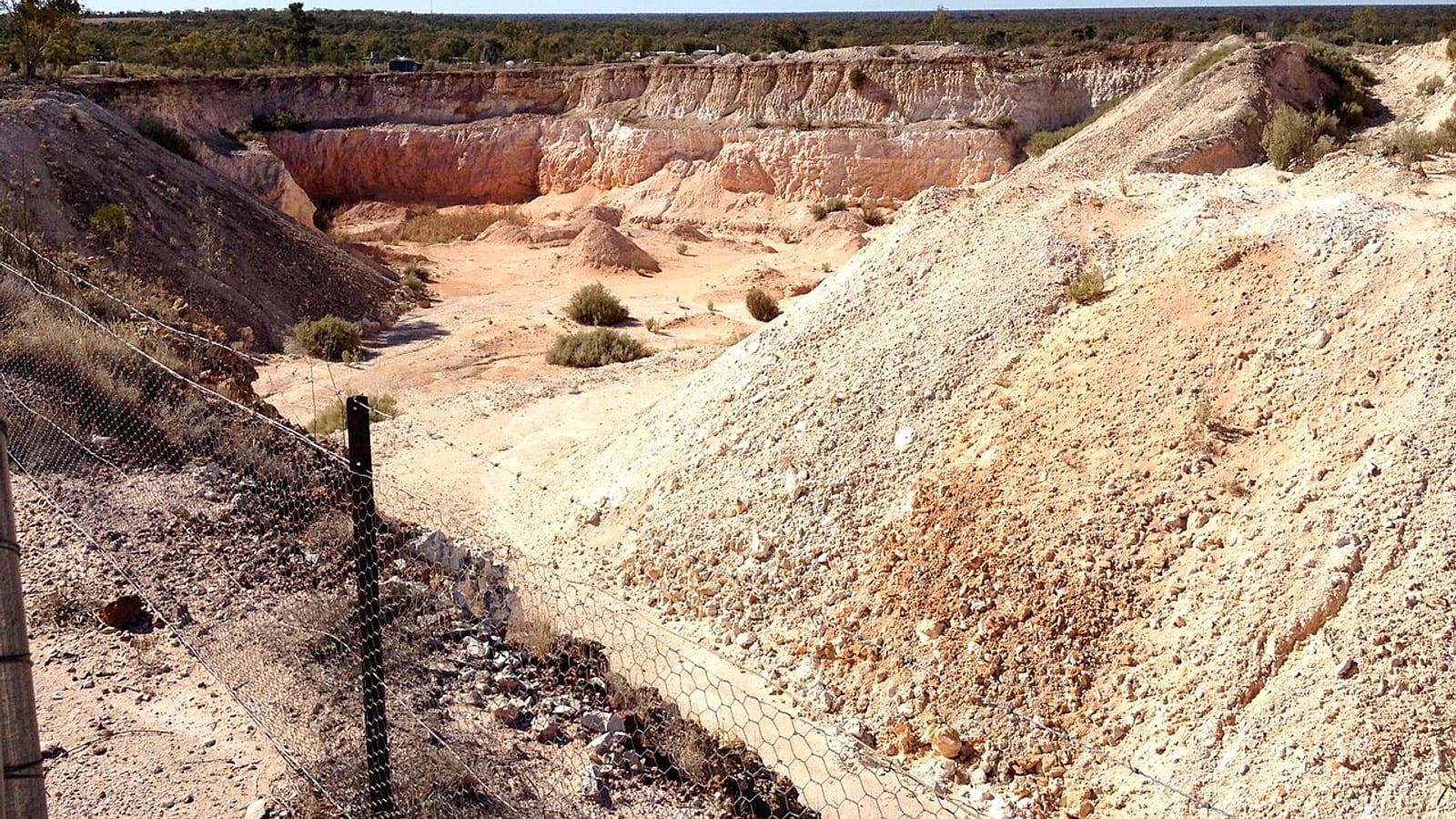
Lightning Ridge Opalised Dinosaur Fossils Fossil Hunting Guide
Lightning Ridge
Opalised dinosaur bones, Opalised mammals
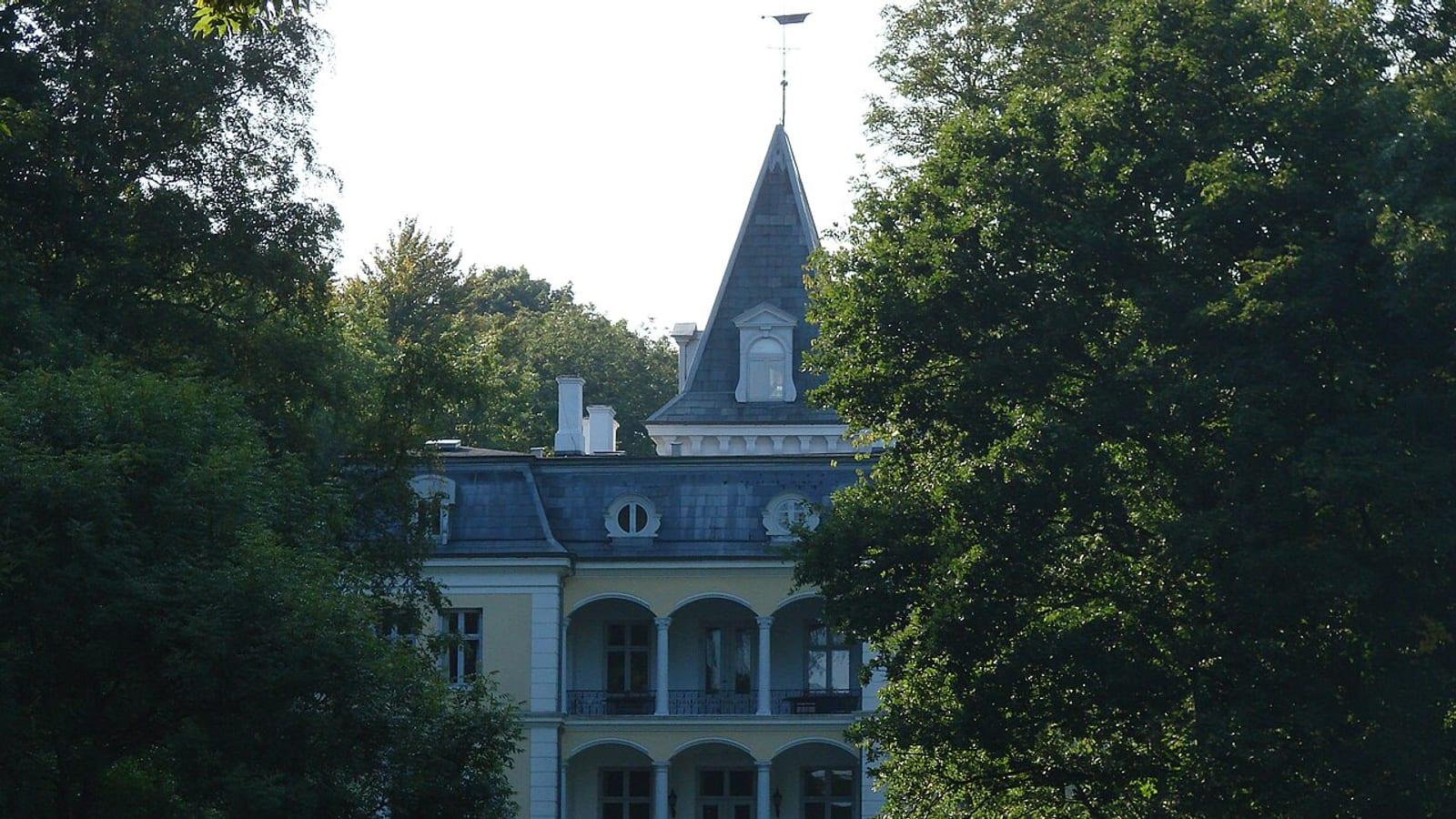
Liselund Park Mons Klint Beach Access Fossil Hunting Guide
4791 Borre
Belemnites, Sea urchin, Brachiopod, Bryozoan
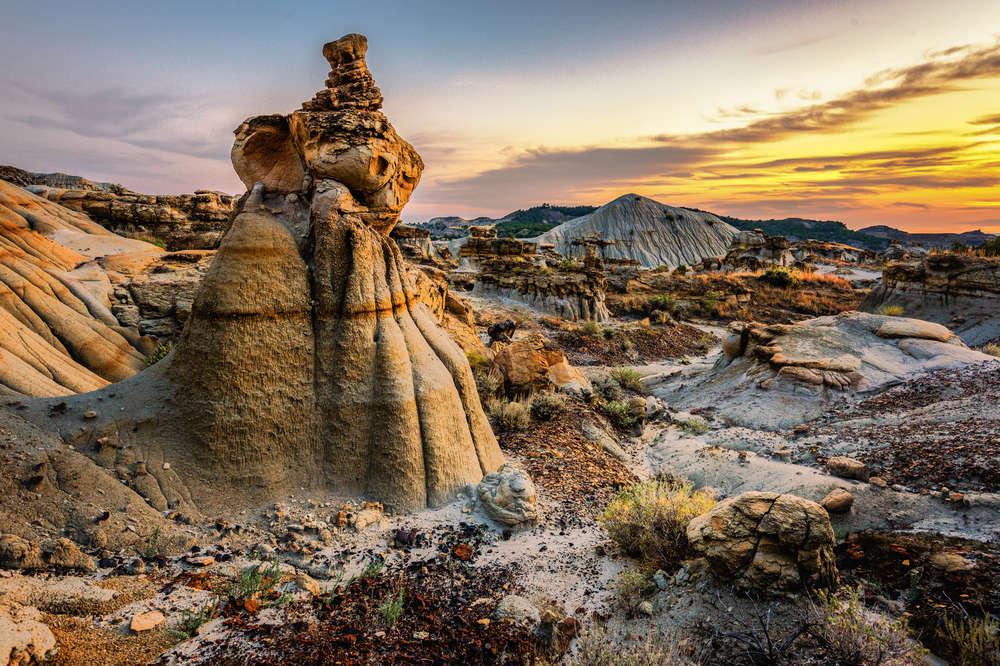
Makoshika State Park Fossil Guide
Montana, United States
Tyrannosaurus rex, Triceratops, Edmontosaurus, Thescelosaurus
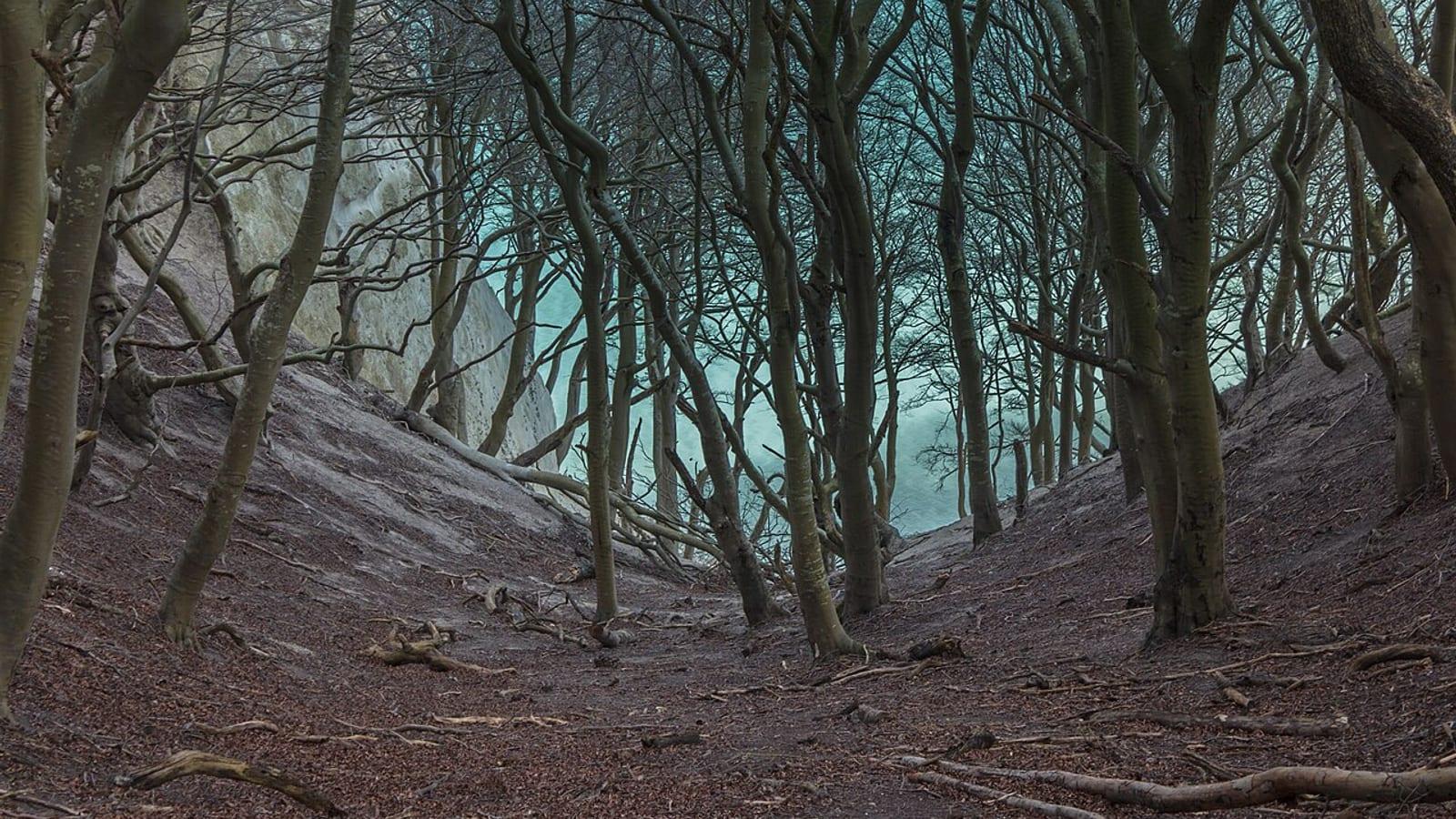
Mons Klint Beach Fossil Hunting Guide
Denmark
Møns Klint, Belemnites, Sea urchin, Brachiopods
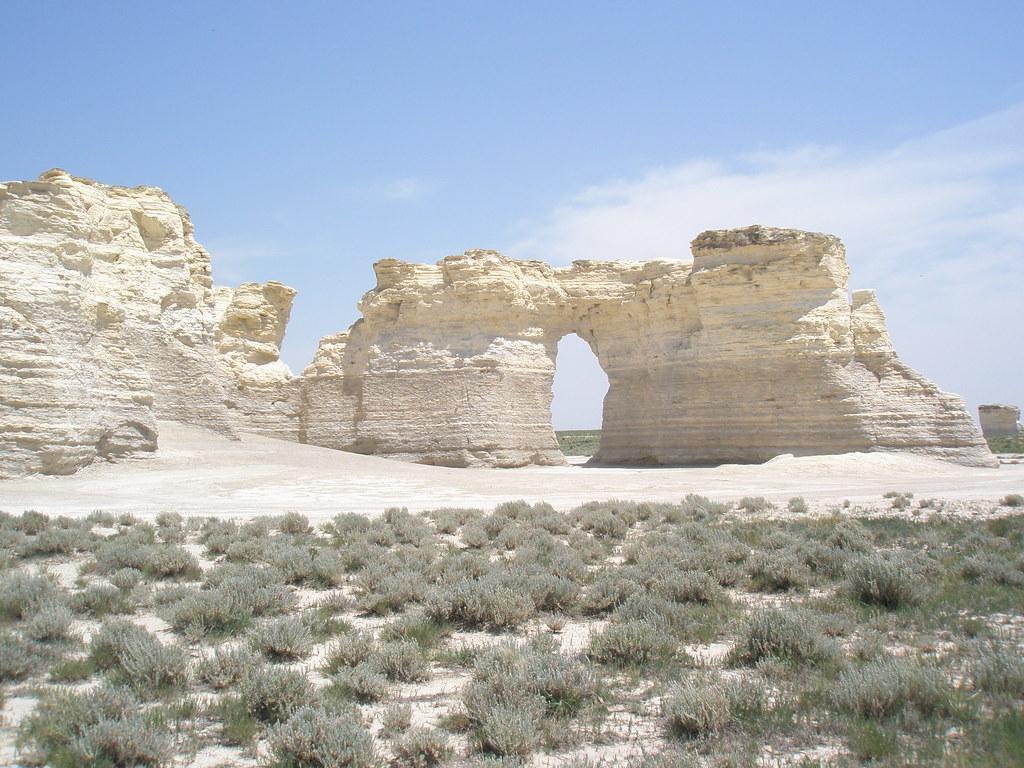
Monument Rocks (Chalk Pyramids) Fossil Guide
Kansas, United States
Mosasaurs, Giant clams (Inoceramus), Pterosaurs, Hesperornis
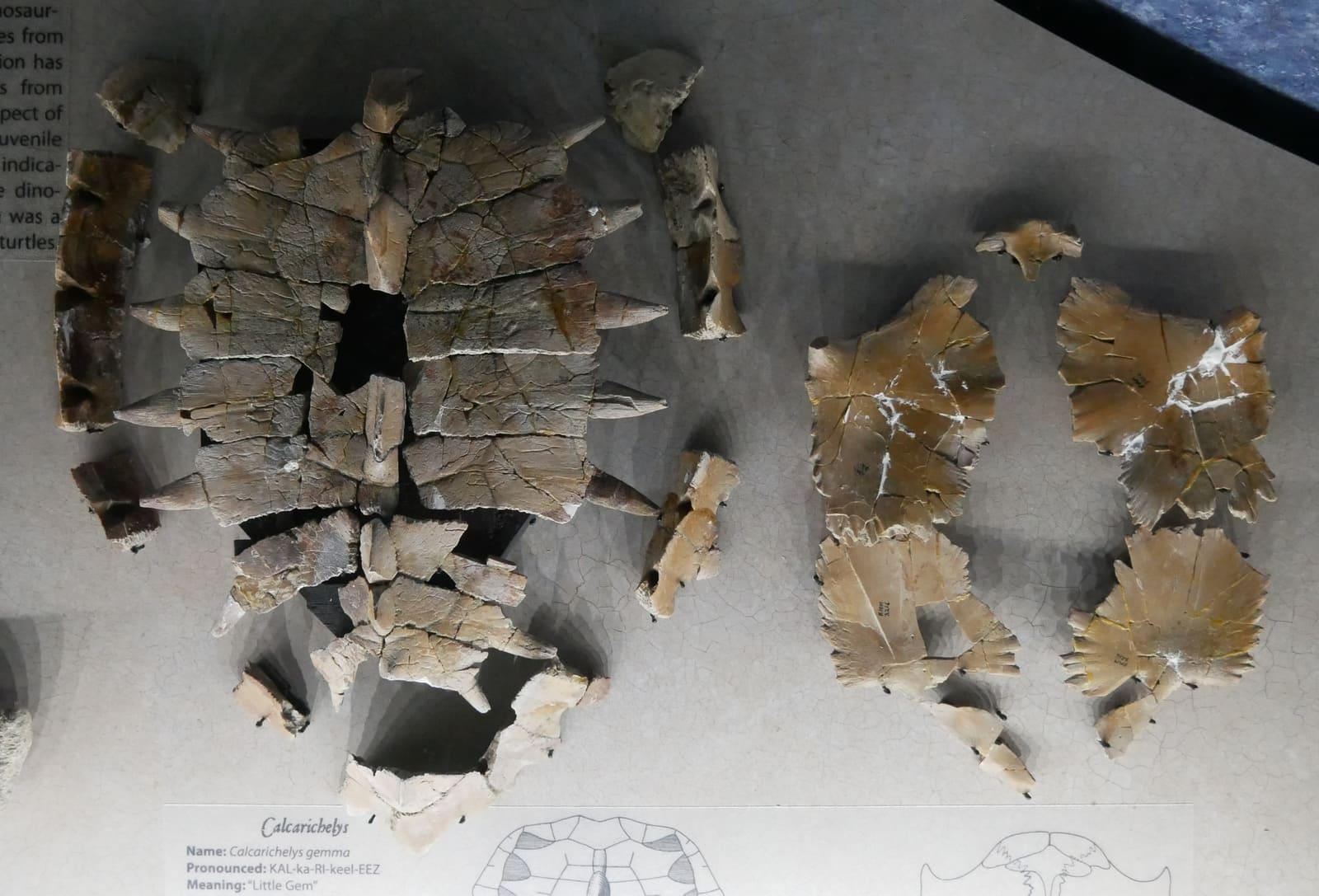
Mooreville Chalk Fossil Guide
Alabama, United States
Shark Teeth, Mosasaurs, Fish, Bivalves
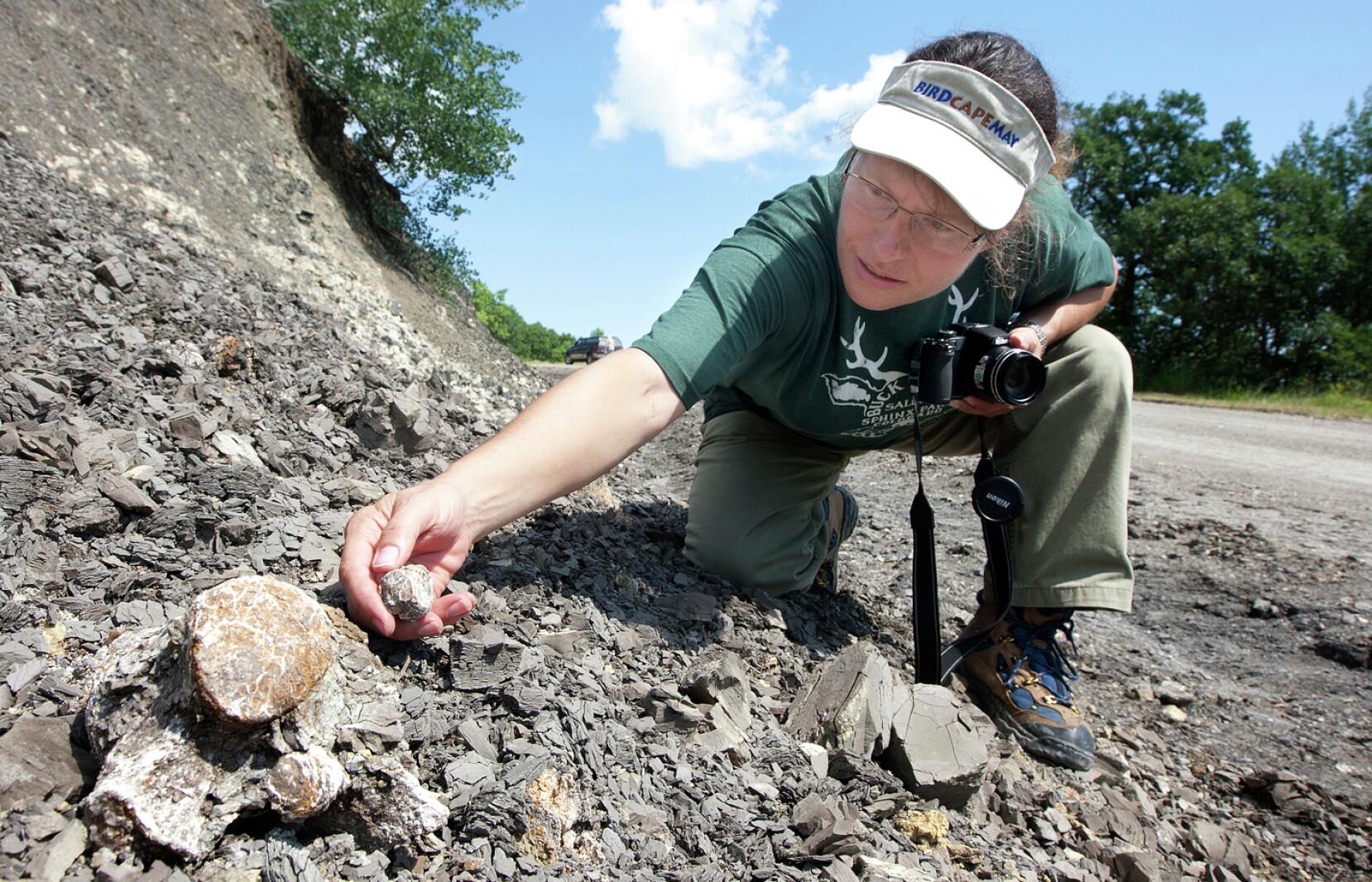
Pembina Gorge Public Fossil Dig Guide
North Dakota, United States
Mosasaurs, Sea turtles, Xiphactinus, Hesperornis
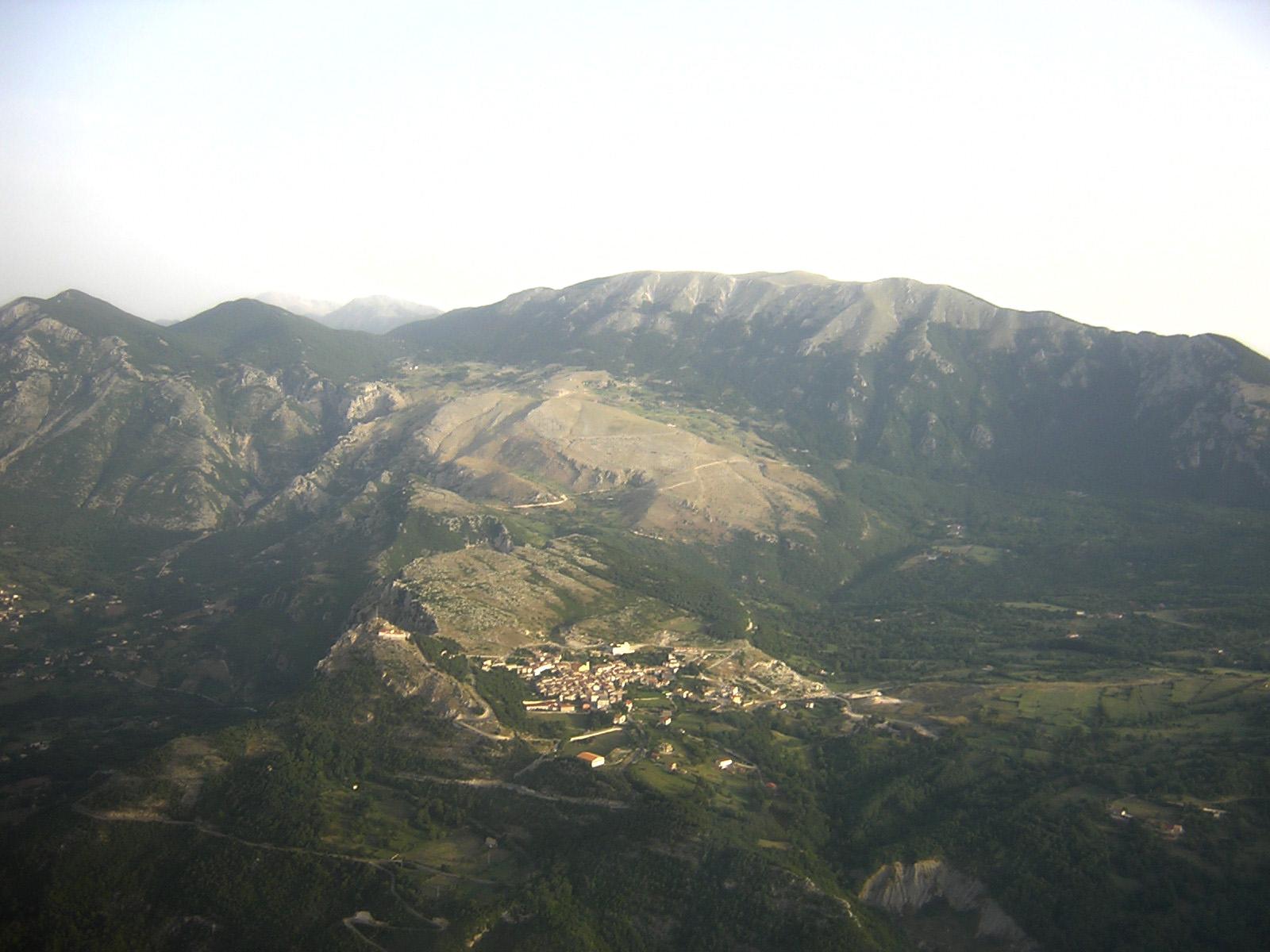
Pietraroja Plattenkalk Geosite Fossil Hunting Guide
Campania, Italy
Scipionyx samniticus (theropod), Notagogus parvus (fish), Belonostomus, Halecostome fish
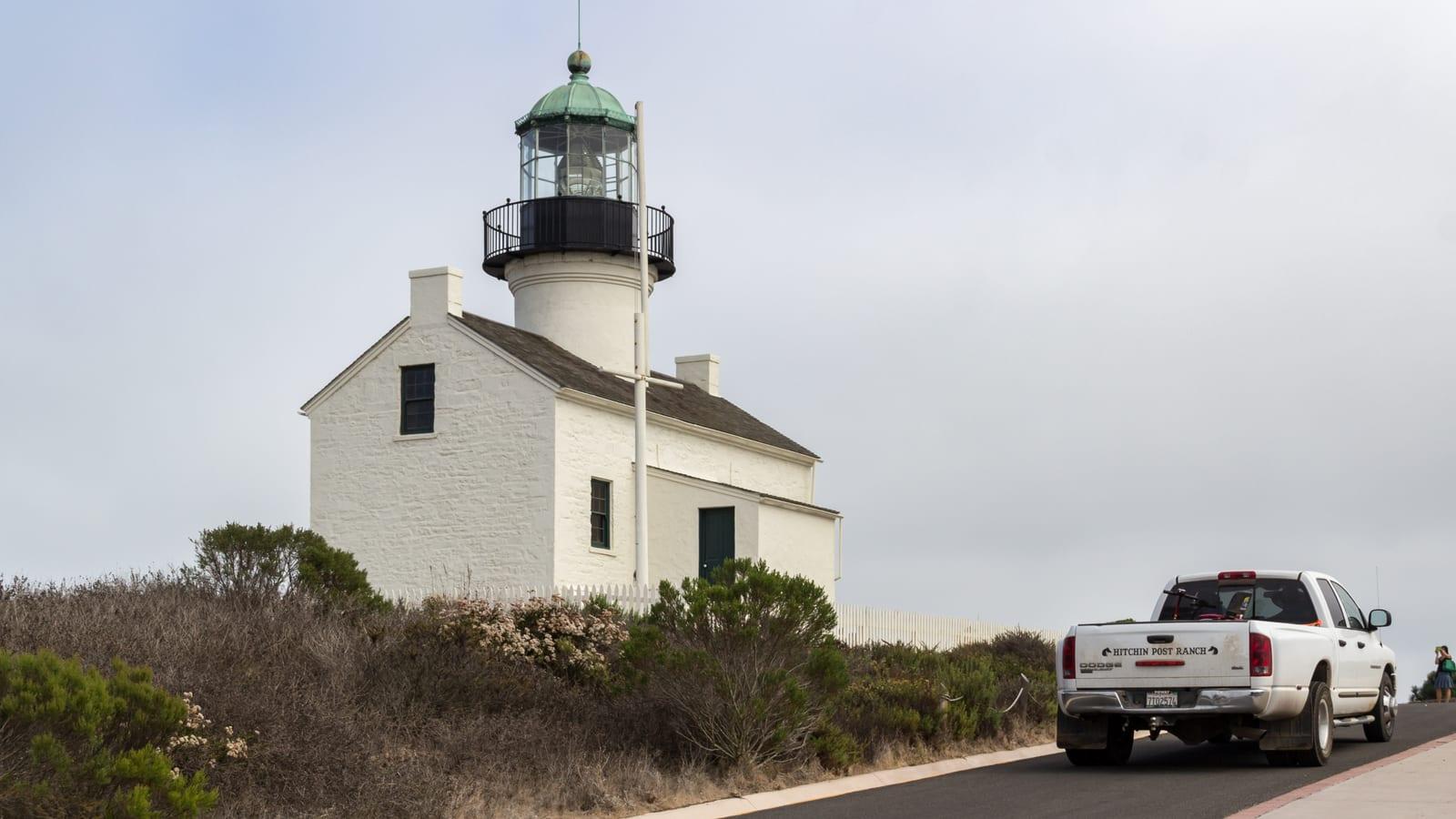
Point Loma Fossil Hunting Guide
California, United States
Trace Fossils
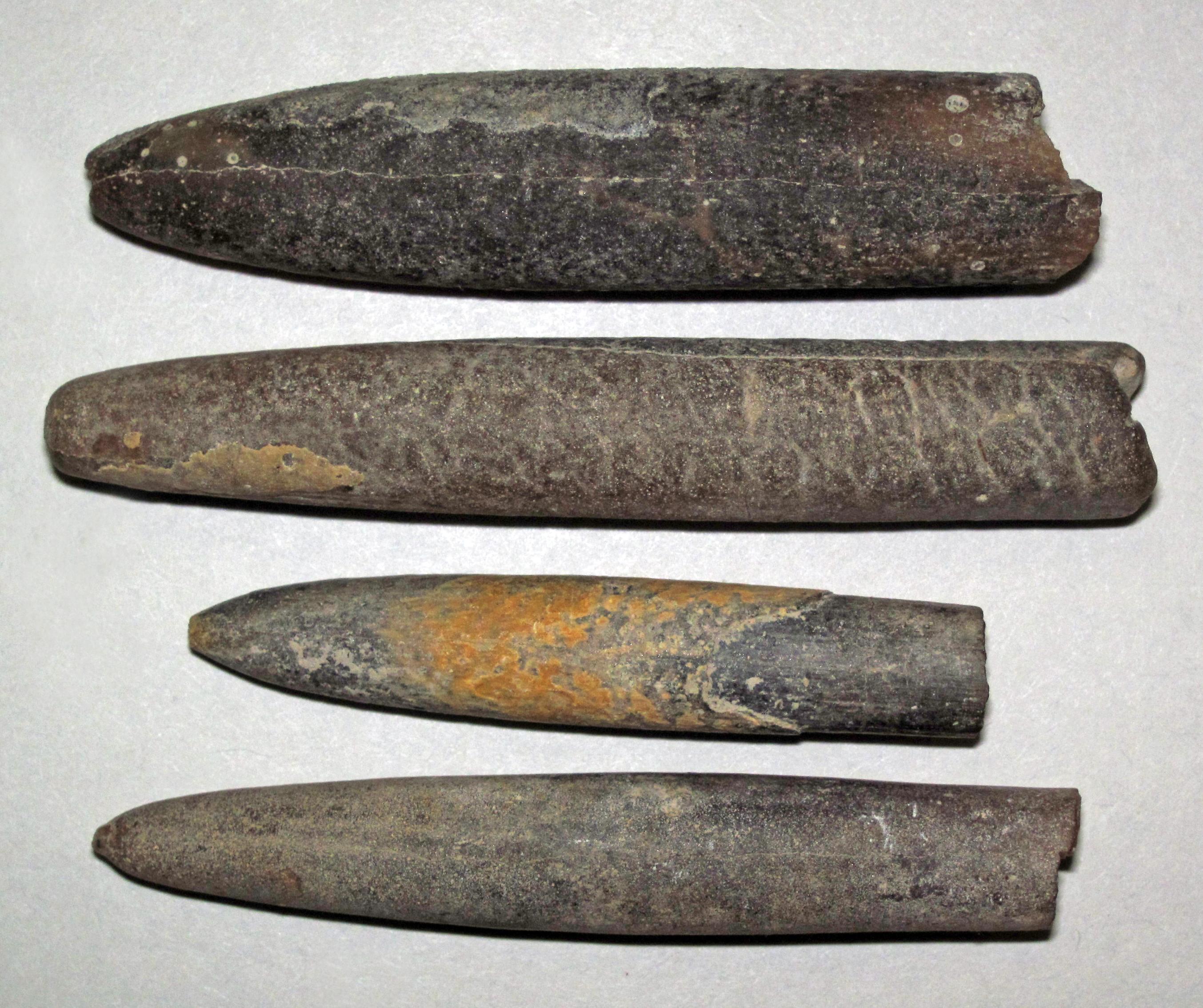
Poricy Park Fossil Beds Fossil Hunting Guide
New Jersey, United States
Belemnites, Bivalves, Gastropods, Shark Teeth
Post Oak Creek Fossil Hunting Guide
Texas, United States
Shark Teeth, Bivalves, Ammonites, Mosasaur teeth
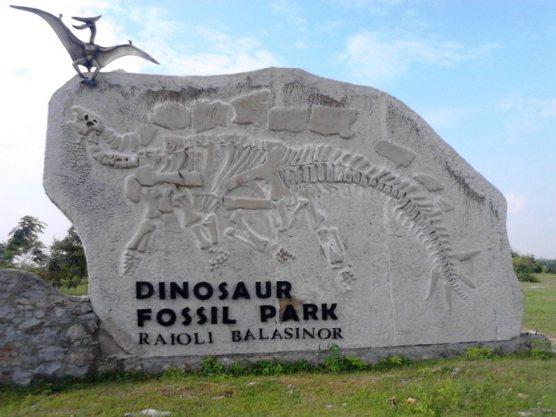
Raiyoli (Balasinor) Dinosaur Fossil Park
Gujarat, India
Dinosaur Eggs, Dinosaur Bones, Dinosaurs, Rajasaurus narmadensis
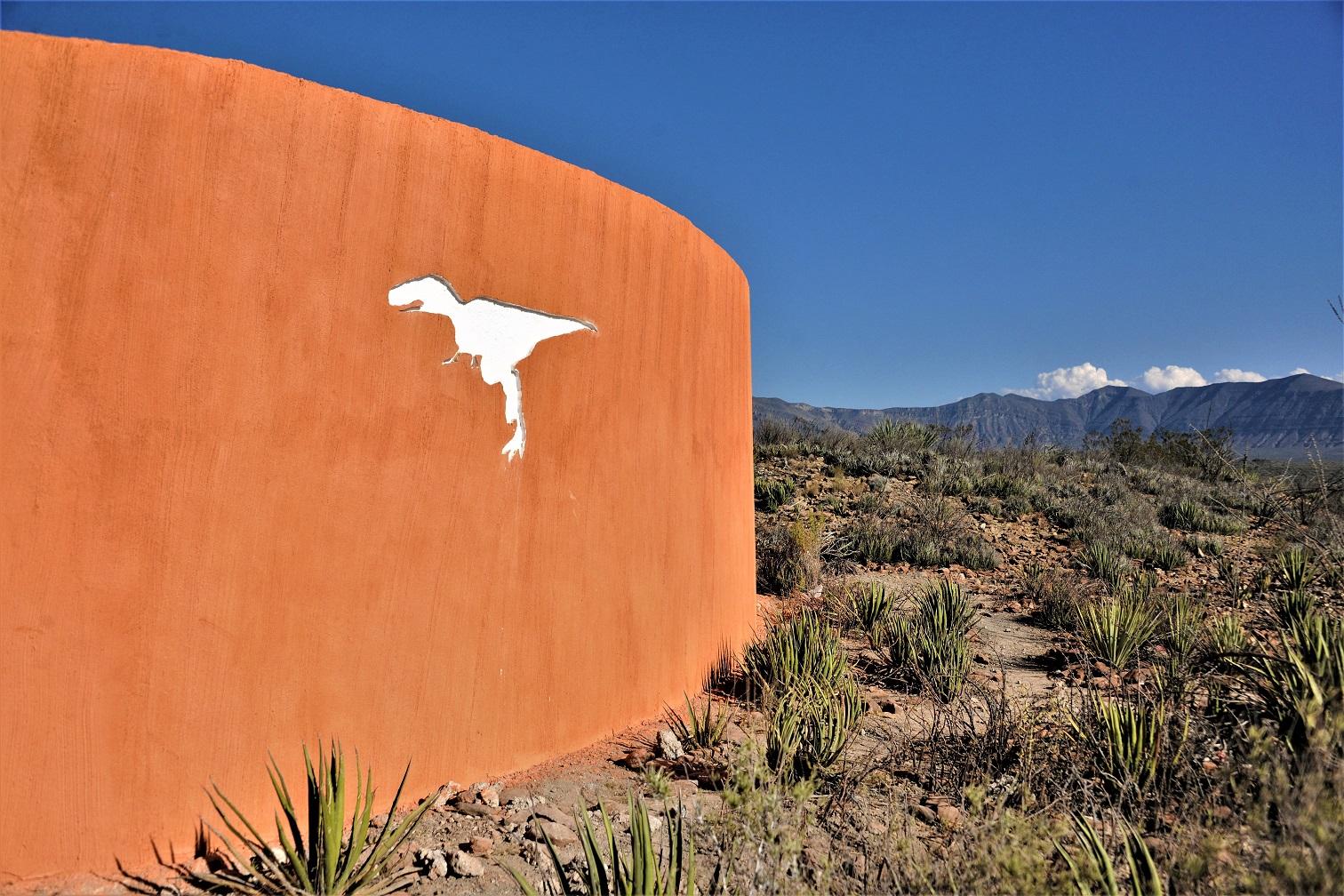
Rincón Colorado Paleontological Zone Fossil Hunting Guide
Coahuila, Mexico
Velafrons coahuilensis (hadrosaur, type), Coahuilaceratops magnacuerna, Las Águilas trackway hadrosaur prints, Turtles
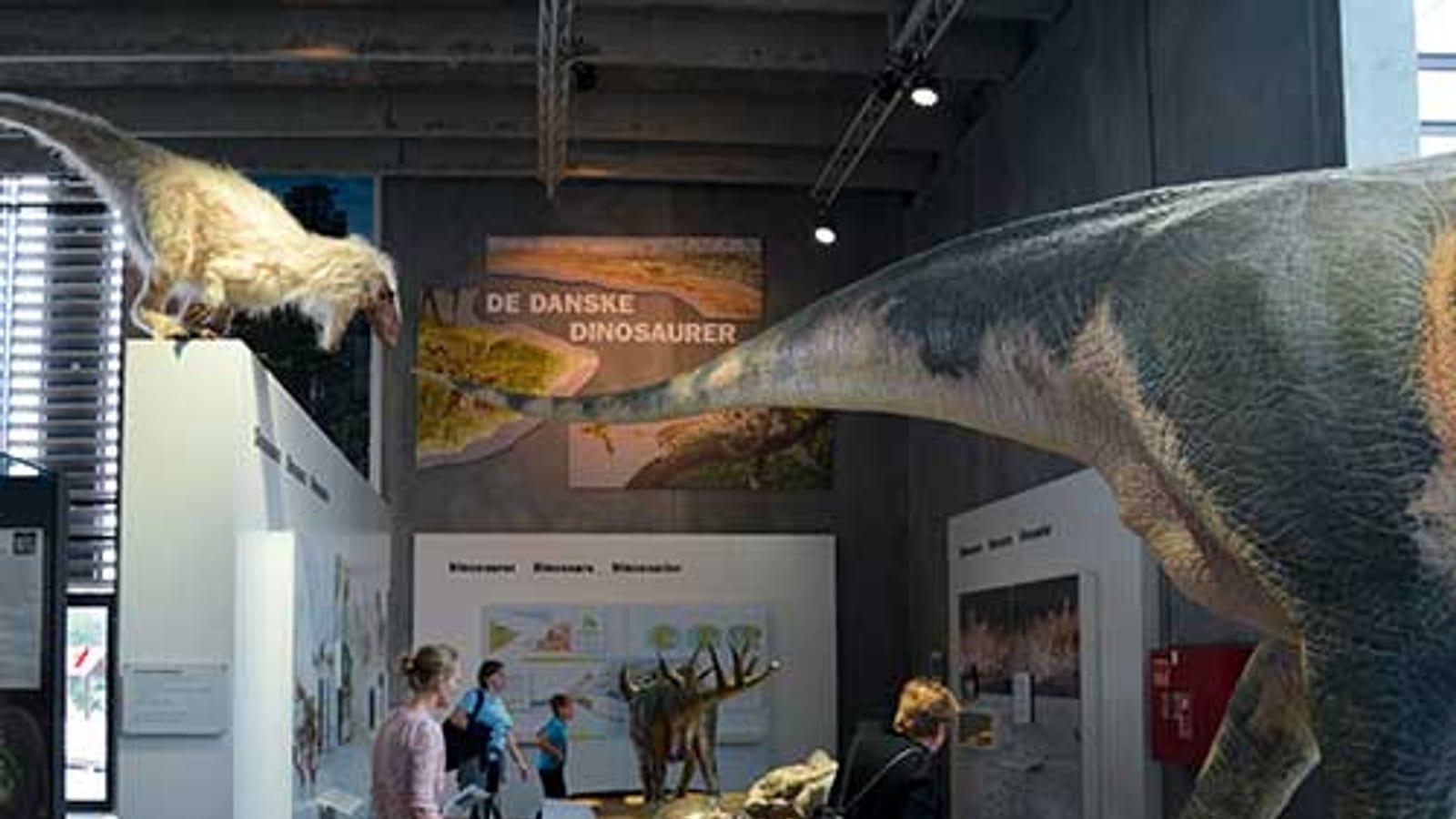
Robbedale Gravel Pit Fossil Hunting Guide
Denmark
Theropod dinosaur teeth, Ornithopod dinosaur teeth, Crocodyliform teeth, Fish teeth and scales
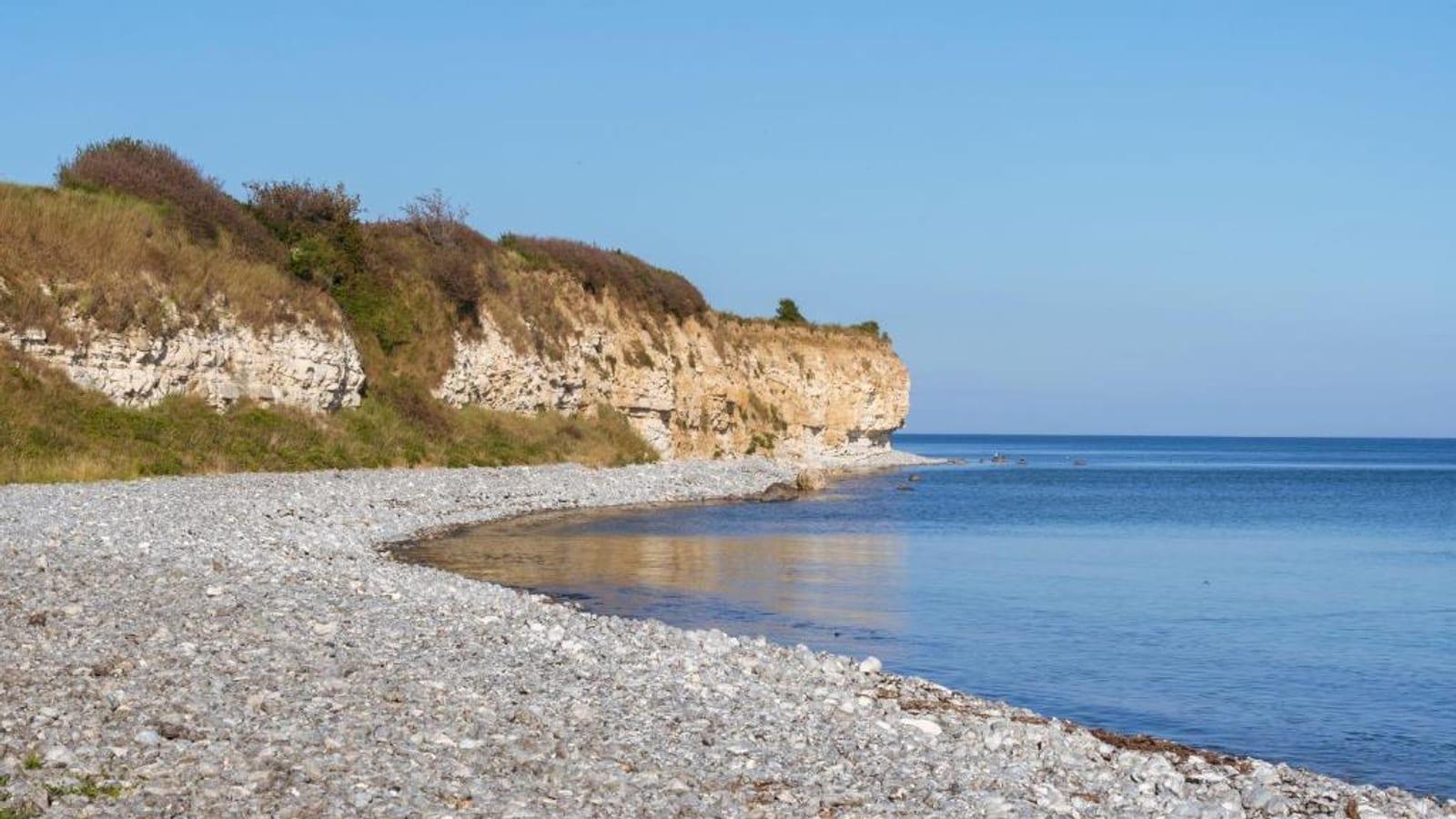
Rødvig Beach Fossil Hunting Guide
Zealand, Denmark
Belemnites, Sea Urchins, Brachiopods, Bryozoans
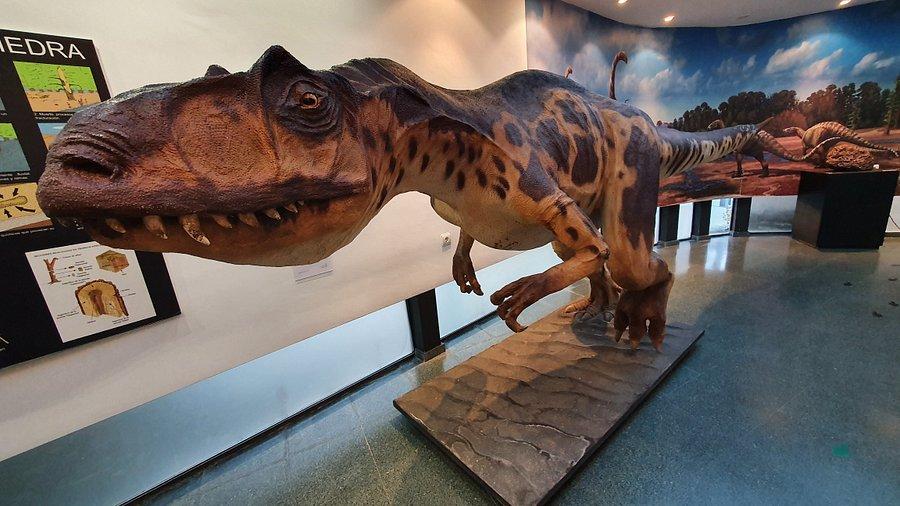
Salas de los Infantes Dinosaur Sites Fossil Hunting Guide
Burgos, Castile and León, Spain
Demandasaurus darwini (sauropod), Europatitan eastwoodi, Iniestapodus burgensis (theropod track), Stegosaurid spines and plates
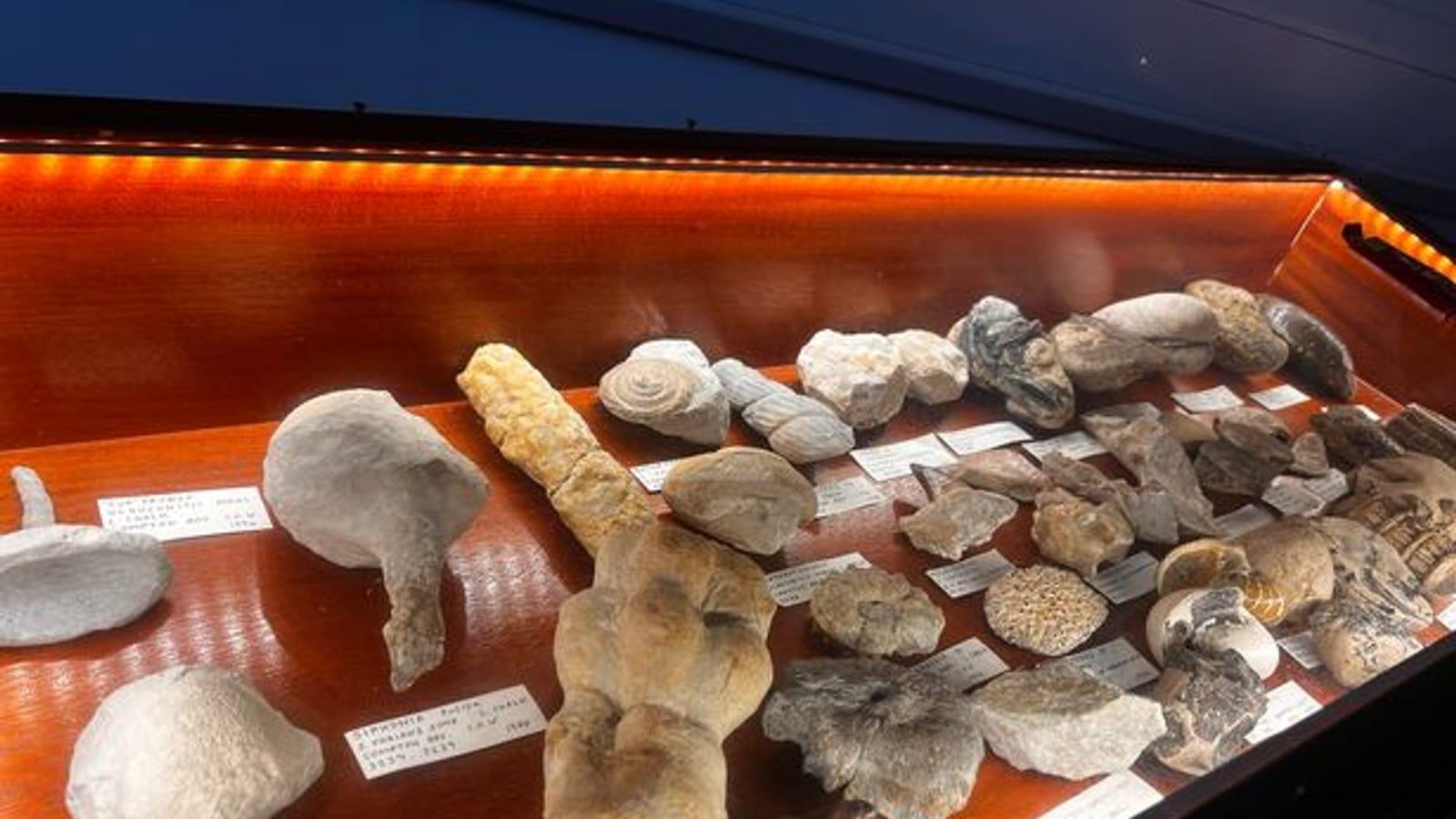
Seaton Fossil Hunting Guide
England, United Kingdom
Ammonites, Echinoids, Brachiopods, Bivalves
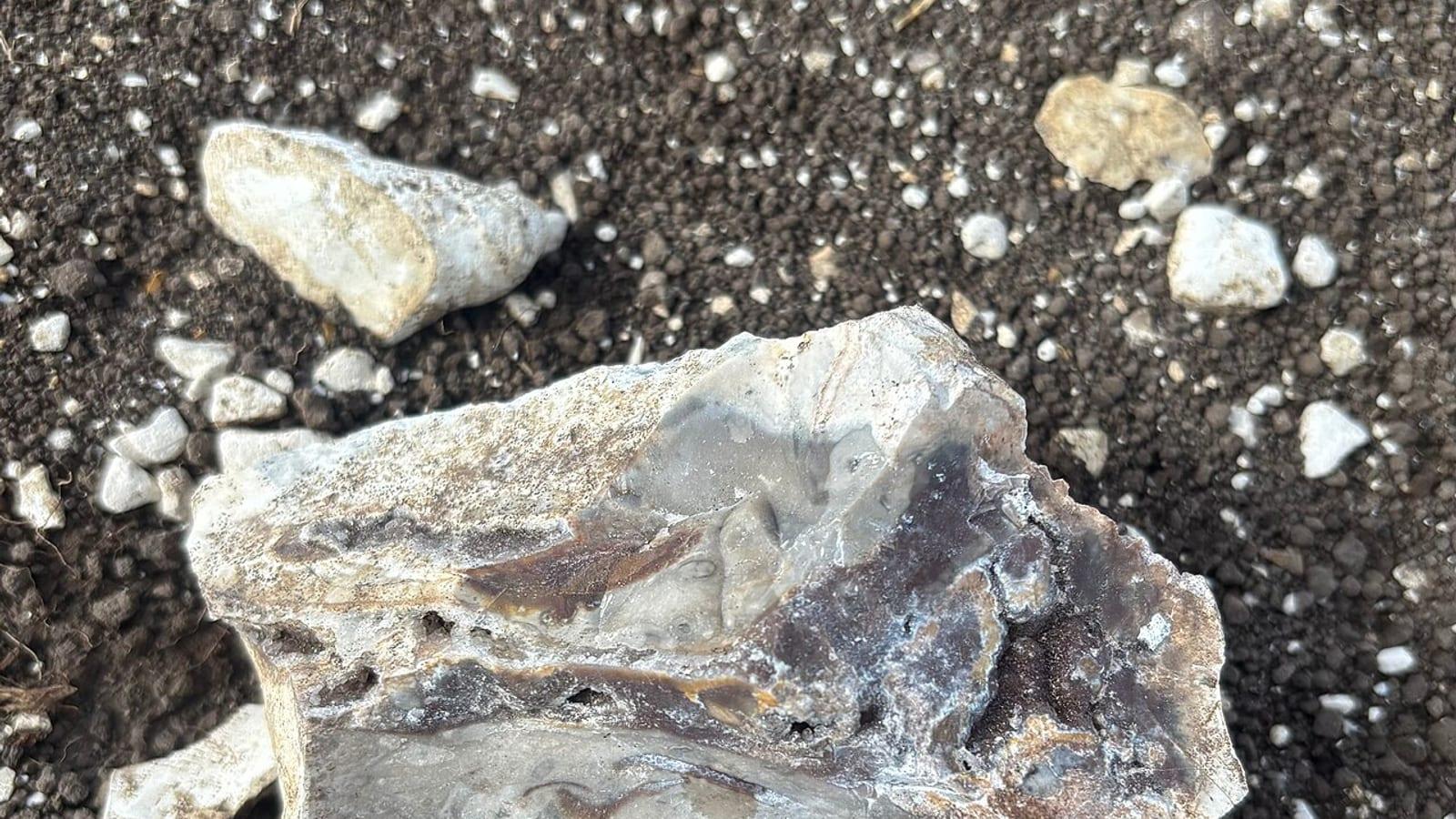
Seven Sisters Fossil Hunting Guide
England, United Kingdom
Echinoids, Shark Teeth, Brachiopods, Bivalves
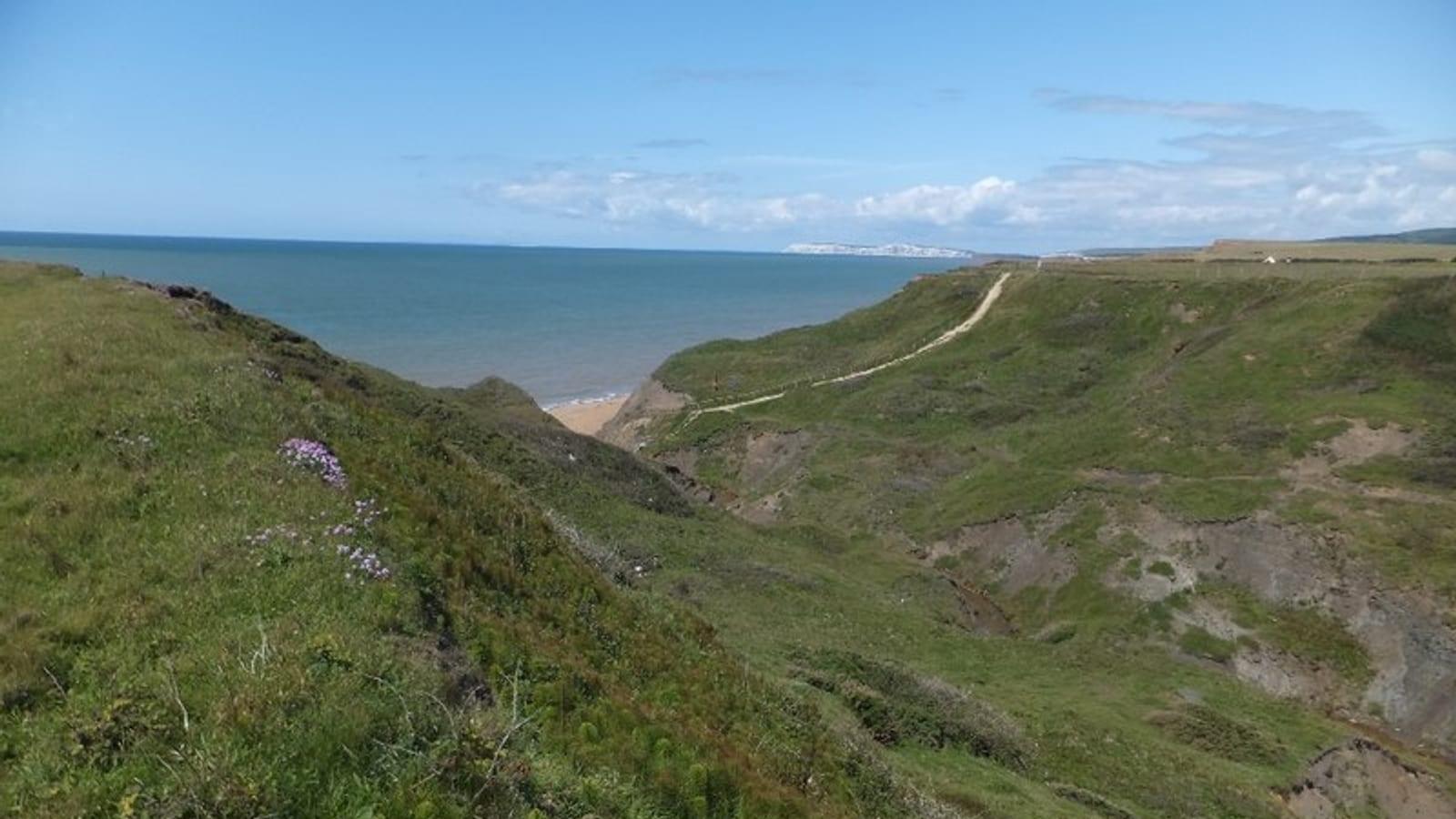
Shepherds Chine Whale Chine Isle of Wight Fossil Hunting Guide
United Kingdom
Shark teeth, Ammonites, Brachiopods
Sihetun Fossil Dig Site Guide
Liaoning, China
Feathered dinosaurs, Early birds, Pterosaurs, Early mammals
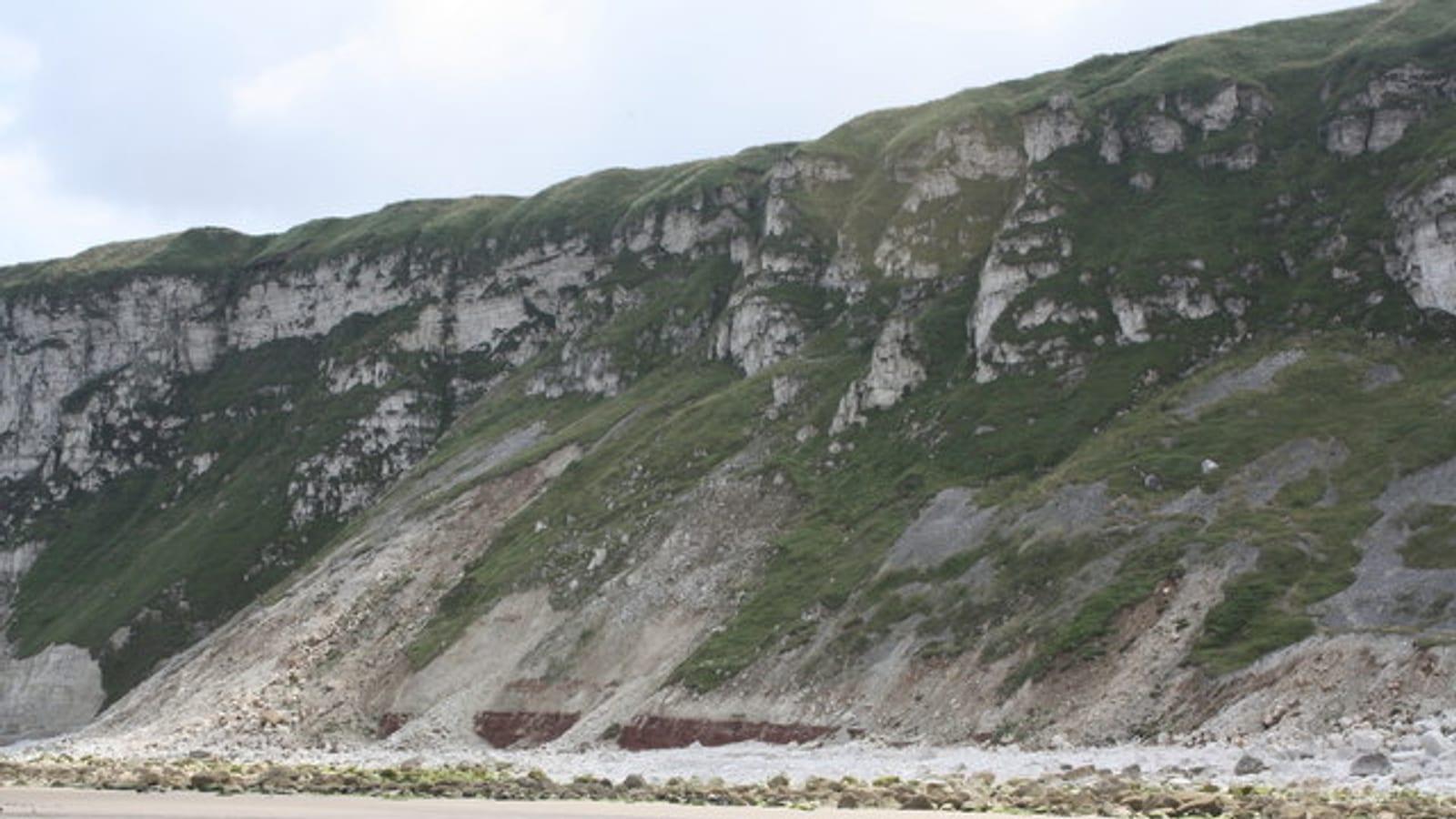
Speeton Cliffs Yorkshire Fossil Hunting Guide
United Kingdom
Ammonites, Belemnites, The Speeton Shrimp, Echinoids
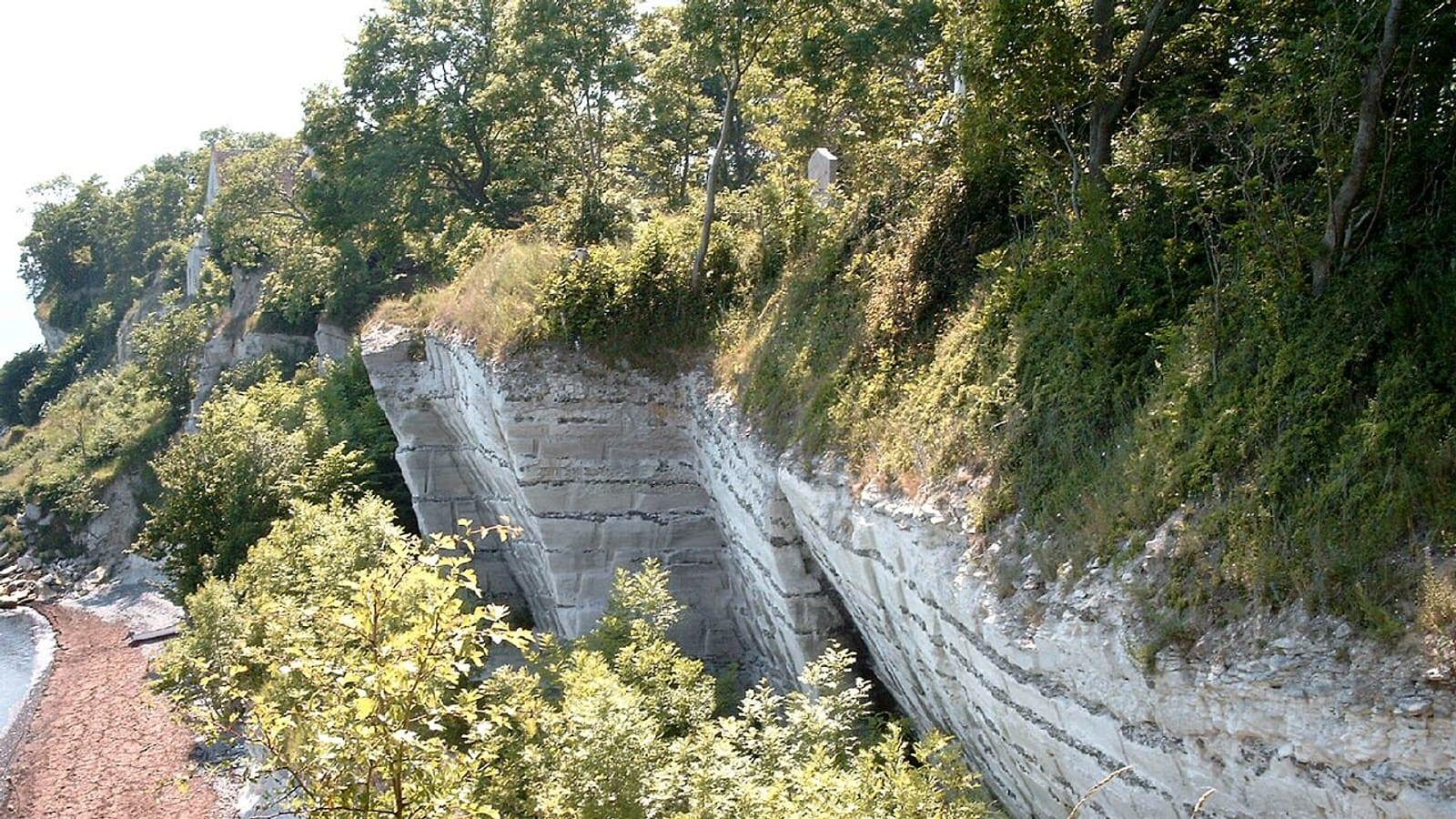
Stevns Klint Hoejerup k pg Boundary Fossils Fossil Hunting Guide
4660 Store Heddinge
Højerup Church, Belemnites, Sea urchin, Bryozoan
Store Klint Mons Klint Tallest Cliffs Fossils Fossil Hunting Guide
Denmark
Belemnites, Sea urchin, Brachiopods, Bryozoan
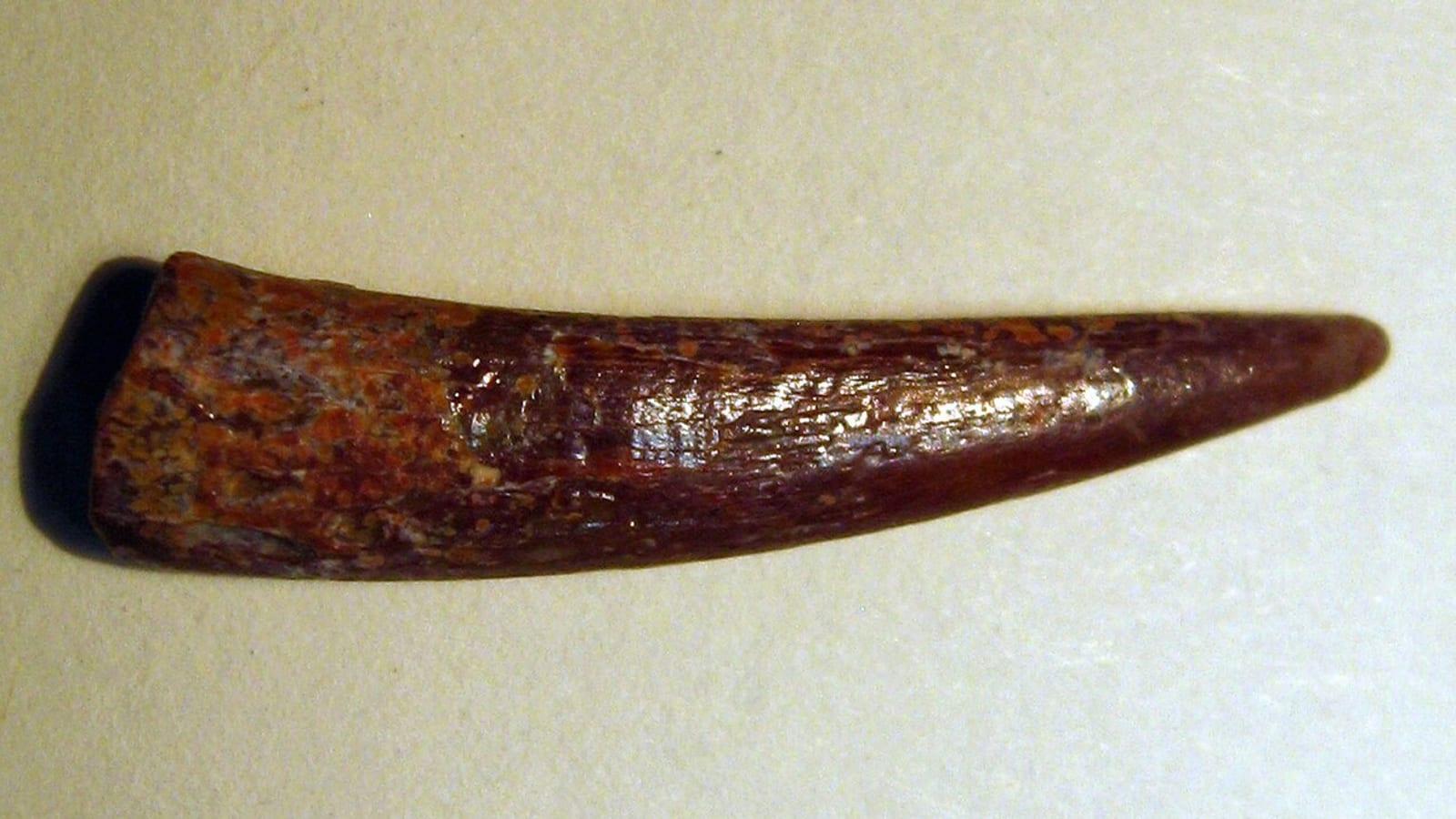
Taouz Cretaceous Fish Fossil Hunting Guide
Morocco
fish teeth, shark teeth, mosasaur remains, Fish teeth
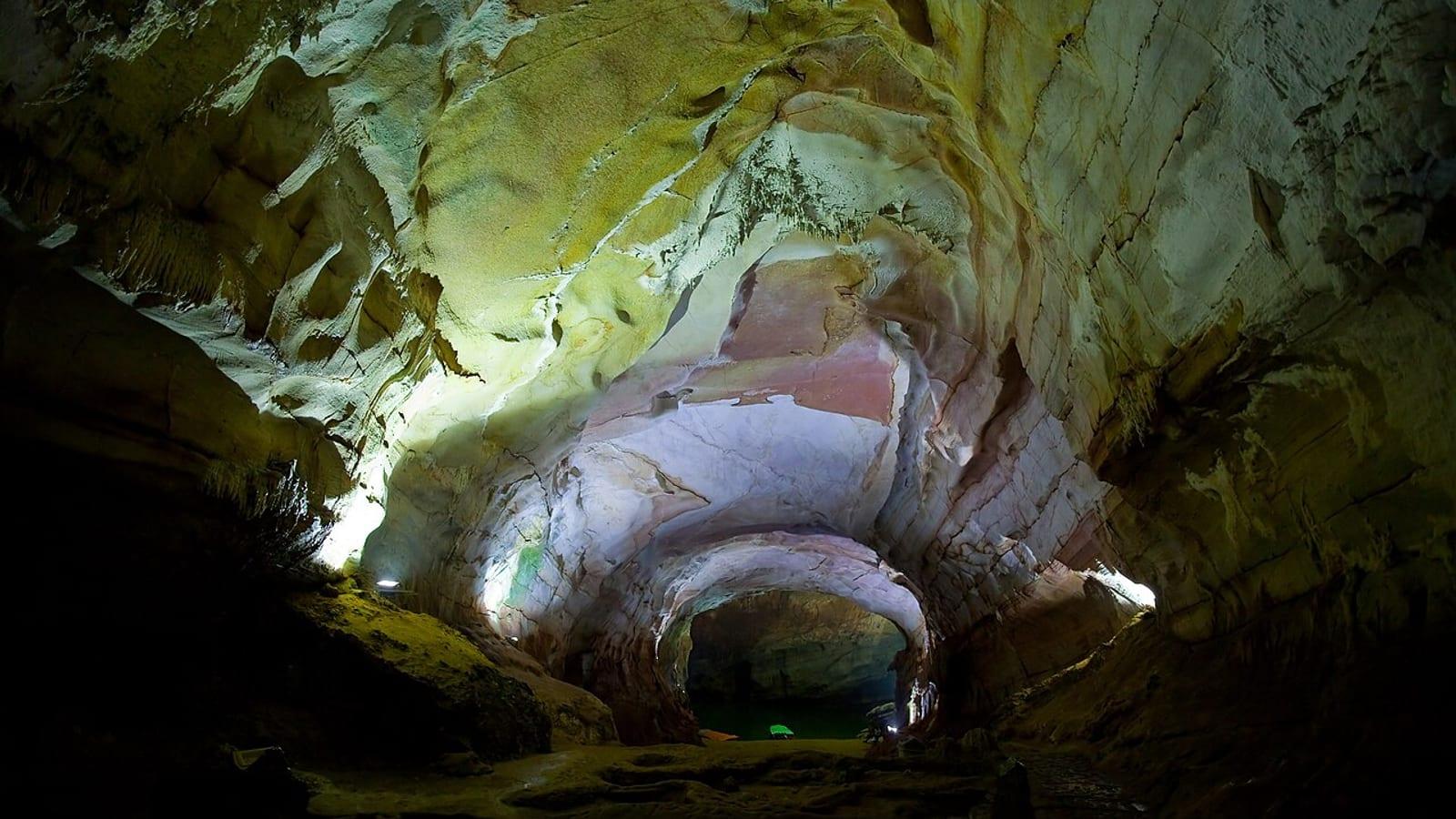
The Caves Inverloch Fossil Hunting Guide
Australia
Dinosaur bones and teeth, Early mammal teeth, Fish, Pterosaur
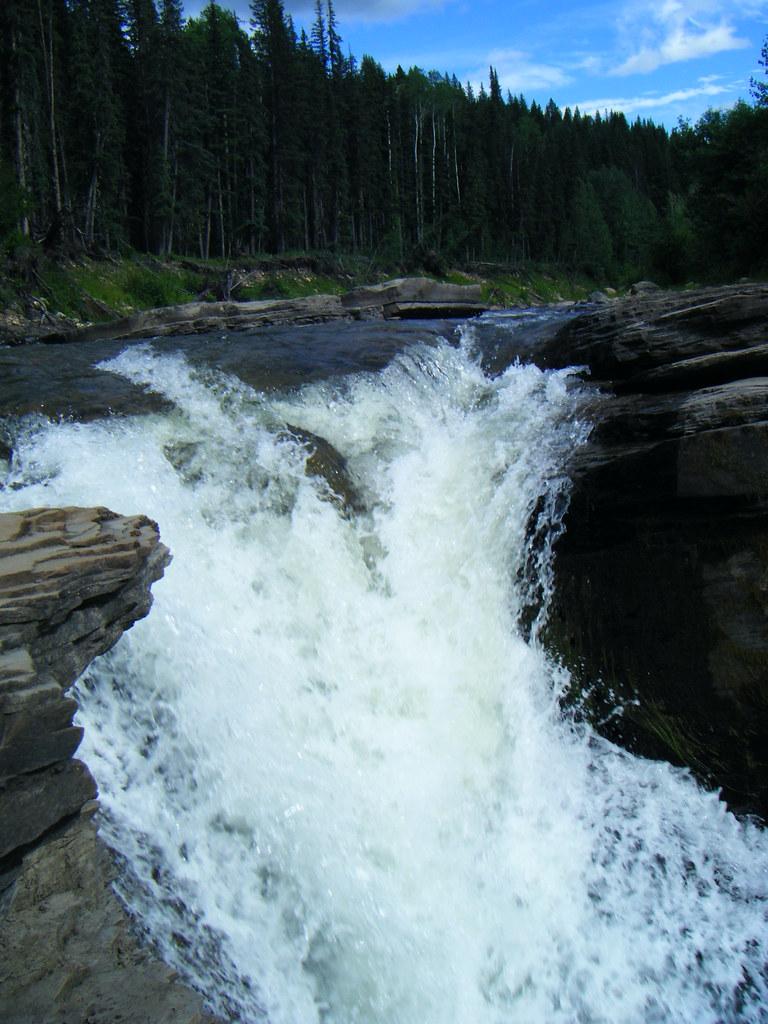
Tumbler Ridge UNESCO Global Geopark Fossil Hunting Guide
British Columbia, Canada
Tyrannosaurid trackways, Ankylosaur footprints, Theropod footprints, Hadrosaur footprints
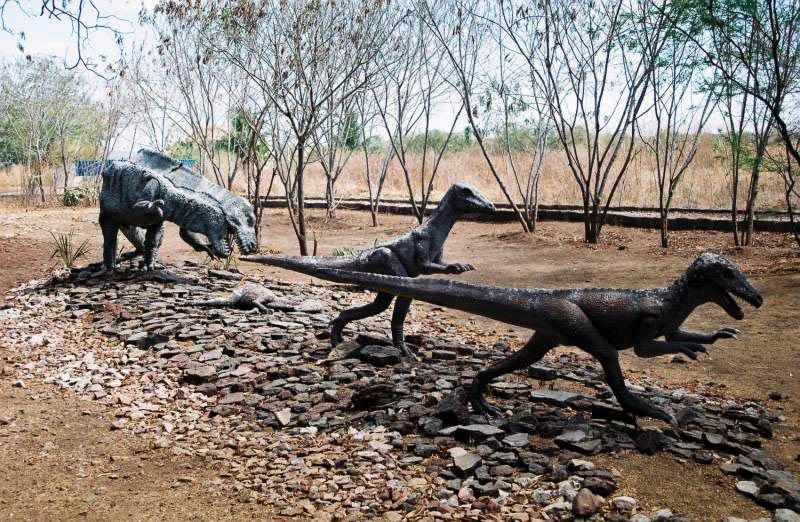
Vale dos Dinossauros (Sousa Basin) Fossil Hunting Guide
Paraíba, Brazil
Sauropod trackways, Theropod footprints, Iguanodontian footprints, Stegosaurid prints
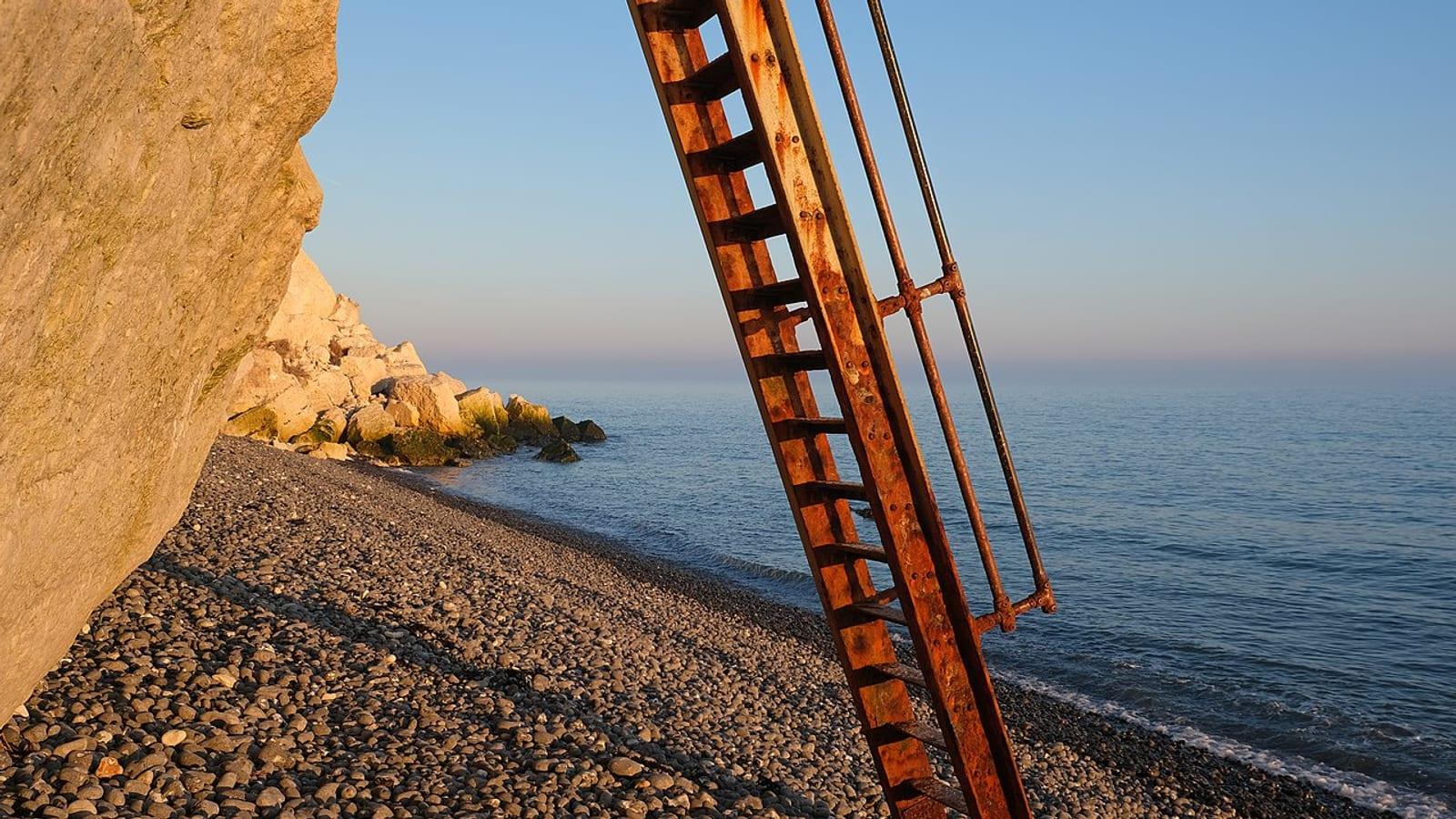
White Cliffs Opal Fossicking Fossil Hunting Guide
Australia
Bivalve shells, Belemnites, Ammonites, NSW Fossicking Licence
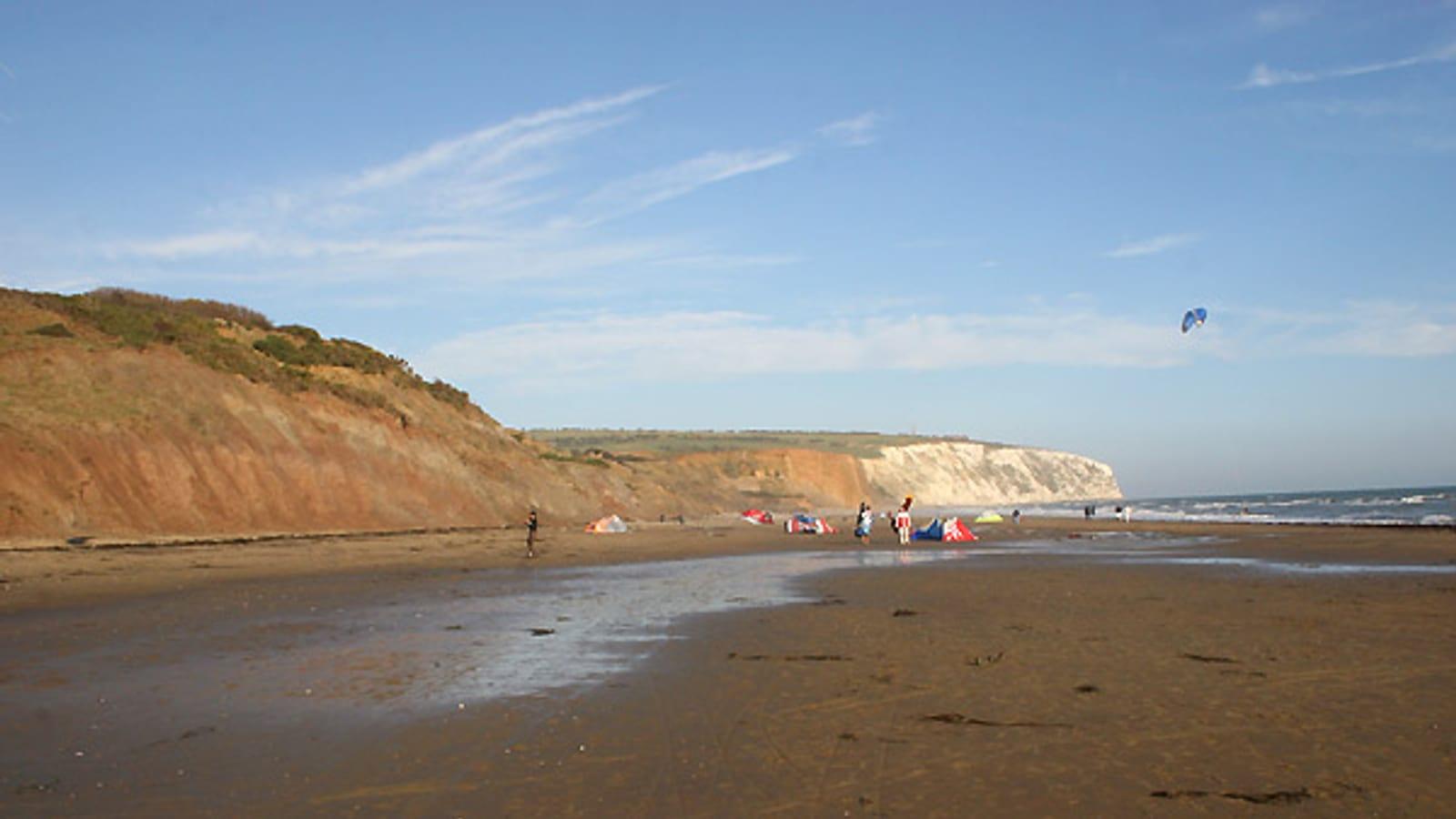
Yaverland Fossil Hunting Guide
Sandown
Dinosaur bone fragments, Dinosaur teeth, Dinosaur footprints, Fish remains
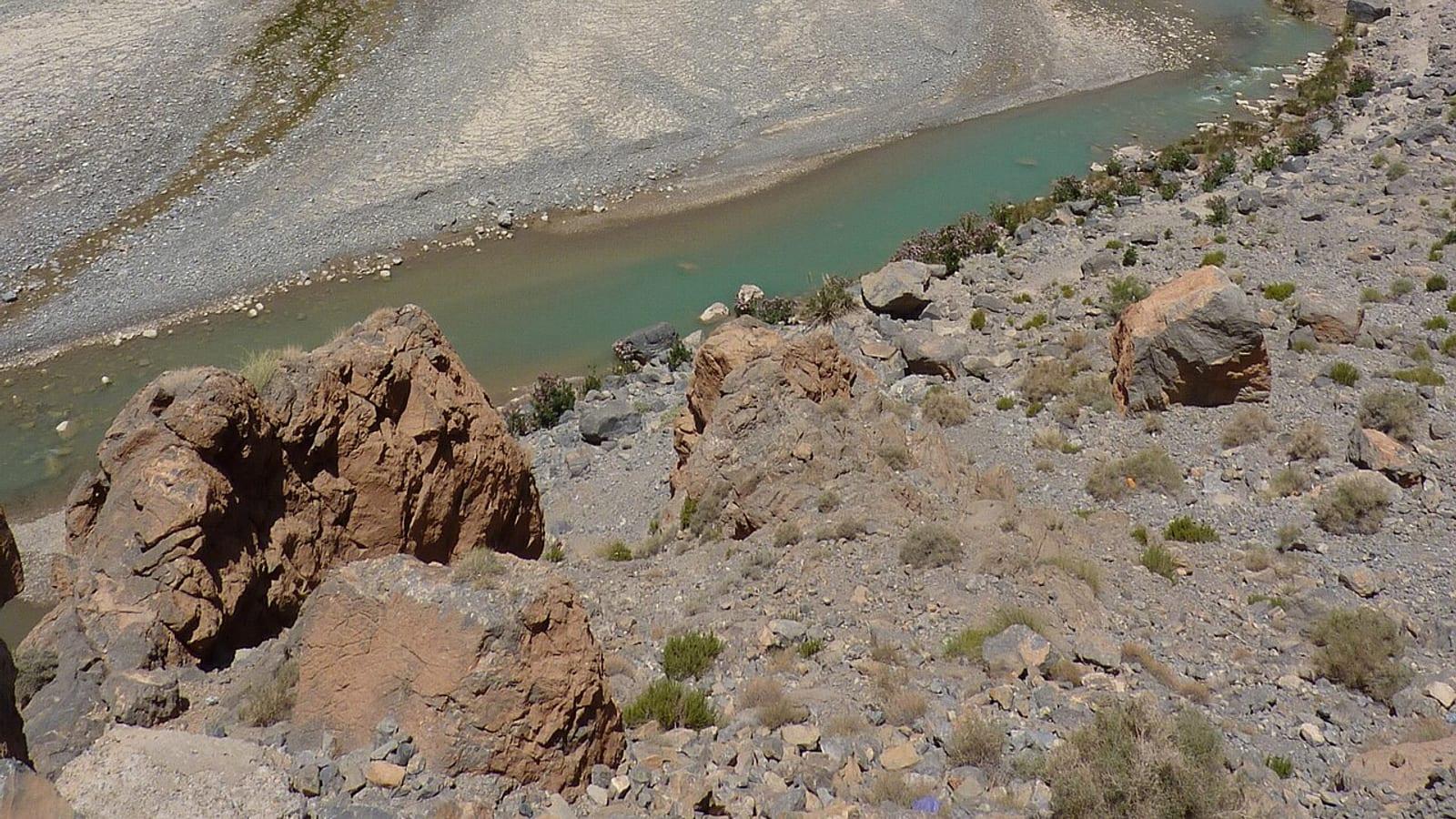
Ziz Gorge Echinoid Site Errachidia Fossil Hunting Guide
Morocco
Micraster echinoids, irregular echinoids, Bivalves, Rudist bivalve
Frequently asked questions
- What is the easiest Cretaceous fossil to find?
- Shark teeth. Enamel-covered dentine survives weathering and transport well. Creeks and beaches cutting through Cretaceous sands concentrate them. Big Brook in New Jersey and Post Oak Creek in Texas are two well known examples.
- How do I recognize chalk fossils?
- Chalk is soft, white, and built almost entirely from microscopic algal plates. Fossils in it often survive as flint casts, which are much harder than the surrounding rock. Echinoids and sponges preserved that way weather out whole.
- Are Kem Kem dinosaur fossils reliable?
- Treat them with caution. The Kem Kem beds are collected commercially and specimens pass through several hands before sale. Composite pieces are common, and locality information is often lost or invented. Buy only from dealers who document provenance.