Country
Fossil hunting in Australia
Australia preserves a uniquely deep paleontological record, from the 3.5-billion-year-old Pilbara stromatolites and the Ediacaran biota of Nilpena (the world's oldest complex animals) through Cretaceous dinosaur trackways and Pleistocene marsupial megafauna. The continent's relative geological stability means many sites are exceptionally well-preserved.
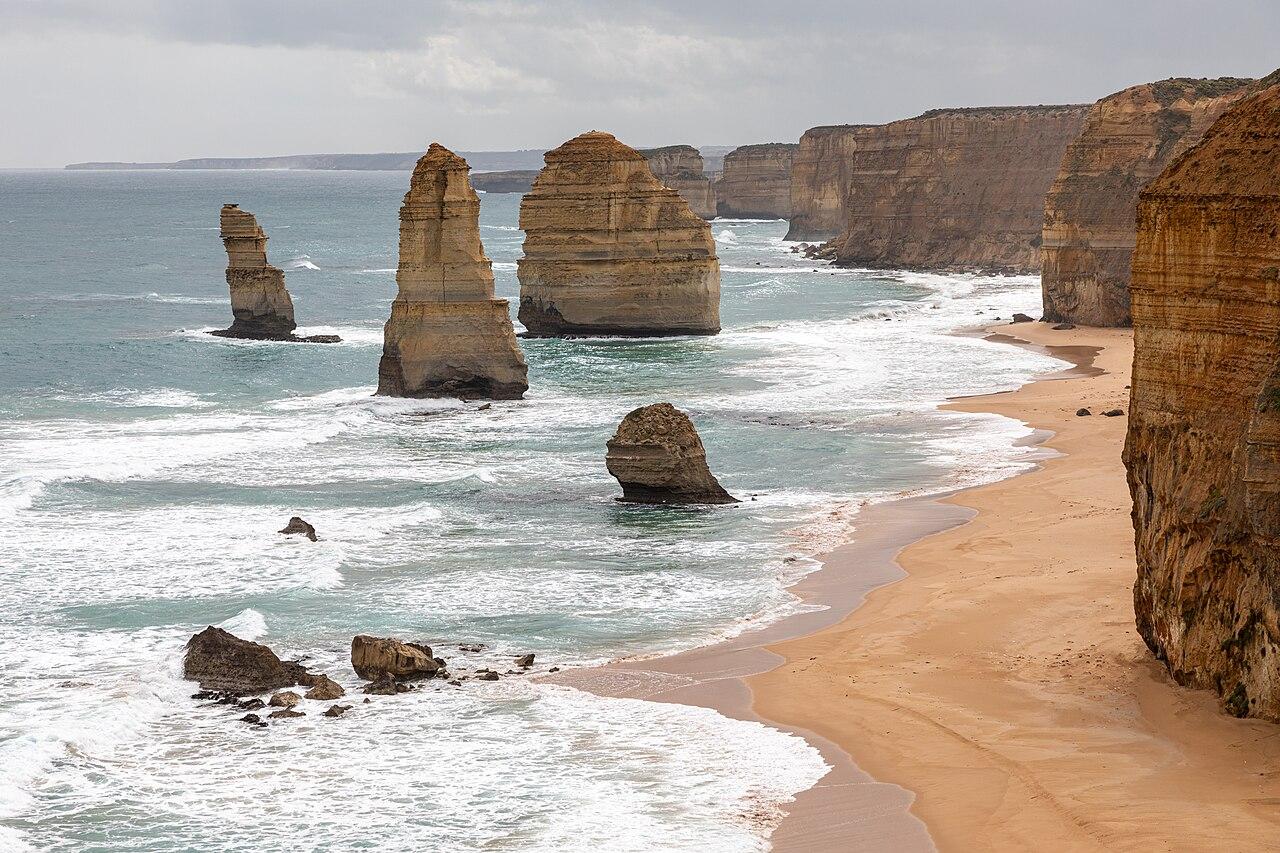
Australian collecting law is restrictive: most fossiliferous sites are protected as either National Heritage areas (Riversleigh, Naracoorte) or as state geoheritage sites where collecting is prohibited. Several iconic locations (Lightning Ridge opal fossils, the White Cliffs opal field in NSW, and South Australia's Coober Pedy fields) operate under fossicking permits that allow personal collection of opalised material, which sometimes includes opalised bone, shell, and tooth fossils.
The continent rewards travel. Drives between sites are long. Public transport is rarely an option. Many of the best collecting localities are inside dedicated paleontology museums or commercial dig operations rather than self-guided field sites. Seasons matter: the outback (Lightning Ridge, Winton, Pilbara) is best visited April through September. The southern coastal sites (Beaumaris, Inverloch) are accessible year-round but storm-tide windows produce the best material.
Where to start by region. South Australia: Nilpena Ediacara National Park (Ediacaran in-situ viewing, guided only) and Naracoorte Caves (Pleistocene megafauna, walk-through). Queensland: Australian Age of Dinosaurs Museum in Winton (Cretaceous dinosaur dig experiences). Western Australia: Pilbara stromatolites (3.5-billion-year-old life, viewing only) and Gogo Formation Devonian fish (Kimberley, guided). New South Wales: Lightning Ridge opalised dinosaur fossils (fossicking permits available) and Talbragar Jurassic fish (Gulgong, viewing). Victoria: Beaumaris Bay and Inverloch Dinosaur Dreaming dig site.
Practical permit notes: fossicking permits in NSW (Mineral Resources NSW) cost roughly AUD$80 for 12 months and cover Lightning Ridge and White Cliffs. South Australia's Precious Stones Fields permit covers Coober Pedy. Removal of any fossil from a National Park, Marine Park, or designated heritage site is illegal regardless of permit status. When in doubt, photograph and leave.
30 fossil sites
Updated 4 August 2026
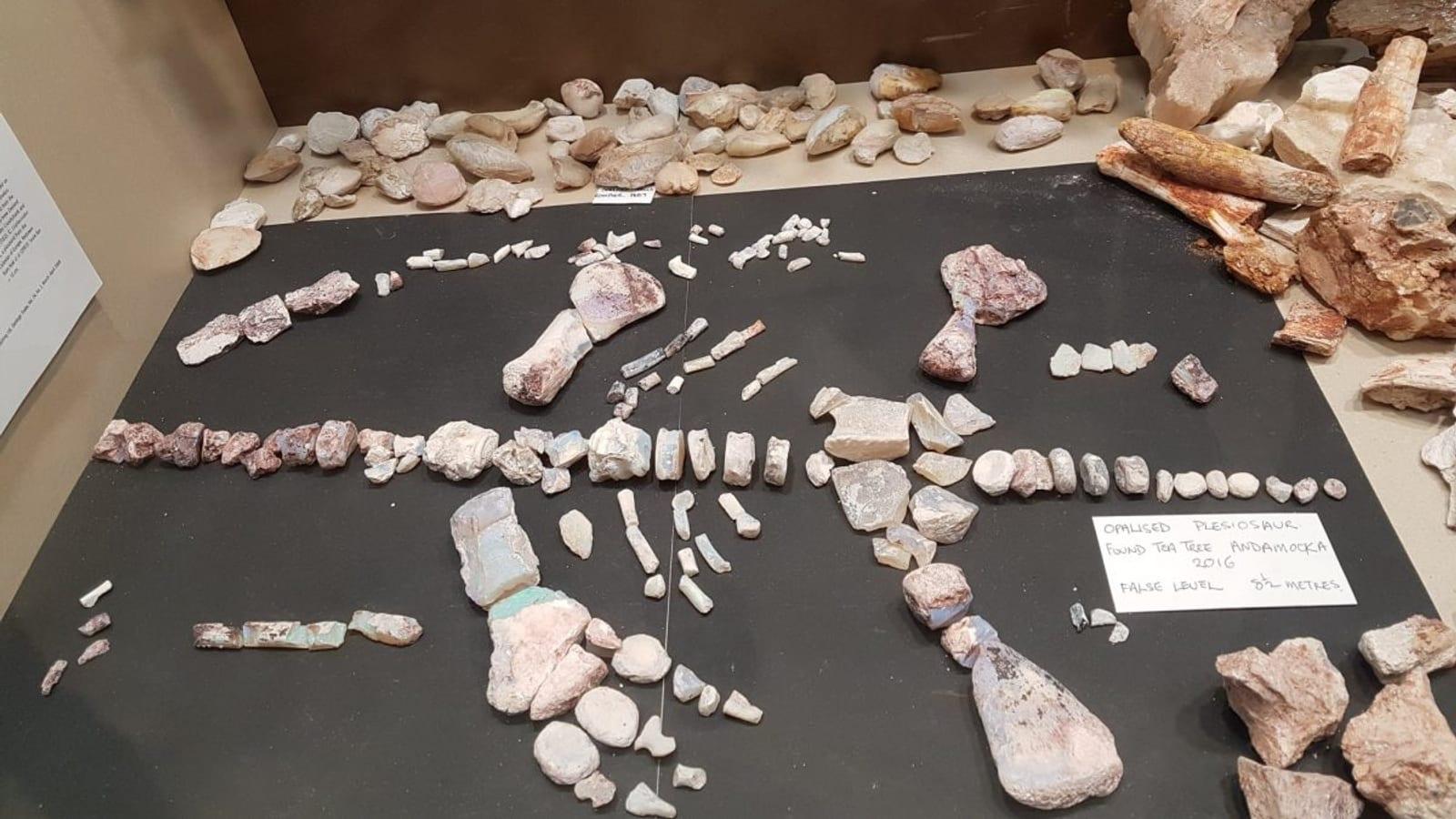
Andamooka Opal Fossils Fossicking Fossil Hunting Guide
Australia
Addyman Plesiosaur, Opallionectes andamookaensis, Kakuru kujani, Opalised bivalves
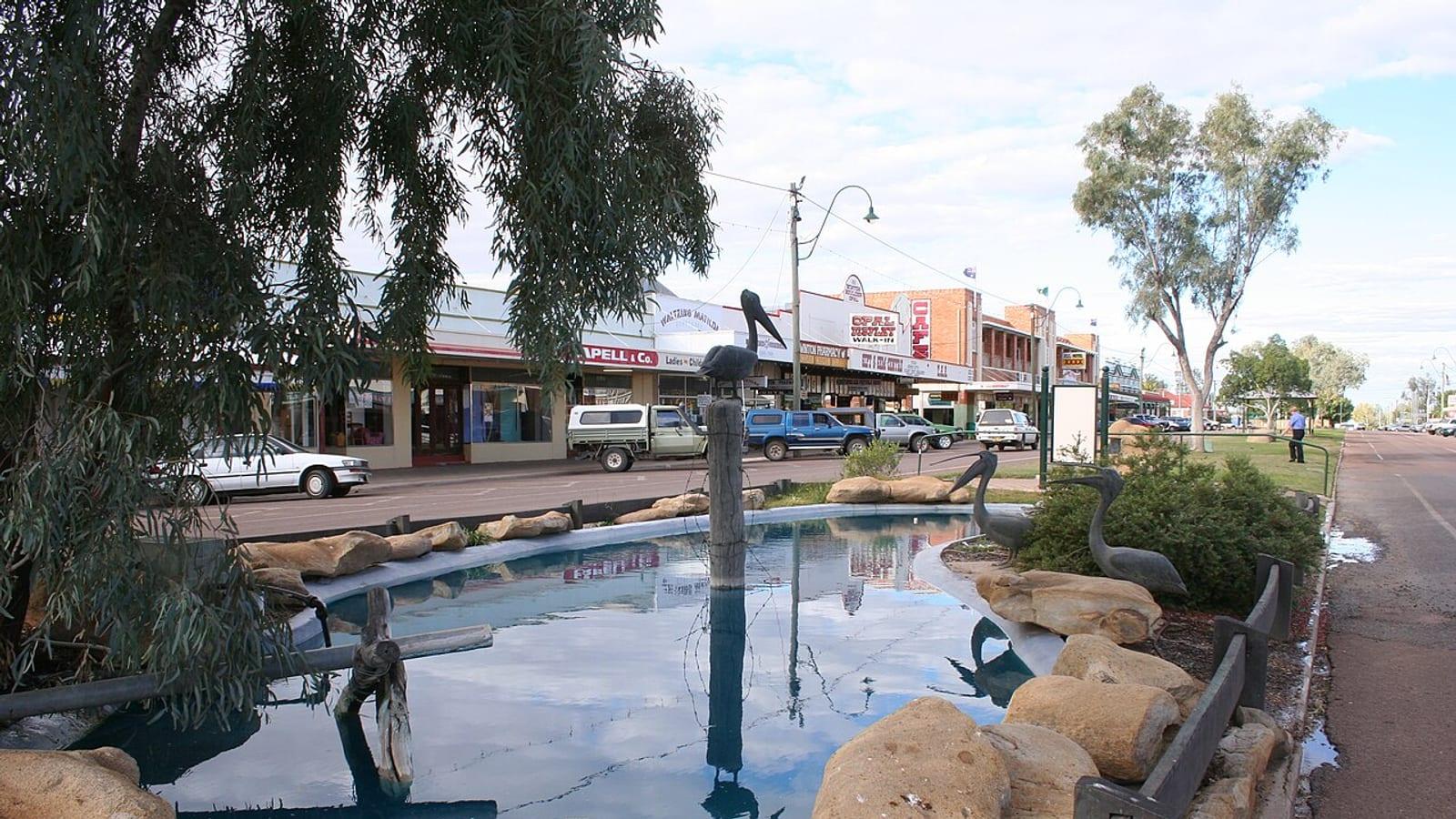
Australian Age of Dinosaurs Museum Winton Fossil Hunting Guide
Australia
Australian Age of Dinosaurs Museum, Diamantinasaurus matildae, Australovenator wintonensis, Savannasaurus elliottorum
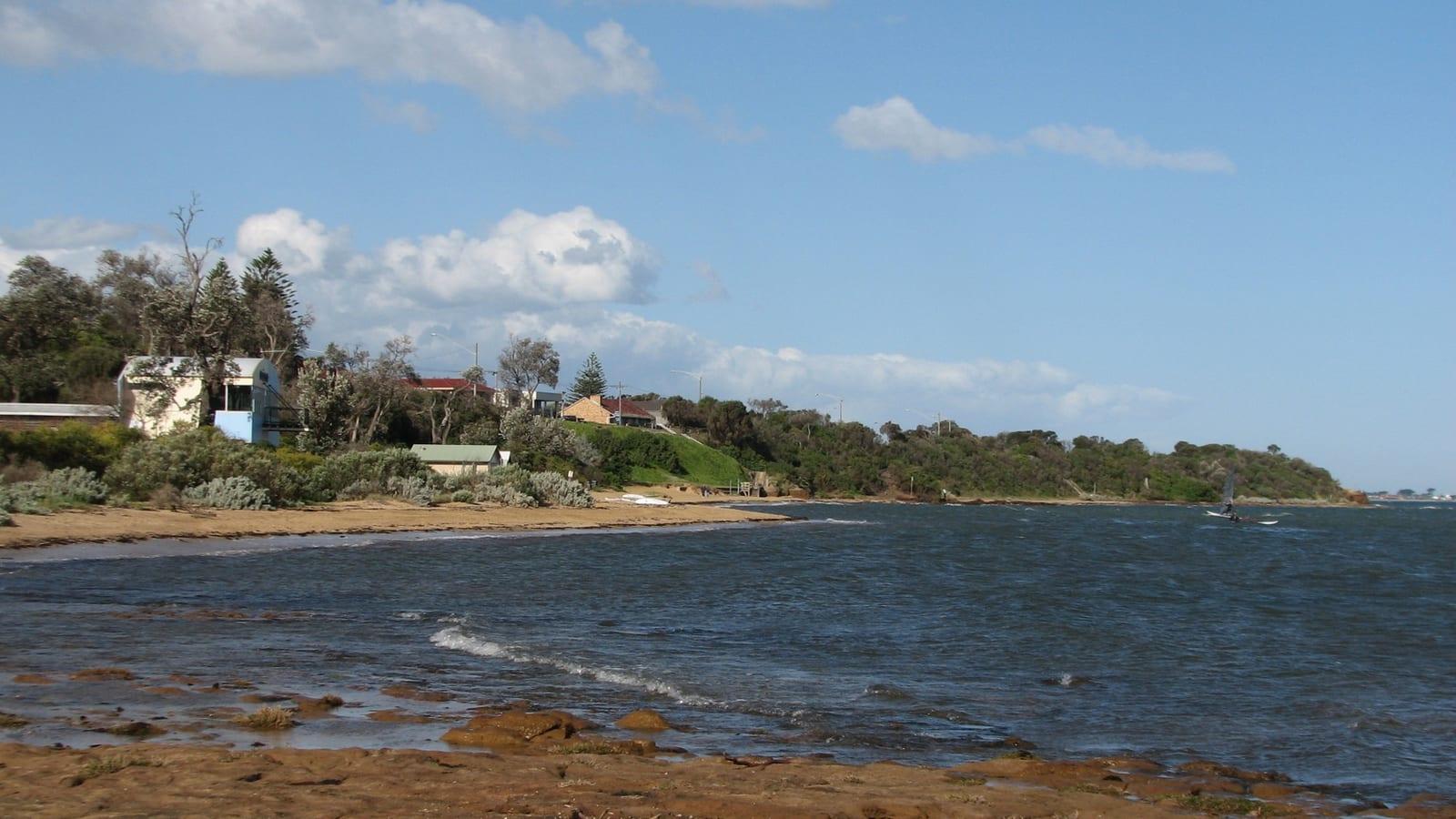
Beaumaris Bay Fossil Site Melbourne Fossil Hunting Guide
Australia
shark teeth, Carcharocles megalodon, Isurus hastalis, Cetacean bones
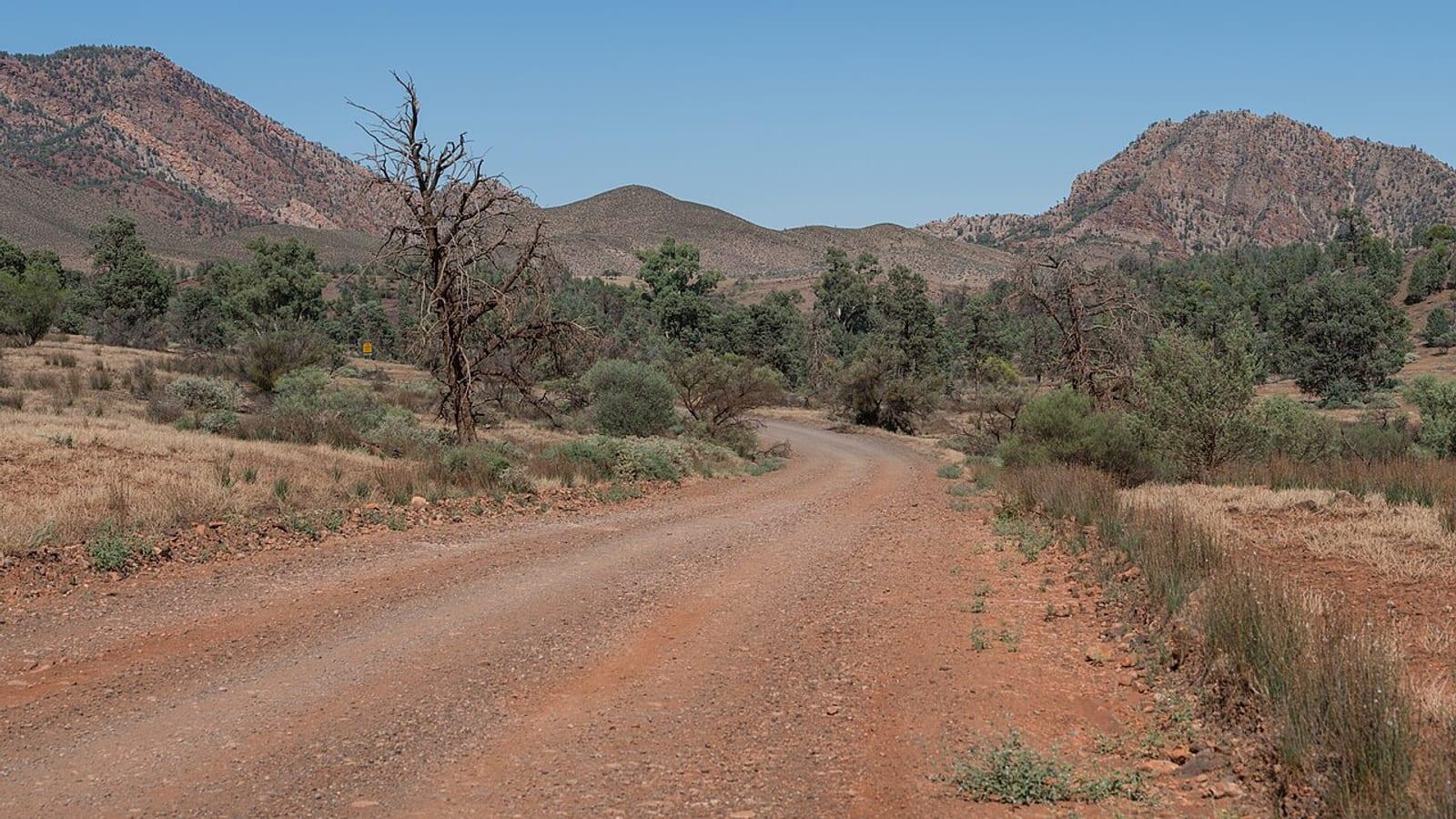
Brachina Gorge Geological Trail Fossil Hunting Guide
Australia
Ediacaran soft-bodied organisms
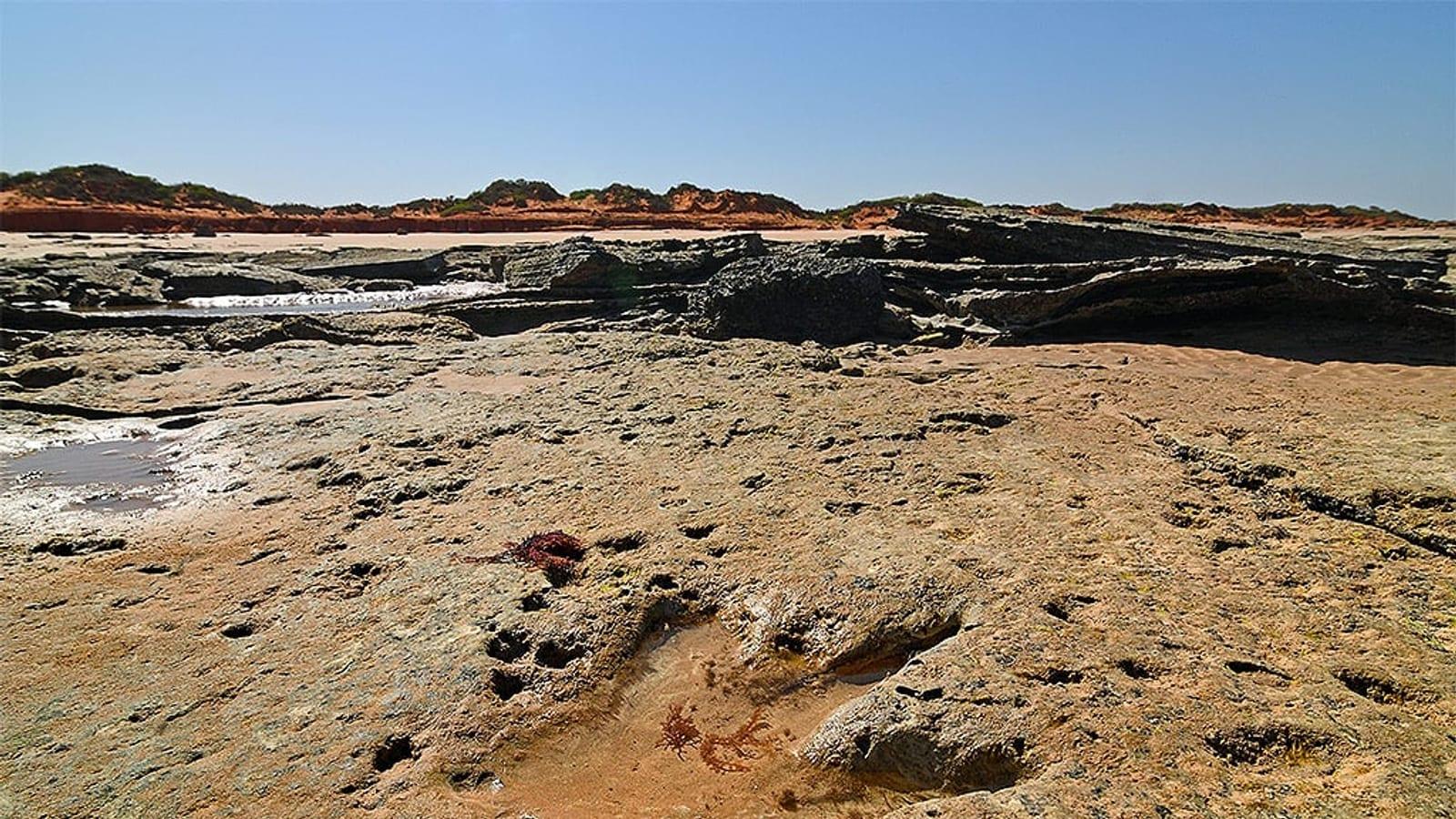
Broome Dinosaur Trackways Gantheaume Point
Broome
Sauropod tracks, Theropod tracks, Ornithopod tracks, Thyreophoran tracks
Chinchilla Fossil Museum Queensland Fossil Hunting Guide
Chinchilla
Chinchilla Sand, Varanus komodoensis, Euryzygoma dunense, Quinkana
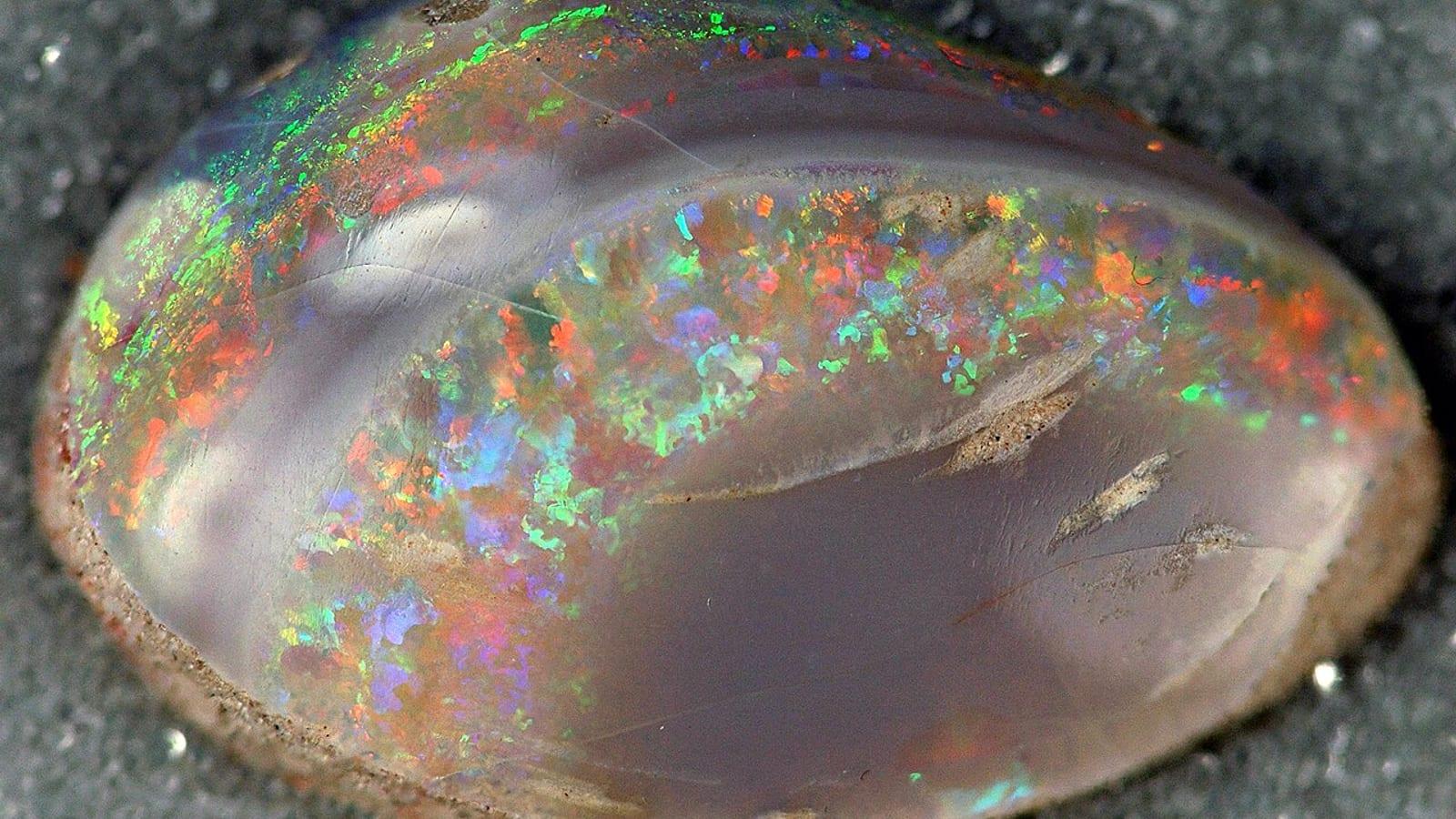
Coober Pedy Opal Fossils Eric Plesiosaur Fossil Hunting Guide
Australia
Bivalves and gastropods, Belemnites, Fish remains, marine reptiles
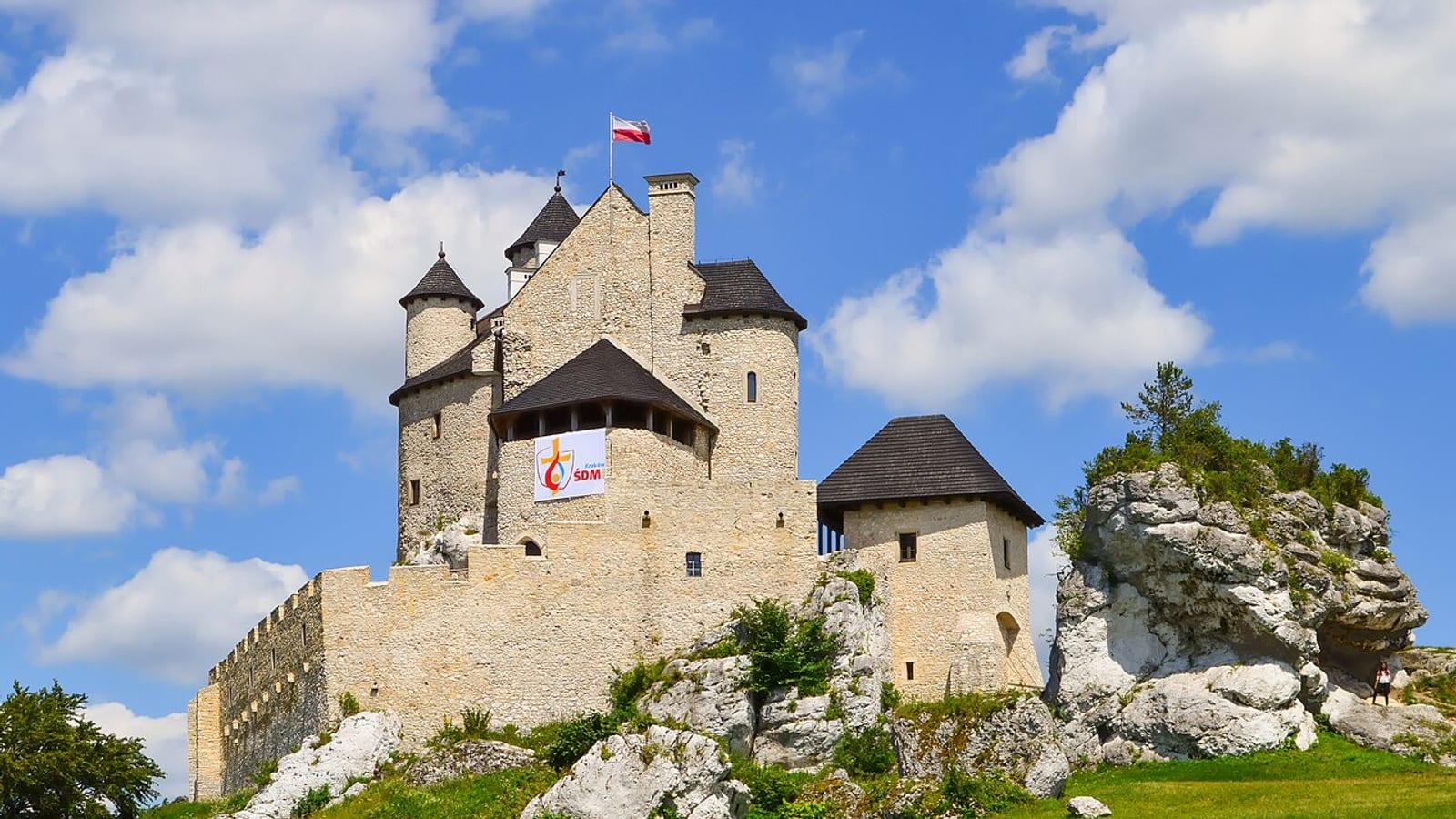
Eagles Nest Cape Paterson First Dinosaur Fossil Hunting Guide
Bunurong Marine and Coastal Park
Theropod dinosaur material, Ornithopod dinosaurs, Fish scales and teeth
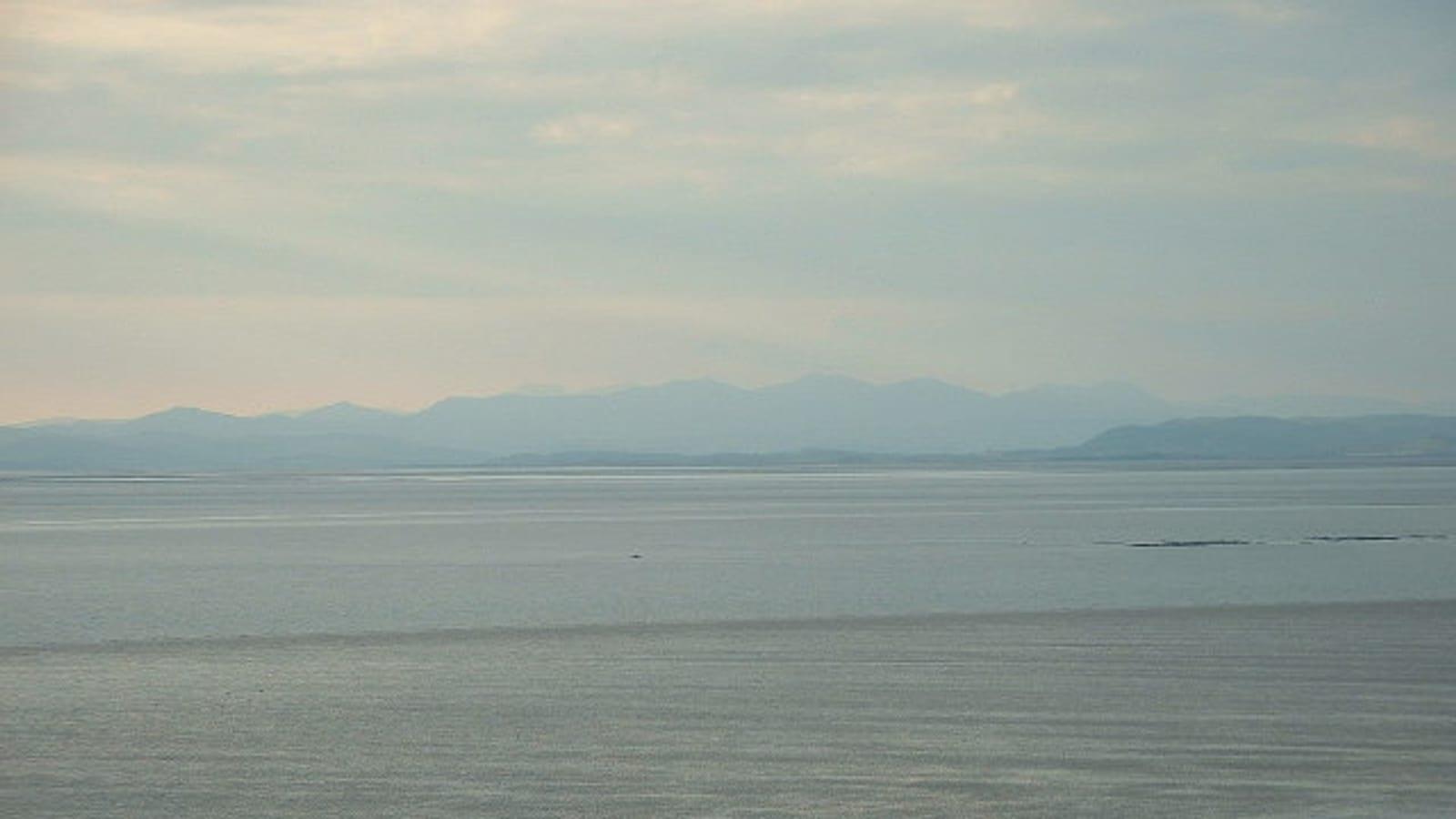
Flat Rocks Inverloch Dinosaur Dig Site Fossil Hunting Guide
Bass Coast
Polar dinosaurs, Early mammal teeth, Fish, Pterosaur
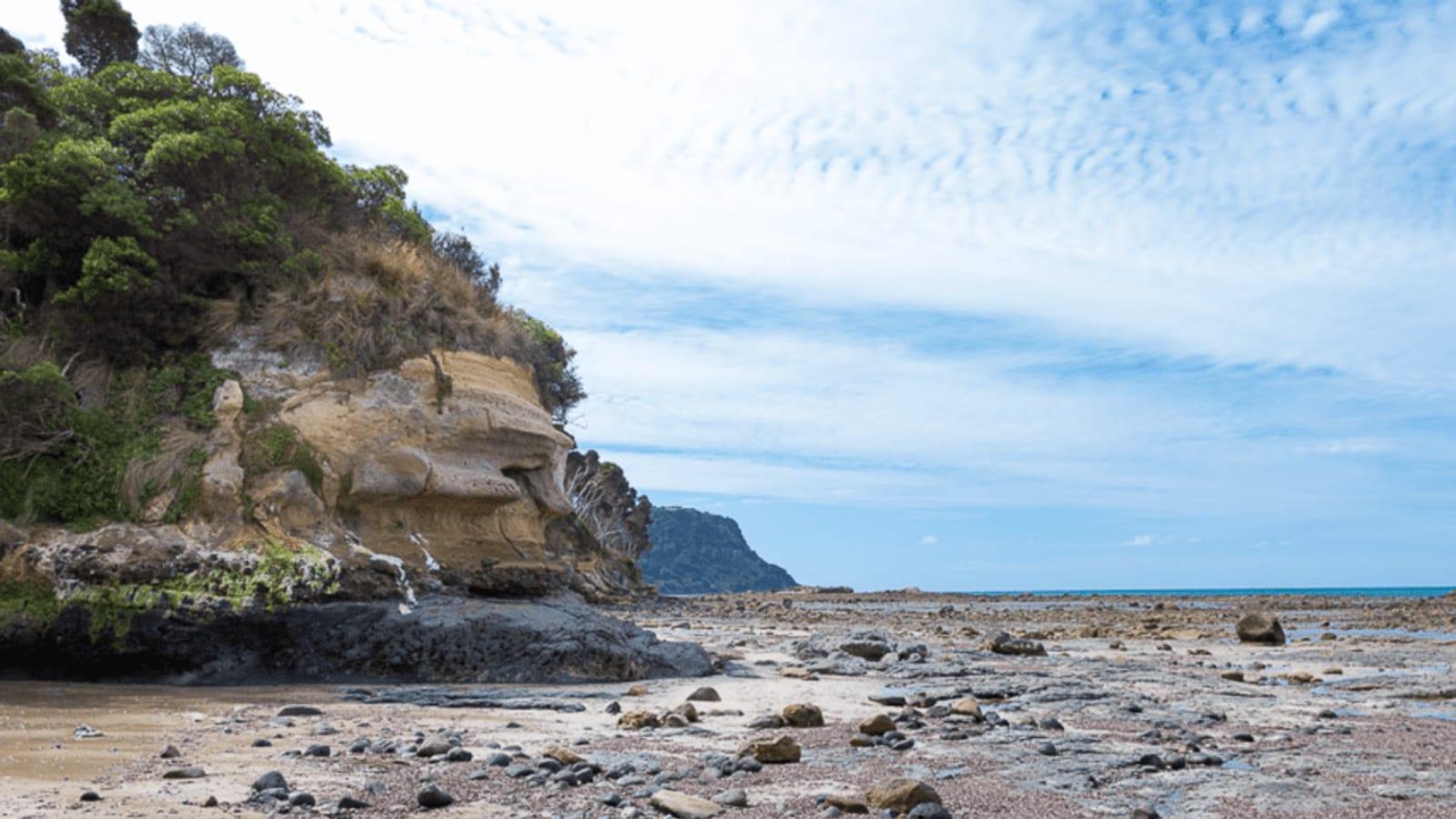
Fossil Bluff Wynyard Fossil Hunting Guide
Tasmania, Australia
Bivalves, Gastropods, Corals, Echinoids
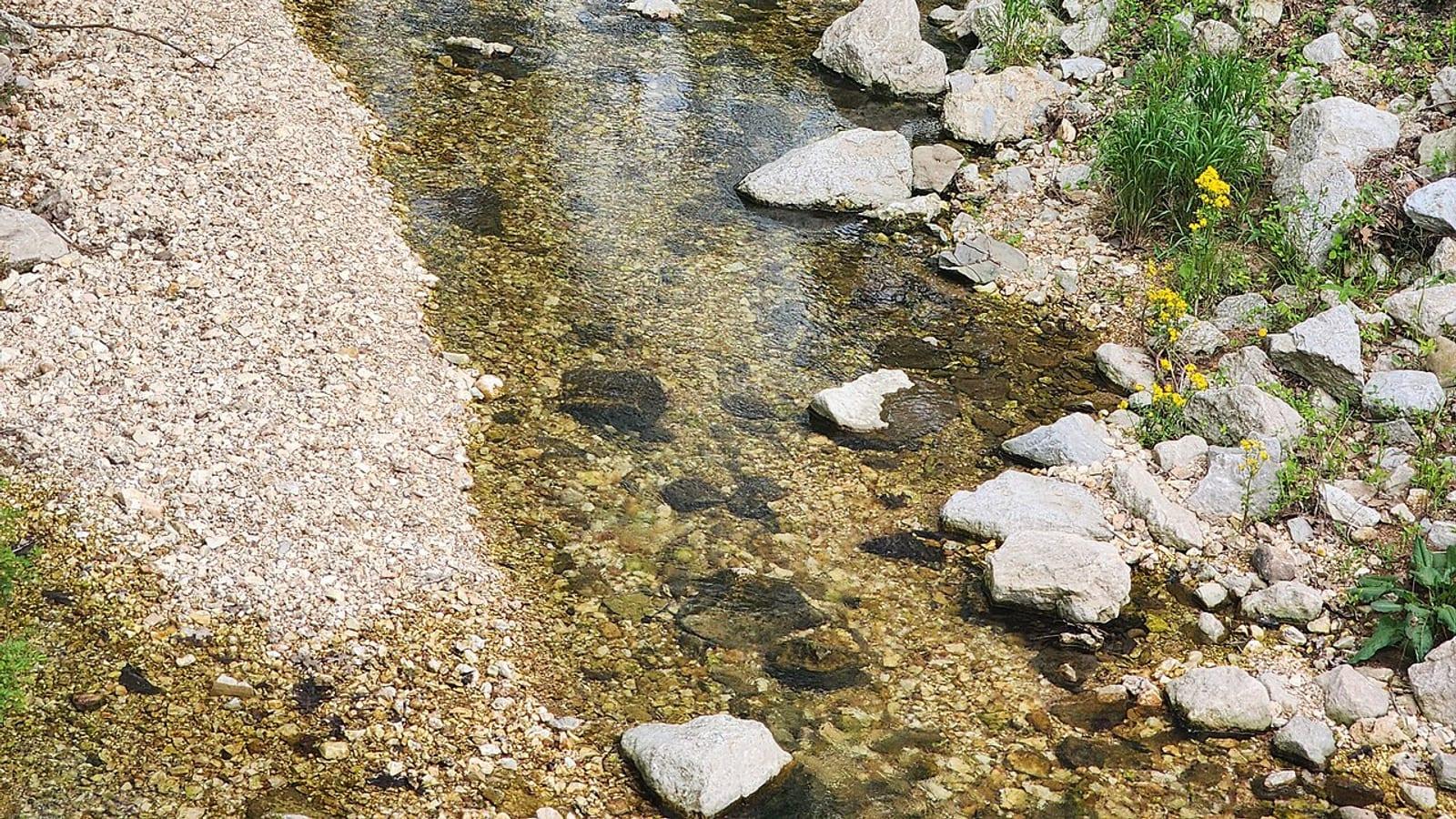
Hamilton Grange Burn Fossil Hunting Guide
Australia
Macropodids, Diprotodontids, Phalangerids
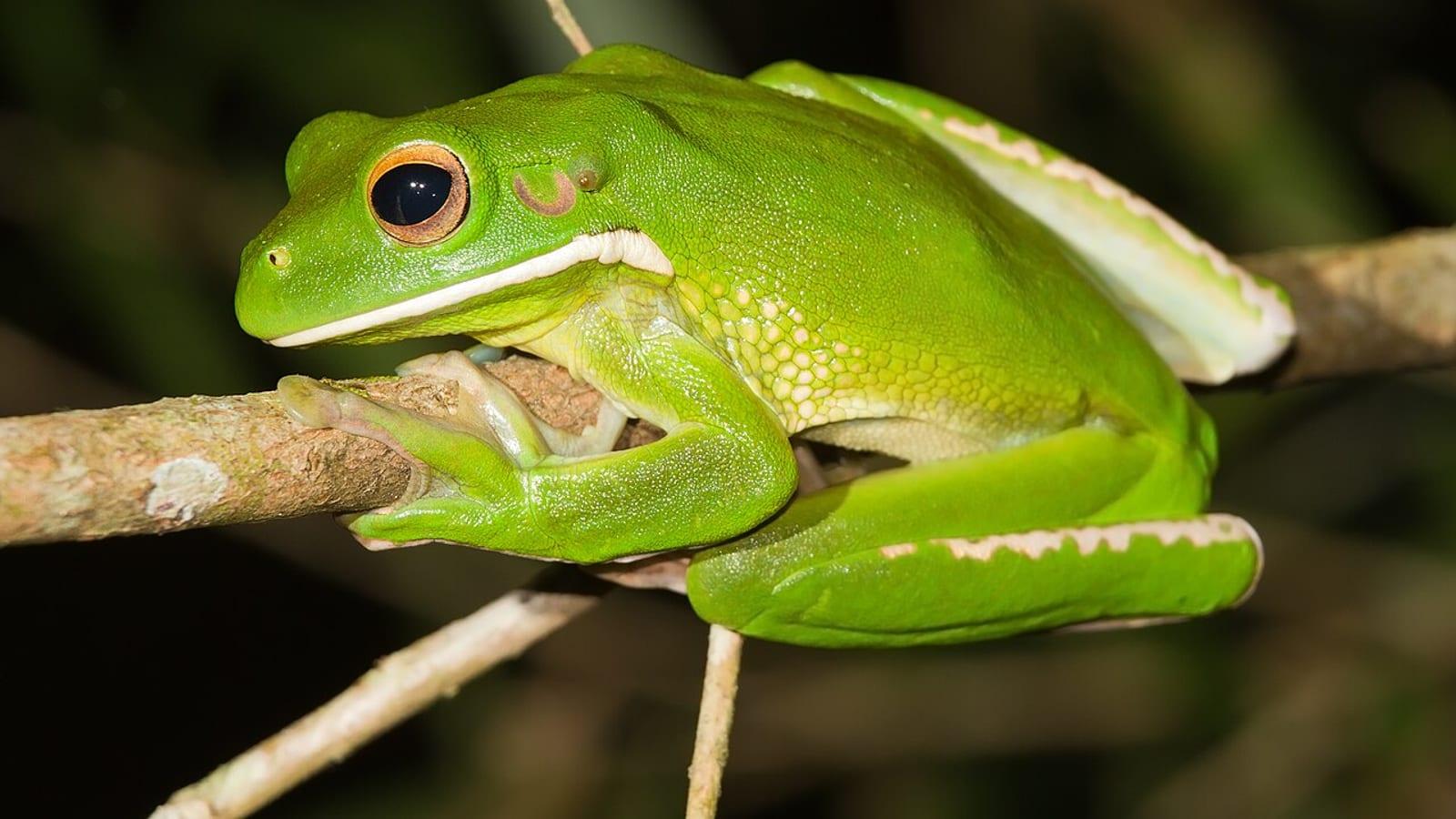
Kronosaurus Korner Queensland Fossil Museum Fossil Hunting Guide
Richmond
Eromanga Sea, Kronosaurus queenslandicus, Muttaburrasaurus langdoni, Plesiosaurs
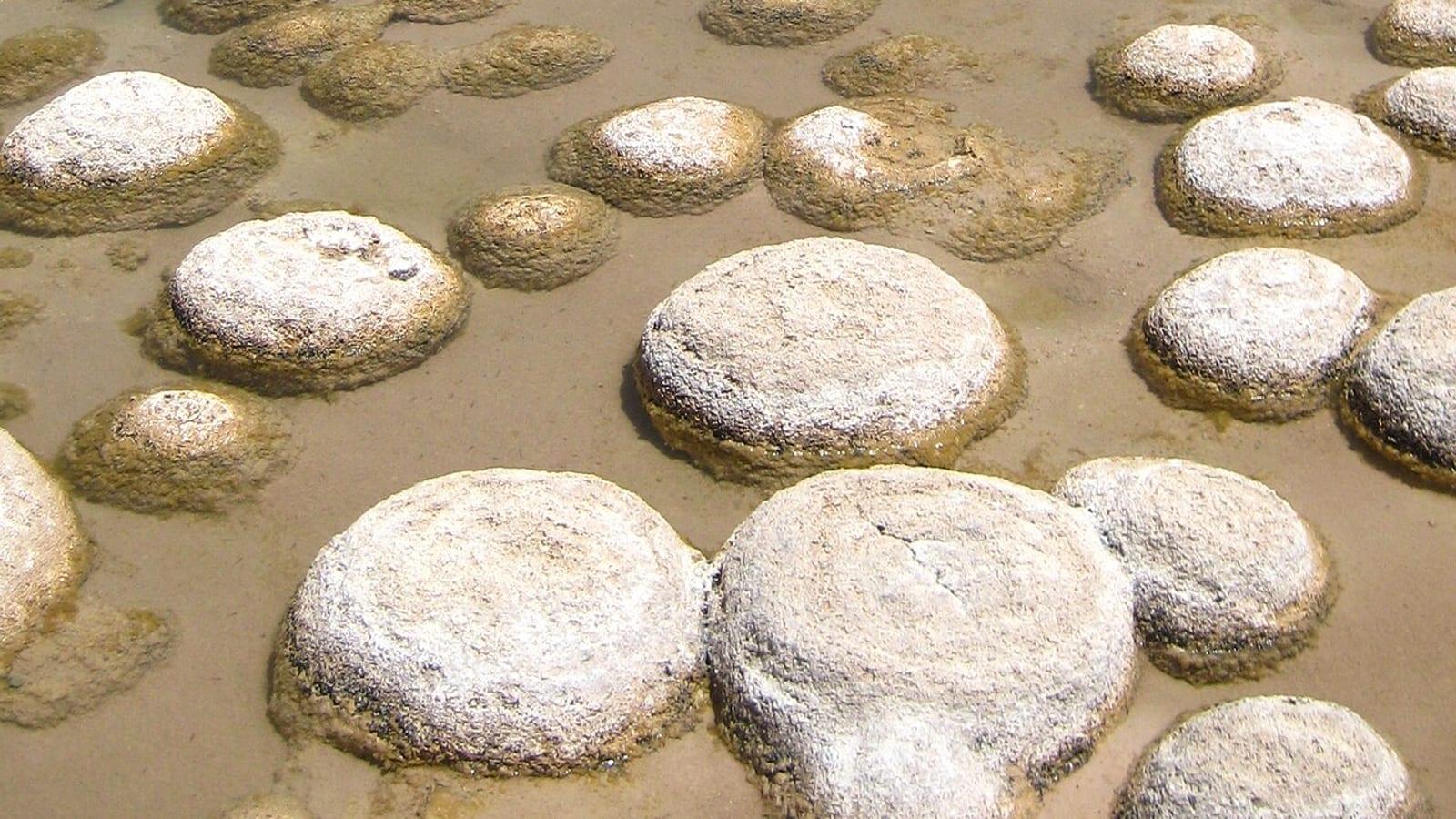
Lake Clifton Thrombolites Yalgorup National Park Fossil Hunting Guide
Australia
Thrombolites
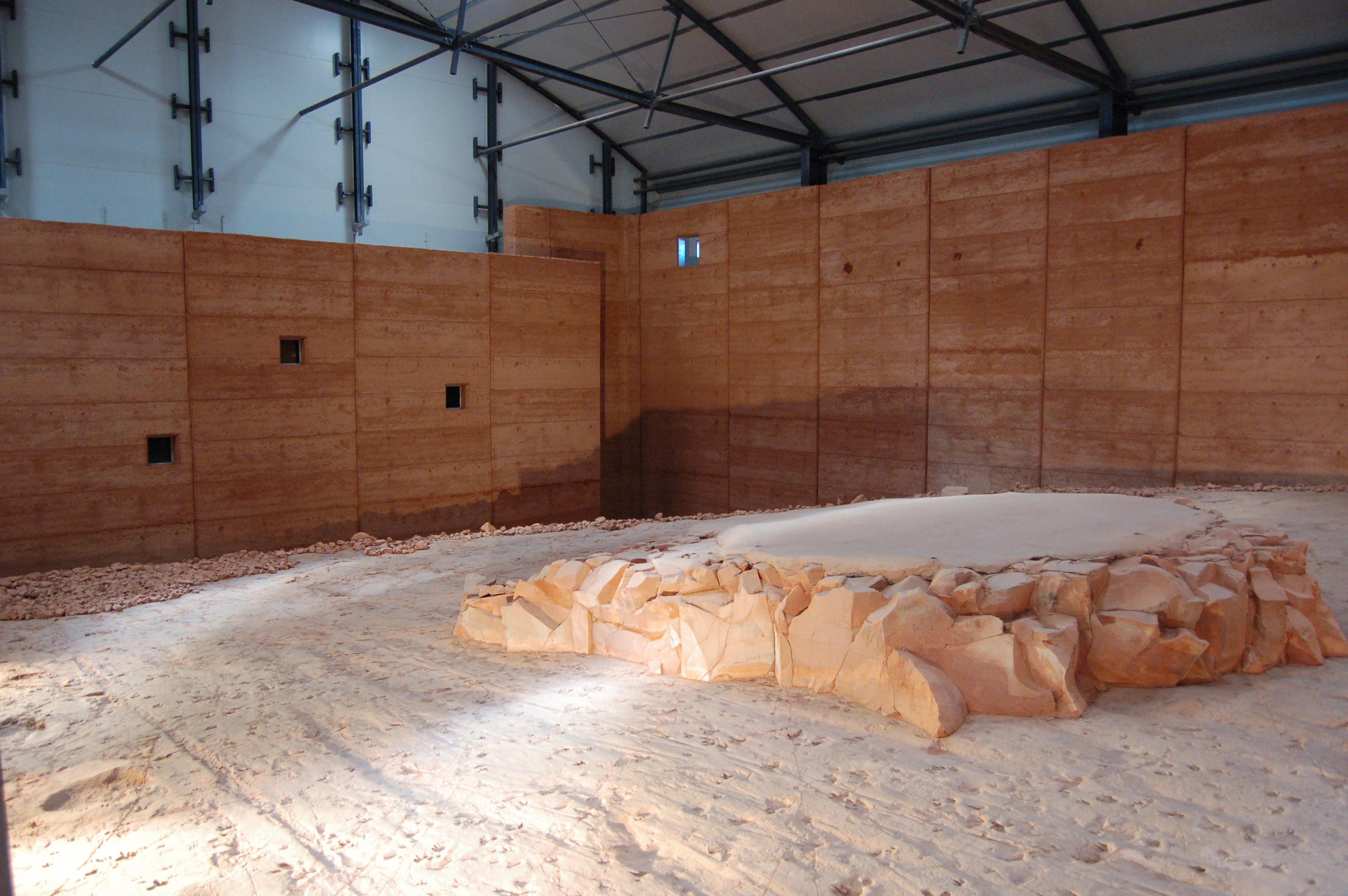
Lark Quarry Dinosaur Trackways Fossil Hunting Guide
Queensland, Australia
Theropod footprints, Small ornithopod prints, Small theropod prints, Crocodyliform tracks
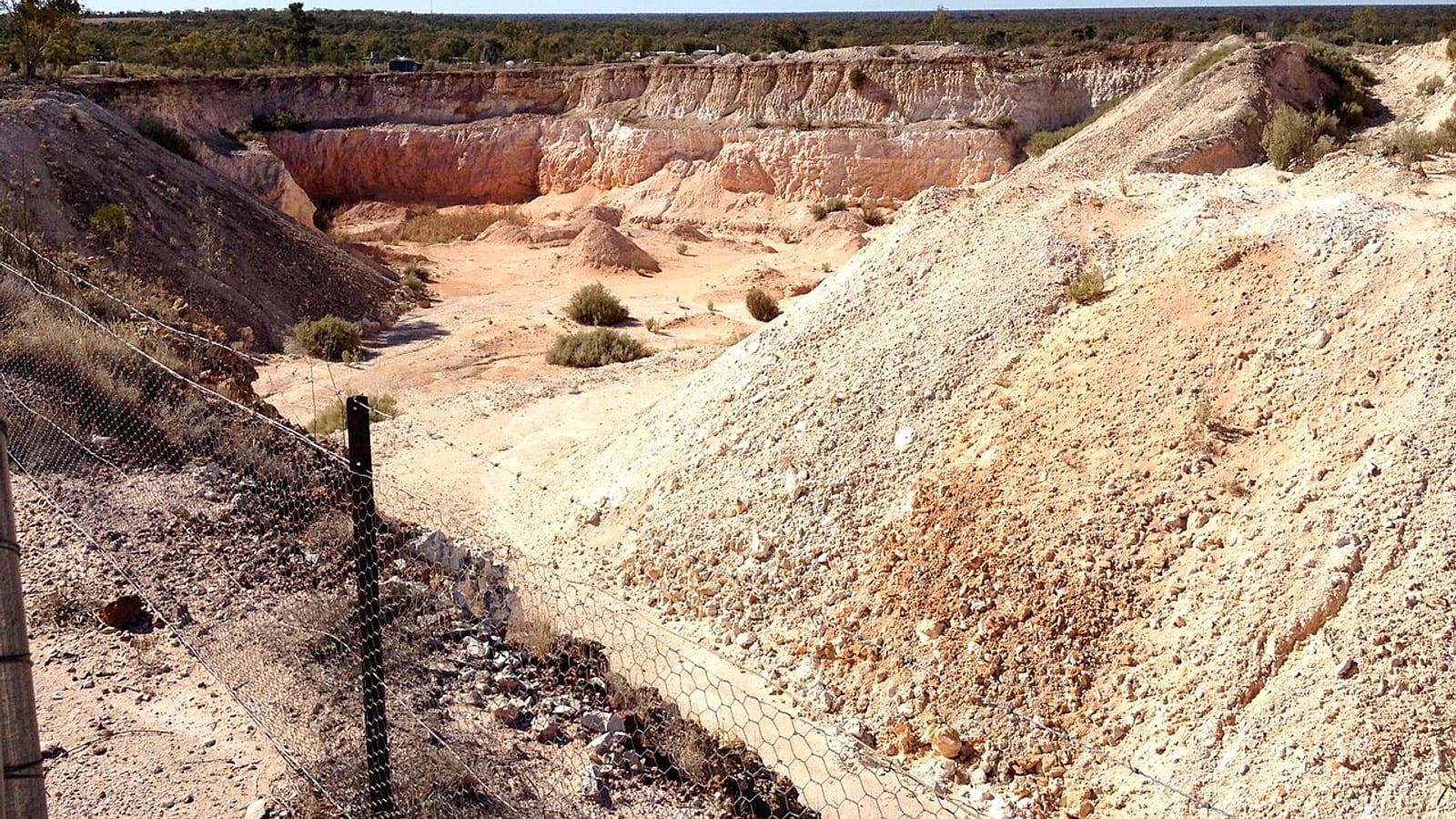
Lightning Ridge Opalised Dinosaur Fossils Fossil Hunting Guide
Lightning Ridge
Opalised dinosaur bones, Opalised mammals
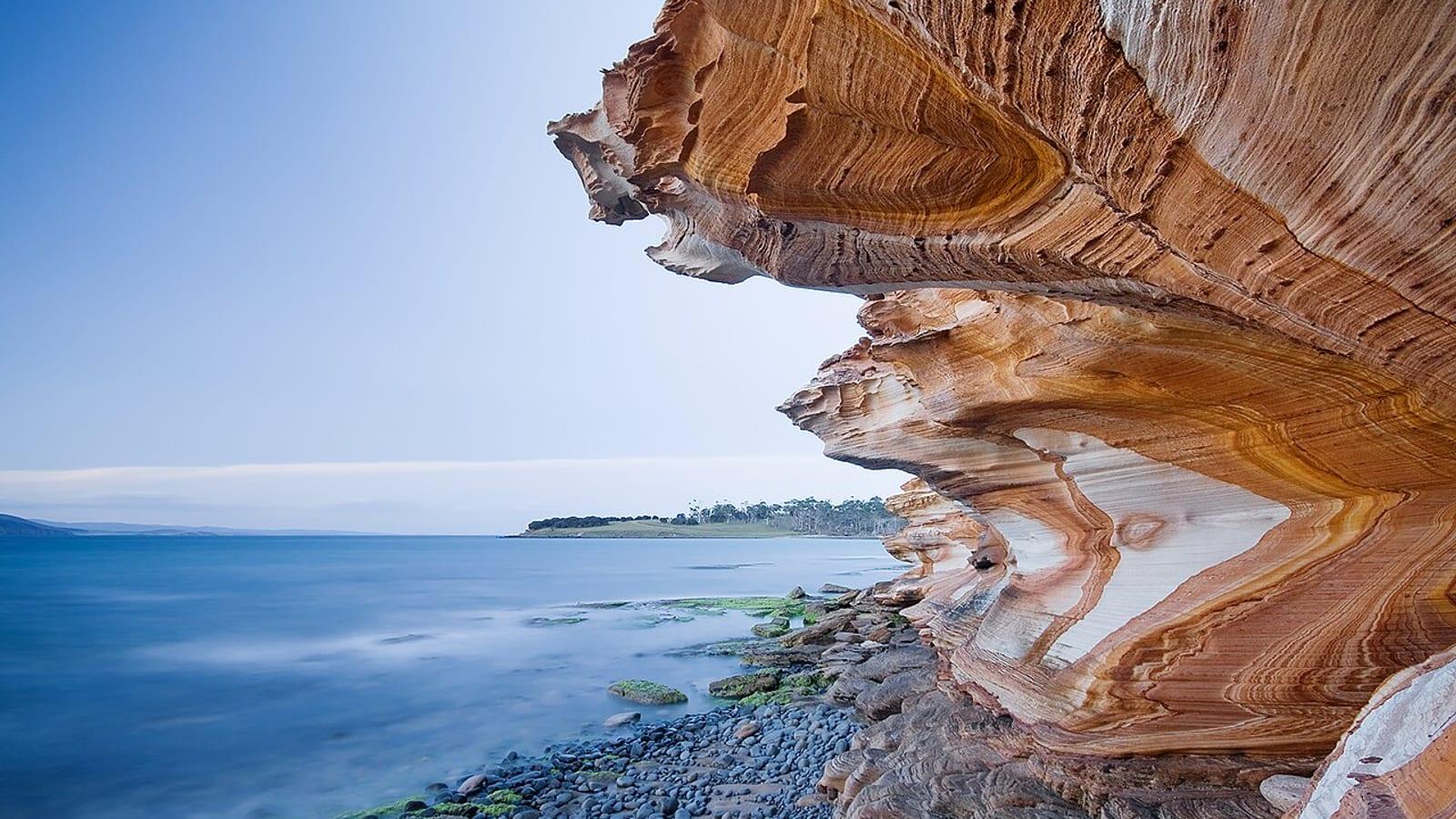
Maria Island Fossil Cliffs Fossil Hunting Guide
Australia
brachiopod shells, bryozoans, crinoids
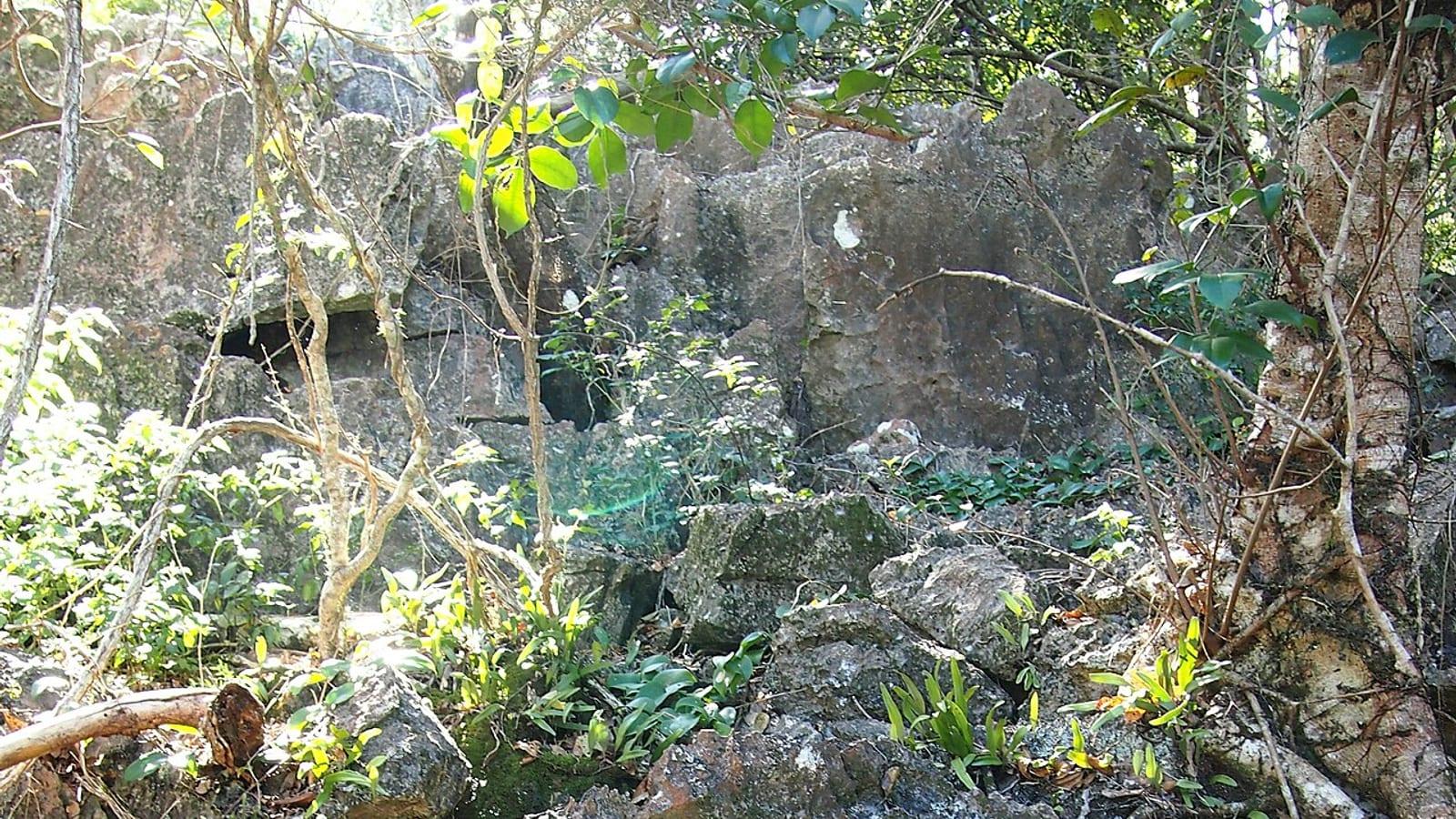
Mount Etna Caves National Park Fossil Hunting Guide
Australia
Pleistocene fossil assemblage, Invictokoala monticola, Quinkana, Varanus komodoensis
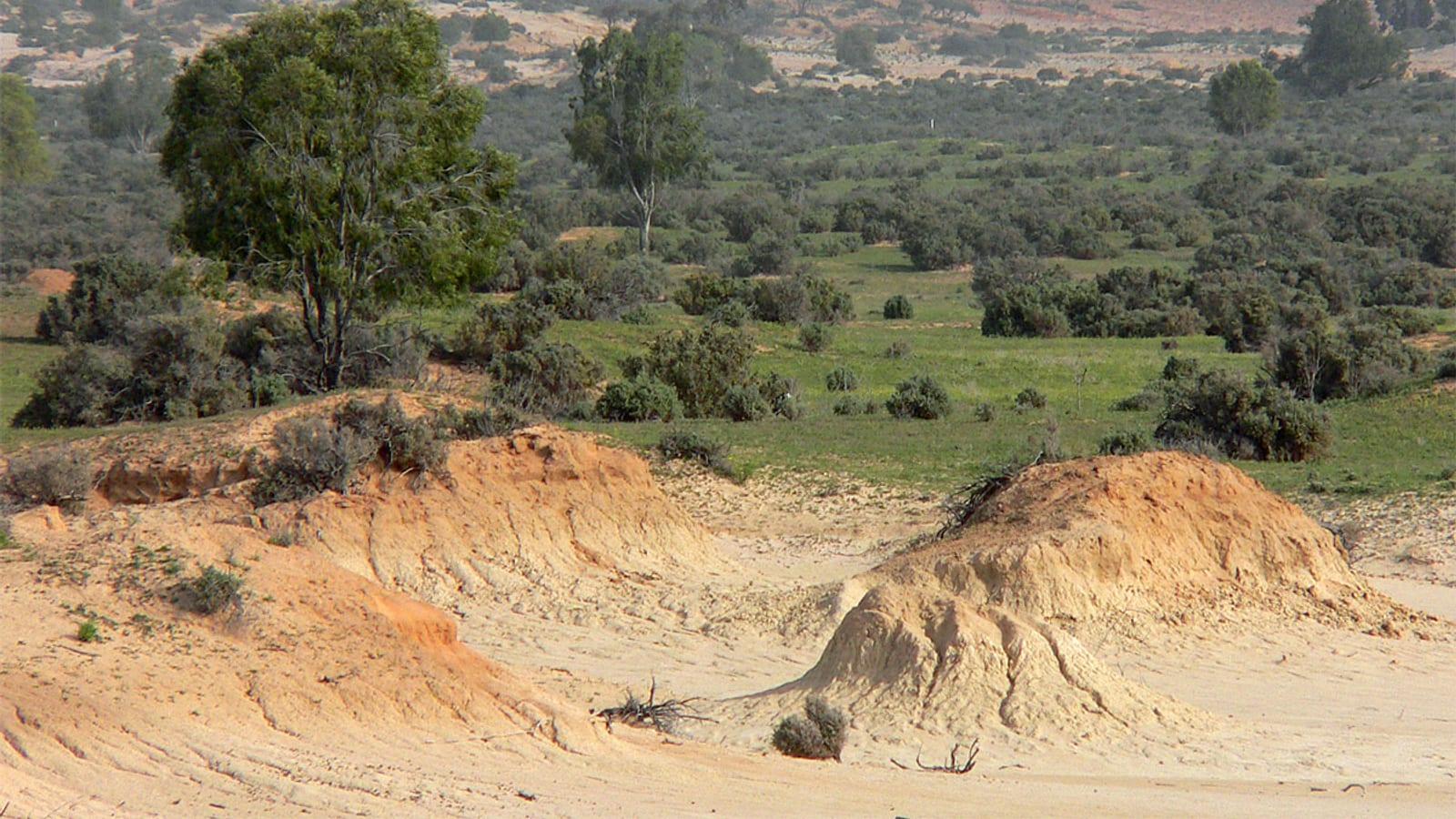
Mungo National Park Fossil Hunting Guide
Australia
Mungo Lady, Mungo Man, Zygomaturus trilobus, Genyornis newtoni
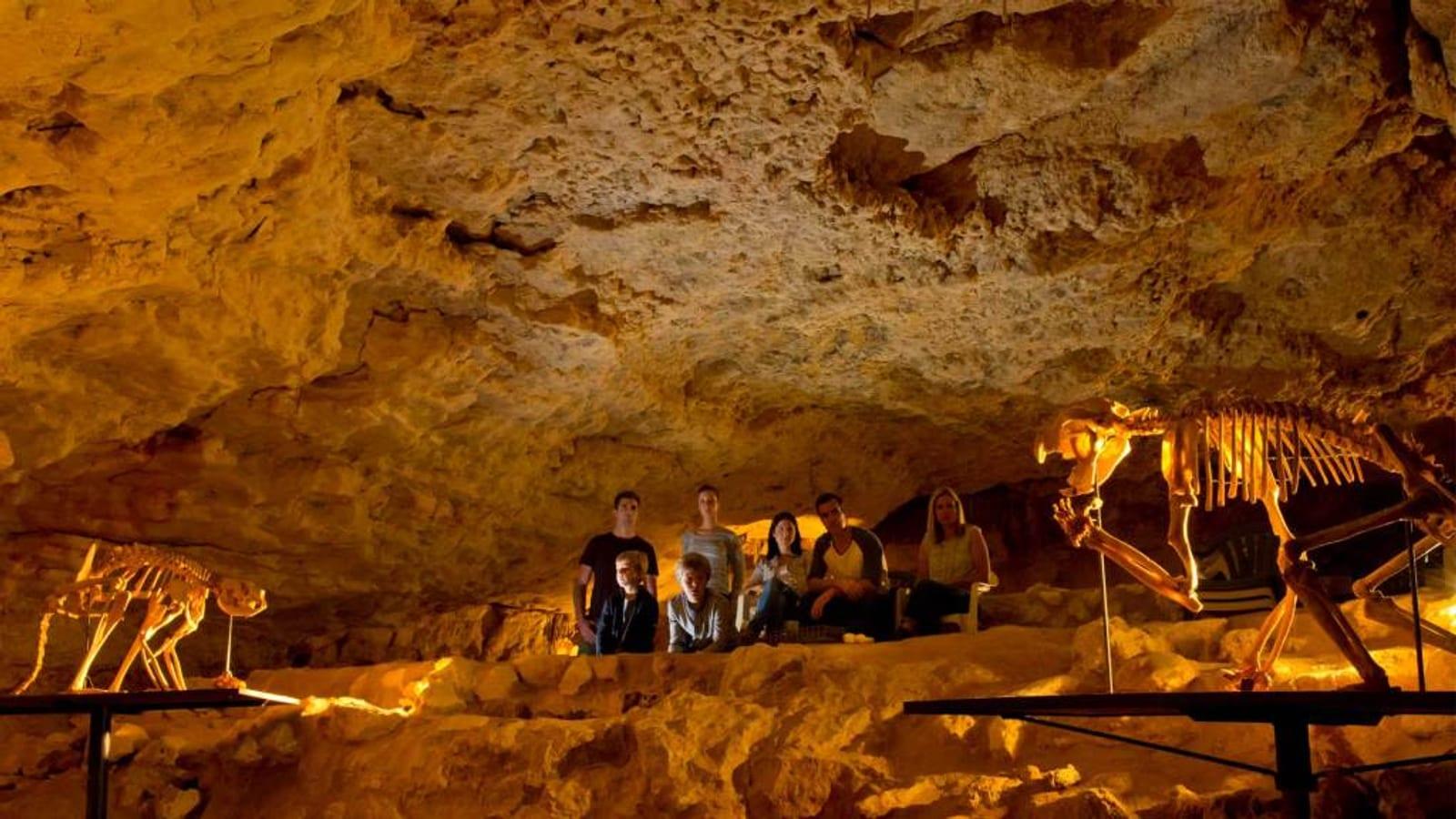
Naracoorte Caves Fossil Hunting Guide
South Australia, Australia
Diprotodon, Thylacoleo carnifex, Procoptodon, Megalania
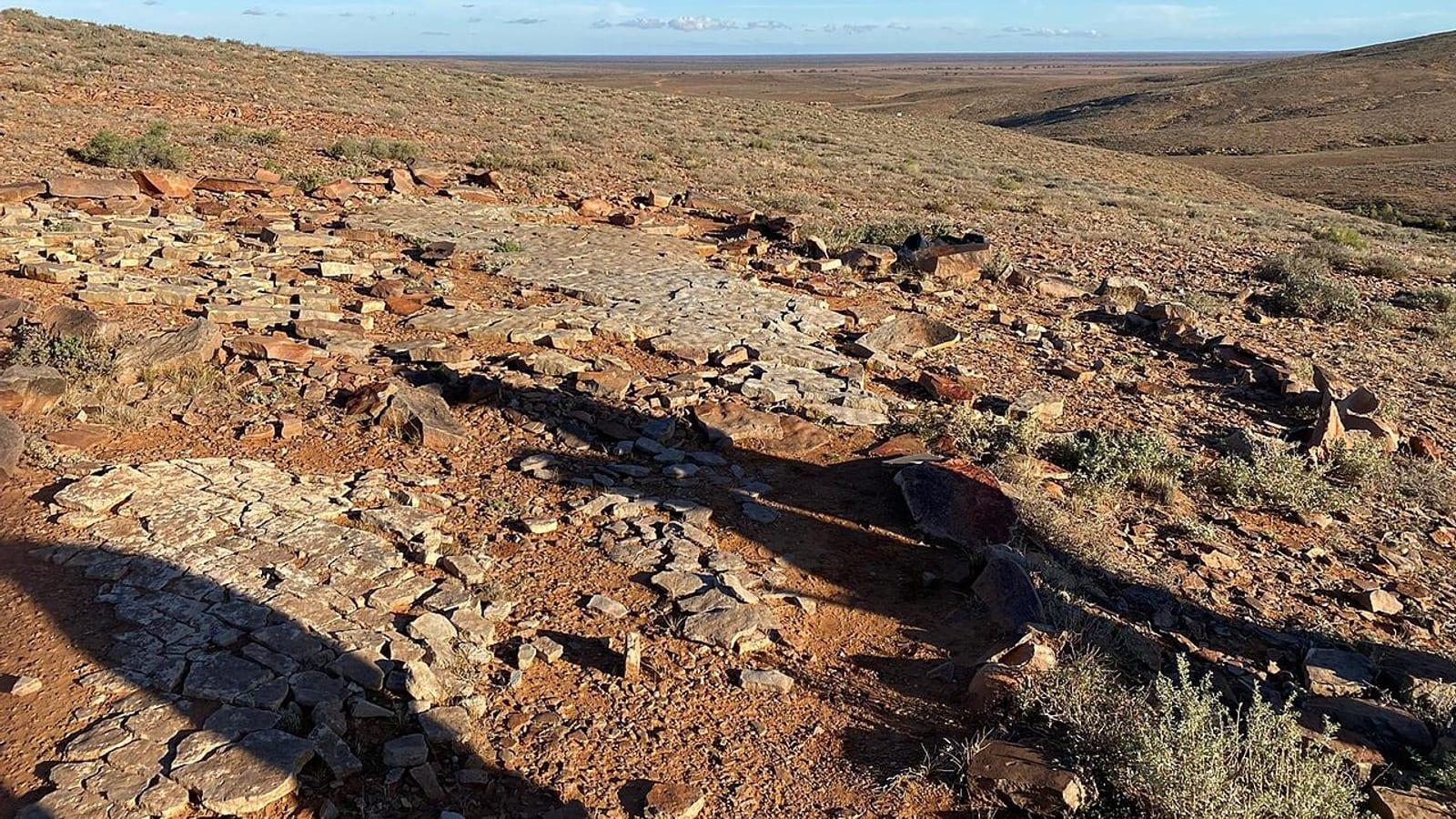
Nilpena Ediacara National Park Fossil Hunting Guide
Parachilna
Ediacaran fossils, Dickinsonia, Spriggina, Ediacara biota
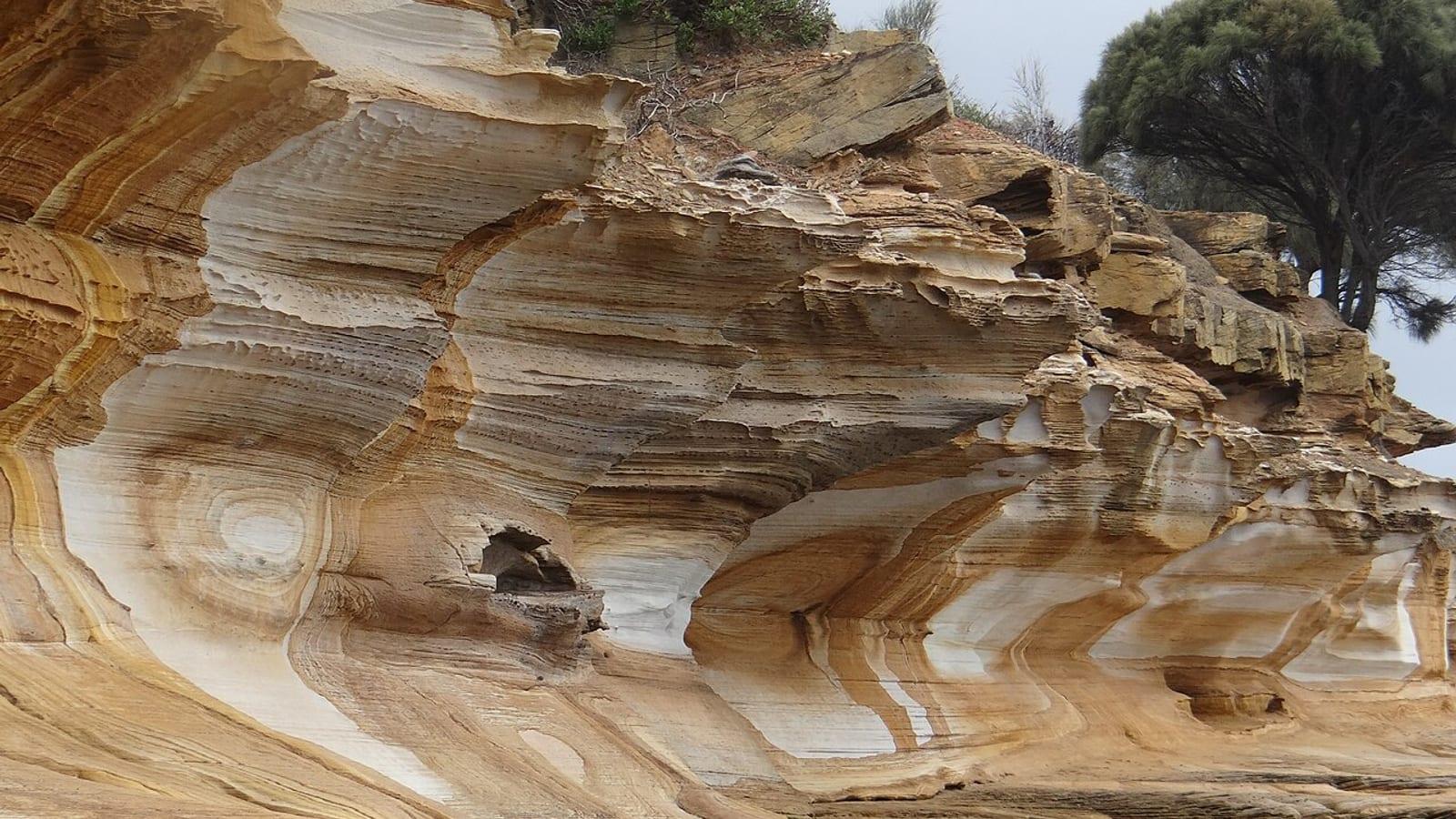
Painted Cliffs Maria Island Fossil Hunting Guide
within Maria Island National Park
trace fossils, sedimentary structures, Ripple marks, Cross-bedding
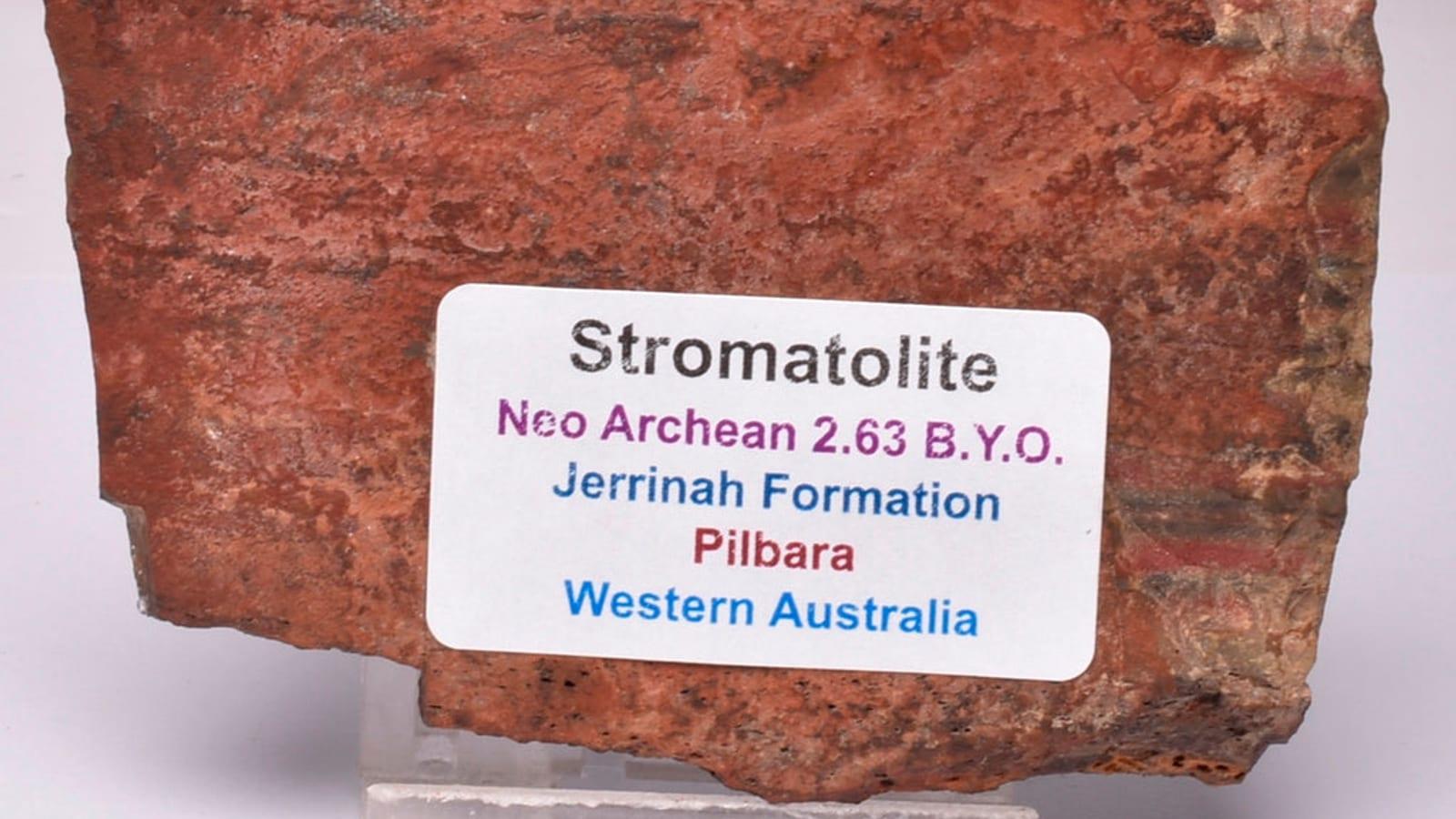
Pilbara Stromatolites Fossil Hunting Guide
Western Australia, Australia
Stromatolites
Porcupine Gorge National Park Fossils Fossil Hunting Guide
Australia
Glossopteris, Glossopteris leaves, Fossilised wood, prohibited
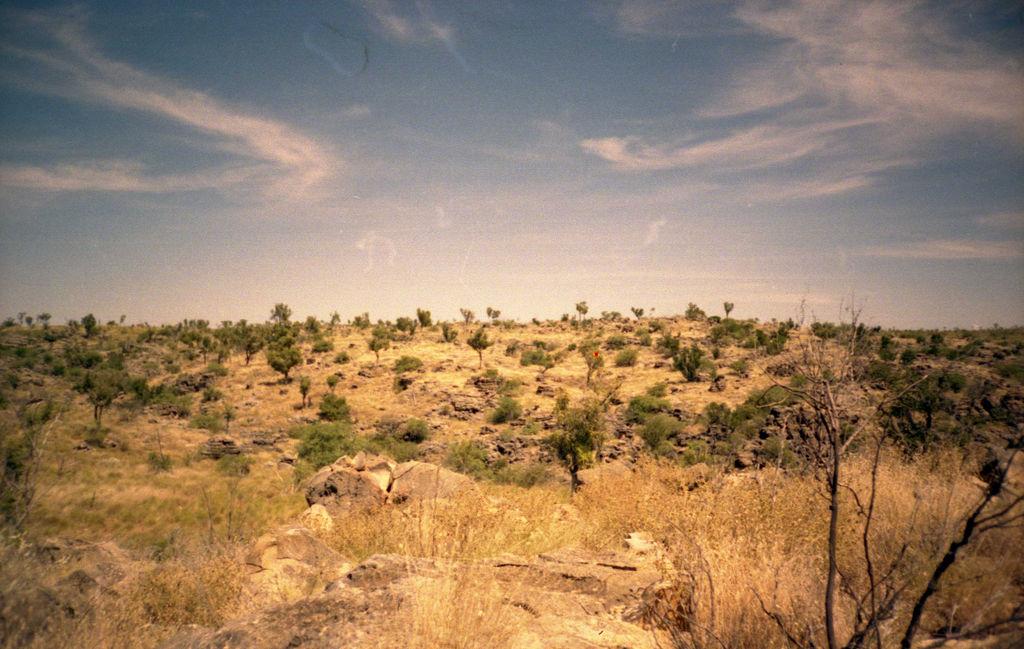
Riversleigh World Heritage Area Fossil Hunting Guide
Queensland, Australia
Marsupial lions (Wakaleo, Priscileo), Carnivorous kangaroos (Ekaltadeta), Toothed platypus (Obdurodon), Diprotodontids
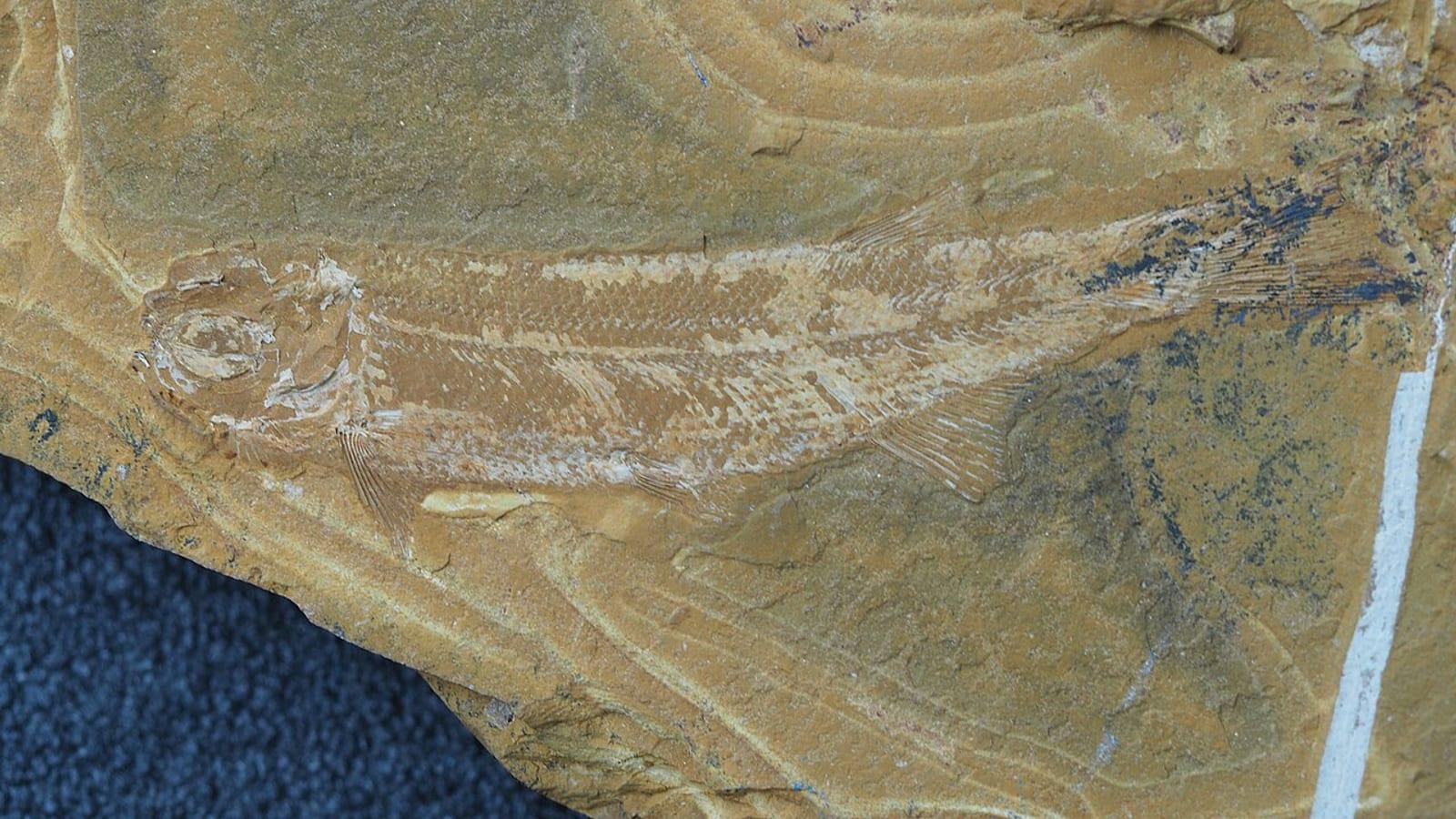
Talbragar Fossil Site Jurassic Fish Gulgong Fossil Hunting Guide
Australia
Fish, Plants, Wollemi Pine, Insects
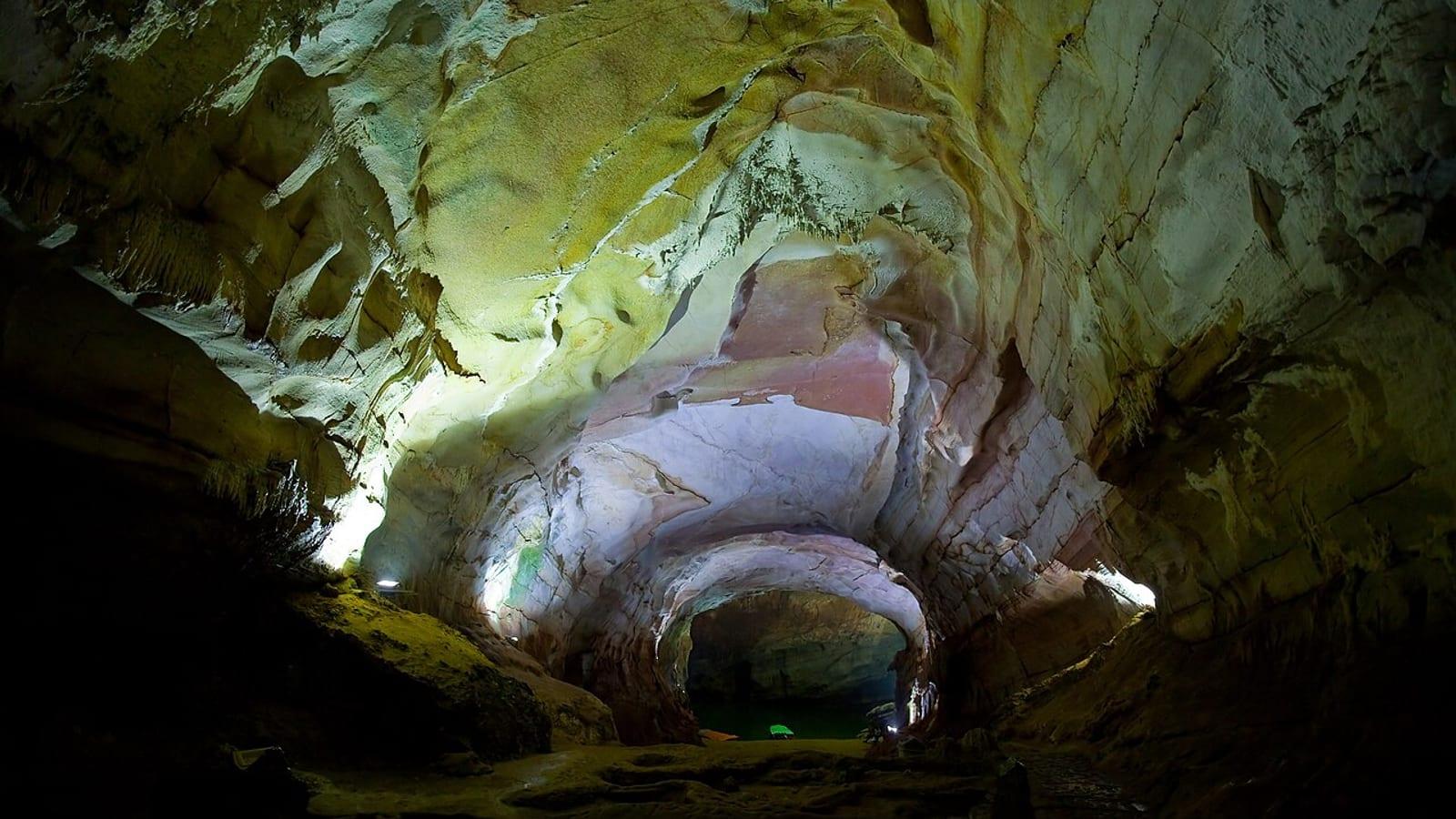
The Caves Inverloch Fossil Hunting Guide
Australia
Dinosaur bones and teeth, Early mammal teeth, Fish, Pterosaur
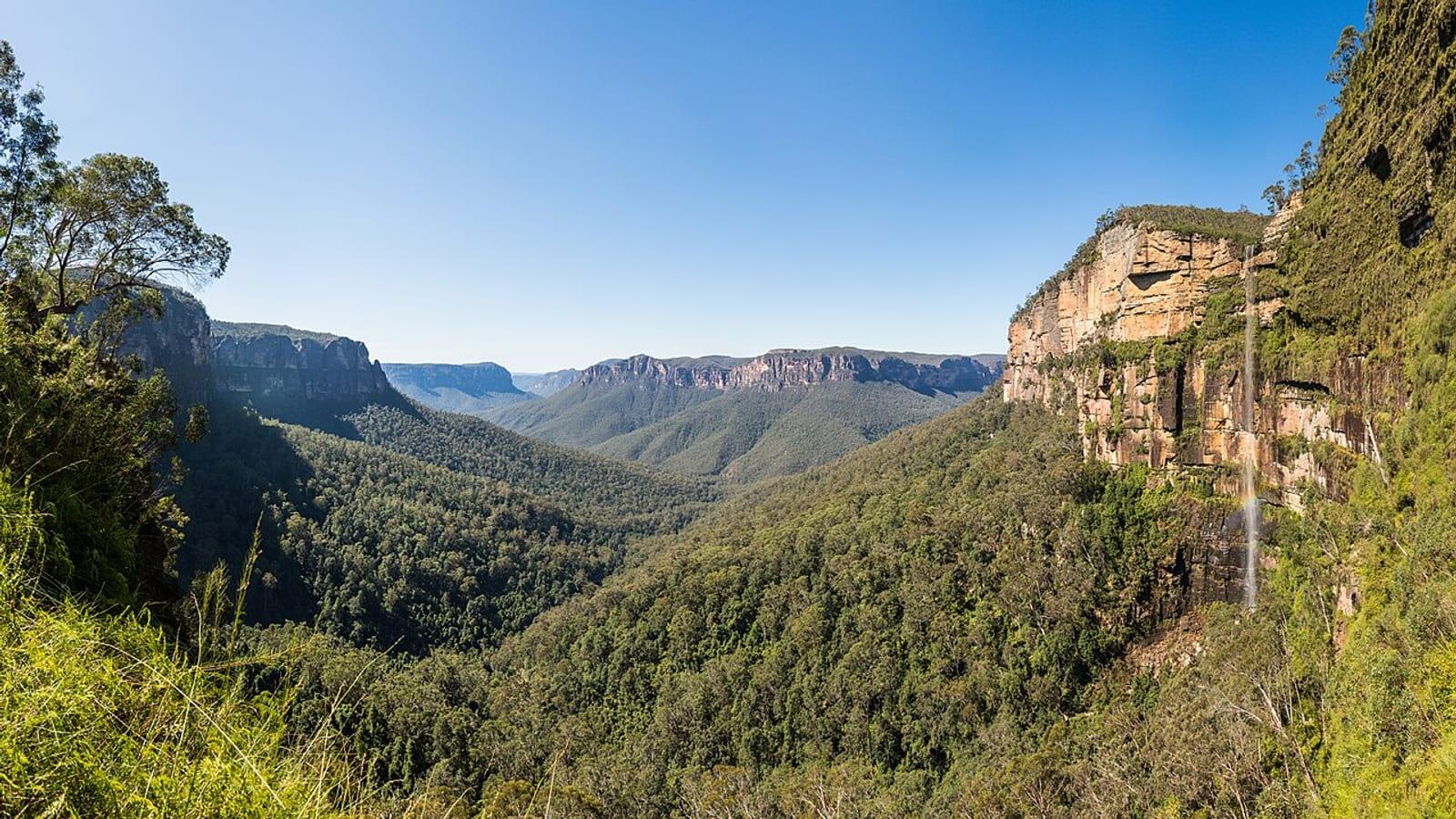
Wellington Caves Fossil Hunting Guide
Wellington
Diprotodon, Thylacoleo carnifex, Procoptodon, Diprotodon optatum
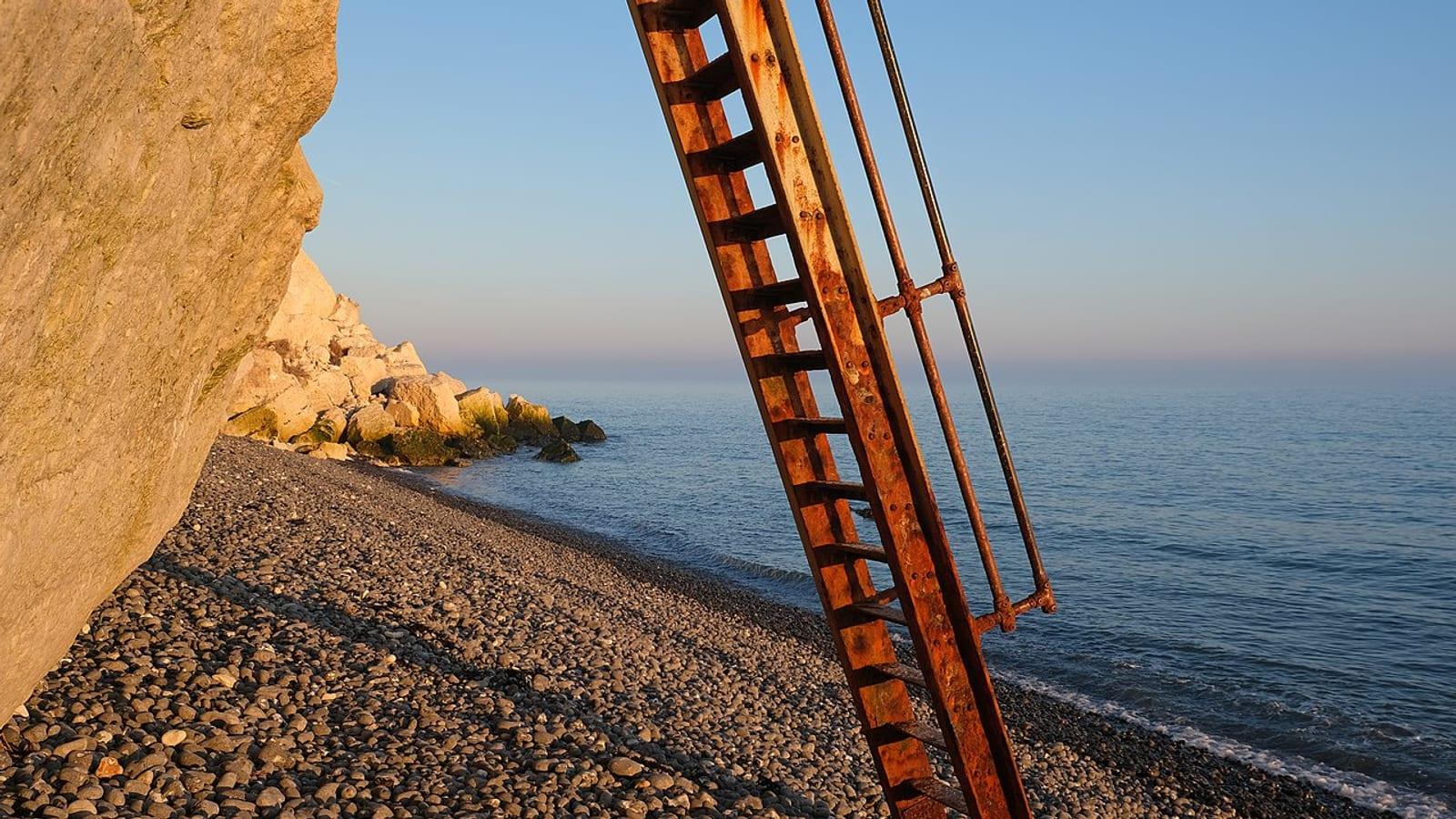
White Cliffs Opal Fossicking Fossil Hunting Guide
Australia
Bivalve shells, Belemnites, Ammonites, NSW Fossicking Licence
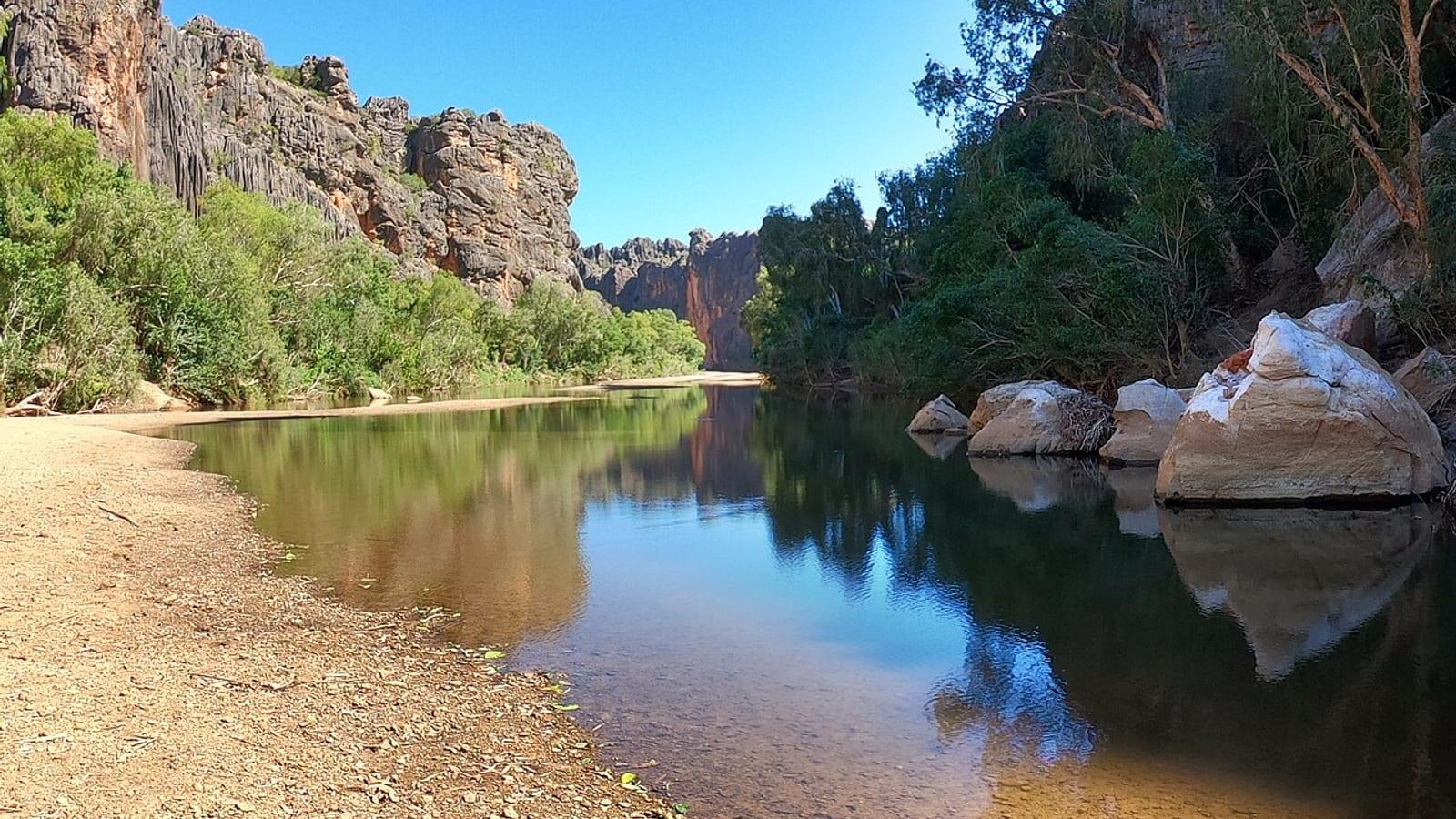
Windjana Gorge Geikie Gorge Kimberley Fossil Hunting Guide
Australia
corals, stromatoporoids, brachiopods, crinoid
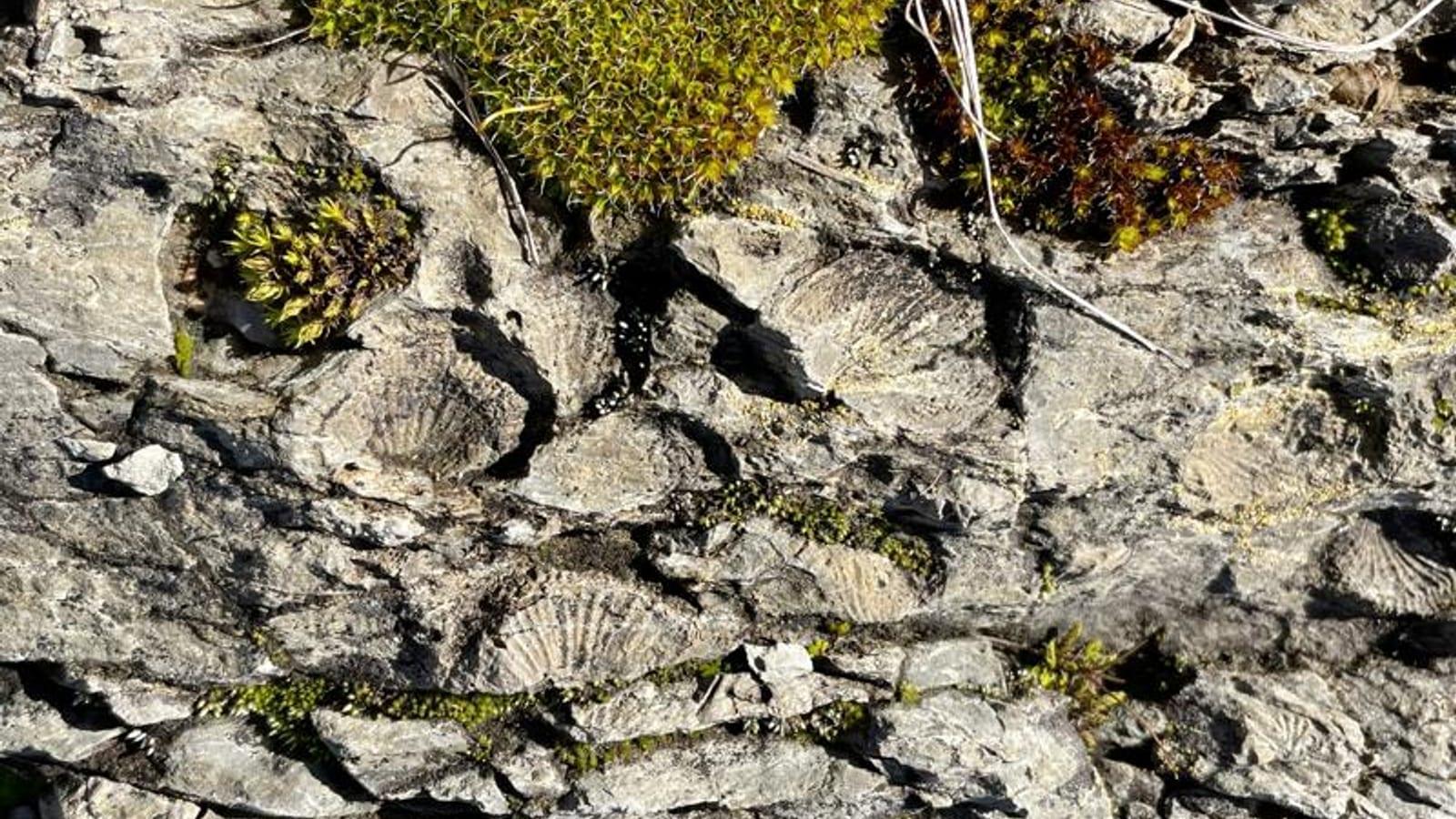
Woolshed Creek Fossil Hunting Guide
Australian Capital Territory, Australia
Brachiopods, Trilobites, Corals, Bryozoans
Frequently asked questions
- Where can I go fossil hunting in Australia?
- Australia's most accessible fossil sites are concentrated in three regions. New South Wales: Lightning Ridge for opalised Cretaceous fossils (NSW Resources allows basic fossicking on public ground without a paid permit, subject to the rules below) and the Talbragar Jurassic fish viewing site near Gulgong. South Australia: the Naracoorte Caves National Park, a UNESCO World Heritage Site preserving 500,000 years of Pleistocene megafauna fossils that visitors can view on guided cave tours managed by Parks SA. Queensland: the Australian Age of Dinosaurs Museum in Winton runs Cretaceous dinosaur dig experiences, and Riversleigh (Boodjamulla National Park) is the other half of the Australian Fossil Mammal Sites UNESCO World Heritage listing. Victoria: Beaumaris Bay and Inverloch Dinosaur Dreaming run as supervised dig sites.
- Do I need a permit to collect fossils in Australia?
- It depends on the state and the site. In New South Wales, NSW Resources allows basic public-ground fossicking without a paid permit at designated areas including Lightning Ridge, subject to the rules that you must not use explosives or powered equipment, must not excavate to a depth of more than one metre, and must not remove more than 20 grams of gemstones in any 48-hour period. For more than basic fossicking, NSW Resources issues opal prospecting licences for 28 days or 3 months over designated prospecting blocks at Lightning Ridge and White Cliffs. South Australia issues a Precious Stones Prospecting Permit for the Coober Pedy and Andamooka fields. Removal of any fossil from a National Park, Marine Park, or other designated heritage site is illegal regardless of permit status.
- Can I keep fossils I find in Australia?
- Opalised material legally collected by a permitted prospector at Lightning Ridge, White Cliffs, Coober Pedy, or Andamooka (which can include opalised bone, shell, and tooth fossils) is yours to keep within the per-period limits. Anything collected inside a National Park, Marine Park, World Heritage area (Riversleigh, Naracoorte), or designated geoheritage site is the property of the Commonwealth or State and may not be removed. Scientifically significant finds should be reported to the relevant state museum or the federal Department of Climate Change, Energy, the Environment and Water (which administers the federal heritage framework). Export of fossils from Australia is regulated under the Protection of Movable Cultural Heritage Act 1986. Permits are required for material of significant scientific or cultural value.
- What is the most famous fossil site in Australia?
- Riversleigh in north-west Queensland is the most internationally famous Australian fossil site. UNESCO inscribed Riversleigh and Naracoorte Caves jointly in 1994 as the Australian Fossil Mammal Sites World Heritage property. UNESCO classifies them among the world's 10 greatest fossil sites for their illustration of the evolution of Australia's unique fauna. The Riversleigh deposits span at least 20 million years of mammal evolution from the Oligocene through the Miocene (roughly 10–30 Ma), and they have produced the first records of many distinctive living mammal groups (marsupial moles, feather-tailed possums) plus extinct lineages like the 'marsupial lions'. The site is inside Boodjamulla (Lawn Hill) National Park. Visitor access is by guided tour only.
- When is the best time to visit Lightning Ridge?
- April through September is the dry, mild season at Lightning Ridge. Daytime temperatures are tolerable, nights are cool, and the dust and heat that make summer trips unpleasant are absent. October through March routinely sees daytime temperatures above 35°C, with peaks above 45°C in January and February. Most accommodation, tours, and the visitor centre operate year-round, but the practical fossicking window for visitors with limited time is the cooler April–September stretch. Lightning Ridge is roughly 765 km north-west of Sydney. The standard route is a 9-hour drive via the Newell Highway or a domestic flight to Lightning Ridge airfield via Walgett.