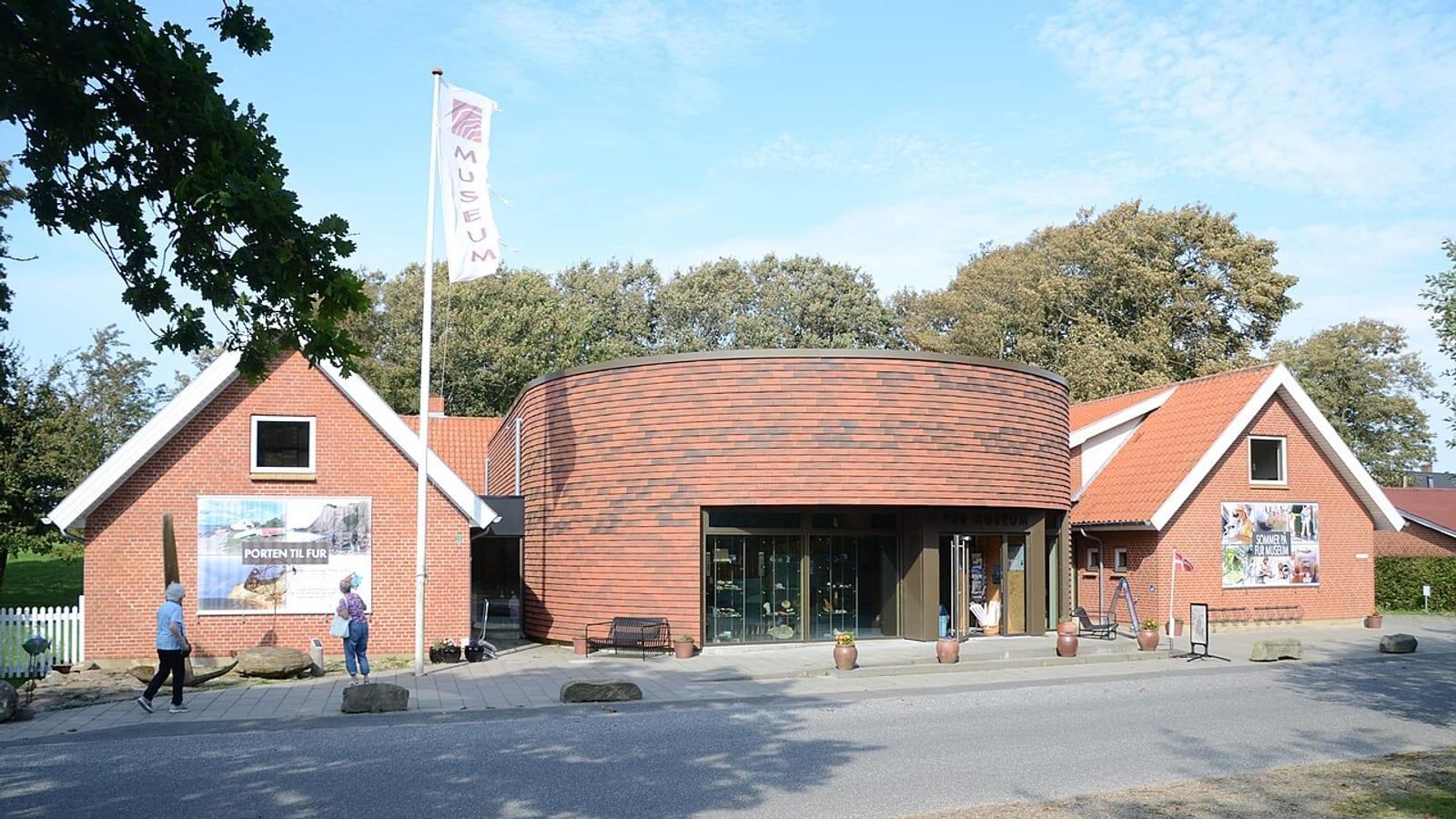
Fur Museum Dig Eocene Fish Insect Fossils Fossil Hunting Guide
Image: Hjart (CC BY-SA 4.0)
Split 55-million-year-old moler at Fur Museum's supervised dig and keep what you find. Complete fish, insects, and plants from the Eocene Fur Formation.
By Edward Chen · Updated 31 July 2026
Introduction
The fossil digging program at Fur Museum on the island of Fur in northern Denmark gives visitors direct access to one of the world's best-preserved Early Eocene fossil deposits. The museum sits above moler beds, a diatomaceous clay interlayered with volcanic ash, that formed 55 million years ago when a warm subtropical sea covered this part of Scandinavia. Splitting the moler along its ash layers regularly exposes complete fish with visible scales and eye sockets, insects with intact wing patterns, and plant leaves showing cellular detail. The preservation quality is high because oxygen-poor bottom waters prevented decay before rapid ash burial sealed organisms from the environment. Museum staff provide all tools, demonstrate proper splitting technique, and identify what you find. This guide covers how to reach the museum, what to expect from the collecting program, the geological conditions that created these fossils, and the practical details you need for a successful visit.
 Photo: Hjart, CC BY-SA 4.0, via Wikimedia Commons
Location and Directions
Address
Fur Museum, Nederby 28, 7884 Fur, Denmark. The museum is located in Nederby village on the island of Fur, Municipality of Skive, Central Denmark Region.
Getting There
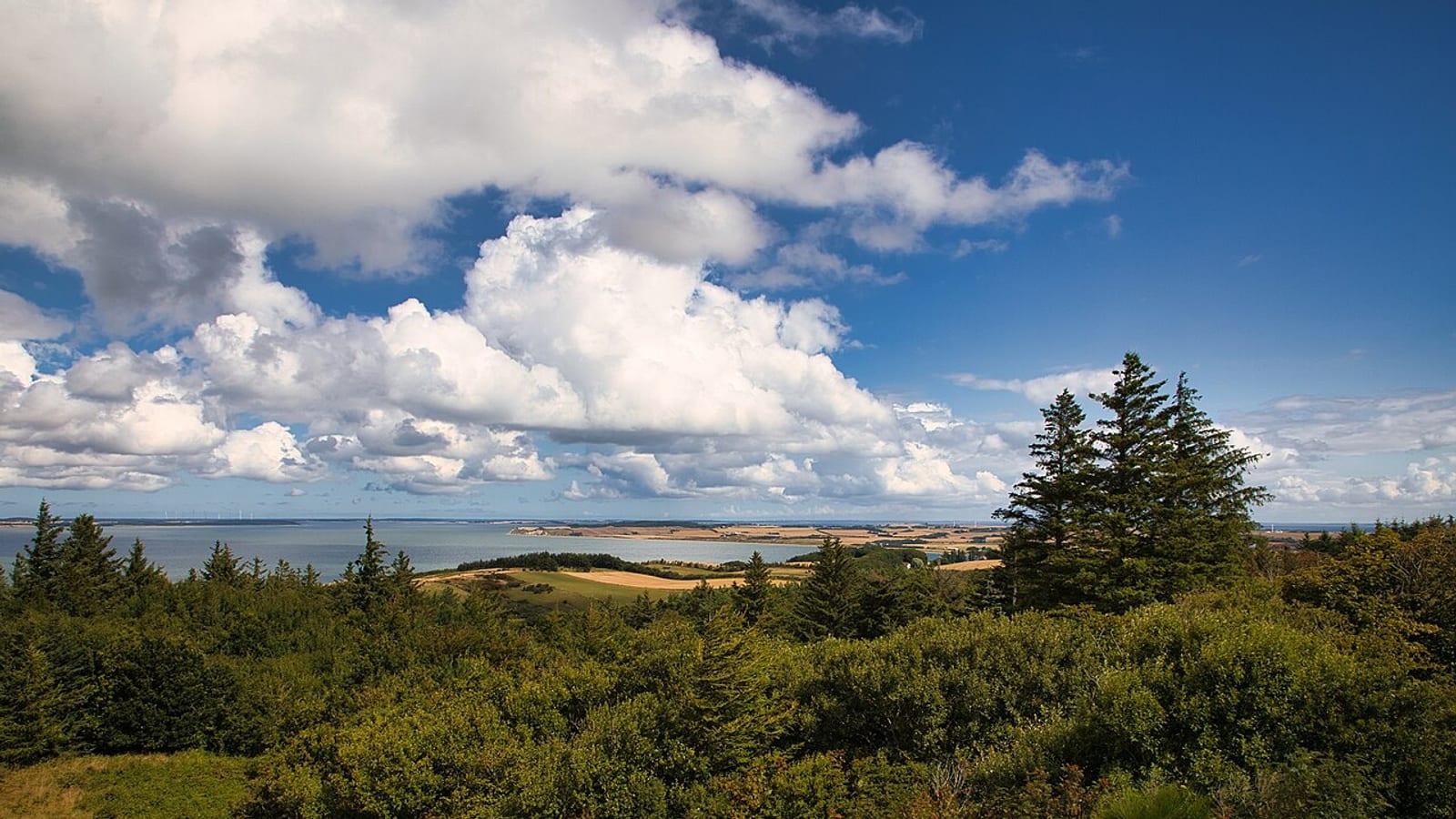
From Copenhagen, the journey takes approximately 4 hours by car. Drive northwest on the E20 motorway toward Odense, then continue on Route 26 through Viborg to Skive (approximately 310 kilometers). From Skive, drive north about 25 kilometers through Salling to the ferry harbour at Branden, then take the Fur ferry. The ferry operates 24 hours a day with departures every 20 minutes. The crossing takes 3 to 4 minutes. The combined vehicle and passenger fare is approximately 90 DKK (13 USD) round trip. From the ferry landing on Fur, follow signs to Nederby village and the museum, which is 3 kilometers from the dock. Free parking is available at the museum. Public transport is limited. The closest practical option is a train to Skive followed by a local bus to Branden and the ferry, but connections are infrequent and the journey is time-consuming from Copenhagen.
 Photo: Mettef3, CC BY-SA 4.0, via Wikimedia Commons
What Fossils You'll Find
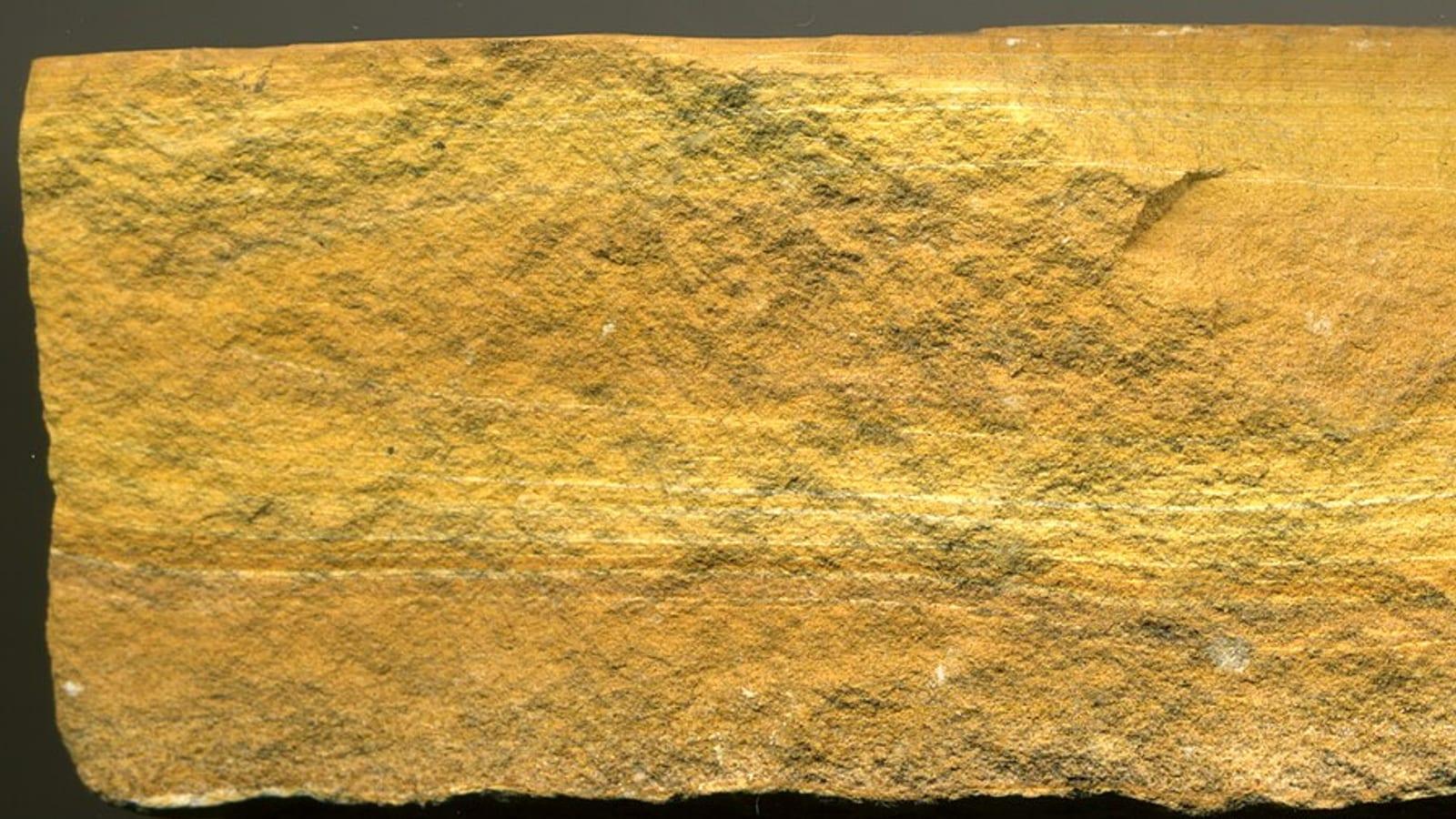
The Fur Formation moler holds an exceptional range of Early Eocene fossils. Fish are the most commonly found vertebrate specimens. Complete fish ranging from 5 to 15 centimeters long turn up regularly. Some exceptional examples reach 60 centimeters and preserve every scale and fin ray in detail. Staff show you how to split the moler parallel to the volcanic ash layers to expose flat compression fossils, the fish appear as dark outlines against the lighter moler matrix.
 Photo: Rene Sylvestersen, CC BY-SA 4.0, via Wikimedia Commons
Insects are among the most sought-after finds. Wing patterns, body segmentation, and leg structures are preserved in specimens that survived burial in ash falls 55 million years ago. Finding a complete insect takes patience, but it happens. Plant fossils include leaf impressions showing vein patterns, seeds, and woody fragments. The volcanic ash layers themselves sometimes contain plant material washed in from nearby land.
Hard carbonate nodules called cementsten (literally: concrete stones) contain three-dimensional rather than flat fossils. Cracking one open requires a heavier hammer blow, and the museum staff will direct you to any cementsten in the collecting pit. These concretions occasionally preserve insects or fish in relief rather than as flat impressions. Turtle remains and sea snake vertebrae are rare but have been found at this site.
Geologic History
The Ancient Environment
The Fur Formation was deposited during the Early Eocene Epoch, approximately 56 to 54 million years ago. At that time, a shallow subtropical sea 50 to 100 meters deep covered the Limfjorden region of northern Denmark. The seafloor accumulated moler, a unique sedimentary rock composed of roughly one-third clay minerals and two-thirds diatom frustules, the microscopic silica shells of single-celled algae. Diatoms flourished in the sunlit surface water, and their shells accumulated on the seafloor at a rate of approximately 1 to 2 centimeters per thousand years.
Sea surface temperatures reached 20 to 25 degrees Celsius based on oxygen isotope analysis of fossil shells. Denmark occupied a position approximately 45 to 50 degrees north latitude during this period, closer to the equator than its present position at 55 degrees north, and high atmospheric CO2 maintained subtropical warmth year-round. No polar ice existed anywhere on Earth. Dense tropical and subtropical forests covered nearby land areas.
The volcanic ash layers that create the formation's distinctive banding originated from the North Atlantic Igneous Province, a vast volcanic system that activated as Greenland separated from Europe and the North Atlantic Ocean opened. Over 179 major ash layers have been numbered and correlated across the North Sea Basin. Individual eruptions ejected hundreds to more than a thousand cubic kilometers of ash that spread across northern Europe and settled through the water column. The largest single event ejected approximately 1,200 cubic kilometers of ash. These eruptions occurred over roughly 600,000 years, each fall rapidly burying organisms living in and near the seafloor. Combined with oxygen-poor bottom waters that suppressed bacterial decay, the ash falls created the conditions for fine fossil preservation.
How Fur Museum Became a Fossil Collecting Site
Moler has been quarried on Fur since at least the 1600s for its insulating properties. Quarry workers noticed fish impressions in the layered rock for centuries before systematic study began in the 1700s. Scientific attention grew significantly after complete fish and insect specimens were illustrated in European publications in the 1850s. Breiner Jensen, who led the Fur Museum, collected a nearly complete turtle skull in 1957. Nielsen described it in 1959 as Eosphargis breineri, named for its finder, and the find led to the establishment of a dedicated museum building. The museum created a supervised collecting pit in the early 2000s to give the public authentic access to fresh moler while protecting scientifically important cliff exposures. The Fur Formation is now recognized internationally as a Lagerstätte, a site of exceptional fossil preservation.
Collecting Rules and Regulations
Is Fossil Collecting Allowed?
Fossil collecting at the Fur Museum requires museum admission: 80 DKK (approximately 12 USD) for adults, 40 DKK (6 USD) for children aged 6 to 17, and free for children under 6. The admission covers both the museum exhibits and full access to the supervised collecting pit. All fossils you find may be kept, regardless of quality or scientific interest. Under Danish law, common fossils are the finder's property. Only exceptional specimens of significant scientific value would be subject to state claim, and museum staff will advise you if that situation arises.
Recommended Tools
All tools are provided at no additional charge, hammers, cold chisels, and safety glasses. Safety glasses must be worn while splitting moler. Museum staff demonstrate the correct technique: align the chisel parallel to an ash layer, then strike with a controlled tap to split the rock along the natural bedding plane. Moler is soft and splits without producing dangerous flying fragments, making this activity safe for children under adult supervision. Bring newspaper or bubble wrap to protect specimens on the way home, as moler is soft and compression fossils can be fragile.
Safety
The collecting pit has stable walls and a level floor. The main hazard is small chips when splitting rock. The provided safety glasses address this. Keep children close and make sure they wear their glasses. The museum closes the pit 30 minutes before the building closes, so arrive early enough to allow adequate collecting time. Museum hours run Tuesday through Sunday, 10:00 to 16:00 from April through October, and weekends only 10:00 to 15:00 from November through March.