Paleogene · 66.0 – 23.03 Ma
Paleogene fossil sites
Mammals diversified explosively after the dinosaurs vanished. The earliest whales and primates appeared in the Paleogene. Sites like the London Clay (UK), Florissant (Colorado), and Fur Formation (Denmark) preserve exceptional Paleogene biotas.

The Paleogene opens immediately after the extinction that ended the Cretaceous. Mammals and birds expanded into the space the dinosaurs left behind. The early part of the period was hot. Palms grew in Wyoming and crocodiles lived above the Arctic Circle. Climate then cooled through the Eocene and Oligocene toward the modern pattern.
Paleogene deposits preserve unusually fine detail. The London Clay yields fruits, seeds, and crab carapaces. The Fur Formation of Denmark preserves insects and fish between volcanic ash layers. Green River lake beds in Wyoming split into slabs holding complete fish. Shark teeth are common in marine Paleogene sand on both sides of the Atlantic.
Forty-six entries here sit in Paleogene rock, and twenty-two allow free collecting. Seven sit in the United Kingdom and six in Denmark, where the moler cliffs of Fur and Mors are the best known exposures. Washington State supplies five more, including the Chuckanut plant beds.
46 fossil sites
Updated 4 August 2026
Life of the period
Three to know from the Paleogene
You will not find all of these yourself. They are the animals and plants that make the period worth reading about.

Giant snakeTitanoboa Around 13 metres long, from Paleocene coal beds in Colombia. Snakes cannot generate their own heat, so a snake that size implies a much warmer tropics than exists today.
Mojmir Churavy, CC BY-SA 4.0

Ancient whaleBasilosaurus The name means king lizard, given before anyone realised it was a whale. It kept small hind legs, far too small to walk on, left over from ancestors that lived on land.
Ninjatacoshell, CC BY-SA 3.0

Green River fishKnightia Wyoming's state fossil and probably the most collected fossil fish in the world. Mass death layers in the old lake beds preserve whole shoals on a single slab.
NPS photo, Public domain
All Paleogene sites
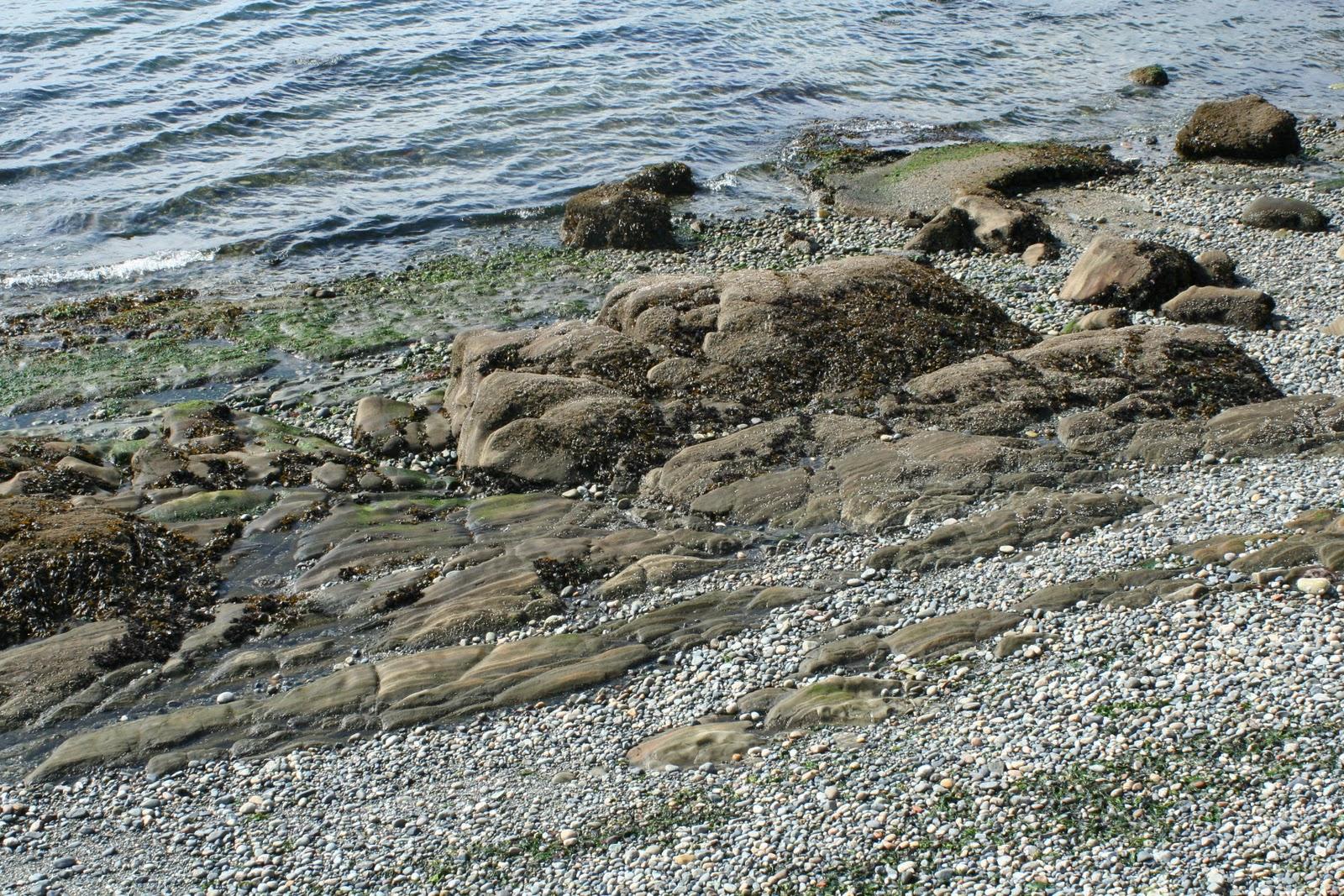
Alki Beach Blakeley Formation Fossil Hunting Guide
Washington, United States
Marine mollusks, Crab concretions, Shark teeth (rare), Wood and plant debris
American Fossil Quarry Fossil Hunting Guide
Wyoming, United States
Fish Fossils, Plant Fossils, Insect Fossils

Badlands National Park Fossil Guide
South Dakota, United States
Titanotheres, Oreodonts, Horses, Camels
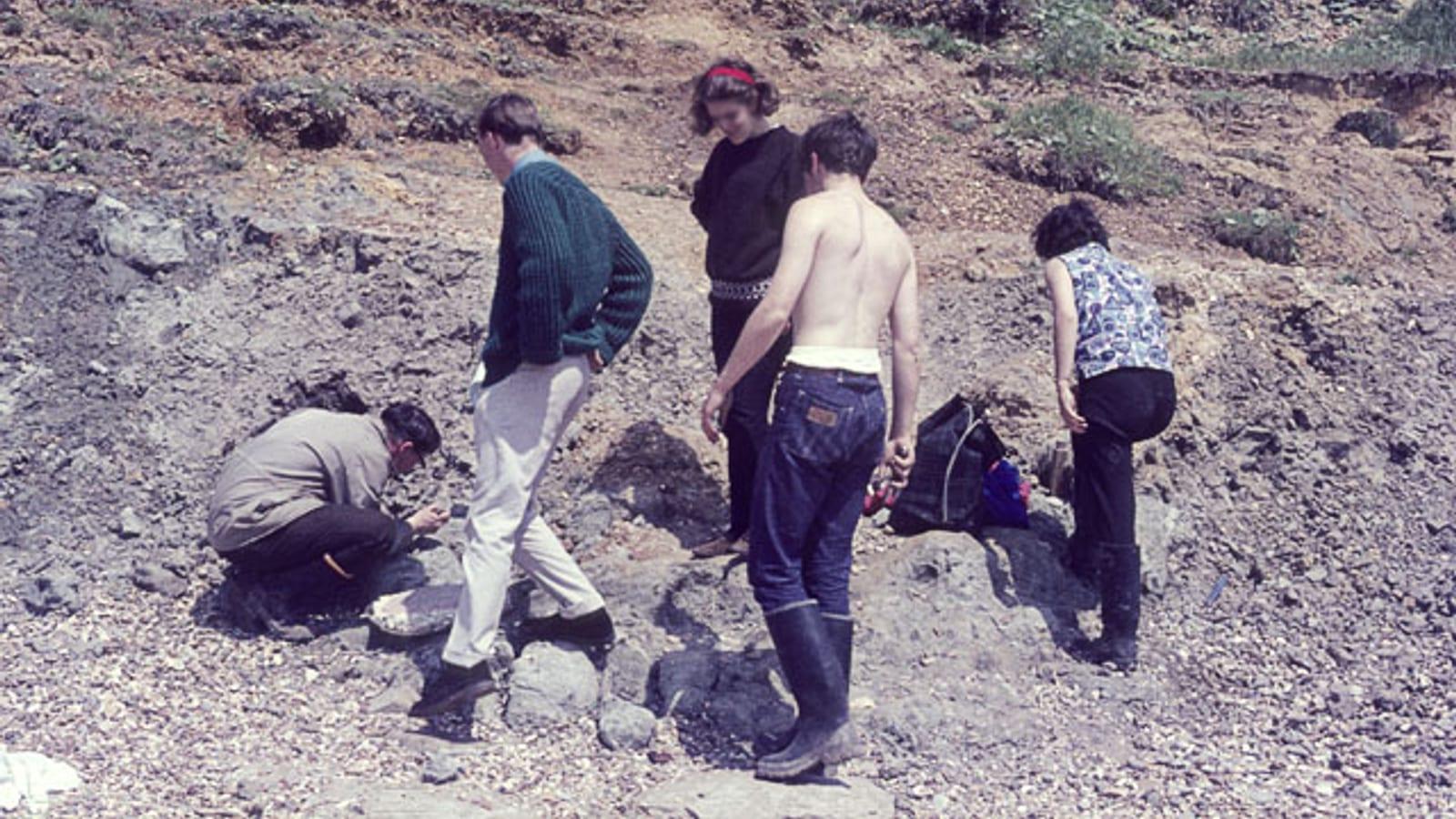
Barton on Sea Fossil Hunting Guide
England, United Kingdom
Gastropods, Shark Teeth, Bivalves
Beltinge Herne Bay Fossil Hunting Guide
United Kingdom
Beltinge Fish Bed, Shark teeth, Fish Vertebrae
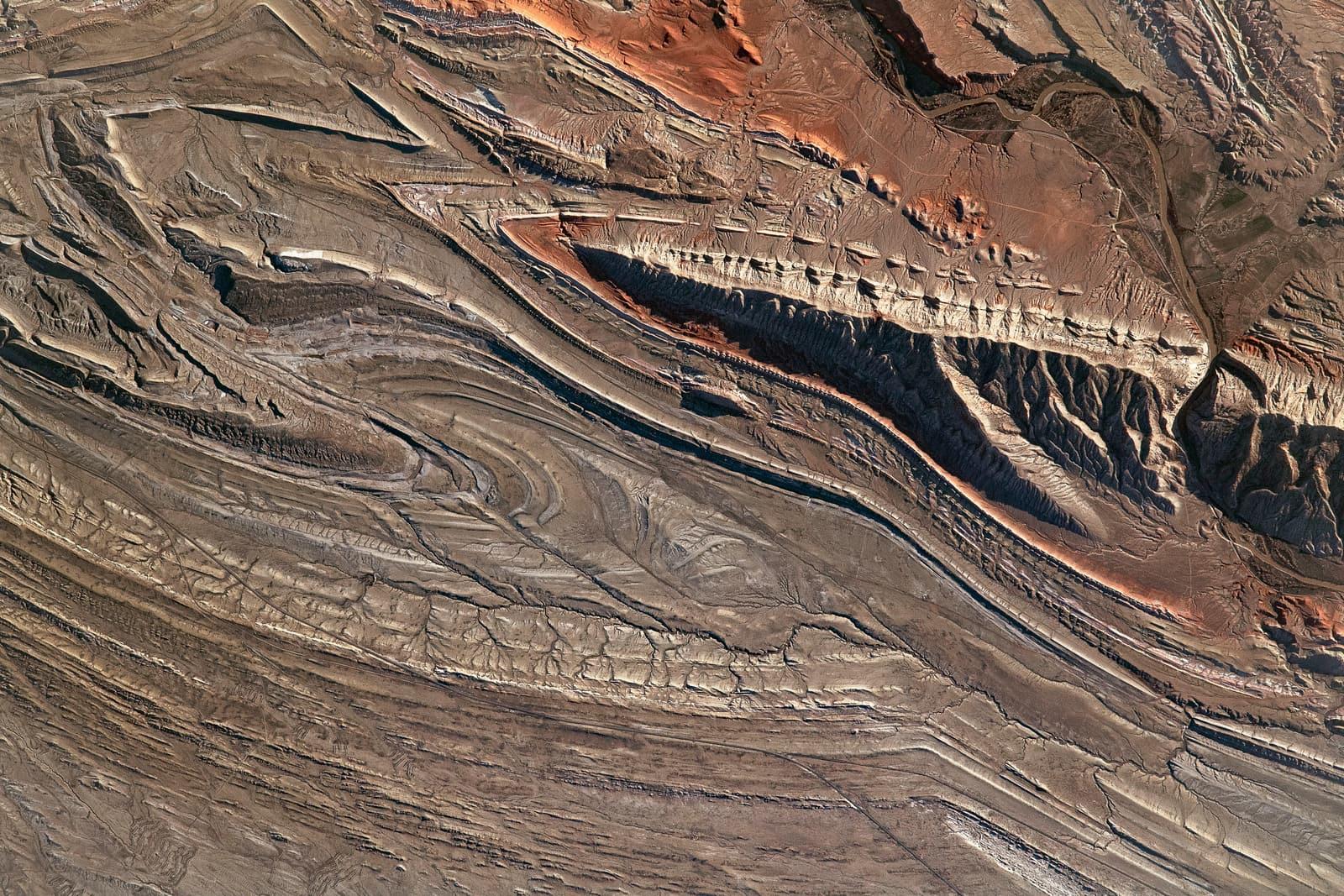
Bighorn Basin Willwood Formation Fossil Hunting Guide
Wyoming, United States
Early mammal teeth, Dawn horse, Mammal bones, Plant fossils
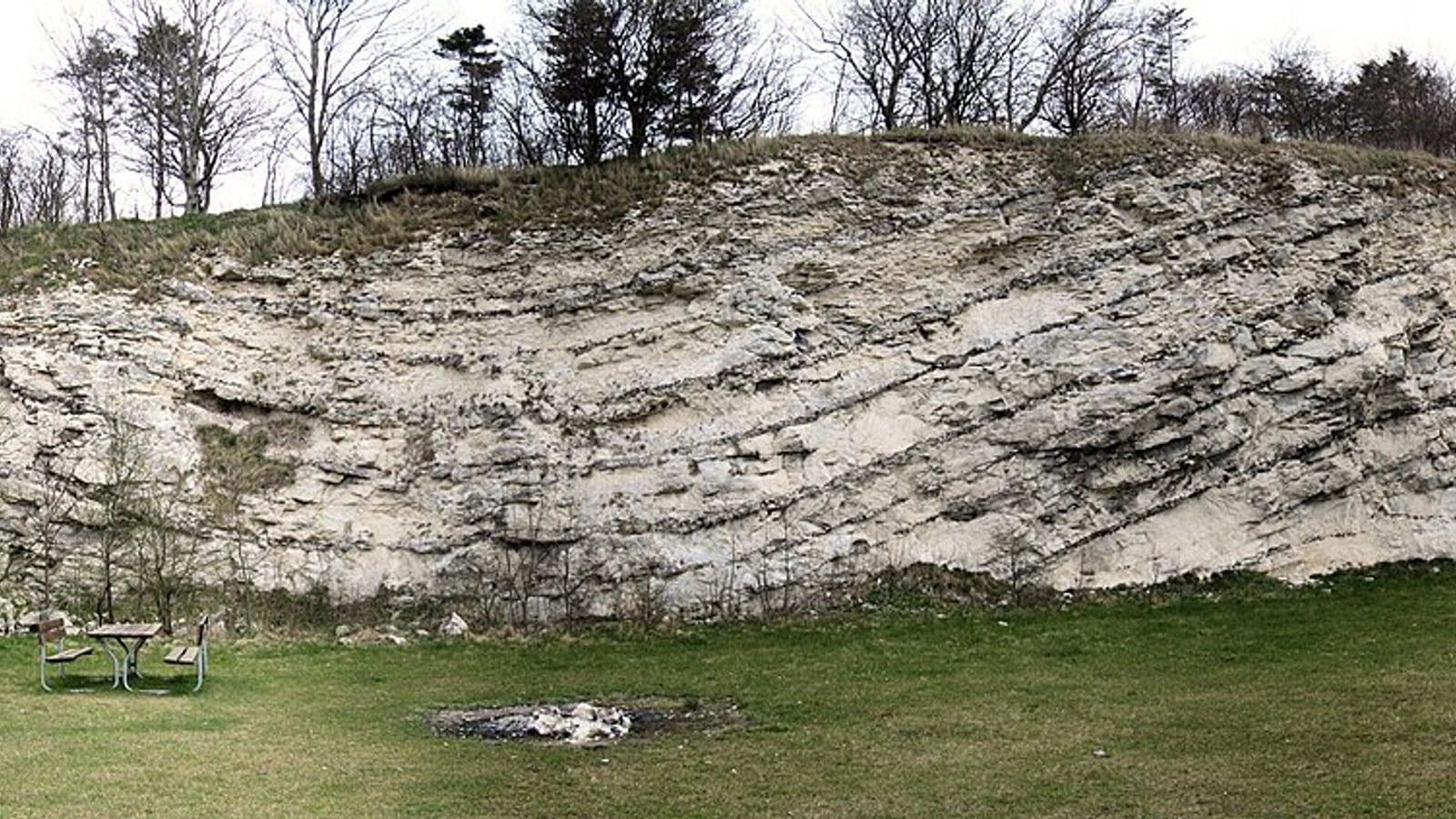
Boesdal Beach Stevns Klint Fossil Hunting Guide
Denmark
Belemnites, Sea urchin, Brachiopod, bryozoan
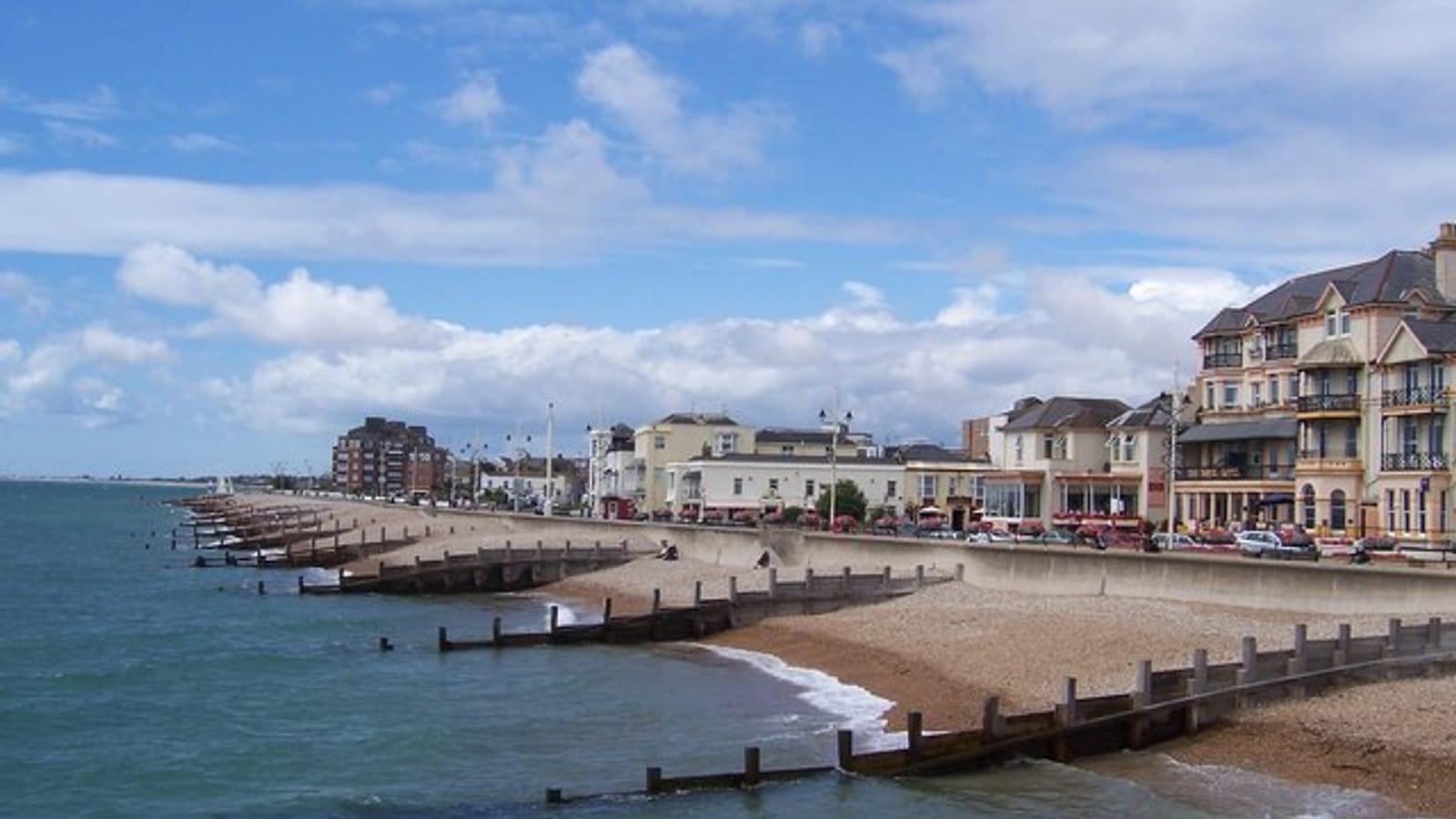
Bognor Regis Fossils: London Clay Foreshore Guide
western end of Bognor Regis
Sharks' teeth, Fish remains, Eocene insects, Molluscs
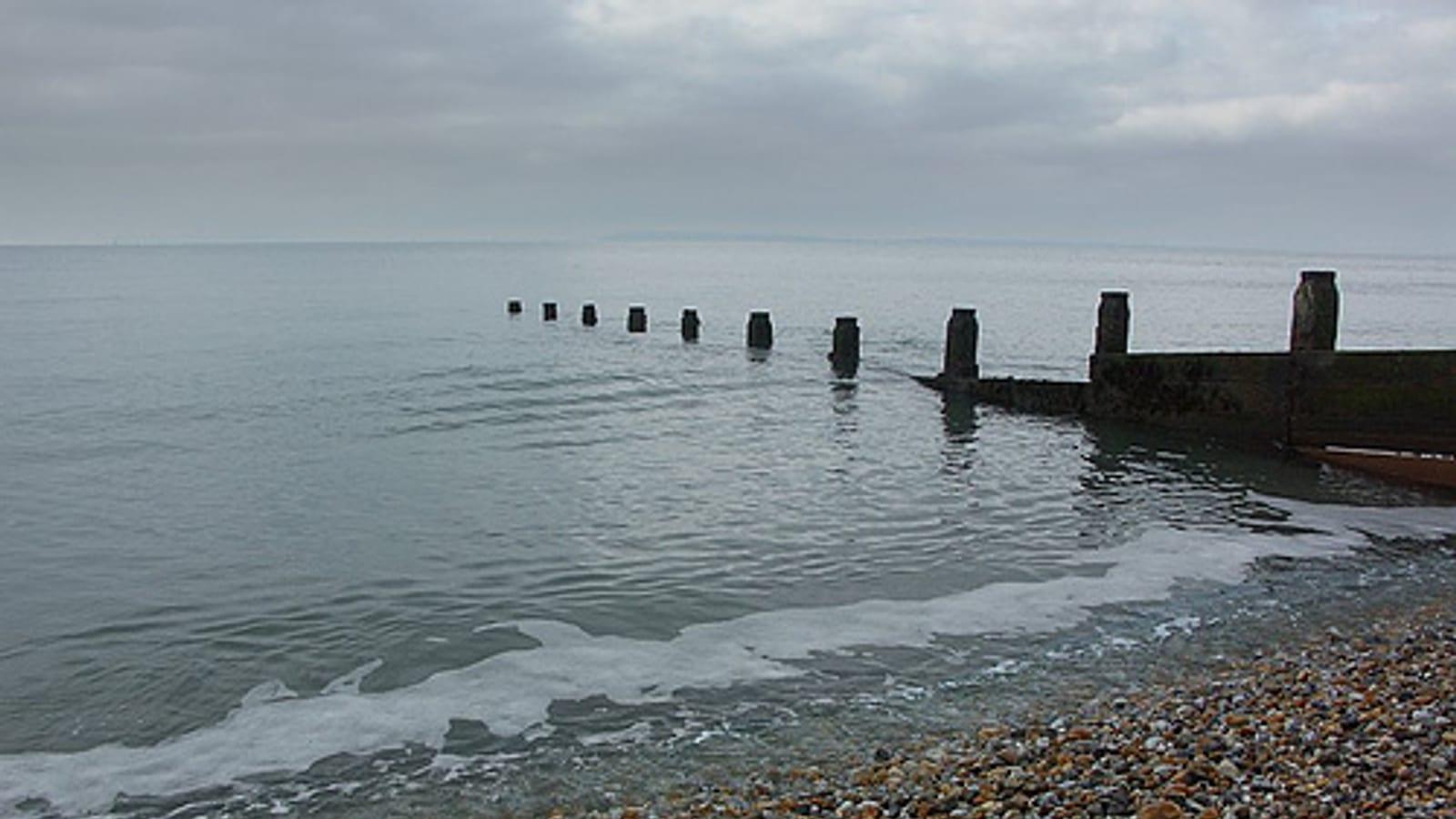
Bracklesham Bay Fossil Hunting Guide
Bracklesham Bay
Striatolamia macrota, foraminifera, Shark Teeth, Bivalves
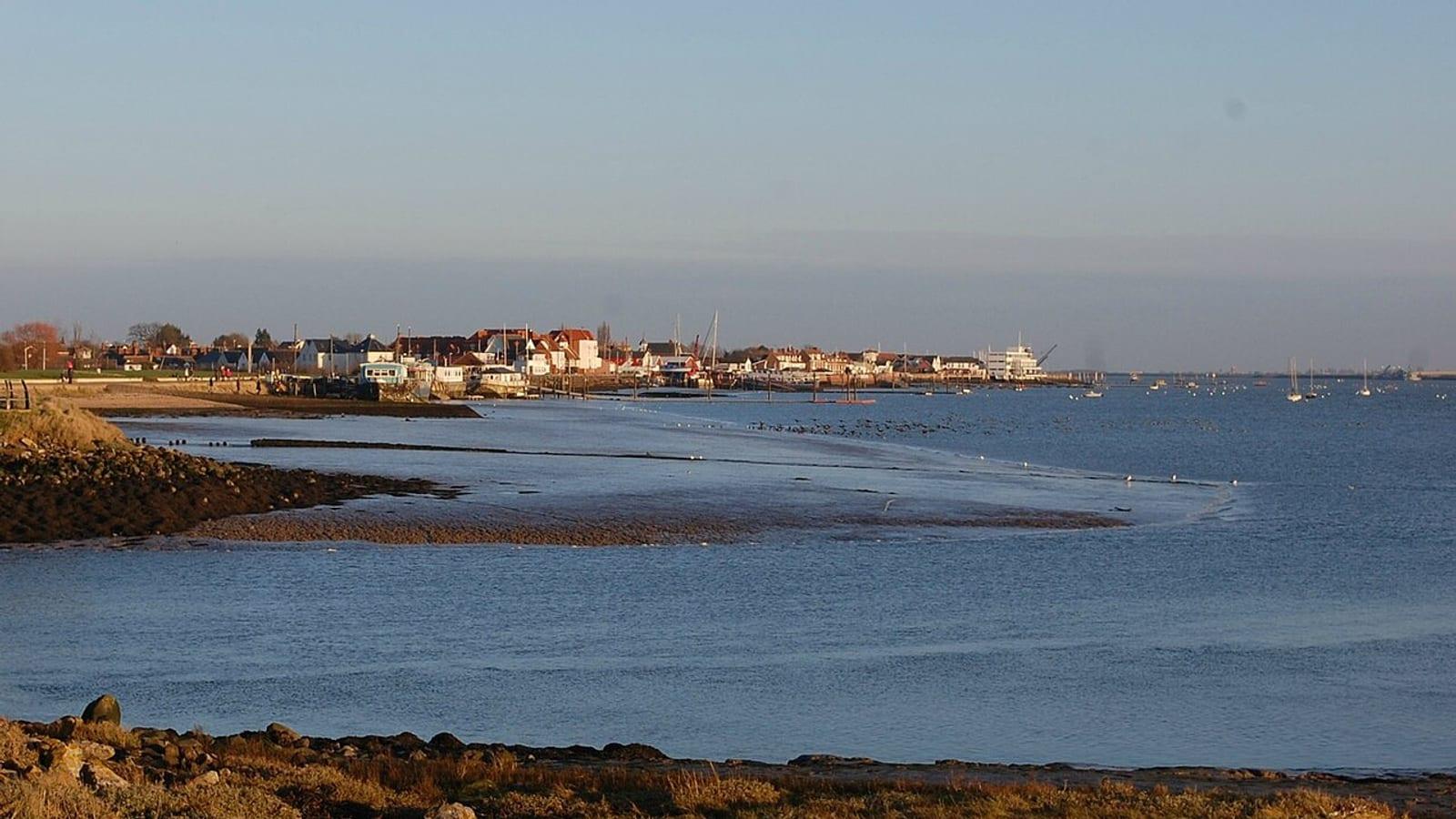
Burnham on Crouch Essex London Clay Fossil Hunting Guide
United Kingdom
Shark teeth, Ray teeth, Fish vertebrae, Crabs
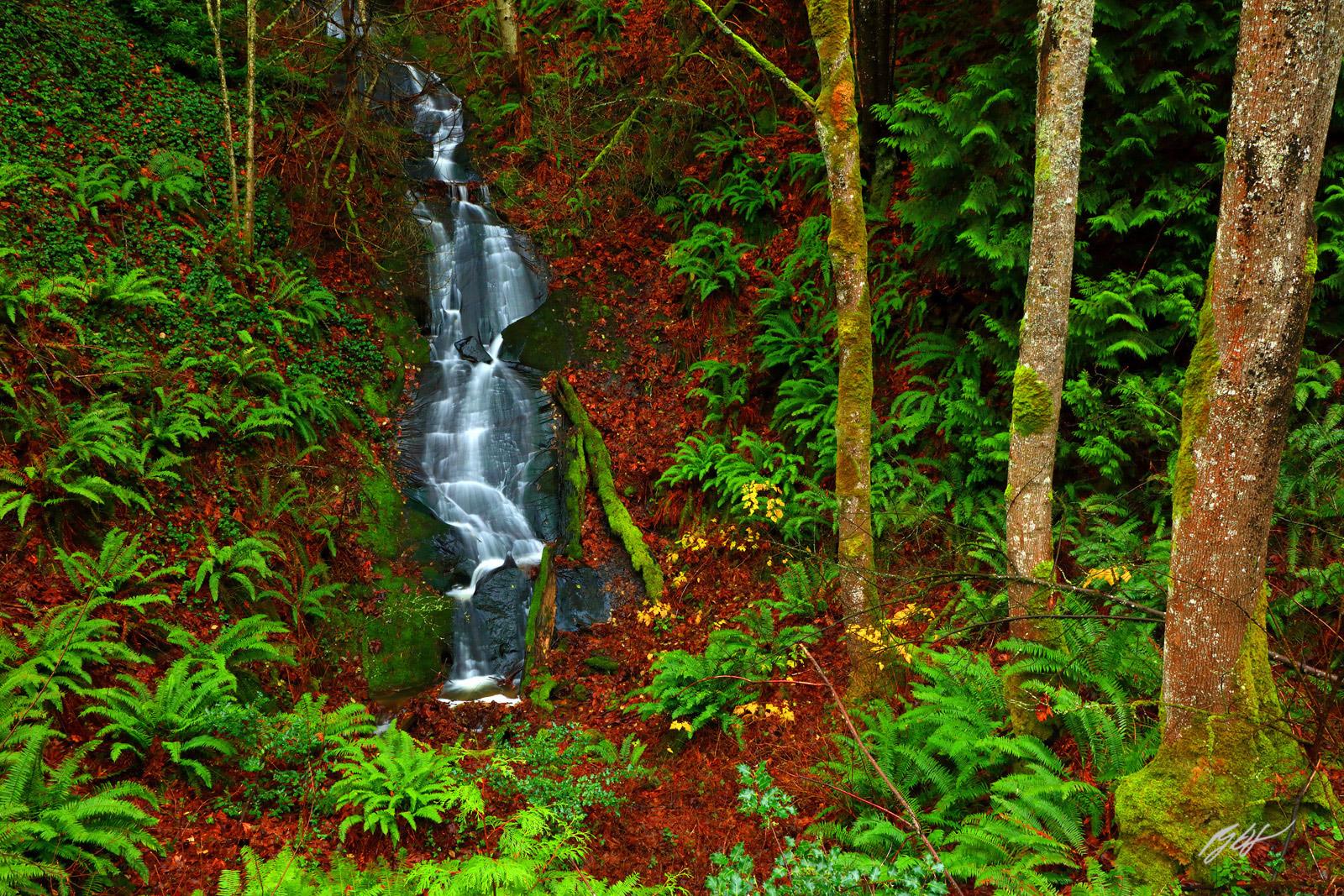
Chuckanut Drive & Larrabee State Park Fossil Hunting Guide
Washington, United States
Fossil palm fronds (Sabalites), Fossil leaves, Plant debris, Trace fossils (bird and reptile, protected)
Dalbyover Quarry Fossil Hunting Guide
Denmark
Bryozoans, Sea urchins, Brachiopods, bivalves
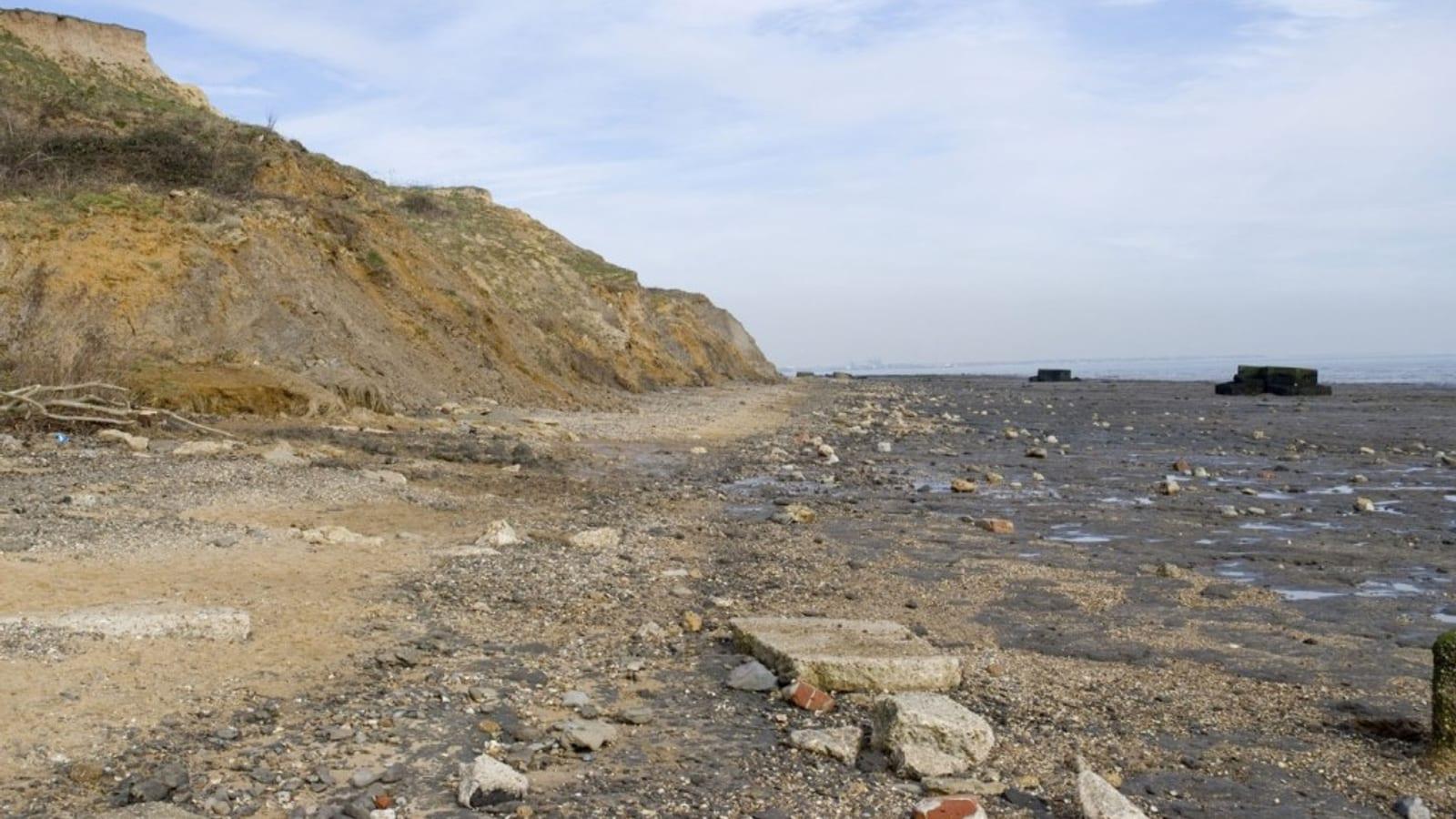
East Mersea Fossil Hunting Guide
England, United Kingdom
N/A
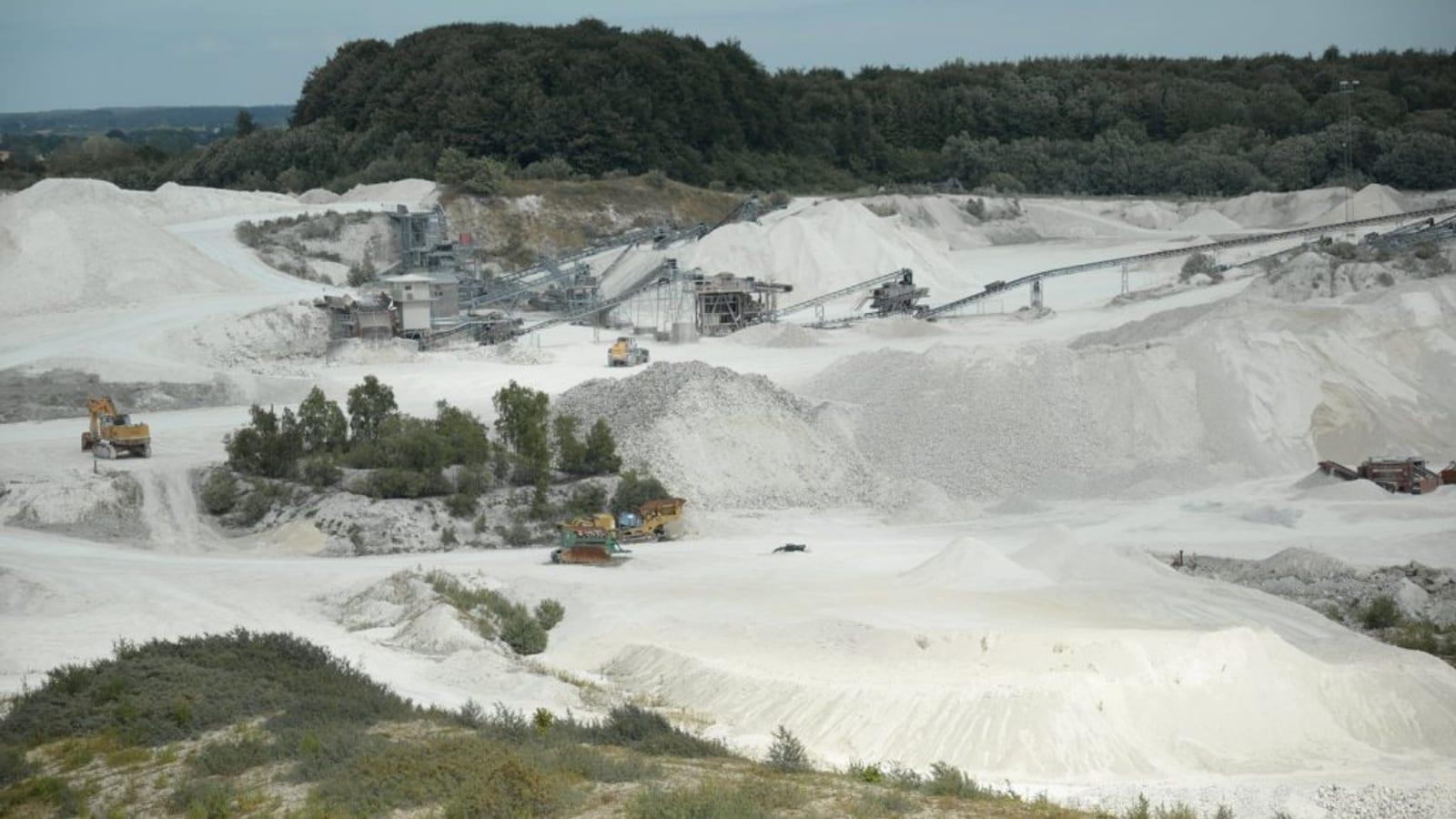
Faxe Quarry South Area Fossil Hunting Guide
Denmark
Corals, Crabs, Bryozoans, Bivalves
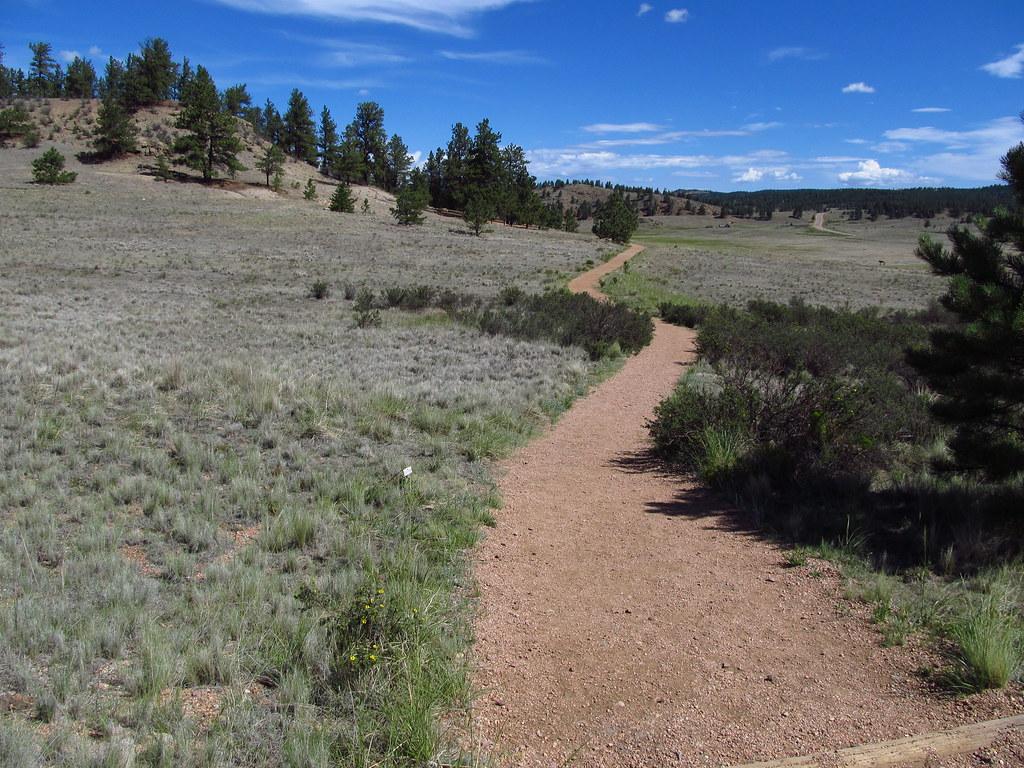
Florissant Fossil Beds National Monument Fossil Hunting Guide
Colorado, United States
Insects, Plant leaves, Petrified redwood stumps, Freshwater fish
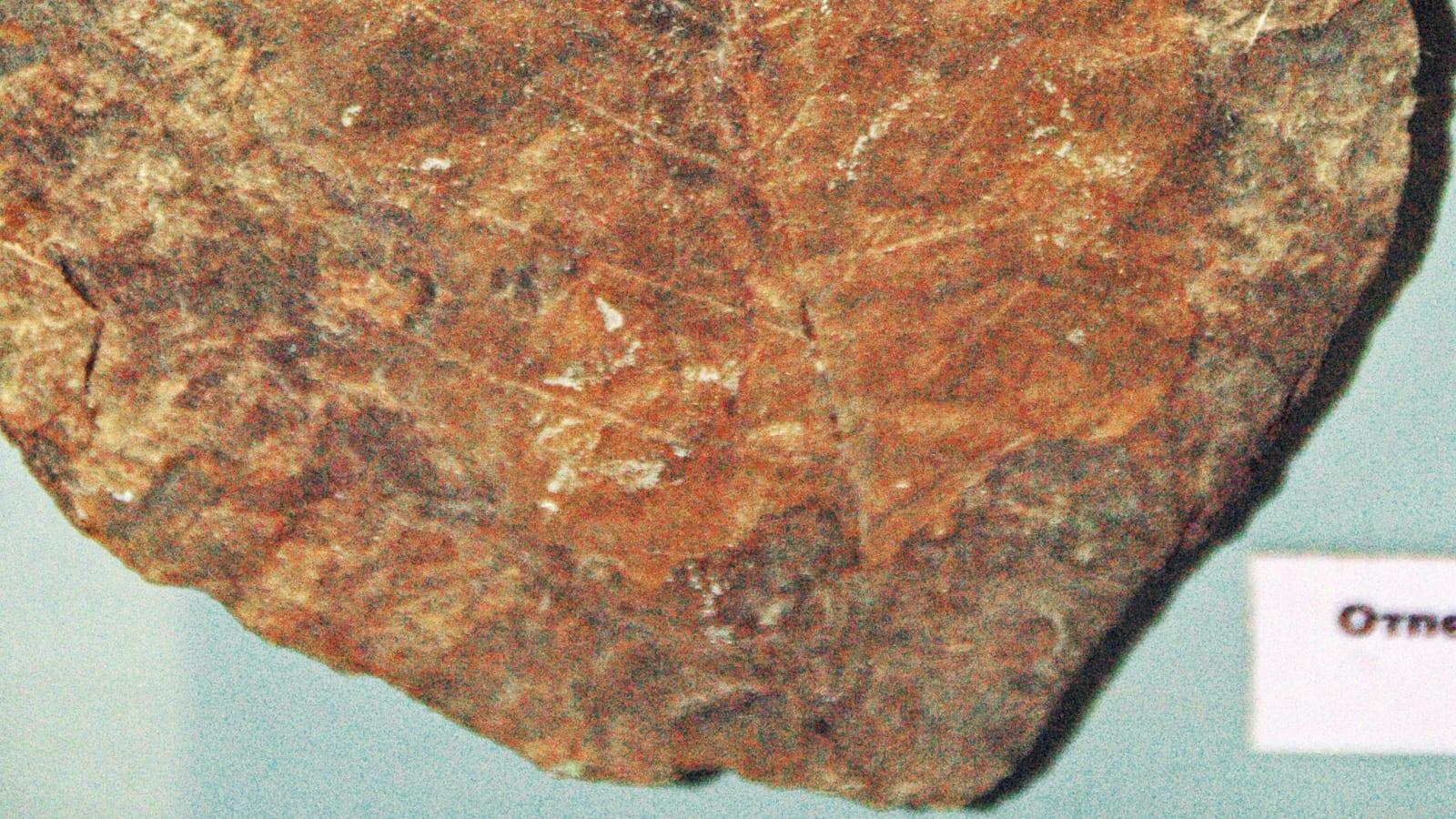
Florissant Fossil Quarry Fossil Hunting Guide
Colorado, United States
Plants, Insects, Fish, Petrified Wood
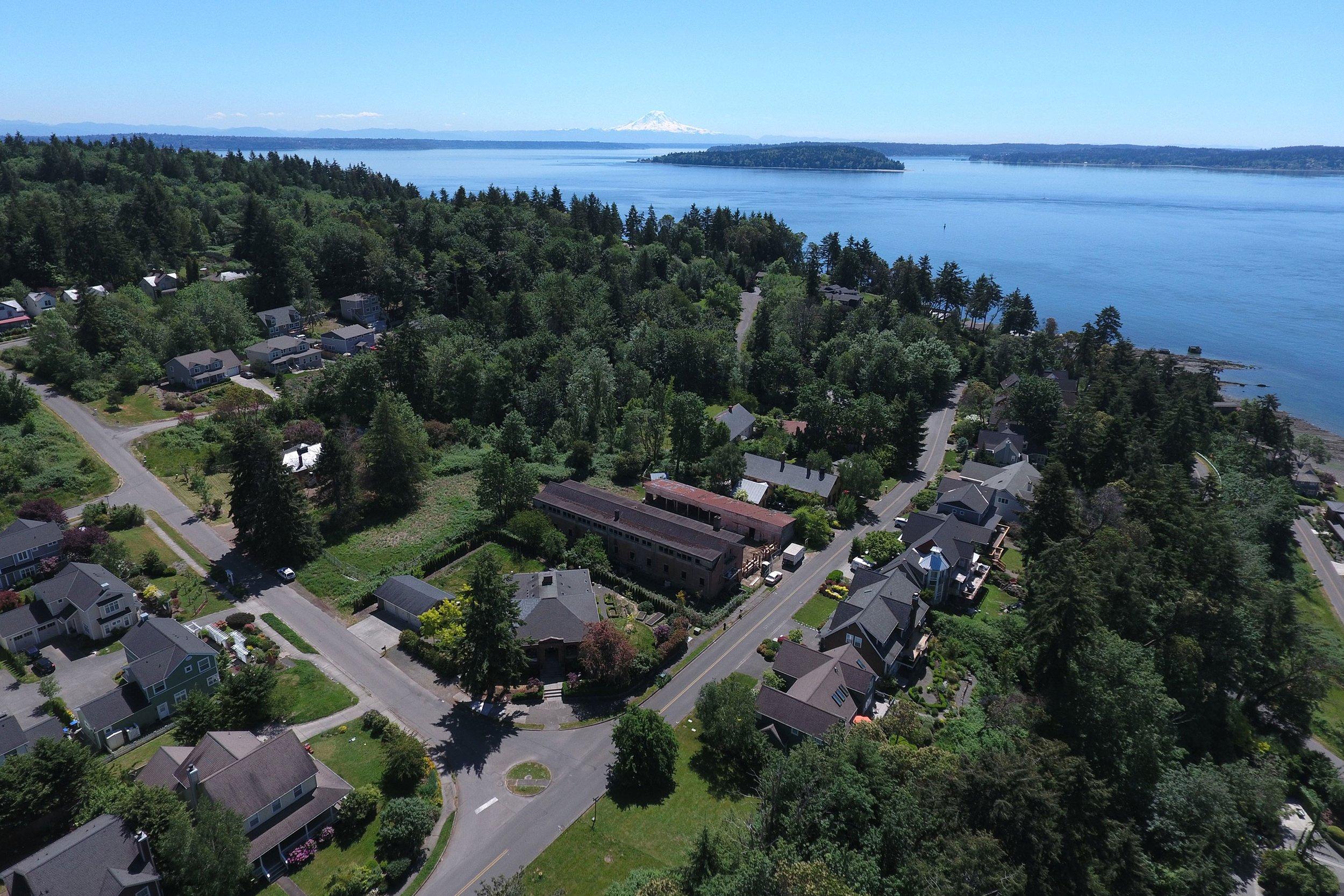
Fort Ward Park (Blakeley Formation) Fossil Hunting Guide
Washington, United States
Marine mollusks, Crab concretions, Trace fossils, Plant debris (rare)
Fossil Butte National Monument Fossil Hunting Guide
Wyoming, United States
Fossil fish (Knightia), Fossil fish (Diplomystus), Fossil fish (Phareodus), Eocene plants
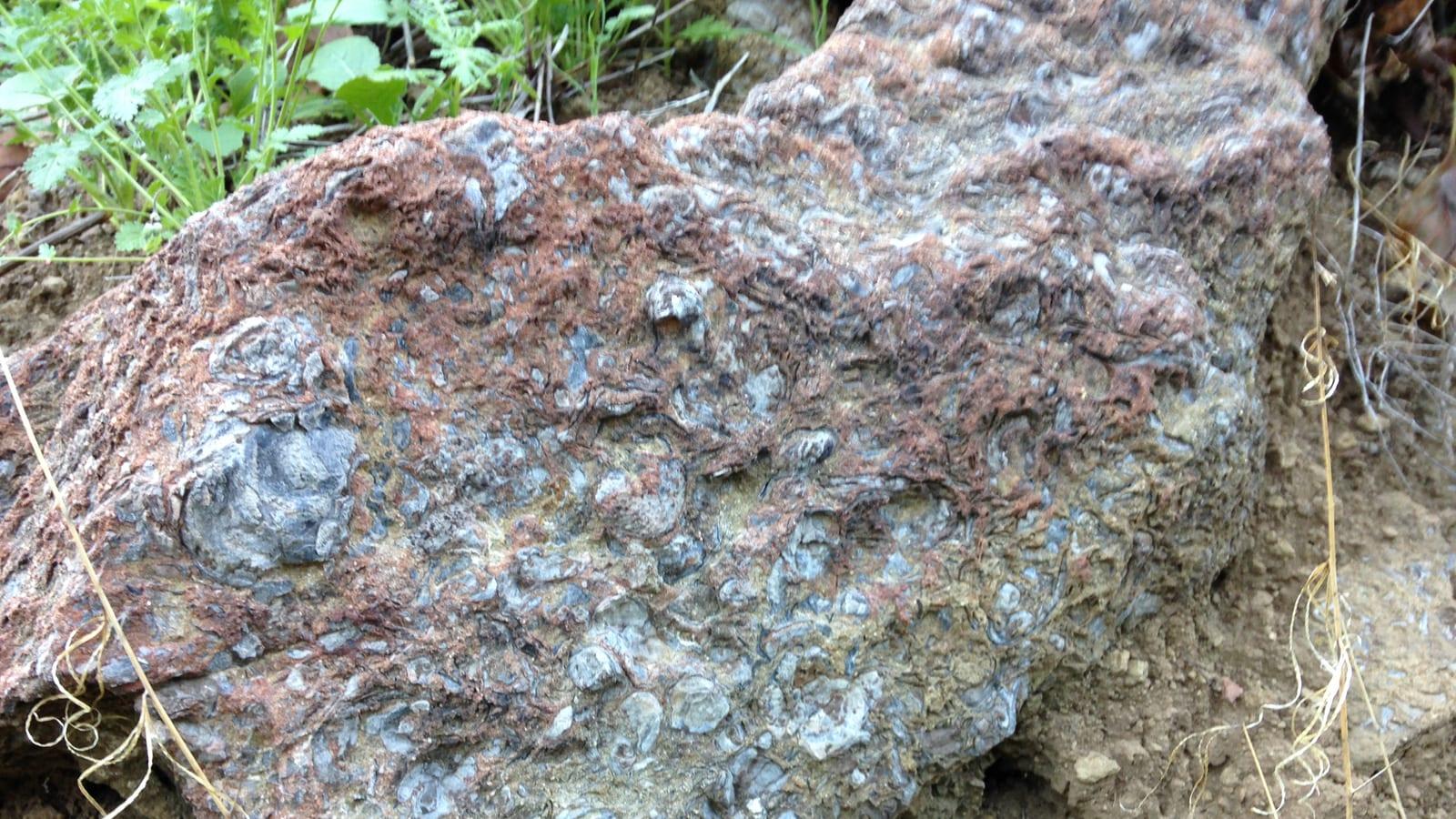
Fossil Hunting Near Ojai in the Los Padres National Forest
California, United States
Bivalves, Oysters (Ostrea idriaensis), Turritella (gastropods)
Fur Island Knudeklinterne Fossil Hunting Guide
Denmark
N/A
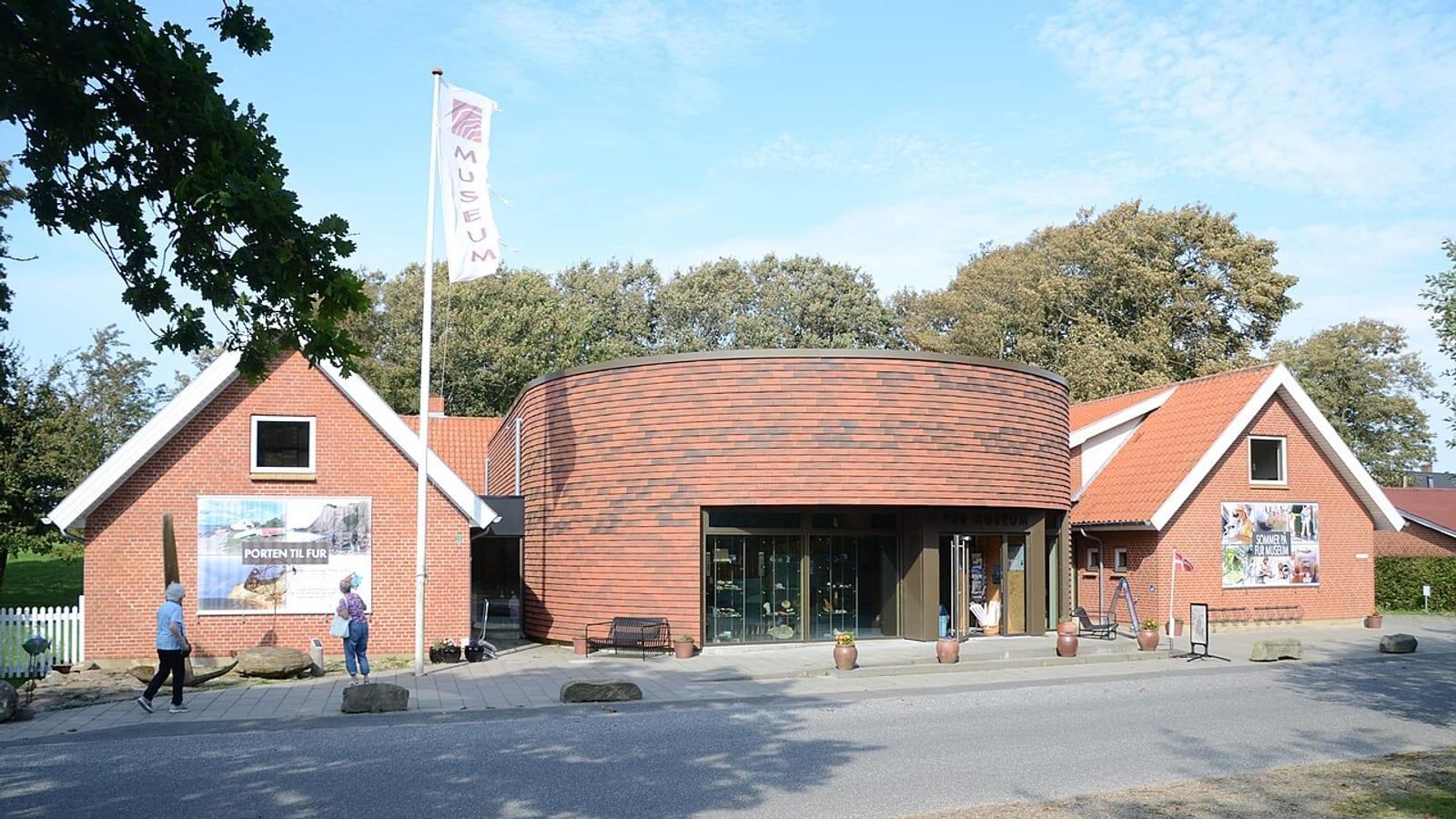
Fur Museum Dig Eocene Fish Insect Fossils Fossil Hunting Guide
7884 Fur
Fish, Insects, Plant fossils
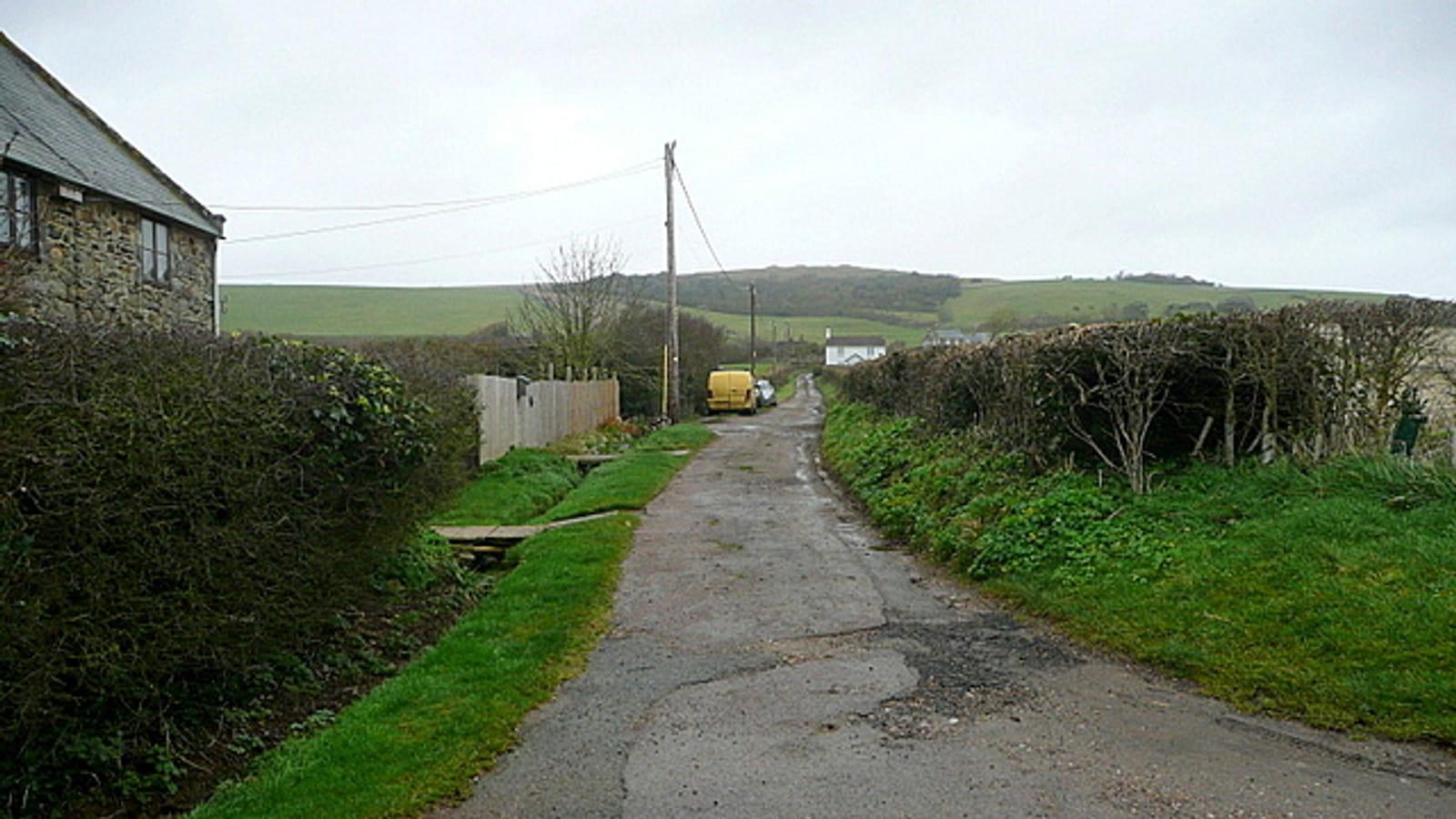
Hamstead Isle of Wight Fossil Hunting Guide
United Kingdom
Mollusc shells, Plant seeds and fragments, fish remains, Crocodile remains
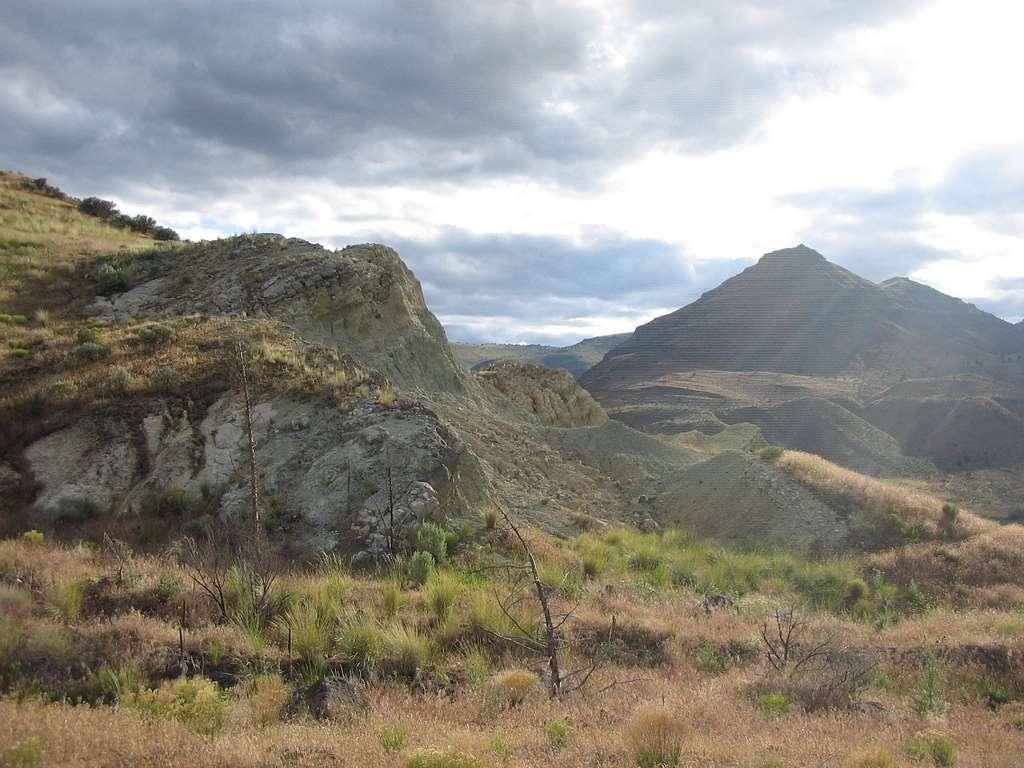
John Day Fossil Beds National Monument Fossil Hunting Guide
Oregon, United States
Oreodonts, Early horses, Brontotheres, Dawn redwood (Metasequoia)
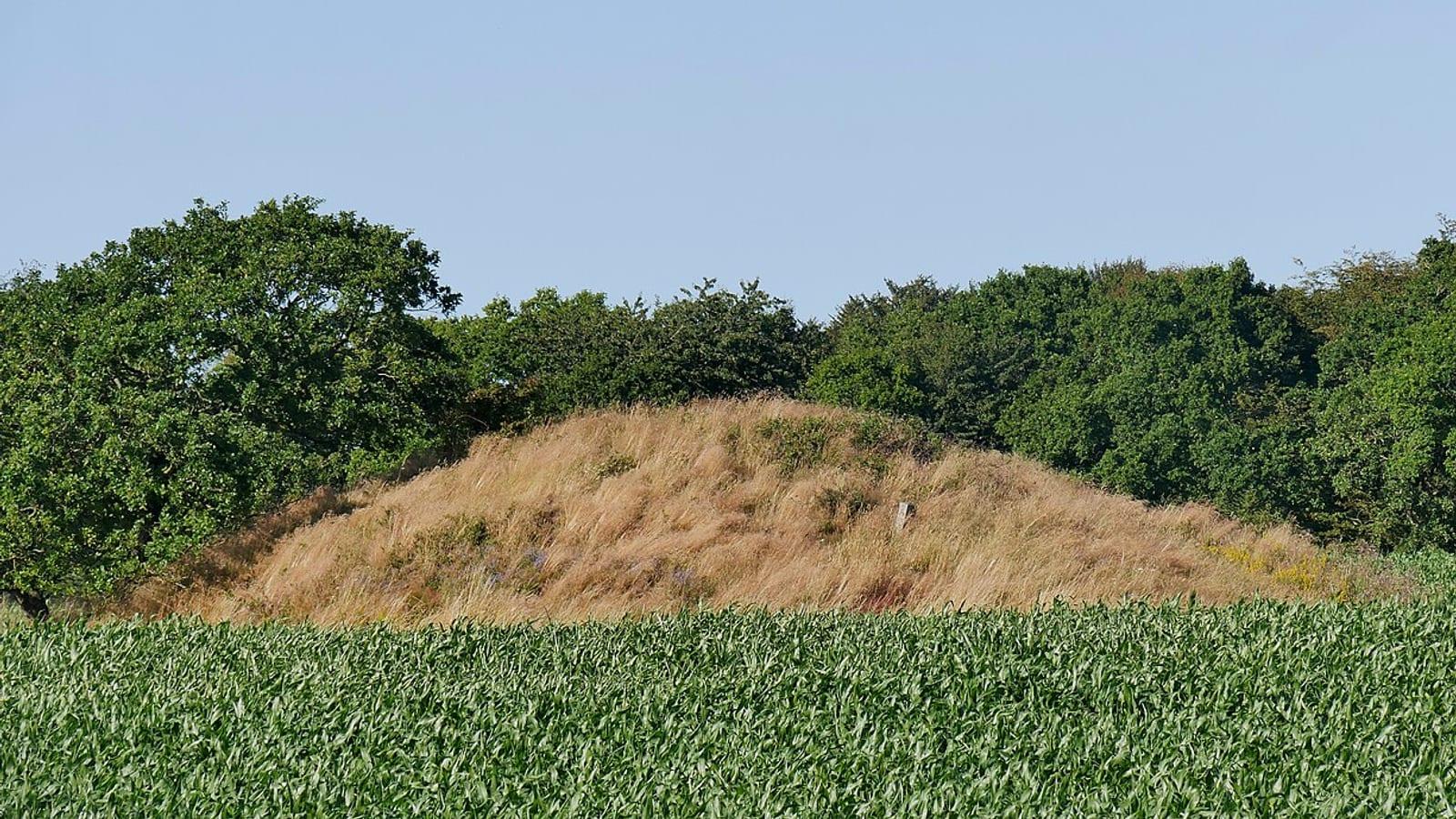
Katbjerg Odde Mariager Fjord Fossil Hunting Guide
Denmark
Bryozoans, Sea urchins, Brachiopods, bivalves
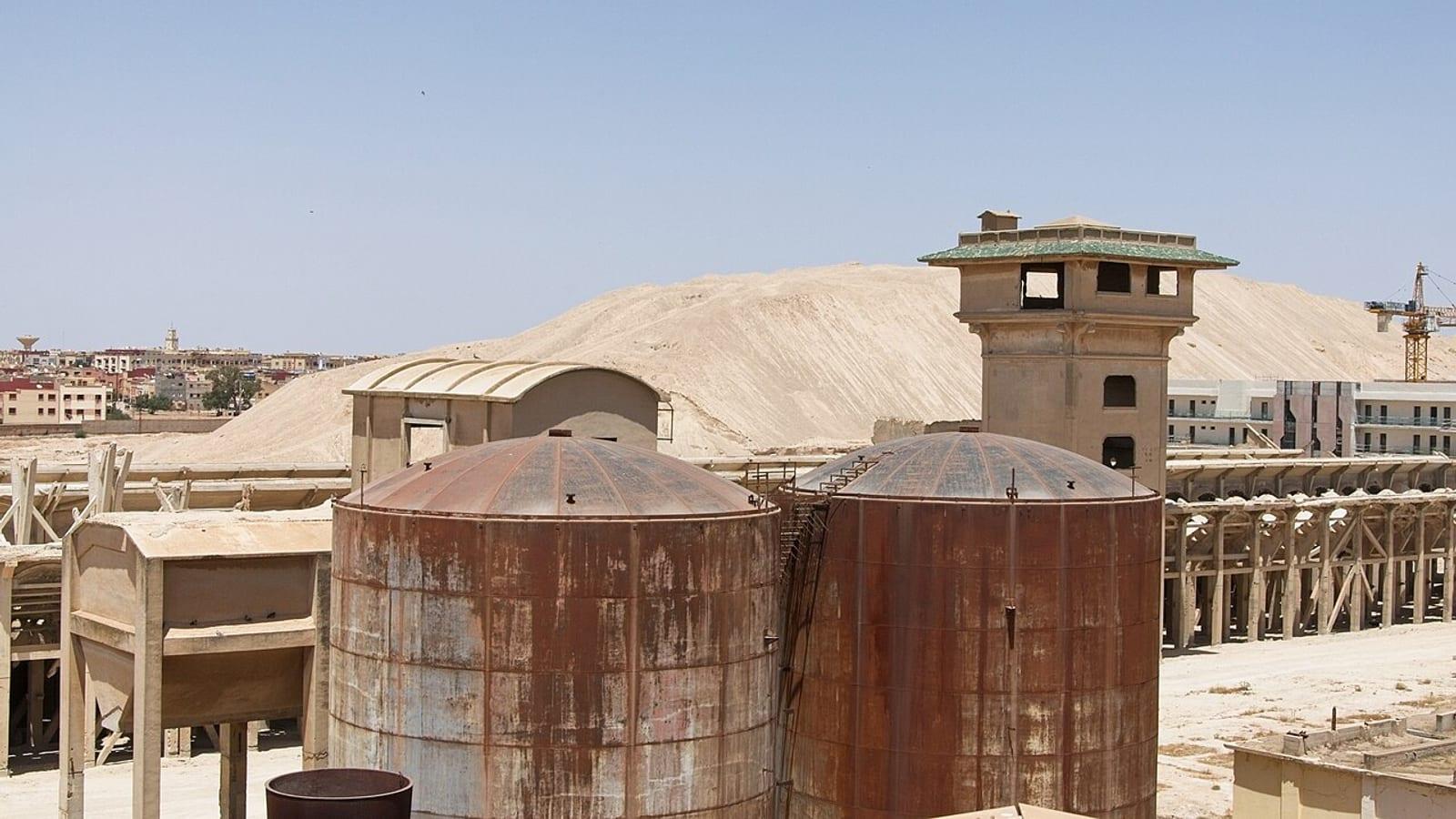
Khouribga Phosphate Shark Tooth Site Fossil Hunting Guide
Morocco
Shark teeth, Mosasaur teeth, Fish remains, Marine reptile bones
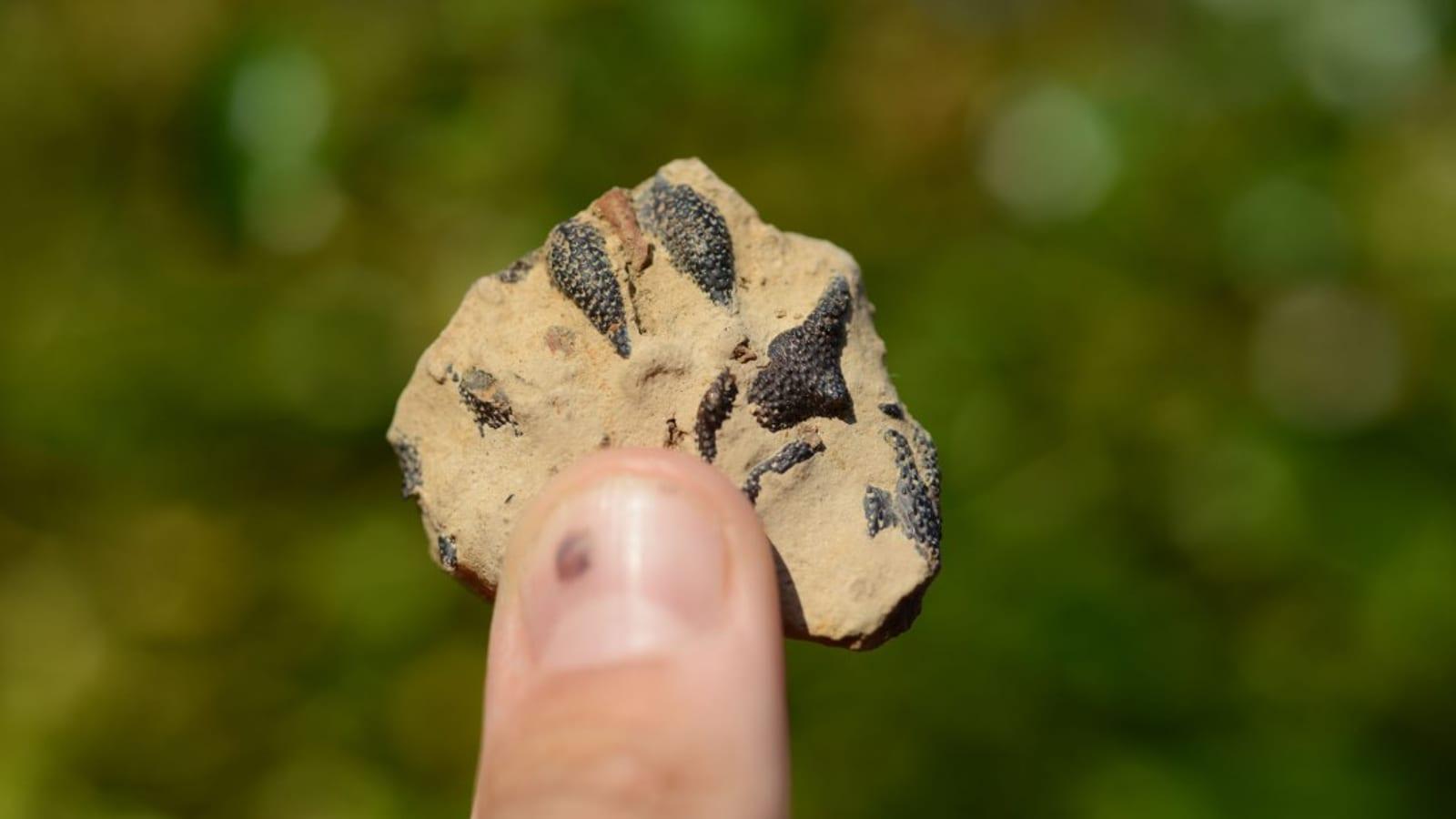
Maylandsea Fossil Hunting Guide
England, United Kingdom
Shark Teeth, Bivalves, Crustaceans, Fish
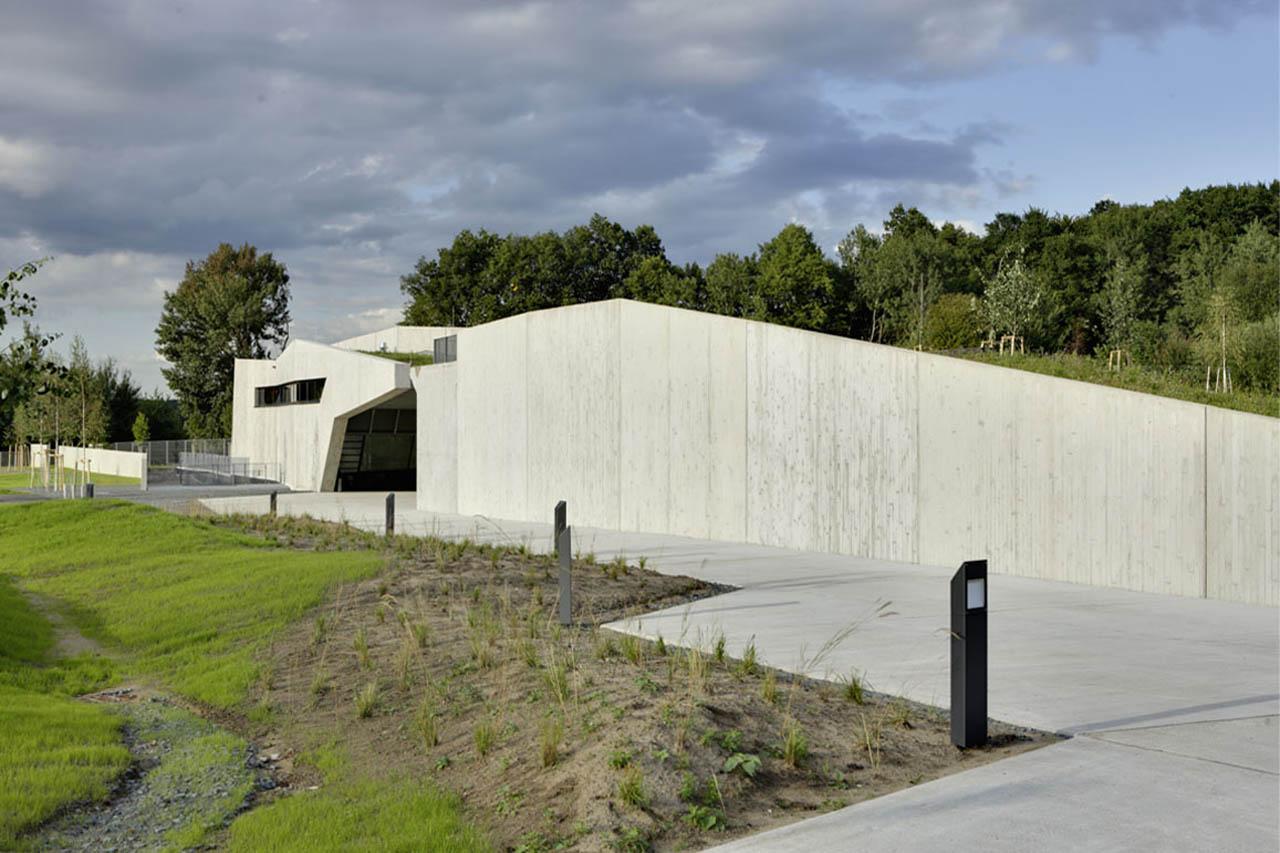
Messel Pit Fossil Site Guide
Hesse, Germany
Early mammals, Early horses, Bats, Birds
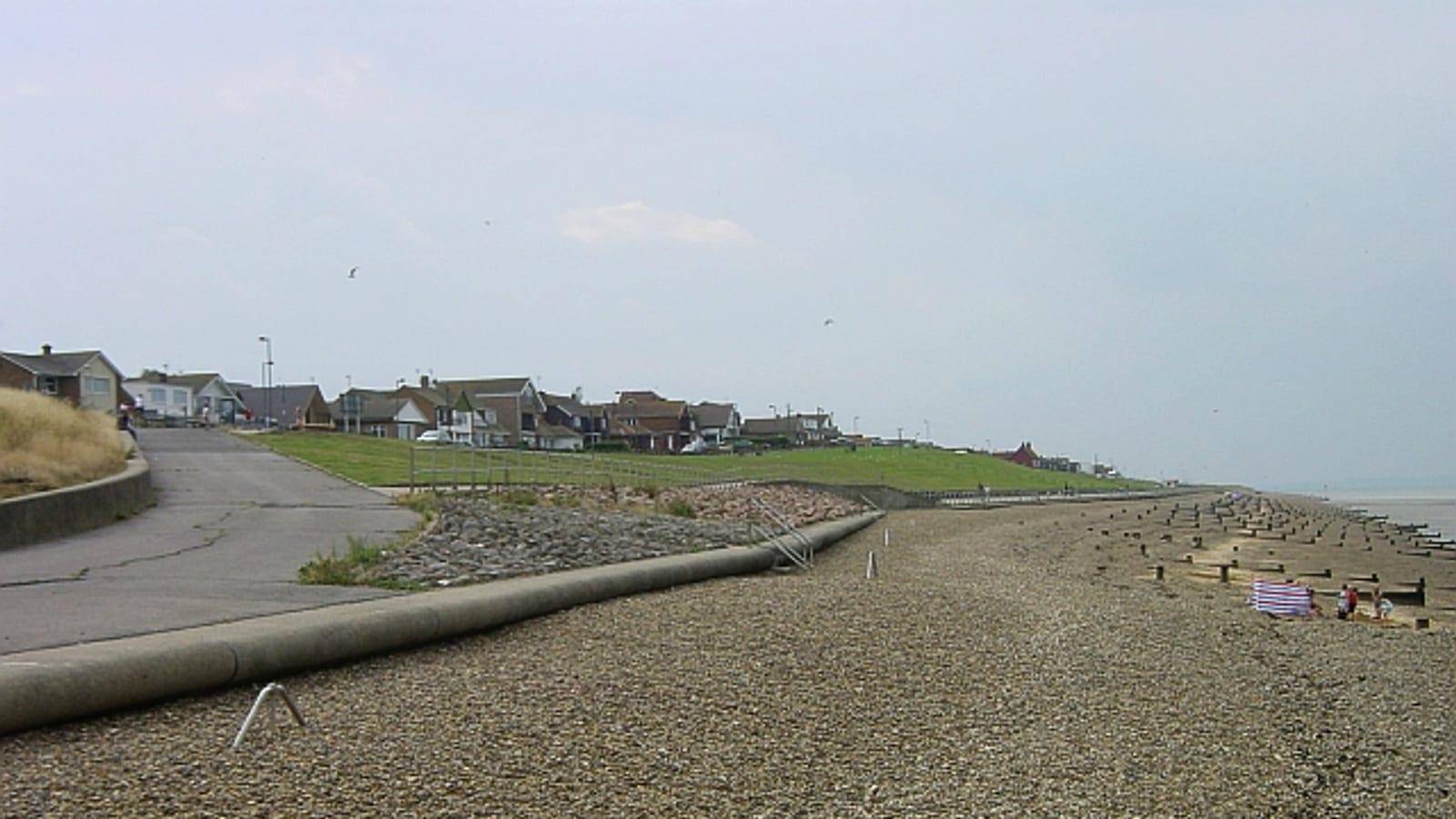
Minster Beach Isle of Sheppey Fossil Hunting Guide
United Kingdom
Plant remains, Nipa palm seeds, Shark Teeth, Fish Vertebrae
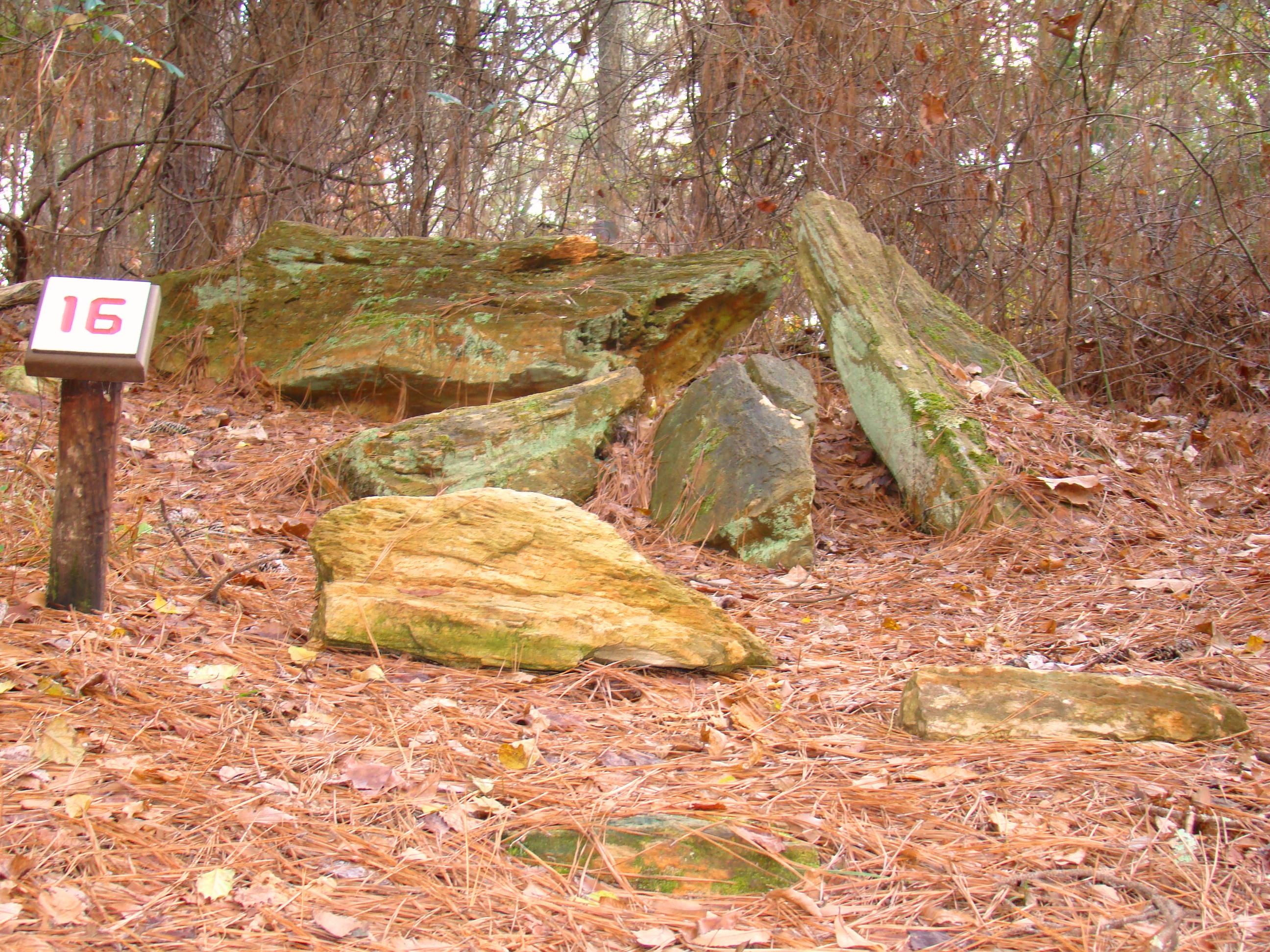
Mississippi Petrified Forest Fossil Hunting Guide
Mississippi, United States
Petrified Wood
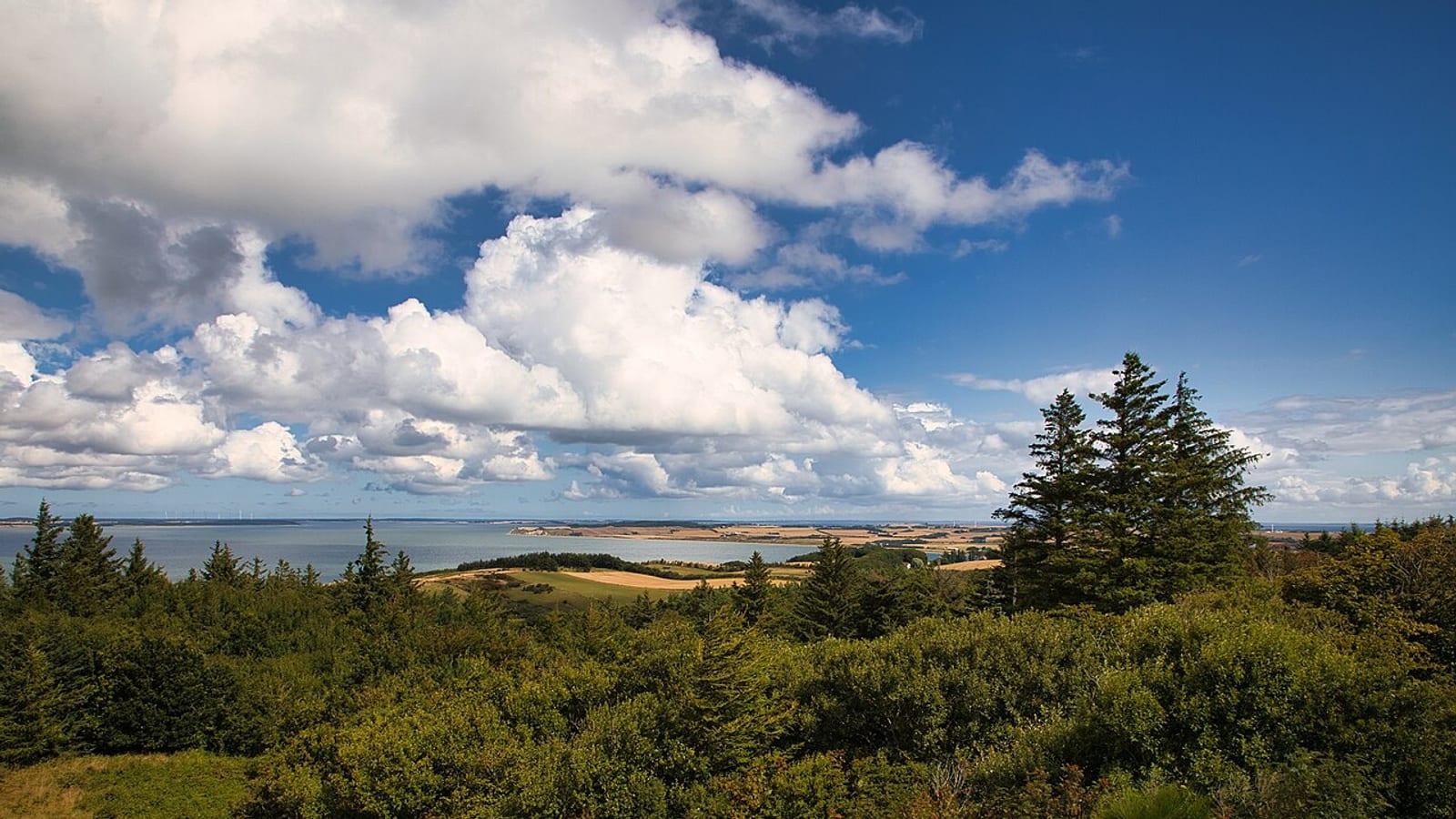
Mors Island Moler Museum Eocene Fossil Digging Fossil Hunting Guide
7900 Nykobing Mors
Fish, Insects, Plant fossils
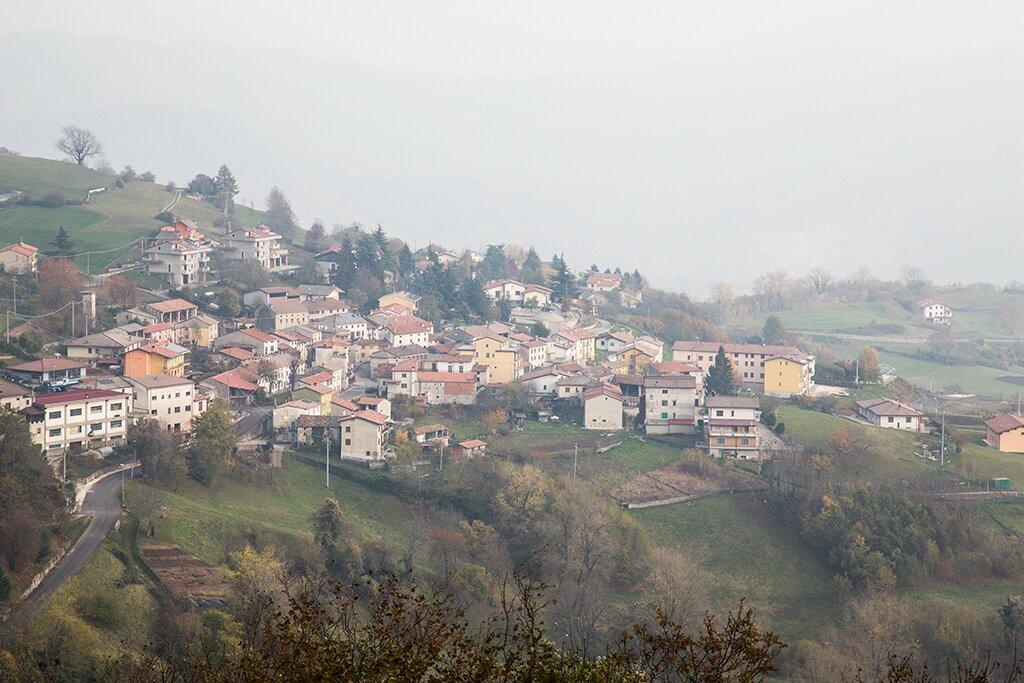
Pesciara di Bolca Fossil Quarry Guide
Veneto, Italy
Eocene fish, Crustaceans, Plants, Insects
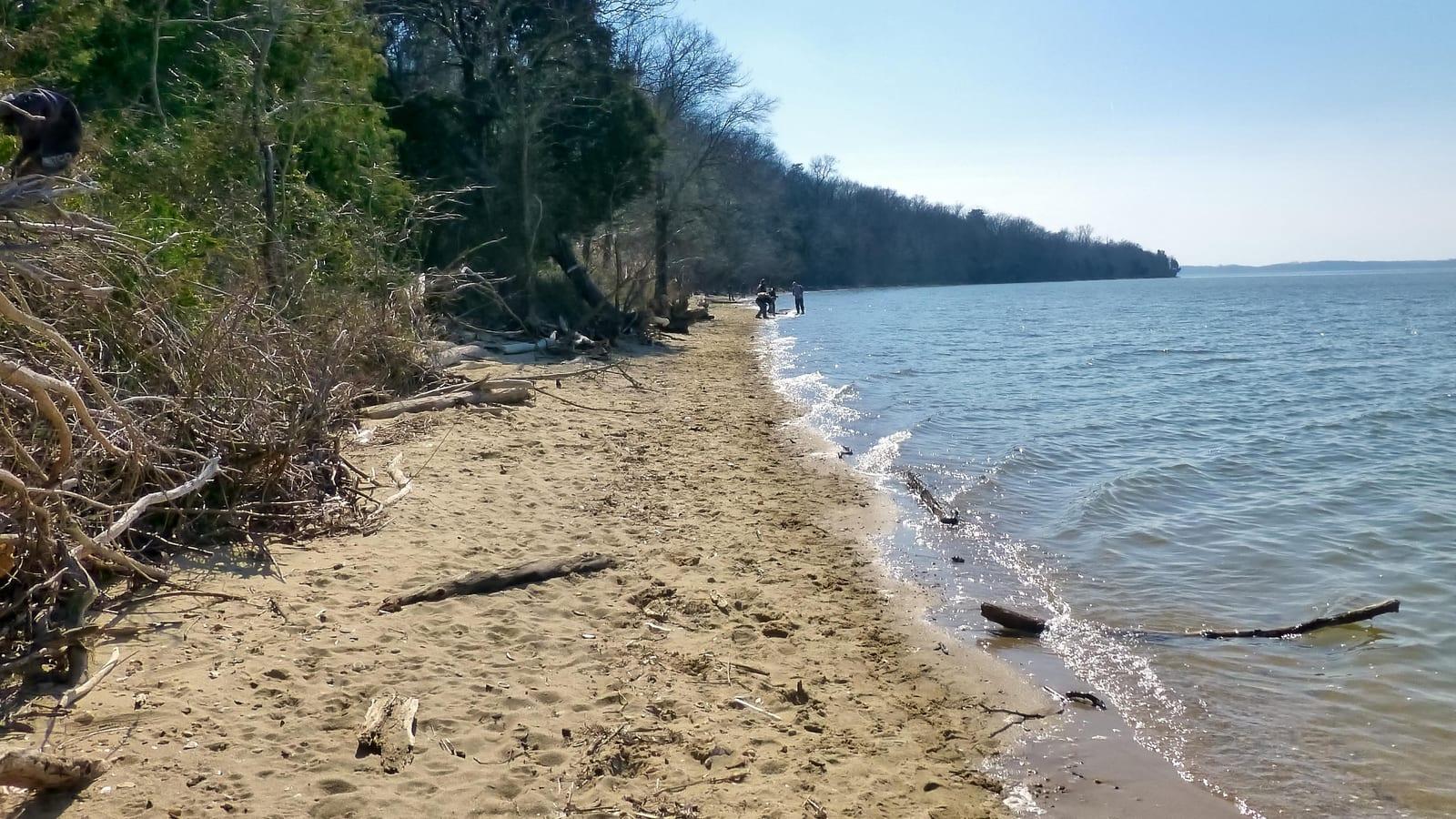
Purse State Park Fossil Hunting Guide
Maryland, United States
Shark Teeth, Ray Teeth, Mollusks
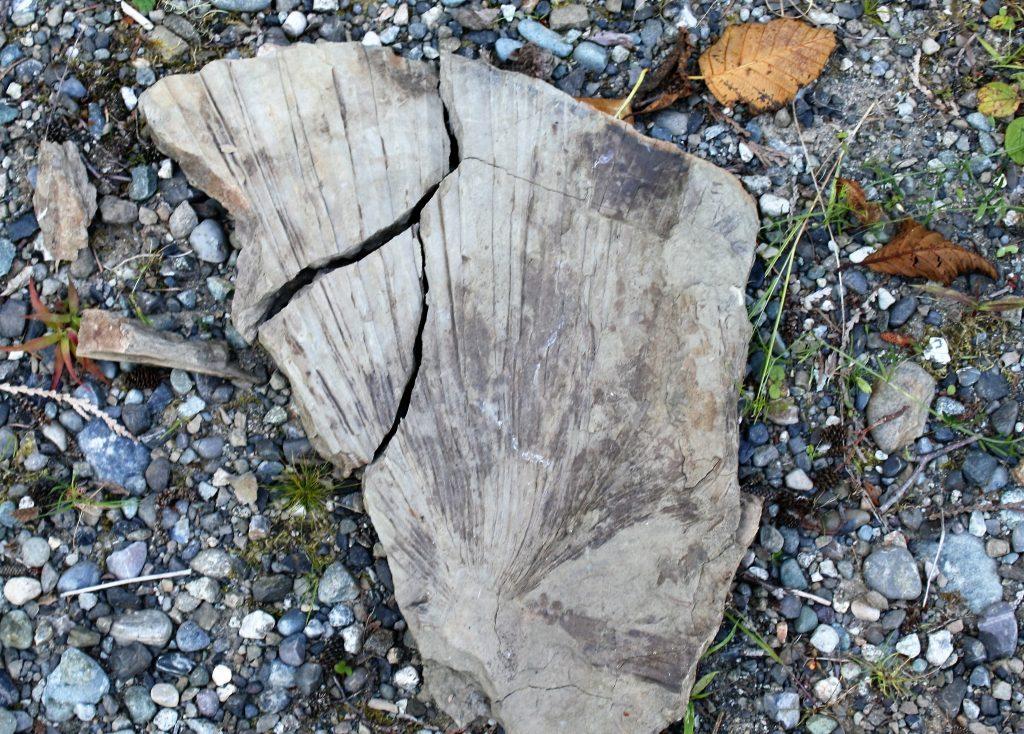
Racehorse Creek Chuckanut Fossil Fields Hunting Guide
Washington, United States
Fossil palm fronds (Sabalites), Tree fern fronds (Cyathea pinnata), Fossil leaves, Gastornis trackways (protected)
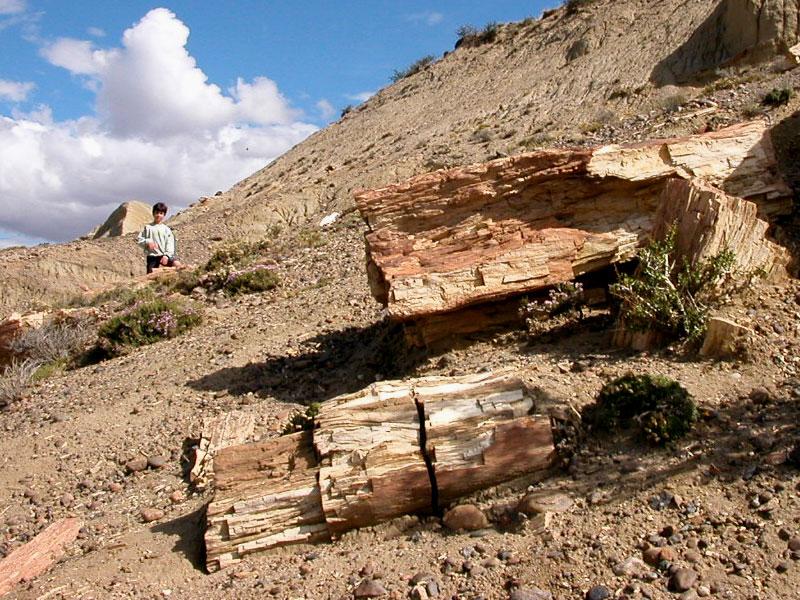
Sarmiento Petrified Forest Natural Monument Fossil Hunting Guide
Chubut, Argentina
Araucariaceae trunks, Podocarpaceae wood, Leaf compressions, Pollen
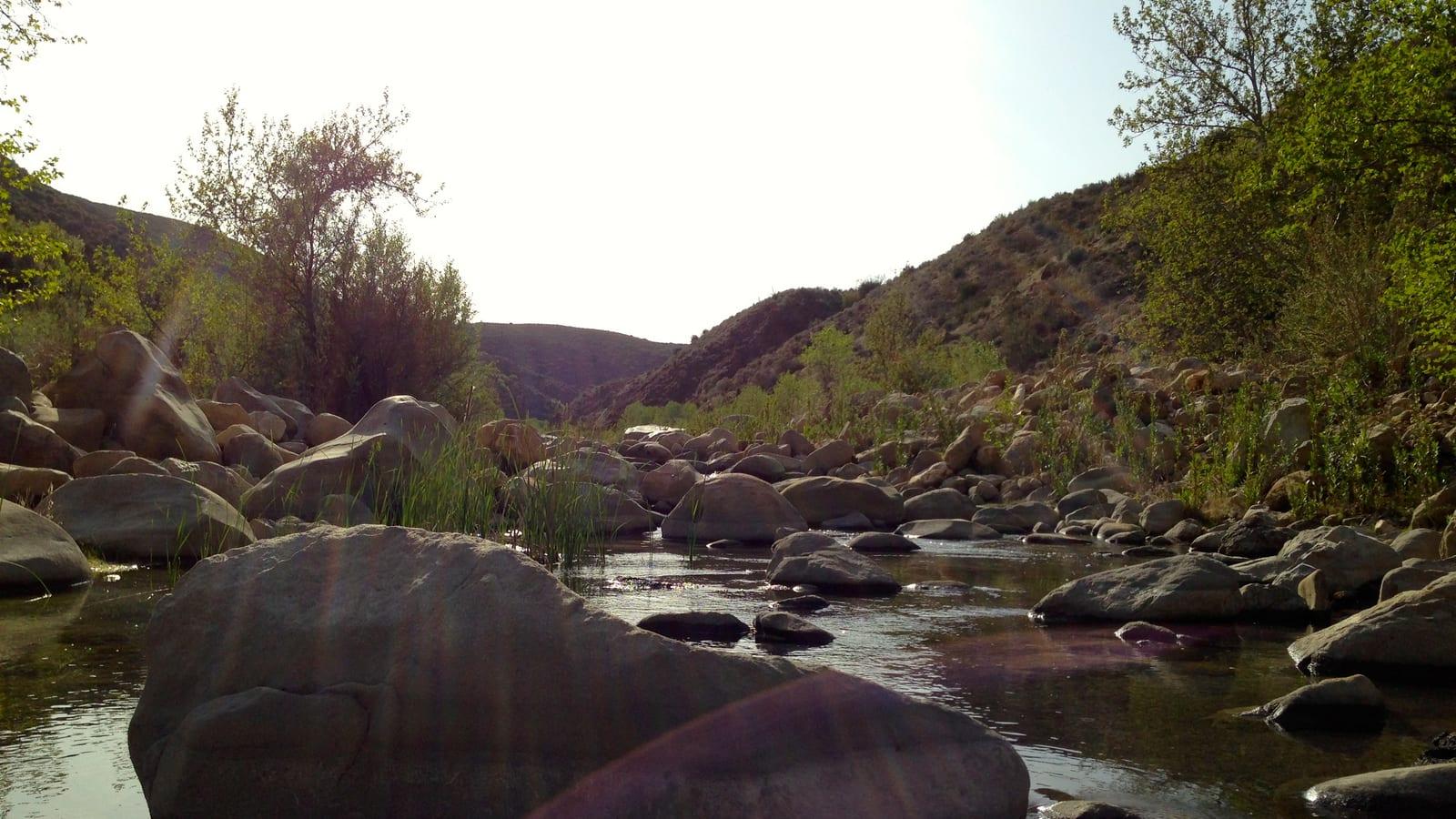
Sespe Wilderness Fossil Hunting Guide
Ventura County, California, United States
Bivalves, Gastropods, Corals
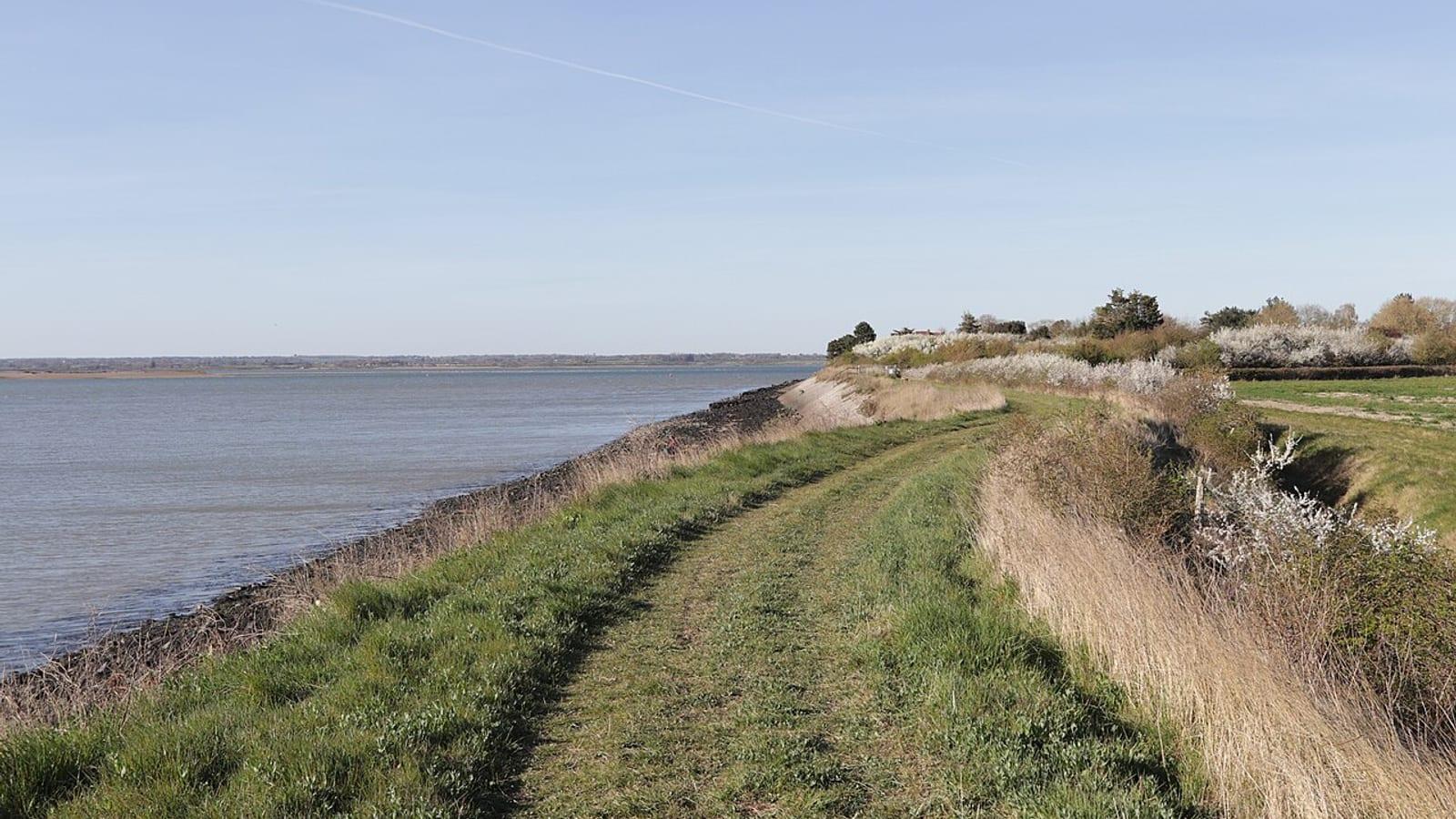
Stansgate Essex London Clay Fossil Hunting Guide
United Kingdom
Phosphatic nodules, Shark teeth, Fish remains, Crustaceans (lobsters and crabs)
Stendalgraven Quarry Fur Island Fossil Hunting Guide
Denmark
N/A

Stonerose Interpretive Center Fossil Hunting Guide
Washington, United States
Fossil Leaves, Insects, Fish
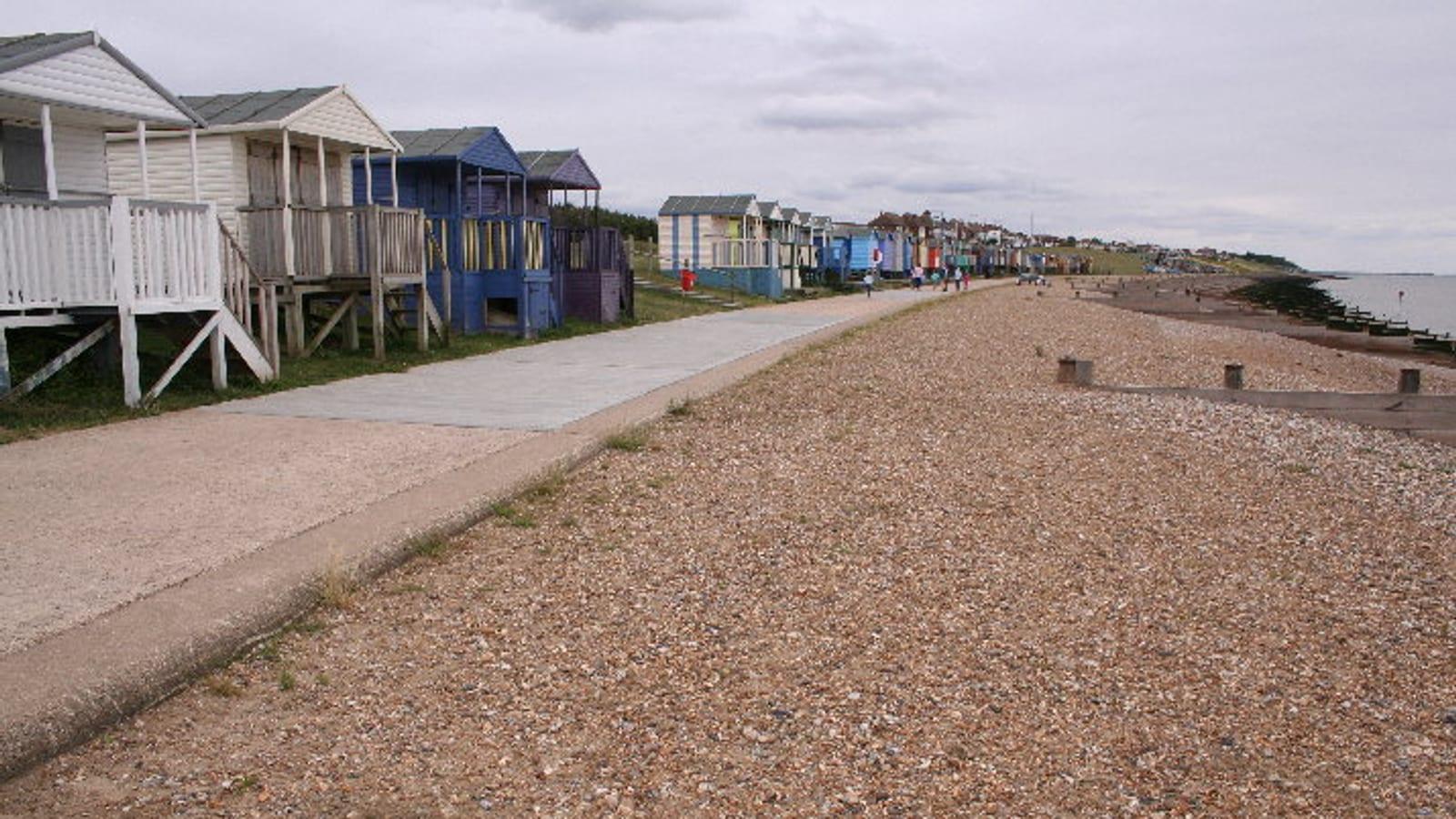
Tankerton Kent Fossil Hunting Guide
Tankerton
Fish remains, Shark Teeth, Fish Vertebrae
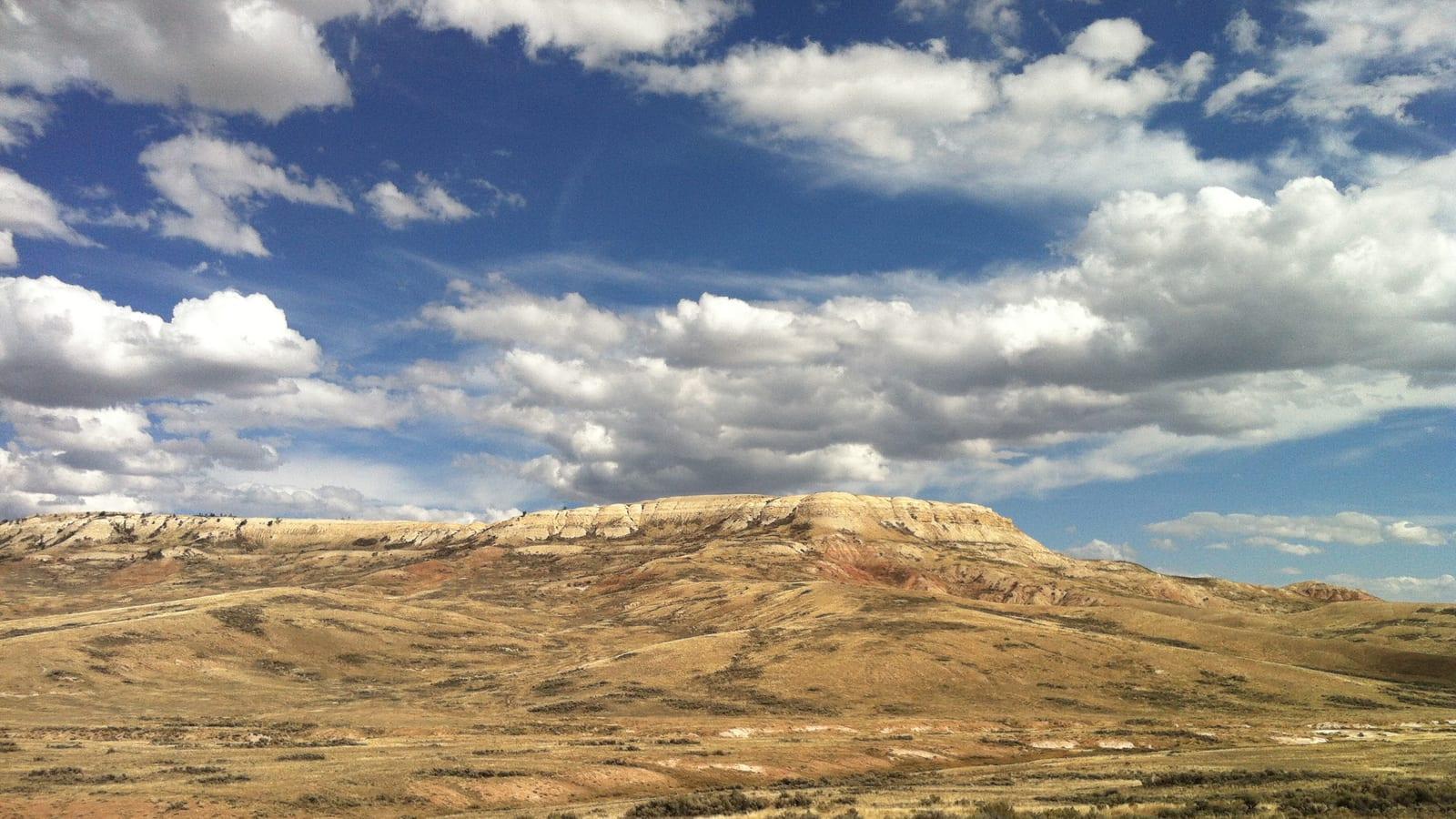
Ulrich's Fossil Gallery Fossil Hunting Guide
Wyoming, United States
Fish, Plants, Insects
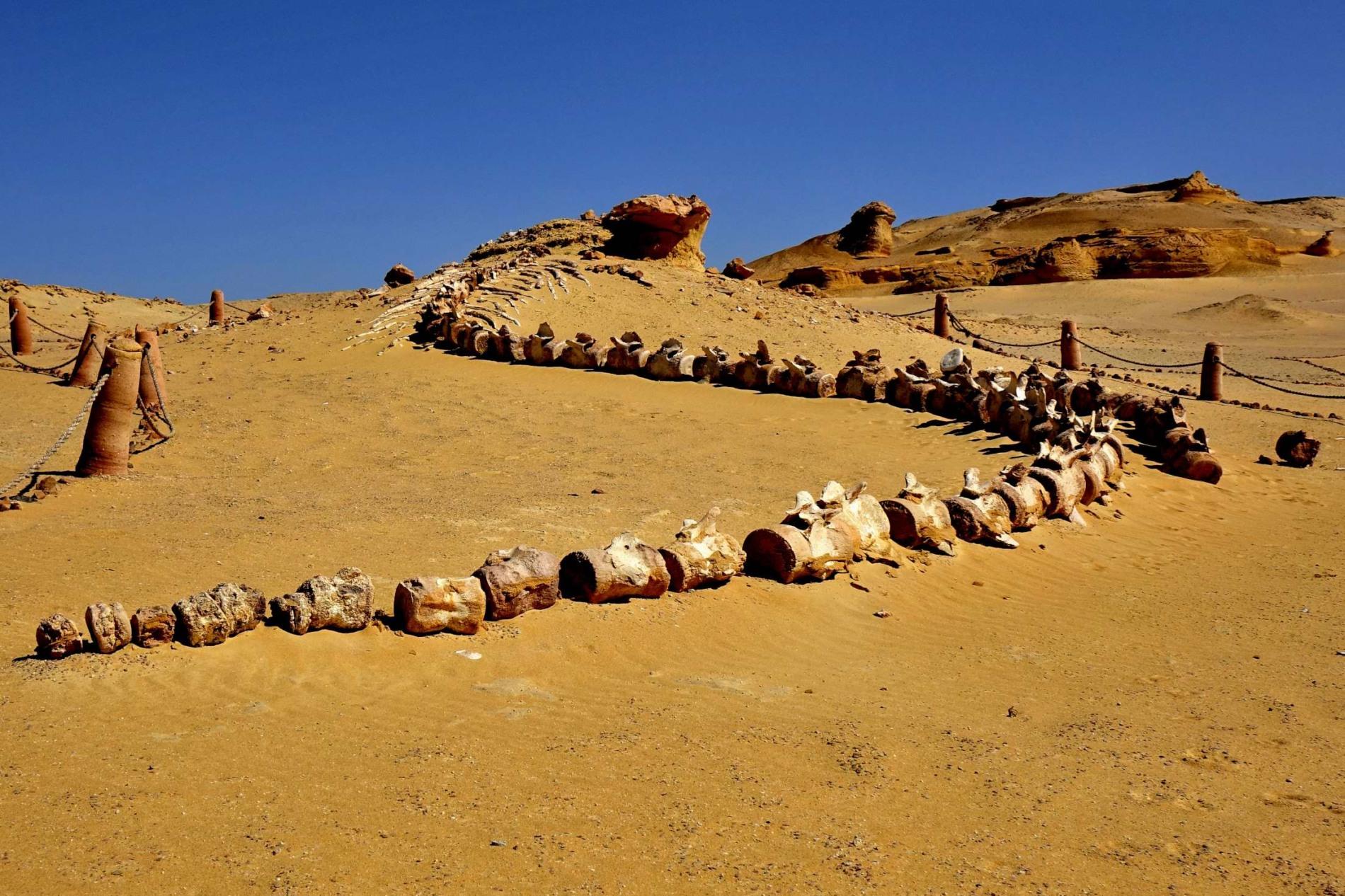
Wadi Al-Hitan (Whale Valley) Fossil Guide
Faiyum Governorate, Egypt
Archaeocete whales, Basilosaurus, Dorudon, Sea cows
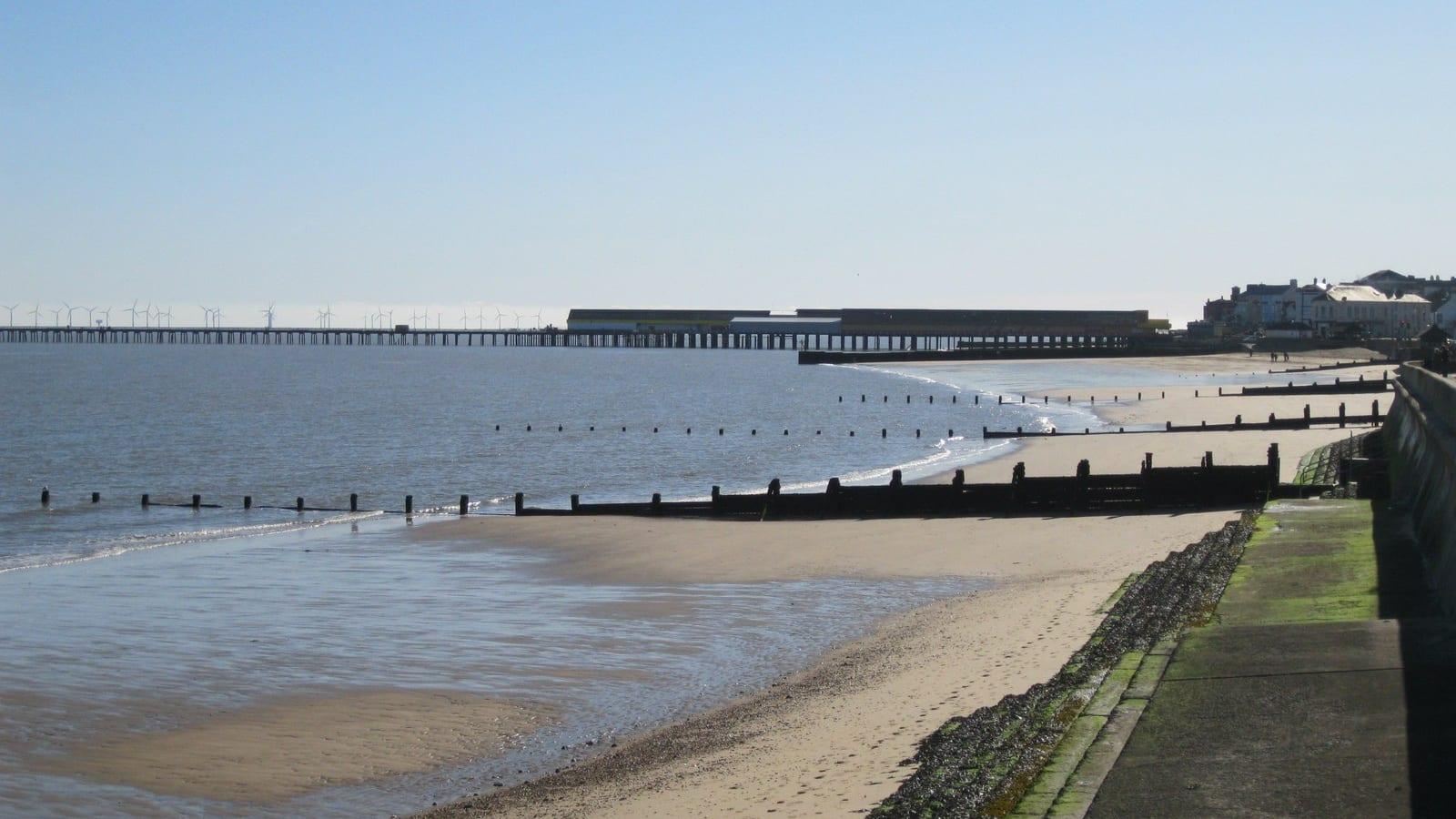
Walton-on-the-Naze Fossil Hunting Guide
England, United Kingdom
shark teeth, pyritised wood, fish bones and vertebrae, Junction Bed
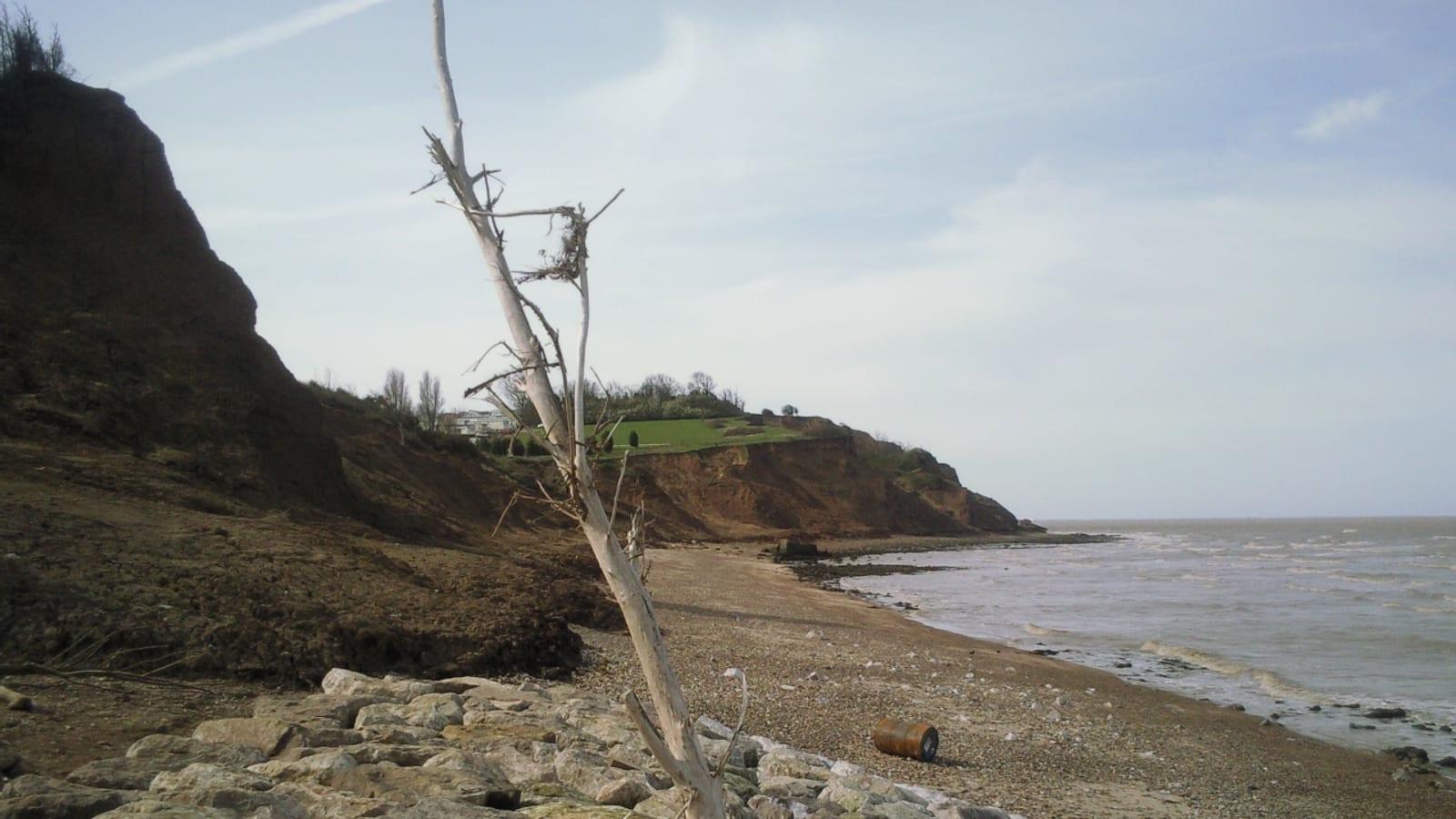
Warden Point Isle of Sheppey Fossil Hunting Guide
United Kingdom
Turtle shell fragments, Shark Teeth, Ray Teeth, Fish Vertebrae

Wheeler High School Fossil Beds Fossil Hunting Guide
Oregon, United States
Fossil Leaves, Fish, Insects
Whiskey Bridge (Stone City Bluff) Fossil Guide
Texas, United States
Gastropods, Bivalves, Shark Teeth, Crabs
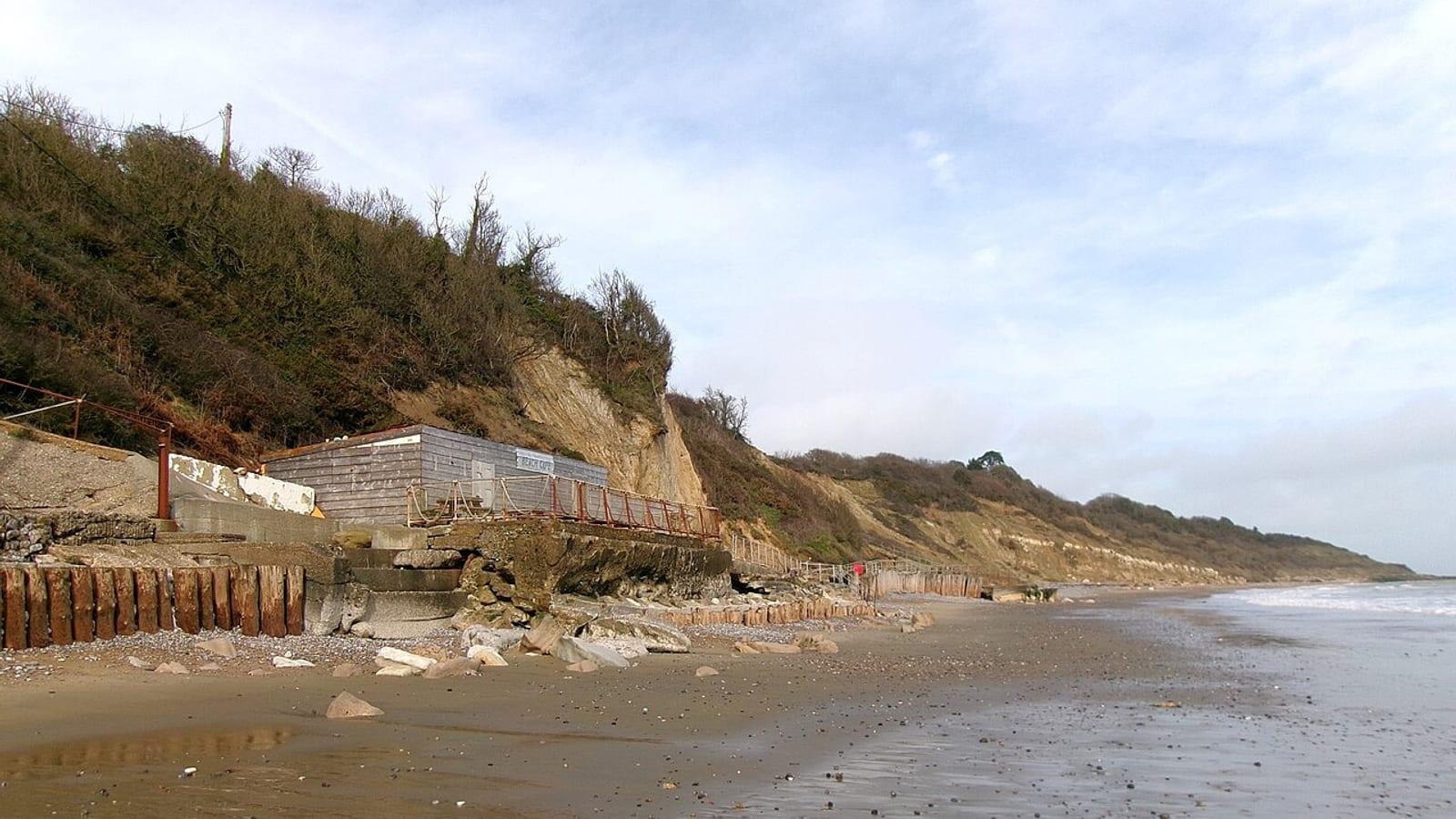
Whitecliff Bay Isle of Wight Fossil Hunting Guide
United Kingdom
shark teeth, turtle remains, bird bones, bivalves and gastropods
Frequently asked questions
- What can I find in the London Clay?
- Shark and ray teeth, crab carapaces, fossil wood riddled by shipworm, and pyritized fruits and seeds. The Isle of Sheppey and the Essex coast are the classic collecting grounds. Pyrite specimens need dry storage or they decay.
- What is moler?
- Moler is a Danish diatomite, a soft rock made of microscopic algal skeletons and interleaved with dark volcanic ash bands. It formed about 55 million years ago and preserves insects, fish, and birds in fine detail. Fur and Mors expose it.
- Where can I find Eocene shark teeth?
- In marine Eocene sands on both Atlantic coasts. The Aquia Formation of Maryland and Virginia is productive in the United States. Bracklesham Bay and the Isle of Sheppey are the standard British sites.