Taouz Cretaceous Fish Fossil Hunting Guide
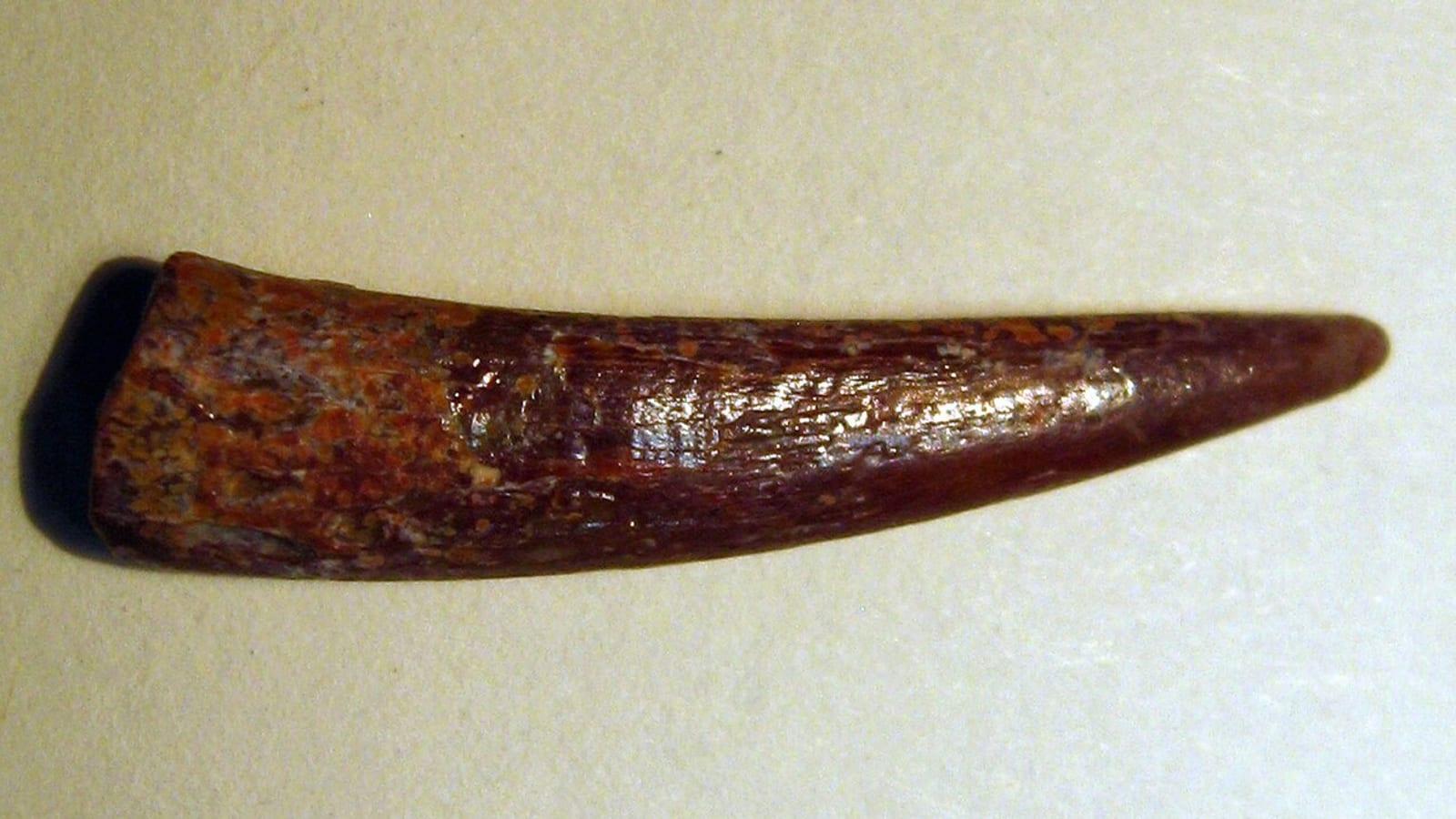
Image: Kevmin (CC BY-SA 3.0)
Collect Cretaceous shark teeth, fish teeth, and mosasaur fragments in the Saharan borderlands near Taouz, southeastern Morocco, with a local 4WD guide.
By Edward Chen · Updated 30 July 2026
Introduction
The village of Taouz sits at the edge of the Moroccan Sahara, where the gravel plains of the Tafilalet give way to dune fields that spill across the Algerian border. The surrounding desert exposures contain Upper Cretaceous marine sediments that preserve fish teeth, shark teeth, and fragmentary mosasaur remains from a warm inland sea that covered this region approximately 95 to 85 million years ago. The Taouz area is well known among fossil dealers, and the market in prepared specimens is active, but visitors who make the effort to reach these remote outcrops with a knowledgeable guide can also collect loose specimens directly from the limestone and phosphatic nodule beds.
This guide explains the geology of the Taouz fish fossil locality, the specific fossils present, how to arrange access, and the practical realities of visiting one of Morocco's more remote fossil regions.
 Photo: Kevmin, CC BY-SA 3.0, via Wikimedia Commons

Location and Getting There
Location
Taouz is a small settlement in the Errachidia Province of southeastern Morocco, approximately 40 kilometres southeast of Rissani and roughly 175 kilometres east of Erfoud. The fossil-bearing outcrops occur in desert terrain surrounding the village, where Cretaceous and Paleocene marine sediments crop out across a wide area. The general GPS coordinates for the Taouz area are approximately 30.88°N, 4.00°W. Specific productive localities change as surface material is worked out and new areas opened. A guide familiar with the current active sites is the most reliable way to find good fossil ground.
Getting There
From Rissani, head southeast on the R702 road toward Taouz. The distance is approximately 40 kilometres and takes around one hour on a paved road that transitions to graded track as you approach the village. From Erfoud, allow approximately two hours. The final stretches into the outcrops from Taouz require a 4WD vehicle on soft sand and stone tracks. If you are travelling independently, hire a local guide in Rissani or Erfoud who can also provide 4WD transport. Do not attempt the sandy sections in a standard vehicle, particularly after any rain. Fuel is available in Rissani. Fill up before departing.
What Fossils You'll Find
Shark teeth occur in the same beds and are the prize specimens collectors seek at this locality. Upper Cretaceous shark teeth from this area include forms related to Squalicorax (the crow shark, a common Cretaceous scavenger) and various lamniform shark lineages. Teeth range from 1 to 5 centimetres and are typically grey-black in colour due to phosphatic replacement of the original dentine and enamel. Complete, unbroken shark teeth with intact root lobes are the most valuable finds.
Mosasaur remains, fragmentary jaw bones, vertebrae, and occasional teeth, are reported from more productive localities in the Taouz area, though complete material is rare and typically ends up with professional dealers. Mosasaurs were large, predatory marine lizards that dominated the Late Cretaceous oceans. Their remains alongside shark teeth and fish teeth confirm a fully marine environment with active predator-prey dynamics.
Associated fauna includes occasional ammonite fragments and fish vertebrae in some beds. The phosphatic matrix itself is worth examining closely under good light. Many small teeth are easy to miss without careful inspection.
Geologic History
The Ancient Environment
The fossil-bearing beds at Taouz belong to the Upper Cretaceous, primarily the Cenomanian to Turonian stages, approximately 95 to 89 million years ago, with some phosphatic beds possibly extending into the Santonian (approximately 85 million years ago). These sediments were deposited in the shallow to moderate-depth marine waters of the southern Tethys Ocean, which at peak transgression covered much of what is now the Sahara. The sea was warm, productive, and supported diverse marine life: large bony fishes, multiple shark lineages, ammonites, and the apex predators of the Late Cretaceous ocean, the mosasaurs.
The phosphatic nodule beds that host many of the teeth formed under conditions of slow sedimentation and organic enrichment, similar to modern coastal upwelling zones where nutrient-rich deep water rises to the surface and supports high biological productivity. Phosphate is the mineral that replaces the original calcium phosphate of teeth and bones during fossilisation, which is why shark and fish teeth in these beds are often exceptionally well preserved in terms of mineral replacement, even when fragile in structure.
How the Taouz Area Became a Fossil Site
The Late Cretaceous marine sediments of the Taouz region were buried under subsequent Paleocene and Eocene marine deposits, then exposed by the combined effects of tectonic uplift and prolonged arid erosion. The Saharan climate, which intensified substantially over the last five million years, stripped away overlying sediment with minimal biological stabilisation of the surface, exposing successive marine limestone and phosphatic layers across wide desert pavements. This natural erosion process continually brings fresh specimens to the surface. Commercial fossil collecting in the Taouz area expanded from the 1980s onward, and the village has become a recognised stop for fossil dealers sourcing material for both the Moroccan and international markets.
Visiting and Collecting Information
Access and What to Expect
Access to the collecting sites around Taouz is arranged through local guides. Guides based in Rissani, Erfoud, or Taouz itself can be contacted through fossil shops, guesthouses, or through recommendations from other travellers. A full-day excursion including 4WD transport and guide service typically costs 500 to 900 MAD (approximately 50 to 90 USD) per person from Rissani. Negotiate prices and confirm what is included before departing. You are permitted to collect loose surface specimens for personal use. Prepared and cleaned specimens are also available for purchase directly from collectors at the site.There is no fixed tourist allowance for taking fossils out of Morocco. Article 116 of the 2015 Mining Code (Law 33-13) requires a permit for collecting and trading fossils, minerals, and meteorites, with the procedures set out in a 2019 implementing decree and the framework revised again in 2025. Enforcement is uneven, and small purchases from licensed dealers are commonly carried out without incident, but that is practice rather than an entitlement. Keep a receipt and a written description of each specimen and its origin, and check the current rules with the Moroccan ministry responsible for mines before you travel.
What to Bring
Water is the critical supply in this desert environment. Carry a minimum of three litres per person for a full-day outing. The terrain is desert pavement, flat but hard on feet, so sturdy boots with good soles are necessary. A hand lens or loupe at 10x magnification helps identify small teeth in matrix. Bring a geology hammer and chisel for working any matrix-embedded specimens. Safety glasses are important when hammering. Wrap specimens carefully for transport. Cash in Moroccan dirhams is essential. There are no card payment facilities in the field or in Taouz village. Fill the fuel tank in Rissani before departing.
Safety and Practical Tips
The Taouz area is genuine Saharan desert. Summer temperatures routinely exceed 45°C (113°F). Visiting from June through August is not recommended unless you have full desert travel experience. October through April gives the most workable conditions, with daytime temperatures of 20 to 35°C. The proximity to the Algerian border means that military checkpoints may be encountered on some routes. Carry your passport at all times. Sand-filled tracks become impassable after the rare but occasionally intense desert rain storms. Always check conditions with your guide before heading out. Inform your accommodation of your itinerary before departing for remote sites.
Sources
Nearby sites
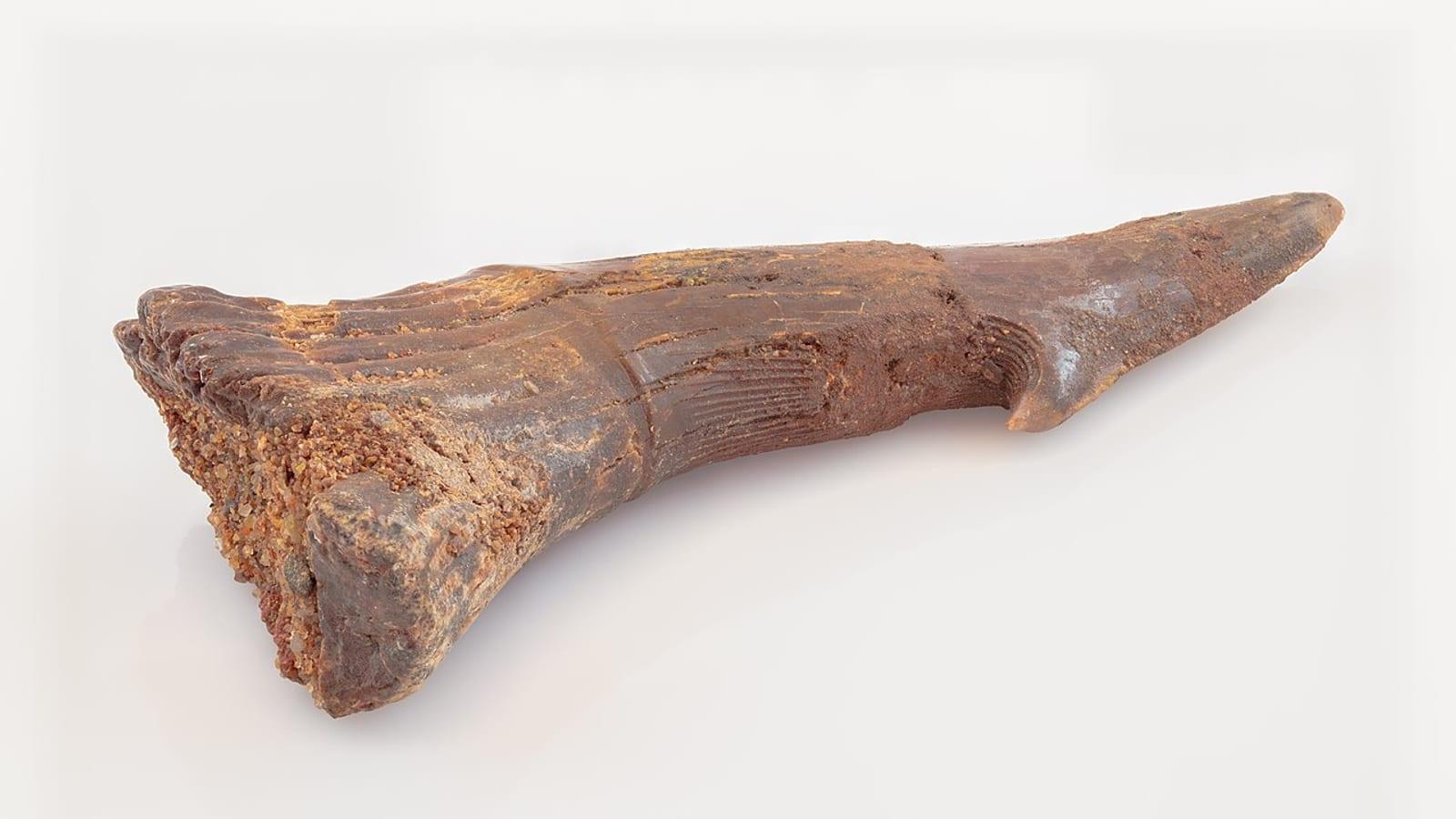 Kem Kem Dinosaur Fossil Beds Taouz Fossil Hunting GuideSpinosaurus aegyptiacus, Carcharodontosaurus saharicus
 Ouzina Ordovician Graptolite Locality Fossil Hunting Guidegraptolite fossils, Graptolites
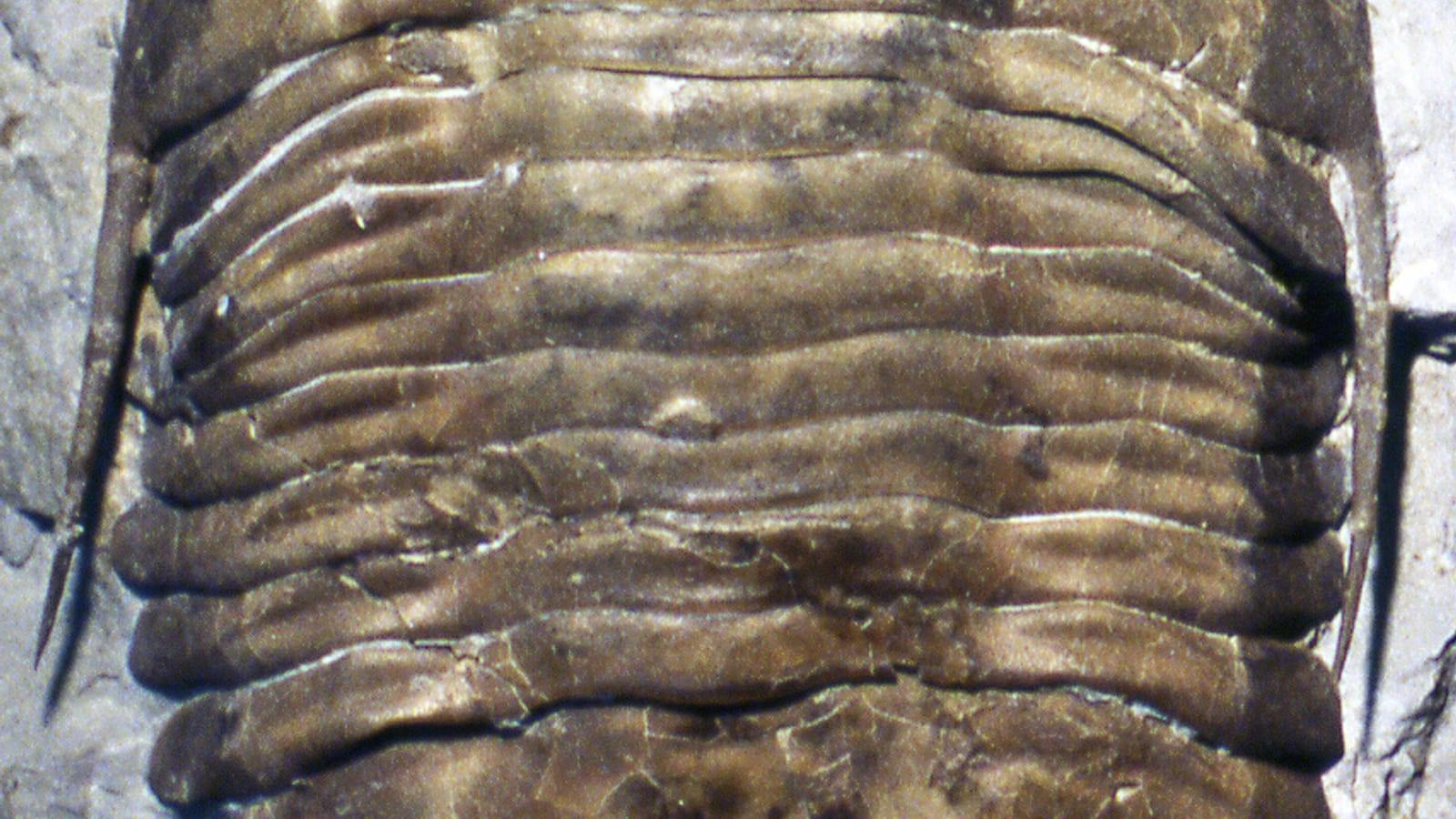 Merzouga Desert Phacops Collecting Area Fossil Hunting GuidePhacops trilobites, Merzouga Desert Phacops Collecting Area
 Jbel el Mrakib Devonian Reef Site Rissani Fossil Hunting GuideJbel El Mrakib Devonian Reef Site, Coral reef fossils