Fossil type
Where to find shark teeth
Shark teeth are among the most-collected fossils worldwide because sharks shed teeth continuously through life and the dense fluorapatite enamel survives for millions of years. The most productive shark tooth fossil hunting beach locations cluster along the Miocene phosphate beds of the US East Coast and Gulf Coast, the Eocene London Clay / Bracklesham Group exposures of southern England, and the Eocene phosphate beds of Morocco.
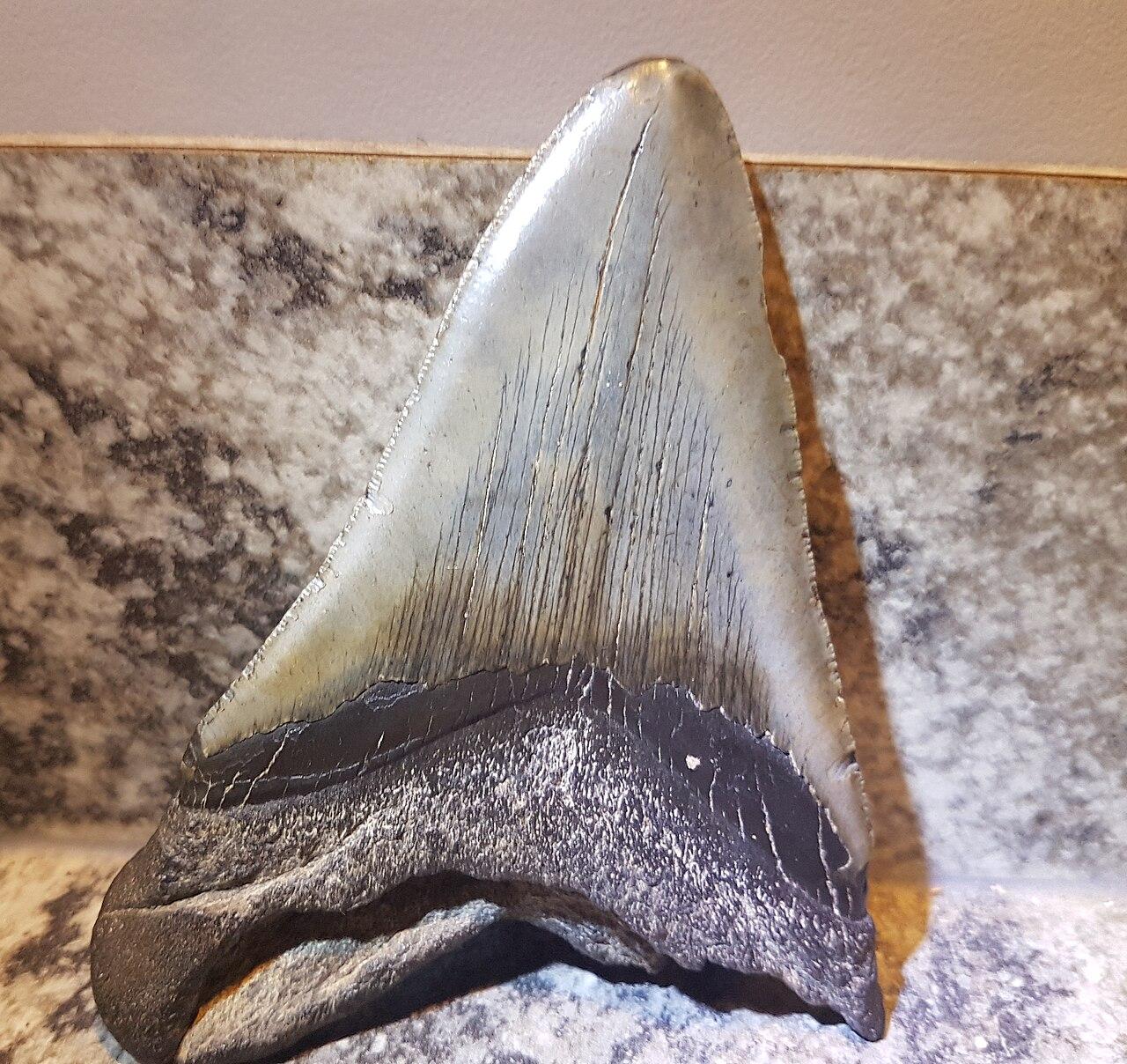
62 fossil sites
Updated 4 August 2026
Best beaches for shark teeth
- Caspersen Beach, Florida — A Sarasota County park on the Gulf Coast nicknamed the 'Shark Tooth Capital of the World'. Miocene phosphate teeth wash up in the swash zone, no permit required for invertebrate or chondrichthyan fossils on Florida state land. (Florida Museum of Natural History)
- Calvert Cliffs, Maryland — Calvert Cliffs State Park exposes the Miocene Chesapeake Group (10–20 Ma) and the Maryland DNR confirms shark teeth (including occasional megalodon material) may be collected from beach scree. Climbing or digging the cliffs is prohibited under park rules. (Maryland DNR)
- Englewood Beach, Florida — A Charlotte County beach south of Venice where Miocene shark teeth wash in from the same offshore Bone Valley phosphate sources that feed Caspersen and Venice beaches. (Florida Museum of Natural History)
- Venice Beach, Florida — Venice Beach is the most reliable family shark tooth beach in Florida. Small carcharhind teeth dominate the swash, and the Florida Fossil Permit programme confirms shark teeth on state submerged land may be collected without a permit. (Florida Museum of Natural History)
- Casey Key, Florida — A barrier island immediately north of Venice that receives the same Miocene-sourced tooth supply. The foreshore is publicly accessible and falls under the same Florida state shark-tooth collection allowance. (Florida Museum of Natural History)
- Bracklesham Bay, West Sussex (UK) — Bracklesham Bay is a designated SSSI for its Eocene Bracklesham Group, deposited around 46 Ma in a sub-tropical shelf sea. Shark and ray teeth occur abundantly alongside molluscs in the foreshore exposures. (Natural England Designated Sites)
- Barton-on-Sea, Hampshire (UK) — Barton Cliff is a JNCC Geological Conservation Review site and an SSSI. It is the type locality for the Bartonian Stage of the Upper Eocene (~40 Ma) and the Barton Clay Formation yields shark teeth alongside mollusc, reptile, and bird material. (JNCC GCR)
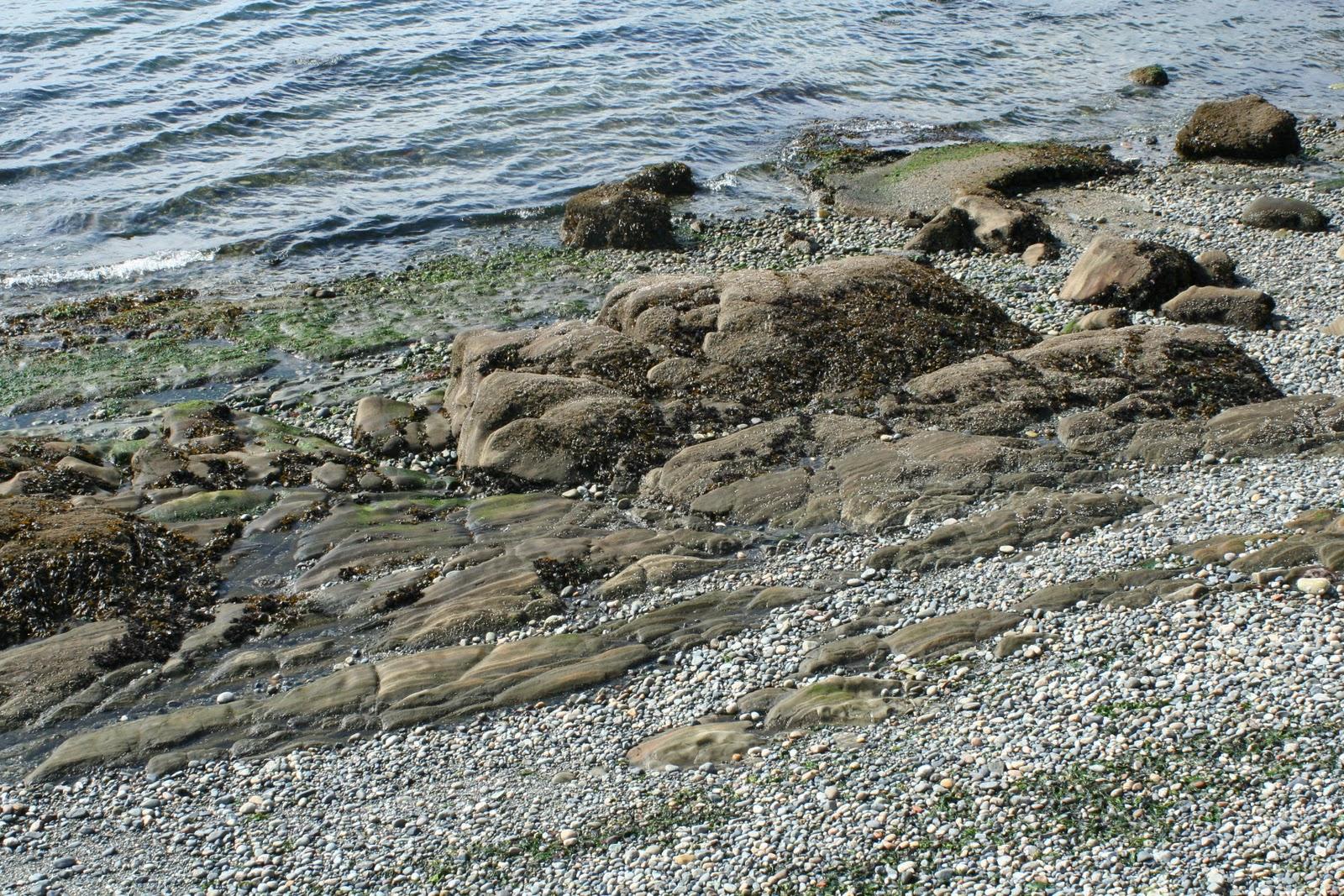
Alki Beach Blakeley Formation Fossil Hunting Guide
Washington, United States
Marine mollusks, Crab concretions, Shark teeth (rare), Wood and plant debris
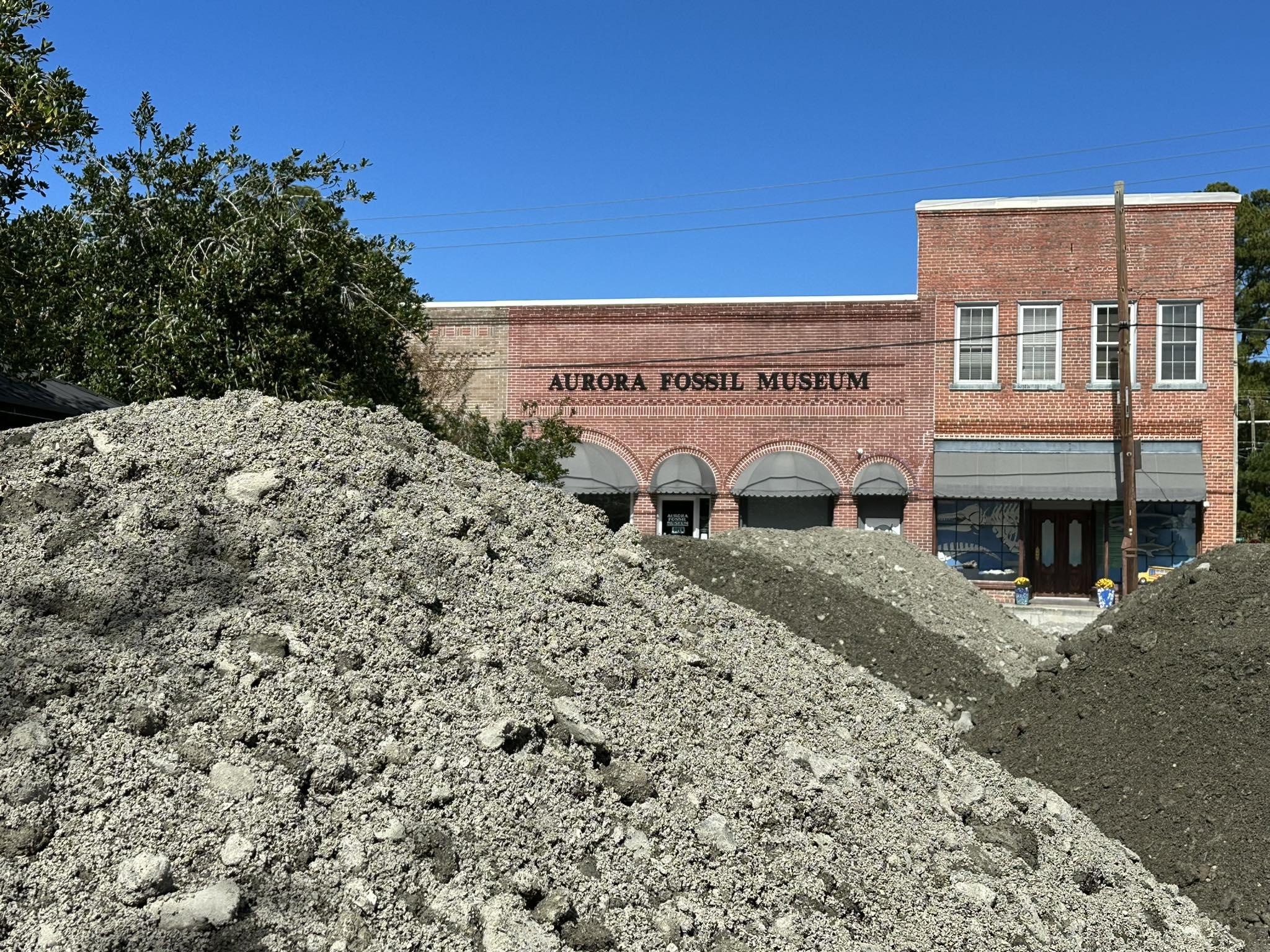
Aurora Fossil Museum Fossil Park Guide
North Carolina, United States
Megalodon teeth, Shark Teeth, Whale Bone, Ray dental plates
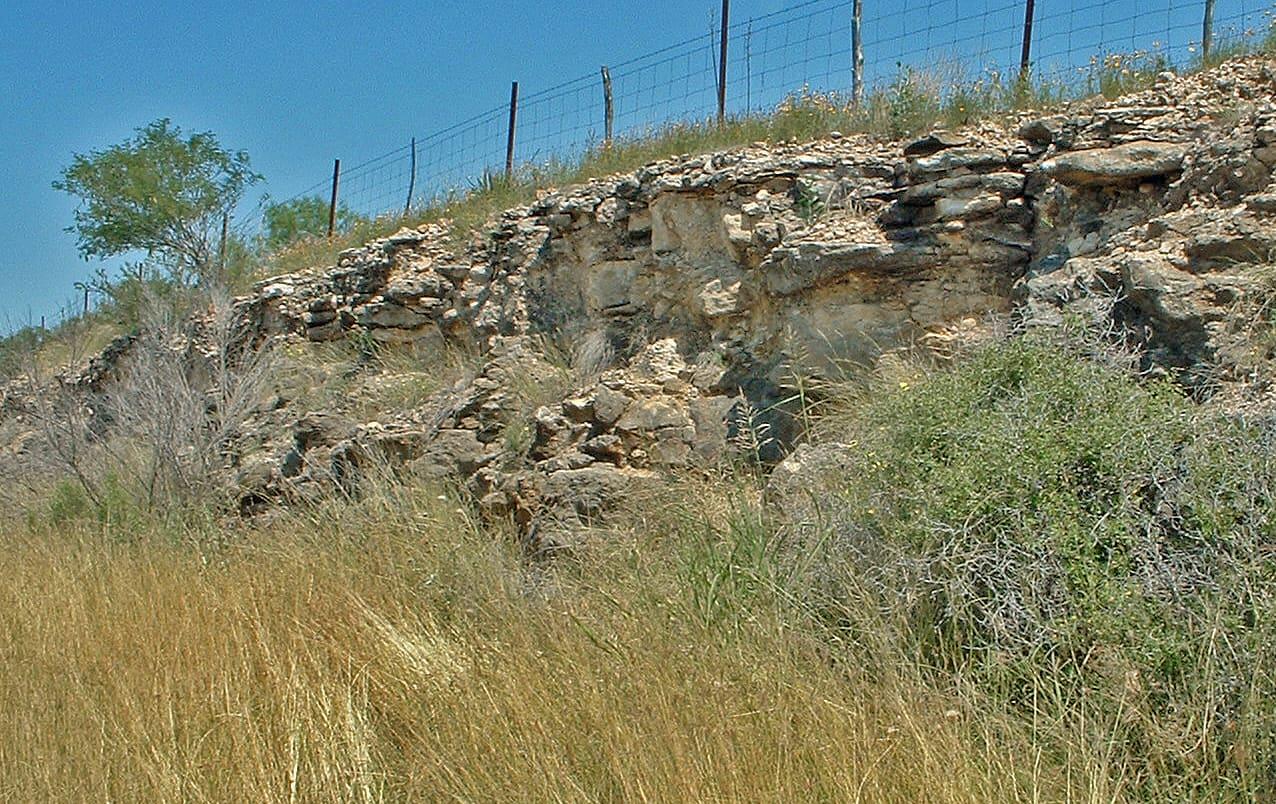
Austin Chalk Roadcuts Fossil Hunting Guide
Texas, United States
Ammonites, Inoceramus clams, Oysters, Sea urchins
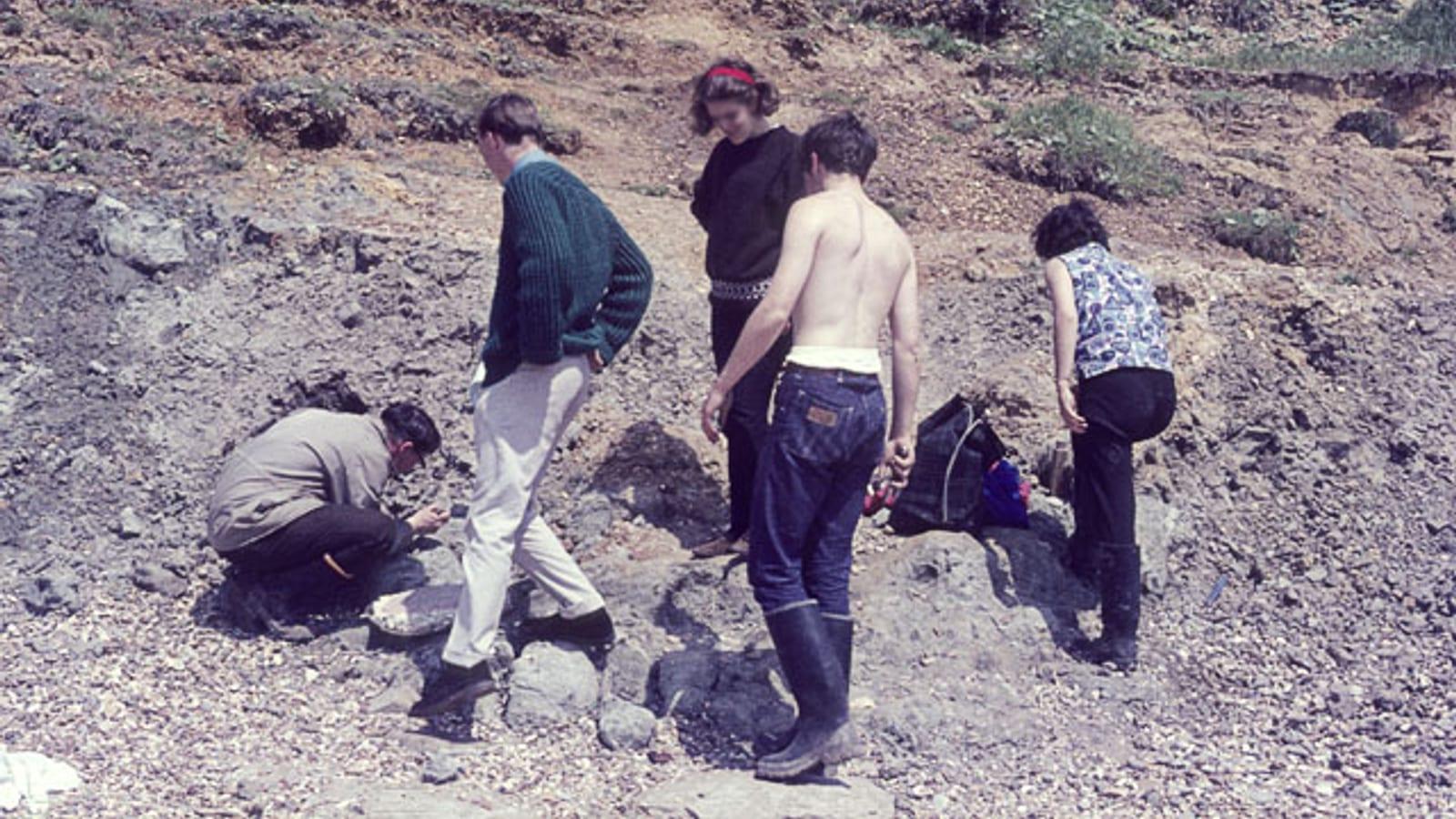
Barton on Sea Fossil Hunting Guide
England, United Kingdom
Gastropods, Shark Teeth, Bivalves
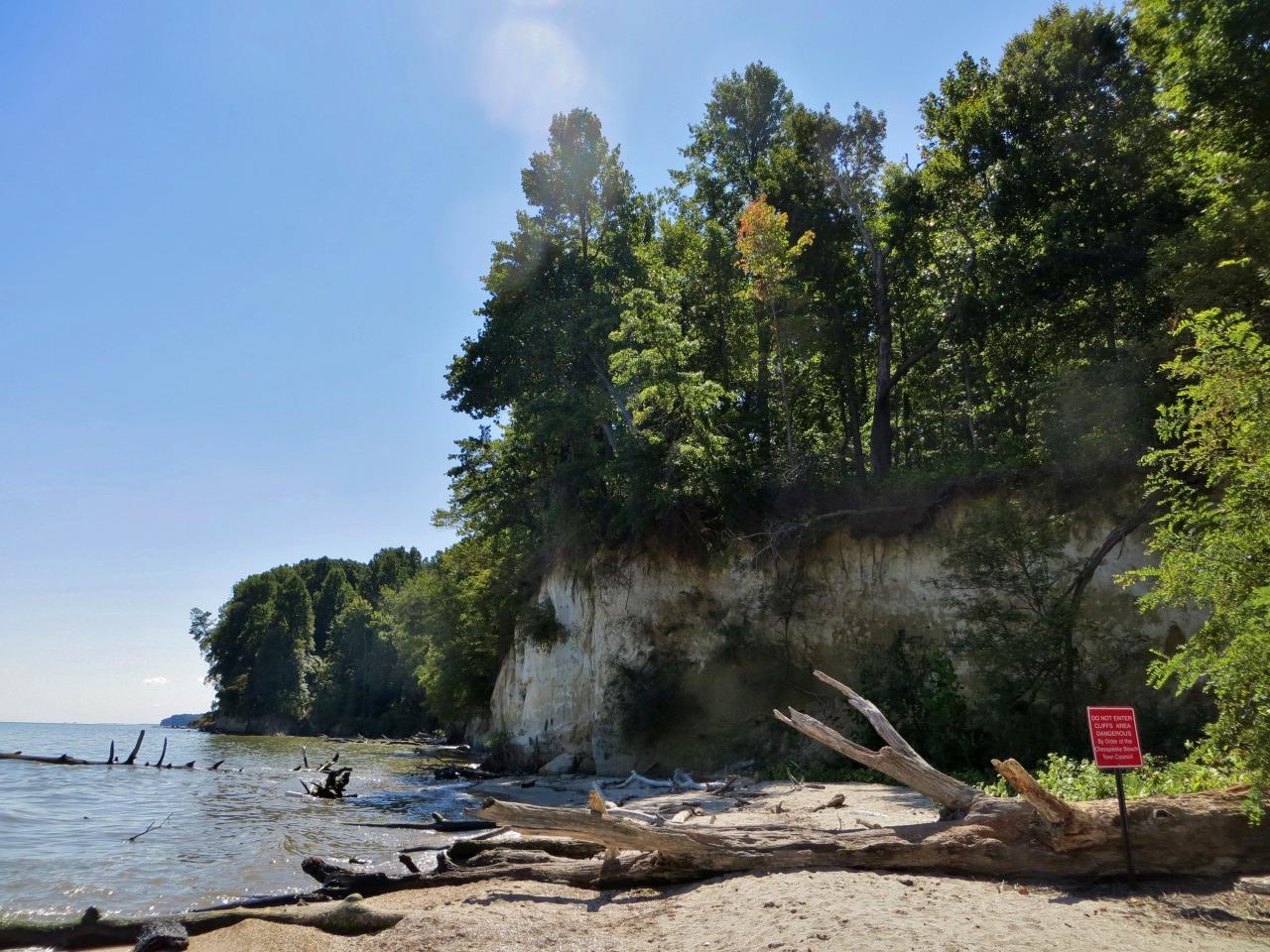
Bay Front Park (Brownie's Beach) Fossil Hunting Guide
Maryland, United States
Shark Teeth, Ray dental plates, Marine shells, Whale bone fragments
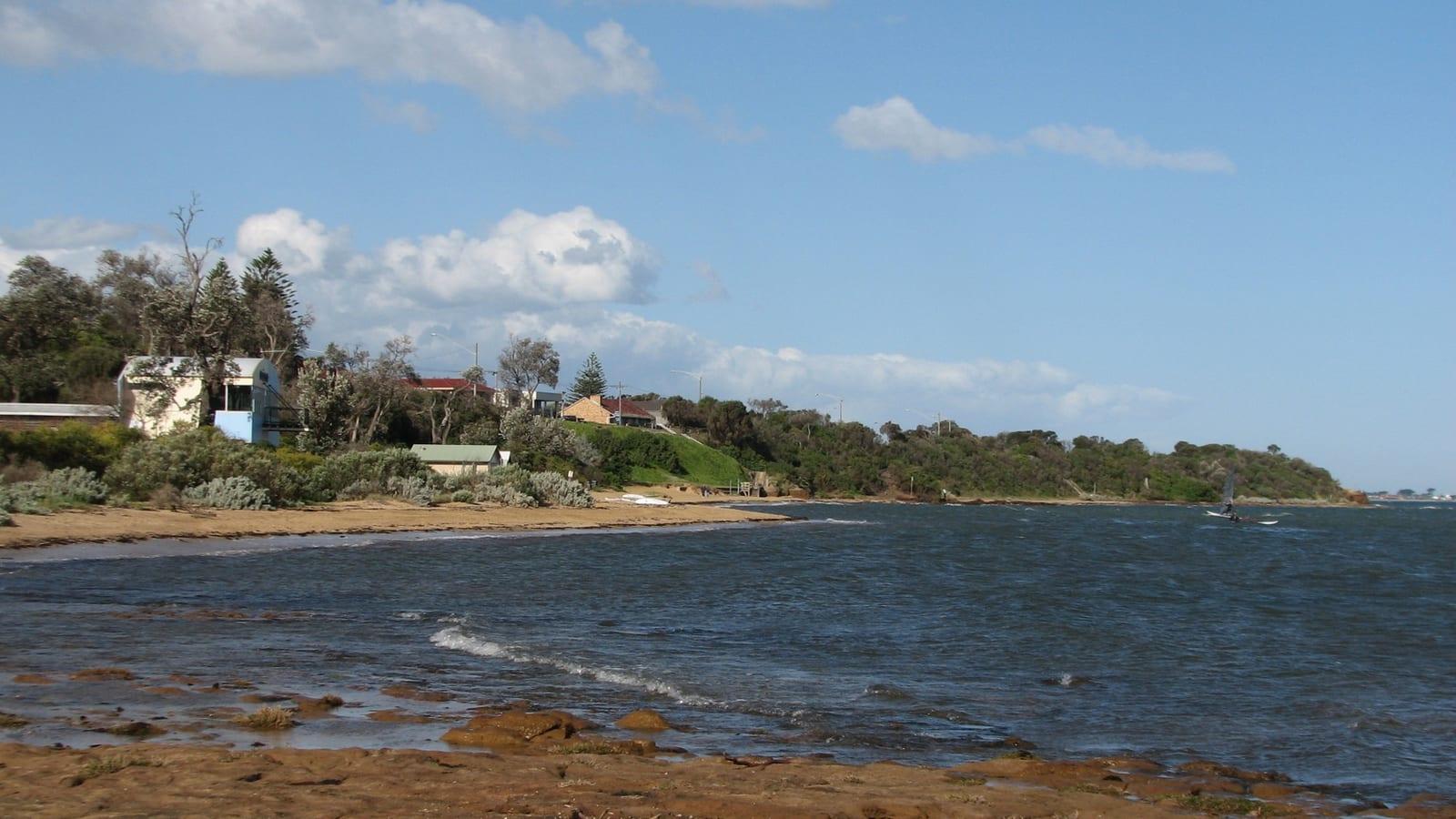
Beaumaris Bay Fossil Site Melbourne Fossil Hunting Guide
Australia
shark teeth, Carcharocles megalodon, Isurus hastalis, Cetacean bones
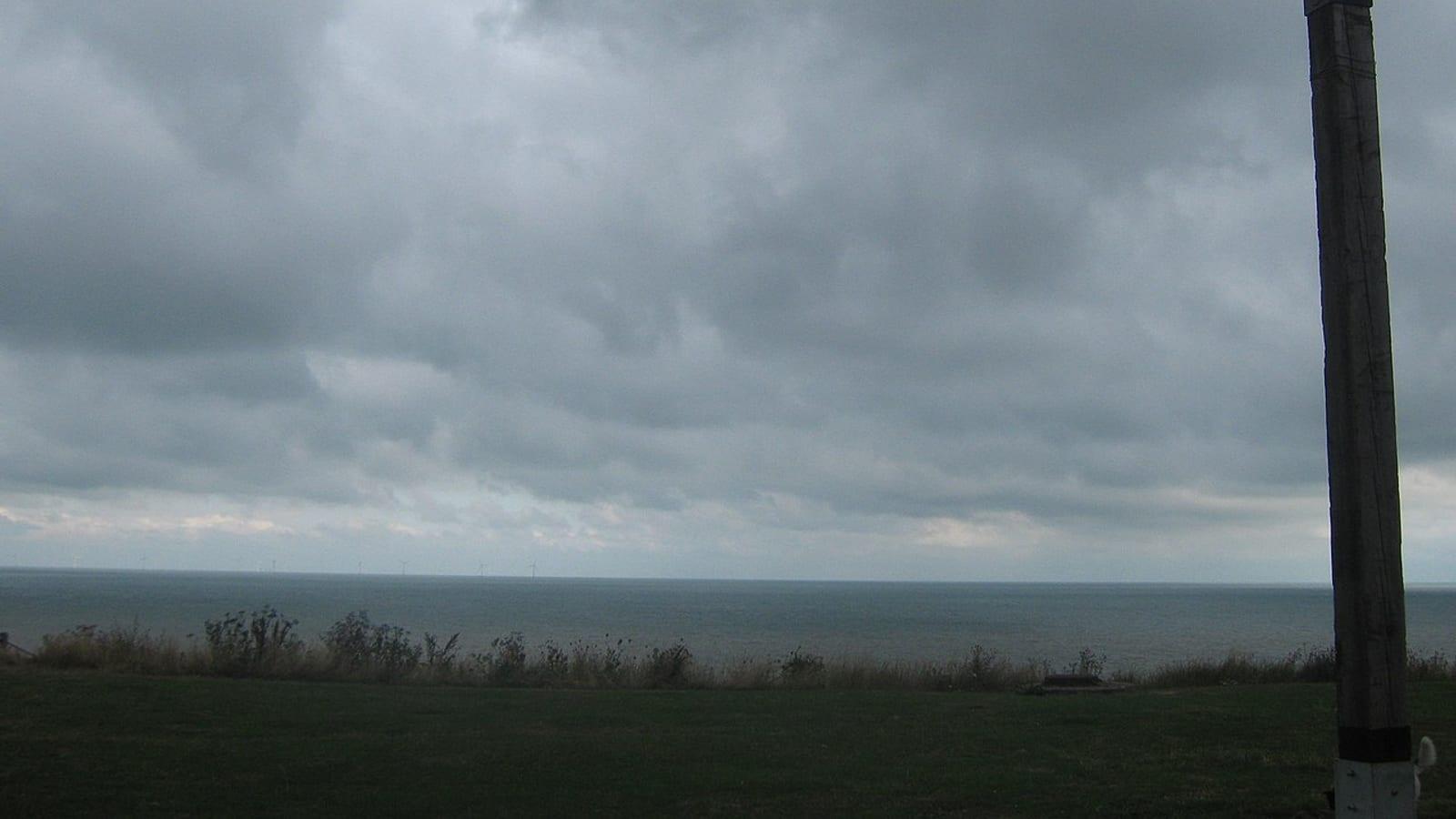
Beltinge Herne Bay Fossil Hunting Guide
United Kingdom
Beltinge Fish Bed, Shark teeth, Fish Vertebrae
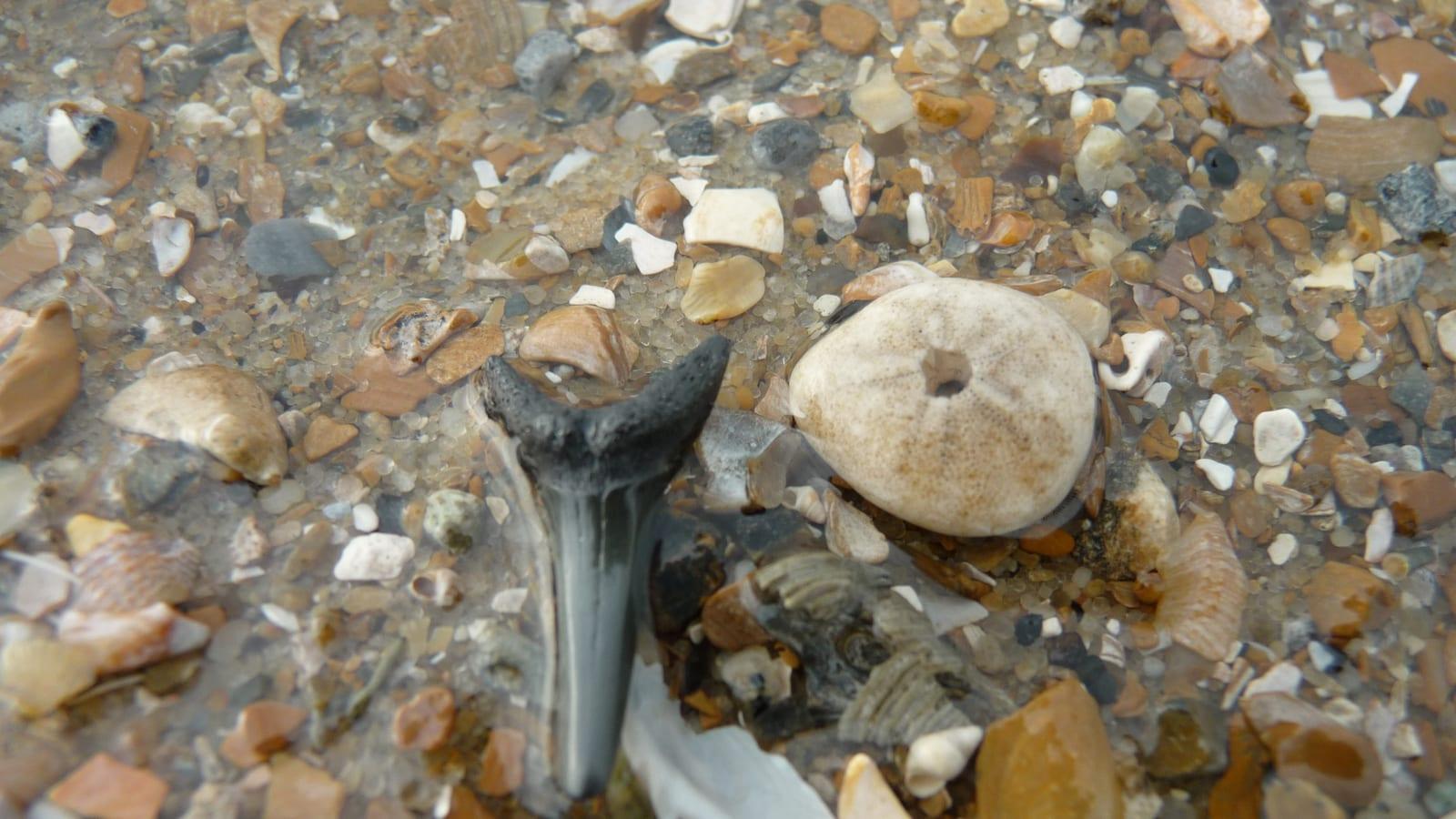
Big Brook Preserve Fossil Hunting Guide
New Jersey, United States
Shark Teeth, Belemnites, Exogyra oysters, Crocodile teeth
Bone Valley Fossil Hunting Guide
Florida, United States
Shark Teeth, Megalodon, Marine Mammals, Mammoth
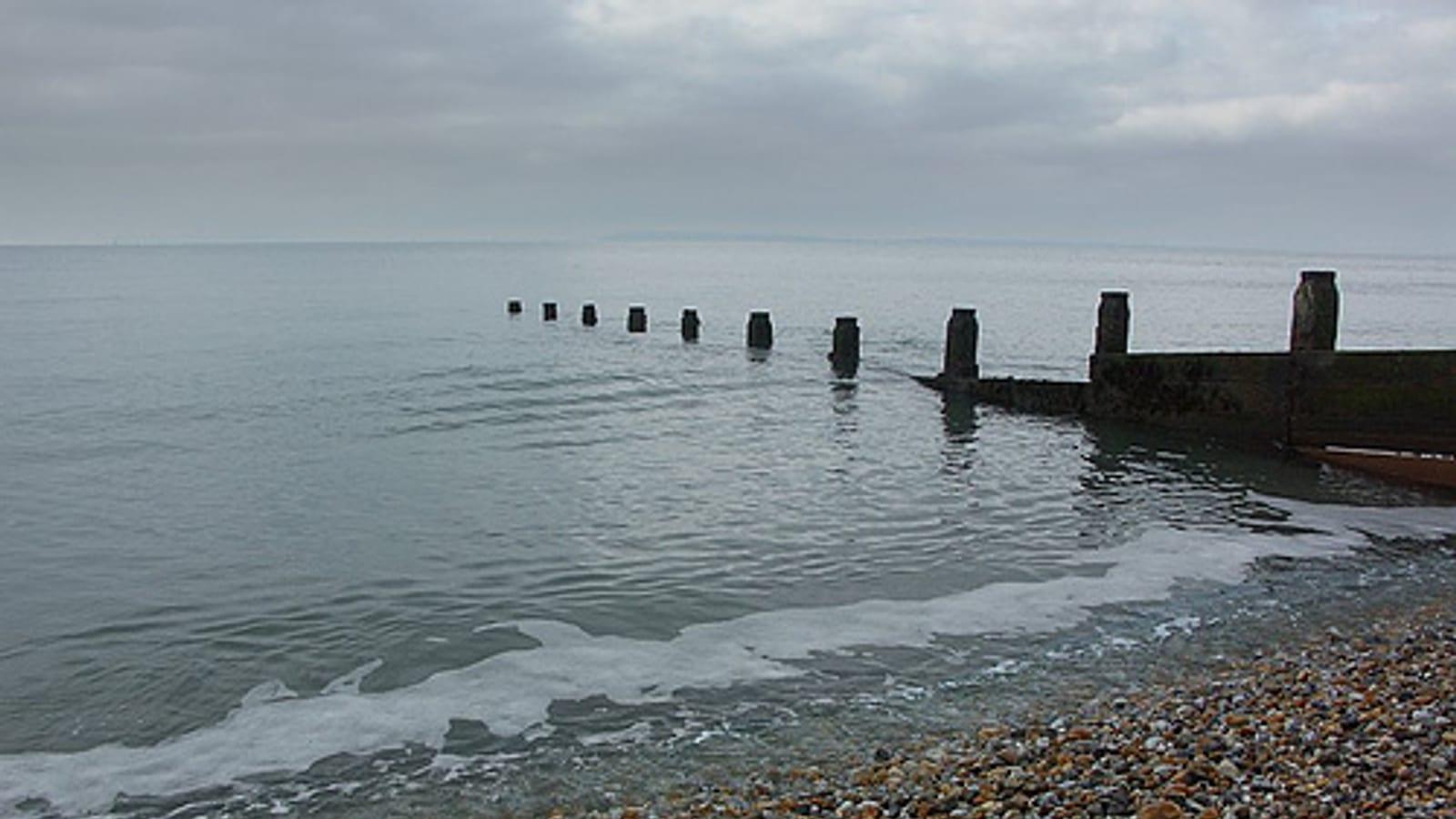
Bracklesham Bay Fossil Hunting Guide
Bracklesham Bay
Striatolamia macrota, foraminifera, Shark Teeth, Bivalves
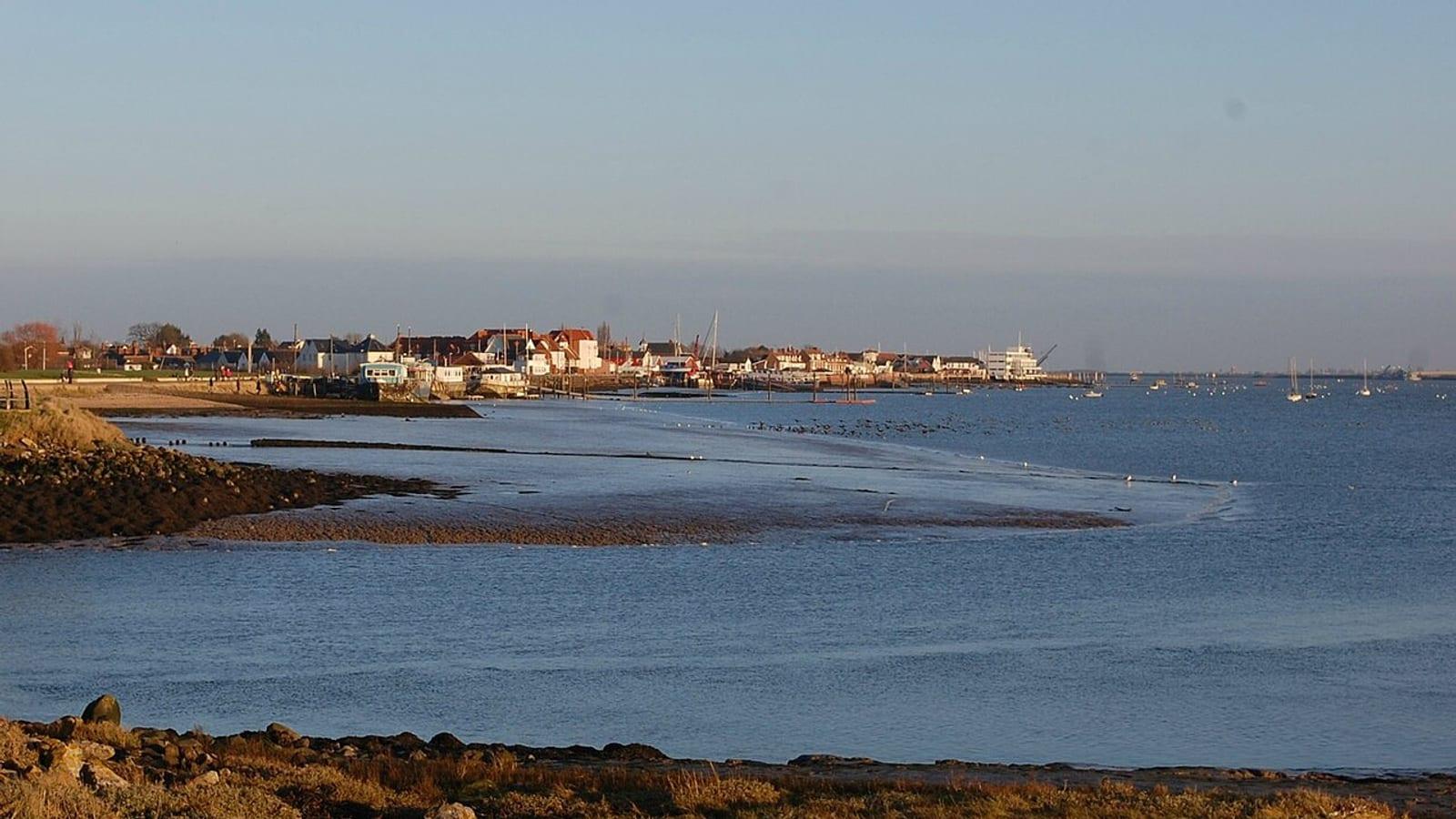
Burnham on Crouch Essex London Clay Fossil Hunting Guide
United Kingdom
Shark teeth, Ray teeth, Fish vertebrae, Crabs
Cabrillo National Monument Fossil Hunting Guide
California, United States
Trace Fossils, Inoceramid Bivalves, Shark Teeth
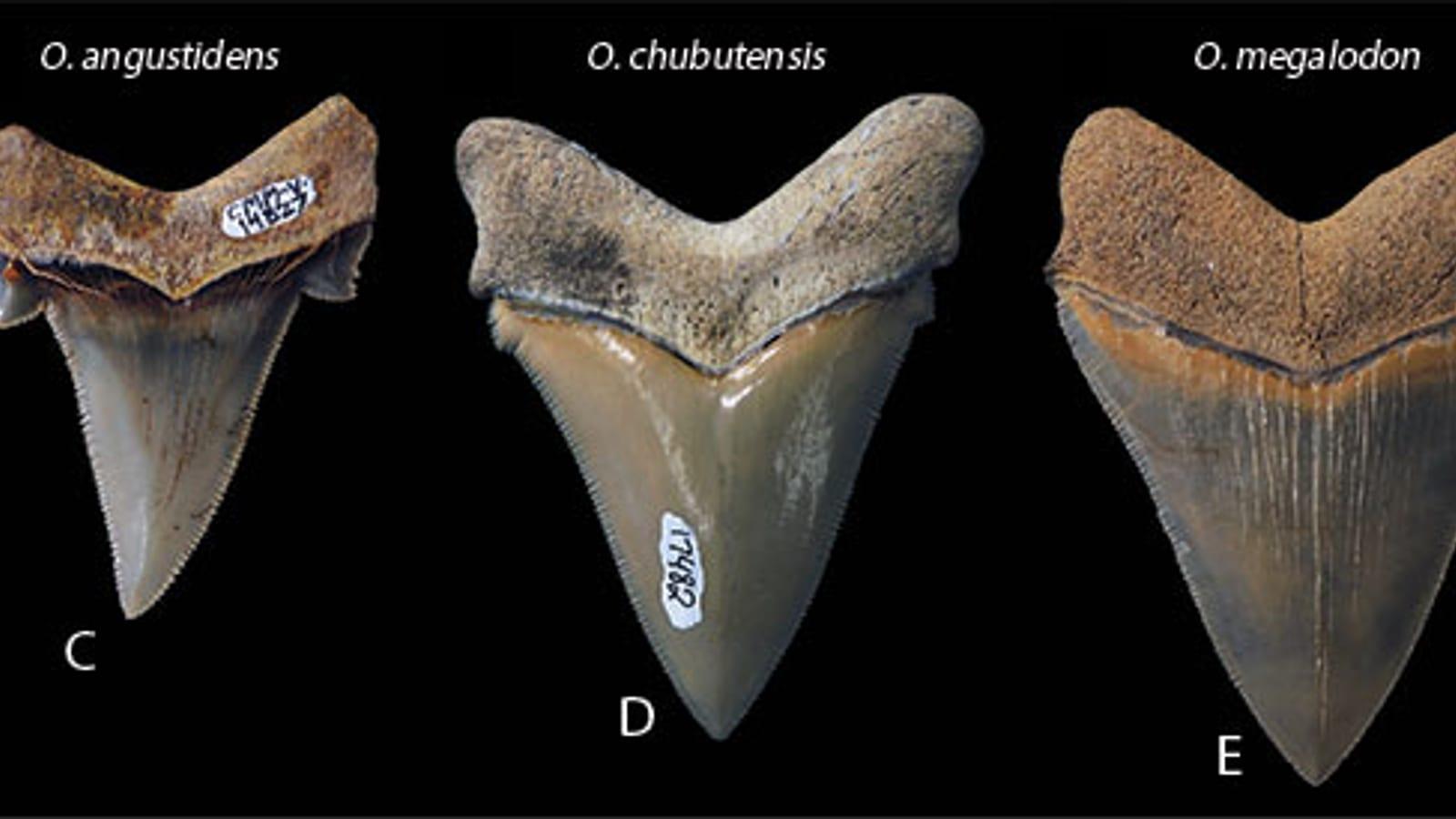
Calvert Cliffs Fossil Hunting Guide
Maryland, United States
Shark Teeth, Bivalves, Gastropods, Marine Mammals
Casey Key Fossil Hunting Guide
Florida, United States
Shark Teeth, Ray Teeth, Mollusks
Caspersen Beach Fossil Hunting Guide
Florida, United States
Shark Teeth, Mollusks
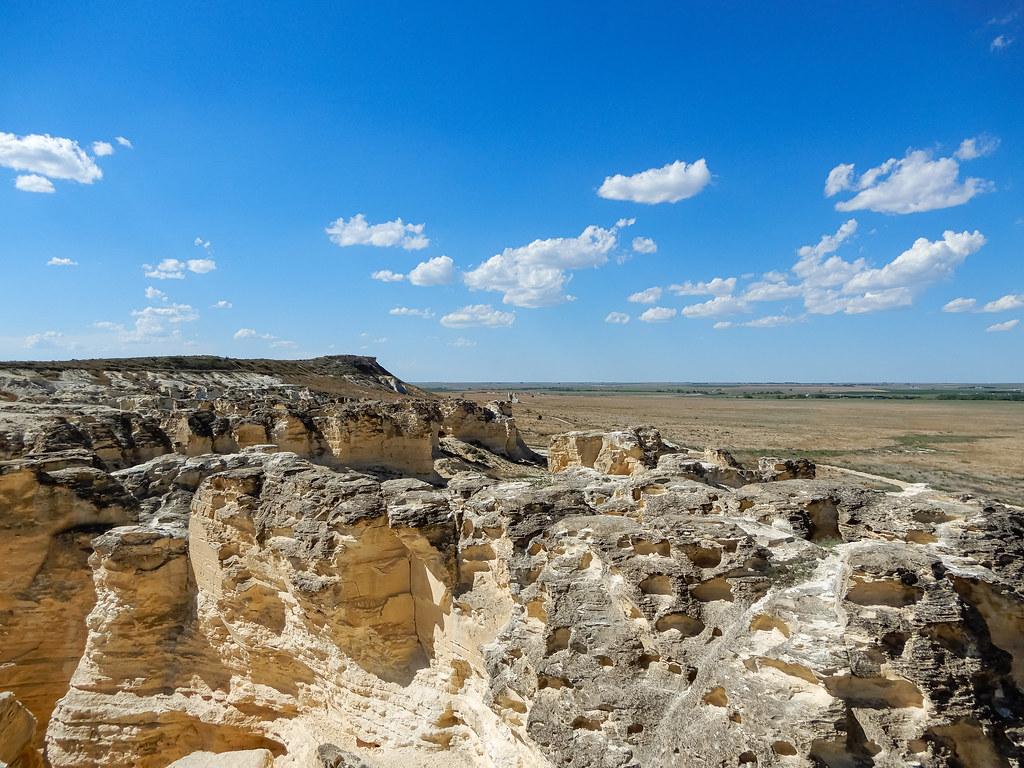
Castle Rock Badlands Fossil Hunting Guide
Kansas, United States
Inoceramus (giant clams), Foraminifera, Marine fish vertebrae, Shark teeth (rare)
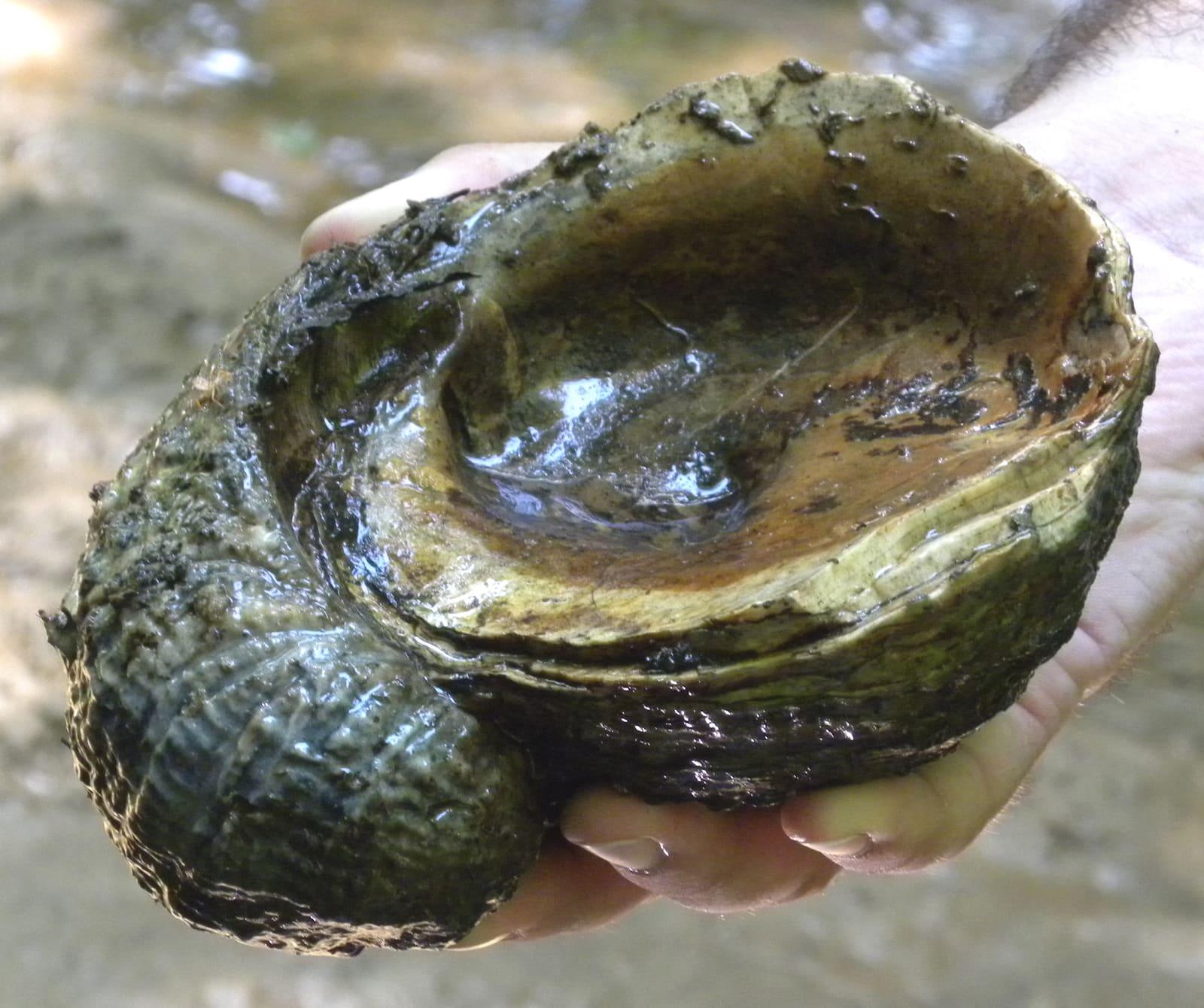
Coffee Sand and Owl Creek Formation Fossil Guide
Mississippi, United States
Ammonites, Shark Teeth, Bivalves, Gastropods
Coon Creek Science Center Fossil Dig Guide
Tennessee, United States
Crabs, Bivalves, Gastropods, Ammonites
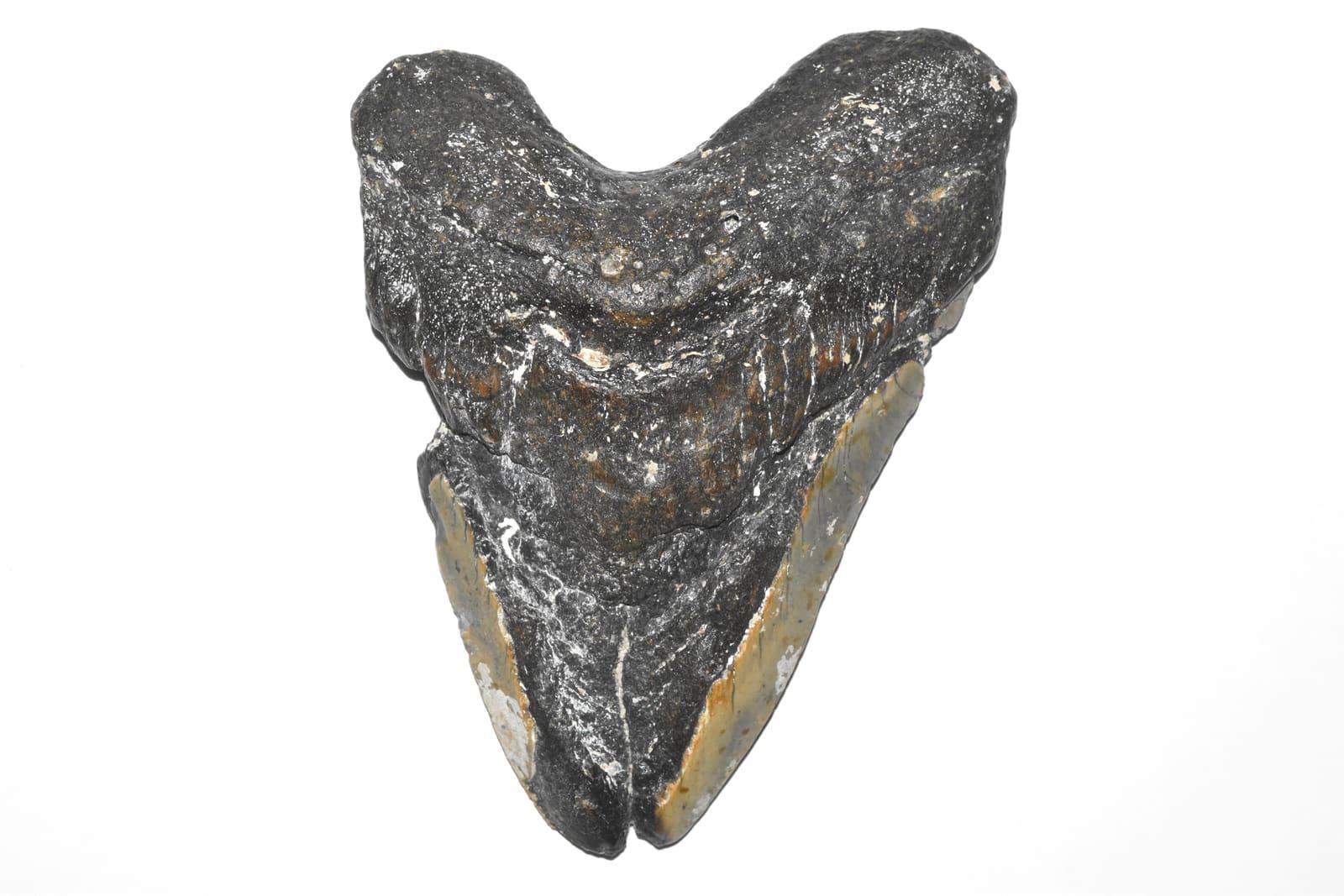
Cooper River Dive Sites Fossil Guide
South Carolina, United States
Megalodon teeth, Shark Teeth, Mastodon, Whale bone
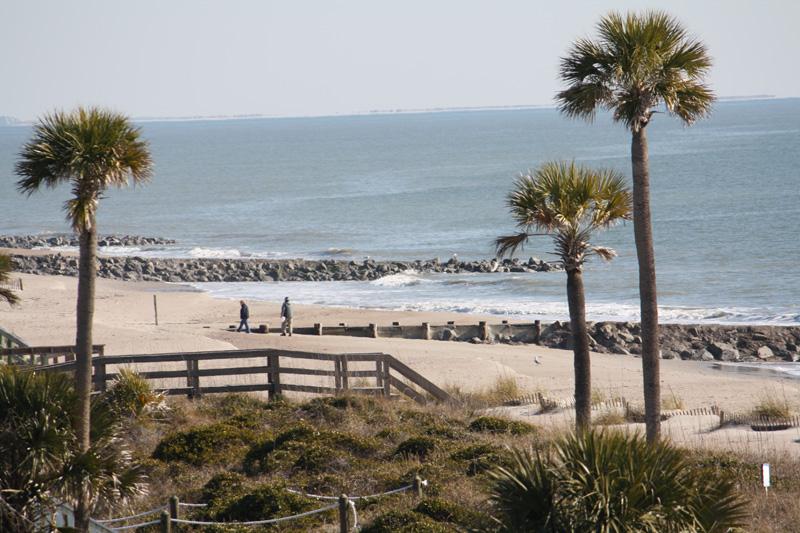
Edisto Beach State Park Fossil Hunting Guide
South Carolina, United States
Shark Teeth, Megalodon, Pleistocene mammal bones, Whale Bone
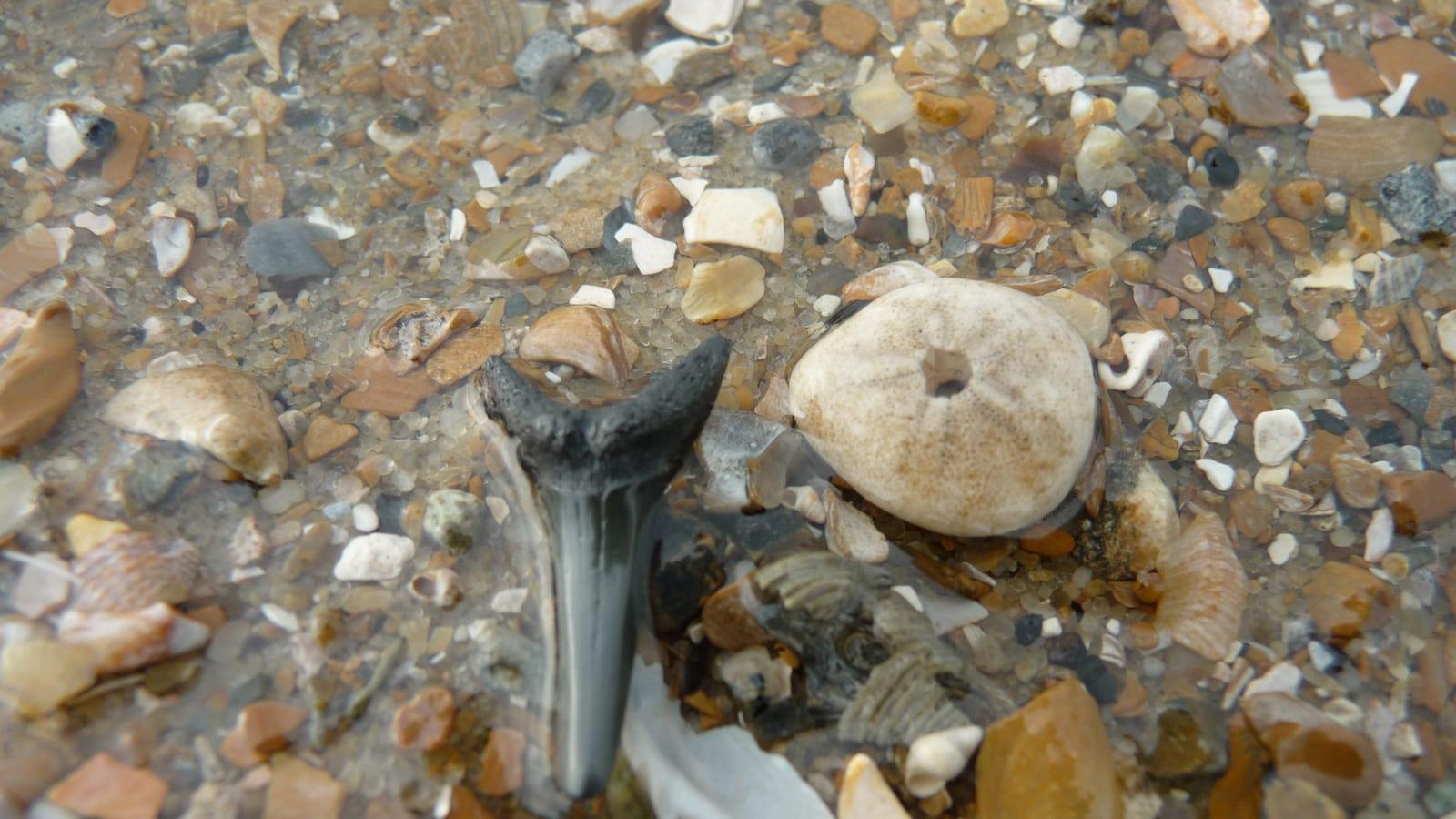
Englewood Beach Fossil Hunting Guide
Florida, United States
Shark Teeth, Ray Teeth, Mollusks
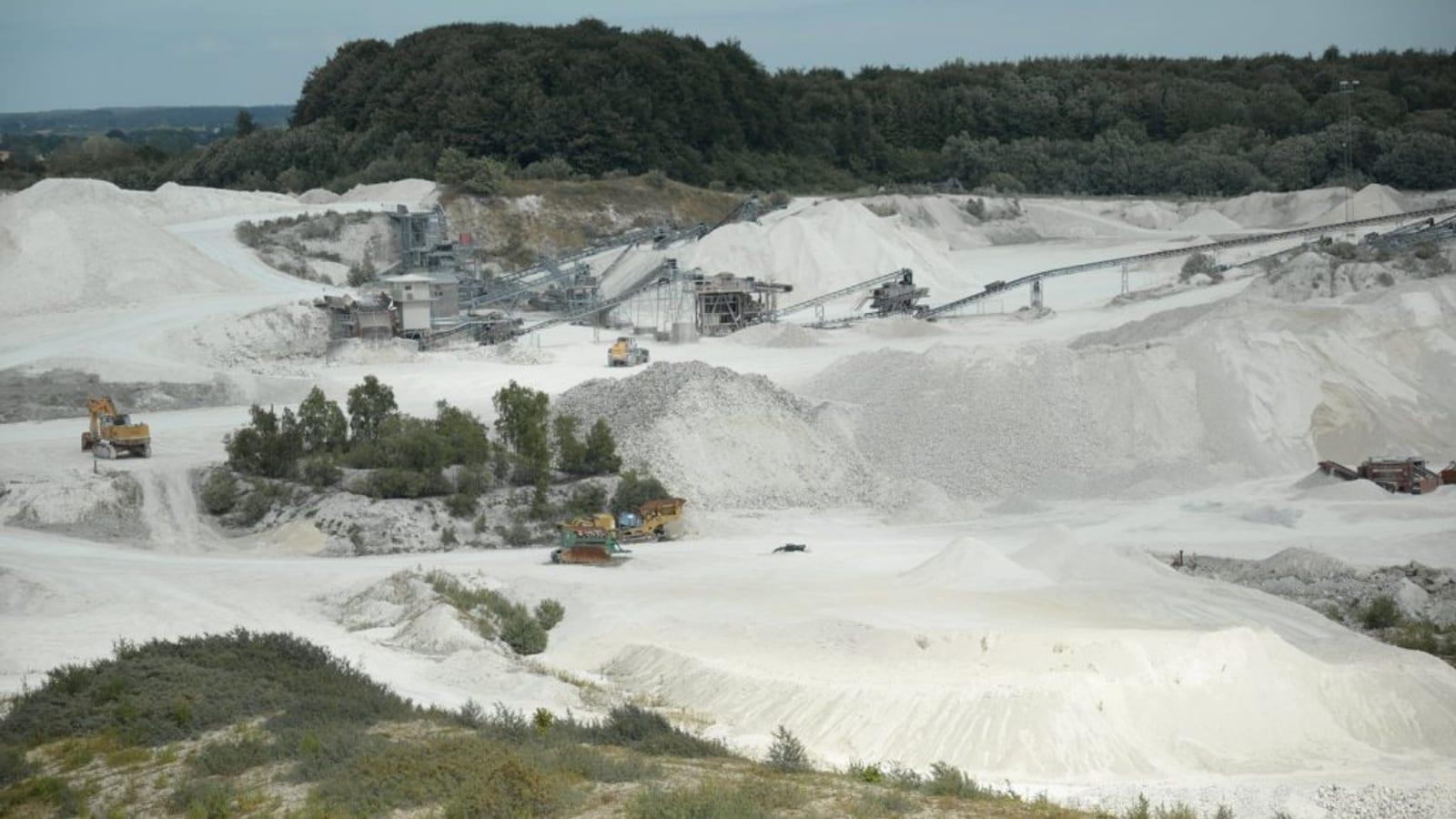
Faxe Quarry South Area Fossil Hunting Guide
Denmark
Corals, Crabs, Bryozoans, Bivalves
Find Fossils on Capitola Beach Fossil Hunting Guide
California, United States
Shark Teeth, Bivalves, Gastropods

Folkestone Warren and Copt Point Fossil Hunting Guide
Kent, England
Ammonites, Crabs, Shark Teeth, Bivalves
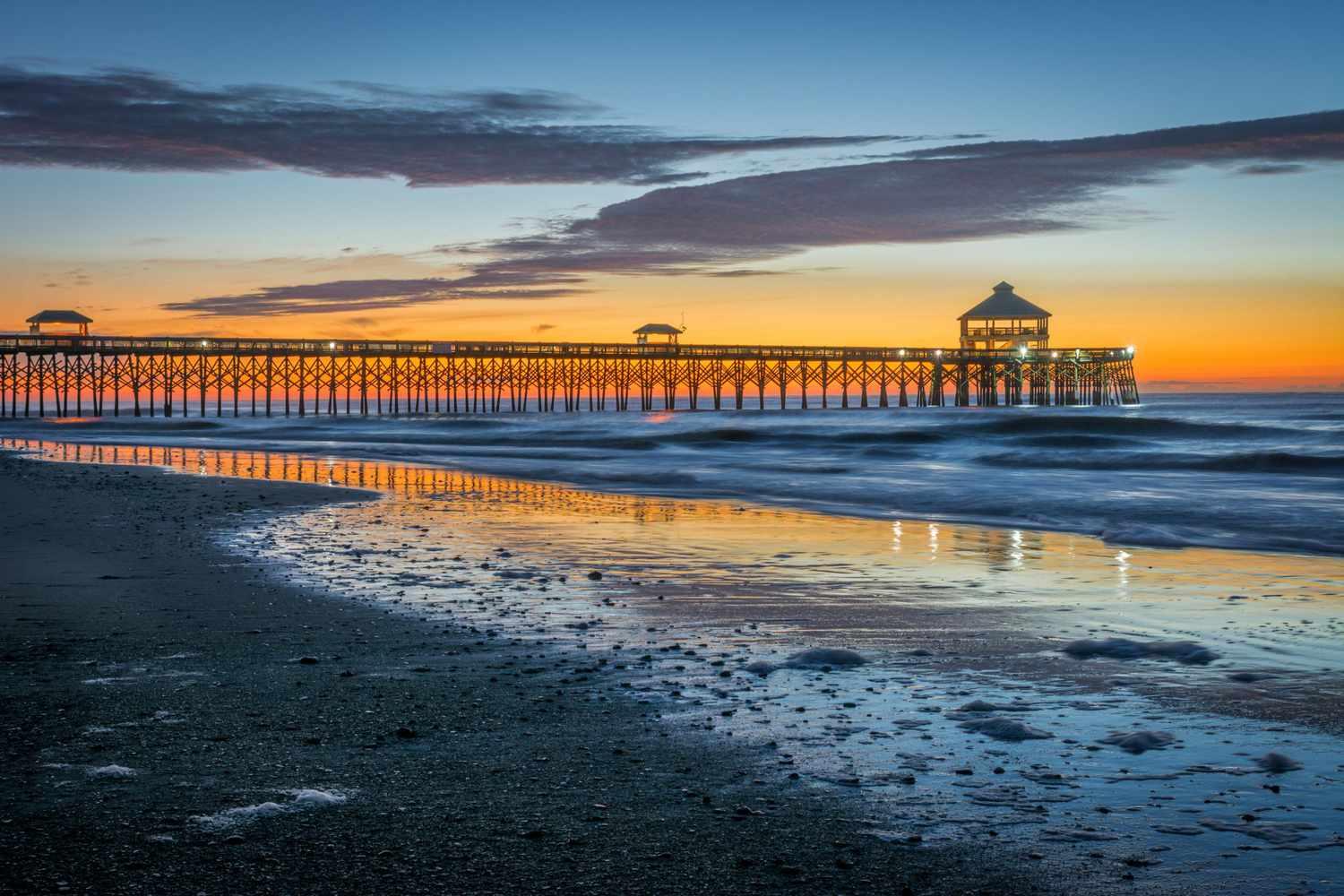
Folly Beach Fossil Hunting Guide
South Carolina, United States
Shark Teeth, Megalodon, Whale Bone, Ray dental plates
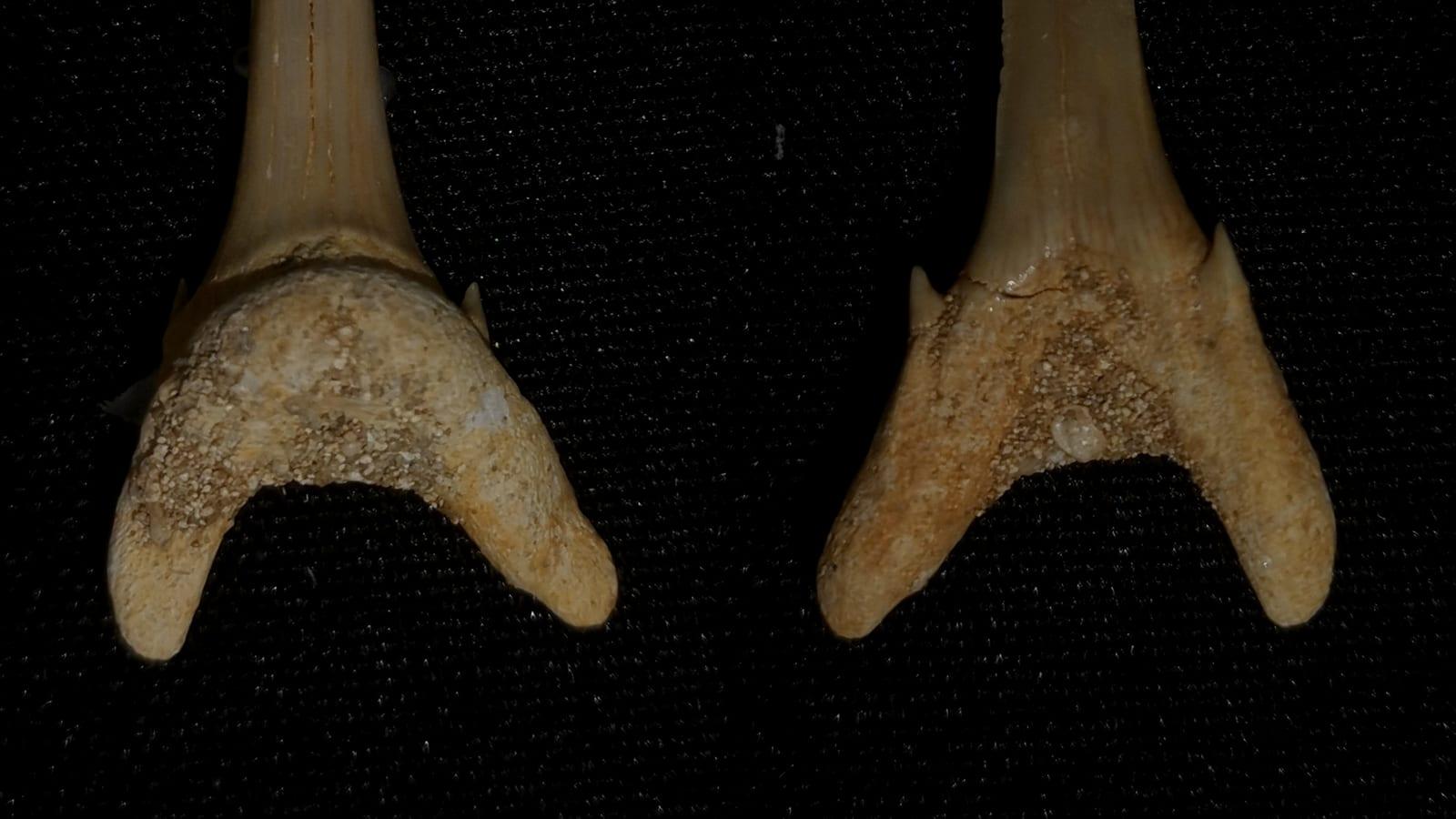
Fort Clinch State Park Fossil Hunting Guide
Florida, United States
Shark Teeth, Mollusks
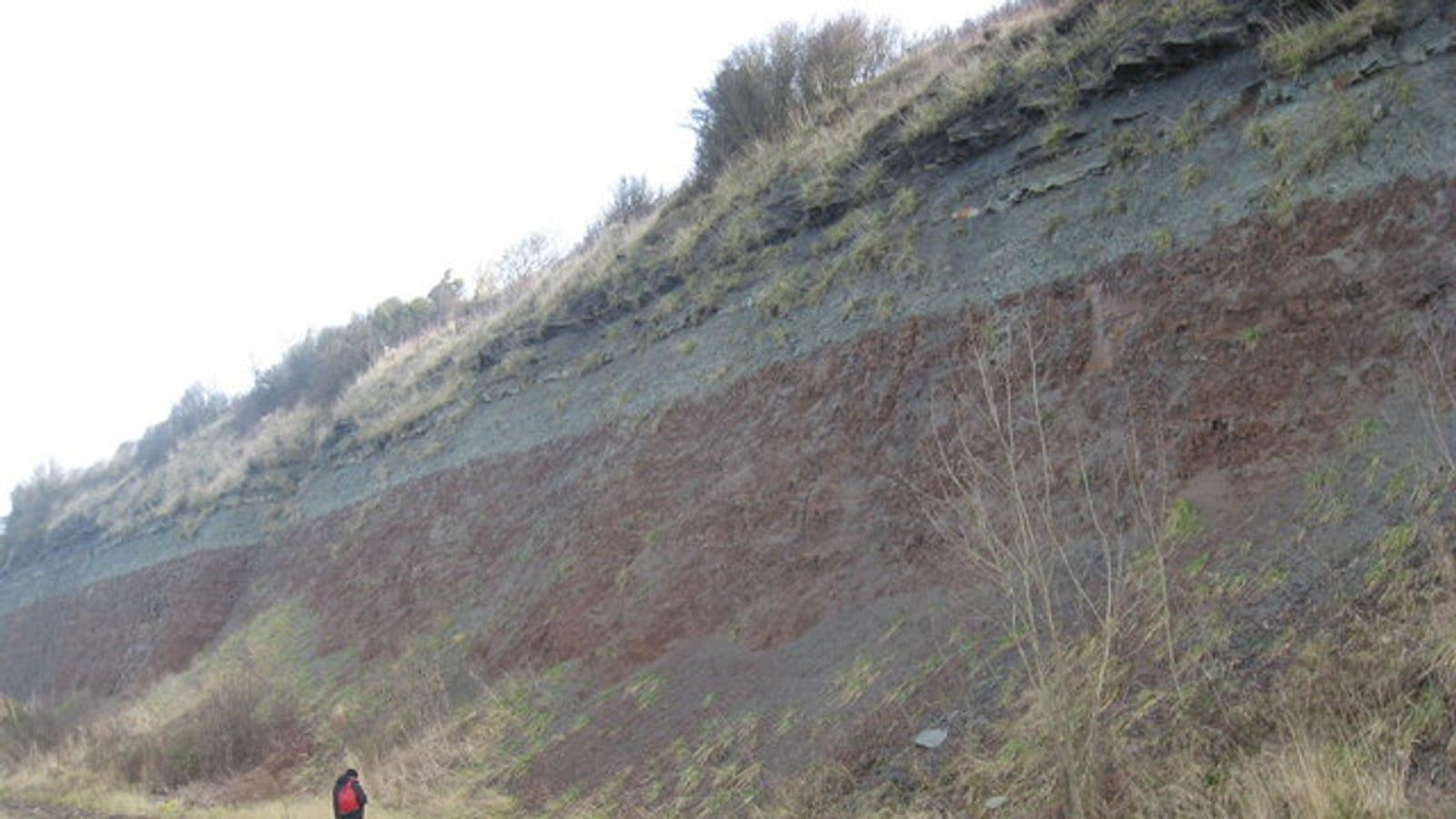
Fossils of Aust Cliff Fossil Hunting Guide
England, United Kingdom
Shark teeth, Fish scales and teeth, Reptile remains, The Blue Lias

Gram Clay Pit Fossil Hunting Guide
Denmark
Shark Teeth, Megalodon
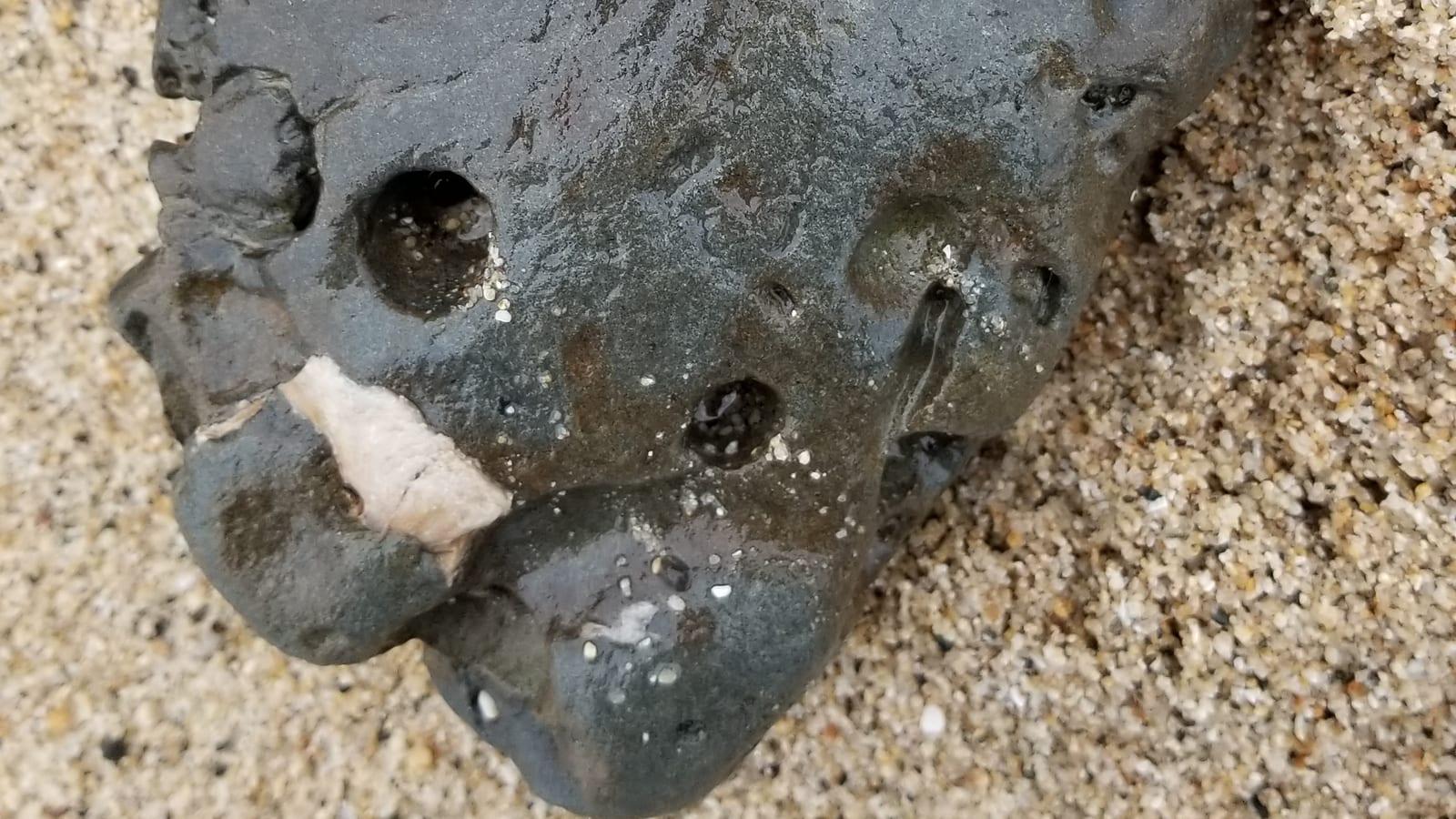
Half Moon Bay Fossil Hunting Guide
San Mateo County, California, United States
Bivalves, Sand Dollars, Shark Teeth, Marine Mammals
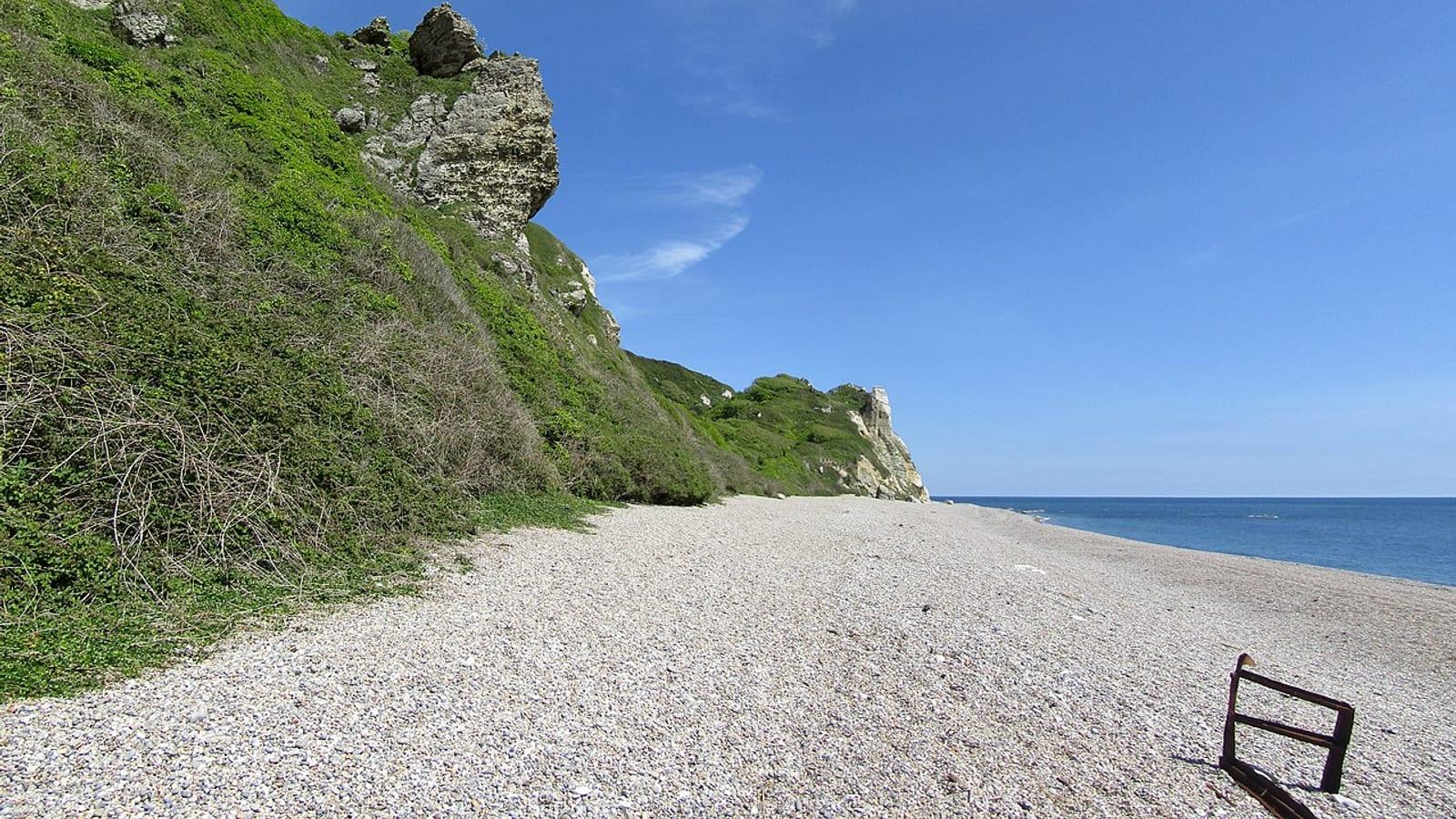
Hooken Cliff Beer Devon Fossil Hunting Guide
United Kingdom
Echinoids, Ammonites, Fish remains, Brachiopods
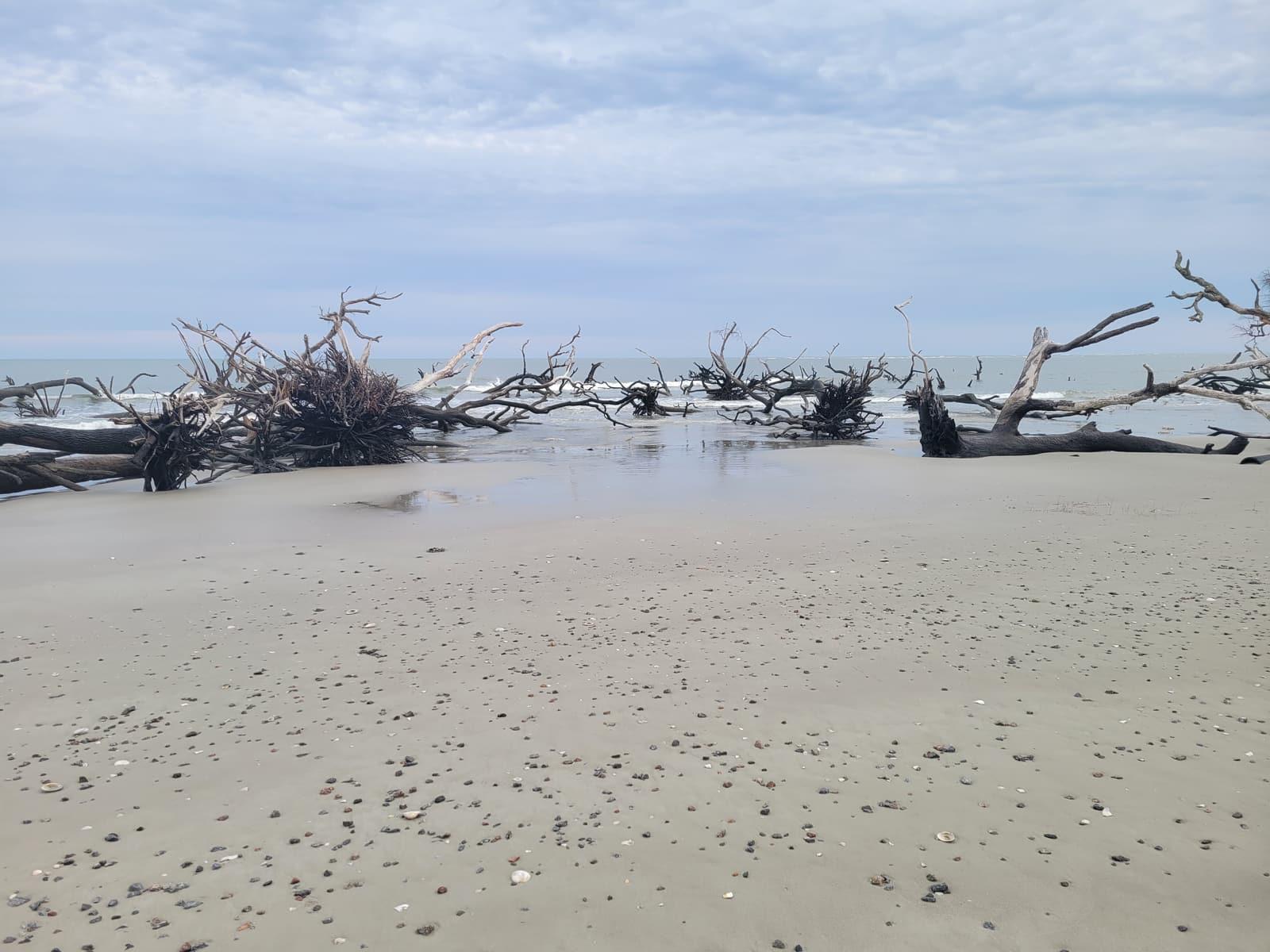
Hunting Island State Park Fossil Guide
South Carolina, United States
Shark Teeth, Megalodon teeth, Fossil bone, Marine shells
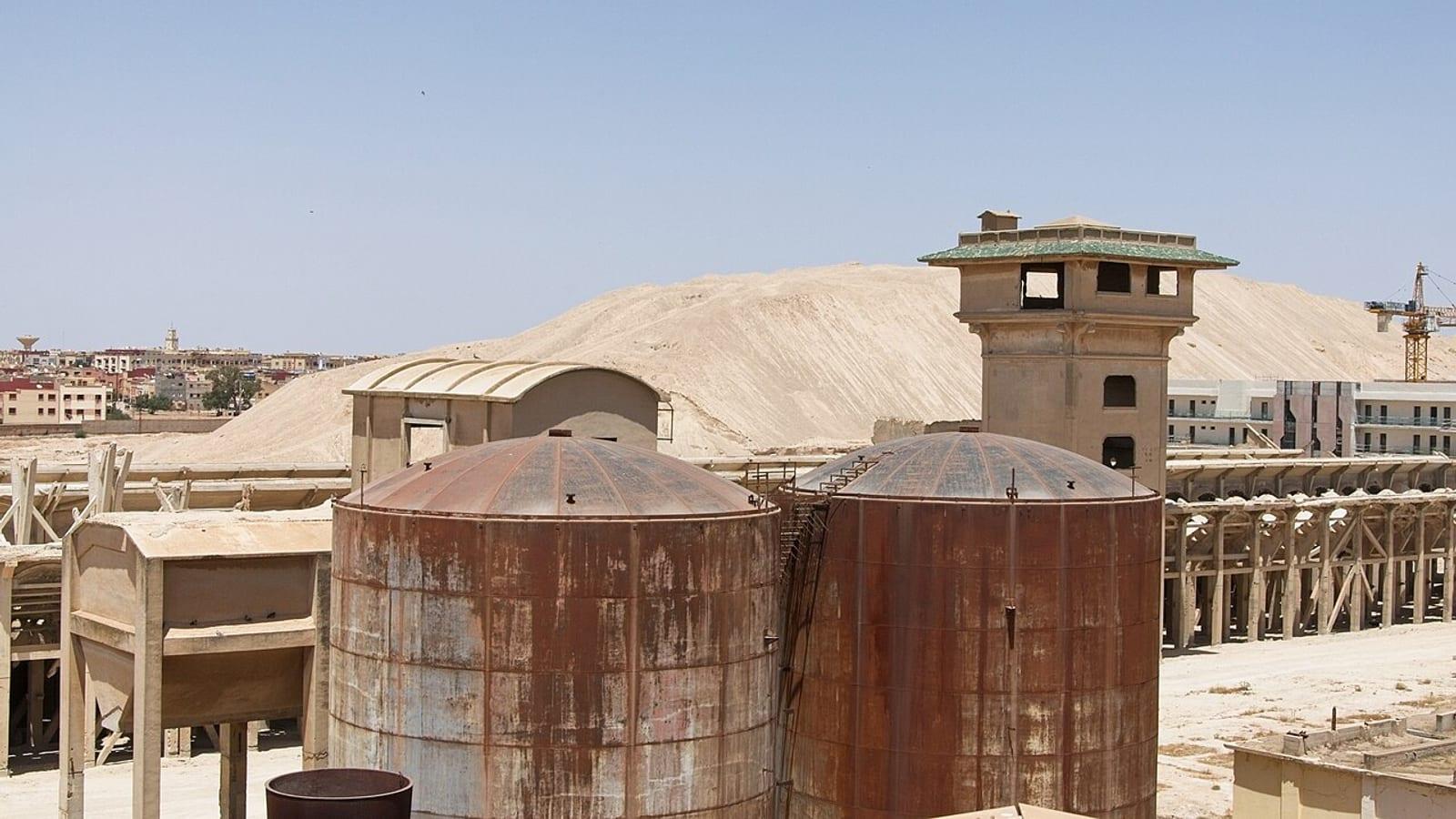
Khouribga Phosphate Shark Tooth Site Fossil Hunting Guide
Morocco
Shark teeth, Mosasaur teeth, Fish remains, Marine reptile bones
Ladonia Fossil Park (North Sulphur River) Guide
Texas, United States
Mosasaur teeth, Shark Teeth, Ammonites, Bivalves
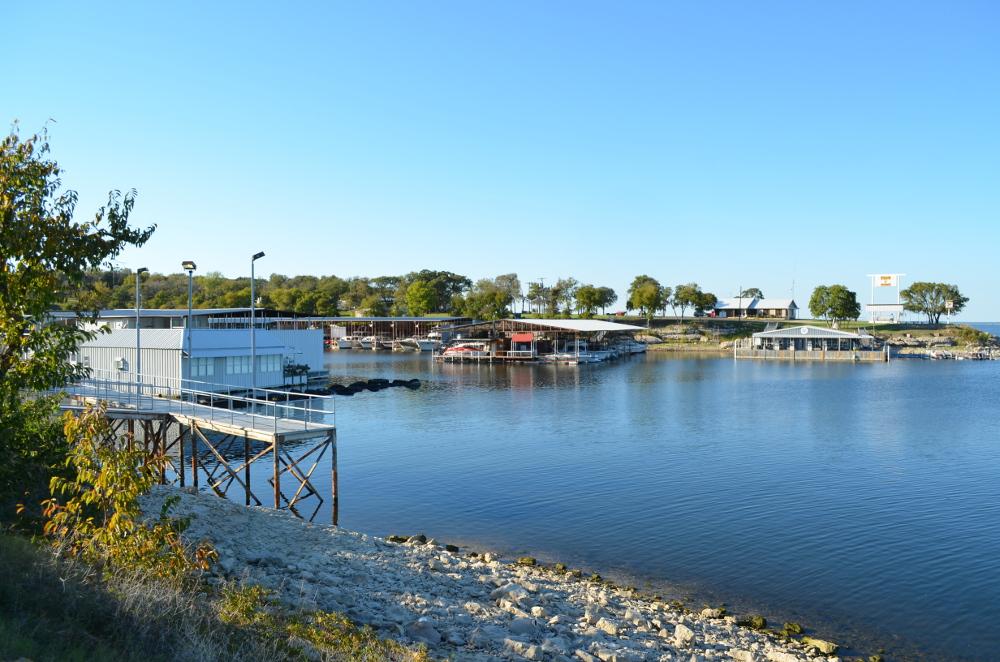
Lake Texoma (Eisenhower State Park) Fossil Hunting Guide
Texas, United States
Ammonites, Echinoids, Heart urchins, Oysters
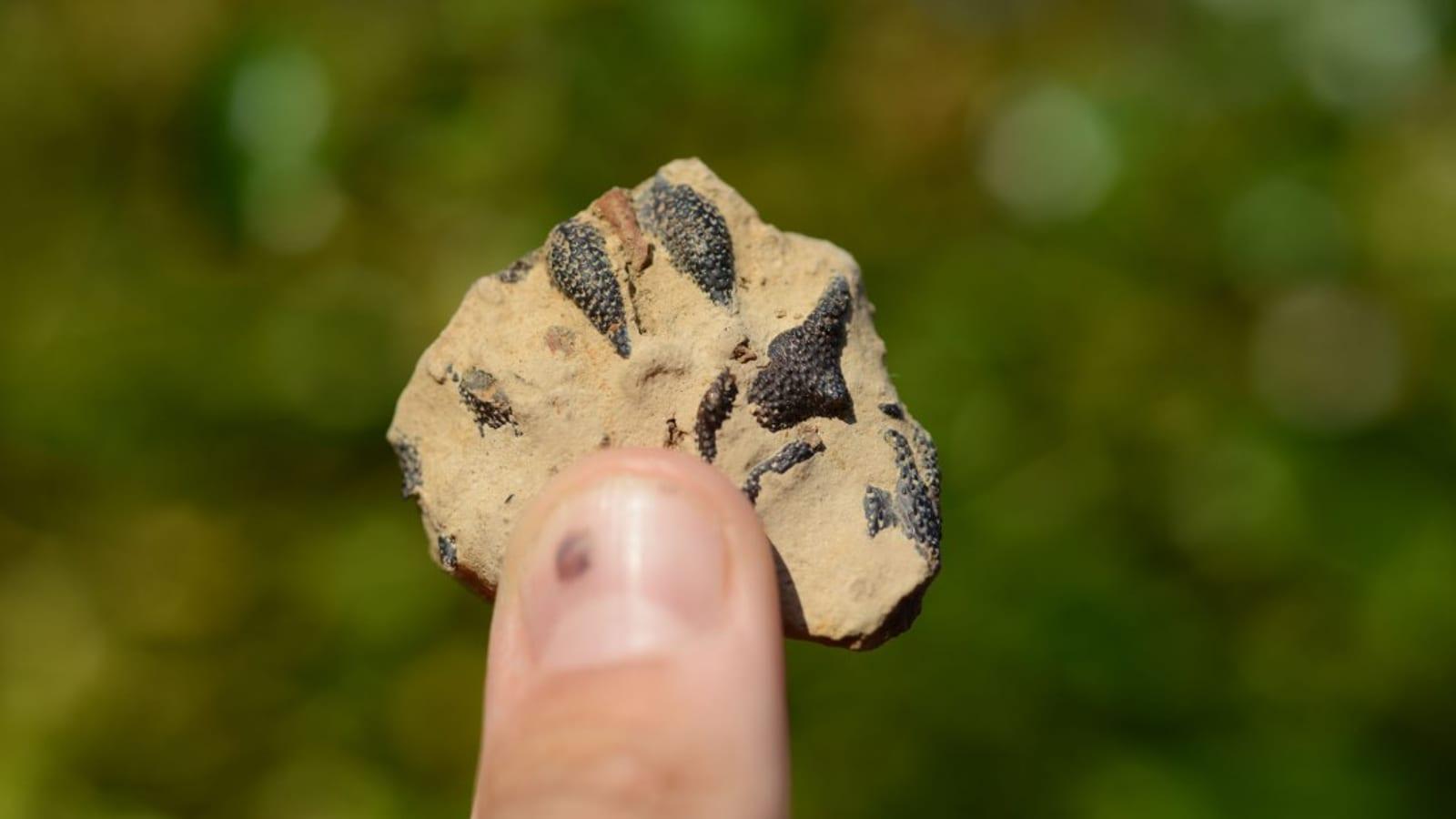
Maylandsea Fossil Hunting Guide
England, United Kingdom
Shark Teeth, Bivalves, Crustaceans, Fish
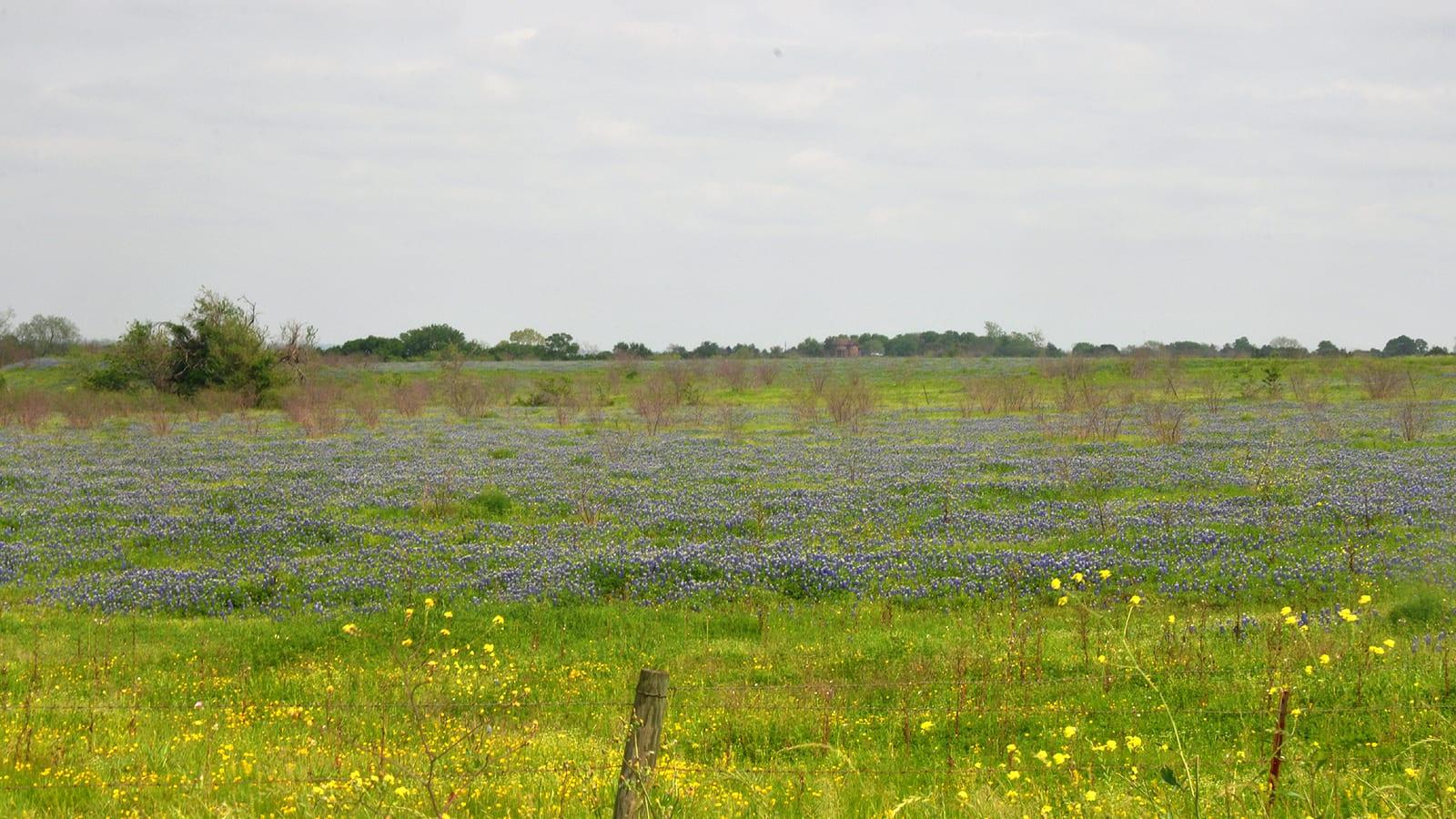
Mineral Wells Fossil Park Fossil Hunting Guide
Texas, United States
Crinoids, Echinoids, Brachiopods, Bivalves
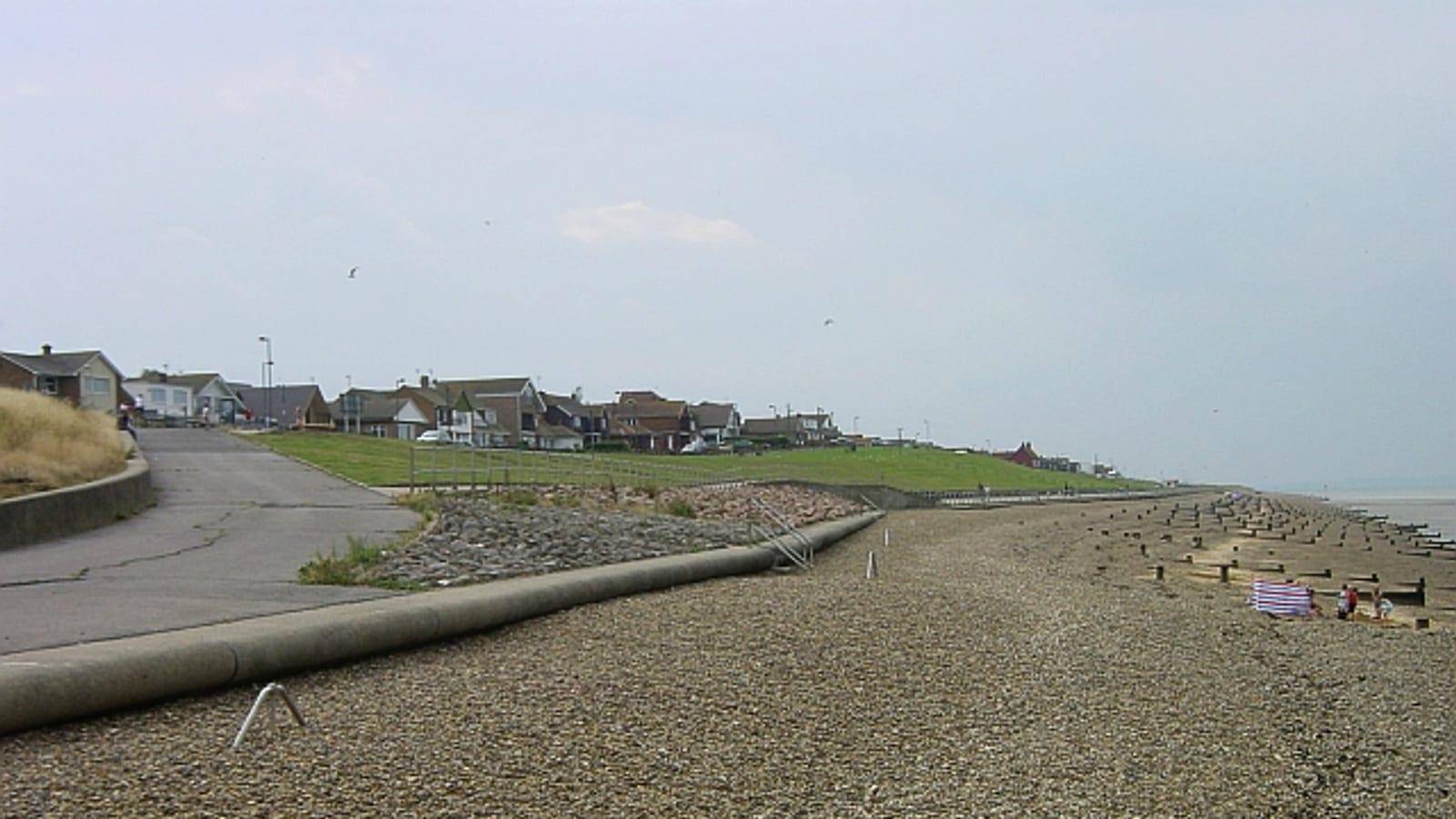
Minster Beach Isle of Sheppey Fossil Hunting Guide
United Kingdom
Plant remains, Nipa palm seeds, Shark Teeth, Fish Vertebrae
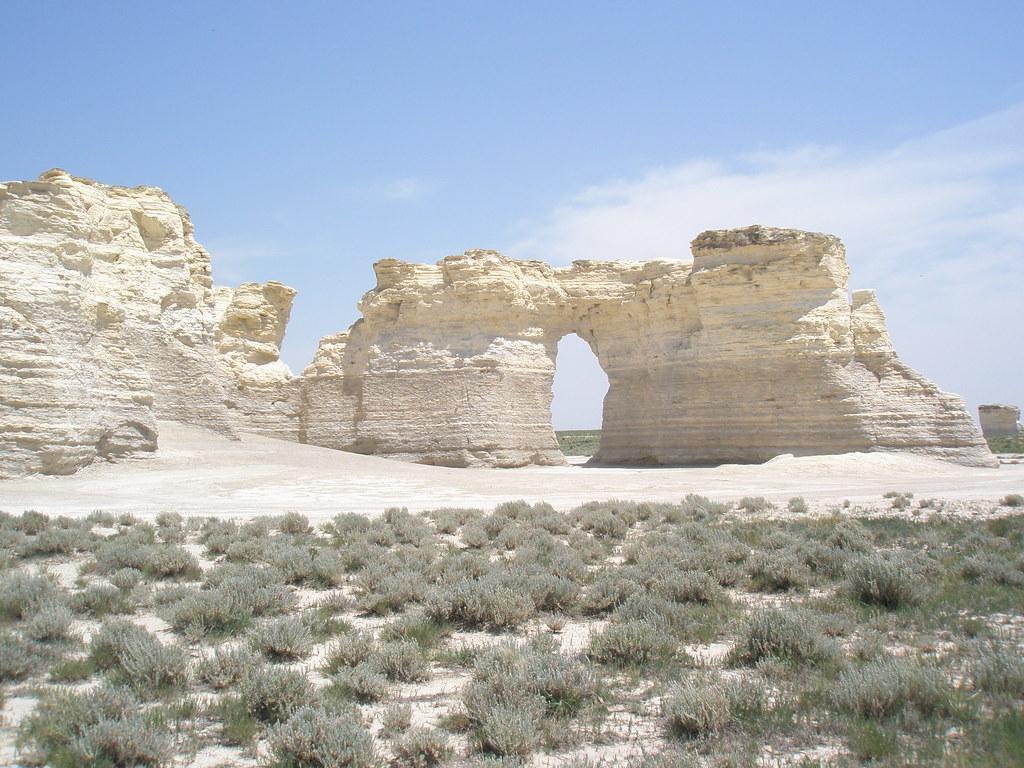
Monument Rocks (Chalk Pyramids) Fossil Guide
Kansas, United States
Mosasaurs, Giant clams (Inoceramus), Pterosaurs, Hesperornis
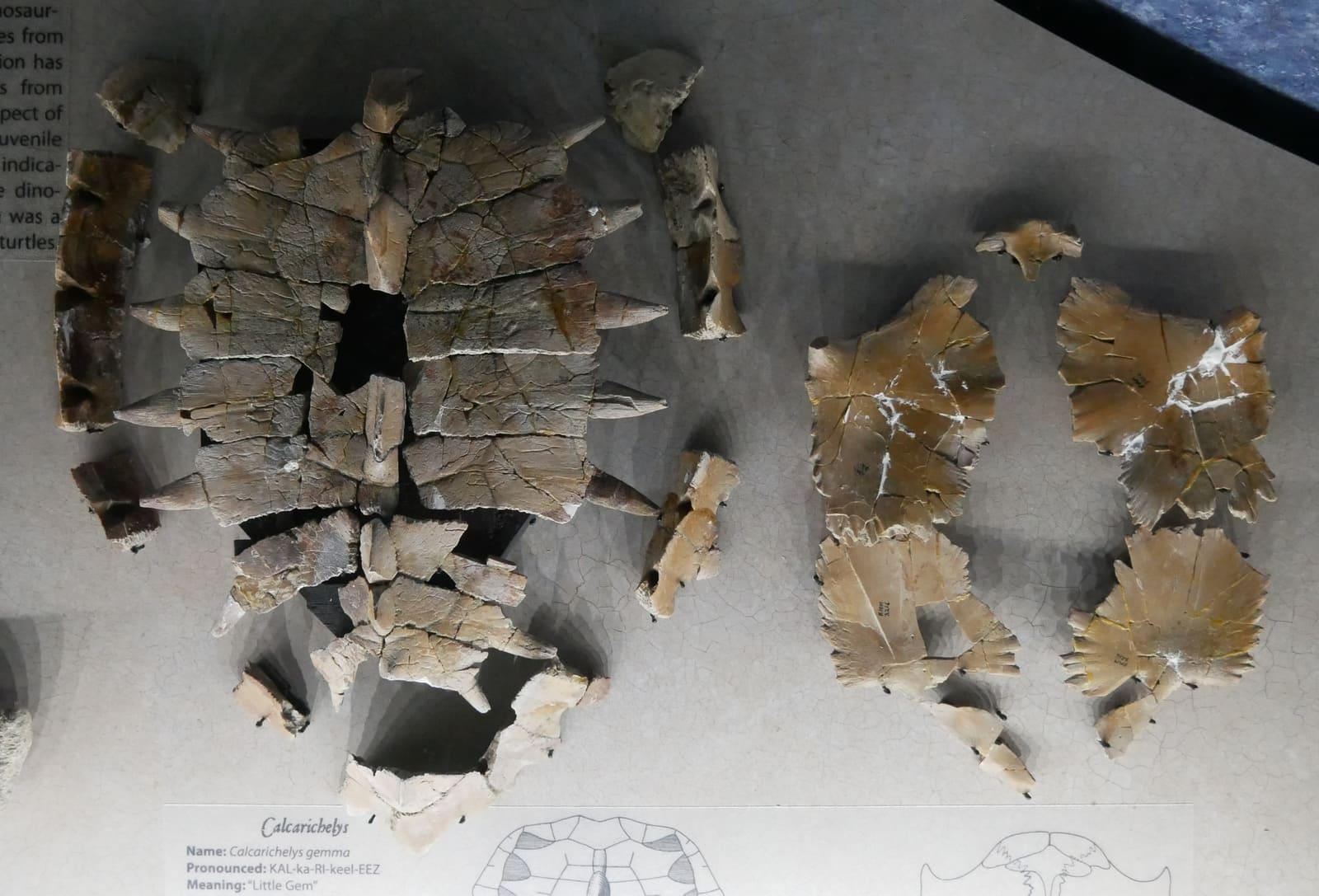
Mooreville Chalk Fossil Guide
Alabama, United States
Shark Teeth, Mosasaurs, Fish, Bivalves
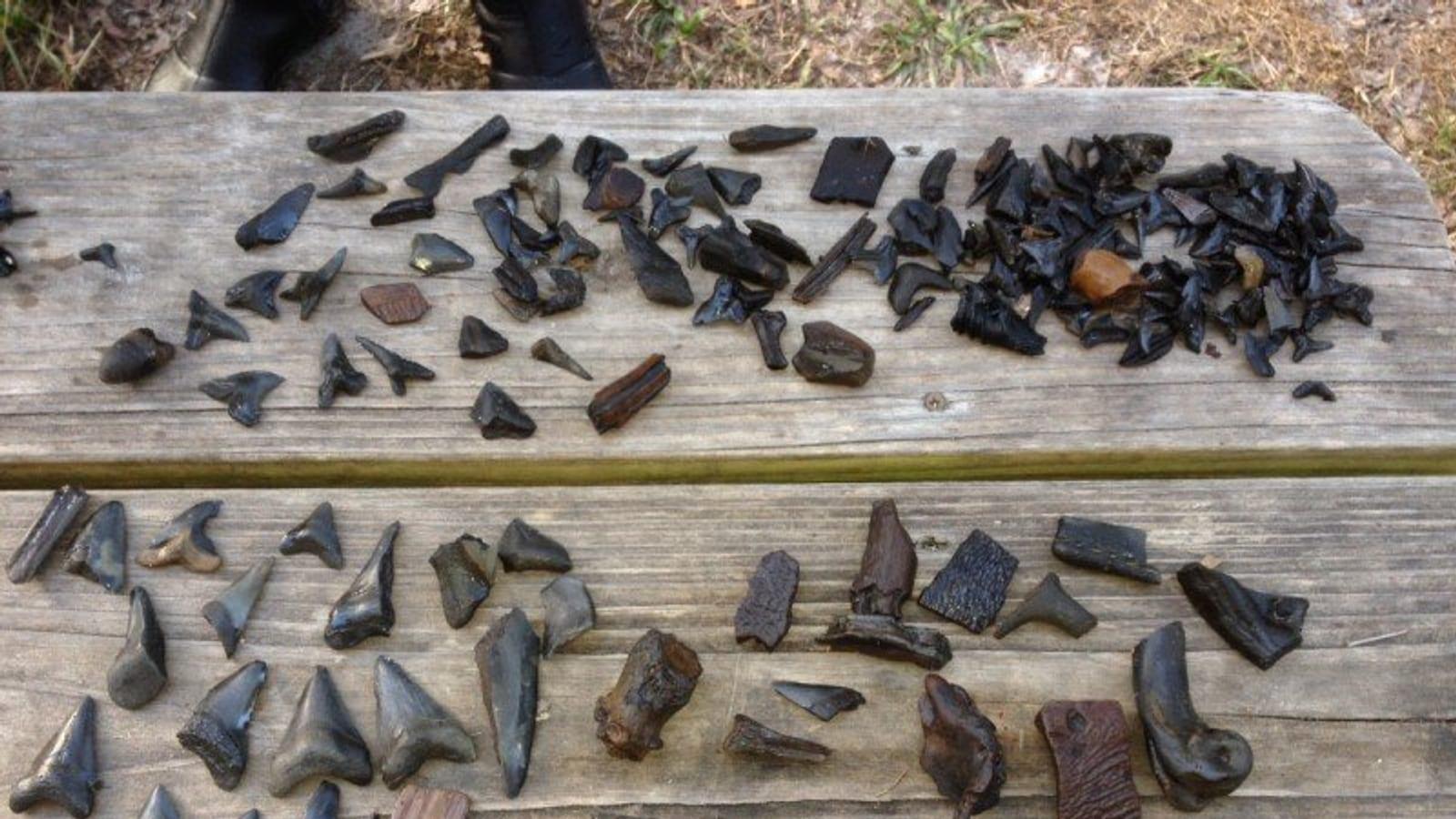
Peace River Fossil Hunting Guide
Florida, United States
Shark Teeth, Ray Teeth, Megalodon, Mammoth
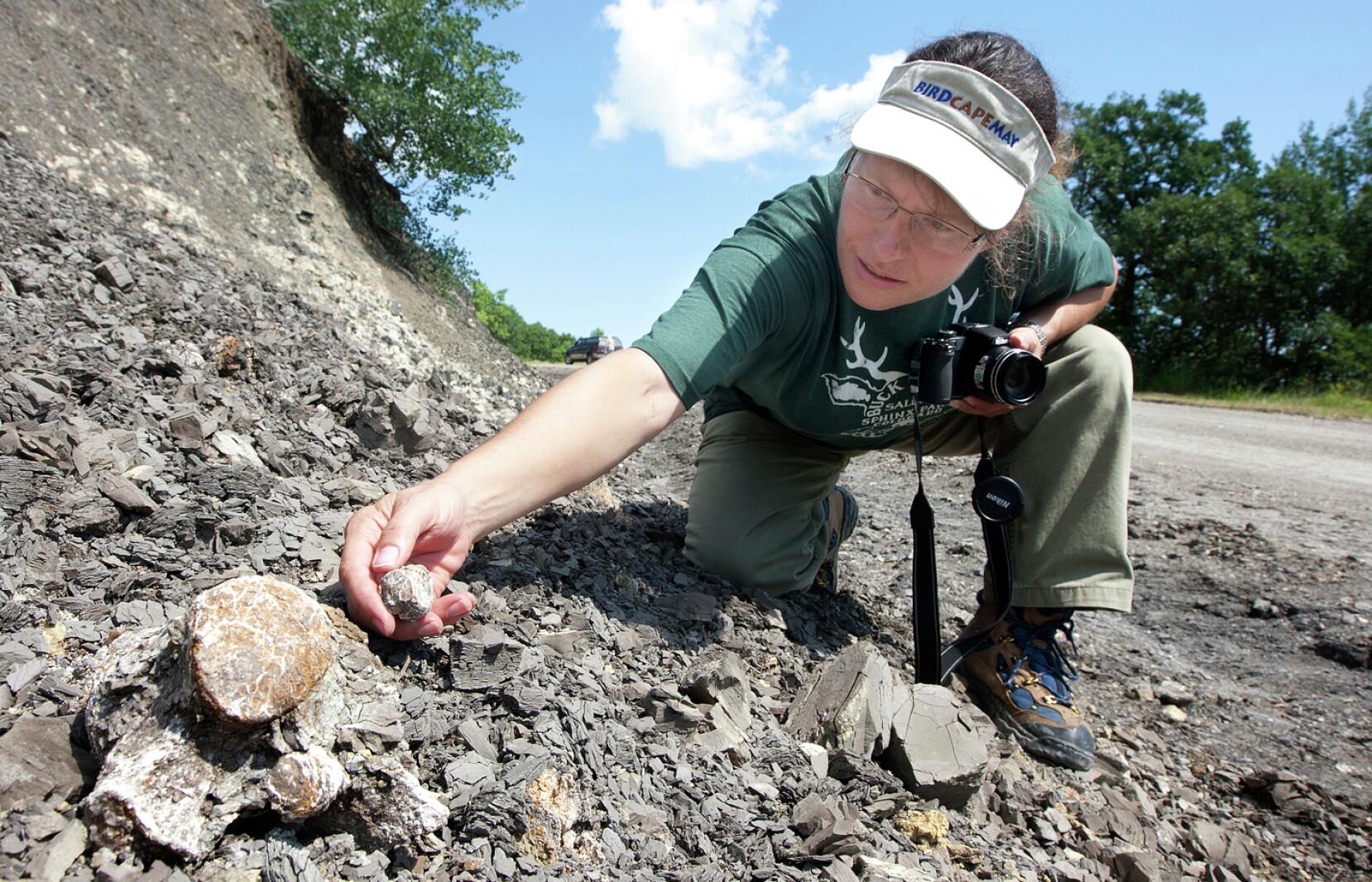
Pembina Gorge Public Fossil Dig Guide
North Dakota, United States
Mosasaurs, Sea turtles, Xiphactinus, Hesperornis
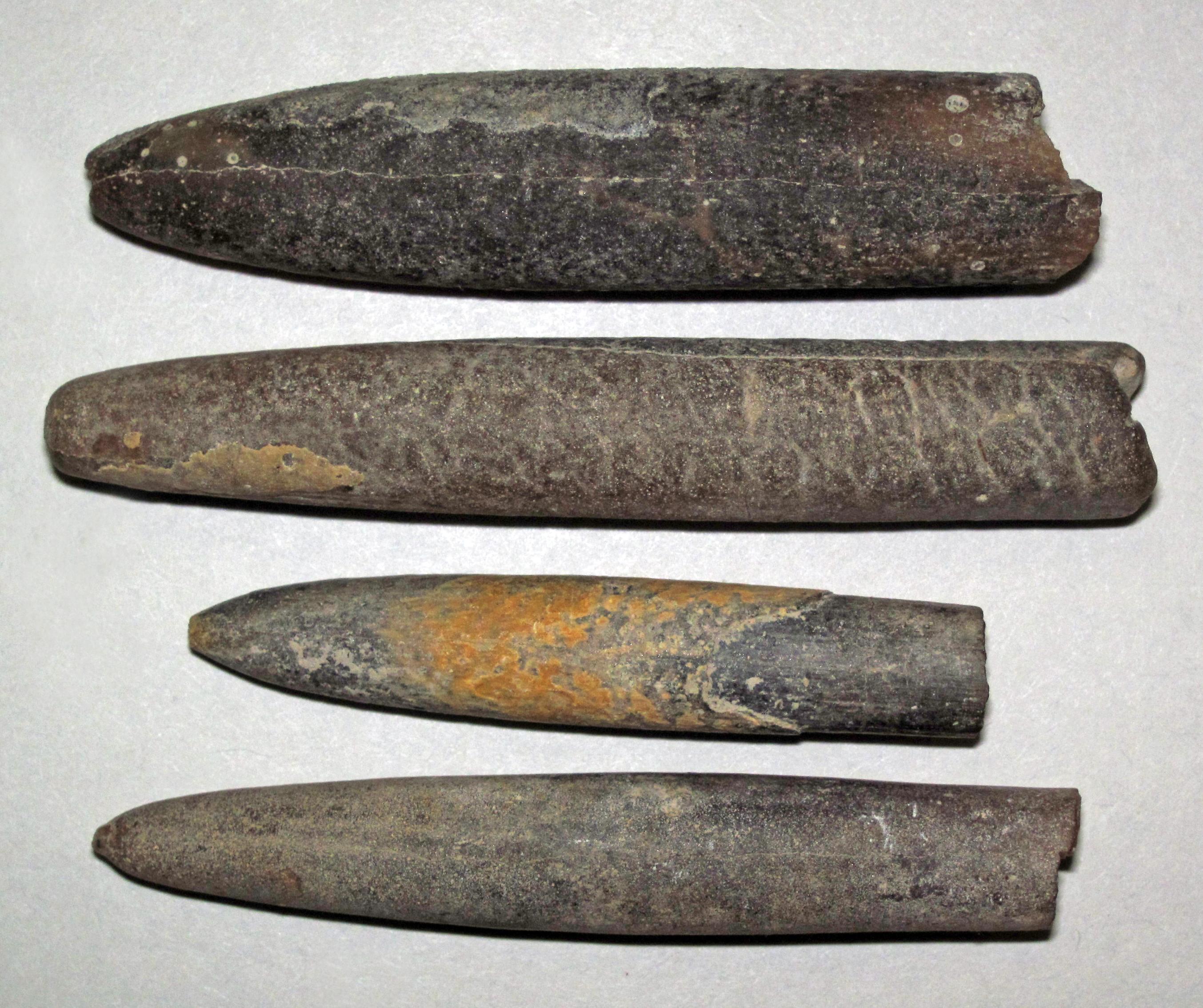
Poricy Park Fossil Beds Fossil Hunting Guide
New Jersey, United States
Belemnites, Bivalves, Gastropods, Shark Teeth
Post Oak Creek Fossil Hunting Guide
Texas, United States
Shark Teeth, Bivalves, Ammonites, Mosasaur teeth
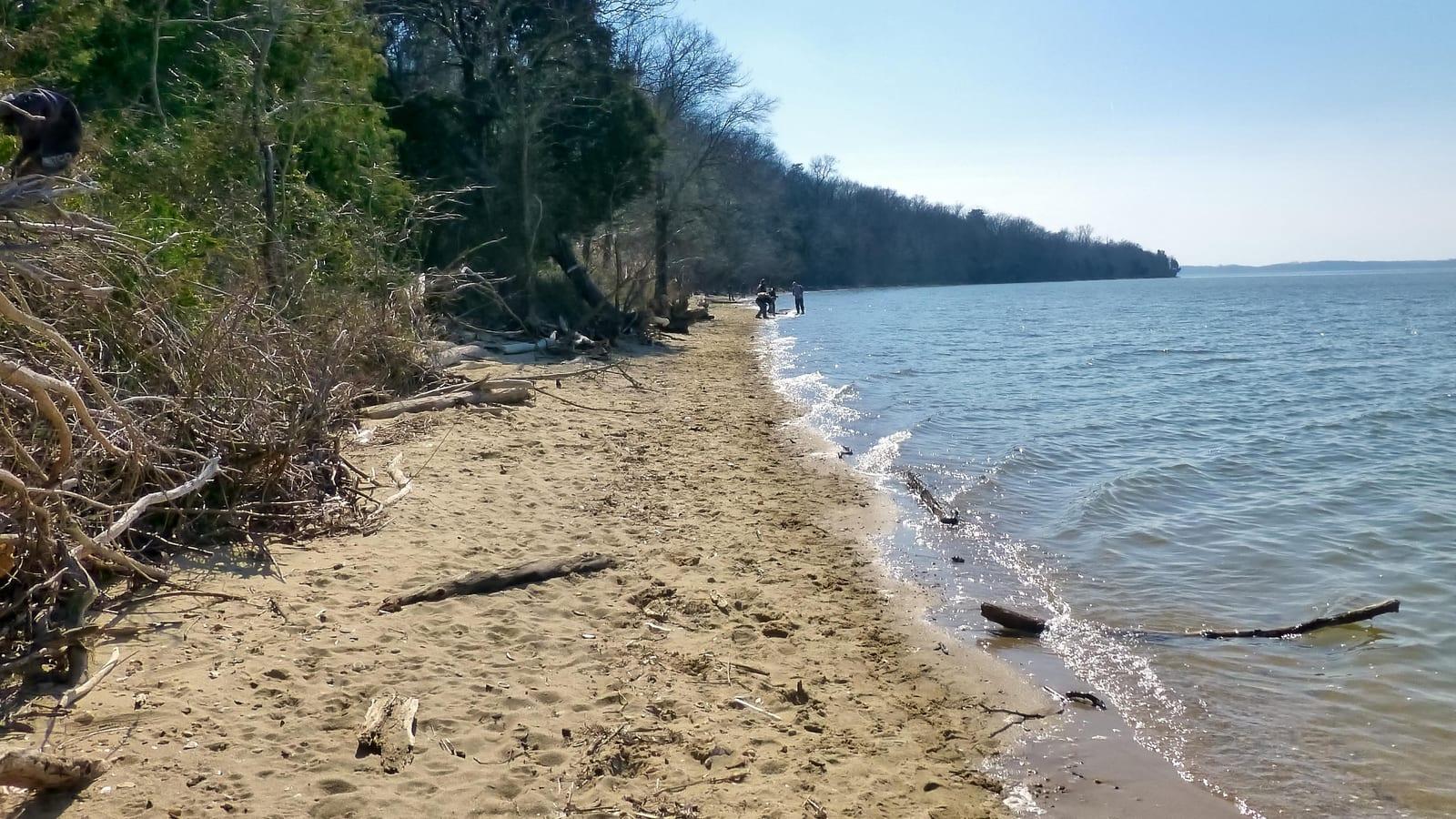
Purse State Park Fossil Hunting Guide
Maryland, United States
Shark Teeth, Ray Teeth, Mollusks
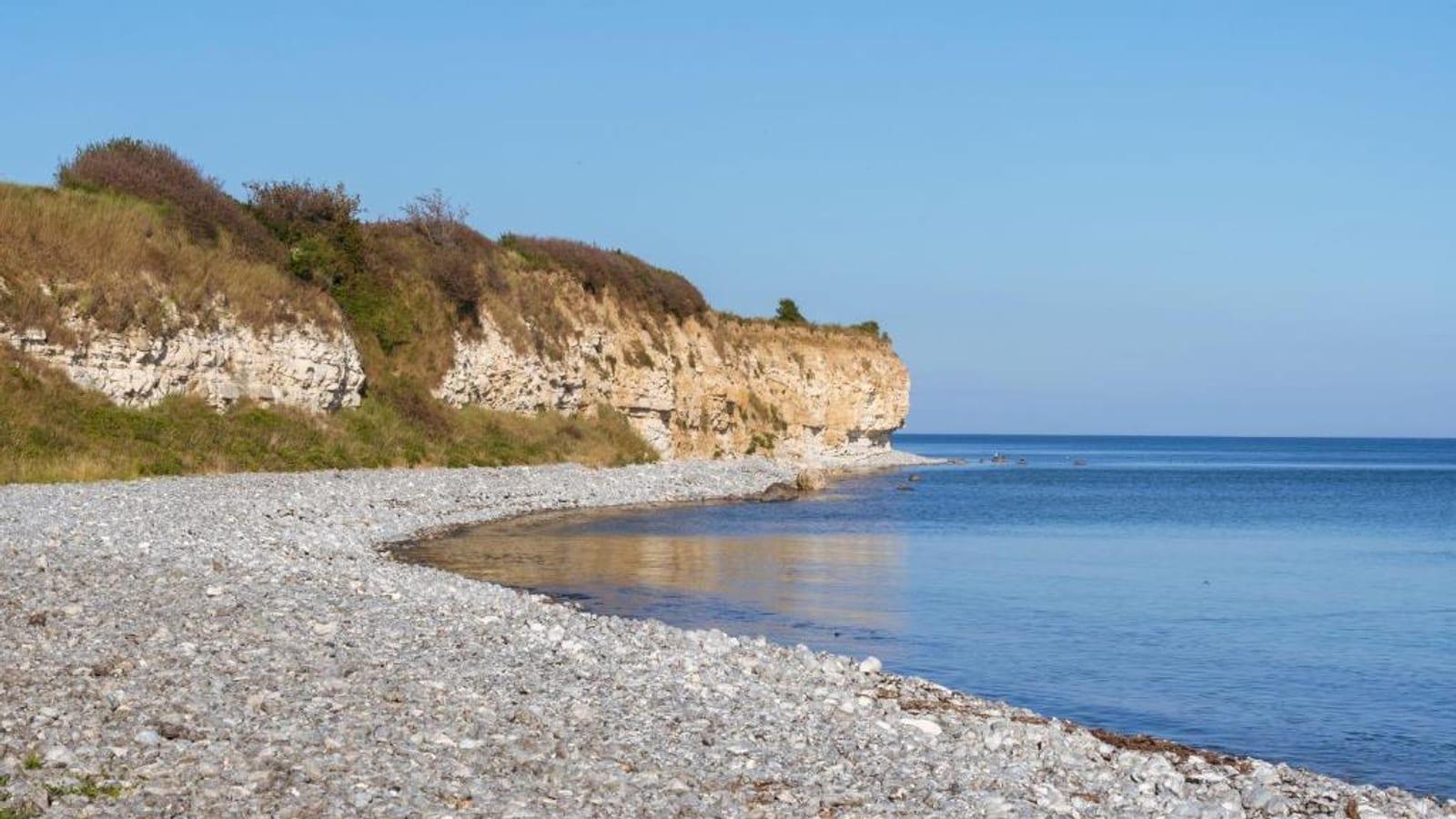
Rødvig Beach Fossil Hunting Guide
Zealand, Denmark
Belemnites, Sea Urchins, Brachiopods, Bryozoans
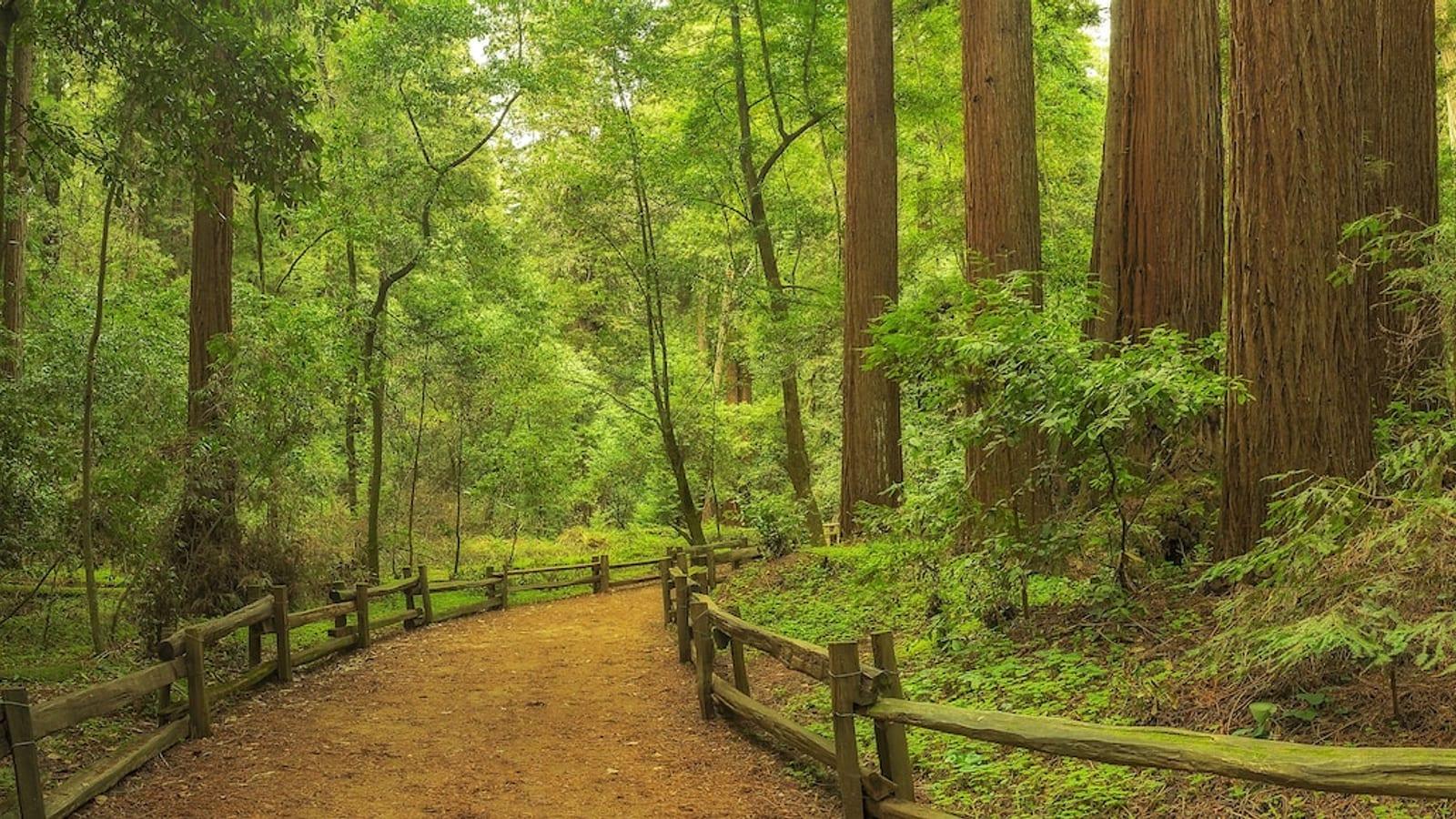
Scotts Valley Fossil Hunting Guide
Santa Cruz County, California, United States
Shark Teeth, Sand Dollars, Bivalves, Marine Mammals
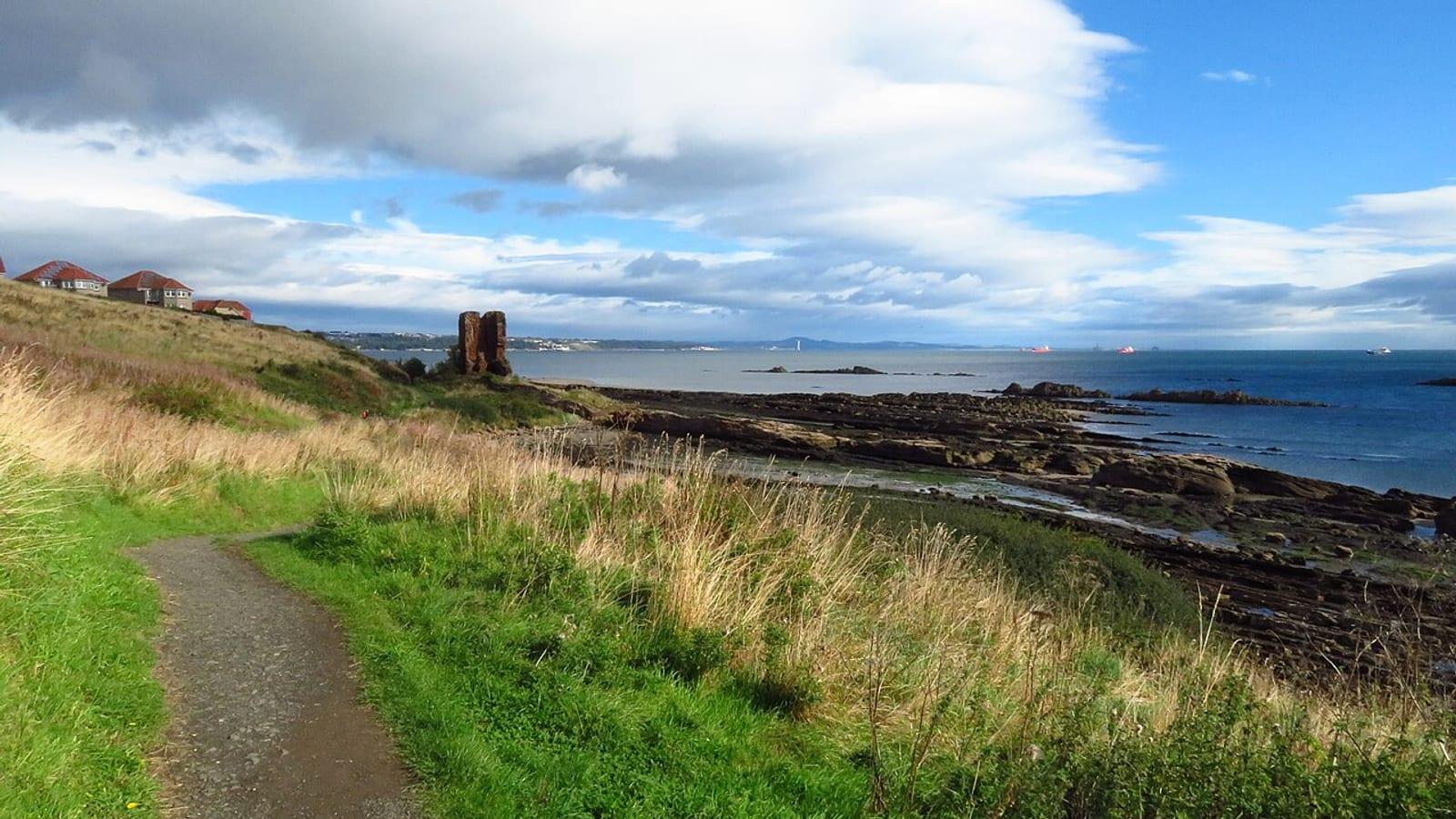
Seafield Tower Fossil Hunting Guide
United Kingdom
Crinoid stems, Bryozoans, Rugose and tabulate corals, Brachiopod shells
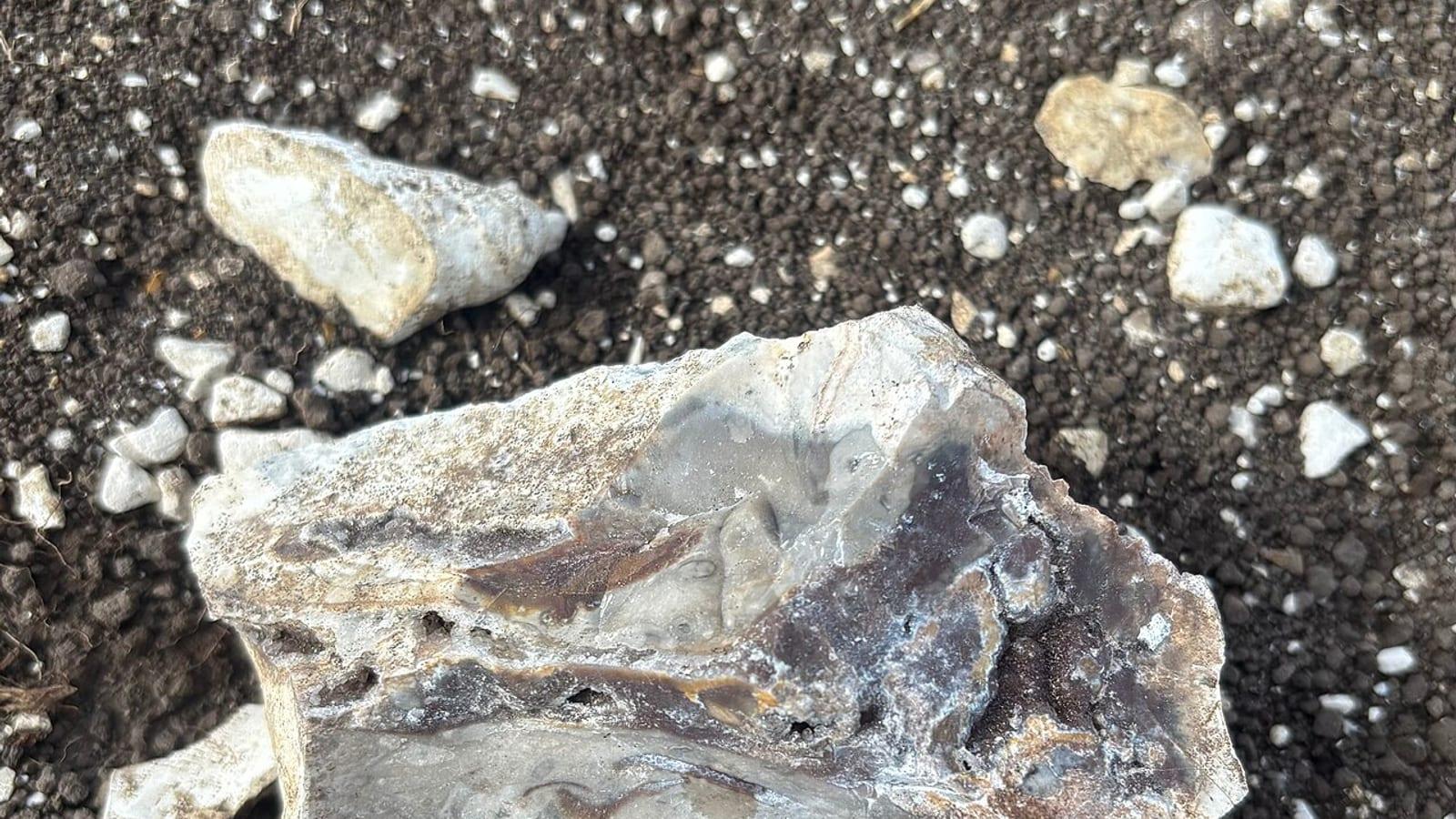
Seven Sisters Fossil Hunting Guide
England, United Kingdom
Echinoids, Shark Teeth, Brachiopods, Bivalves
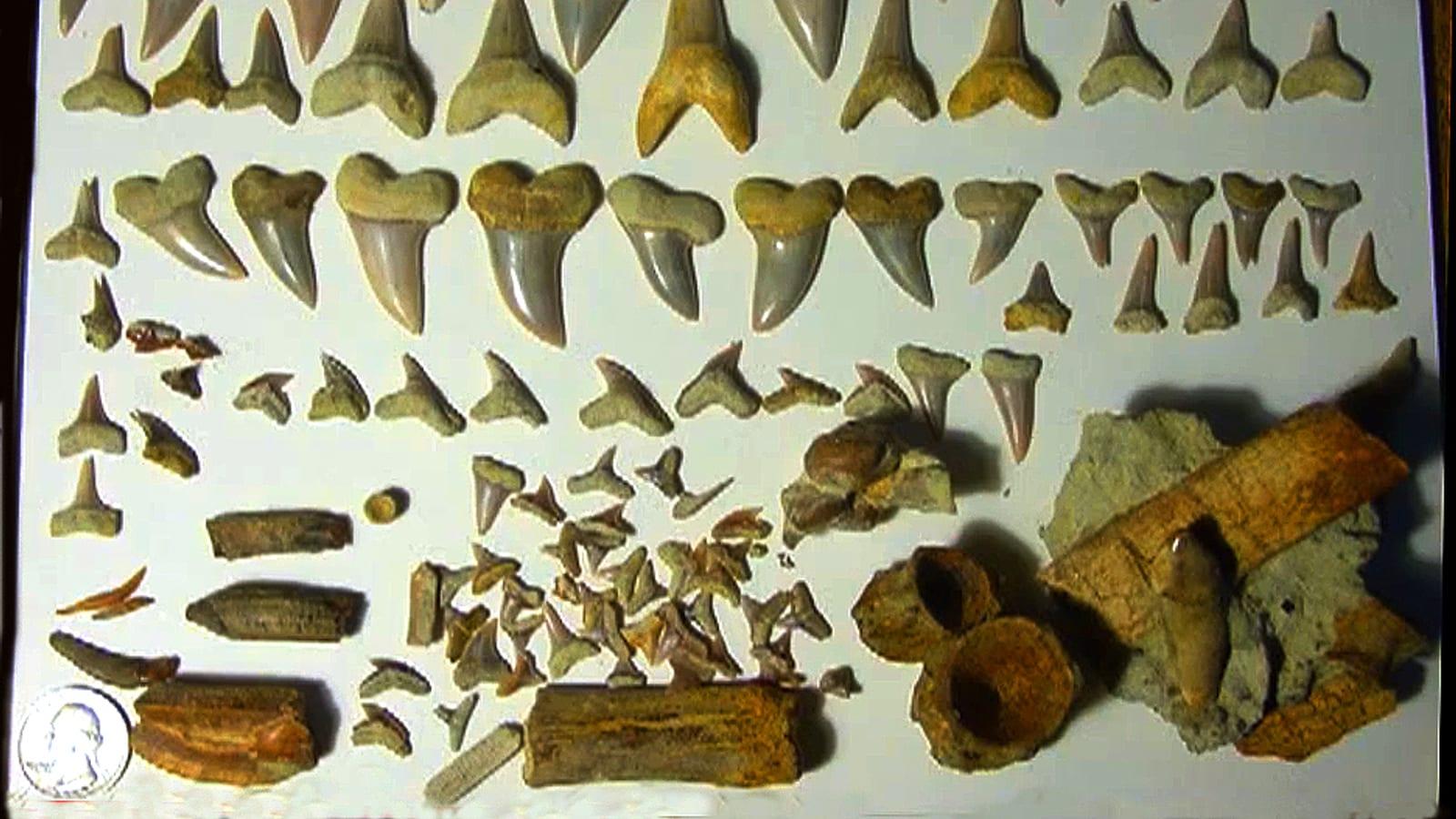
Shark Tooth Hill Fossil Hunting Guide
California, United States
Shark Teeth, Whale Vertebrae, Dolphin Skulls, Ray Dental Plates
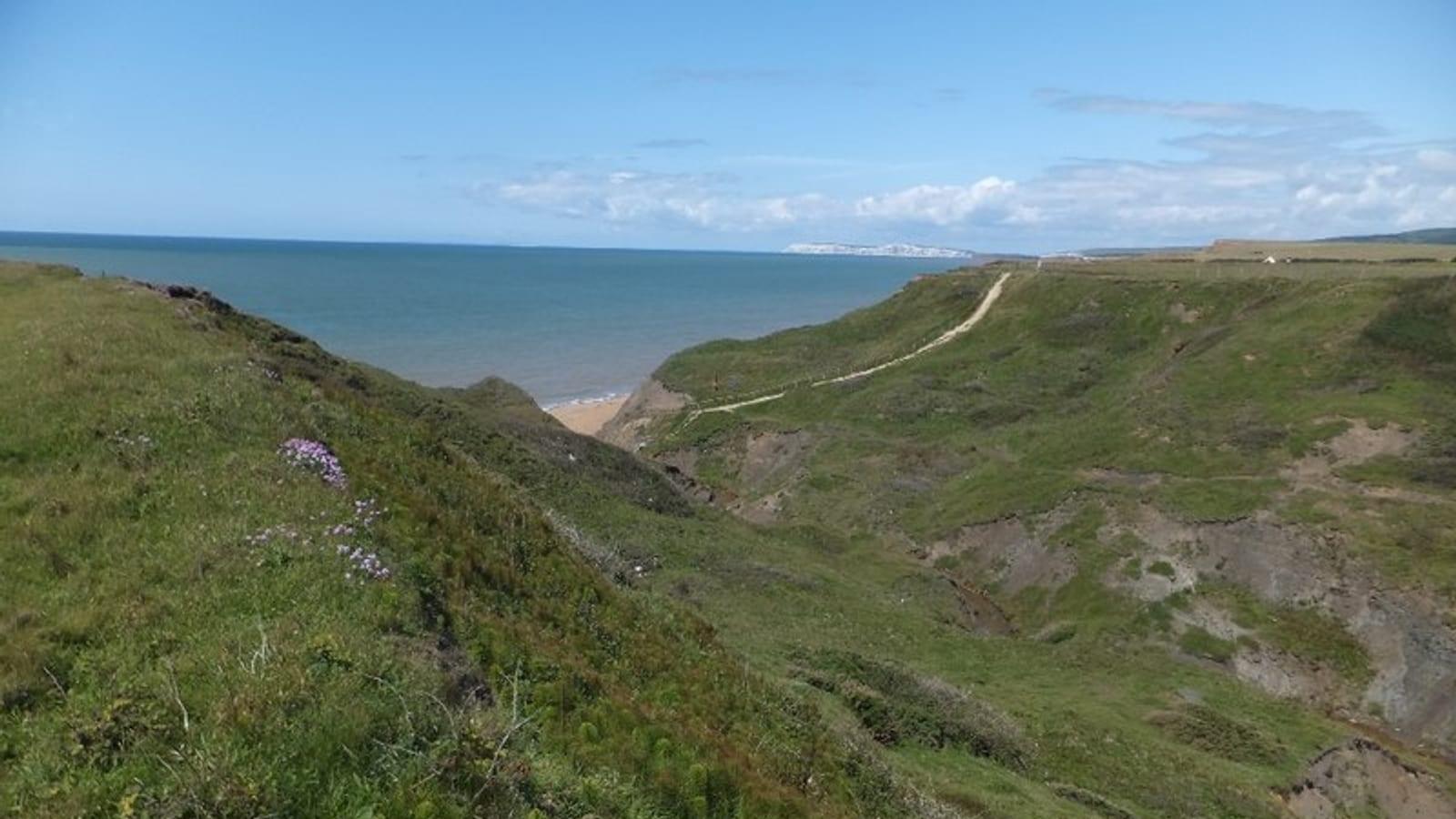
Shepherds Chine Whale Chine Isle of Wight Fossil Hunting Guide
United Kingdom
Shark teeth, Ammonites, Brachiopods
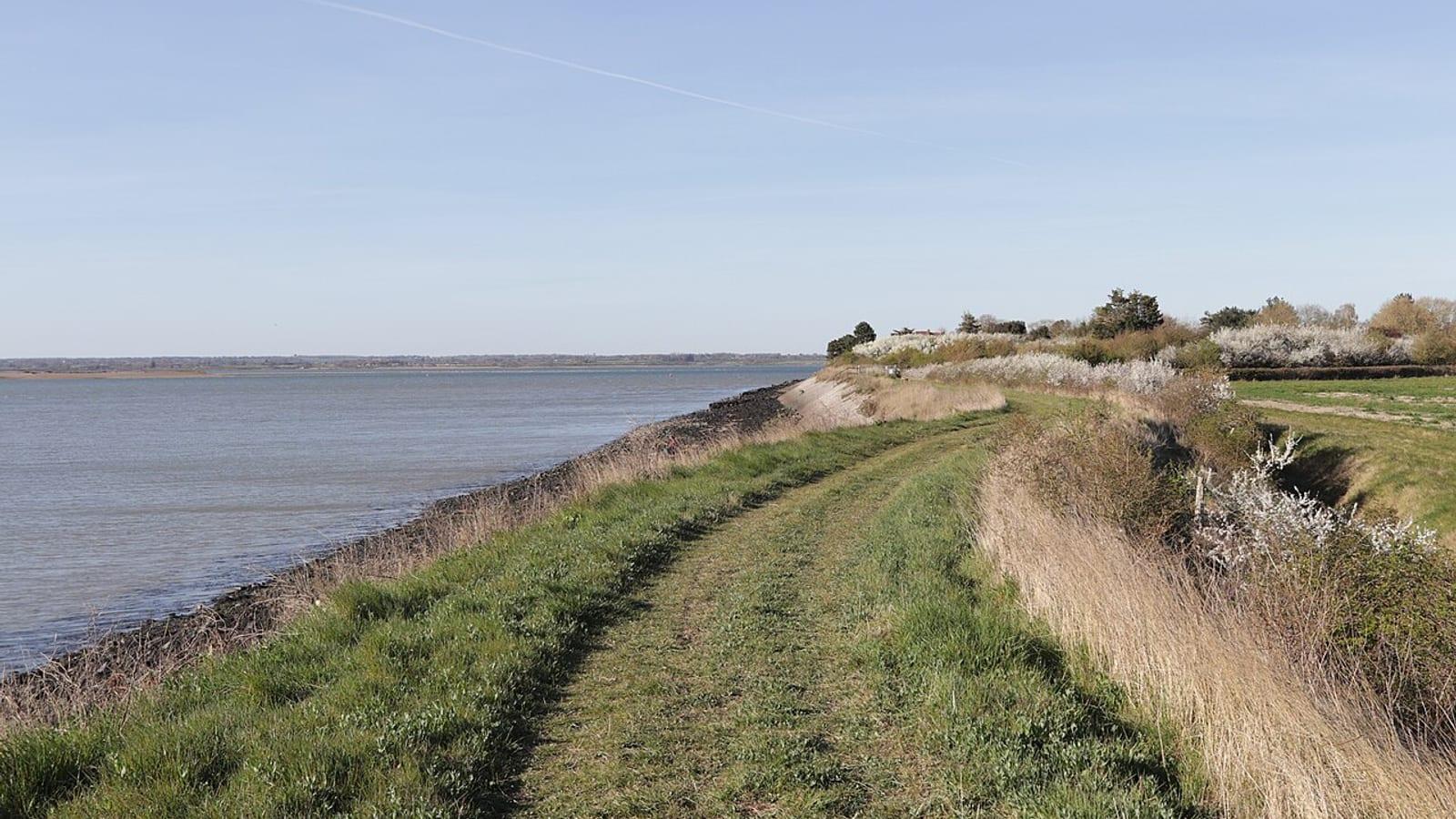
Stansgate Essex London Clay Fossil Hunting Guide
United Kingdom
Phosphatic nodules, Shark teeth, Fish remains, Crustaceans (lobsters and crabs)
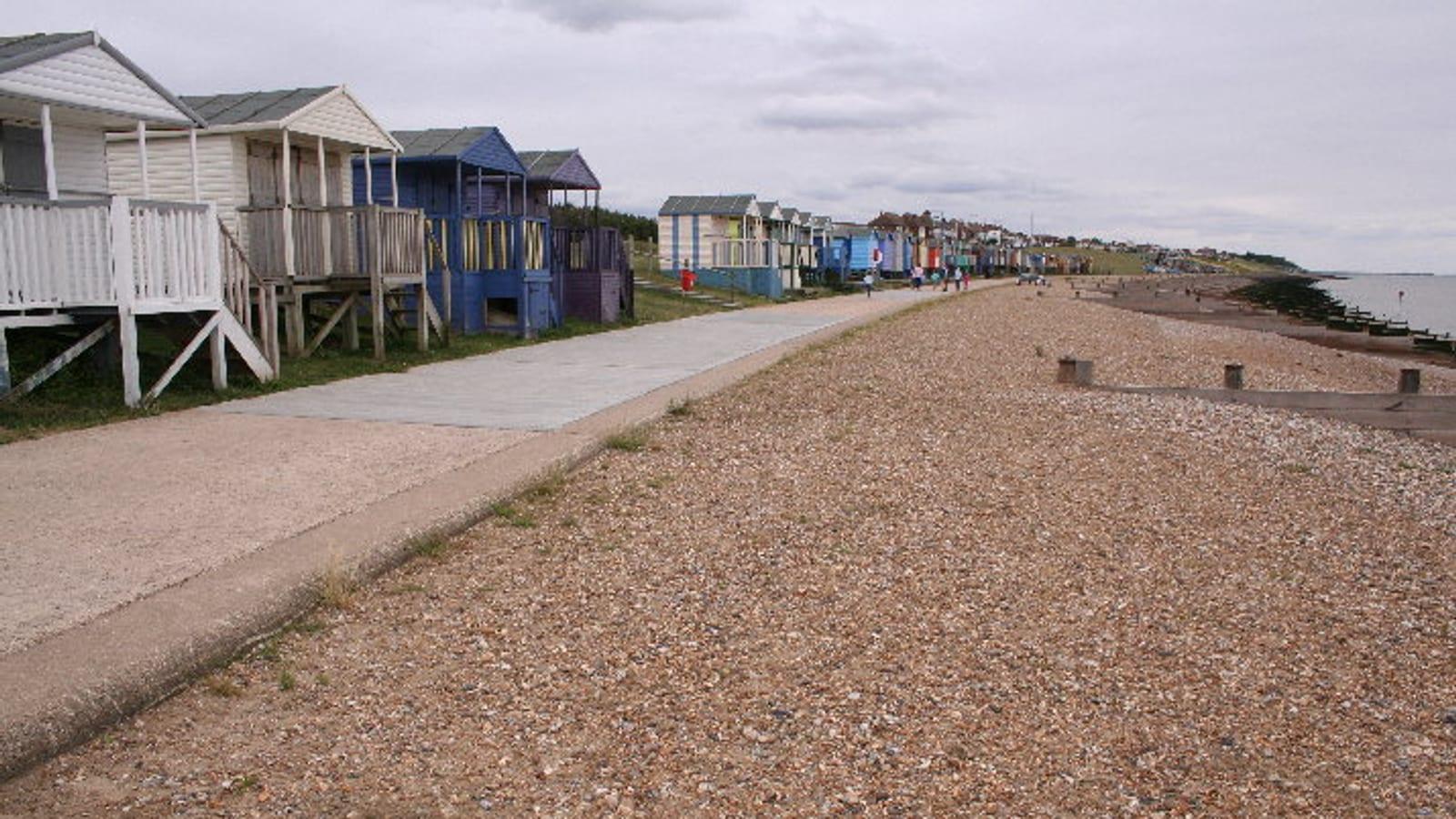
Tankerton Kent Fossil Hunting Guide
Tankerton
Fish remains, Shark Teeth, Fish Vertebrae
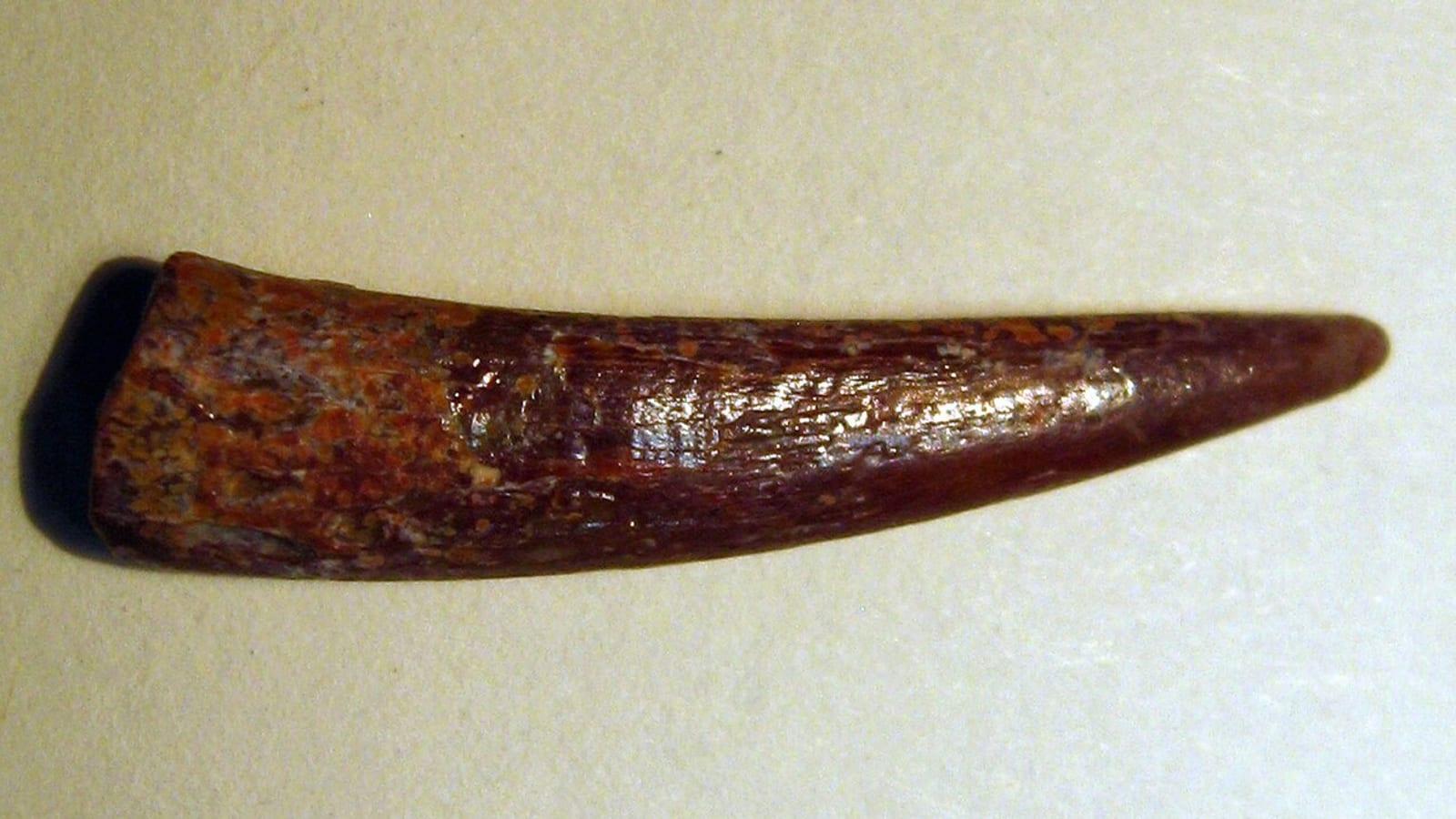
Taouz Cretaceous Fish Fossil Hunting Guide
Morocco
fish teeth, shark teeth, mosasaur remains, Fish teeth
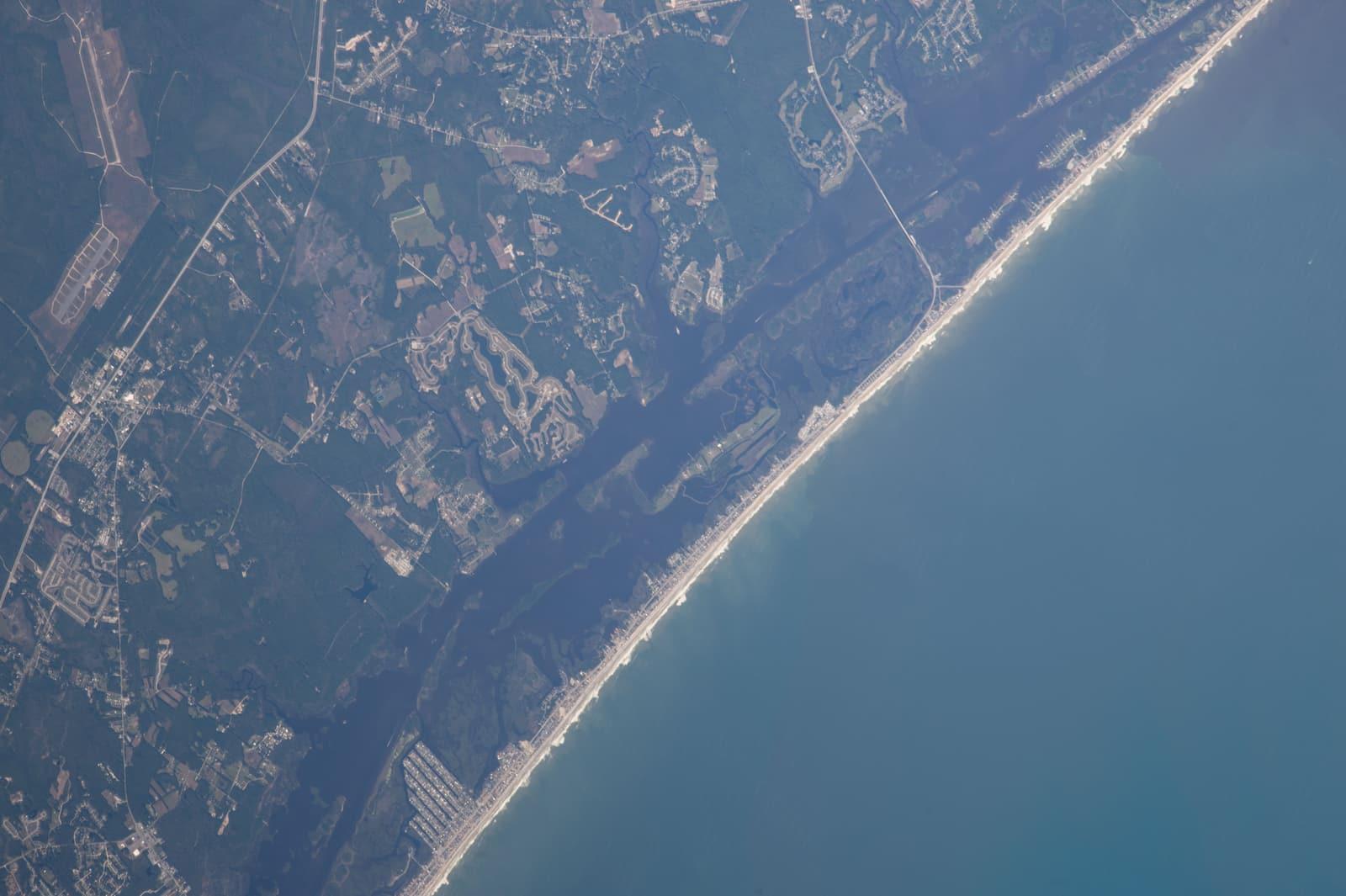
Topsail Beach Fossil Hunting Guide
North Carolina, United States
Shark Teeth, Megalodon teeth, Ray dental plates, Marine shells
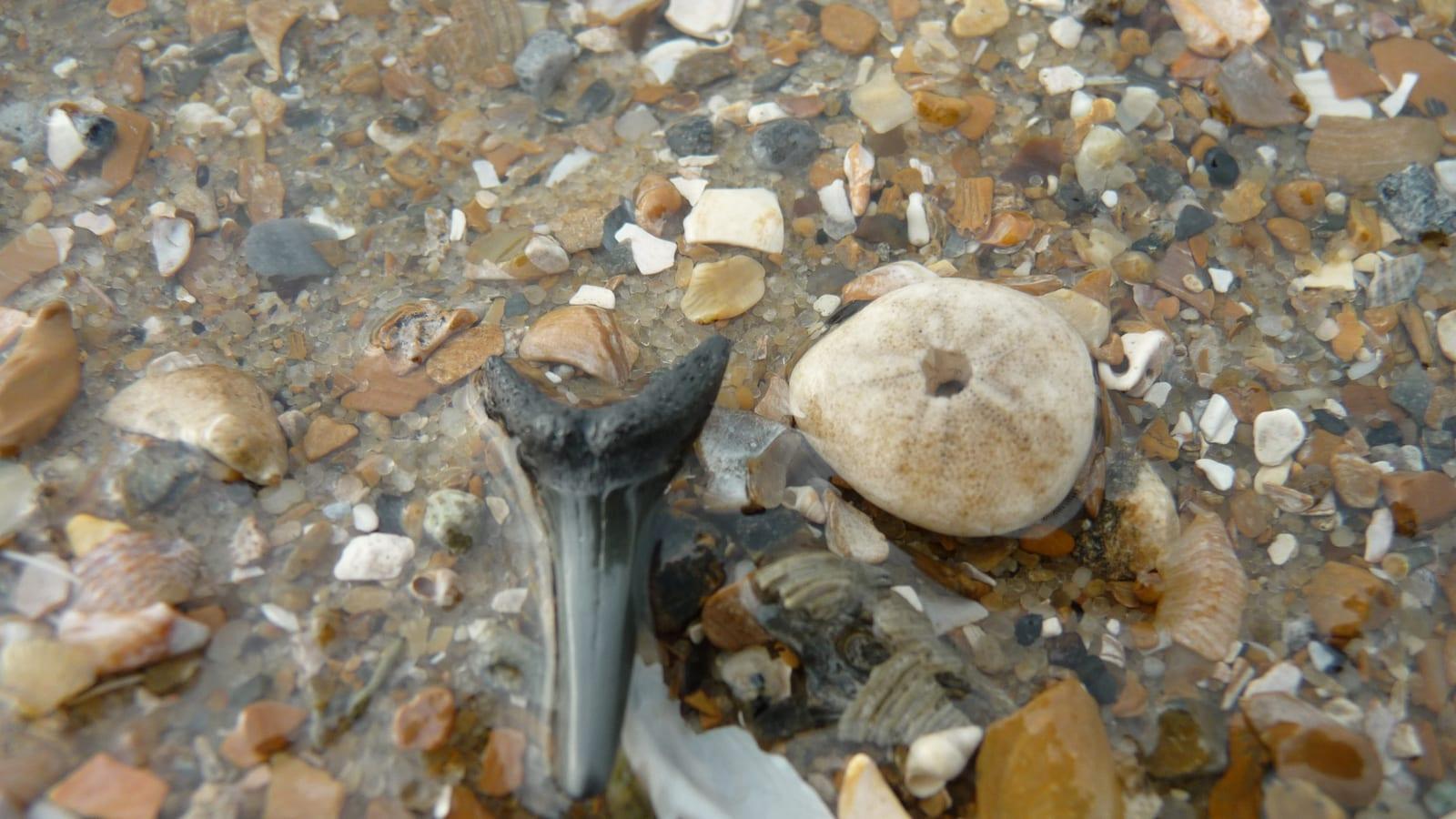
Venice Beach Fossil Hunting Guide
Florida, United States
Shark Teeth, Megalodon, Ray Teeth, Mollusks
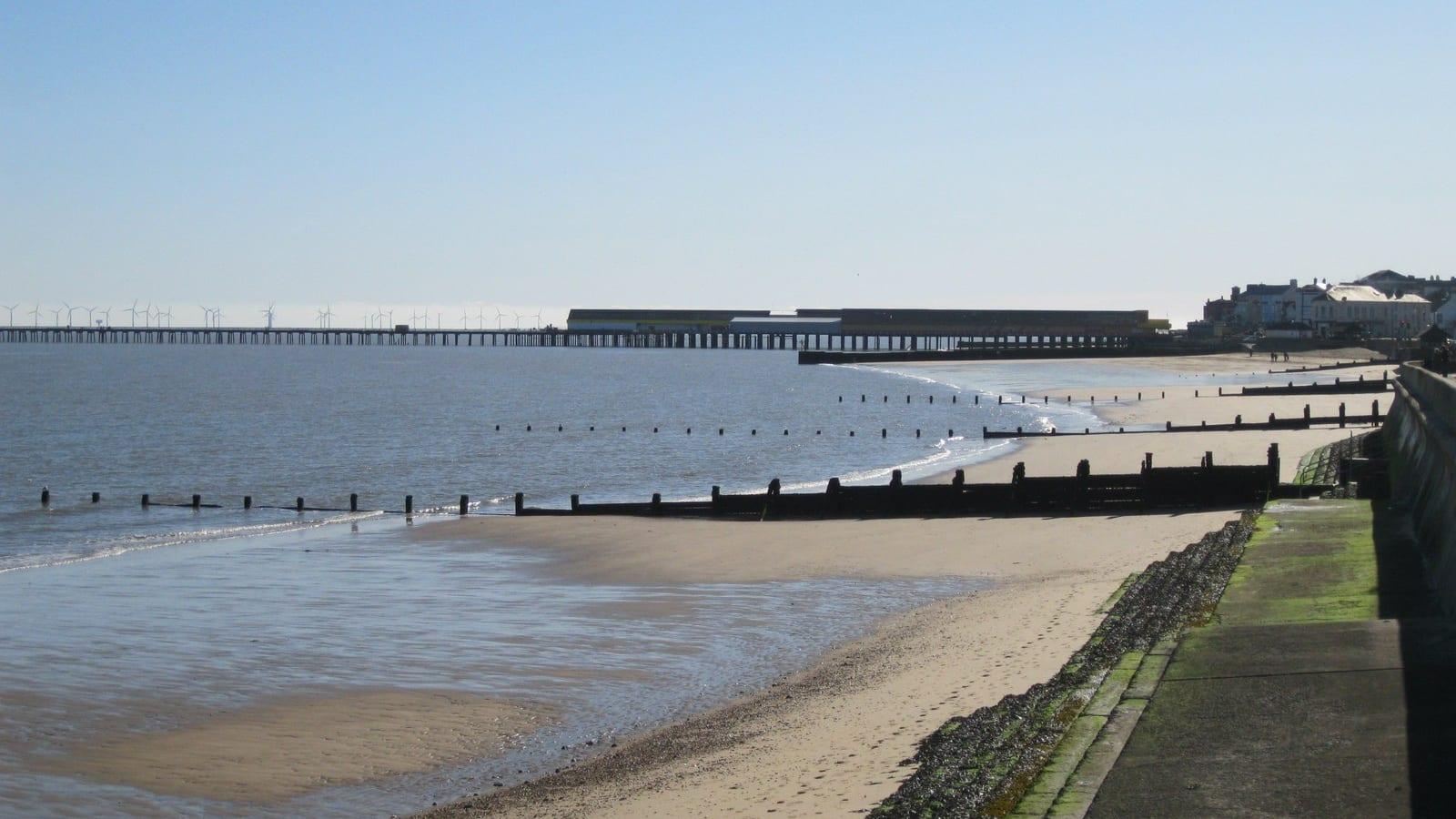
Walton-on-the-Naze Fossil Hunting Guide
England, United Kingdom
shark teeth, pyritised wood, fish bones and vertebrae, Junction Bed
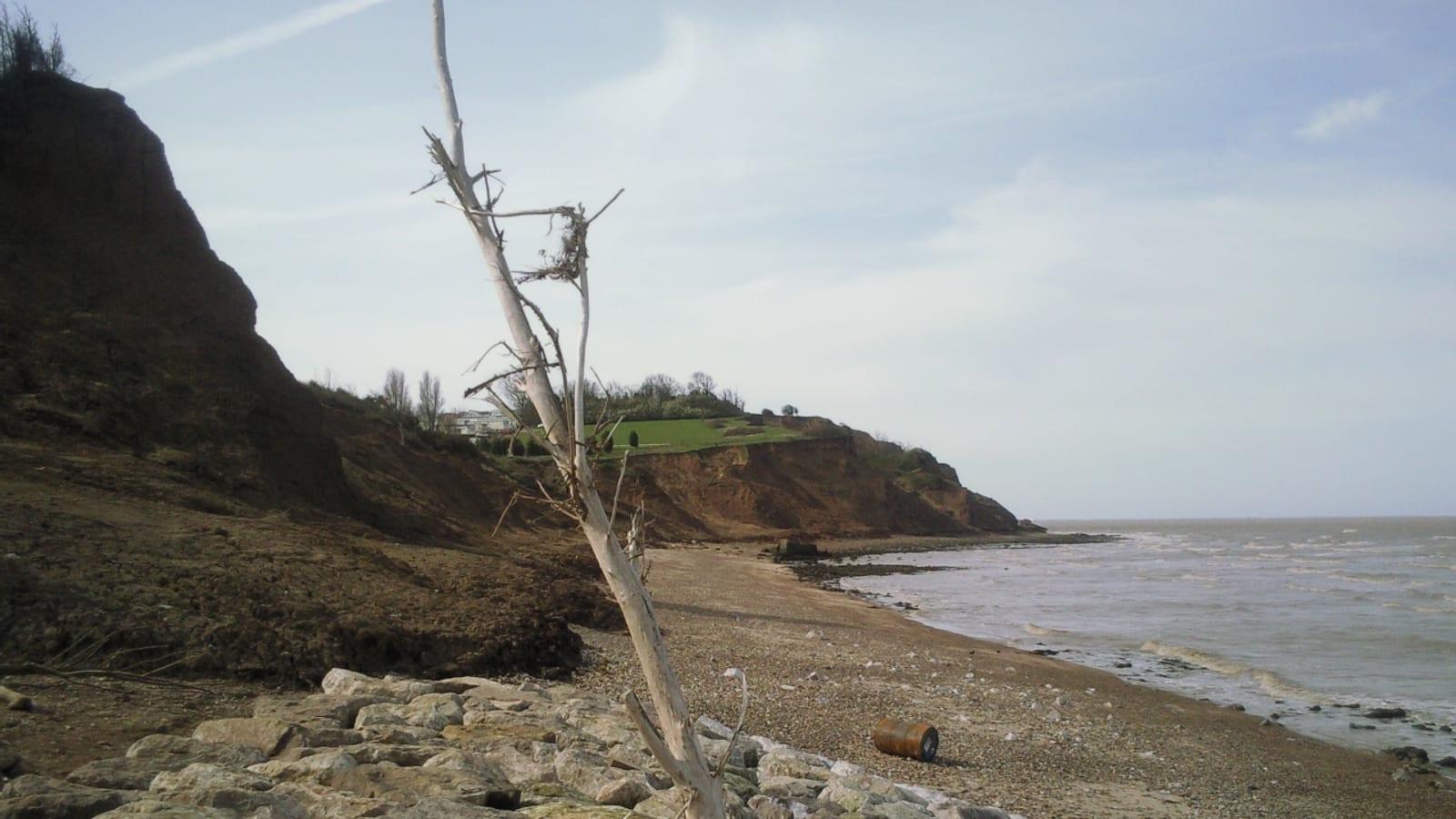
Warden Point Isle of Sheppey Fossil Hunting Guide
United Kingdom
Turtle shell fragments, Shark Teeth, Ray Teeth, Fish Vertebrae
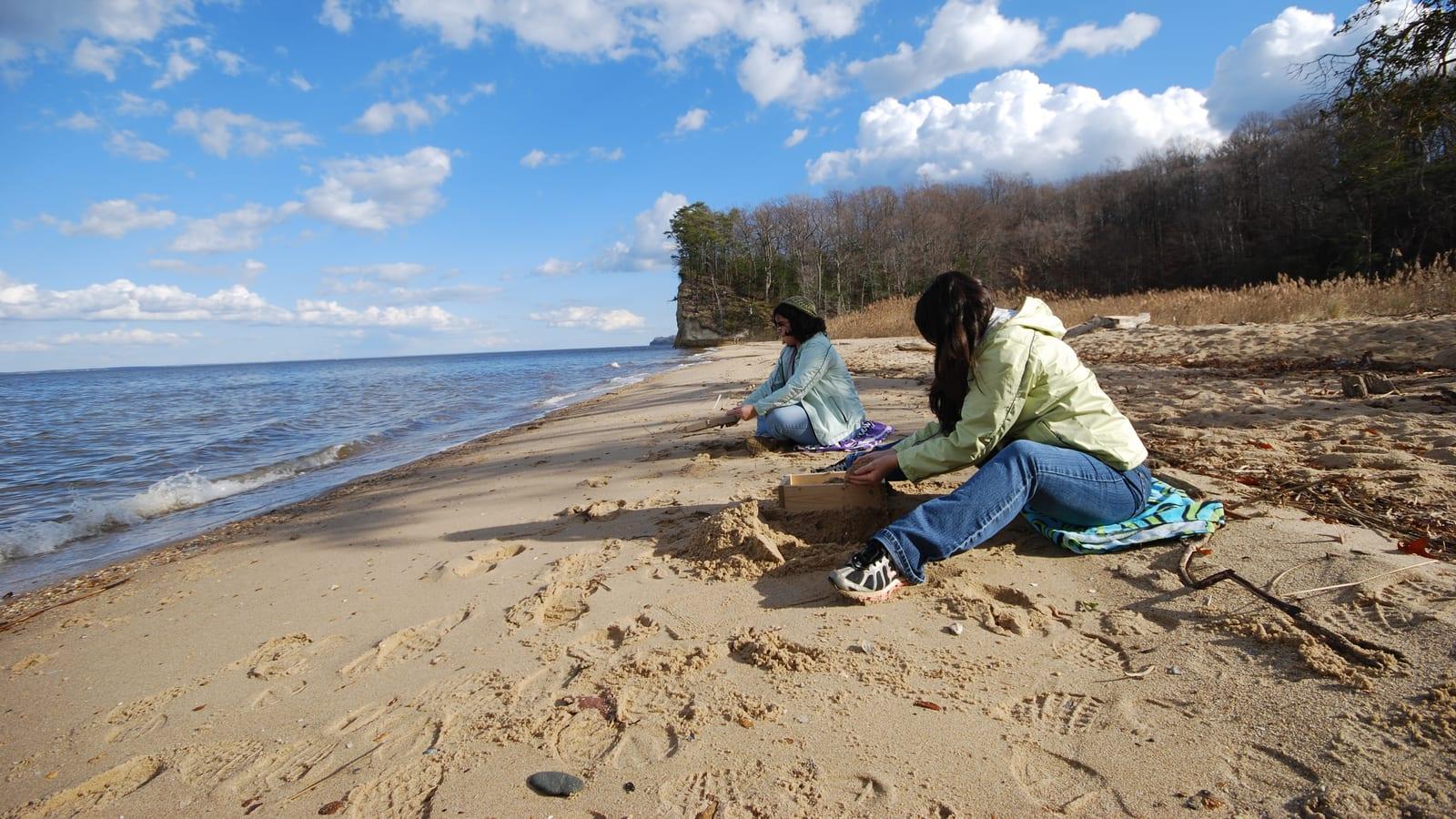
Westmoreland State Park Fossil Hunting Guide
Virginia, United States
Shark Teeth, Bivalves, Gastropods, Marine Mammals
Whiskey Bridge (Stone City Bluff) Fossil Guide
Texas, United States
Gastropods, Bivalves, Shark Teeth, Crabs
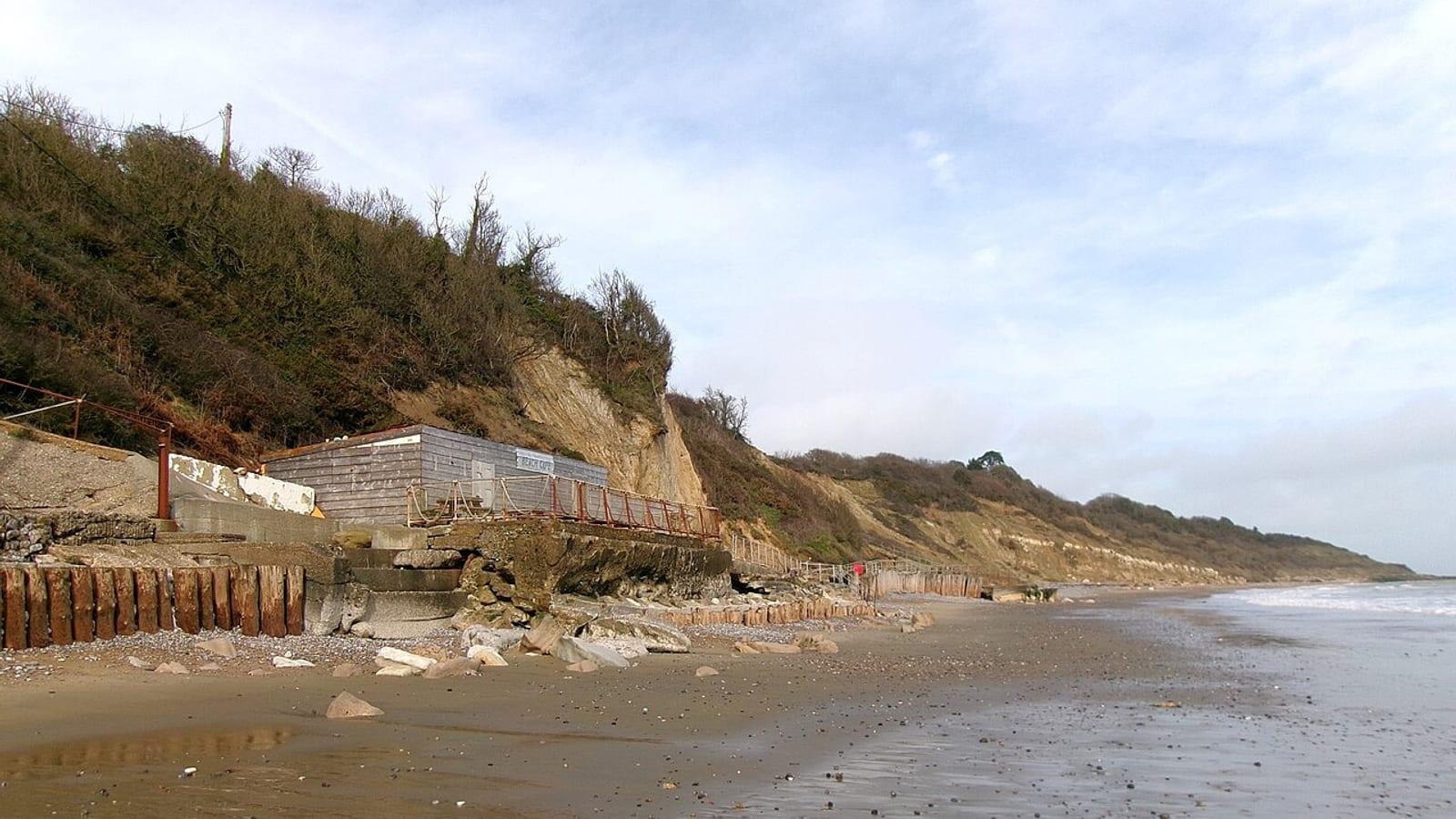
Whitecliff Bay Isle of Wight Fossil Hunting Guide
United Kingdom
shark teeth, turtle remains, bird bones, bivalves and gastropods
Wrightsville Beach Fossil Hunting Guide
North Carolina, United States
Megalodon teeth, Shark Teeth, Ray dental plates, Fossil bone
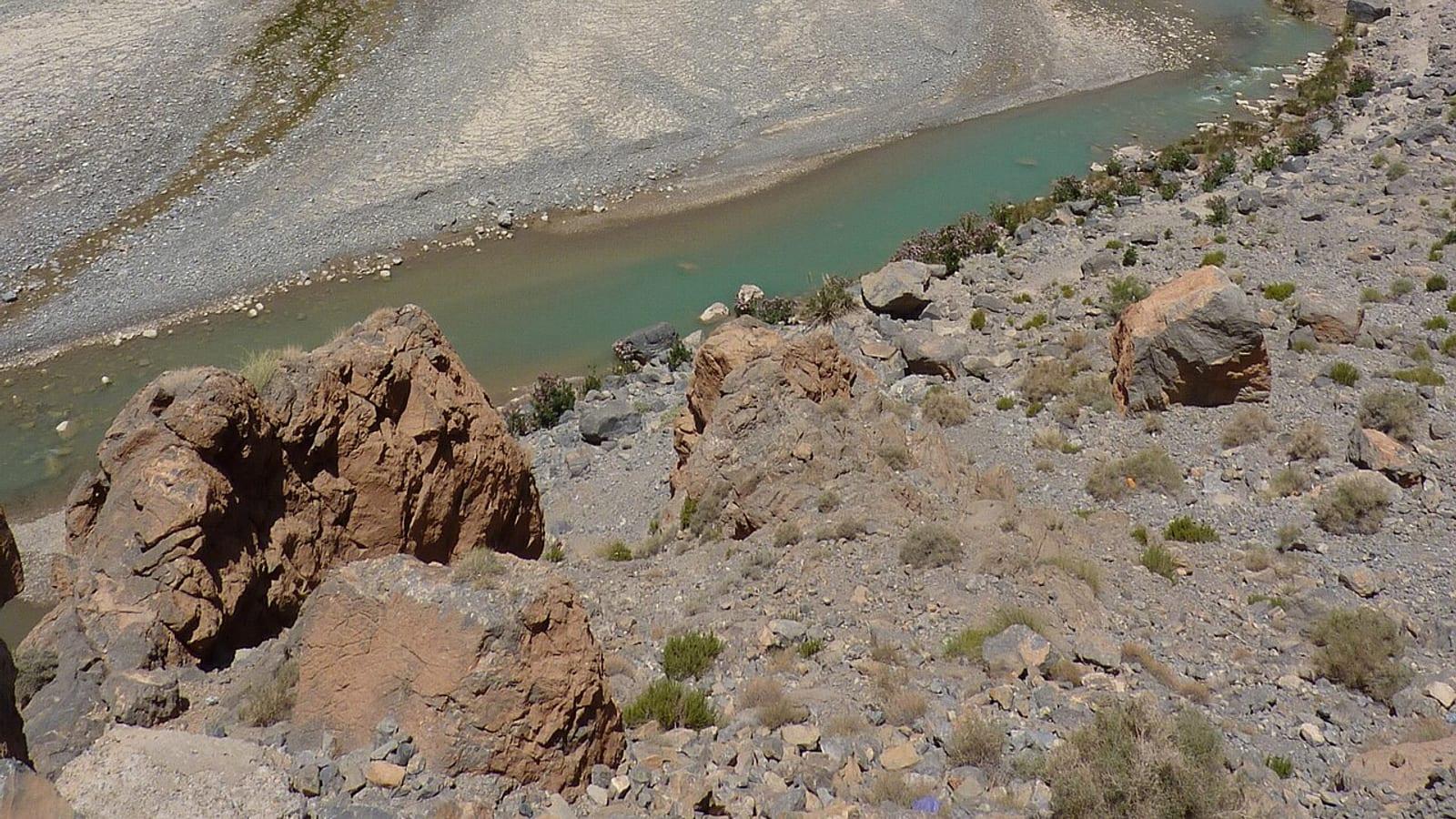
Ziz Gorge Echinoid Site Errachidia Fossil Hunting Guide
Morocco
Micraster echinoids, irregular echinoids, Bivalves, Rudist bivalve
Frequently asked questions
- Where is the best place to find shark teeth?
- The answer depends on what kind of collecting experience you want. Venice Beach and nearby Caspersen Beach in Florida are the easiest entry point: no tools are required, no permit is needed, and the surf continuously brings teeth up from offshore Miocene phosphate beds. The downside is that finds are mostly small carcharhind teeth under 2 centimetres. Calvert Cliffs in Maryland produces a wider range of species from the Miocene Chesapeake Group, including the occasional large tooth, but you earn them: the beach requires a 2-mile hike from the parking lot, and collecting from beach scree takes patience rather than luck. The Peace River system in Florida, between Fort Meade and Arcadia, is the most productive site for variety, yielding Miocene through Pleistocene teeth alongside megafauna bones, but it requires a freshwater collecting permit from the Florida Fish and Wildlife Conservation Commission and the ability to wade and screen river gravel in current.
- How do I know if what I found is a shark tooth?
- Shark teeth have a distinctive shape: triangular to wedge-shaped, with a smooth, dark enamel surface on the crown and a lighter, more textured root below. The enamel is dense and non-porous, which is what makes it survive fossilization so well. Larger teeth from species like Carcharodon or Otodus show fine serrations along the cutting edges, visible to the naked eye. The root is typically broader than the crown, bifurcated in many species, and has a distinctly different texture from the crown. To distinguish a tooth from bone: bone is porous and irregular, with visible cancellous structure inside any break. To distinguish from rock: rock has a uniform texture throughout and lacks a root structure. A fossil shark tooth is always denser and smoother on the crown than anything else you will pick up on the same beach.
- Are megalodon teeth common at Venice Beach?
- No, and it is worth being accurate about this before you go. Venice Beach produces abundant shark teeth, but the great majority are carcharhind teeth from species like Carcharhinus and Hemipristis, typically 1 to 2 centimetres long. These are the teeth most visitors find and take home. Megalodon (Otodus megalodon) teeth do occur in the offshore Miocene beds that feed the beach, and fragments wash up occasionally. Complete megalodon teeth over 3 inches are uncommon finds at Venice and are more often found at river or offshore dive sites where the Miocene beds are more directly exposed. If you visit Venice Beach expecting to find a 4-inch megalodon tooth in the surf, you are likely to be disappointed. If you visit expecting to fill a small bag with genuine fossil shark teeth from multiple species, you will almost certainly succeed.
- What age are shark teeth fossils?
- It depends entirely on the site. Venice Beach teeth erode from Miocene marine phosphate beds deposited roughly 5 to 23 million years ago. Calvert Cliffs teeth come from the Miocene Chesapeake Group, approximately 10 to 20 million years old. The Peace River in Florida yields material spanning the Miocene through the Pleistocene, with some teeth being only 10,000 to 2 million years old. Shark teeth survive this long because the enamel is made of fluorapatite, a highly durable mineral that resists dissolution and can persist in sediment for tens of millions of years. Over time the original enamel is typically replaced by minerals from the surrounding sediment, which is why fossil teeth are almost always darker than modern white teeth. The color varies by site and reflects the local mineral chemistry rather than the age of the tooth.
- Can I keep shark teeth I find on the beach?
- Yes, at most public beaches in the United States. Florida public beaches, the Maryland foreshore below Calvert Cliffs, and most US coastal public land allow recreational collection of fossil shark teeth for personal use. No permit is required at Venice Beach, Caspersen Beach, or Calvert Cliffs State Park. The rules change in a few specific situations. The Peace River requires a freshwater collecting permit from the Florida Fish and Wildlife Conservation Commission before you enter the water to screen gravel. On Florida state submerged lands, which includes many river and offshore areas, the rules for collecting vertebrate fossils are more restrictive and worth checking before you wade in. Federal land is governed by the Paleontological Resources Preservation Act, which permits casual surface collection of reasonable quantities of common invertebrate fossils but treats vertebrate fossils differently. Shark teeth, as vertebrate fossils, occupy a grey area on federal land: check the specific site's rules before collecting.