Fossil type
Where to find ammonites
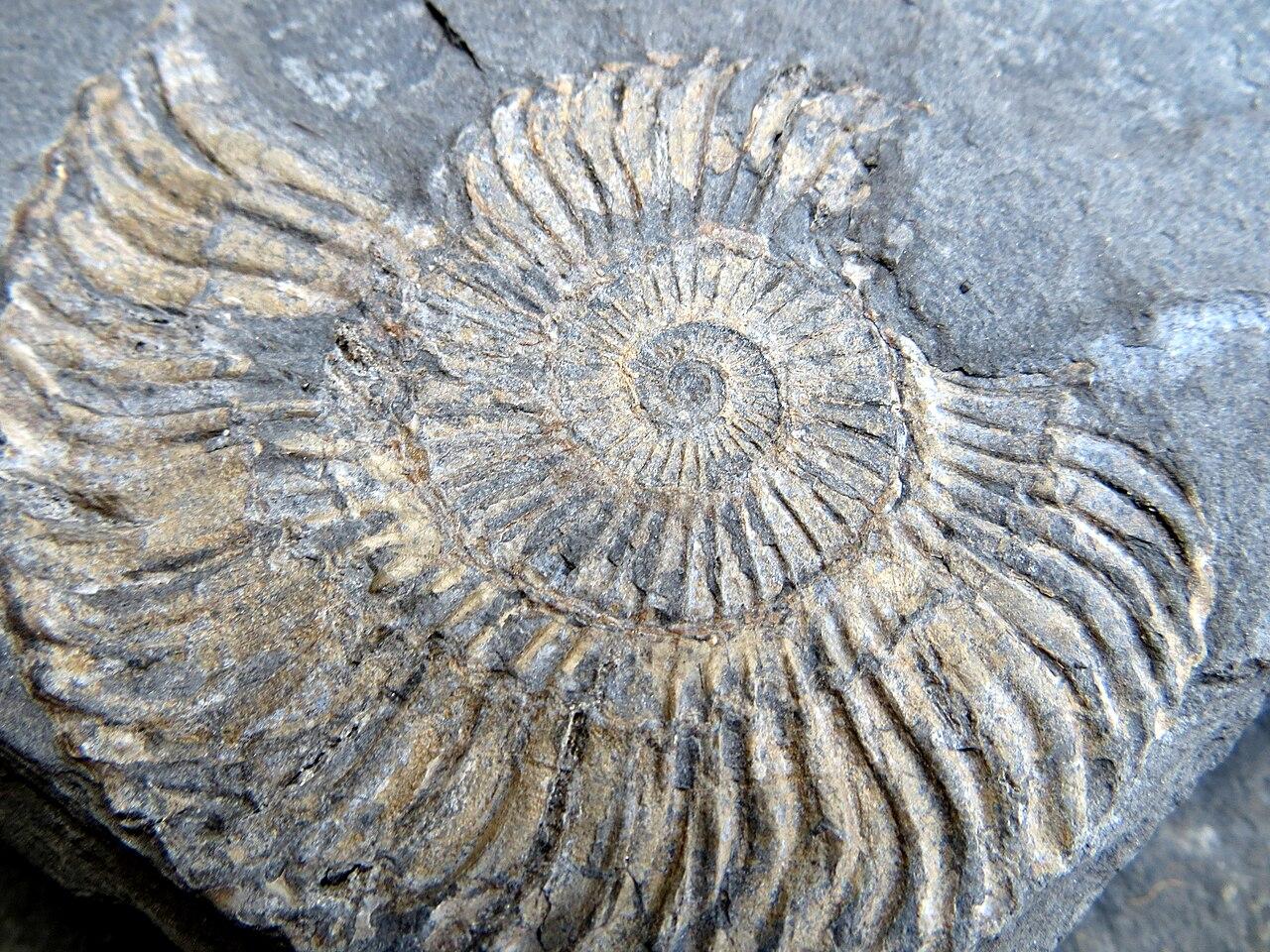
Ammonites are extinct shelled cephalopods that swam the seas from the Devonian until the end of the Cretaceous. Their coiled, often beautifully preserved shells are among the most recognizable fossils in any collection. Best collected on the Jurassic Coast (UK), in southern Germany, and in Morocco.
57 fossil sites
Updated 4 August 2026
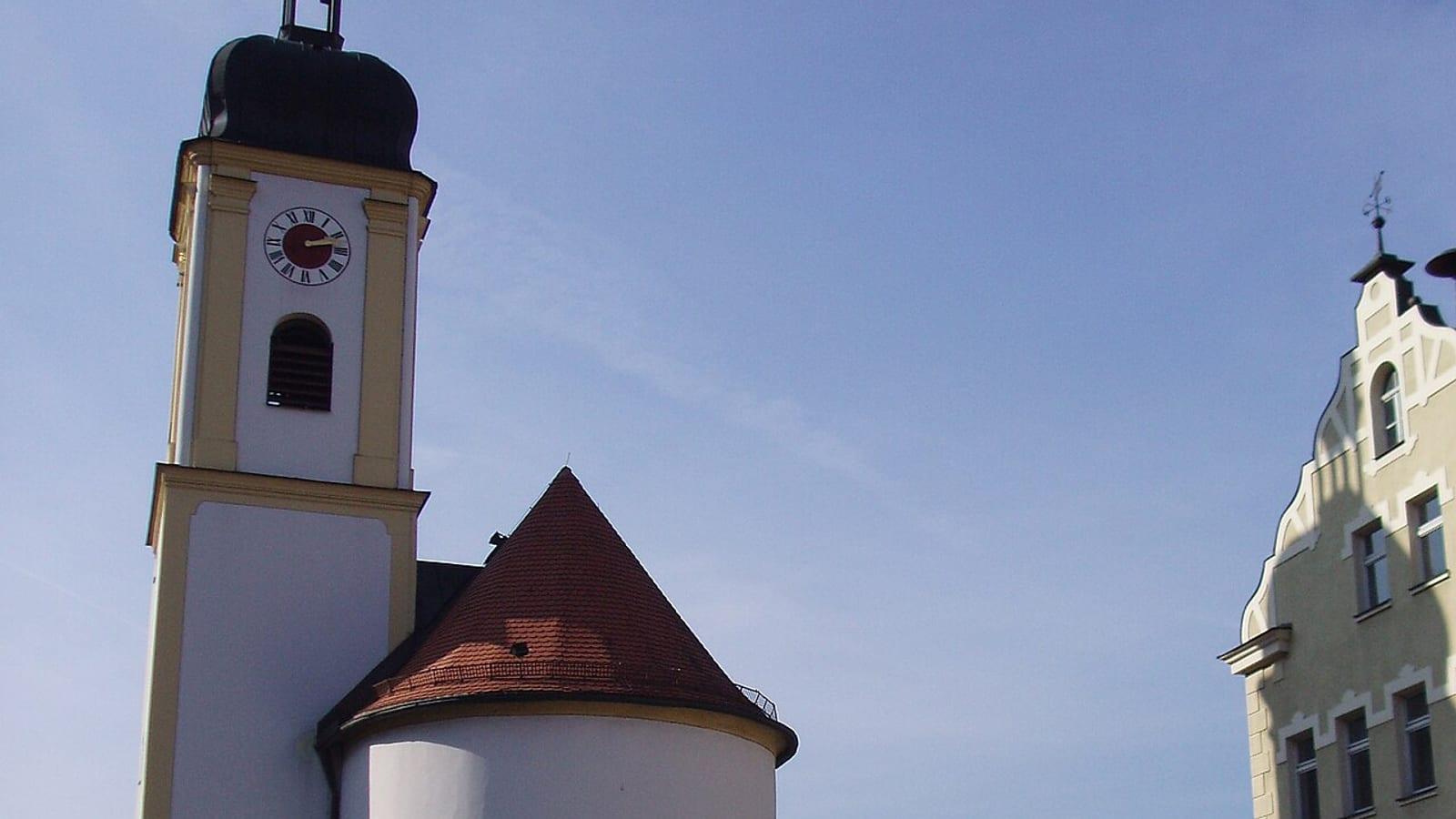
Altmannstein Schamhaupten Archaeopteryx Fossil Hunting Guide
Germany
Archaeopteryx, Ammonites, Fish, Crinoids
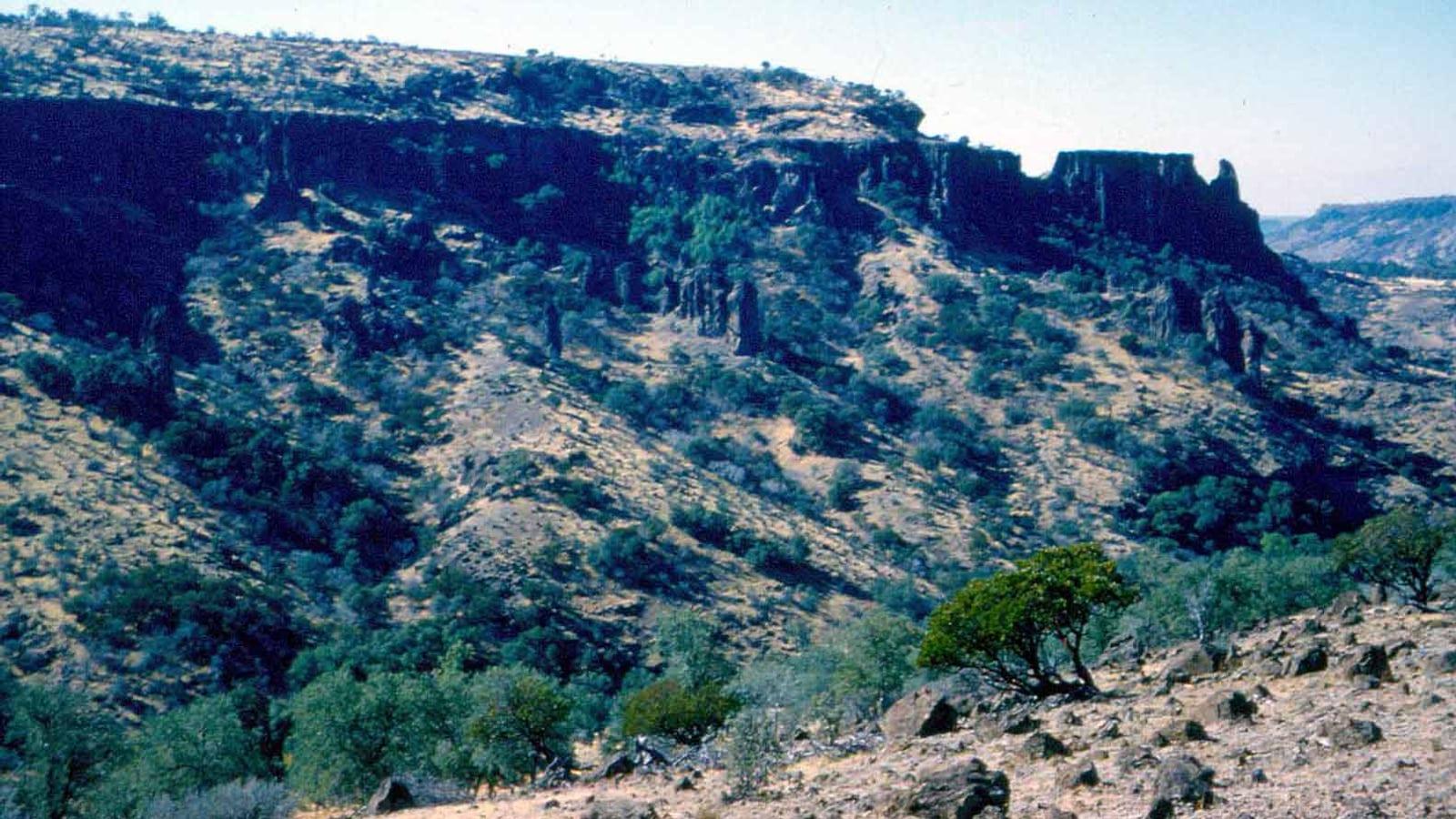
Antelope Creek Fossil Hunting Guide
Tehama County, California, United States
Ammonites, Bivalves, Gastropods
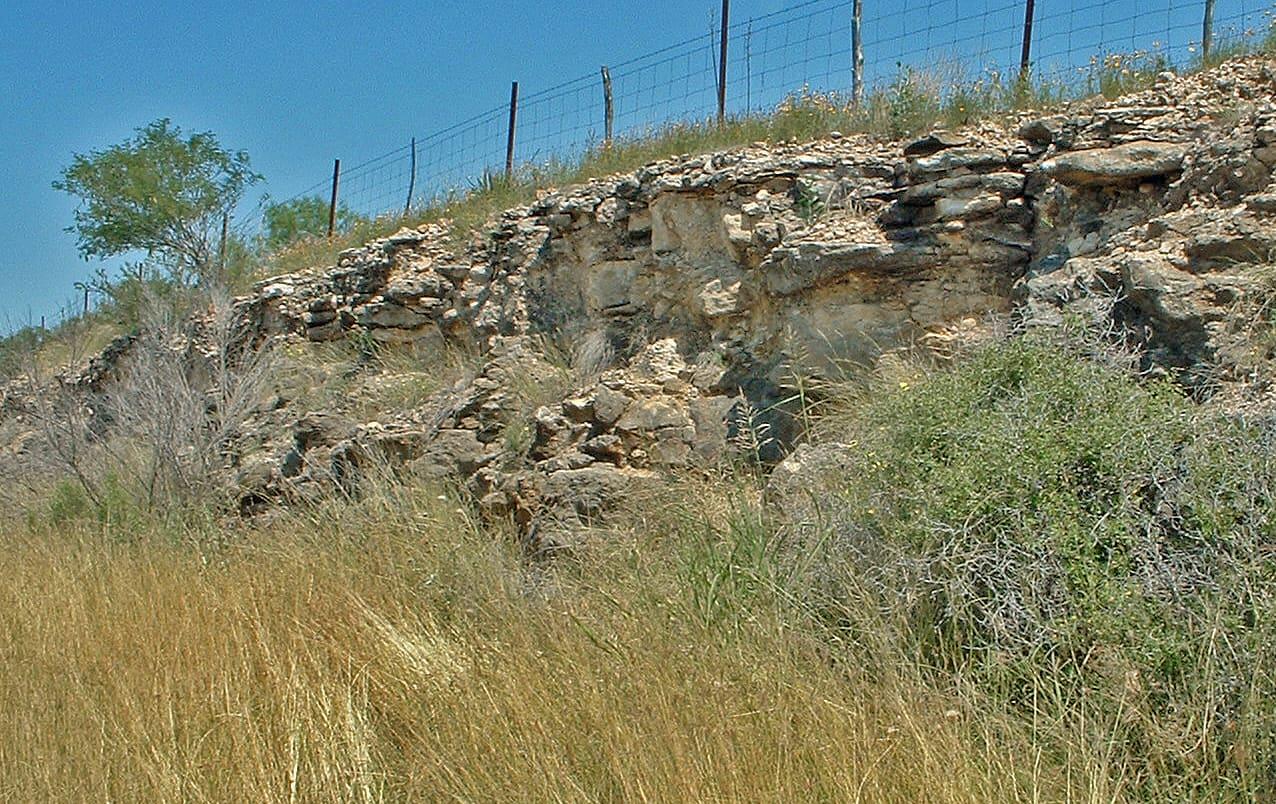
Austin Chalk Roadcuts Fossil Hunting Guide
Texas, United States
Ammonites, Inoceramus clams, Oysters, Sea urchins
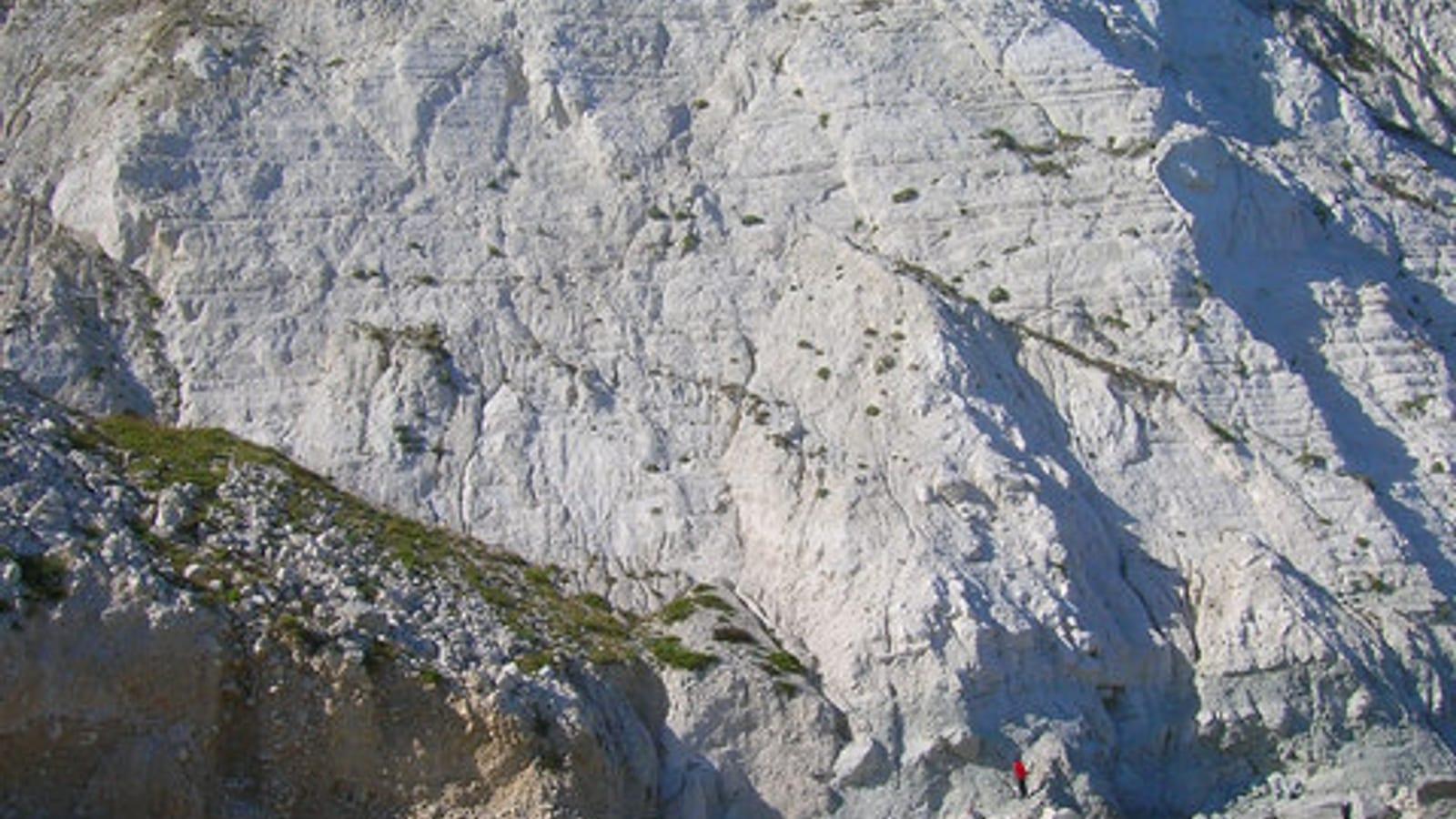
Beachy Head Fossil Hunting Guide
England, United Kingdom
Echinoids (sea urchins), Flint sponges, Bivalves, Brachiopods
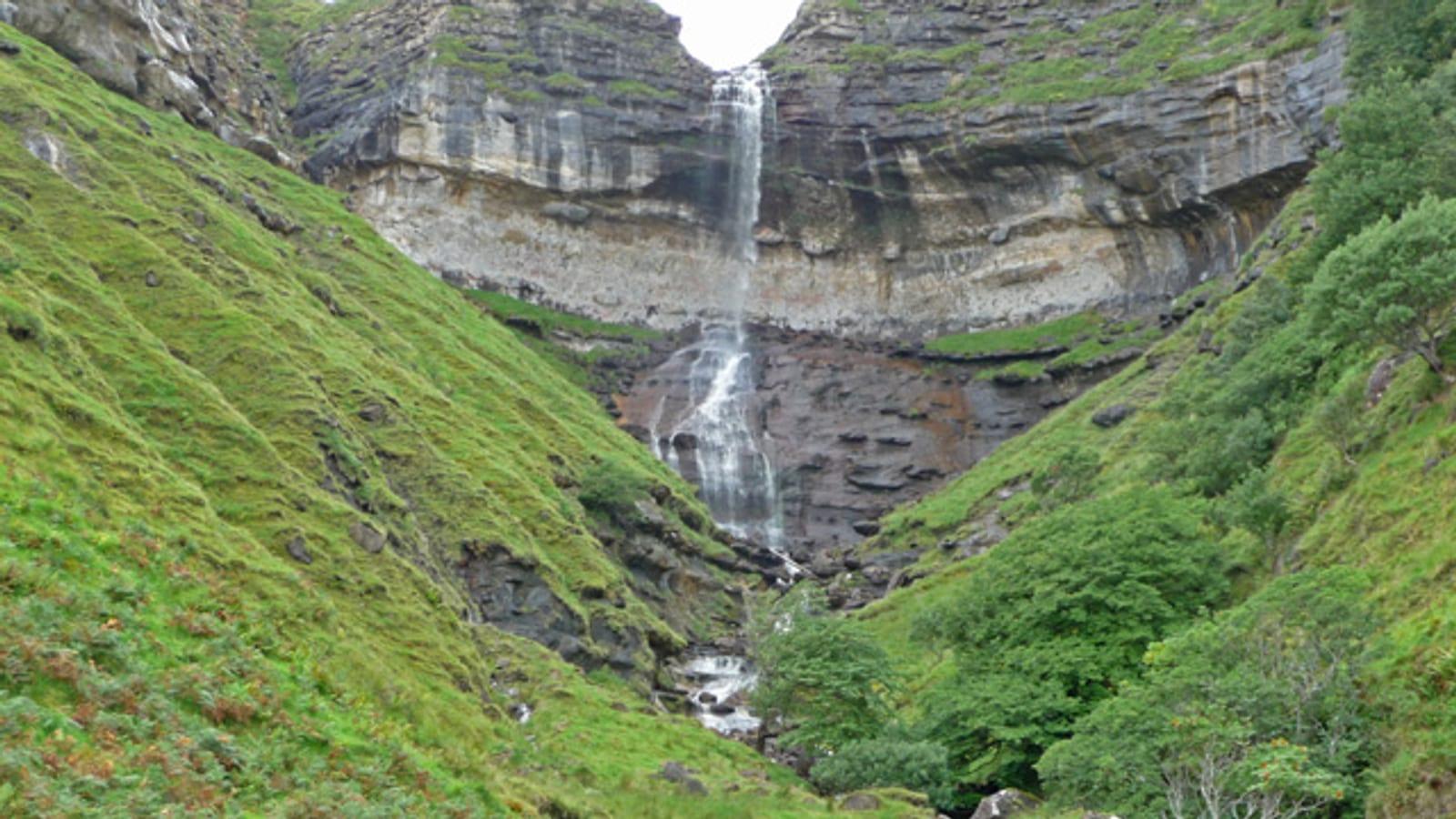
Bearreraig Bay Isle of Skye Fossil Hunting Guide
United Kingdom
ammonites, Tmetoceras, bivalves, brachiopods
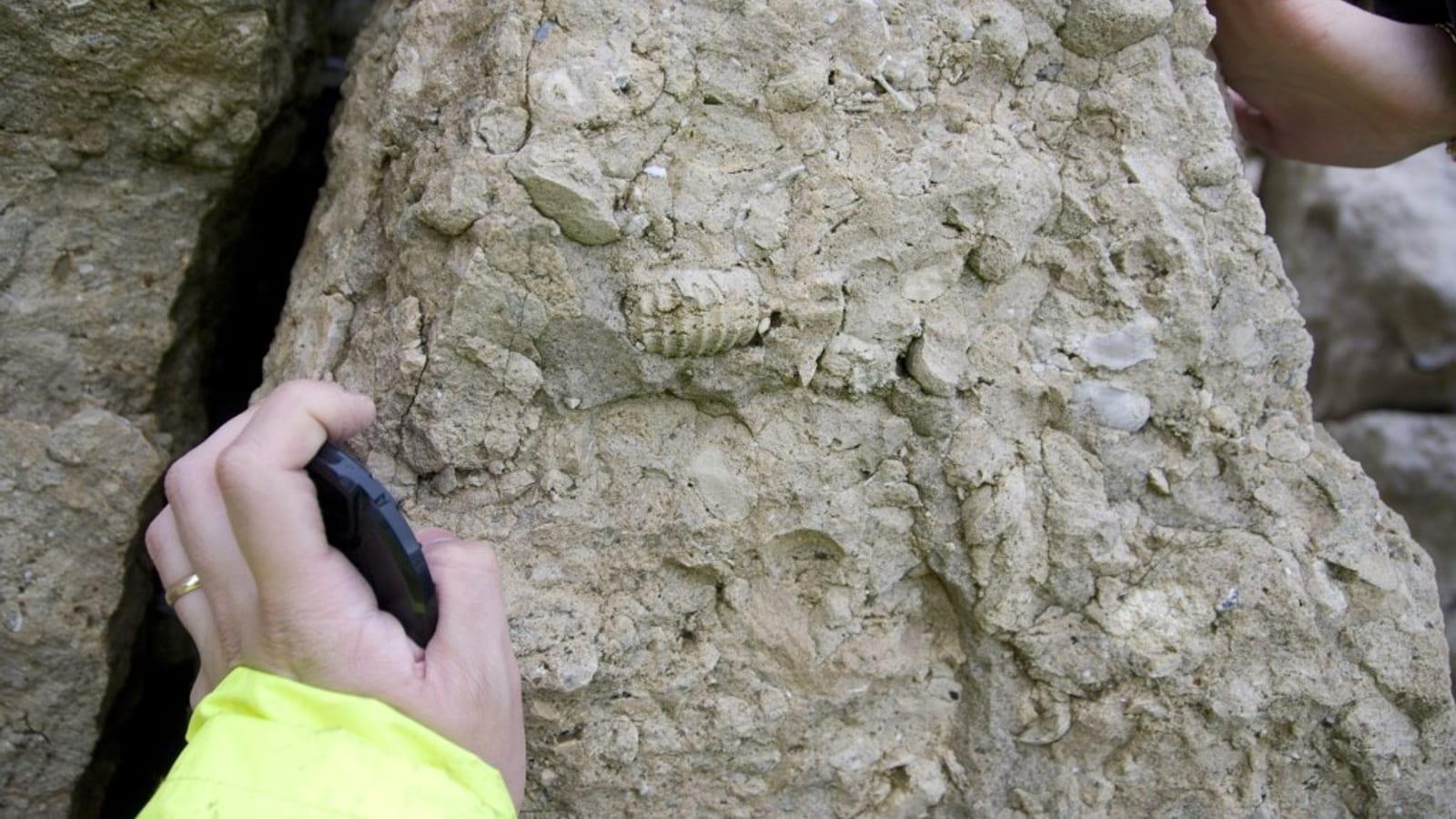
Beer Head Fossil Hunting Guide
England, United Kingdom
Ammonites, Echinoids, Brachiopods, Bivalves
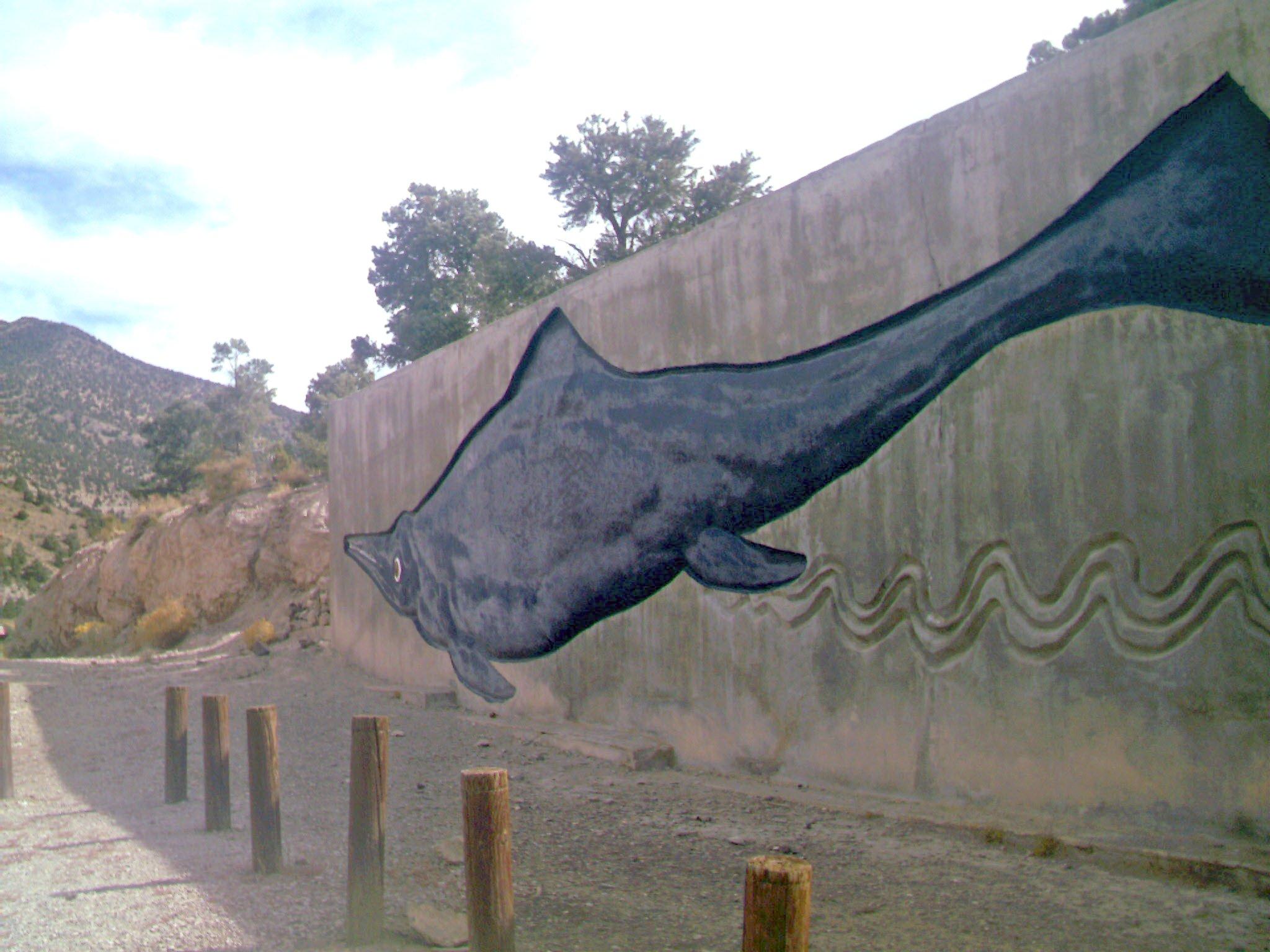
Berlin-Ichthyosaur State Park Fossil Hunting Guide
Nevada, United States
Shonisaurus popularis (giant ichthyosaur), Ammonites, Bivalves
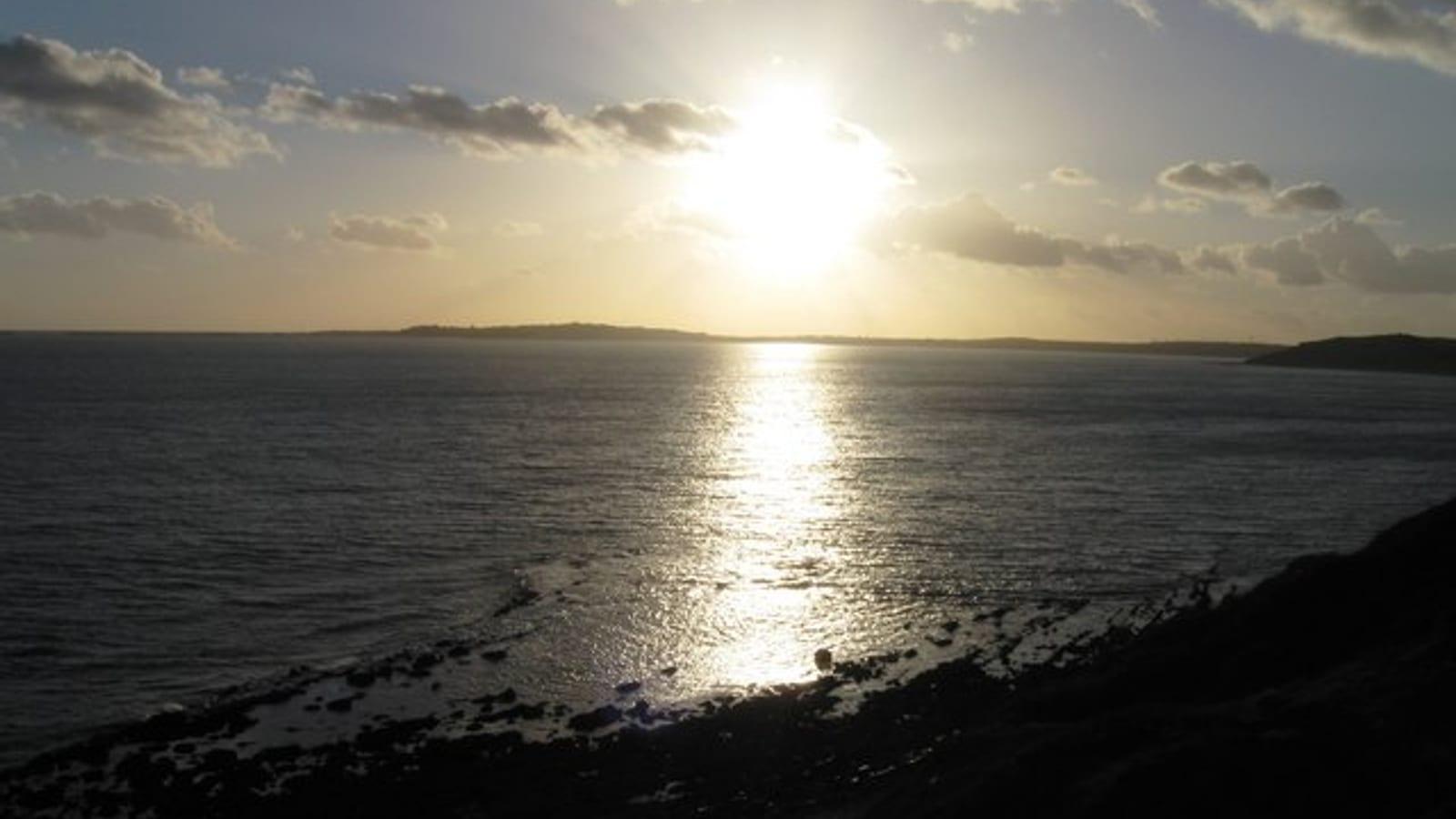
Black Head Osmington Fossil Hunting Guide
near Weymouth
Ammonites, Belemnites, Bivalves, Marine reptile fragments
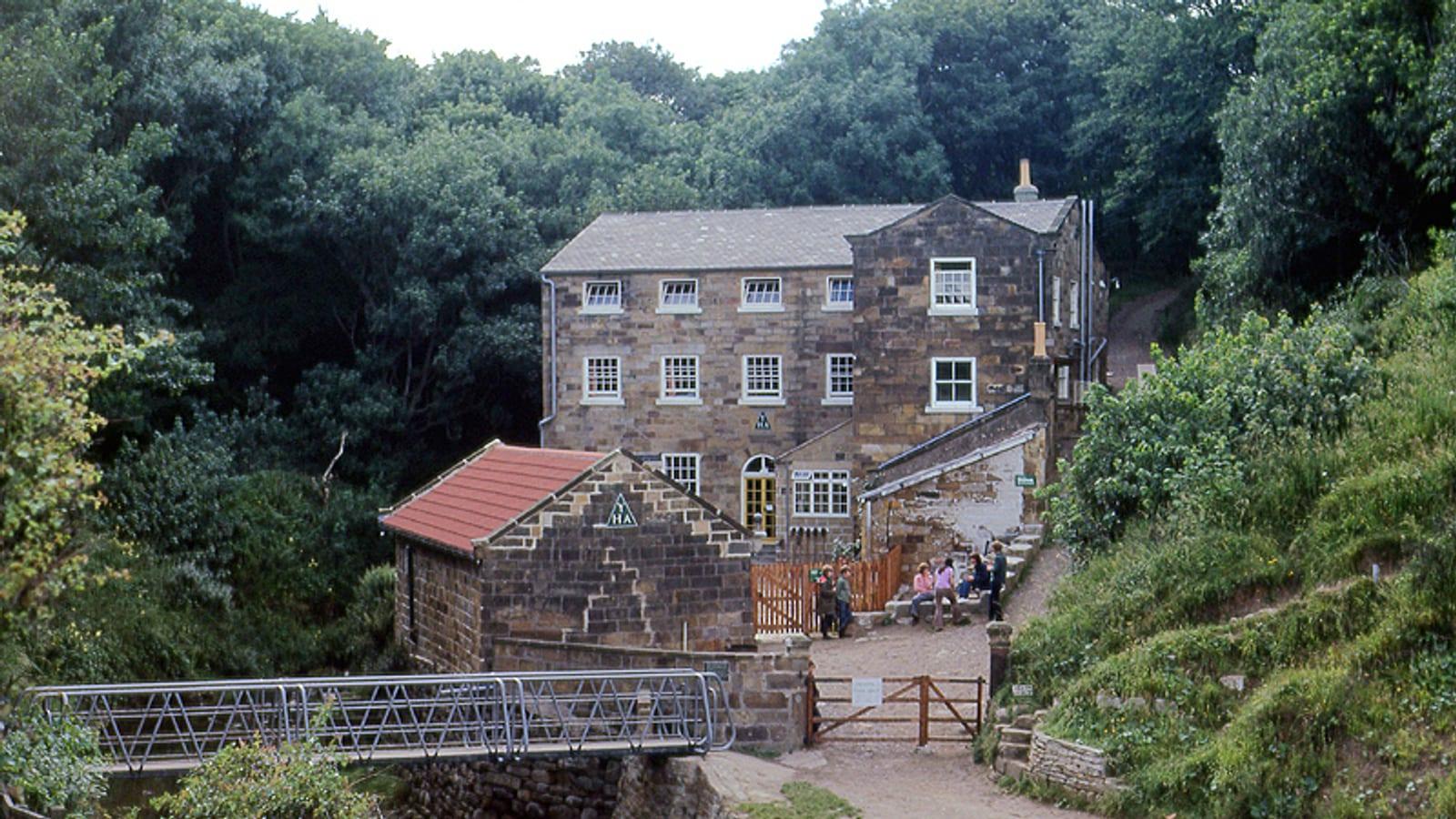
Boggle Hole Fossil Hunting Guide
near Whitby
Trace fossils, Ammonites, Bivalves, Belemnites
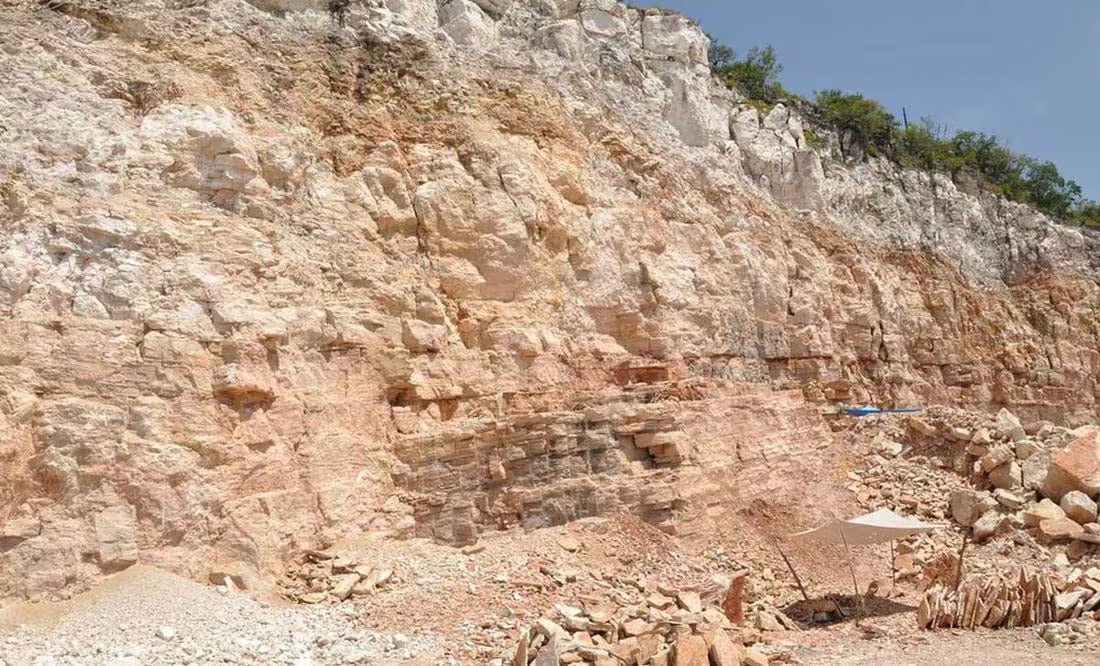
Cantera Tlayúa Fossil Quarry Guide
Puebla, Mexico
Teleost fish, Ammonites, Arthropods, Reptiles
Cayton Bay Yorkshire Fossil Hunting Guide
United Kingdom
Ammonites, Bivalves, Gastropods, Brachiopods
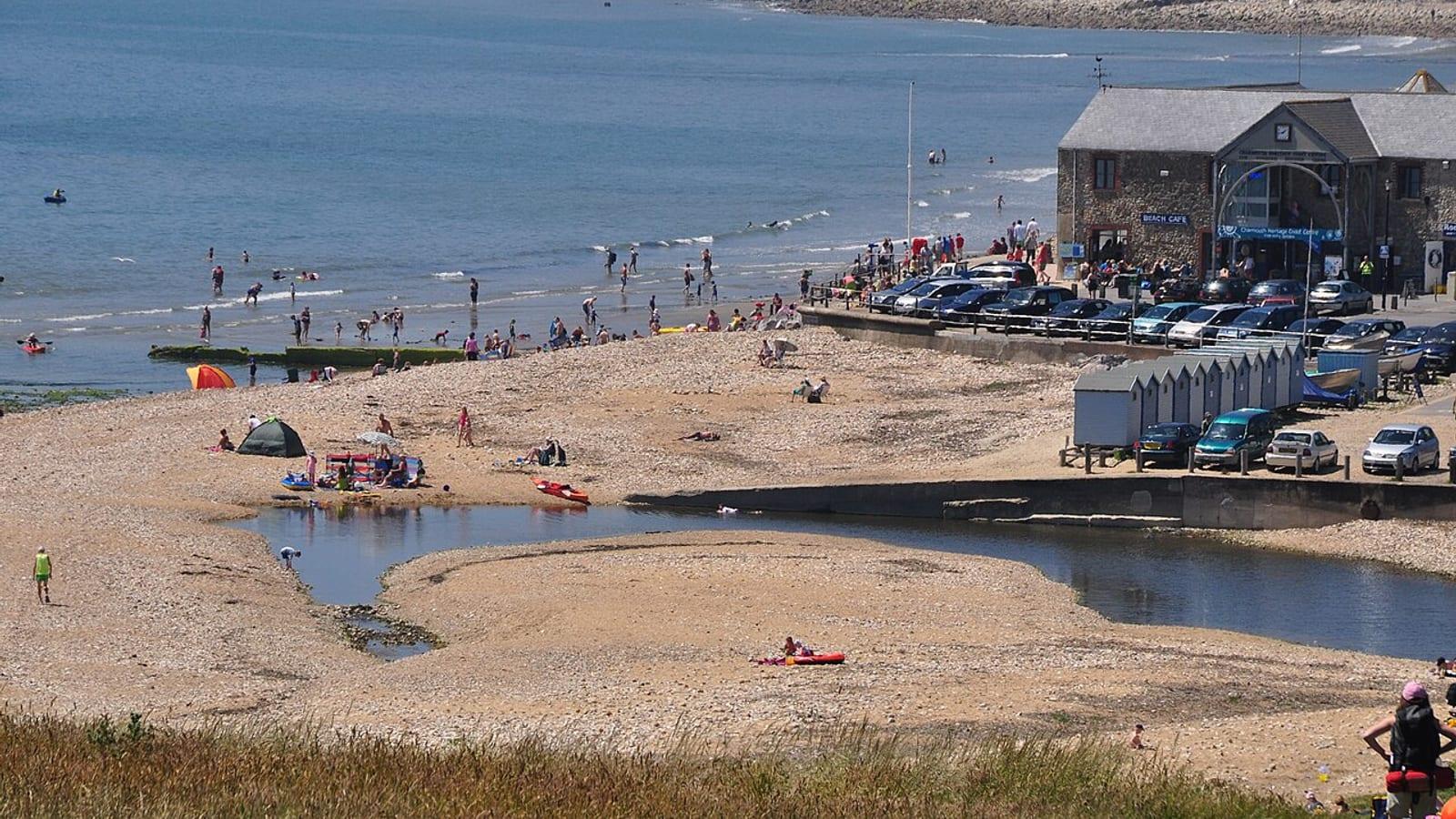
Charmouth Beach Fossil Hunting Guide
Charmouth
Ammonites, Belemnites, Bivalves, Crinoid
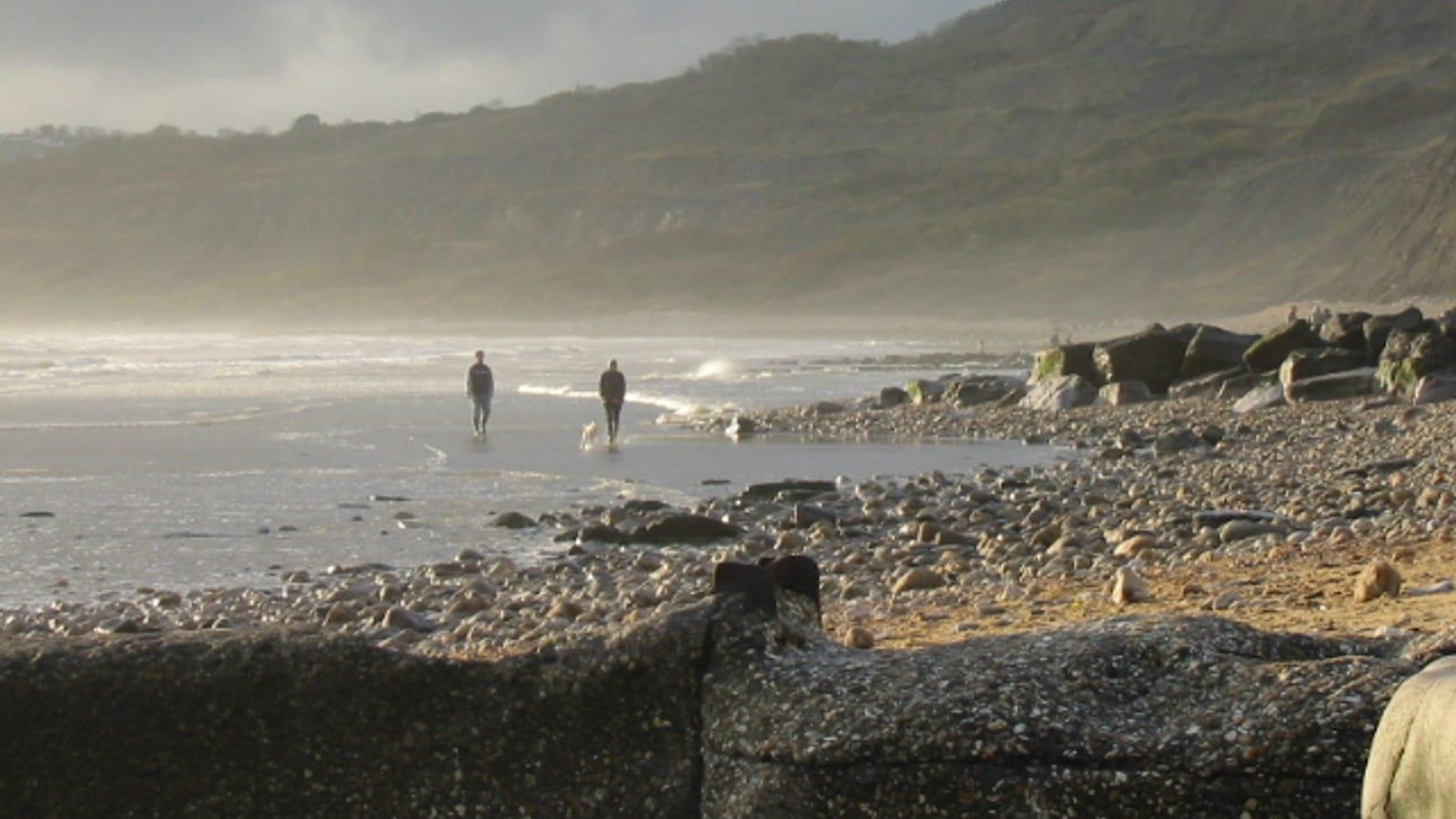
Charmouth Fossil Hunting Guide
Charmouth
Ammonites, Belemnites, Bivalves, Ichthyosaur
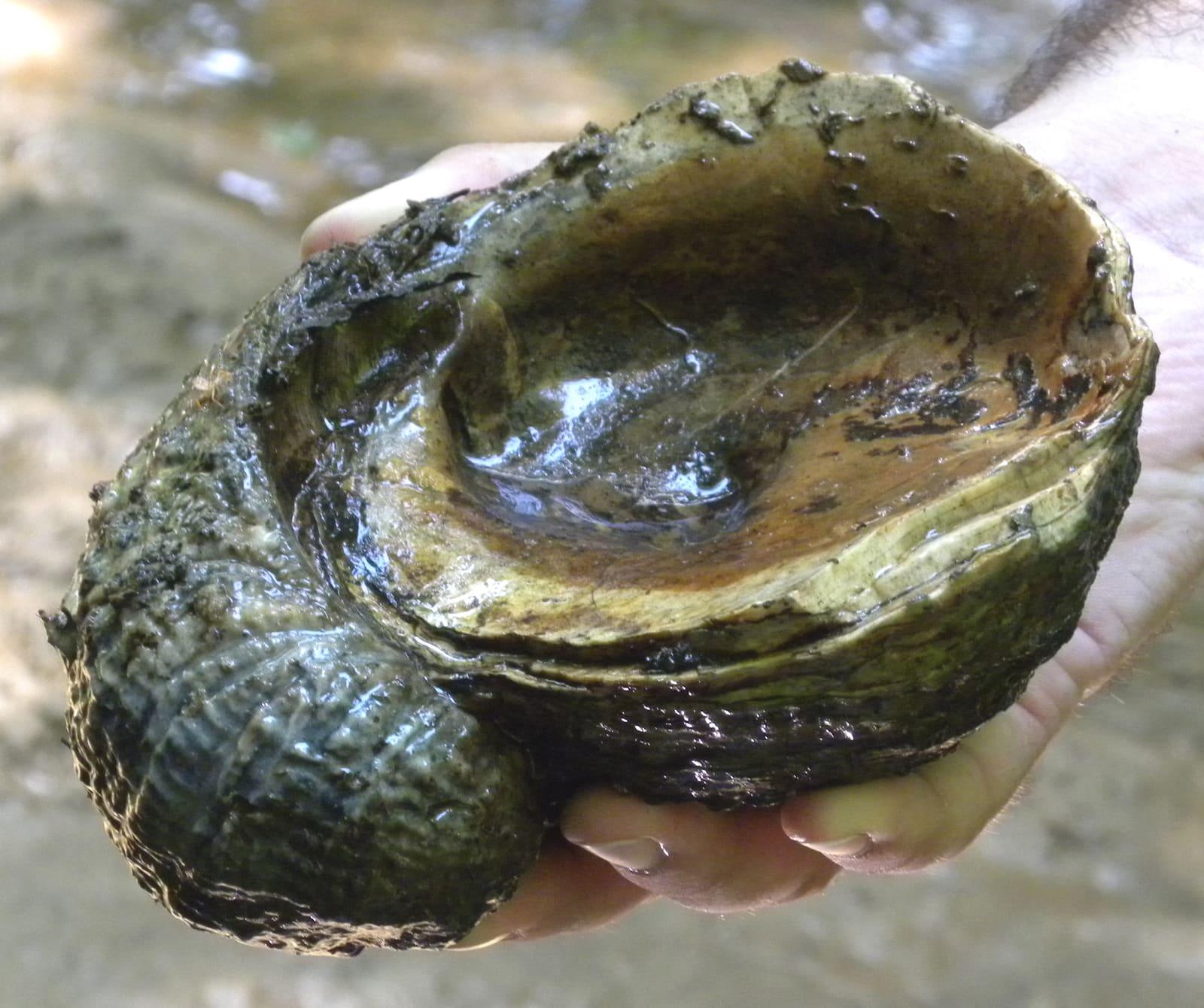
Coffee Sand and Owl Creek Formation Fossil Guide
Mississippi, United States
Ammonites, Shark Teeth, Bivalves, Gastropods
Coon Creek Science Center Fossil Dig Guide
Tennessee, United States
Crabs, Bivalves, Gastropods, Ammonites
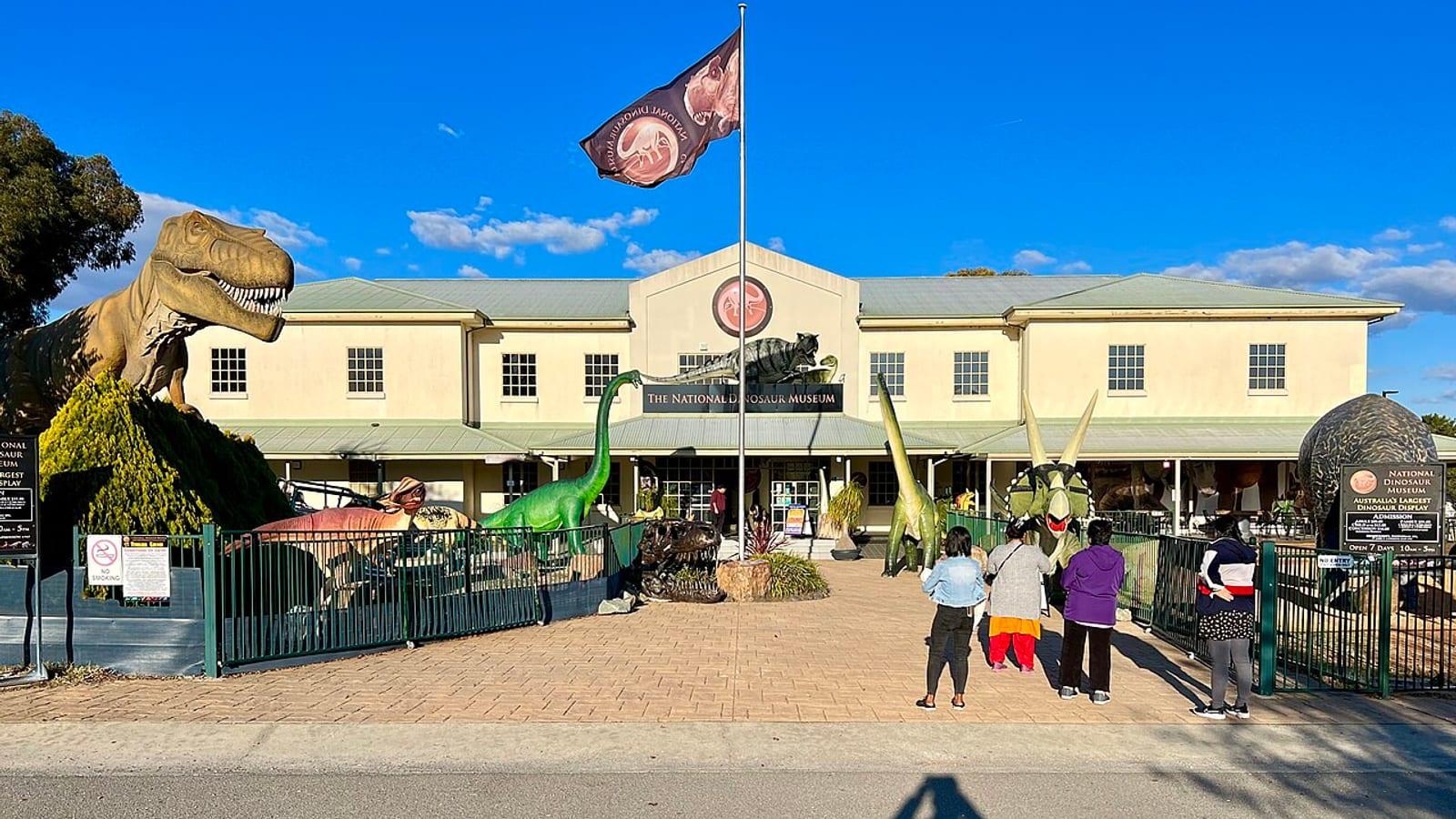
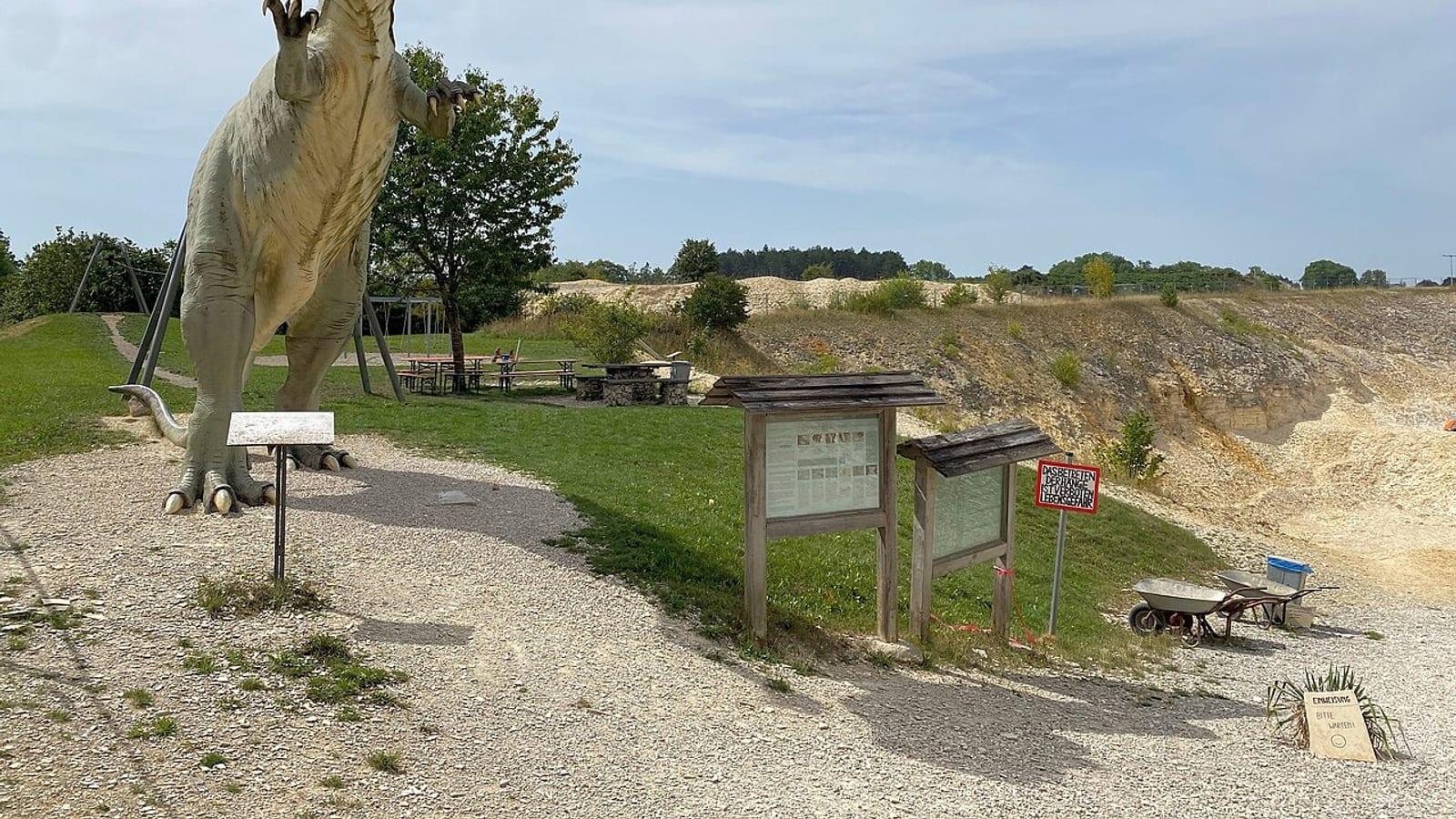
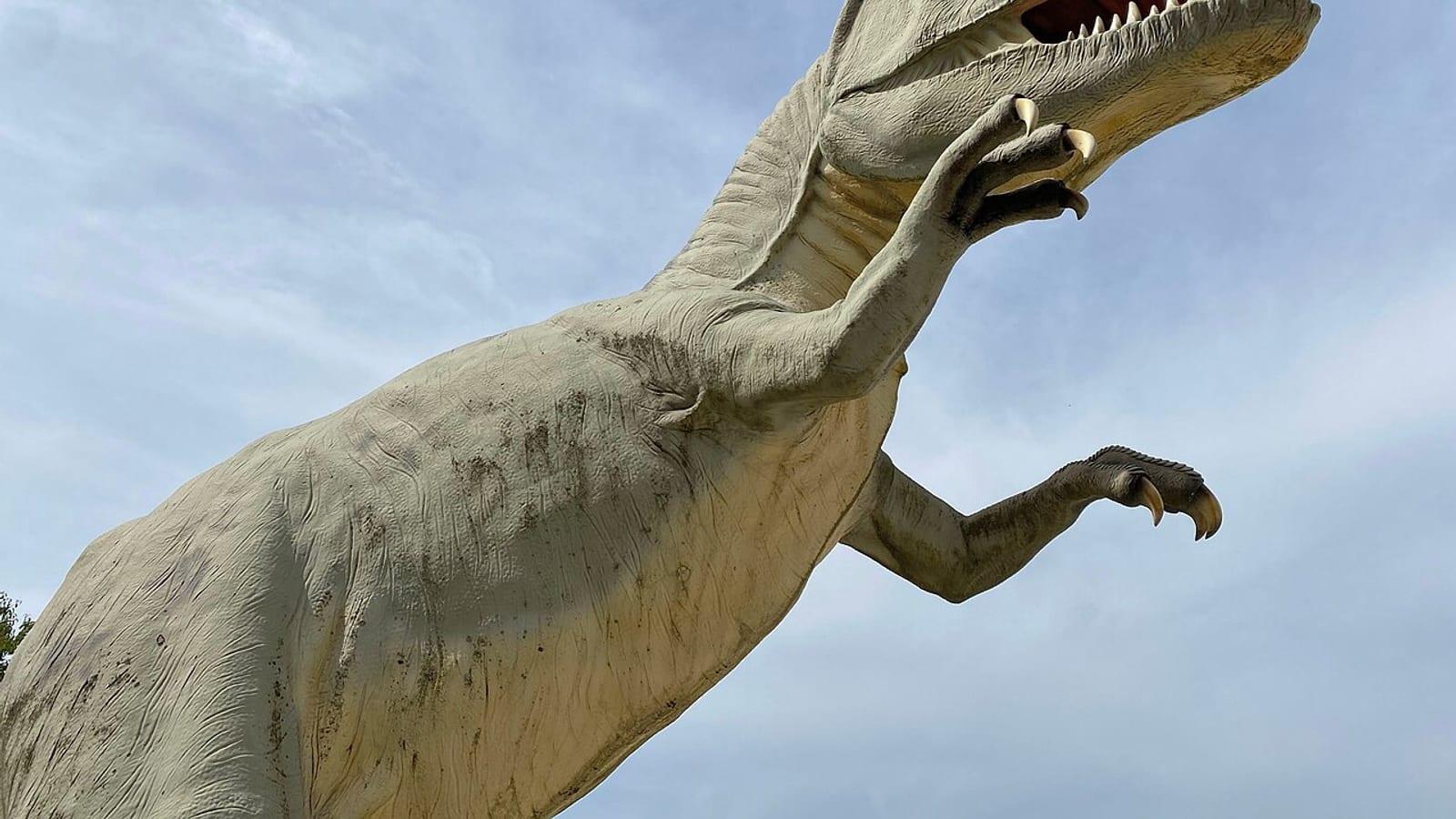
Dinosaur Museum Altmuehltal Fossil Park Fossil Hunting Guide
93326 Denkendorf
Ammonites, Crinoid fragments

Eastbourne Sussex Fossil Hunting Guide
England, United Kingdom
Echinoids, Chalk ammonites, Ammonites
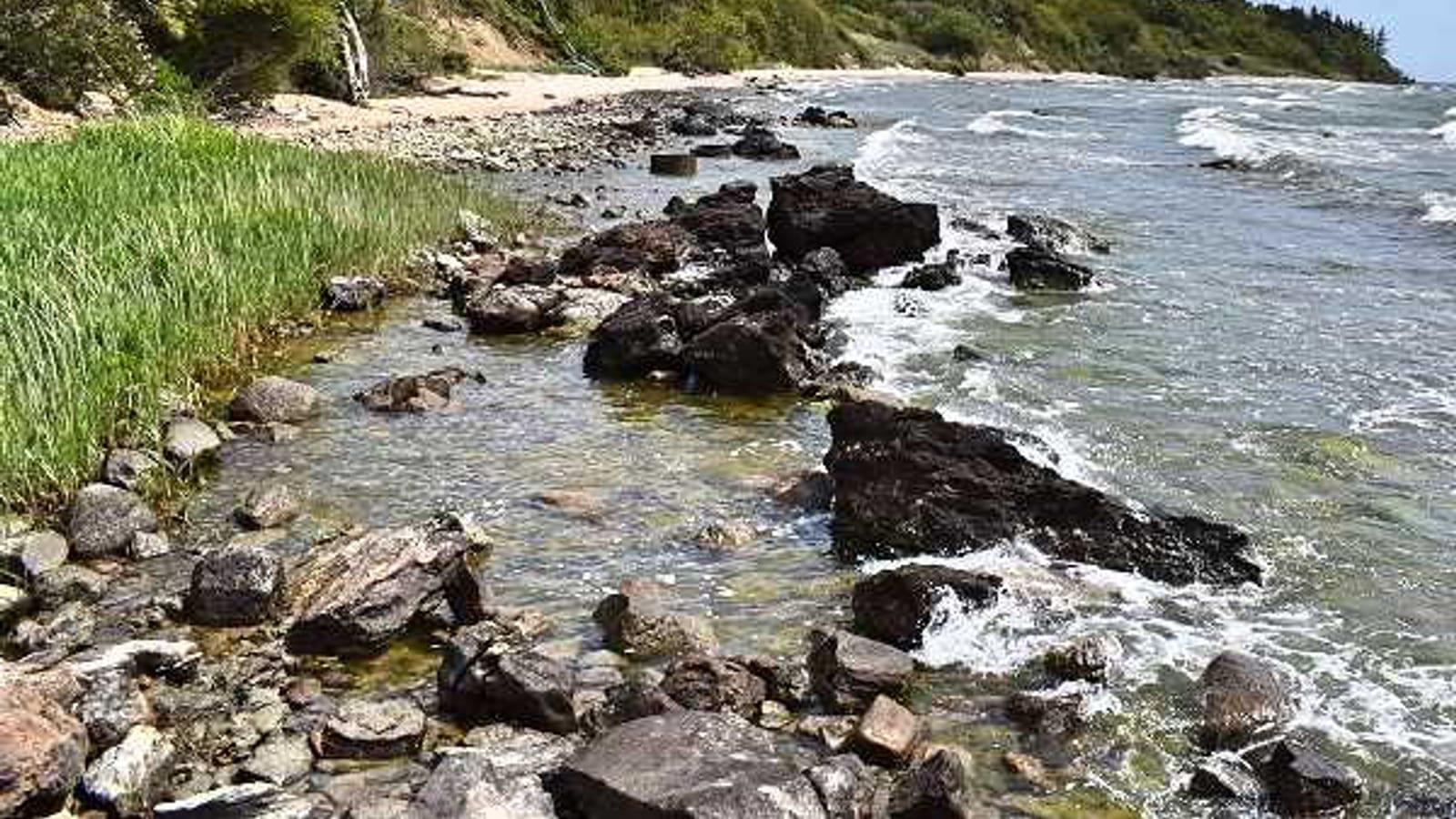
Find Campanian Fossils at Arnager Beach Bornholm Fossil Hunting Guide
Denmark
Sponges, Ammonites, Echinoids, Brachiopods
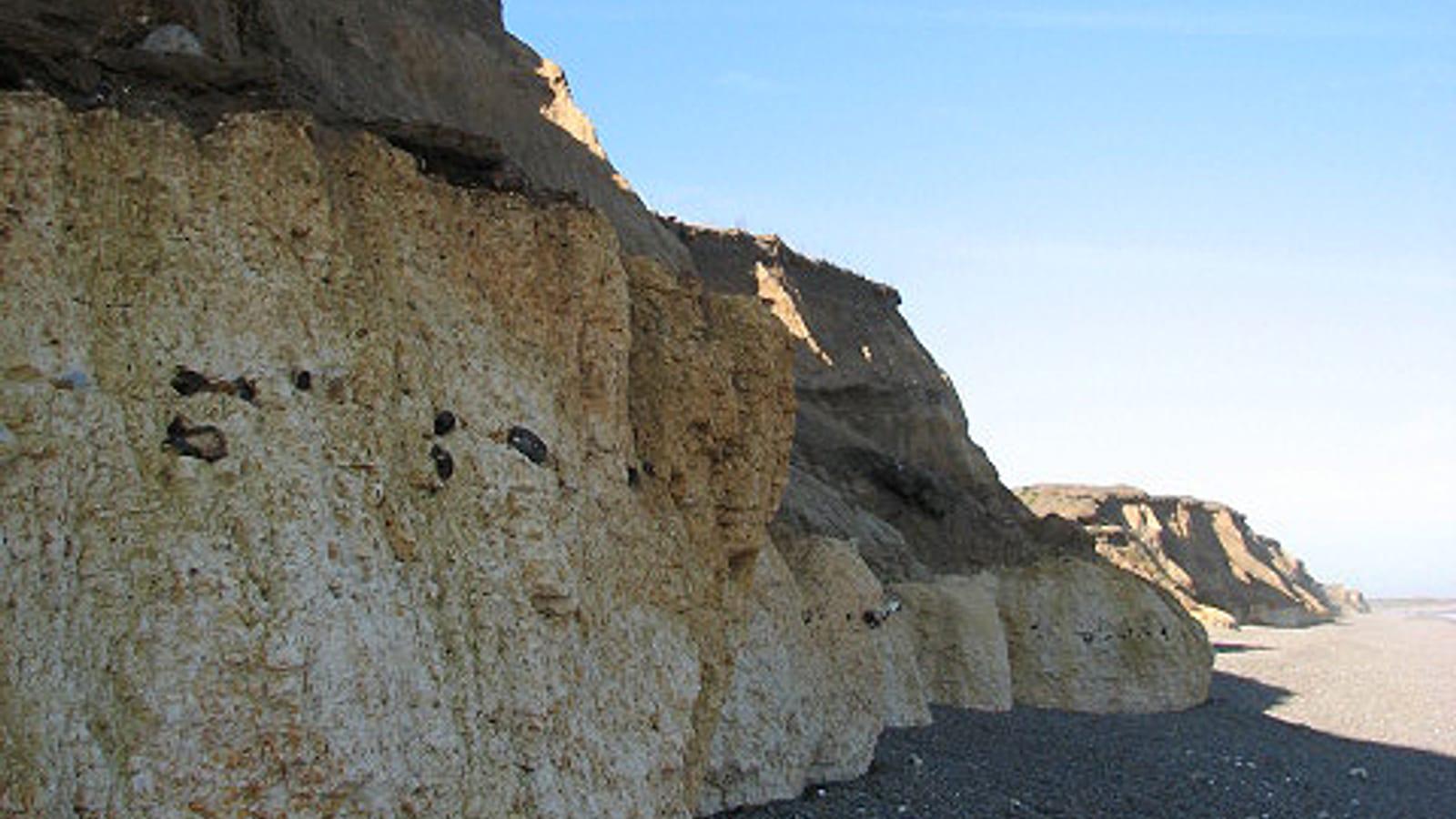
Find Fossils at Tidmoor Point Fossil Hunting Guide
England, United Kingdom
Pyritised and limonitised ammonites, Belemnites, Crustaceans, Marine reptile material

Folkestone Warren and Copt Point Fossil Hunting Guide
Kent, England
Ammonites, Crabs, Shark Teeth, Bivalves
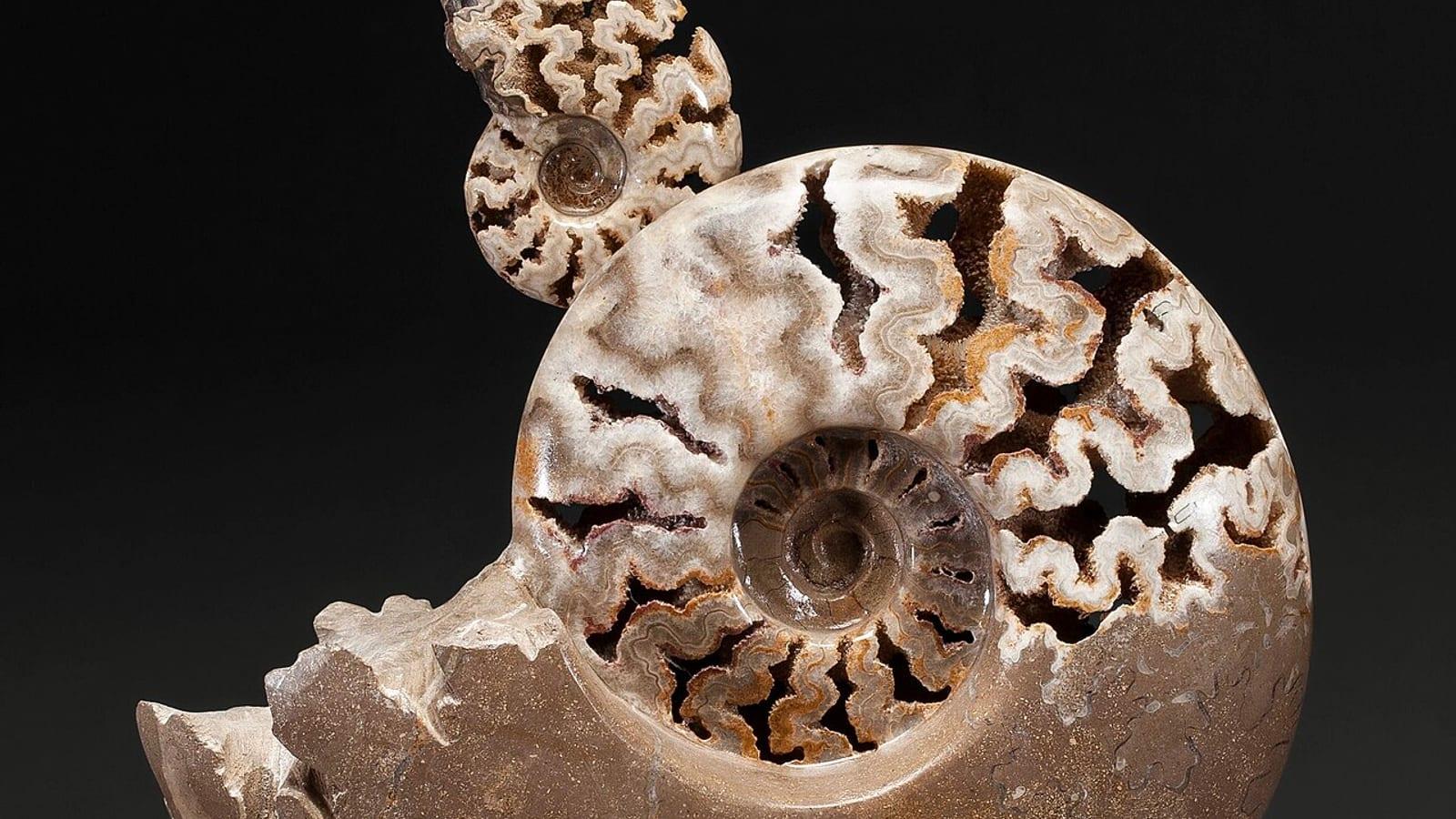
Fossiliensammelstelle Titting Free Fossil Hunting Guide
85125 Titting
Ammonites, Crinoid fragments, Belemnites and bivalves, Plant fossils
Fossiliensteinbruch Blumenberg Eichstatt Fossil Hunting Guide
Germany
Ammonites, Fish fossils, Shrimp, Crinoids and belemnites
Fossiliensteinbruch Schamhaupten Fossil Hunting Guide
Germany
Ammonites, Crinoids, Fish fossils, Shrimp and belemnites
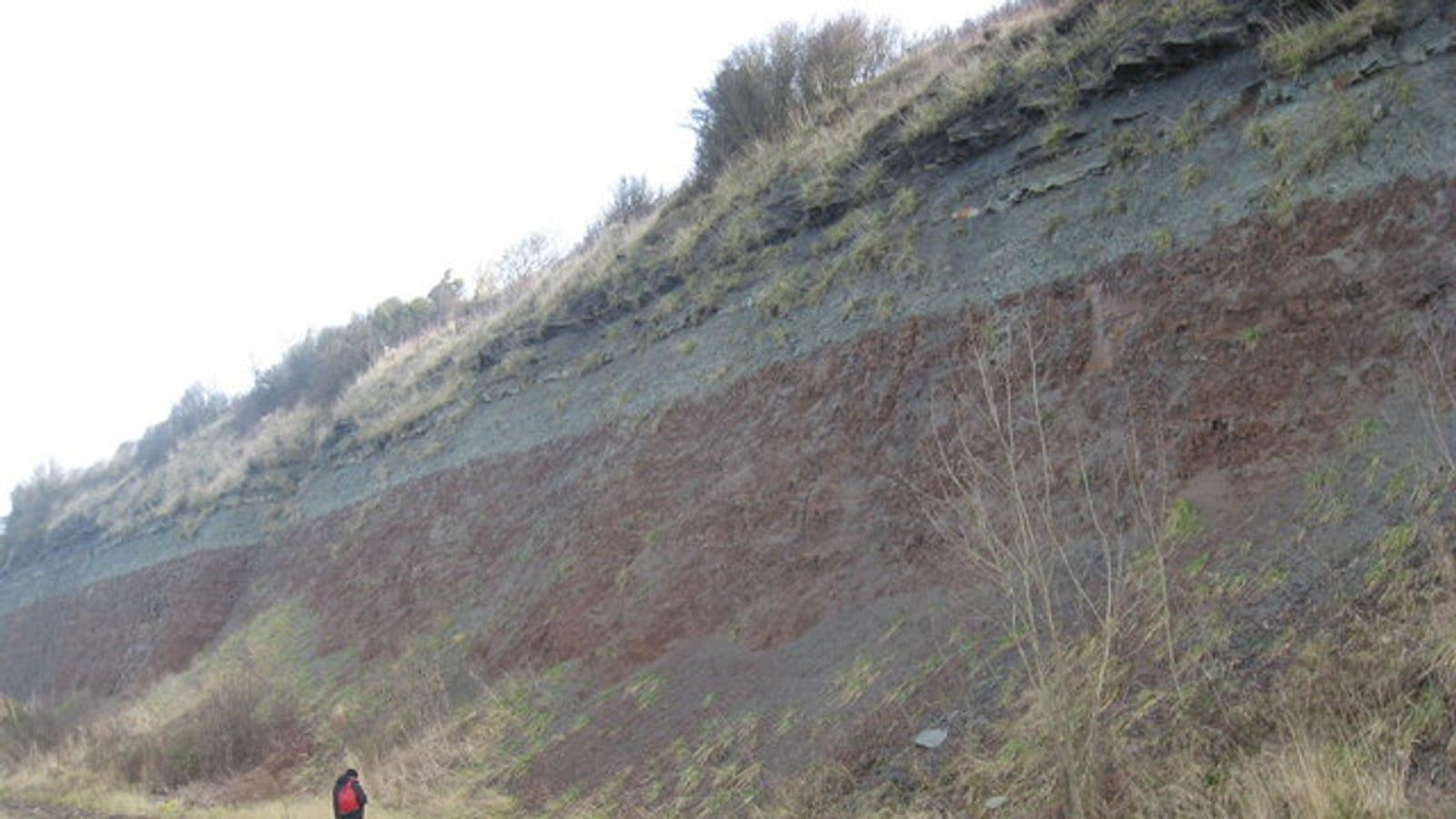
Fossils of Aust Cliff Fossil Hunting Guide
England, United Kingdom
Shark teeth, Fish scales and teeth, Reptile remains, The Blue Lias
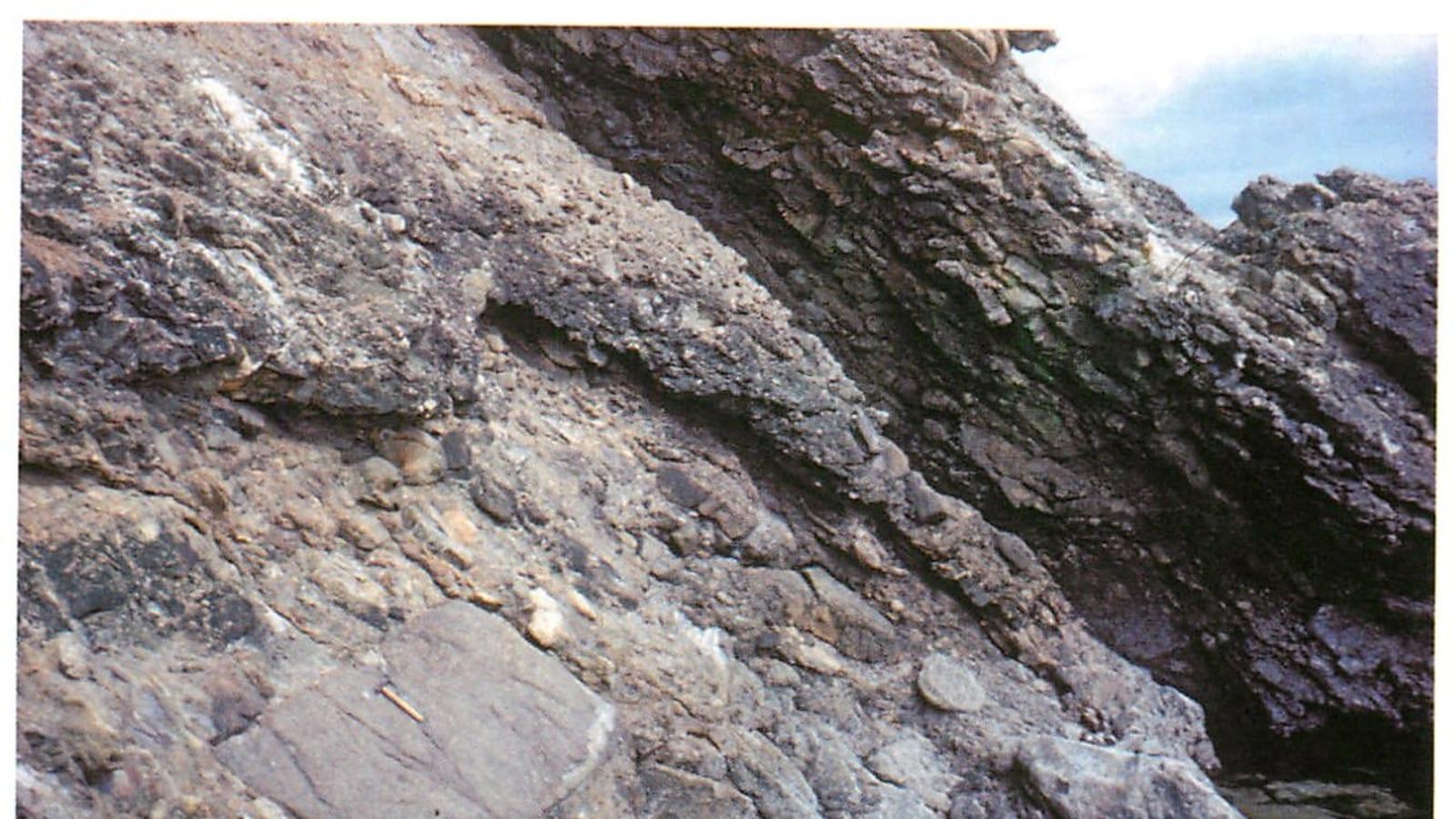
Helmsdale Fossil Hunting Guide
Scotland, United Kingdom
Ammonites, Corals, Marine Reptiles
Hobbysteinbruch Solnhofen Fossil Hunting Guide
91807 Solnhofen
Ammonites, Fish fossils, Shrimp, Crinoids
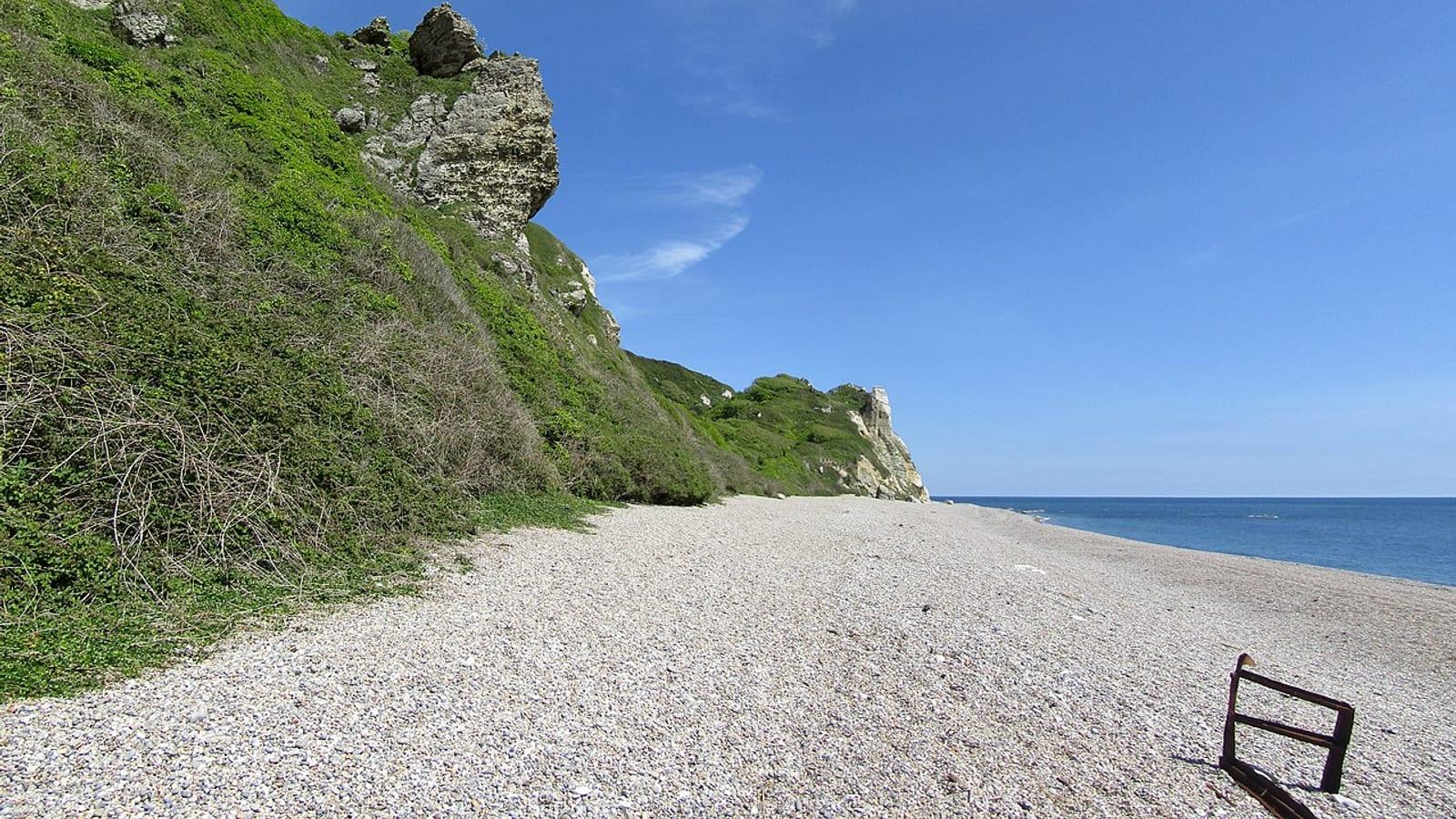
Hooken Cliff Beer Devon Fossil Hunting Guide
United Kingdom
Echinoids, Ammonites, Fish remains, Brachiopods
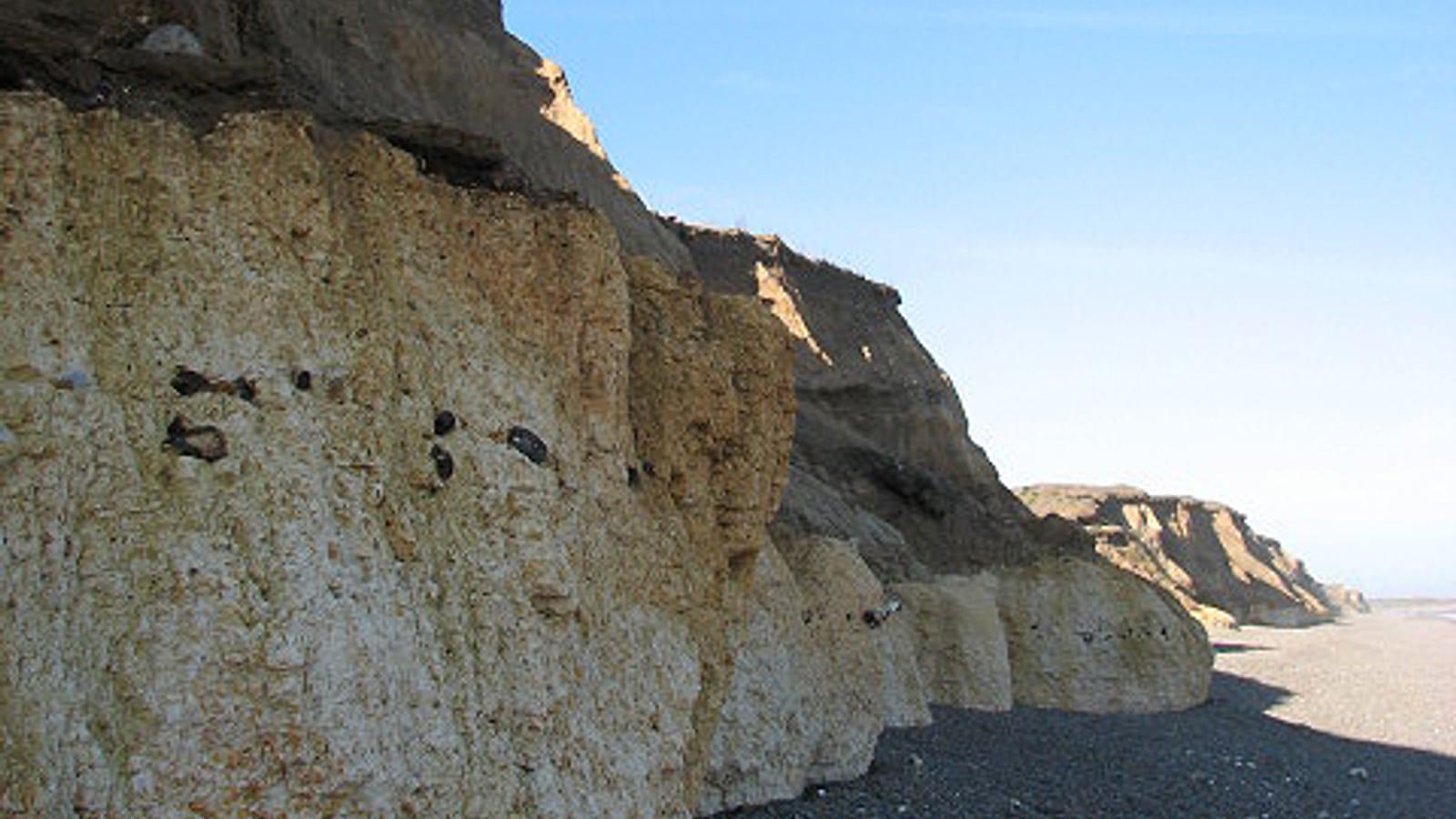
Ilminster Fossil Hunting Guide
England, United Kingdom
Ammonites, Belemnites, brachiopods, bivalves
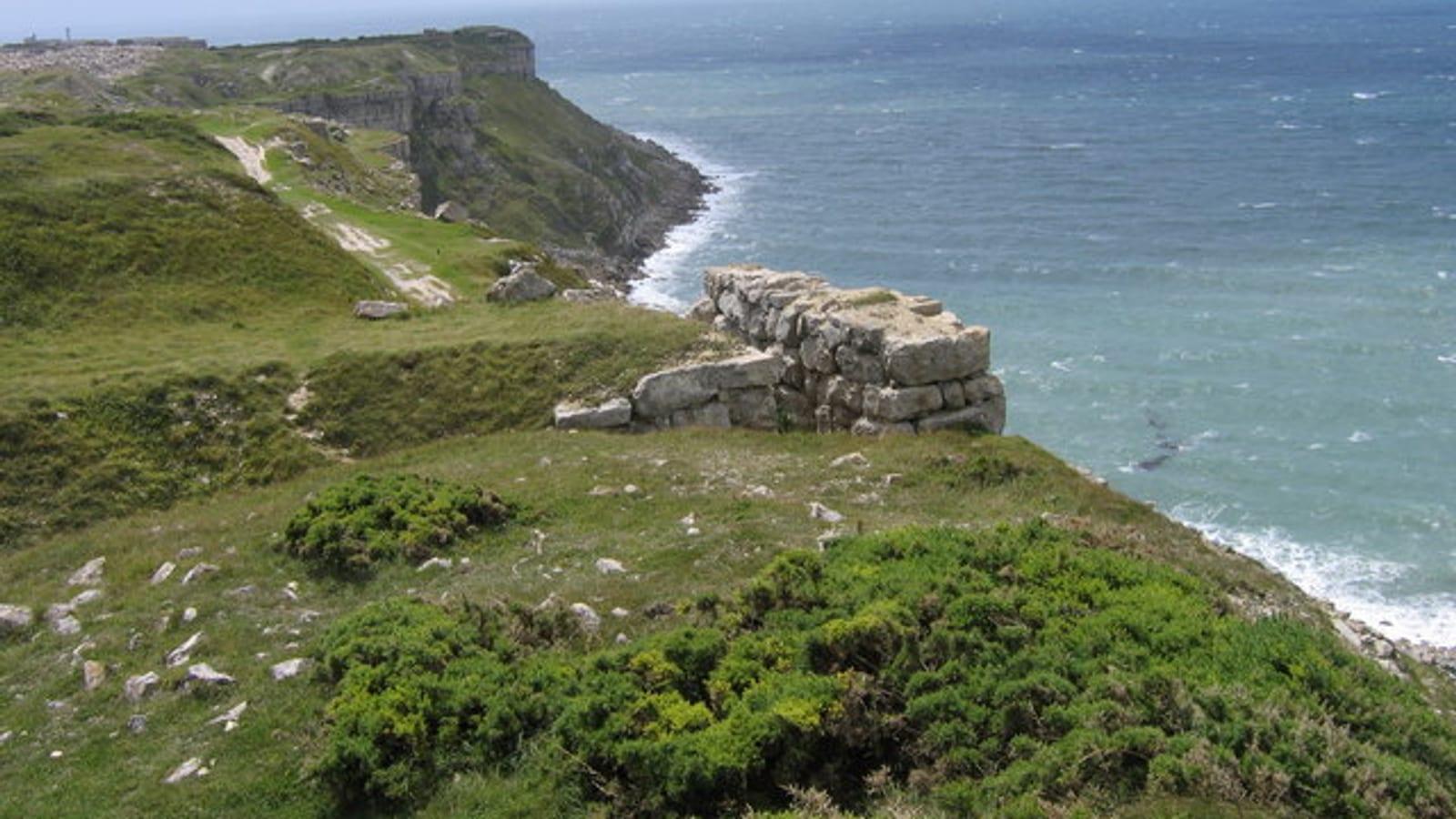
Isle of Portland: Dinosaur Trackways
United Kingdom
Ammonites, Bivalves, Dinosaur footprints, Marine reptile remains
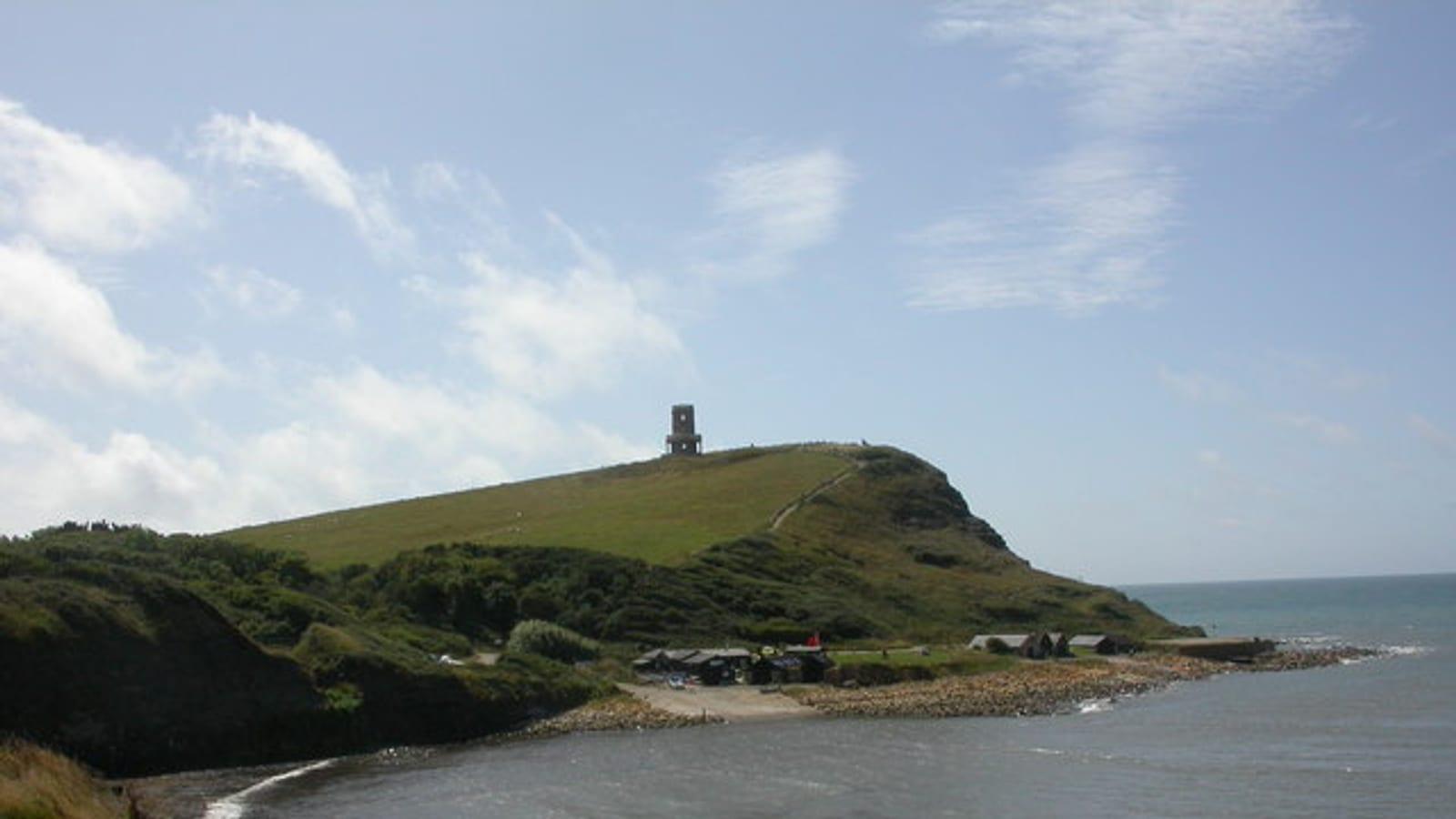
Kimmeridge Bay Fossil Hunting Guide
Wareham
Ammonites, Belemnites, Bivalves, Brachiopods
Ladonia Fossil Park (North Sulphur River) Guide
Texas, United States
Mosasaur teeth, Shark Teeth, Ammonites, Bivalves
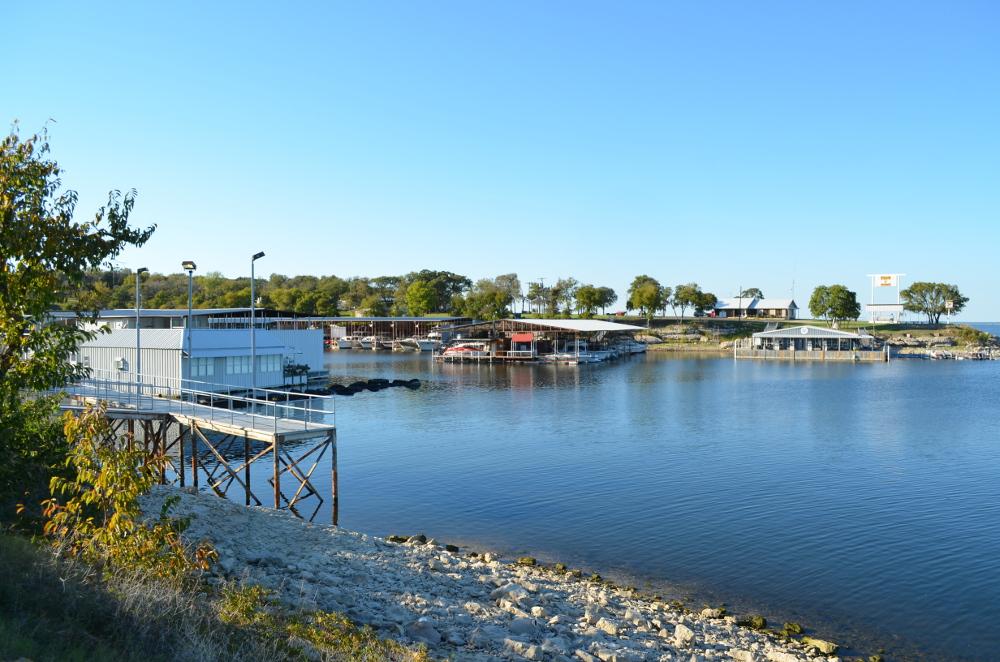
Lake Texoma (Eisenhower State Park) Fossil Hunting Guide
Texas, United States
Ammonites, Echinoids, Heart urchins, Oysters
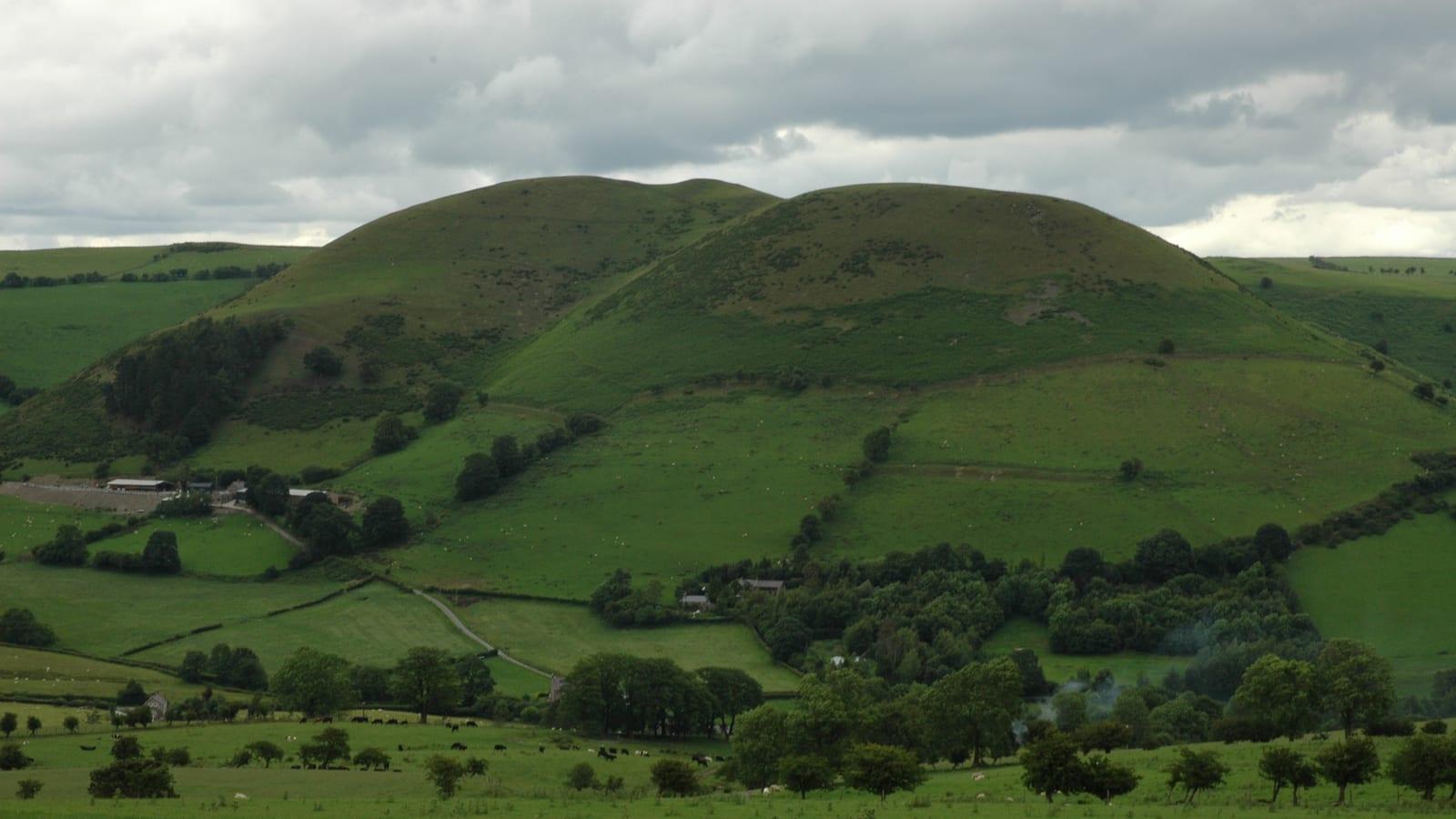
Lavernock Fossil Hunting Guide
Wales, United Kingdom
Ammonites, Brachiopods, Bivalves, Marine Reptiles
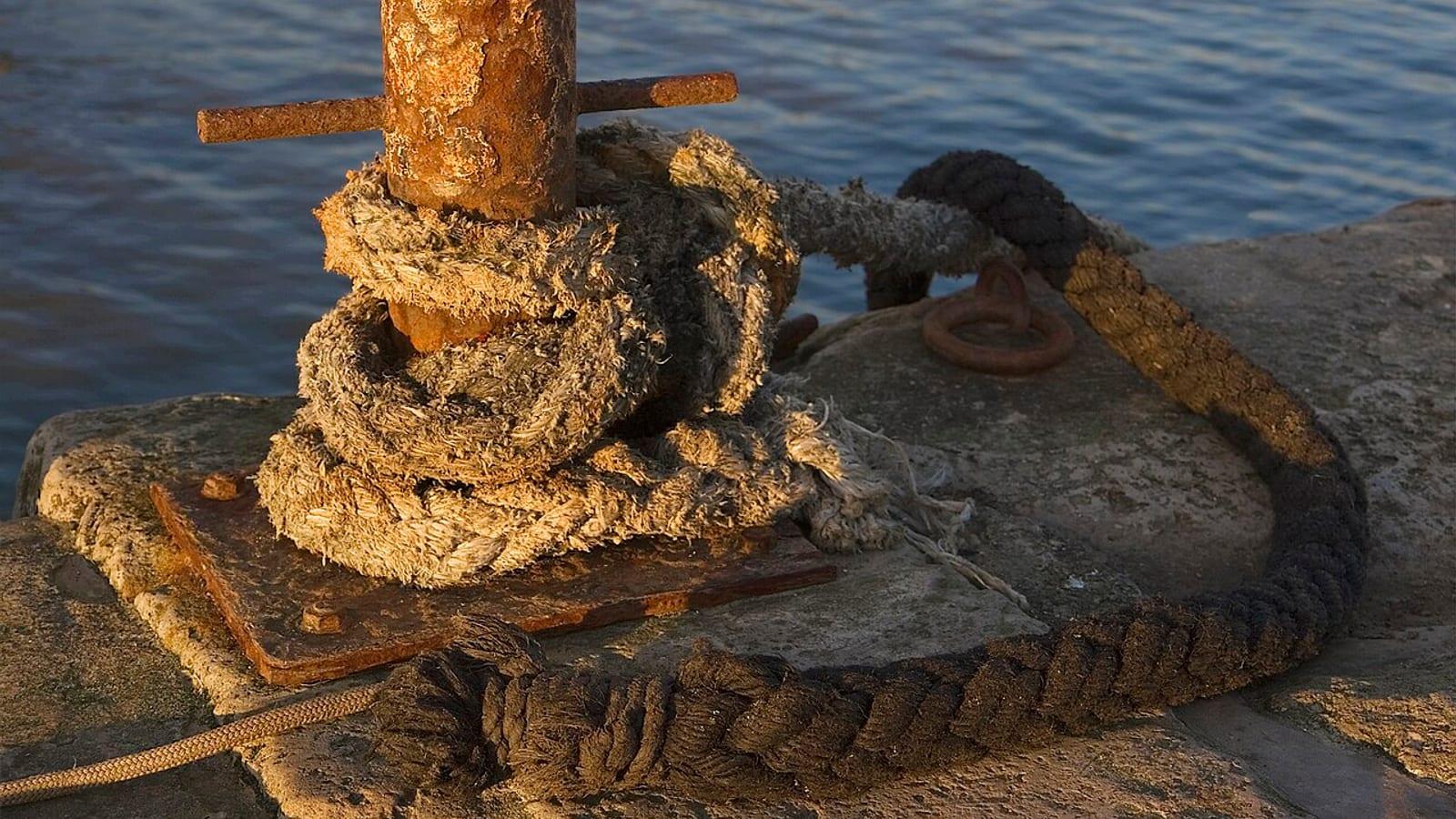
Lyme Regis Church Cliffs Fossil Hunting Guide
United Kingdom
Ammonites, Belemnites, Bivalves, Crinoids
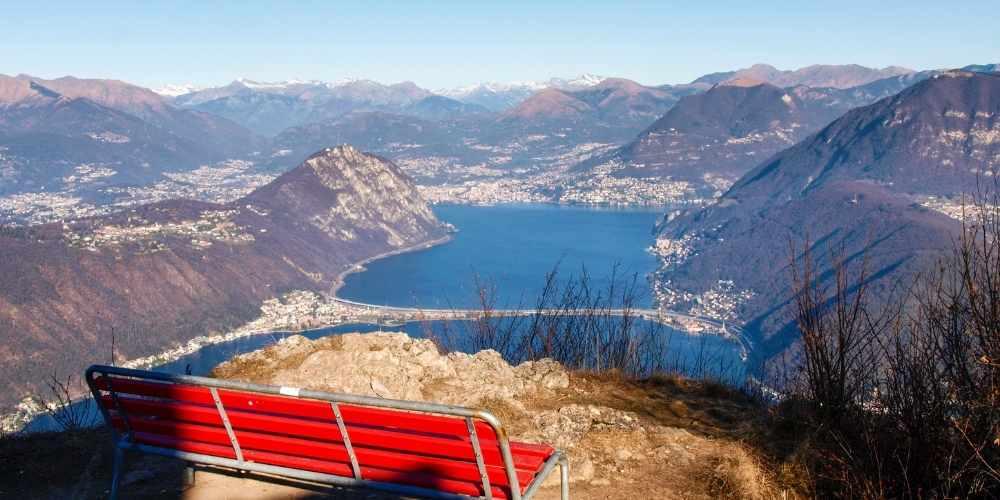
Monte San Giorgio (Besano-Meride) Fossil Hunting Guide
Lombardy, Italy
Besanosaurus leptorhynchus, Ceresiosaurus calcagnii, Saurichthys, Tanystropheus longobardicus
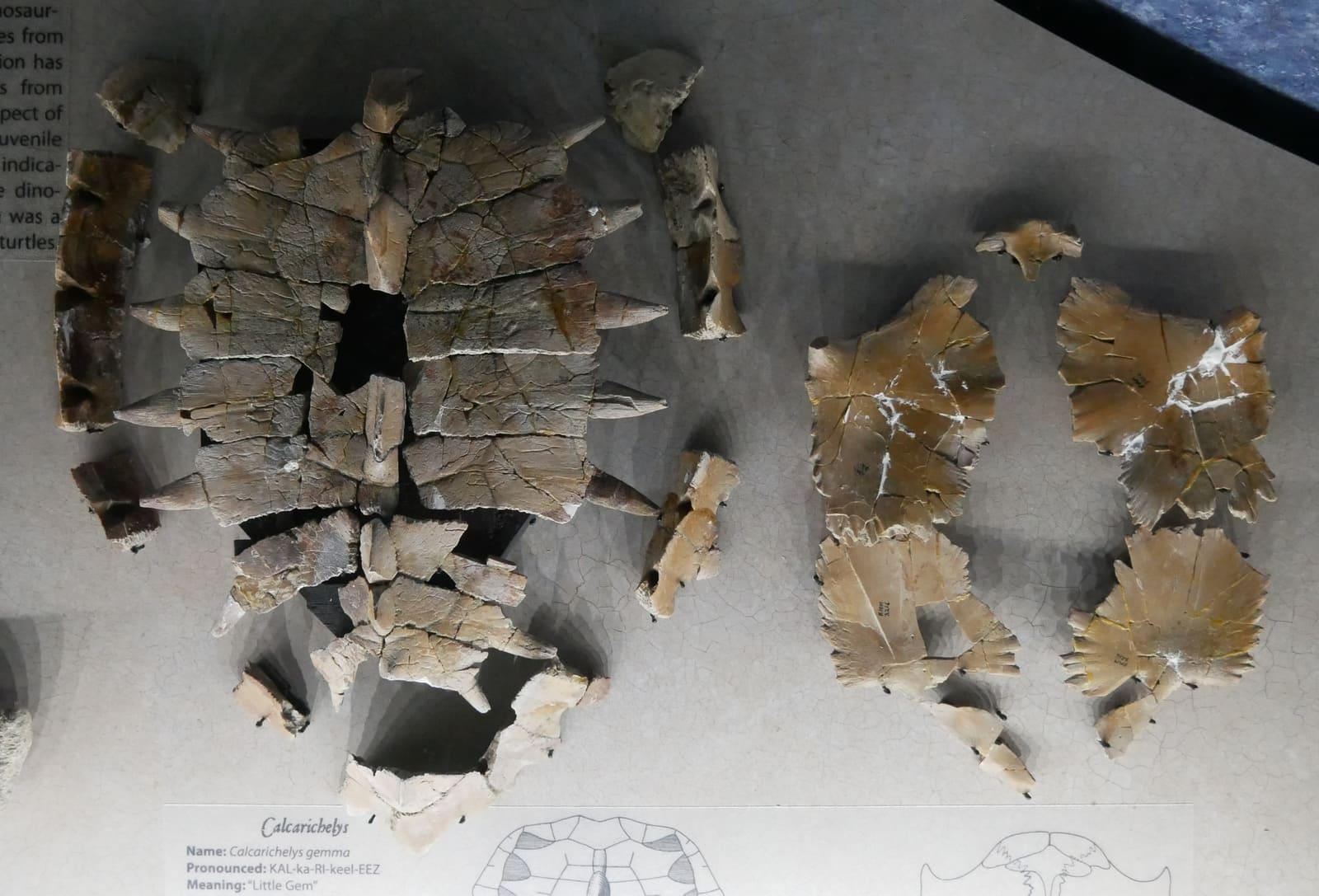
Mooreville Chalk Fossil Guide
Alabama, United States
Shark Teeth, Mosasaurs, Fish, Bivalves

Penarth Beach Fossil Hunting Guide
South Wales, United Kingdom
Ammonites, Bivalves, Brachiopods, Gastropods
Post Oak Creek Fossil Hunting Guide
Texas, United States
Shark Teeth, Bivalves, Ammonites, Mosasaur teeth
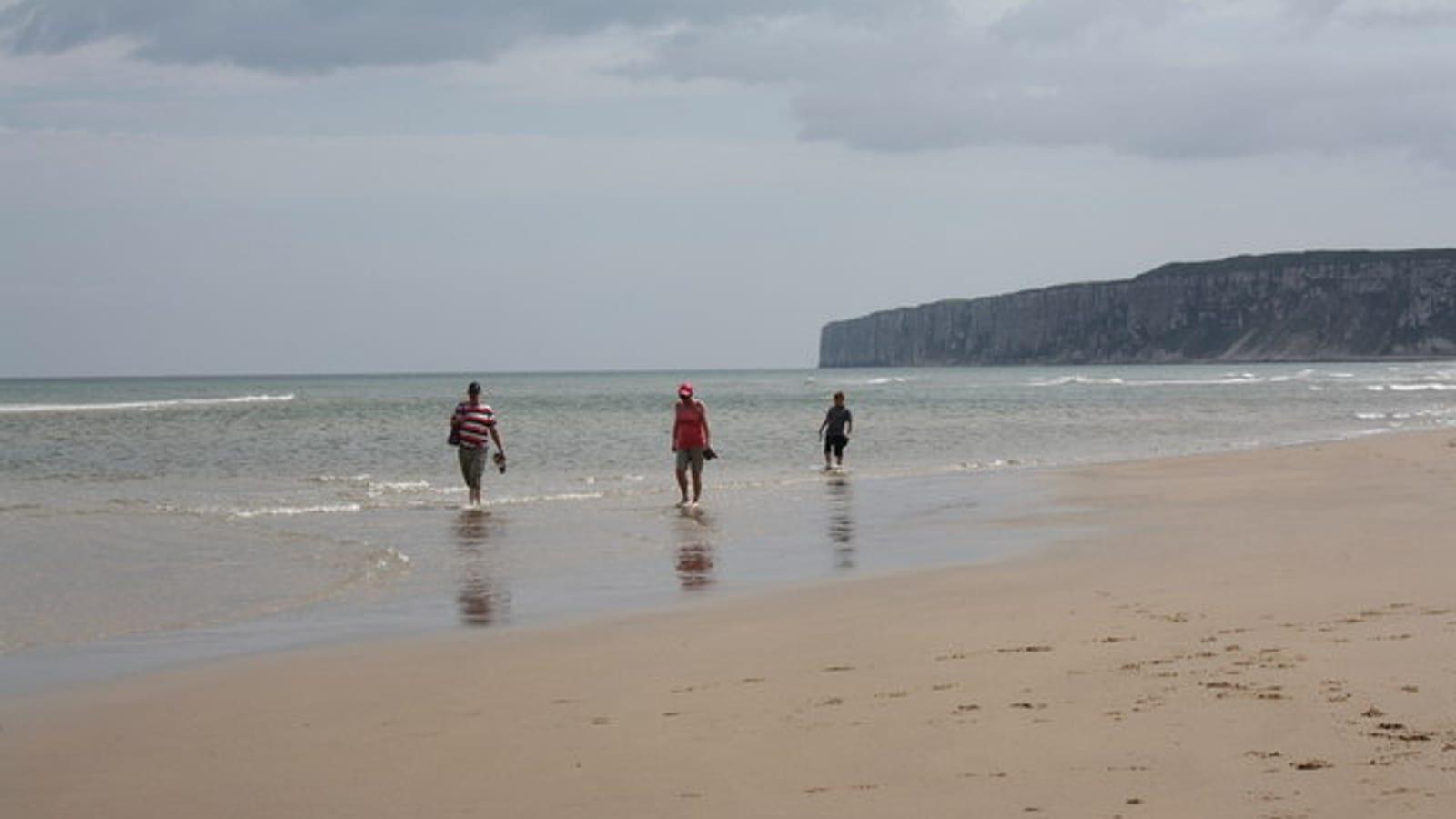
Reighton Sands Yorkshire Fossil Hunting Guide
near Reighton
Erratic boulders, Kimmeridge Clay, Ammonites, Belemnites
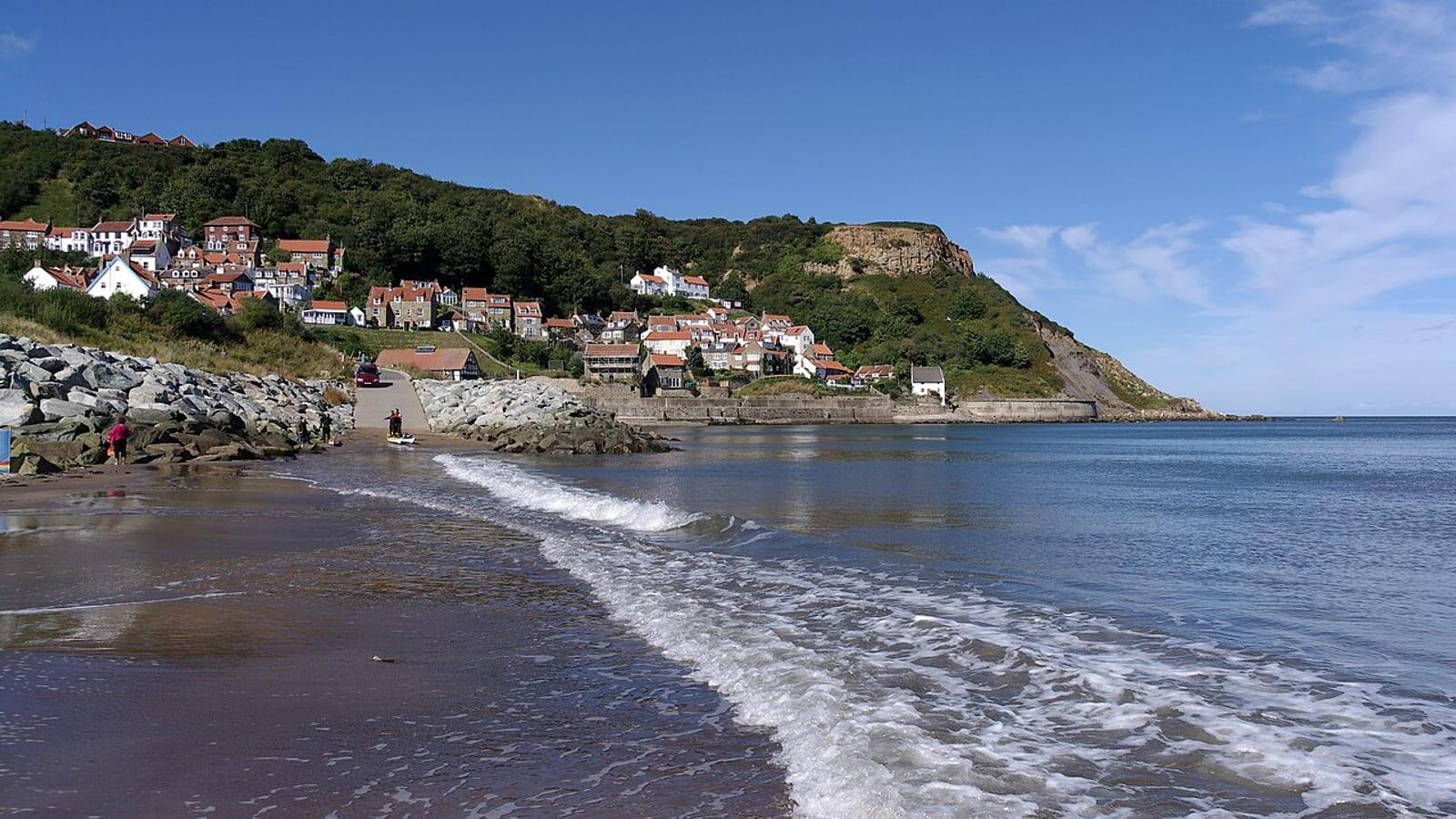
Runswick Bay Yorkshire Fossil Hunting Guide
United Kingdom
Ammonites, Jet, Bivalves, Belemnite guards
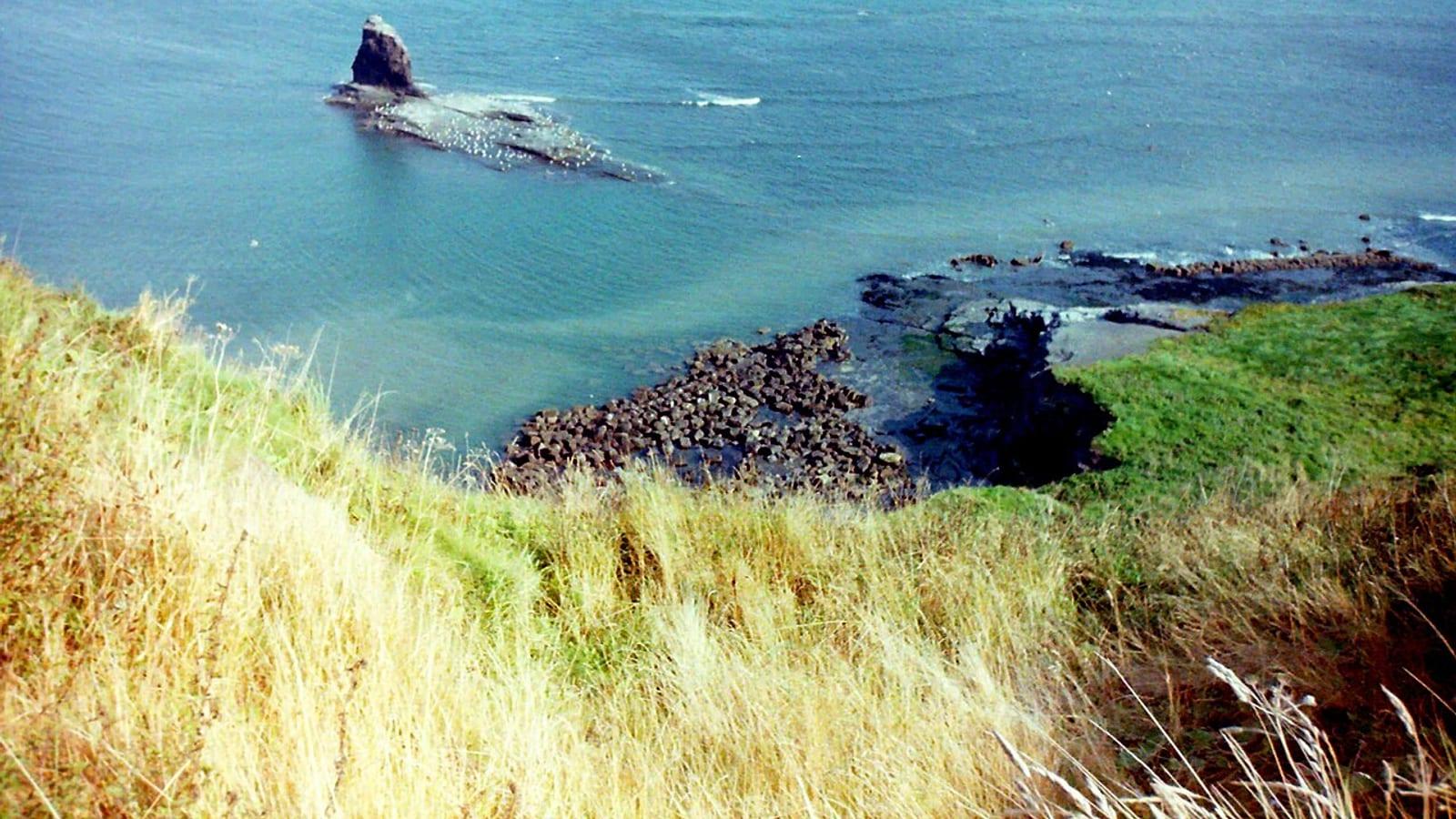
Saltwick Bay Fossil Hunting Guide
United Kingdom
Ammonites, Belemnites, Dinosaur footprints, Plant fossils
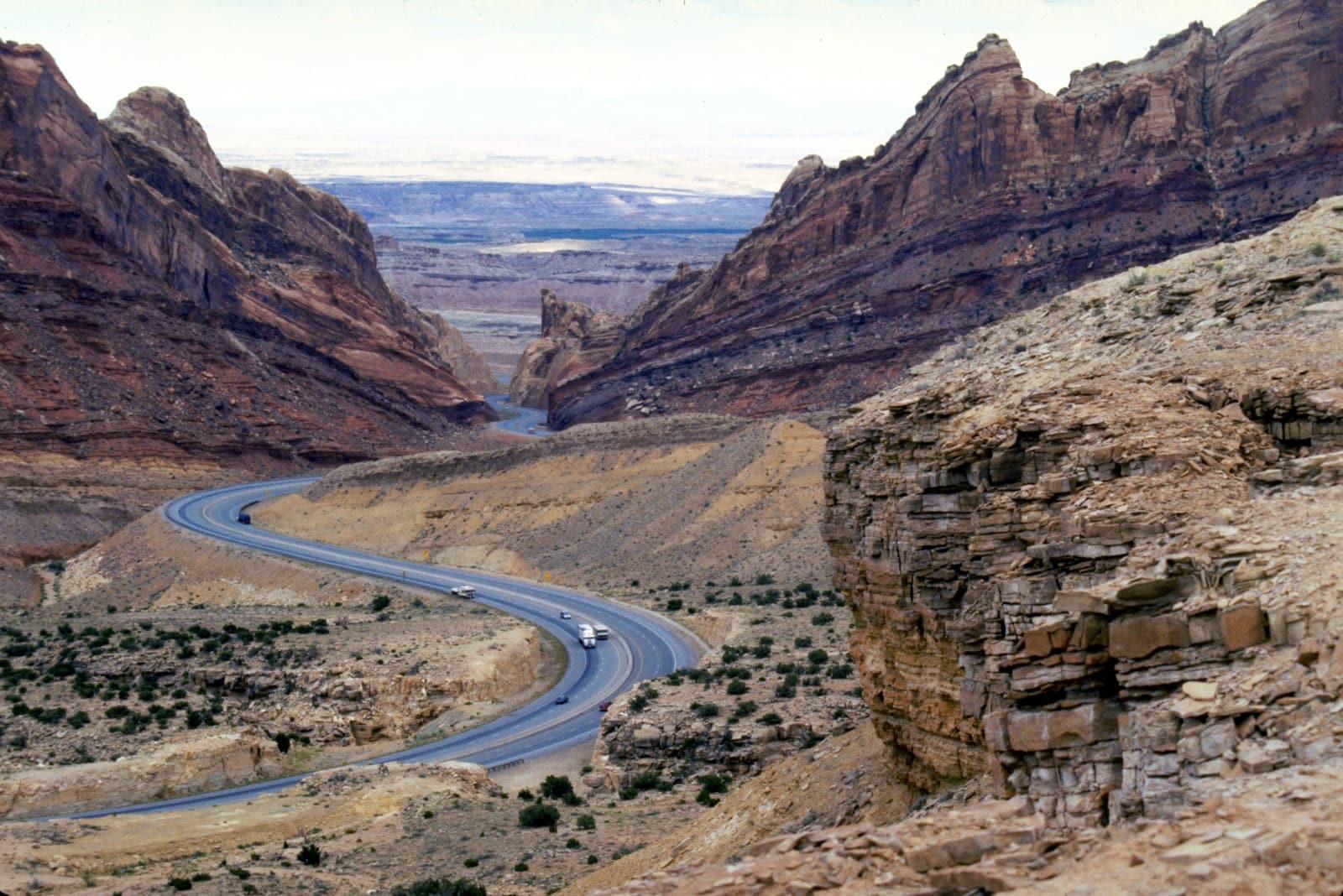
San Rafael Swell Fossil Guide
Utah, United States
Petrified wood, Ammonites, Bivalves, Dinosaurs
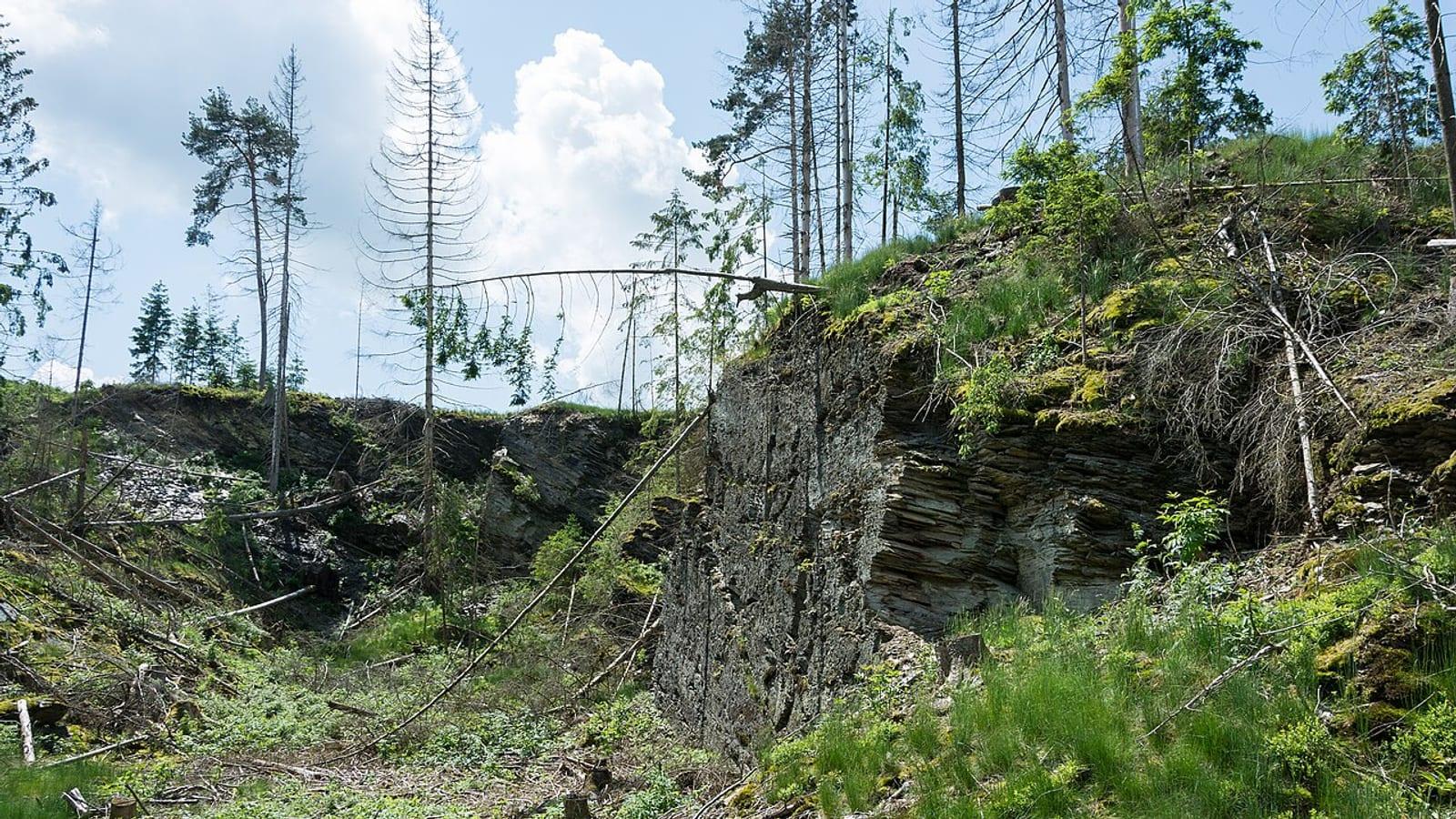
Schieferbruch Kromer Ohmden Posidonia Shale Fossil Hunting Guide
73099 Ohmden
Ammonites, Belemnites, Bivalves, Crinoid fragments
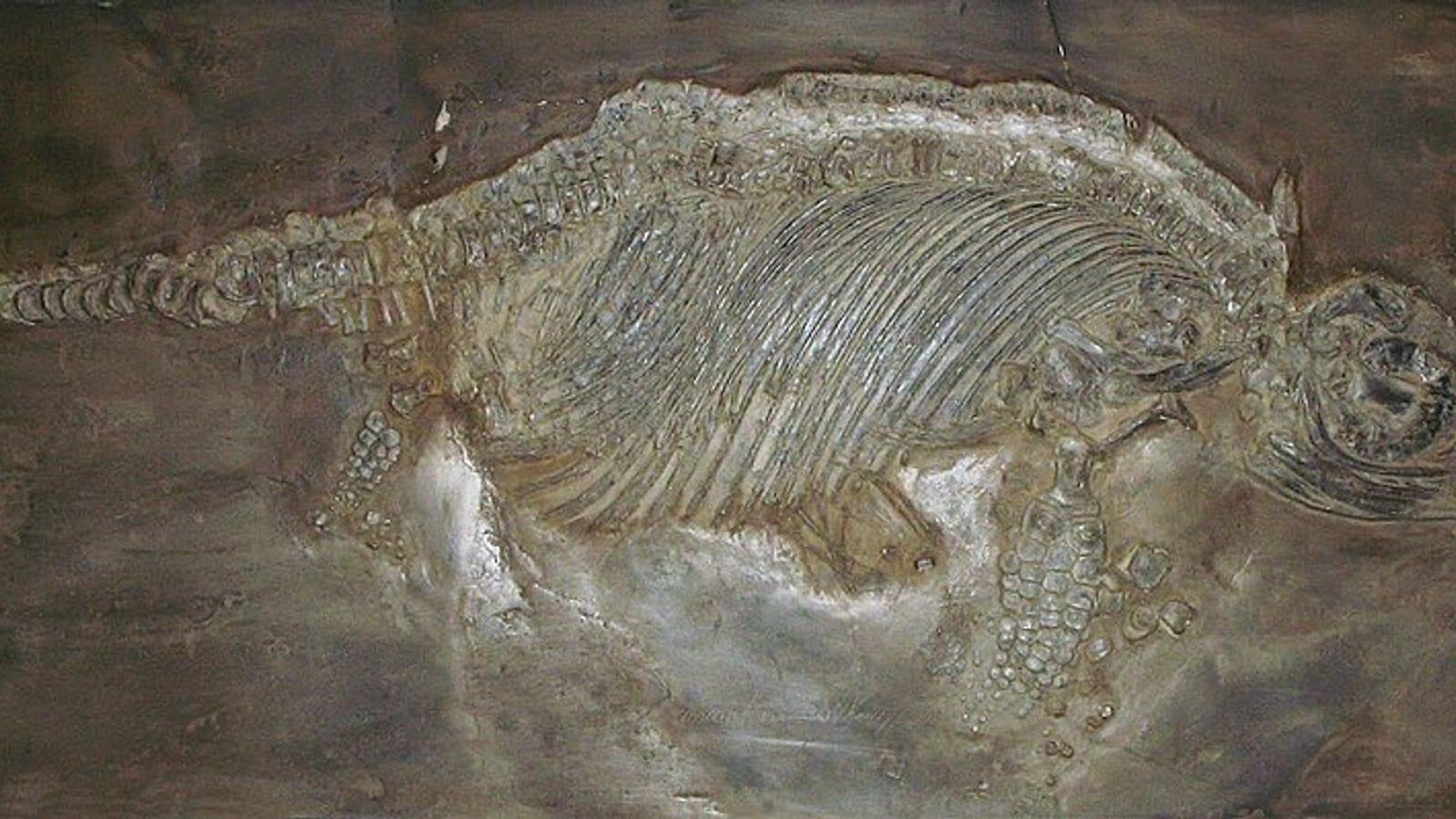
Schiefererlebnis Dormettingen Fossil Klopfplatz Fossil Hunting Guide
72358 Dormettingen
Ammonites
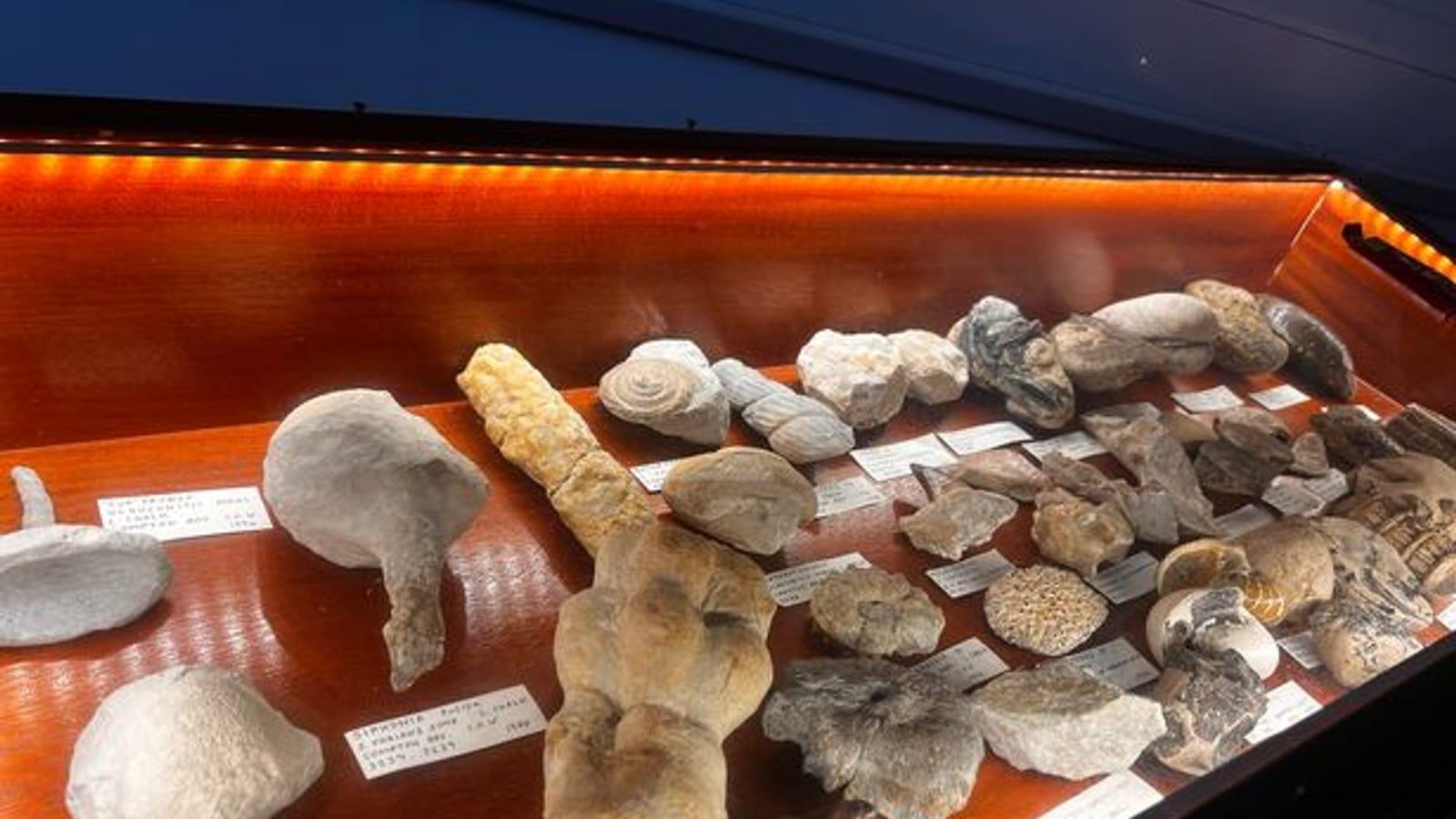
Seaton Fossil Hunting Guide
England, United Kingdom
Ammonites, Echinoids, Brachiopods, Bivalves
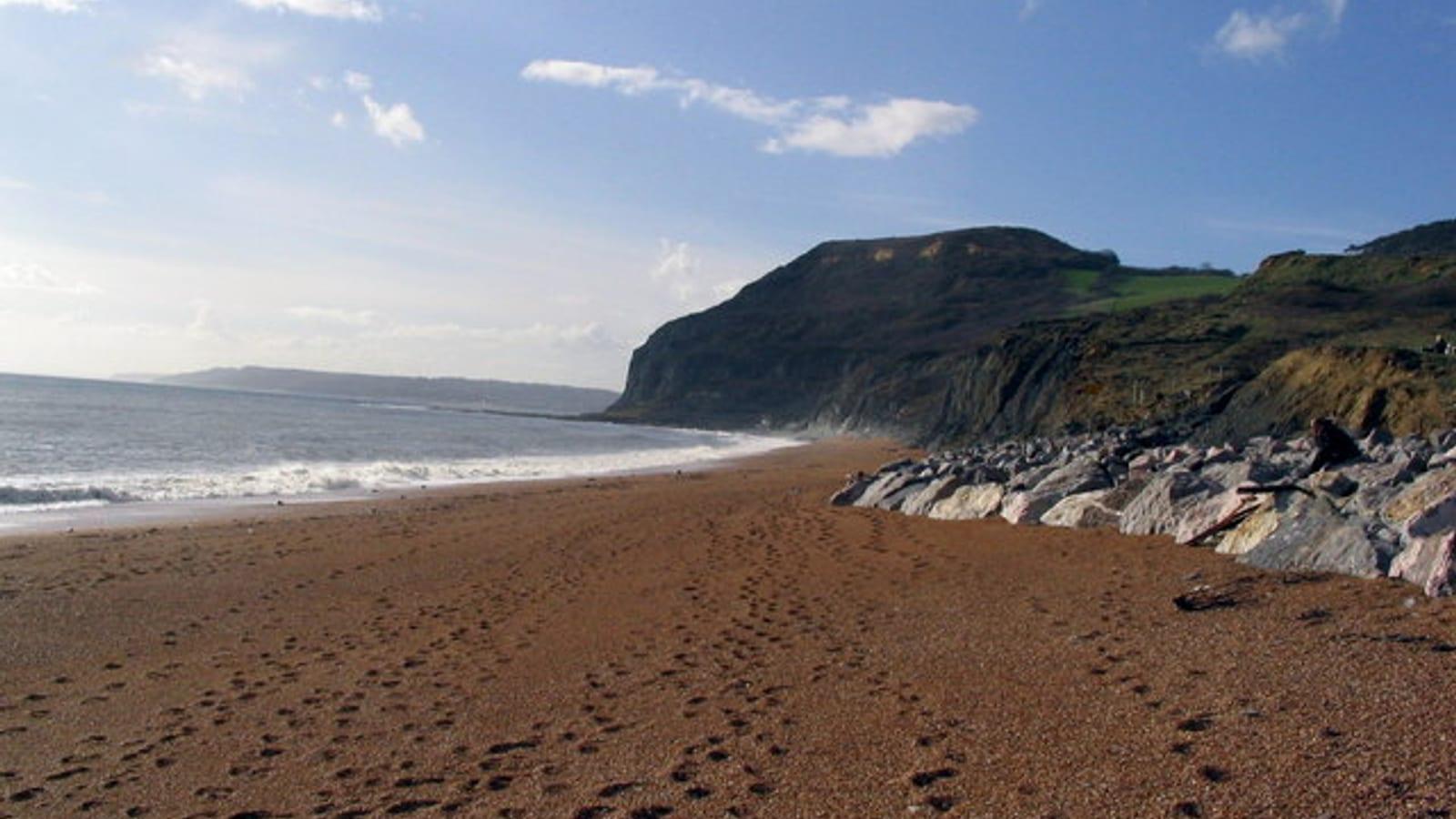
Seatown and Golden Cap Fossil Hunting Guide
England, United Kingdom
Ammonites, Androgynoceras, Amaltheus, Tropideroceras
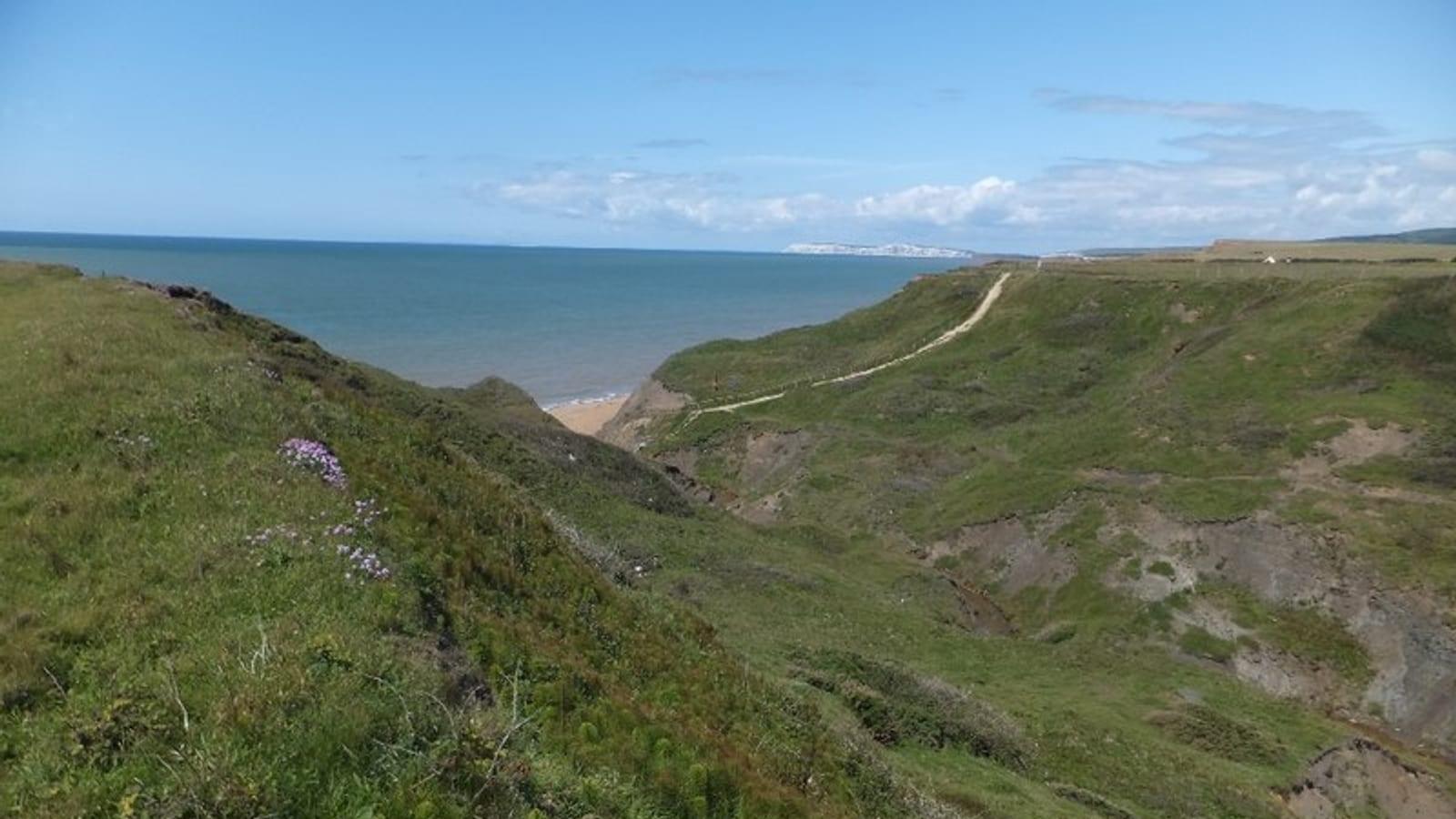
Shepherds Chine Whale Chine Isle of Wight Fossil Hunting Guide
United Kingdom
Shark teeth, Ammonites, Brachiopods
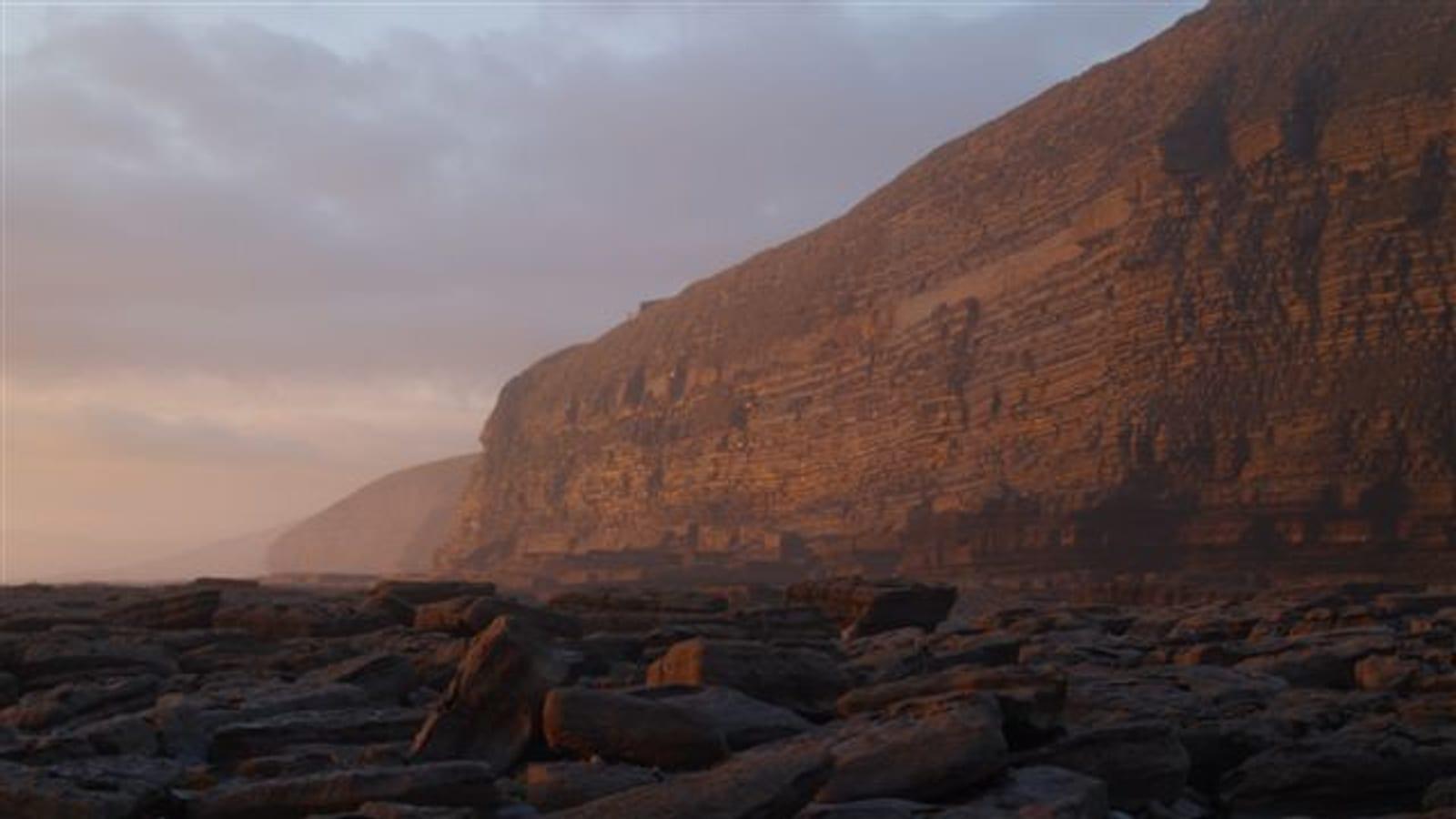
Southerndown Glamorgan Heritage Coast Fossil Hunting Guide
Southerndown
Ammonites, Belemnites, Brachiopods
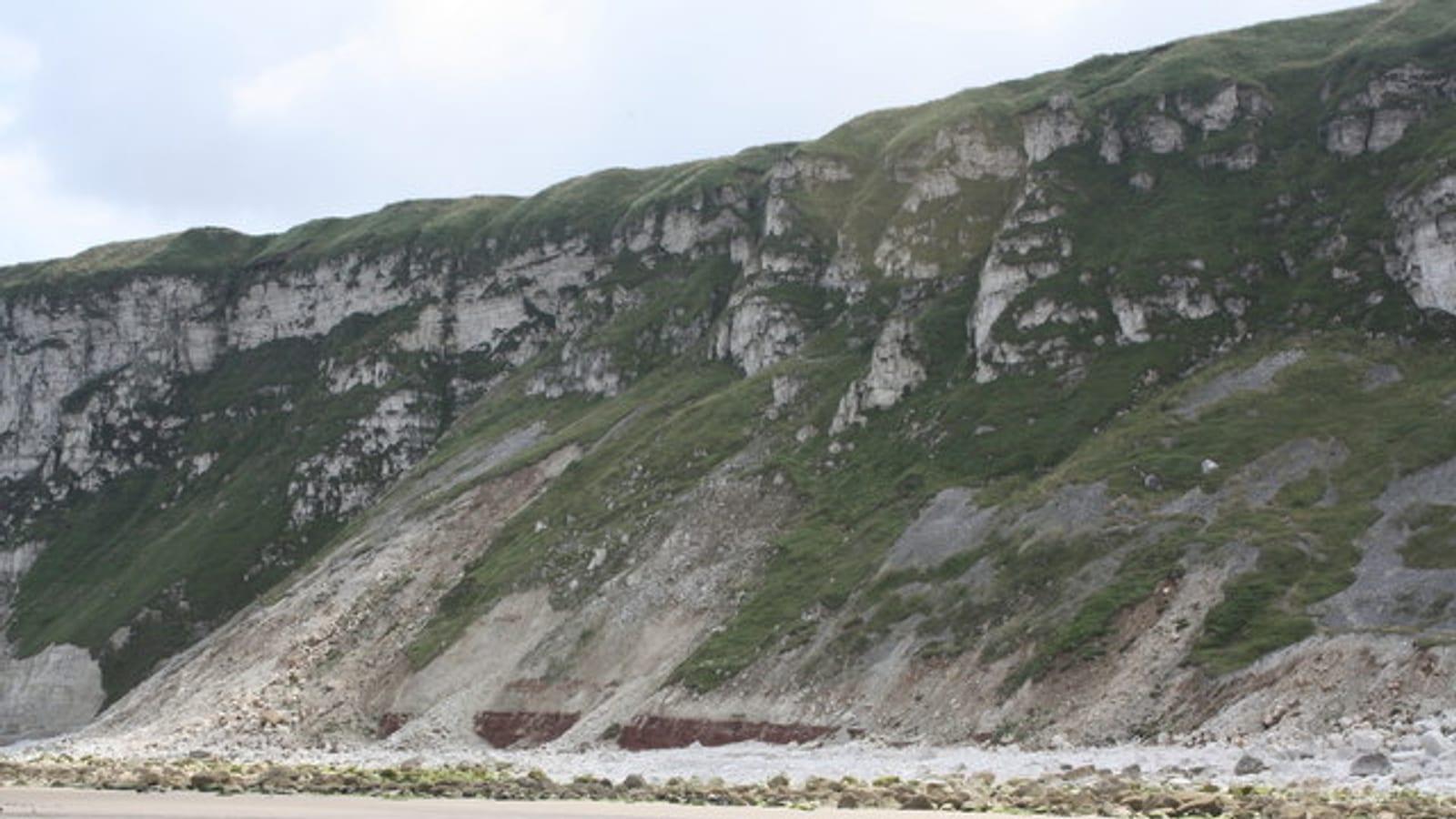
Speeton Cliffs Yorkshire Fossil Hunting Guide
United Kingdom
Ammonites, Belemnites, The Speeton Shrimp, Echinoids
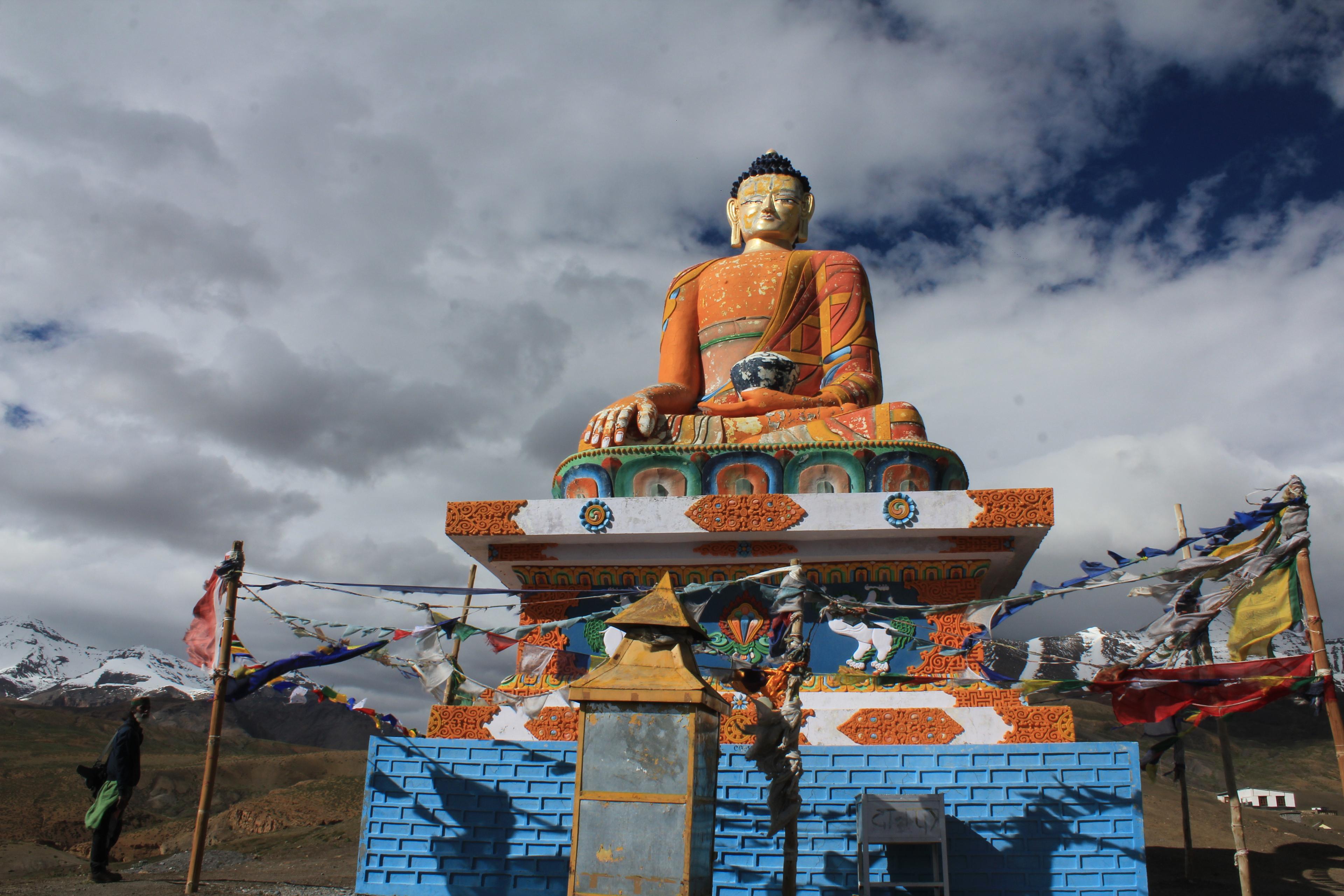
Spiti Valley: Shaligram Ammonites of the Tethys Sea
Himachal Pradesh, India
Ammonites, Belemnites, Marine invertebrates
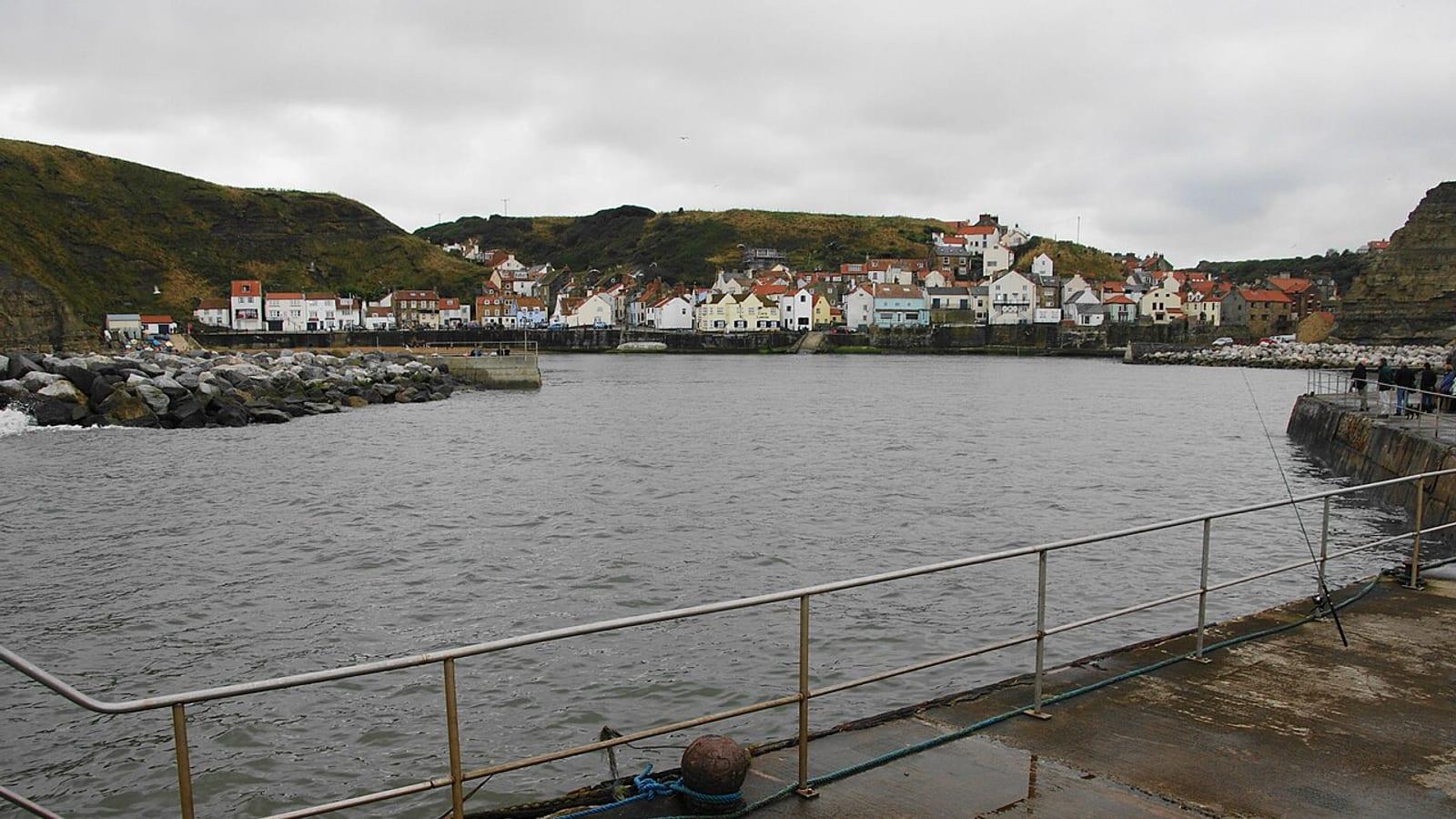
Staithes Yorkshire Guide Fossil Hunting Guide
United Kingdom
Ammonites, Bivalves and brachiopods, Trace fossils, Ichthyosaur and plesiosaur remains
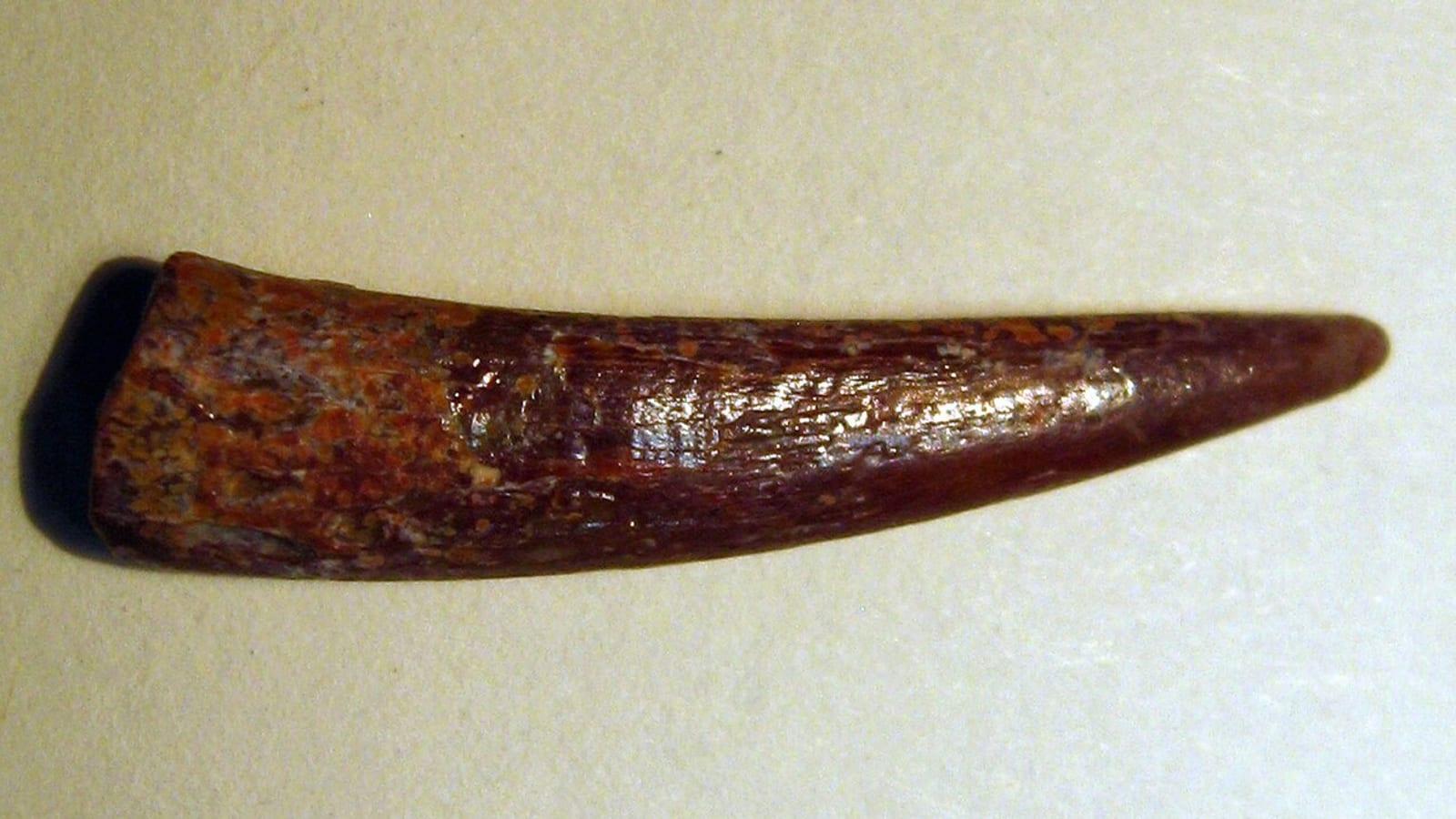
Taouz Cretaceous Fish Fossil Hunting Guide
Morocco
fish teeth, shark teeth, mosasaur remains, Fish teeth
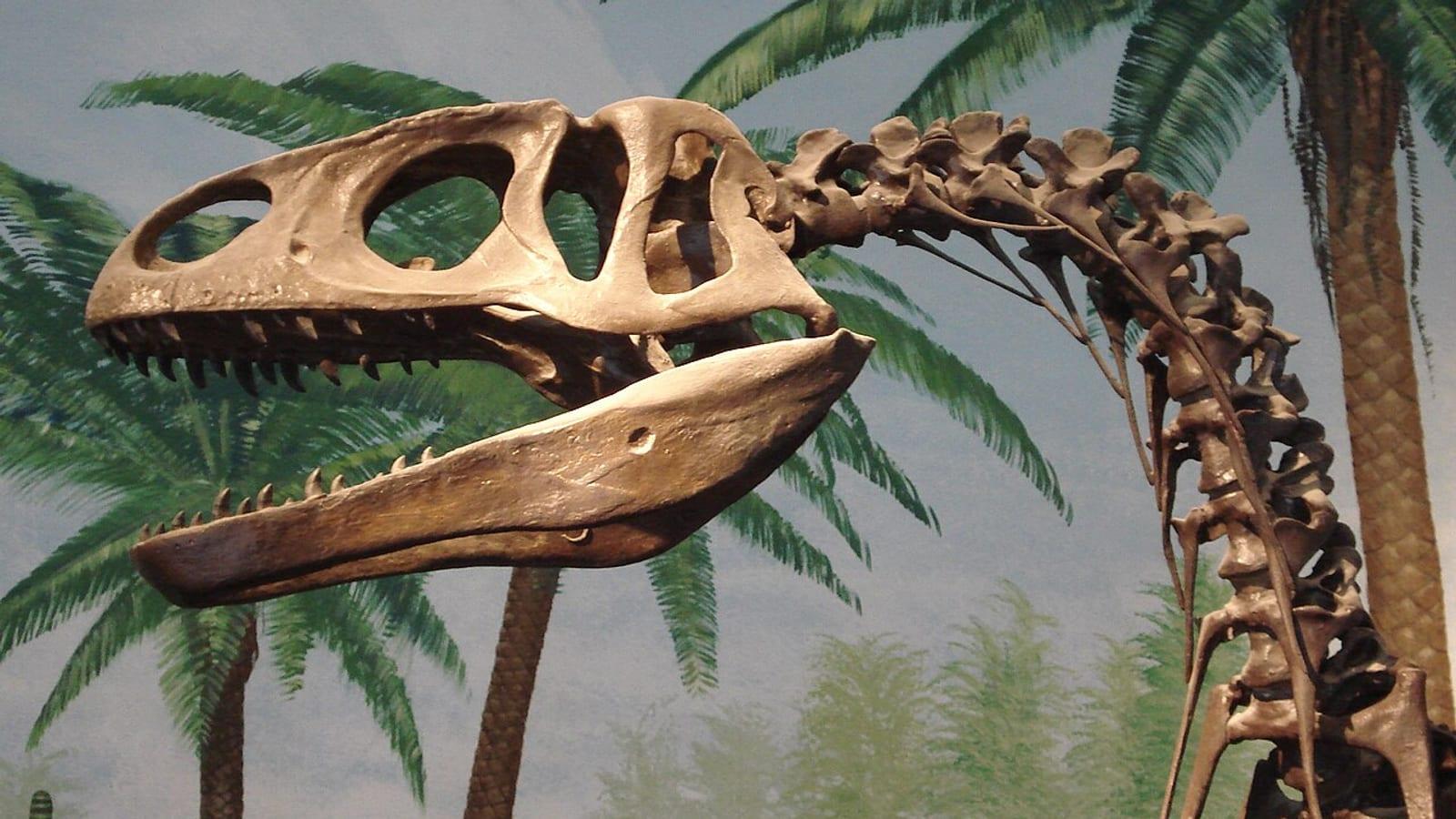
Urweltsteinbruch Holzmaden Posidonia Shale Fossil Hunting Guide
73274 Notzingen/Holzmaden
Ammonites, Ichthyosaur
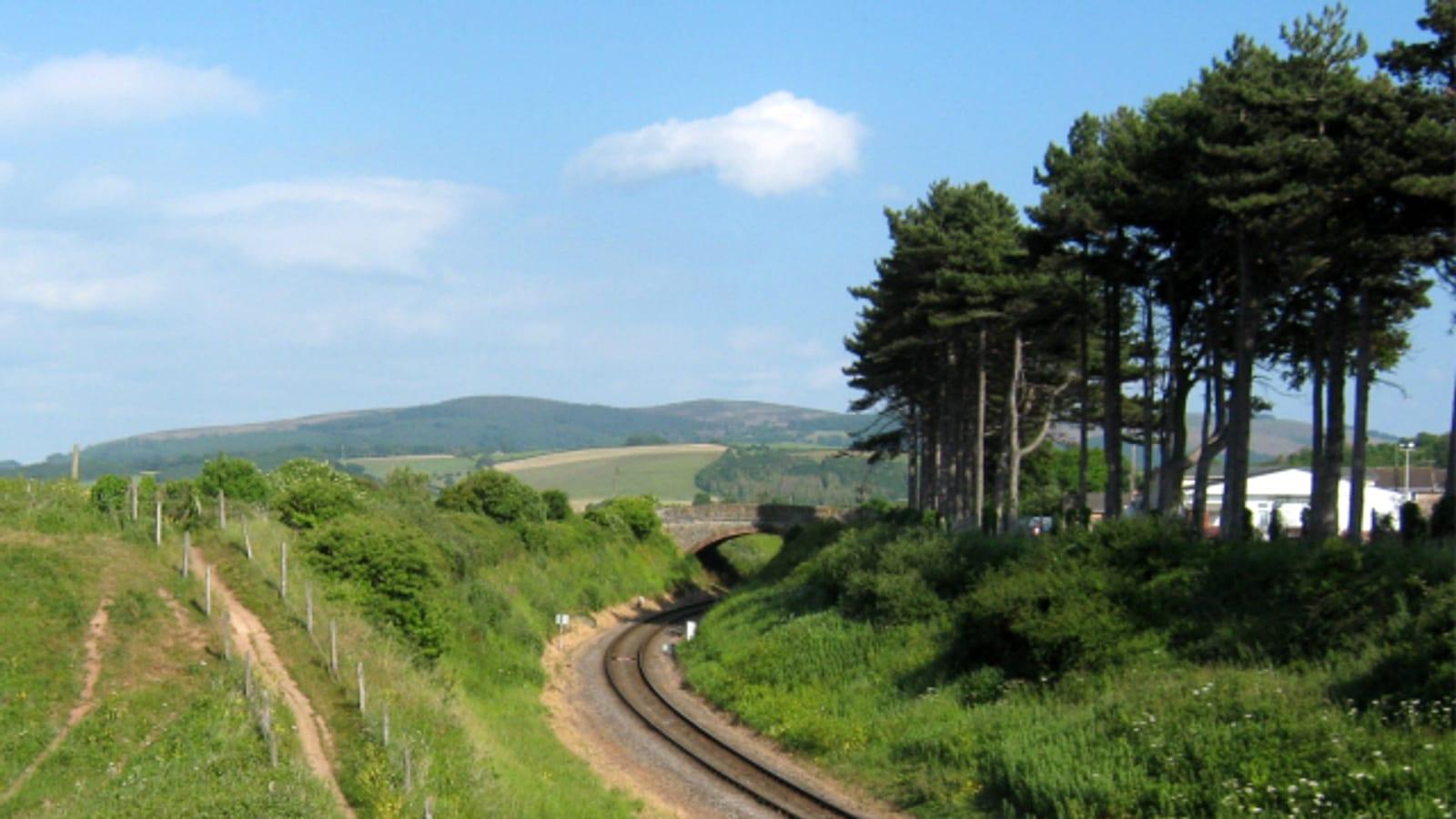
Watchet Somerset Fossil Hunting Guide
United Kingdom
Ammonites, Bivalves, Ichthyosaur
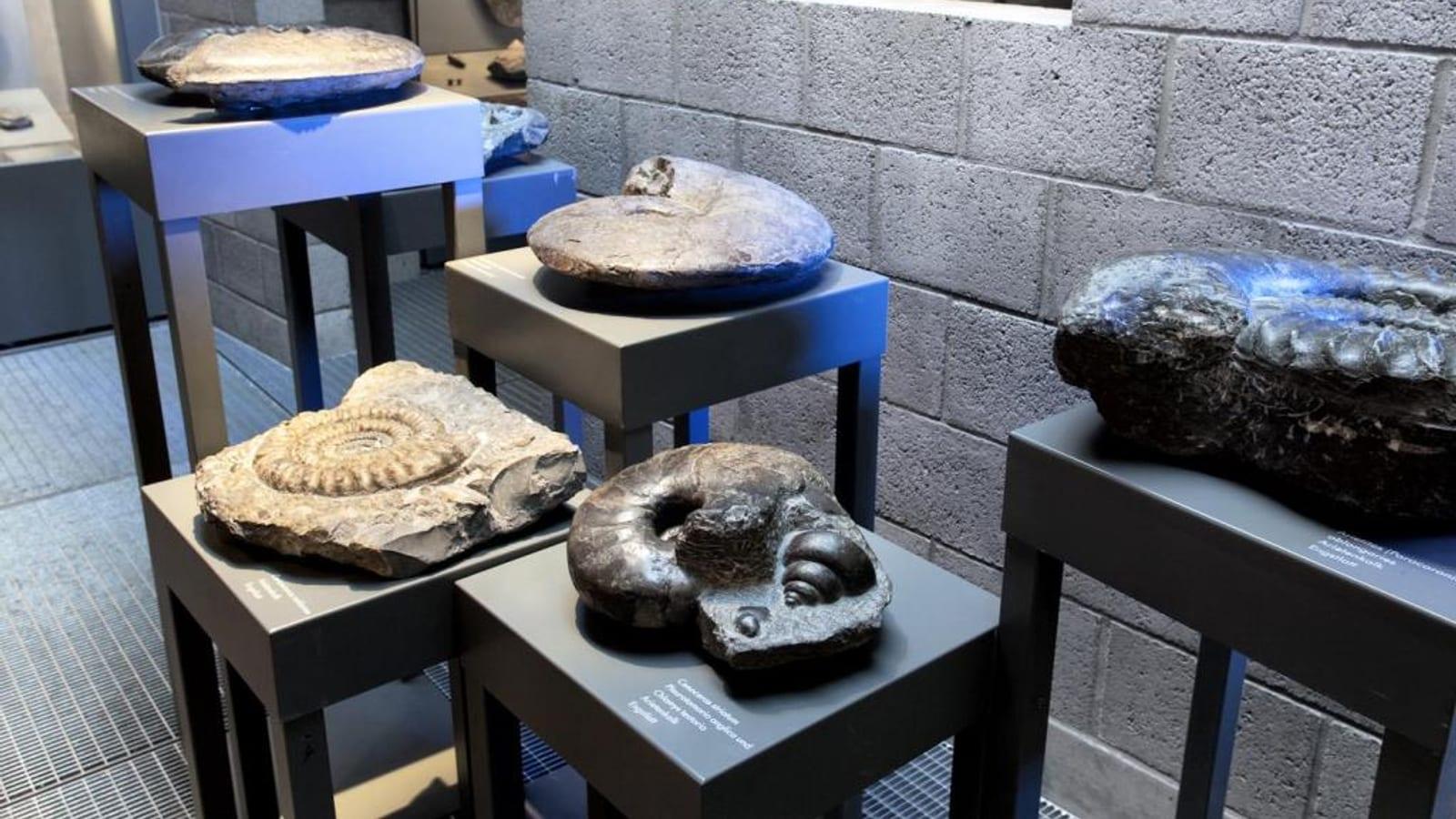
Werkforum Dotternhausen Fossil Hunting Guide
Baden-Württemberg, Germany
Ammonites, Belemnites, Bivalves, Marine Reptiles
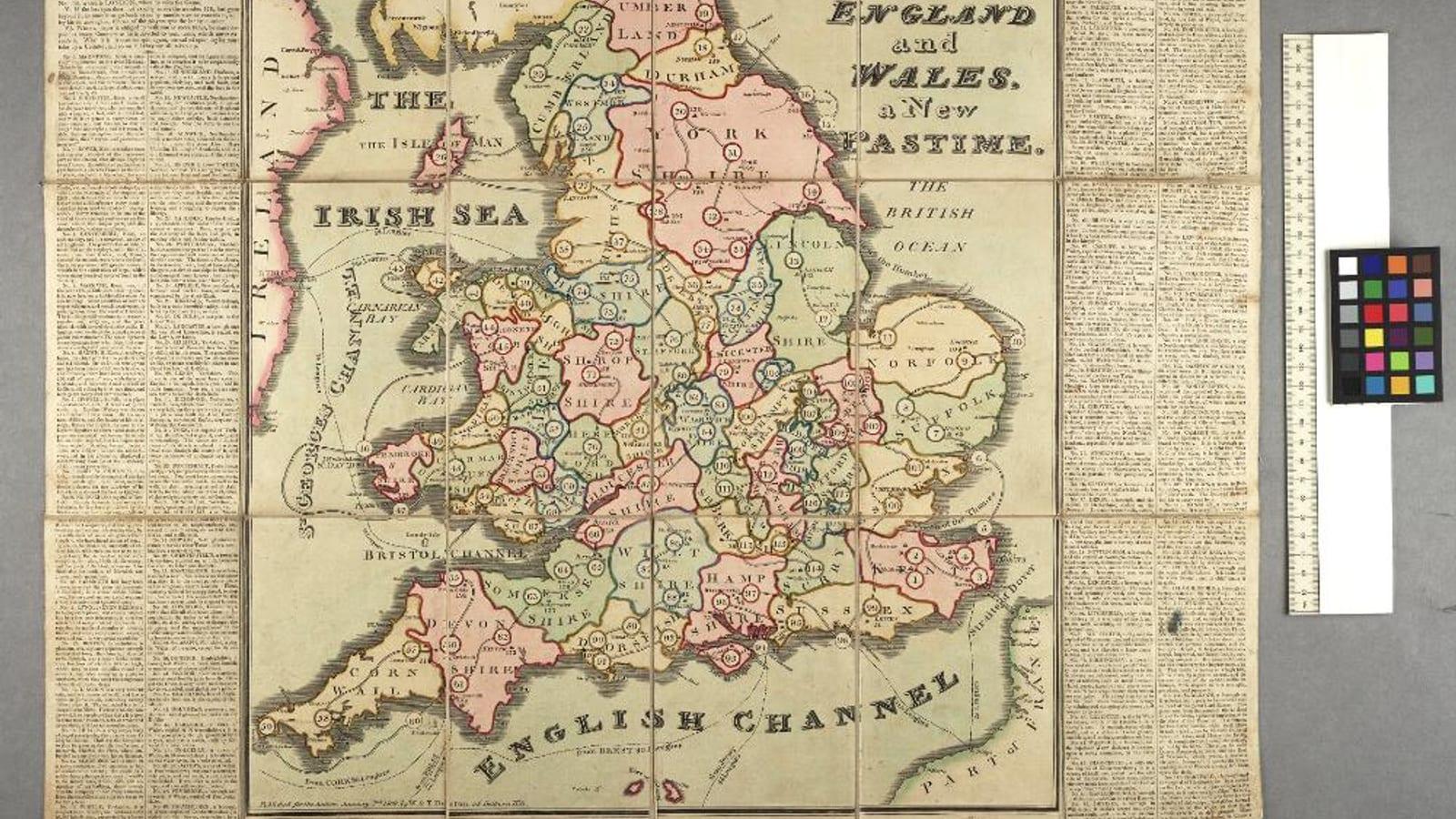
Whitby Yorkshire Fossil Hunting Guide
United Kingdom
Ammonites, Belemnites, Dinosaur Footprints, Ichthyosaur
White Cliffs Opal Fossicking Fossil Hunting Guide
Australia
Bivalve shells, Belemnites, Ammonites, NSW Fossicking Licence
Frequently asked questions
- Where is the best place to find ammonites?
- Charmouth and Lyme Regis on the Jurassic Coast are the most reliable starting points in the UK. Both beaches are free to access, and fresh material falls from the Blue Lias and Charmouth Mudstone cliffs after every storm. Search the foreshore scree rather than the cliff face itself. Whitby on the Yorkshire coast produces Jurassic ammonites from the Whitby Mudstone Formation. The beach below the cliffs at the north end of town is the most productive stretch. For Devonian goniatites (an ancestral ammonoid group), the Erfoud region of southern Morocco offers paid or informally arranged quarry access where you can find goniatite-bearing limestone directly. Each site suits a different collector: Charmouth is best for beginners with families, Whitby rewards early-morning persistence, and Morocco is worth the journey if you want Devonian material you cannot find in Europe.
- How do I identify an ammonite?
- Ammonites are coiled in a flat plane, unlike the helical coil of most modern snail shells. The most reliable identifying feature is the suture line: the boundary between each internal gas chamber, visible on the outer surface as a complex zigzag or frilled pattern. Modern snail shells have no sutures. Most ammonites also have pronounced ribbing that follows the curve of the coil, and some species show nodes or keels along the outer edge. At the centre of the coil you can often see the siphuncle, a small hole through which the animal regulated buoyancy. If you find a coiled shell with clear suture lines and ribbing, it is almost certainly an ammonite. Smooth spherical shapes without sutures are more likely gastropods or concretions.
- How big can ammonites get?
- The size range is wider than most collectors expect. Many common Jurassic Coast ammonites are 2 to 15 centimetres in diameter, and these are the specimens you are most likely to find. However, some species grew extremely large: Parapuzosia seppenradensis, a Late Cretaceous ammonite from Germany, is the largest known ammonite. The type specimen in Münster measured approximately 1.74 metres in diameter, and a 2021 study in PLOS ONE (Hoffmann et al.) estimated that a complete shell may have reached around 2 metres or more. At Monmouth Beach in Lyme Regis you can see large ammonites up to 60 centimetres embedded in the wave-cut limestone ledges at low tide. These are fixed in the rock and cannot be collected, but the site is worth visiting for the scale of material alone. Very large loose specimens are uncommon finds at most collecting beaches.
- Are ammonites rare?
- At well-chosen Jurassic Coast sites, ammonites are one of the most common fossils you will find. Charmouth Beach regularly produces small Asteroceras and Promicroceras specimens from the cliff scree, and a patient morning search usually yields several. Fragments are far more common than complete specimens. Intact ammonites with clear ribbing, visible sutures, and both sides of the shell preserved are less common and reward careful searching. Iridescent specimens with a pearlescent or opalescent sheen are often described as pyritised ammonites. Most of these come from commercial sources in Morocco or Russia rather than from UK beaches. If you see an iridescent piece for sale, it has almost certainly been commercially prepared rather than found on a public foreshore.
- What geological period are ammonites from?
- Ammonites (and their ancestors the ammonoids) appeared in the Devonian, roughly 390 million years ago, and survived until the end-Cretaceous mass extinction 66 million years ago. The entire group went extinct in the same event that eliminated non-avian dinosaurs. Different ammonite species occupied very short time windows, which makes them exceptionally useful to geologists as index fossils for correlating rock layers worldwide, a method called biostratigraphy. The ammonites you are most likely to find on the UK Jurassic Coast are Jurassic in age, between 201 and 145 million years old. Specimens from Morocco's Erfoud region are typically Devonian goniatites, around 370 million years old, representing a much earlier branch of the ammonoid lineage.