State
Fossil sites in Missouri
Missouri named the crinoid its state fossil in 1989, and the choice was well earned. Mississippian limestone across the southwest of the state is built largely from the broken stems of these animals.
The Springfield Plateau is the productive ground. The Burlington-Keokuk Limestone formed between about 350 and 340 million years ago in a warm shallow sea. Crinoids covered its floor in dense meadows. When they died, their stems broke into disc-shaped sections called columnals. Those discs make up so much of the rock that geologists give it a name of its own, encrinite.
Caplinger Mills in Cedar County is the documented public locality. The Sac River cuts through the limestone and exposes fresh rock in the bank and the bed. Collecting loose material is free. Complete crinoid heads, called calyxes, are far rarer than stem sections. Finding one takes patience and a careful eye on freshly weathered surfaces.
The Missouri Geological Survey maps which unit crops out where and is the authority to check first. The state also holds Pennsylvanian coal-measure plant beds and Ordovician dolomite, neither of which we have documented yet.
2 fossil sites
Updated 1 October 2026
Part of our national guide to the best places to fossil hunt in the United States.
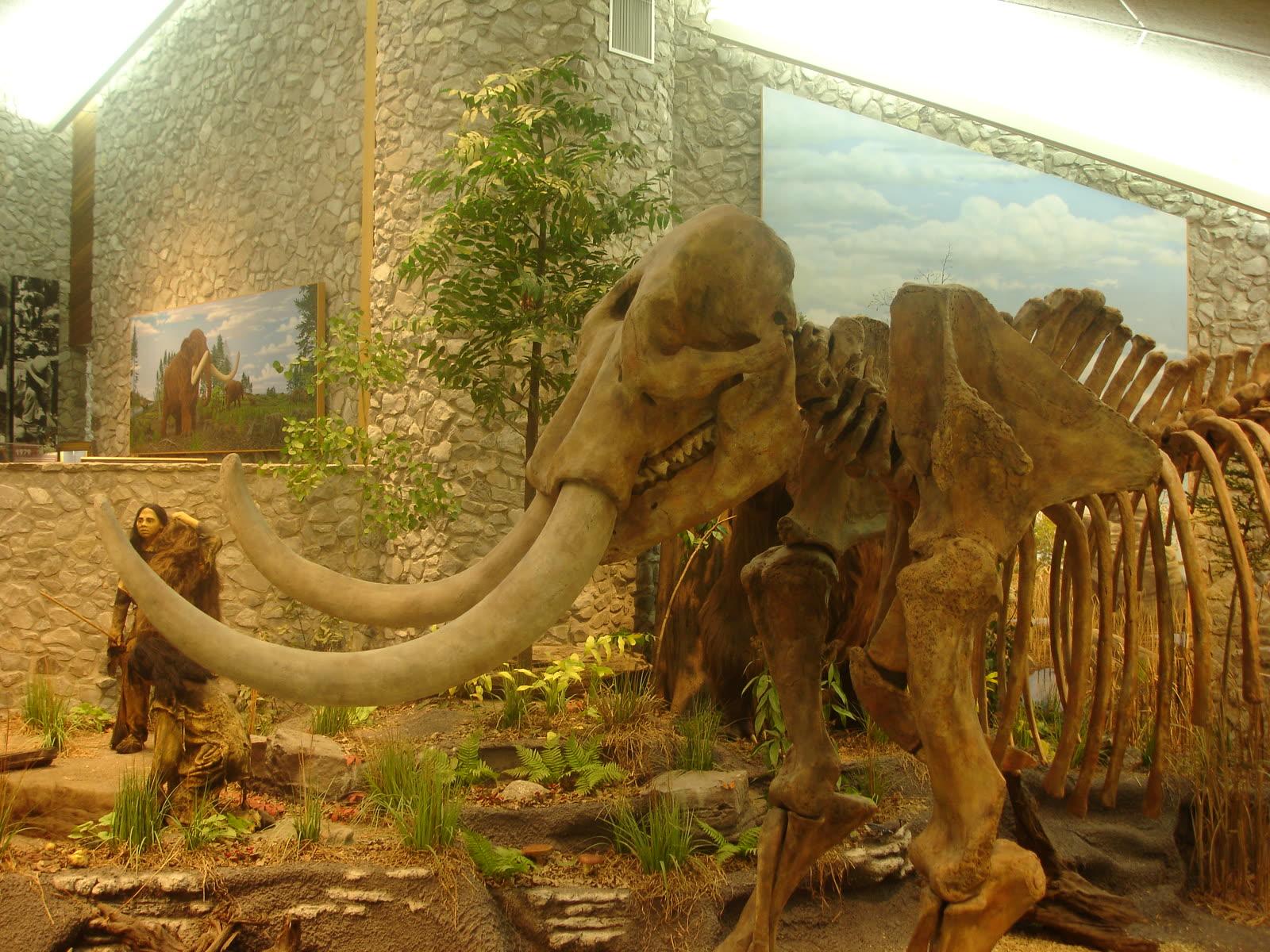
Mastodon State Historic Site Fossil Hunting Guide
Missouri, United States
Mammoths and Mastodons, Ground Sloths, Ice Age Mammals
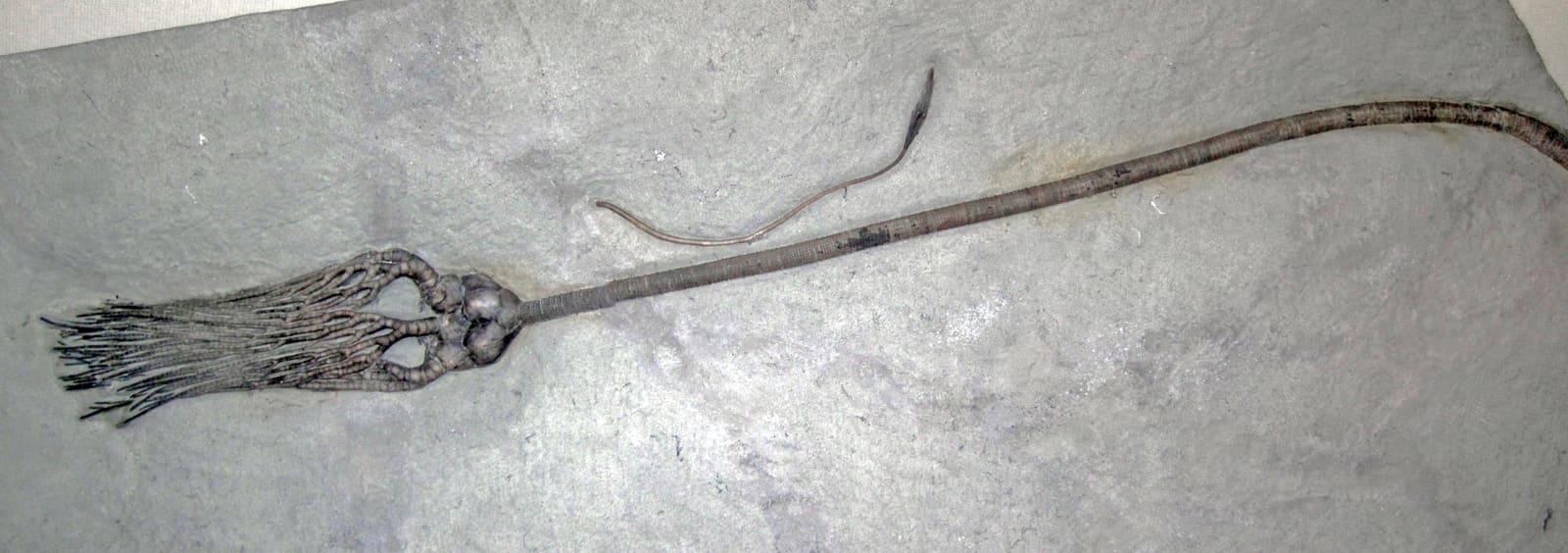
Springfield Plateau Crinoid Sites (Caplinger Mills) Fossil Guide
Missouri, United States
Crinoids, Brachiopods, Bryozoans, Blastoids
Frequently asked questions
- What is Missouri's state fossil?
- The crinoid, designated in 1989. Crinoids are stalked echinoderms, and they still live in today's oceans. Missouri chose them because Mississippian limestone across the state is built substantially from their broken stems.
- Where can you find crinoids in Missouri?
- The Springfield Plateau in the southwest exposes the Burlington-Keokuk Limestone, which is the most productive unit. Caplinger Mills on the Sac River in Cedar County gives free public access to loose material along the bank.
- Do you need tools to collect crinoids in Missouri?
- Loose weathered material along the river needs no tools at all. A hand lens helps you separate crinoid columnals from similar-looking debris. Check land ownership before you use a hammer anywhere.
- What else turns up alongside the crinoids?
- The same rock holds brachiopods, lacy and branching bryozoan colonies, and blastoids, which are another stalked echinoderm. Solitary horn corals and colonial forms occur as well. Chert in the limestone sometimes preserves these in silica, so they stand out where softer rock has weathered away.