Mastodon State Historic Site Fossil Hunting Guide
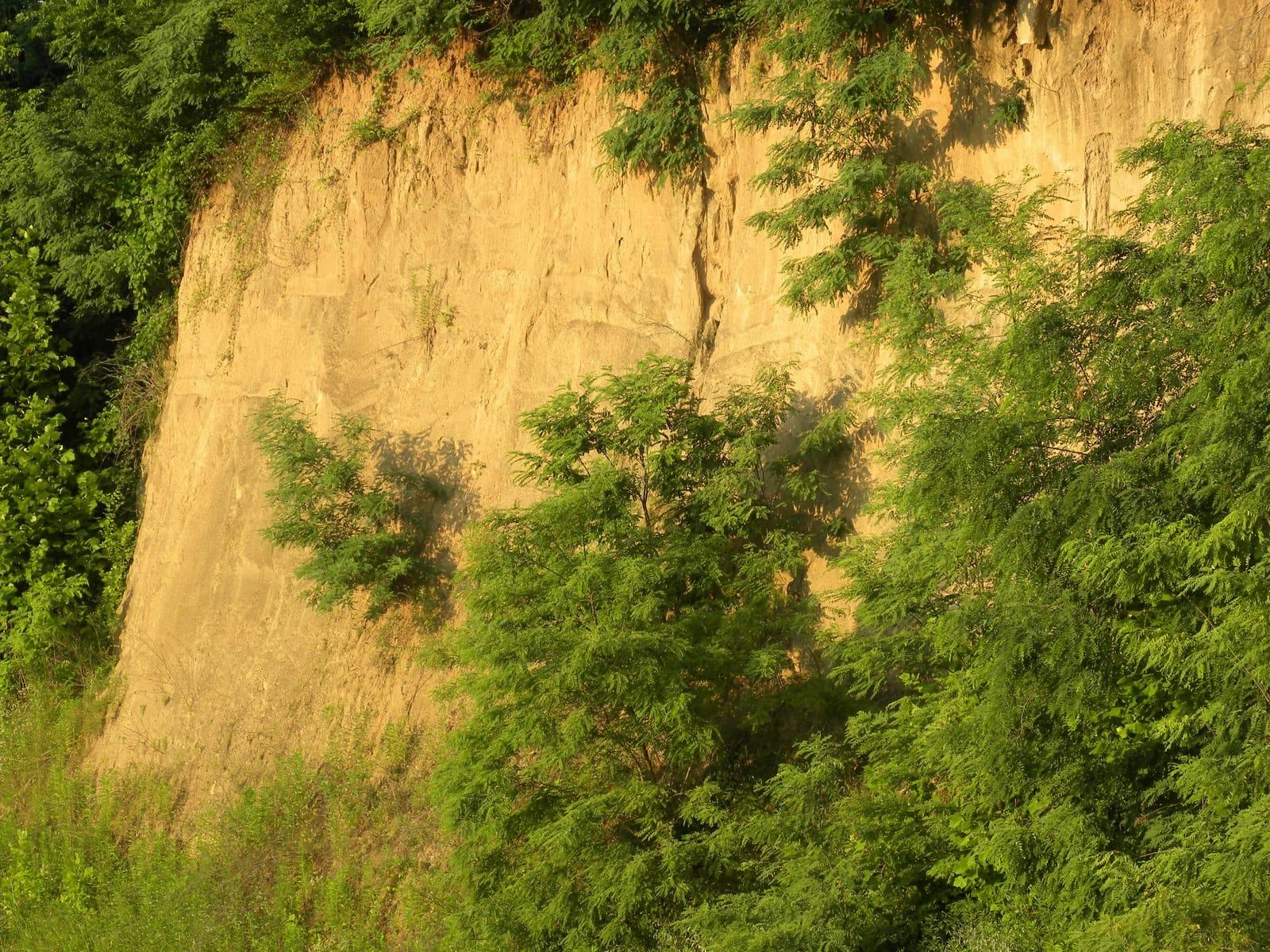
Image: Kevin Saff from Minneapolis, USA (CC BY-SA 2.0)
Mastodon State Historic Site in Imperial, Missouri, protects the Kimmswick Bone Bed, a Pleistocene spring deposit with American mastodon bones and a Clovis spear point. A trail leads to the bone bed and a museum shows the finds. Collecting and digging are not allowed. Grounds are free.
By Edward Chen · Published 1 October 2026
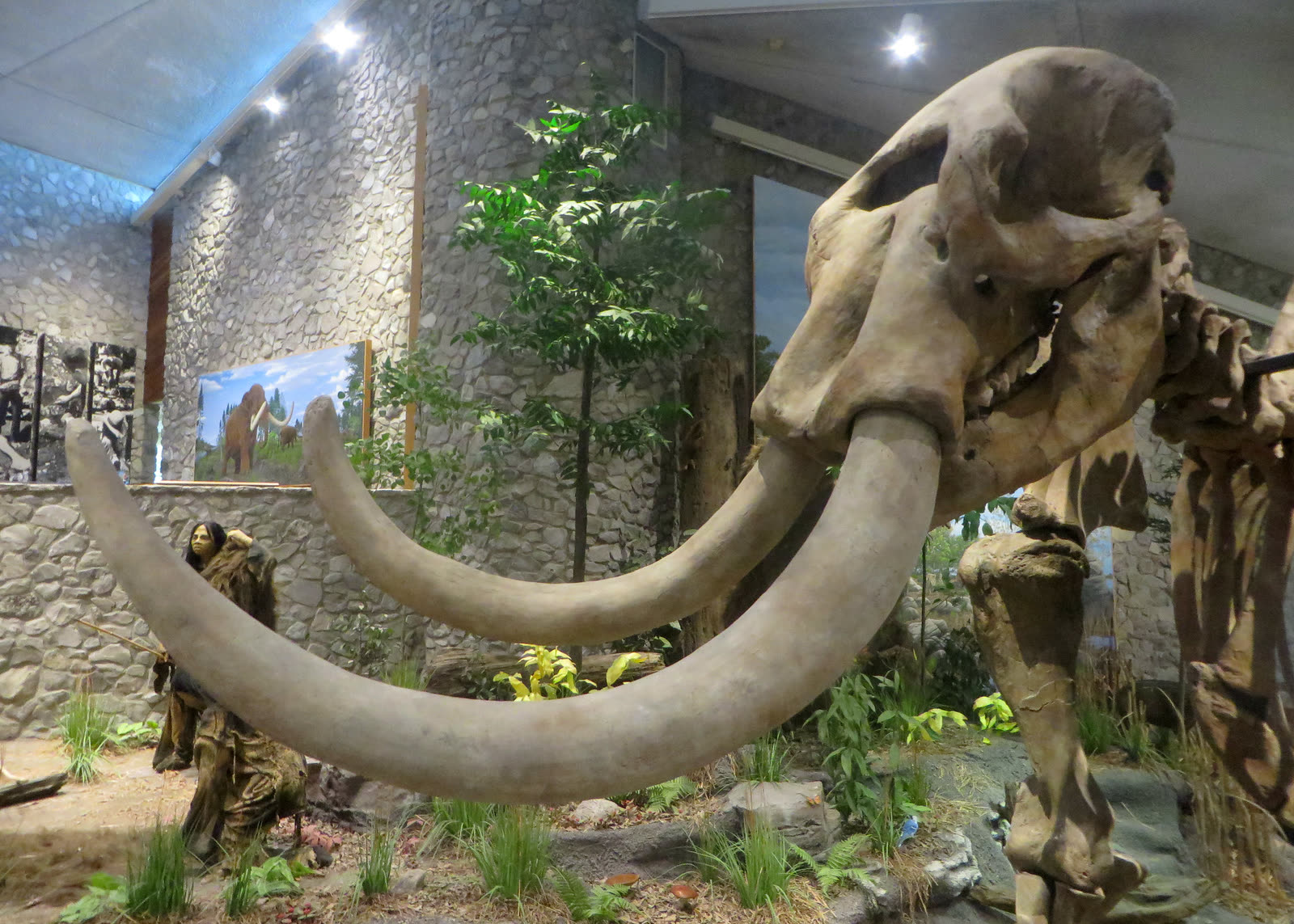 Photo: Eden, Janine and Jim (edenpictures), CC BY 2.0, via Flickr
Introduction
Mastodon State Historic Site in Imperial, Missouri, protects the Kimmswick Bone Bed, a Pleistocene deposit of American mastodon bones. In 1979 a team found a Clovis spear point lying with the bones. It was the first solid evidence that people and American mastodons lived together in eastern North America.
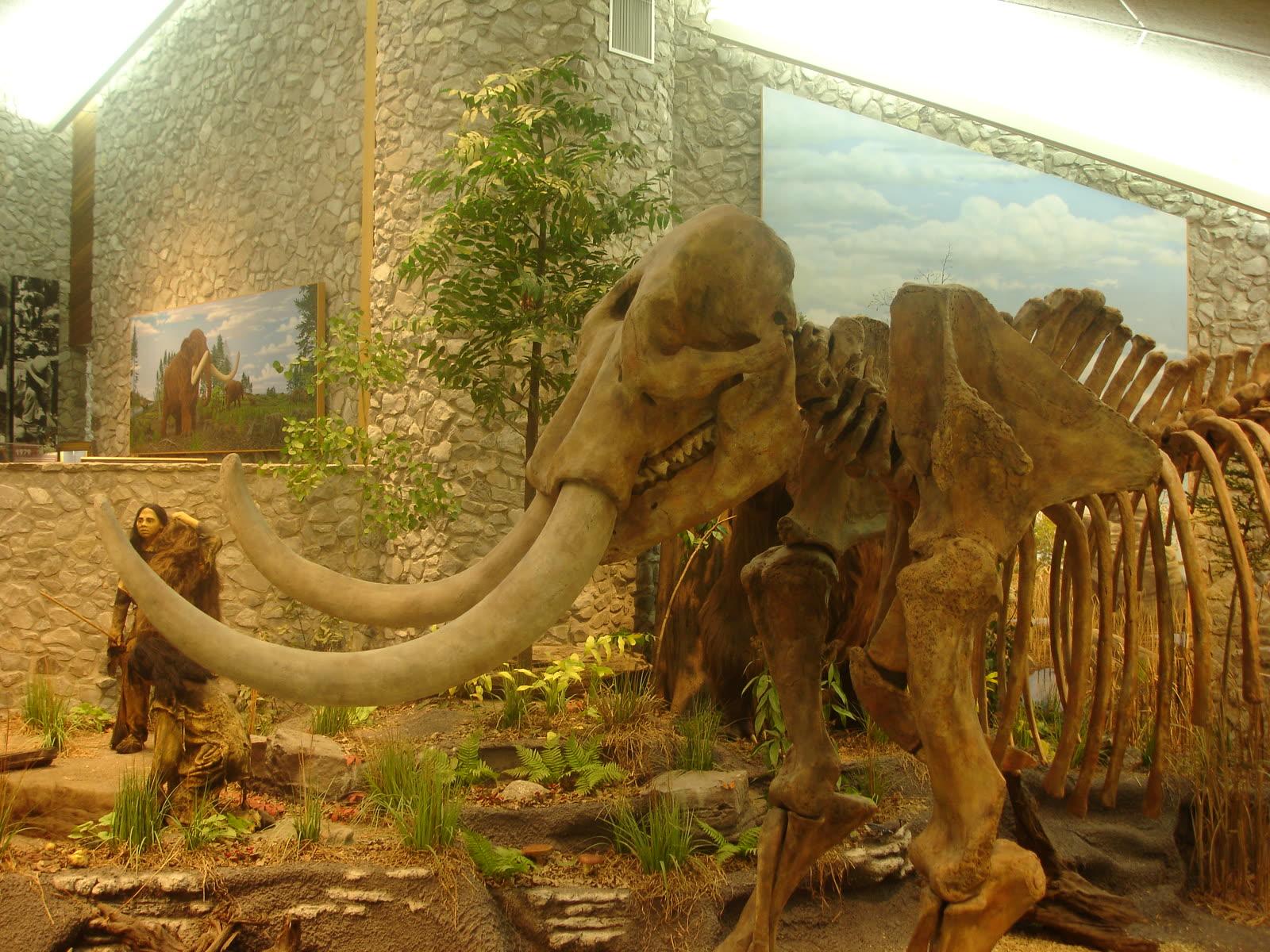
This is a viewing site. You cannot dig or collect fossils. A trail leads to the bone bed, and a museum shows artifacts, fossils and a full-scale mastodon skeleton replica. Grounds are free. The museum charges a small fee.
The site lies about 20 miles south of St. Louis. Missouri State Parks reports 418 acres, and Wikipedia gives 431. The state bought the land in 1976 to save the bone bed from damage during construction of Interstate 55.
Location and Directions
The site is at 1050 Charles J. Becker Drive, Imperial, MO 63052, in Jefferson County. Its museum coordinates are 38.379 degrees north and 90.385 degrees west. Take Interstate 55 to Exit 186. The telephone number is 636-464-2976.
The grounds are open from 08:00 to half an hour after sunset, every day of the year. The museum has seasonal hours. From 16 March to 15 November it is open Wednesday to Saturday 09:00 to 16:30, and Sunday 12:00 to 16:30. It is closed Monday and Tuesday.
From 16 November to 15 March, the museum is open Thursday to Saturday 11:00 to 16:00, and Sunday 12:00 to 16:00. It is closed Monday to Wednesday. It is closed on Easter Sunday and on state holidays.
The site has picnic areas and a shelter, a playground and a wildflower garden. VisitMO describes the site as accessible under the Americans with Disabilities Act. Missouri State Parks marked the site's 50th anniversary in 2026, and Wikipedia records 677,188 visitors in 2022.
Museum admission is $4 for adults and teens aged 13 and over. Children aged 12 and under are free. Groups of 10 or more with two weeks notice pay $3.50 each. A video of about 15 minutes plays on most hours.
What Fossils You'll Find
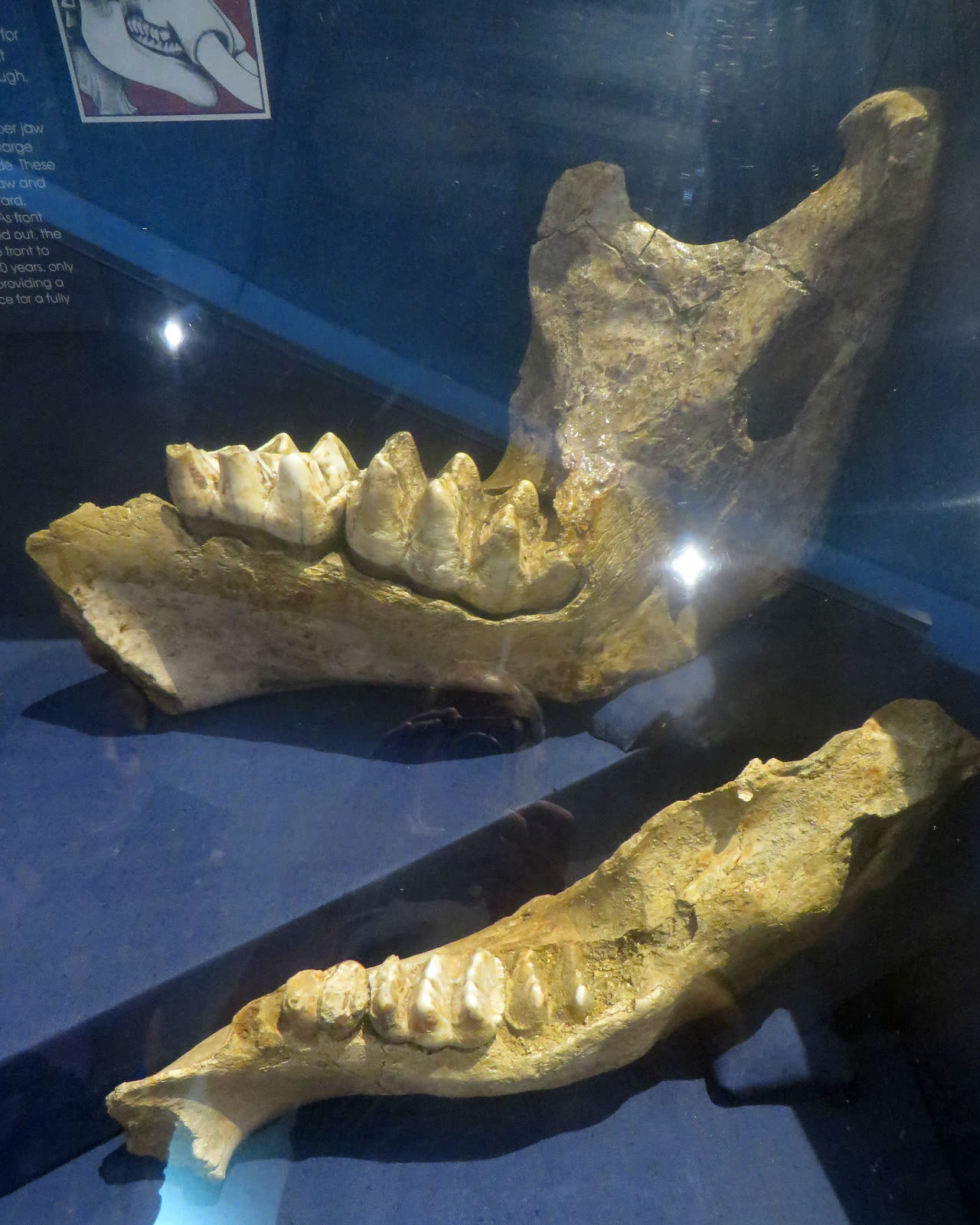 Photo: Eden, Janine and Jim (edenpictures), CC BY 2.0, via Flickr
Visitors see fossils on display, and an interpretive kiosk stands at the bone bed. The bone bed holds the American mastodon, Mammut americanum. Jefferson's ground sloth, Megalonyx jeffersonii, also occurs there. The kiosk text, as described by Hiking Project, adds peccaries and the stag moose.
Bones of mastodons were first reported here in the early 1800s. The first documented investigation came in 1839, when Albert C. Koch, a St. Louis museum owner, called his find the Missouri Leviathan. The anatomist Richard Owen later identified it as an American mastodon.
In the early 1900s the amateur C. W. Beehler dug skulls, jaws, teeth and tusks from the deposit. Railroad tours brought visitors from St. Louis, especially during the 1904 World's Fair. His work was not documented, so scientists did not accept his stone tool finds as proof of people.
In 1979 the paleontologist Russell W. Graham excavated at the site and recovered a Clovis-type spear point in direct association with mastodon bones. It was the first solid evidence of this kind in eastern North America.
Geologic History
The bone bed is a late Pleistocene deposit. The Missouri State Parks history page dates the site's remains to the end of the ice age, from 35,000 to 10,000 years ago. The Clovis levels date to 14,000 to 10,000 years ago.
The area was swampy ground with mineral springs. Large animals came to the springs and some became trapped in the mud. The mud then preserved their bones. The site has no formal formation name, so this guide calls it the Kimmswick Bone Bed.
Do not confuse the bone bed with the Kimmswick Limestone. Jefferson County is the type area of that Ordovician limestone, which is about 458 to 446 million years old. It is much older than the bone bed and it is not the fossil host. A quarry also worked at the site from the 1870s to the 1930s.
Collecting Rules and Regulations
Collecting is prohibited. Missouri State Parks rules forbid the removal of plants, animals, rocks, downed timber, artifacts or relics without written permission from the state park director. The bone bed is also an archaeological site. Do not dig, probe or disturb the ground.
Keep your pet on a leash no longer than 10 feet. Pets are not allowed in buildings.
This guide found no public dig or screening program at the site. The site hosts guided hikes and talks. Telephone the museum for the current list of programs.
Leave every bone, flake and rock where you find it. If you think you have found a bone or a stone tool outside the bone bed, tell museum staff.
Safety
The site has three hiking trails. They are the Limestone Hill Trail, the Spring Branch Trail and the Wildflower Trail. The Missouri State Parks trails page notes that only certain activities are allowed on each trail.
The Wildflower Trail runs 0.4 mile to the bone bed. It has many wooden stairs and crosses an old limestone quarry on the way down. Hiking Project rates it intermediate to difficult. Hold the handrail on wet stairs, and wear shoes with grip.
Do not climb the limestone bluffs or the old quarry walls. Rock can fall from steep faces.
Grounds close half an hour after sunset. Leave the trails before dark. Carry water on warm days.
Sources
https://mostateparks.com/historic-site/mastodon-state-historic-site https://mostateparks.com/key-location/museum https://mostateparks.com/hours/946/historic-site/mastodon-state-historic-site https://mostateparks.com/page/mastodon-state-historic-site/historic-site-history-mastodon https://mostateparks.com/page/laws-and-regulations https://mostateparks.com/park/mastodon-state-historic-site/trails https://dnr.mo.gov/communications/news/mastodon-state-historic-site-celebrates-50-years https://www.visitmo.com/things-to-do/mastodon-state-historic-site https://www.hikingproject.com/trail/7106343/wildflower-trail https://en.wikipedia.org/wiki/Mastodon_State_Historic_Site https://en.wikipedia.org/wiki/Kimmswick_Limestone https://www.theclio.com/web/entry?id=1080