beginners
Best Fossil Hunting Destinations for Beginners
By Edward Chen · Published 14 May 2026
The best site for a beginner is not the most famous or the most scientifically significant, it's the one that produces finds on a typical visit without specialist knowledge or expensive equipment. A site that requires days of rock splitting, specialist permit paperwork, or remote 4WD access will discourage most first-time visitors before the hobby has taken hold. The five sites below are chosen by a different standard: they are reliably productive, accessible, and unambiguous about the rules.
Each of these sites sees thousands of beginner visitors per year. The knowledge base around each one is extensive, the local infrastructure supports collectors, and the finds are real and recognizable without years of experience.
Charmouth, Dorset, UK
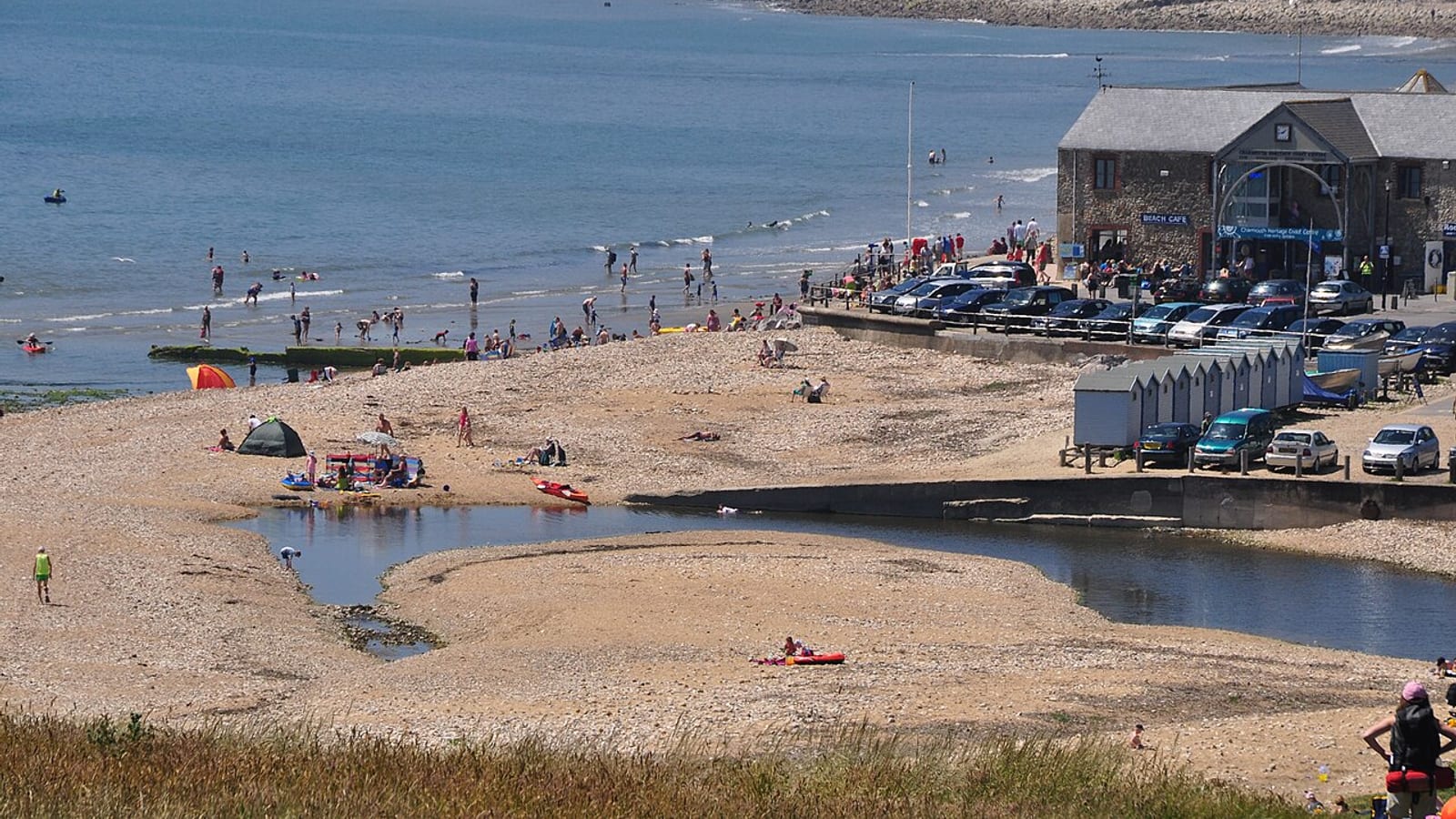
Charmouth is the standard recommendation for UK beginners, and it earns that status. The foreshore at Black Ven, the large cliff section east of the beach car park, exposes Blue Lias and Shales-with-Beef formation, a sequence of Jurassic mudstone and limestone roughly 195–200 million years old. The productive material is loose on the beach: grey and brown nodules, flat mudstone fragments, and larger fallen blocks, all released from the cliff by erosion.
What you'll find: belemnite guards are the most common find, recognizable as bullet-shaped grey-brown cylinders 3–8cm long. Ammonite fragments are common on most visits. Complete ammonites are realistic on a half-day visit in good conditions. Ichthyosaur material, vertebrae and rib fragments, occurs occasionally in the same beds.
Access is simple. The Charmouth Beach car park is pay-and-display. The foreshore is a five-minute walk. The Charmouth Heritage Coast Centre at the beach provides identification help and context for what you find. Collecting on the foreshore is legal under the management agreement for this SSSI-designated site, subject to the standard limits: surface material only, no hammering the cliff face, personal quantities.
The best conditions: visit at low tide, two hours either side. Spring tides expose more foreshore. After winter storms, the cliff erodes more rapidly and deposits new material on the beach.
Caesar Creek State Park, Ohio, USA
Caesar Creek is the equivalent recommendation for US beginners. The designated fossil collecting area is the spillway below Caesar Creek Dam, where Ordovician limestone and shale roughly 450 million years old are continuously exposed by water flow through the spillway channel. The geology here is older than any vertebrate animal, it preserves a marine ecosystem from a period when life was almost entirely ocean-based.
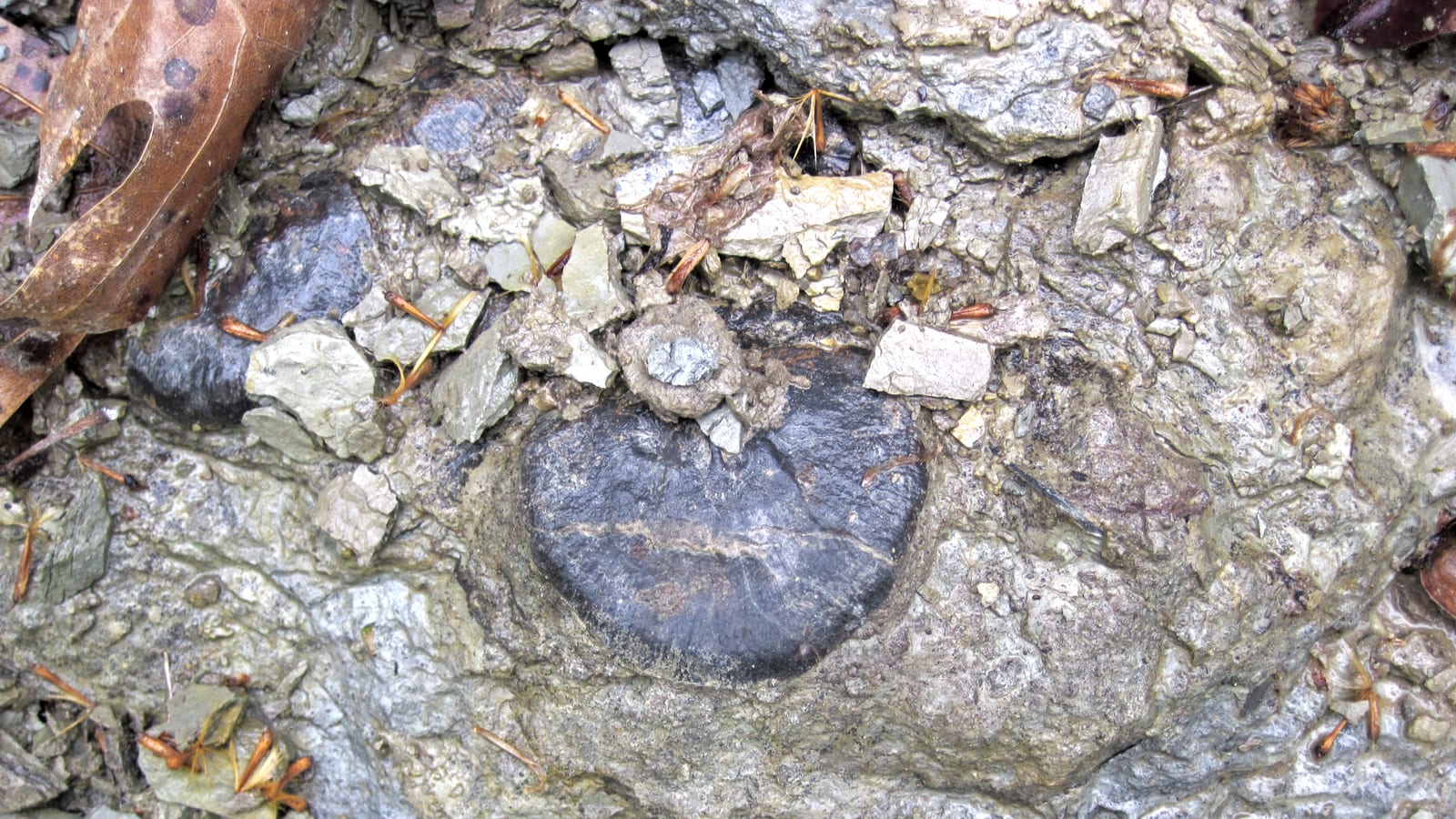
What you'll find: brachiopods are the most common find, appearing as paired curved shells in limestone surfaces. Crinoid stem segments, pentagonal or circular discs with a central hole, are widespread. Trilobites (Flexicalymene meeki, a species typical of Ohio Ordovician deposits) occur as enrolled (curled) specimens in the shale and occasionally in limestone. First-time visitors regularly find multiple brachiopods on any visit. Trilobites are less frequent but realistic in a few hours of patient searching.
Entry is free. Ohio state law permits personal collection of fossils at designated Ohio state park areas. The spillway area is open year-round. The exposed rock is flat and walkable without specialist equipment. No permit is required for surface collection of invertebrate fossils for personal use.
Venice Beach, Florida, USA
Venice Beach is the best US beach site for a first fossil hunting trip. Shark teeth wash up continuously from the offshore sediments along this stretch of the Gulf Coast, delivered to the shoreline by wave action. The teeth come from multiple species and geological periods, Megalodon teeth (Otodus megalodon, Miocene epoch, roughly 5–15 million years old) are found here regularly, alongside teeth from modern shark ancestors, rays, and other marine vertebrates.
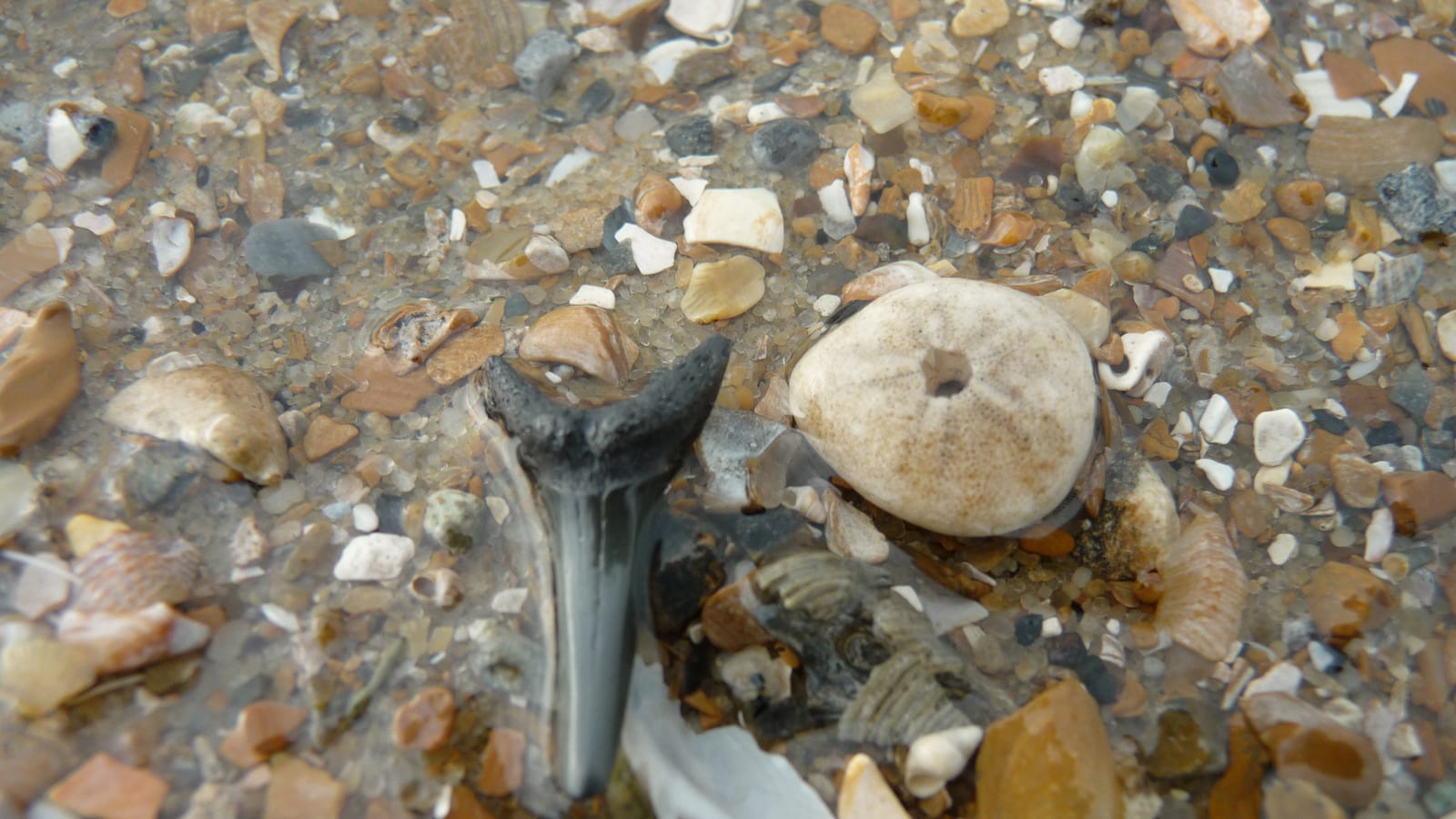
What you'll find: small shark teeth in the 1–3cm range are common finds on a typical beach walk. Larger teeth up to 5–7cm occur regularly. Megalodon teeth in the 10–15cm range are found multiple times per year at this beach. The teeth are dense and dark, black, grey, or dark brown, and stand out clearly against pale sand in the right light.
No permit is required to collect shark teeth on the public beach. The area around the Venice Fishing Pier and the beach stretches north and south of it are the most productive sections. Early morning visits, especially after rough surf has stirred offshore sediment, produce the best finds. The Shark Tooth Capital of the World designation reflects the genuine concentration of material here relative to most other accessible beaches.
Trammel Fossil Park, Sylvania, Ohio, USA
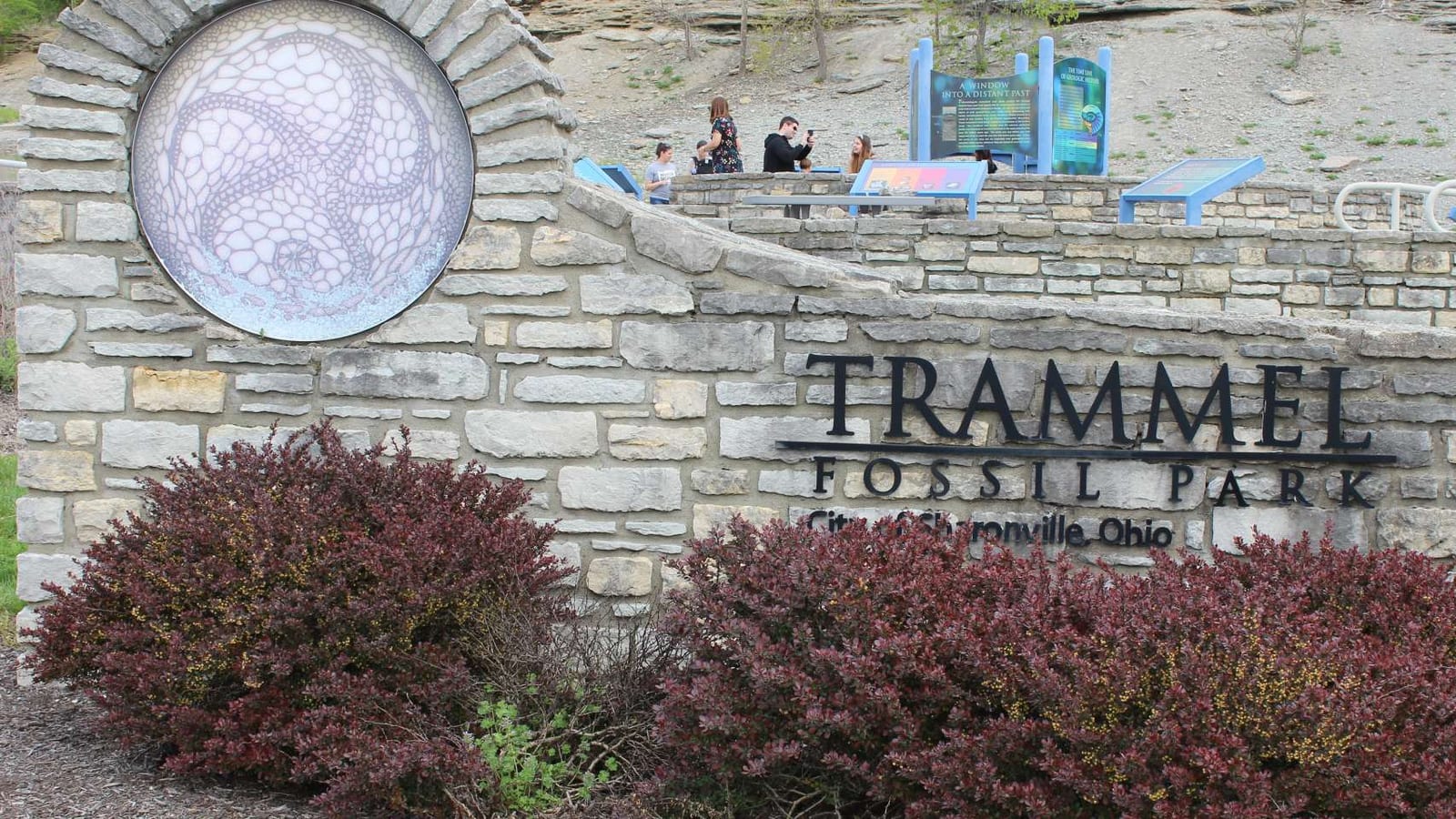
Trammel Fossil Park is a free, open-access fossil collecting site operated by the city of Sylvania, Ohio. Like Caesar Creek, it exposes Ordovician limestone, the Silica Formation here is approximately 375 million years old, slightly younger and in some ways more varied than the Caesar Creek deposits. Brachiopods, bryozoans, trilobites, and crinoids all occur.
What sets Trammel apart for beginners: the site has no fees, no permits required, and no quantity limits for personal collection. Visitors are encouraged to collect. The material is surface-exposed in broken limestone throughout the park. Phacops (now Eldredgeops) trilobites, with the distinctive large faceted eyes, occur in the Silica Formation and are recognized immediately by collectors familiar with the genus.
The park is maintained specifically for public fossil collecting and has clear signage. It's a short drive from Toledo and is often combined with a Caesar Creek visit for a productive Ohio fossil hunting weekend.
Whitby, Yorkshire, UK
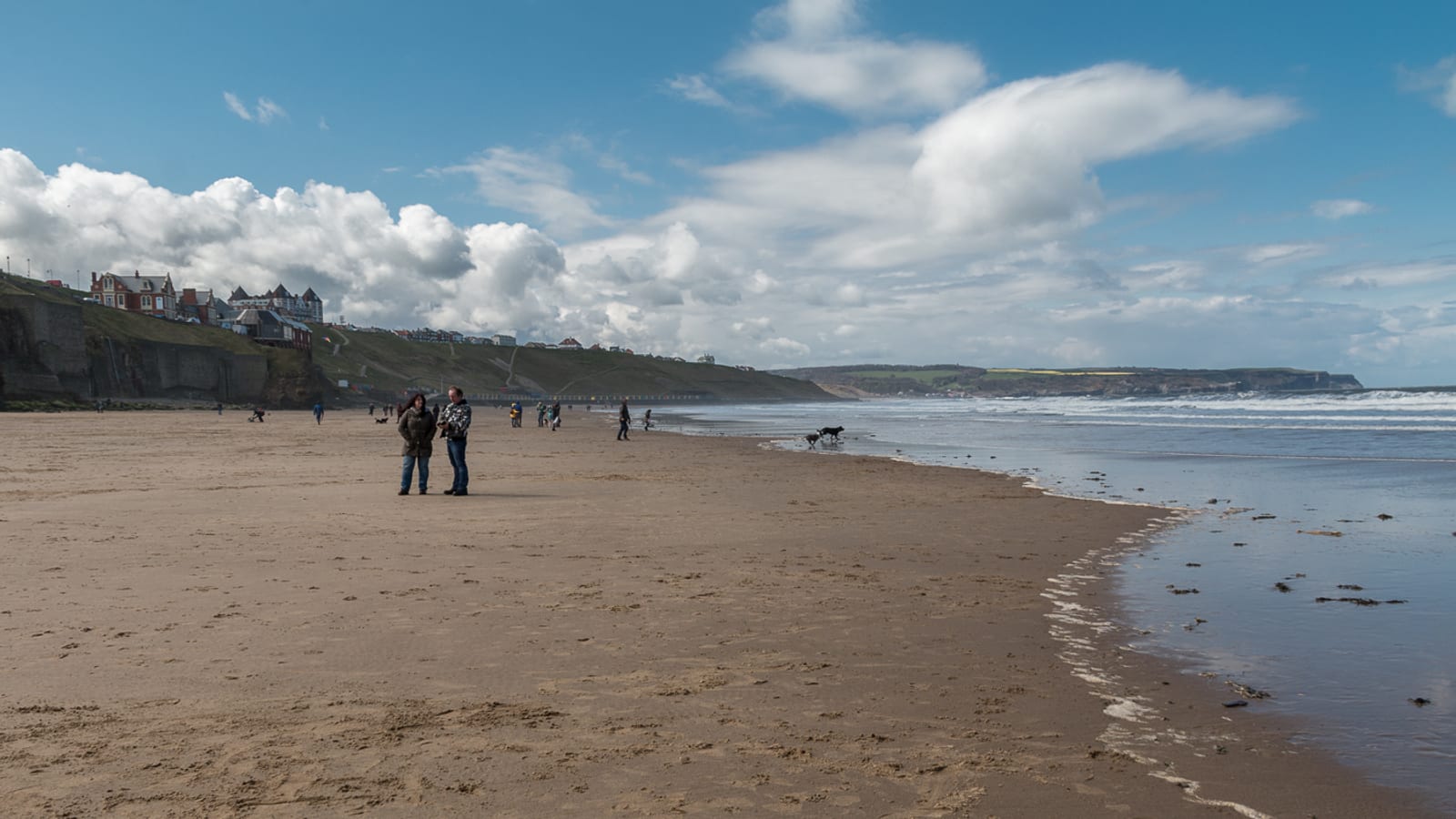
Whitby is the second recommendation for UK beginners, after Charmouth. The town's fossil heritage is immediately apparent, local shops sell ammonites and jet, the museum displays the ichthyosaur material found on the nearby foreshore, and the collectors who work the beach are generally willing to help beginners identify what they find.
The productive area is the foreshore around Robin Hood's Bay, a few kilometres south of Whitby, where the Toarcian Shale and Jet Rock formation exposes Jurassic material roughly 180–183 million years old. Ammonites (including Dactylioceras and Hildoceras), belemnites, bivalves, and occasional vertebrate fragments occur in the fallen material on the foreshore.
The terrain here is rougher than Charmouth, the foreshore at Robin Hood's Bay is boulder-strewn and requires good footwear. But the scenery is striking and the finds are consistent. Whitby Museum holds a significant local fossil collection and provides identification services for members of the public. Collecting rules are the same as at Charmouth: surface material on the foreshore only, no cliff hammering.
Where to go next
For detailed site guides covering what to find, how to access, and what the rules are at the UK sites above, the Dorset guide covers Charmouth in depth and the Yorkshire Coast guide covers Whitby and Robin Hood's Bay. The Ohio guide covers Caesar Creek and Trammel Fossil Park. The beginners guide on GFH covers what to bring and how to identify what you find on a first trip.
Frequently asked questions
- What is the best fossil hunting site for beginners in the UK?
- Charmouth in Dorset is the standard recommendation. The foreshore at Black Ven exposes Blue Lias and Shales-with-Beef — Jurassic mudstone and limestone roughly 195–200 million years old — and releases belemnite guards and ammonite fragments on most visits. The Charmouth Heritage Coast Centre provides free identification help. Collecting loose surface material is legal under the site's SSSI management agreement.
- What is the best fossil hunting site for beginners in the US?
- Caesar Creek State Park near Waynesville, Ohio is the best free beginner site: Ordovician limestone roughly 450 million years old produces brachiopods, crinoids, and Flexicalymene meeki trilobites, entry is free, and Ohio state law explicitly permits personal collection at the designated collecting area. Venice Beach, Florida is the best beginner beach site — shark teeth including Megalodon wash up continuously and no permit is required.
- Can beginners find fossils on their first trip?
- Yes, at sites chosen for consistent surface finds. Charmouth reliably produces belemnite guards and ammonite pieces; Caesar Creek State Park reliably produces brachiopods; Venice Beach regularly produces shark teeth. The key is selecting a site where productive material is already loose on the foreshore or exposed in eroded rock surfaces, rather than one that requires specialist excavation or extended searching.