beginners
What's the Best Time of Year to Hunt Fossils?
By Edward Chen · Published 14 May 2026
At UK coastal sites, late autumn through early spring produces the most new material. Atlantic storms erode cliff faces and wash fresh rock onto the foreshore during this period. By midsummer, the productive areas are often picked over and partially covered by sand. For most beach and foreshore fossil sites globally, the season after major weather events is always more productive than a stable, calm period regardless of the time of year.
For US desert and plains sites, spring and autumn give the most comfortable working conditions. Summer in Wyoming, Utah, or Montana regularly exceeds 35°C (95°F) in the field. Winter makes many site roads impassable. The fossils themselves are exposed year-round, but the conditions for finding them are not.
UK and European coastal sites
The Jurassic Coast of Dorset and East Devon, the Yorkshire coast, and the Pembrokeshire beaches in Wales all erode primarily in winter. Storm waves attack exposed cliff faces, detach blocks, and scatter material across the foreshore. A beach like Robin Hood's Bay or Charmouth after a winter storm has fresh grey-blue shale on the foreshore that hasn't been examined before. By mid-July, most of the winter's new material has been found, and the productive zone is under summer sand.
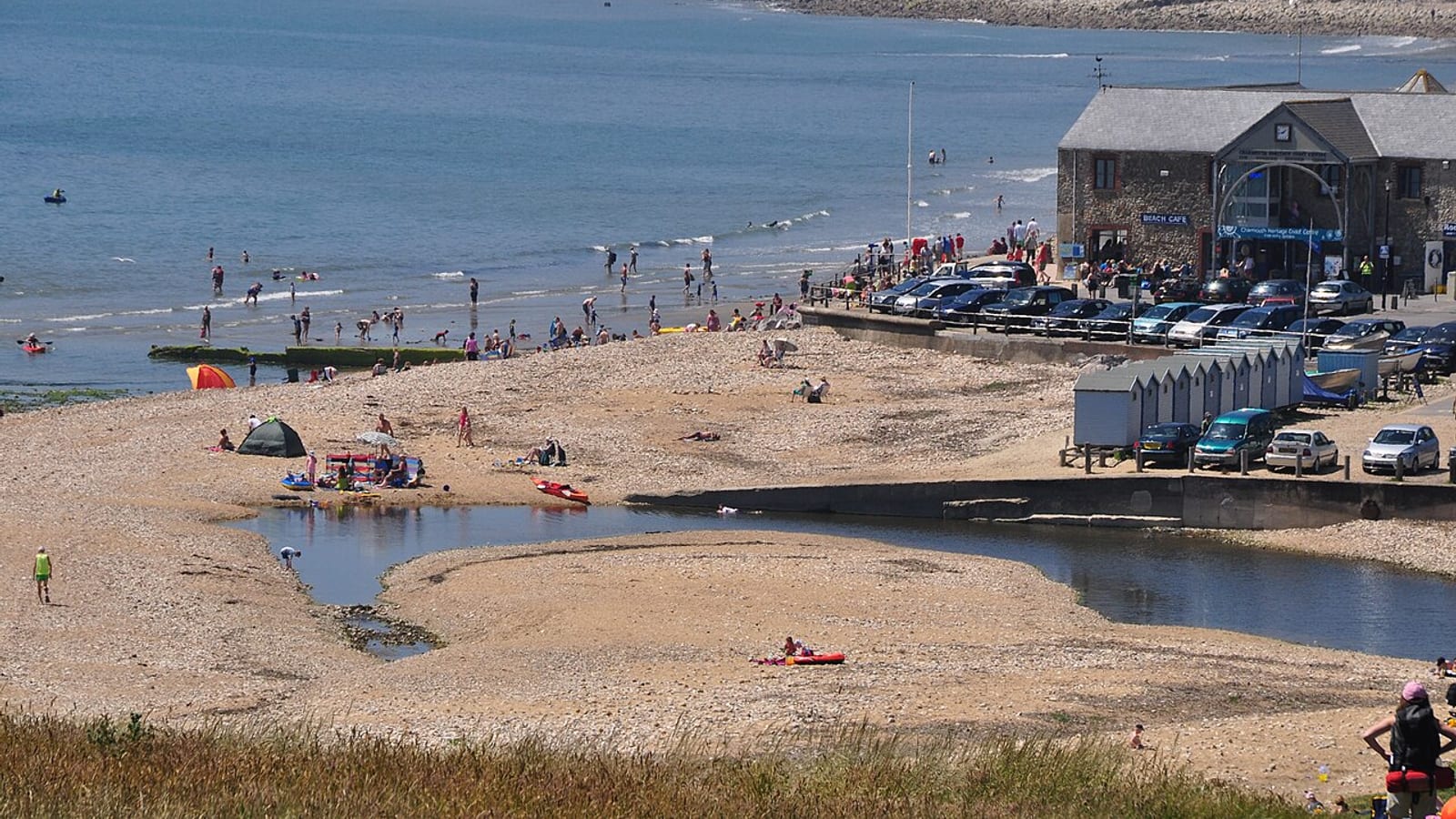
Late October through March is the productive window. The weather is worse, but the finding is better. Cold weather and rain don't affect the fossils. Dress appropriately and plan around low tide windows, which are the overriding variable regardless of season.
German quarry sites in the Altmühltal, the Solnhofen limestone region of Bavaria, typically operate from April through October. Winter access is restricted by quarry management rather than fossil availability. Book ahead for the summer months. The most popular sites fill quickly on weekends.
US Midwest and East Coast sites
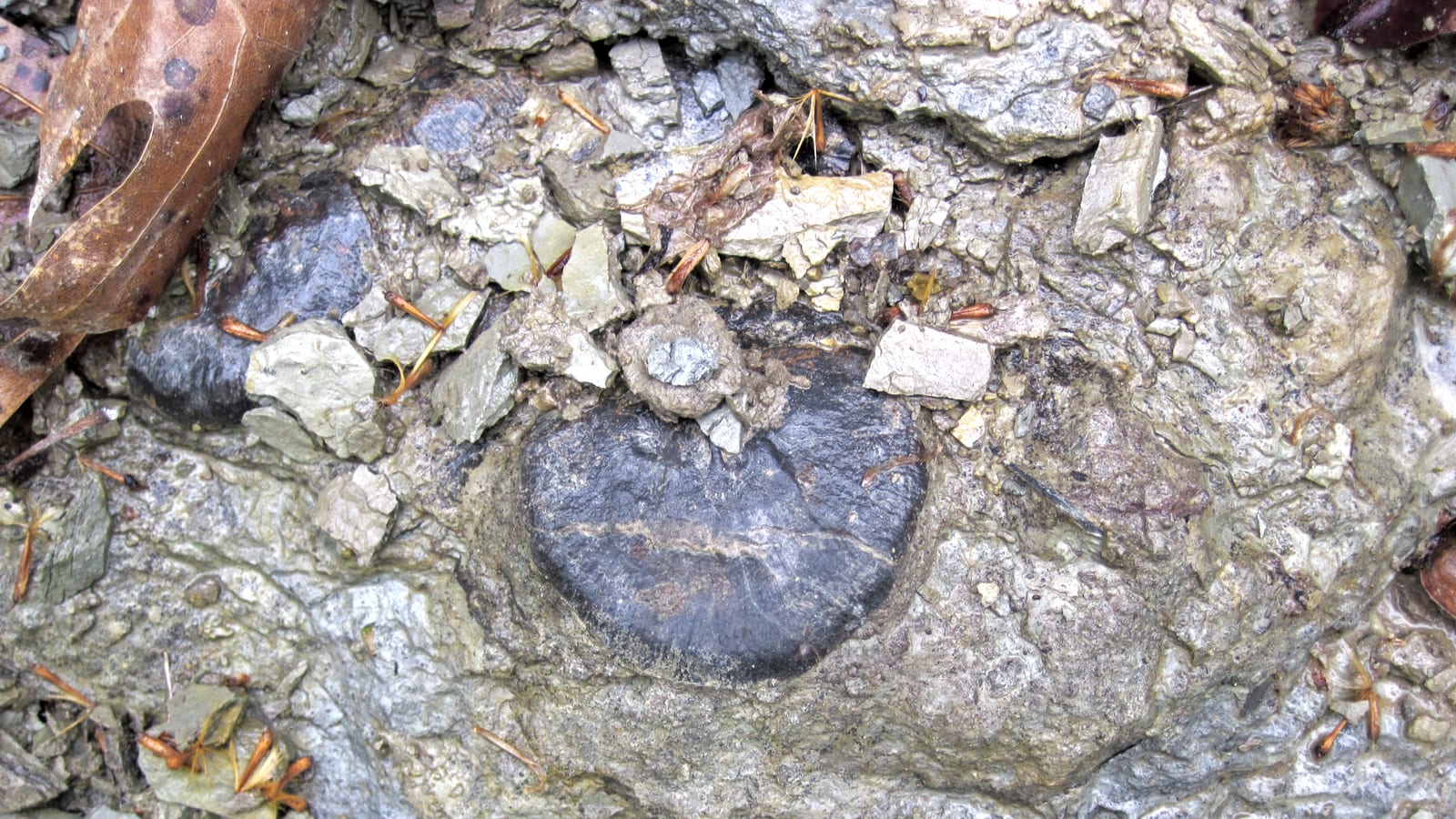
Ohio's Caesar Creek and Trammel Fossil Park are accessible year-round, though the most productive collecting follows spring flooding and winter freeze-thaw cycles that crack and expose fresh limestone surfaces. The spillway at Caesar Creek is sometimes closed after heavy rain. Check the US Army Corps of Engineers website for current status before visiting.
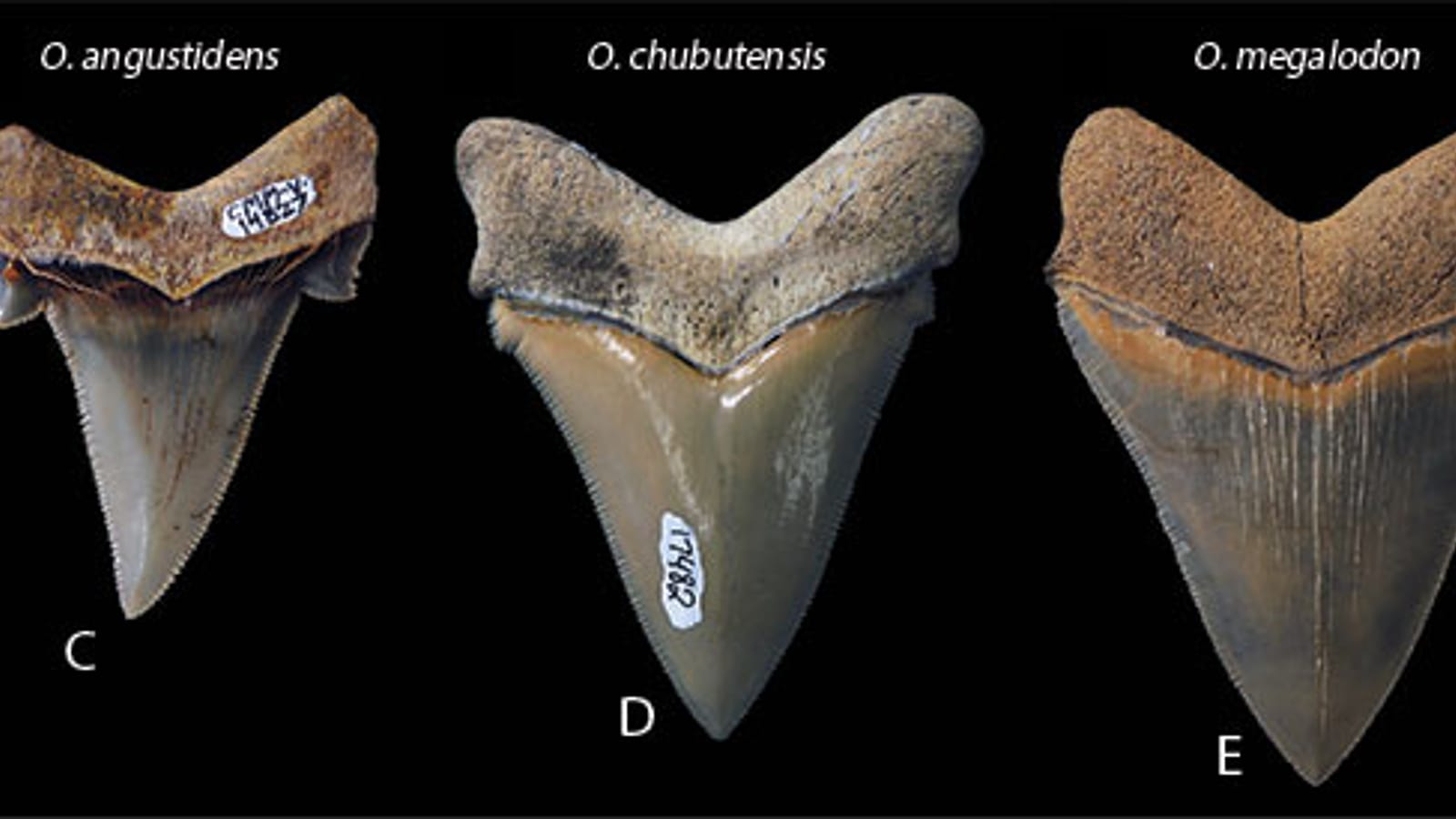
Maryland's Calvert Cliffs on the Chesapeake Bay is most productive in late autumn and winter, when Miocene sediment erodes from the cliff base and deposits shark teeth and ray material on the beach. Summer visits work but require more searching. The park is open year-round.
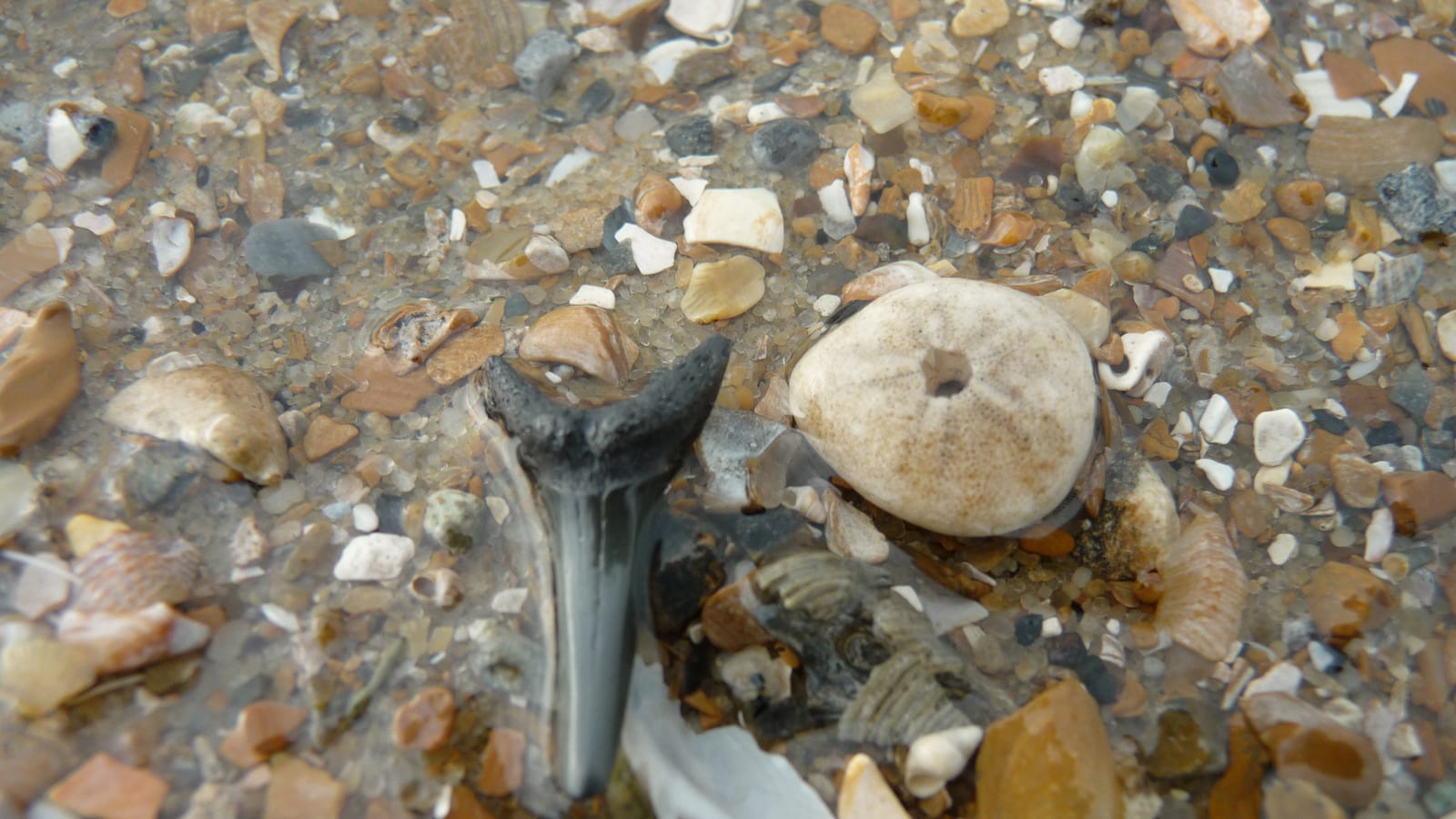
Florida's Venice Beach and Peace River operate year-round with different seasonal characters. Summer brings thunderstorms that can interrupt river collecting. Winter months are more comfortable for wading Peace River's gravel bars. Shark teeth wash up at Venice Beach continuously, with no strong seasonal peak.
Desert and mountain sites in the US
The Morrison Formation of Wyoming, Utah, and Colorado is most accessible and most comfortable in May-June and September-October. Summer heat makes exposed fieldwork difficult. Winter can make backcountry roads impassable with snow. The bones themselves are present year-round and continue to erode at a consistent rate, but finding and safely accessing them is a seasonal proposition.
Pay-to-dig quarry operations in the US typically run April through September and require booking in advance for popular dates.
The factor that matters more than season
For any tidal or beach site, the tide stage at your visit matters more than the time of year. A spring low tide (occurring around new and full moon) exposes substantially more foreshore than a neap low tide. At sites like Abereiddy Bay in Wales or Lavernock Point in South Wales, the difference between a spring and neap visit can be 50 extra metres of accessible foreshore.
Check both tide time and tide height for the specific location and date. Low water at 7am on a calm October morning, with a spring tide exposing the maximum foreshore, is the combination every serious collector targets. The BBC Weather tidal forecast and Admiralty EasyTide both give site-specific height predictions that make it straightforward to identify the best low-water windows weeks in advance, allowing you to plan around the tides rather than fit collecting into whatever time happens to be available.
Where to go next
For the specific tidal windows and seasonal access notes at UK coastal sites, the Dorset guide, Yorkshire Coast guide, and Wales guide all include site-specific timing information. The Ohio guide covers the Midwest sites with year-round access.
Frequently asked questions
- What is the best time of year to go fossil hunting?
- At UK coastal sites, late October through March is most productive — Atlantic storms erode cliff faces and deposit fresh material on the foreshore that hasn't been collected before. For US desert and plains sites such as the Morrison Formation exposures in Wyoming and Utah, spring and autumn offer the most comfortable conditions; summer heat regularly exceeds 35°C (95°F). German quarry sites in the Solnhofen region typically operate April through October.
- What is the best time of day to find fossils on a beach?
- Low tide. A spring low tide (around new and full moon) exposes substantially more foreshore than a neap low tide — at some sites 50 or more additional metres of accessible rock. Plan to arrive 1–2 hours before predicted low water. Check BBC Weather or Admiralty EasyTide (UK) or NOAA tide predictions (US) for both the time and height of low water at your specific location.
- Is fossil hunting better after a storm?
- Yes, at coastal cliff sites. Storm waves attack exposed cliff faces, detach blocks of fossil-bearing rock, and scatter the material across the foreshore. A beach like Charmouth or Robin Hood's Bay after a winter storm will have fresh material that no collector has examined. The productive window is in the weeks after the storm before other collectors have covered the same ground.