legal
Do You Need a License to Dig for Fossils?
By Edward Chen · Updated 31 July 2026
For most recreational fossil collecting at public beach and foreshore sites, no license or permit is required. The UK foreshore operates under a general public access framework that permits surface collecting from loose material. In the US, surface collection of common invertebrate fossils from Bureau of Land Management land is allowed without a permit under the casual collection provisions of BLM policy.
The word "digging" is where this gets more complicated. Almost everywhere, the right to surface collect does not extend to excavation. A permit is required for any significant digging in nearly every jurisdiction.
The US permit framework
The US has a two-tier approach. Surface collection of reasonable quantities of common invertebrate and plant fossils from BLM-administered land is permitted without individual authorization, this is the "casual collection" provision that makes sites like the Ohio Ordovician limestone parks and Utah's exposed Cambrian shale accessible to the public without paperwork.
Excavation, defined as any physical modification of the ground surface, using tools to reach buried material, requires a Permit for Paleontological Resources (SVR permit) issued by the relevant federal land management office. These permits are issued primarily to researchers affiliated with museums or universities for scientific programs. Individual recreational collectors are not typically eligible.
Vertebrate fossils are treated differently at every scale: finding a dinosaur bone or mammal tooth on BLM land is not covered by casual collection regardless of how you found it. Vertebrate fossils from federal land must be reported to the land management office and cannot be collected without a permit. Under the Paleontological Resources Preservation Act of 2009, violations carry civil and criminal penalties.
National Parks are excluded from the casual collection provision entirely. No fossil collecting of any kind is permitted within National Park boundaries, including Dinosaur National Monument, John Day Fossil Beds, and Fossil Butte National Monument.
State land rules vary by state. Some states mirror the BLM framework. Others are more restrictive. Check the relevant state geological survey or state parks department for the specific state before visiting.
The UK framework
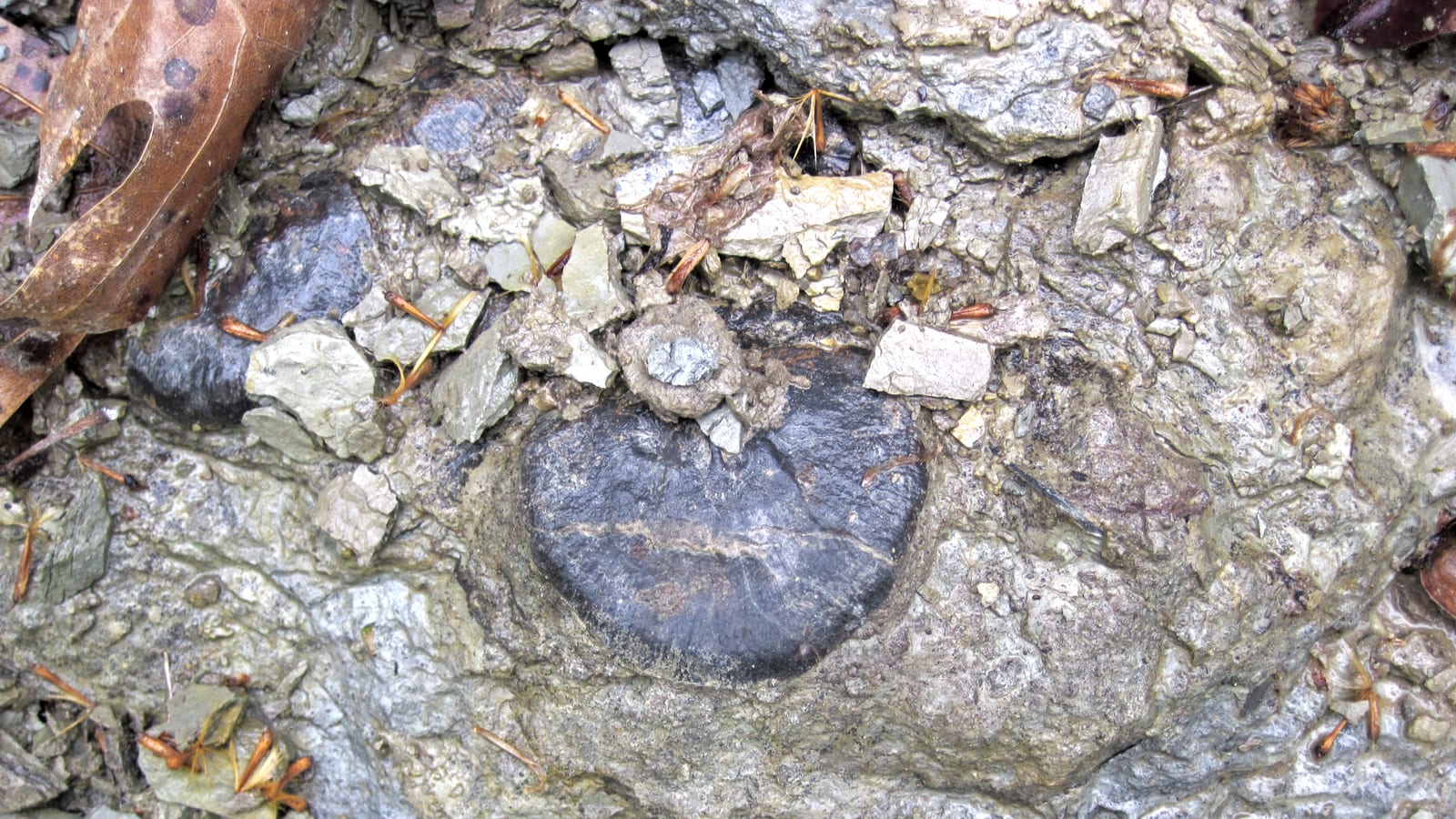
The UK has no general permit system for recreational fossil collecting. The legal basis for collecting at public coastal sites rests on:
- The foreshore (below mean high-water mark) being Crown Estate land with general public access
- The common law principle that surface material on public foreshore can be collected
- The absence of any statutory mineral rights claim on foreshore fossils
What does require specific permission or restriction:
Sites of Special Scientific Interest (SSSIs): Under the Wildlife and Countryside Act 1981, designated SSSIs may have operations requiring prior consent from Natural England (England), Natural Resources Wales, or NatureScot. Hammering, excavating, or systematically removing material from an SSSI without consent is an offence. Most accessible UK fossil beaches are within SSSIs. Surface collecting from loose foreshore material is generally not an "operation likely to damage" the scientific interest of a coastal SSSI, which is the legal threshold for triggering consent requirements, but active excavation of cliff faces is.
National Parks: UK National Parks do not prohibit fossil collecting in the way US National Parks do, but the relevant Park Authority may have site-specific guidance. Pembrokeshire Coast National Park publishes access guidance for fossil collecting that distinguishes between permitted surface collecting and prohibited excavation.
Private land: Any collecting above the foreshore on private land requires landowner permission. This includes cliff faces and land above the high-water mark even at beach sites that appear public.

Australia: varies by state
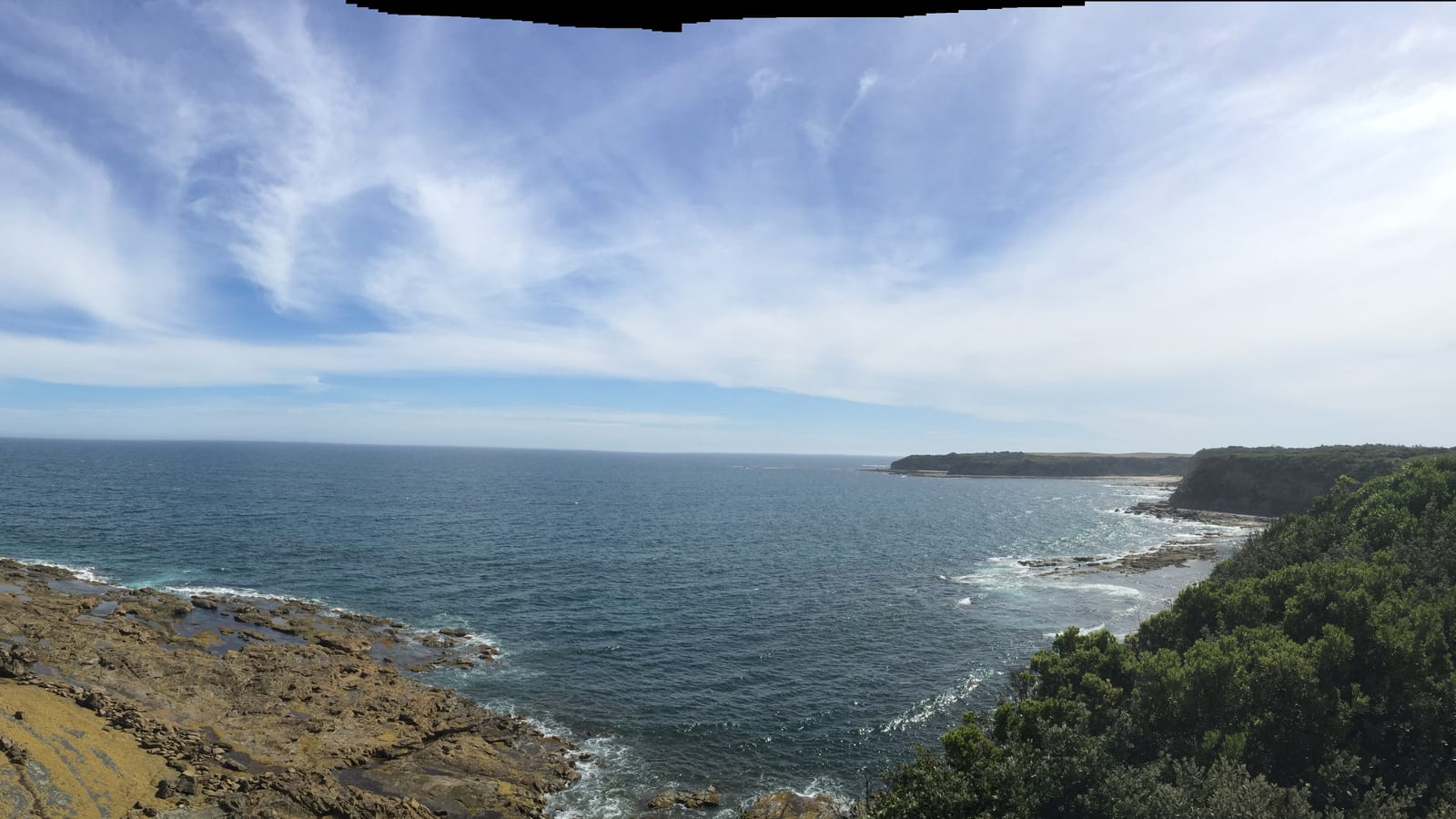
Australia does not have a uniform national framework. Each state and territory manages fossil collecting separately, and the rules range from permissive to highly restrictive:
Queensland: The Cultural Heritage Act 2003 and Nature Conservation Act 1992 both apply in different contexts. Significant fossil sites are protected. Permit requirements for any excavation are strict.
South Australia: Fossil collecting on private land requires landowner permission, on Crown land, a permit from the Department for Environment and Water is required for any active collection.
New South Wales: The National Parks and Wildlife Act 1974 prohibits fossil collection in National Parks and many reserves. Collecting on private land requires permission.
Western Australia: The Aboriginal Cultural Heritage Act 2021 and the Wildlife Conservation Act 1950 both have implications for fossil collection in specific contexts, permits are required for significant material.
The practical position for visitors to Australia: unless you're on private land with explicit landowner permission and no relevant heritage protections, assume a permit is needed for anything beyond casual observation.
Germany and the Altmühltal
Germany's fossil collecting rules apply at state (Land) level. In Bavaria, the Bayerisches Naturschutzgesetz (Bavarian Nature Protection Law) protects certain significant geological features and named geological formations. Archaeopteryx specimens from the Solnhofen area are explicitly protected regardless of how they were collected.
At commercial quarry sites in the Altmühltal, the most accessible fossil hunting in Germany, visitors pay the quarry operator and work within the quarry under their operating permit. The commercial permit covers what visitors do at the site. This is the standard route for fossil collecting in Bavaria.
Where to go next
For specific sites where the collecting status is clearly defined, including which UK beach sites are within SSSIs and what that means for visitors, see the relevant regional guides. The Dorset guide, Yorkshire Coast guide, and Wales guide all include current access and legal status notes for each site. The pay-to-dig fossil parks guide covers sites where the permit question is resolved by the operator.
Frequently asked questions
- Do you need a license to collect fossils in the UK?
- For surface collecting from loose material on public foreshore, no license is required. The foreshore below mean high-water mark is Crown Estate land with general public access. Hammering cliff faces or systematically excavating at Sites of Special Scientific Interest (SSSIs) — which includes most accessible UK fossil beaches — requires prior consent from Natural England, Natural Resources Wales, or NatureScot under the Wildlife and Countryside Act 1981.
- Do you need a permit to collect fossils on BLM land in the US?
- Surface collection of reasonable quantities of common invertebrate and plant fossils from Bureau of Land Management land does not require a permit — this is the 'casual collection' provision in BLM policy. Any excavation requires a Permit for Paleontological Resources (SVR permit) from the relevant land management office, issued primarily to researchers with institutional affiliation. Vertebrate fossils from federal land must be reported to the land management office; removing or selling them without a permit is a federal offence under the Paleontological Resources Preservation Act of 2009.
- Can you collect fossils in National Parks?
- No. US National Parks are excluded from the casual collection provision entirely — no fossil collecting of any kind is permitted within National Park boundaries, including Dinosaur National Monument, John Day Fossil Beds, and Fossil Butte National Monument. UK National Parks do not prohibit fossil collecting in the same way, but the relevant Park Authority may have site-specific guidance; Pembrokeshire Coast National Park publishes access guidance distinguishing permitted surface collecting from prohibited excavation.