beginners
Fossil Hunting Safety: What You Need to Know
By Edward Chen · Updated 31 July 2026
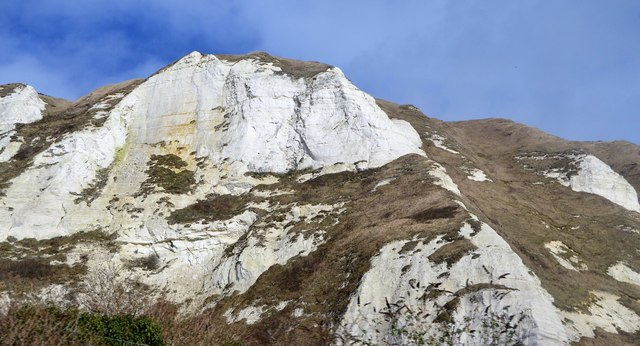
Falling cliffs are the primary cause of serious injuries at UK coastal fossil sites. They are also the hazard most often underestimated by first-time visitors, who see other people standing near a cliff face and assume it is safe. Cliff instability at Jurassic Coast sites, Yorkshire coast headlands, and chalk cliffs is ongoing and unpredictable. Rock falls occur without warning. The safe distance from any actively eroding cliff face is substantially further back than most casual visitors stand.
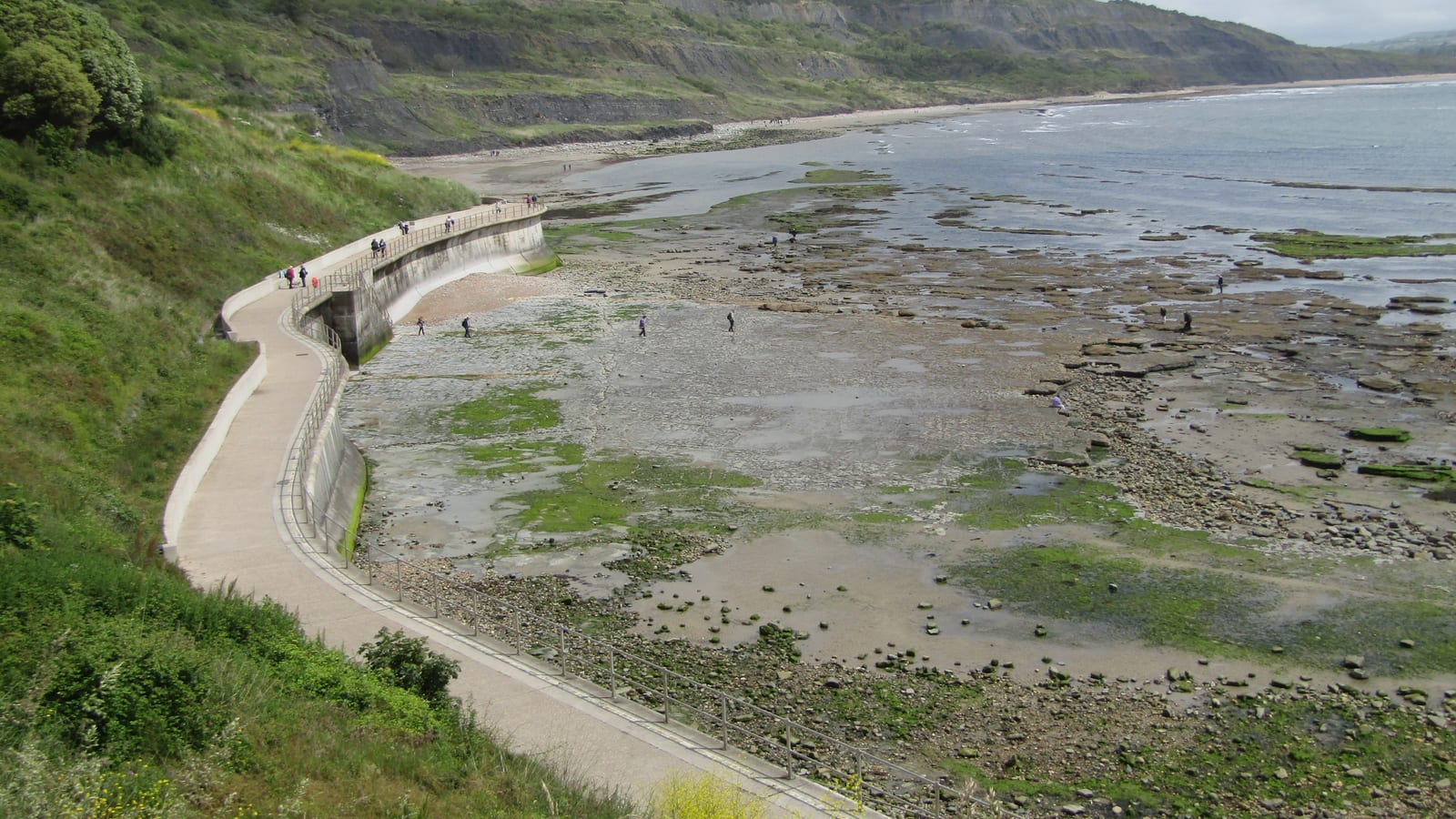
Tidal cutoff is the second major risk at tidal foreshore sites. At Pembrokeshire in Wales, the tidal range at springs can exceed seven metres, and the time between "walkable foreshore" and "cut off by rising water" can be under an hour at certain sites.
Cliff safety
The productive fossil material at most cliff sites is not on the cliff face, it's on the foreshore below, where recent falls have deposited loose material. You do not need to be near the cliff face to collect effectively. The loose slabs, boulders, and sand at the cliff base contain the same fauna as the cliff above, already removed from the rock by natural processes.
When you see a recent fall, fresh white or orange rock surfaces, loose chunks not yet settled into sand, move further away, not closer. Fresh exposures are still unstable. Vertical wet sections above are more dangerous than dry, sun-bleached cliff faces. At sites like Charmouth in Dorset and Saltwick Bay in Yorkshire, the productive foreshore extends well away from the cliff base. Staying on the open beach 10–15 metres clear of cliff foot is both safe and productive.
Never excavate or hammer cliff faces. Beyond the direct hazard of dislodging material overhead, this is specifically prohibited at most UK coastal fossil sites under site management rules.
Tidal awareness
Before visiting any tidal site, check tide times for that specific location on the day of your visit. The BBC Weather tide tables and the Admiralty EasyTide service are both free and specific to named locations. Build in a generous safety margin: if the tide will be rising at a specific cove by 2pm, plan to be back above the high-water mark by 1:30pm.
At some sites, the exit route and the collecting area are at different elevations and accessibility changes with tide, Compton Bay on the Isle of Wight is one example where the platform exposed at low tide is cut off from the main beach exit before the platform is submerged. Know your exit route before you start collecting.
Spring tides (occurring around new and full moon) expose significantly more foreshore than neap tides. They also rise faster and further. Check whether a site visit falls on a spring or neap cycle before assuming the foreshore conditions you've seen in photographs will match what you find.
Sun, heat, and desert sites
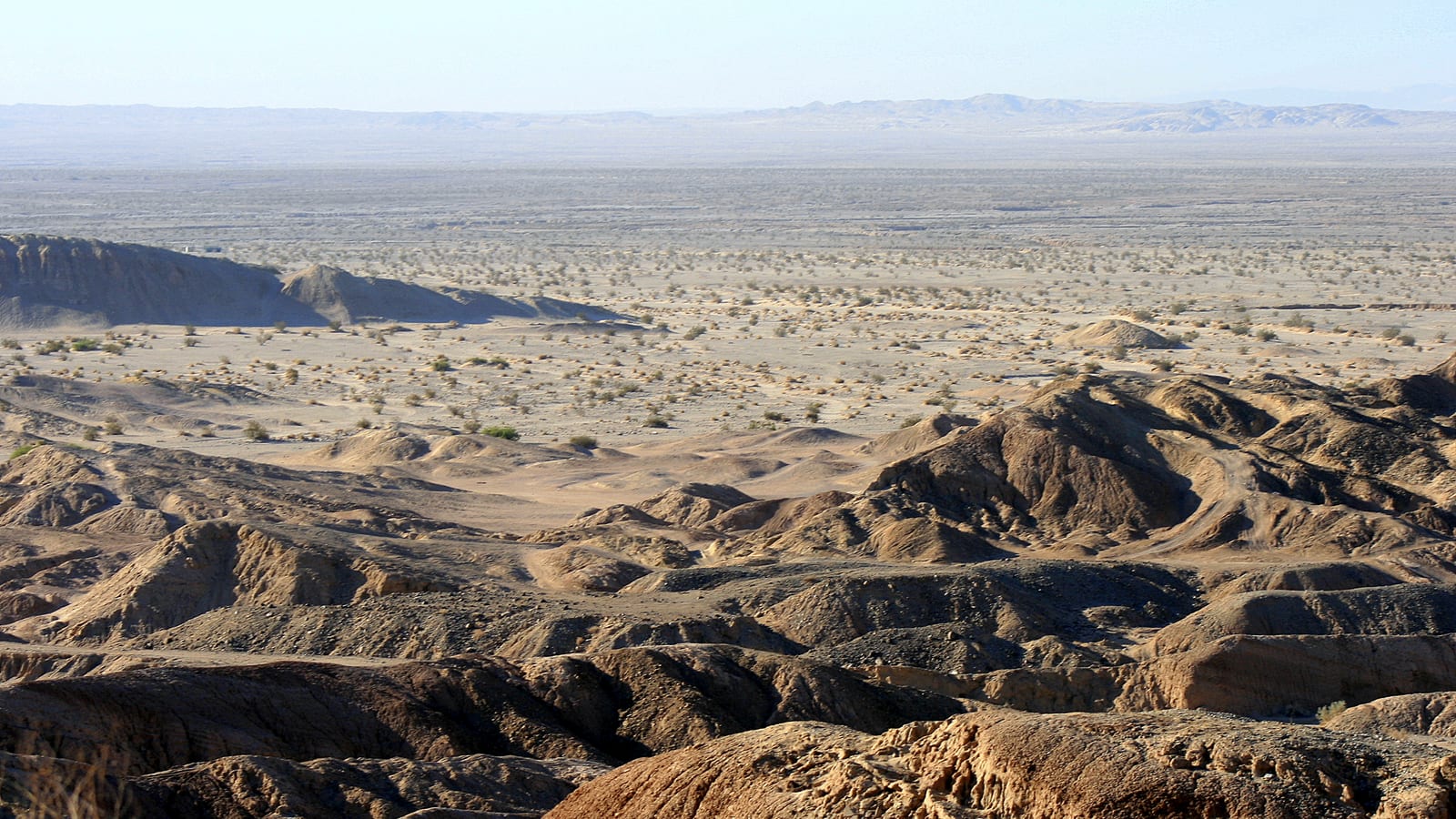
US desert fossil sites, Utah, Wyoming, Montana, New Mexico, carry heat and dehydration risk that are more significant than in UK contexts. Summer temperatures above 38°C (100°F) are routine in parts of Wyoming's Morrison Formation country and Utah's canyon lands. Carry more water than you think you need: 2 litres per person per hour of active fieldwork in high summer heat is a reasonable minimum. Tell someone where you're going and when you expect to return. Mobile signal is absent or unreliable in many productive BLM areas.
Sunscreen and a hat are not optional at exposed quarry sites and open beach sites in any season, UV intensity at high altitude and on reflective rock or sand is much higher than at sea level.
Tools and eye protection
Any work with a geological hammer or chisel requires safety glasses. A rock chip from a hammer blow travels at speed and in unpredictable directions. Eye injuries from hammer use at fossil sites are well-documented. Safety glasses cost less than £10 and fit in any field bag.
Hammers should be geological hammers or crack hammers, tools designed for rock. Household claw hammers are not appropriate and can shatter dangerously on hard rock. Cold chisels should be used with firm strikes, not glancing blows. Keep fingers well clear of the chisel tip.
Where to go next
The beginners guide on GFH covers the basic equipment for a first fossil hunting trip, including safety kit. For site-specific hazard notes, including tidal windows and cliff warnings, see the guides for Dorset, Yorkshire Coast, and Wales.
Frequently asked questions
- Is fossil hunting dangerous?
- The primary hazards are cliff falls at eroding coastal sites and tidal cutoff at foreshore sites. Cliff rock falls happen without warning and are a known cause of serious injuries at UK sites including the Jurassic Coast, Yorkshire headlands, and chalk cliffs. The safe practice is to search loose material at the cliff base rather than approaching the cliff face, staying at least 10–15 metres back. Heat and dehydration are significant risks at US desert sites in summer.
- How do I stay safe fossil hunting on a beach?
- Check tide times before you go — use the BBC Weather tide tables (UK) or NOAA tide predictions (US) — and plan to leave the foreshore at least 30 minutes before the tide rises to your position. Know your exit route before you start collecting; at some sites the exit becomes inaccessible before the tidal platform is submerged. Stay well back from cliff faces: productive fossils are found in loose material on the foreshore, not against the cliff.
- Do you need safety glasses for fossil hunting?
- Yes, whenever you are using a hammer or chisel. Rock chips travel at speed and in unpredictable directions; eye injuries from hammer use at fossil sites are well documented. ANSI Z87.1 certified safety glasses (US) or EN166 certified glasses (UK and EU) cost under $15 at any hardware store. Safety glasses are not needed for surface collecting without tools.