gear
What Tools Do You Need for Fossil Hunting?
By Edward Chen · Updated 31 July 2026
The right tools for fossil hunting depend entirely on the type of site you're visiting. A beach foreshore visit needs almost nothing beyond a hand lens and a bag. Active work splitting shale at a cliff-base site needs a hammer, chisels, and safety glasses. A quarry with hard limestone requires heavier tools and possibly knee pads. Taking the wrong tools, or too many, makes the trip harder without improving results.
Here's what to bring for each context, and why.
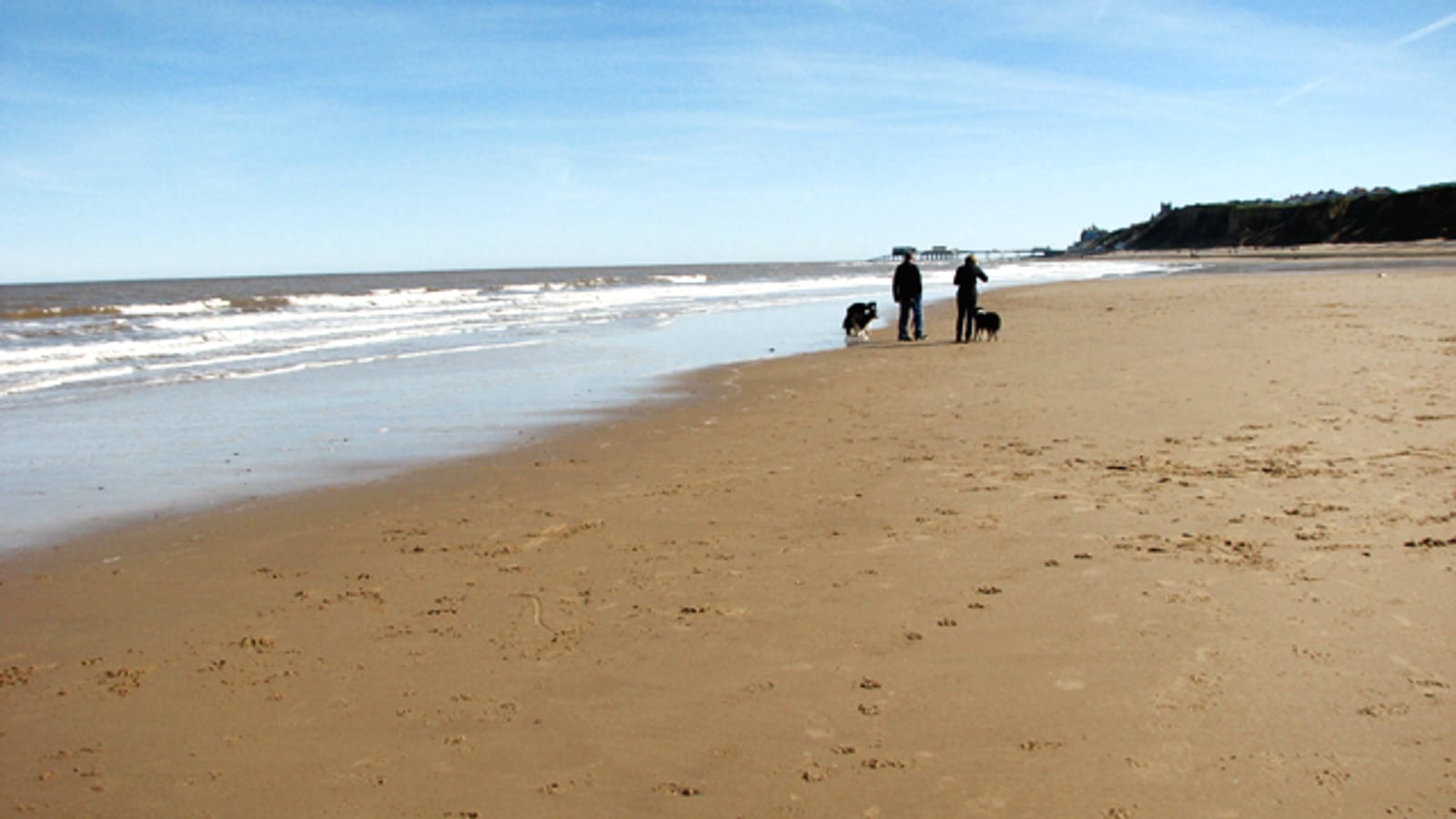
Beach and foreshore: the minimal kit
At most UK coastal sites and US beach sites, productive fossil hunting is surface collecting. You're looking at material already exposed by erosion, not creating new exposures. For this, the tool kit is:
Hand lens (10×). The most important item on any trip. A 10× loupe reveals the detail that distinguishes a genuine fossil from a rock fragment: ammonite suture lines, the pores in bone, the cellular structure of a fossil wood fragment. Belomo and Carson make reliable, pocket-sized loupes at $15–$25. Cheap lenses from gift shops are optically soft and frustrating.
A bag or mesh sack. For carrying finds. Mesh bags drain water and don't trap mud. A laundry mesh bag from any supermarket works. A rigid container protects fragile specimens better than a soft bag on rough terrain.
Tissue paper. For wrapping individual finds to prevent abrasion against each other in the bag. Tissue paper is better than cloth because it doesn't embed fibres in fossil surfaces.
Appropriate footwear. Wellies or waterproof boots with good grip for wet foreshore. Ankle support matters on boulder beaches. Sandals are not appropriate for any foreshore site.
Tide times. Not a physical tool, but as important as anything you carry. The BBC Weather tide forecast and NOAA tide predictions (US) are both free and site-specific.
That's the complete kit for a foreshore visit. You don't need a hammer.
Active collecting: adding a hammer and chisels
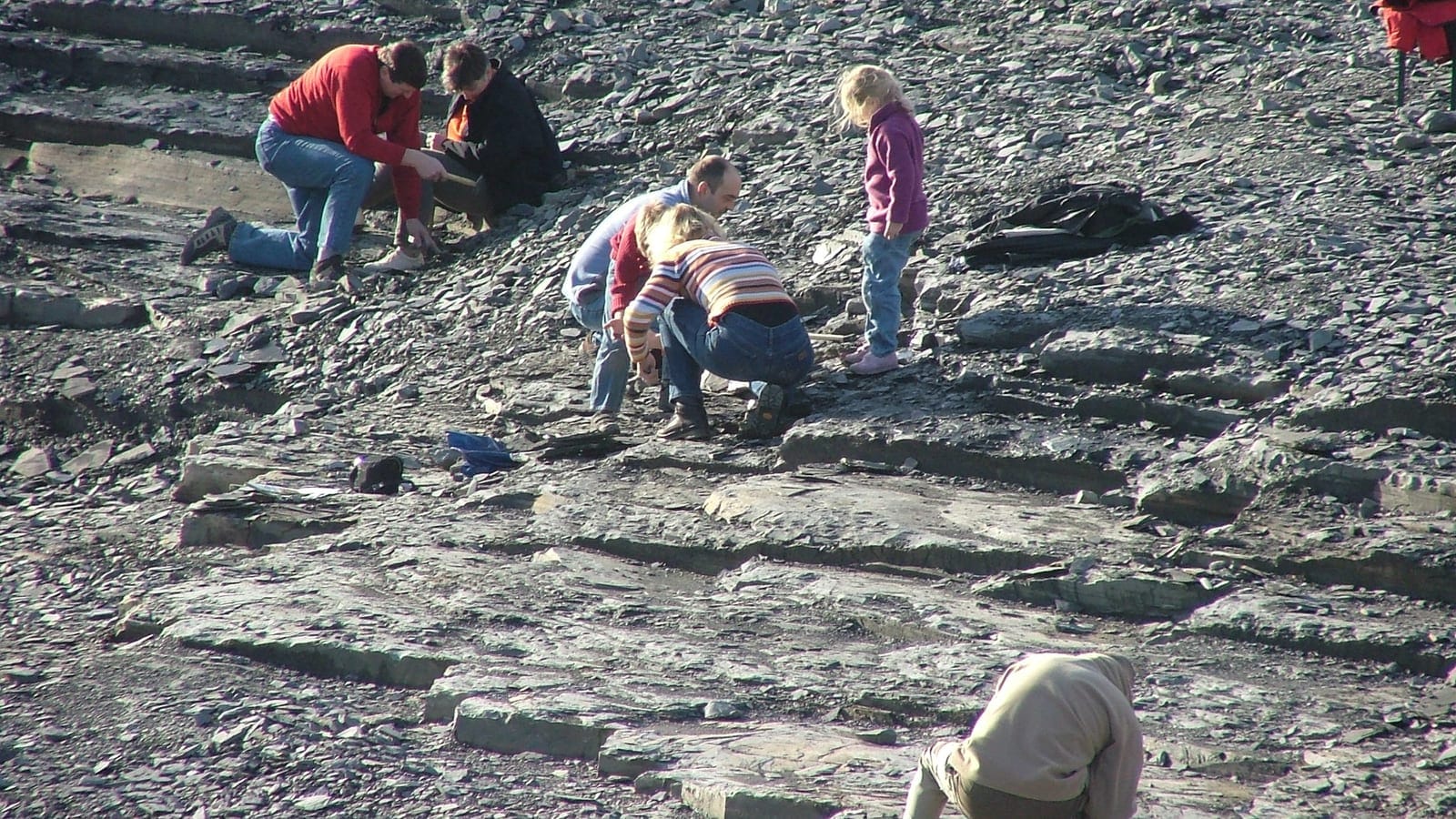
At sites where you're working loose blocks of shale or limestone, splitting recently fallen material to look for fossils inside, a crack hammer and cold chisels are useful. A crack hammer (also called a lump hammer) has a square head and a short handle. It's designed for breaking rock rather than for carpentry or masonry. An Estwing 22oz crack hammer is a reliable standard. Cold chisels in two or three sizes (12mm, 19mm, 25mm) allow you to split rock at joints and edges.
Safety glasses are non-negotiable when using any hammer. Rock chips fly at speed and in unpredictable directions. Eye injuries from hammer use at fossil sites are well documented. Certified safety glasses (ANSI Z87.1 in the US, EN166 in the EU/UK) cost under $15 at any hardware store.
At cliff-base sites where material is actively falling from the face above, a hammer is useful for splitting loose blocks. Never hammer directly at the cliff face: this dislodges rock overhead and is explicitly prohibited at most managed UK sites.
Quarry sites: heavier options
At hard limestone quarry sites, German Jurassic limestone sites, Ohio's limestone parks, some Yorkshire coast exposures, harder rock requires more force. The same crack hammer and chisels work but may require more strikes. Some experienced quarry collectors use a larger 3lb club hammer for initial splitting of hard limestone blocks, followed by smaller chisels for detail work.
Knee pads become more valuable at quarry sites where you're kneeling on hard rock for extended periods. Foam garden kneeling pads are adequate. Neoprene work pads are more comfortable and more durable.
A spray bottle of water helps reveal fine surface detail and suture lines on polished surfaces that are hard to read when dry.
What NOT to bring
An air scribe. Pneumatic engraving tools are workshop preparation tools, not field tools. They require a compressor and produce results best achieved under magnification and controlled light. They belong in a home prep lab, not a beach bag.
A geological hammer to UK SSSI sites. Using a geological hammer to actively quarry or excavate cliff faces at protected sites is prohibited under SSSI management agreements. Even at sites where it's technically legal, hammering cliff faces dislodges material above you. The productive fossil material at foreshore sites is in loose, fallen rock, not in the cliff face.
Pre-packaged fossil hunting kits from tourist shops. These typically include tools of poor quality at inflated prices. The hammer is usually too light for rock work. The "chisels" are often letter punches that will bend or shatter. The magnifier is optically poor. Individual tools from a hardware store are better in every respect at lower cost.
Finding the right tool for what you're finding
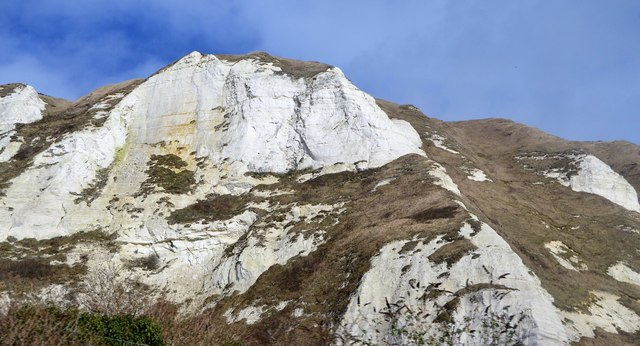
The tool requirements depend on what you're going after. Ammonites at a Jurassic Coast site are found loose on the foreshore, no tools needed. Trilobites at an Ordovician limestone site are often in broken slabs that require splitting with hammer and chisel to open clean faces. Shark teeth at a Florida beach are surface finds after rain or wave action, no tools needed. Green River fish at a Wyoming quarry are in limestone plates that split along natural bedding planes with hammer and wooden wedges.
Before a trip to an unfamiliar site, reading recent trip reports from The Fossil Forum or checking the site guide on GFH tells you what tools collectors actually use there, which prevents bringing a hammer to a site where the finds are surface-only, or arriving without one at a site where all the productive material is inside slabs.
Where to go next
The beginners guide on GFH provides a summary kit list for a first trip and explains why some items are unnecessary for certain site types. For site-specific tool recommendations for productive UK beaches and quarry parks, see the Dorset guide, Yorkshire Coast guide, and Ohio guide. For the broader set of habits that make field trips productive beyond just tool choice, see 10 fossil hunting tips for beginners.
Frequently asked questions
- What tools do you need for fossil hunting on a beach?
- For surface collecting on a beach or foreshore, the essential kit is a 10× hand lens (loupe), a bag or mesh sack for finds, tissue paper for wrapping specimens, appropriate waterproof footwear, and checked tide times. A hammer is not needed — productive material on most beach sites is found on already-eroded surfaces rather than by breaking rock.
- What is the most important tool for fossil hunting?
- A 10× hand lens (loupe) is the single most useful tool on any fossil hunting trip. It reveals the biological detail — suture lines, bone pore structure, cellular grain in fossil wood — that distinguishes a genuine fossil from a rock fragment. Reliable pocket-sized loupes (Belomo or Carson) are available for $15–$25.
- Do you need a hammer for fossil hunting?
- A hammer is only needed when actively splitting loose rock to look for fossils inside — at shale cliff-base sites or limestone quarry parks. For beach surface collecting, no hammer is needed. When hammer work is appropriate, use a crack hammer (lump hammer) with a square head, not a household claw hammer, which can shatter on hard rock. Safety glasses are mandatory whenever using any hammer.