Baden-Württemberg Fossil Hunting Guide
5 Best Fossil Hunting Sites in Baden-Württemberg
Baden-Württemberg holds the black shale that made Early Jurassic paleontology famous. The Toarcian Posidonia Shale of the Swabian Alb produced the complete ichthyosaurs, marine crocodiles and meter-wide crinoid mats that sit in museums from Stuttgart to Tokyo, and four of the five sites below put fresh slabs of it in front of the public. The fifth, Nusplingen, works a younger Late Jurassic plattenkalk with a different fauna. All five sit within about 120 kilometers of Stuttgart, and the two clusters are an easy day apart.
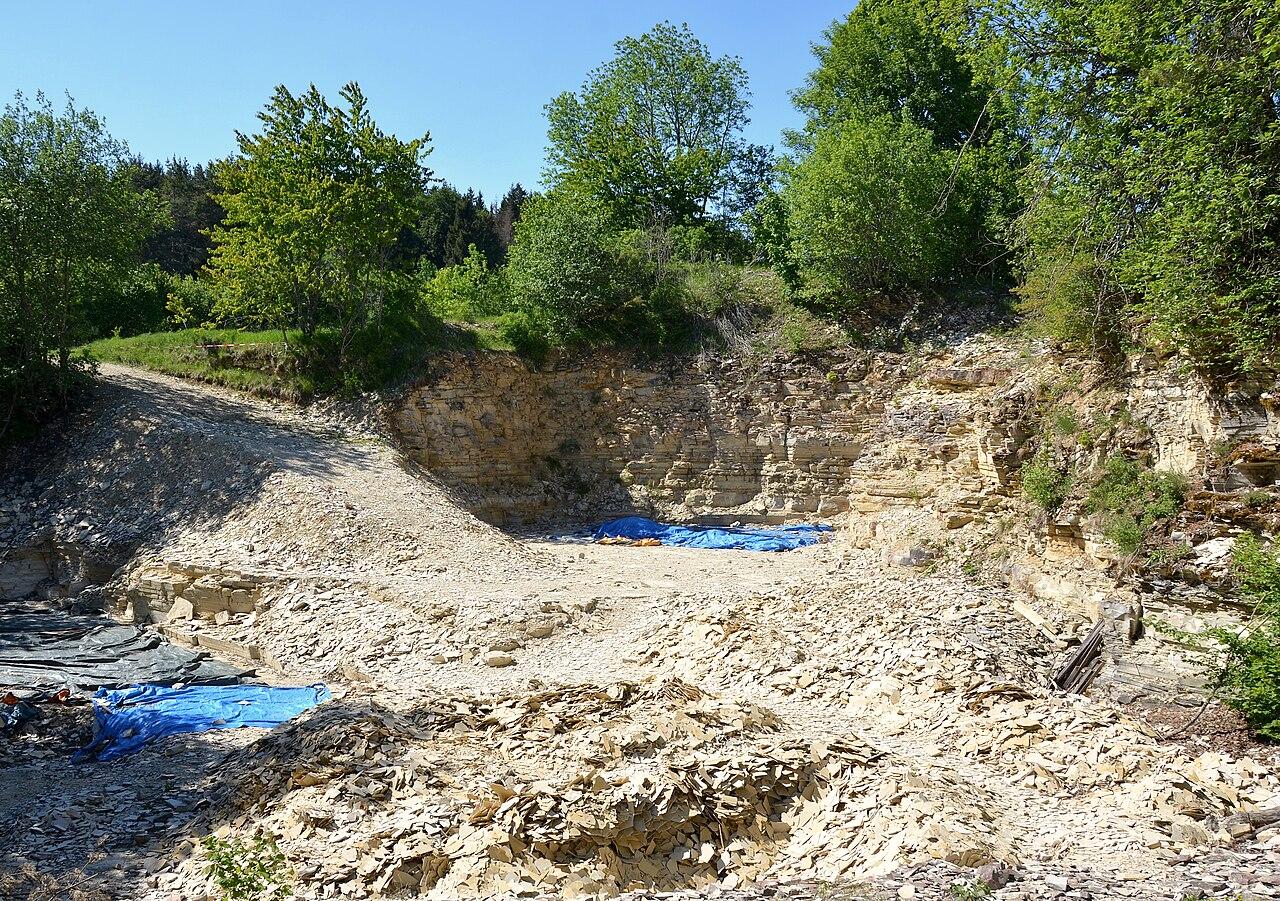
5 fossil sites
Updated 4 August 2026
What makes Baden-Württemberg productive
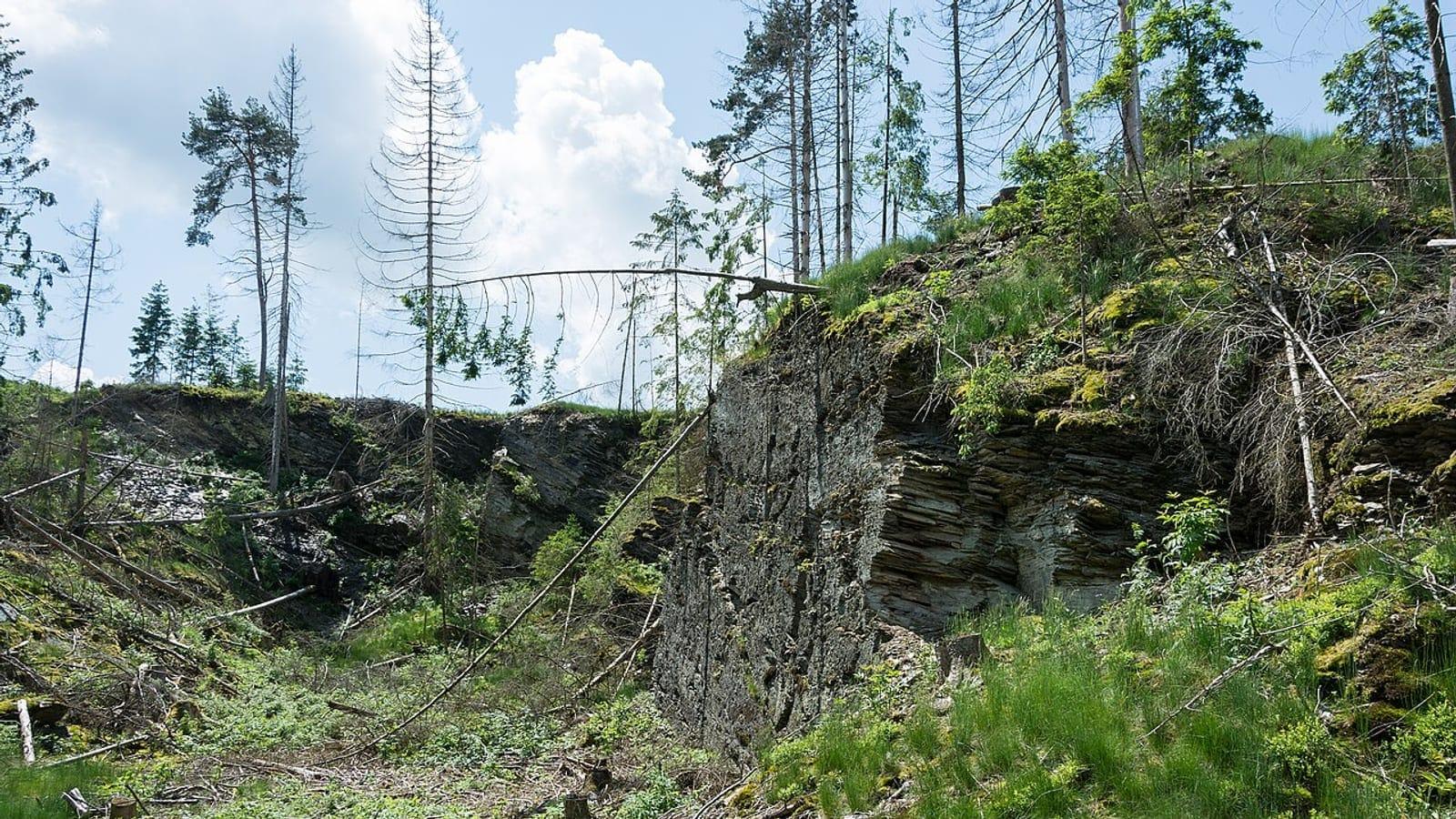
One event explains four of these five sites. Around 183 to 182 million years ago, during the Toarcian Oceanic Anoxic Event, a shallow epicontinental sea covered what is now southern Germany. Circulation on this restricted shelf failed, and bottom waters became persistently low in oxygen and in places fully anoxic. Nothing lived on that sea floor to scavenge a carcass, so animals that died in the healthy water column above sank into fine organic mud and stayed whole. The result is the Posidonienschiefer, the Posidonia Shale of the Landesamt für Geologie, Rohstoffe und Bergbau Baden-Württemberg, known in older German literature as the Lias epsilon. The same event left the Whitby Mudstone in Yorkshire and equivalent beds across France, Switzerland and Luxembourg.
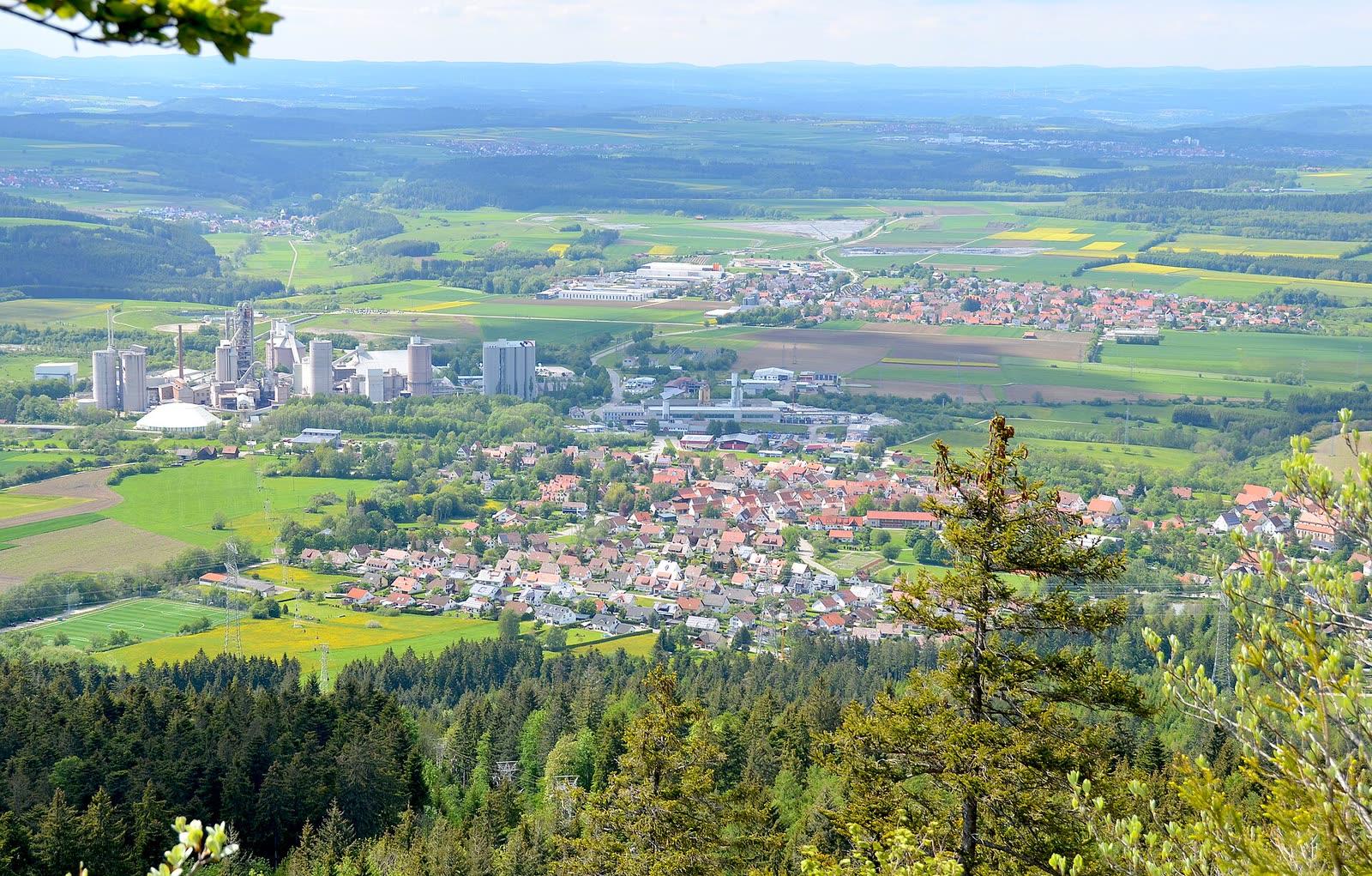
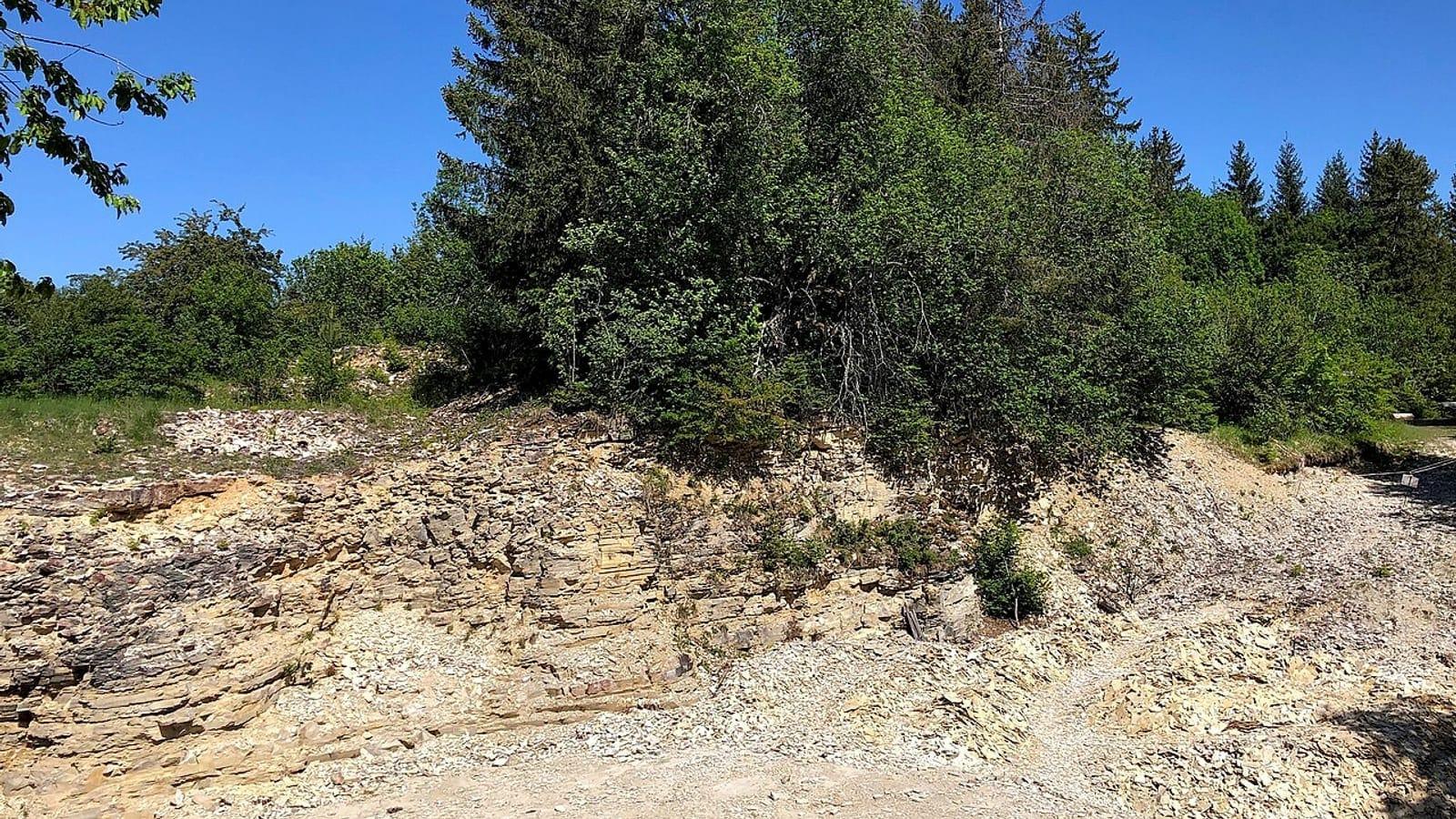
Industry did the excavation work. Dotternhausen, Dormettingen, Holzmaden and Ohmden were all worked for oil shale, slate or cement raw material, which stripped the overburden and put fresh fossil beds within reach of the public. Three of those four now run managed collecting areas, and the fourth sells prepared specimens instead. Nusplingen sits apart in both age and rock type. It records a restricted depression inside a Kimmeridgian carbonate platform around 154 million years ago, where limited circulation and fine carbonate mud produced a dense, pale plattenkalk that splits along thin bedding planes. The Staatliches Museum für Naturkunde Stuttgart had that deposit protected in 1983 and still excavates it, which is why the public area there is a controlled Klopfplatz rather than an open quarry.
- 1
Werkforum Dotternhausen Fossil Hunting Guide
Baden-Württemberg, Germany
Free collectingAmmonitesBelemnitesBivalvesDotternhausen is the best value in the state and the reason this guide starts here. Holcim Süddeutschland has worked the Toarcian Posidonia Shale since 1939, and its Werkforum pairs a free museum with a free Klopfplatz stocked with fresh slabs from the active quarry. Reception lends hammers, chisels and safety glasses at no charge, and Harpoceras falciferum, Hildoceras bifrons and Dactylioceras commune turn up almost every session. Belemnites are abundant, and Leptolepis and Pholidophorus fish appear on fresh slabs often enough that regular visitors eventually find one. Look through the museum's prepared ichthyosaurs and marine crocodiles first, because that is the fastest way to learn what to watch for in your own slab.
Read the full guide → - 2
Urweltsteinbruch Holzmaden Posidonia Shale Fossil Hunting Guide
73274 Notzingen/Holzmaden
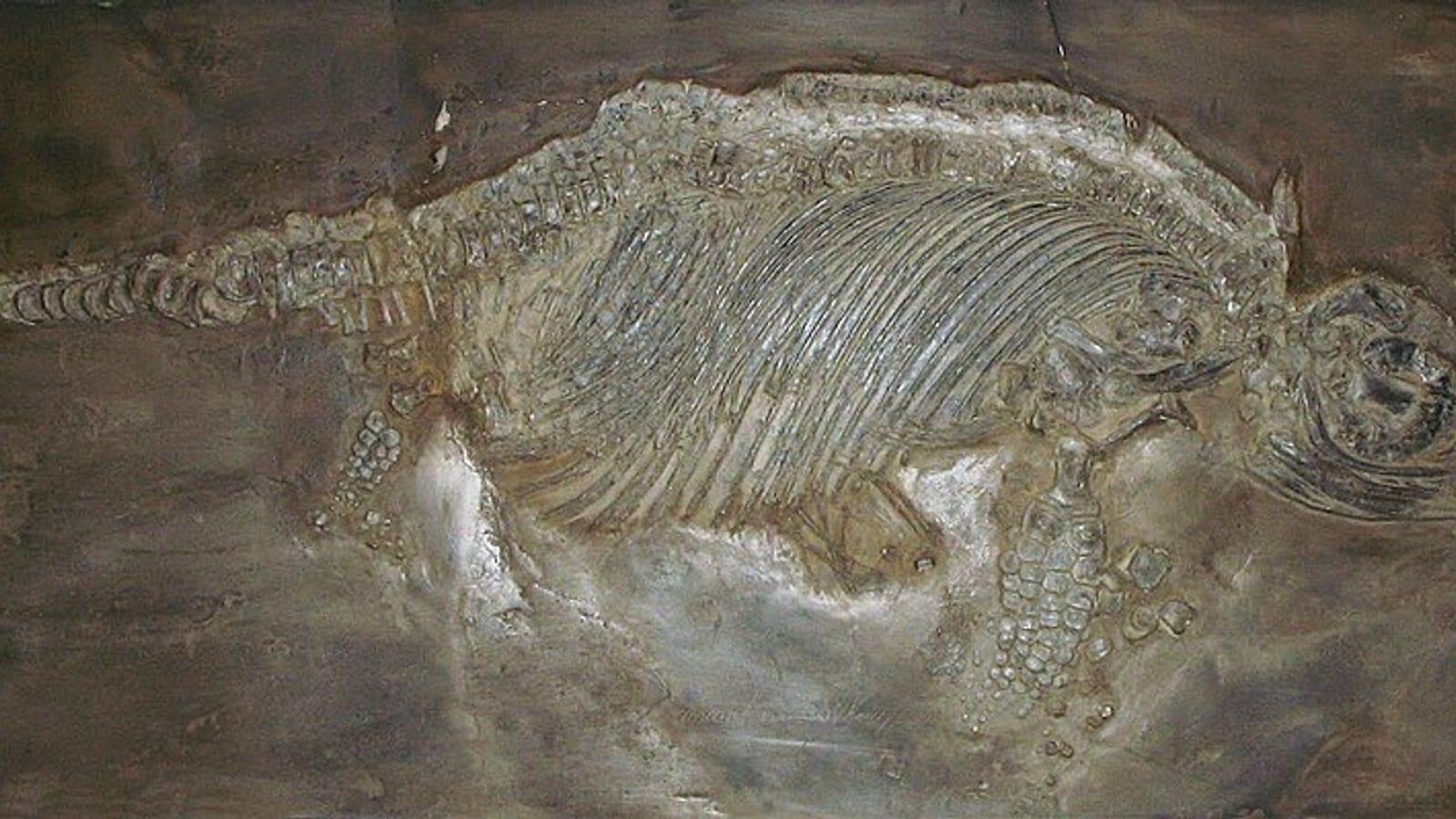
Viewing onlyAmmonitesIchthyosaurHolzmaden is the most famous name in Early Jurassic paleontology, and it is also the site on this list where you are least likely to collect. The Urweltsteinbruch at Aichelberger Straße 75 is first and foremost a fossil retail shop, with ammonites from about 10 euros, fish from 100 to 500 euros and up, and marine reptile material from around 200 euros. Visitor quarry collecting is not a standard open-hours activity and has to be confirmed by phone in advance, so treat this as viewing and buying rather than collecting. The Urwelt-Museum Hauff sits 400 meters away and holds the finest single collection of Holzmaden fossils anywhere, including complete ichthyosaurs with embryos and the large crinoid mats. Best for anyone who wants to understand the formation before working it elsewhere.
Read the full guide → - 3
Schiefererlebnis Dormettingen Fossil Klopfplatz Fossil Hunting Guide
72358 Dormettingen
Pay to digAmmonitesSchieferErlebnis Dormettingen is the family choice, built on former slate quarry land about 3 kilometers northwest of Dotternhausen. Admission is roughly 5 to 7 euros for adults with reduced rates for children, and you keep everything you split out of the fresh shale on the collecting benches. Dactylioceras, Harpoceras and Hildoceras ammonites are the common finds, some still with iridescent shell, and adult specimens reach 15 to 20 centimeters in productive horizons. The park adds walking paths, interpretation panels on the slate industry, and on-site preparation work by Fritz Lörcher, which makes it a reasonable full afternoon rather than an hour. It also doubles as the fallback when the Werkforum is closed on a Monday.
Read the full guide → - 4
Schieferbruch Kromer Ohmden Posidonia Shale Fossil Hunting Guide
73099 Ohmden
Pay to digAmmonitesBelemnitesBivalvesSchieferbruch Kromer sits on the edge of Ohmden, next to the Urwelt-Museum Hauff, and gives collectors fresh Posidonia Shale in the Holzmaden basin itself. Admission runs about 5 to 8 euros, the season runs roughly April to October, and the hours depend on quarry conditions, so phone the Urwelt-Museum Hauff before you drive out. Belemnites are abundant and often lie in dense accumulations, Bositra bivalve pavements are everywhere, and ichthyosaur vertebrae and rib fragments are the prized ordinary find. No tools are available to rent, so bring a 1.5 to 2 kilogram hammer, flat chisels and mandatory safety glasses. Shale splits in heavier sheets than plattenkalk, which makes this a site for experienced collectors rather than a first outing.
Read the full guide → - 5
Nusplingen Plattenkalk Museum Fossil Klopfplatz Fossil Hunting Guide
72362 Nusplingen
Pay to digangel sharkspterosaursNusplingen breaks the Posidonia Shale pattern, because the rock here is a Late Jurassic plattenkalk roughly 28 million years younger than the shale at Holzmaden. The Stuttgart Natural History Museum had the deposit legally protected in 1983 and has excavated it every season since 1993, recovering Pseudorhina acanthoderma angel sharks with skin texture, pterosaurs with wing membrane impressions, and the centipede Eogeophilus jurassicus. Those finds are museum displays, not collecting prospects. The public Klopfplatz beside the museum supplies controlled quantities of plattenkalk, where ammonites and small invertebrates are the realistic haul, and the scientific excavation areas are closed to the public at all times. Museum admission is about 5 to 7 euros, and Klopfplatz material is subject to change, so call ahead.
Read the full guide →
Planning your visit
When to visit
Opening hours matter more here than weather does, because every site supplies its own rock. Ohmden has the narrowest window: the Schieferbruch Kromer season runs roughly April to October, hours vary with quarry conditions, and you confirm by phone through the Urwelt-Museum Hauff. The Werkforum keeps reduced seasonal hours, closes on Mondays and closes around some German public holidays and Christmas. Dormettingen opens on specific days that change with the season, and Nusplingen depends on whether fresh plattenkalk is available for the Klopfplatz at all. Call or check the website for each site on the day, and plan Dormettingen as the Monday fallback for Dotternhausen.
What to bring
Dress for shale that stains. Fresh Posidonia Shale carries oil residue that marks skin and clothing permanently, so wear old clothes and take gloves, because the split edges are sharp enough to cut. Ohmden lends nothing, so carry your own 1.5 to 2 kilogram hammer, flat chisels and safety glasses there. Dotternhausen lends the full kit free, and Dormettingen and Nusplingen may lend or hire tools, which you confirm when you book. A spray bottle and a stiff brush help, because wetting a split face makes a fossil outline far easier to see in black shale. Pack newspaper or bubble wrap, and keep pyritic shale dry and separate at home, since it oxidizes in storage and the acid destroys the specimen.
Rules and access
Invertebrates and small fish are yours to keep at every collecting site here. Vertebrates are not. Under Baden-Württemberg state heritage law, scientifically important fossils carry reporting requirements and may be subject to state ownership claims, and the Nusplingen museum names the Regierungspräsidium Freiburg, Referat Denkmalpflege und Geologie, as the authority. You report to site staff first. Holcim normally retains partial or complete ichthyosaurs, plesiosaurs and marine crocodiles from Dotternhausen for its preparation lab, which works with the University of Tübingen. The boundary of the public area is the other hard rule: stay inside the marked Klopfplatz at Dotternhausen, and never enter the scientific excavation areas at Nusplingen.
Getting there
Stuttgart is the base for all five, and the sites fall into two clusters. Holzmaden and Ohmden sit together in the Kirchheim unter Teck district, about 45 to 50 minutes east of Stuttgart on the B10 or the A8, with the Urweltsteinbruch and the Urwelt-Museum Hauff 400 meters apart and the Kromer quarry a short drive away in Ohmden. Kirchheim unter Teck station is 6 kilometers from both villages, with local buses onward. Dotternhausen and Dormettingen are the southern pair, roughly 80 kilometers from Stuttgart on the A81 and then the B27 south, and they are only about 3 kilometers apart. Nusplingen is the awkward one, about 105 kilometers from Stuttgart on local roads through Schömberg, with the nearest station at Balingen some 25 kilometers away.
This guide covers Baden-Württemberg only. For the rest of the country, browse the full index of German fossil sites. Our other German guide covers the best fossil hunting sites in Bavaria, a different region and a different rock: the Solnhofen and Altmühltal limestone quarries, whose plattenkalk is lighter work than Posidonia Shale.
Frequently asked questions
- What is a Klopfplatz?
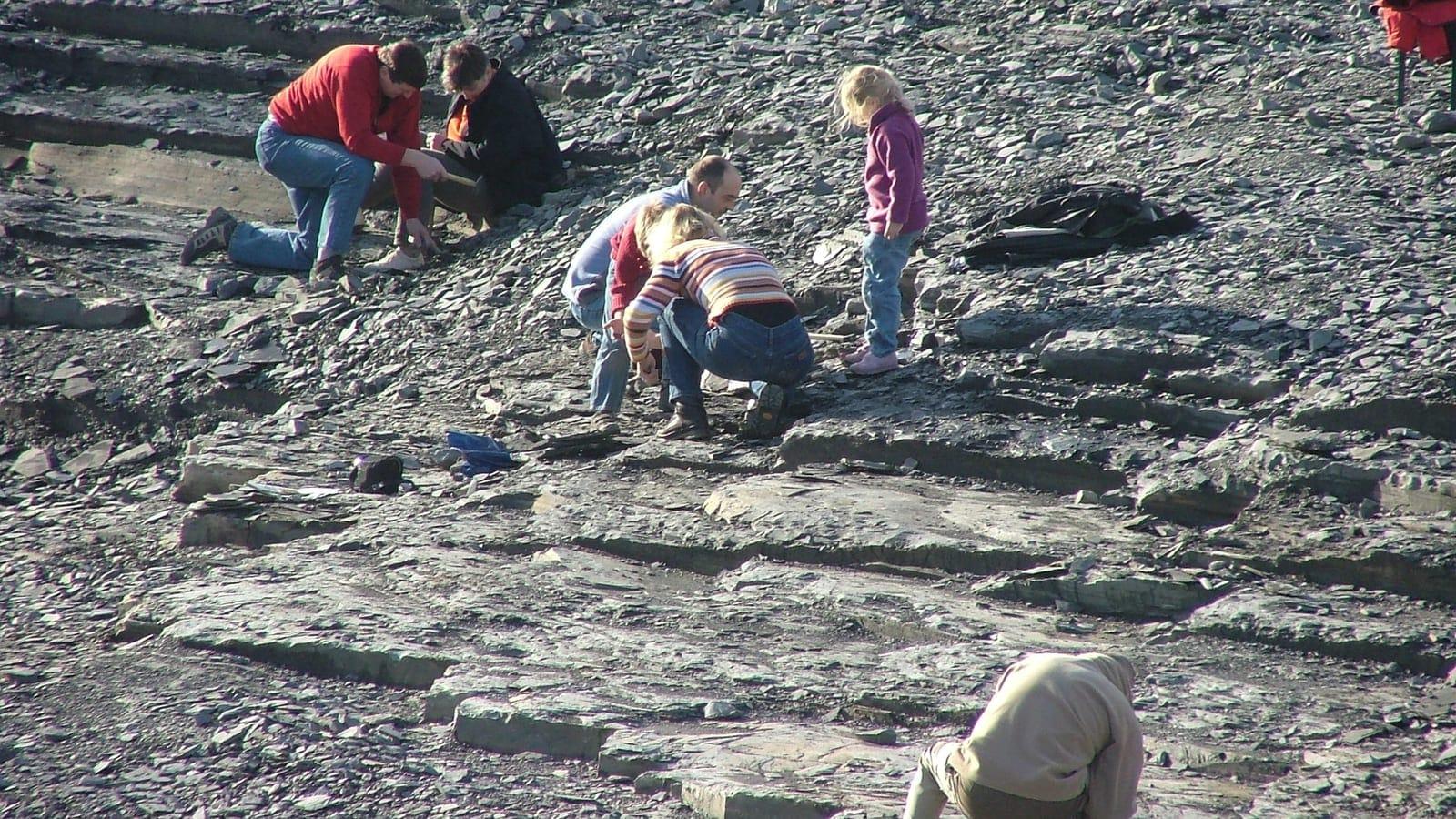
- A Klopfplatz is an outdoor hammering yard set aside for the public, stocked with fresh rock brought in from a quarry. Visitors split the slabs at work benches and keep what they find. Four of the five sites in this guide run one. The Werkforum Dotternhausen Klopfplatz is free and lends tools, Dormettingen charges admission and lets you keep everything, Ohmden charges admission but requires your own tools, and Nusplingen supplies controlled quantities of plattenkalk next to its museum.
- Which Baden-Württemberg site is best for a first visit?
- Werkforum Dotternhausen. The museum and the Klopfplatz are both free, reception lends hammers, chisels and safety glasses at no charge, and ammonites and belemnites are reliable finds. SchieferErlebnis Dormettingen is the next choice and the better one for families, because the park has walking paths and facilities around the old workings. Ohmden suits experienced collectors who bring their own tools, and Holzmaden is a shop and museum visit rather than a collecting trip.
- What fossils does the Posidonia Shale produce?
- Ammonites are the most reliable find, with Harpoceras, Hildoceras and Dactylioceras all common. Belemnite guards are abundant and durable, and they survive splitting intact. Thin-shelled Bositra bivalves, formerly called Posidonia, cover many bedding surfaces in dense pavements and give the formation its name. Articulated small fish such as Leptolepis and Pholidophorus occur on fresh slabs, and Seirocrinus and Pentacrinites crinoid fragments turn up regularly. Ichthyosaur, plesiosaur and marine crocodile bone fragments are genuine but uncommon, and articulated vertebrate material is normally retained by the operator.
- Do you have to report a marine reptile find in Baden-Württemberg?
- Yes. Under Baden-Württemberg state heritage law, scientifically important fossils are subject to reporting requirements and potentially to state ownership claims. The Nusplingen museum identifies the Regierungspräsidium Freiburg, Referat Denkmalpflege und Geologie, as the relevant authority and advises visitors on the process. In practice you report the find to site staff first. Dotternhausen retains partial or complete ichthyosaurs, plesiosaurs and marine crocodiles for the Holcim preparation lab, which works with the University of Tübingen, and Ohmden and Dormettingen both require that articulated vertebrate material is reported to the operator.
- What tools do you need for Posidonia Shale?
- A heavier kit than plattenkalk needs. Posidonia Shale splits in large, heavy sheets, so a 1.5 to 2 kilogram rock hammer and robust flat chisels work better than a light hammer. Safety glasses are mandatory at every site, because shale chips are sharp and travel fast. Gloves matter here more than at most sites, since fresh shale has sharp edges and leaves oil residue on skin and clothing. Wear old clothes, because the oily shale stains permanently. Nusplingen is the exception: plattenkalk is more fragile and wants a 250 to 350 gram hammer and a thin chisel.
- Why is the Posidonia Shale black?
- The sea floor had no oxygen. During the Toarcian Oceanic Anoxic Event, roughly 183 to 182 million years ago, bottom waters across this restricted shelf sea became persistently low in oxygen and in places fully anoxic. Nothing lived on that sea floor to scavenge a carcass, and nothing burrowed through the mud. Organic matter accumulated instead of rotting away, which is what makes the shale both black and oily. Animals that died in the healthy water column above sank into the mud and stayed whole, which is why ichthyosaurs from these beds preserve skin outlines, stomach contents and embryos.
Recommended resources
- Holcim Süddeutschland: Werkforum Dotternhausen · Opening times, closures and special collecting events for the free museum and Klopfplatz. The site closes on Mondays and around some German public holidays, so check before you drive out.
- SchieferErlebnis Dormettingen · Current hours, admission and event days for the Klopfplatz and the slate heritage park in the Schlichem Valley.
- Urwelt-Museum Hauff · The Holzmaden fossil museum, and the contact point for confirming whether the Schieferbruch Kromer collecting area at Ohmden is open.
- Urweltsteinbruch Holzmaden · Shop hours and prepared Posidonia Shale specimens, plus the number to call about any visitor quarry collecting.
- Museum Nusplingen · Museum admission, guided tours and the current status of the Klopfplatz, which depends on the supply of fresh plattenkalk.
- Landesamt für Geologie, Rohstoffe und Bergbau Baden-Württemberg (LGRB) · The state geological survey, and the reference for the Posidonienschiefer-Formation and the wider stratigraphy of the Swabian Alb.
- Staatliches Museum für Naturkunde Stuttgart · Holds the Nusplingen research program, which has excavated the Plattenkalk every season since 1993 and published the angel shark and pterosaur material.