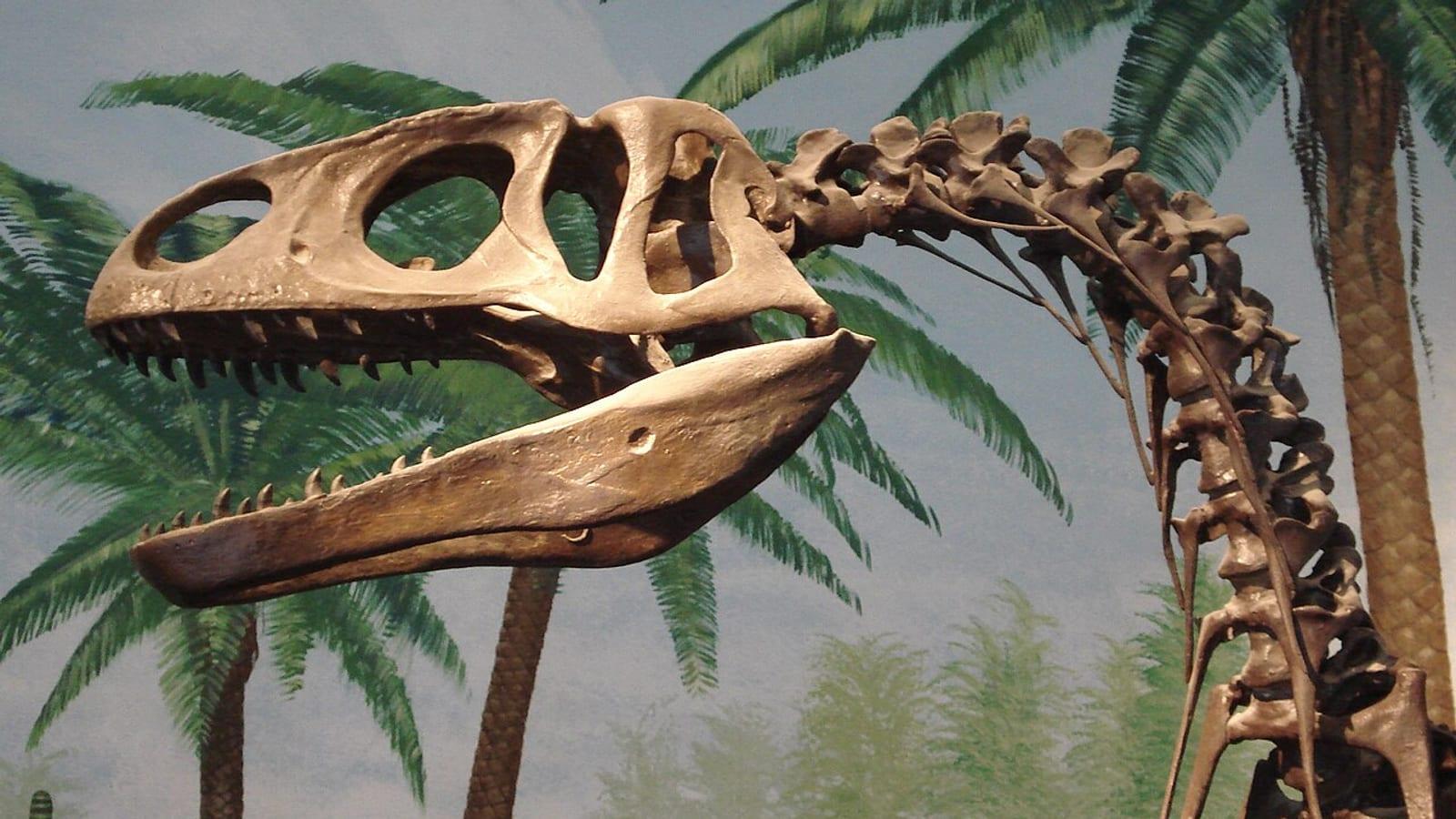
Urweltsteinbruch Holzmaden Posidonia Shale Fossil Hunting Guide
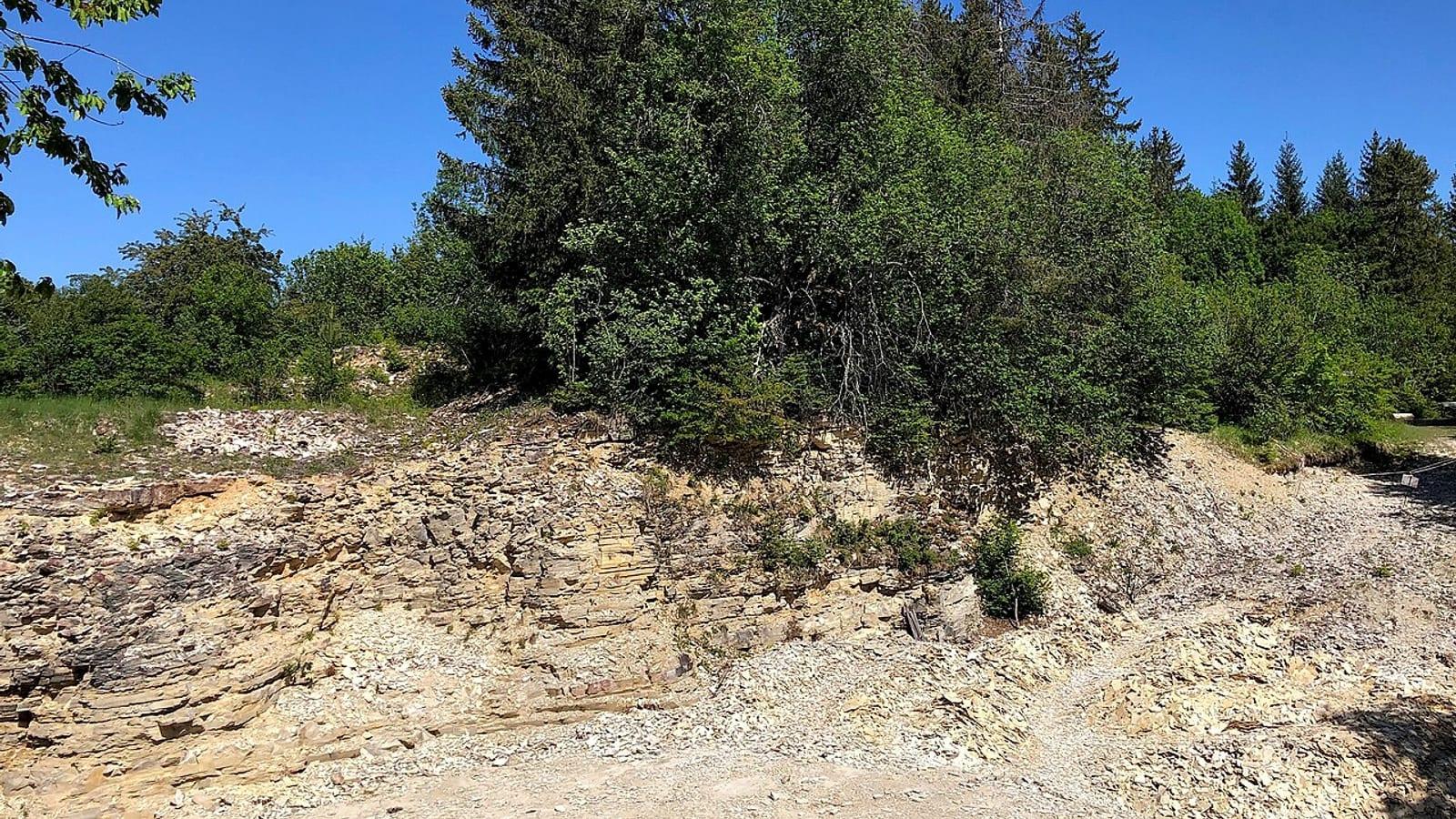
Image: Richard Mayer (CC BY 3.0)
Visit Urweltsteinbruch Holzmaden for Posidonia Shale fossils: a specialist retail shop with quality specimens plus limited fee-based quarry collecting on inquiry.
By Edward Chen · Published 27 April 2026
Introduction
Holzmaden is one of the most important names in Early Jurassic palaeontology. The black Posidonia Shale exposed in the quarries around this small Baden-Württemberg village has produced complete ichthyosaur skeletons with embryos inside, plesiosaurs with soft tissue outlines, marine crocodiles, crinoid mats stretching several metres across, and fish preserved down to individual scales. The Urweltsteinbruch at Aichelberger Straße 75 is the commercial operation that makes this formation accessible to visitors in a different way from the Altmühltal Besuchersteinbrüche: its primary function is a fossil retail shop selling prepared specimens from the Posidonia Shale, backed by professional preparation expertise built up over generations of working this formation.
Limited quarry collecting for visitors may also be available at the Urweltsteinbruch, but this is not a standard open-hours activity and must be confirmed in advance. Visitors who come primarily to collect in the field should contact the site directly or consult with the nearby Urwelt-Museum Hauff, the museum of Holzmaden fossils 400 metres away, about the current status of public collecting in the area. This guide describes both the shop and the collecting aspect, explains the geology and history of the Posidonia Shale at Holzmaden, and provides practical directions for a visit.
Location and Directions
Address
Urweltsteinbruch Holzmaden, Aichelberger Straße 75, 73274 Notzingen/Holzmaden, Kirchheim unter Teck district, Baden-Württemberg, Germany.
Directions
From Stuttgart, take the B10 east for approximately 45 km toward Göppingen. Continue past Göppingen on the B10 for approximately 5 km, then exit toward Holzmaden following signs for the Urweltsteinbruch and/or Urwelt-Museum Hauff. The facility at Aichelberger Straße 75 is well signposted in the village. Total driving time from Stuttgart is approximately 45 minutes.
From Munich, take the A8 motorway west and then the B10 west toward Stuttgart, exiting at the Holzmaden junction. Total distance is approximately 165 km, taking around 1 hour 45 minutes.
From Tübingen, take the B27 and B28 east for approximately 25 km. The Urweltsteinbruch is clearly signposted on approaching Holzmaden from this direction.
Parking is available at the site. The Urwelt-Museum Hauff (Aichelberger Straße 90) is approximately 400 metres from the Urweltsteinbruch and is a strongly recommended companion visit. Kirchheim unter Teck railway station is 6 km from Holzmaden. Local bus connections exist but schedules should be checked in advance.
What Fossils You'll Find
In the shop: The Urweltsteinbruch's retail operation stocks a wide range of prepared Posidonia Shale fossils at varying price points. Ammonites are available from around €10 for small specimens to €50 or more for large or particularly well-preserved examples. Fish specimens range from €100 to €500 and above depending on completeness and species. Marine reptile material, isolated vertebrae, rib fragments, occasional partial skeletons, starts at around €200 and increases sharply with completeness. The quality of preparation is generally high, and specimens are professionally cleaned and stabilized. This is one of the better commercial fossil sources for Holzmaden material in Europe.
 Photo: James St. John, CC BY 2.0, via Wikimedia Commons
_(Posidonia_Shale%2C_Lower_Jurassic%3B_Holzmaden_area%2C_Germany)_(35788640735).jpg)
If field collecting is available: Ammonites are the most common find in Posidonia Shale. Multiple species of the genera Dactylioceras, Harpoceras, and Hildoceras occur in the formation. They preserve as flattened moulds in the black shale, often with iridescent pyrite replacement on the shell surface. Belemnite guards are abundant throughout. Posidonia bivalves occur in dense beds and are easily identified. Crinoid stem sections occur regularly. Complete articulated specimens are rare. Ichthyosaur bone fragments, vertebrae, ribs, isolated elements, are possible but uncommon in the public collecting area. Any material suggesting an articulated specimen must be reported.
The Posidonia Shale is harder and physically more demanding to work than Solnhofen plattenkalk. Sheets are heavier and require more force to split. The reward-to-effort ratio for casual collectors is lower than at the Altmühltal limestone quarries. Experienced collectors comfortable with demanding shale work will find the site worthwhile.
Geologic History
The Ancient Environment
The Posidonia Shale at Holzmaden was deposited during the Toarcian Stage of the Early Jurassic, approximately 182 million years ago. The formation, known in German as the Posidonienschiefer, is a black bituminous oil shale: dark, finely laminated, and extraordinarily rich in organic carbon. It is one of the most important fossil Lagerstätten in the world and a reference section for Toarcian stratigraphy globally.
During the Toarcian, the Holzmaden area lay beneath a shallow epicontinental sea. A globally significant warming and ocean anoxia event in the early Toarcian, the Toarcian Oceanic Anoxic Event, drove oxygen levels in bottom waters to near zero across large areas of the world ocean, including this basin. The seafloor became a zone of permanent anoxia where nothing could live and nothing could scavenge. Organisms that died in the overlying water column sank undisturbed into the organic mud and were sealed by continuing sedimentation. Soft tissues were preserved: skin outlines are visible on ichthyosaurs, stomach contents remain in place, and embryos are preserved inside adult females. The quality of preservation is comparable to the Solnhofen Lagerstätte but involves different organisms and a different depositional setting.
The organic richness of the shale later made it valuable commercially as an oil shale, and industrial quarrying was the mechanism that exposed the fossil beds to systematic study. The Hauff family's involvement from 1892 provided the expertise to extract and prepare the most challenging specimens, and their work produced the collections now on display at the Urwelt-Museum Hauff.
How Urweltsteinbruch Holzmaden Became a Fossil Collecting Site
Commercial oil shale extraction at Holzmaden began in the early 19th century and operated through to the mid-20th century. Workers encountered well-preserved fossils throughout this period, and the Hauff family established a fossil preparation business at the site in 1892, selling specimens to museums and private collectors worldwide. Bernhard Hauff Sr. developed techniques for preparing articulated ichthyosaur skeletons that remain the standard for the formation today. The Hauff Museum opened in 1936 and has been expanded multiple times since.
As oil shale extraction became commercially unviable, the quarrying operations transitioned. The Urweltsteinbruch at Aichelberger Straße 75 developed as a separate commercial entity combining active fossil extraction with a retail shop. The operation continues to extract Posidonia Shale and prepare fossils for commercial sale. The retail shop is the primary public-facing activity. Limited visitor access to the quarry collecting area has been offered at various times and may be available on inquiry, but the site's core business is fossil sales rather than visitor collecting.
Collecting Rules and Regulations
Is Fossil Collecting Allowed?
The Urweltsteinbruch's main activity is a fossil retail shop, not a public visitor quarry. Quarry collecting for visitors is possible but is not offered as a standard open-hours activity.
- Shop hours: Tuesday to Sunday 10:00–17:00, closed Monday, seasonal variations apply
- Contact before visiting to inquire about current quarry collecting availability: +49 7023 3688, website: www.urweltsteinbruch.de
- Shop stocks prepared fossils: ammonites €10–50, fish €100–500+, marine reptile material from €200
- If quarry collecting is available: supervision required, modest fee applies, tools should be brought (tool rental may be available at €2–5), confirm details by phone
- Posidonia Shale is hard and physically demanding. This is not the best choice for beginners seeking a relaxed collecting experience
- Any material suggesting articulated vertebrate remains must be reported to site operators
- Combine with a visit to the Urwelt-Museum Hauff, 400 m away: adults €8, children €4, open Tuesday to Sunday
Under Baden-Württemberg state heritage law, scientifically significant fossils are subject to state reporting requirements. The operators will advise on any specific find if asked.
Recommended Tools
If quarry collecting is available, bring a heavy rock hammer (1.5–2 kg) and robust flat chisels. Safety glasses are mandatory. Shale chips are among the sharpest and fastest-moving in any collecting context. Gloves are strongly recommended: fresh Posidonia Shale has extremely sharp edges and deposits oil residue on skin and clothing. Wear old clothes, as the oily shale stains permanently. Boots with ankle support and good grip are essential. A spray bottle and stiff brush are useful for examining split surfaces. For the shop visit, no special preparation is needed beyond normal footwear.
Safety
Safety glasses must be worn throughout any quarry work. Shale chips from Posidonia Shale are sharp and travel at high velocity when the rock is struck. Gloves protect against lacerations and oil exposure. The quarry surface can be uneven and slippery. Ankle support in boots is important. Wet shale is particularly slippery, including on any surface with oil residue. Keep children actively supervised and away from working areas. Follow all instructions from site staff. Do not work under any overhanging or unstable quarry faces. The oily surface of fresh shale makes falls more likely if care is not taken with footing.
Sources
Nearby sites
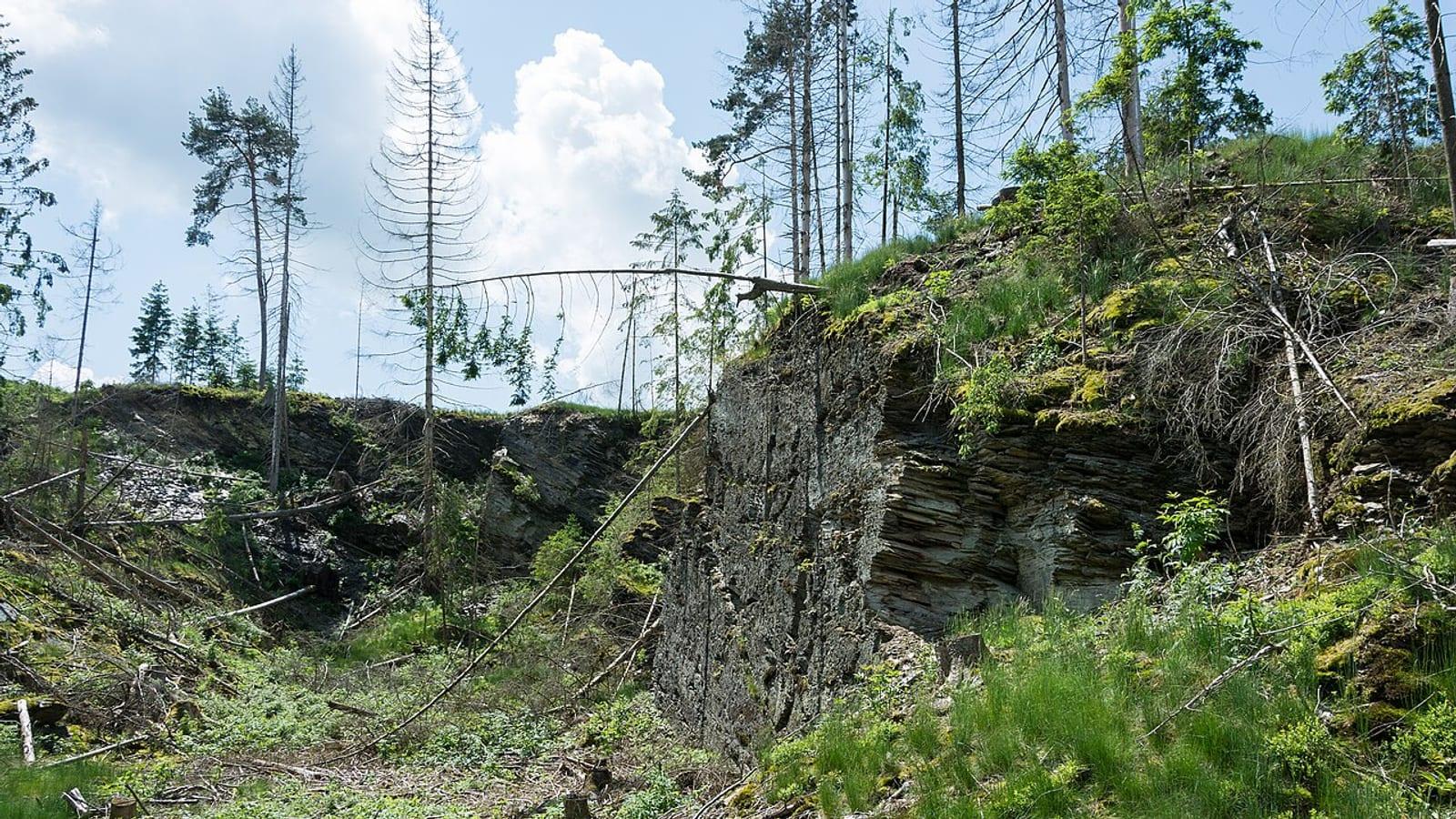 Schieferbruch Kromer Ohmden Posidonia Shale Fossil Hunting GuideAmmonites, Belemnites
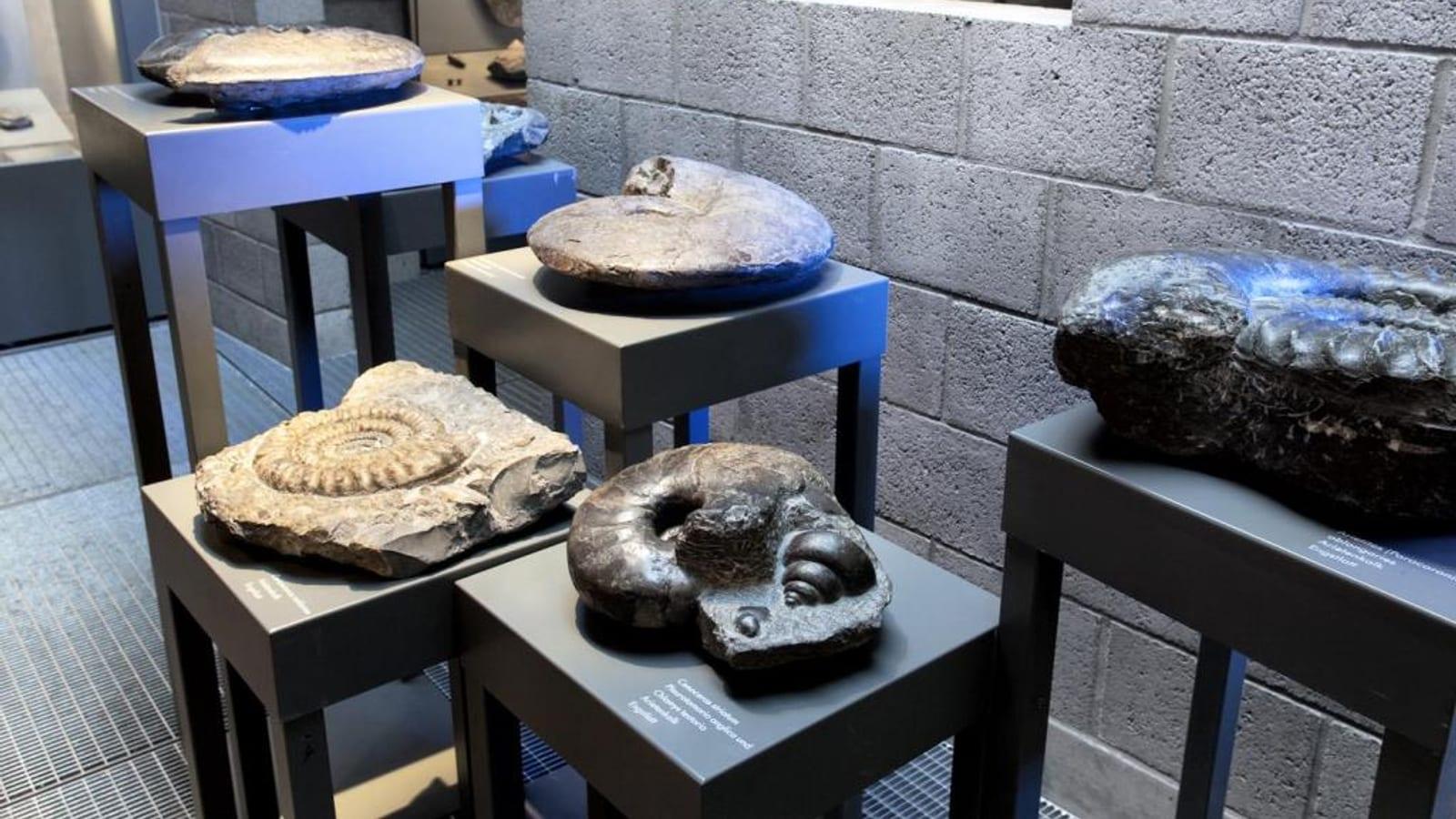 Werkforum Dotternhausen Fossil Hunting GuideAmmonites, Belemnites
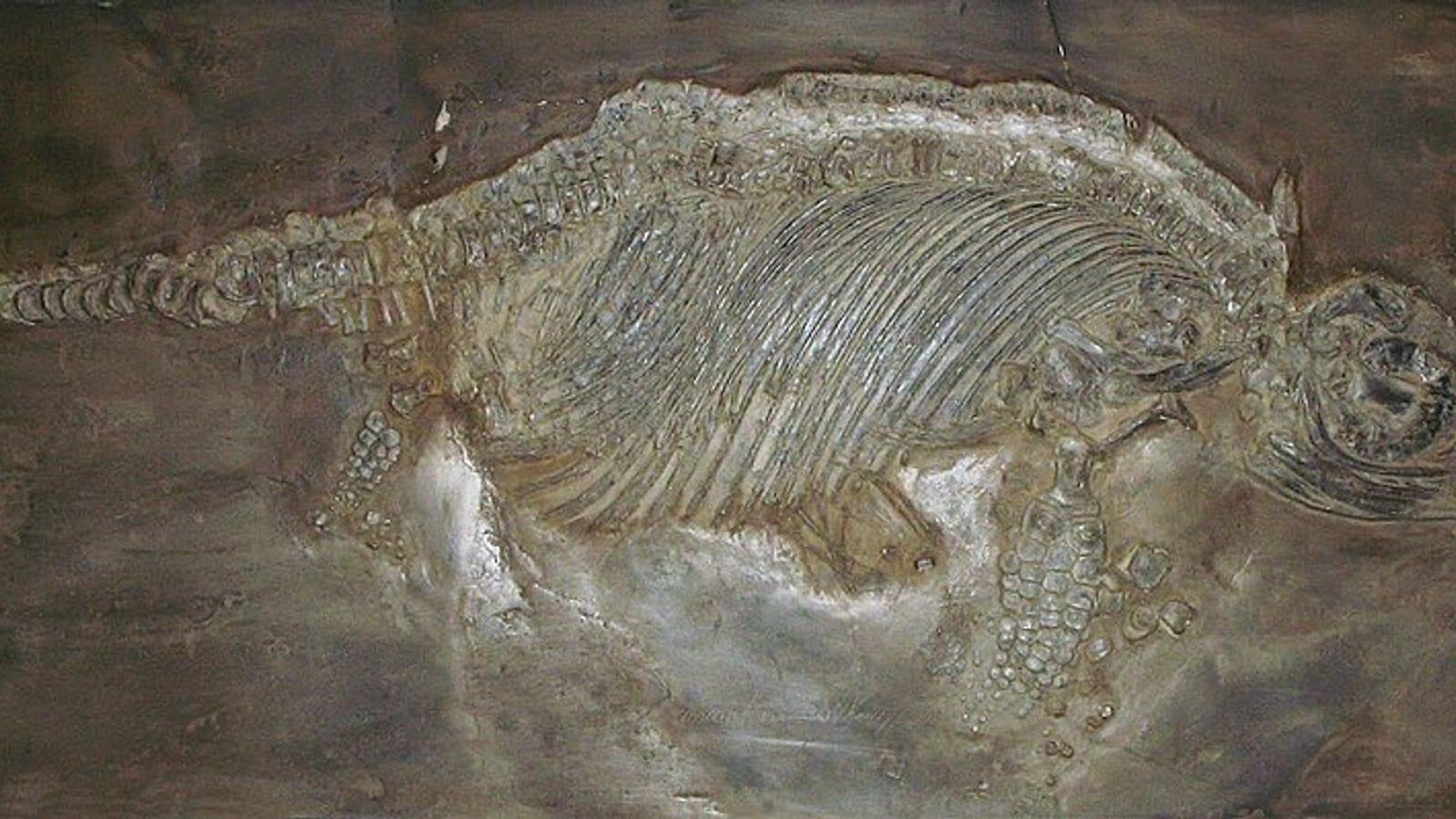 Schiefererlebnis Dormettingen Fossil Klopfplatz Fossil Hunting GuideAmmonites
 Nusplingen Plattenkalk Museum Fossil Klopfplatz Fossil Hunting Guideangel sharks, pterosaurs