Bavaria Fossil Hunting Guide
7 Best Fossil Hunting Sites in Bavaria (Altmühltal, Germany)
The Altmühltal Natural Park in Bavaria contains the densest concentration of accessible Jurassic fossil quarries in the world. The Solnhofen Plattenkalk — a fine-grained limestone deposited in a shallow Late Jurassic lagoon 150 million years ago — is the formation that produced Archaeopteryx, the first known bird. A network of pay-to-dig quarries, free public collecting sites, and world-class museums makes the Altmühltal the single best destination in Europe for hands-on Jurassic fossil hunting.
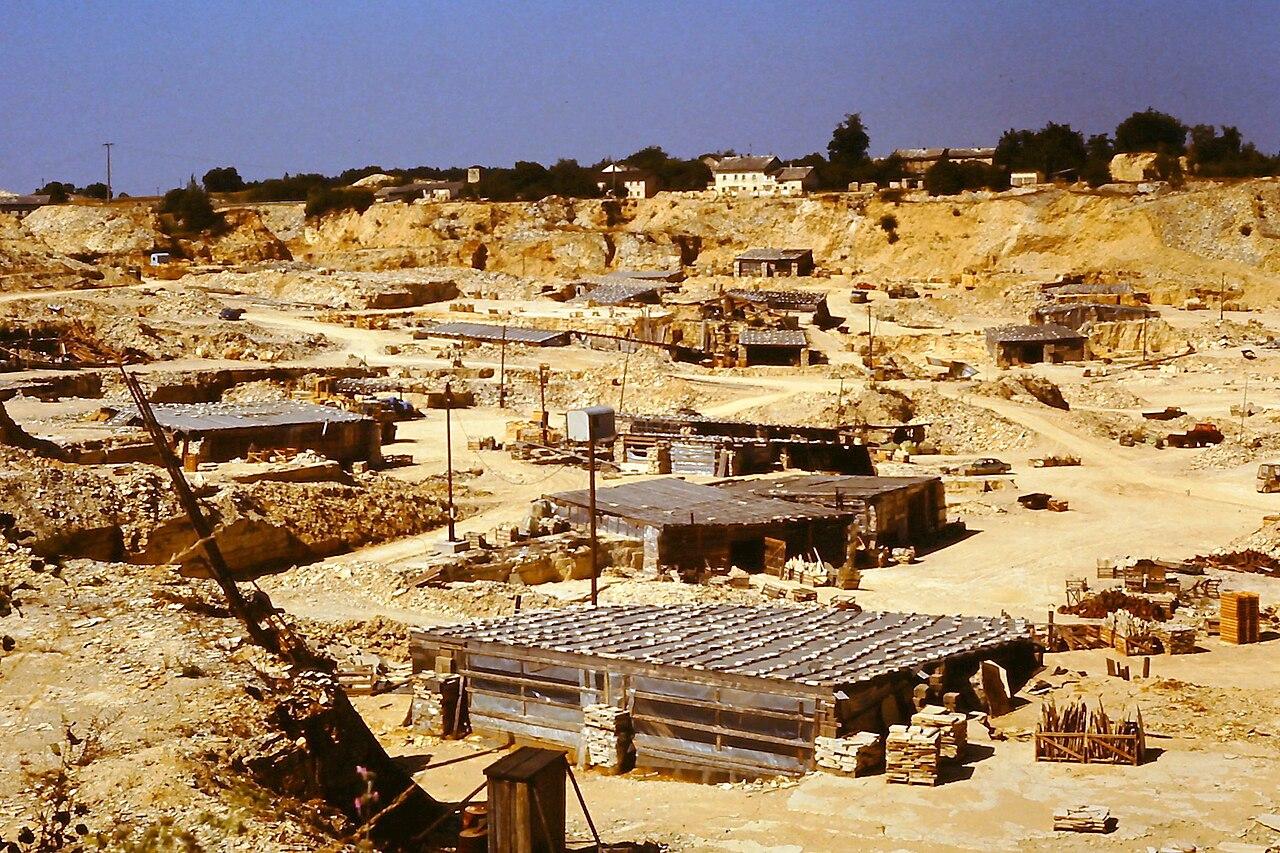
7 fossil sites
Updated 2 August 2026
Why Solnhofen limestone preserves fossils so well
The Solnhofen Plattenkalk was deposited in a restricted lagoon behind a reef barrier on the northern edge of the Tethys Ocean during the Tithonian stage of the Late Jurassic. The lagoon bottom was periodically oxygen-depleted by bacterial mats that prevented scavenging and bioturbation. Animals that fell or were washed in died quickly in the anoxic bottom water and were gently buried by fine carbonate muds — the same muds that later lithified into the fine-grained plattenkalk (flat stone) quarried in the region for centuries as lithographic printing stone.
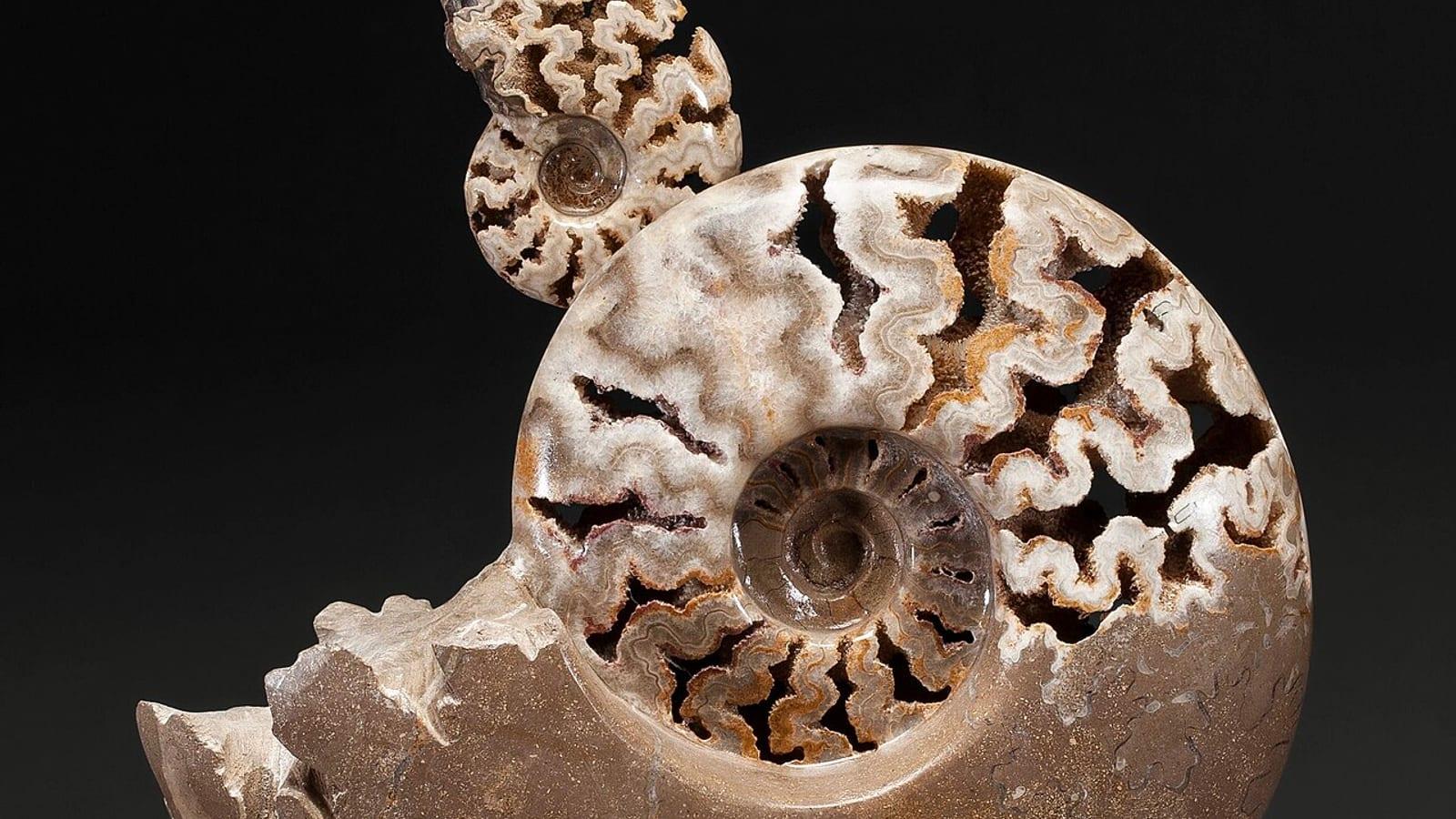
The result is one of the world's great Lagerstätten: a fossil assemblage that preserves not just shells and bones but soft tissues, feather impressions, wing membranes, and stomach contents. Eight of the eleven known Archaeopteryx specimens come from this formation, as do hundreds of pterosaurs, complete fish, and exceptionally preserved invertebrates. Visitor quarries work the same limestone beds and produce high-quality fossils using the same splitting technique that professional preparators use on museum specimens.
- 1
Hobbysteinbruch Solnhofen Fossil Hunting Guide
91807 Solnhofen
Pay to digAmmonitesFish fossilsShrimpThe Hobbysteinbruch at Solnhofen is the original pay-to-dig Jurassic limestone quarry and still the most productive site in the Altmühltal for visitor collecting. Fee-paying visitors receive tools and a work area, and keep everything they find. The same limestone beds have produced multiple Archaeopteryx specimens; while no visitor has ever found one, the ammonites, fish, crinoids, and shrimp the beds routinely release are exceptional quality.
Read the full guide → - 2
Fossiliensammelstelle Titting Free Fossil Hunting Guide
85125 Titting
Free collectingAmmonitesCrinoid fragmentsBelemnites and bivalvesThe Fossiliensammelstelle at Titting is the only free public fossil collecting site in the Altmühltal — a municipally managed site where anyone can split limestone slabs and keep the finds. The Torleite Formation here produces ammonites, crinoids, bivalves, and plant material from a slightly different facies than the classic Solnhofen plattenkalk. The site is open year-round and requires no booking.
Read the full guide → - 3
Fossiliensteinbruch Blumenberg Eichstatt Fossil Hunting Guide
Germany
Pay to digAmmonitesFish fossilsShrimpFossiliensteinbruch Blumenberg sits on the edge of Eichstätt, next to the Museum Bergér which houses one of the finest private Jurassic fossil collections in Germany. The fee quarry works the same Solnhofen Plattenkalk that produced the Archaeopteryx specimens now displayed in the Bürgermeister-Müller-Museum 2 km away. The proximity makes this a natural combination — morning collecting, afternoon museum.
Read the full guide → - 4
Fossiliensteinbruch Schamhaupten Fossil Hunting Guide
Germany
Free collectingAmmonitesCrinoidsFish fossilsThe Fossiliensteinbruch at Schamhaupten is a fee quarry operating in a working limestone extraction site that sets aside specific areas for fossil collectors. The geology here produces particularly fine crinoid columns, bivalves, and occasional fish — less spectacular than the classic Solnhofen fish quarries but reliably productive. The quarry operates on a seasonal schedule; check ahead for current opening times.
Read the full guide → - 5
Altmannstein Schamhaupten Archaeopteryx Fossil Hunting Guide
Germany
Guided toursArchaeopteryxAmmonitesFishThe Archaeopteryx Quarry at Schamhaupten near Altmannstein is where the Haarlem specimen of Archaeopteryx — the first ever discovered — was collected in 1855. The quarry now operates guided tours that allow visitors to work the same Solnhofen limestone beds under supervision, with professional preparators on hand to assess finds. Any significant vertebrate specimen found is purchased from the finder at a negotiated price.
Read the full guide → - 6
Steinbruch Schernfeld Jurassic Fossil Quarry Fossil Hunting Guide
Germany
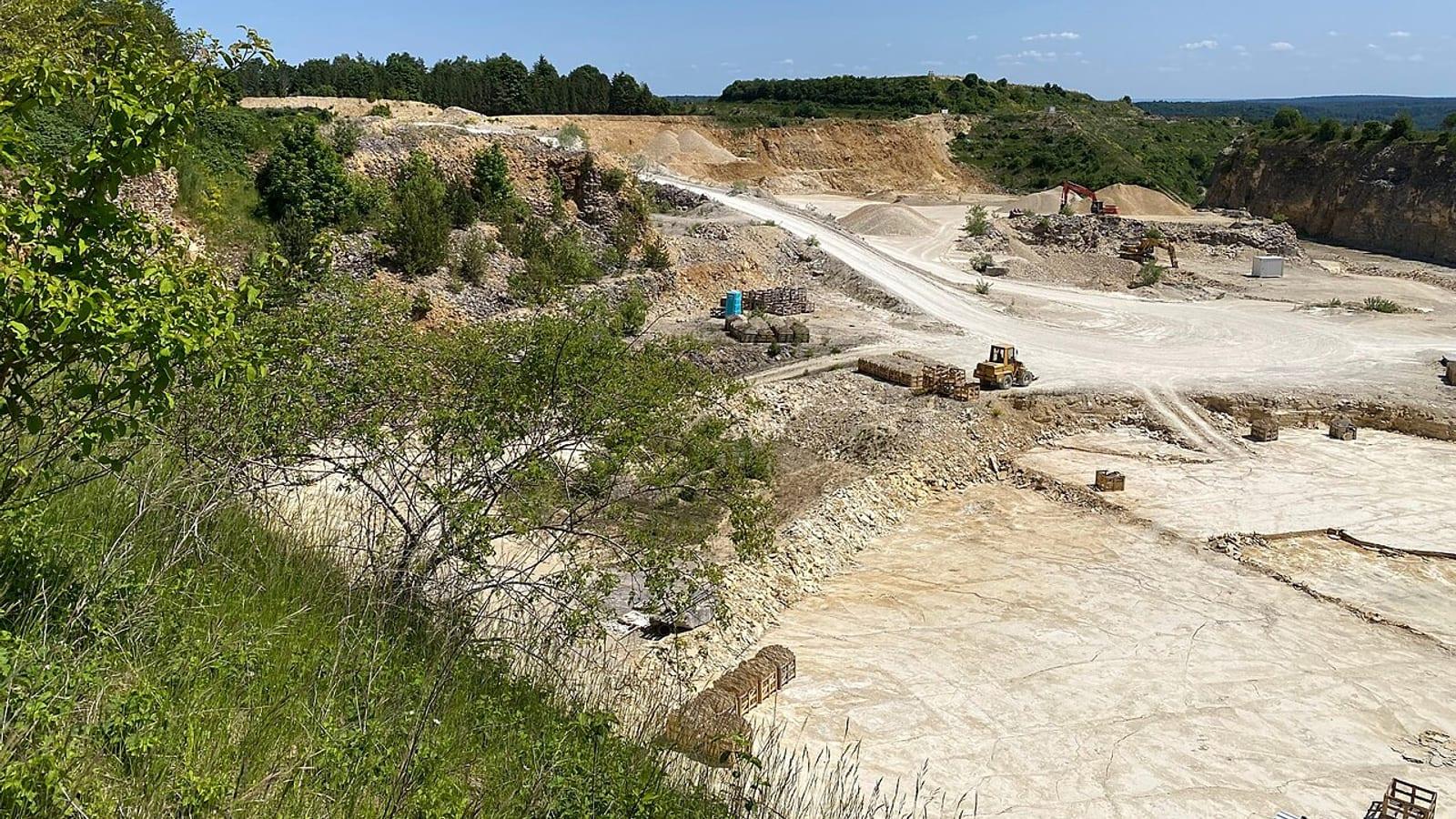
Pay to digN/ASteinbruch Schernfeld is a working quarry northeast of Eichstätt that offers fossil collecting in the upper Solnhofen limestone beds. The site has produced multiple complete fish specimens and is known locally for its crinoid-rich layers. Pay-to-dig visits are arranged directly with the quarry; tools are provided and all non-vertebrate finds may be kept.
Read the full guide → - 7
Dinosaur Museum Altmuehltal Fossil Park Fossil Hunting Guide
93326 Denkendorf
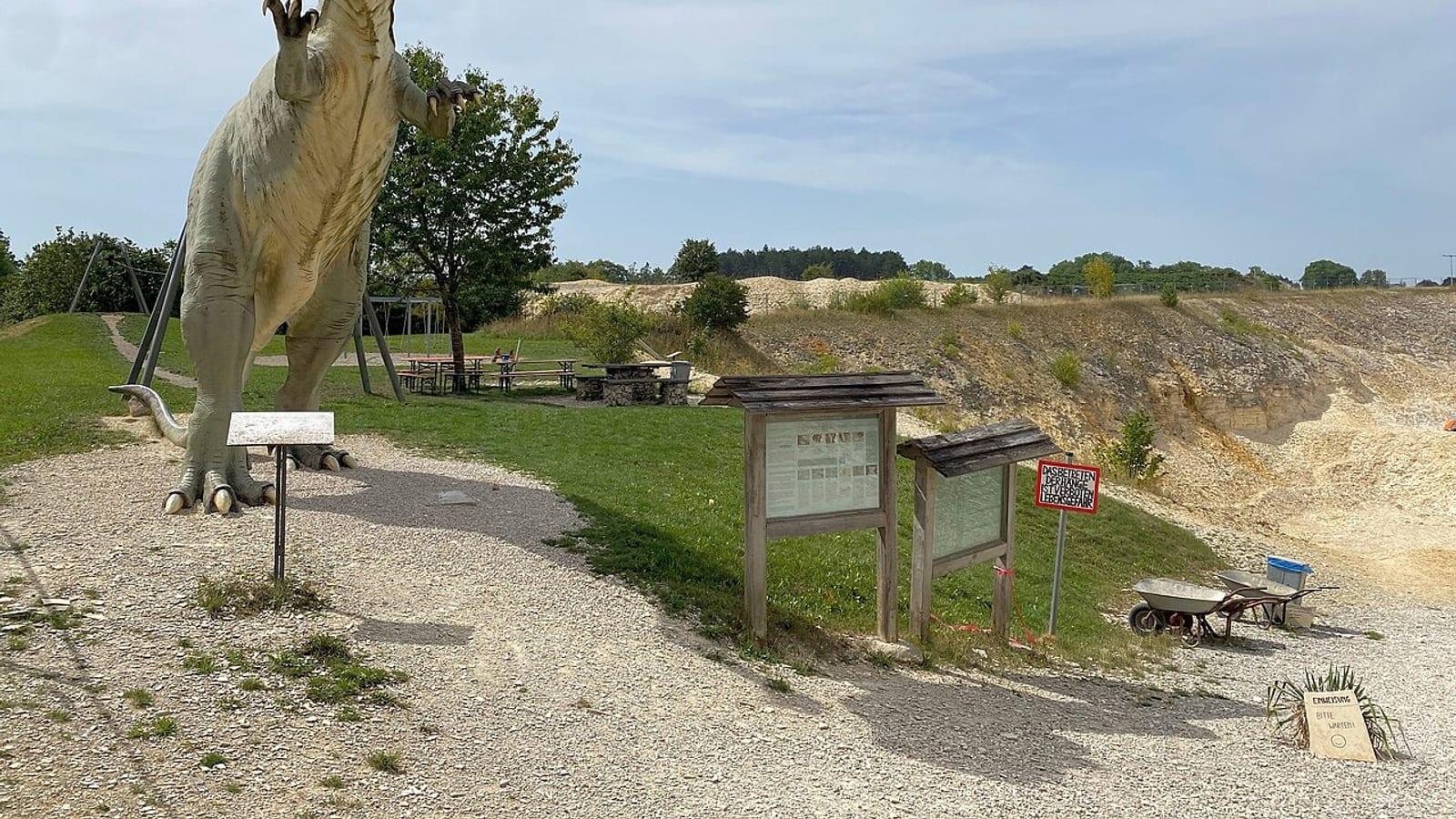
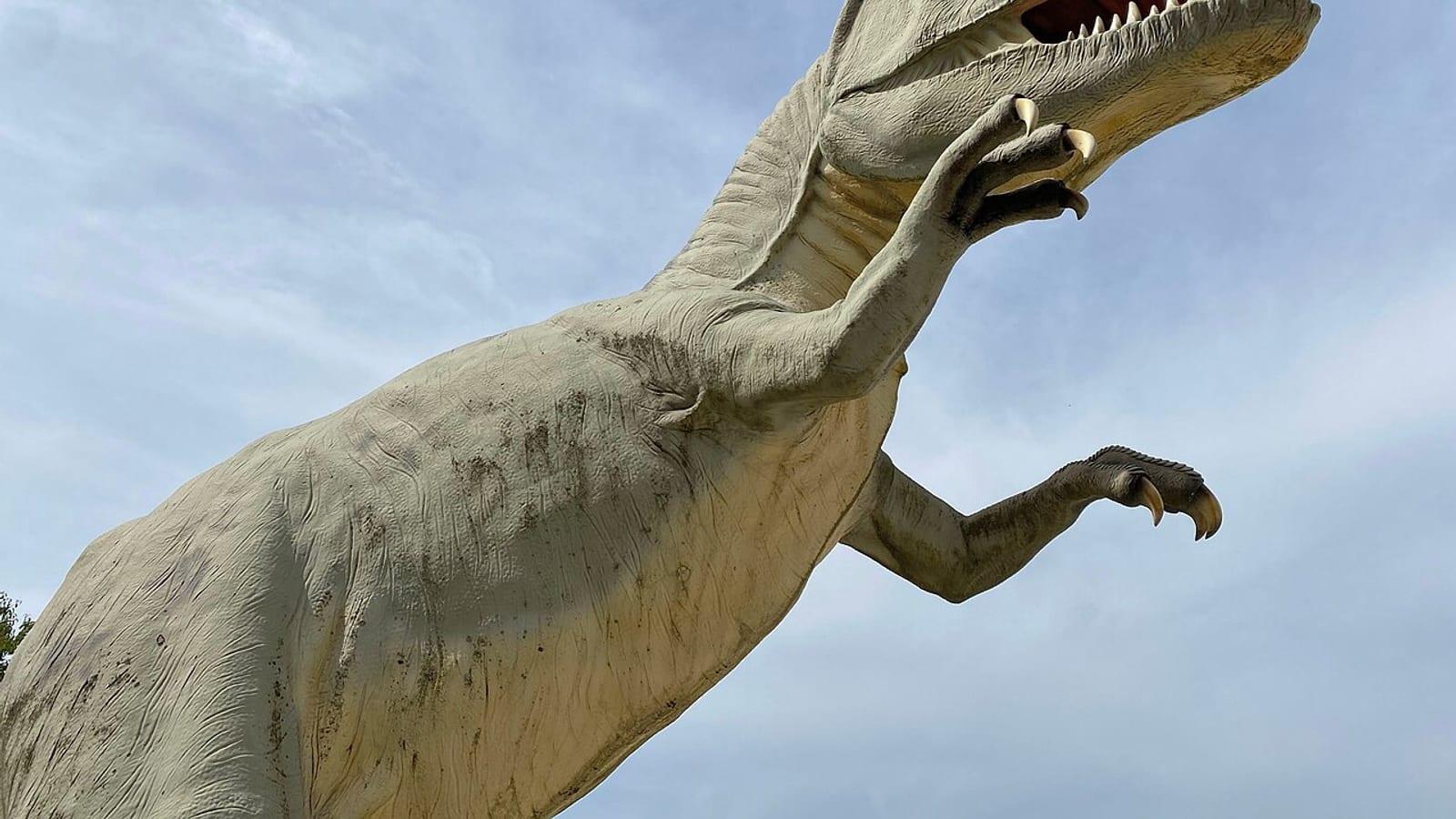
Pay to digAmmonitesCrinoid fragmentsThe Dinosaurier-Park Altmühltal at Denkendorf combines 70 life-size dinosaur models in a large outdoor park with an adjacent fossil collecting area in Triassic limestone. Unlike the Jurassic quarries of the Solnhofen area, this site produces Triassic invertebrates — bivalves, gastropods, and crinoid fragments — from a completely different formation. The combination of park and collecting makes it the most family-accessible option in the region.
Read the full guide →
Frequently asked questions
- What fossils can you find in Solnhofen limestone?
- The Solnhofen Plattenkalk of Bavaria's Altmühltal valley is a Late Jurassic Lagerstätte (exceptional preservation site) that has produced ammonites, belemnites, fish (including complete Aspidorhynchus and Leptolepis specimens), crinoids, shrimp, jellyfish impressions, pterosaurs, small theropod dinosaurs, and eight specimens of Archaeopteryx — the transitional bird-dinosaur. Visitor collecting typically produces ammonites, crinoids, bivalves, gastropods, and occasional fish.
- How much does it cost to fossil hunt in Bavaria?
- Pay-to-dig quarry fees in the Altmühltal typically range from €10 to €25 per person for a half-day session, with tools usually included. The Fossiliensammelstelle at Titting is free. The Archaeopteryx Quarry guided tours at Schamhaupten cost more and must be booked in advance. All non-vertebrate fossils found may generally be kept; vertebrate specimens are subject to purchase agreements with the quarry.
- Is Solnhofen worth visiting for fossil hunting?
- Yes. The Altmühltal is the most reliable pay-to-dig fossil hunting destination in Europe. The limestone slabs split cleanly and the preservation quality is exceptional — even common ammonites from the Solnhofen plattenkalk show original shell lustre. Combining two or three quarries in a single day trip is feasible from Eichstätt or Nuremberg, and the adjacent museums (Jura-Museum Eichstätt, Museum Bergér, Altmühltal Dinosaurier-Museum) offer excellent context for what you find.
- How much does it cost to fossil hunt at a Bavarian quarry?
- Most pay-to-dig quarries in the Altmühltal (known locally as Klopfplätze, or splitting sites) charge between 10 and 25 euros per person for a half-day session. Tools including a geological hammer and chisel are typically provided in the fee. The free Fossiliensammelstelle at Titting is the exception, with no charge and no booking required. The Archaeopteryx Quarry guided tours at Schamhaupten are priced above the standard quarry rate because a professional preparator is present throughout the session; check the current pricing with the site directly when booking.
- What language do I need at the Bavarian fossil quarries?
- German is the primary language at all Altmühltal quarries, and most site operators and quarry staff communicate in German only. Several quarries, including the Hobbysteinbruch at Solnhofen and the Archaeopteryx Quarry at Schamhaupten, have staff or guides who speak basic to intermediate English and are accustomed to international visitors. It is worth emailing or calling ahead in German to confirm your booking and check current conditions; Google Translate handles this task reliably. A printed or downloaded translation of key phrases for purchasing entry and asking about significant finds will cover most situations if you have no German.
- Can I take fossils home from Germany?
- Yes, for fossils collected at commercial pay-to-dig quarries. All non-vertebrate specimens you find at a Klopfplatz are yours to keep under the standard terms of the fee agreement. Vertebrate specimens, including fish, are typically subject to a purchase agreement with the quarry if they are deemed scientifically significant. Archaeopteryx specimens and other nationally protected paleontological objects are classified as cultural property under German law and cannot be exported without a permit from the relevant state authority. For personal collections of quarry-sourced ammonites, crinoids, and plant fossils, no export declaration is required within the European Union; travellers from outside the EU should declare the specimens to customs if their combined value exceeds the standard duty-free threshold.