Pennsylvania Fossil Hunting Guide
5 Best Fossil Hunting Sites in Pennsylvania
Pennsylvania divides into two fossil records, and a collector plans a trip around whichever one is nearer. The anthracite and bituminous coal belts hold Carboniferous plants, from the white pyrophyllite ferns of St. Clair to the seed fern plates of the Ambridge roadcut outside Pittsburgh. The Susquehanna valley holds Devonian marine shales of the Hamilton Group, with brachiopods and trilobites in the Mahantango Formation at Montour Preserve and along its namesake creek. Four of these five sites cost nothing to visit, and the fifth is open to organised groups only.
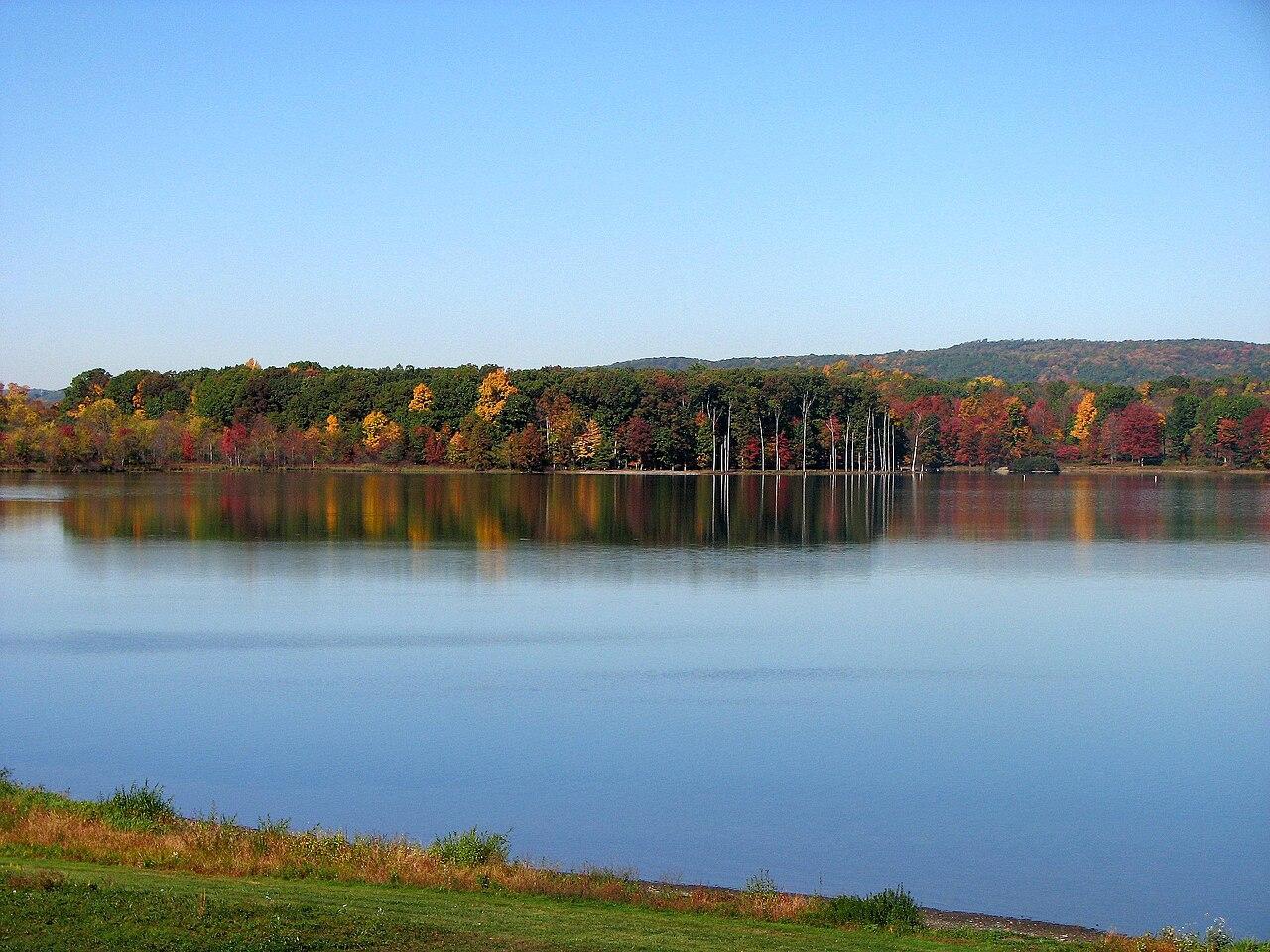
5 fossil sites
Updated 4 August 2026
Two records, two mountain-building events
The older record is marine. During the Middle Devonian, the rising Acadian mountain belt loaded the edge of the continent and the foreland basin to the west sagged below sea level. Rivers carried mud and silt off those highlands into a warm, shallow sea that settled gently over the animals living on the bottom. That is the reason the Mahantango Formation preserves a sea floor broadly where it lay rather than a jumble of surf-worn shells. The formation sits in the middle of the Hamilton Group, above the Marcellus black shales and below the Tully Limestone, and the USGS divides it into five members across central Pennsylvania. It has been collected for more than 150 years, and its combination of roadside accessibility and abundant fauna makes it one of the most-worked Devonian units in eastern North America.
The younger record is terrestrial and it is the coal. By the Pennsylvanian, around 300 million years ago, this ground sat a few degrees south of the equator while the collision of Gondwana with Laurussia drove the Alleghenian orogeny. Broad peat swamps grew on the lowlands west of the mountain front, and repeated cycles of swamp growth, marine flooding and burial produced the alternating coal, shale, sandstone and limestone of the Llewellyn and Glenshaw formations. The Ambridge roadcut shows one complete cycle in a single face, with coal-forest plants at road level and the marine Brush Creek zone directly above. In the eastern anthracite belt the same beds were buried deeper and metamorphosed, which turned the peat into anthracite and created the fluid-rich conditions that altered pyritised plant tissue to the white pyrophyllite seen at St. Clair.
- 1
St. Clair Fern Fossils Hunting Guide
Pennsylvania, United States
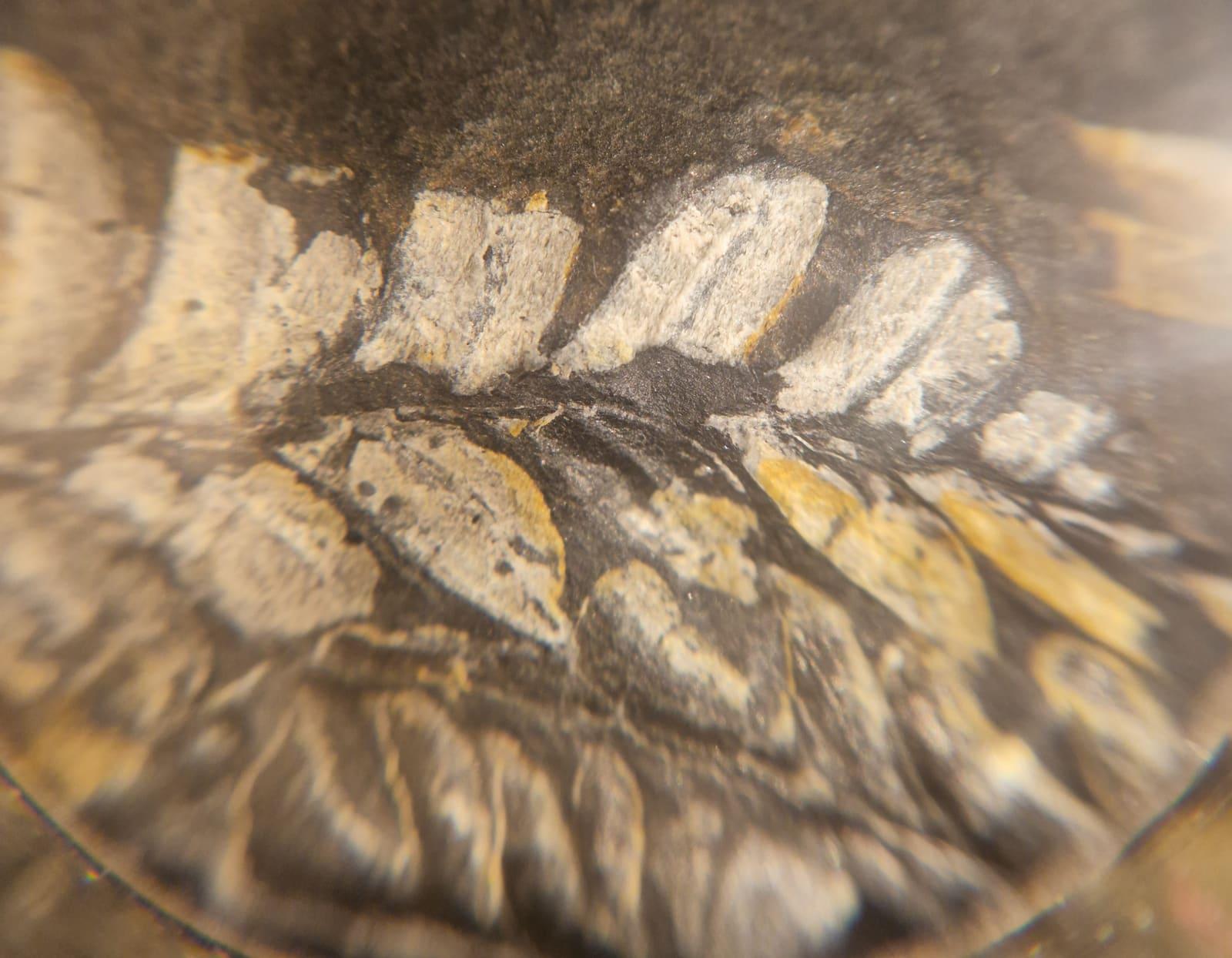
Permit requiredFossil ferns (Alethopteris)Fossil ferns (Neuropteris)Fossil ferns (Pecopteris)St. Clair produces the most recognisable plant fossils in North America: bright white fern fronds on jet-black shale, where the original plant tissue was first replaced by pyrite and later by the white aluminium-silicate mineral pyrophyllite. Complete seed fern and true fern fronds 10 to 30 cm long come off well-prepared slabs of the Llewellyn Formation, along with horsetail stems and lycopod bark. Access is the catch, and it is absolute. The historic dump on Burma Road became unstable around 2010, and Reading Anthracite now admits only school groups and paleontology clubs that hold advance written permission, signed waivers and proof of insurance. Arrange a place on an organised visit, because walking in on your own is trespass on an active mining company's land.
Read the full guide → - 2
Ambridge Fossil Hunting Guide
Pennsylvania, United States
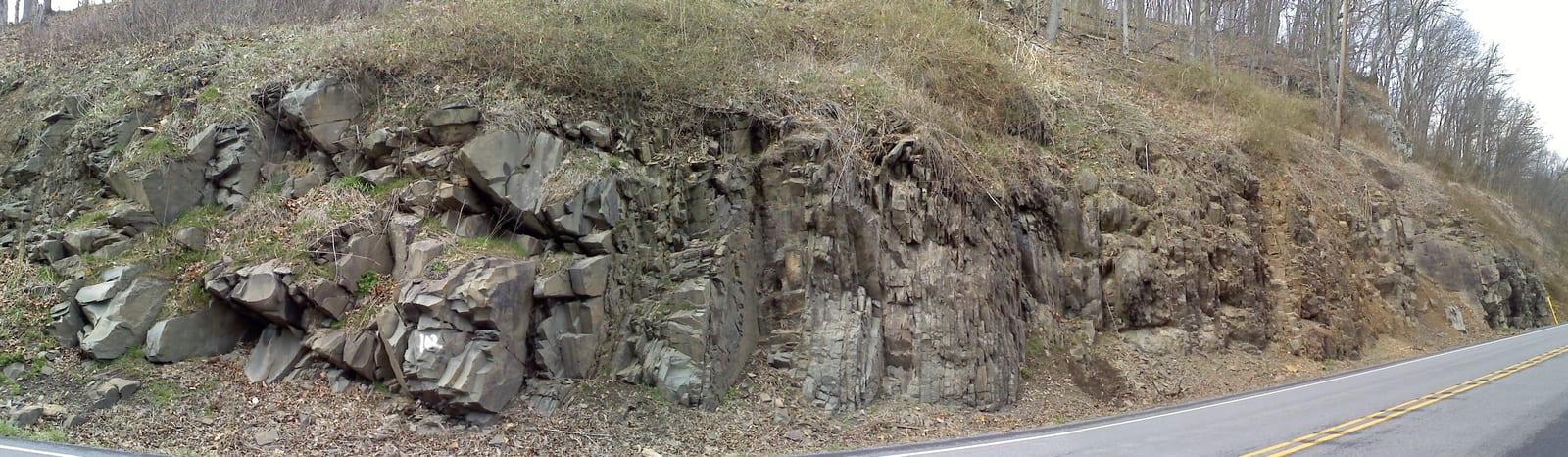
Free collectingPlant FossilsMarine Invertebrate FossilsThe Route 51 roadcut near Ambridge is the most productive free site in the state for Carboniferous plants, and it is 20 miles from central Pittsburgh. Two fossil zones sit one above the other in the Glenshaw Formation. The Mahoning Shale at road level splits with a flat-blade screwdriver and yields seed fern fronds, ribbed horsetail stems and the diamond-patterned bark of scale trees, often several species on one plate. Above it the Brush Creek Marine Zone records a flooding of the same coal forest and carries gastropods, clams, horn corals and straight-shelled nautiloids. Traffic is the real hazard rather than the geology, so park at the gated dirt road past the barriers, work the talus and stay off the 30 meter face.
Read the full guide → - 3
Montour Preserve Fossil Pit Fossil Hunting Guide
Pennsylvania, United States
Free collectingBivalvesBrachiopodsTrilobitesThe fossil pit at the PPL Montour Environmental Preserve is the most generous arrangement in Pennsylvania. Roughly one acre of Middle Devonian Mahantango shale is kept open for the public, admission is free, the gate is open dawn to dark every day of the year, and visitors keep what they find. Tools are not merely tolerated but recommended, and the preserve suggests a small geologist's hammer, safety goggles, a soft brush and newspaper for wrapping. Bivalves are the commonest find, with abundant brachiopods beside them, plus bryozoans, crinoid columnals, solitary corals, gastropods and cephalopods. Trilobites occur but usually as head or tail shields, and one rule catches people out: no dogs anywhere at the preserve.
Read the full guide → - 4
Mahantango Creek (Snyder County) Fossil Hunting Guide
Pennsylvania, United States
Free collectingBrachiopodsTrilobitesCoralsMahantango Creek is a collecting region rather than a single pin. The creek gives its name to the Mahantango Formation, the main fossil-bearing unit of the Middle Devonian Hamilton Group, and the shale crops out in creek banks and roadcuts across Snyder, Juniata and neighbouring counties. Wing-shaped brachiopods are the commonest find, and the formation produces several trilobite genera, rugose and tabulate corals, bivalves, straight nautiloids, crinoid columnals and bryozoan fragments. The fissile shale shatters readily, so expect to leave most specimens in pieces and treat a whole trilobite as a good day. Access is the work here, because roadside exposures sit on fast state highways and much of the productive ground is private and needs landowner permission.
Read the full guide → - 5
Centralia Anthracite Plant Fossils Hunting Guide
Pennsylvania, United States
Free collectingFernsSeed fern frondsCalamites stemsCentralia works the same Llewellyn Formation shale as St. Clair, about 15 miles to the northwest, and it is open where St. Clair is not. The plant fossils come from reclaimed strip-mine benches along PA Route 61 rather than from the borough itself, and they are dark carbon films on grey shale instead of the white pyrophyllite traces found at St. Clair. Nearly 100 fossil species are recorded from the formation and almost all of them are plants: seed fern fronds, true ferns, jointed horsetail stems and scale-tree bark. The hazard framing here is unlike anywhere else in this guide, because the ground around Centralia includes an underground coal fire that has burned since 1962. Stay on stable established surfaces, keep away from vents, smoking ground, cracks and warm soil, and never approach old mine openings.
Read the full guide →
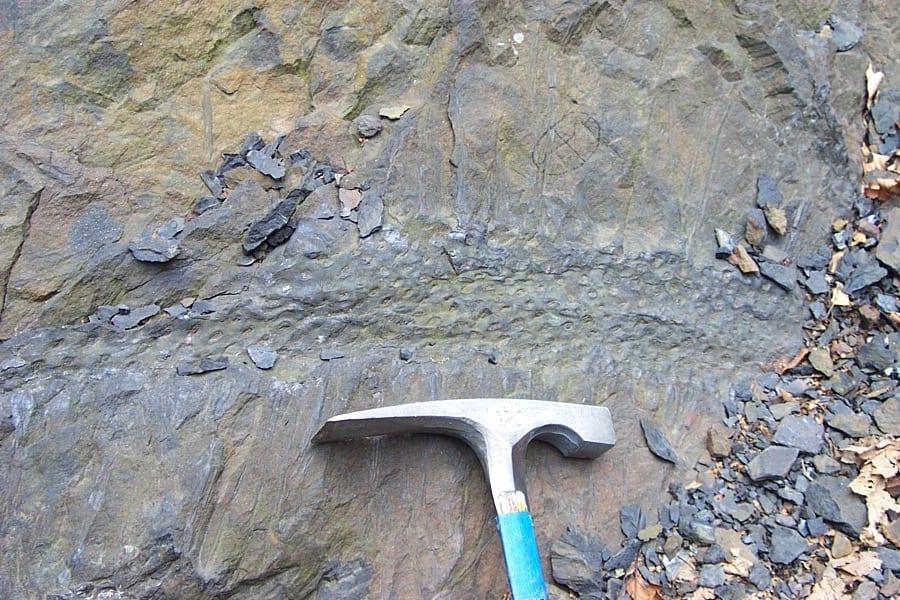
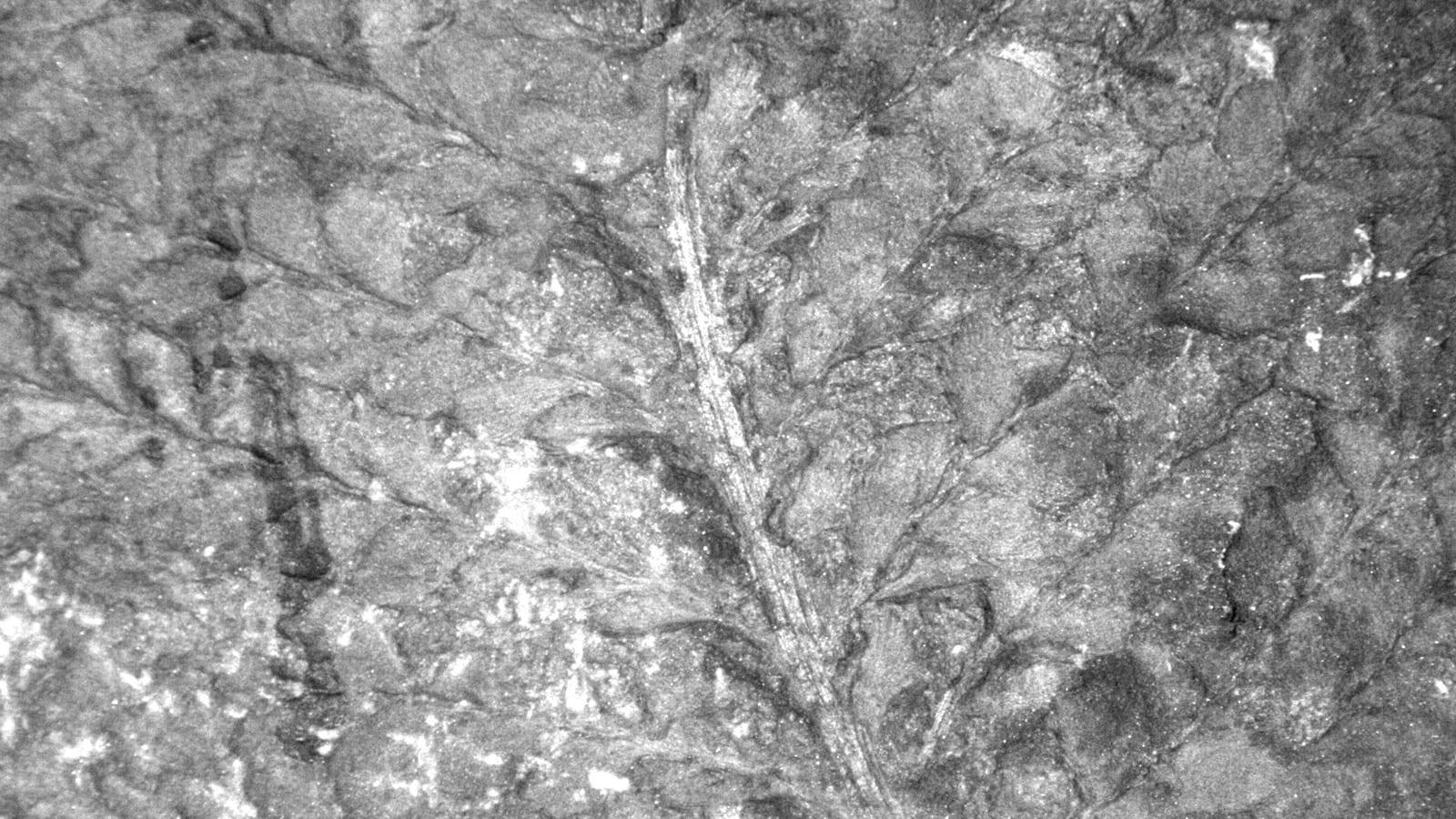
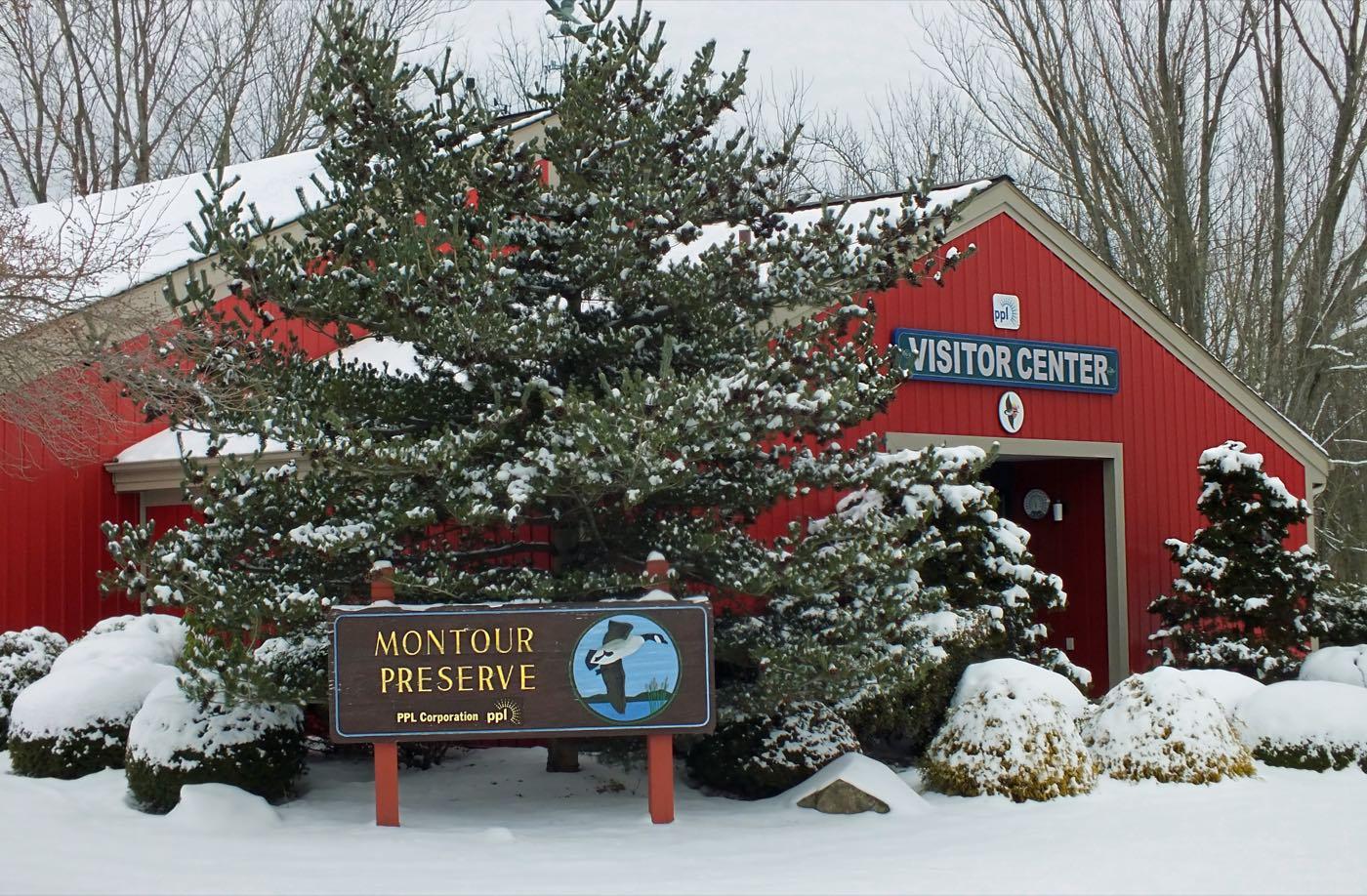
Planning your visit
When to visit
Montour Preserve is open every day of the year, and a cold-weather visit after a thaw can be the most productive, because frost breaks the shale apart and refreshes the face. Roadcut sites work on the same principle, so check fallen talus after rain before splitting anything fresh. Late spring through autumn is easier underfoot at every site, with two trade-offs: ticks are abundant in central and western Pennsylvania through the warmer months and Lyme disease is common, and timber rattlesnakes and copperheads both occur on dry rocky slopes in Snyder and Juniata counties. Permitted group visits to St. Clair run on scheduled days, so the calendar there belongs to the organiser.
What to bring
Take a flat-blade screwdriver and a short pry bar for the soft Mahoning Shale, and a small geologist's hammer and chisel for the Devonian shales. Safety goggles belong in every pocket on this list, because all five sites break into thin, glass-edged flakes. Add gloves, boots with a firm sole for loose talus, and aluminium foil, foam sheets or newspaper to wrap fronds and plates flat for the journey home. High-visibility clothing matters at the roadside exposures on PA-51, US-15 and US-322. Long trousers deal with both the ticks and the poison ivy on disturbed ground, and there is no shade at a roadcut, so carry water.
Rules and access
Pennsylvania has no single fossil authority, so the rule follows the landowner. Public road right-of-way exposures such as the Ambridge cut are collectable without a permit or fee, with no posted limit on how much material you take. Some Pittsburgh-area roadcuts border private property, and the Ambridge guide advises checking with the Pennsylvania Department of Transportation or a local fossil club if you are unsure which side of the right-of-way you are on. Private outcrops need landowner permission, which is a live issue along Mahantango Creek rather than a formality. St. Clair sits on Reading Anthracite land and needs advance written permission. Montour Preserve publishes its own rules, which allow tools, set no size limit and ban pets. Hand tools only everywhere, and no power equipment.
Getting there
The sites split either side of the state. Ambridge is the Pittsburgh trip, on PA Route 51 across the Ohio River from the town, about 20 miles northwest of the city. Montour Preserve is the Interstate 80 trip, at 160 Sportsmans Road outside Danville, with the fossil pit signed separately from the main preserve entrance. The anthracite sites run off Interstate 81, with Centralia reached on PA Route 61 from the Ashland or Mount Carmel exits, and St. Clair about 5 miles north of Pottsville and roughly 90 miles northwest of Philadelphia. For the Mahantango type area, work the Susquehanna valley between Selinsgrove and Liverpool and the roadcuts on PA-104, US-15 and US-322.
Want every documented location, not just the curated top sites? Browse the full index of Pennsylvania fossil sites for the complete list, including locations beyond this guide. This guide is part of our national roundup of the best places to fossil hunt in the United States.
Frequently asked questions
- Where can you collect fossils for free in Pennsylvania?
- Four of the five sites in this guide are free. The Montour Preserve fossil pit near Danville is the most straightforward, with free admission, year-round dawn-to-dark access and tools encouraged. The Route 51 roadcut at Ambridge is on public road right-of-way, with no fee and no permit. Mahantango Formation exposures in Snyder and Juniata counties are collectable where they sit on public right-of-way, and need landowner permission where they do not. The reclaimed strip-mine shale around Centralia has been worked by collectors for decades for personal, non-commercial specimens, with the caveat that ownership across the old workings is mixed.
- Why are the St. Clair ferns white?
- Because the plant tissue was replaced twice. The fronds fell into oxygen-poor swamp sediment above the coal seams and were first pyritised, meaning the tissue was replaced by iron sulfide. Burial and later metamorphism during the Alleghenian orogeny altered that pyrite to pyrophyllite, a white aluminium-silicate sheet mineral, leaving a white silhouette of the frond on black shale. Kaolinite and residual pyrite also appear in some specimens. The same Llewellyn Formation shale near Centralia preserves the identical plants as ordinary dark carbon films, which is what makes the St. Clair mode of preservation worth a mention in every mineralogy text that covers it.
- Can anyone visit the St. Clair fern locality?
- No. The historic Burma Road dump is closed to general public access, and visits are permitted only for organised school groups and paleontology clubs with advance written permission from the Reading Anthracite Company. The company typically requires signed liability waivers and proof of insurance. The reason is the spoil pile itself, which became unstable around 2010, and loose shale on a steep slope moves without warning. Entering without permission is trespass on an active mining company's land.
- What fossils does the Mahantango Formation produce?
- A full Middle Devonian sea-floor community, deposited roughly 390 to 384 million years ago. Brachiopods dominate, including wing-shaped and large spiriferid forms. Trilobites are the find most collectors want, and the formation produces several genera, with isolated head and tail shields far more common than complete animals. Rugose and tabulate corals, bivalves, straight nautiloids, occasional small goniatite ammonoids, crinoid columnals, bryozoans and ostracods fill out the fauna. The same formation is what the Montour Preserve pit digs, which makes the preserve the easiest place to meet the fauna before working roadside exposures.
- What tools do Pennsylvania fossil sites need?
- Hand tools only, and less than people expect. A flat-blade screwdriver is the most effective tool on the soft Mahoning Shale at Ambridge, with a short pry bar for larger slabs. Montour Preserve recommends a small geologist's hammer, safety goggles and a soft brush, and supplies none of them. Shale splits into thin, sharp flakes at every site in this guide, so eye protection is not optional when a hammer is in your hand. Carry foil or thin foam and newspaper to wrap fronds and fragile plates for the drive home.
- What is the best Pennsylvania fossil site for a first trip?
- Montour Preserve. It is free, open every day of the year, tools are encouraged rather than banned, and the fauna is varied enough that a beginner leaves with bivalves, brachiopods and crinoid columnals in an afternoon. The pit is an artificial cut that the preserve keeps open and periodically refreshes, which is what stops it being picked clean. Check montourpreserve.org before a long drive, especially for a group visit, because the preserve publishes its own rules and may adjust them.
Recommended resources
- Montour Preserve: fossil pit · The land manager's own page for the only purpose-built public fossil pit in the state. It carries the current site rules, the recommended kit list and the no-pets rule that catches visitors out.
- Fossilguy.com: Mahantango Formation field guide · The most current public reference to specific accessible Mahantango exposures along the creek and on PA-104, US-15 and US-322, compiled from repeated field visits.
- Pennsylvania DCNR: Geology · State geological survey mapping and publications for Pennsylvania, including the stratigraphy behind the anthracite-belt plant beds and the Devonian marine shales of the Susquehanna valley.