Wyoming Fossil Hunting Guide
5 Best Fossil Hunting Sites in Wyoming
Three of these five sites sit within a few miles of Kemmerer, where the laminated limestone of Eocene Fossil Lake splits into sheets with whole fish lying on them. Two of those three are private quarries that hand you a hammer and let you keep what you find, and the third is the national monument next door, where collecting is a federal offense and the prepared specimens are the point. The other two sites are badlands, the early Eocene Willwood Formation in the Bighorn Basin and the latest Cretaceous Lance Formation in the east. Both hold extraordinary vertebrate records, and both need a permit or a landowner, which is exactly why they sit at the bottom of this list.
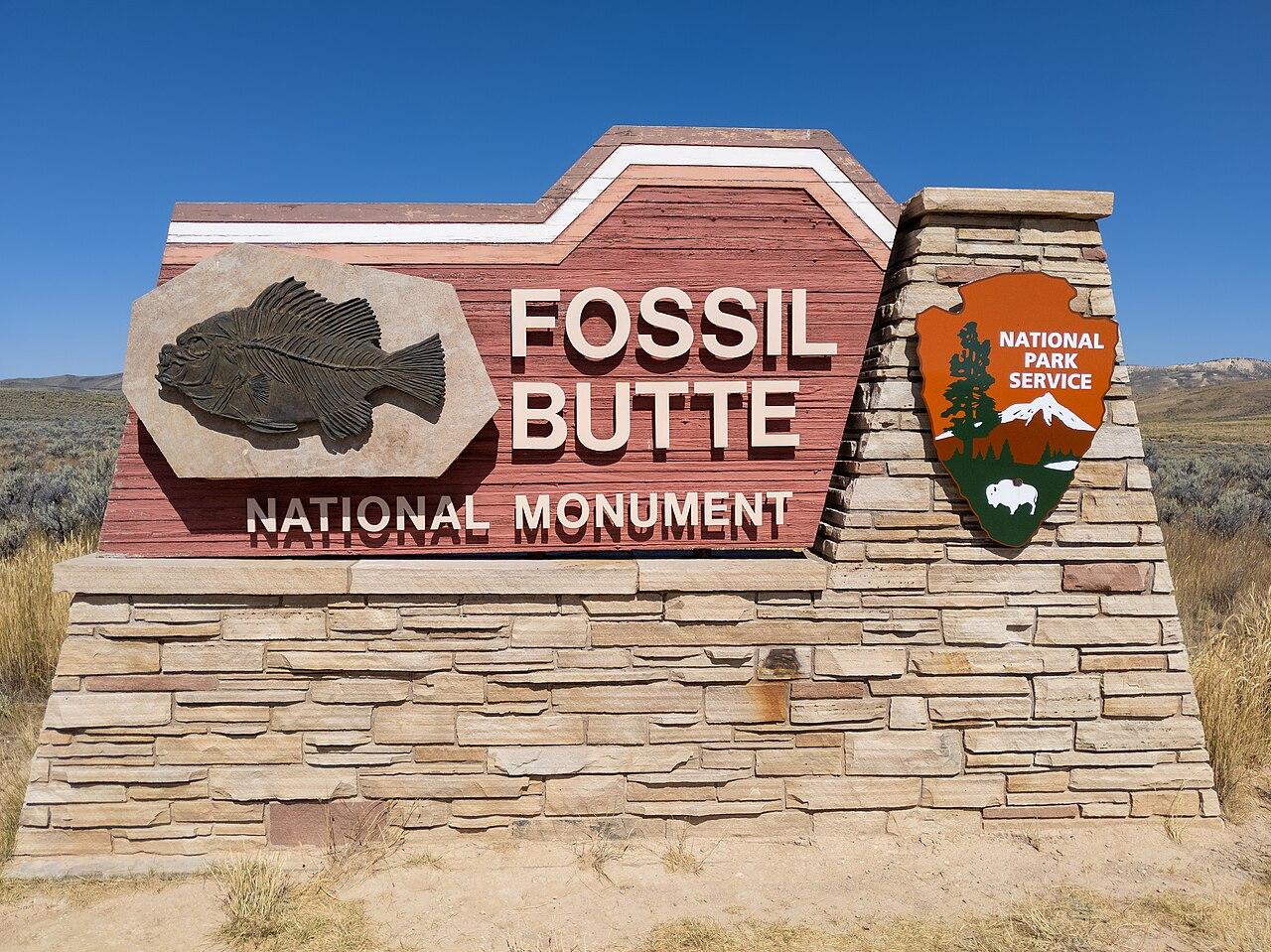
5 fossil sites
Updated 4 August 2026
What makes Wyoming productive
The Laramide mountain-building event gave Wyoming its basins, and the basins did the rest. In the early Eocene, roughly 53.5 to 48.5 million years ago, three large lakes filled the depressions between the rising ranges, and the smallest of them, Fossil Lake, produced the beds around Kemmerer. The water there was stratified, with a dense oxygen-poor layer on the bottom that nothing lived in and nothing stirred. A fish that died near the surface sank into that dead zone, where no scavenger broke it apart and no current scattered it, and fine carbonate mud buried it whole. Each pair of light and dark laminae records one year, and the mean thickness of a Green River varve is 0.18 millimetres, which is why the rock splits into sheets and why each new surface is a former lake floor.
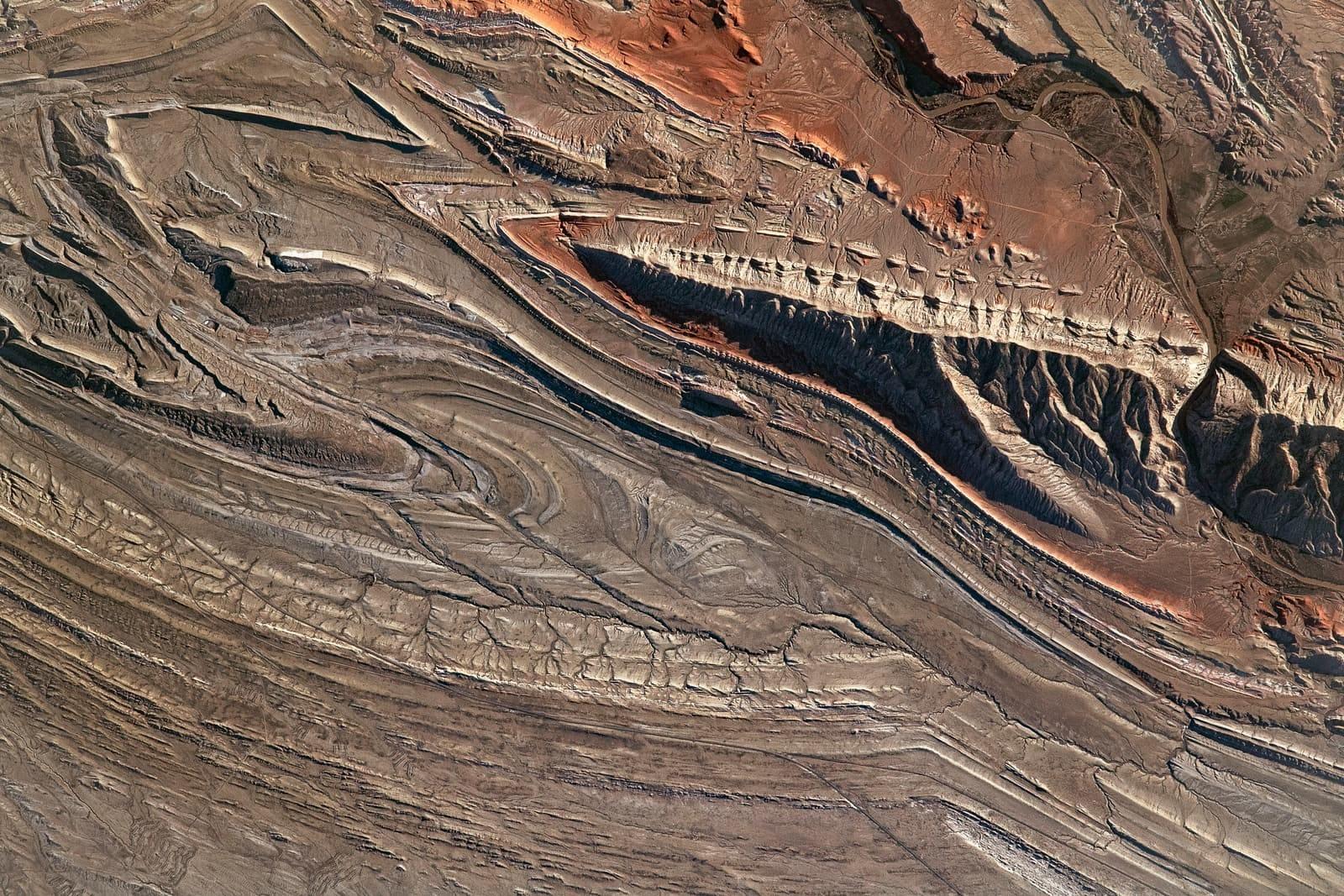
North and east of that, the same tectonics built the Bighorn Basin, which subsided and filled with as much as 5,000 feet of river and flood sediment between 56 and 52 million years ago. Those Willwood paleosols preserve one of the most continuous early mammal records known, which is why researchers use the basin to track how mammals responded to a sharp ancient warming event. Older still, in eastern Wyoming, the Lance Formation records streams crossing a coastal plain along the shrinking Western Interior Seaway from about 69 to 66 million years ago, with Triceratops and Tyrannosaurus rex in the beds. Access divides the state along the vertebrate line. The Kemmerer quarries are private ground where the operator sets the terms, and on BLM public land you may take reasonable amounts of common invertebrate and plant fossils and some petrified wood, while vertebrate fossils need a federal permit.
- 1
American Fossil Quarry Fossil Hunting Guide
Wyoming, United States
Pay to digFish FossilsPlant FossilsInsect FossilsAmerican Fossil works the split fish layer, a zone of laminated lime mud about six feet thick that took roughly 4,000 years to settle on the floor of Eocene Fossil Lake. The rock parts along those annual layers, which is why a visitor with no experience can produce 20 to 35 whole or partial Knightia eocaena in an afternoon, with the larger predator Diplomystus dentatus turning up regularly. You keep every fossil you find with no limits, tools are included, and sessions run two, four or eight hours at 89 to 169 dollars for adults, with reduced rates for children and under-sixes free. The quarry has produced rarer material over the years, including one of only two three-toed horse specimens ever recovered from the formation. It ranks first because no other site in this guide lets you walk away with a complete vertebrate skeleton you found yourself.
Read the full guide → - 2
Fossil Butte National Monument Fossil Hunting Guide
Wyoming, United States
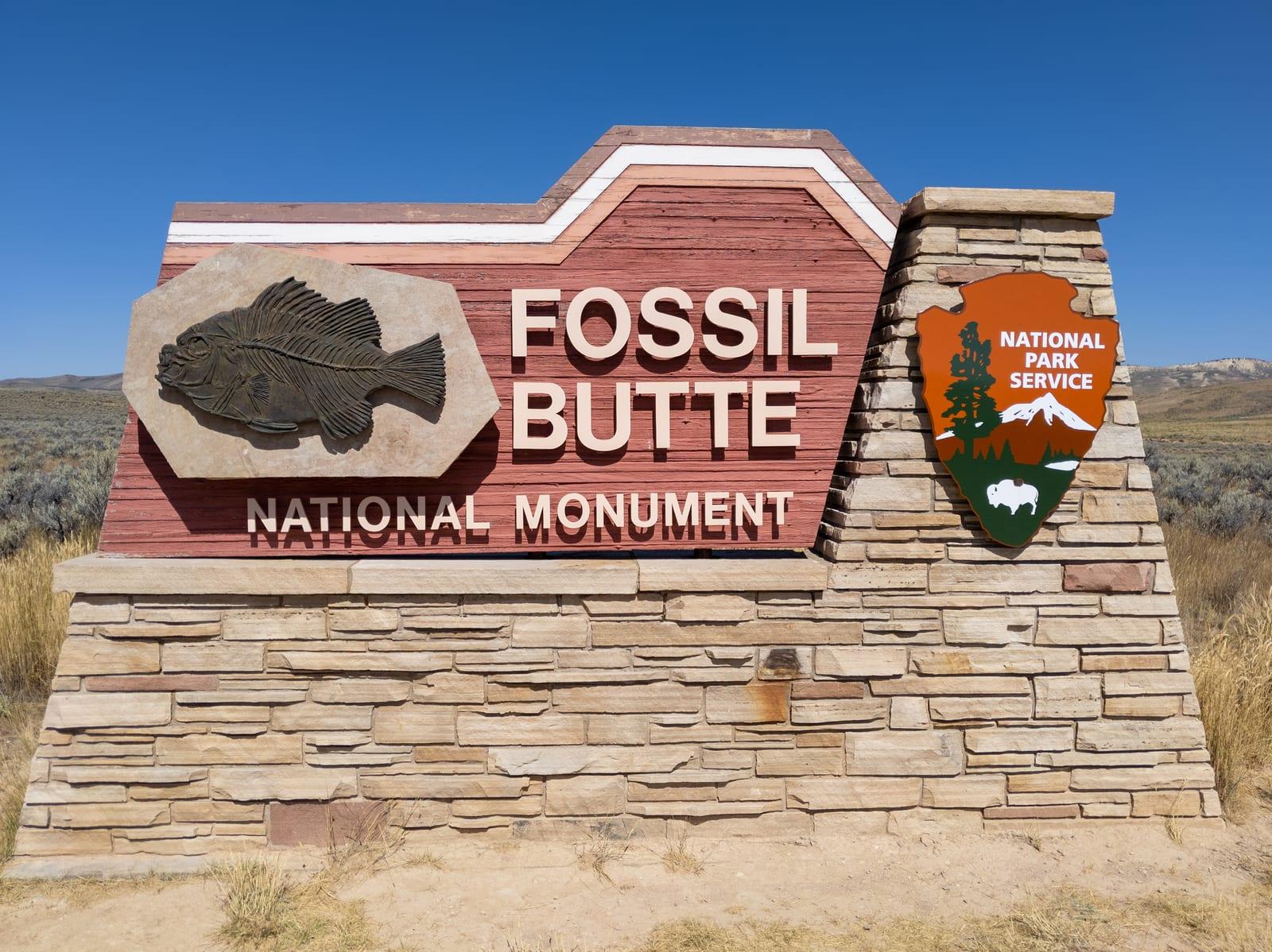
Viewing onlyFossil fish (Knightia)Fossil fish (Diplomystus)Fossil fish (Phareodus)The National Park Service calls Fossil Butte America's Aquarium in Stone, and the visitor centre backs that up with more than 300 specimens, among them a juvenile crocodile, a miniature horse and a slab that caught one fish in the act of eating another. The monument protects the central Fossil Butte ridge, where the fish-bearing beds separate into the lower Eighteen-Inch Layer and the upper Sandwich Beds that yield the larger and rarer animals. Collecting inside the boundary is prohibited under federal law, but the on-monument quarry runs an observation program on Fridays and Saturdays from 11 a.m. to 3 p.m. in summer, where park paleontologists work the upper beds and answer questions. Admission is free. Do this before a commercial dig rather than after, because an hour with the prepared specimens teaches you what to look for in your own slab.
Read the full guide → - 3
Ulrich's Fossil Gallery Fossil Hunting Guide
Wyoming, United States
Pay to digFishPlantsInsectsUlrich's has quarried and prepared Green River fish for decades and is among the largest suppliers of professionally prepared Eocene specimens anywhere, which is the reason to dig with them. Sessions are guided, and staff show you how to read the laminations and how to handle a slab once a fish appears, since a good specimen can be ruined in seconds by a split in the wrong direction. Fish and plant material you split out are yours. Stingrays, turtles, birds, crocodilians and unusual fish are retained under Wyoming law and the operator's terms, which is standard across the commercial Green River quarries and is better known before the dig than after. Digs are scheduled with limited places rather than drop-in, so book ahead and confirm rates directly, because this is remote country to reach on spec.
Read the full guide → - 4
Bighorn Basin Willwood Formation Fossil Hunting Guide
Wyoming, United States
Free collectingEarly mammal teethDawn horseMammal bonesThe Willwood paints the badlands from Powell south to Worland in bands of purple, red and gray, and those bright layers are ancient floodplain soils that trapped the bones of the animals living on them. Around 120,000 fossils have come out of the formation, which gives it one of the most continuous records of early Eocene land mammals known, including the dog-sized dawn horse, early primates and early carnivores. Almost all of that is vertebrate material, so almost none of it is collectable. On BLM ground you may take common invertebrate and plant fossils and limited petrified wood for personal use, and nothing else without a federal permit. Private ranch parcels are interwoven with the public land, the access roads turn to impassable gumbo when wet, and the practical value of a visit is the badland geology rather than a full collecting bag.
Read the full guide → - 5
Lance Creek Fossil Hunting Guide
Wyoming, United States
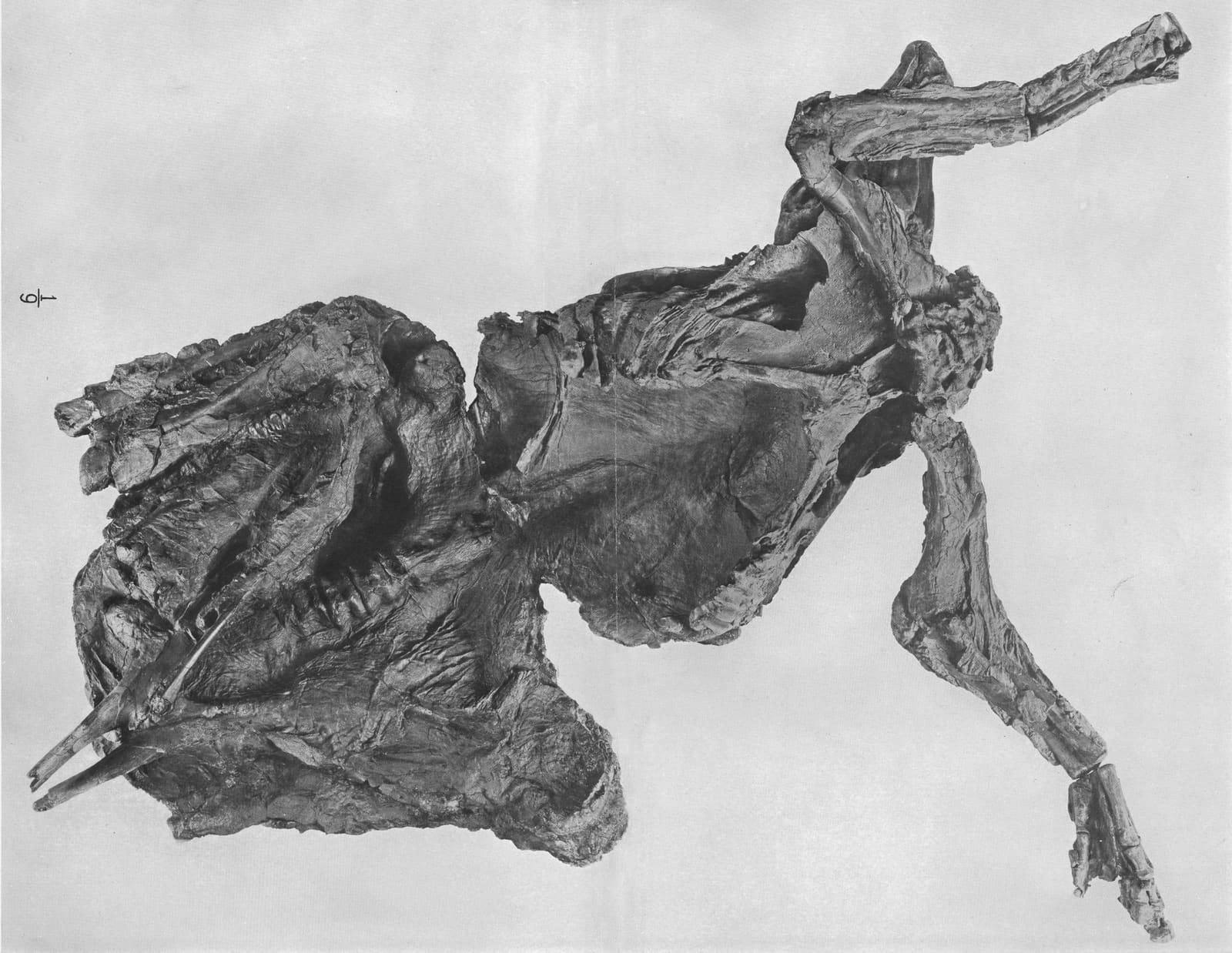
Free collectingTriceratopsTyrannosaurus rexEdmontosaurusLance Creek gives its name to the Lance Formation, the coastal-plain deposit that records the last few million years of the Cretaceous and the same world as the better-known Hell Creek beds further north. Triceratops horns, frills and teeth are among the more frequent large finds, Tyrannosaurus rex material has been described from here in the scientific literature, and a duckbill mummy with preserved skin impressions came out of these beds. The formation is also a key source of the small mammal teeth that document mammals at the close of the Cretaceous. None of this is open to public collecting. The ground is a mix of private ranch and BLM land with boundaries that are not obvious underfoot, vertebrate fossils need a federal permit on the public parcels and belong to the owner on the private ones, so the lawful routes are a permitted institution or a commercial operator working with the owner's consent.
Read the full guide →
Planning your visit
When to visit
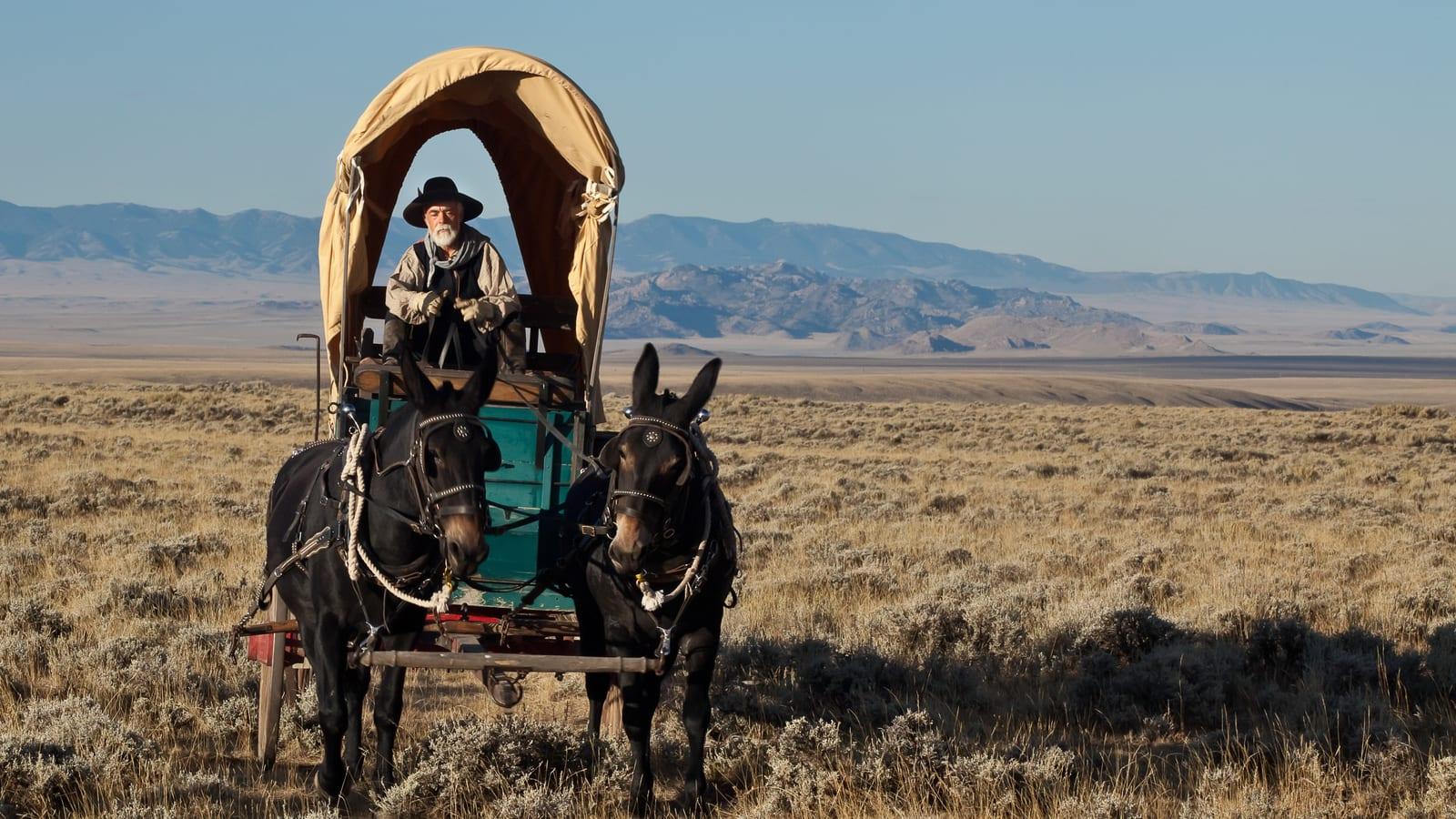
Summer is the working season, and it is short. American Fossil opens seven days a week from 8 a.m. to 5 p.m. and recommends reservations from June through August, while Ulrich's runs scheduled guided digs on a weather-dependent season. The Fossil Butte visitor centre stays open year-round with reduced winter hours, but the monument takes snow well into spring and again from autumn, so the trails and road access are seasonal. Wyoming weather turns fast at this elevation. Mornings are cold, afternoons are hot, and summer thunderstorms build quickly over open country, so expect a quarry session to be cut short if lightning arrives.
What to bring
Carry at least two litres of water per person, plus food and sunscreen, because the quarries are above 6,000 feet with little shade and no services. Both operators supply the digging tools and the eye protection, and you should keep the eye protection on rather than push it up between slabs, since splitting limestone throws chips. Wear closed-toe shoes with good traction and boots with a firm sole, because the quarry floor and spoil are uneven and the plates are heavy and sharp-edged. The packing matters as much as the digging. Bring a plastic bin, thin bubble wrap or foam sheets and cardboard dividers, and stand the plates on edge, because stacked slabs break on the drive home.
Rules and access
Two regimes cover this guide. The Kemmerer quarries are private land, so the operator's terms are the rules, and those terms let you keep common fish and plant material. Ulrich's retains stingrays, turtles, birds, crocodilians and unusual fish under Wyoming law and its own conditions. Everything inside Fossil Butte National Monument is protected under federal law and the Paleontological Resources Preservation Act, and nothing may be collected there at all. On the BLM public land that covers much of the Bighorn Basin and part of the Lance Creek badlands, reasonable amounts of common invertebrate fossils, plant fossils and petrified wood may be taken for personal use, and vertebrate fossils may be collected only under a federal scientific permit. On private ranch land the fossils belong to the owner.
Getting there
Kemmerer is the hub for three of the five sites and sits at the junction of U.S. 30 and U.S. 189 in the southwest corner of the state, about 130 miles north of Salt Lake City by way of Interstate 80 and U.S. 189. Fossil Butte National Monument is 10 miles west of town on U.S. 30, Ulrich's is a short drive out on Fossil Butte County Road, and American Fossil lies north of town up Highway 233 and then eight miles of county dirt on Dempsey Road, with no cell service at the quarry. The two badland areas are most of a state away. Worland on U.S. 16/20 serves the southern Willwood exposures and Powell and Cody serve the northern ones, while Lusk on U.S. 18/20 is the nearest service town to Lance Creek, roughly 25 to 30 miles southeast of it.
Want every documented location, not just the curated top sites? Browse the full index of Wyoming fossil sites for the complete list, including locations beyond this guide. This guide is part of our national roundup of the best places to fossil hunt in the United States.
Frequently asked questions
- Can you keep the fossil fish you dig near Kemmerer?
- At American Fossil Quarry, yes, with no limits on what you take. At Ulrich's Fossil Gallery you keep the fish and plant material you split out, but stingrays, turtles, birds, crocodilians and unusual fish are retained under Wyoming law and the operator's terms. That retention is standard practice across the commercial Green River quarries rather than a quirk of one business, and it is what keeps scientifically useful specimens available to museums. Both quarries are private land, so their own terms govern the dig.
- Is fossil collecting allowed at Fossil Butte National Monument?
- No. Everything inside the monument boundary is protected under federal law and the Paleontological Resources Preservation Act, and no fossil, rock or other material may be removed. What the monument does run is an observation program at its own quarry, on Fridays and Saturdays from 11 a.m. to 3 p.m. during the summer season, where visitors watch NPS paleontologists work the upper fish beds. Visitors may handle small fossils set aside for educational use, but they may not take any home. For dig-and-keep collecting at the same horizon, use the commercial quarries north and west of Kemmerer.
- What is Wyoming's state fossil?
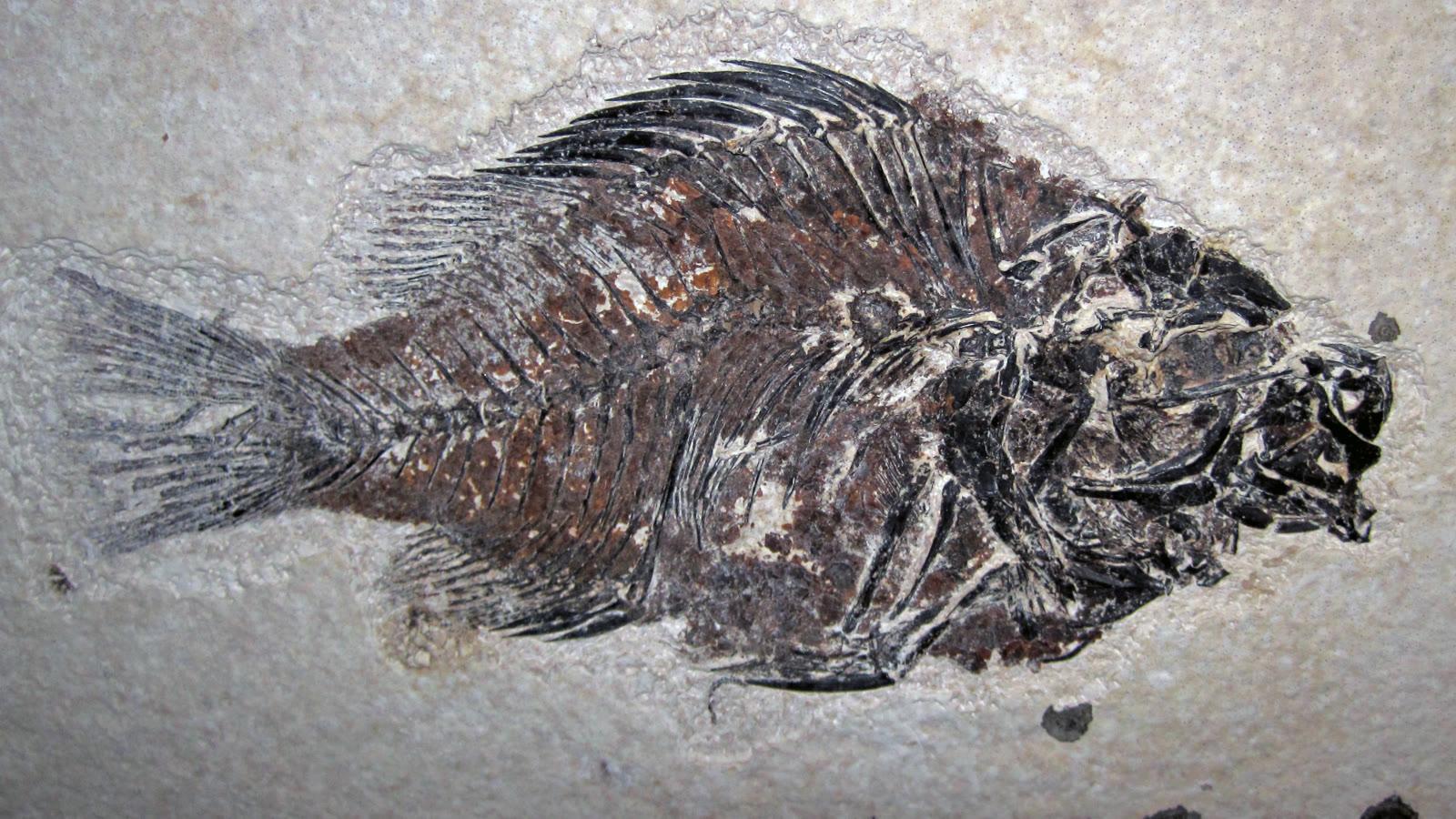
- Knightia eocaena, a small herring-like fish typically 7 to 10 centimeters long that schooled in the upper waters of Eocene Fossil Lake. It is so abundant in the Green River beds around Kemmerer that it is described as the most frequently found complete vertebrate fossil in the world, which is why a quarry can hand you several in an afternoon. The second most common fish is Diplomystus dentatus, a predator up to 65 centimeters long with an upturned jaw that suggests it fed near the surface on schooling Knightia.
- Can you collect dinosaur bone in Wyoming?
- Not as a member of the public, and the reason is the same on both kinds of land. On BLM public land, vertebrate fossils such as the dinosaur and mammal remains at Lance Creek and in the Bighorn Basin may be collected only under a federal scientific permit, while reasonable amounts of common invertebrate and plant fossils may be taken for personal use. On private ranch land all fossils belong to the landowner, and you need permission to enter as well as to collect. Because public and private parcels are interwoven across both areas, confirm land status before you touch anything. The legitimate route to digging dinosaur material is a permitted institution or a commercial operator working private ground with the owner's consent.
- When is the season for Wyoming fossil sites?
- Summer, with a short shoulder at either end. American Fossil opens seven days a week from 8 a.m. to 5 p.m. and recommends reservations from June through August, and Ulrich's runs a weather-dependent season of scheduled digs at over 6,500 feet. The Fossil Butte visitor centre opens year-round with reduced winter hours, though the monument sees snow well into spring and again from autumn. The badland sites have no season as such, but their unpaved access roads become impassable when wet, so the forecast decides the trip.
- What should you bring to a Green River quarry dig?
- At least two litres of water per person, food, sunscreen, a hat and closed-toe shoes with good traction, because the quarries sit above 6,000 feet with little or no shade and temperatures on the plateau can pass 95 degrees Fahrenheit. Both operators provide the digging tools and the eye protection, and the eye protection matters, since splitting limestone throws chips. Bring layers, because mornings are cold and afternoons are hot in the same session. For the drive home, pack a plastic bin, thin bubble wrap or foam sheets and cardboard dividers, and stand the fossil plates on edge rather than stacking them flat, since the shale breaks easily in transit.
Recommended resources
- National Park Service: Fossil Butte National Monument · Visitor centre hours, the summer quarry observation schedule and the federal collecting prohibition that applies inside the monument boundary.
- American Fossil Quarry · The operator of the pay-to-dig quarry on Dempsey Road, with current session lengths, prices and the driving directions for the eight miles of county dirt road.
- Ulrich's Fossil Gallery · Booking for the guided digs, and the place to confirm dates and rates before travelling, since sessions are limited and the season is weather-dependent.
- Wyoming State Geological Survey · State-level geology and stratigraphy for the Green River, Willwood and Lance formations, useful for working out which unit a roadside exposure belongs to.