Ulrich's Fossil Gallery Fossil Hunting Guide
A long-established commercial quarry near Kemmerer, Wyoming, digging the Eocene Green River Formation. Guided digs put visitors onto fossil fish, with plants and insects alongside and stingrays and turtles as the rare prizes. Tools and expert guidance are included, and digs should be booked ahead.
By Edward Chen · Updated 4 August 2026
Introduction
Ulrich's Fossil Gallery sits on Fossil Butte County Road outside Kemmerer, in Lincoln County in south-western Wyoming, and it is one of the oldest and best-established commercial operations working the Green River Formation. The family has been quarrying and preparing these fossils for decades, and the gallery is among the largest suppliers of professionally prepared Eocene fish anywhere.
For a visitor, the draw is the guided dig. Ulrich's runs sessions in its own quarry where you work the fish-bearing limestone under the eye of people who do it professionally, which is a meaningfully different experience from being pointed at a spoil heap. The Green River Formation is one of the great fossil deposits of the world, and this is one of the few ways for the public to dig it directly.
Location and Directions
The gallery is at 4400 Fossil Butte County Road, Fossil Station, Kemmerer, near 41.860 degrees north, 110.770 degrees west. Kemmerer is the nearest town for fuel, food, and lodging, and it sits at the junction of US-30 and US-189 in a remote corner of the state.
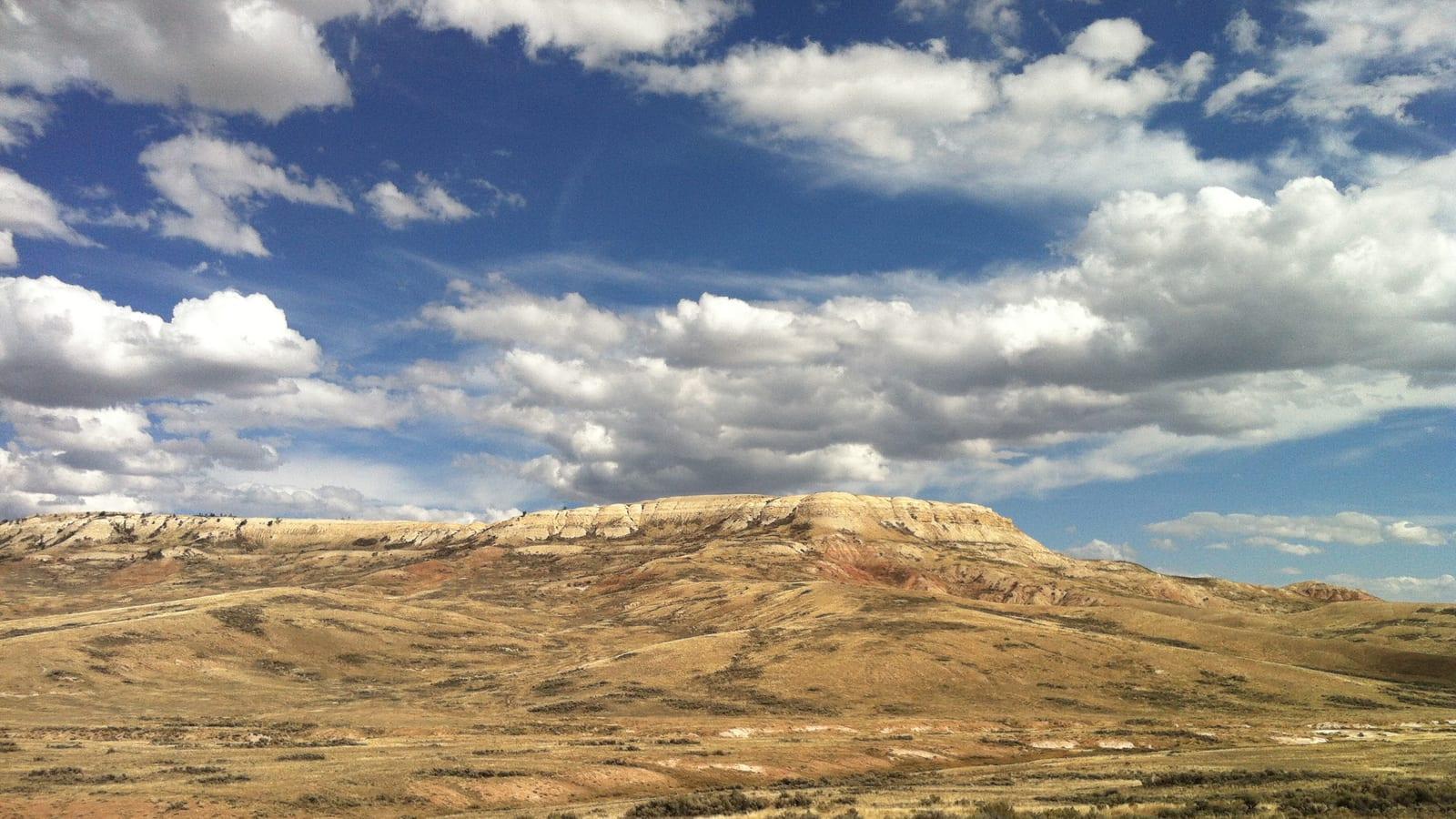
The gallery is a short drive from town, close to Fossil Butte National Monument, and the two are naturally combined. The Monument protects the same formation and has an excellent visitor centre with prepared specimens on display, but as federal land it permits no collecting whatsoever. Ulrich's, on private ground, is where you can dig. Doing the Monument first and the quarry afterwards makes a good day.
Book ahead. Digs are scheduled guided sessions with limited places rather than a drop-in service, and the season is weather-dependent at this elevation. Confirm dates, times, and current rates directly with the gallery before travelling, since this is remote country to arrive in on spec.
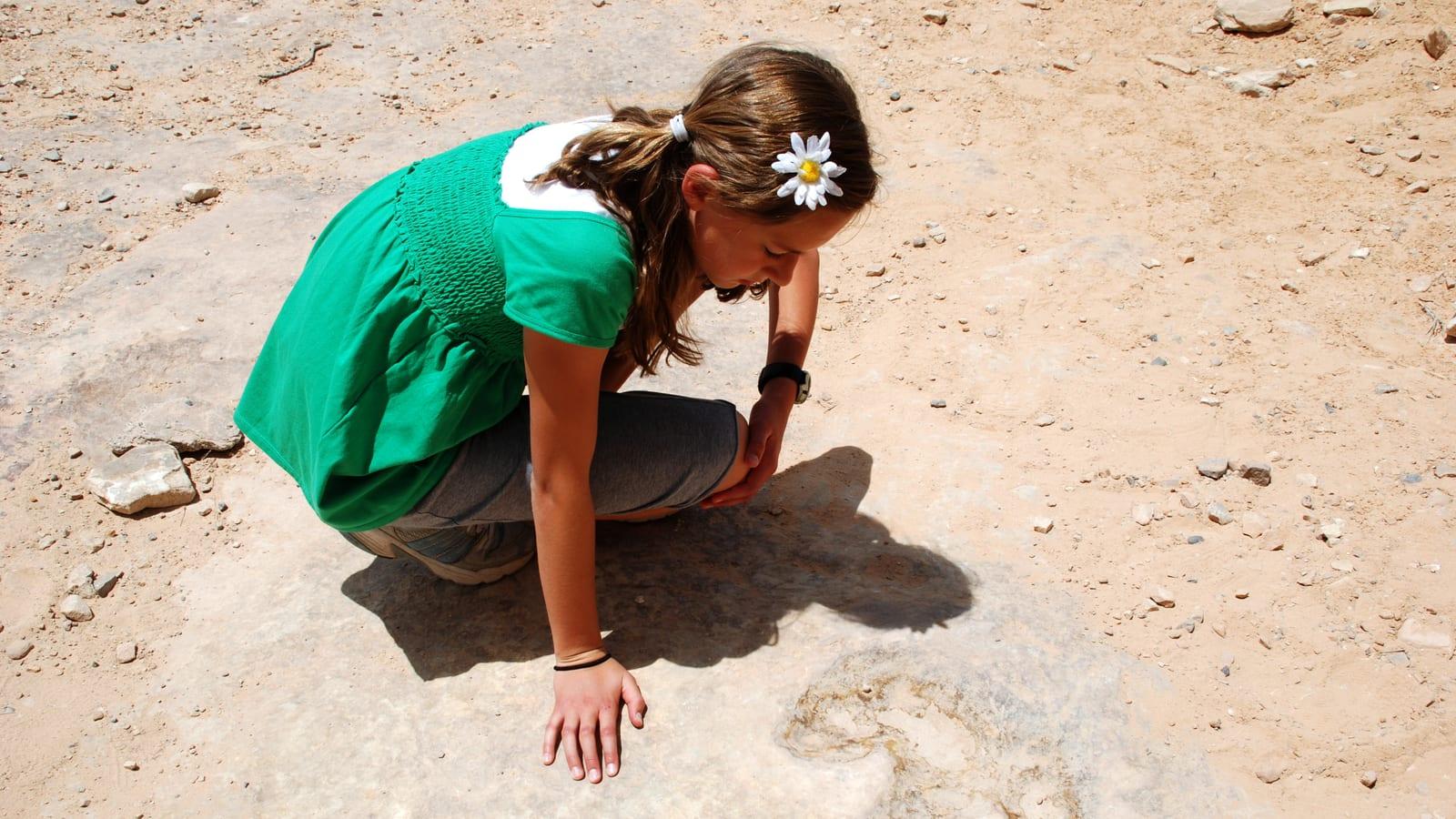
 Photo: James St. John, CC BY 2.0, via Wikimedia Commons
_(25427090785).jpg)
What Fossils You'll Find
Plants occur as leaves and fronds on the same slabs, and insects turn up less often but in fine detail.
The rare material is what the formation is celebrated for and what you will not be taking home: stingrays, turtles, birds, crocodilians, and unusual fish. Wyoming law and the quarry's terms both reserve significant vertebrate specimens, which is standard practice across the commercial Green River quarries and is the arrangement that keeps scientifically important material available to museums.
The work is splitting. The limestone parts along its laminations, and each new surface is a moment when something may appear. Staff show you how to read the rock and how to handle a slab once a fish shows, since a specimen can be ruined in seconds by splitting it the wrong way.
Geologic History
Between roughly 52 and 50 million years ago, in the Early Eocene, this part of Wyoming held a system of large, long-lived lakes. Fossil Lake, the smallest of the three, is the one that produced the fish beds around Kemmerer.
Conditions in that lake were unusual and are the reason for the preservation. The water was stratified, with a dense, oxygen-poor layer at the bottom that nothing lived in and nothing disturbed. Fine carbonate mud accumulated there in seasonal laminations. A fish that died in the surface waters sank into that dead zone, where there were no scavengers to break it apart and no currents to scatter it, and it was buried whole.
The result is a rock that splits into sheets, each one a former lake bottom, with entire animals lying on them as if pressed. The climate at the time was subtropical, which is why the surrounding deposits carry palms, crocodilians, and the plants of a much warmer Wyoming than exists today.
Later uplift and erosion cut into these beds and left them exposed in the buttes and ridges around Kemmerer, which is what makes them quarryable.
Collecting Rules and Regulations
Ulrich's is a commercial operation on private land, so its terms govern the dig.
Book a scheduled dig. Sessions are guided and limited, and the season is short.
Tools and instruction are provided. You do not need to bring equipment.
You keep common material. Fish and plant specimens you split out are yours to take.
Rare specimens are retained. Stingrays, turtles, birds, crocodilians, and unusual fish stay with the quarry under Wyoming law and the operator's terms. This is not a quirk of this business, it applies across the Green River commercial quarries, and it is worth knowing before you dig rather than after.
Do not extend any of this to the surrounding country. Fossil Butte National Monument permits no collecting at all, and the adjacent public land is managed by the Bureau of Land Management under its own rules, where vertebrate fossils may not be collected without a permit.
Safety
The quarry sits above 6,500 feet in high desert, and altitude and exposure are the main considerations. The sun is intense, shade is minimal, and dehydration comes on faster than at lower elevations, so drink steadily and use sun protection even on a cool day. Bring layers, because mornings are cold and afternoons can be hot in the same session.
Splitting limestone sends chips flying, so wear the eye protection provided. The slabs are heavy and have sharp edges, so gloves help and lifting carefully matters more than it sounds when you are working at a face for several hours.
The quarry floor and spoil are uneven, so wear boots with a firm sole. Follow the guides' instructions about where to work, since they are managing a working face. Summer afternoon thunderstorms build fast over this country and an open quarry is exposed, so expect a session to be cut short if weather moves in. Kemmerer is remote, so arrive with fuel and supplies rather than expecting services close at hand.
Sources
https://www.ulrichsfossilgallery.com/ https://www.nps.gov/fobu/index.htm https://fossilbasin.org/fossil-digging/ https://www.wsgs.wyo.gov/
Frequently asked questions
- Do you need to book a dig at Ulrich's Fossil Gallery?
- Yes, book ahead. Digs run as scheduled guided sessions with limited places, so turning up unannounced in peak season is unwise. Confirm times and rates directly with the gallery.
- What can you keep from an Ulrich's dig?
- Fish and common material you split out are yours. Rare specimens such as stingrays, turtles, birds, and unusual fish are retained under Wyoming law and the quarry's own terms, which is standard across the Green River commercial quarries.
- What fossils come out of the Green River Formation here?
- Fossil fish above all, including Knightia and Diplomystus, preserved whole on pale laminated limestone. Plants and insects occur, and complete fish up to around fifteen inches are found.
Nearby sites
 Fossil Butte National Monument Fossil Hunting GuideFossil fish (Knightia), Fossil fish (Diplomystus)
 American Fossil Quarry Fossil Hunting GuideFish Fossils, Plant Fossils
 Dinosaur National Monument Quarry Exhibit Hall Fossil Hunting GuideAllosaurus fragilis, Apatosaurus louisae
 Cleveland-Lloyd Dinosaur Quarry Fossil Hunting GuideAllosaurus fragilis, Camarasaurus