Bighorn Basin Willwood Formation Fossil Hunting Guide
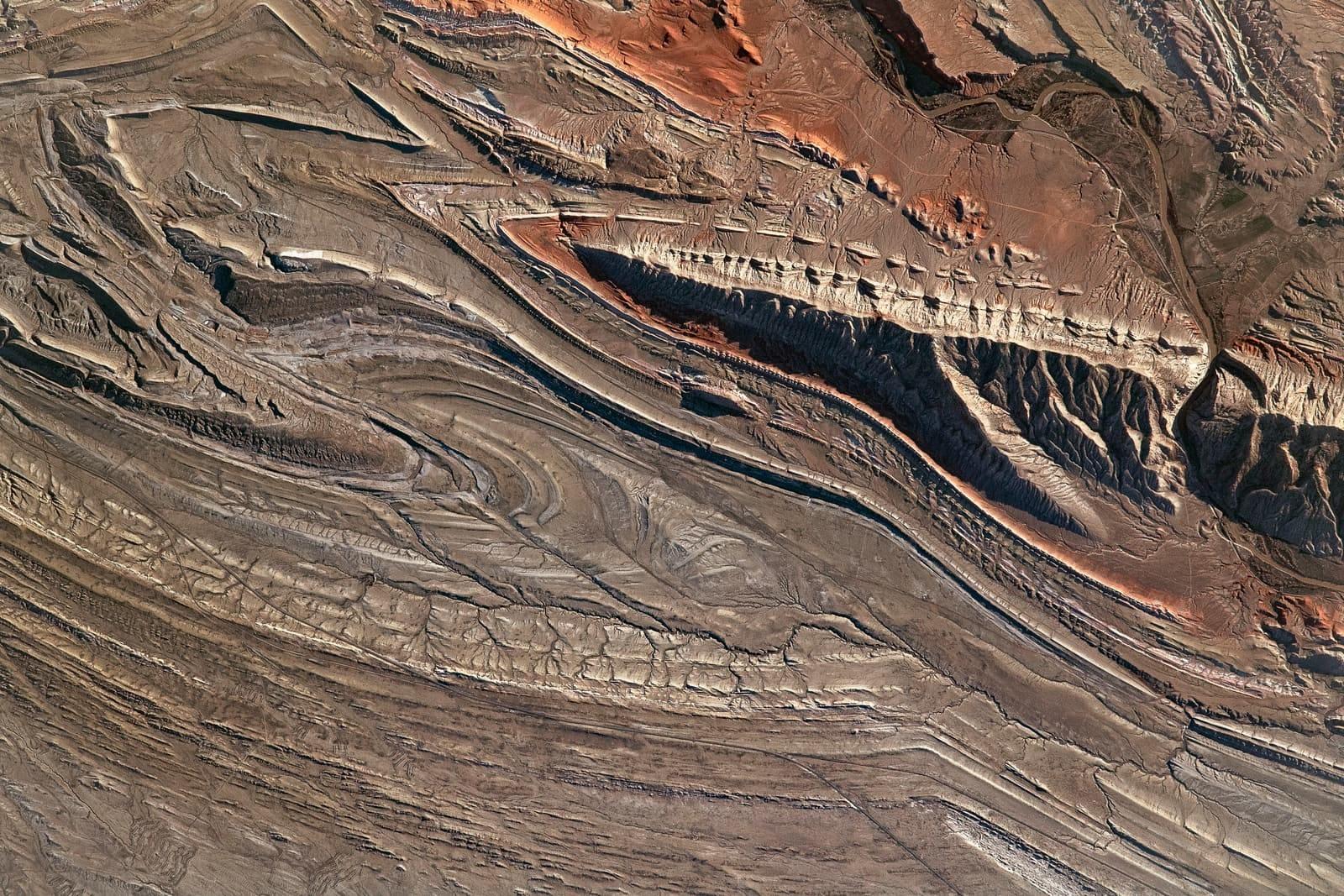
Image: NASA / International Space Station Program (Public domain)
The Willwood Formation paints the badlands of the Bighorn Basin in purple, red, and gray bands across BLM land from Powell south to Worland, Wyoming. The early Eocene beds hold one of the densest records of early mammals anywhere, including the dawn horse and early primates and carnivores. Vertebrate fossils here require a permit, so the badlands are studied and viewed, not freely dug.
By Edward Chen · Updated 4 August 2026
Introduction
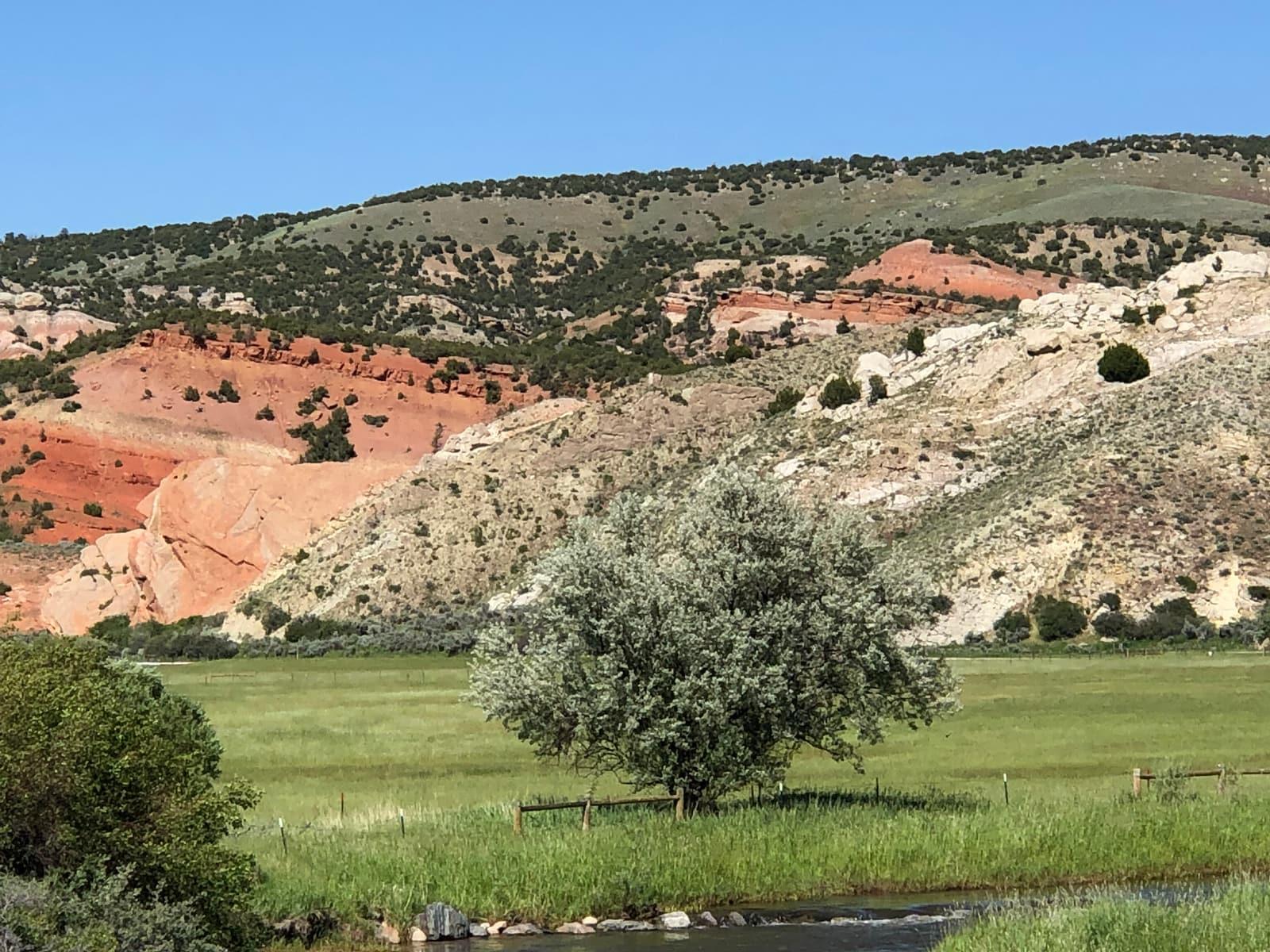
The Willwood Formation forms the banded badlands of the Bighorn Basin, where purple, green, and red ravines and hoodoos mark the early Eocene rocks across northern Wyoming. These beds preserve one of the most abundant and continuous records of early Eocene land mammals and plants known anywhere, and around 120,000 fossils have been collected from the formation. It is the place where scientists track how mammals responded to a sharp ancient warming event at the start of the Eocene, which makes the basin a long-running research site rather than a casual collecting ground.
Among the animals recorded here is the dawn horse, an early horse the size of a small dog, alongside early primates, early carnivores, and a long list of other mammals. Most of the scientific value lies in the vertebrate fossils, and those are exactly the fossils that federal law protects.
 Photo: Conniemod, CC BY-SA 4.0, via Wikimedia Commons
Location and Directions
The Bighorn Basin sits in north-central Wyoming, ringed by mountain ranges and crossed by the Bighorn River. The Willwood Formation is exposed across the basin from north of Powell south to Worland, in Big Horn, Hot Springs, Park, and Washakie counties. A well-known belt of badlands lies on BLM land west of Worland, near 44.00°N, 108.20°W.
Worland, on US Highway 16/20, is the nearest service town for the southern badlands, and Powell and Cody serve the northern exposures. Much of the fossil-bearing ground is public BLM land, reached by unpaved roads that can be impassable when wet. Carry a good map, check road conditions, and confirm land status before heading out, since public and private parcels are interwoven across the basin.
 Photo: Conniemod, CC BY-SA 4.0, via Wikimedia Commons
 Photo: Conniemod, CC BY-SA 4.0, via Wikimedia Commons
What Fossils You'll Find
The Willwood is known for its early mammals, preserved as teeth, jaws, and bones in the floodplain mudstones. The fauna includes the dawn horse Hyracotherium (also known as Eohippus), early primates, condylarths, and early members of carnivore and other mammal groups. Plant fossils, including leaves, and trace fossils such as burrows and tracks are also present in the alluvial beds.
These vertebrate and many other fossils are not free to collect. On BLM land, common invertebrate and plant fossils and limited amounts of petrified wood may be collected for personal use, but vertebrate fossils, which are the basin's main draw, may only be collected under a scientific permit. In practice that makes the Willwood a place to learn and to view, unless you are working with a permitted institution.
Geologic History
The Willwood Formation was deposited between roughly 56 and 52 million years ago, during the late Paleocene to early Eocene, by rivers and floods spreading sediment across the subsiding Bighorn Basin. The basin formed as the surrounding ranges rose during the Laramide mountain-building event, and it filled with thousands of feet of sediment, with the Willwood reaching as much as 5,000 feet thick. The bright red and purple bands are ancient soils, stained by iron and weathering on the floodplain between flood events. These paleosols trapped and preserved the bones of animals living on the floodplain. Later erosion carved the soft beds into the badlands seen today, exposing the fossil layers at the surface.
Collecting Rules and Regulations
Most of the Willwood badlands lie on BLM public land, where collecting rules are specific. Reasonable amounts of common invertebrate fossils, plant fossils, and petrified wood may be collected for personal, non-commercial use. Vertebrate fossils, including the mammal teeth and bones the basin is famous for, may not be collected without a federal paleontological permit, and disturbing or removing them otherwise is illegal. Know exactly whose land you are on, because private ranch parcels are mixed in with the public ground, and entering private land requires the owner's permission. When in doubt, treat the area as look-only and report any notable vertebrate finds to the BLM field office.
Safety
The Bighorn Basin badlands are remote, dry, and exposed. Cell service is spotty, distances are long, and the dirt access roads turn to slick, impassable gumbo when wet, so check the forecast and avoid the area after rain. Carry plenty of water, food, and a full tank of fuel, and tell someone your route. Summer heat and sudden thunderstorms are both hazards. Watch your footing on steep, crumbly badland slopes, and be alert for rattlesnakes. A high-clearance vehicle is advisable for the back roads.
Sources
https://en.wikipedia.org/wiki/Willwood_Formation https://wyofile.com/bighorn-basin-fossils-teach-climate-change/ https://www.smithsonianmag.com/travel/hunting-lost-worlds-wyomings-bighorn-basin-180959338/ https://www.usgs.gov/publications/magnetostratigraphy-willwood-formation-bighorn-basin-wyoming-new-constraints-location