Bakrit Starfish Echinoid Site Ifrane Fossil Hunting Guide
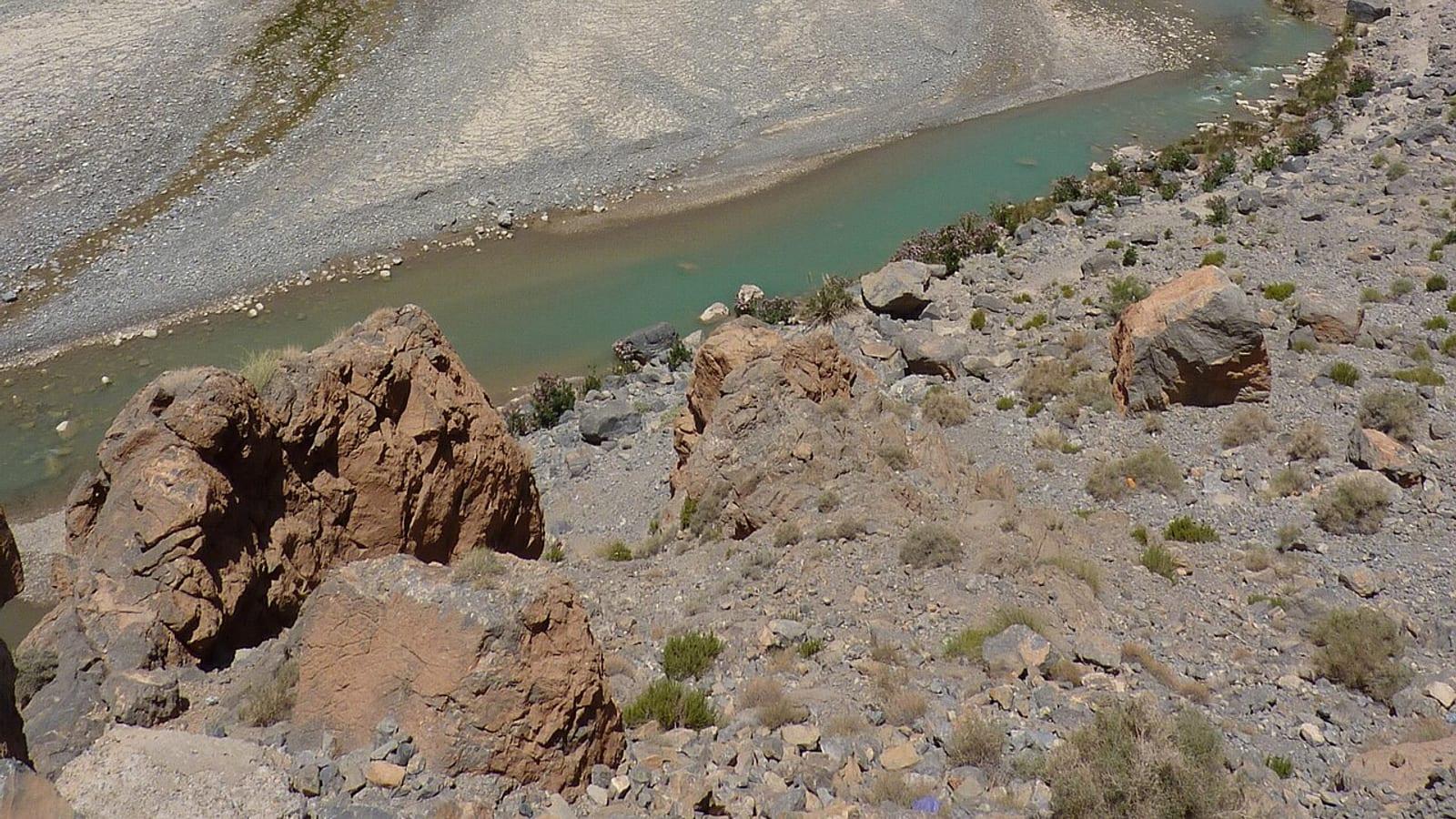
Image: Ayman Abdelilah (CC BY-SA 4.0)
Find Jurassic starfish and echinoid fossils at Bakrit near Ifrane in Morocco's forested Middle Atlas, echinoderms preserved intact 160 million years ago.
By Edward Chen · Updated 31 July 2026
Introduction
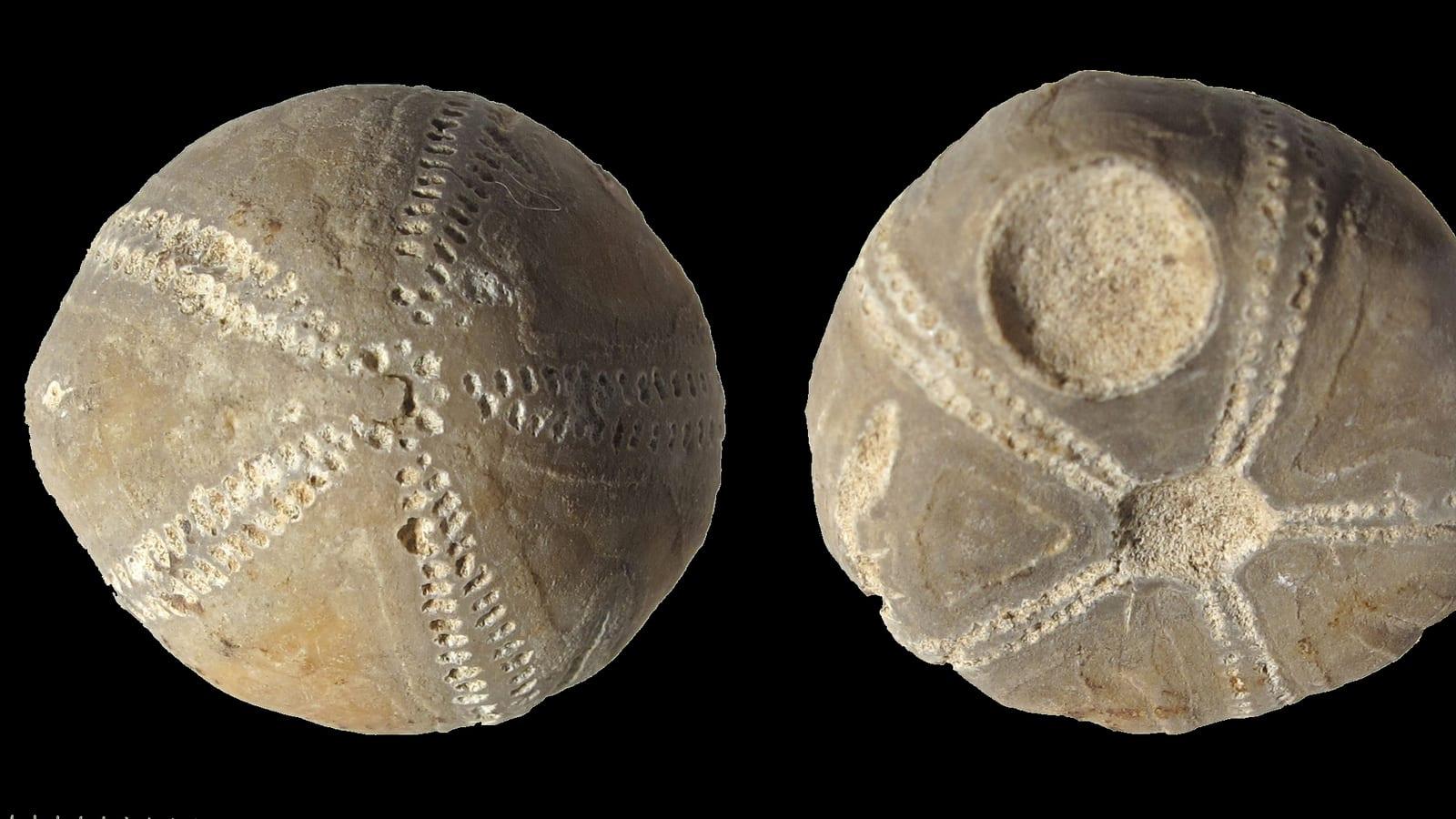
At the Bakrit locality near Ifrane in Morocco's Middle Atlas, Jurassic limestone beds preserve an unusual concentration of starfish and echinoid fossils, echinoderms that lived on a warm, shallow seafloor approximately 165 to 155 million years ago. Starfish fossils are relatively rare in the geological record because the skeletal plates of a starfish disarticulate rapidly after death and scatter. When they are found intact, it typically indicates rapid burial, and the Bakrit beds show exactly that pattern. The combination of well-preserved asteroids (starfish) and regular echinoids (sea urchins) in the same horizon makes this locality notable among Moroccan Jurassic fossil sites.
This guide covers the specific fossils at Bakrit, the geological setting of the Middle Atlas Jurassic, how to travel to Ifrane and connect with a guide for the site, and what you need to know before visiting.
Location and Getting There
Location
The Bakrit fossil locality is situated in the Ifrane Province of north-central Morocco, in the Middle Atlas mountain range. Ifrane is a well-known town approximately 68 kilometres south of Fes. Bakrit itself is a small settlement in the forested plateau south of Ifrane, where limestone outcrops emerge between cedar and oak woodland. This is a very different environment from the desert fossil sites of the south: the Middle Atlas is relatively cool, forested, and green, particularly from autumn through spring. Approximate GPS coordinates for the Bakrit area are 33.35°N, 5.10°W.
Getting There
From Ifrane, take the road south toward Azrou for approximately 15 kilometres, then follow local signage or guide directions toward Bakrit village. The tracks leading to the productive outcrop areas are unpaved but generally manageable in a high-clearance vehicle. 4WD is recommended after rain. Many visitors base themselves in Ifrane or Azrou, both of which have comfortable accommodation options. Local fossil guides operate in the area and can be arranged through guesthouses or fossil dealers in Azrou. From Fes, the total drive to the fossil area is approximately two hours. Fuel is available in Ifrane and Azrou.
What Fossils You'll Find
Starfish (asteroids) are the headline find at Bakrit. Jurassic starfish from Moroccan Atlas localities are typically preserved as complete or near-complete articulated specimens, flattened on limestone bedding planes. The most commonly encountered forms belong to genera such as Pentasteria and related Jurassic asteroid taxa. The five-armed body plan is clearly visible on good specimens, with individual ossicles (the small plates that make up the skeleton) preserved in position. Intact asteroid specimens are among the more sought-after Moroccan Jurassic fossils, both scientifically and among collectors.
Echinoids (sea urchins) occur alongside the starfish in the same beds. Regular echinoids, the globular, symmetrical sea urchins, are more abundant than the starfish and provide context for the depositional environment. Well-preserved tests with intact ambulacral plating and tubercles are found. The echinoids at Bakrit represent shallow-water benthic communities living on or just below the Jurassic seafloor surface.
Brachiopods appear in associated beds, and are typically terebratulid forms consistent with a shallow-water carbonate environment. Some beds also contain bivalves and occasional gastropods, confirming the diversity of the Jurassic seafloor community preserved here.
The fossils are found primarily in pale grey to beige micritic limestone. Loose weathered specimens occur on eroded surfaces, while better-preserved matrix-embedded specimens require careful extraction.
Geologic History
The Ancient Environment
The fossil-bearing beds at Bakrit belong to the Jurassic period, most likely the Callovian to Oxfordian stages, approximately 165 to 155 million years ago. During this interval, Morocco was positioned in the western Tethys region, with the Middle Atlas area covered by a shallow, warm carbonate sea connected to the broader Tethys Ocean. The sea floor was well-oxygenated and biologically productive, supporting diverse communities of echinoderms, molluscs, and brachiopods. The water was clear enough for photosynthesis-dependent organisms on the seafloor, as indicated by the coral and algal components found at other Atlas Jurassic localities.
The preservation of intact starfish at this locality indicates rapid burial events. Under normal seafloor conditions, a dead starfish would disarticulate within days to weeks as the ligaments connecting the ossicles decay and scavengers disperse the plates. Preservation of complete specimens requires burial by sediment within hours of death, most likely by storm-generated turbidity currents or by rapid sedimentation pulses that smothered the seafloor fauna before disarticulation could occur. The same burial event is responsible for the echinoid preservation quality: many specimens retain complete tests rather than scattered plates.
How Bakrit Became a Fossil Site
The Jurassic marine sediments of the Middle Atlas were uplifted during the Cenozoic Alpine orogeny, which also built the Rif Mountains and the High Atlas to the south. The Middle Atlas formed as a series of uplifted fault blocks that brought Jurassic limestone sequences to surface elevations of 1,500 to 2,000 metres. Cool, humid conditions in the Atlas mountains, combined with forest cover, mean that erosion proceeds more slowly here than in the Saharan south, and fossil-bearing limestone surfaces are exposed gradually through natural weathering. Local communities around Bakrit and Azrou have identified fossil-bearing beds in the limestone plateaus, and a small but established network of guides and fossil collectors operates in the area.
Visiting and Collecting Information
Access and What to Expect
Bakrit is listed as a tour-only site. Access to the productive outcrops is through local guides based in Azrou or Ifrane. A half-day guided excursion to the Bakrit fossil area typically costs 300 to 600 MAD (approximately 30 to 60 USD) per person including transport. At the site, you can examine in-situ fossils in the limestone and collect loose surface specimens. Prepared specimens, particularly complete starfish on limestone matrix, are available for purchase from local collectors and through dealers in Azrou.There is no fixed tourist allowance for taking fossils out of Morocco. Article 116 of the 2015 Mining Code (Law 33-13) requires a permit for collecting and trading fossils, minerals, and meteorites, with the procedures set out in a 2019 implementing decree and the framework revised again in 2025. Enforcement is uneven, and small purchases from licensed dealers are commonly carried out without incident, but that is practice rather than an entitlement. Keep a receipt and a written description of each specimen and its origin, and check the current rules with the Moroccan ministry responsible for mines before you travel.
What to Bring
The Middle Atlas is cooler than Morocco's desert regions. Bring layers even in summer, and a waterproof jacket for the period from October through April when rain is possible. Boots are necessary for walking on limestone outcrop surfaces. A geology hammer and cold chisel are useful for extracting matrix-embedded specimens. Safety glasses protect against rock chips. A hand lens at 10x helps examine echinoid plate structure and asteroid ossicle arrangement in the field. Bring water and snacks. There are limited supplies near the outcrop area. Cash in Moroccan dirhams is required for guide fees.
Safety and Practical Tips
The Ifrane and Azrou area can experience snow from December through February at elevations above 1,800 metres. Confirm track conditions with your guide before setting out in winter. Summer is the most comfortable visiting period in the Middle Atlas, with pleasant temperatures of 20 to 28°C (68 to 82°F), notably cooler than the Saharan south at the same time of year. The cedar forests around Ifrane are a Barbary macaque habitat. Do not feed the monkeys, which are common along roadsides and can be aggressive if offered food. The Ifrane area is Morocco's ski resort region in winter, so accommodation fills up during the winter holiday season. Book ahead if visiting from late December through February.
Sources
Nearby sites
 Timahdite Brachiopod Collecting Site Fossil Hunting Guidebrachiopods, Spiriferid brachiopods
 Filon 12 Vanadinite Fossil Mine Mibladen Fossil Hunting Guidevanadinite, trilobites
 Khouribga Phosphate Shark Tooth Site Fossil Hunting GuideShark teeth, Mosasaur teeth
 Ziz Gorge Echinoid Site Errachidia Fossil Hunting GuideMicraster echinoids, irregular echinoids