Fossil type
Where to find echinoids
Echinoids, sea urchins and their relatives, are common in Mesozoic-and-younger marine rocks. The chalk-and-flint of southern England and Denmark, plus Cretaceous limestones in Morocco, produce especially well-preserved tests.
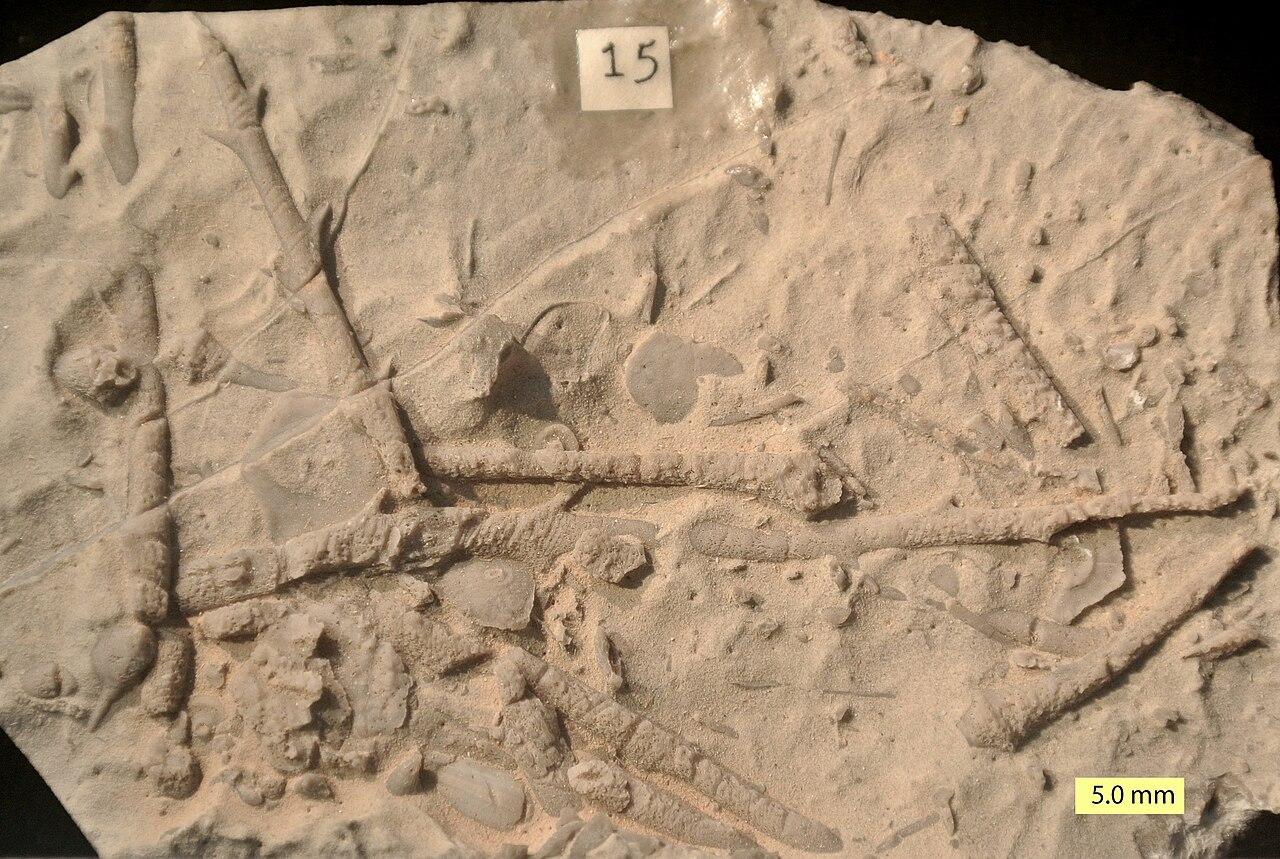
31 fossil sites
Updated 4 August 2026
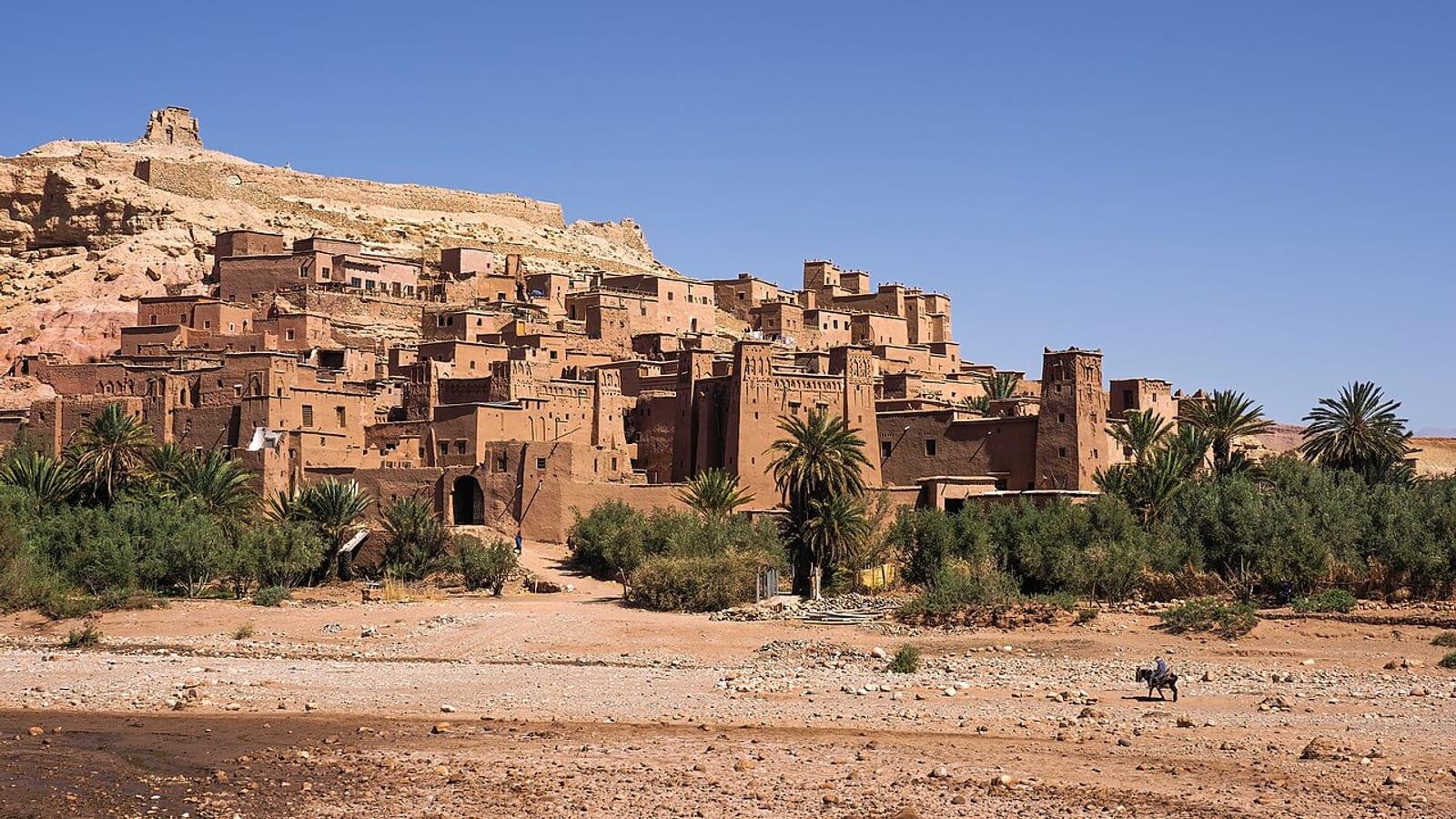
Ait Benhaddou Echinoid Site Ouarzazate Fossil Hunting Guide
Morocco
Cretaceous echinoids, Brachiopods, Gastropods, bivalves and coral fragments
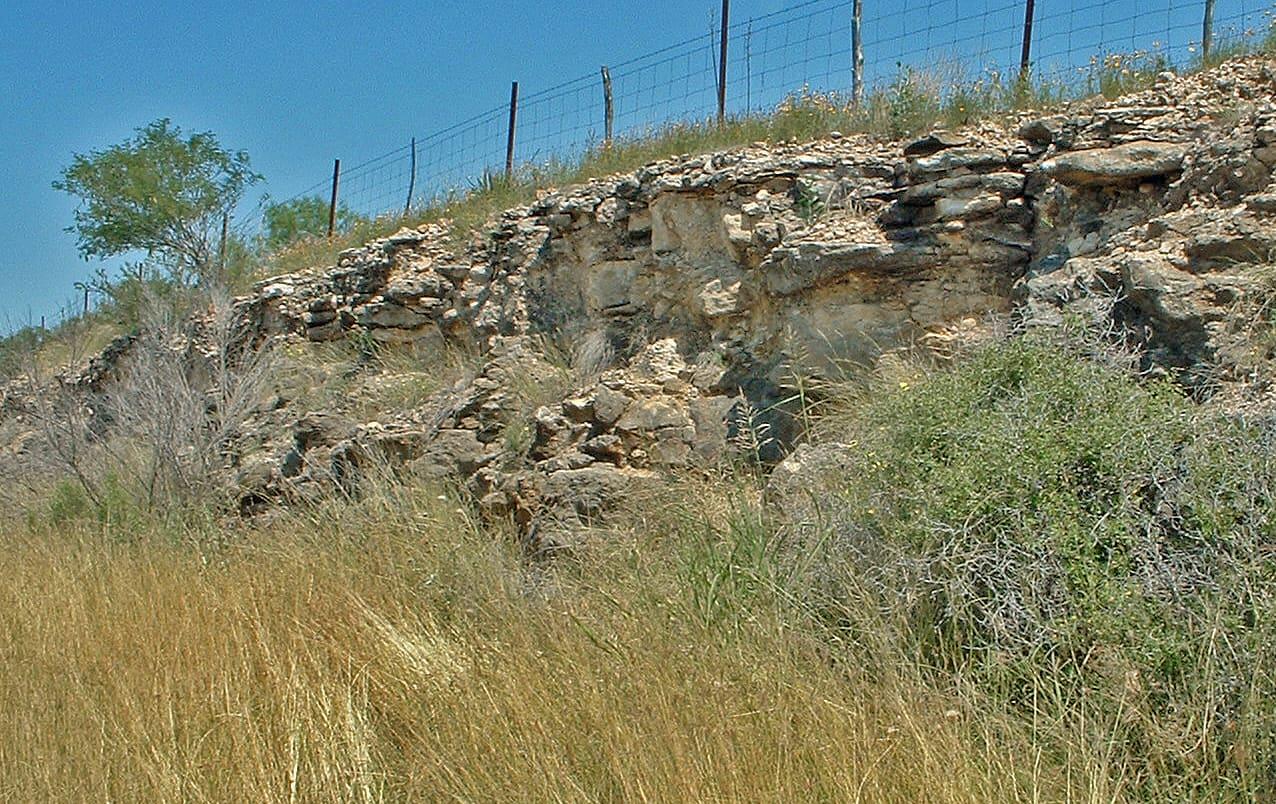
Austin Chalk Roadcuts Fossil Hunting Guide
Texas, United States
Ammonites, Inoceramus clams, Oysters, Sea urchins
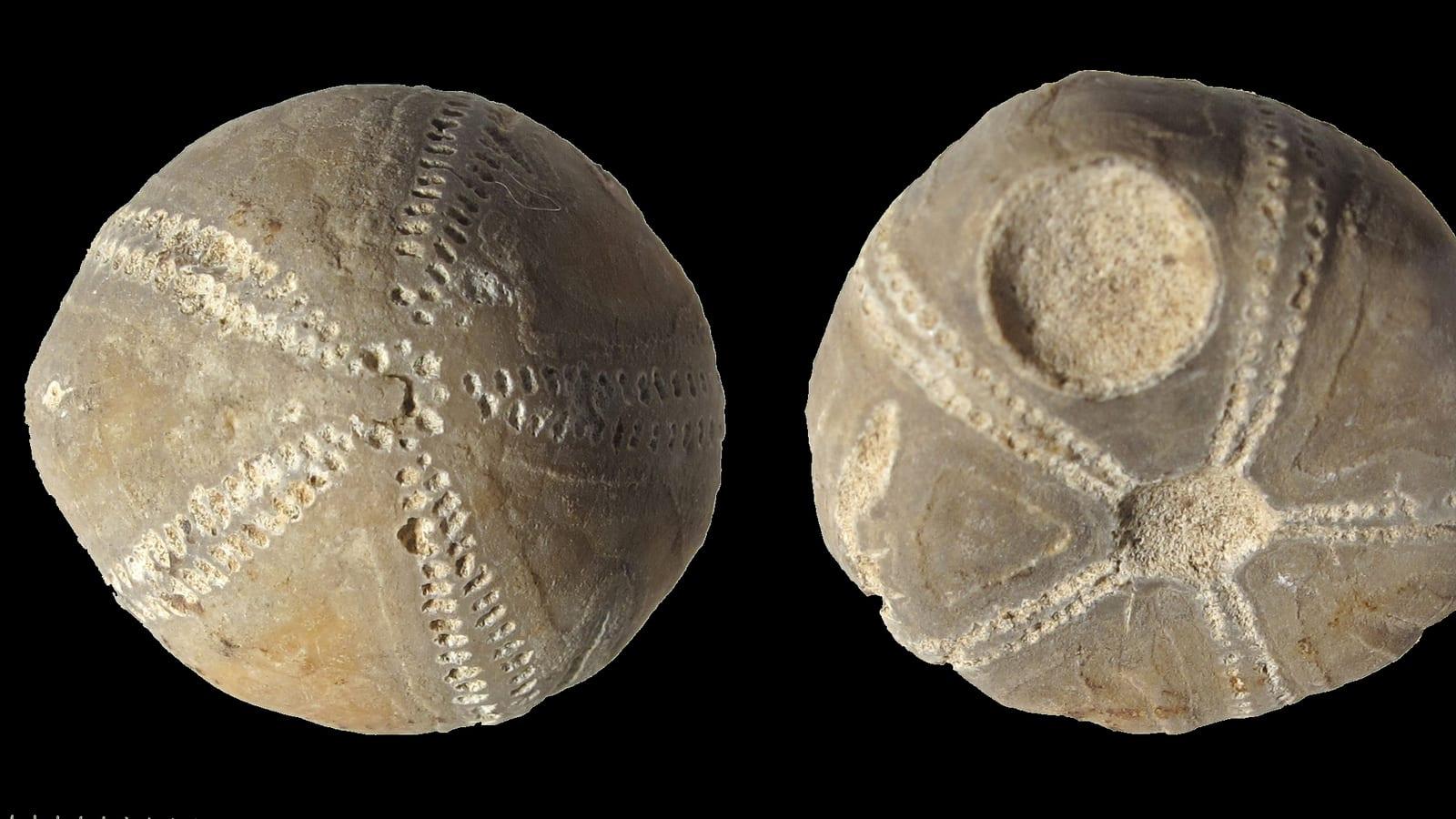
Bakrit Starfish Echinoid Site Ifrane Fossil Hunting Guide
Fès-Meknès, Morocco
starfish and echinoid fossils, Starfish, Echinoids, Brachiopods
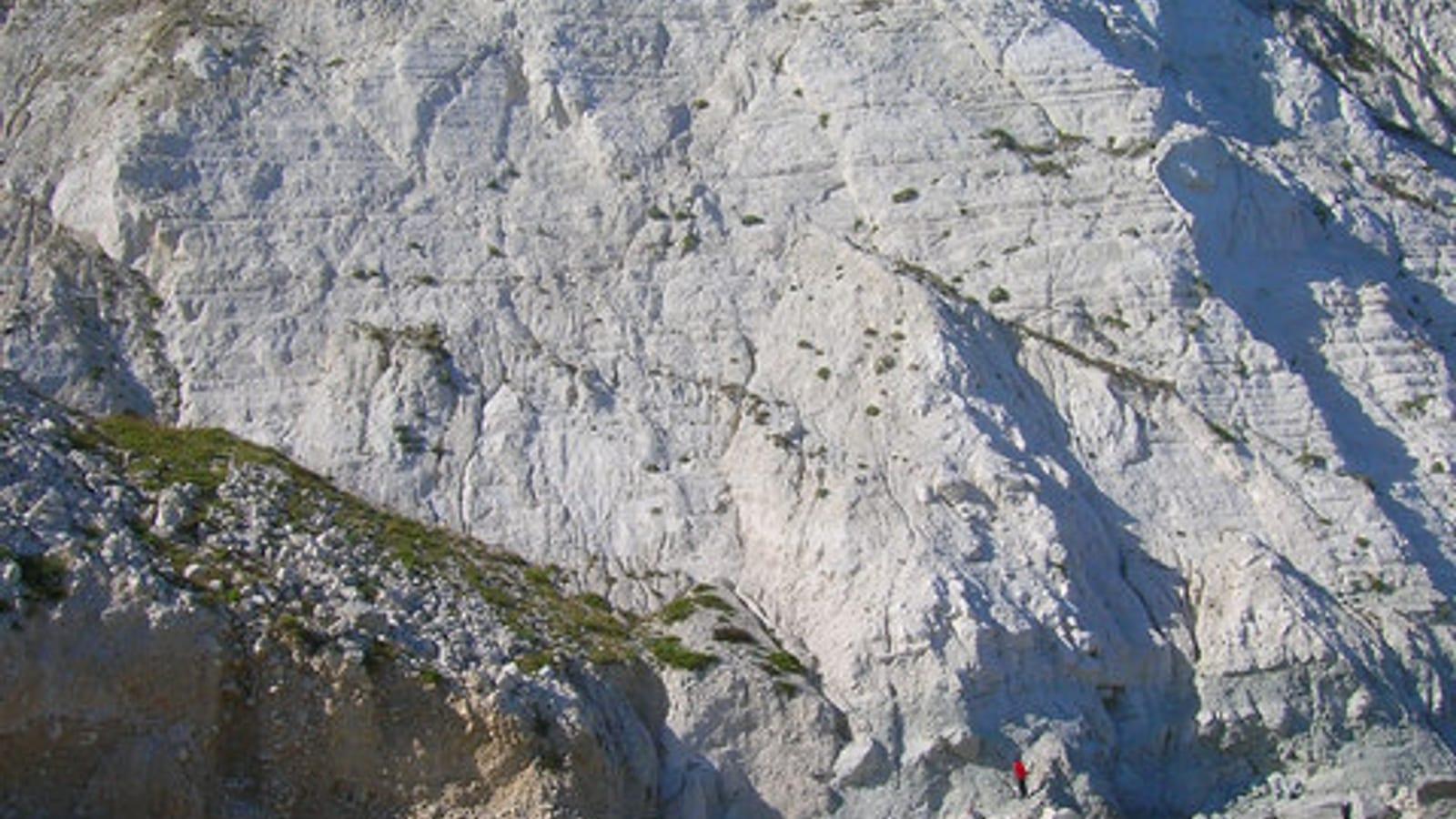
Beachy Head Fossil Hunting Guide
England, United Kingdom
Echinoids (sea urchins), Flint sponges, Bivalves, Brachiopods
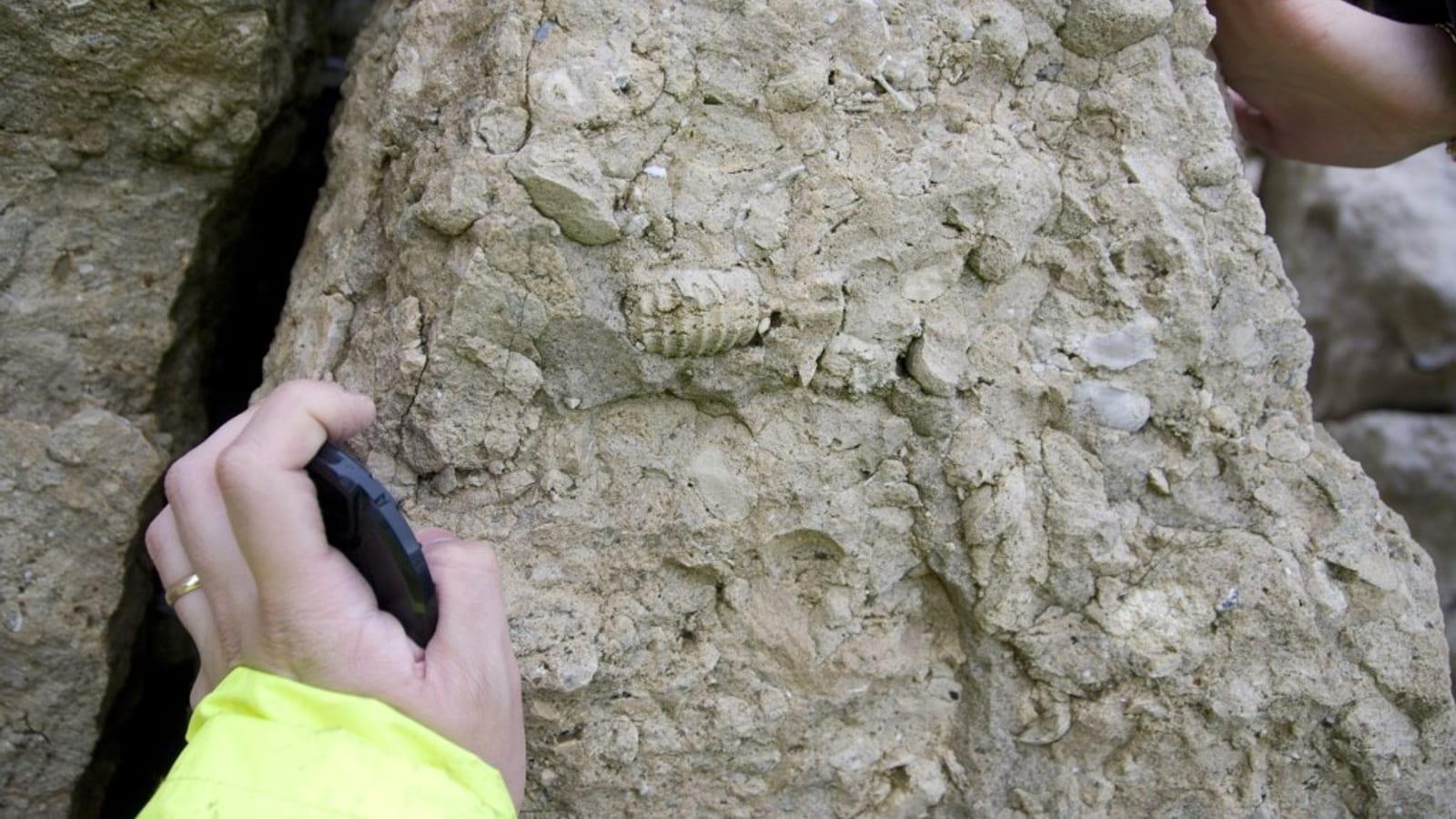
Beer Head Fossil Hunting Guide
England, United Kingdom
Ammonites, Echinoids, Brachiopods, Bivalves
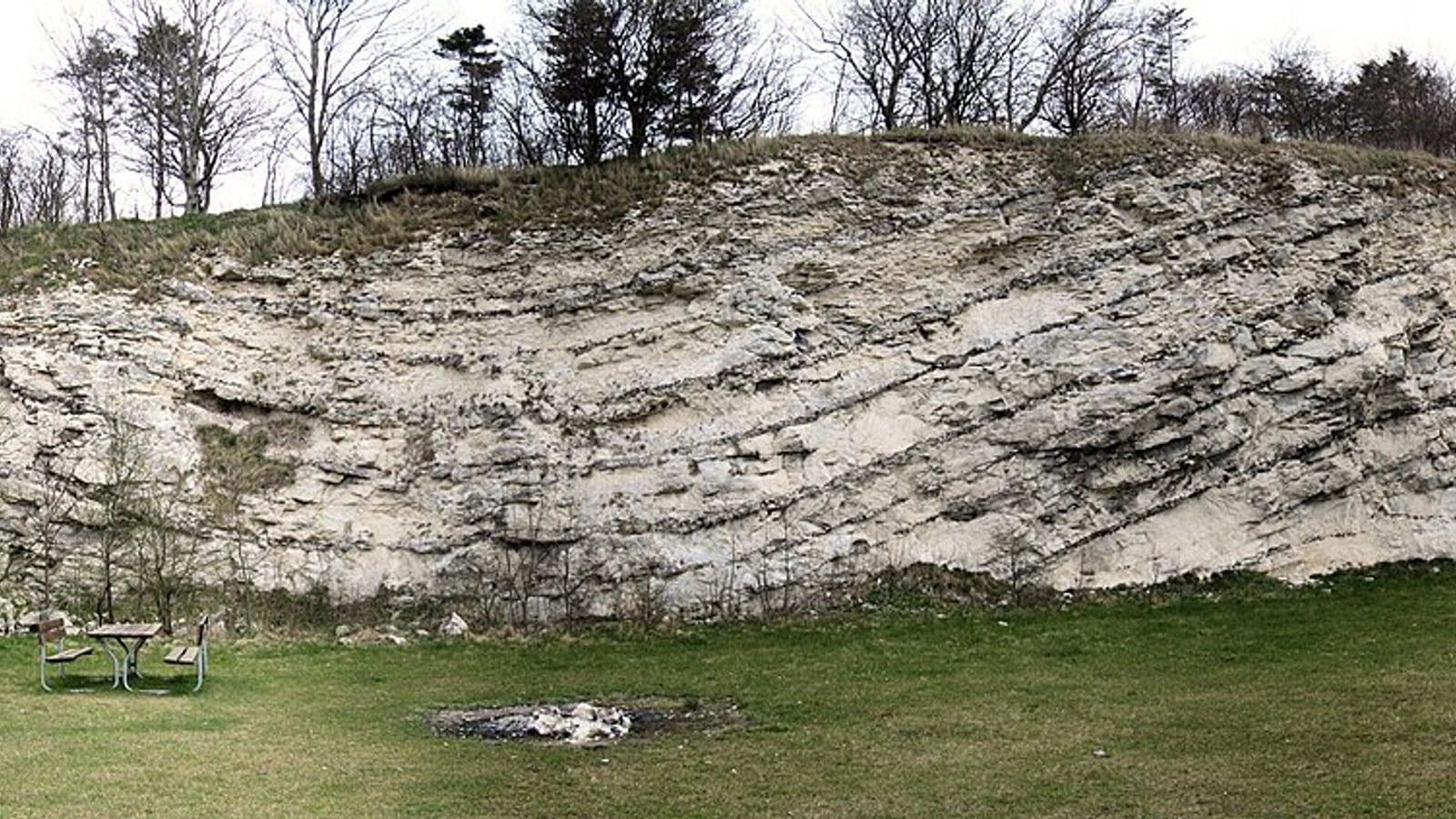
Boesdal Beach Stevns Klint Fossil Hunting Guide
Denmark
Belemnites, Sea urchin, Brachiopod, bryozoan
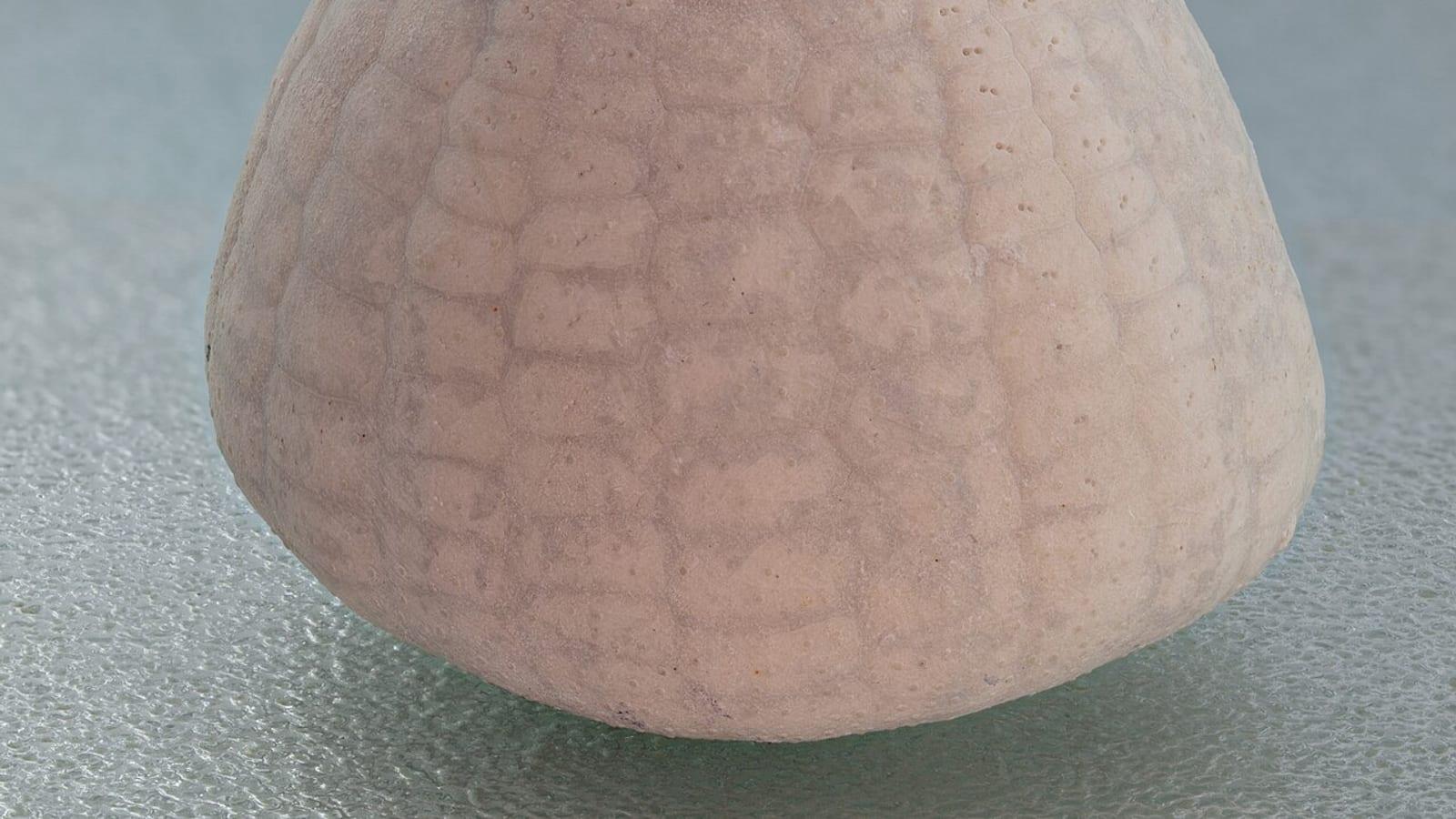
Dalbyover Quarry Fossil Hunting Guide
Denmark
Bryozoans, Sea urchins, Brachiopods, bivalves
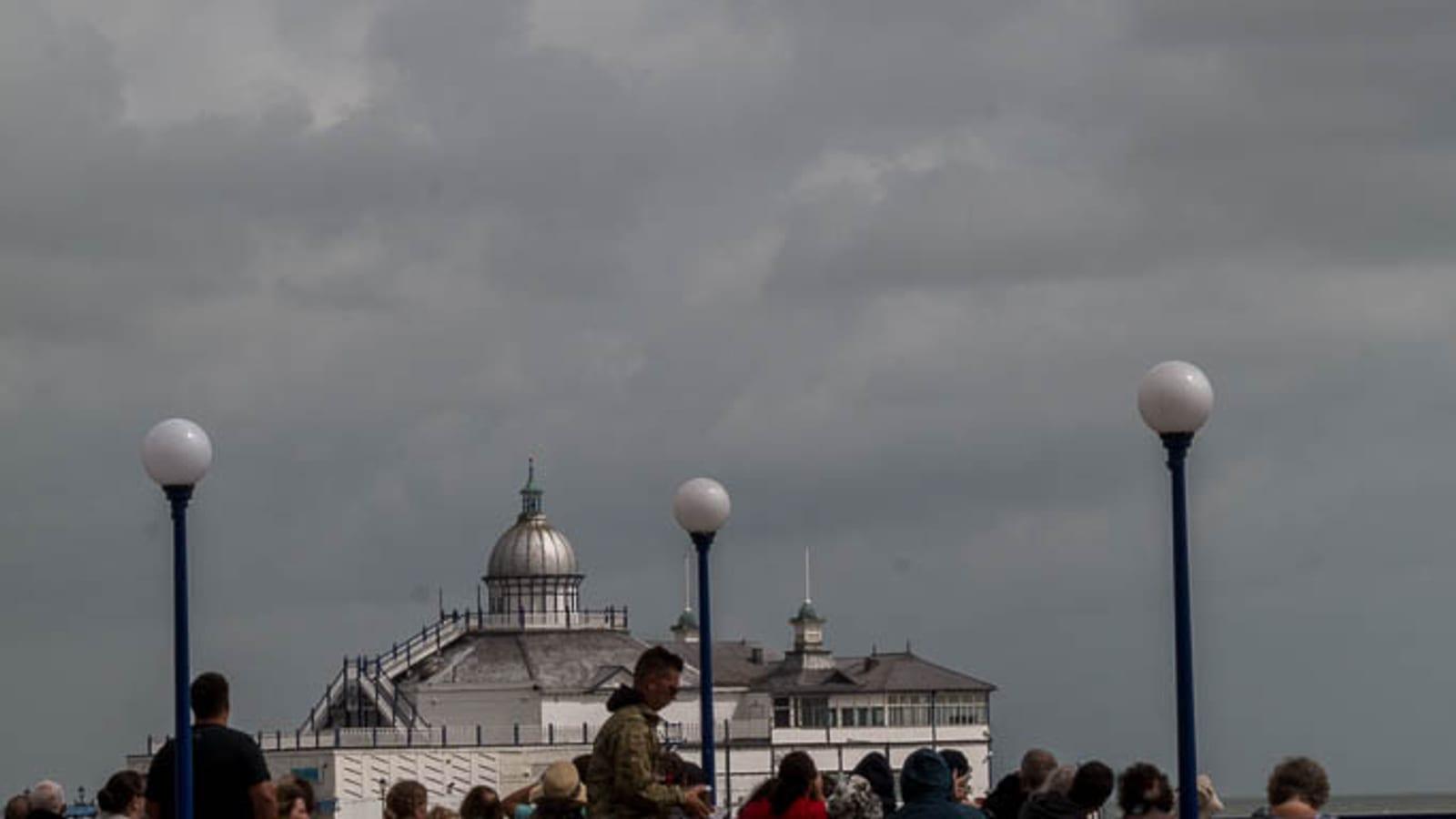
Eastbourne Sussex Fossil Hunting Guide
England, United Kingdom
Echinoids, Chalk ammonites, Ammonites
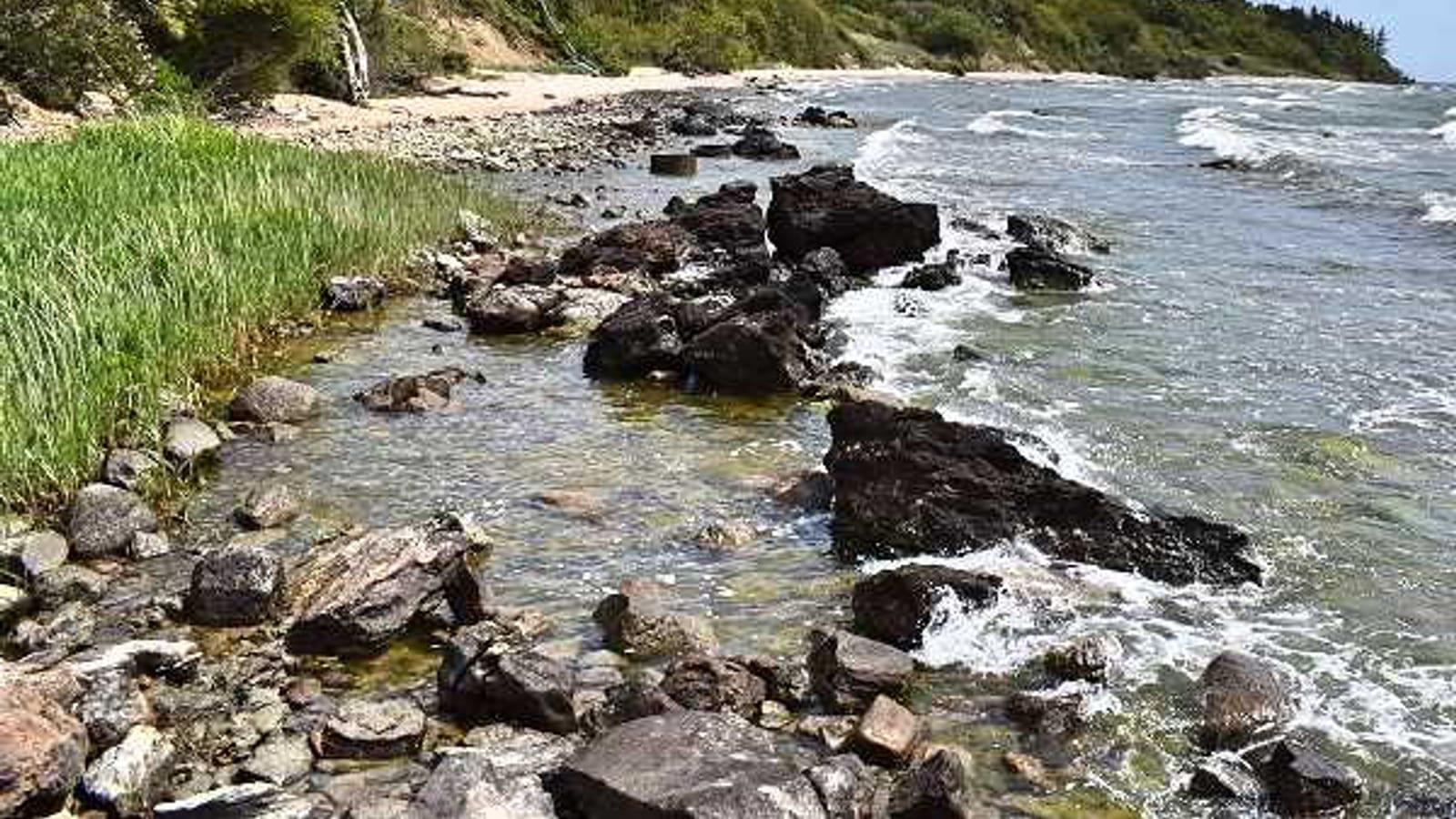
Find Campanian Fossils at Arnager Beach Bornholm Fossil Hunting Guide
Denmark
Sponges, Ammonites, Echinoids, Brachiopods
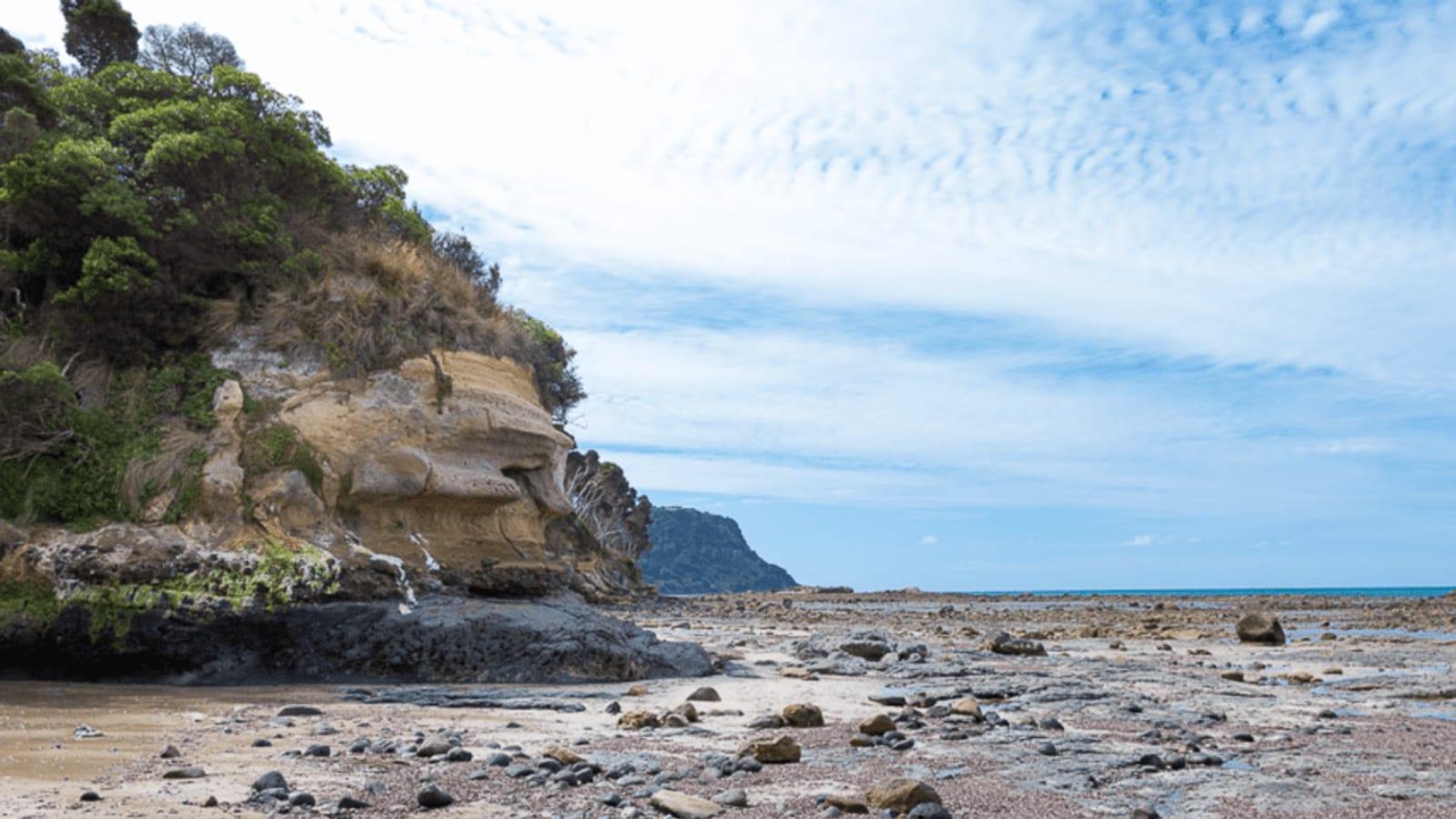
Fossil Bluff Wynyard Fossil Hunting Guide
Tasmania, Australia
Bivalves, Gastropods, Corals, Echinoids
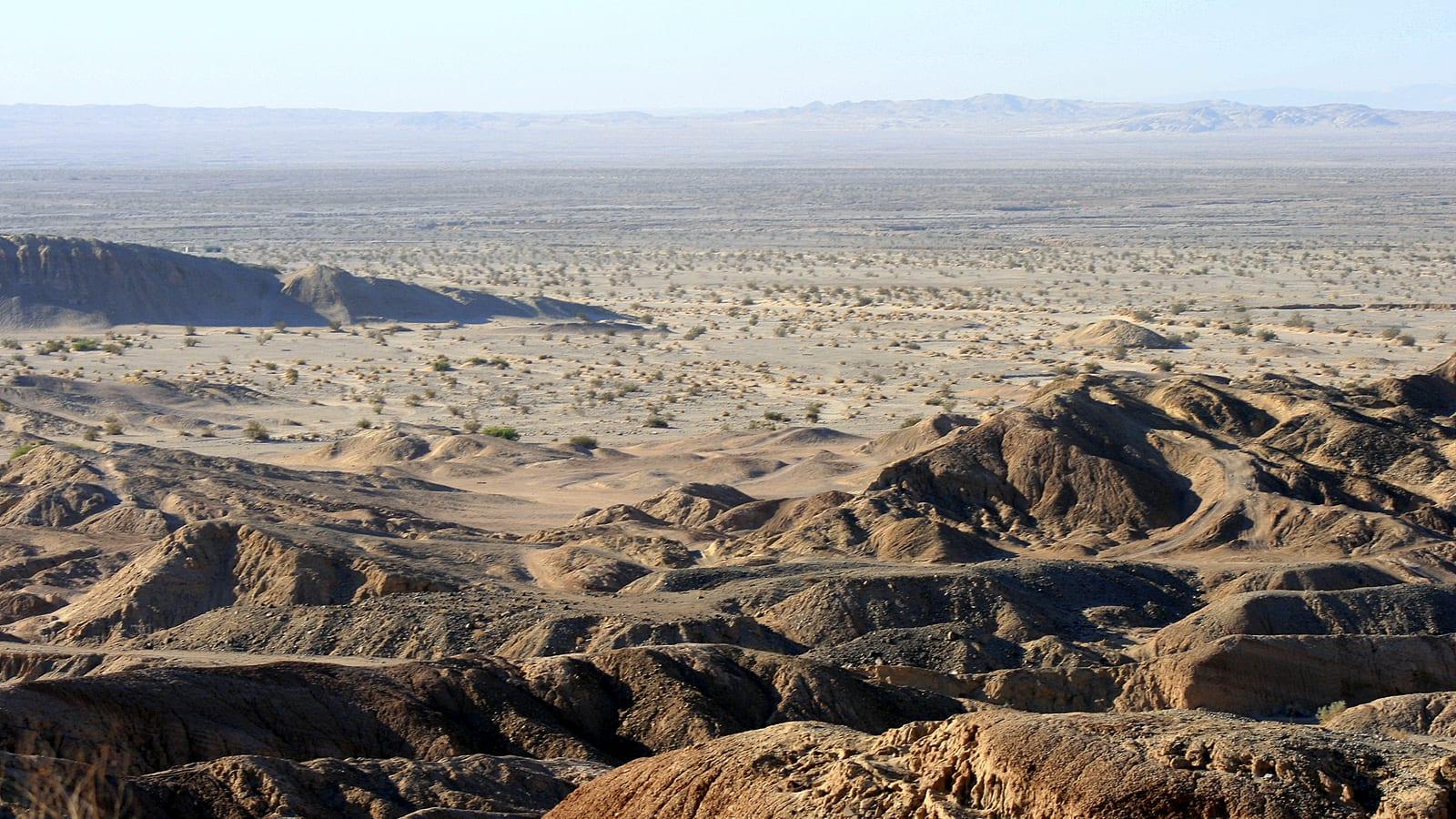
Fossil Canyon near Ocotillo Fossil Hunting Guide
Imperial County, California, United States
Corals, Bivalves, Gastropods, Echinoids

Guadalupe Mountains National Park Fossil Reef Guide
Texas, United States
Brachiopods, Crinoids, Ammonoids, Nautiloids
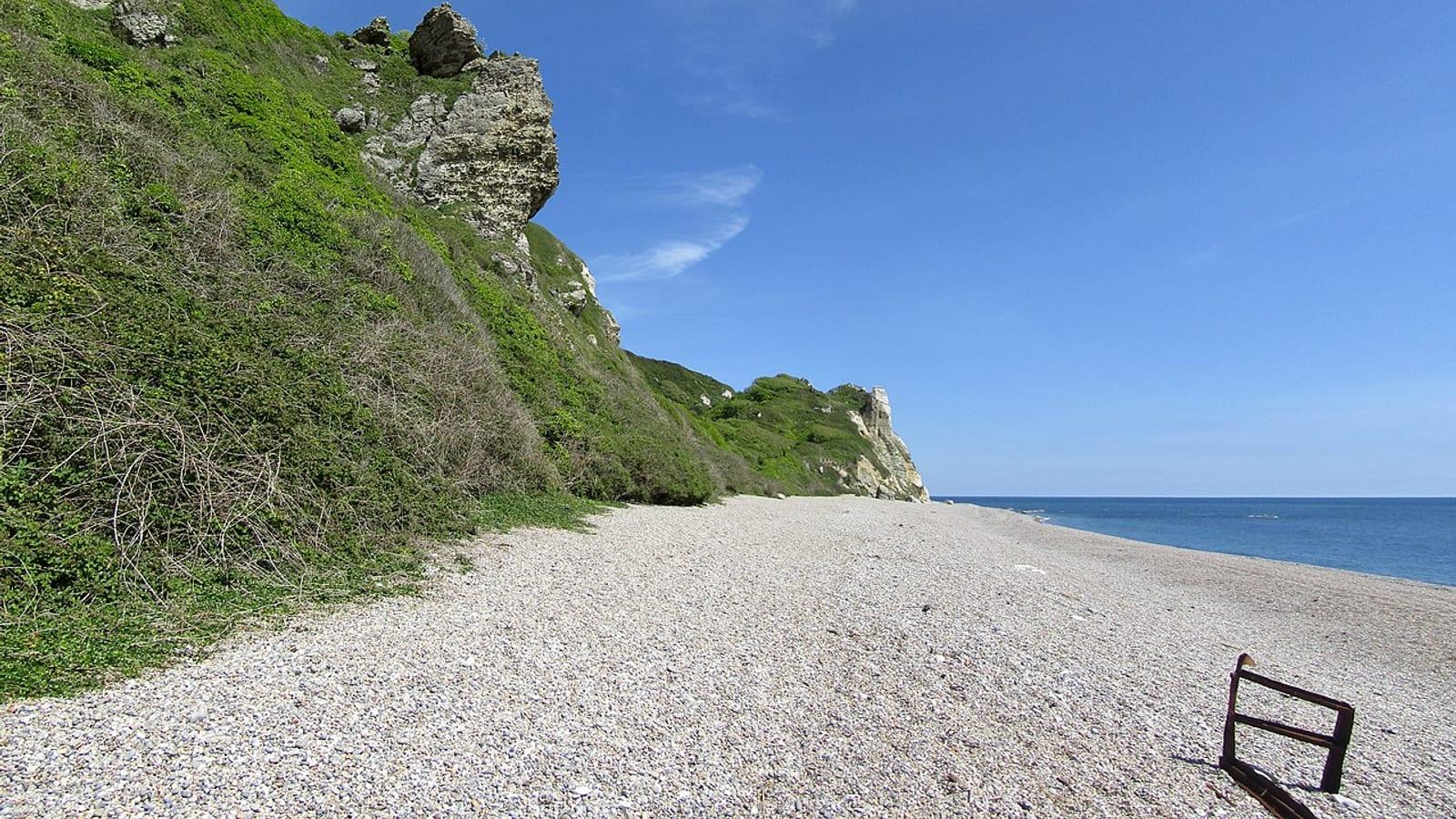
Hooken Cliff Beer Devon Fossil Hunting Guide
United Kingdom
Echinoids, Ammonites, Fish remains, Brachiopods
Jacalitos Creek Fossil Hunting Guide
Fresno County, California, United States
Bivalves, Gastropods, Echinoids, Barnacles
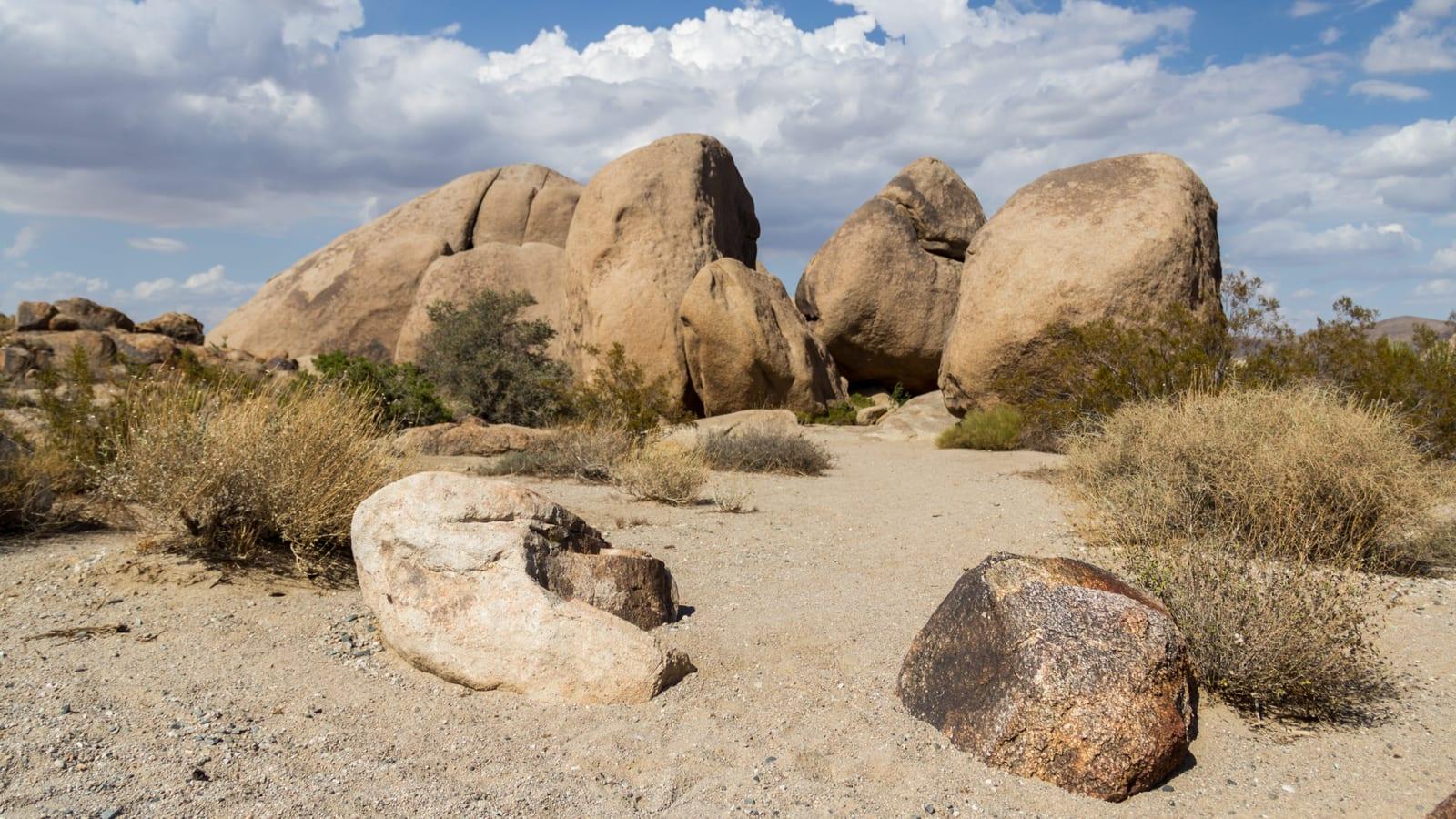
Joshua Tree National Park Fossil Hunting Guide
California, United States
Echinoids, Plant Fossils, Mollusks
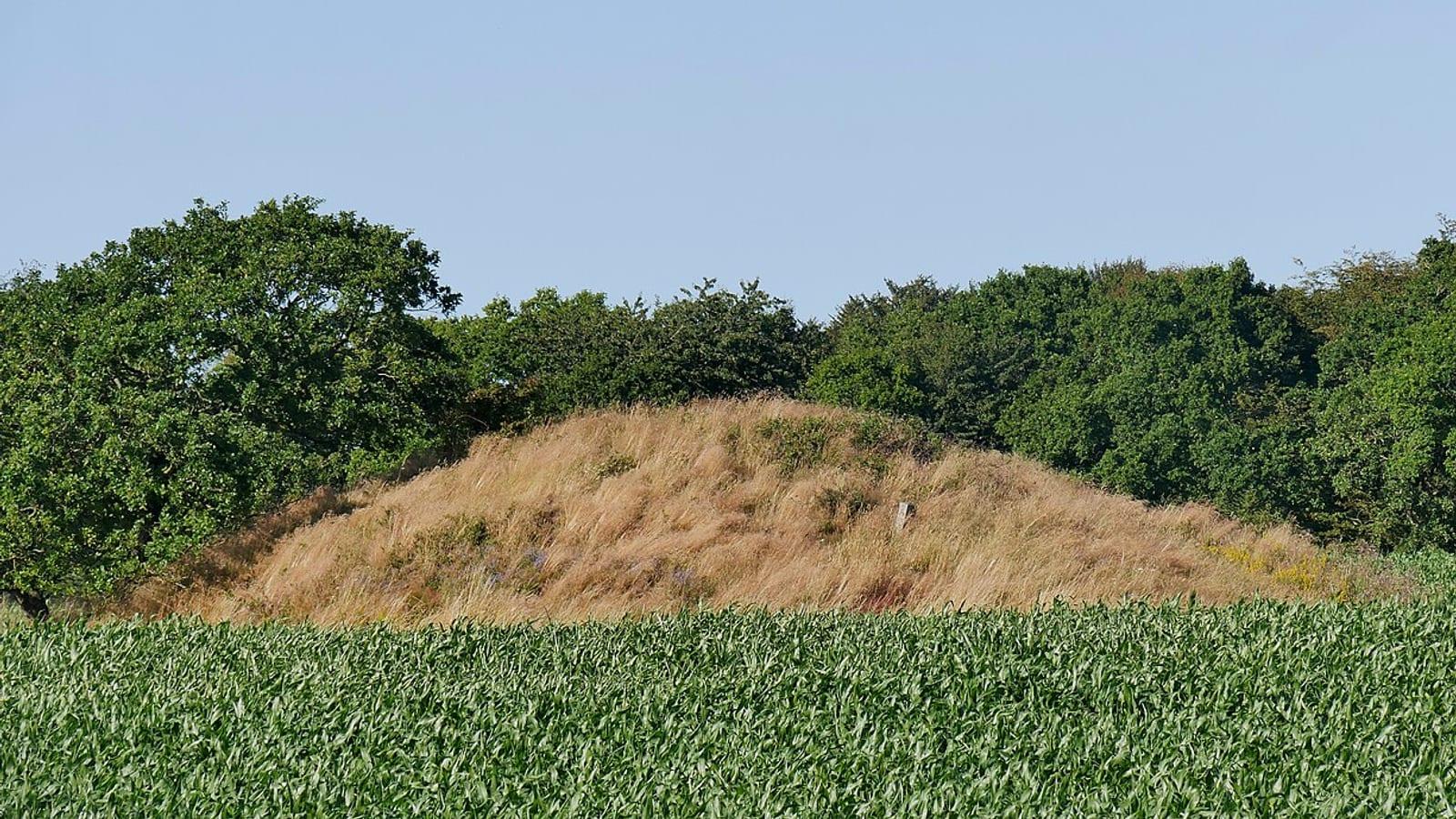
Katbjerg Odde Mariager Fjord Fossil Hunting Guide
Denmark
Bryozoans, Sea urchins, Brachiopods, bivalves
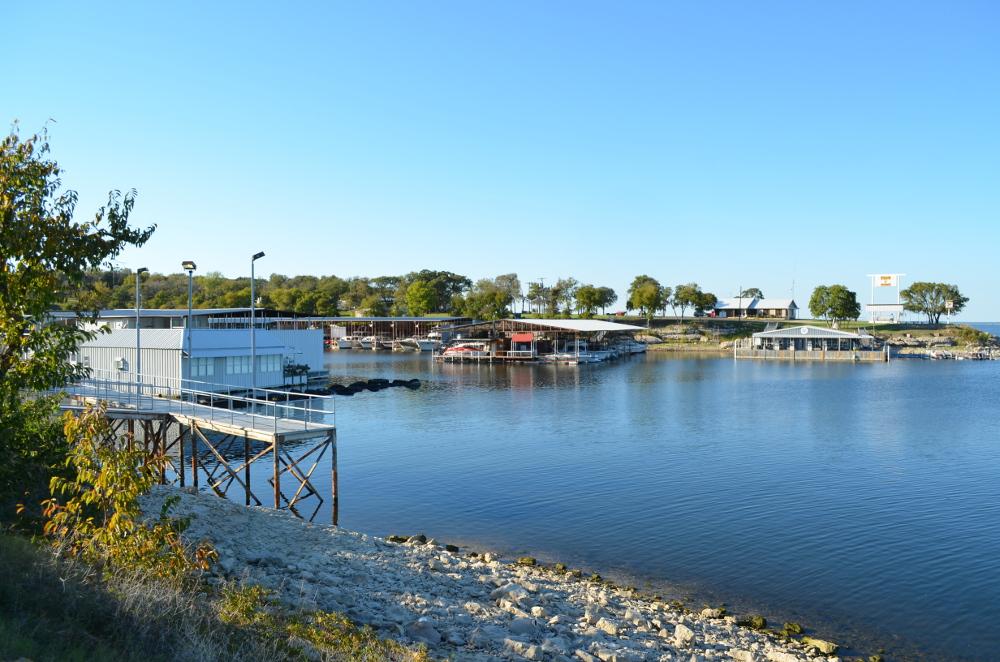
Lake Texoma (Eisenhower State Park) Fossil Hunting Guide
Texas, United States
Ammonites, Echinoids, Heart urchins, Oysters
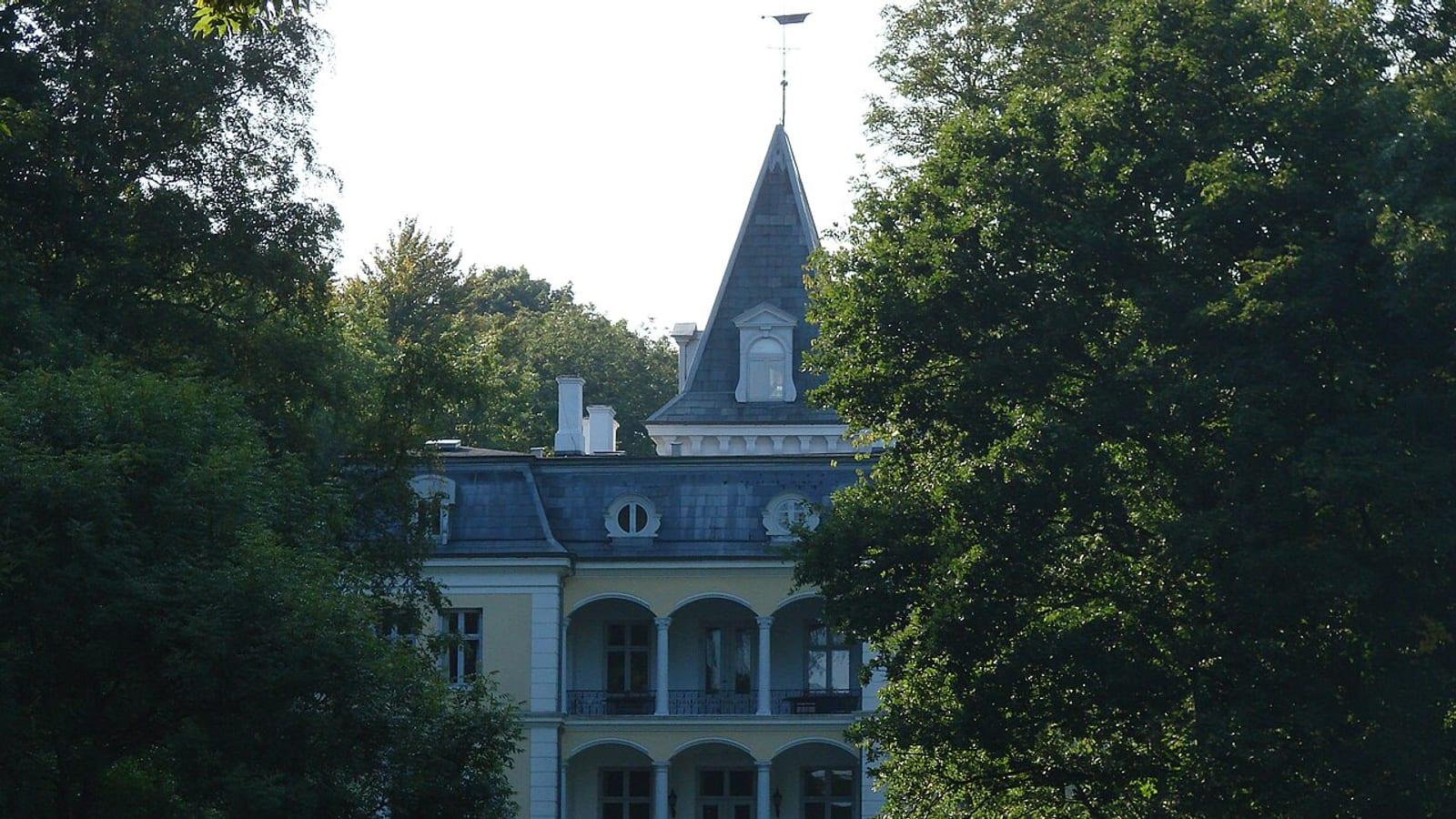
Liselund Park Mons Klint Beach Access Fossil Hunting Guide
4791 Borre
Belemnites, Sea urchin, Brachiopod, Bryozoan
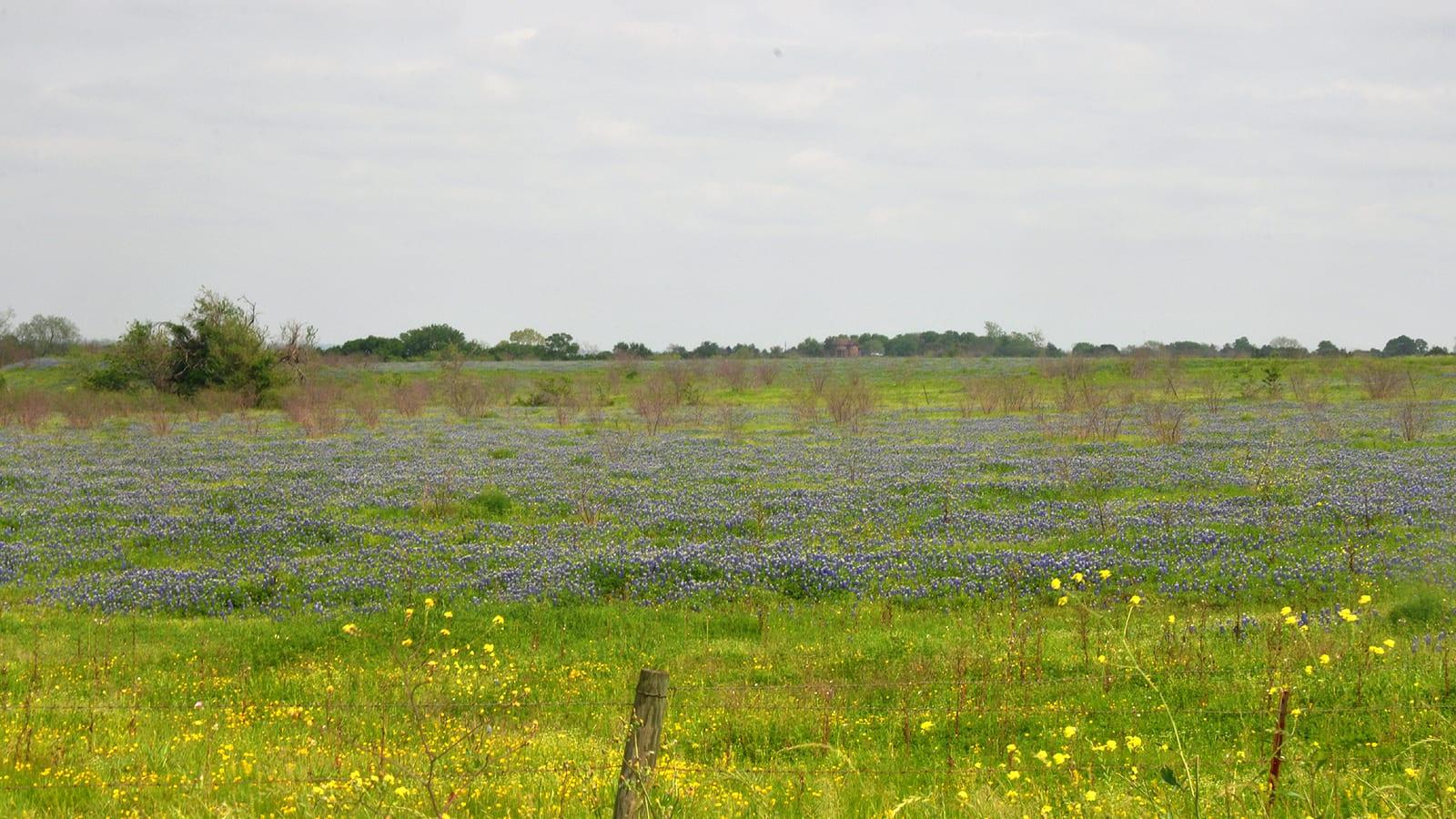
Mineral Wells Fossil Park Fossil Hunting Guide
Texas, United States
Crinoids, Echinoids, Brachiopods, Bivalves
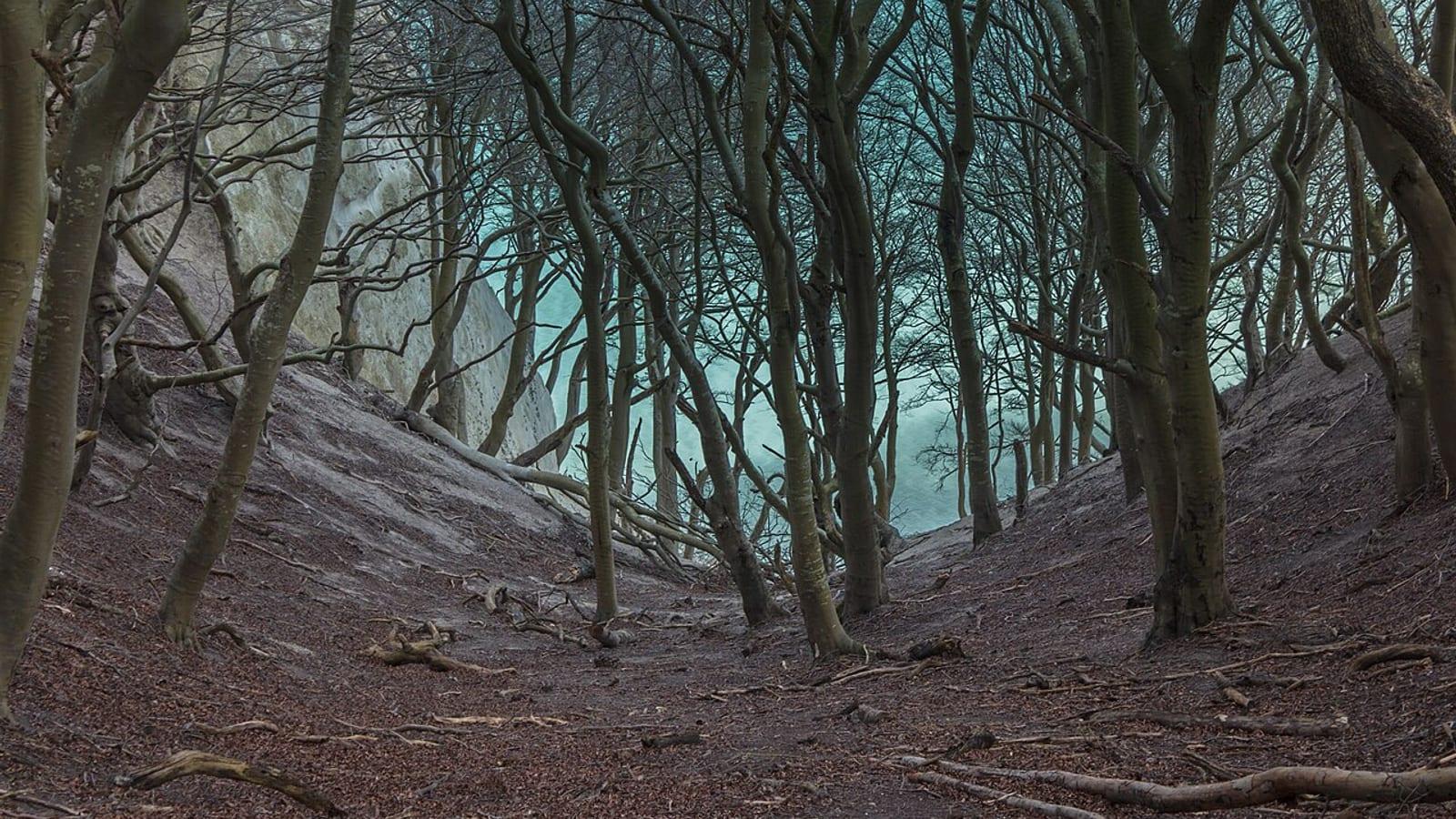
Mons Klint Beach Fossil Hunting Guide
Denmark
Møns Klint, Belemnites, Sea urchin, Brachiopods
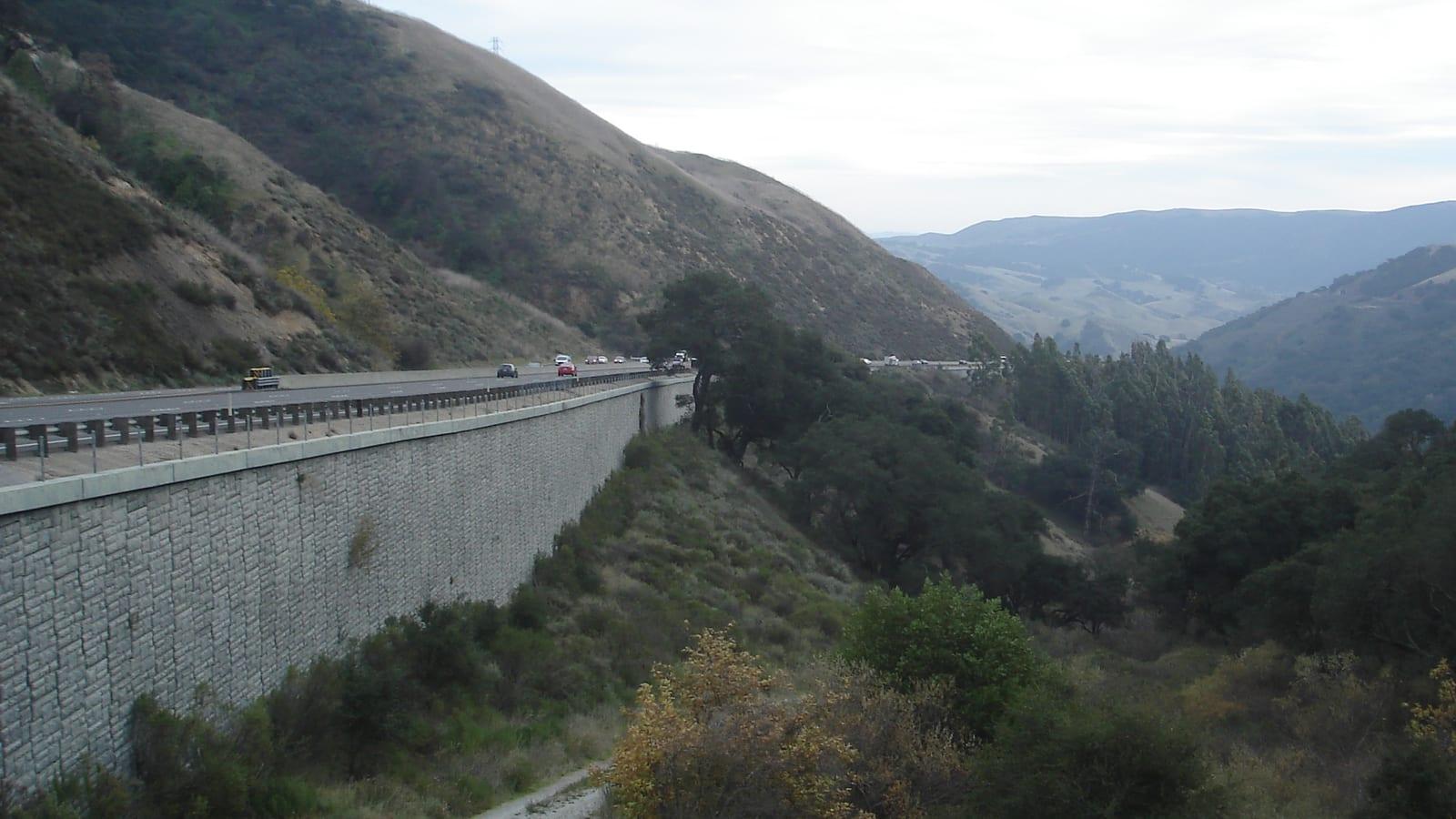
Oyster Fossils at Santa Margarita Ranch, San Luis Obispo County
California, United States
Oysters (Crassostrea titan), Bivalves, Sand dollars (Astrodapsis), Echinoids
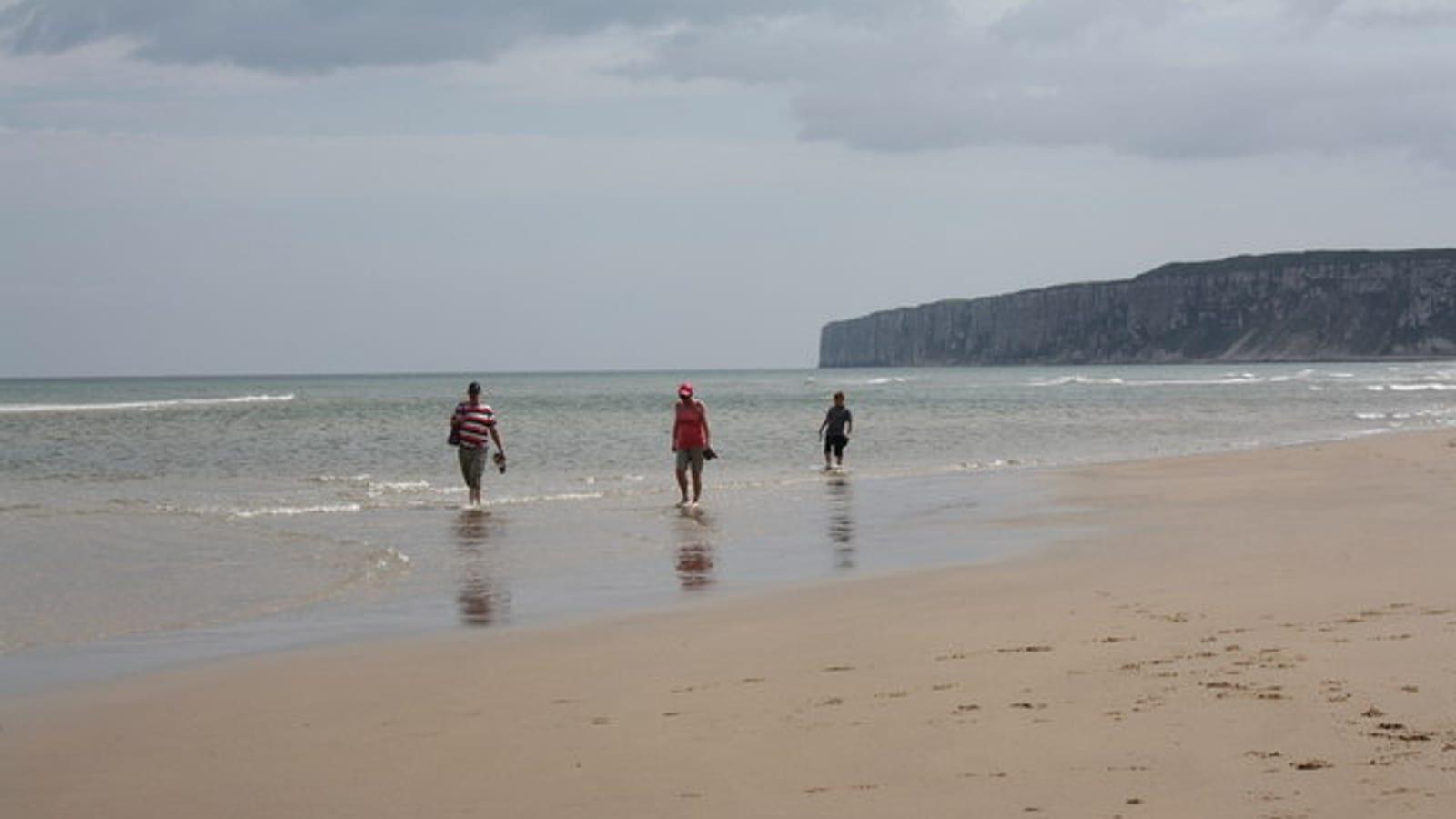
Reighton Sands Yorkshire Fossil Hunting Guide
near Reighton
Erratic boulders, Kimmeridge Clay, Ammonites, Belemnites
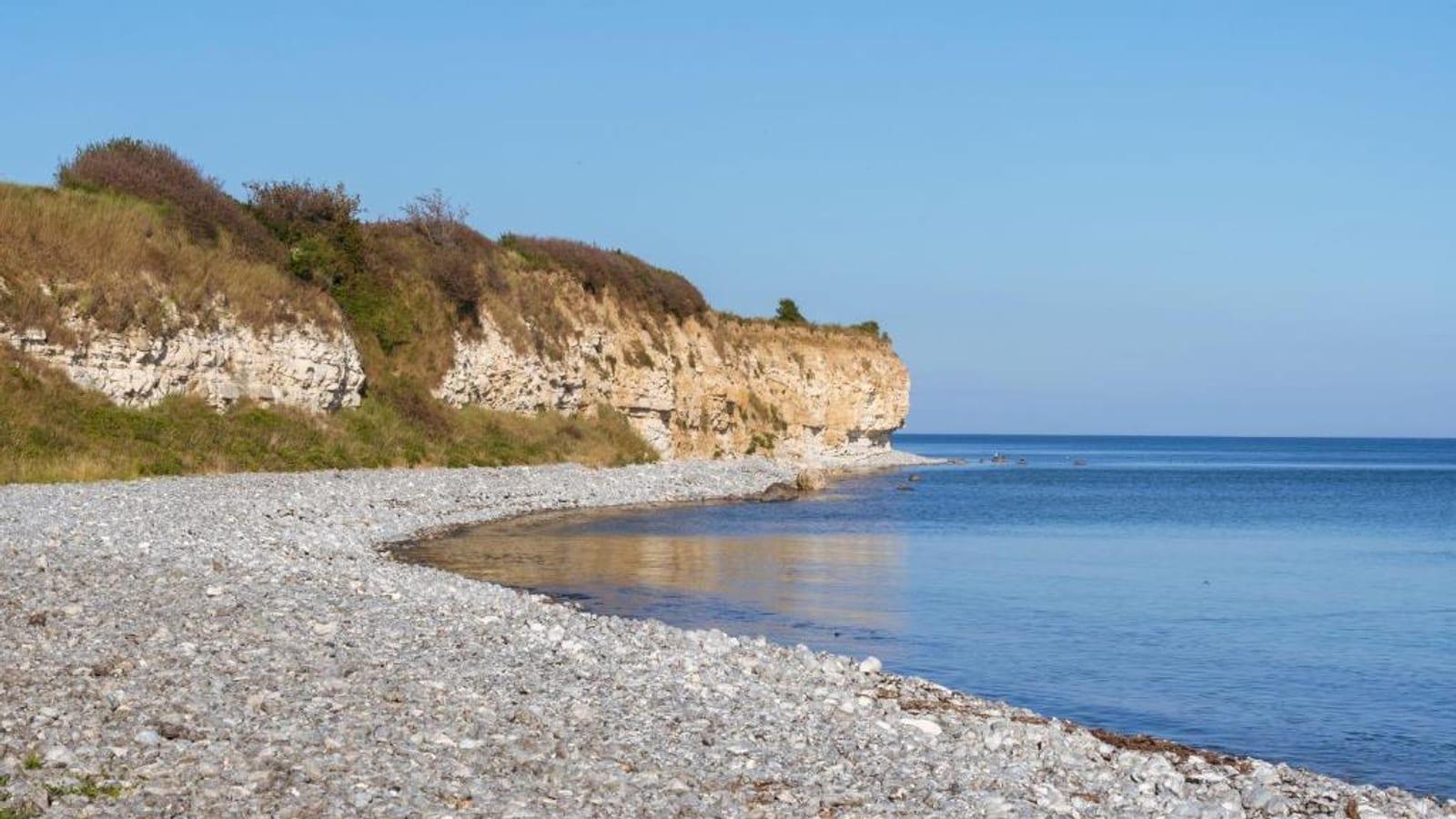
Rødvig Beach Fossil Hunting Guide
Zealand, Denmark
Belemnites, Sea Urchins, Brachiopods, Bryozoans
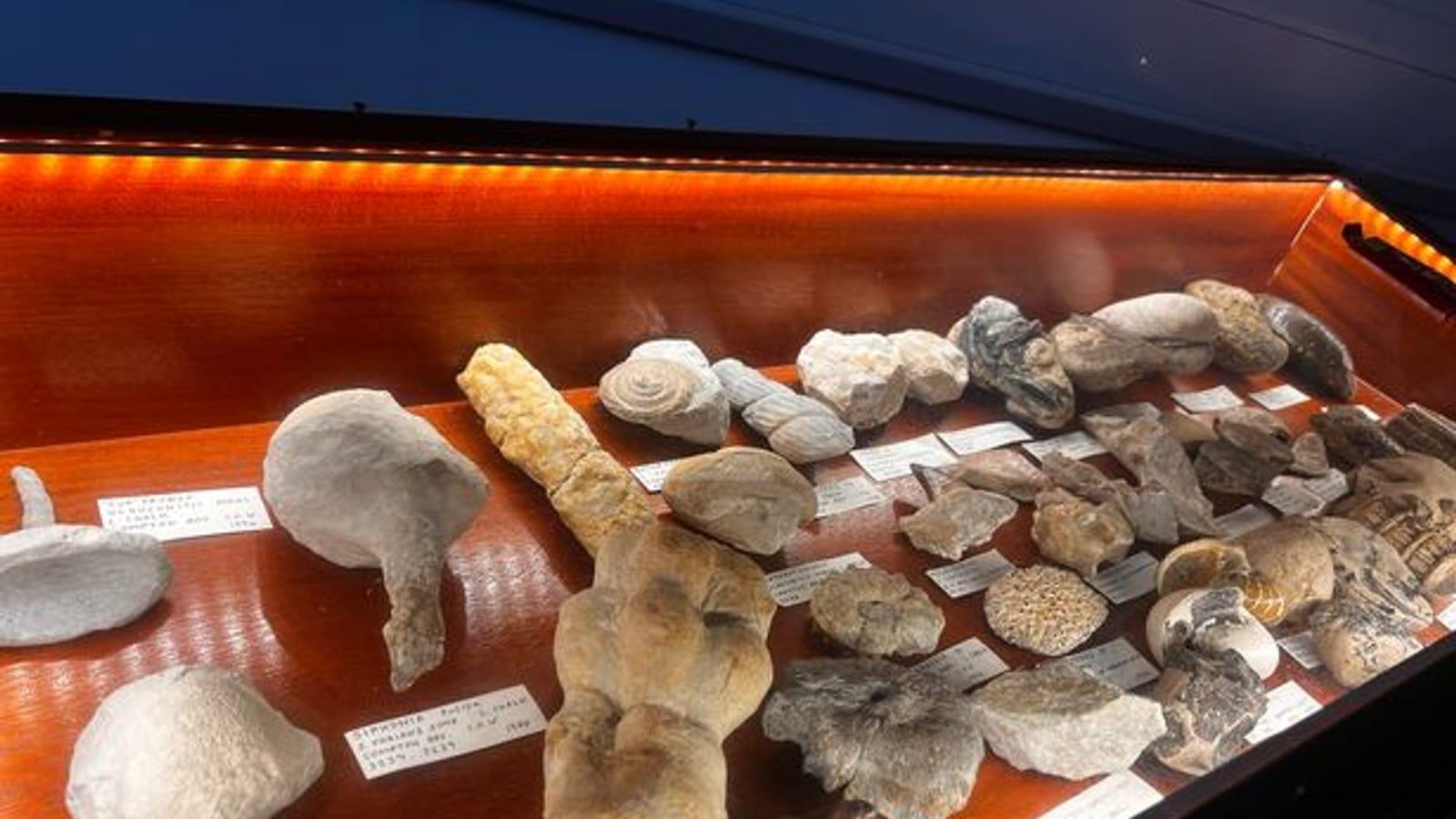
Seaton Fossil Hunting Guide
England, United Kingdom
Ammonites, Echinoids, Brachiopods, Bivalves
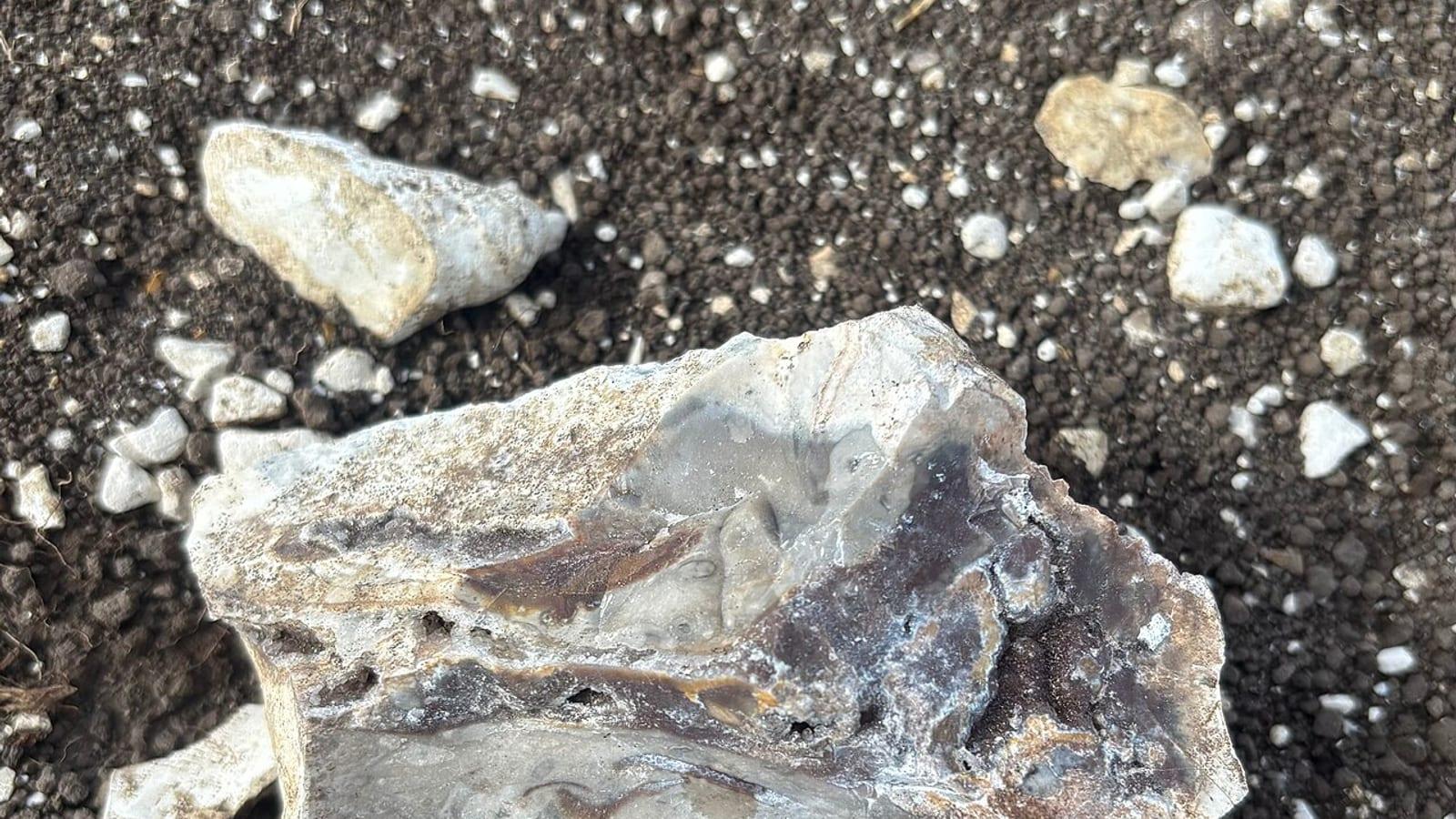
Seven Sisters Fossil Hunting Guide
England, United Kingdom
Echinoids, Shark Teeth, Brachiopods, Bivalves
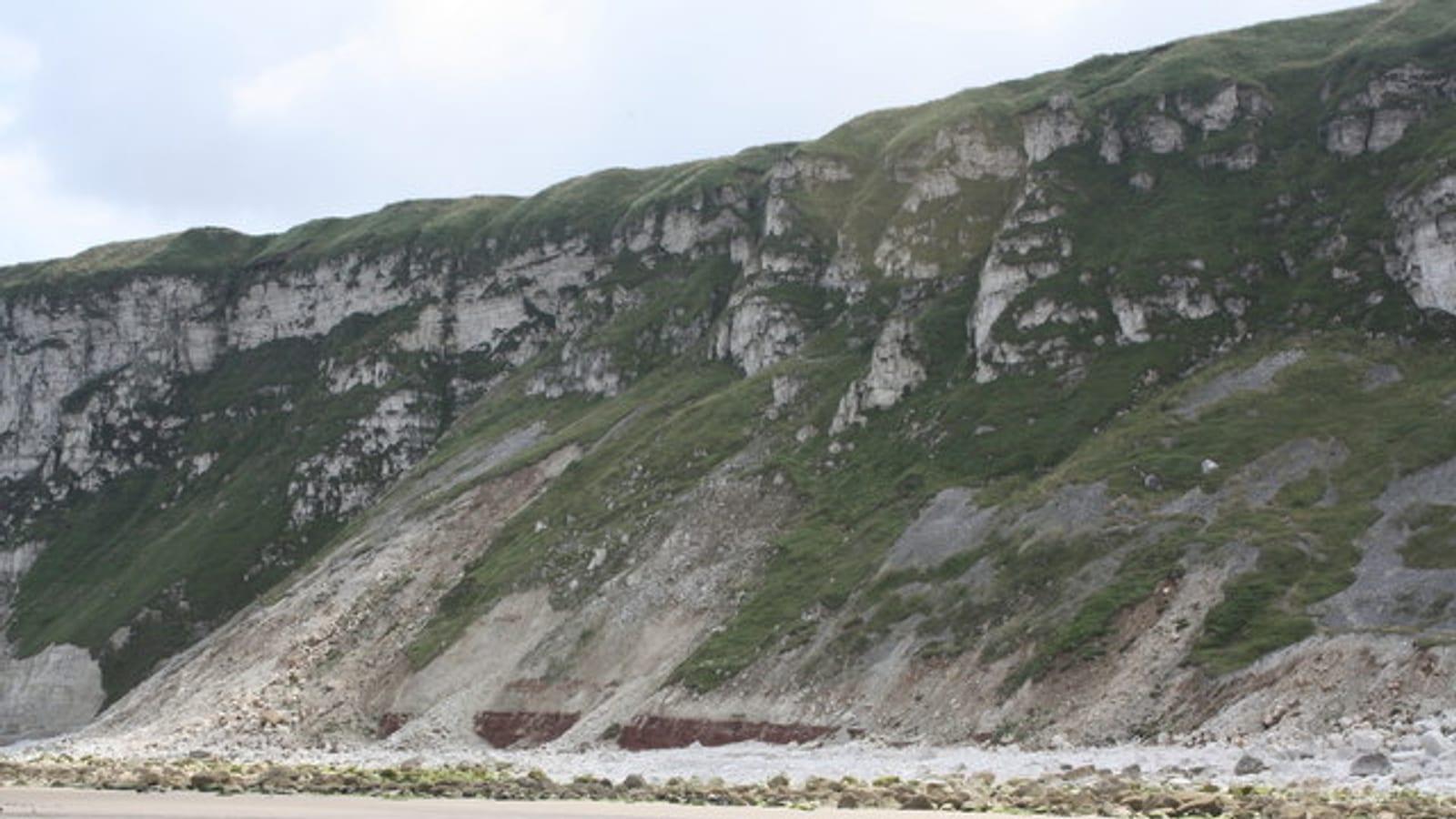
Speeton Cliffs Yorkshire Fossil Hunting Guide
United Kingdom
Ammonites, Belemnites, The Speeton Shrimp, Echinoids
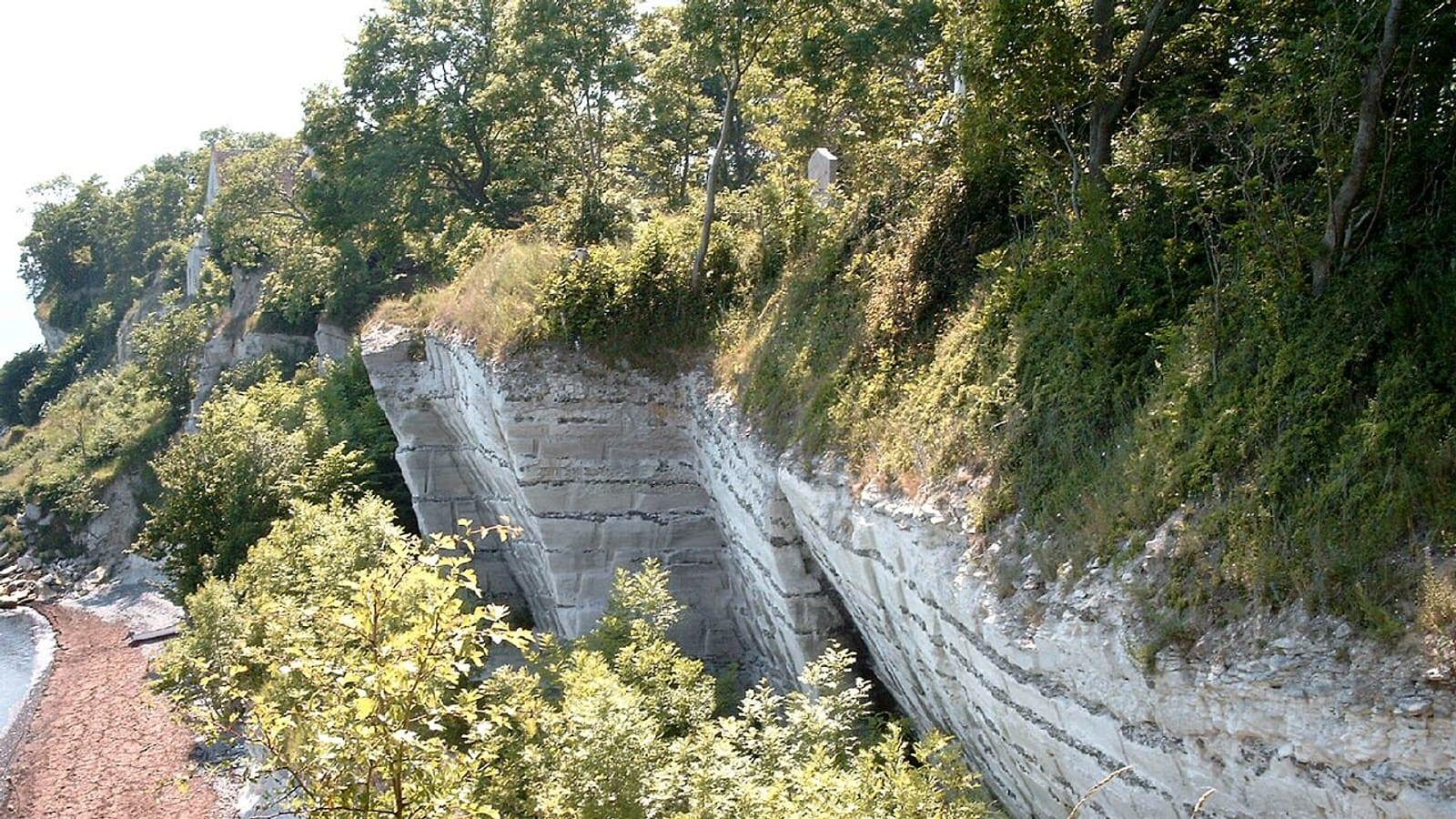
Stevns Klint Hoejerup k pg Boundary Fossils Fossil Hunting Guide
4660 Store Heddinge
Højerup Church, Belemnites, Sea urchin, Bryozoan
Store Klint Mons Klint Tallest Cliffs Fossils Fossil Hunting Guide
Denmark
Belemnites, Sea urchin, Brachiopods, Bryozoan
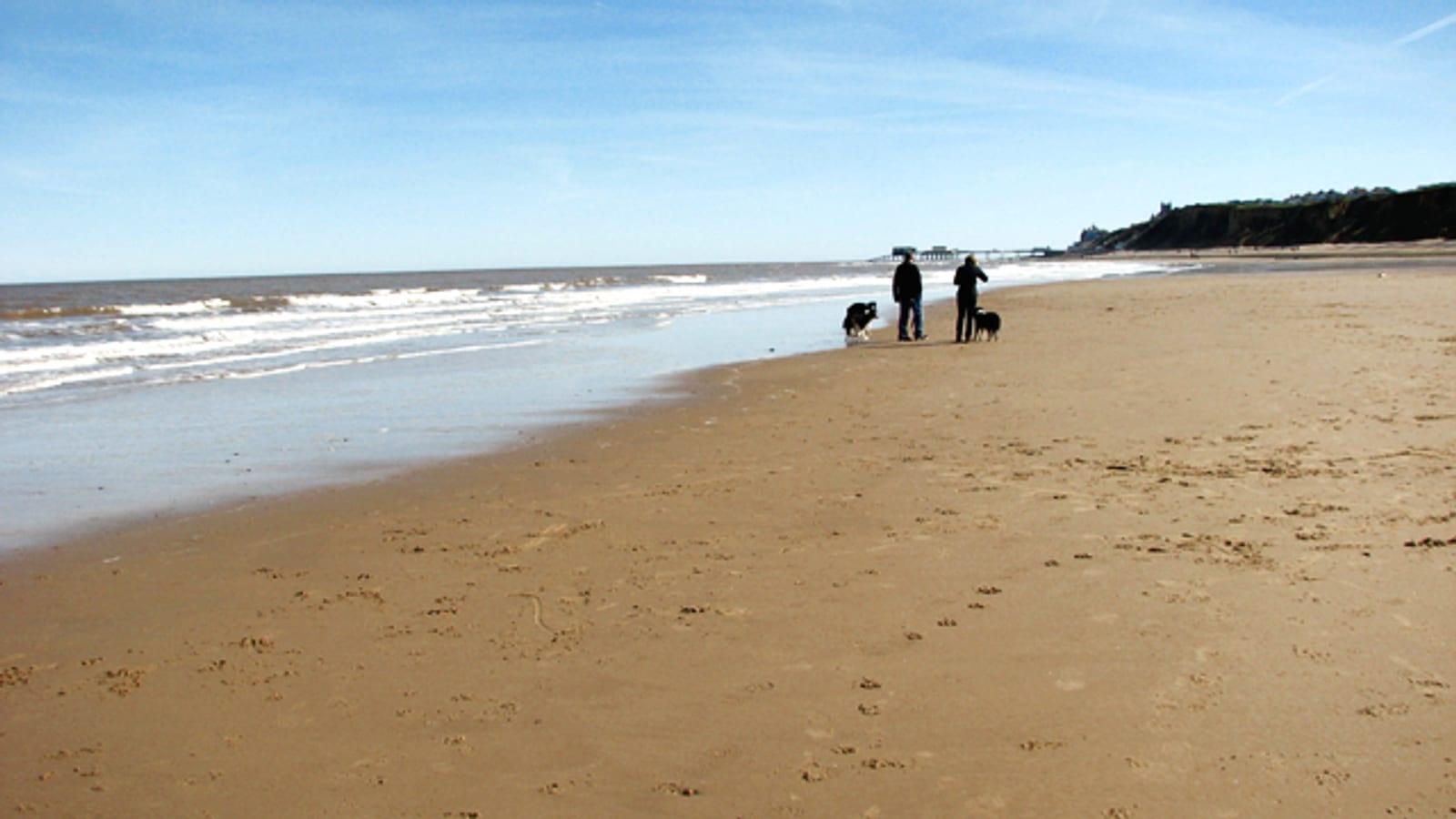
West Runton Fossil Hunting Guide
West Runton
Mammal remains, Freshwater shells, Plant material, Echinoids and sponges
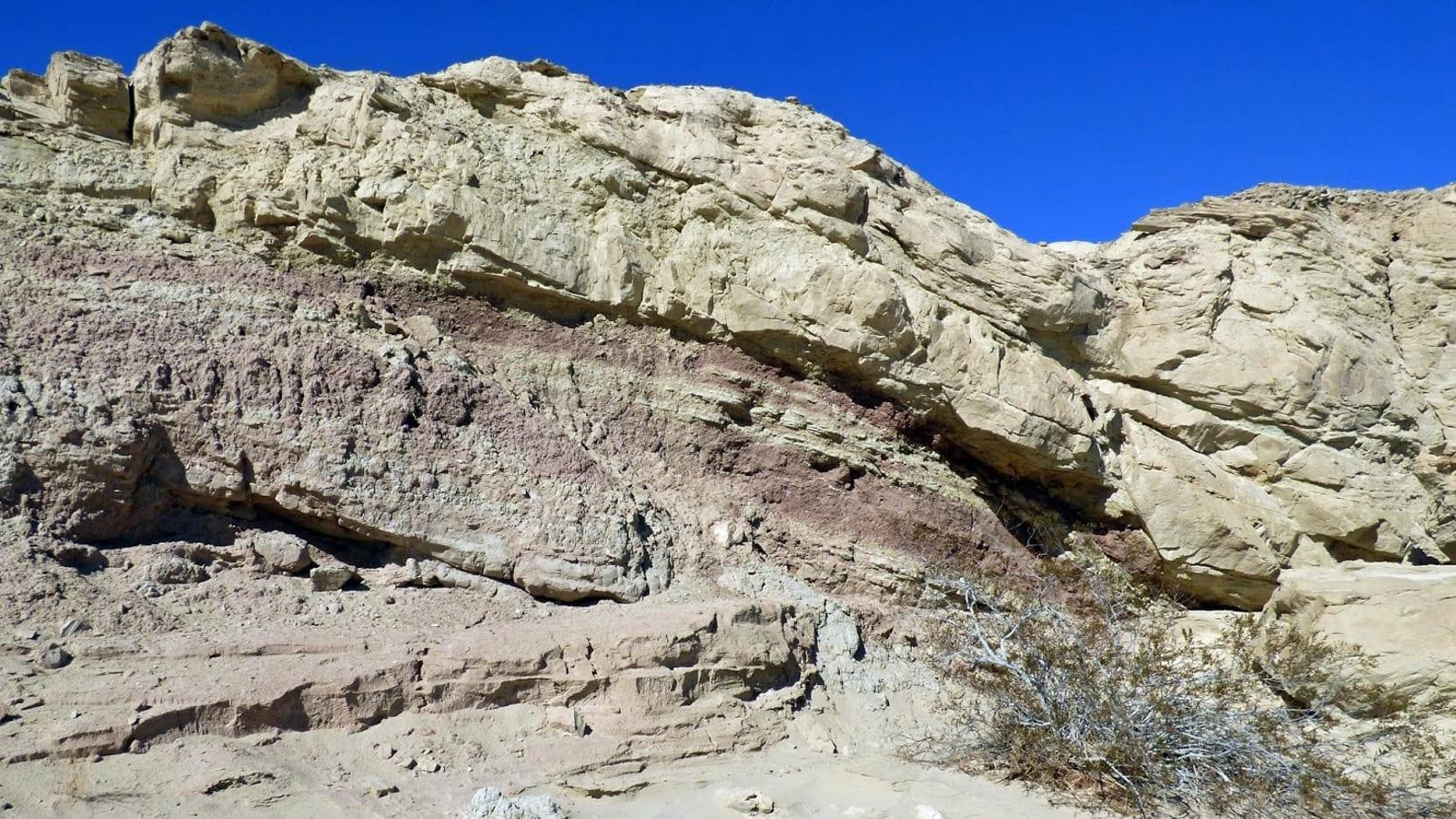
Yuha Basin Fossil Hunting Guide
Imperial County, California, United States
Bivalves, Corals, Gastropods, Echinoids
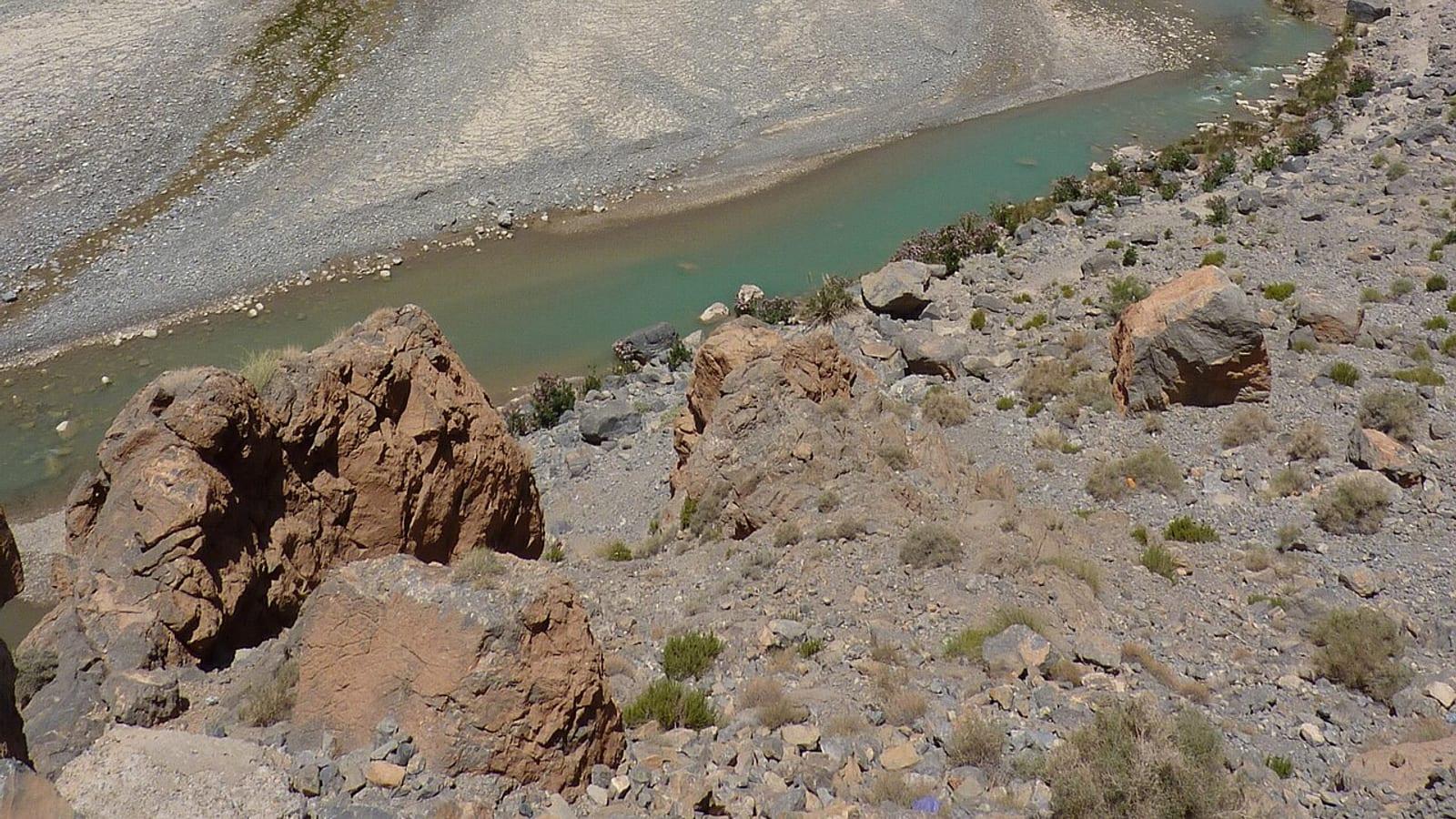
Ziz Gorge Echinoid Site Errachidia Fossil Hunting Guide
Morocco
Micraster echinoids, irregular echinoids, Bivalves, Rudist bivalve
Frequently asked questions
- How do I identify an echinoid fossil?
- Echinoid tests (shells) typically show five-fold radial symmetry. Five ambulacral zones (where tube feet emerged) alternate with five interambulacral zones around the test. Regular echinoids are circular or domed when viewed from above, with the mouth at the centre of the flat base and the anus (periproct) at the top. Irregular echinoids, including heart urchins and sand dollars, are bilateral rather than radially symmetric, elongated in plan view, with the mouth shifted toward one end and a distinct petal-shaped pattern of ambulacral pores on the upper surface. Heart urchins of the genus Micraster from the Cretaceous chalk are among the most common complete fossils found in southern England and Denmark. Echinoid spines are also common isolated finds in Mesozoic and Cenozoic marine limestones, though they are rarely still attached to the test.
- Where can I find echinoid fossils?
- Cretaceous chalk deposits in southern England and Denmark are the premier echinoid collecting areas. Stevns Klint in Denmark (UNESCO World Heritage Site) and Flamborough Head in Yorkshire both produce Micraster and Echinocorys from the Cretaceous chalk. In southern England, ploughed chalk fields in Hampshire, Wiltshire, and Hertfordshire regularly bring echinoids to the surface, and beaches at Beachy Head and the Seven Sisters in East Sussex produce specimens eroded from the cliffs. Morocco's Cretaceous phosphate and limestone deposits near Khouribga produce echinoids alongside shark teeth. Mineral Wells Fossil Park in Texas and Caesar Creek State Park in Ohio both yield Carboniferous echinoid fragments, though complete tests from this period are rare.
- Are echinoids still alive today?
- Yes. Sea urchins are among the most familiar living marine invertebrates. Approximately 950 living echinoid species exist, ranging from regular sea urchins and irregular heart urchins to sand dollars and sea biscuits. The echinoid fossil record extends to the Ordovician (approximately 450 Ma), and the group survived all five major mass extinctions. Irregular echinoids, including heart urchins and sand dollars, evolved from regular ancestors during the Jurassic and have been particularly successful since the Cretaceous. Living species closely related to common fossil genera like Echinocorys and Micraster are found in shallow marine sediments around much of the world today, demonstrating the remarkable longevity of the echinoid body plan.