Jurassic · 201.4 – 145.0 Ma
Jurassic fossil sites
The Jurassic is the popular face of paleontology: Archaeopteryx, sauropod giants, abundant ammonites and belemnites, and the cliffs of the British Jurassic Coast. The period's marine sediments are especially fossiliferous and accessible.
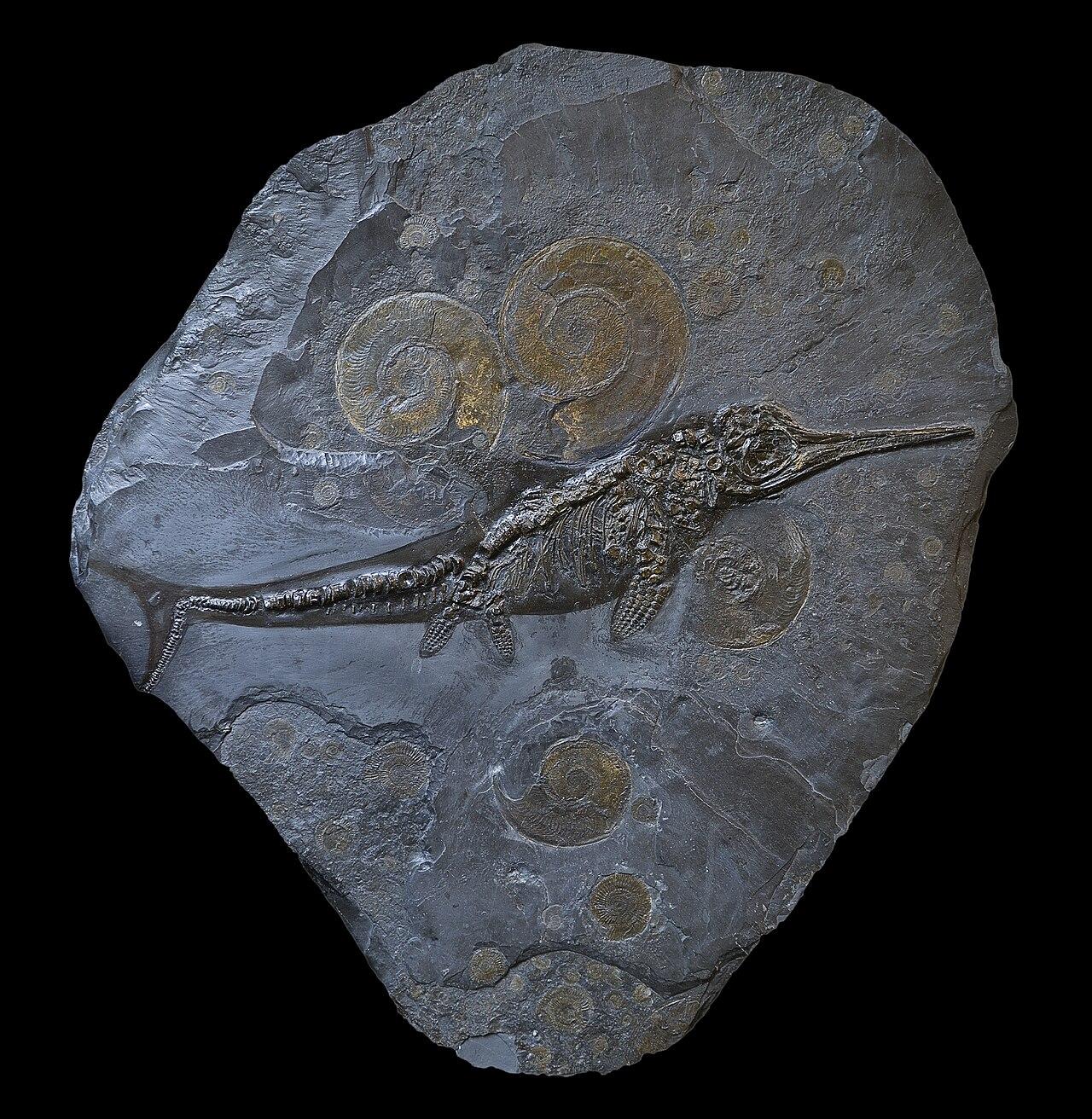
The Jurassic is the period most people picture when they think of fossils. Pangaea broke apart, sea level rose, and shallow seas flooded much of Europe. Those seas laid down the clays and limestones that made Lyme Regis, Whitby, and Solnhofen famous. Dinosaurs dominated the land and reached very large sizes.
Ammonites are the signature fossil and the most useful one. They evolved quickly and spread widely, so a single species often marks a narrow slice of time. Belemnite guards, shaped like bullets, are equally common. Marine reptiles occur in the same clays, and ichthyosaurs and plesiosaurs turn up as isolated vertebrae far more often than as skeletons.
Only the Cretaceous carries more entries than the Jurassic, which has fifty-three. Nine sit in the United Kingdom and four more in Germany. Twenty-two allow free collecting, the largest free-access group of any period here. The Dorset coast accounts for a substantial share, and its cliffs renew the supply with every storm.
53 fossil sites
Updated 4 August 2026
Life of the period
Three to know from the Jurassic
You will not find all of these yourself. They are the animals and plants that make the period worth reading about.

Feathered linkArchaeopteryx Found in the Solnhofen limestone in 1861, two years after Darwin published. It has feathers and a wishbone like a bird, and teeth, a bony tail, and clawed fingers like a reptile. Few fossils have ever arrived at a better moment.
Pescov, CC BY-SA 4.0

Large-eyed ichthyosaurTemnodontosaurus Its eye sockets reach about 26 centimetres across, among the largest of any animal known. Eyes that size gather light at depth. Mary Anning found the first good skulls on the Dorset coast.
Ghedoghedo, CC BY-SA 3.0

Plated dinosaurStegosaurus The plates are still argued over: display, heat exchange, or defence. The old idea of a second brain in the hips is wrong. That cavity held a structure also seen in birds, not a brain.
Michael Barera, CC BY-SA 4.0
All Jurassic sites
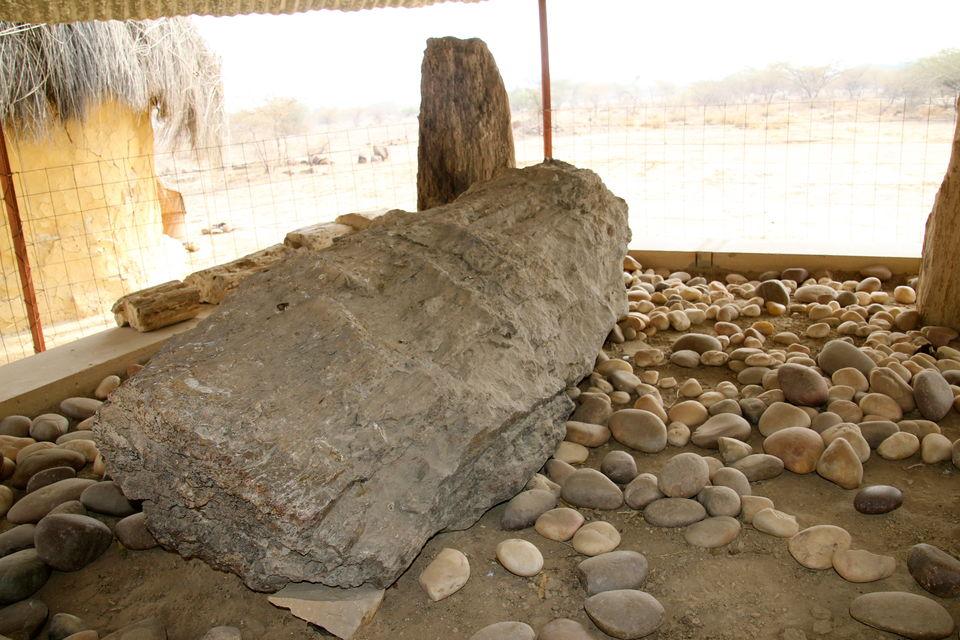
Akal Wood Fossil Park Fossil Hunting Guide
Rajasthan, India
Petrified Wood, Plants, Gastropods
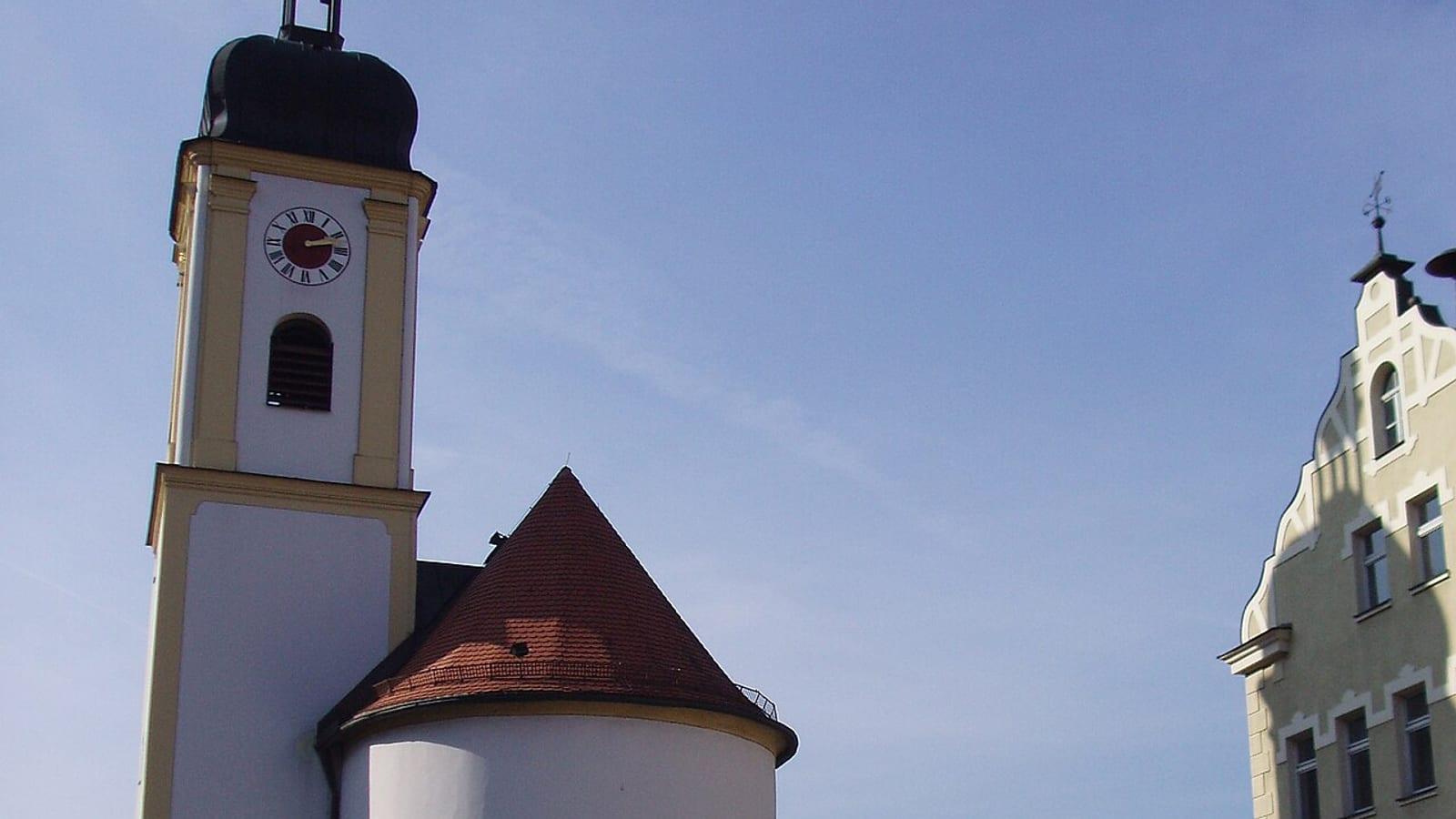
Altmannstein Schamhaupten Archaeopteryx Fossil Hunting Guide
Germany
Archaeopteryx, Ammonites, Fish, Crinoids
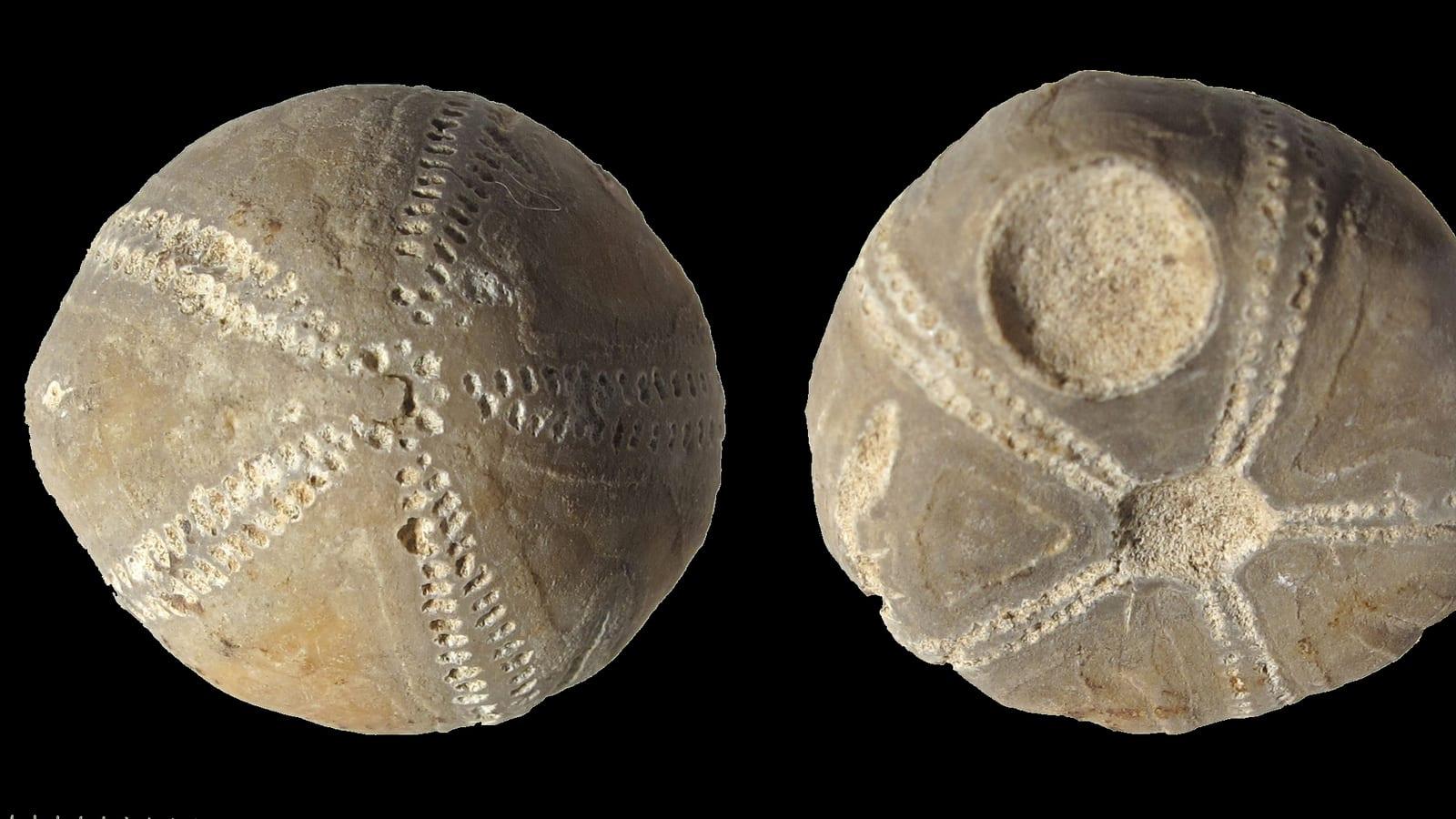
Bakrit Starfish Echinoid Site Ifrane Fossil Hunting Guide
Fès-Meknès, Morocco
starfish and echinoid fossils, Starfish, Echinoids, Brachiopods
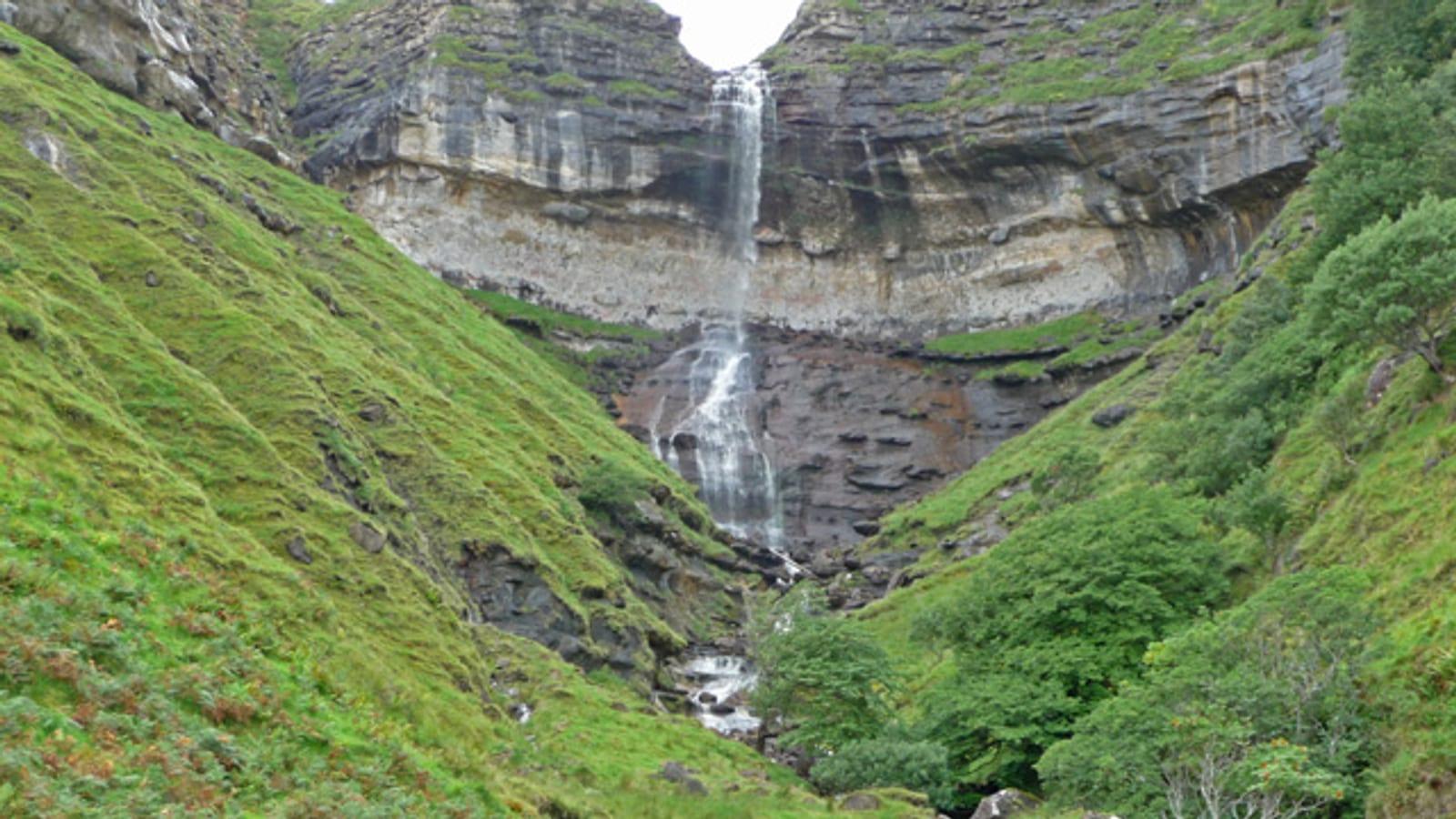
Bearreraig Bay Isle of Skye Fossil Hunting Guide
United Kingdom
ammonites, Tmetoceras, bivalves, brachiopods
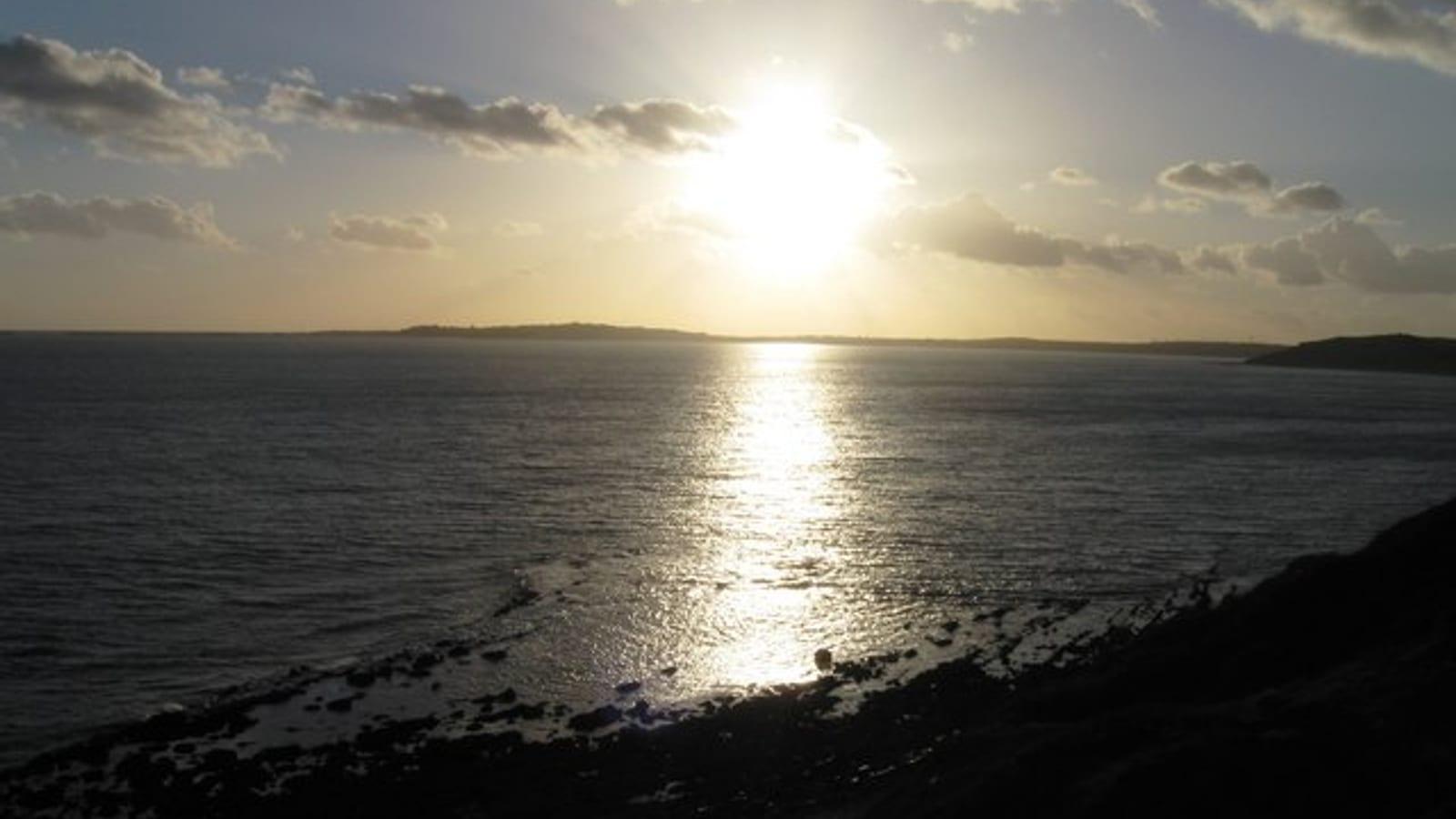
Black Head Osmington Fossil Hunting Guide
near Weymouth
Ammonites, Belemnites, Bivalves, Marine reptile fragments
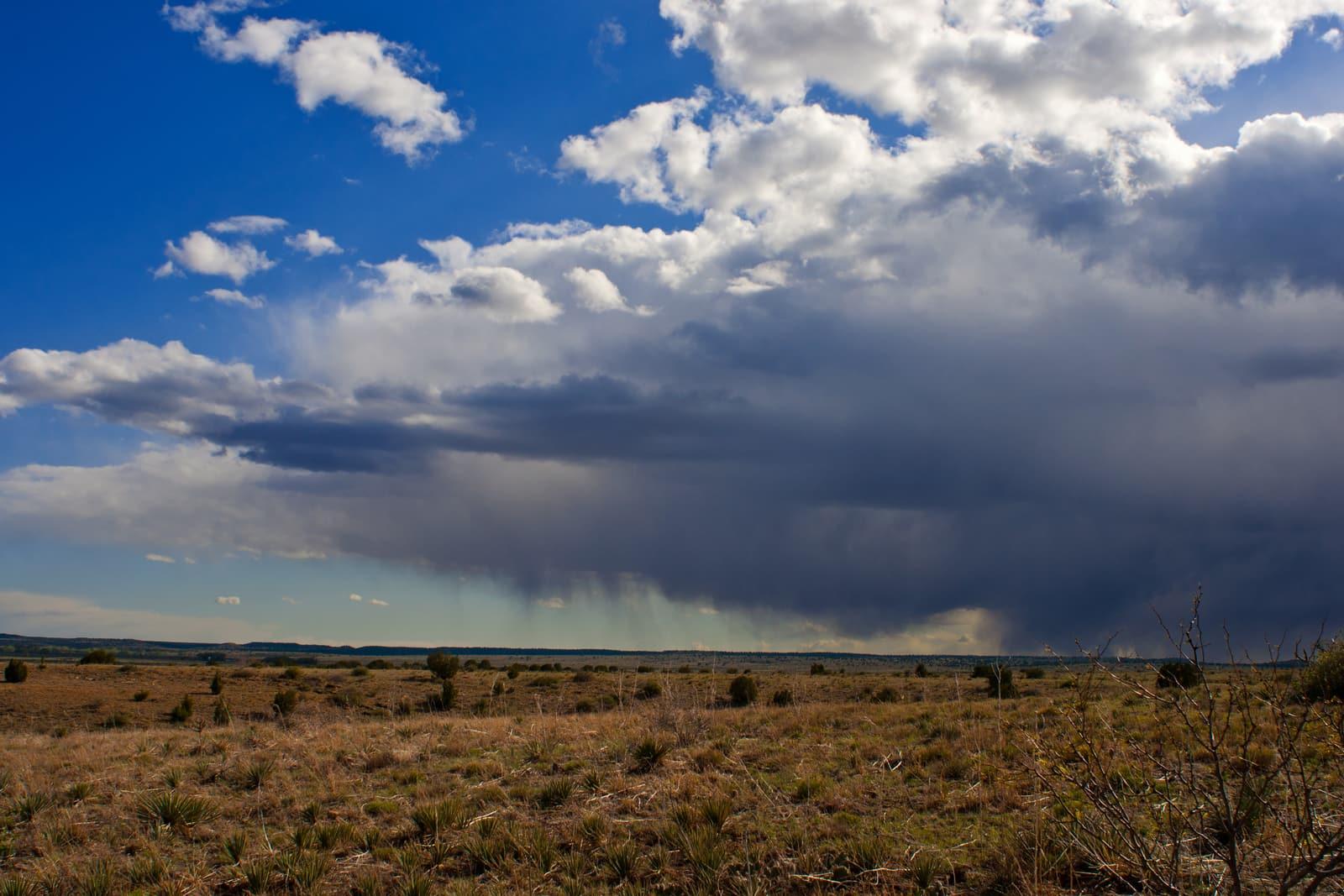
Black Mesa Triassic-Jurassic Fossil Guide
Oklahoma, United States
Dinosaurs, Sauropods, Stegosaurs, Dinosaur footprints
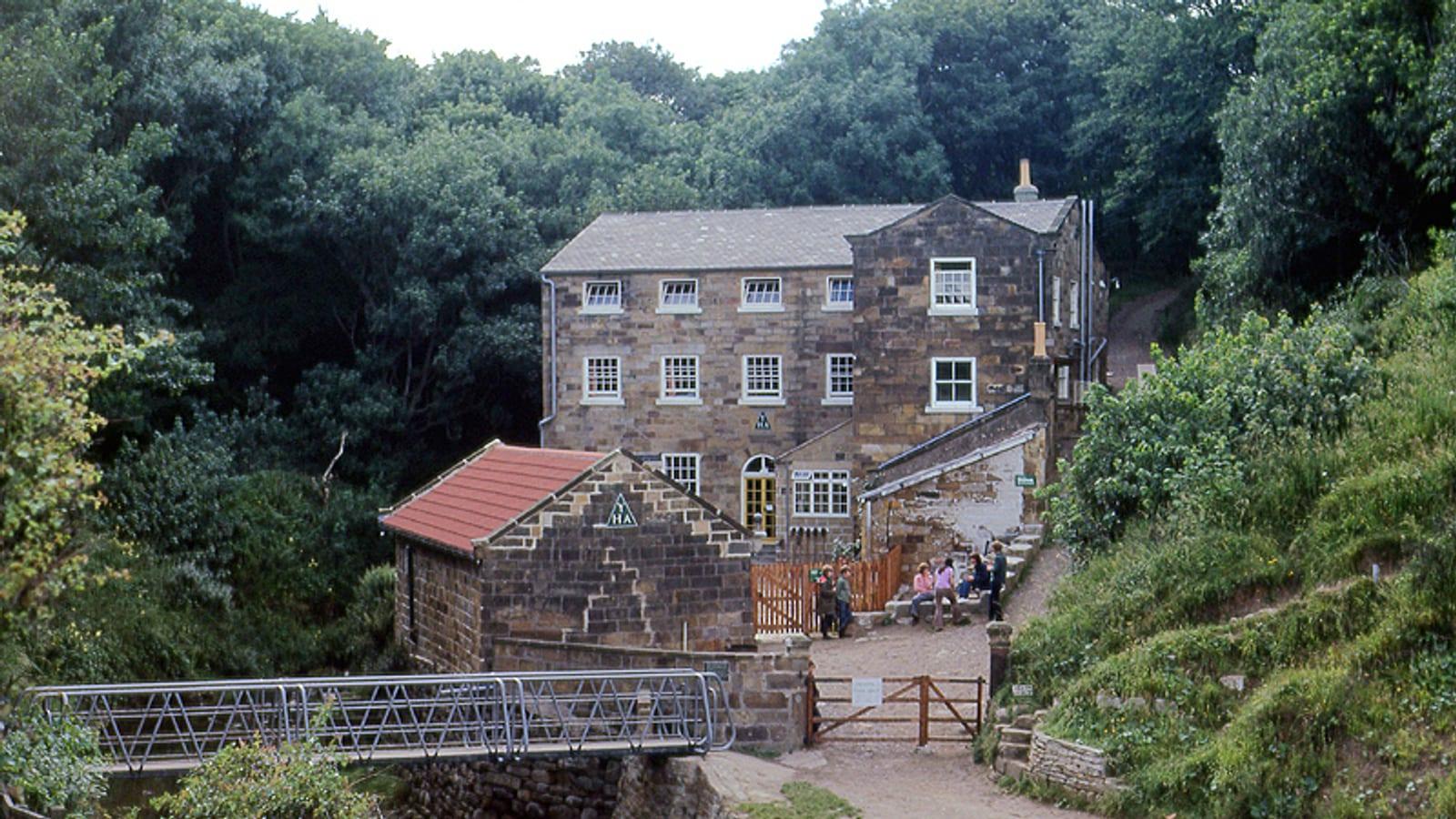
Boggle Hole Fossil Hunting Guide
near Whitby
Trace fossils, Ammonites, Bivalves, Belemnites
Cayton Bay Yorkshire Fossil Hunting Guide
United Kingdom
Ammonites, Bivalves, Gastropods, Brachiopods
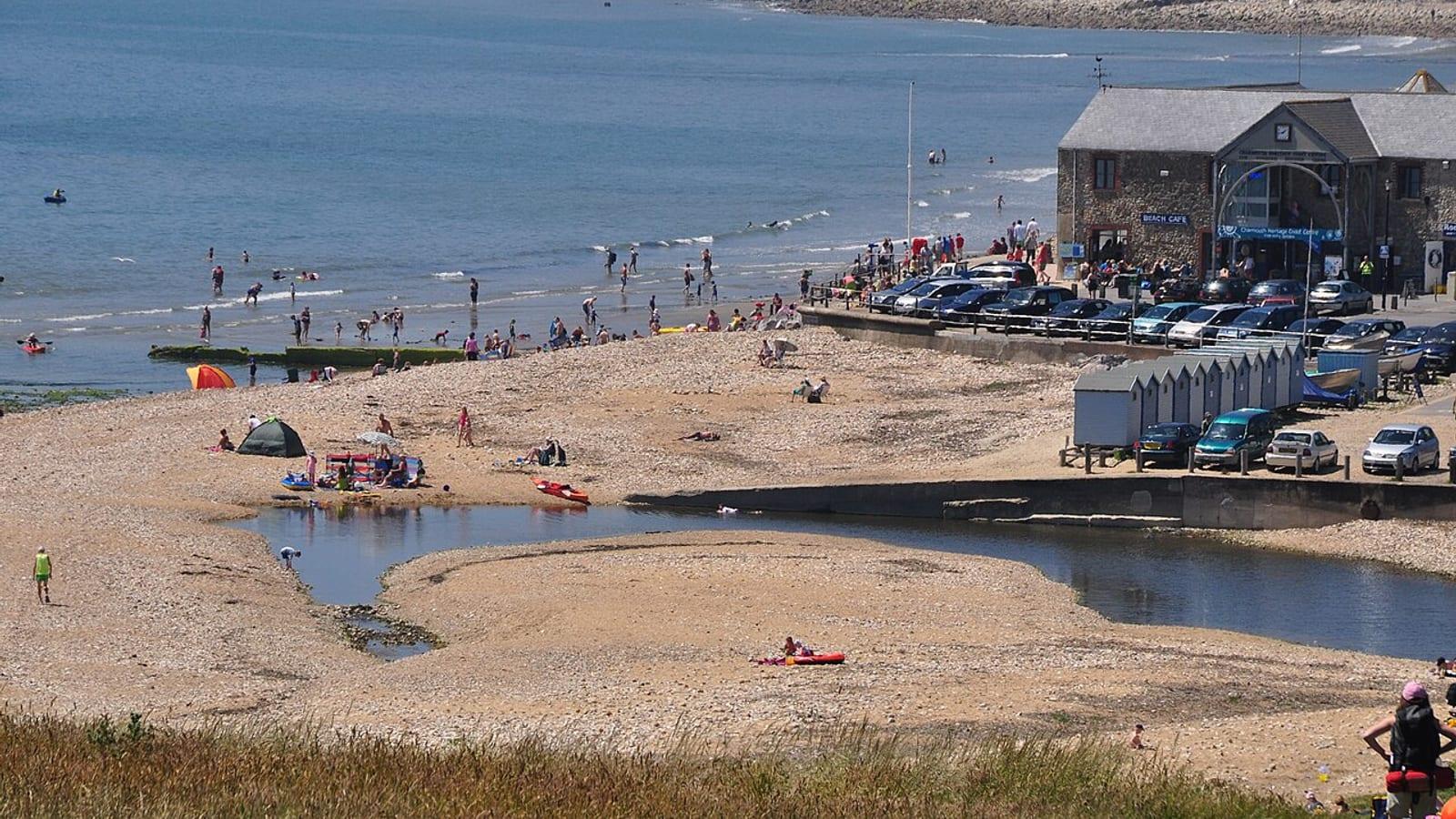
Charmouth Beach Fossil Hunting Guide
Charmouth
Ammonites, Belemnites, Bivalves, Crinoid
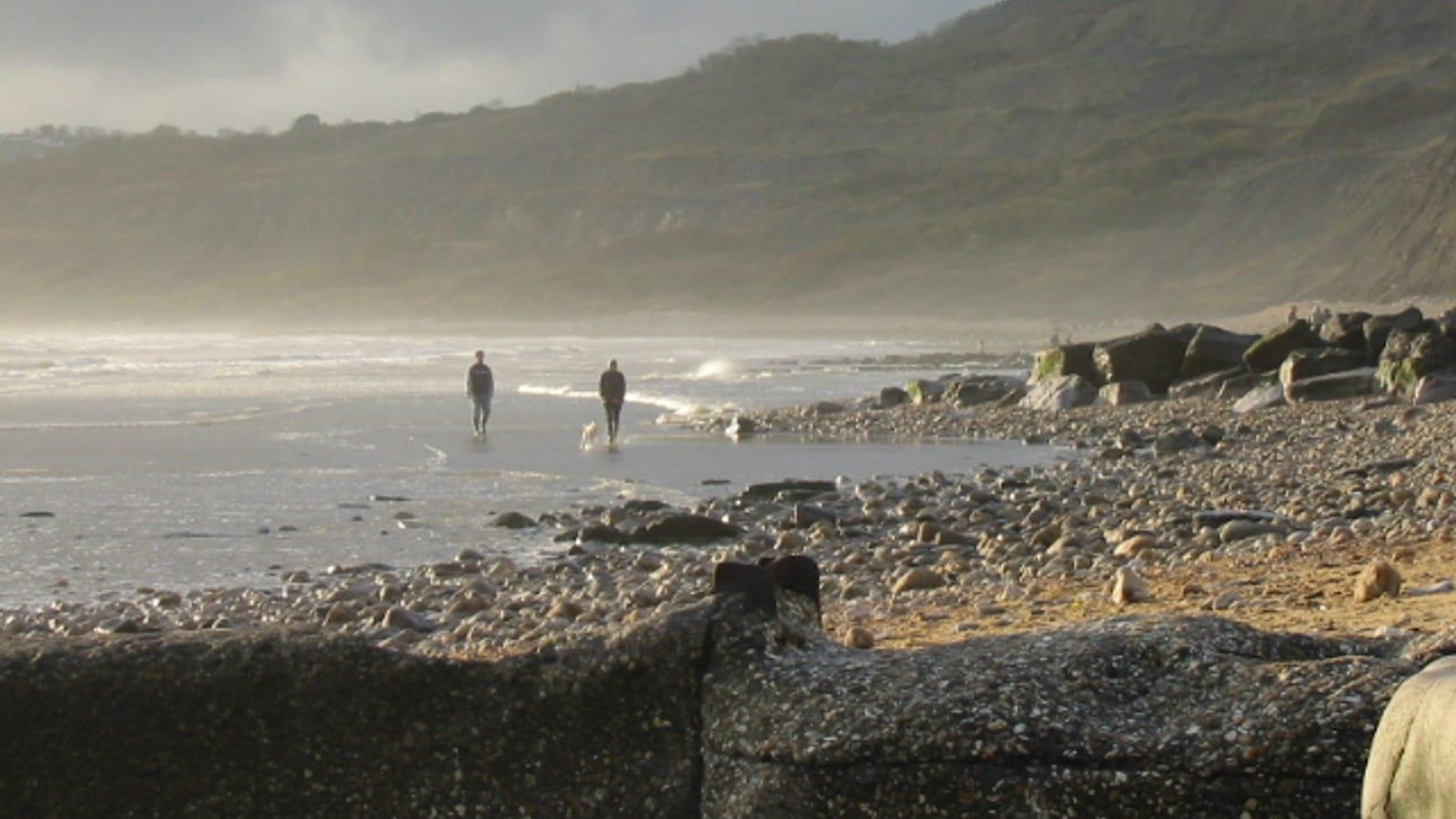
Charmouth Fossil Hunting Guide
Charmouth
Ammonites, Belemnites, Bivalves, Ichthyosaur
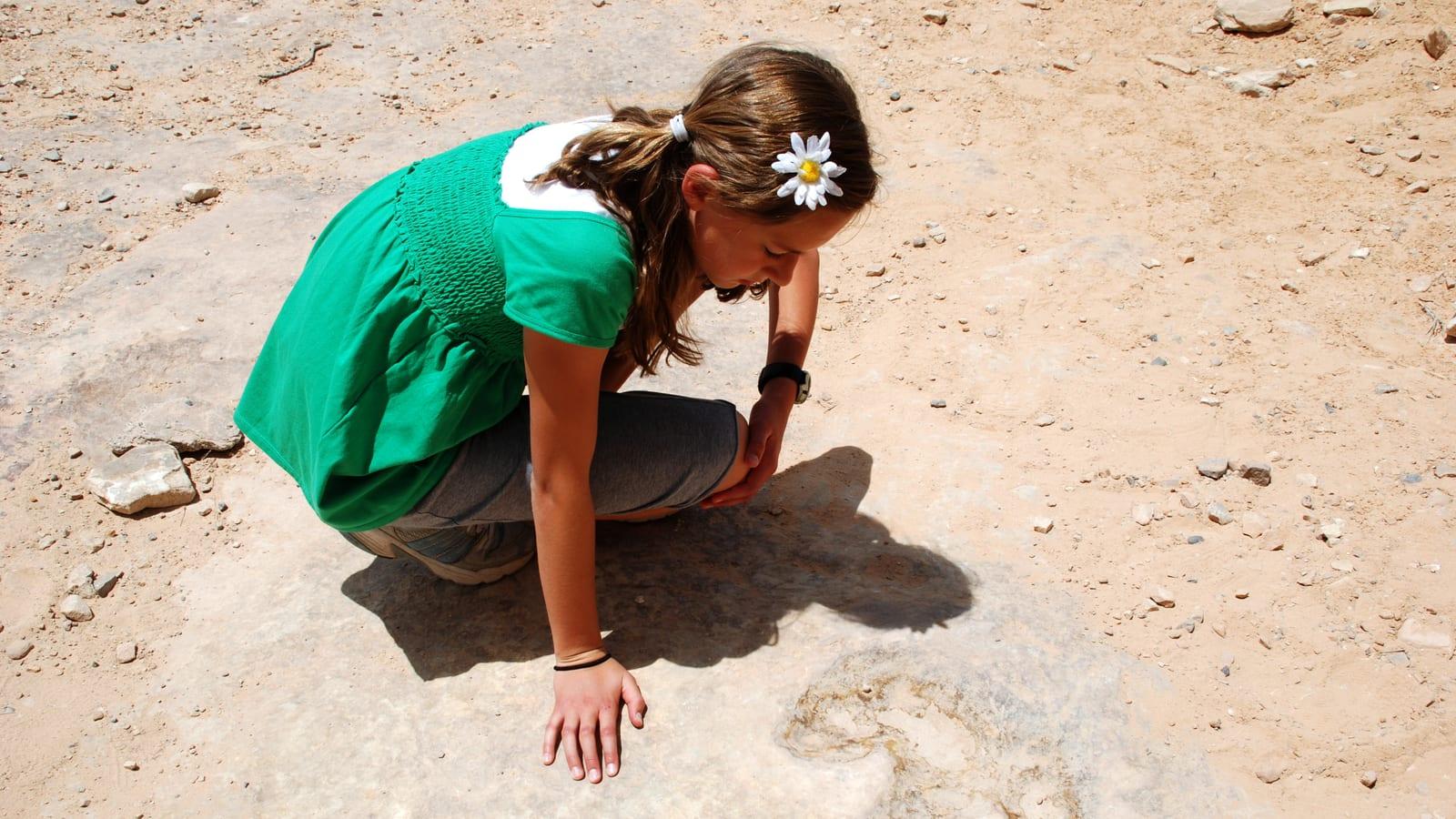
Cleveland-Lloyd Dinosaur Quarry Fossil Hunting Guide
Utah, United States
Allosaurus fragilis, Camarasaurus, Stegosaurus, Other taxa
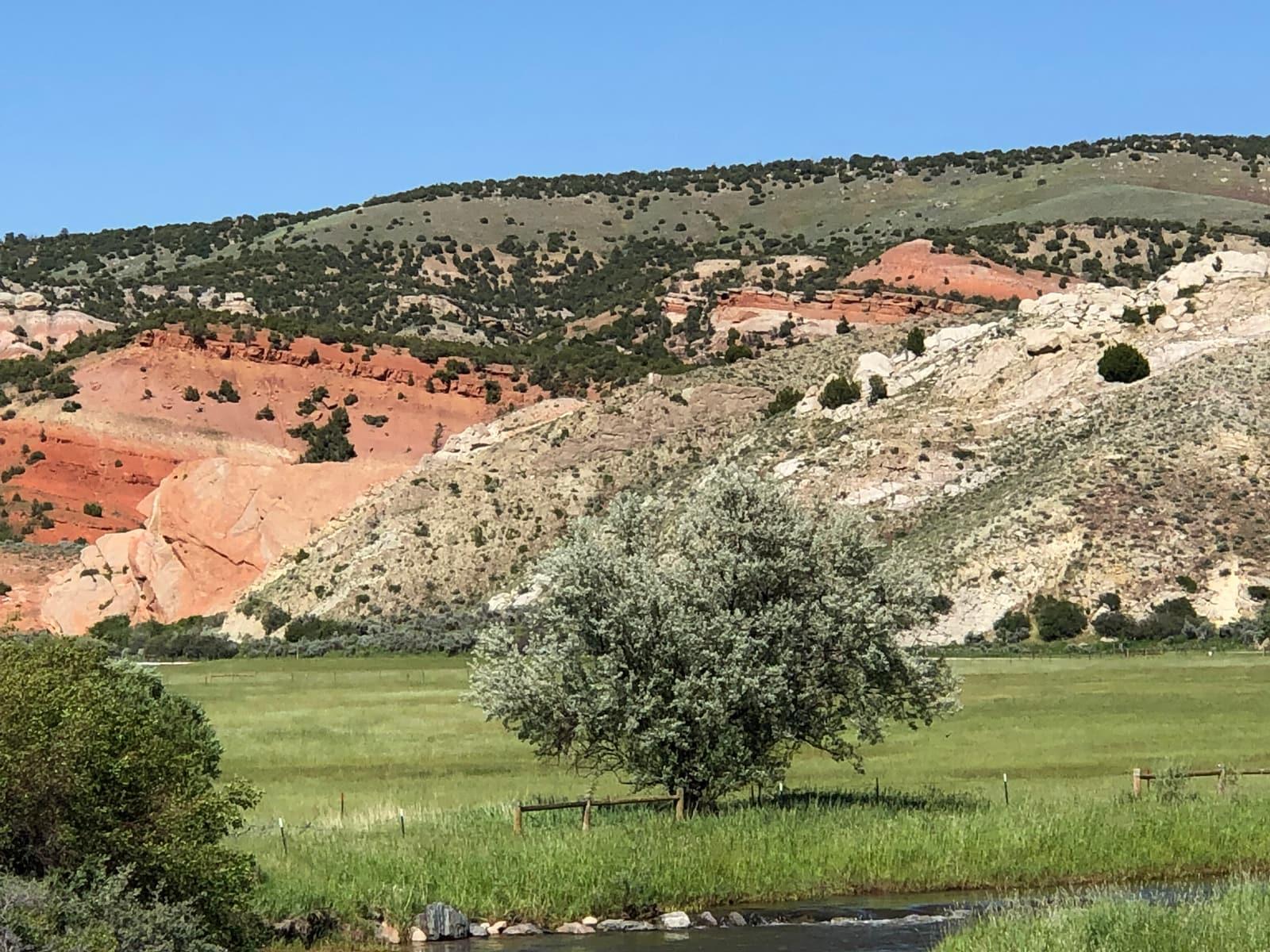
Como Bluff Fossil Hunting Guide
Wyoming, United States
Sauropod bones, Stegosaurus, Allosaurus, Jurassic mammals
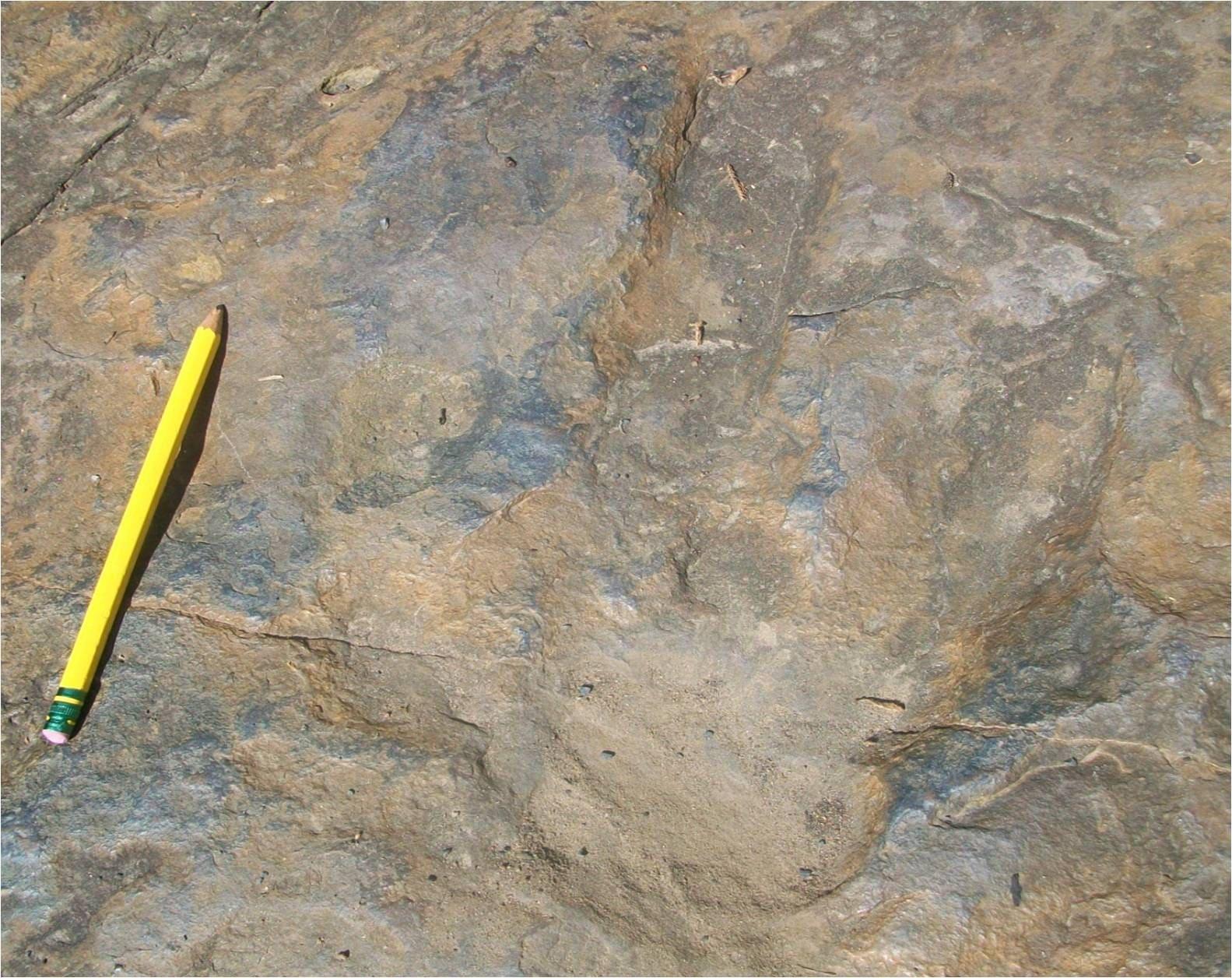
Connecticut Valley Dinosaur Trackways Fossil Guide
Massachusetts, United States
Dinosaur footprints, Eubrontes tracks, Grallator tracks, Trace fossils
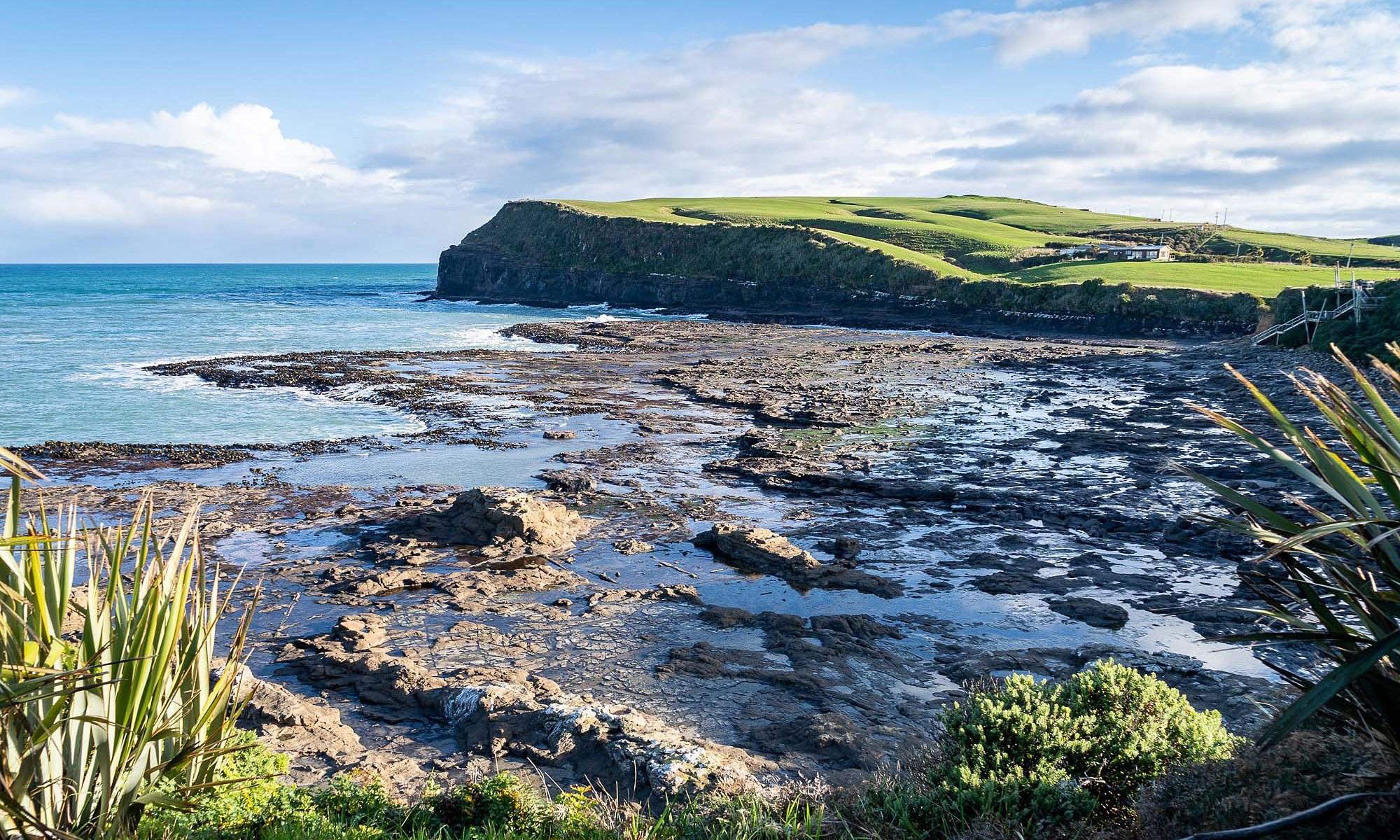
Curio Bay Petrified Forest Fossil Guide
Southland, New Zealand
Petrified wood, Conifer trunks, Tree stumps, Fern impressions
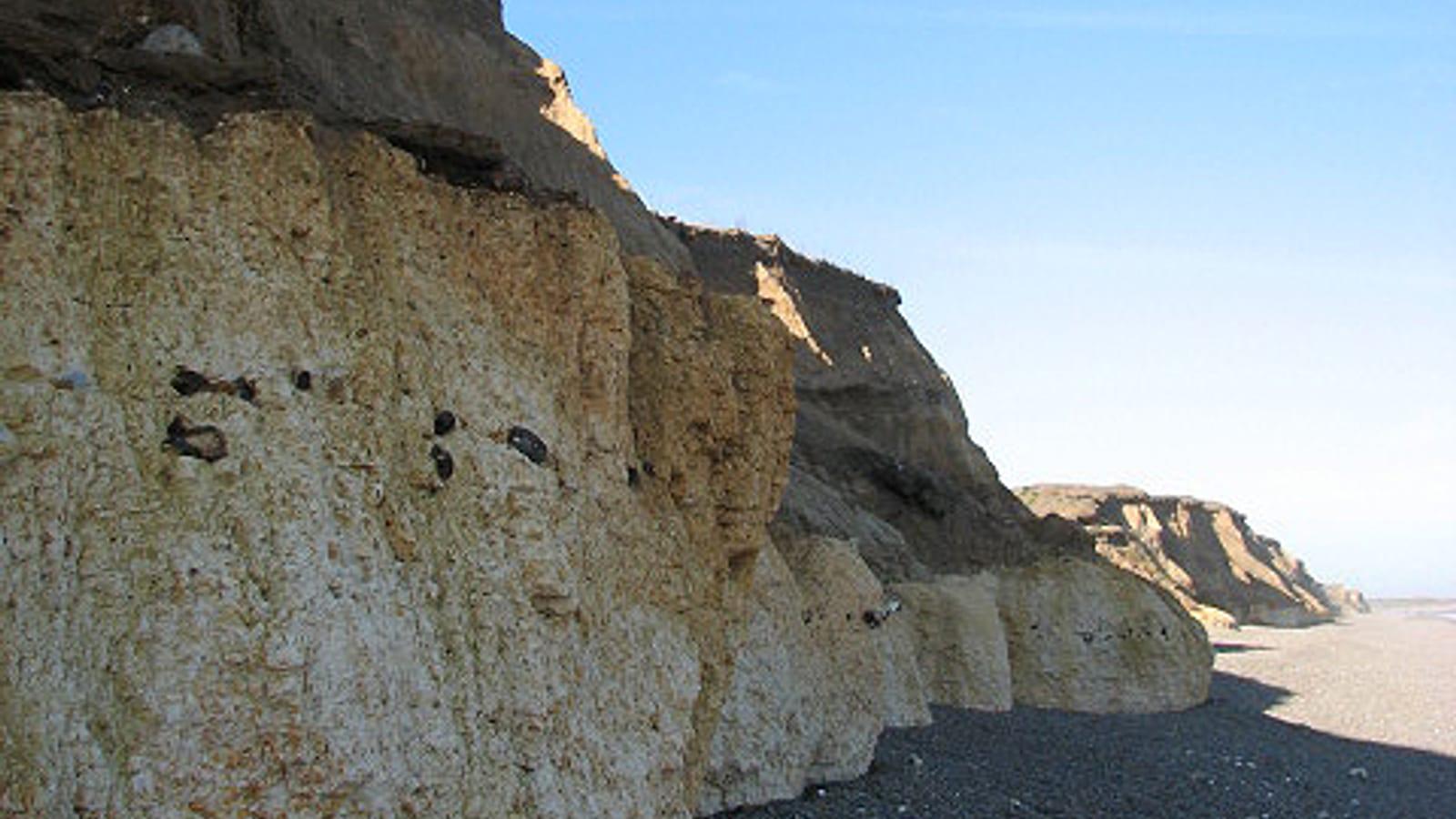
Dinosaur Footprints at Worth Matravers, Dorset: Dinosaur Trackways
England, United Kingdom
not permitted, Sauropod footprints, Theropod tracks, strictly prohibited
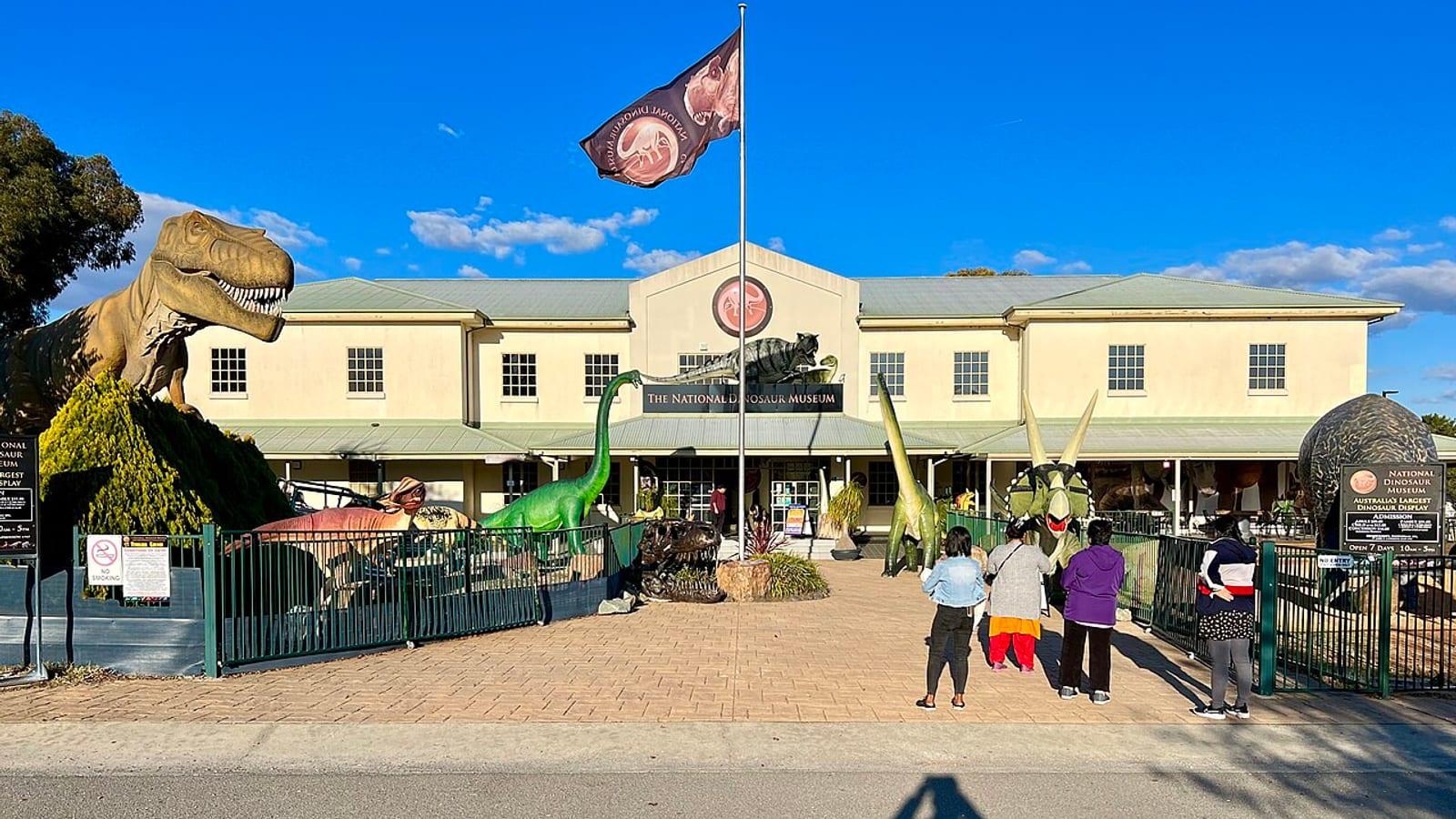
Dinosaur Museum Altmuehltal Fossil Park Fossil Hunting Guide
93326 Denkendorf
Ammonites, Crinoid fragments
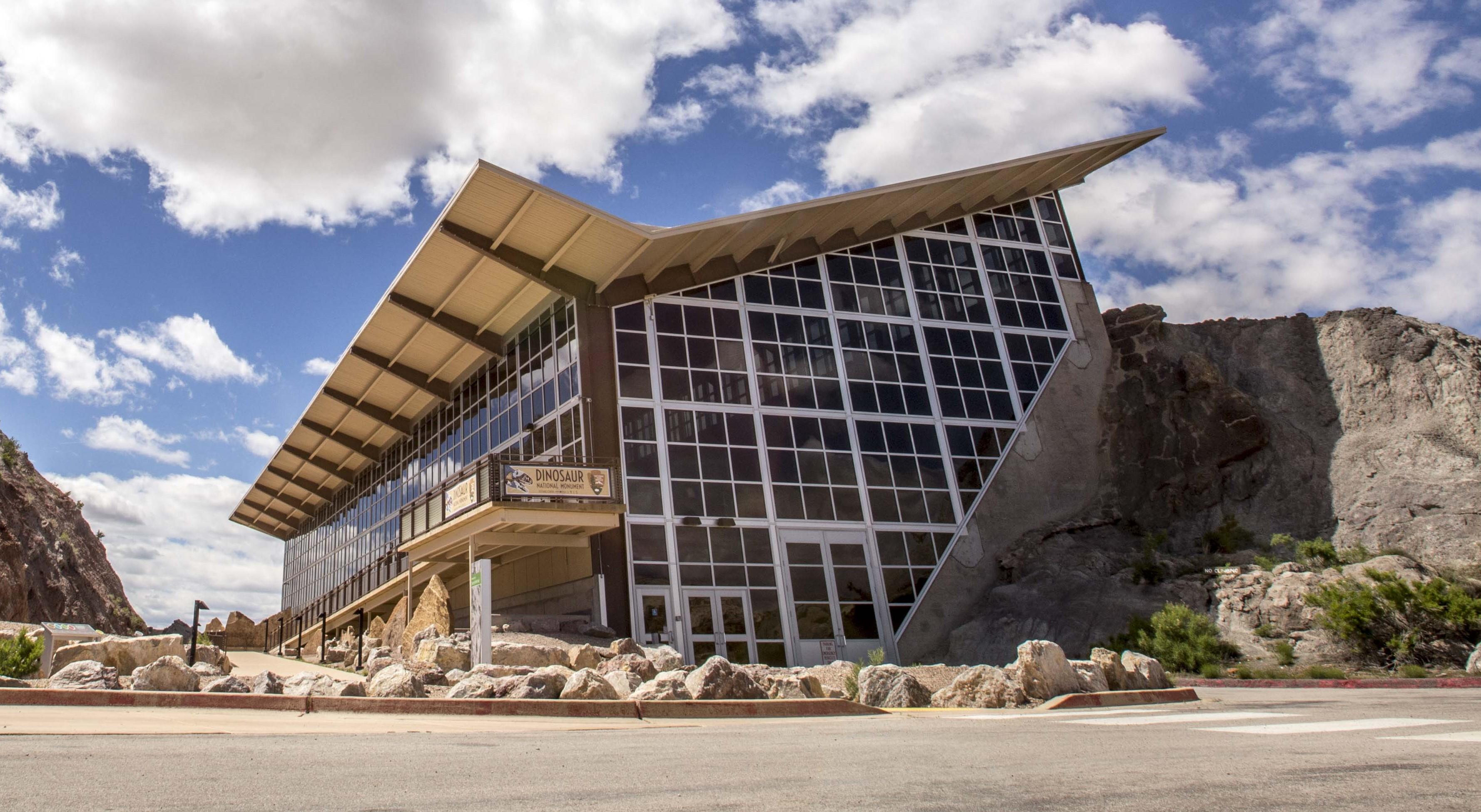
Dinosaur National Monument Quarry Exhibit Hall Fossil Hunting Guide
Utah, United States
Allosaurus fragilis, Apatosaurus louisae, Diplodocus longus, Camarasaurus lentus
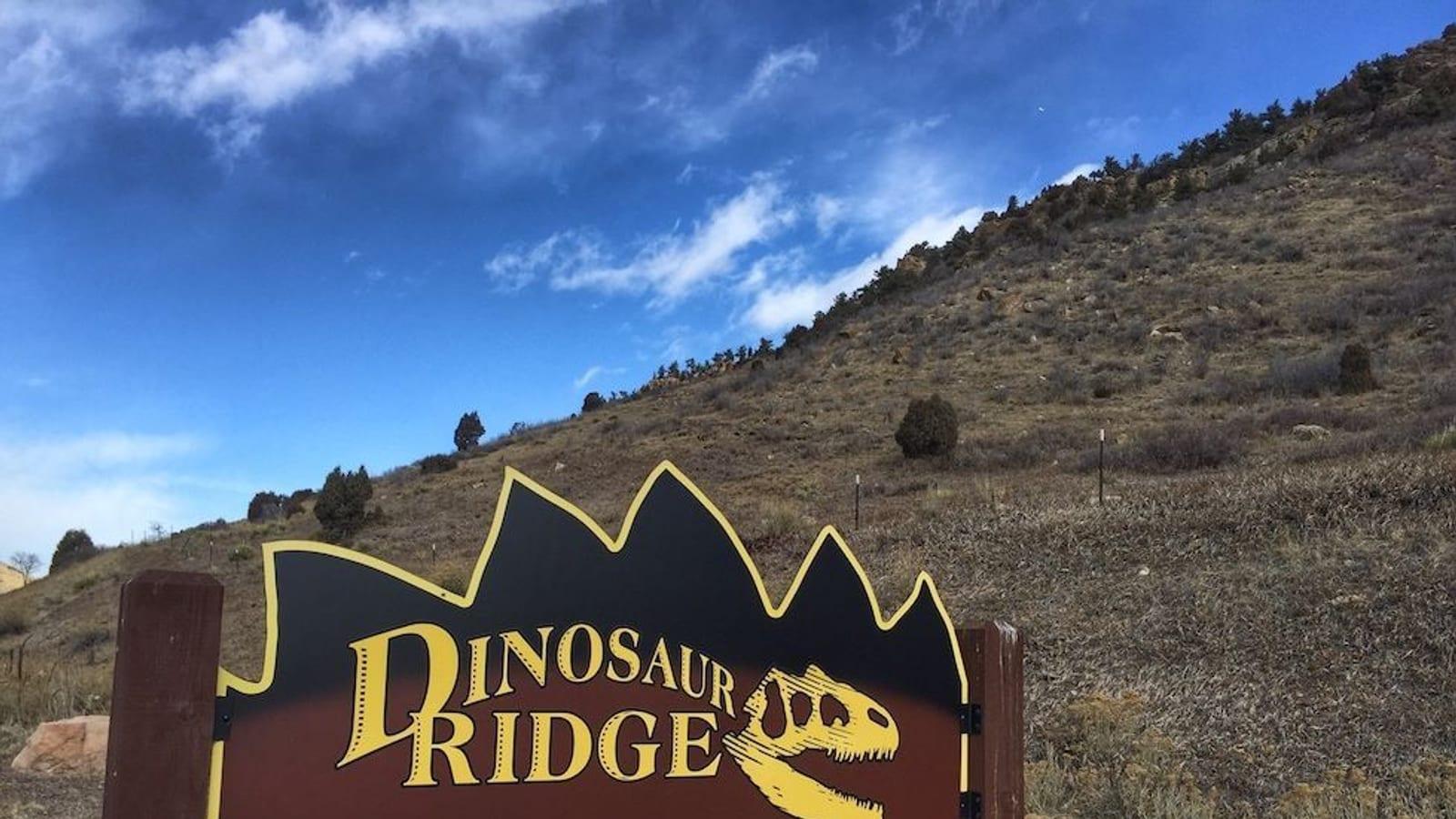
Dinosaur Ridge: Dinosaur Trackways
Colorado, United States
Dinosaur Tracks, Dinosaur Bones, Trace Fossils
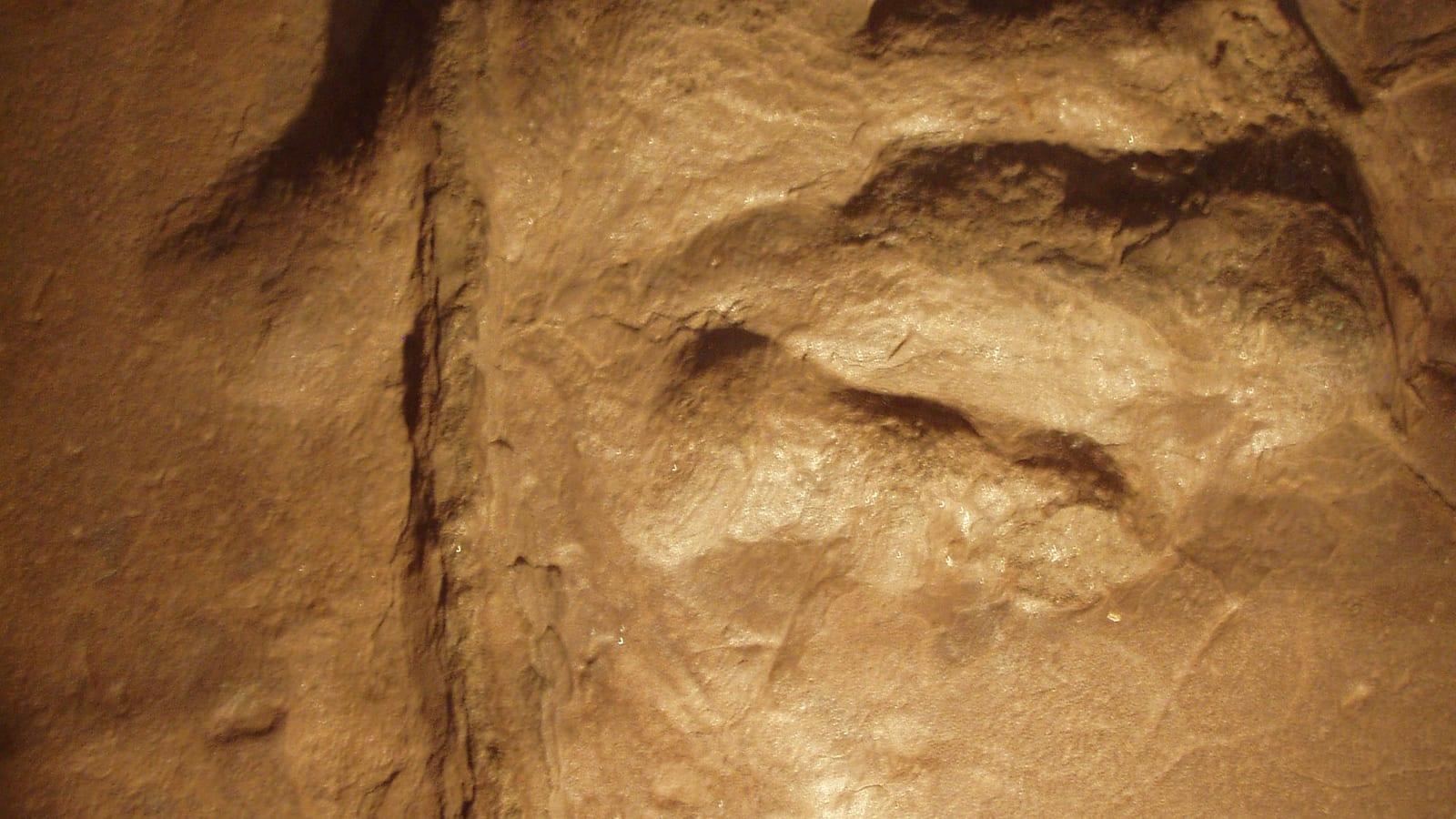
Dinosaur State Park Fossil Hunting Guide
Connecticut, United States
Dinosaur Tracks
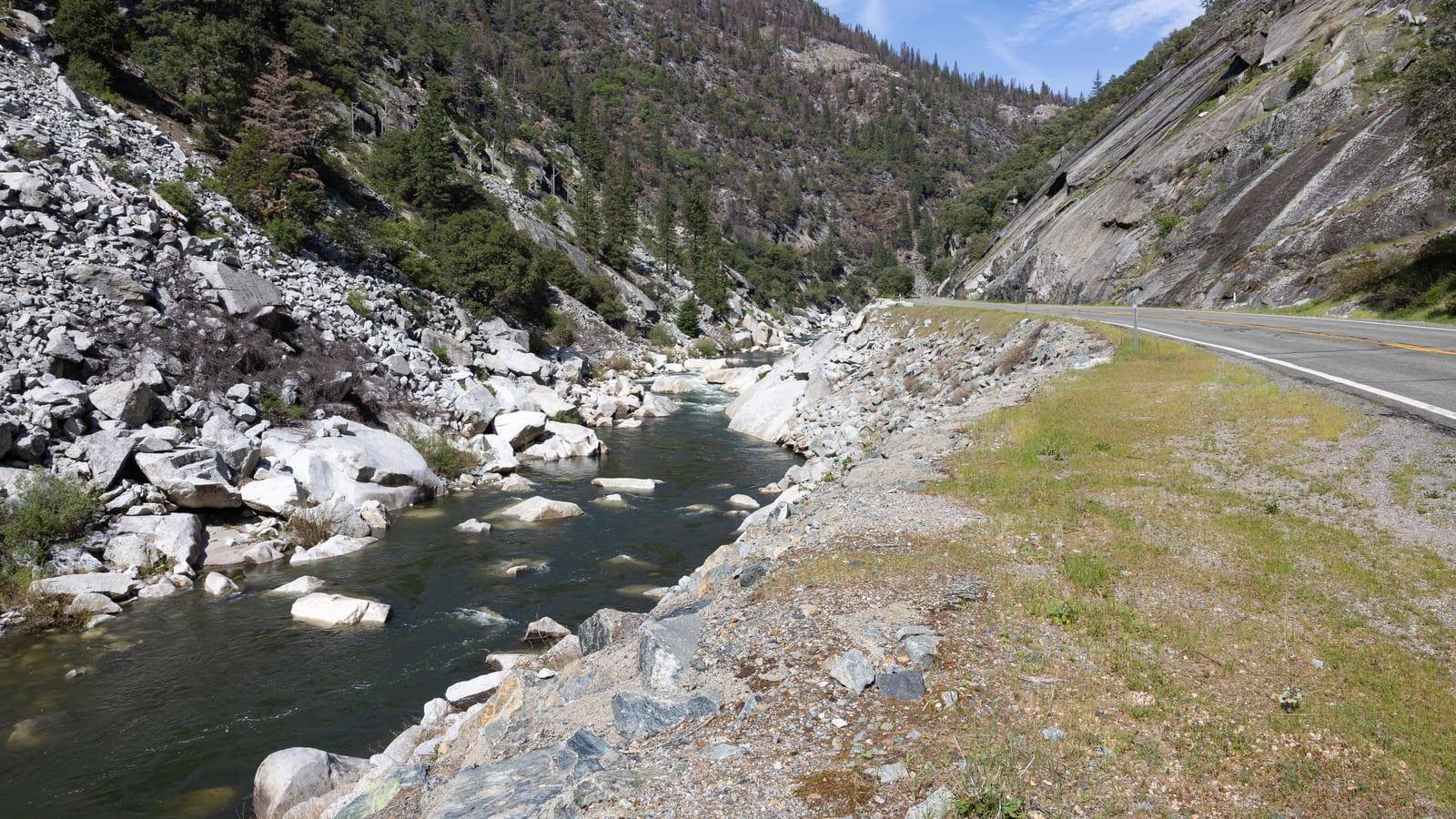
Feather River Fossil Hunting Guide
California, United States
Plant Fossils
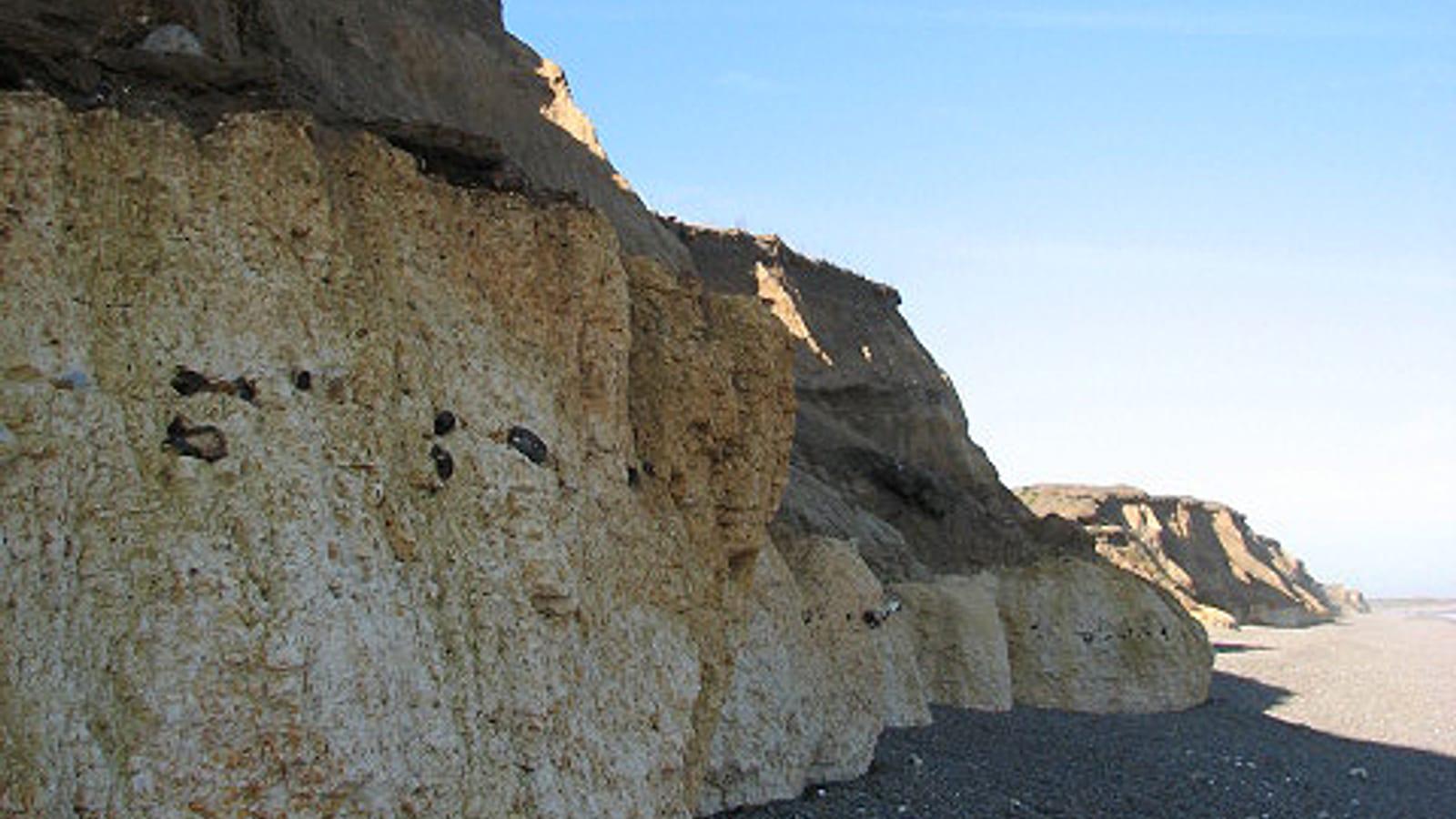
Find Fossils at Tidmoor Point Fossil Hunting Guide
England, United Kingdom
Pyritised and limonitised ammonites, Belemnites, Crustaceans, Marine reptile material
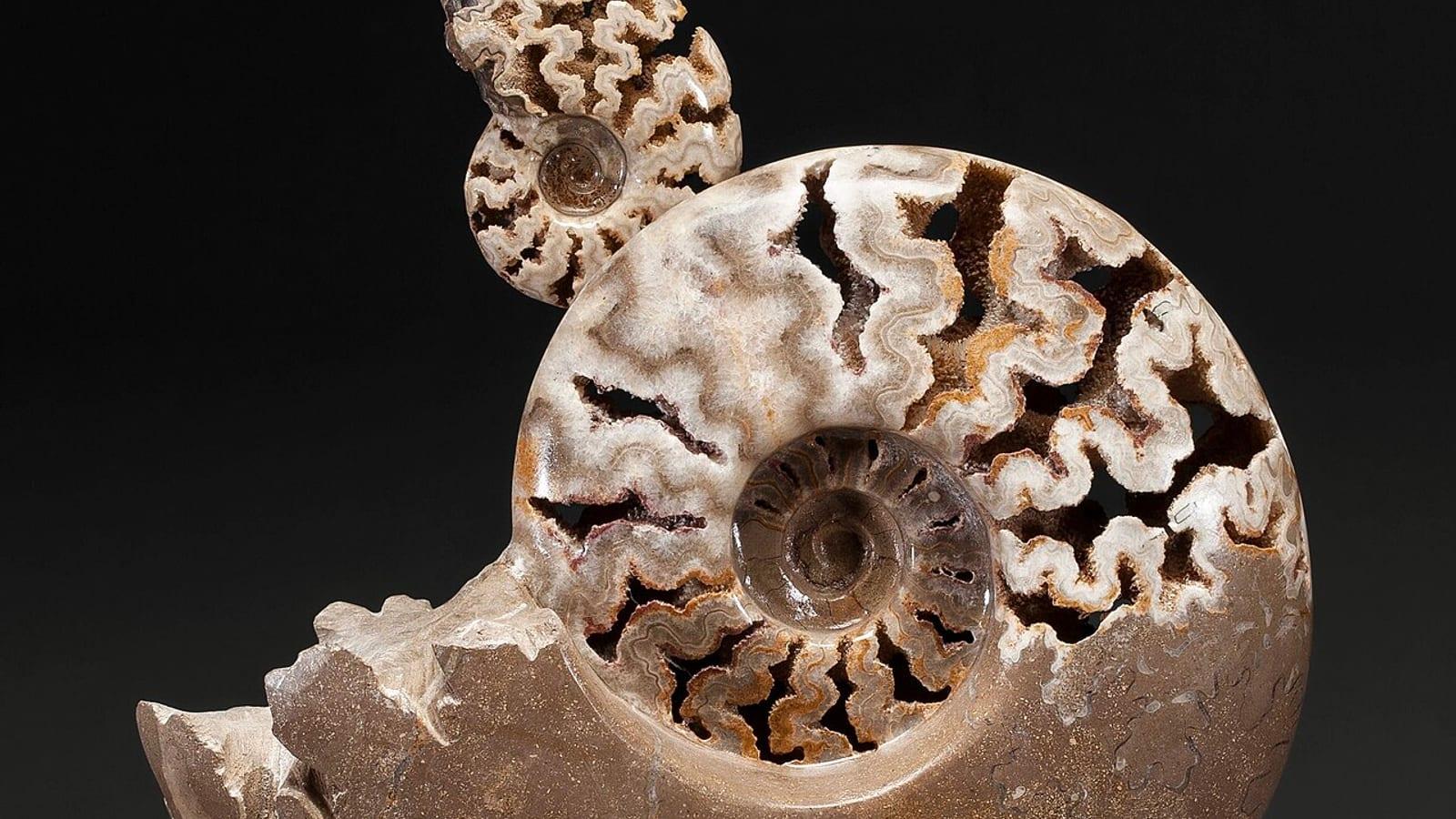
Fossiliensammelstelle Titting Free Fossil Hunting Guide
85125 Titting
Ammonites, Crinoid fragments, Belemnites and bivalves, Plant fossils
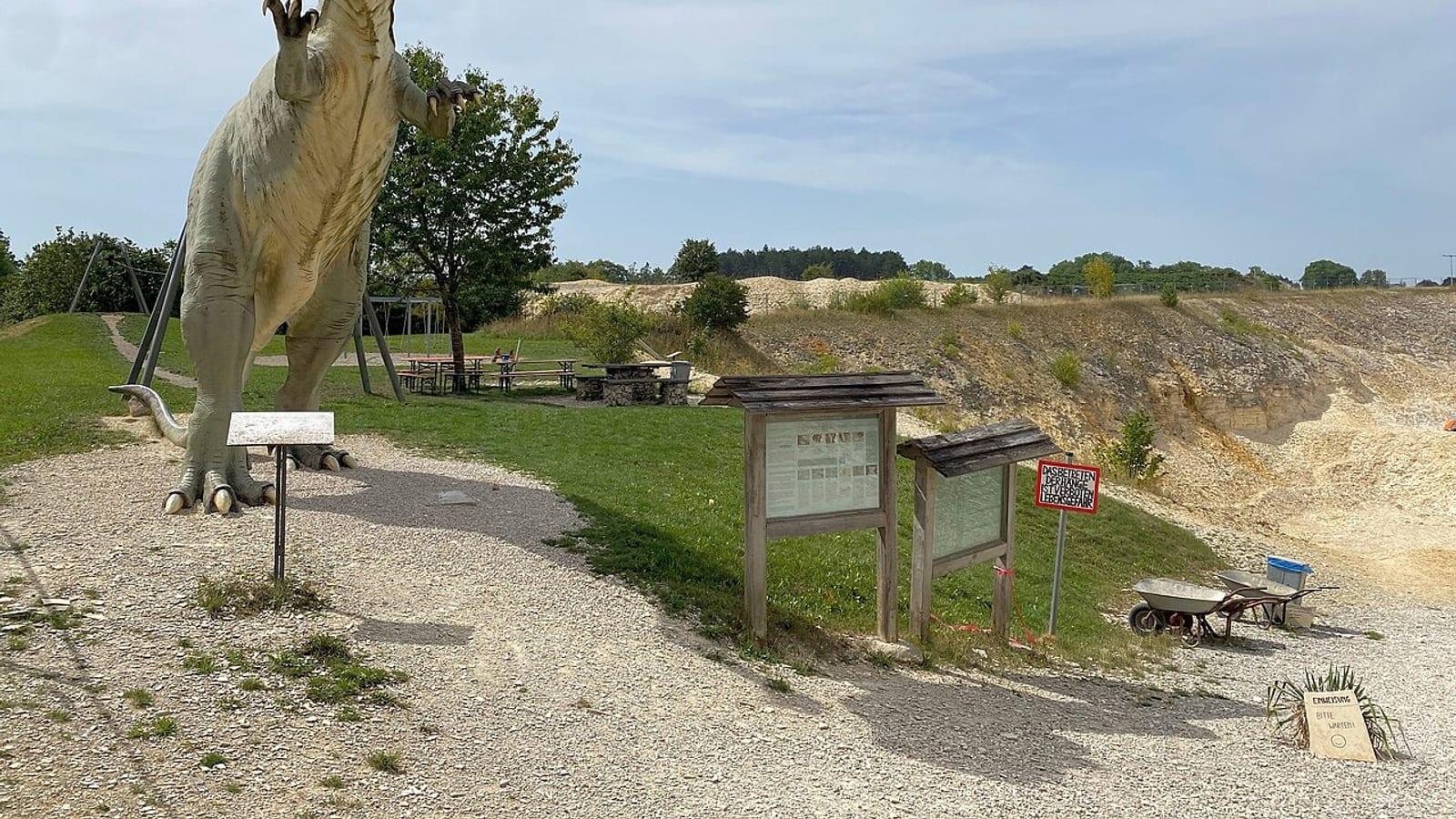
Fossiliensteinbruch Blumenberg Eichstatt Fossil Hunting Guide
Germany
Ammonites, Fish fossils, Shrimp, Crinoids and belemnites
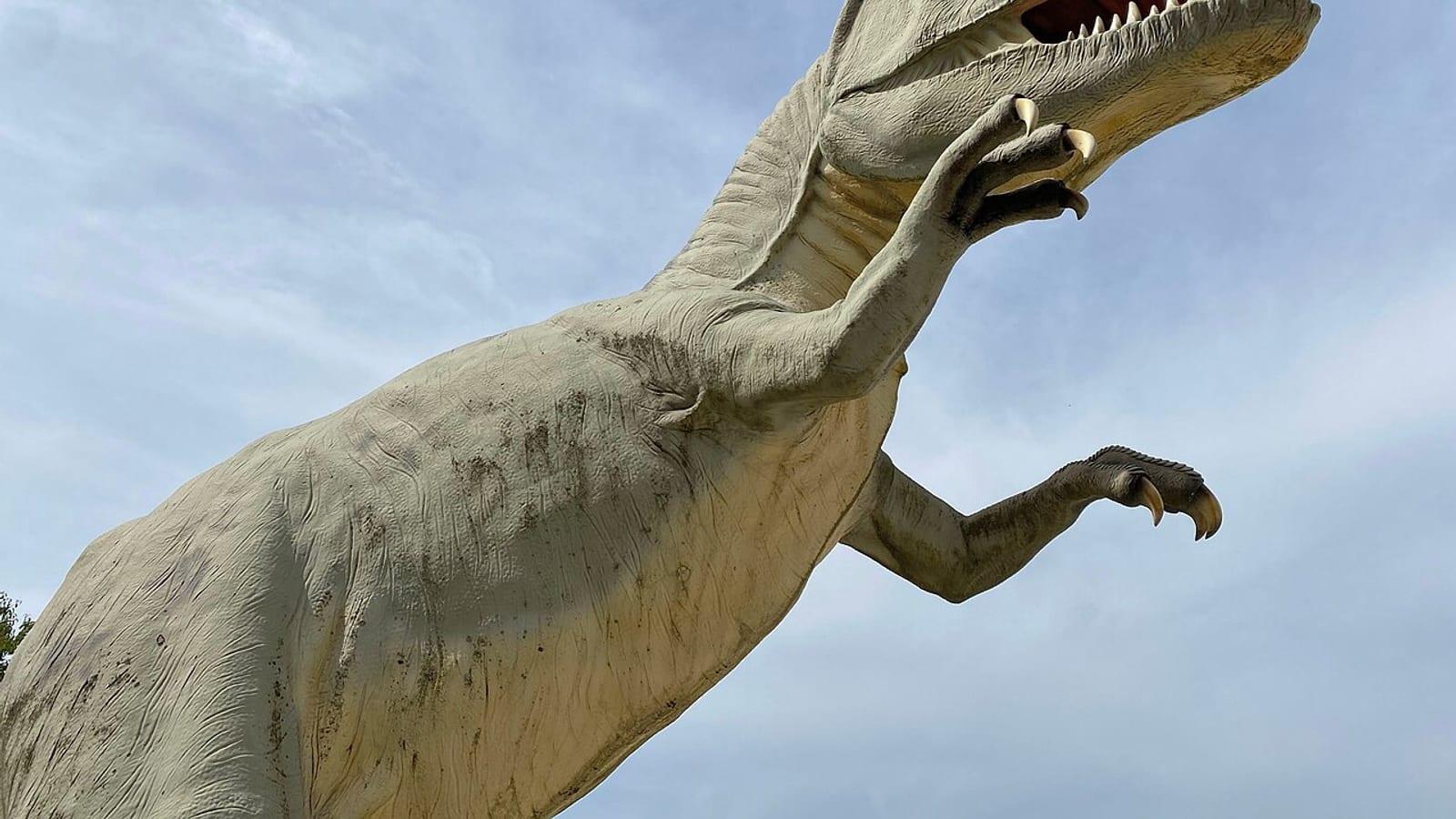
Fossiliensteinbruch Schamhaupten Fossil Hunting Guide
Germany
Ammonites, Crinoids, Fish fossils, Shrimp and belemnites
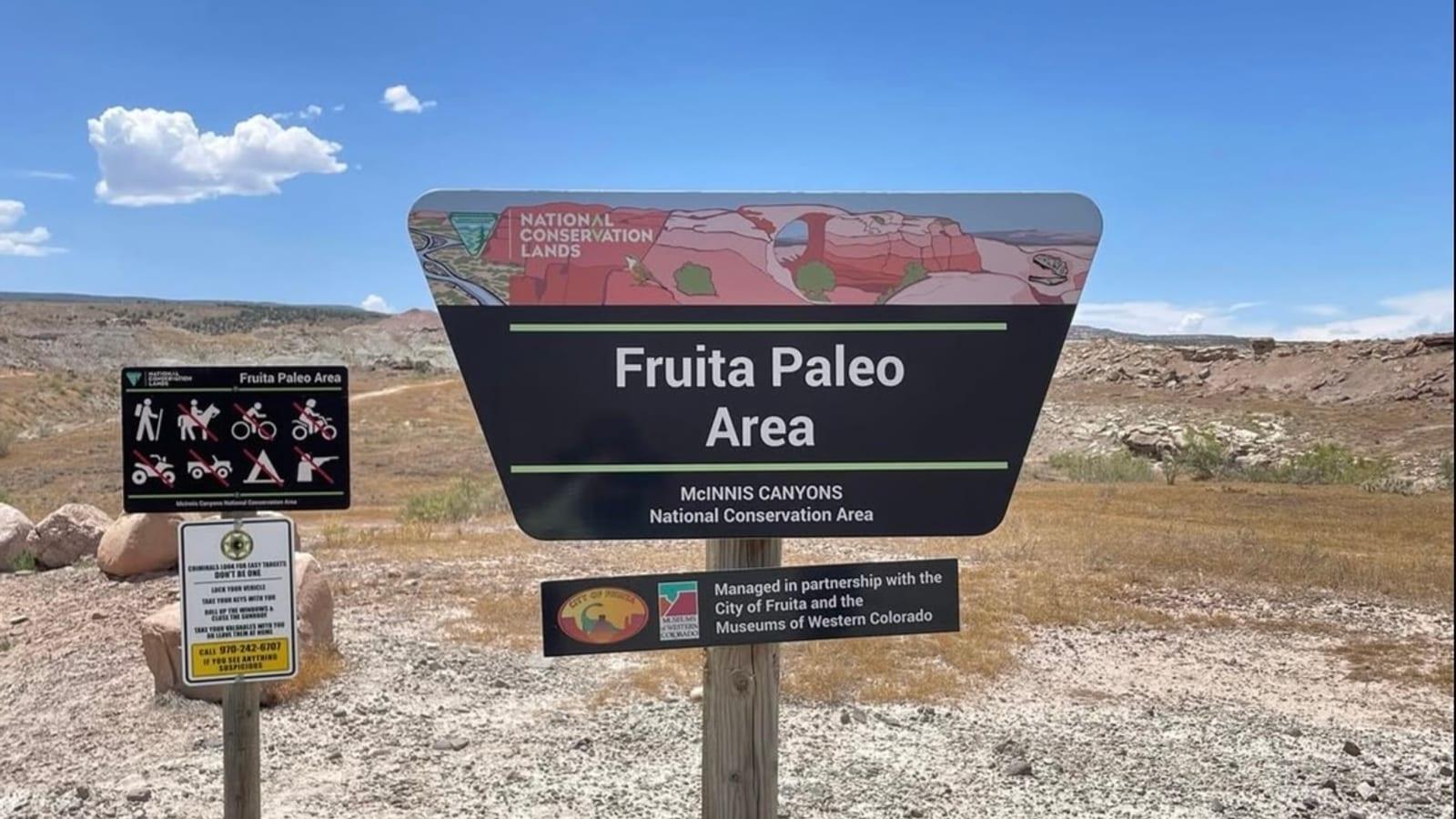
Fruita Paleontological Area Fossil Hunting Guide
Colorado, United States
Dinosaur bones, Mammal remains, Reptile remains, Amphibian remains
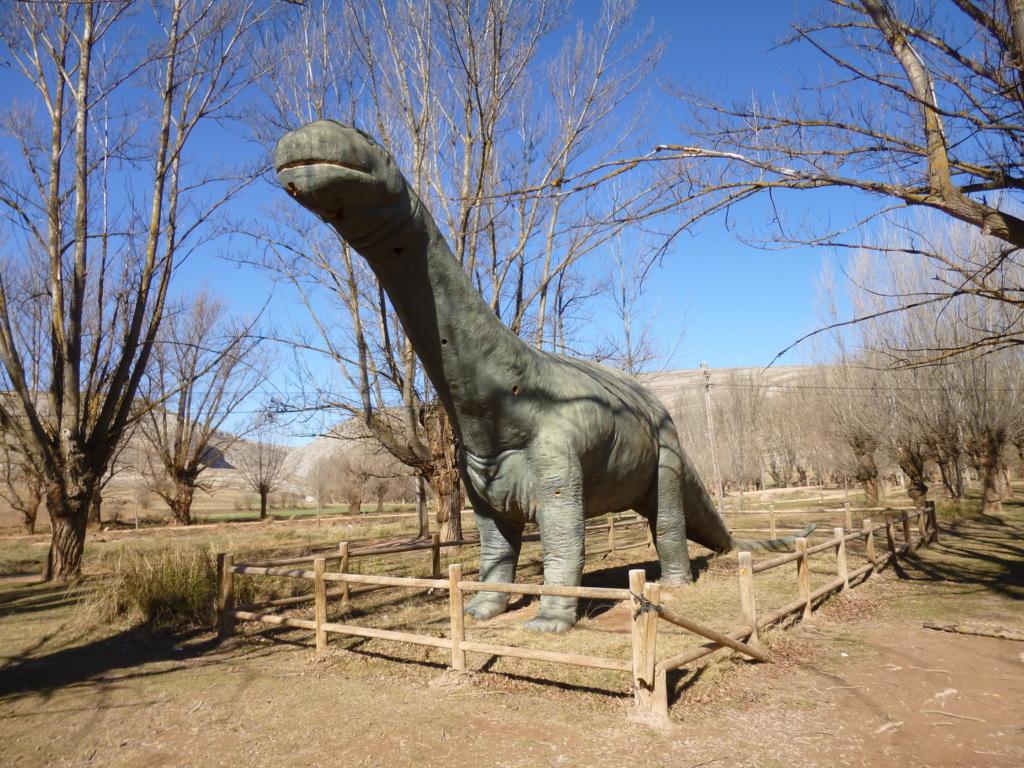
Galve Dinosaur Trail Fossil Hunting Guide
Teruel, Aragón, Spain
Sauropod trackways, Theropod footprints, Ornithopod footprints, Aragosaurus ischiaticus body fossils
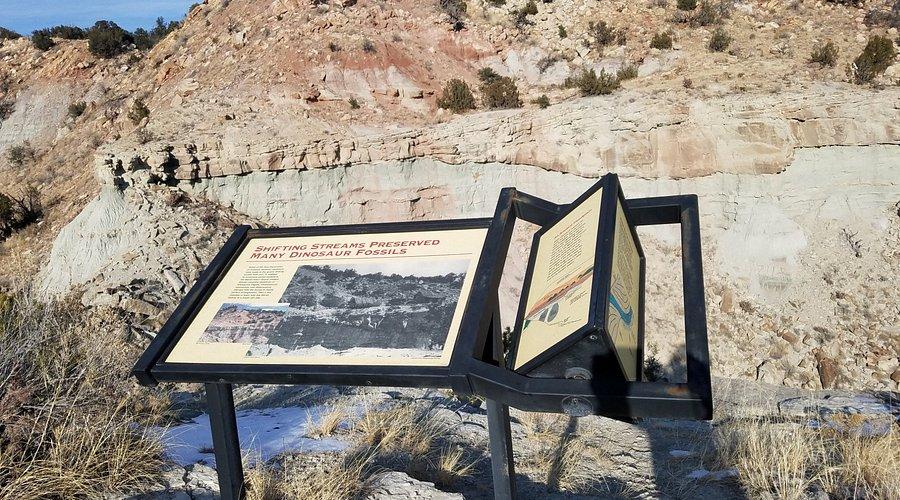
Garden Park Fossil Area Fossil Hunting Guide
Colorado, United States
Allosaurus fragilis (type), Stegosaurus stenops (type), Diplodocus longus, Ceratosaurus nasicornis (type)
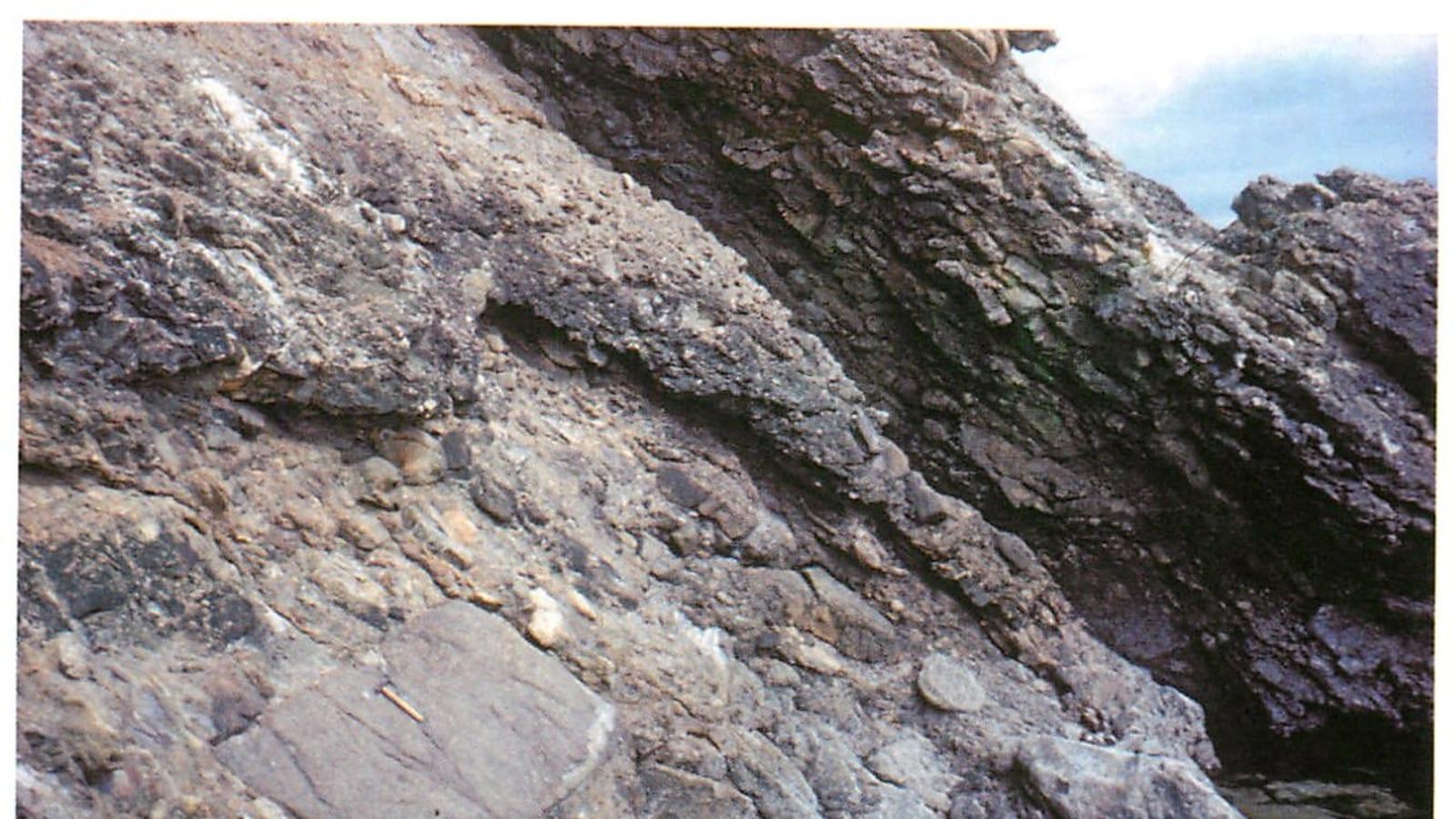
Helmsdale Fossil Hunting Guide
Scotland, United Kingdom
Ammonites, Corals, Marine Reptiles
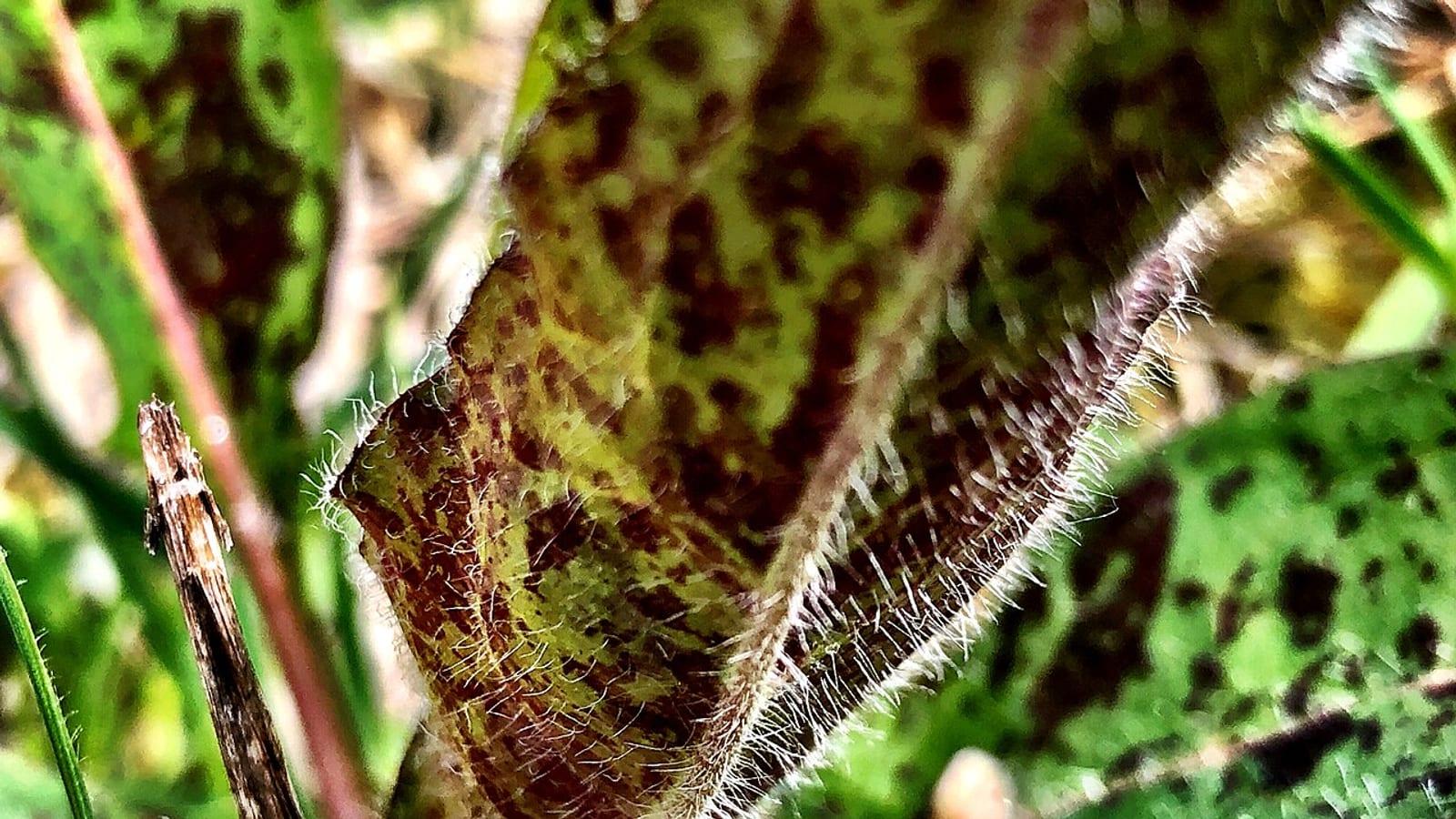
Hobbysteinbruch Solnhofen Fossil Hunting Guide
91807 Solnhofen
Ammonites, Fish fossils, Shrimp, Crinoids
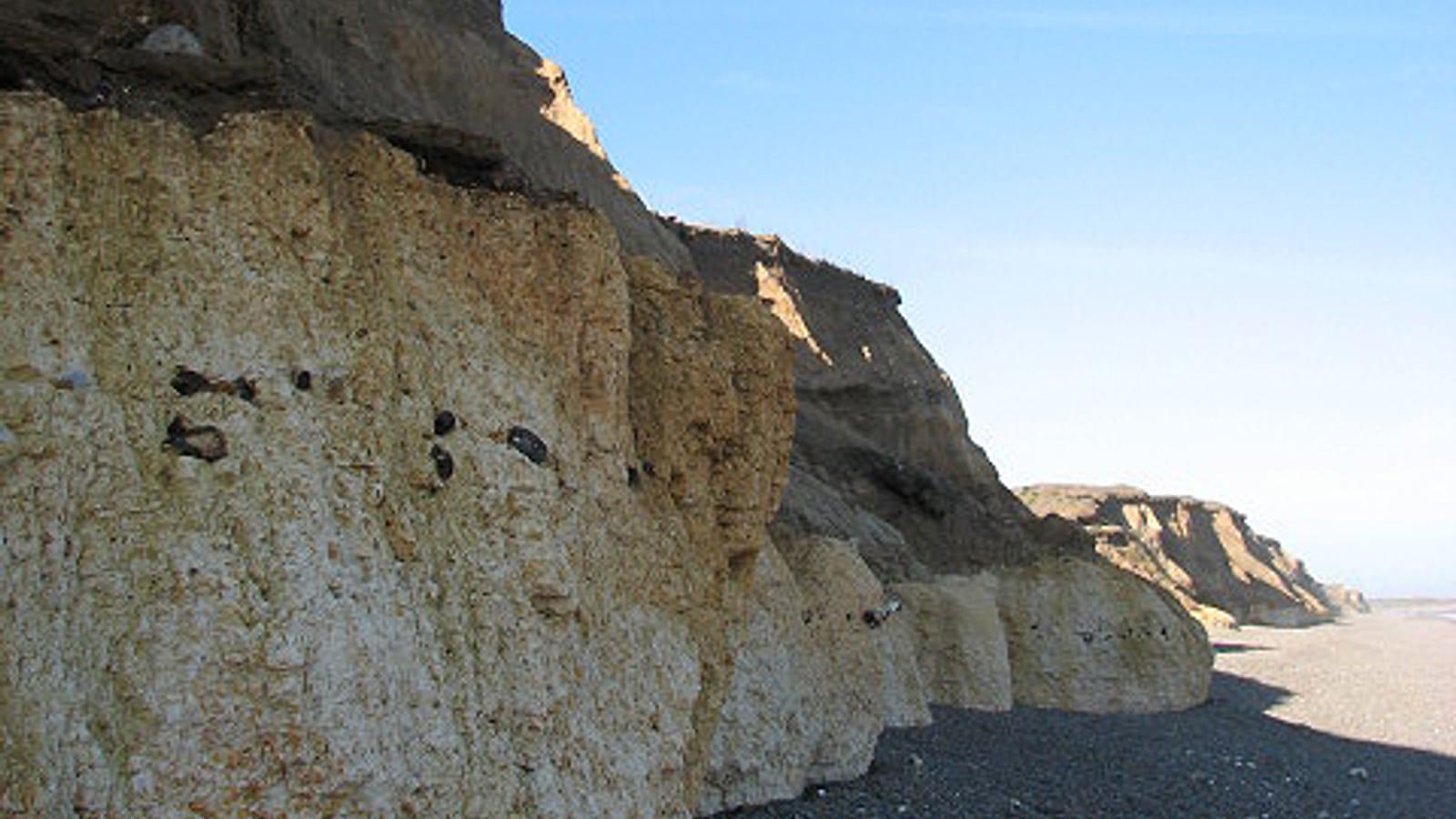
Ilminster Fossil Hunting Guide
England, United Kingdom
Ammonites, Belemnites, brachiopods, bivalves
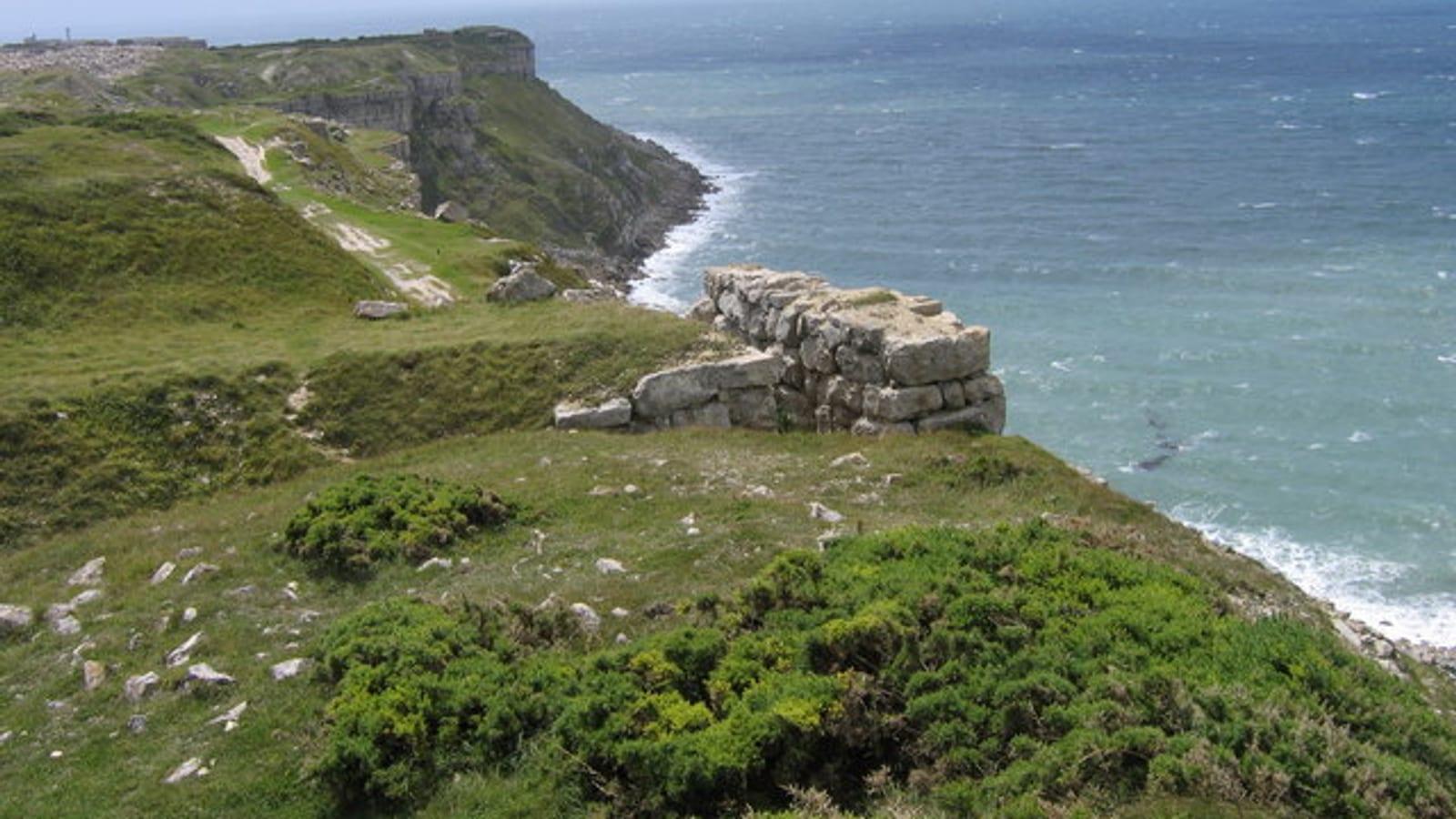
Isle of Portland: Dinosaur Trackways
United Kingdom
Ammonites, Bivalves, Dinosaur footprints, Marine reptile remains
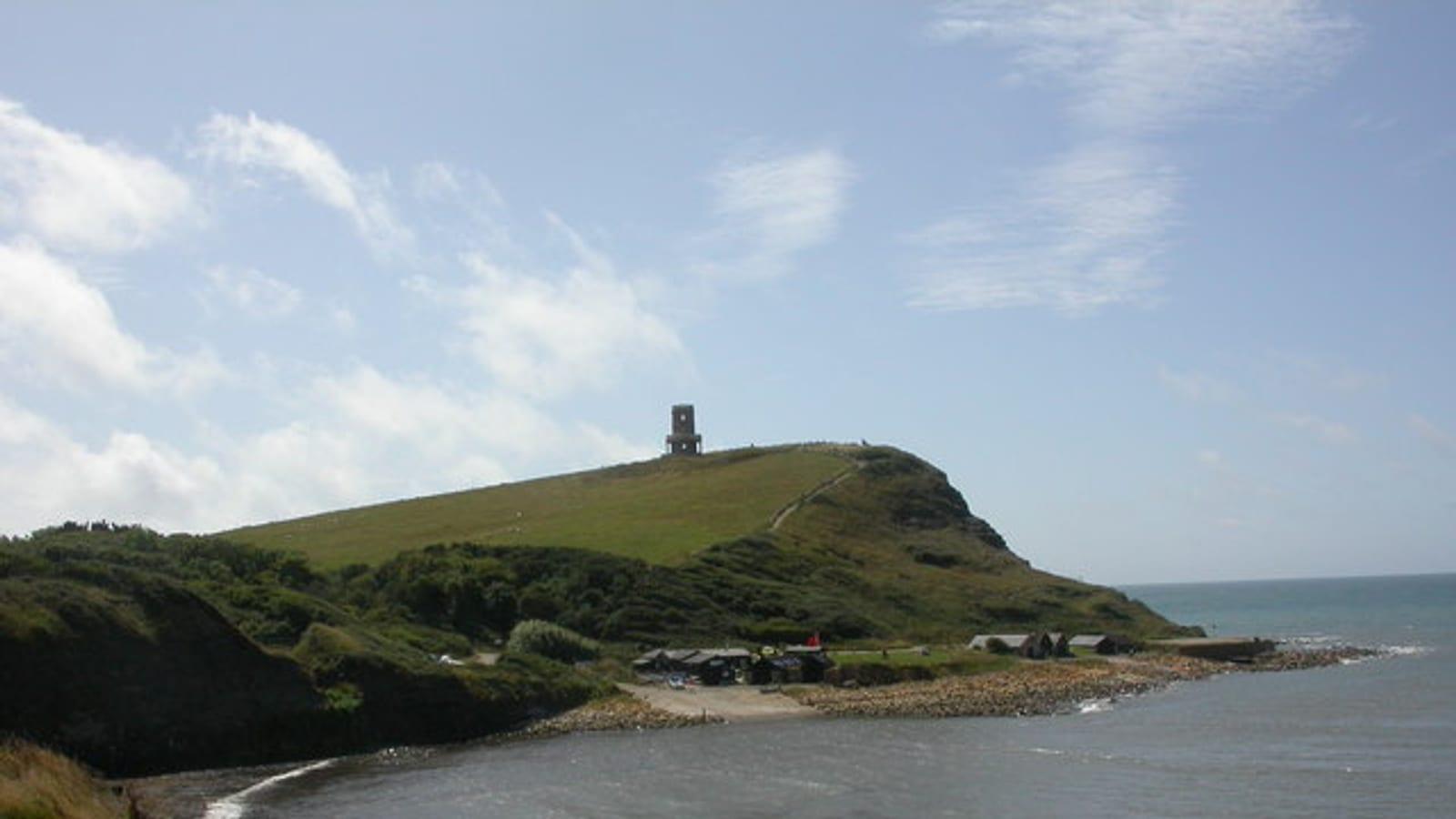
Kimmeridge Bay Fossil Hunting Guide
Wareham
Ammonites, Belemnites, Bivalves, Brachiopods
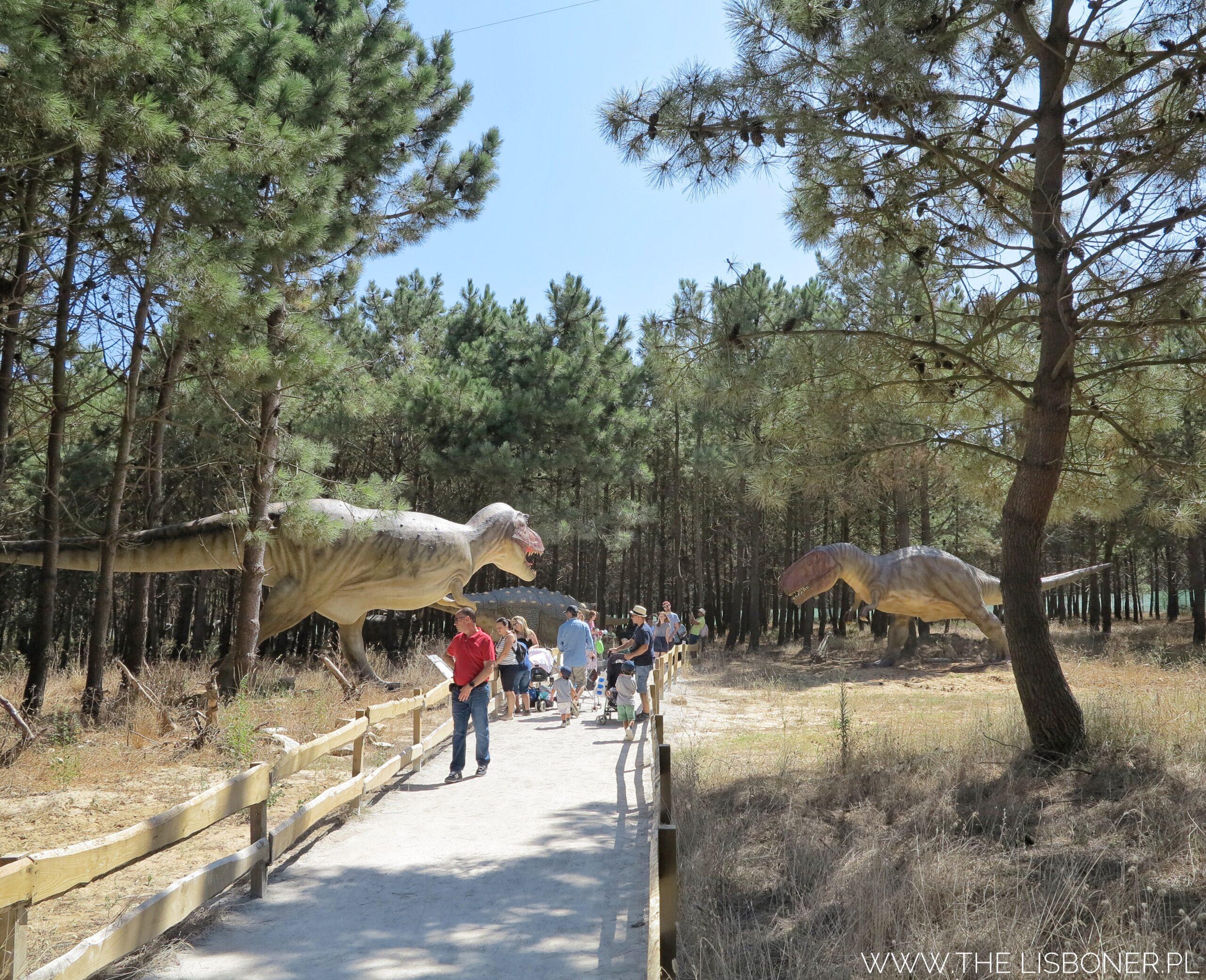
Lourinhã Jurassic Dinosaur Coast Fossil Hunting Guide
Lourinhã, Oeste, Portugal
Dinosaur eggs and embryos, Sauropod bone (Lusotitan, Dinheirosaurus), Theropod bone (Lourinhanosaurus, Allosaurus europaeus), Stegosaur bone (Miragaia)
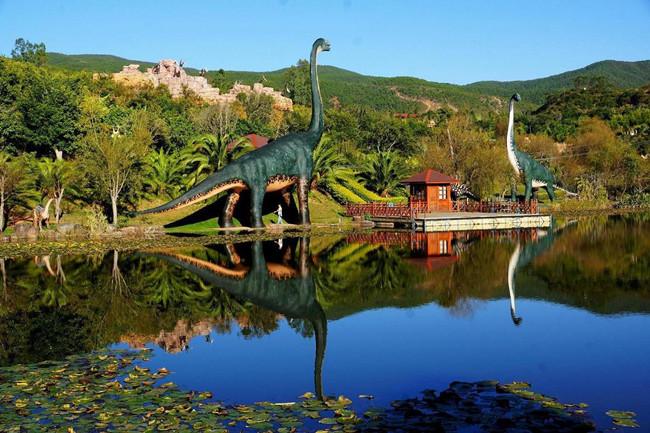
Lufeng World Dinosaur Valley Fossil Hunting Guide
Yunnan, China
Lufengosaurus huenei, Yunnanosaurus huangi, Sinosaurus triassicus, Chinshakiangosaurus chunghoensis
Lyme Regis Church Cliffs Fossil Hunting Guide
United Kingdom
Ammonites, Belemnites, Bivalves, Crinoids
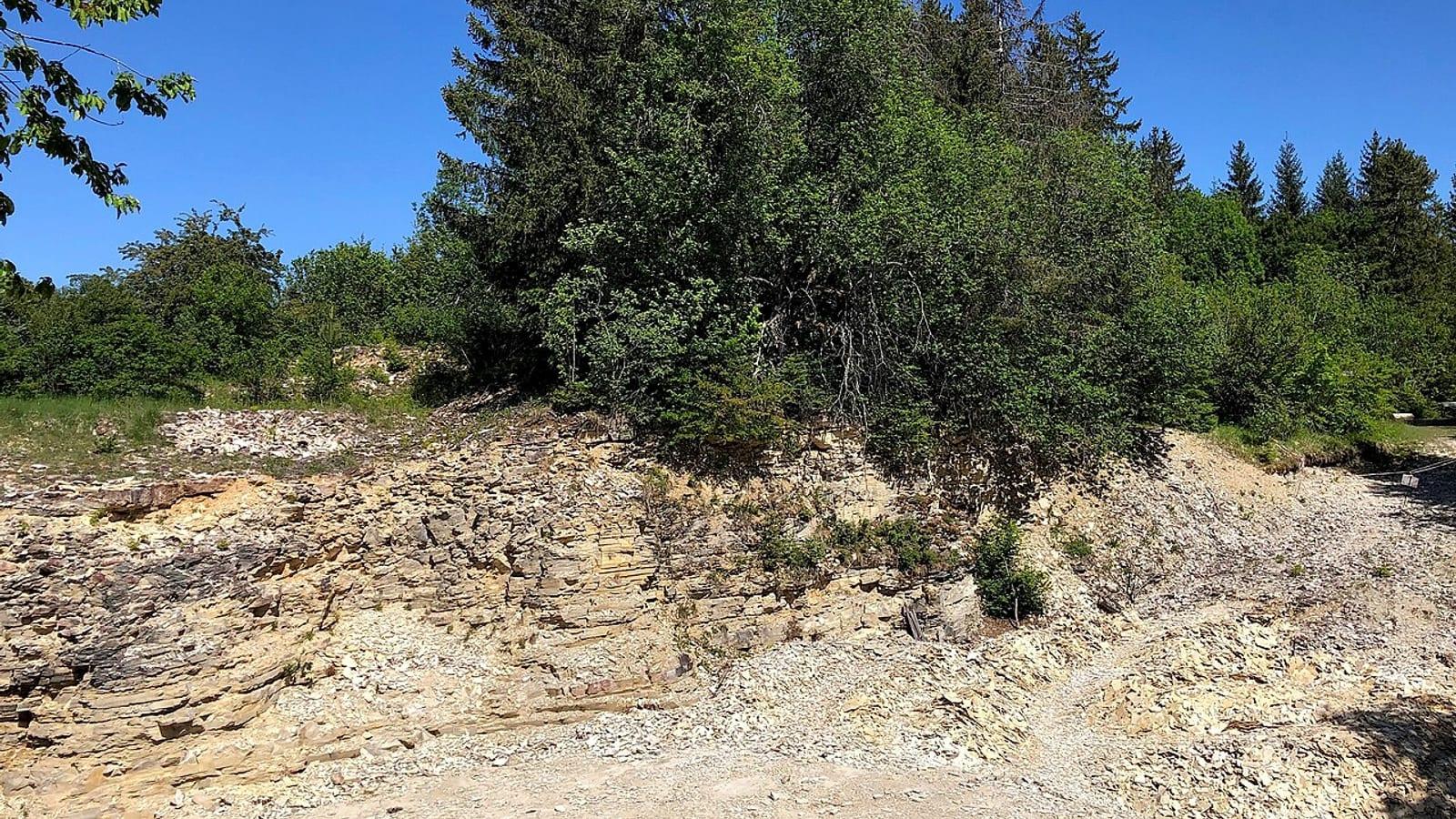
Nusplingen Plattenkalk Museum Fossil Klopfplatz Fossil Hunting Guide
72362 Nusplingen
angel sharks, pterosaurs
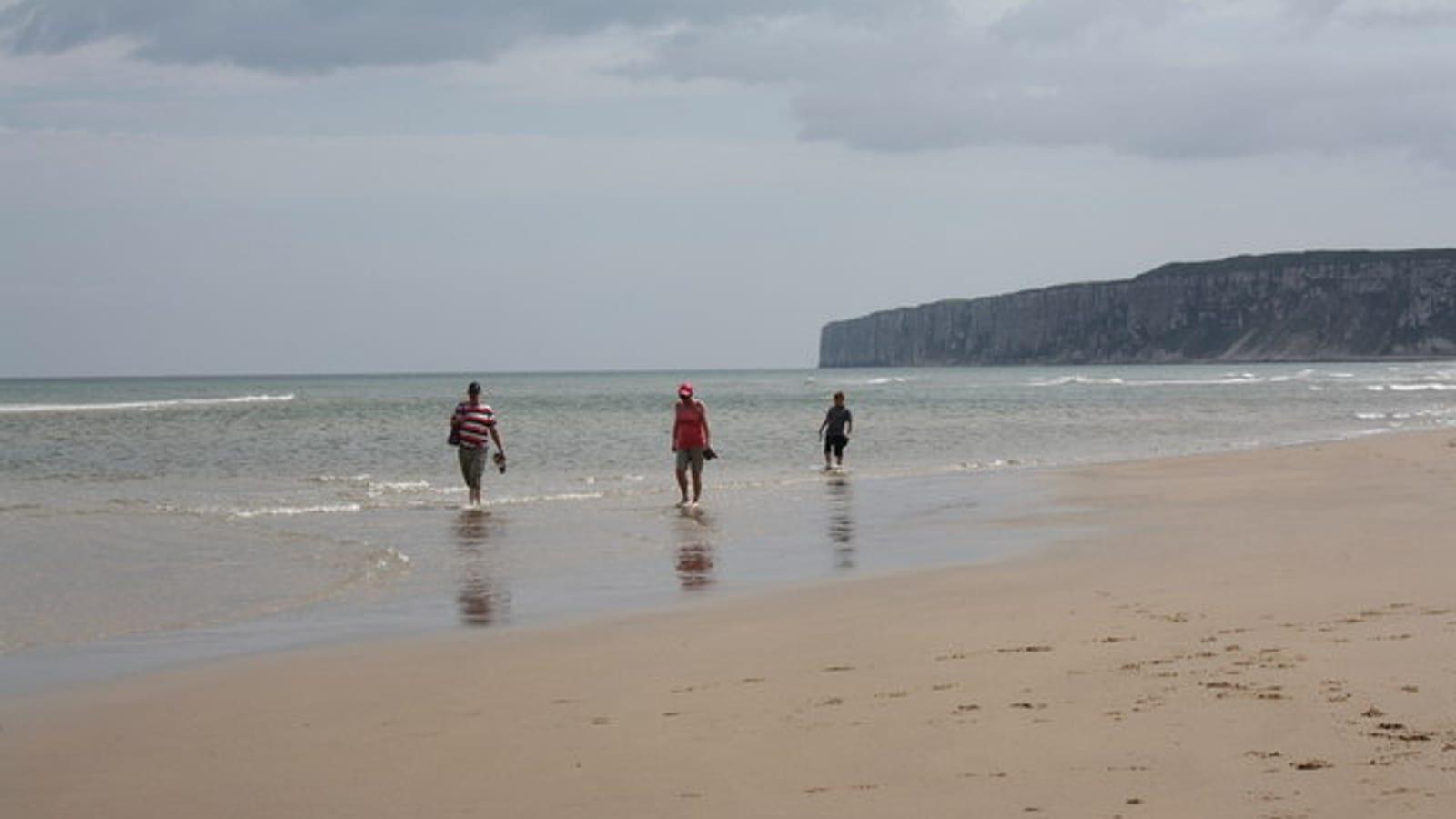
Reighton Sands Yorkshire Fossil Hunting Guide
near Reighton
Erratic boulders, Kimmeridge Clay, Ammonites, Belemnites
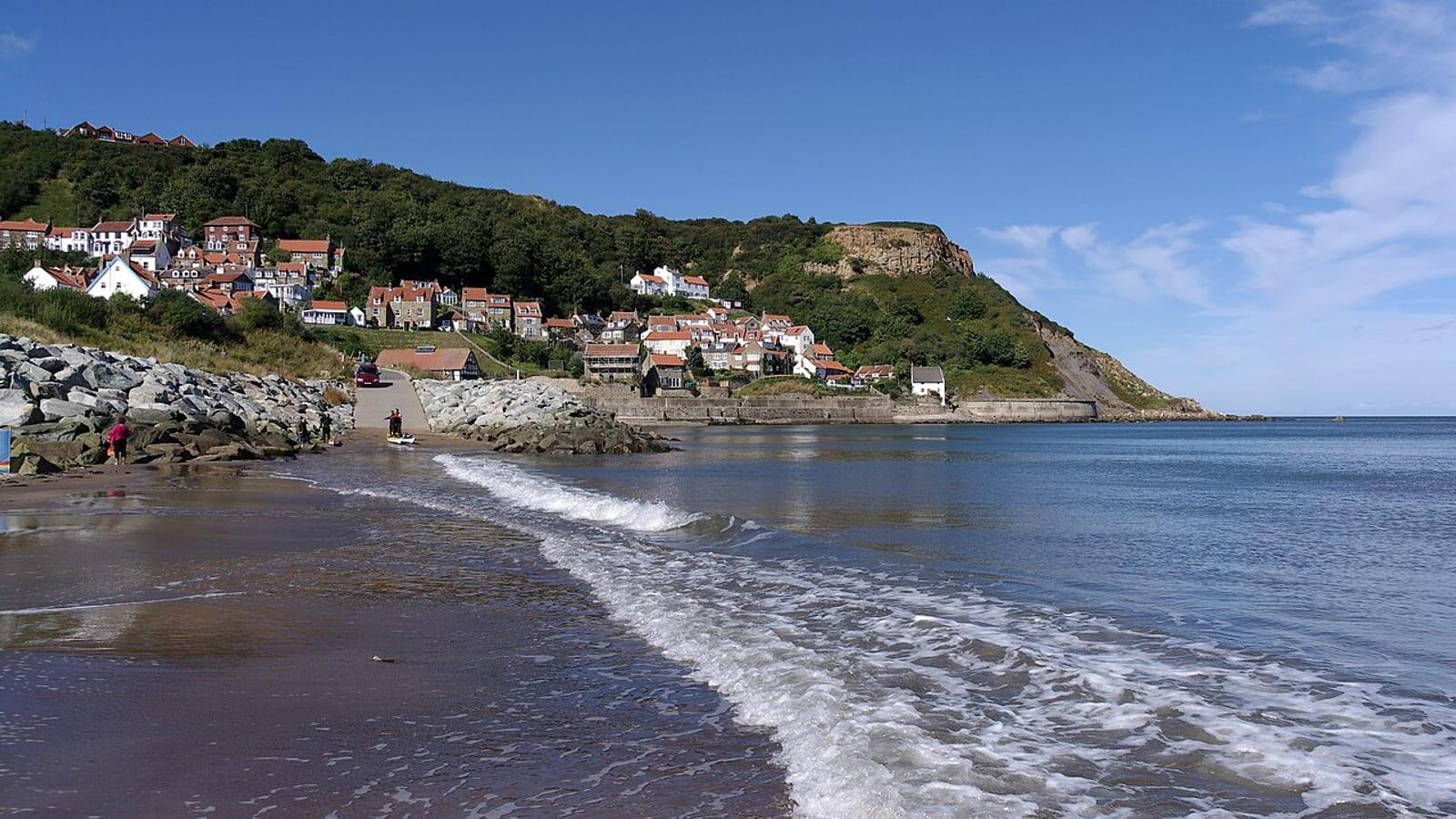
Runswick Bay Yorkshire Fossil Hunting Guide
United Kingdom
Ammonites, Jet, Bivalves, Belemnite guards
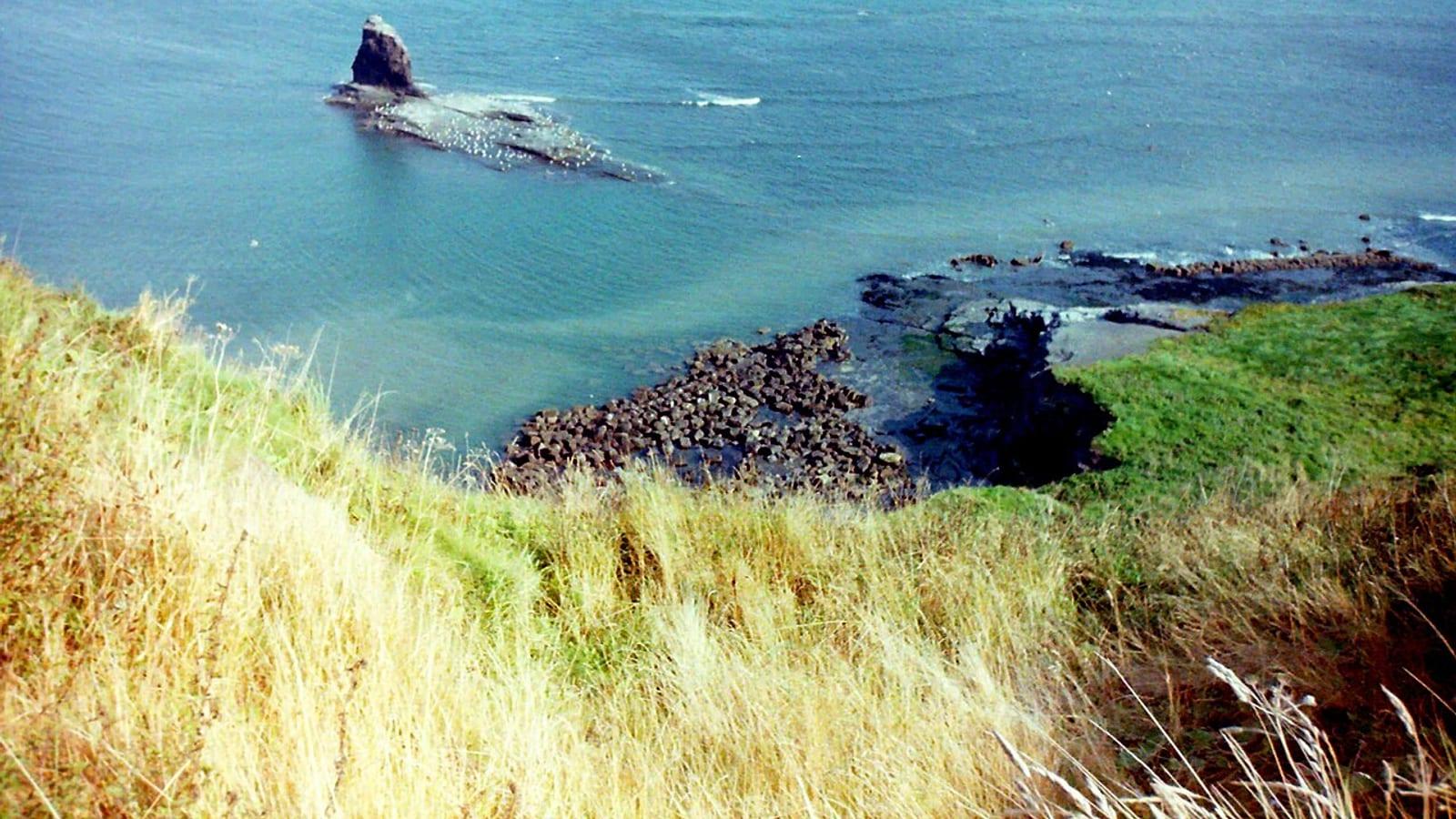
Saltwick Bay Fossil Hunting Guide
United Kingdom
Ammonites, Belemnites, Dinosaur footprints, Plant fossils
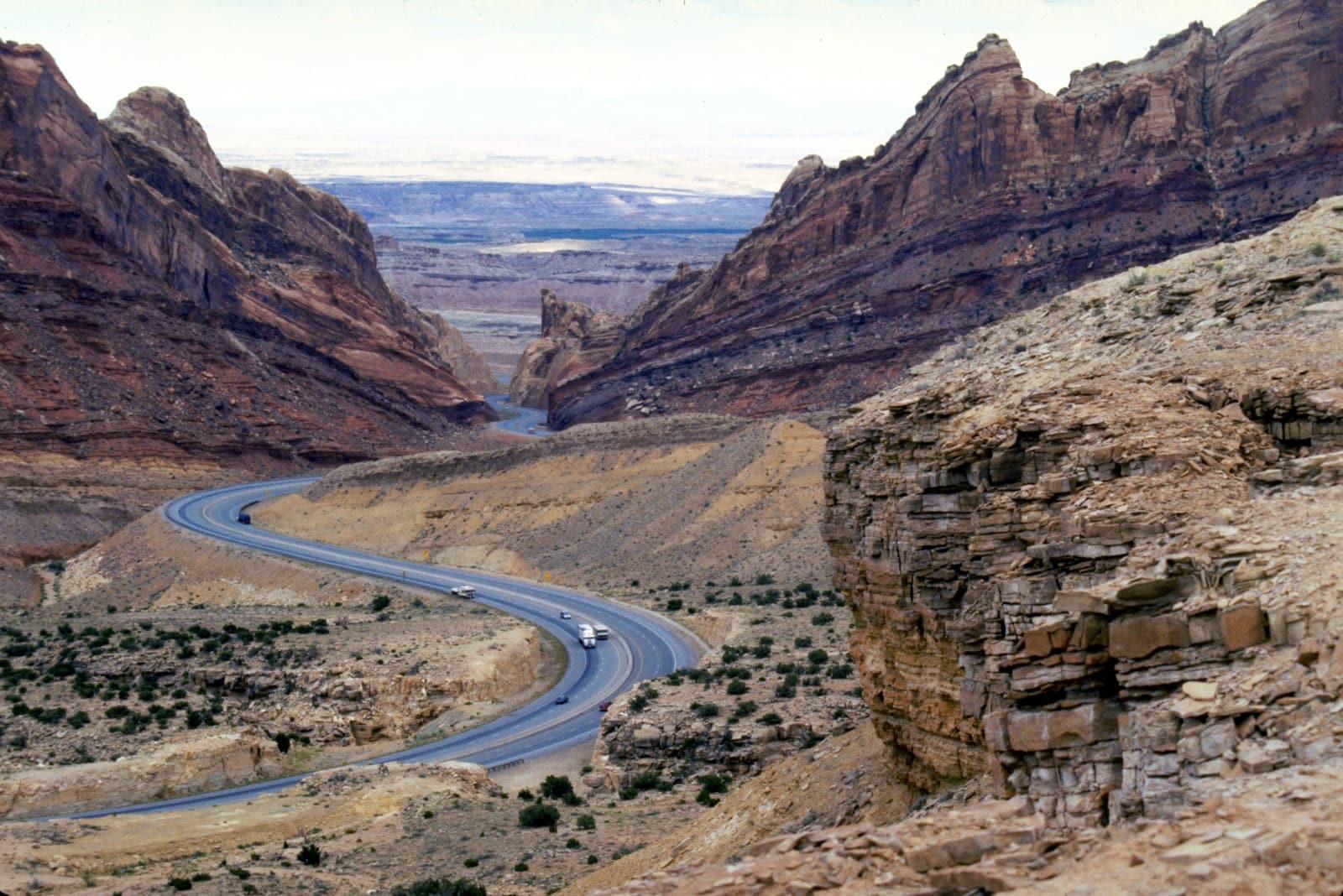
San Rafael Swell Fossil Guide
Utah, United States
Petrified wood, Ammonites, Bivalves, Dinosaurs
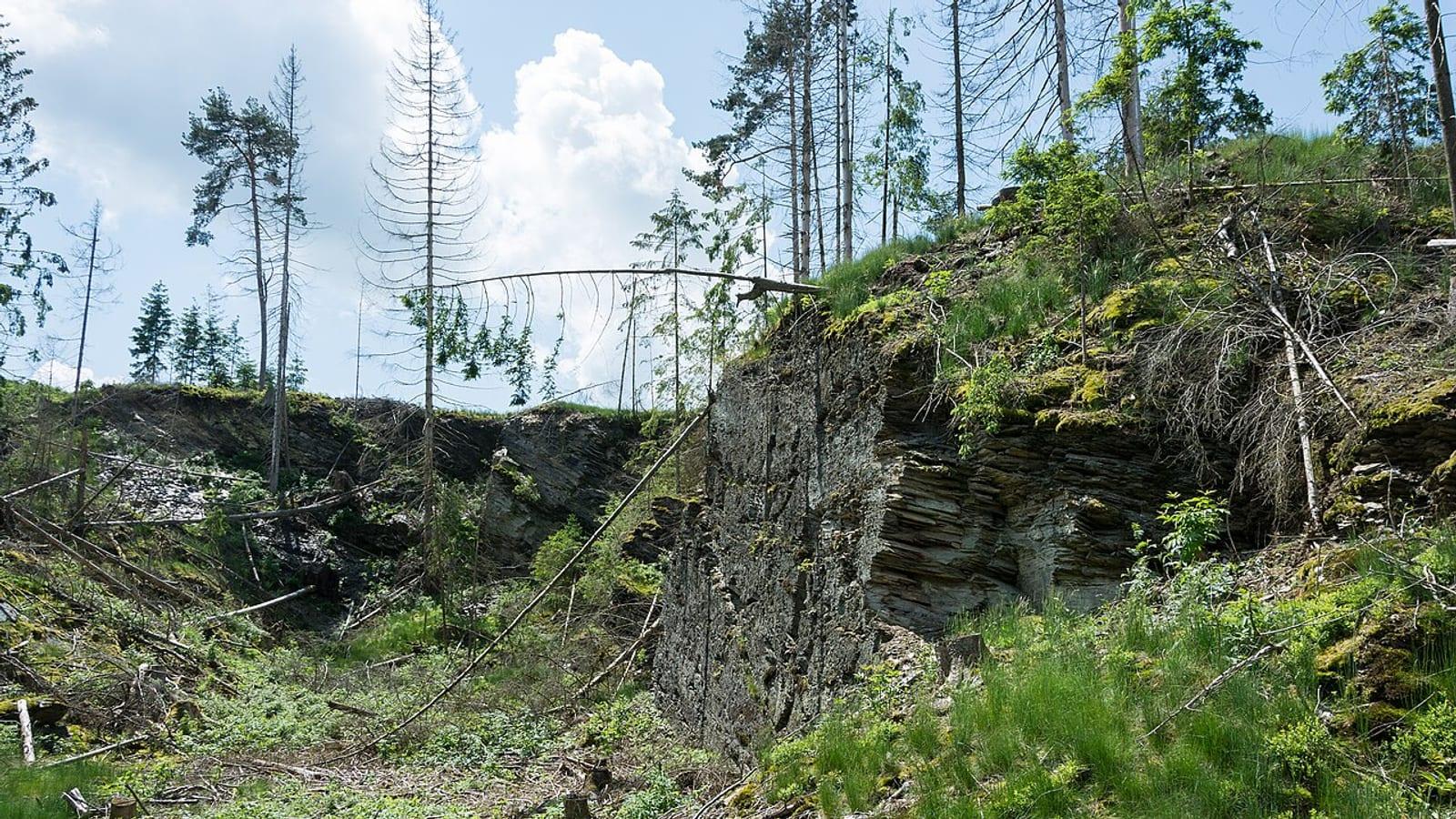
Schieferbruch Kromer Ohmden Posidonia Shale Fossil Hunting Guide
73099 Ohmden
Ammonites, Belemnites, Bivalves, Crinoid fragments
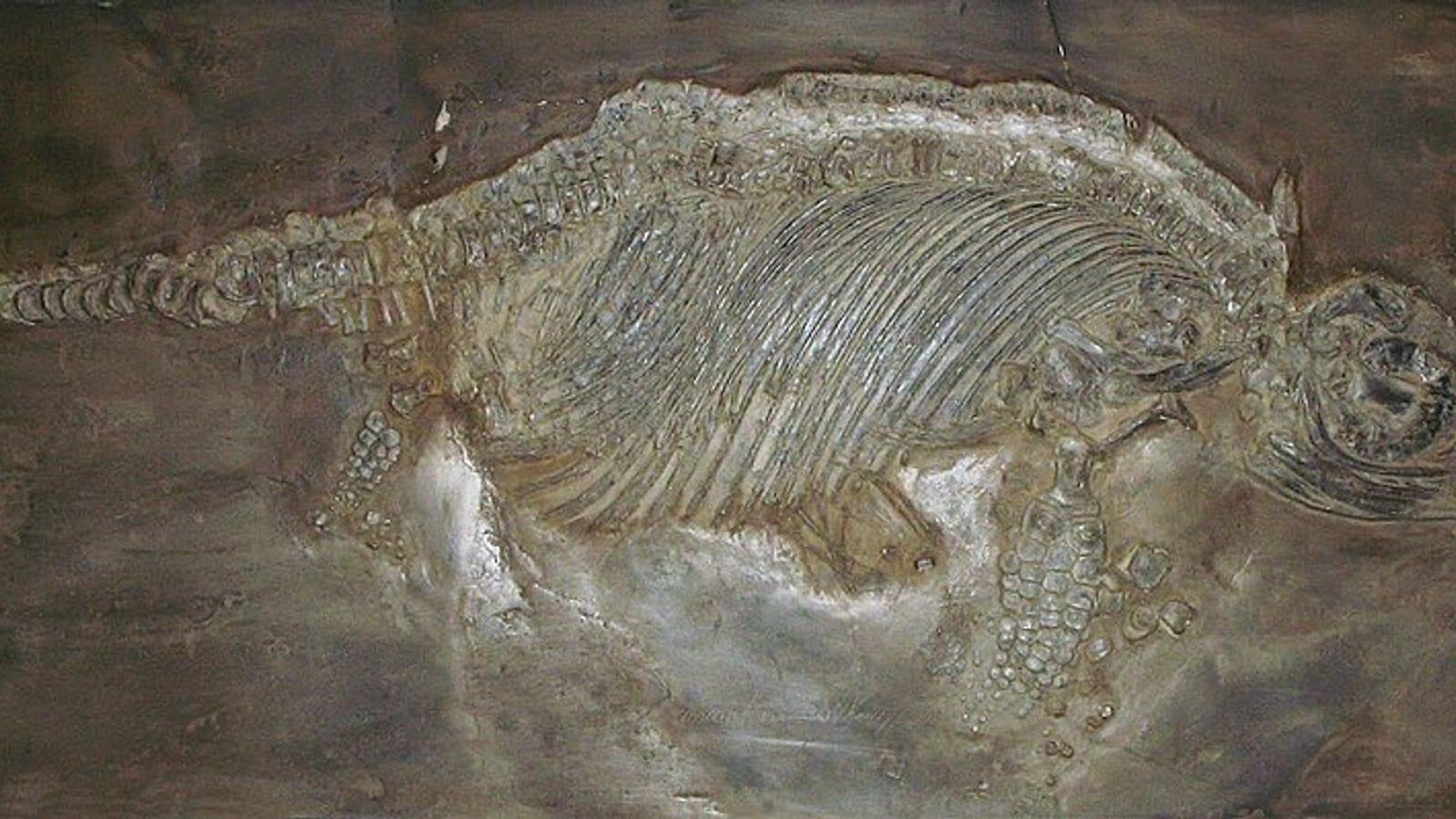
Schiefererlebnis Dormettingen Fossil Klopfplatz Fossil Hunting Guide
72358 Dormettingen
Ammonites
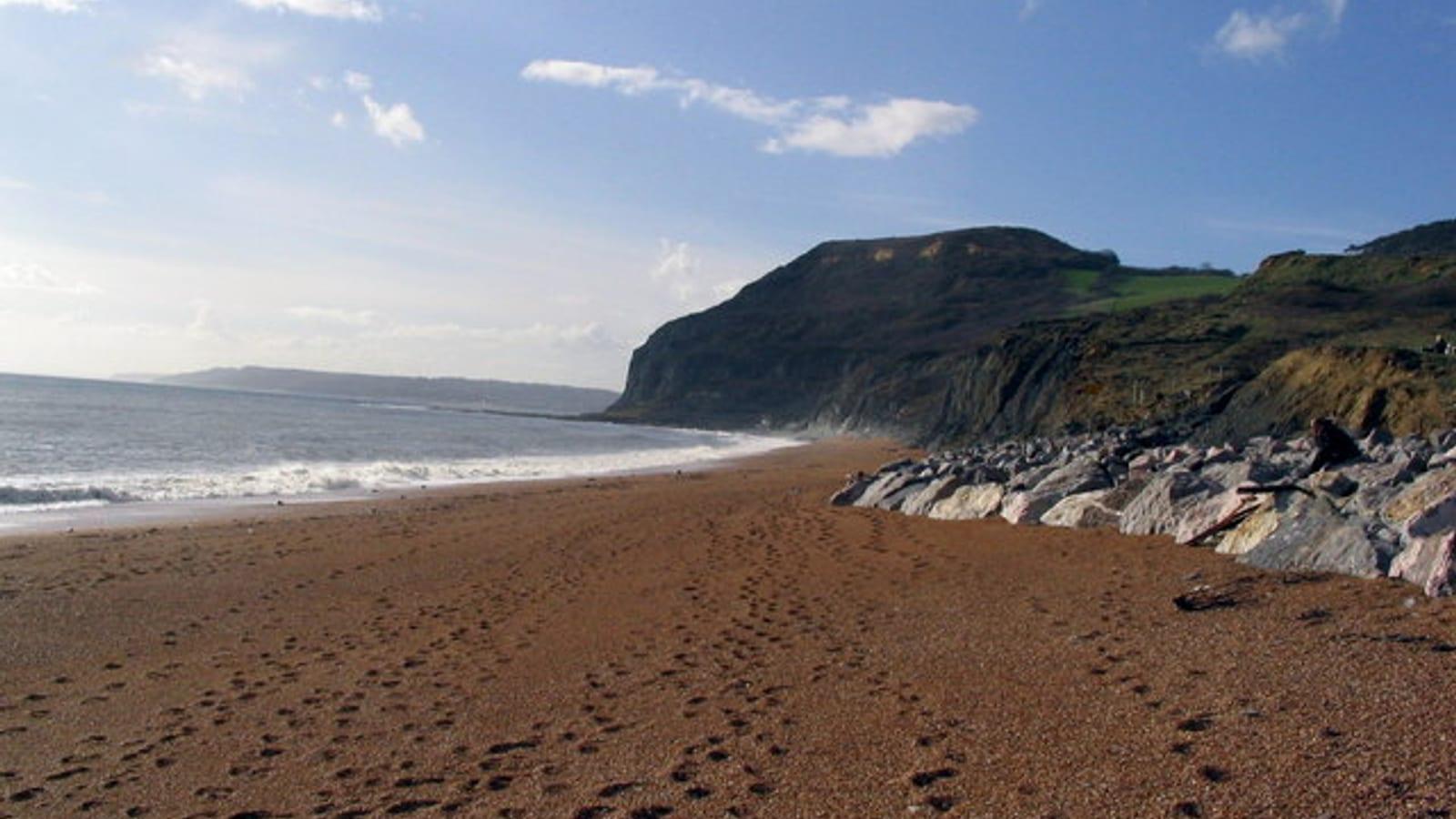
Seatown and Golden Cap Fossil Hunting Guide
England, United Kingdom
Ammonites, Androgynoceras, Amaltheus, Tropideroceras
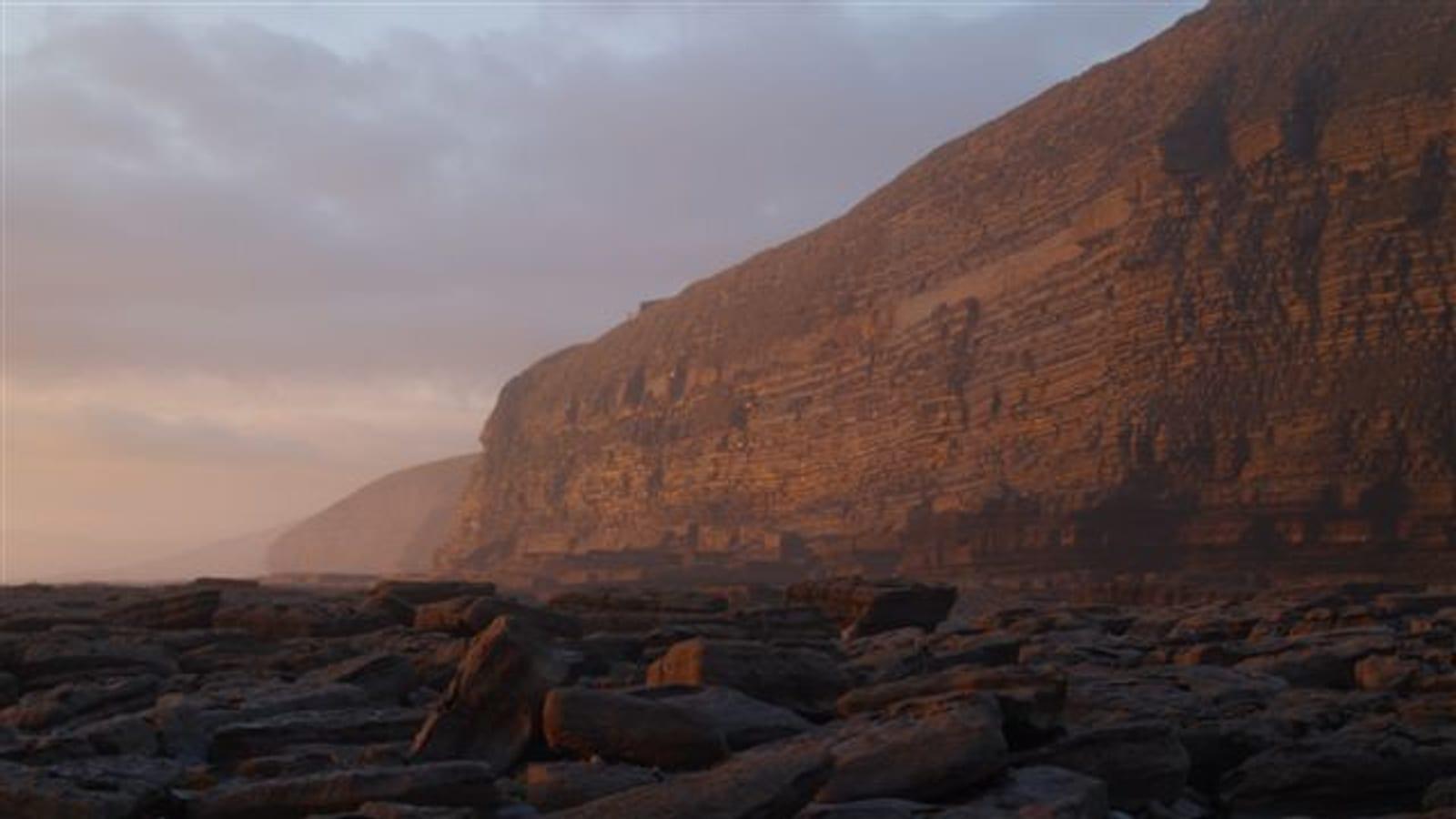
Southerndown Glamorgan Heritage Coast Fossil Hunting Guide
Southerndown
Ammonites, Belemnites, Brachiopods
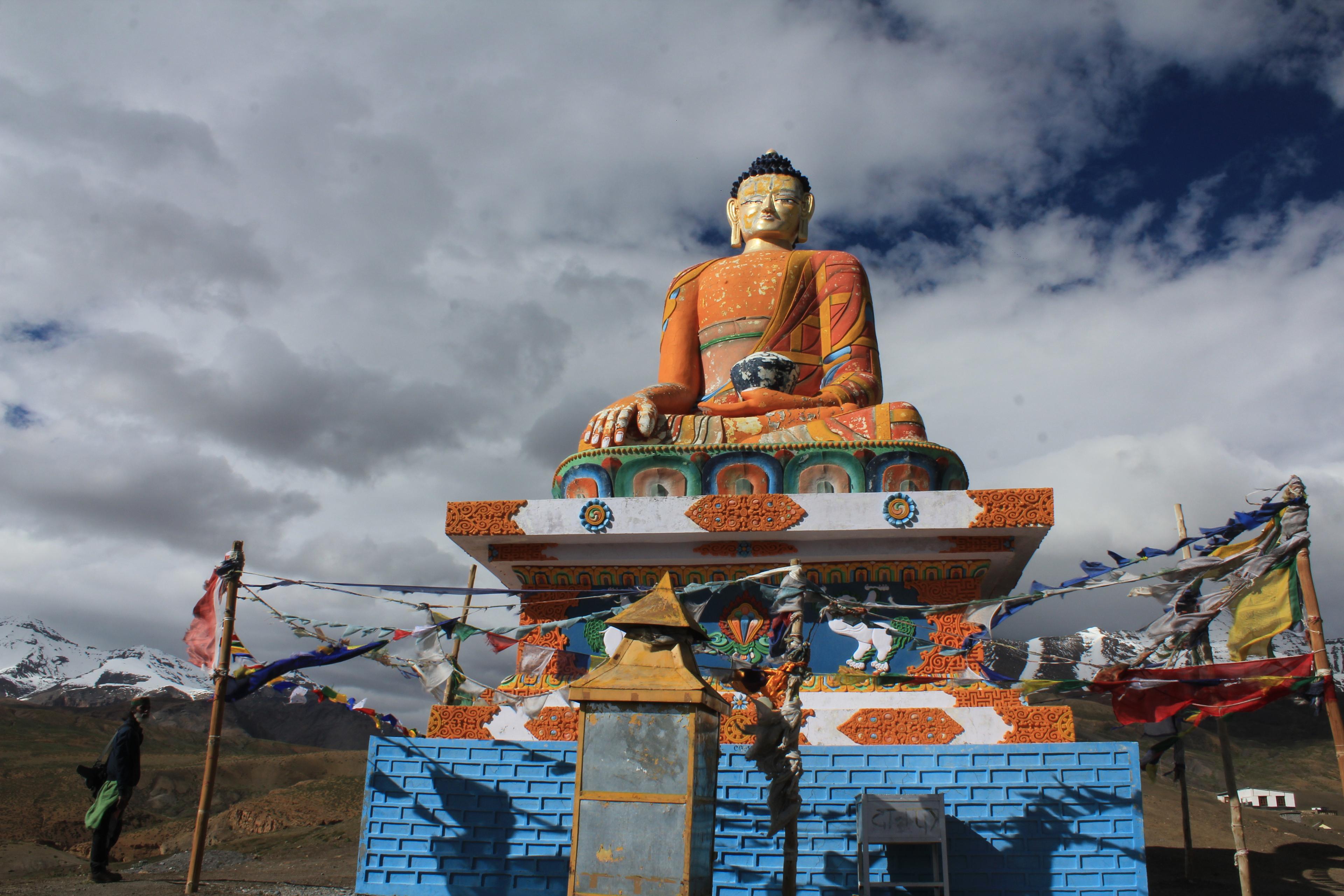
Spiti Valley: Shaligram Ammonites of the Tethys Sea
Himachal Pradesh, India
Ammonites, Belemnites, Marine invertebrates
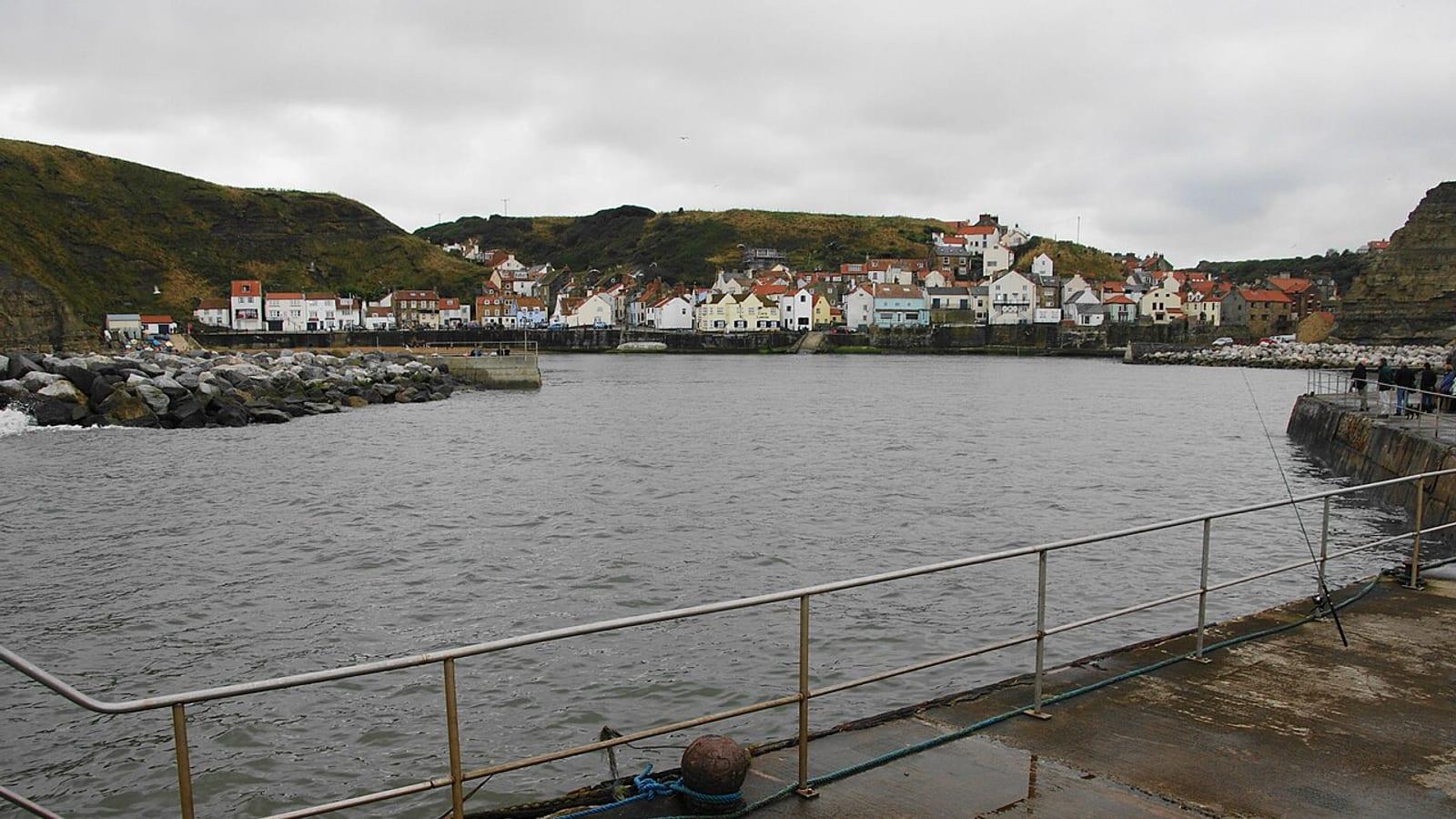
Staithes Yorkshire Guide Fossil Hunting Guide
United Kingdom
Ammonites, Bivalves and brachiopods, Trace fossils, Ichthyosaur and plesiosaur remains
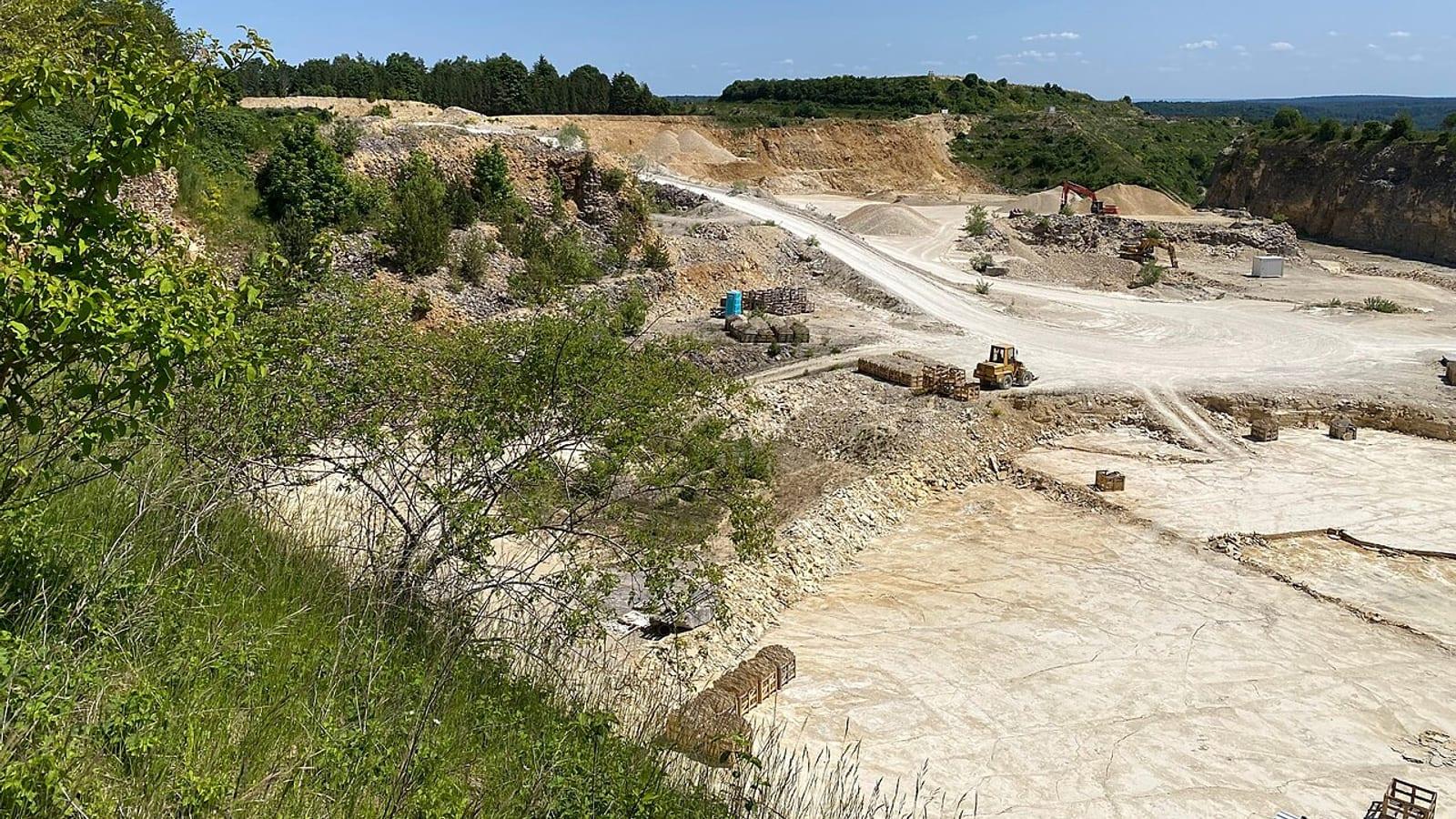
Steinbruch Schernfeld Jurassic Fossil Quarry Fossil Hunting Guide
Germany
N/A
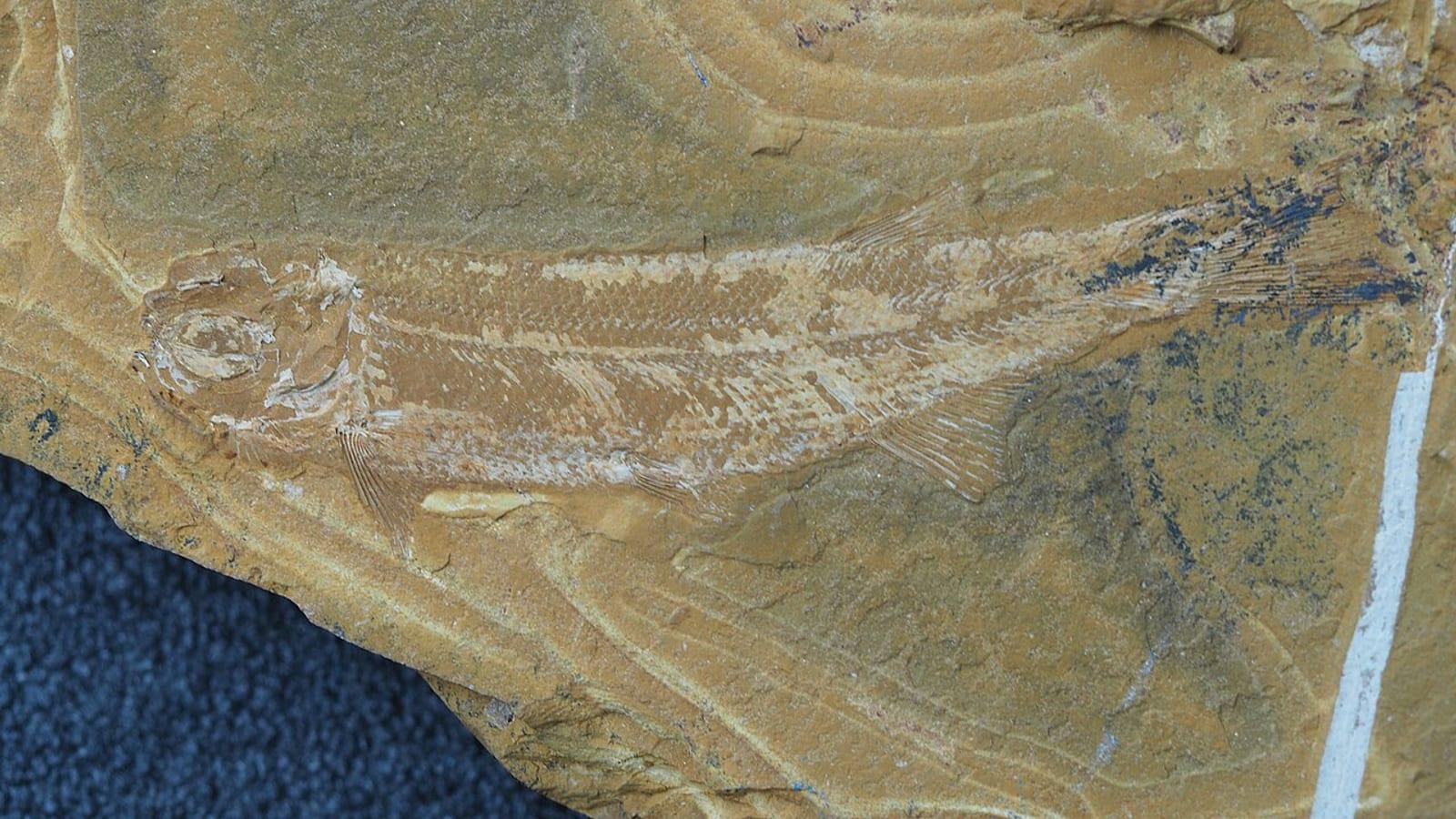
Talbragar Fossil Site Jurassic Fish Gulgong Fossil Hunting Guide
Australia
Fish, Plants, Wollemi Pine, Insects
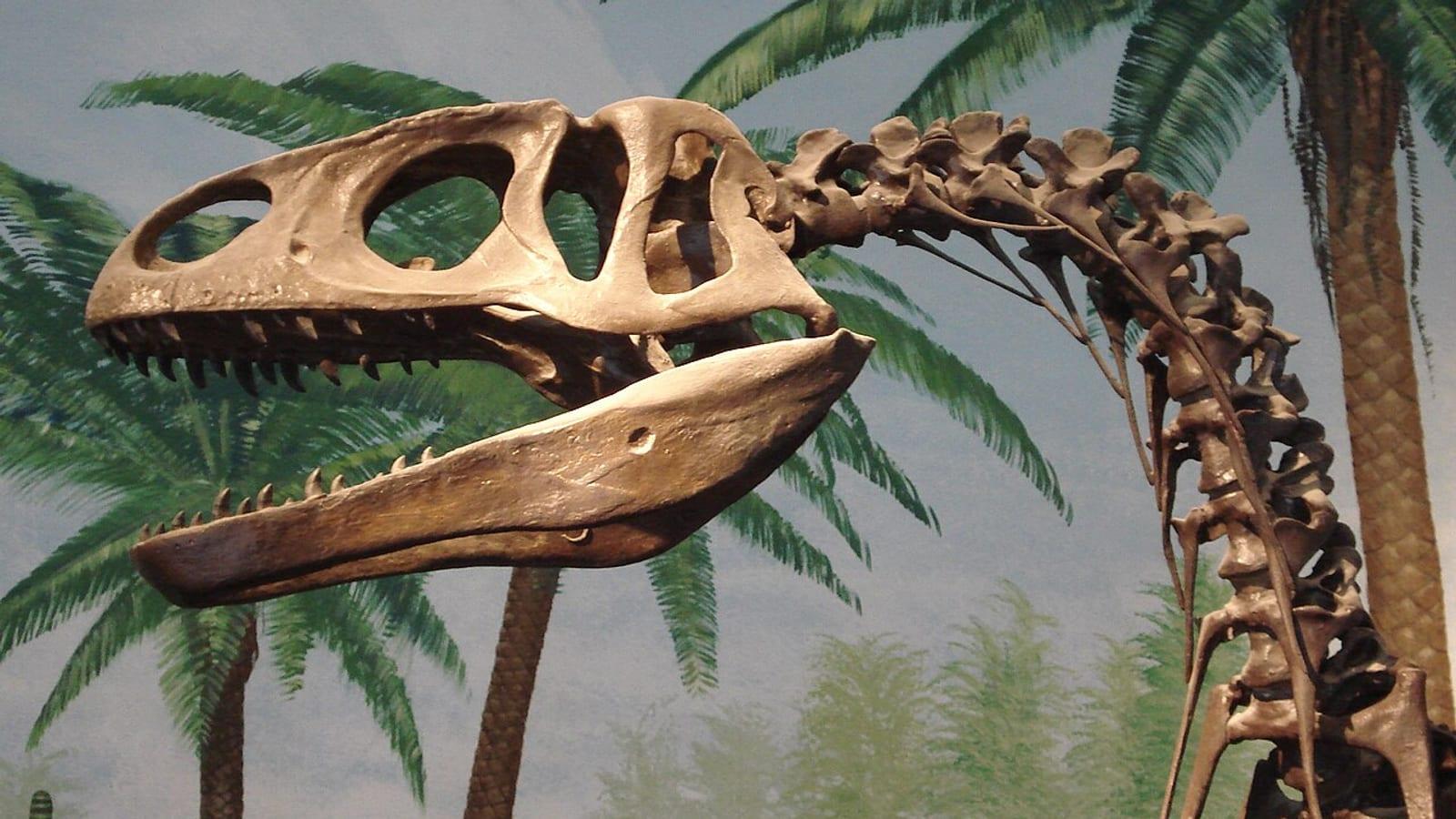
Urweltsteinbruch Holzmaden Posidonia Shale Fossil Hunting Guide
73274 Notzingen/Holzmaden
Ammonites, Ichthyosaur
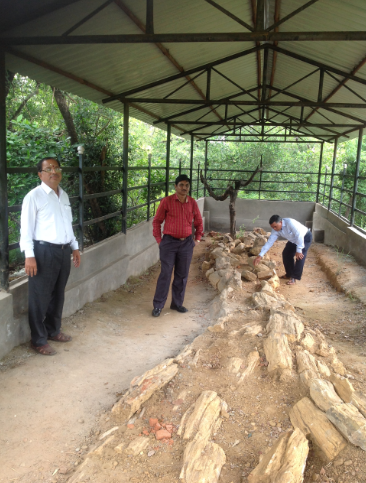
Wadadham Fossil Park Fossil Hunting Guide
Maharashtra, India
Dinosaur Bones, Dinosaurs, Sauropod remains, Plants
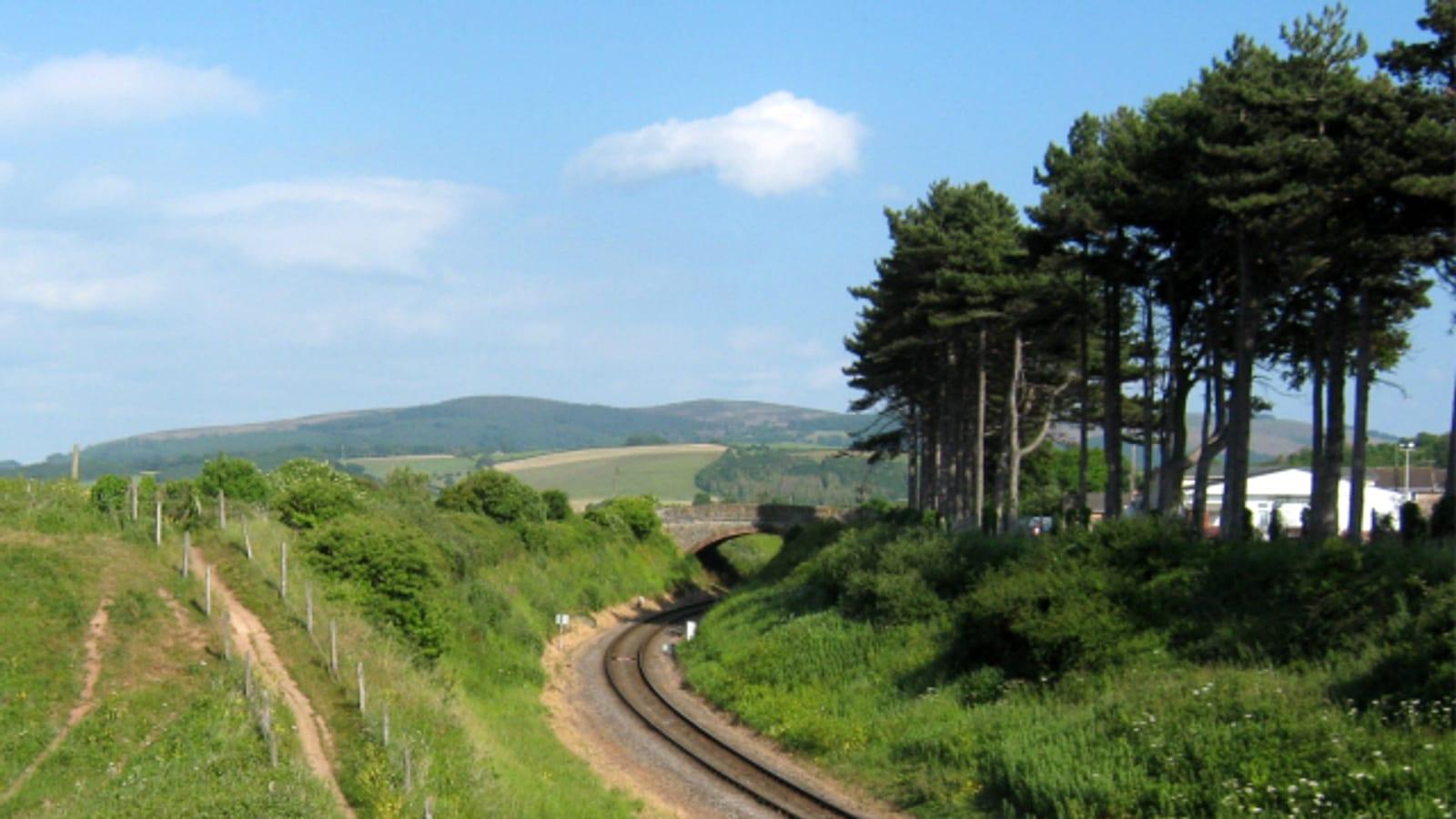
Watchet Somerset Fossil Hunting Guide
United Kingdom
Ammonites, Bivalves, Ichthyosaur
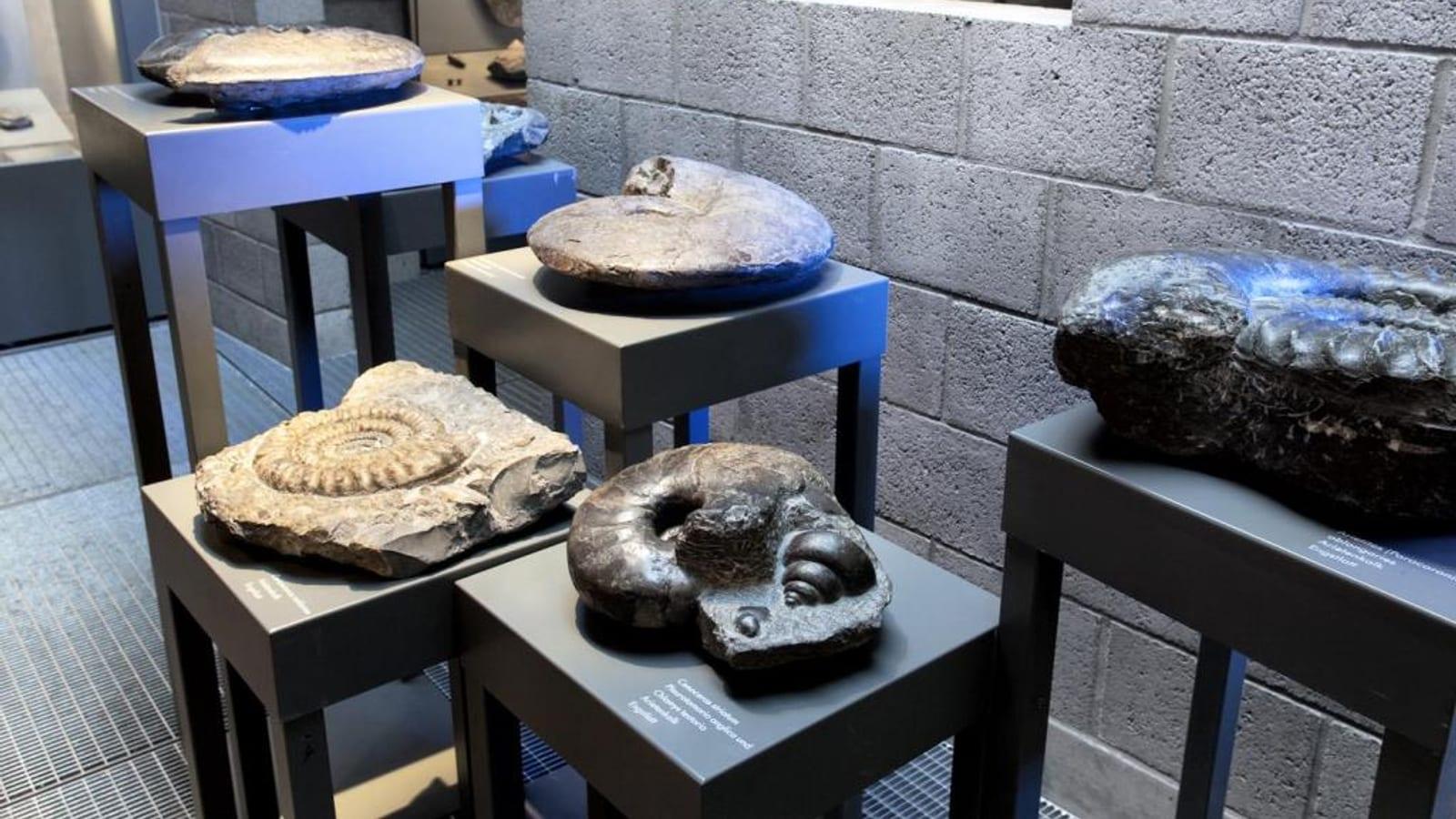
Werkforum Dotternhausen Fossil Hunting Guide
Baden-Württemberg, Germany
Ammonites, Belemnites, Bivalves, Marine Reptiles
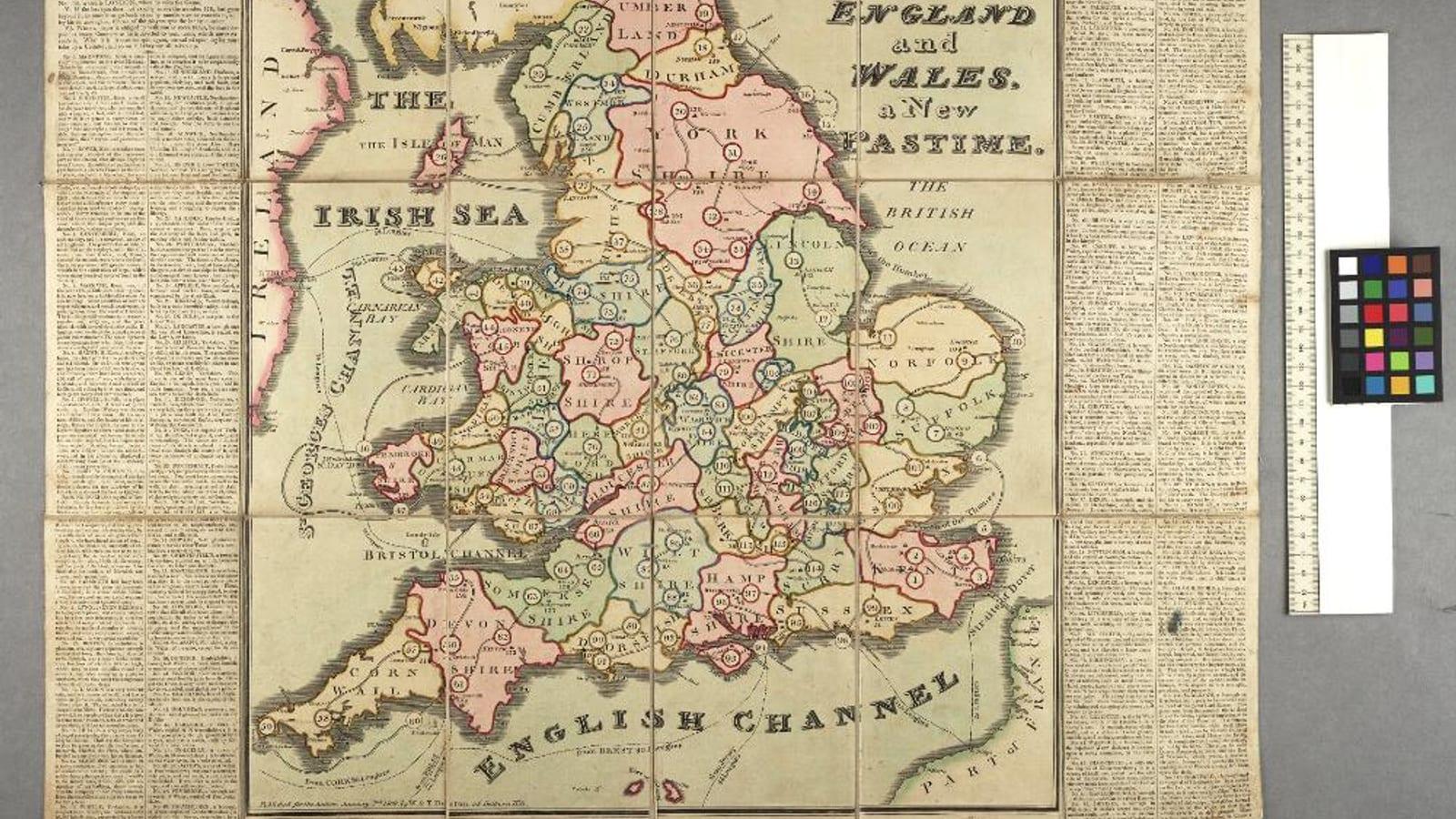
Whitby Yorkshire Fossil Hunting Guide
United Kingdom
Ammonites, Belemnites, Dinosaur Footprints, Ichthyosaur
Frequently asked questions
- Where is the best Jurassic collecting in Britain?
- The Dorset coast between Lyme Regis and Charmouth, and the Yorkshire coast around Whitby and Saltwick Bay. Both work the same way. Storms erode the cliffs, the sea sorts the debris, and you collect from the beach rather than the cliff face.
- What is the difference between an ammonite and a nautilus?
- Look at the suture lines where the internal walls meet the shell. Ammonite sutures are frilled and complex. Nautilus sutures are simple curves. The position of the siphuncle tube also differs, but the sutures are easier to see in the field.
- Is it safe to collect under sea cliffs?
- Only with care. Cliff falls kill people every few years on the Dorset and Yorkshire coasts. Stay well away from the cliff base, watch the tide, and collect from the open beach. Never dig into a cliff face.