Fossil type
Where to find gastropods
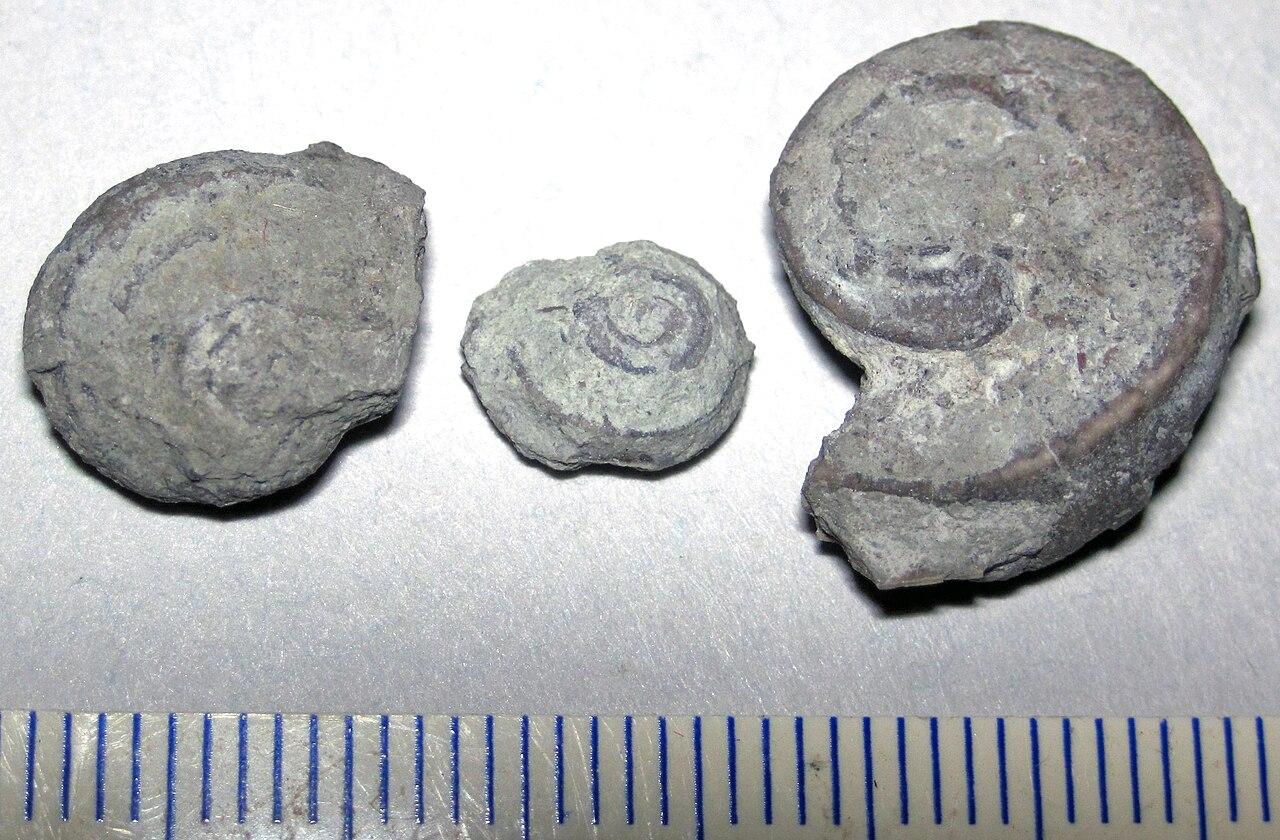
Gastropods (snails) are common throughout the marine fossil record. Mesozoic and Cenozoic gastropods often preserve exceptional shell detail. The Eocene London Clay and the Pliocene of the Atlantic coastal plain are well-known producers.
56 fossil sites
Updated 4 August 2026
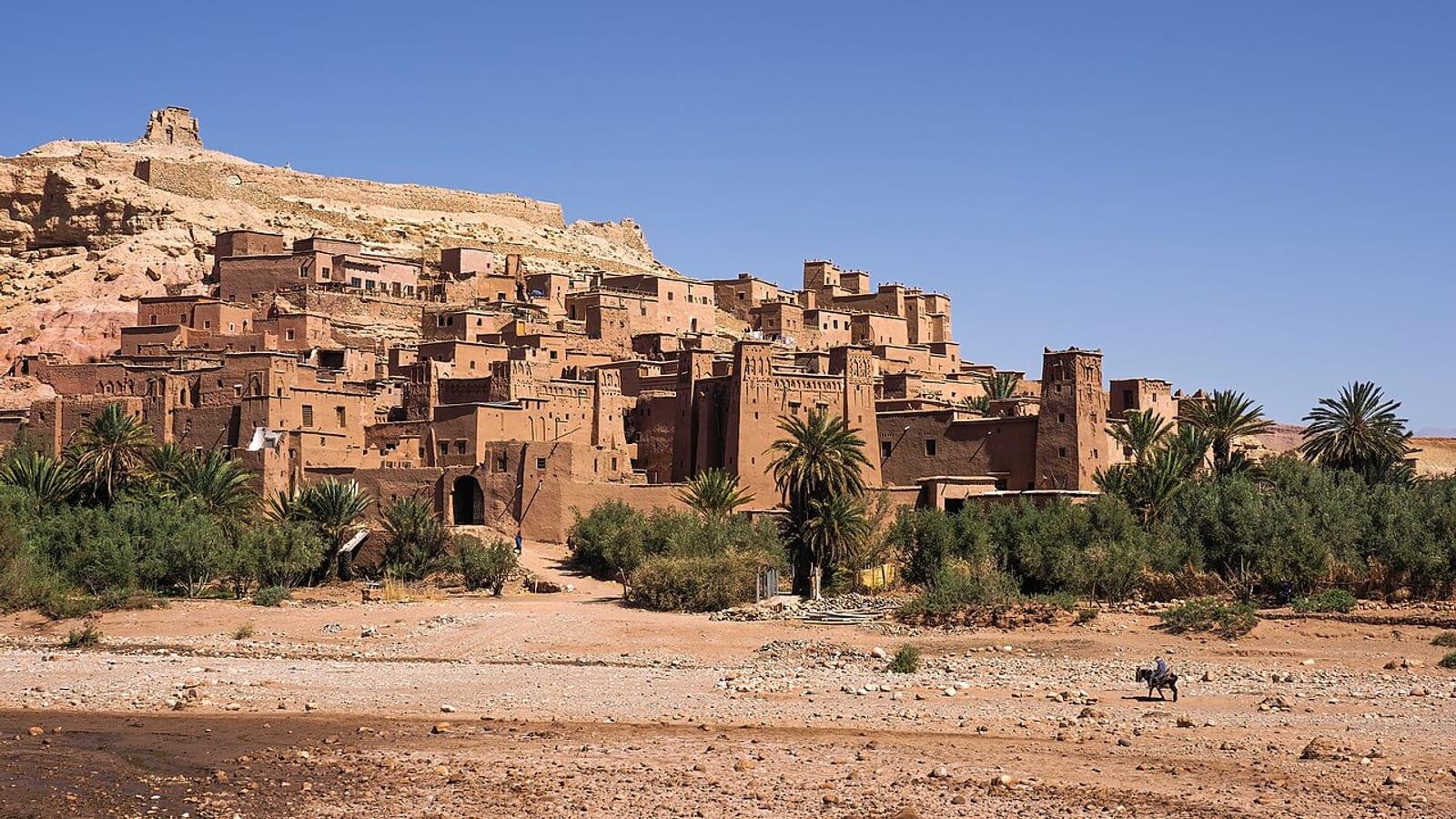
Ait Benhaddou Echinoid Site Ouarzazate Fossil Hunting Guide
Morocco
Cretaceous echinoids, Brachiopods, Gastropods, bivalves and coral fragments
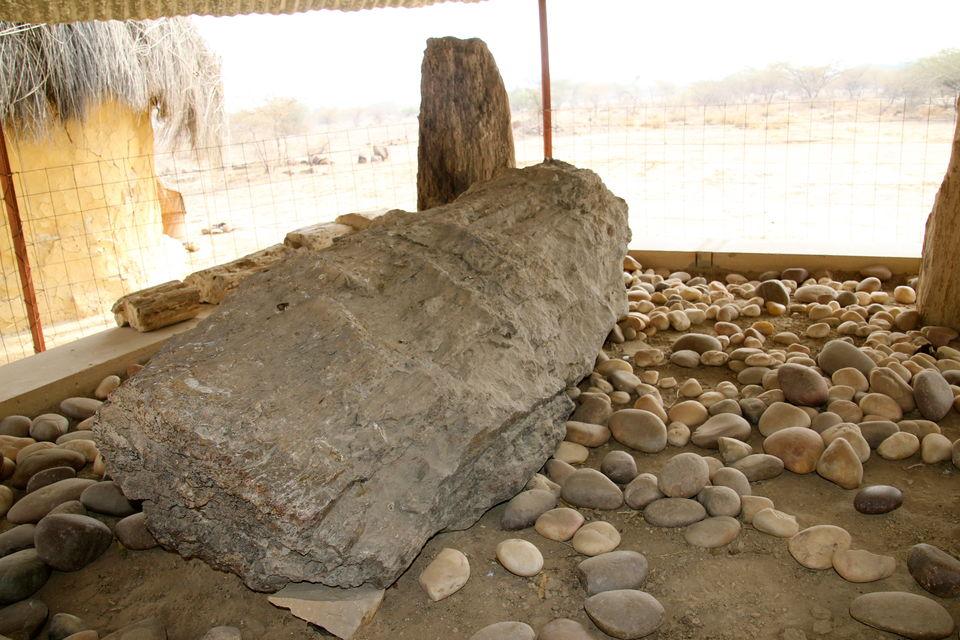
Akal Wood Fossil Park Fossil Hunting Guide
Rajasthan, India
Petrified Wood, Plants, Gastropods
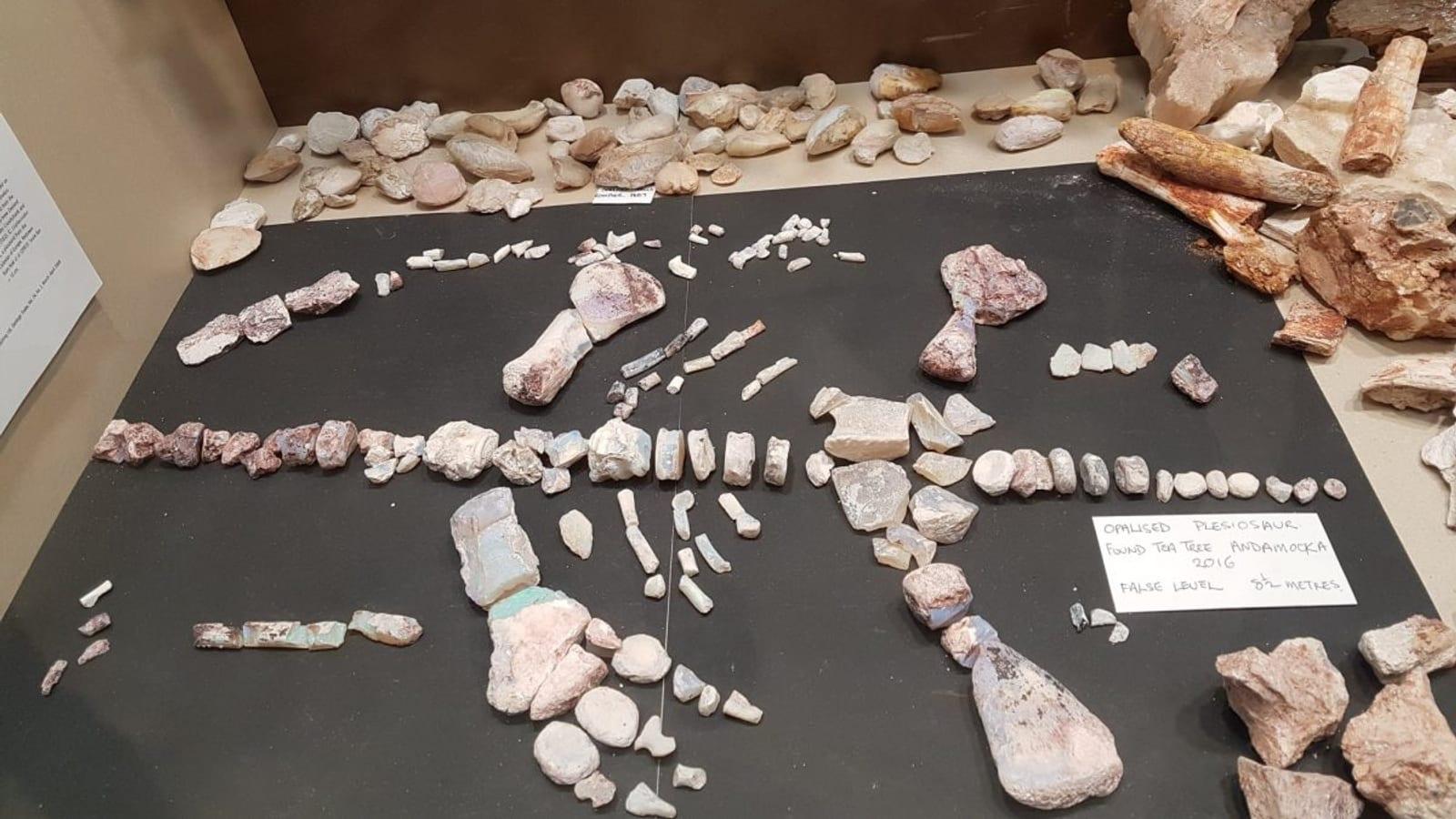
Andamooka Opal Fossils Fossicking Fossil Hunting Guide
Australia
Addyman Plesiosaur, Opallionectes andamookaensis, Kakuru kujani, Opalised bivalves
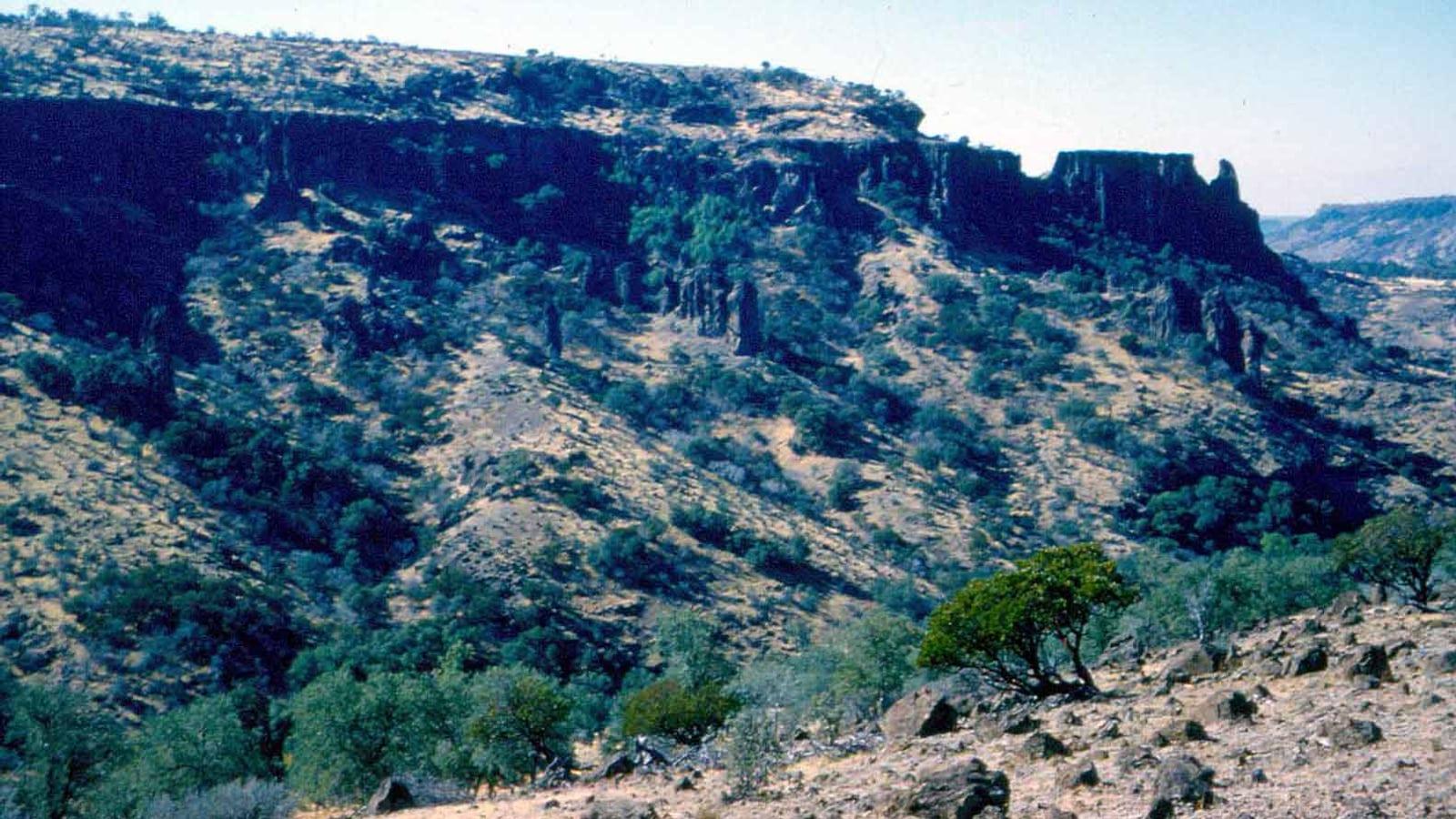
Antelope Creek Fossil Hunting Guide
Tehama County, California, United States
Ammonites, Bivalves, Gastropods
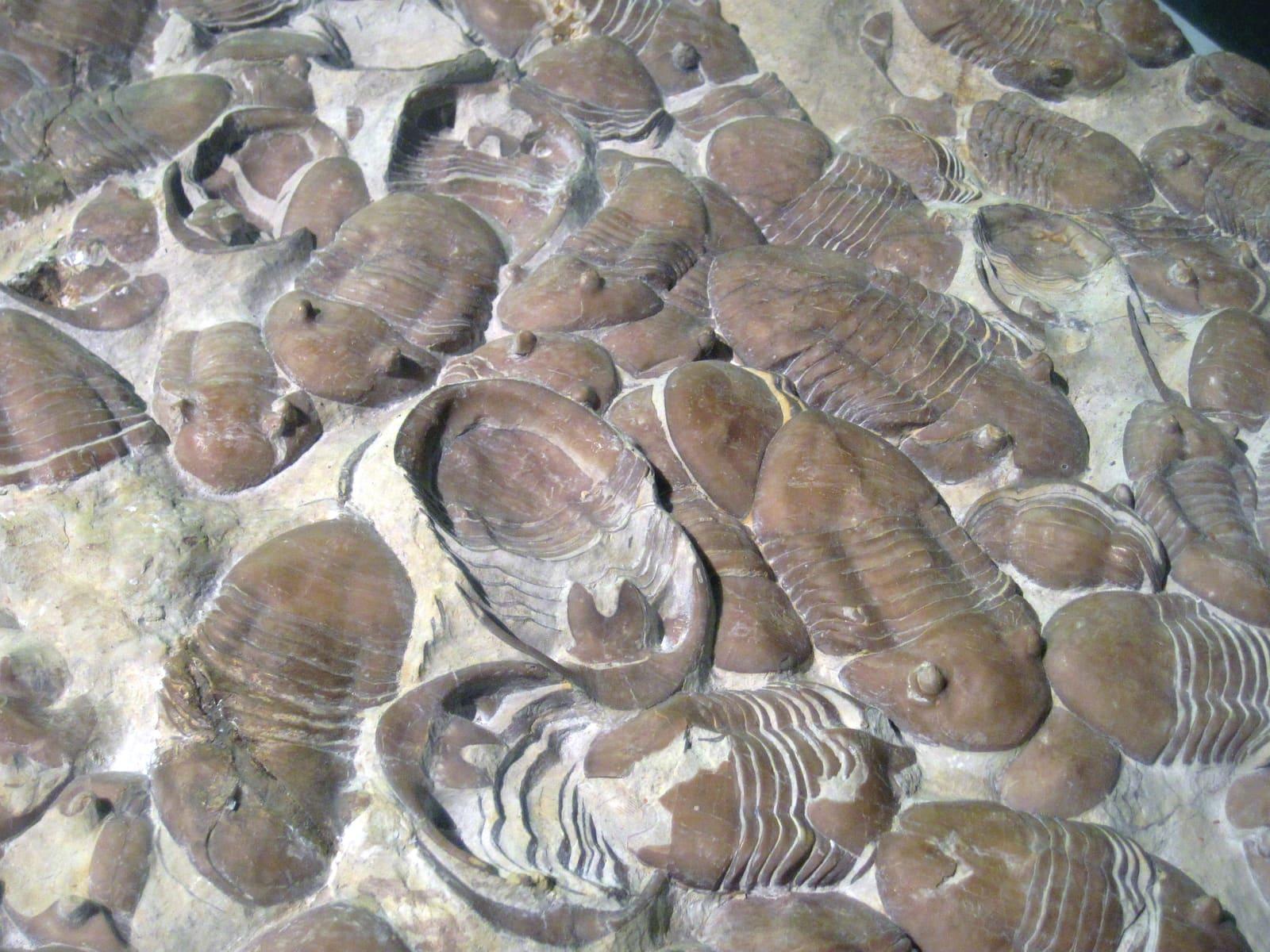
Arbuckle Mountains Bromide Formation Fossil Guide
Oklahoma, United States
Trilobites, Crinoids, Brachiopods, Bryozoans
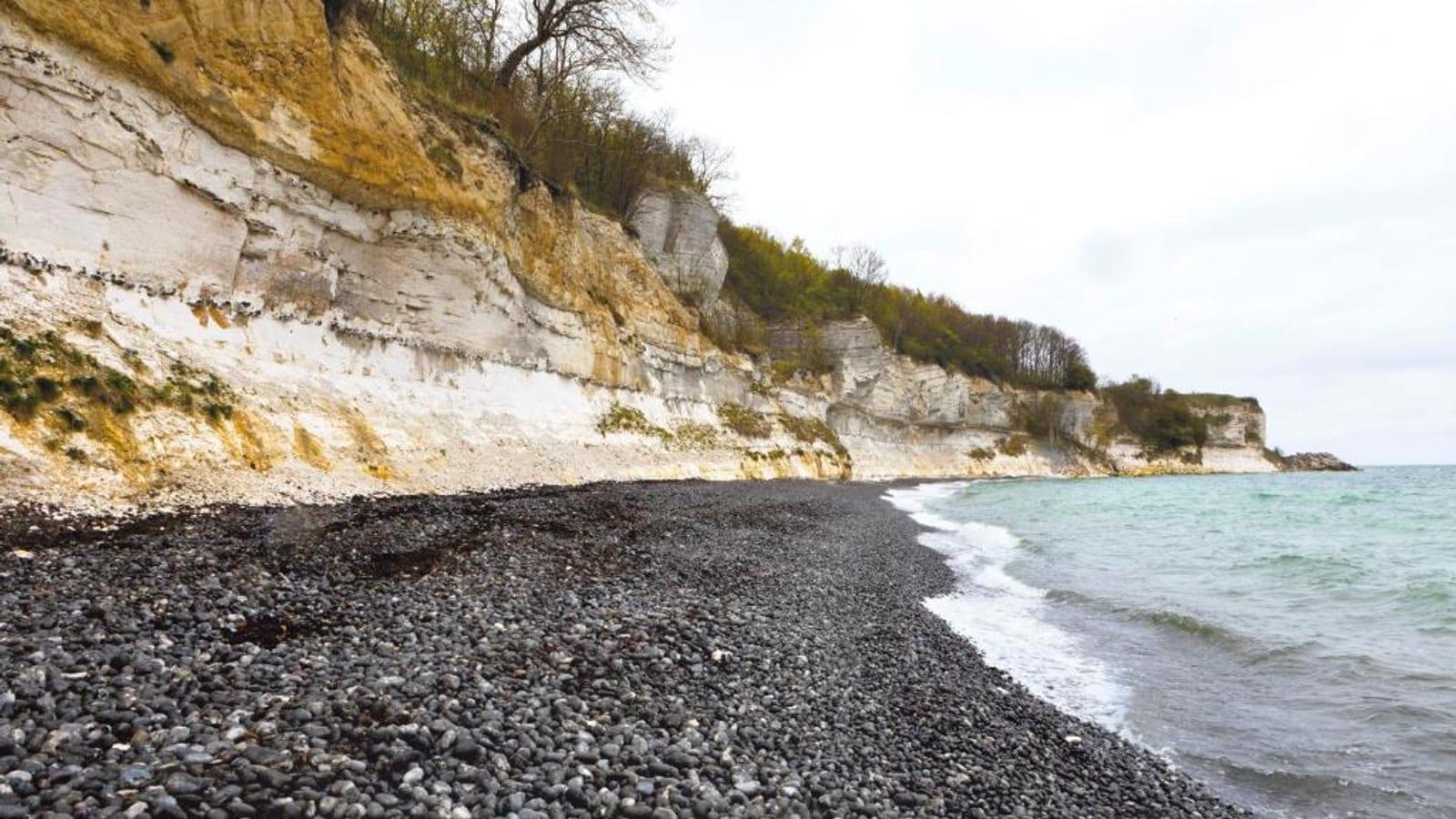
Baggy Point Fossil Hunting Guide
England, United Kingdom
Brachiopods, Bivalves, Gastropods, Crinoids
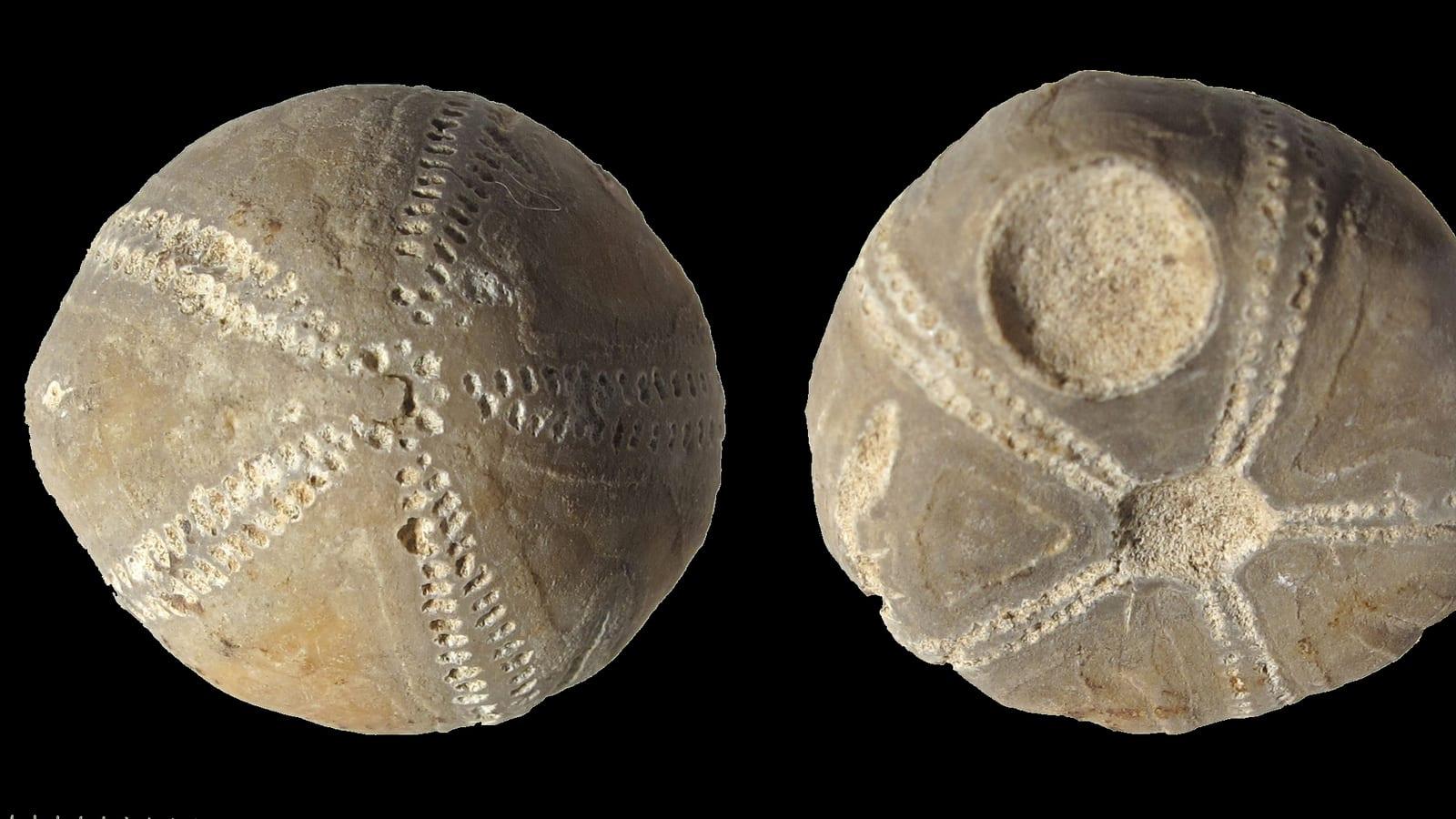
Bakrit Starfish Echinoid Site Ifrane Fossil Hunting Guide
Fès-Meknès, Morocco
starfish and echinoid fossils, Starfish, Echinoids, Brachiopods
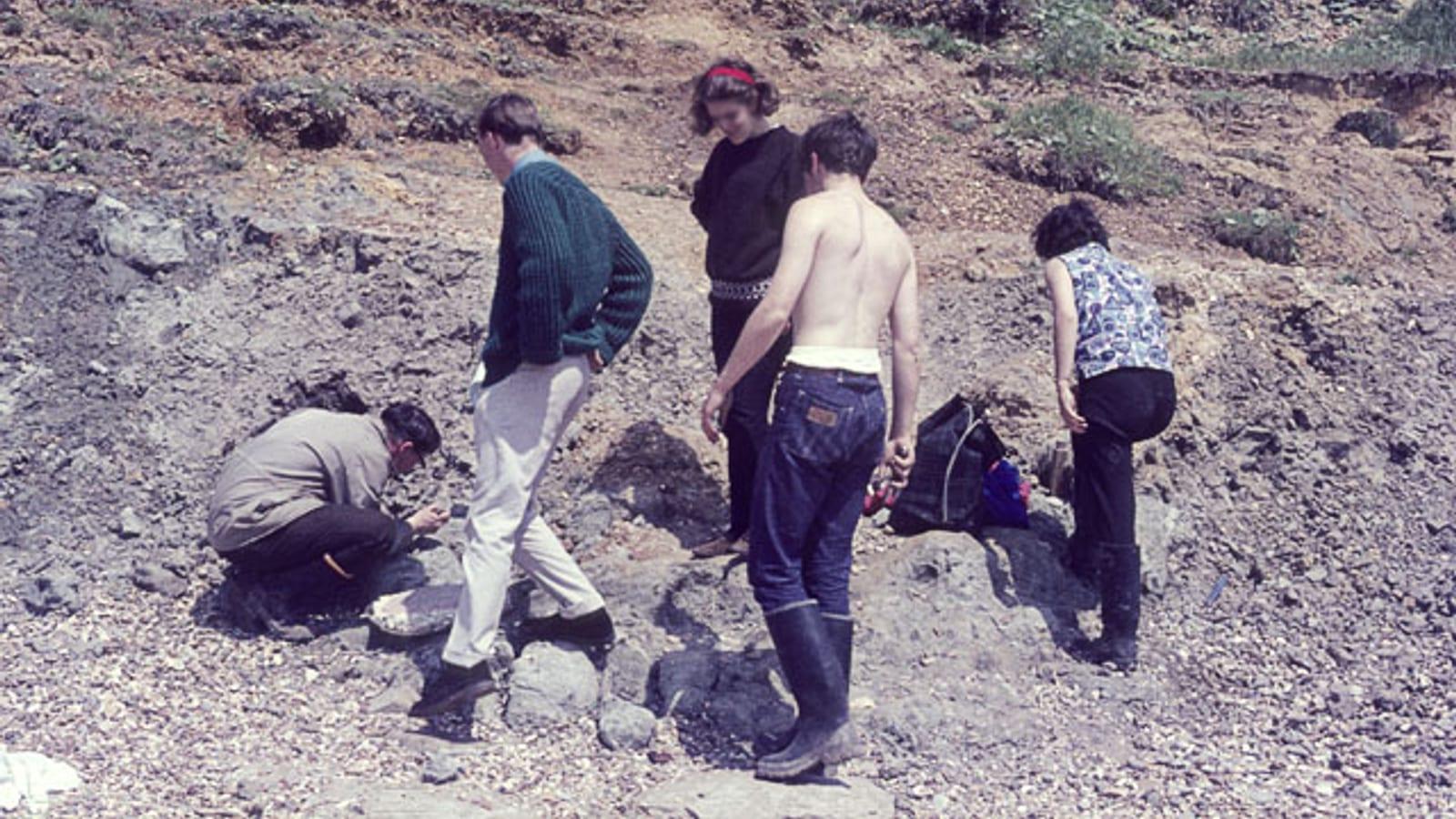
Barton on Sea Fossil Hunting Guide
England, United Kingdom
Gastropods, Shark Teeth, Bivalves
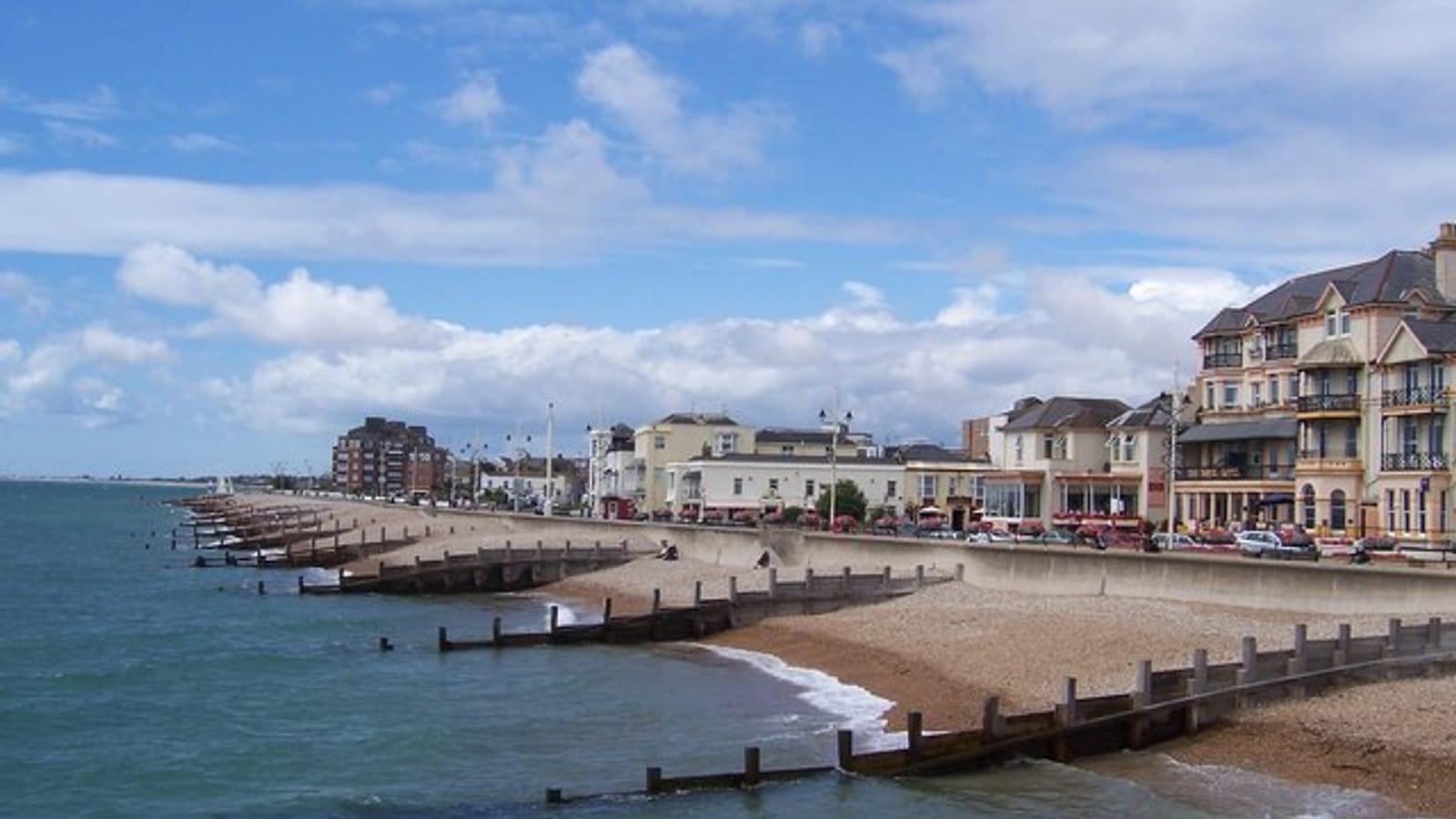
Bognor Regis Fossils: London Clay Foreshore Guide
western end of Bognor Regis
Sharks' teeth, Fish remains, Eocene insects, Molluscs
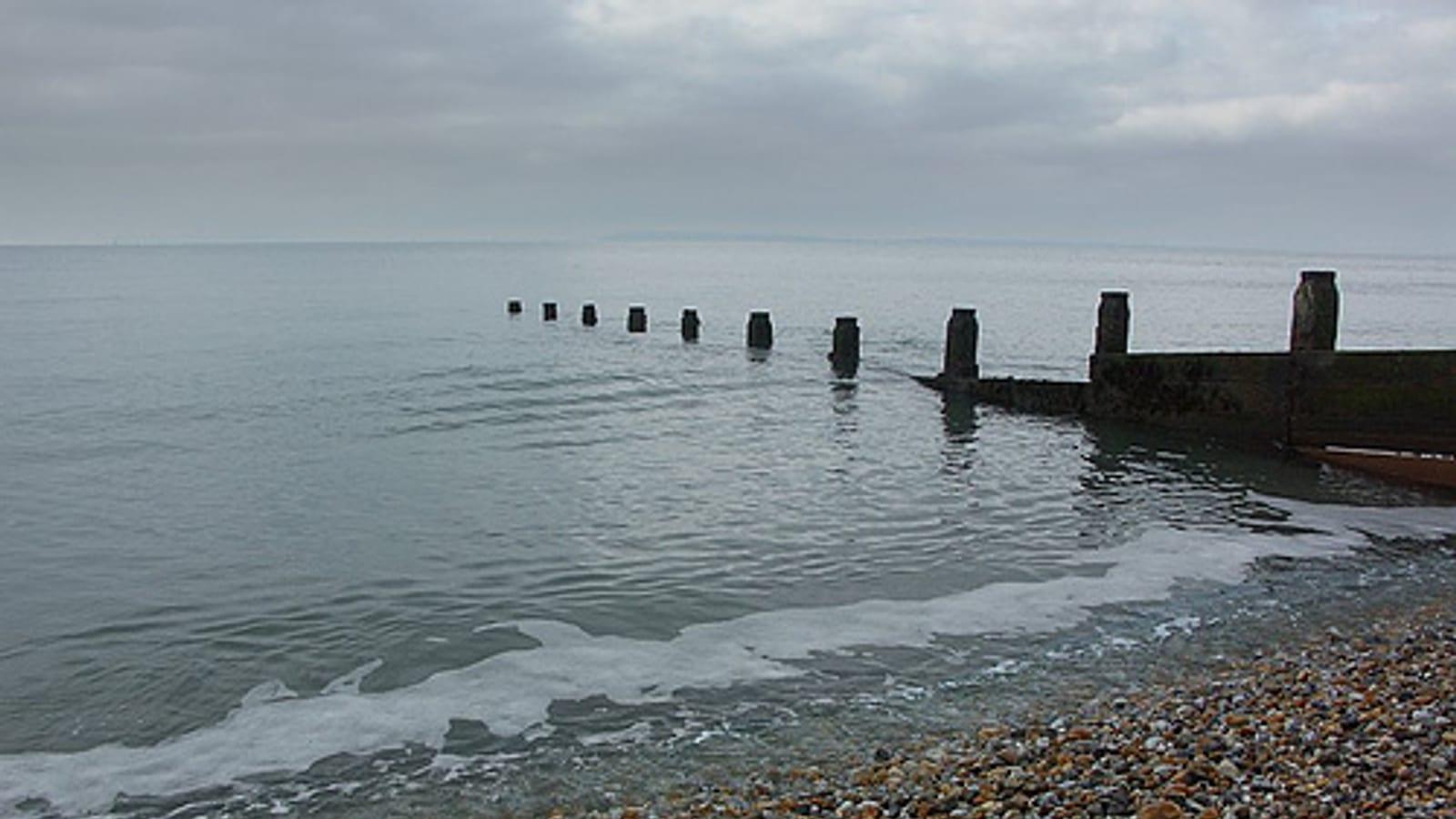
Bracklesham Bay Fossil Hunting Guide
Bracklesham Bay
Striatolamia macrota, foraminifera, Shark Teeth, Bivalves
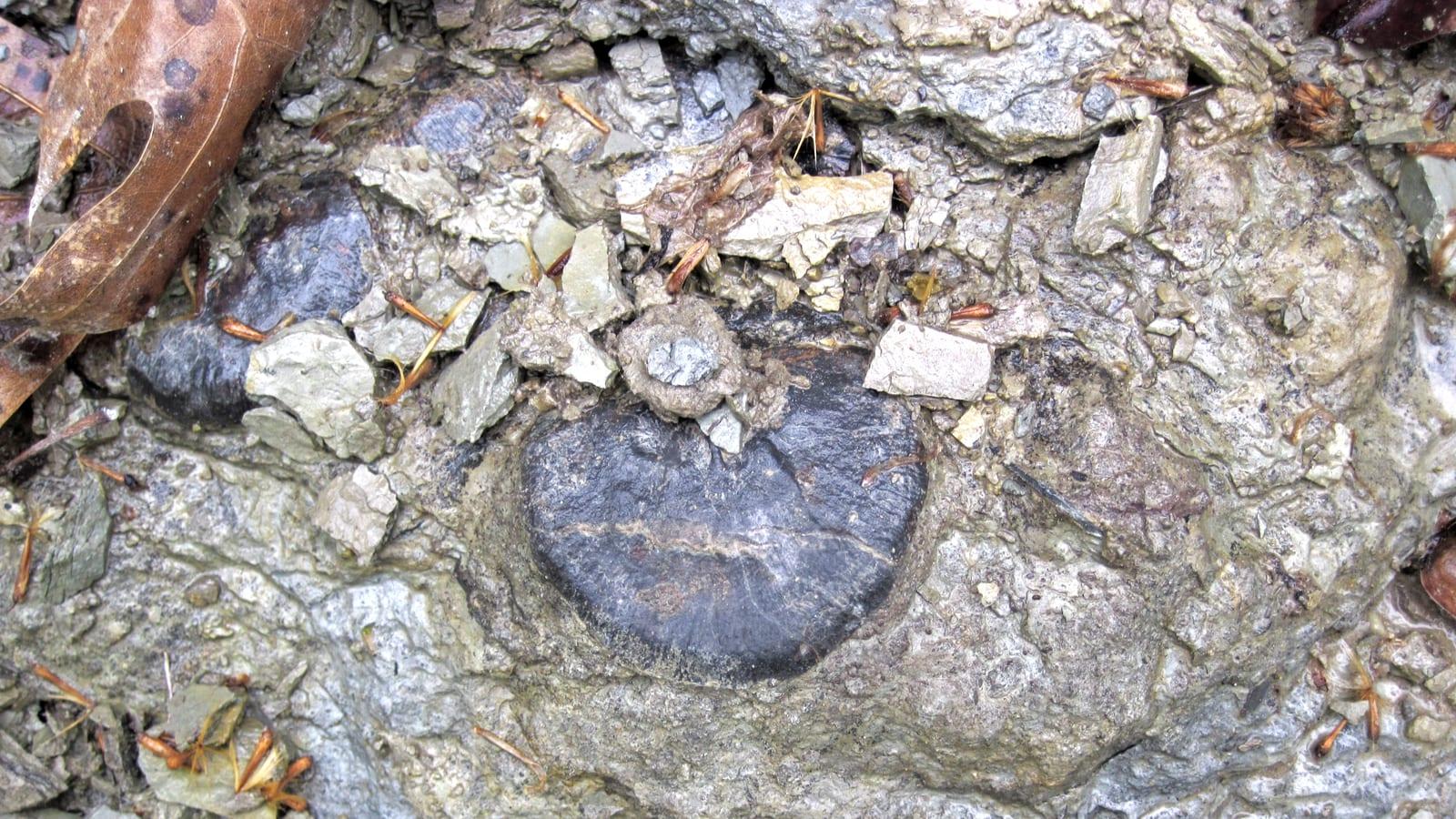
Caesar Creek State Park Fossil Hunting Guide
Ohio, United States
Trilobites, Brachiopods, Crinoids, Corals
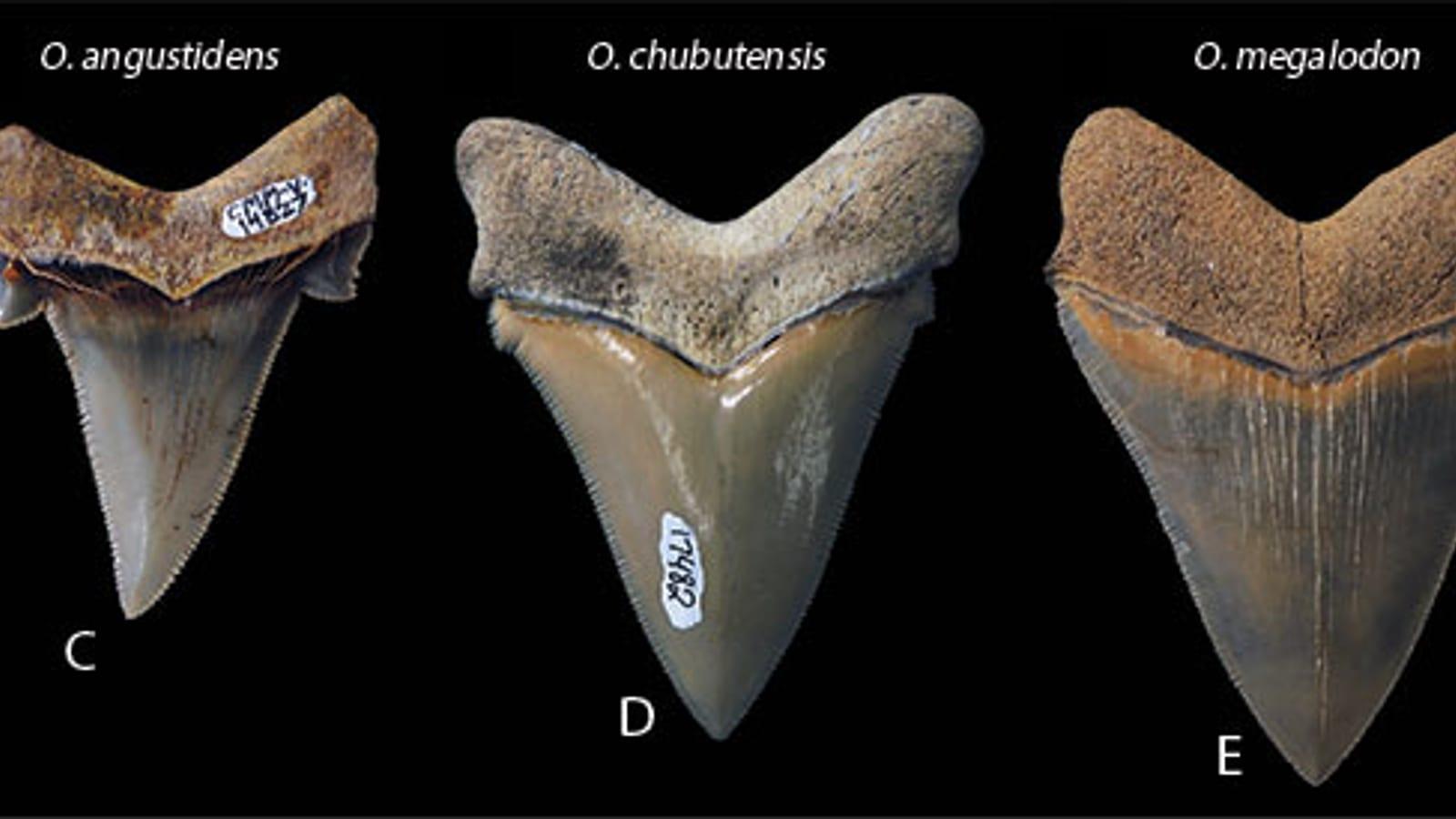
Calvert Cliffs Fossil Hunting Guide
Maryland, United States
Shark Teeth, Bivalves, Gastropods, Marine Mammals
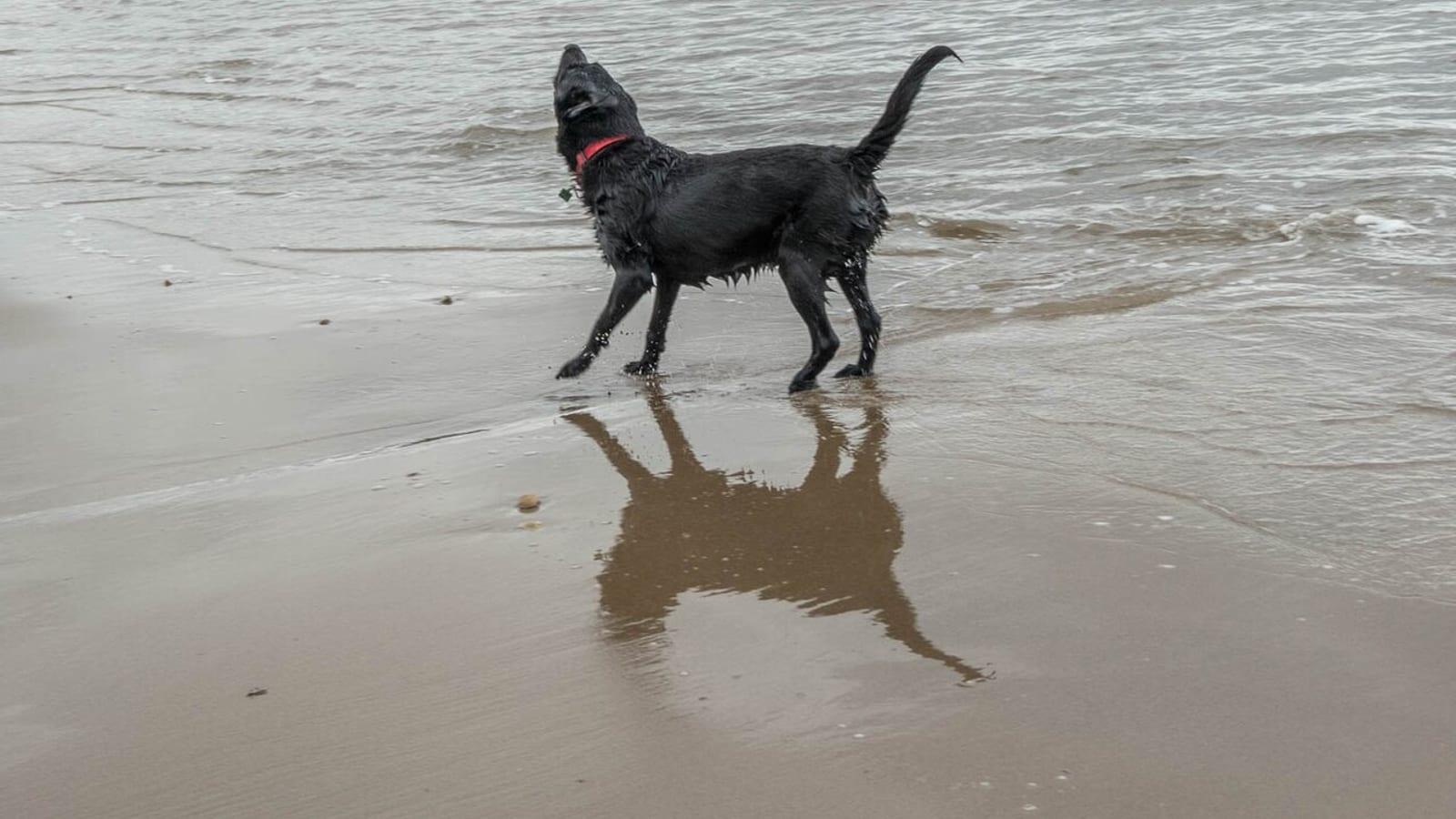
Cayton Bay Yorkshire Fossil Hunting Guide
United Kingdom
Ammonites, Bivalves, Gastropods, Brachiopods
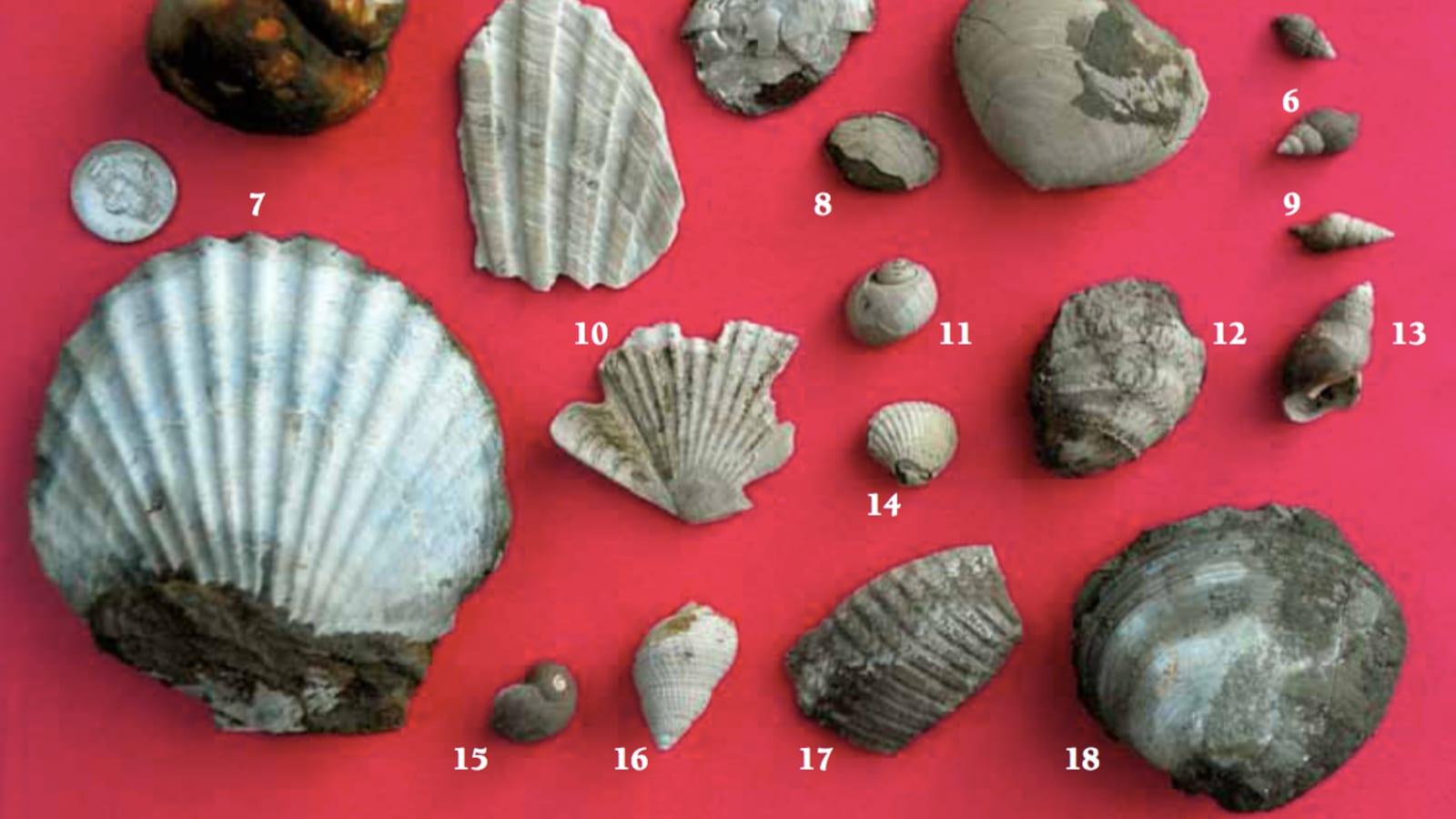
Centerville Beach Fossil Hunting Guide
California, United States
Patinopecten sp. (Giant Pacific Scallop), Natica clausa (Moon Snail), Clinocardium meekianum (Cockle), Nucella canaliculata (Channeled Dogwinkle)
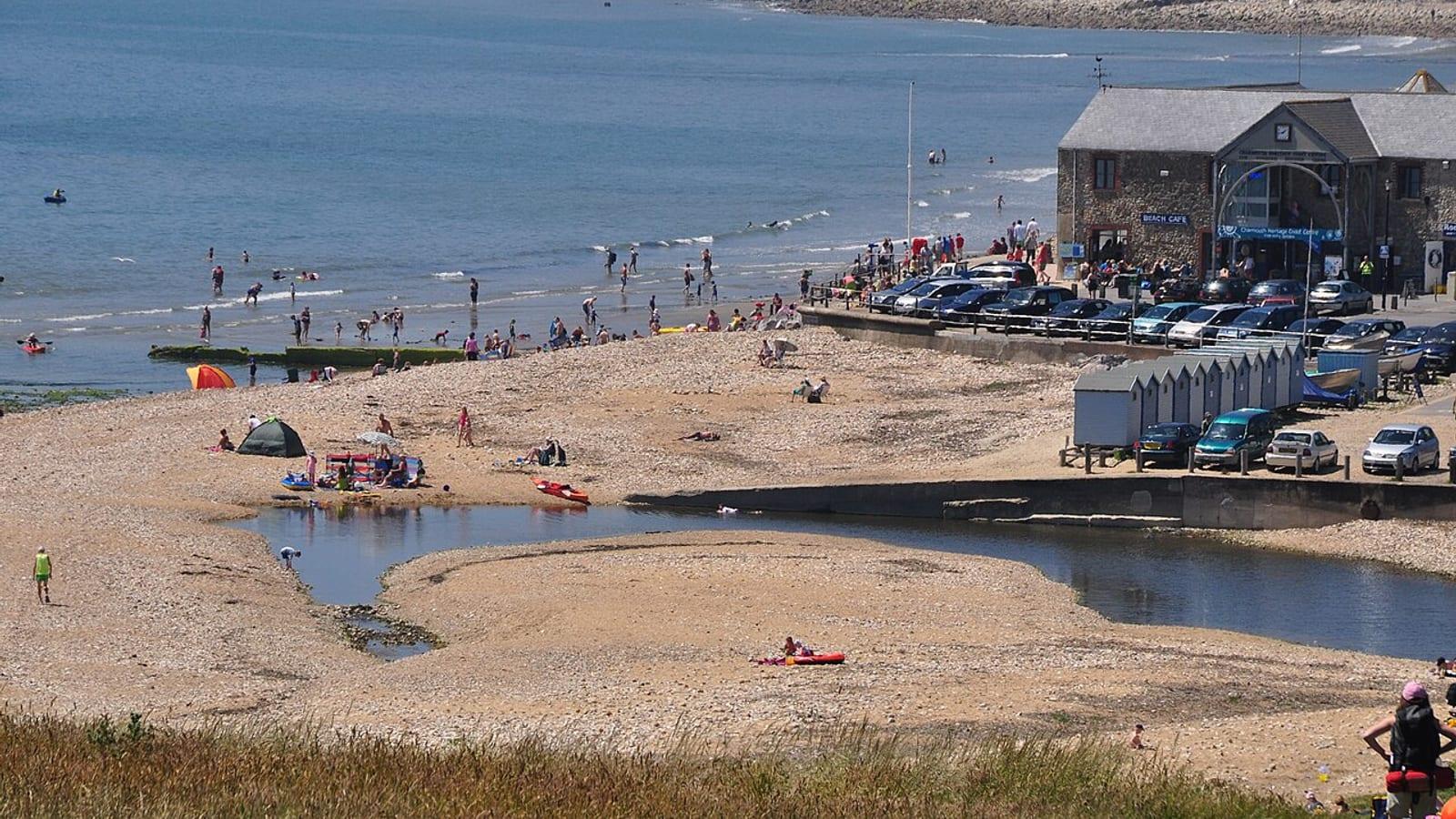
Charmouth Beach Fossil Hunting Guide
Charmouth
Ammonites, Belemnites, Bivalves, Crinoid
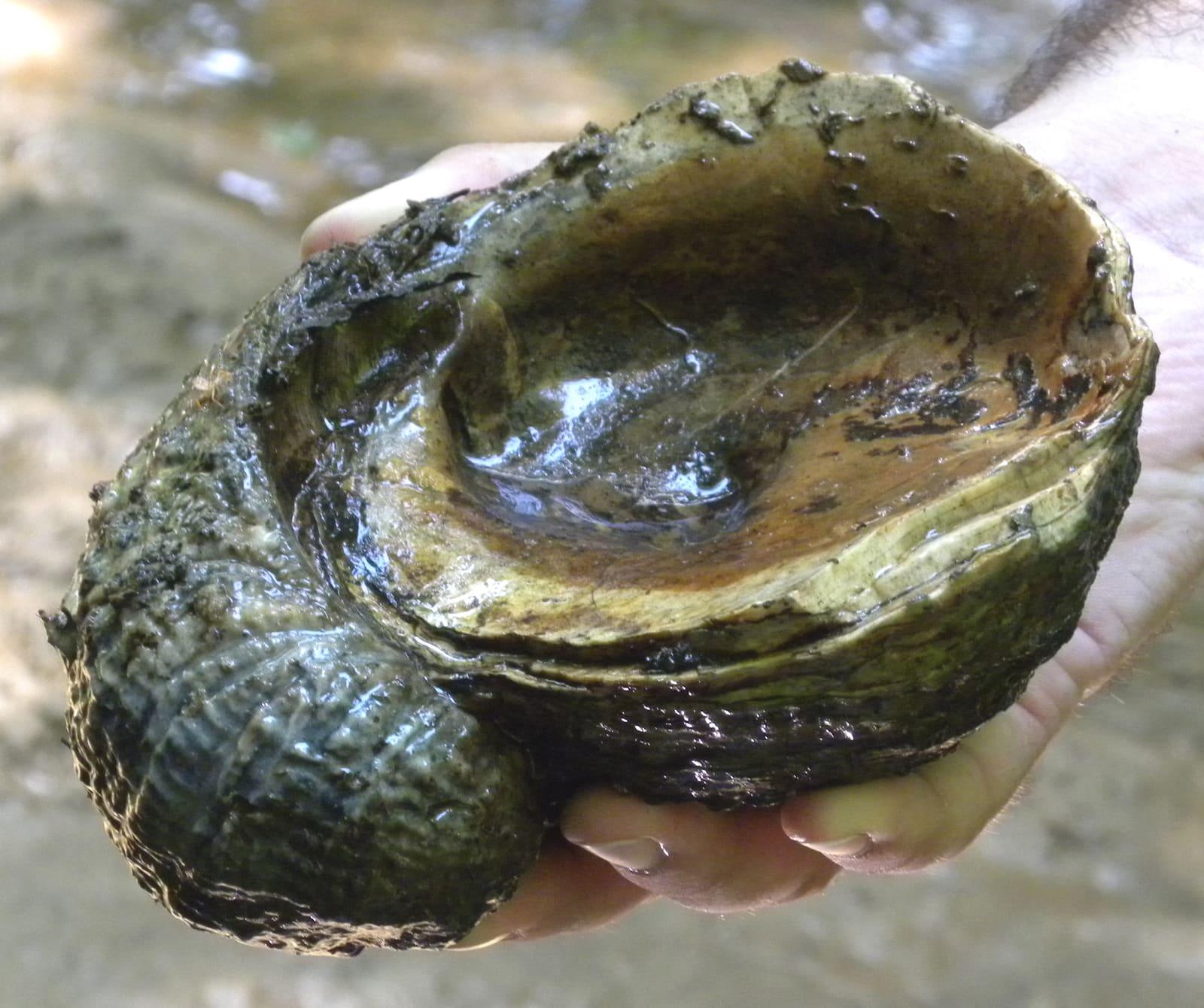
Coffee Sand and Owl Creek Formation Fossil Guide
Mississippi, United States
Ammonites, Shark Teeth, Bivalves, Gastropods
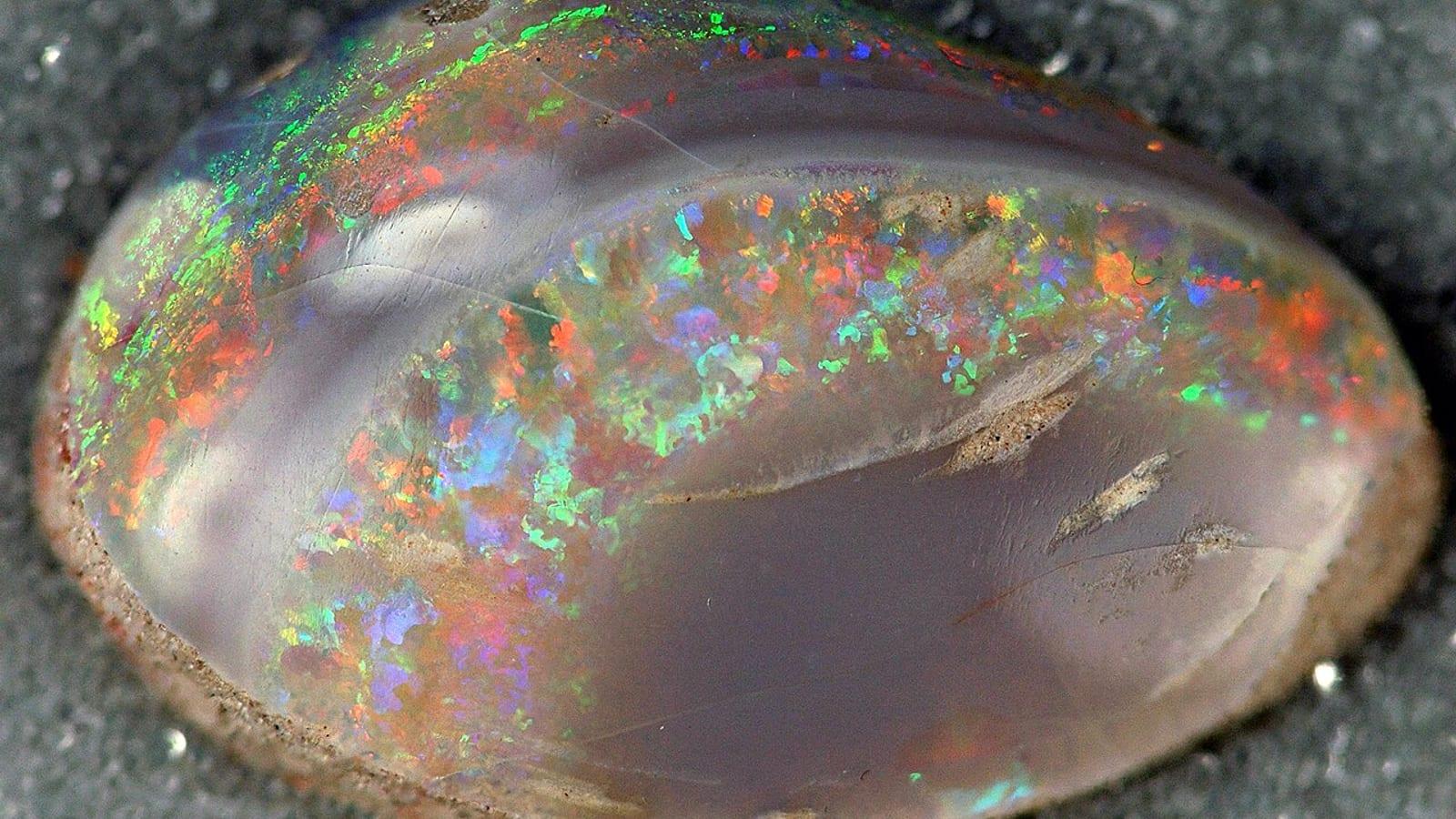
Coober Pedy Opal Fossils Eric Plesiosaur Fossil Hunting Guide
Australia
Bivalves and gastropods, Belemnites, Fish remains, marine reptiles
Coon Creek Science Center Fossil Dig Guide
Tennessee, United States
Crabs, Bivalves, Gastropods, Ammonites
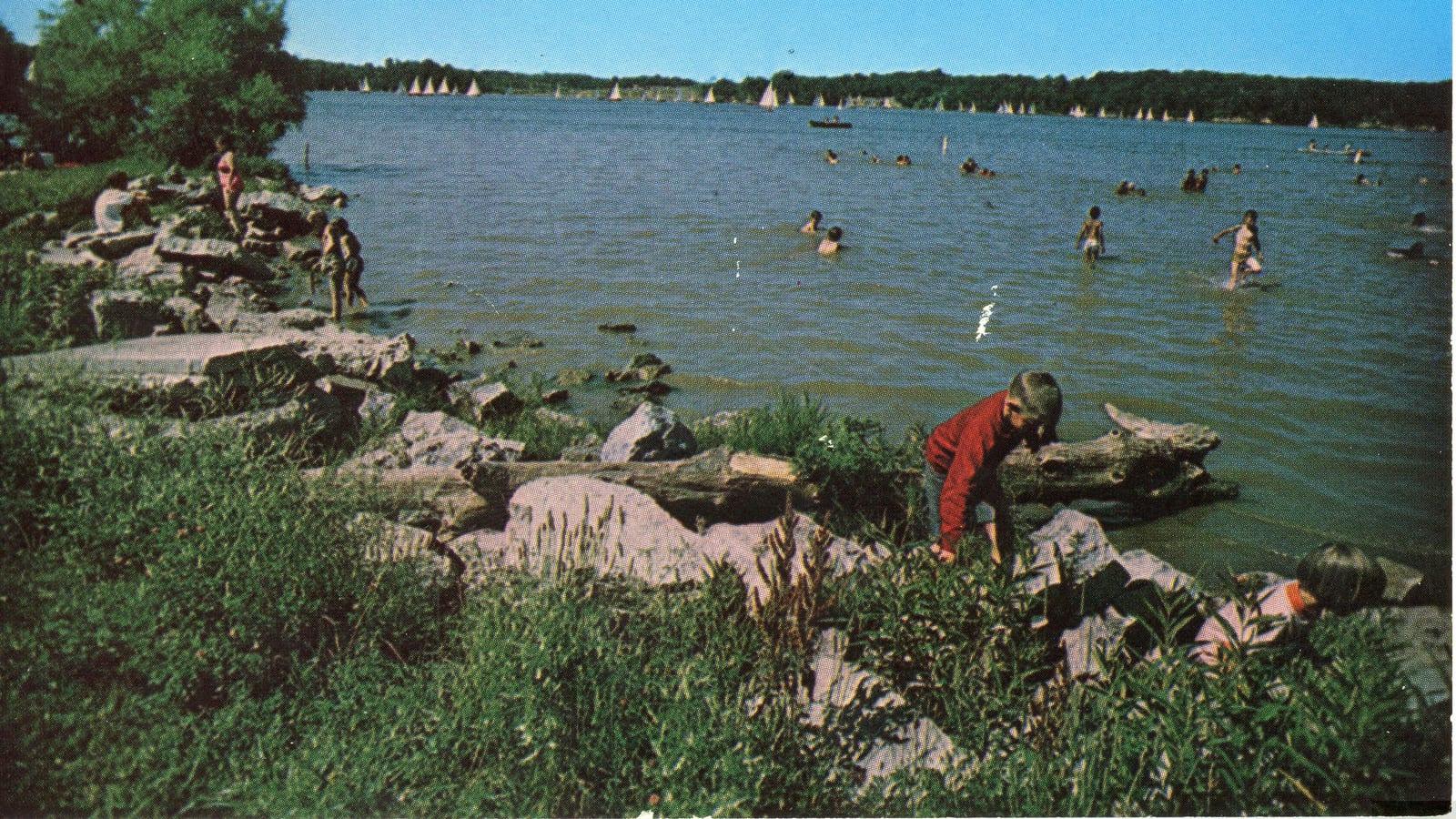
Cowan Lake State Park Fossil Hunting Guide
Ohio, United States
Brachiopods, Bryozoans, Corals, Crinoids
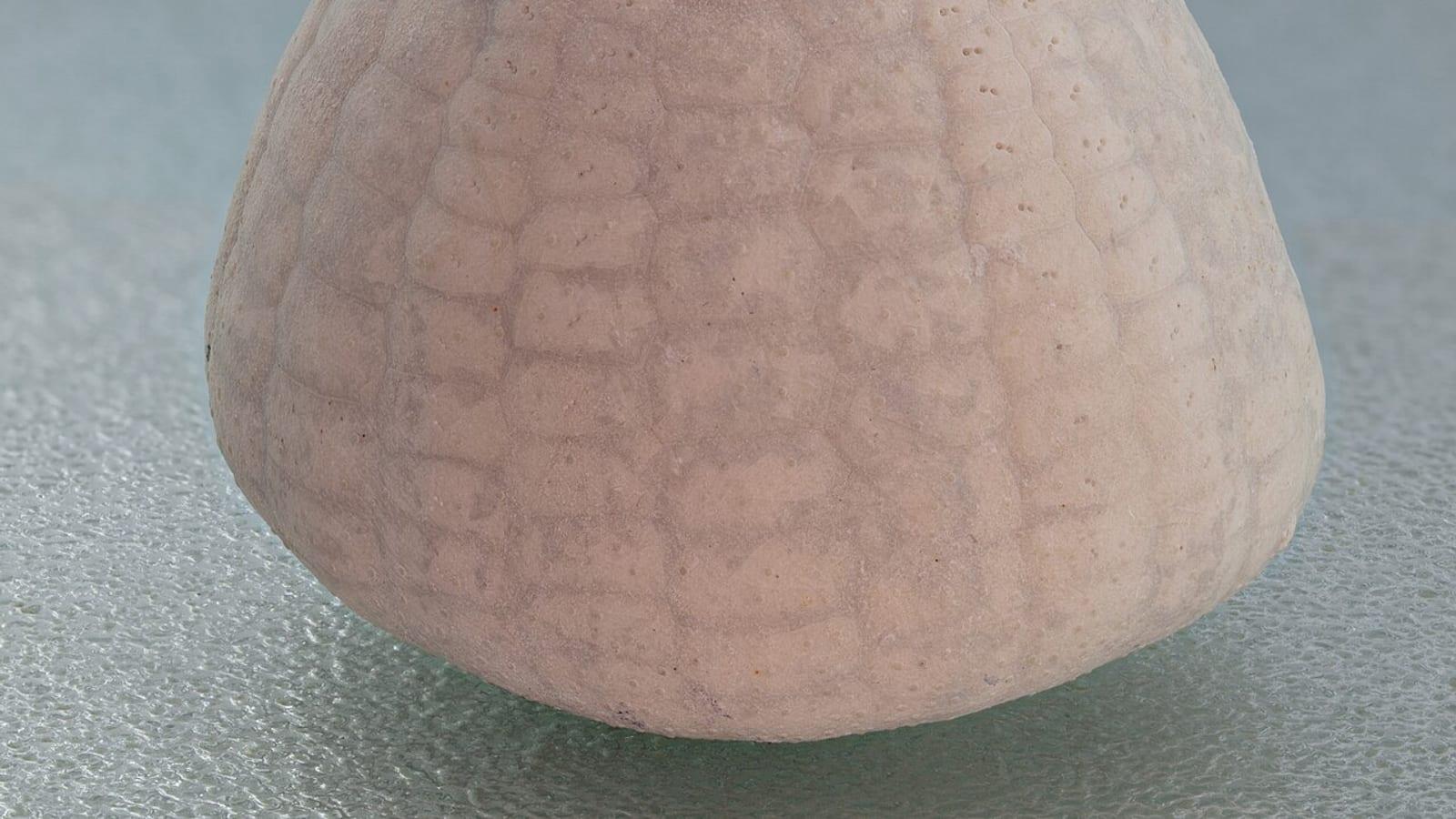
Dalbyover Quarry Fossil Hunting Guide
Denmark
Bryozoans, Sea urchins, Brachiopods, bivalves
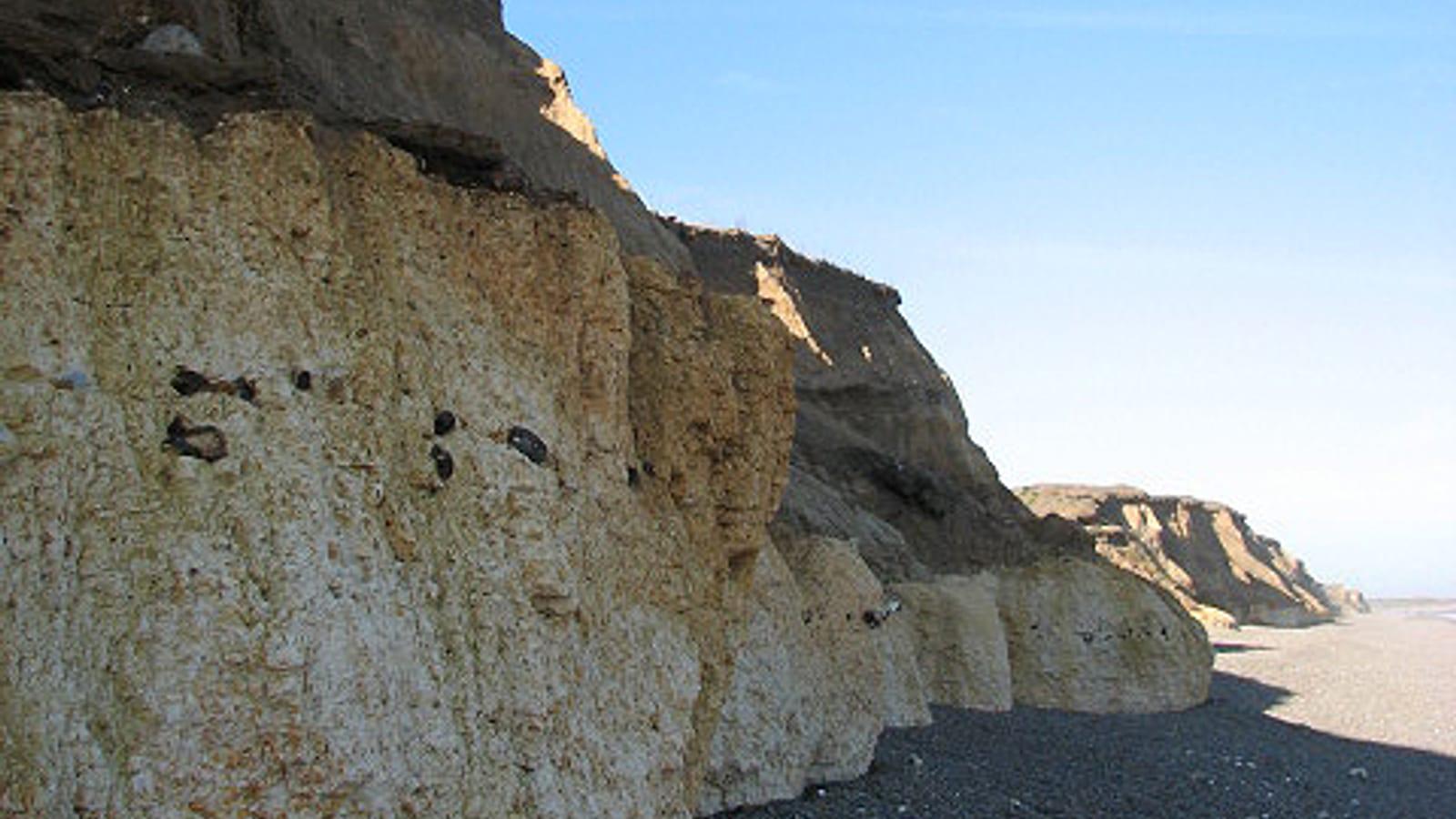
Dinosaur Footprints at Worth Matravers, Dorset: Dinosaur Trackways
England, United Kingdom
not permitted, Sauropod footprints, Theropod tracks, strictly prohibited
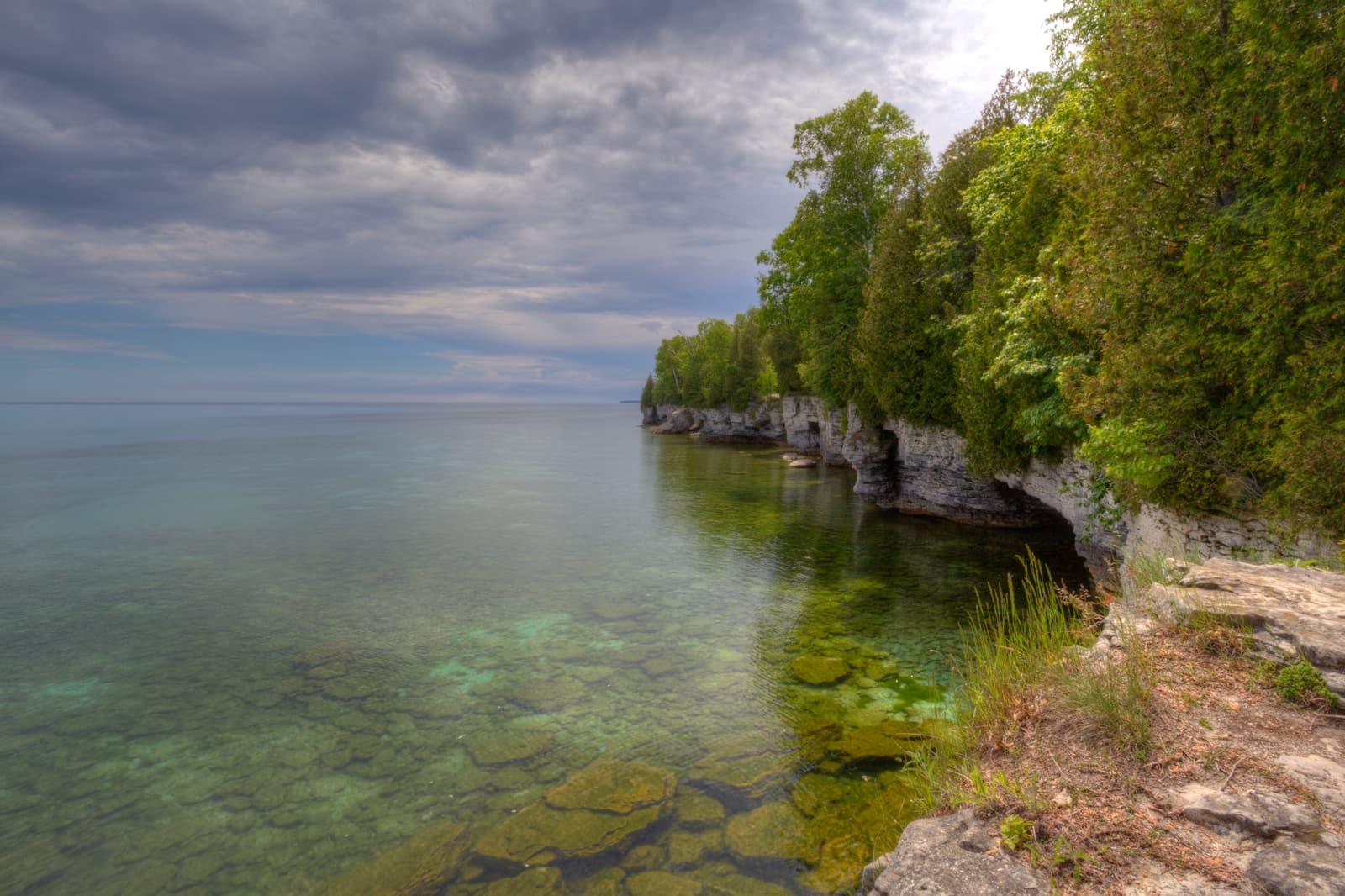
Door County Niagaran Reef Fossil Guide
Wisconsin, United States
Corals, Brachiopods, Gastropods, Cephalopods
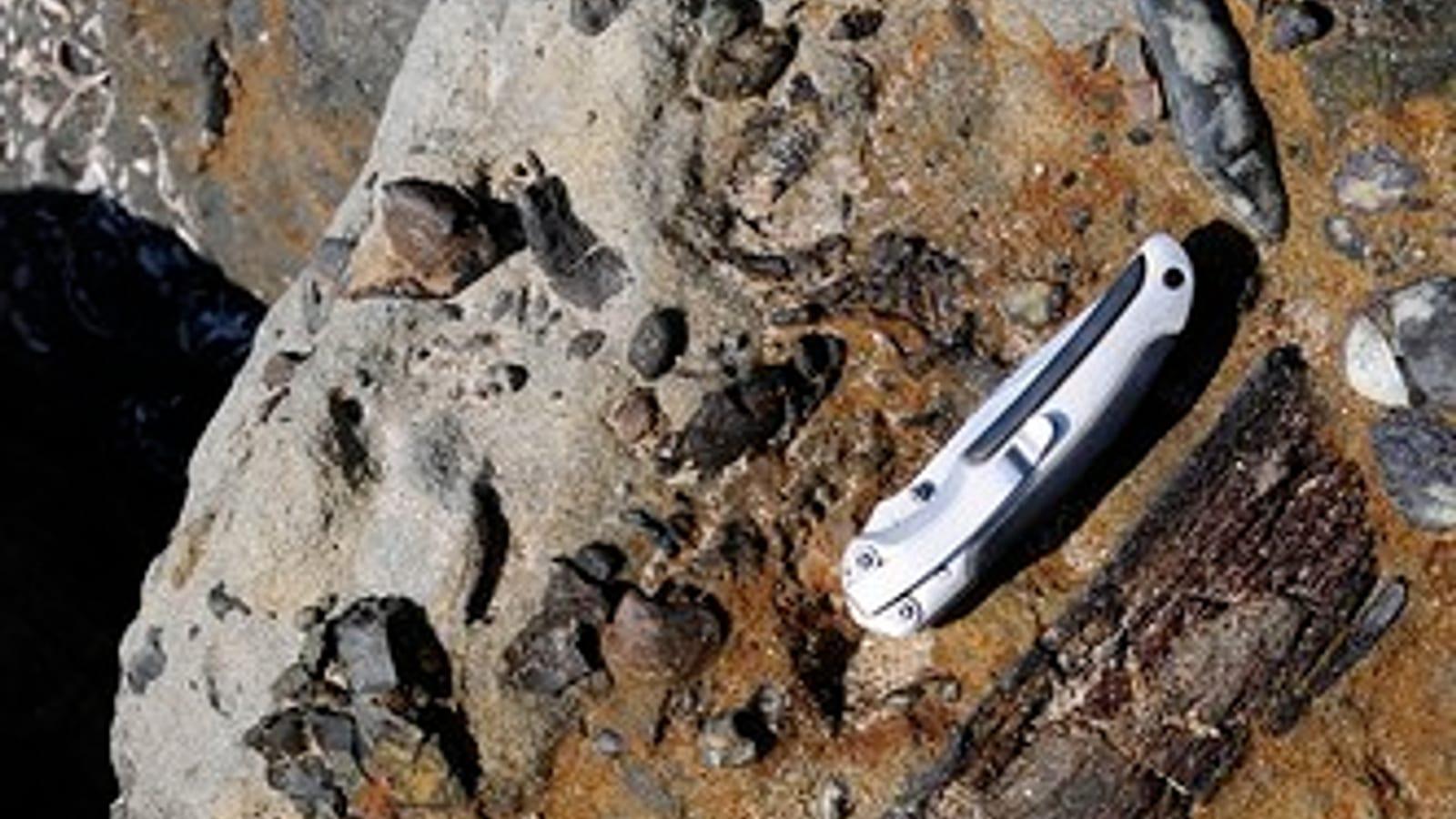
Find Fossils on Capitola Beach Fossil Hunting Guide
California, United States
Shark Teeth, Bivalves, Gastropods

Folkestone Warren and Copt Point Fossil Hunting Guide
Kent, England
Ammonites, Crabs, Shark Teeth, Bivalves
Fossil & Prairie Park Preserve Fossil Hunting Guide
Iowa, United States
Brachiopods, Corals, Crinoids, Gastropods
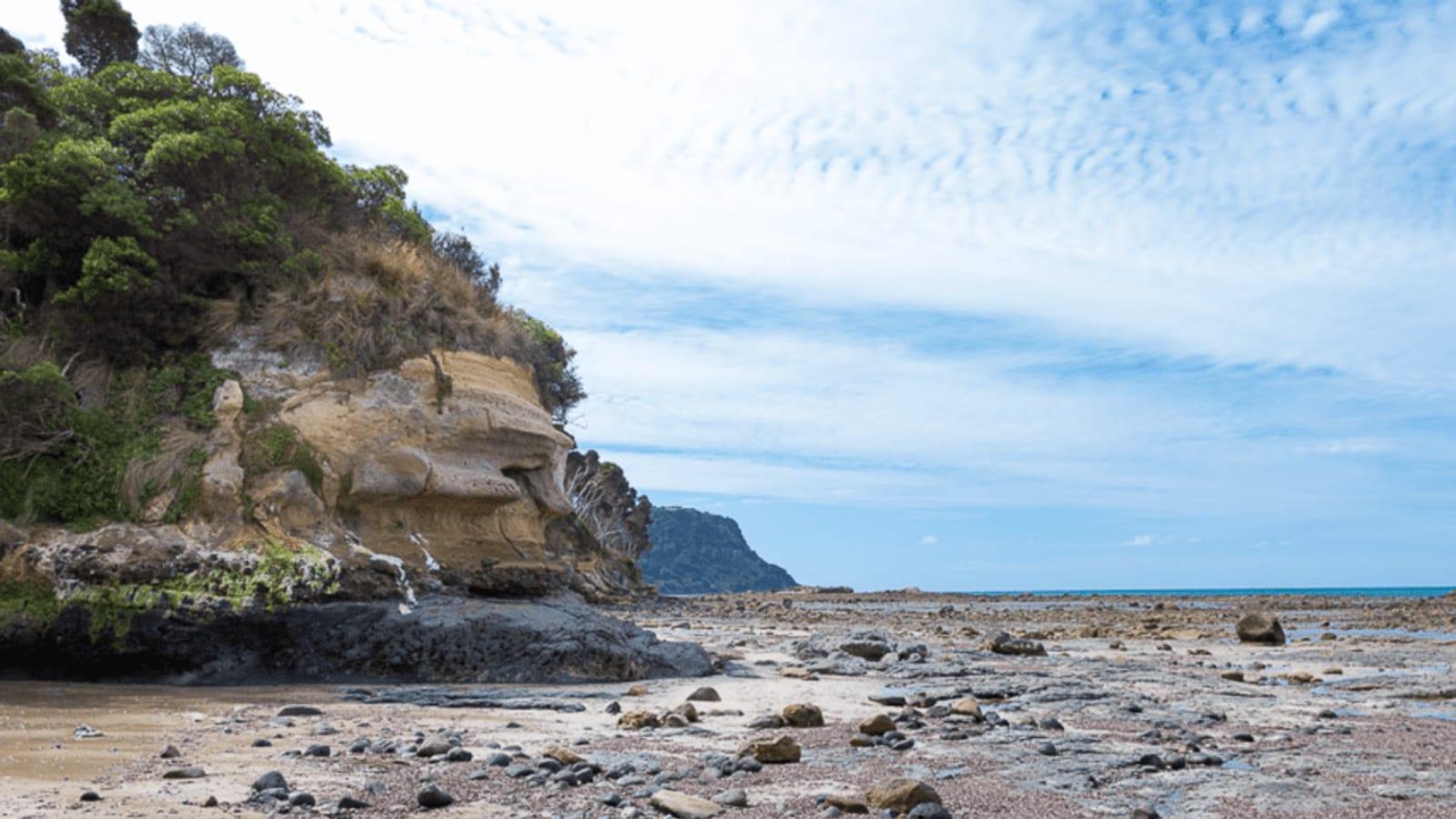
Fossil Bluff Wynyard Fossil Hunting Guide
Tasmania, Australia
Bivalves, Gastropods, Corals, Echinoids
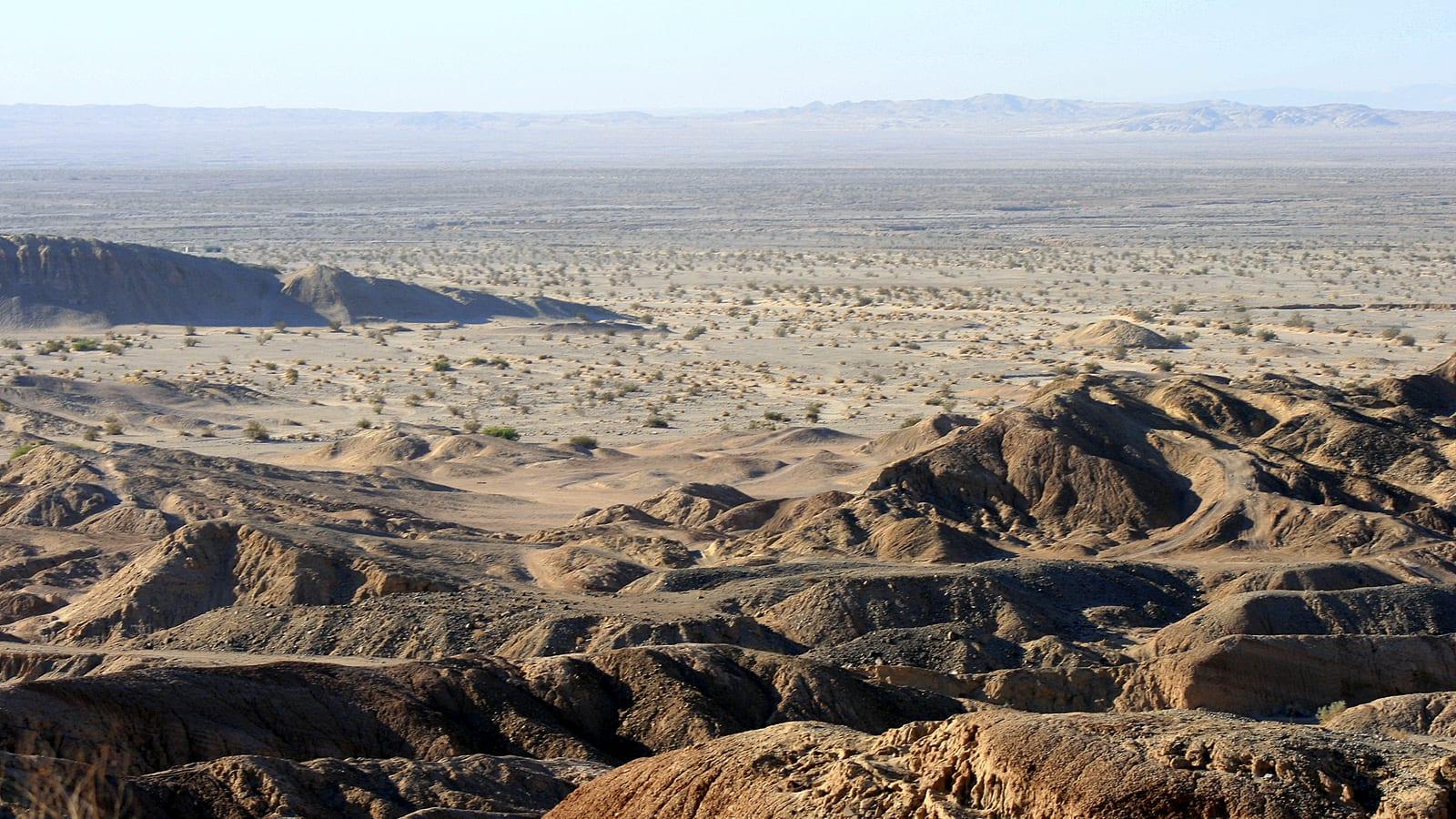
Fossil Canyon near Ocotillo Fossil Hunting Guide
Imperial County, California, United States
Corals, Bivalves, Gastropods, Echinoids
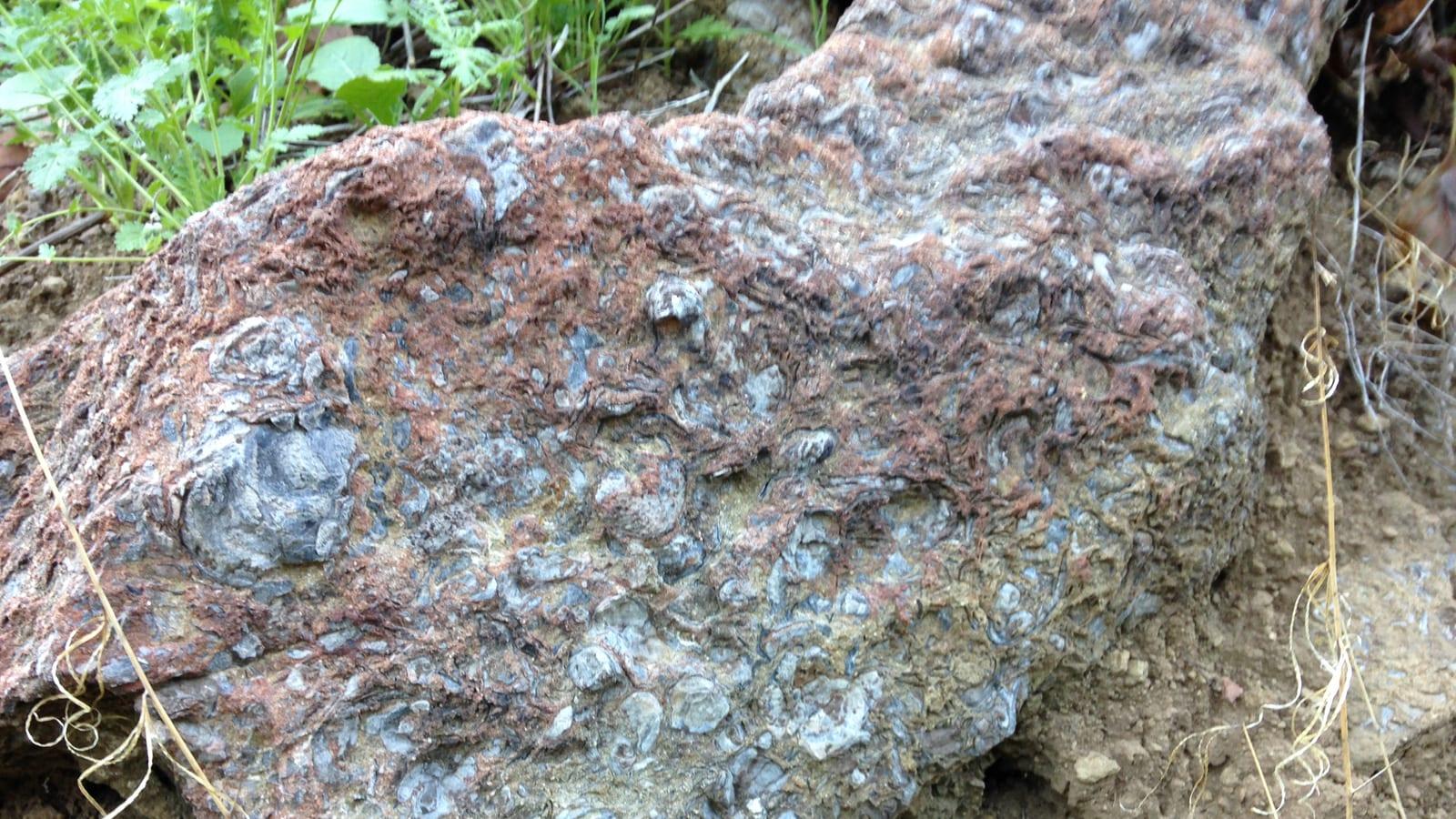
Fossil Hunting Near Ojai in the Los Padres National Forest
California, United States
Bivalves, Oysters (Ostrea idriaensis), Turritella (gastropods)
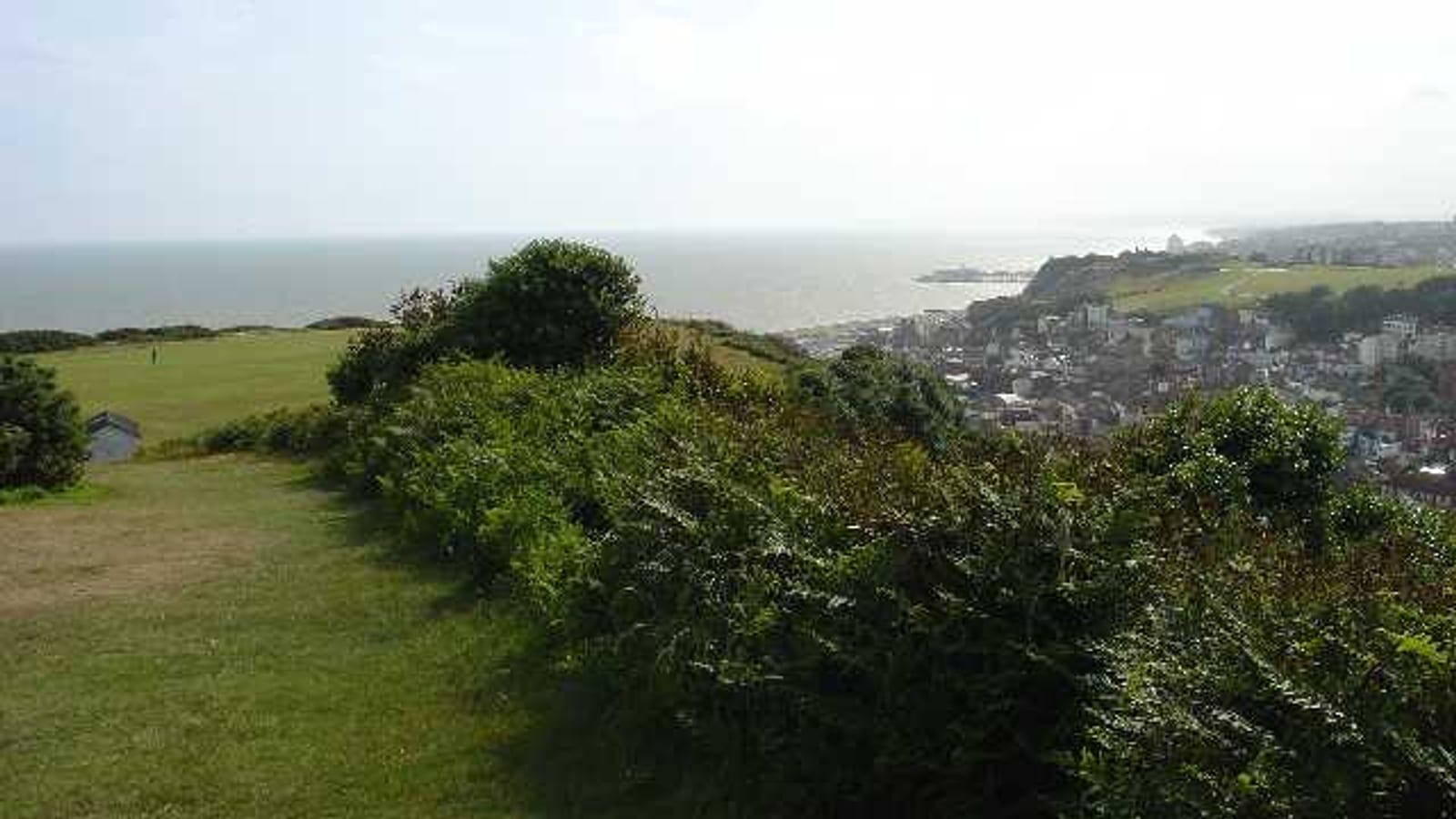
Hastings East Sussex Fossil Hunting Guide
Hastings
Dinosaur bones and teeth, Dinosaur footprints, Freshwater molluscs, Plant material
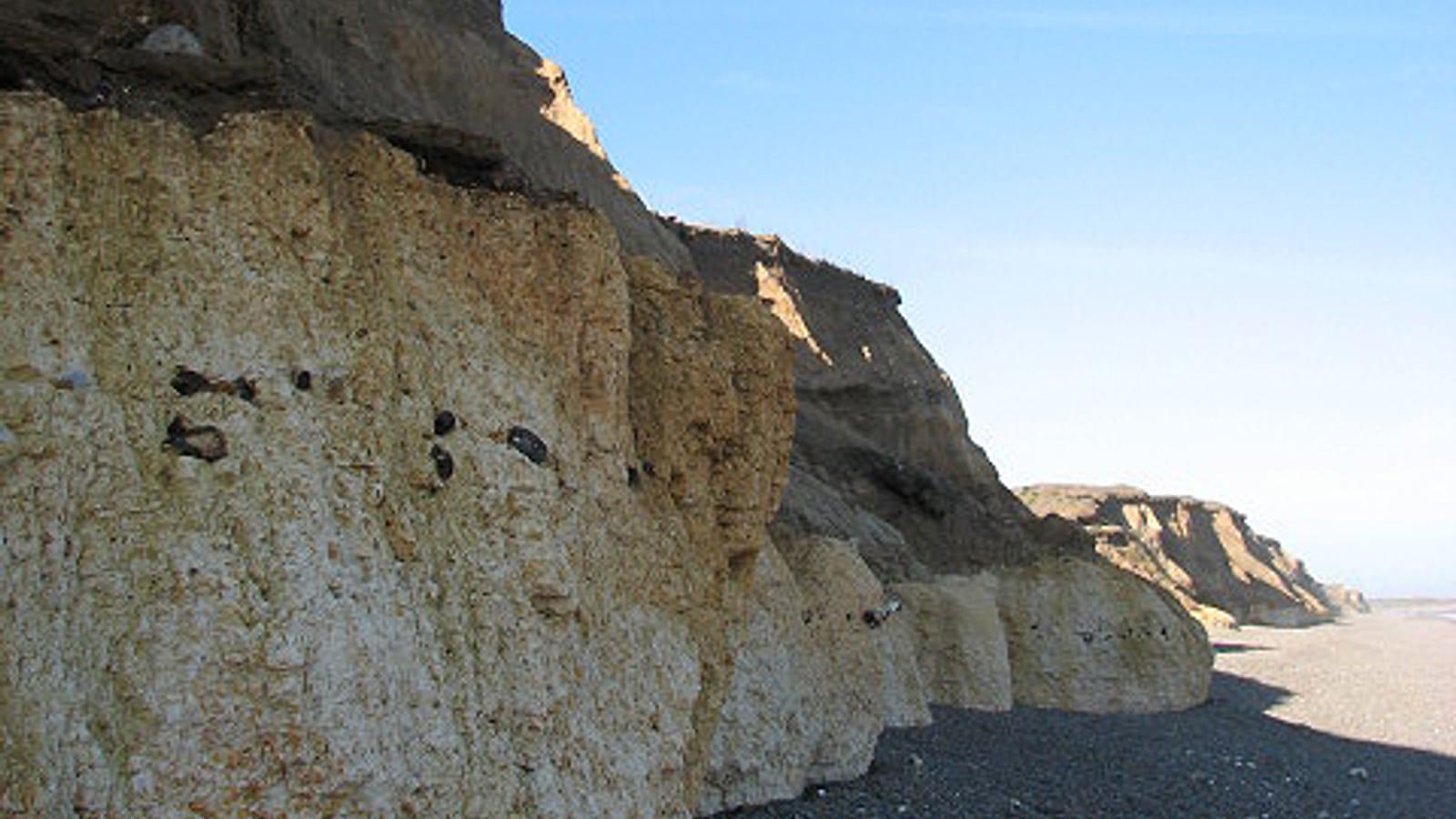
Ilminster Fossil Hunting Guide
England, United Kingdom
Ammonites, Belemnites, brachiopods, bivalves
Isle La Motte Chazy Reef Fossil Hunting Guide
Vermont, United States
Stromatoporoids, Corals, Nautiloids, Gastropods
Jacalitos Creek Fossil Hunting Guide
Fresno County, California, United States
Bivalves, Gastropods, Echinoids, Barnacles
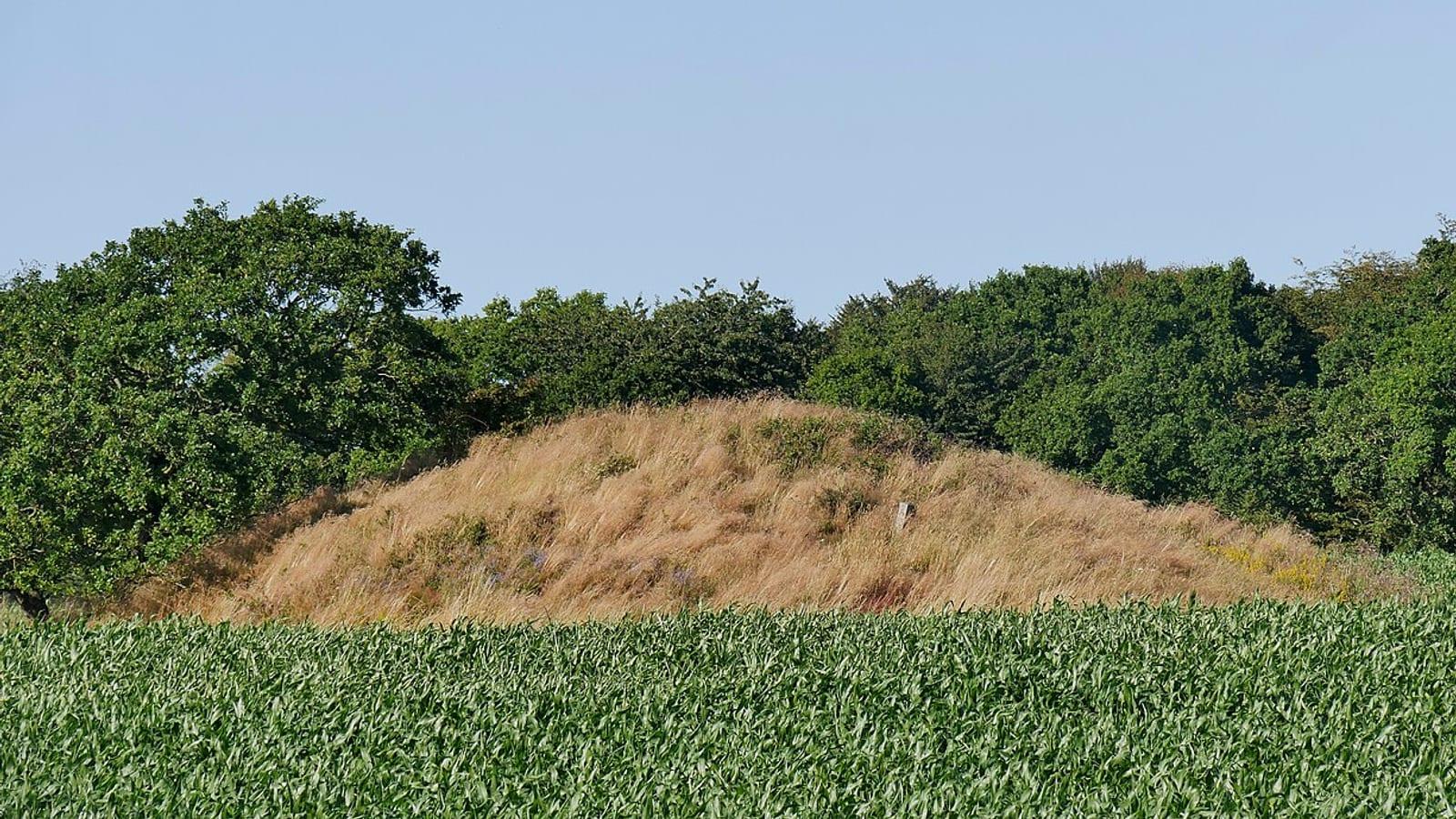
Katbjerg Odde Mariager Fjord Fossil Hunting Guide
Denmark
Bryozoans, Sea urchins, Brachiopods, bivalves
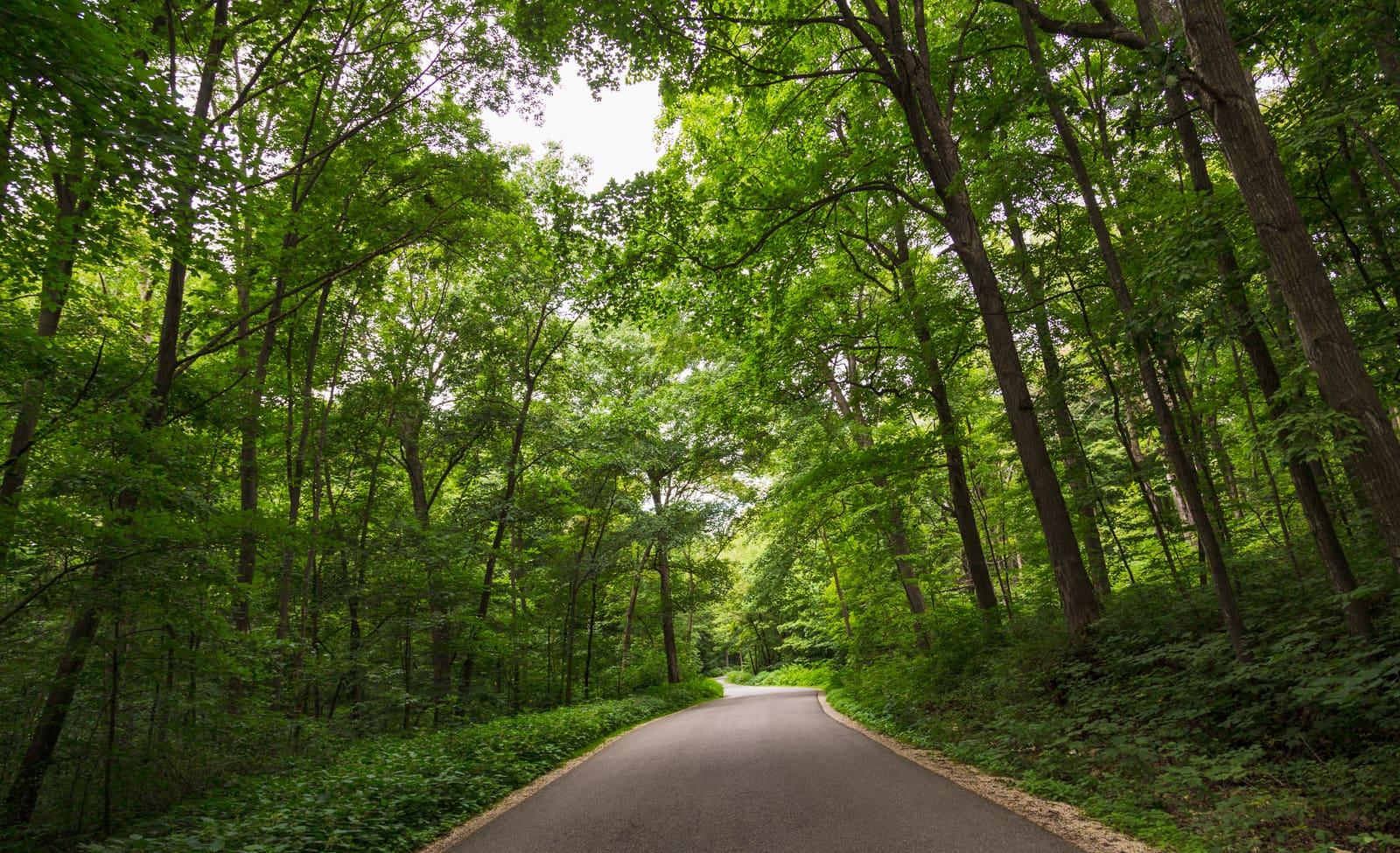
Lanesboro Karst Country (Forestville/Mystery Cave) Fossil Guide
Minnesota, United States
Brachiopods, Cephalopods, Gastropods, Trilobites
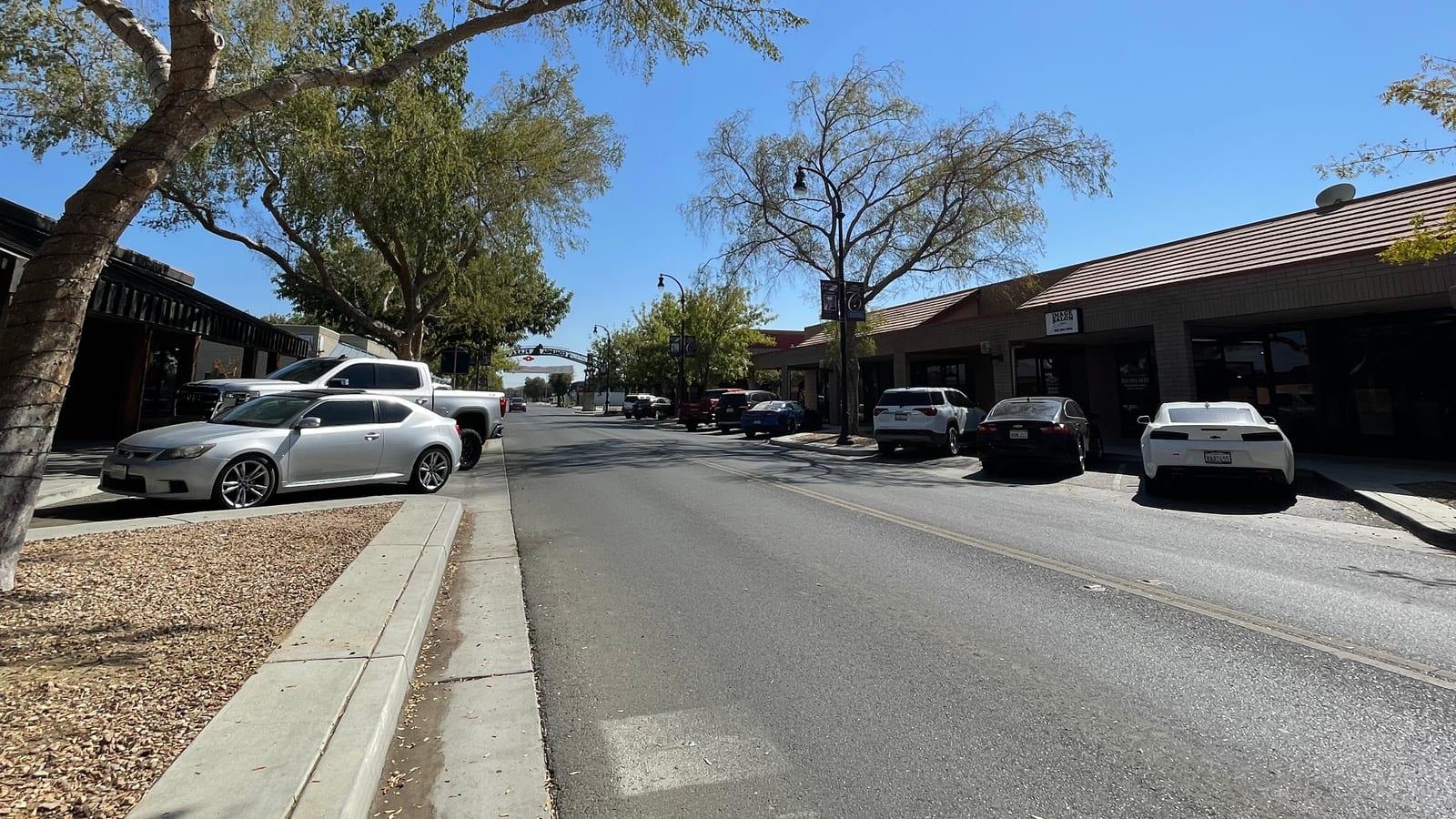
Marine Fossils near Coalinga Fossil Hunting Guide
Fresno County, California, United States
Sand Dollars, Bivalves, Gastropods, Corals
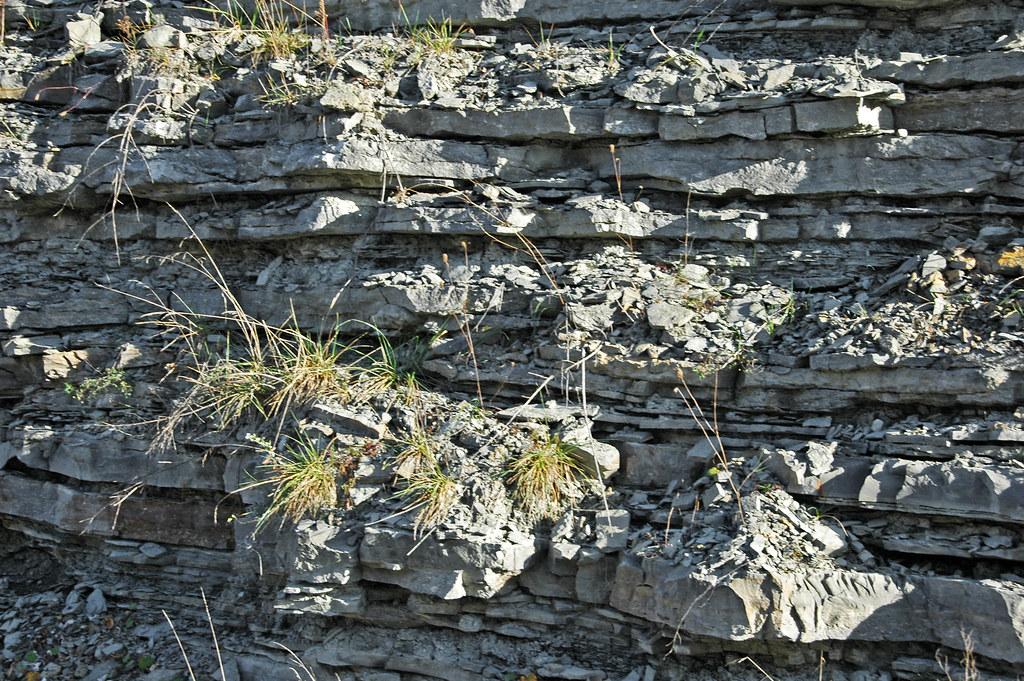
Maysville Ordovician Roadcut Fossil Hunting Guide
Kentucky, United States
Brachiopods, Trilobites, Bryozoans, Cephalopods
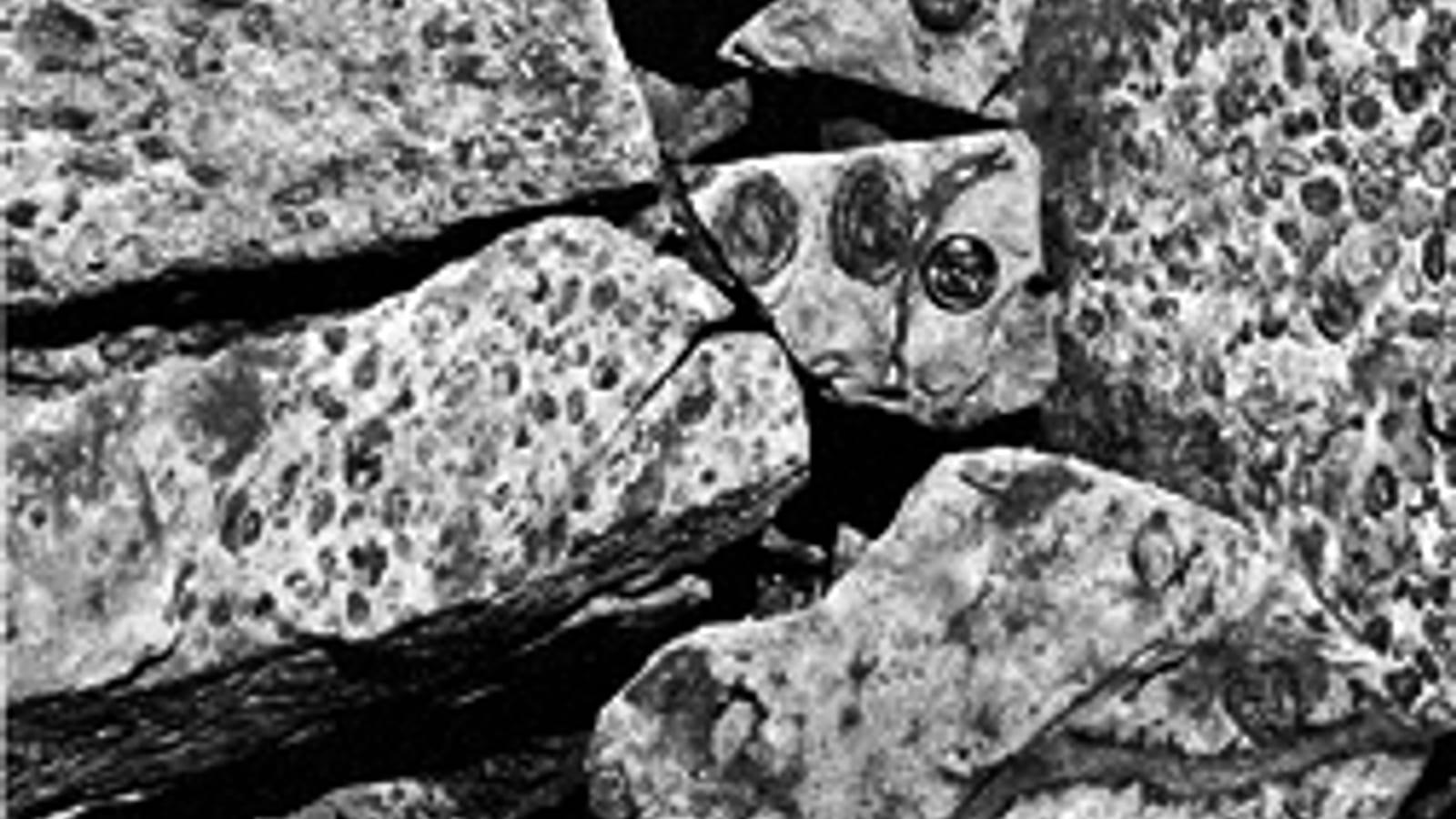
Mazourka Canyon Fossil Hunting Guide
Inyo County, California, United States
Trilobites, Brachiopods, Corals, Gastropods
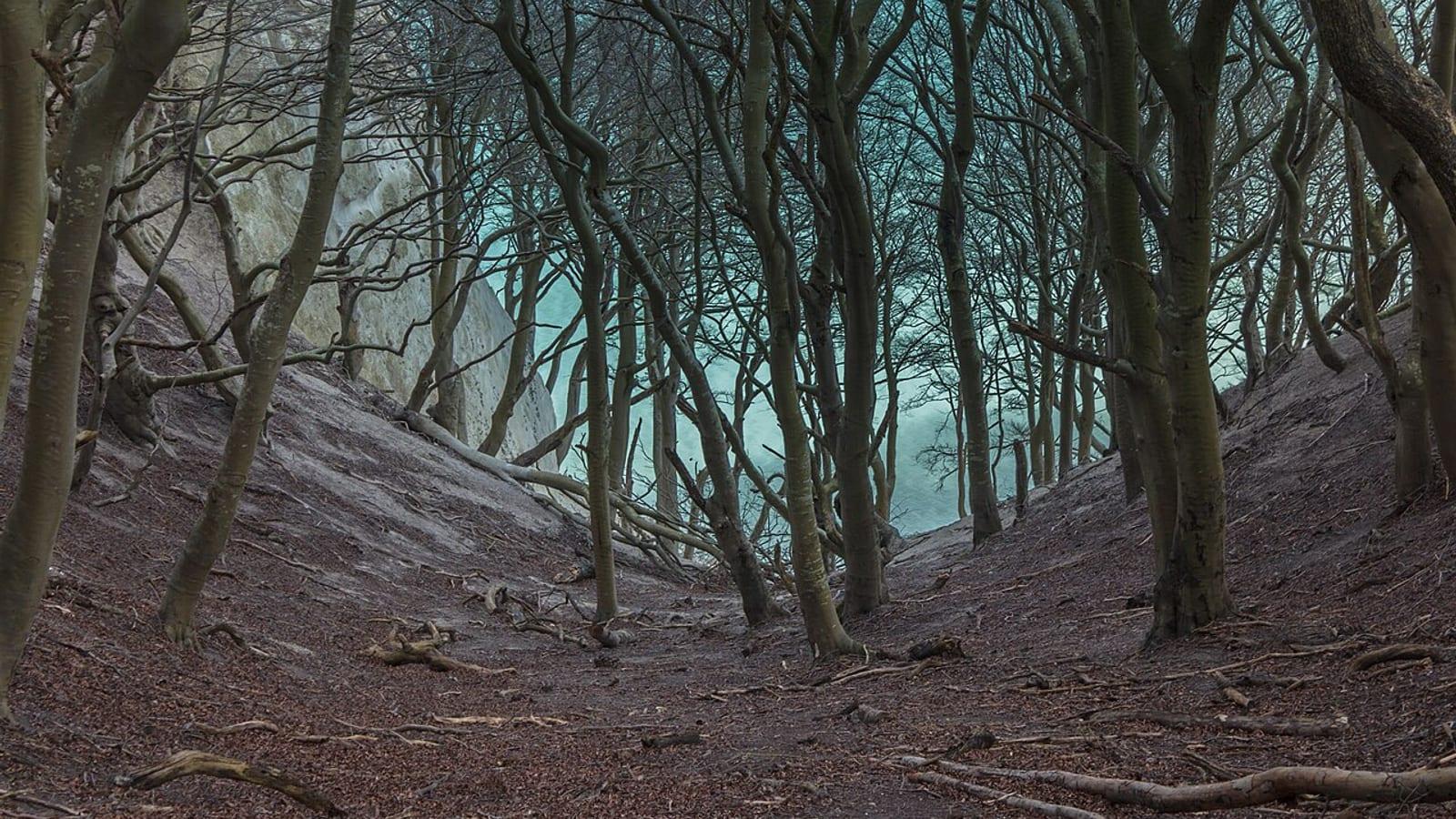
Mons Klint Beach Fossil Hunting Guide
Denmark
Møns Klint, Belemnites, Sea urchin, Brachiopods
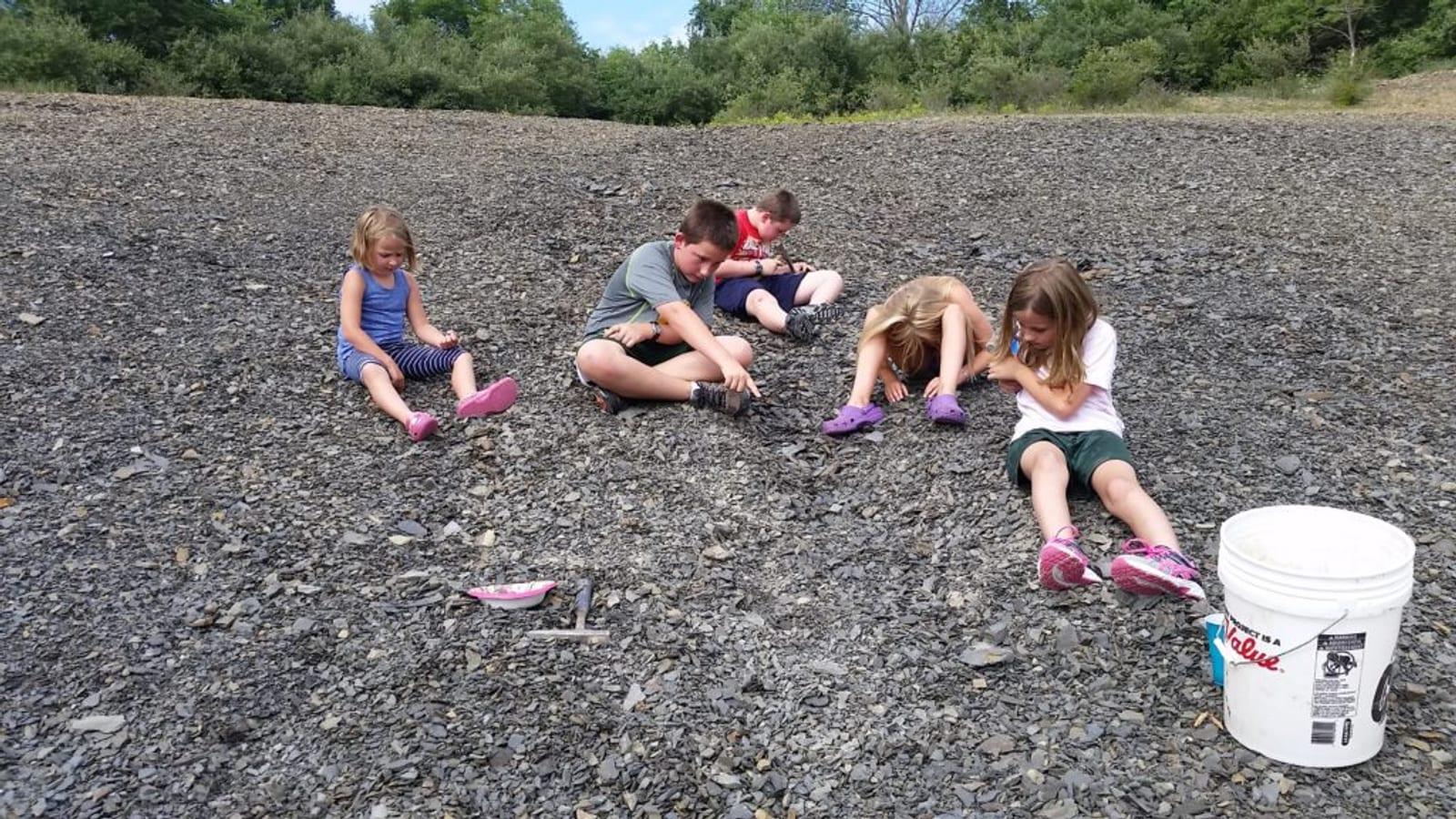
Montour Preserve Fossil Pit Fossil Hunting Guide
Pennsylvania, United States
Bivalves, Brachiopods, Trilobites, Corals
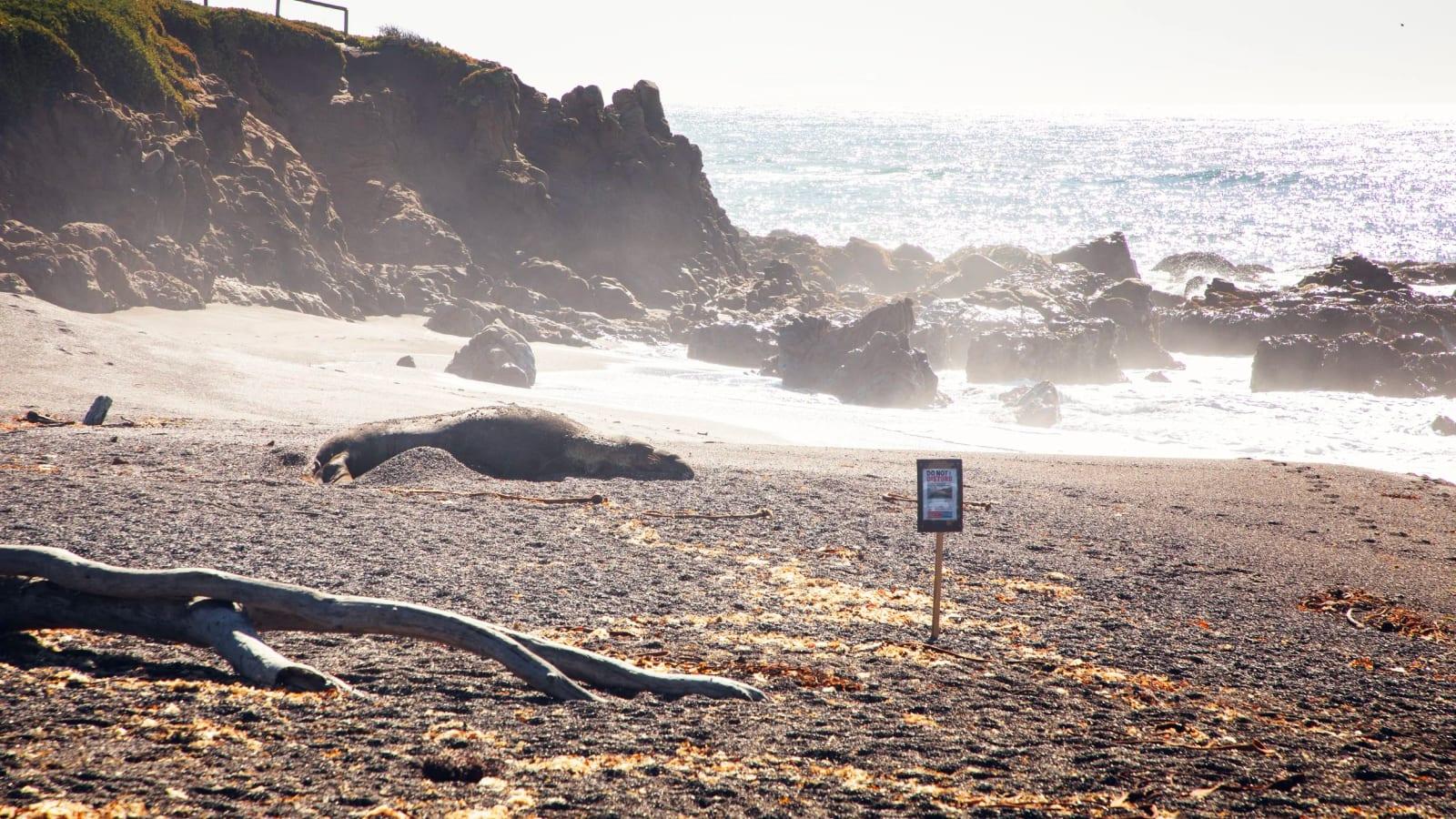
Moonstone Beach, Cambria Fossil Hunting Guide
San Luis Obispo County, California, United States
Bivalves, Sand Dollars, Barnacles, Gastropods

Penarth Beach Fossil Hunting Guide
South Wales, United Kingdom
Ammonites, Bivalves, Brachiopods, Gastropods
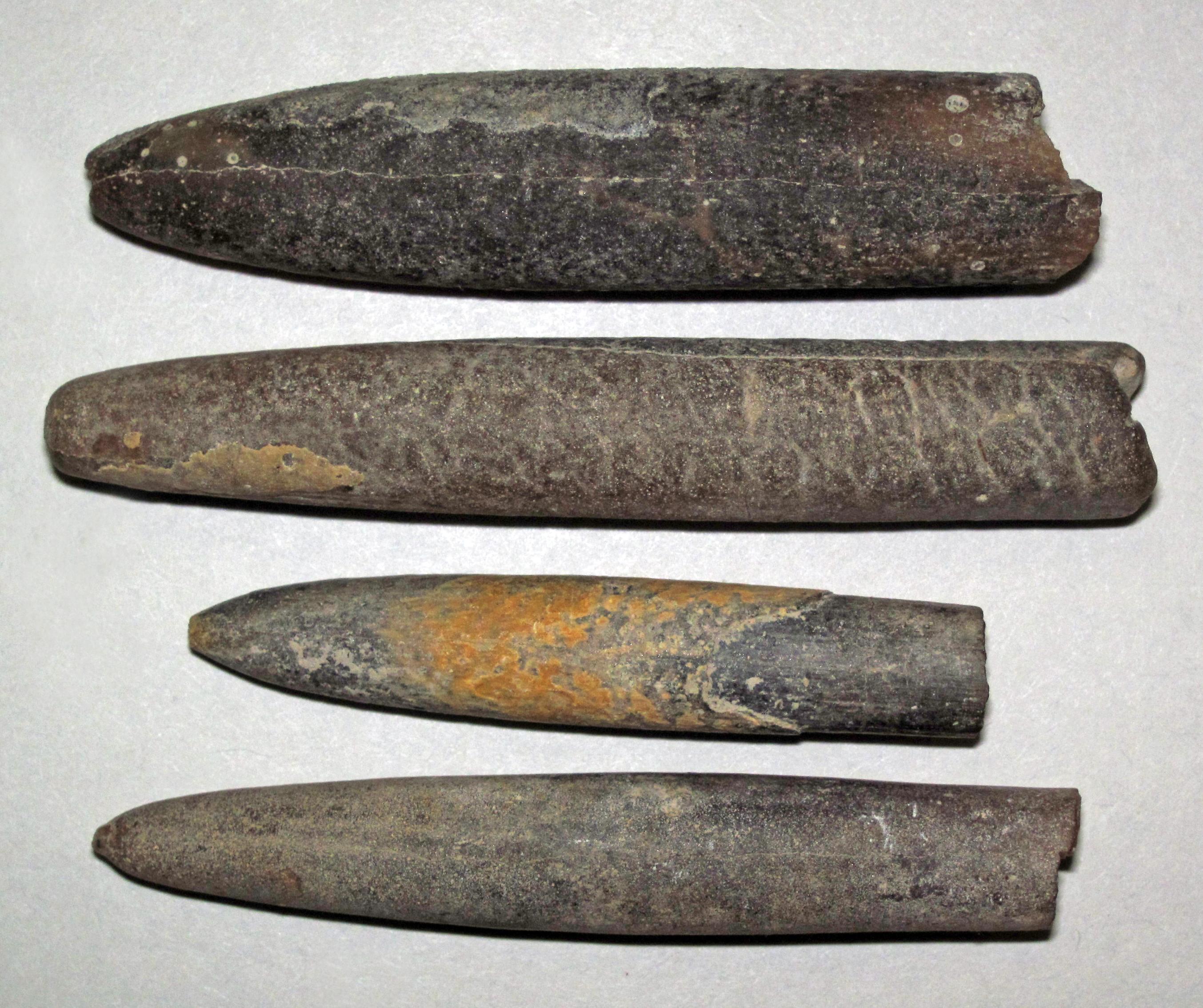
Poricy Park Fossil Beds Fossil Hunting Guide
New Jersey, United States
Belemnites, Bivalves, Gastropods, Shark Teeth
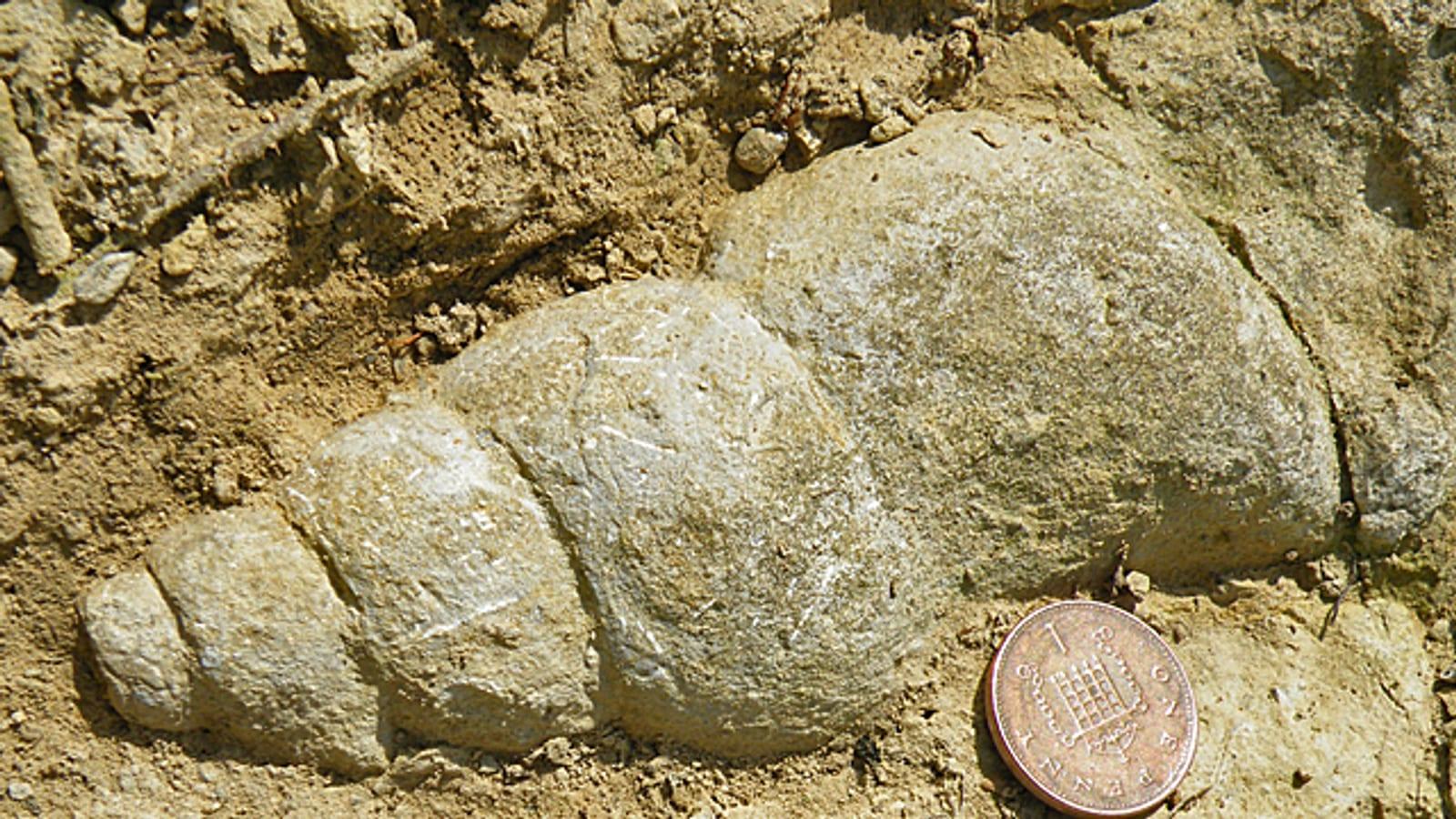
Rincon Point Fossil Hunting Guide
Santa Barbara County, California, United States
Bivalves, Gastropods
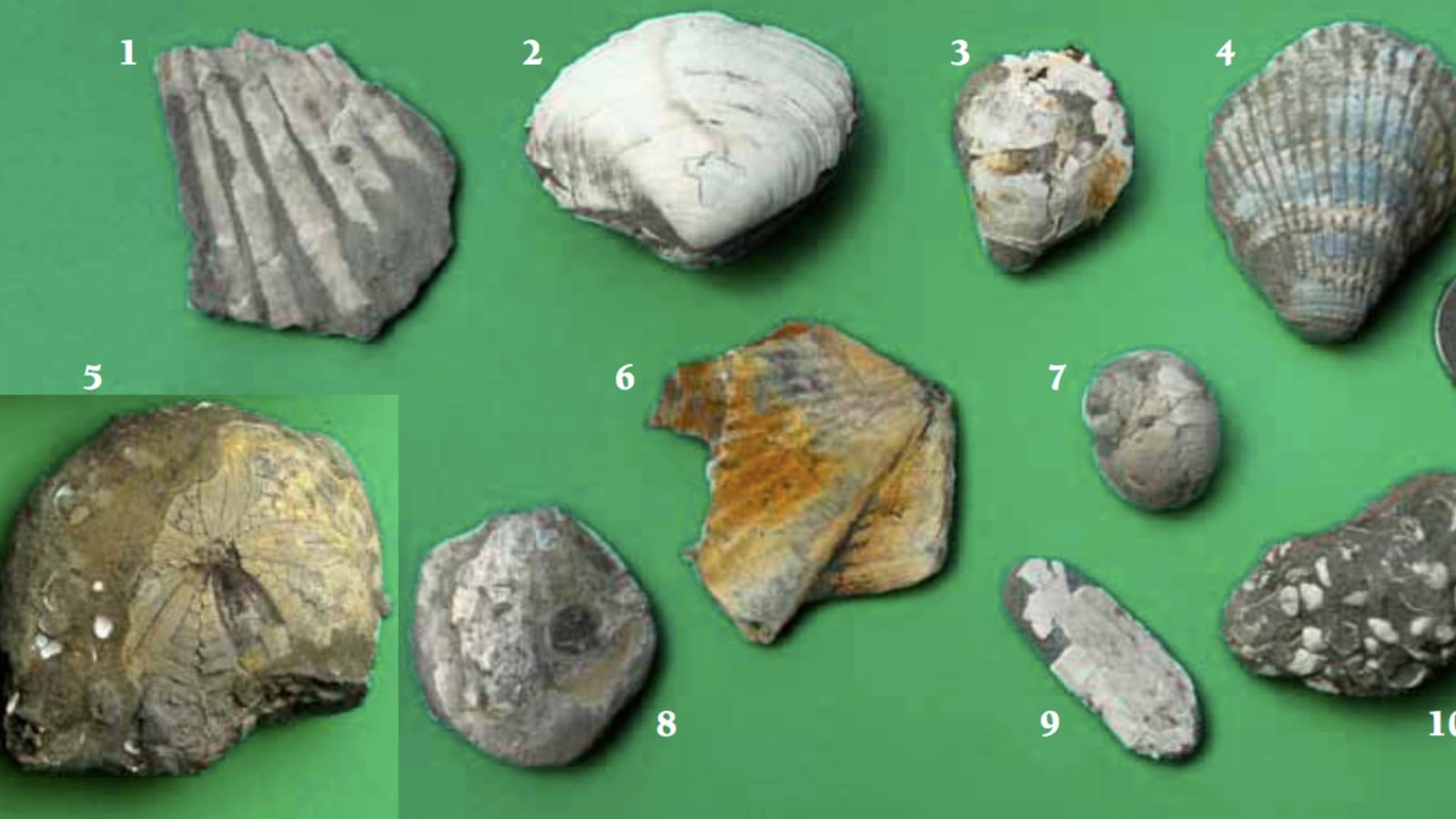
Scotia Bluffs Fossil Hunting Guide
Humboldt County, California, United States
Bivalves, Gastropods, Sand Dollars, Foraminifera
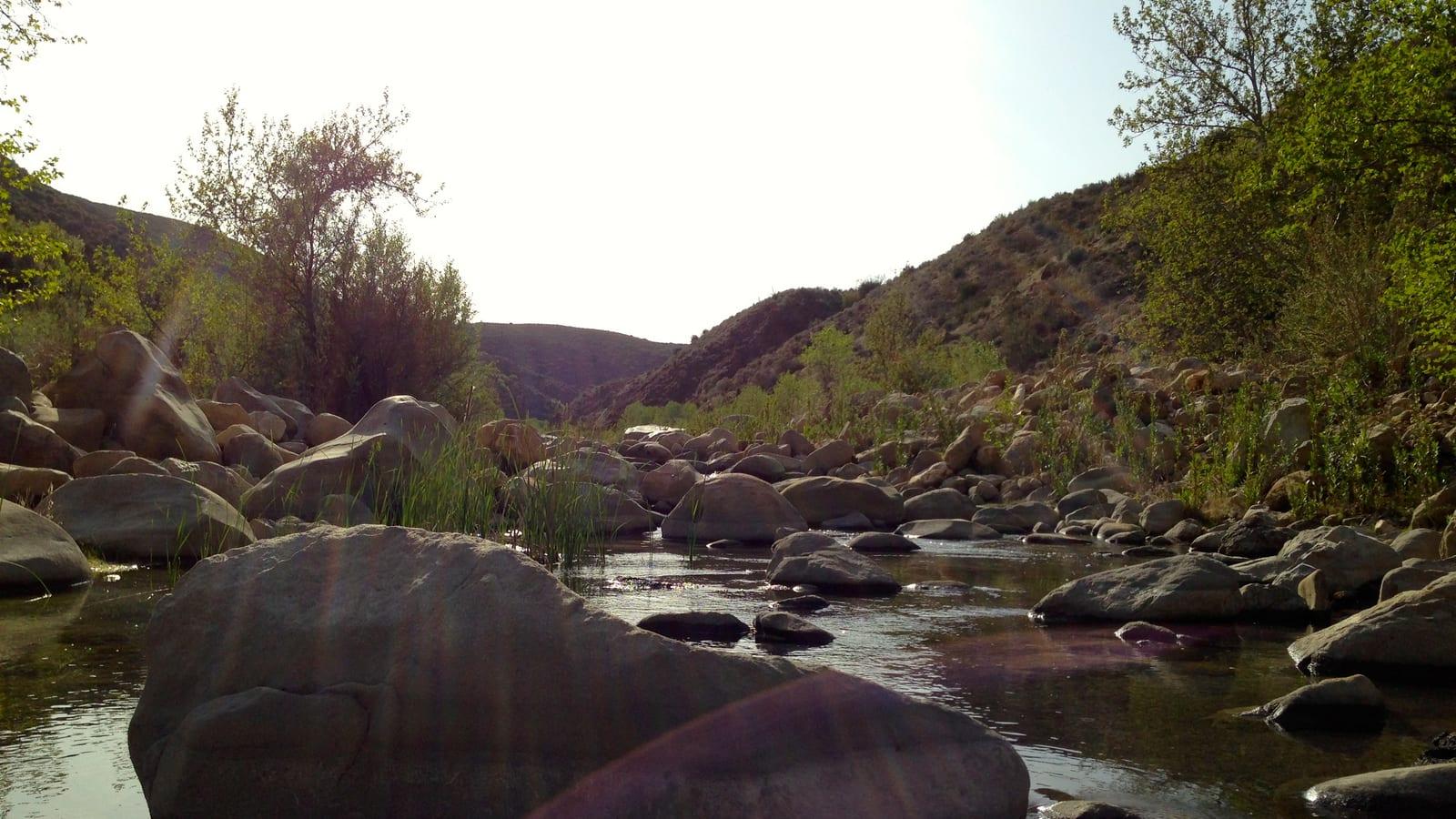
Sespe Wilderness Fossil Hunting Guide
Ventura County, California, United States
Bivalves, Gastropods, Corals
Shell Creek Fossil Hunting Guide
San Luis Obispo County, California, United States
Clams (Protothaca staleyi), Oysters (Crassostrea), Scallops (Lyropecten estrellanus), Sand Dollars (Astrodapsis tumidus)
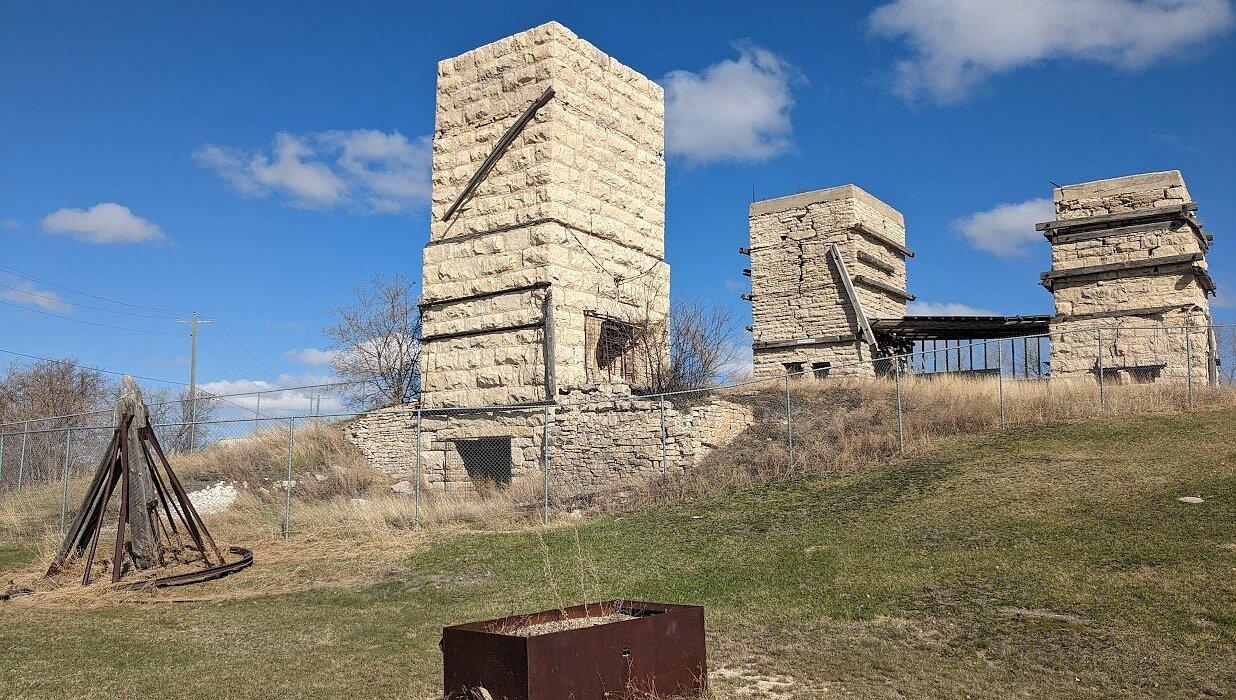
Stonewall Quarry Park Manitoba Fossil Hunting Guide
Manitoba, Canada
Cephalopods, Brachiopods, Trilobites, Crinoids
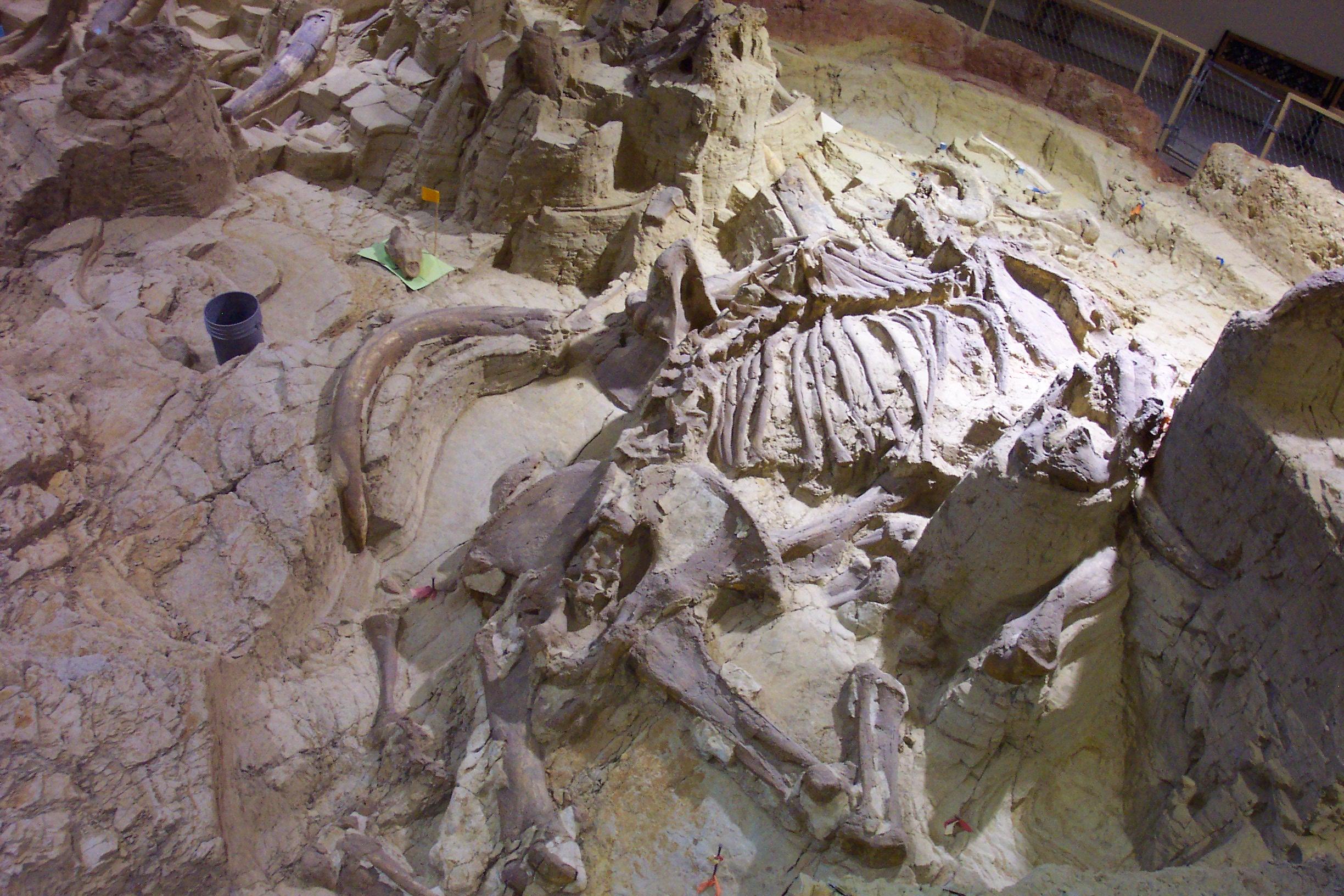
The Mammoth Site of Hot Springs Fossil Hunting Guide
South Dakota, United States
Columbian mammoth (Mammuthus columbi), Woolly mammoth (Mammuthus primigenius), Short-faced bear (Arctodus simus), Camel
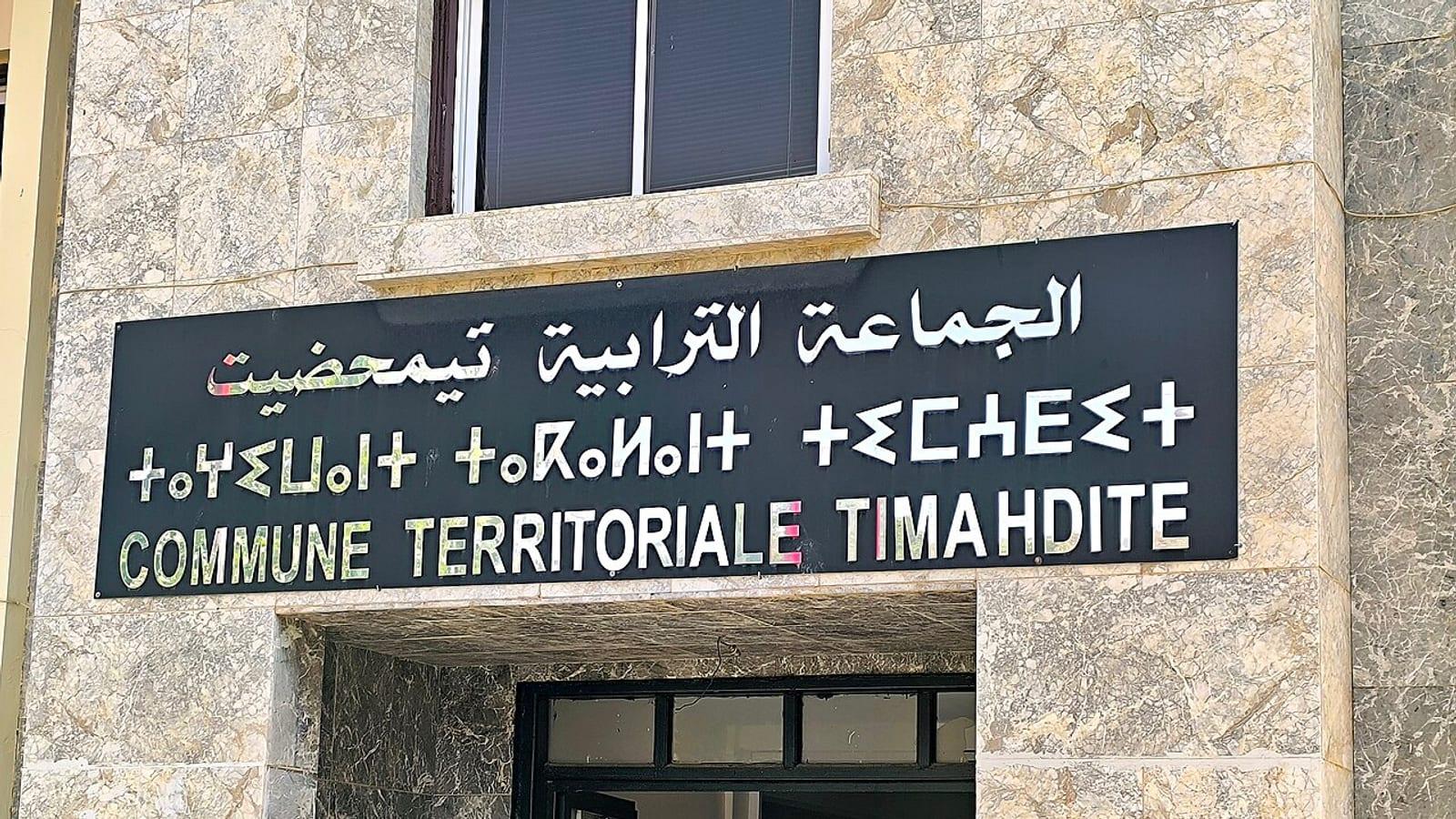
Timahdite Brachiopod Collecting Site Fossil Hunting Guide
Morocco
brachiopods, Spiriferid brachiopods, Terebratulid brachiopods, Crinoid columnals
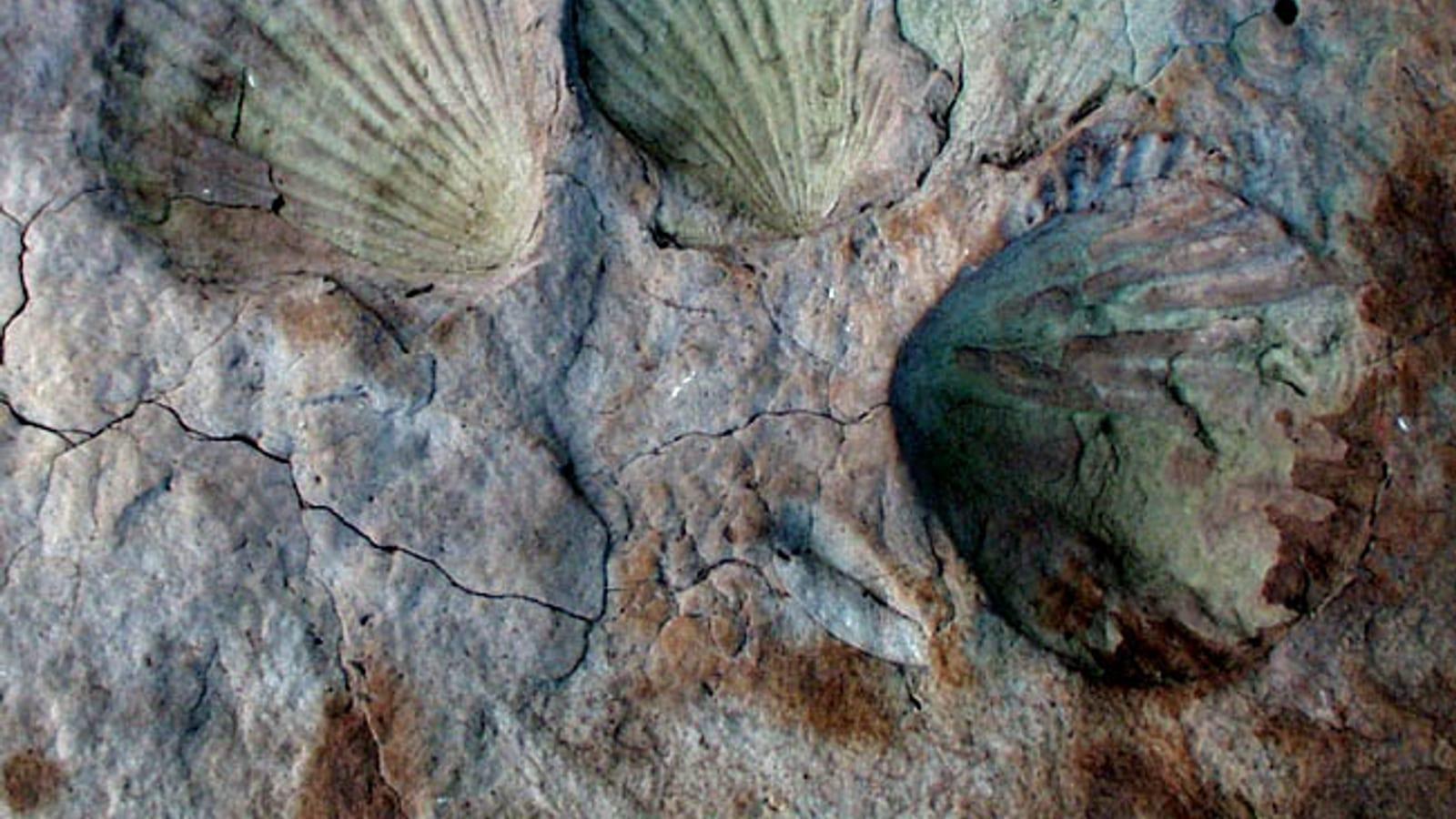
Topanga Canyon Fossil Hunting Guide
Los Angeles County, California, United States
Gastropods, Bivalves, Fish, Marine Mammals
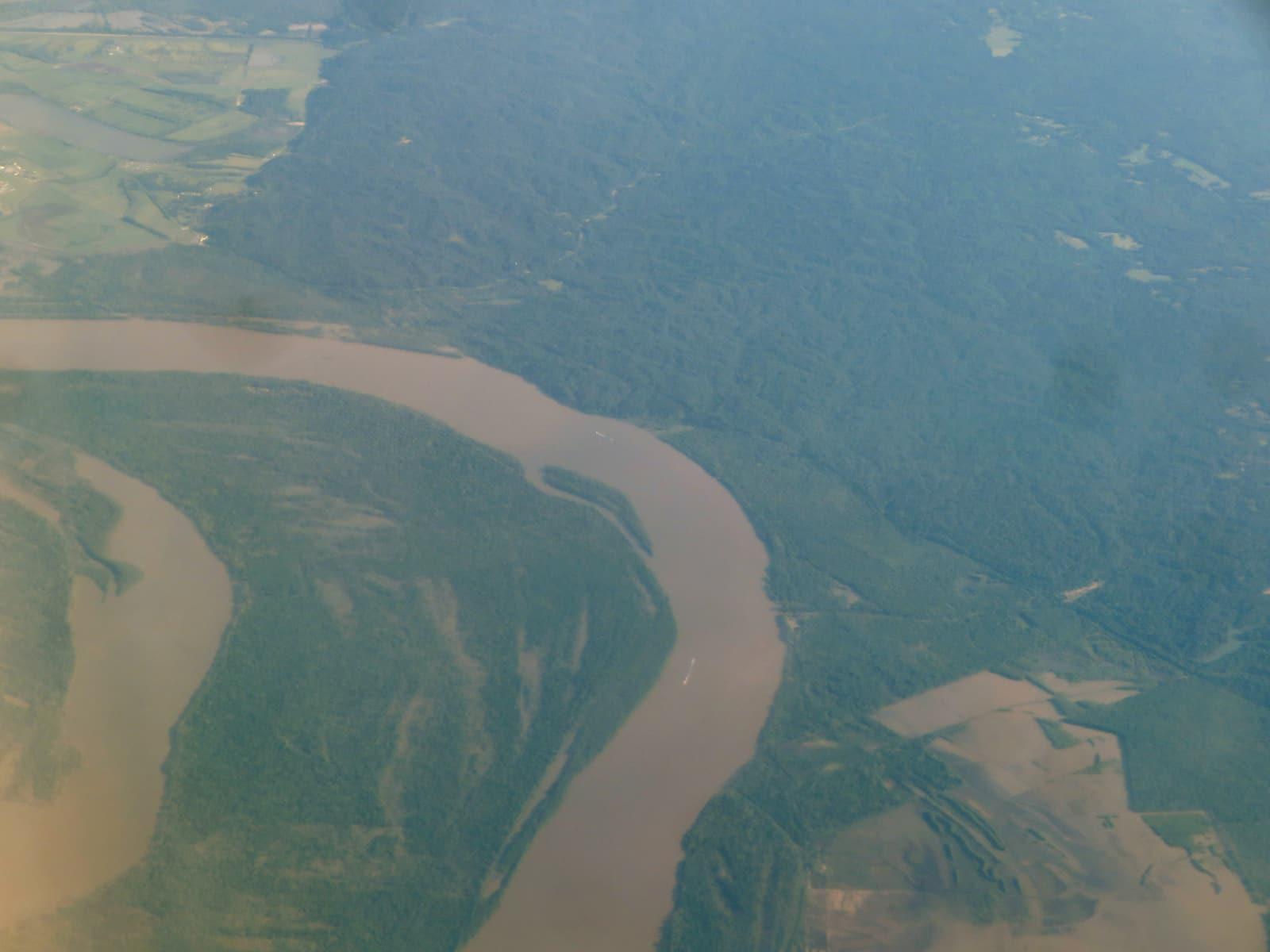
Tunica Hills Loess Fossil Guide
Louisiana, United States
Mastodons, Mammoths, Ice Age mammals, Land snails
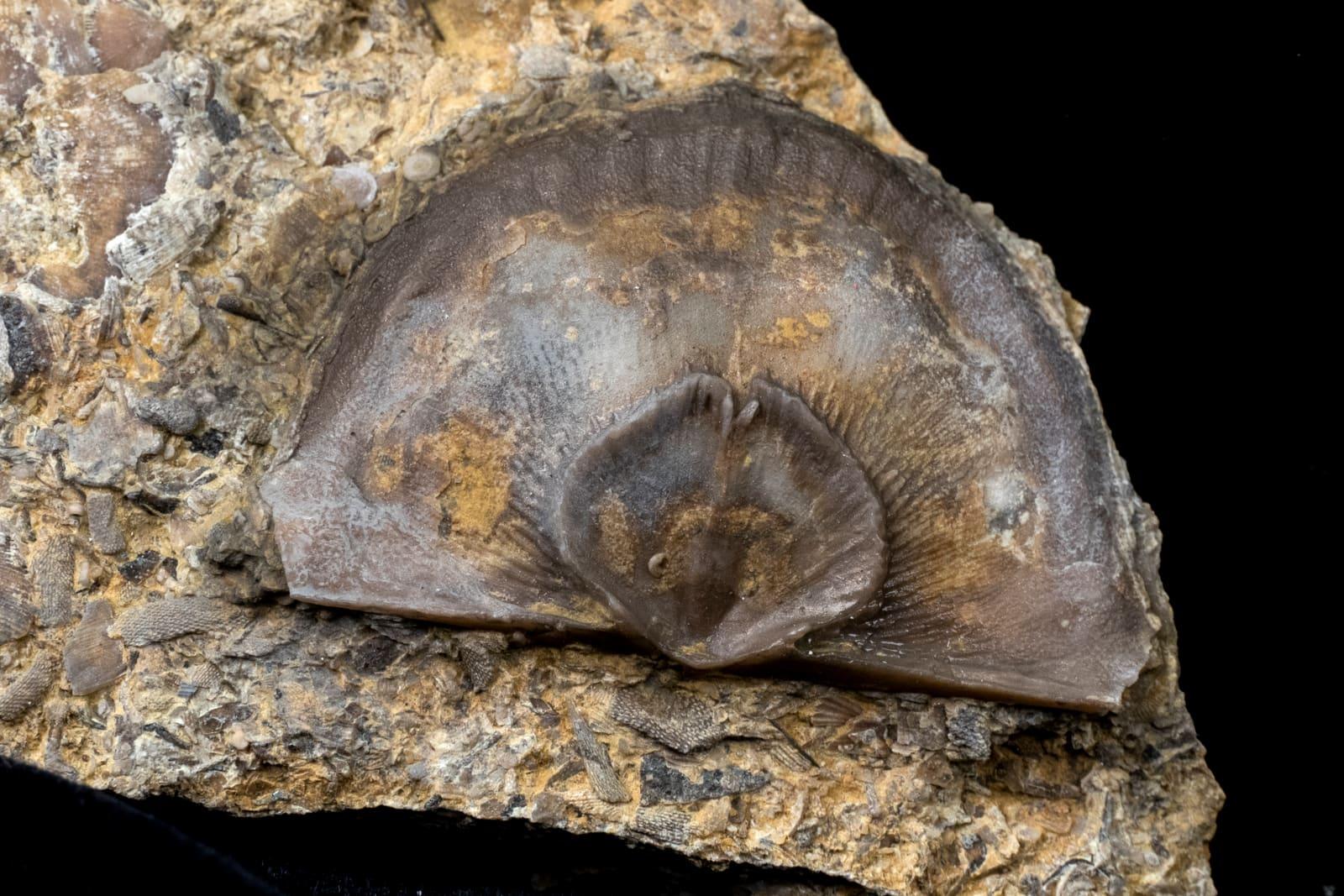
Twin Cities Decorah Shale Trilobite Sites Fossil Guide
Minnesota, United States
Trilobites, Brachiopods, Bryozoans, Crinoids
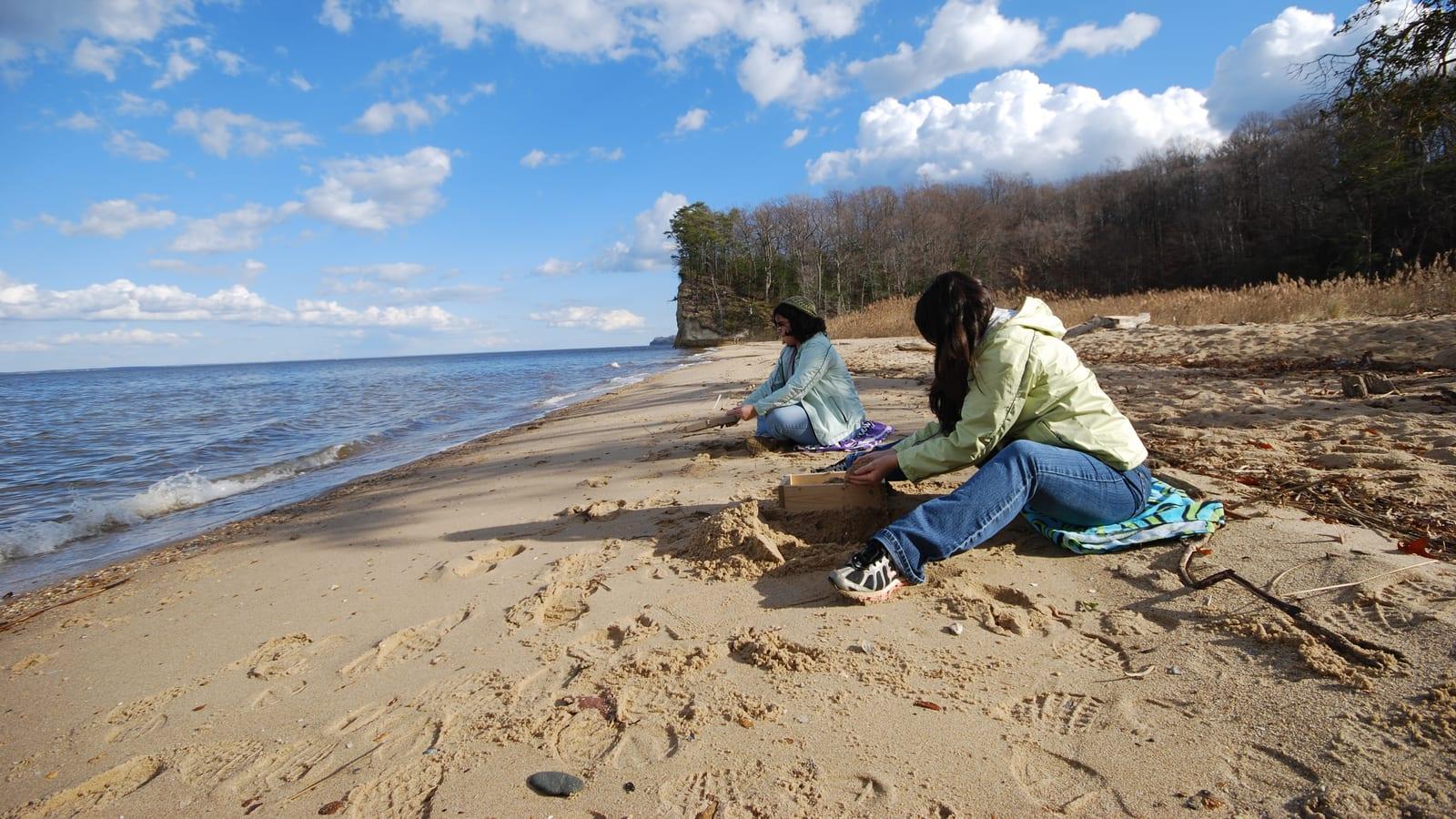
Westmoreland State Park Fossil Hunting Guide
Virginia, United States
Shark Teeth, Bivalves, Gastropods, Marine Mammals
Whiskey Bridge (Stone City Bluff) Fossil Guide
Texas, United States
Gastropods, Bivalves, Shark Teeth, Crabs
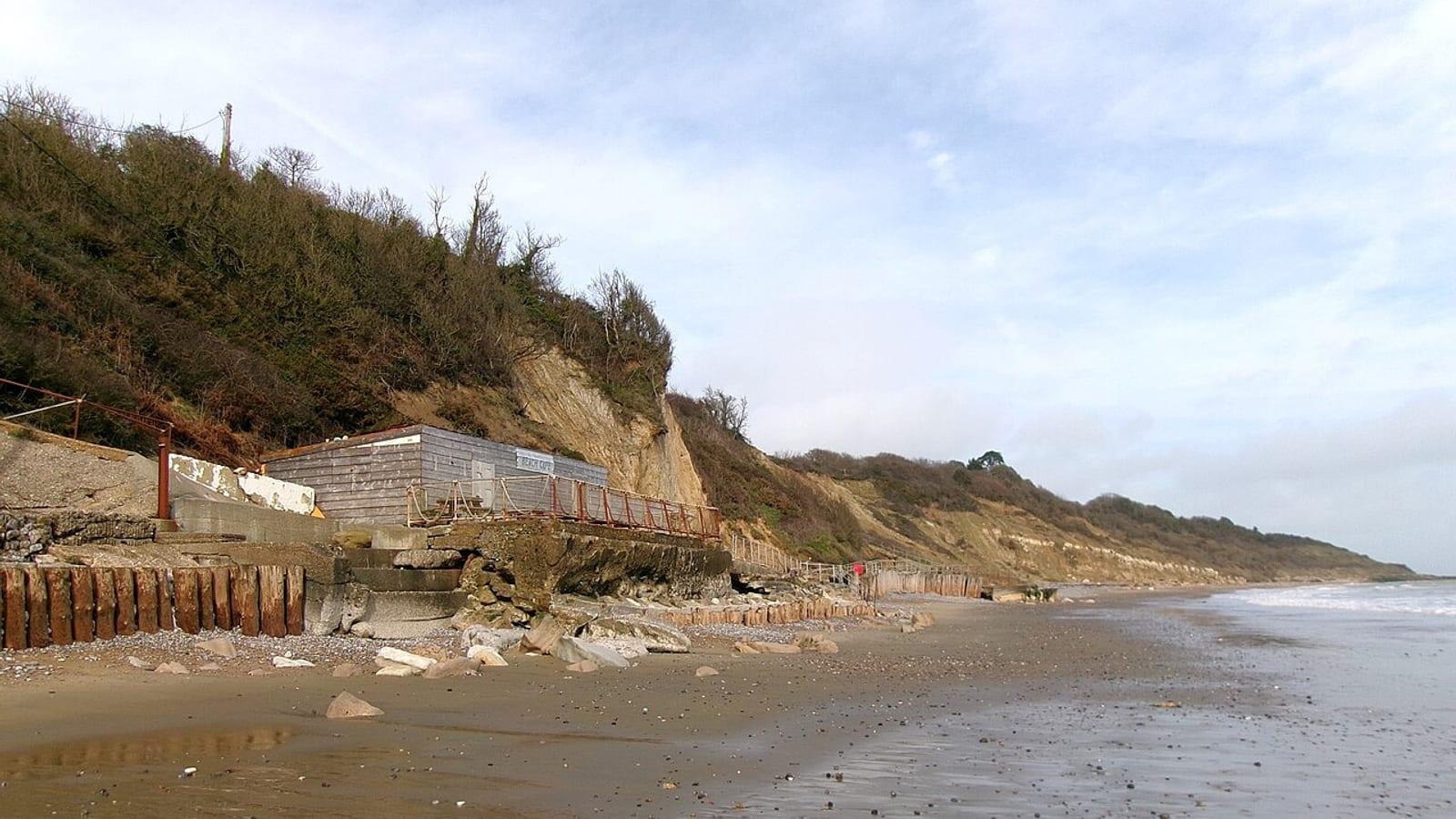
Whitecliff Bay Isle of Wight Fossil Hunting Guide
United Kingdom
shark teeth, turtle remains, bird bones, bivalves and gastropods
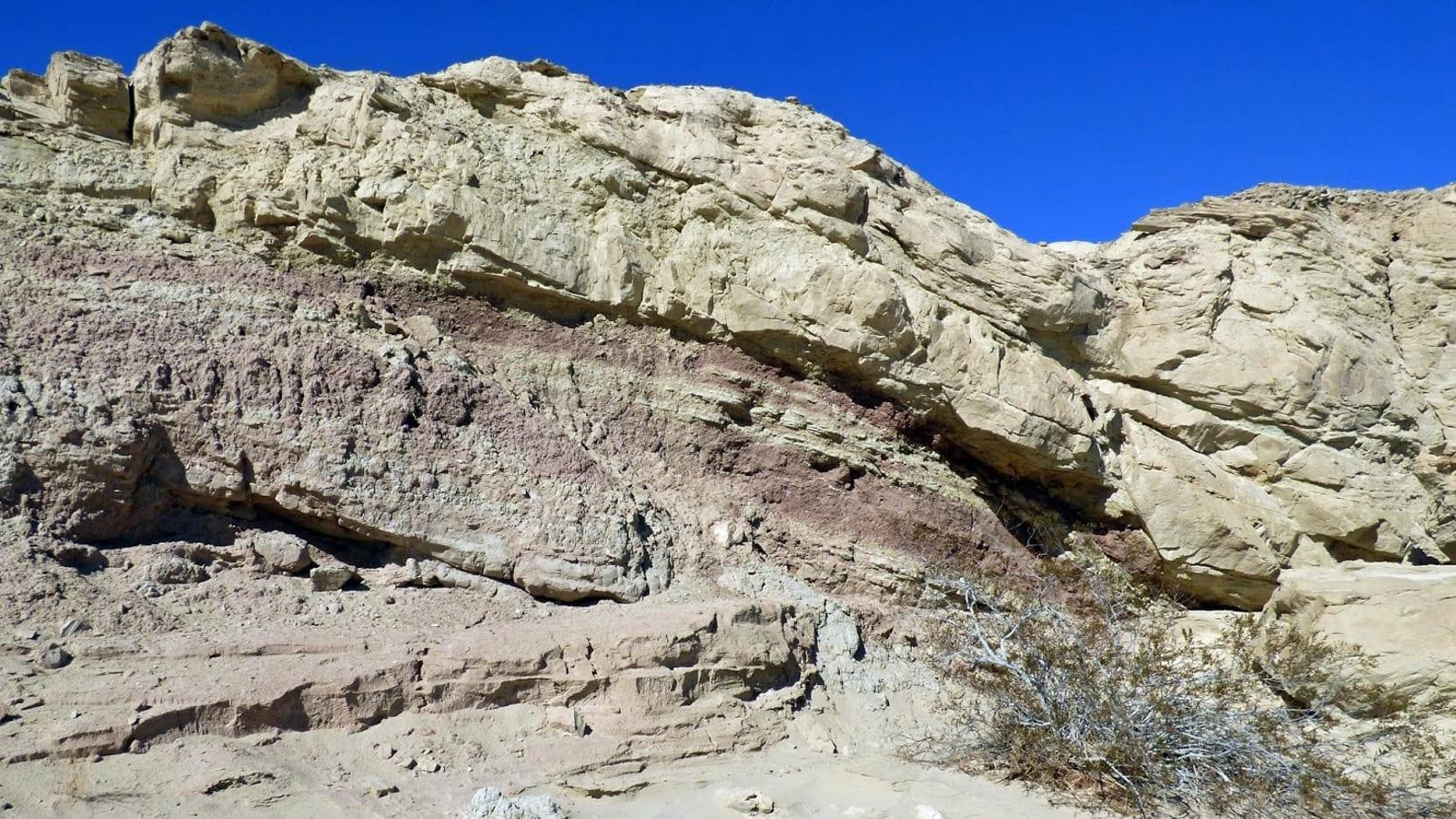
Yuha Basin Fossil Hunting Guide
Imperial County, California, United States
Bivalves, Corals, Gastropods, Echinoids
Frequently asked questions
- How do I identify a fossil gastropod?
- Fossil gastropods are identified by their helically coiled or planispirally coiled shell. Unlike ammonites, which coil in a flat plane with complex sutures between chambers, most gastropods coil in a three-dimensional helix. Each successive whorl is positioned slightly higher than the last, producing the familiar snail-shell shape. The central column around which the coil wraps is the columella, and the opening (aperture) is typically oval or round. In many Cenozoic gastropods, fine ornamentation (ribs, nodes, or spiral threads) is preserved on the shell surface. Planispiral gastropods (coiled in a flat plane, like an ammonite) do exist, but they lack the complex sutures that distinguish ammonite chambers. The simplest diagnostic feature: a gastropod's coil is three-dimensional (helical). An ammonite's coil is flat.
- Where can I find fossil gastropods?
- Gastropods occur across most geological periods and are consistently findable at many sites. The Eocene London Clay, exposed on the Isle of Sheppey in Kent, produces a remarkable diversity of gastropod species including complete shells of Athleta, Galeodea, and Clavilithes with preserved surface ornamentation. The Coralline Crag deposits of Suffolk (Pliocene, approximately 3 to 4 Ma) preserve particularly species-rich assemblages close to the modern marine fauna. In the US, Miocene gastropods occur at Calvert Cliffs, Maryland, alongside shark teeth, and Pliocene marine gastropods from the Yorktown Formation are findable on Virginia beaches. Jurassic Coast exposures in the UK produce gastropods alongside ammonites at most Charmouth-area sites, though they are typically less abundant than ammonites.
- Are fossil gastropods rare?
- No. Gastropods are among the most common fossils in Cenozoic marine sediments. The Eocene London Clay is particularly species-rich, preserving a diverse assemblage that includes complete shells of Athleta, Galeodea, and Clavilithes with original ornamentation. It is one of the best-studied Paleogene mollusc faunas in northern Europe (Natural History Museum, London). At many Mesozoic and Cenozoic marine sites, gastropods occur as frequently as bivalves. The rarity gradient runs from isolated shell fragments (very common) to complete specimens with intact apertures and preserved surface ornamentation (uncommon). Unlike ammonites, many fossil gastropods are difficult to identify to species level without specialist knowledge because species-level distinctions within large genera often depend on fine morphological details. Collecting tip: look for gastropods in the same cliff scree as ammonites at Jurassic Coast sites, in chalk exposures alongside echinoids in southeast England, and in Carboniferous and Devonian limestone alongside brachiopods and corals at US sites like Caesar Creek and Mineral Wells.