Country
Fossil hunting in United Kingdom
The British Isles are arguably the world's best-documented fossil hunting destination. From the Jurassic Coast cliffs of Dorset to the Carboniferous quarries of Scotland and the London Clay foreshores of Kent, almost every period of the last 540 million years is exposed somewhere accessible to the public.
What makes the UK special is not just the geology. It is the access. Most coastal sites are designated as either SSSI (Site of Special Scientific Interest) or part of a National Park, with codes of conduct that explicitly permit responsible amateur collecting from foreshore scree. Inland quarries often run open-collecting days through fossil clubs.
Practical notes: tide tables matter for almost every coastal site. Cliffs in Dorset, the Isle of Wight, and Yorkshire are actively eroding. Never collect from below an overhang or scramble up unstable faces. The Marine and Coastal Access Act protects beach collecting on the foreshore in England and Wales as long as you stay below the high-water mark.
Top picks for first-time visitors: Charmouth Beach (ammonites, Lower Jurassic), Lyme Regis Church Cliffs (ichthyosaur fragments, Lower Jurassic), Whitby (ammonites + Whitby Jet, Lower Jurassic), and Wren's Nest Hill in Dudley (Silurian reef fossils).
75 fossil sites
Updated 3 August 2026
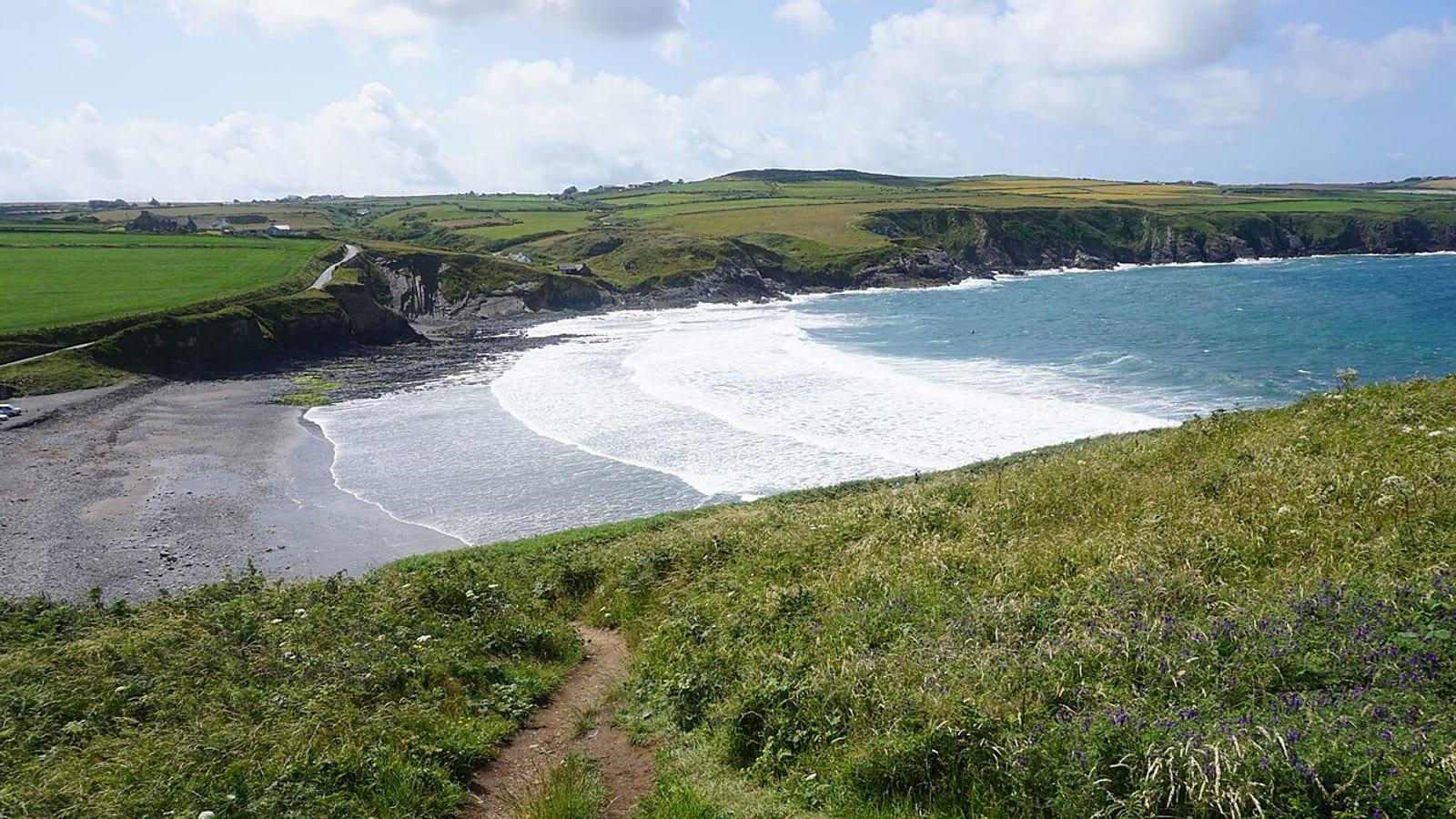
Abereiddy Bay Fossil Hunting Guide
principally Didymograptus murchisoni (tuning-fork graptolite)
Graptolites, Trilobite
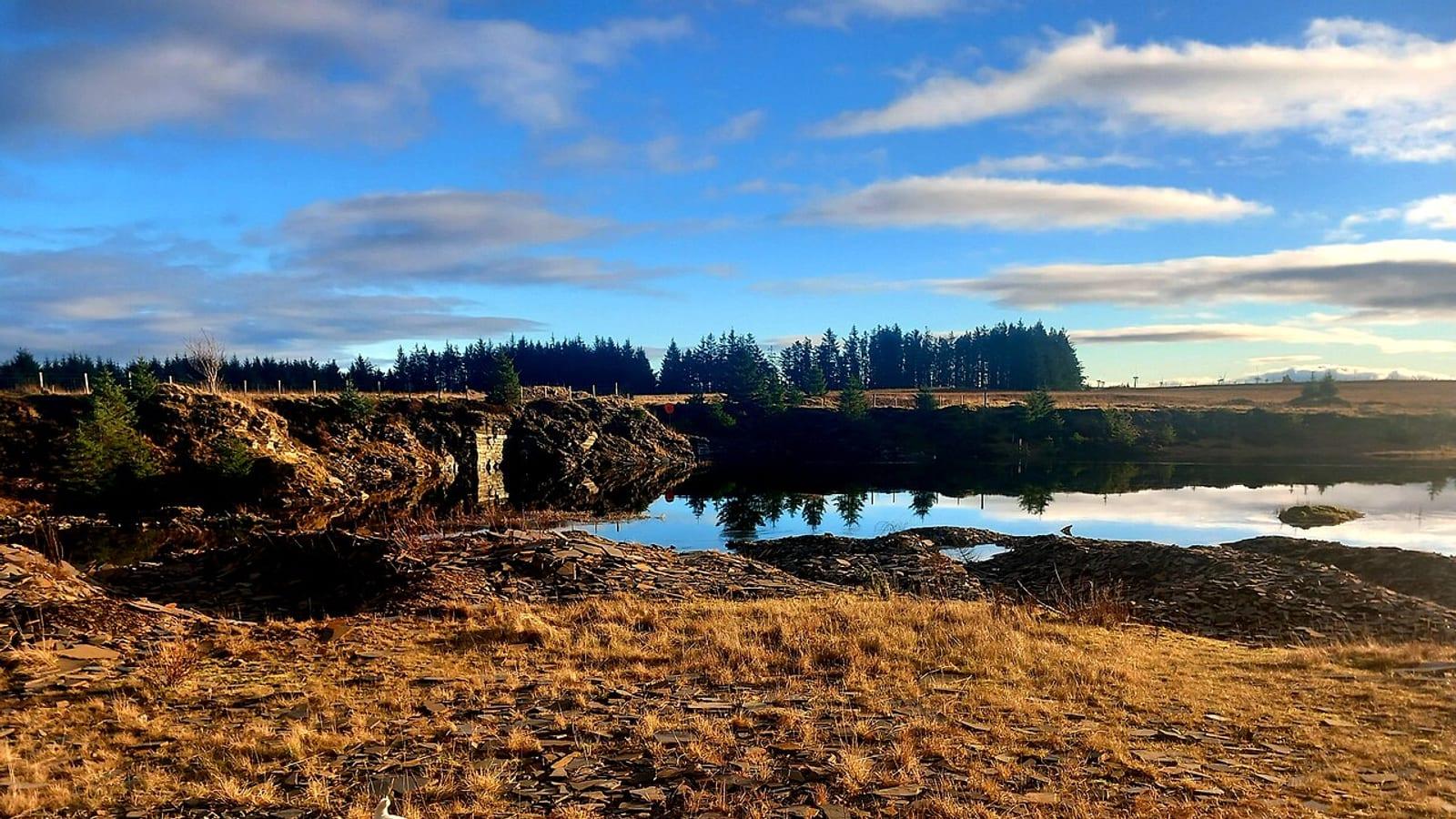
Achanarras Quarry Caithness Scotland Fossil Hunting Guide
United Kingdom
Dipterus, Palaeospondylus gunni, Coccosteus cuspidatus, Dipterus valenciennesi
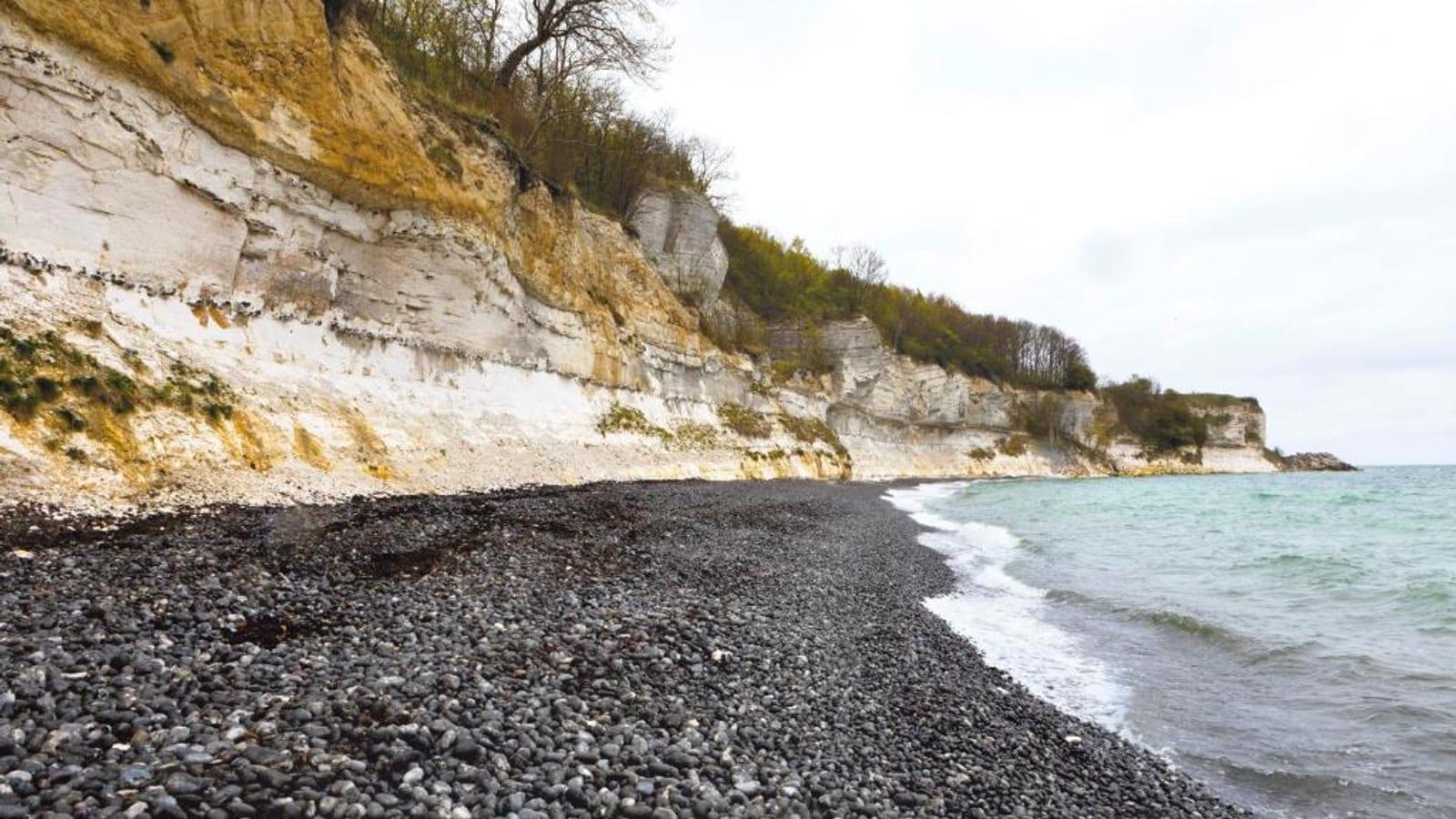
Baggy Point Fossil Hunting Guide
England, United Kingdom
Brachiopods, Bivalves, Gastropods, Crinoids
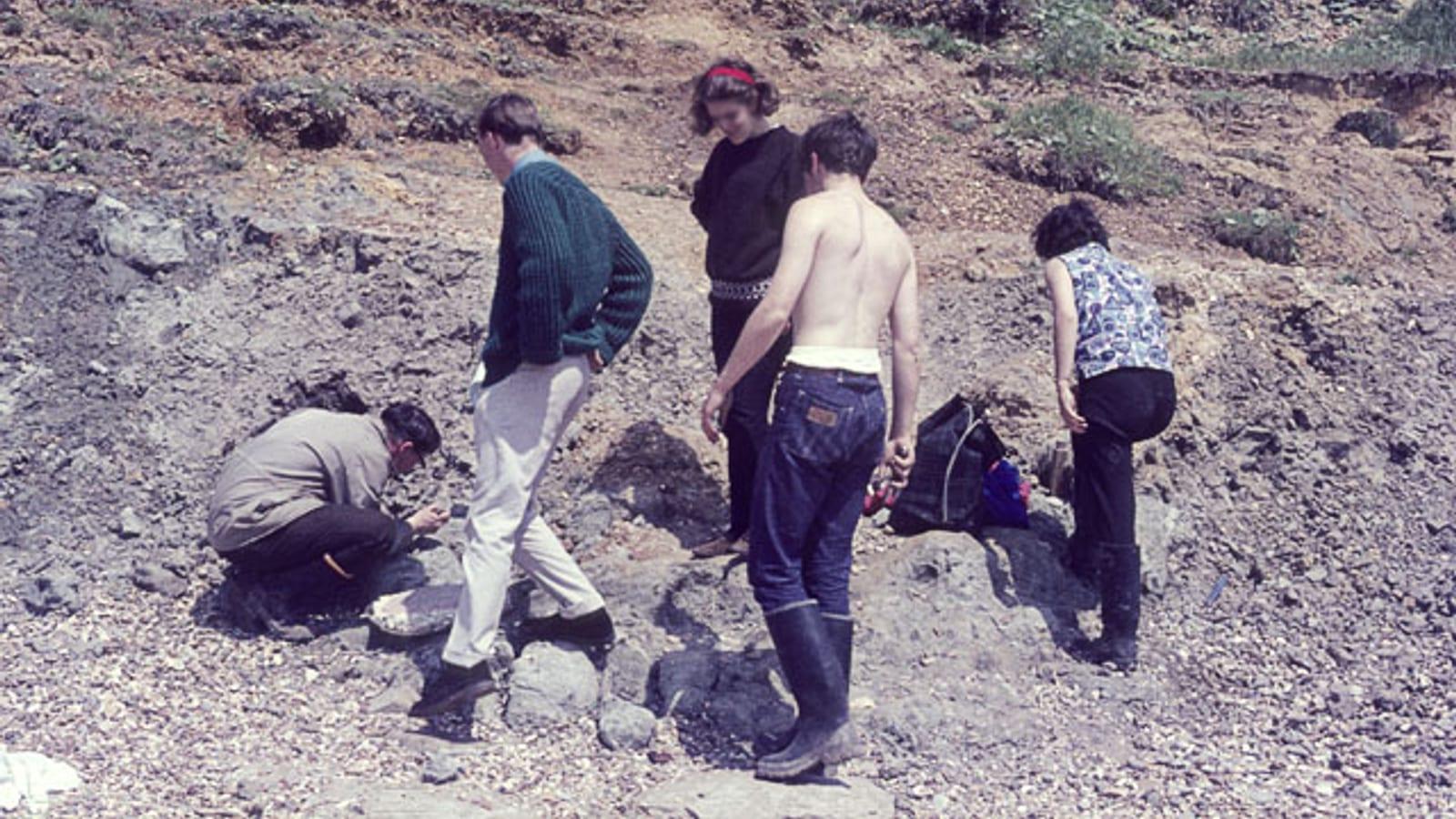
Barton on Sea Fossil Hunting Guide
England, United Kingdom
Gastropods, Shark Teeth, Bivalves
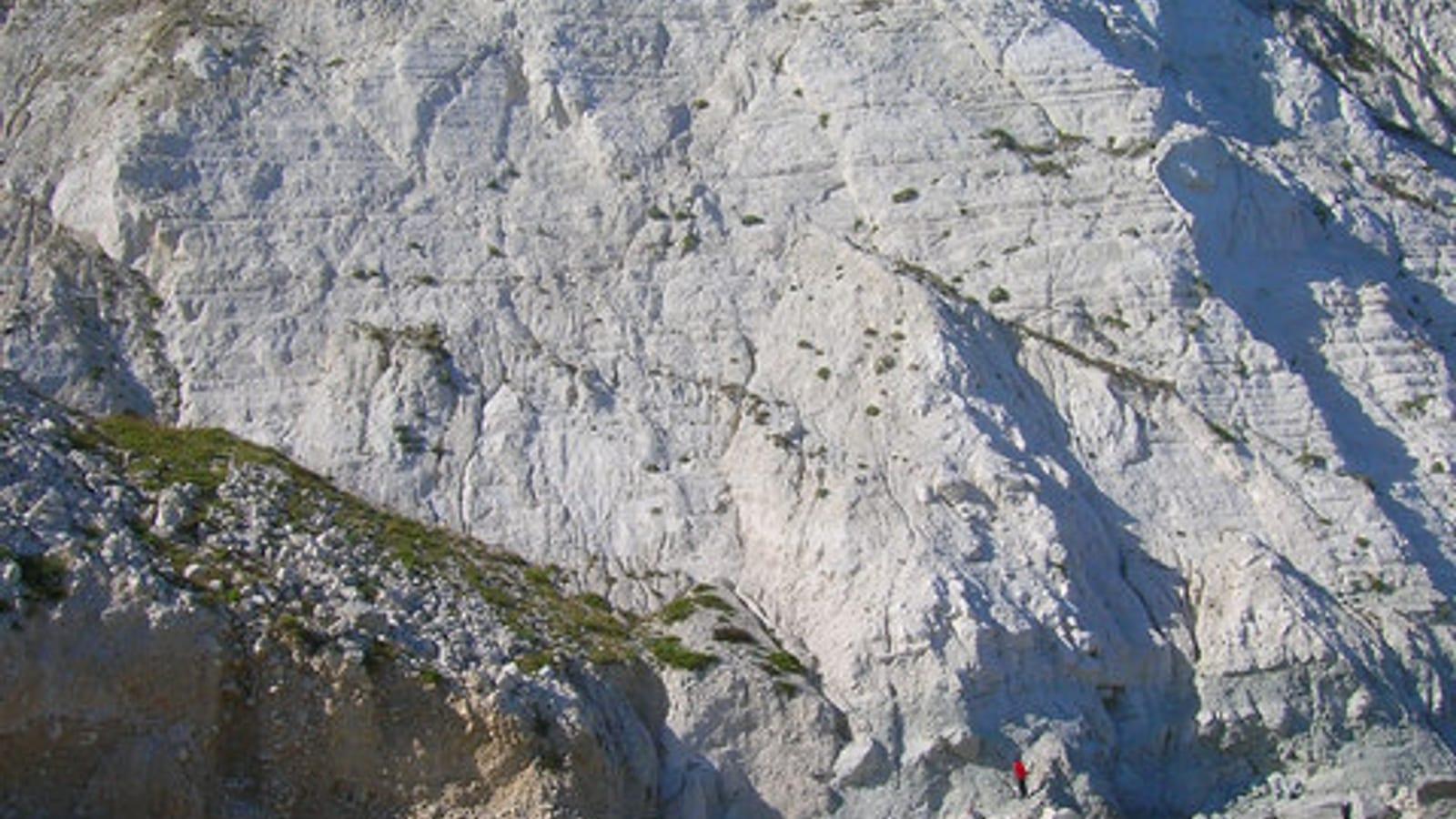
Beachy Head Fossil Hunting Guide
England, United Kingdom
Echinoids (sea urchins), Flint sponges, Bivalves, Brachiopods
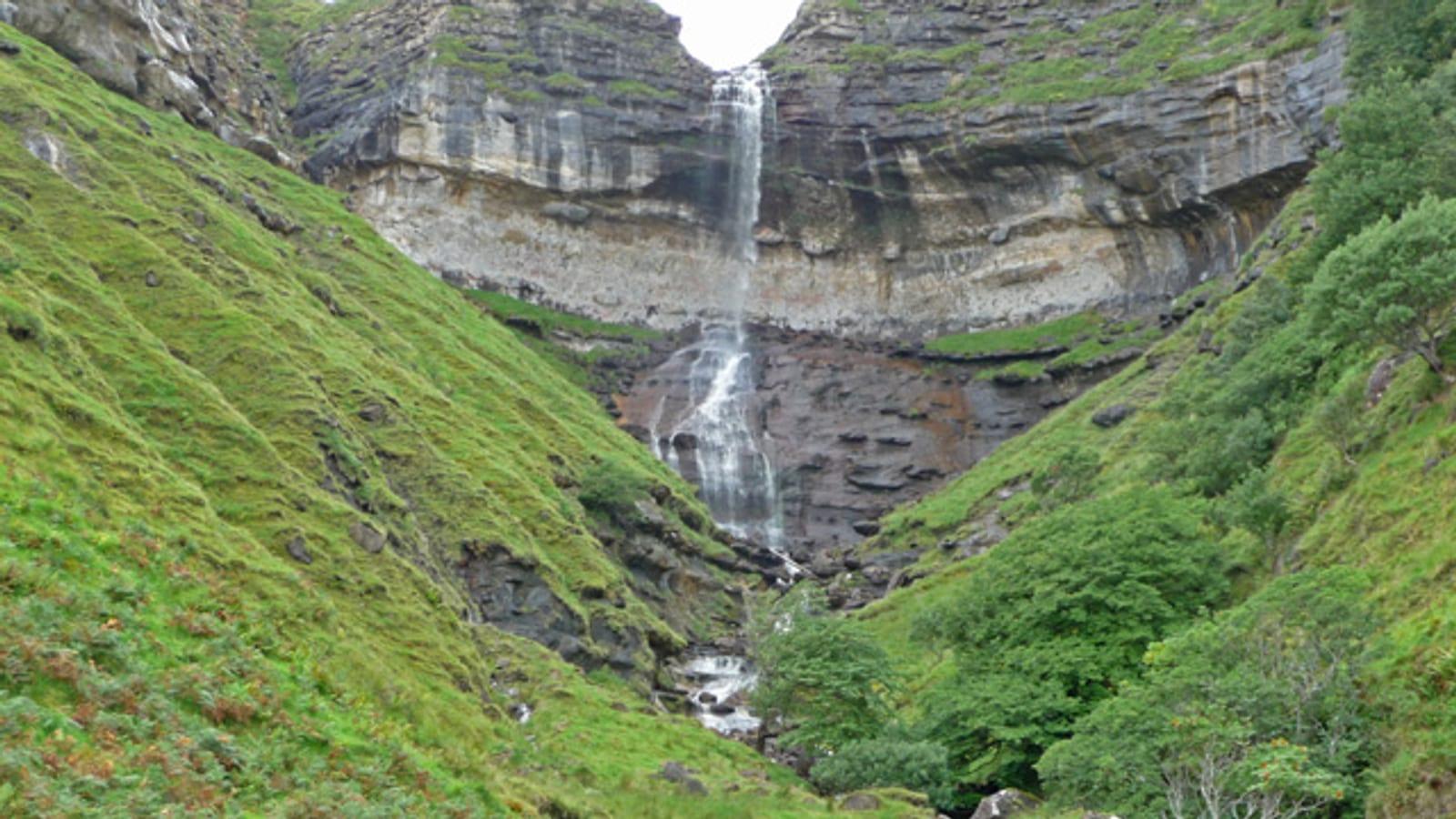
Bearreraig Bay Isle of Skye Fossil Hunting Guide
United Kingdom
ammonites, Tmetoceras, bivalves, brachiopods
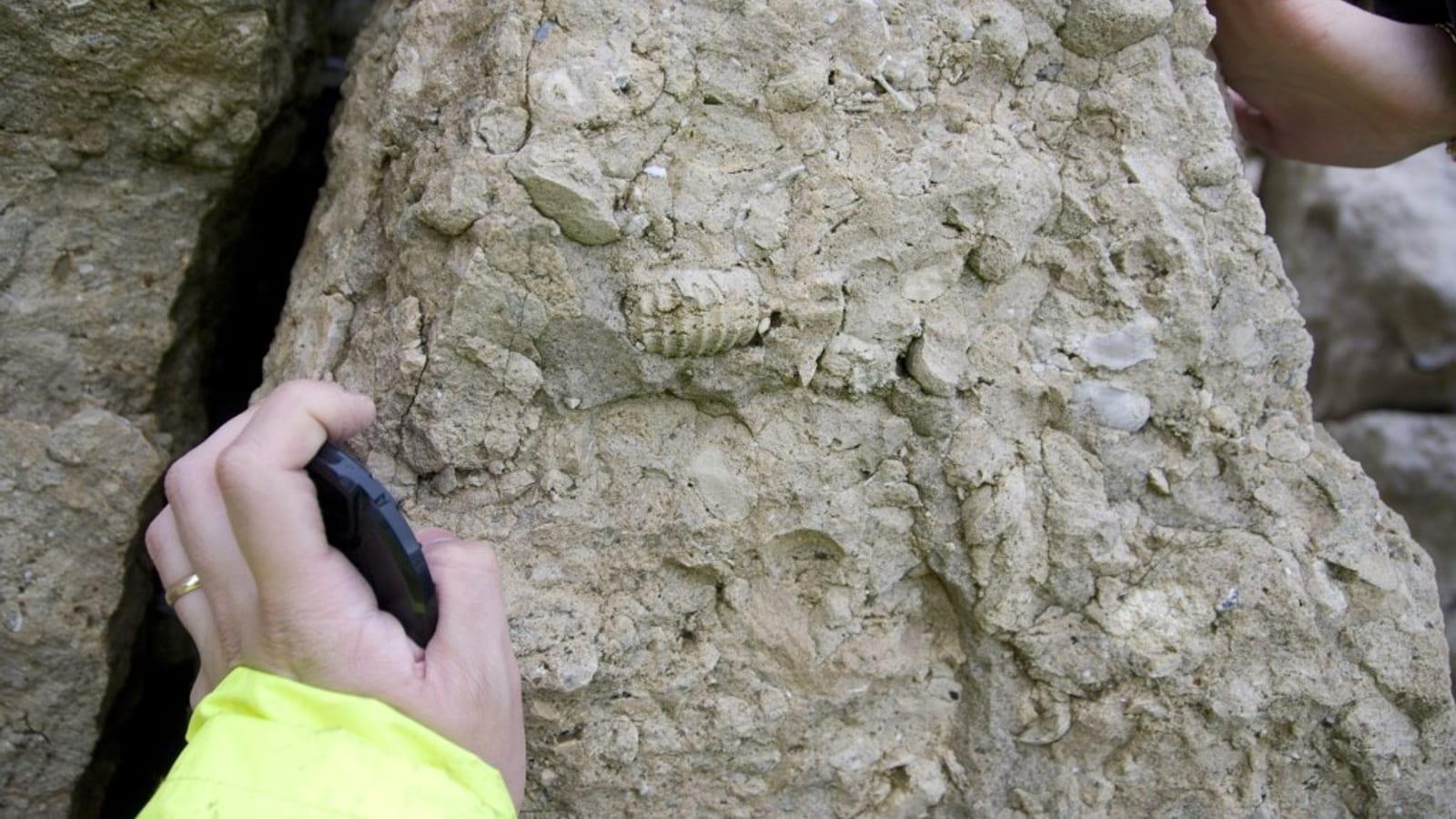
Beer Head Fossil Hunting Guide
England, United Kingdom
Ammonites, Echinoids, Brachiopods, Bivalves
Beltinge Herne Bay Fossil Hunting Guide
United Kingdom
Beltinge Fish Bed, Shark teeth, Fish Vertebrae
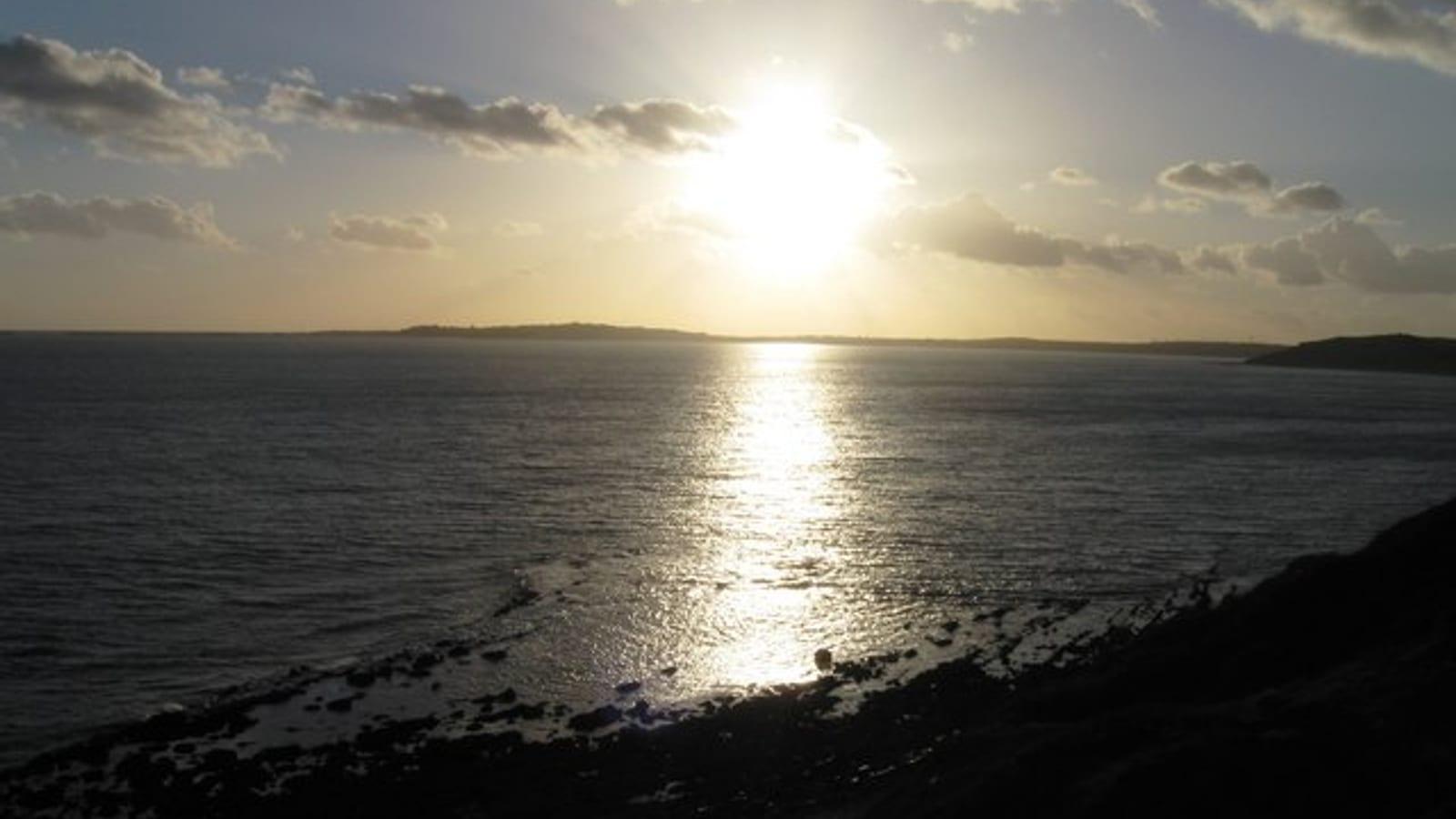
Black Head Osmington Fossil Hunting Guide
near Weymouth
Ammonites, Belemnites, Bivalves, Marine reptile fragments
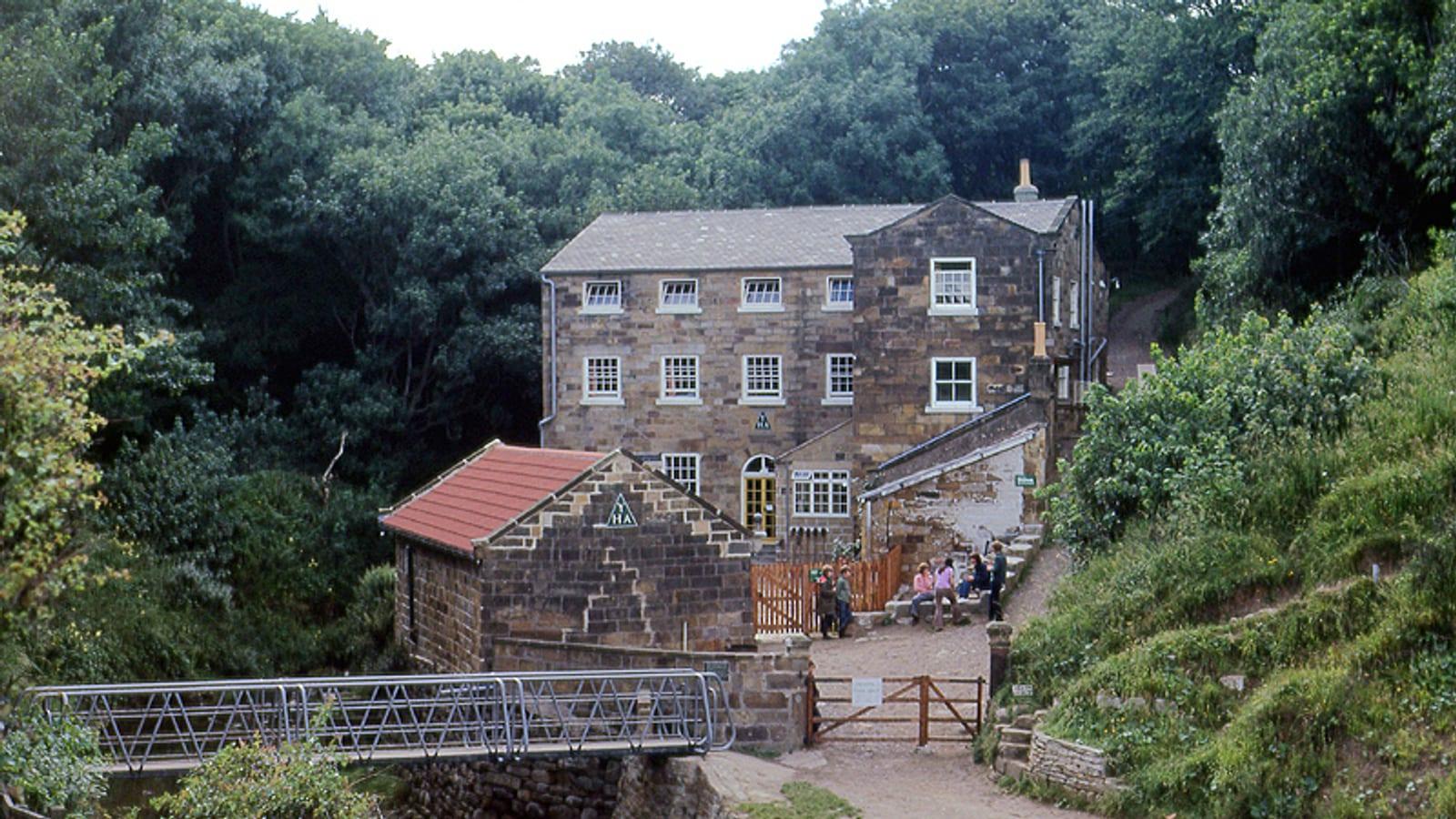
Boggle Hole Fossil Hunting Guide
near Whitby
Trace fossils, Ammonites, Bivalves, Belemnites
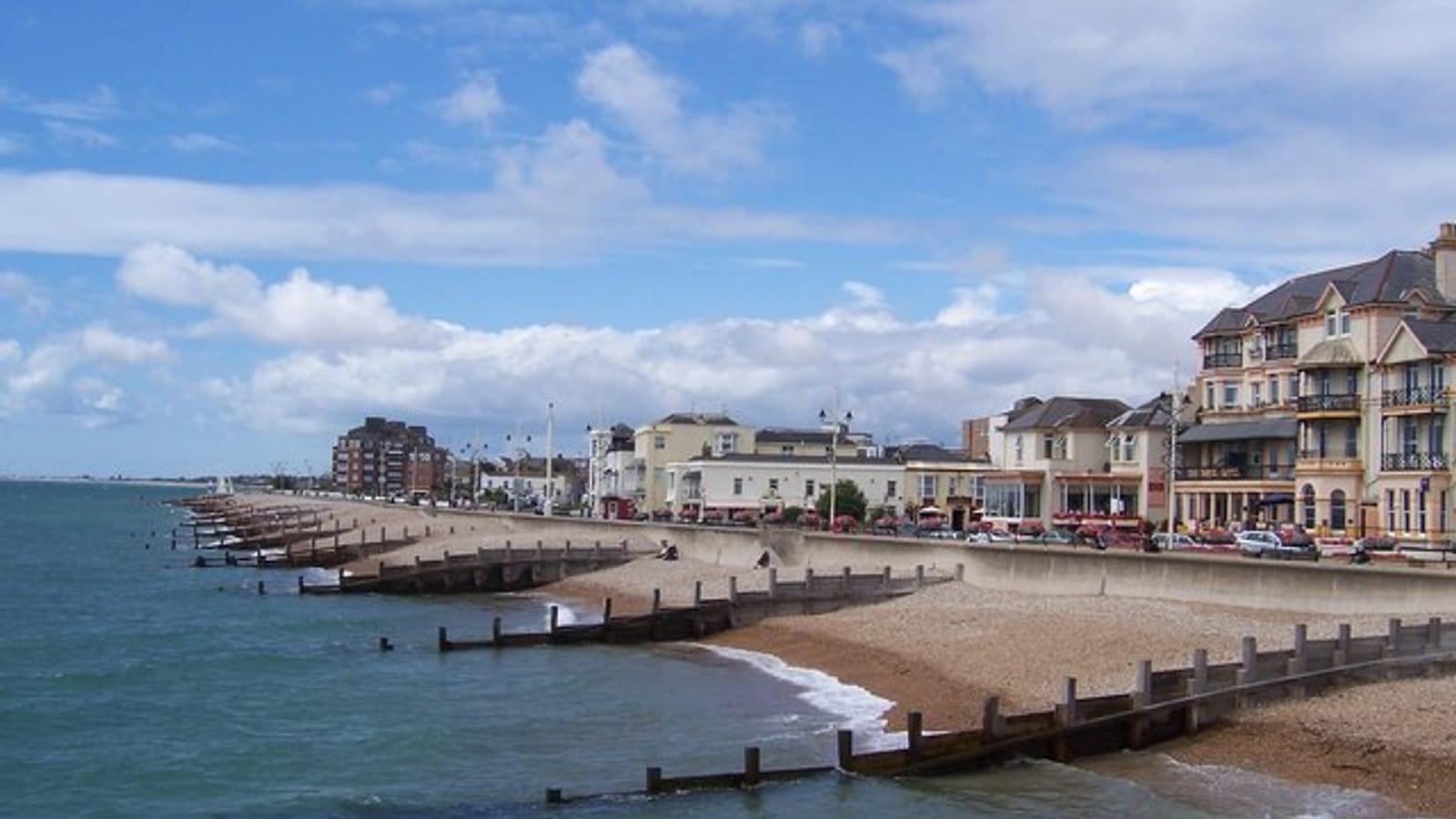
Bognor Regis Fossils: London Clay Foreshore Guide
western end of Bognor Regis
Sharks' teeth, Fish remains, Eocene insects, Molluscs
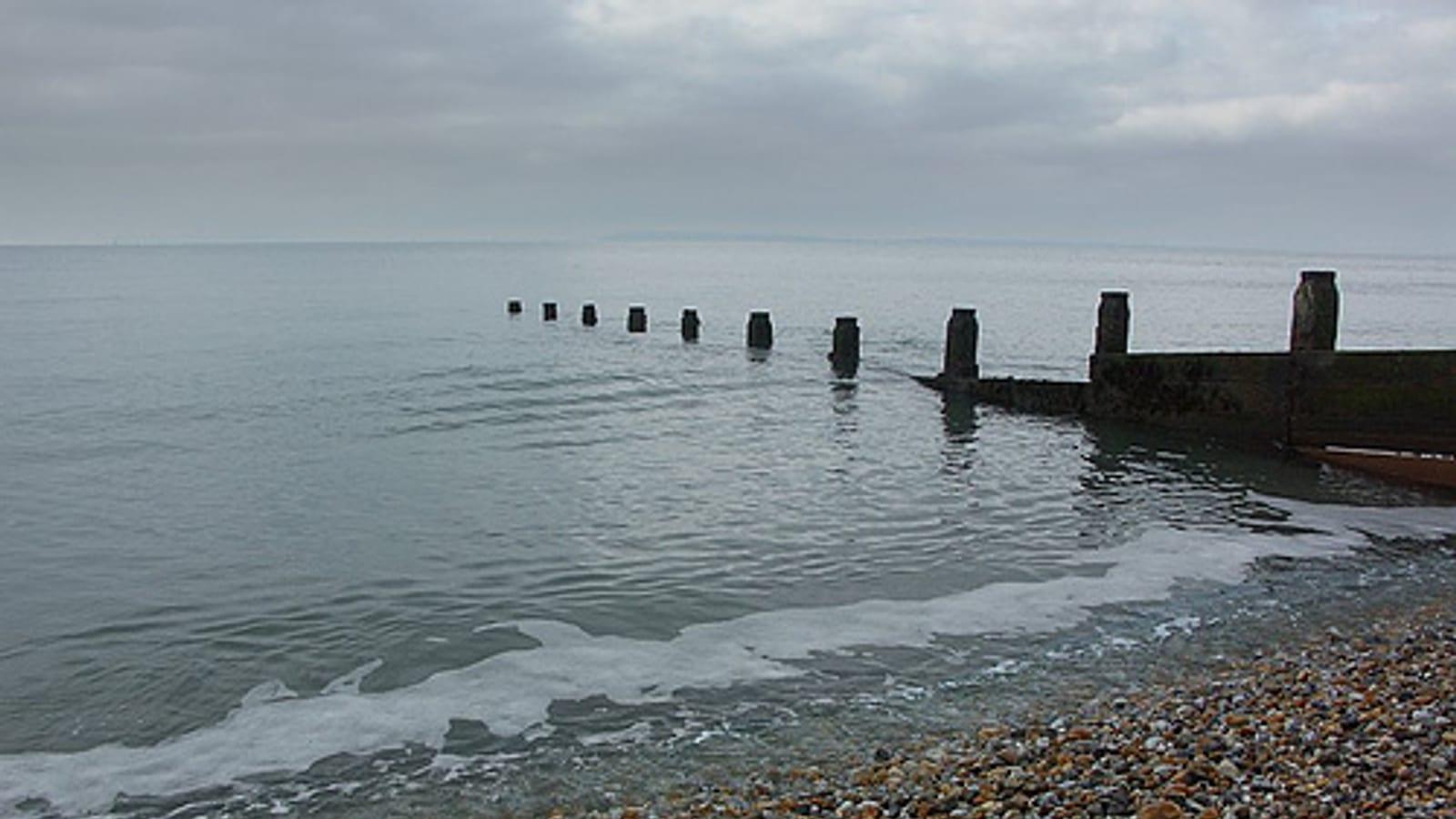
Bracklesham Bay Fossil Hunting Guide
Bracklesham Bay
Striatolamia macrota, foraminifera, Shark Teeth, Bivalves
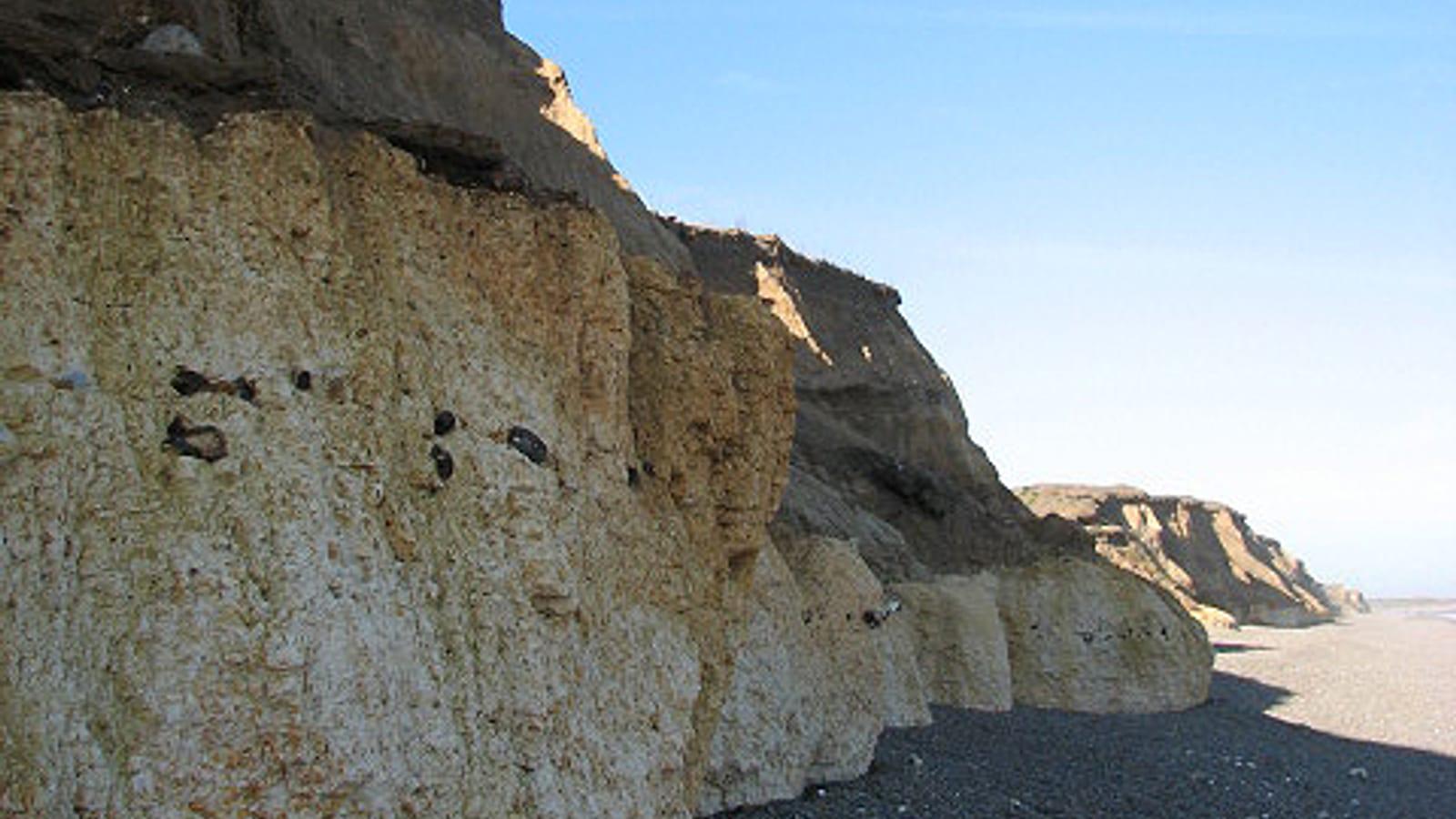
Brighstone Bay Fossil Hunting Guide
England, United Kingdom
plant debris bed, dinosaur teeth, Dinosaur bones, Crocodile remains
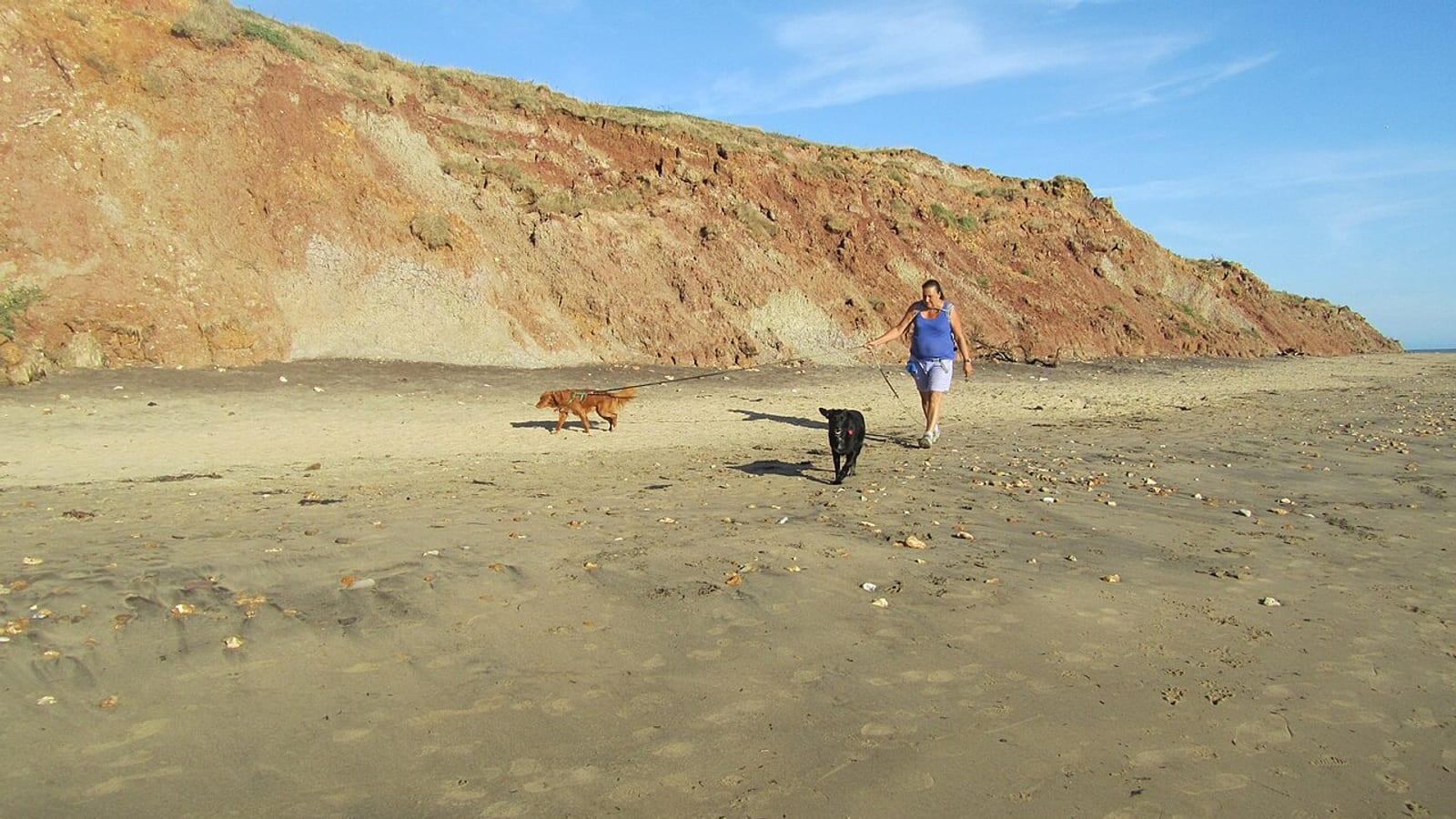
Brook Bay Isle of Wight Fossil Hunting Guide
United Kingdom
N/A
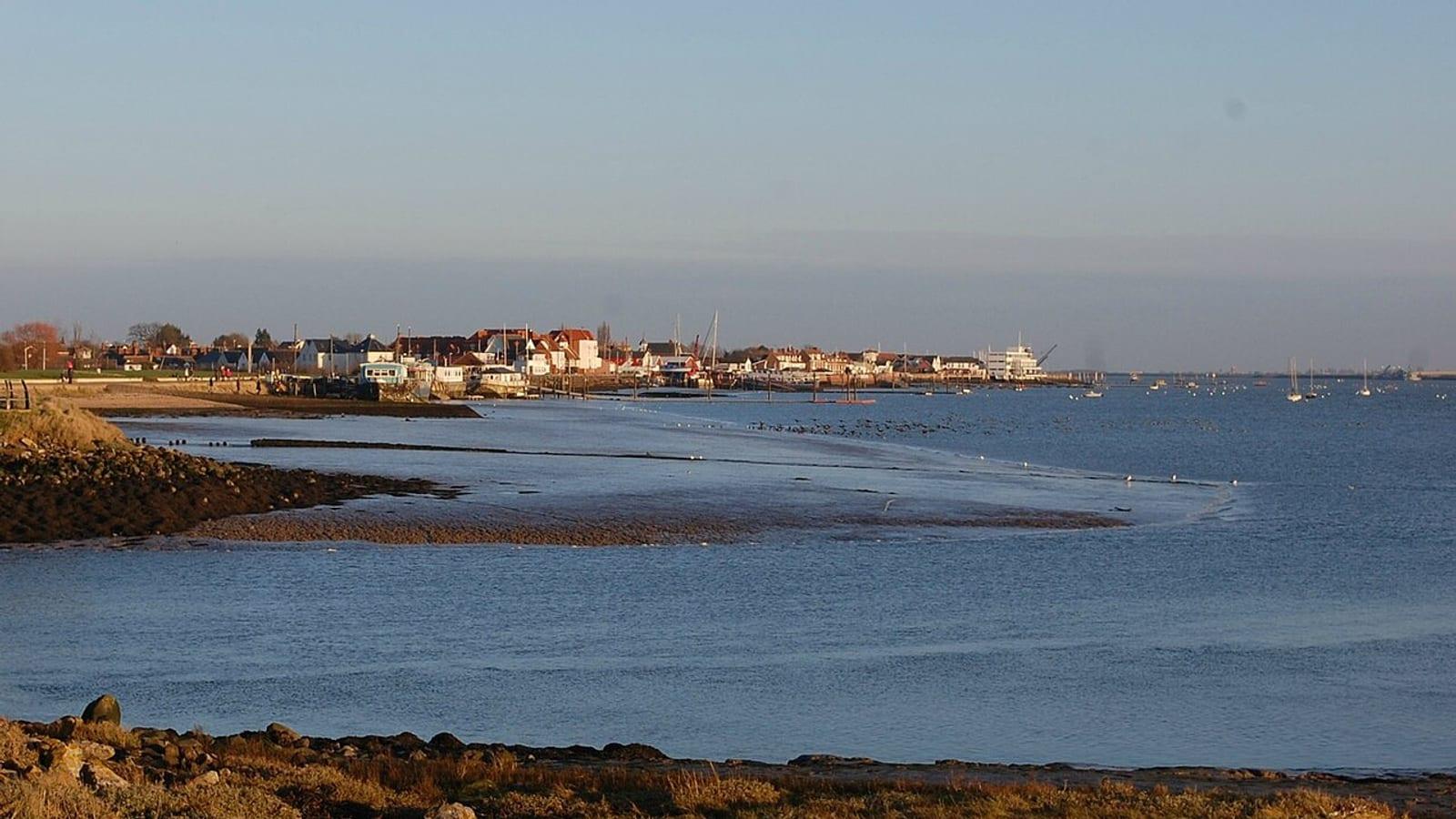
Burnham on Crouch Essex London Clay Fossil Hunting Guide
United Kingdom
Shark teeth, Ray teeth, Fish vertebrae, Crabs
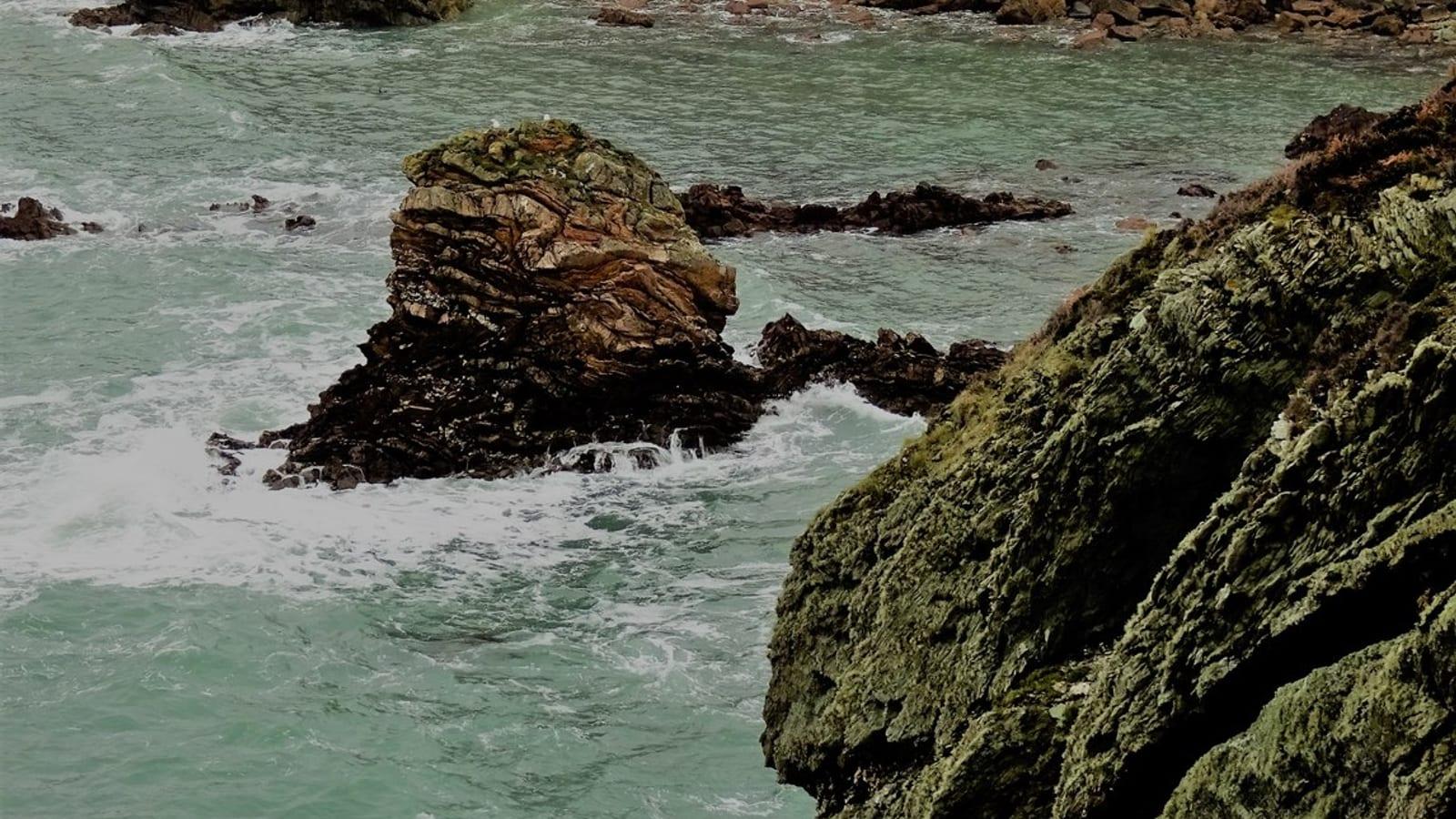
Caim Anglesey Carboniferous Corals Fossil Hunting Guide
United Kingdom
Corals, Brachiopods, Bivalves
Cayton Bay Yorkshire Fossil Hunting Guide
United Kingdom
Ammonites, Bivalves, Gastropods, Brachiopods
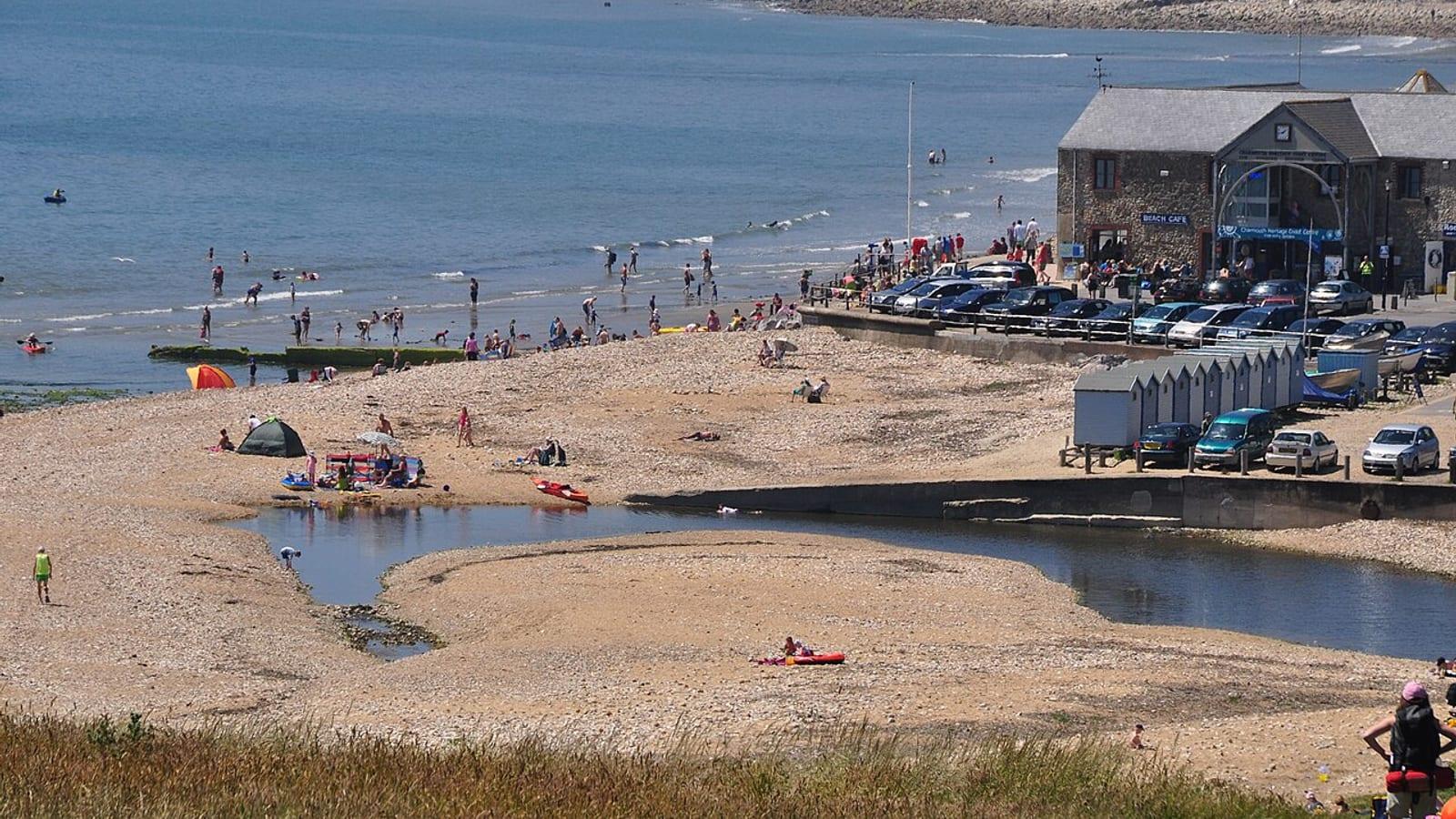
Charmouth Beach Fossil Hunting Guide
Charmouth
Ammonites, Belemnites, Bivalves, Crinoid
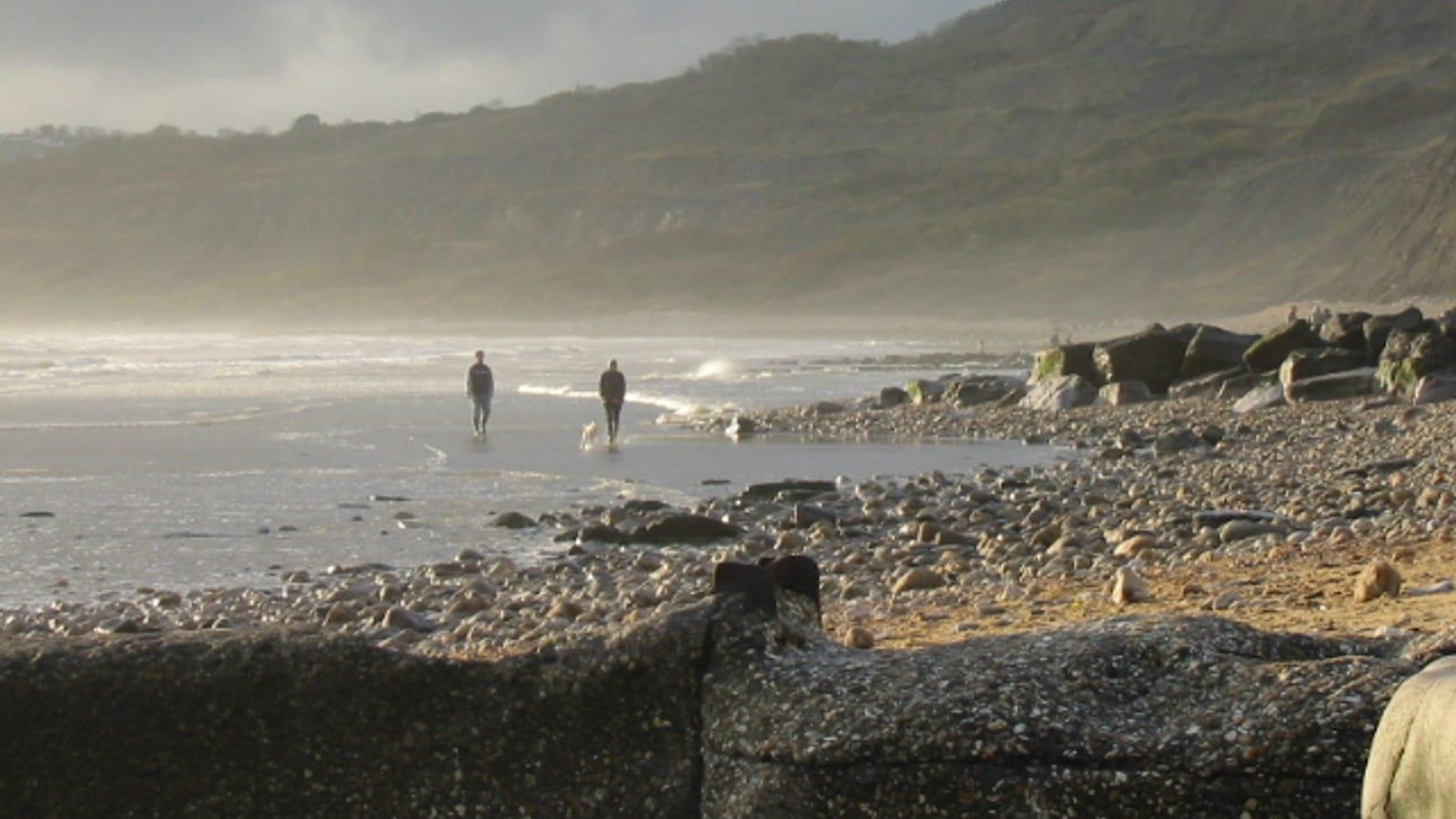
Charmouth Fossil Hunting Guide
Charmouth
Ammonites, Belemnites, Bivalves, Ichthyosaur
Compton Bay: Dinosaur Trackways
England, United Kingdom
Dinosaur footprints, Dinosaur bone fragments, Dinosaur teeth, Plant material
Cooden Beach Bexhill Fossil Hunting Guide
East Sussex, United Kingdom
Dinosaur bones and teeth, Crocodilian material, Turtle shell fragments, Fish remains
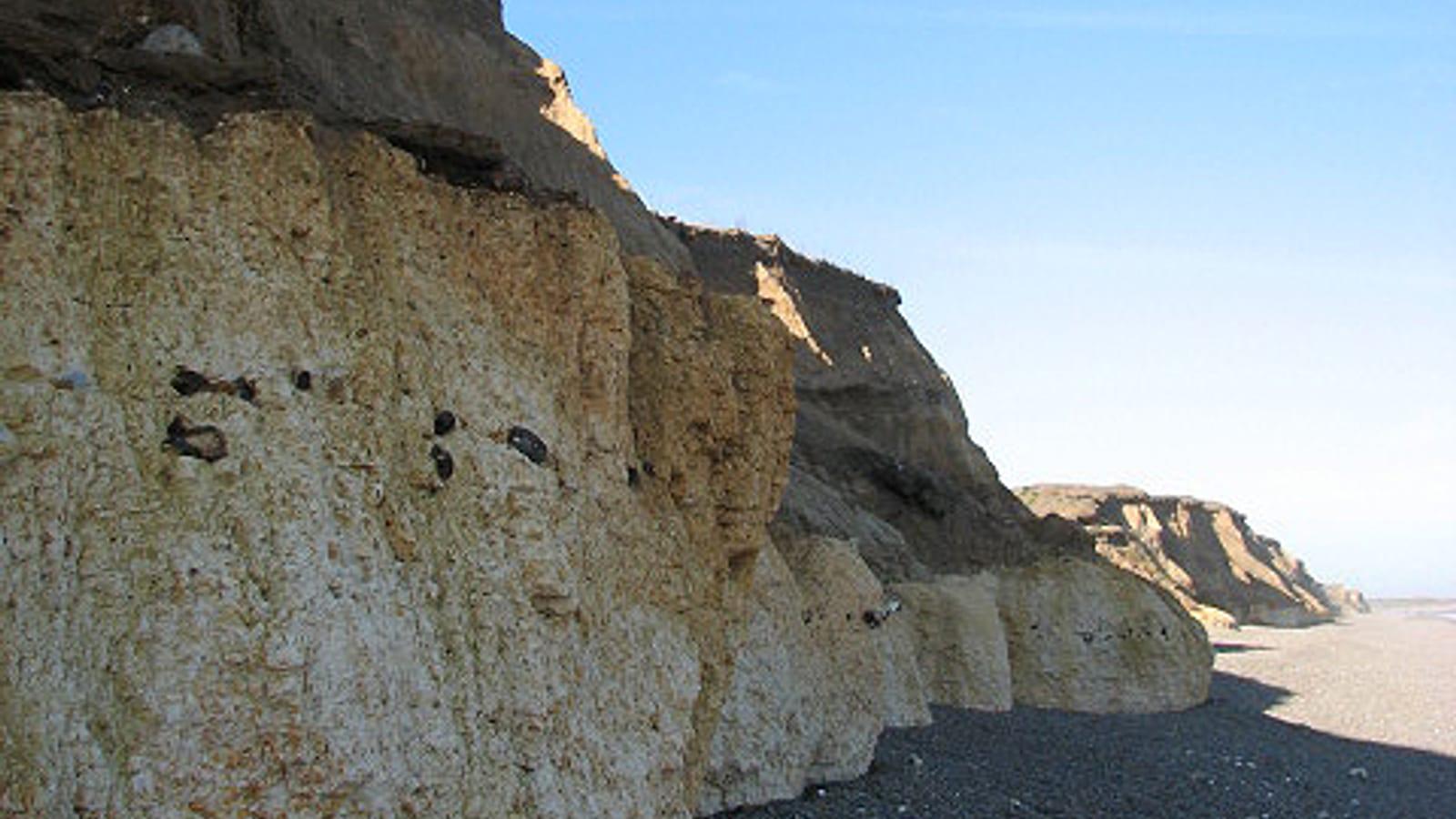
Dinosaur Footprints at Worth Matravers, Dorset: Dinosaur Trackways
England, United Kingdom
not permitted, Sauropod footprints, Theropod tracks, strictly prohibited
Dobs Linn Scottish Borders Fossil Hunting Guide
United Kingdom
Graptolites
Druidston Haven Pembrokeshire Fossil Hunting Guide
United Kingdom
Graptolites, diplograptids, plant fossil impressions
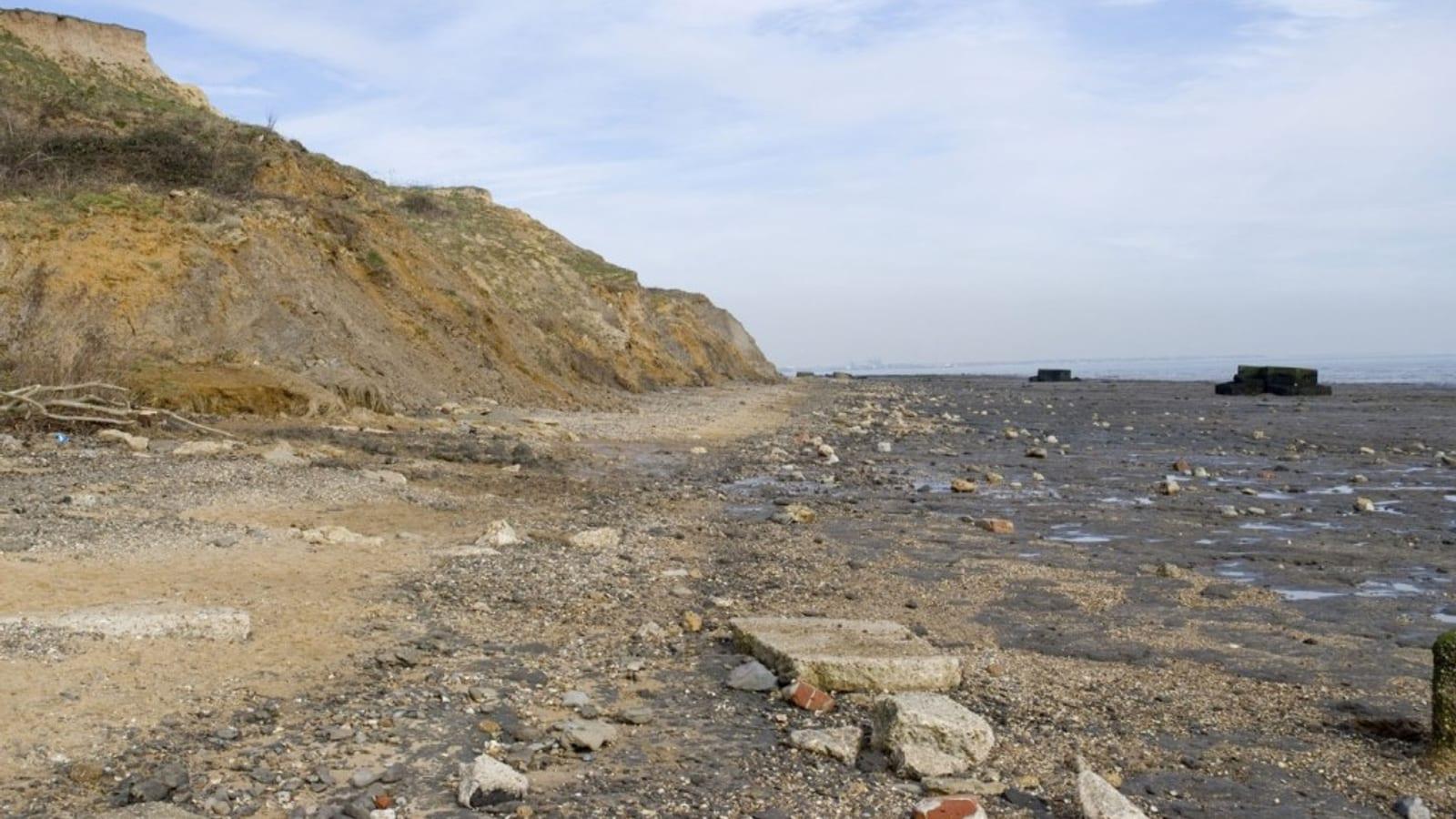
East Mersea Fossil Hunting Guide
England, United Kingdom
N/A
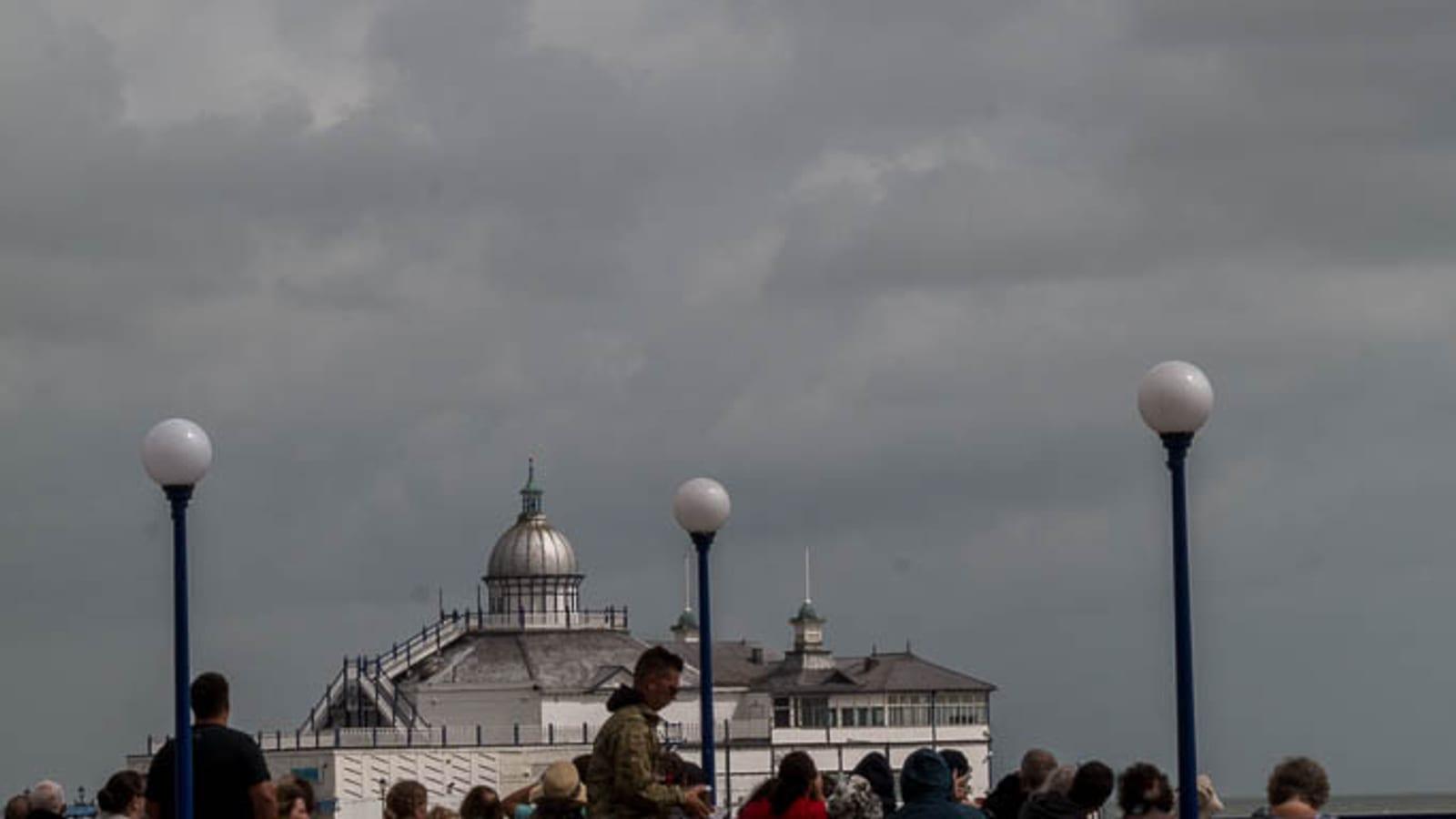
Eastbourne Sussex Fossil Hunting Guide
England, United Kingdom
Echinoids, Chalk ammonites, Ammonites
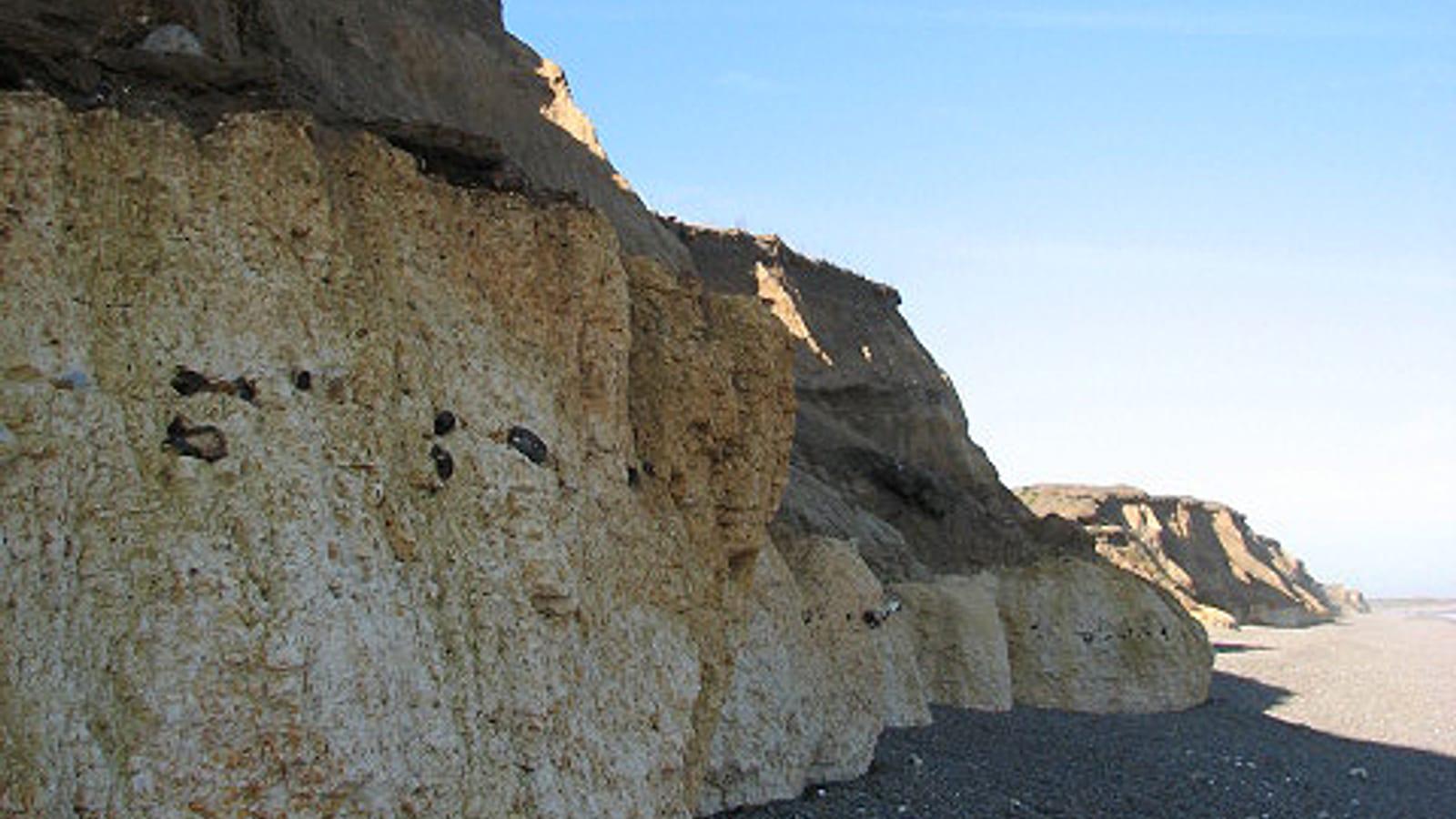
Find Fossils at Tidmoor Point Fossil Hunting Guide
England, United Kingdom
Pyritised and limonitised ammonites, Belemnites, Crustaceans, Marine reptile material

Folkestone Warren and Copt Point Fossil Hunting Guide
Kent, England
Ammonites, Crabs, Shark Teeth, Bivalves
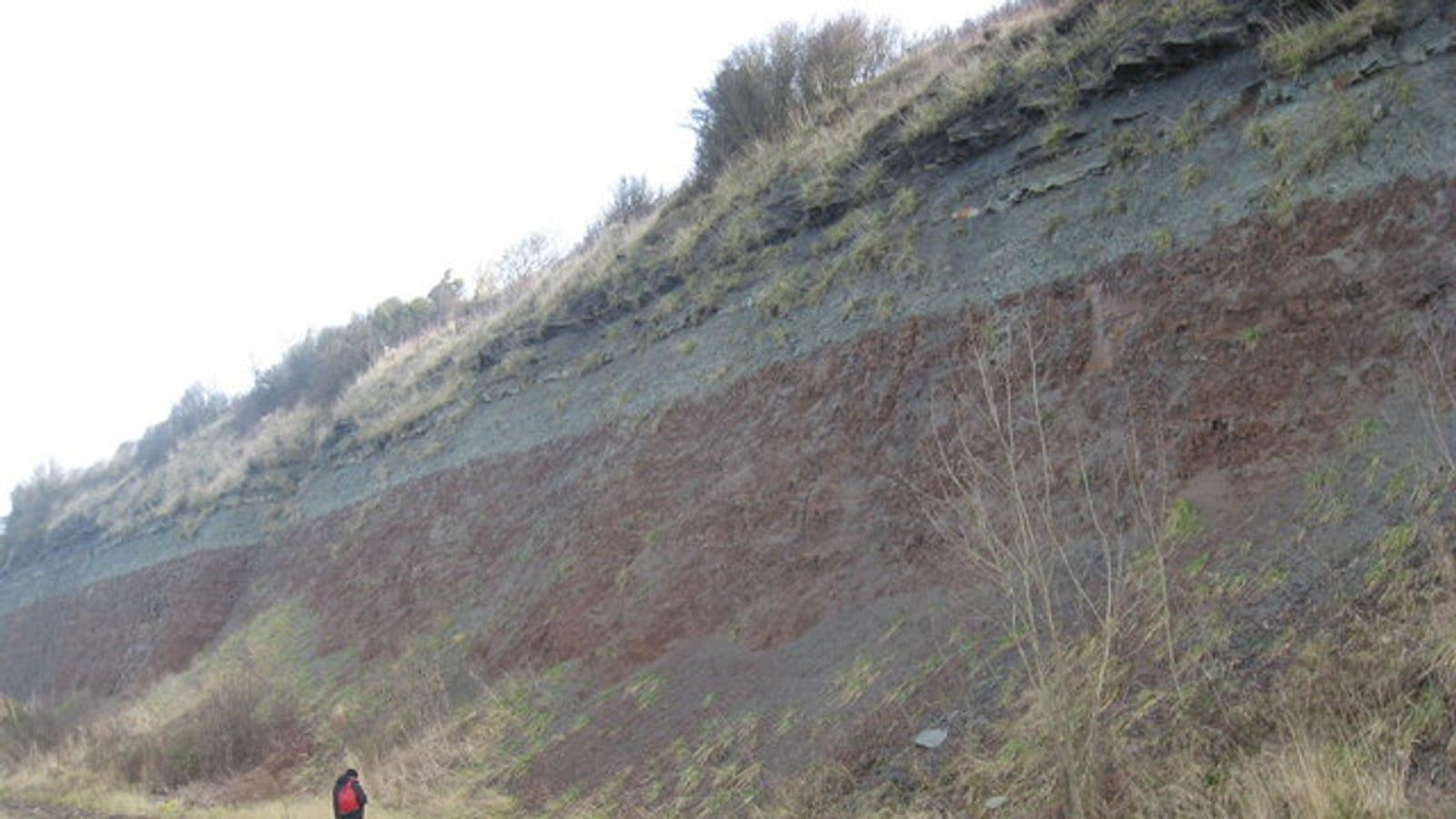
Fossils of Aust Cliff Fossil Hunting Guide
England, United Kingdom
Shark teeth, Fish scales and teeth, Reptile remains, The Blue Lias
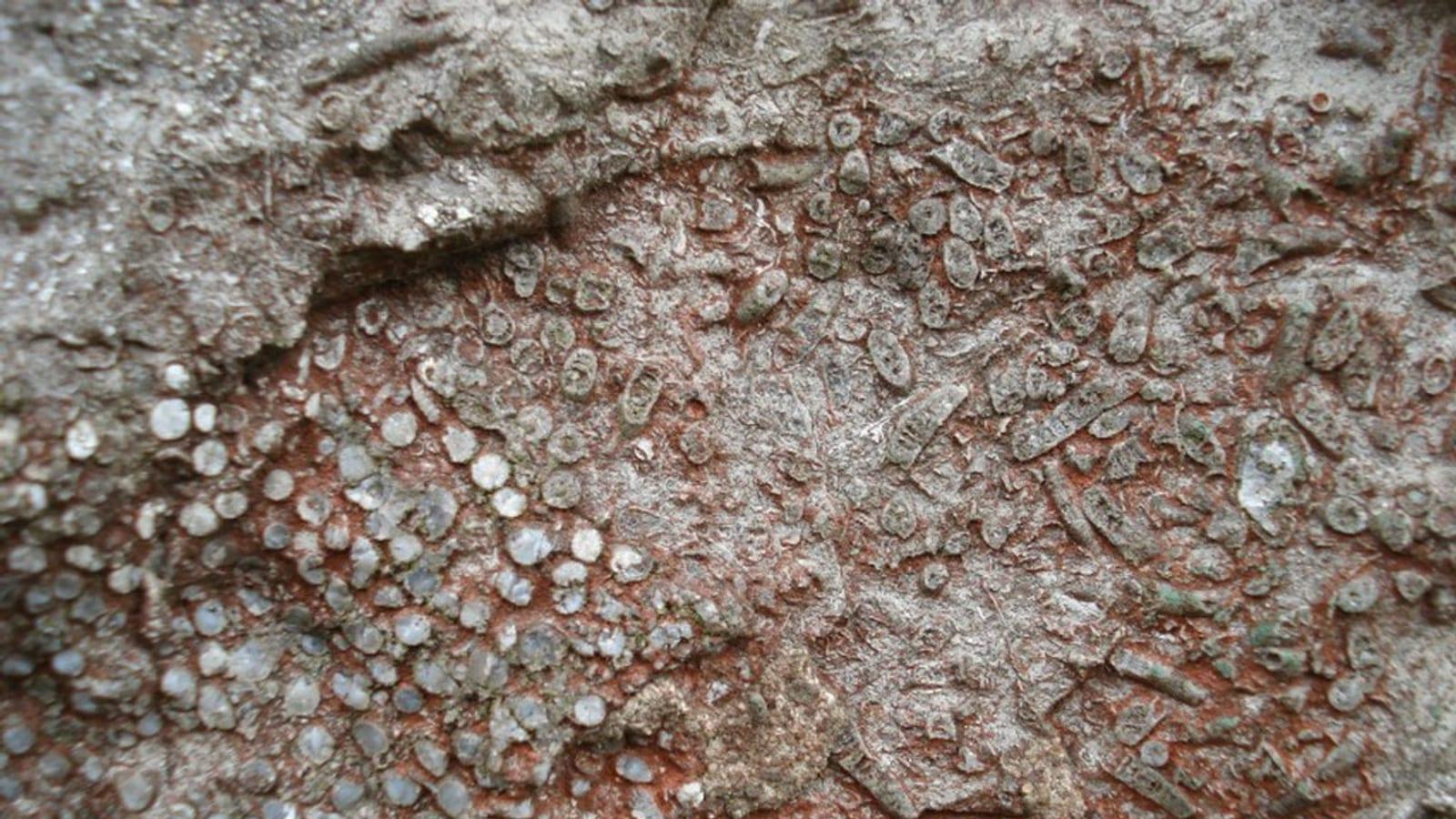
Halkyn Mountain Fossil Hunting Guide
Wales, United Kingdom
Brachiopods, Crinoids, Corals, Bryozoans
Hamstead Isle of Wight Fossil Hunting Guide
United Kingdom
Mollusc shells, Plant seeds and fragments, fish remains, Crocodile remains
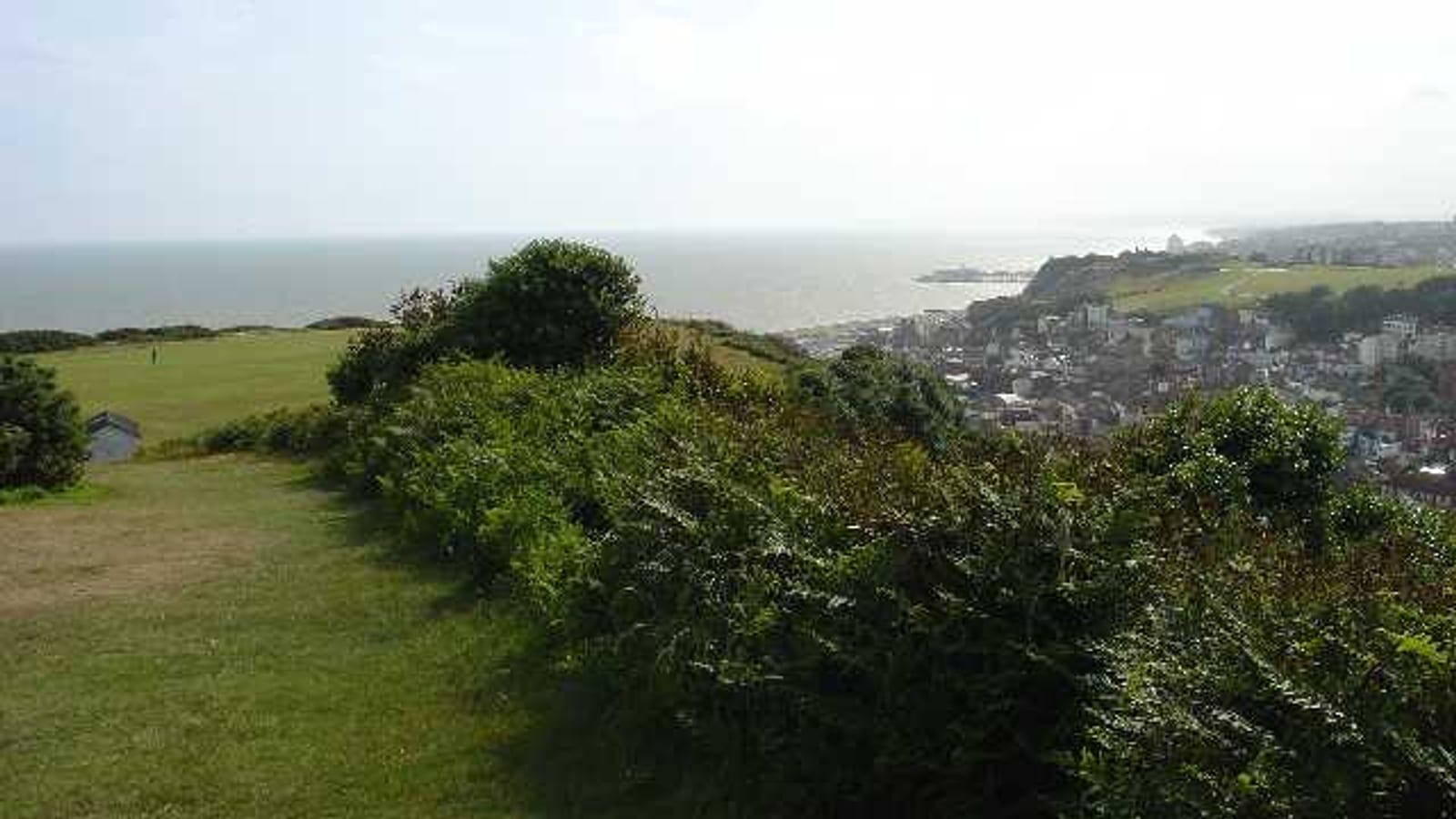
Hastings East Sussex Fossil Hunting Guide
Hastings
Dinosaur bones and teeth, Dinosaur footprints, Freshwater molluscs, Plant material
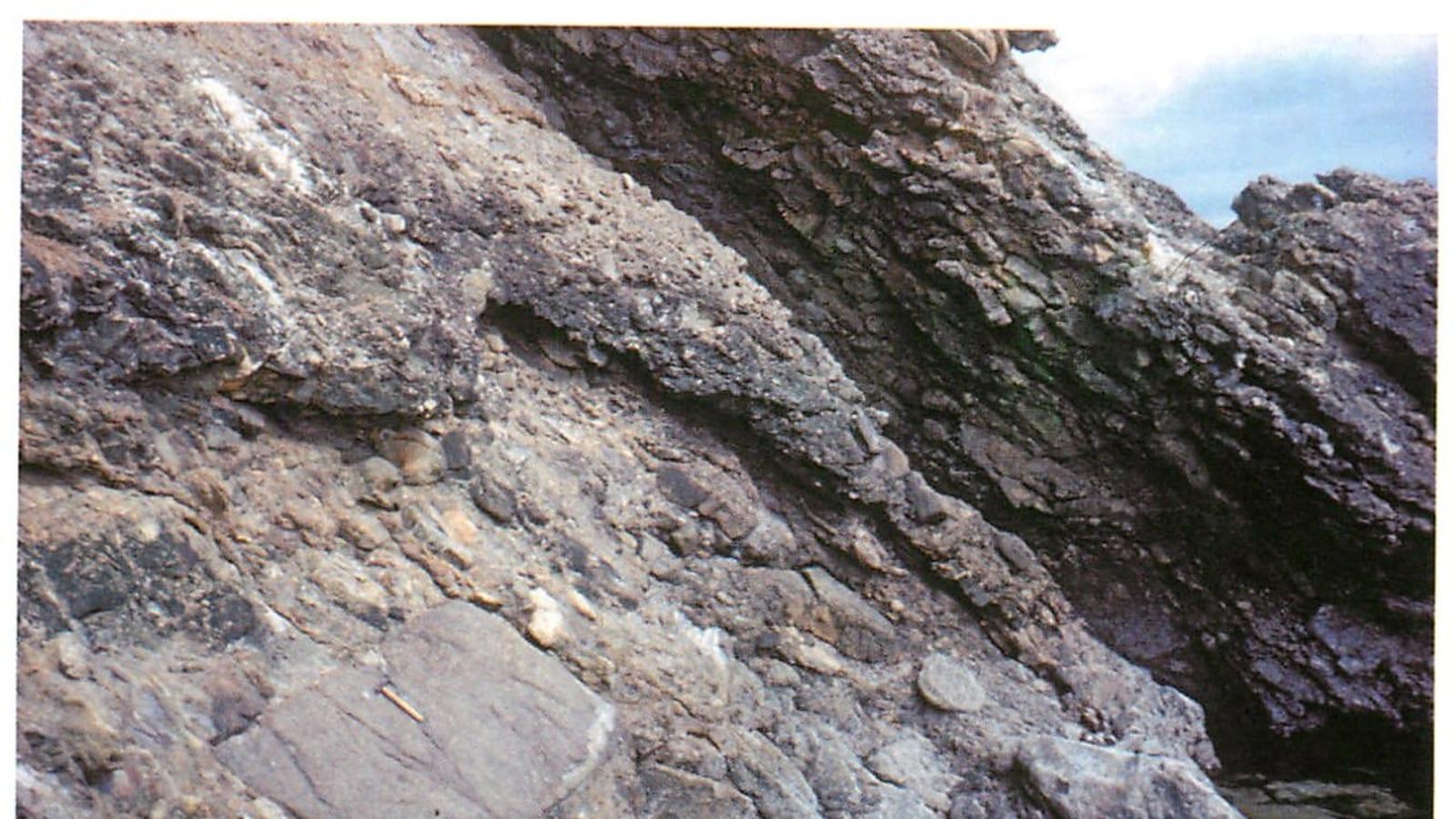
Helmsdale Fossil Hunting Guide
Scotland, United Kingdom
Ammonites, Corals, Marine Reptiles
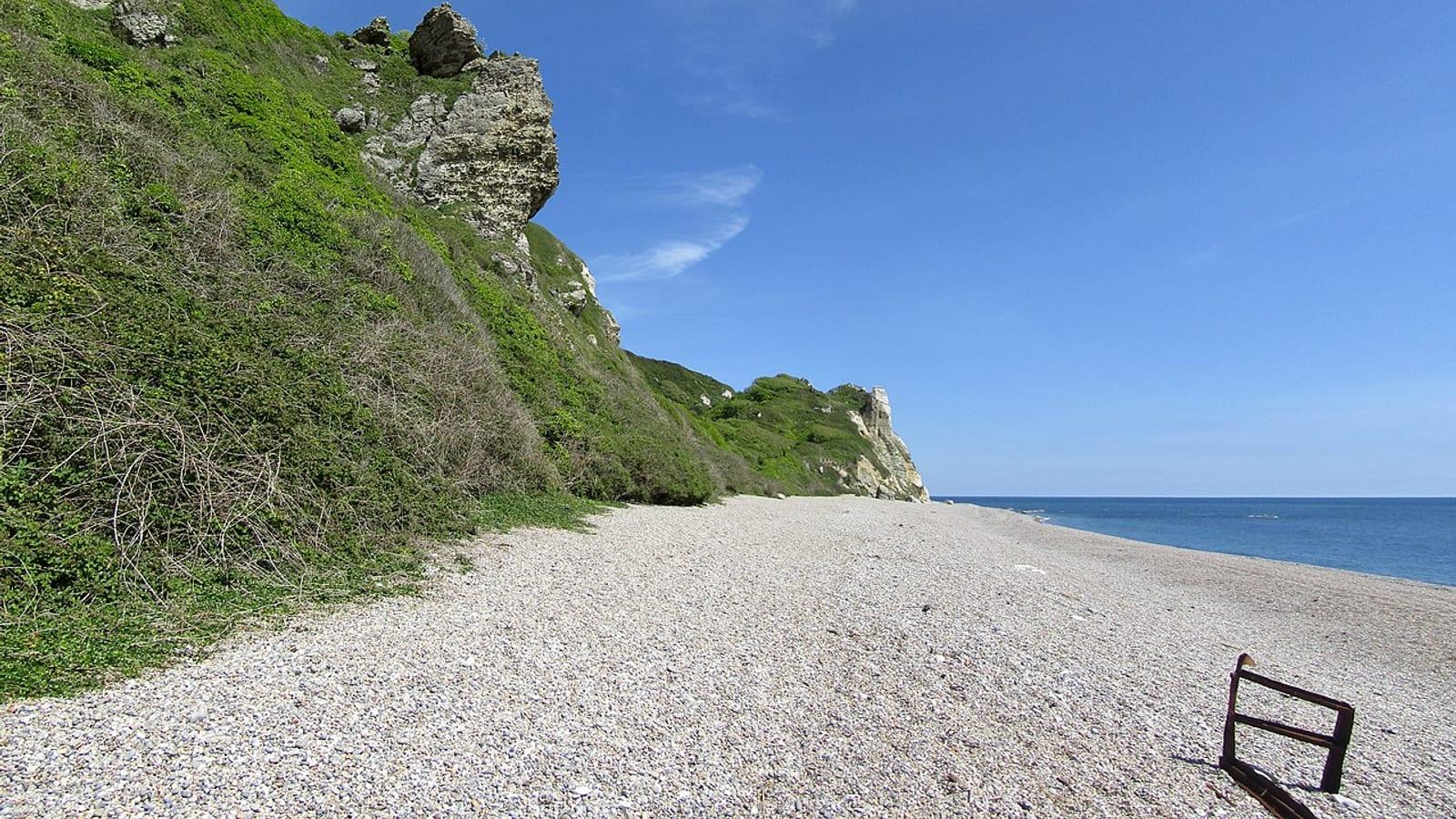
Hooken Cliff Beer Devon Fossil Hunting Guide
United Kingdom
Echinoids, Ammonites, Fish remains, Brachiopods
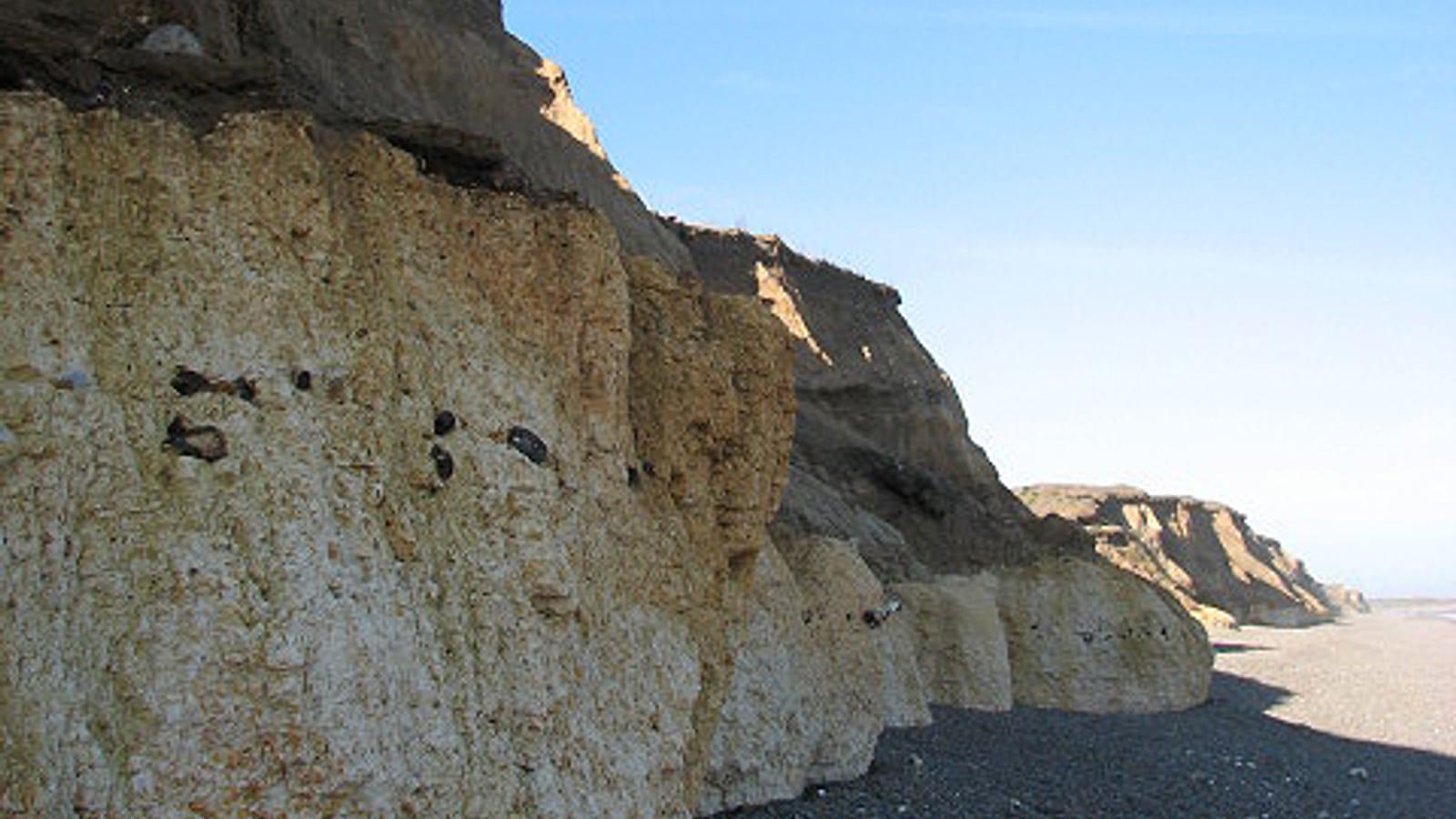
Ilminster Fossil Hunting Guide
England, United Kingdom
Ammonites, Belemnites, brachiopods, bivalves
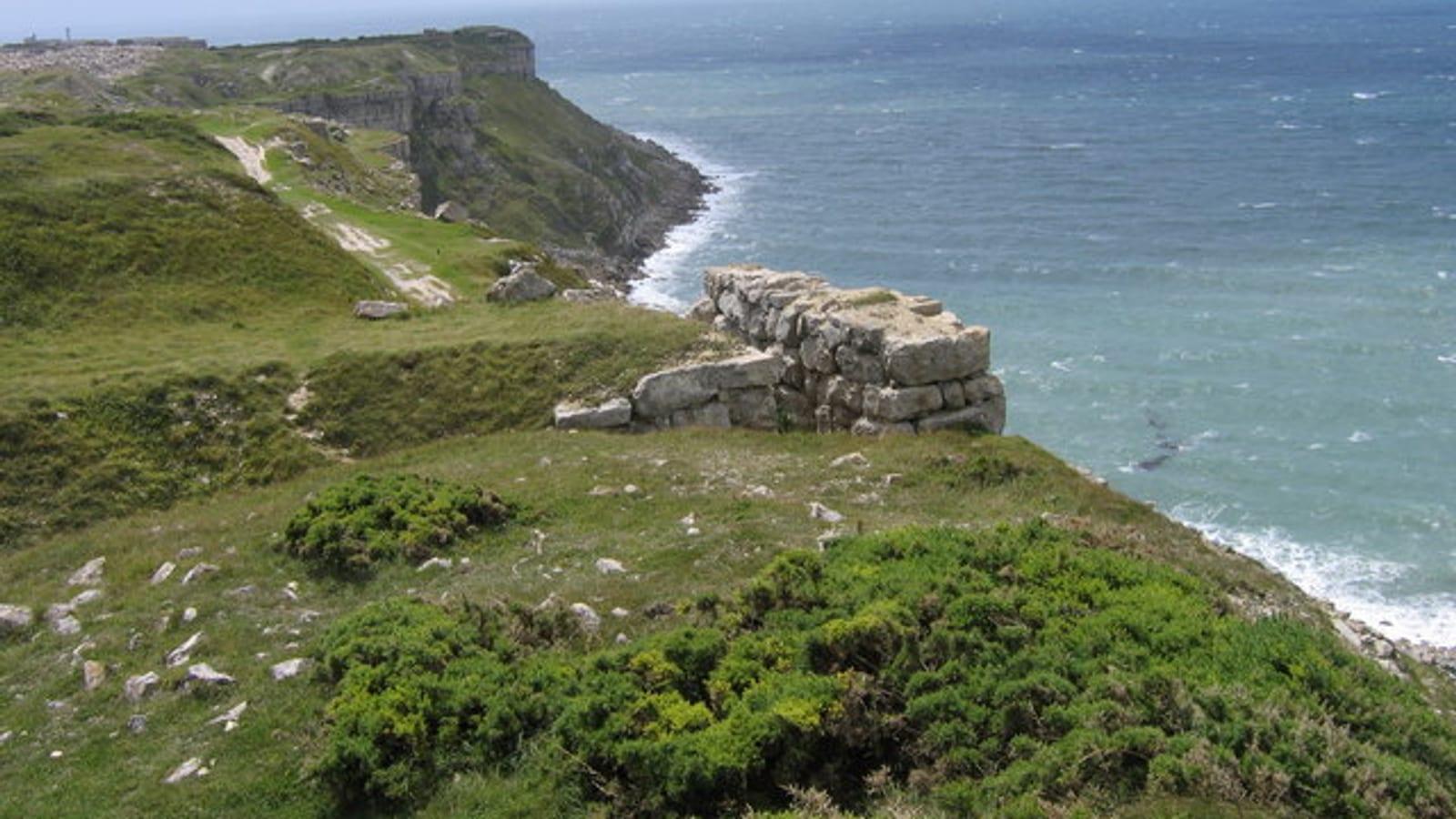
Isle of Portland: Dinosaur Trackways
United Kingdom
Ammonites, Bivalves, Dinosaur footprints, Marine reptile remains
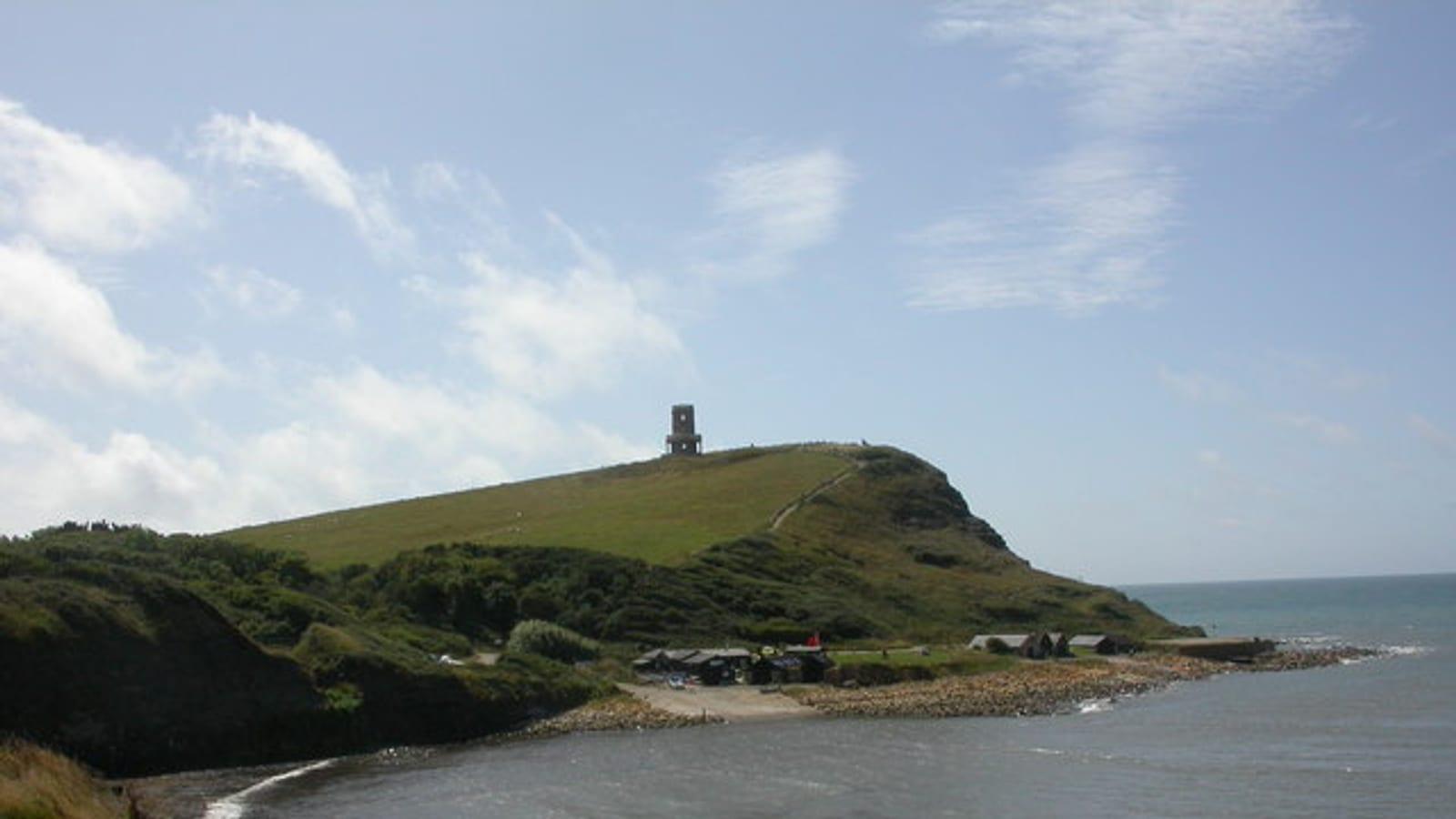
Kimmeridge Bay Fossil Hunting Guide
Wareham
Ammonites, Belemnites, Bivalves, Brachiopods
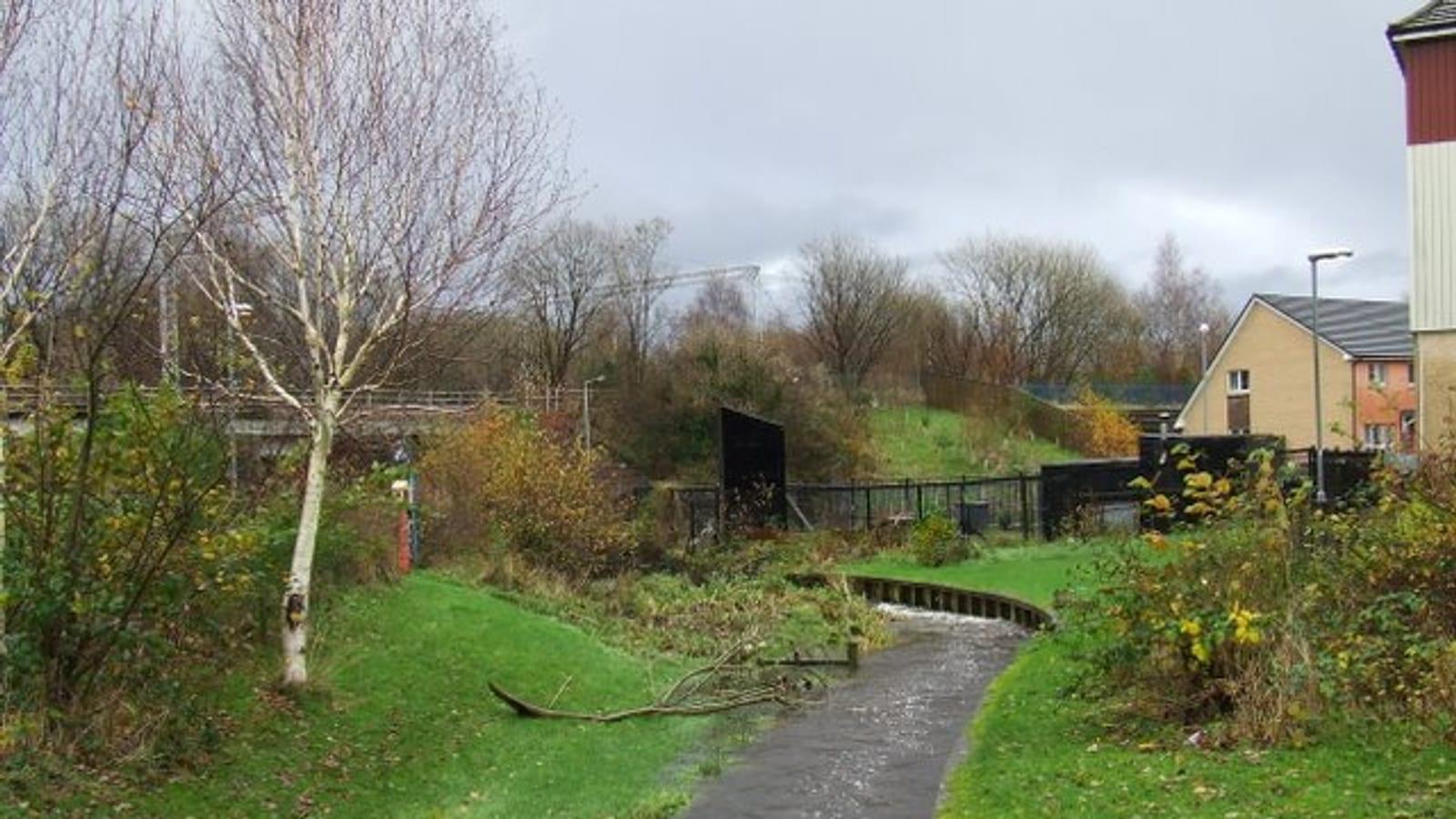
Lady Burn Fossil Hunting Guide
near Drummuck
Starfish, Trilobites, Brachiopods and bivalves, Orthocones and cephalopods
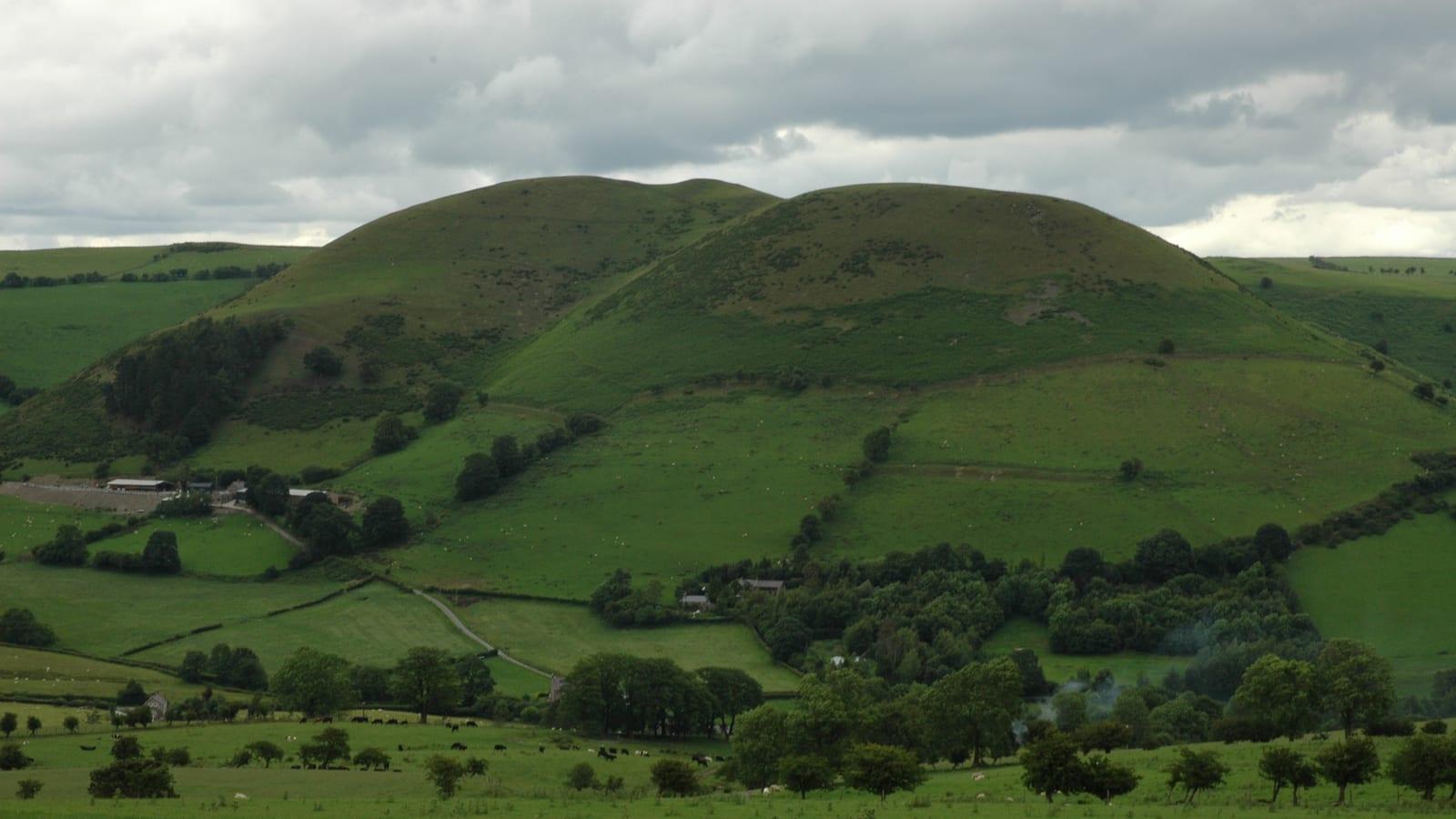
Lavernock Fossil Hunting Guide
Wales, United Kingdom
Ammonites, Brachiopods, Bivalves, Marine Reptiles
Lyme Regis Church Cliffs Fossil Hunting Guide
United Kingdom
Ammonites, Belemnites, Bivalves, Crinoids
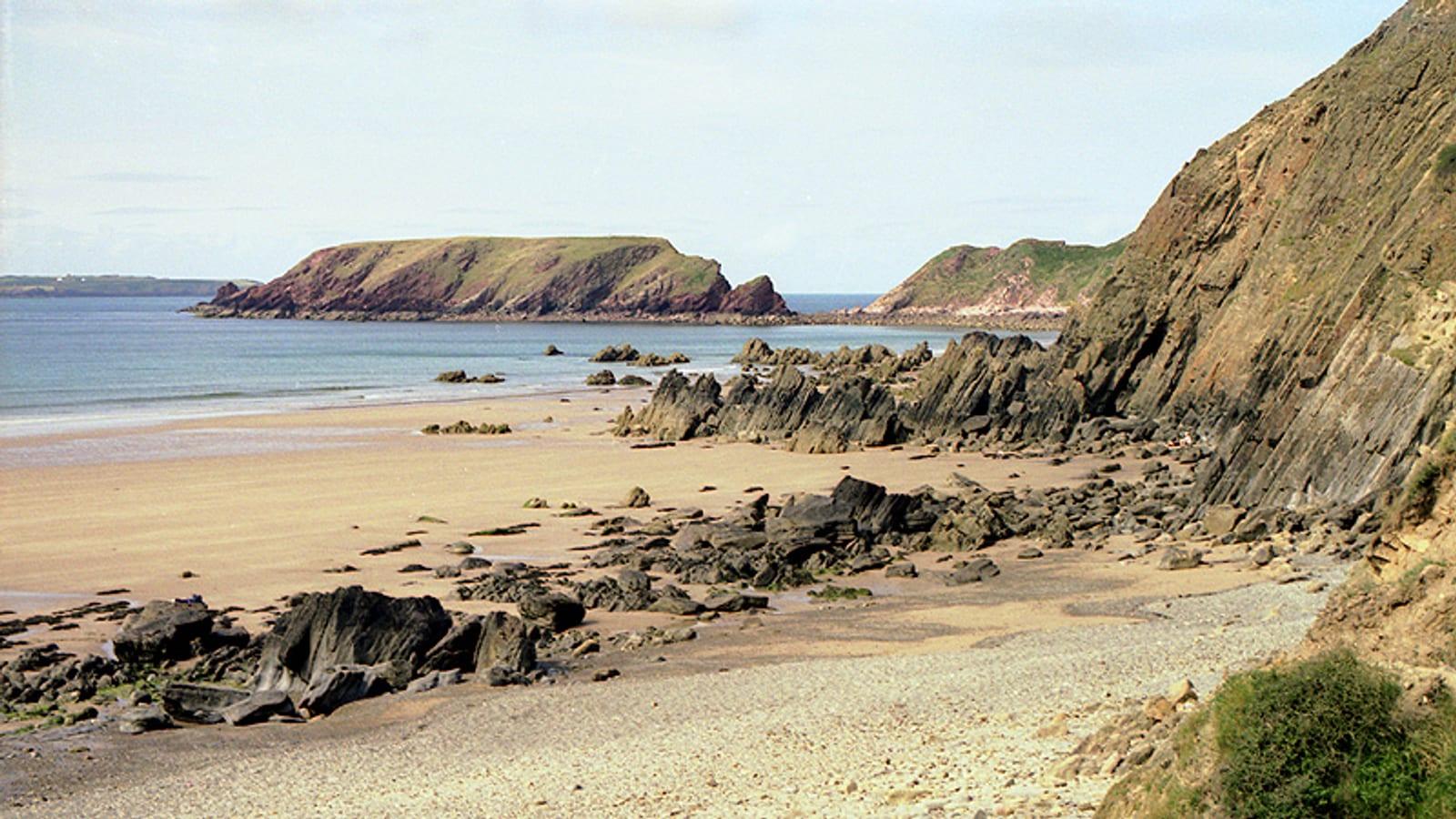
Marloes Sands Fossil Hunting Guide
Pembrokeshire
Corals, Brachiopods, Trilobites, Bryozoans
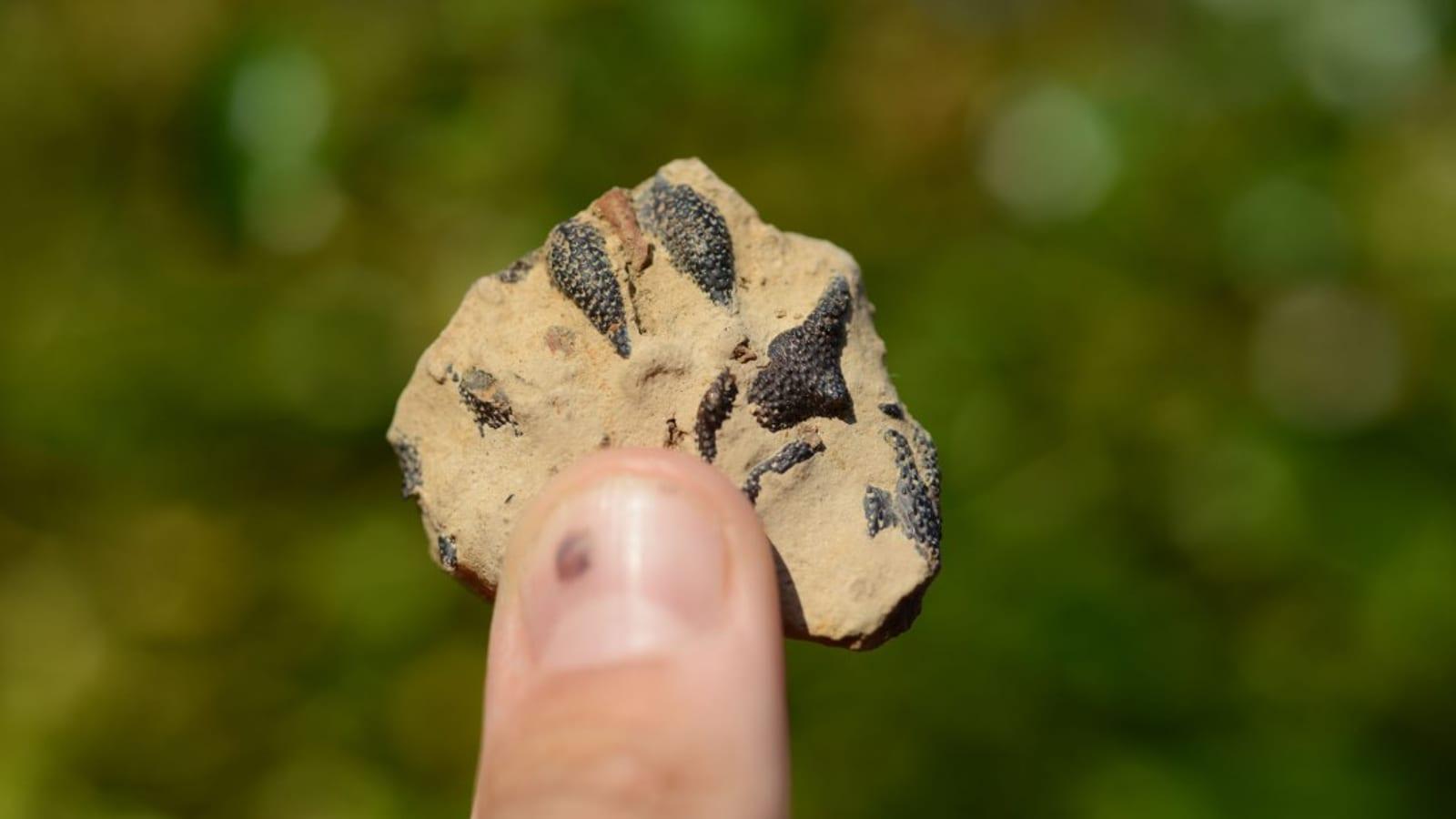
Maylandsea Fossil Hunting Guide
England, United Kingdom
Shark Teeth, Bivalves, Crustaceans, Fish
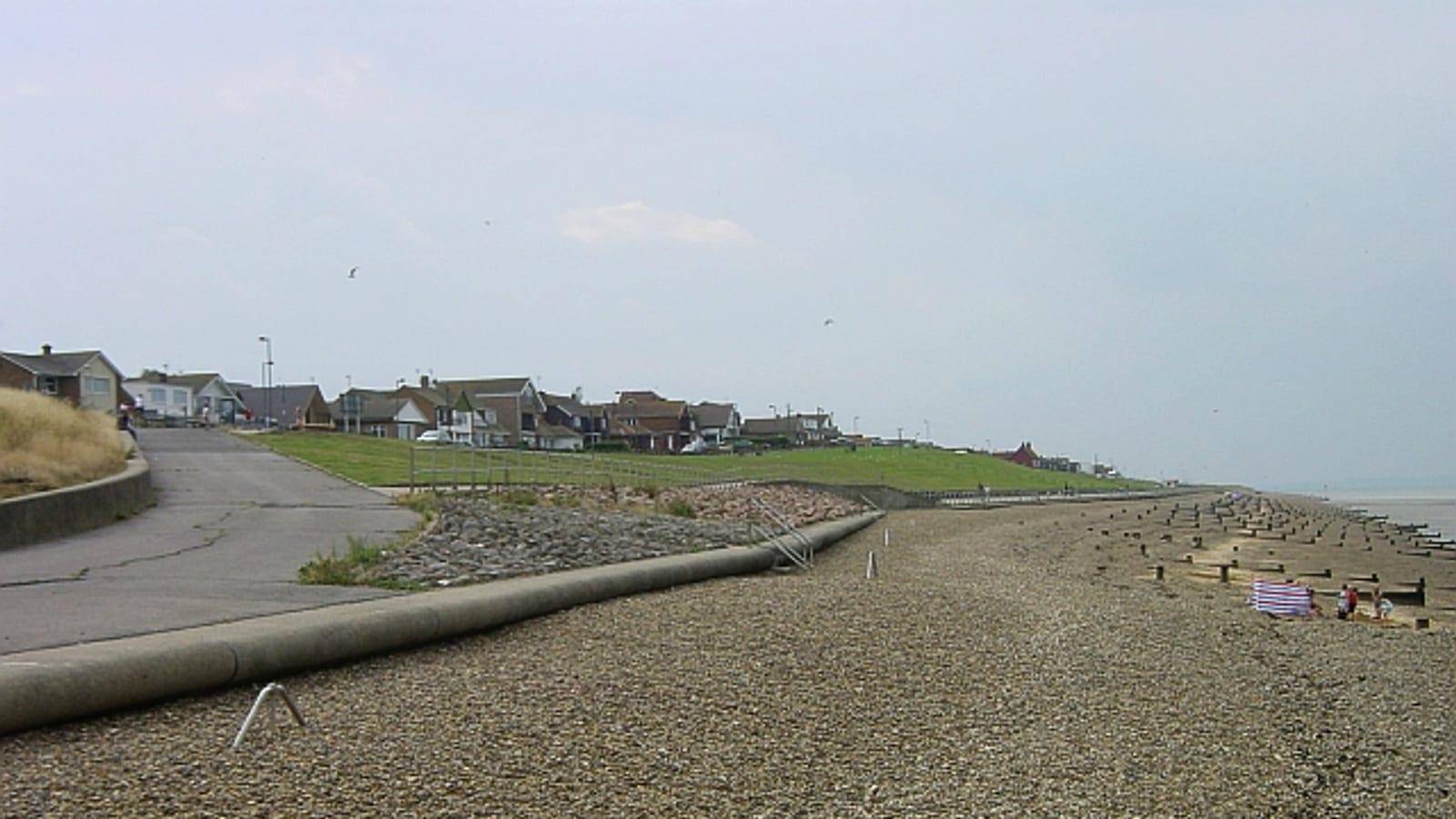
Minster Beach Isle of Sheppey Fossil Hunting Guide
United Kingdom
Plant remains, Nipa palm seeds, Shark Teeth, Fish Vertebrae

Penarth Beach Fossil Hunting Guide
South Wales, United Kingdom
Ammonites, Bivalves, Brachiopods, Gastropods
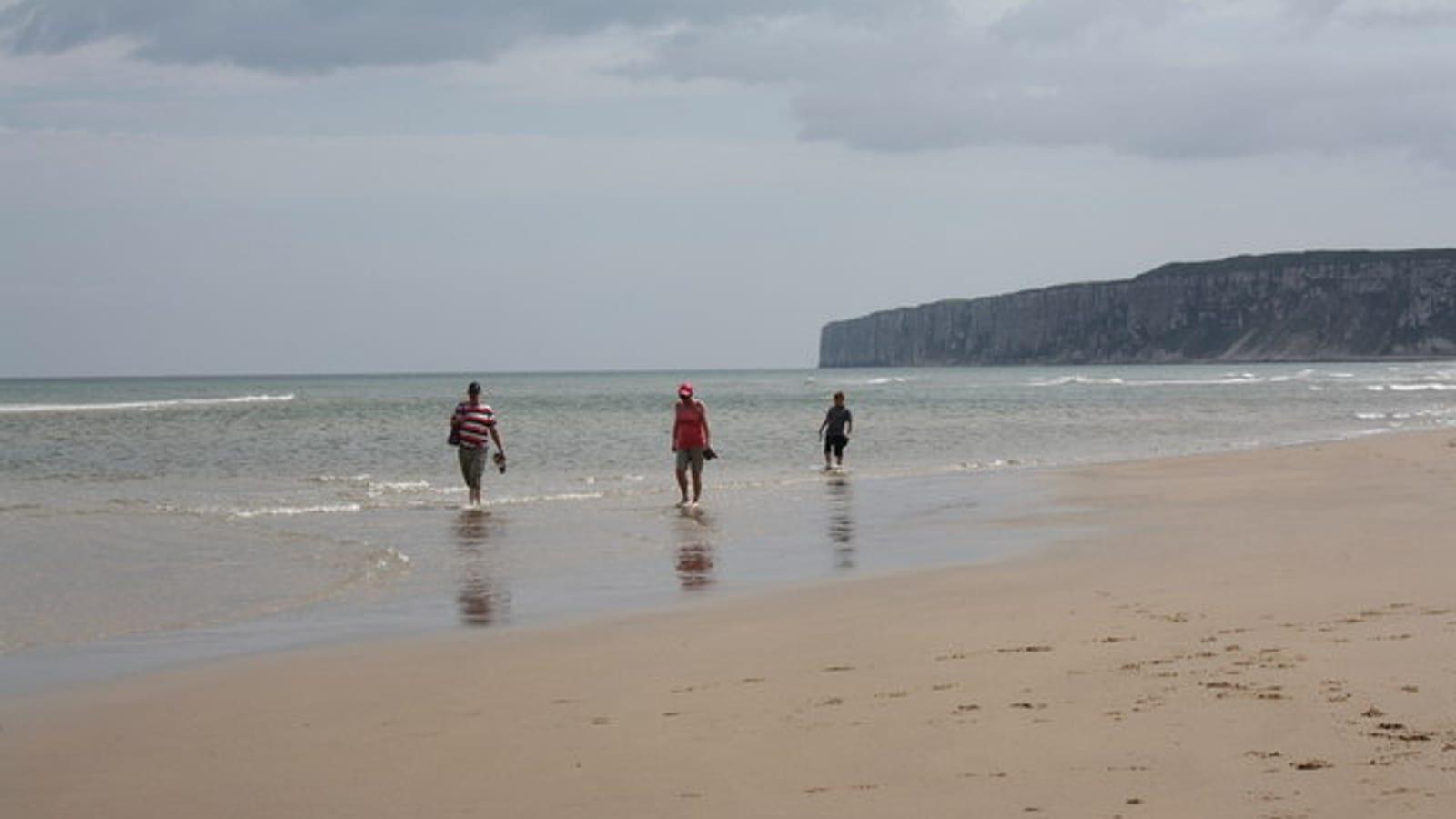
Reighton Sands Yorkshire Fossil Hunting Guide
near Reighton
Erratic boulders, Kimmeridge Clay, Ammonites, Belemnites
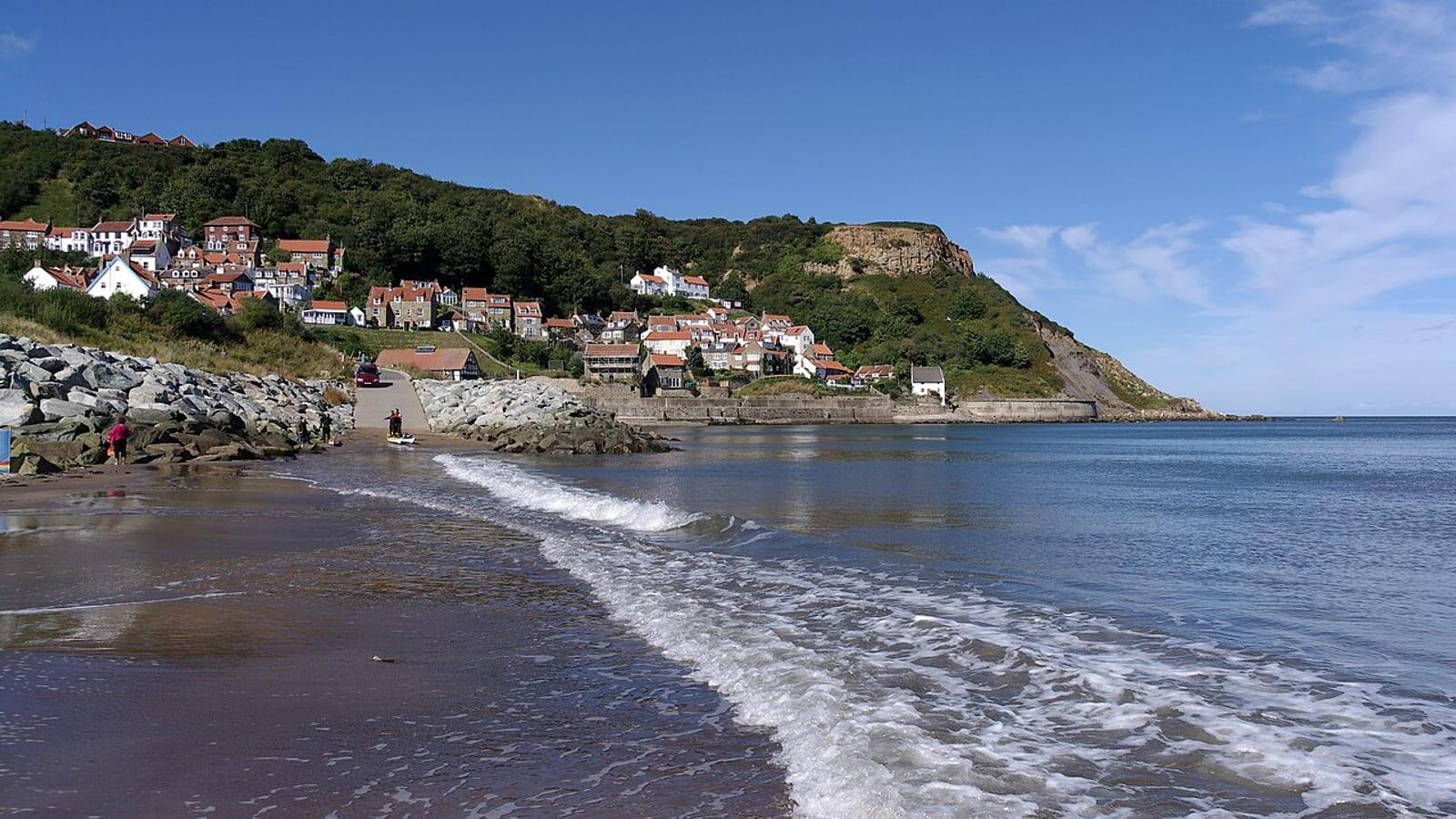
Runswick Bay Yorkshire Fossil Hunting Guide
United Kingdom
Ammonites, Jet, Bivalves, Belemnite guards
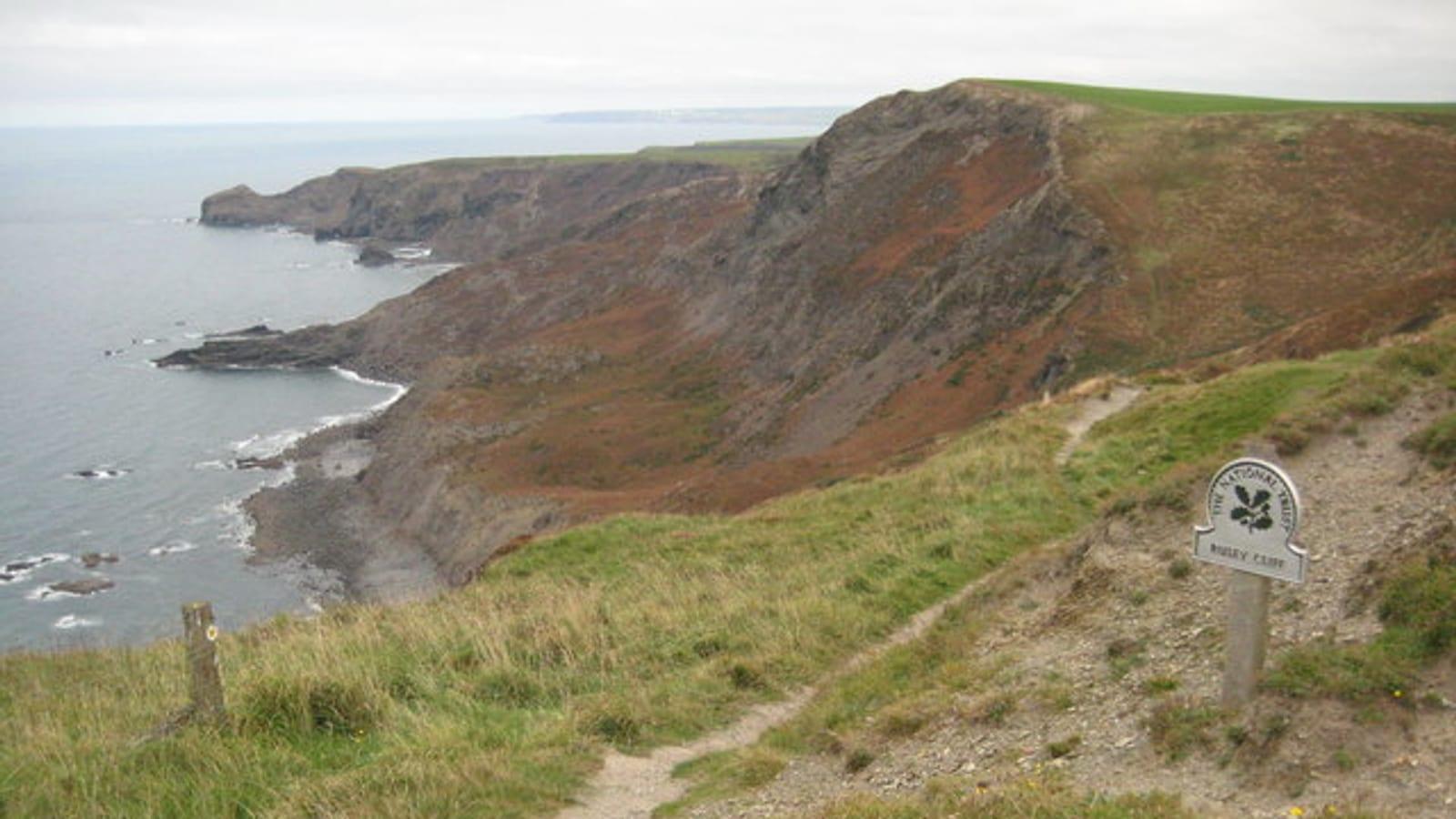
Rusey Cliff Cornwall Fossil Hunting Guide
United Kingdom
Plant remains, Corals, Brachiopods, Goniatites
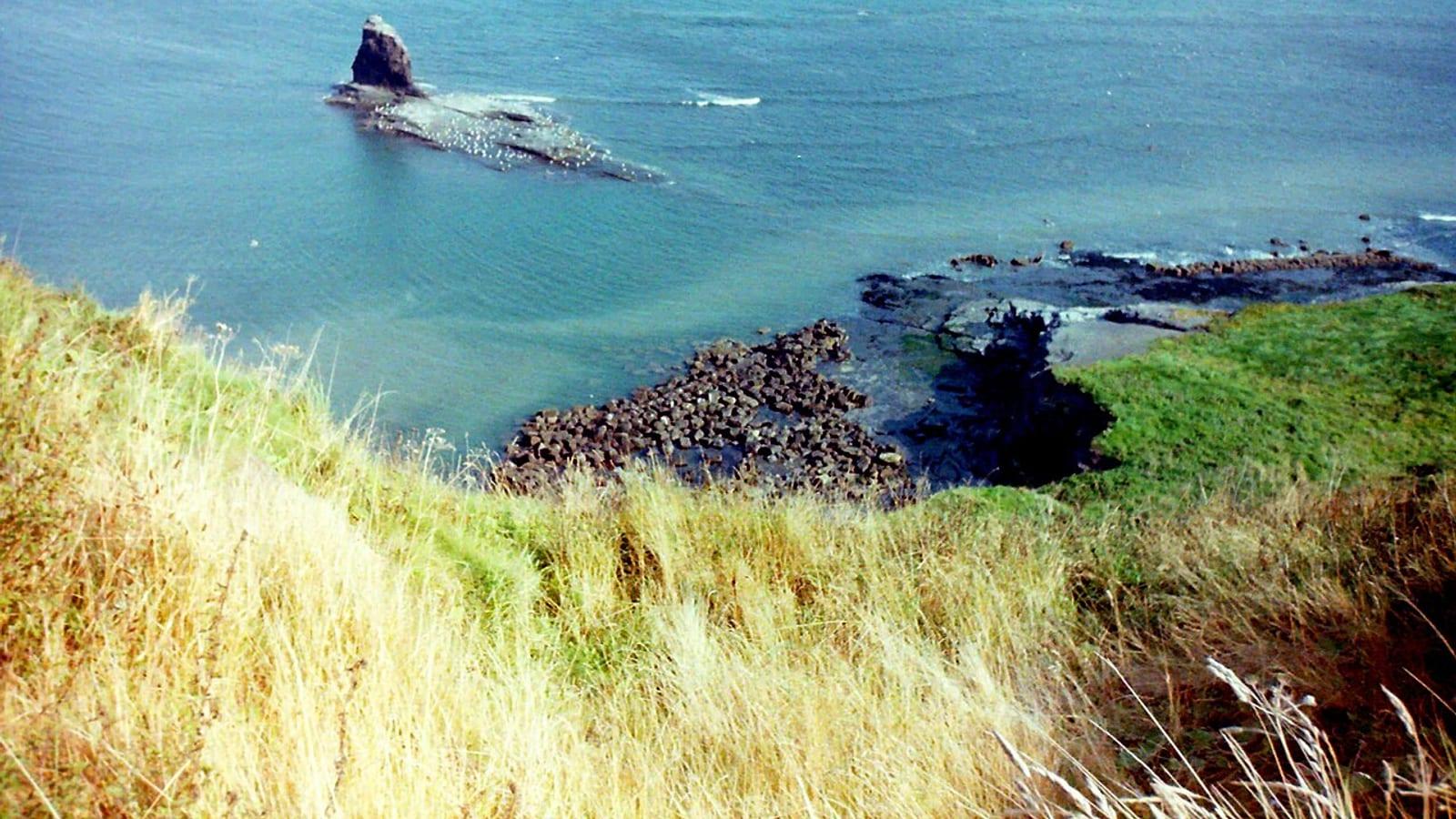
Saltwick Bay Fossil Hunting Guide
United Kingdom
Ammonites, Belemnites, Dinosaur footprints, Plant fossils
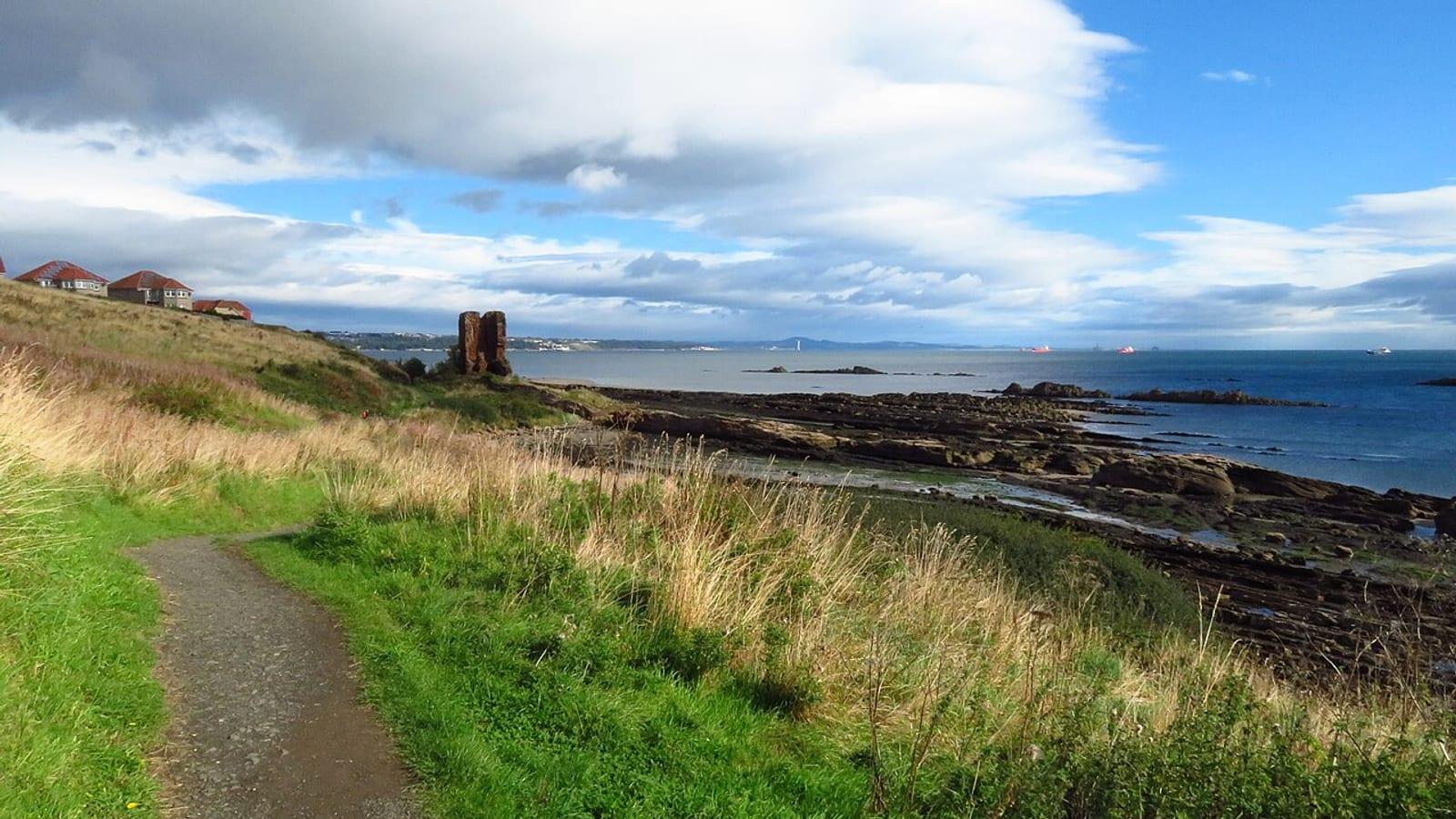
Seafield Tower Fossil Hunting Guide
United Kingdom
Crinoid stems, Bryozoans, Rugose and tabulate corals, Brachiopod shells
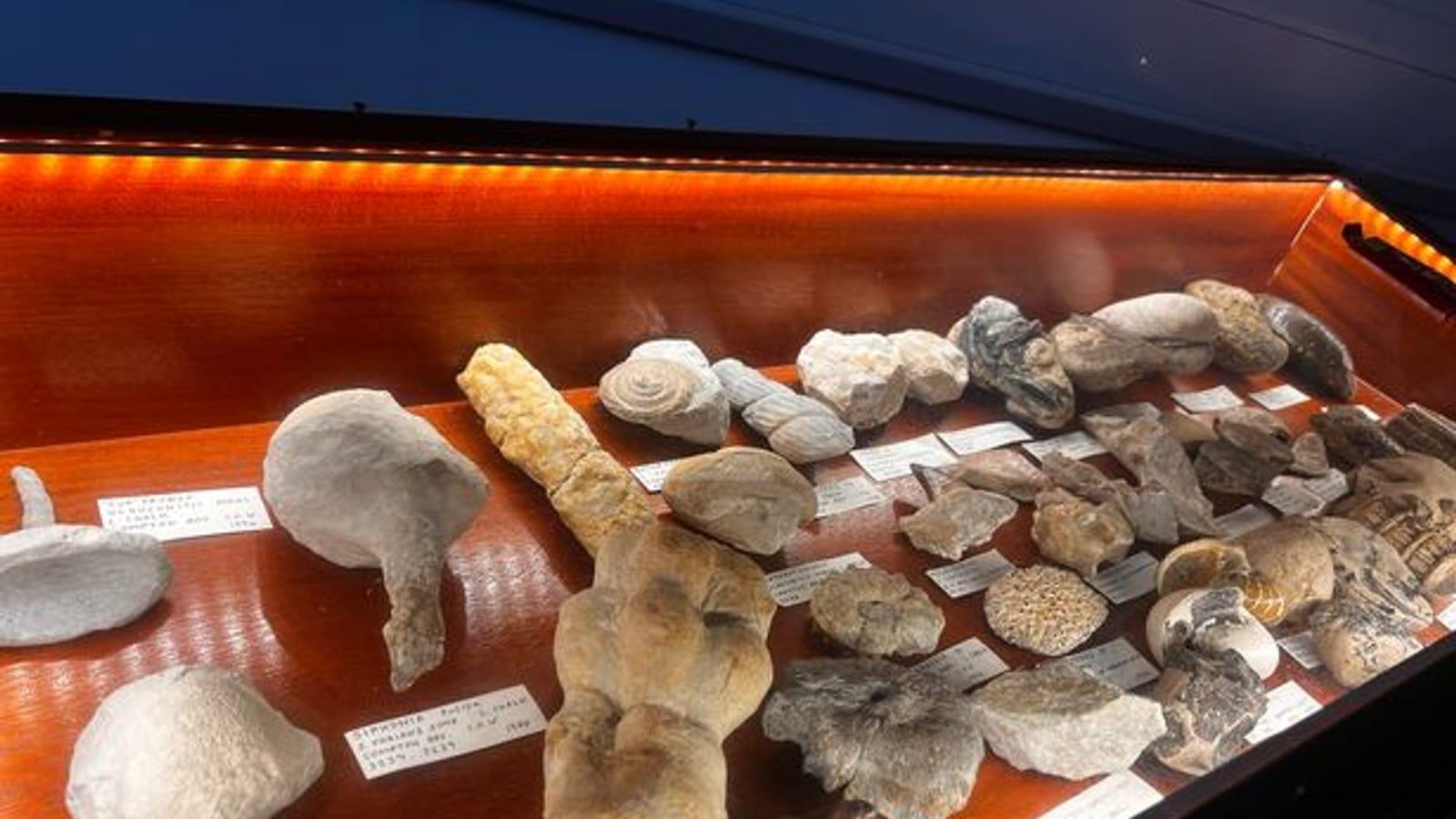
Seaton Fossil Hunting Guide
England, United Kingdom
Ammonites, Echinoids, Brachiopods, Bivalves
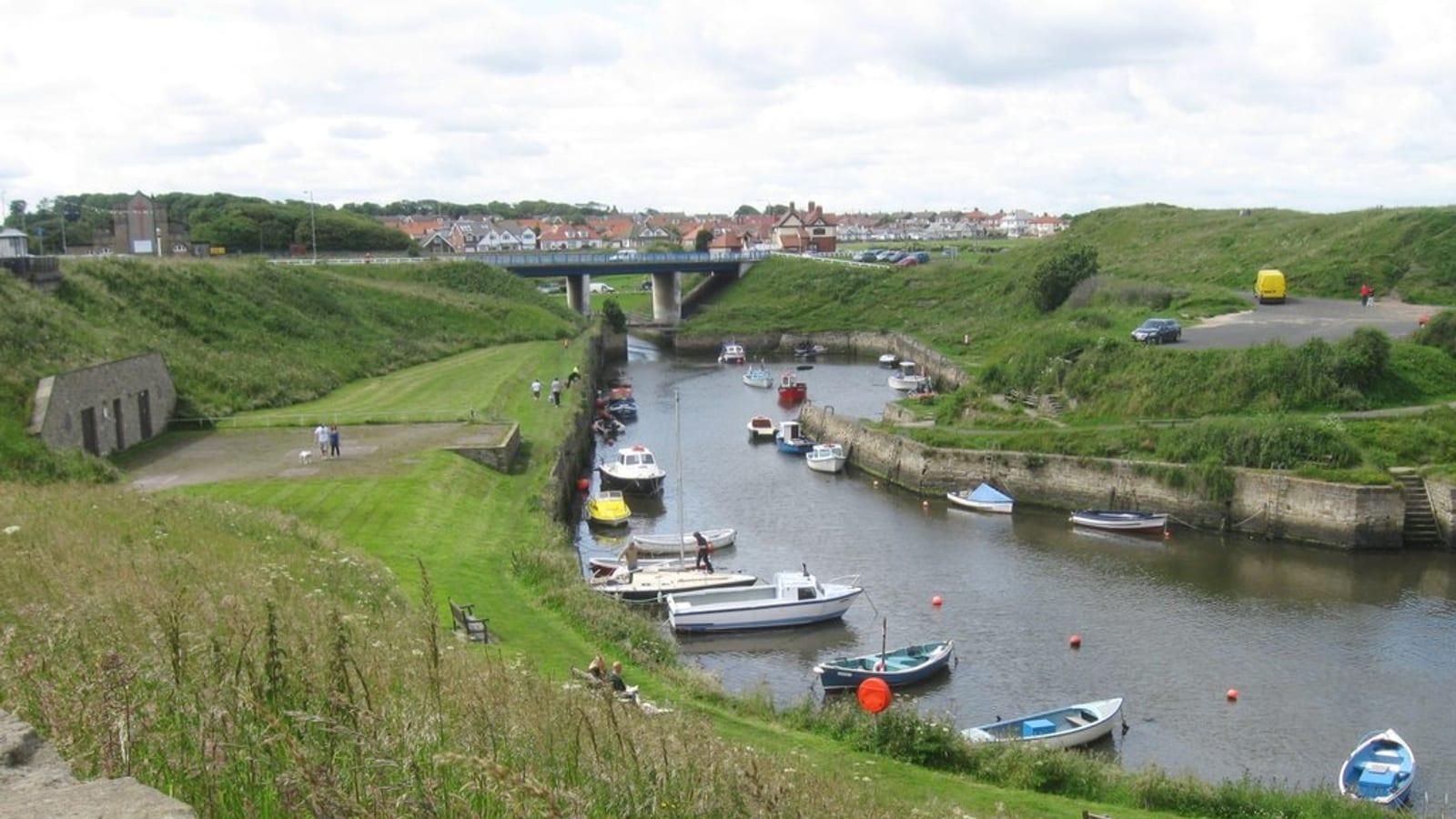
Seaton Sluice Northumberland Fossil Hunting Guide
Seaton Sluice
Plant remains, Coal, Corals, Bivalves
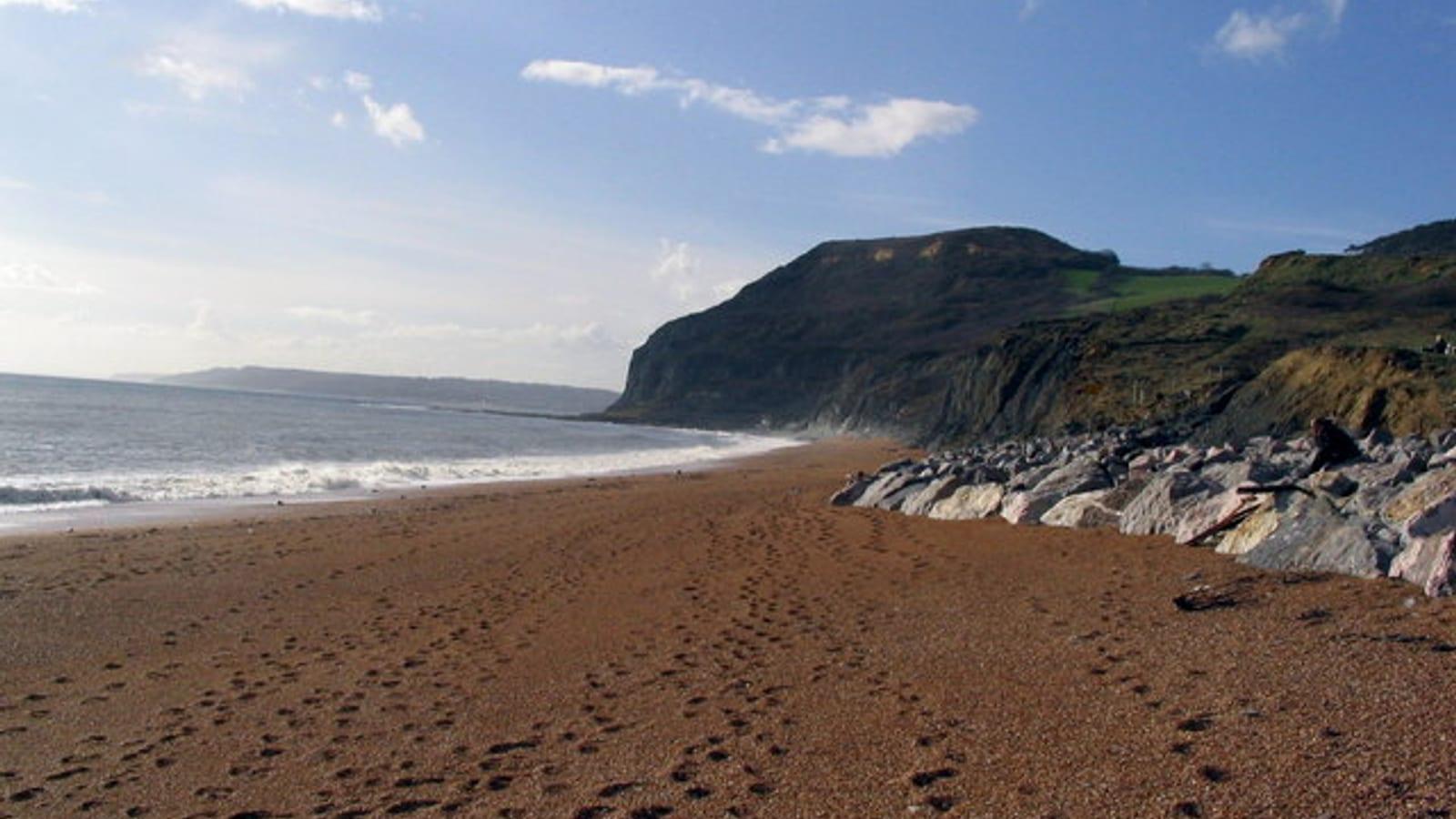
Seatown and Golden Cap Fossil Hunting Guide
England, United Kingdom
Ammonites, Androgynoceras, Amaltheus, Tropideroceras
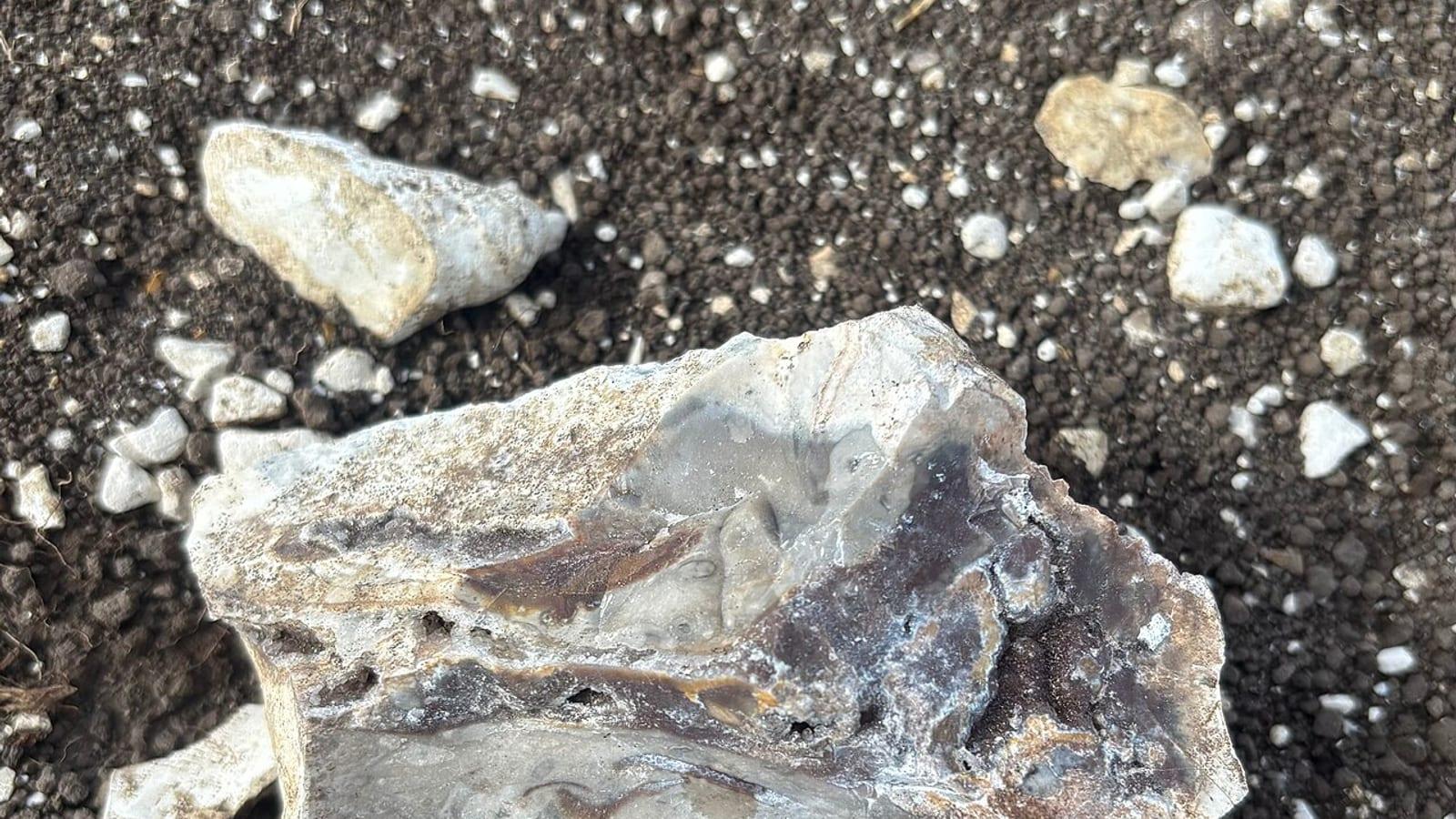
Seven Sisters Fossil Hunting Guide
England, United Kingdom
Echinoids, Shark Teeth, Brachiopods, Bivalves
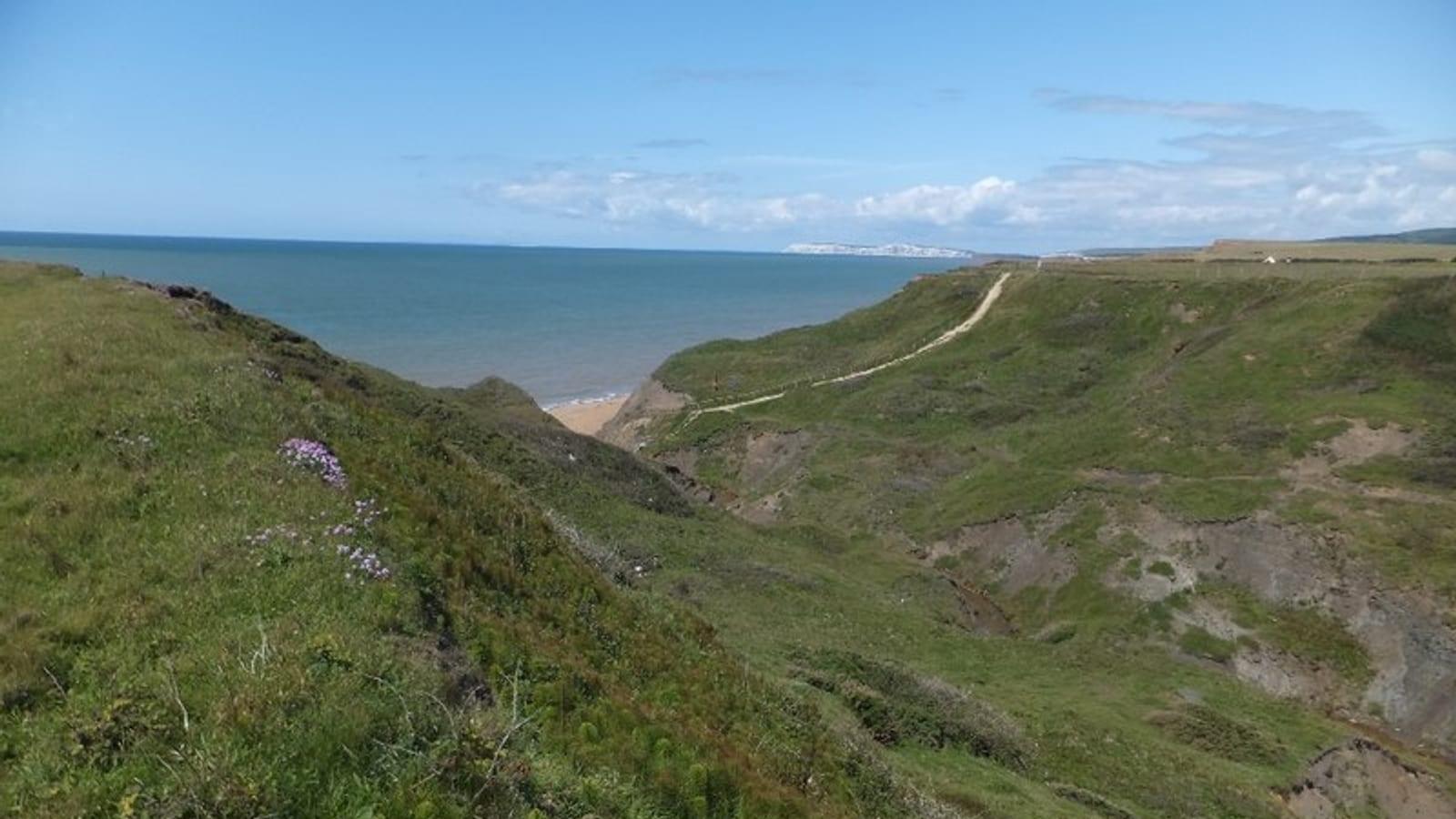
Shepherds Chine Whale Chine Isle of Wight Fossil Hunting Guide
United Kingdom
Shark teeth, Ammonites, Brachiopods
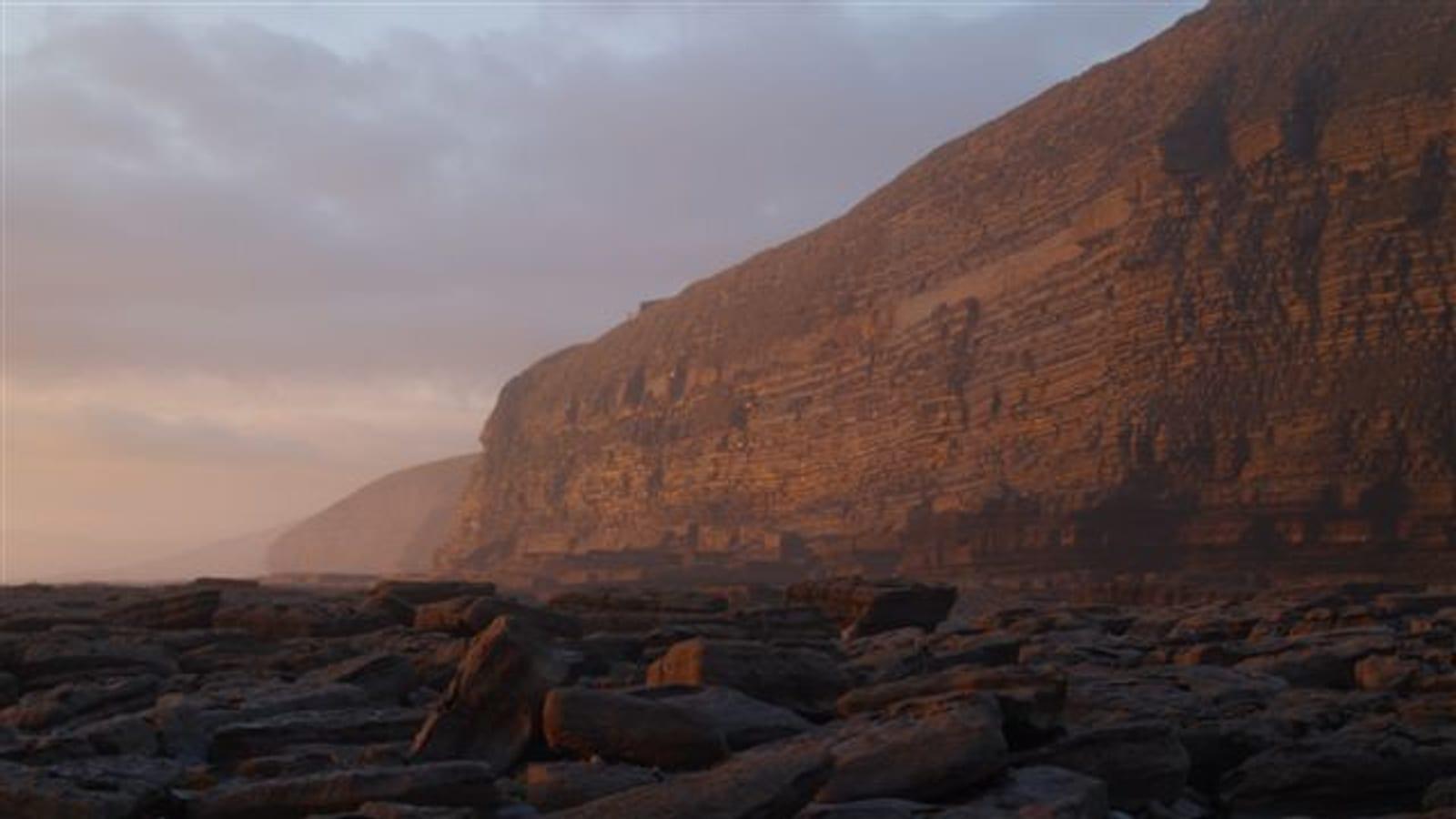
Southerndown Glamorgan Heritage Coast Fossil Hunting Guide
Southerndown
Ammonites, Belemnites, Brachiopods
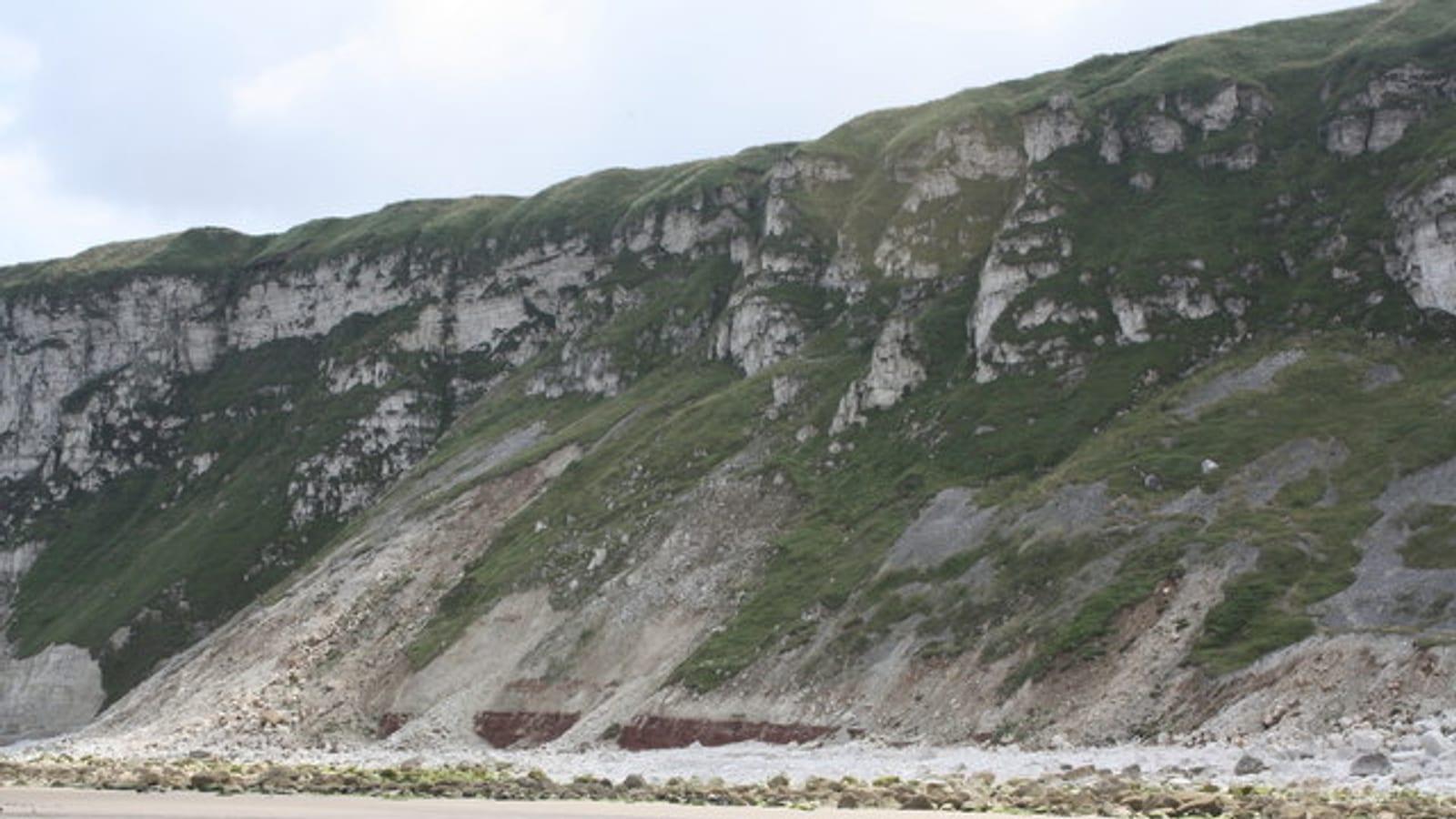
Speeton Cliffs Yorkshire Fossil Hunting Guide
United Kingdom
Ammonites, Belemnites, The Speeton Shrimp, Echinoids
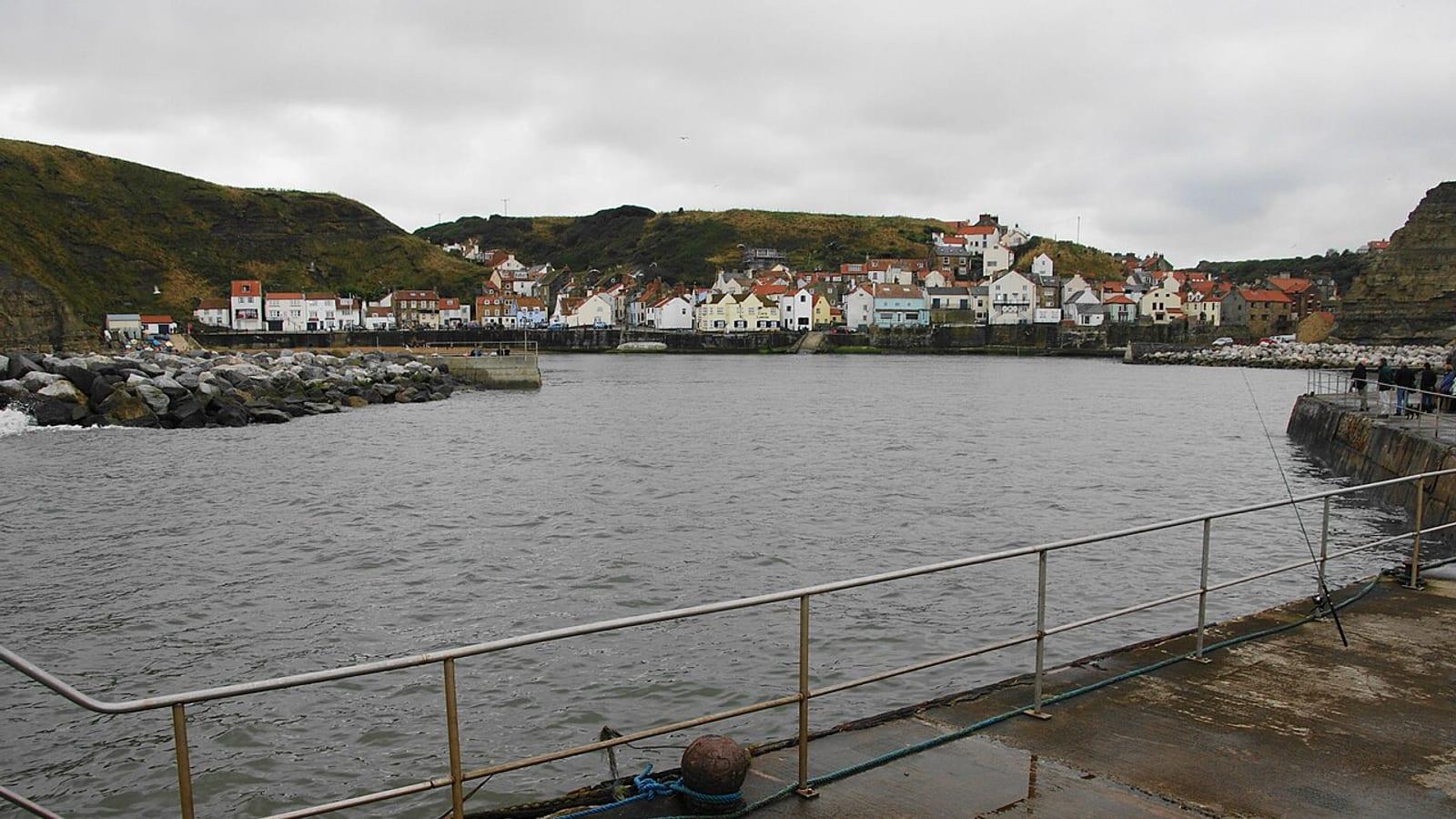
Staithes Yorkshire Guide Fossil Hunting Guide
United Kingdom
Ammonites, Bivalves and brachiopods, Trace fossils, Ichthyosaur and plesiosaur remains
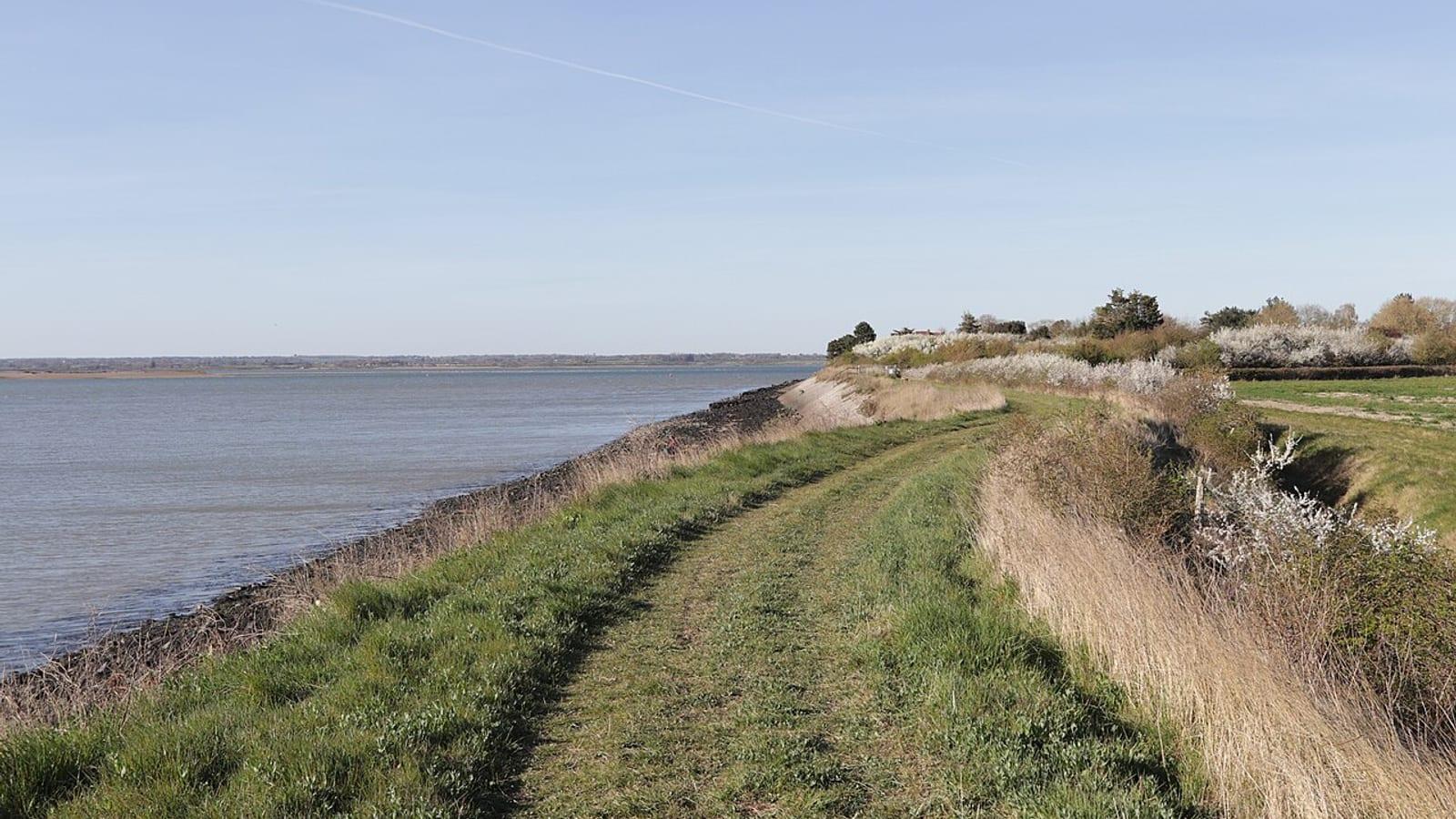
Stansgate Essex London Clay Fossil Hunting Guide
United Kingdom
Phosphatic nodules, Shark teeth, Fish remains, Crustaceans (lobsters and crabs)
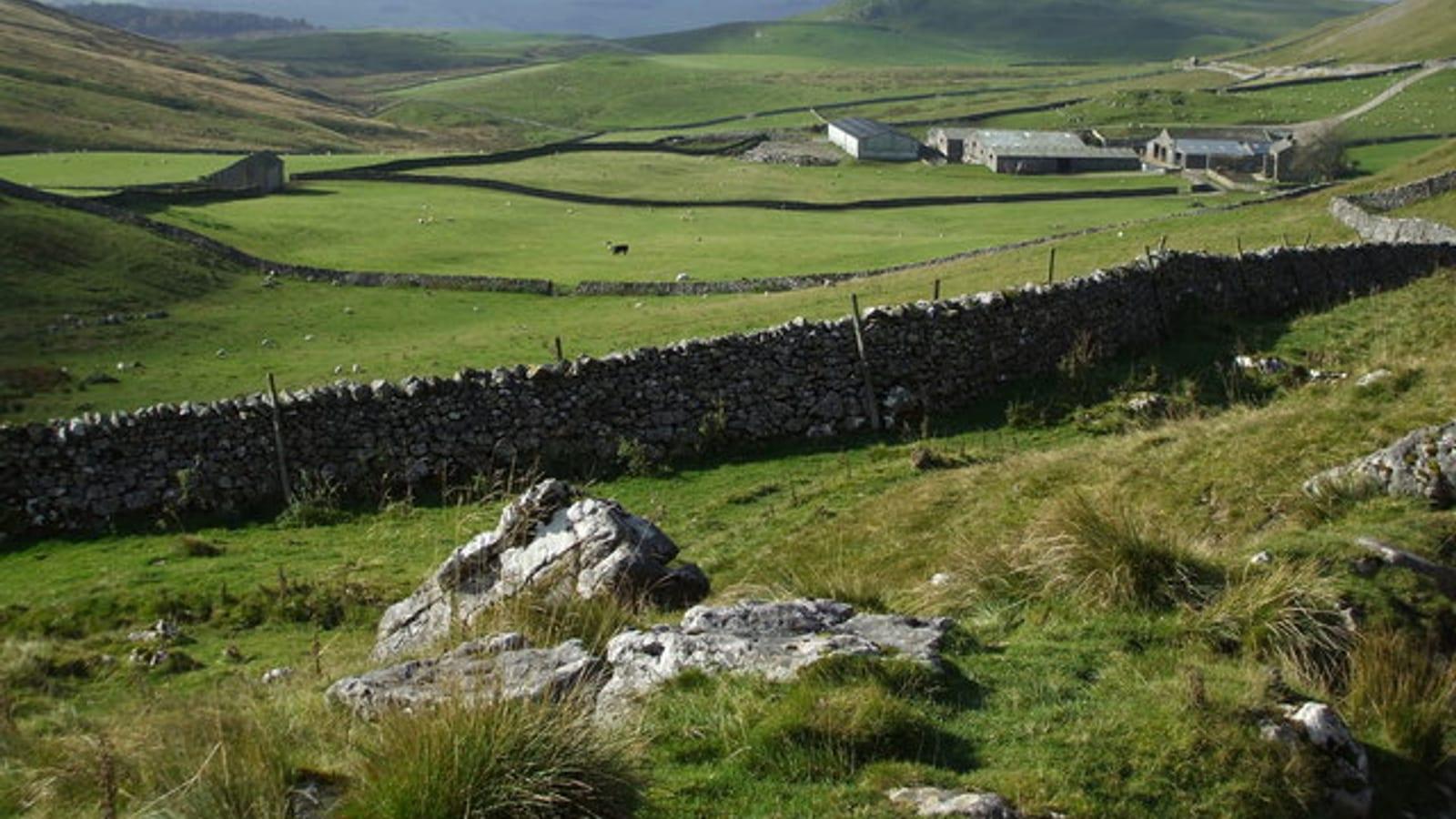
Stockdale Silurian Yorkshire Dales Fossil Hunting Guide
United Kingdom
Graptolites, Brachiopods, Trilobites, Crinoid columnals
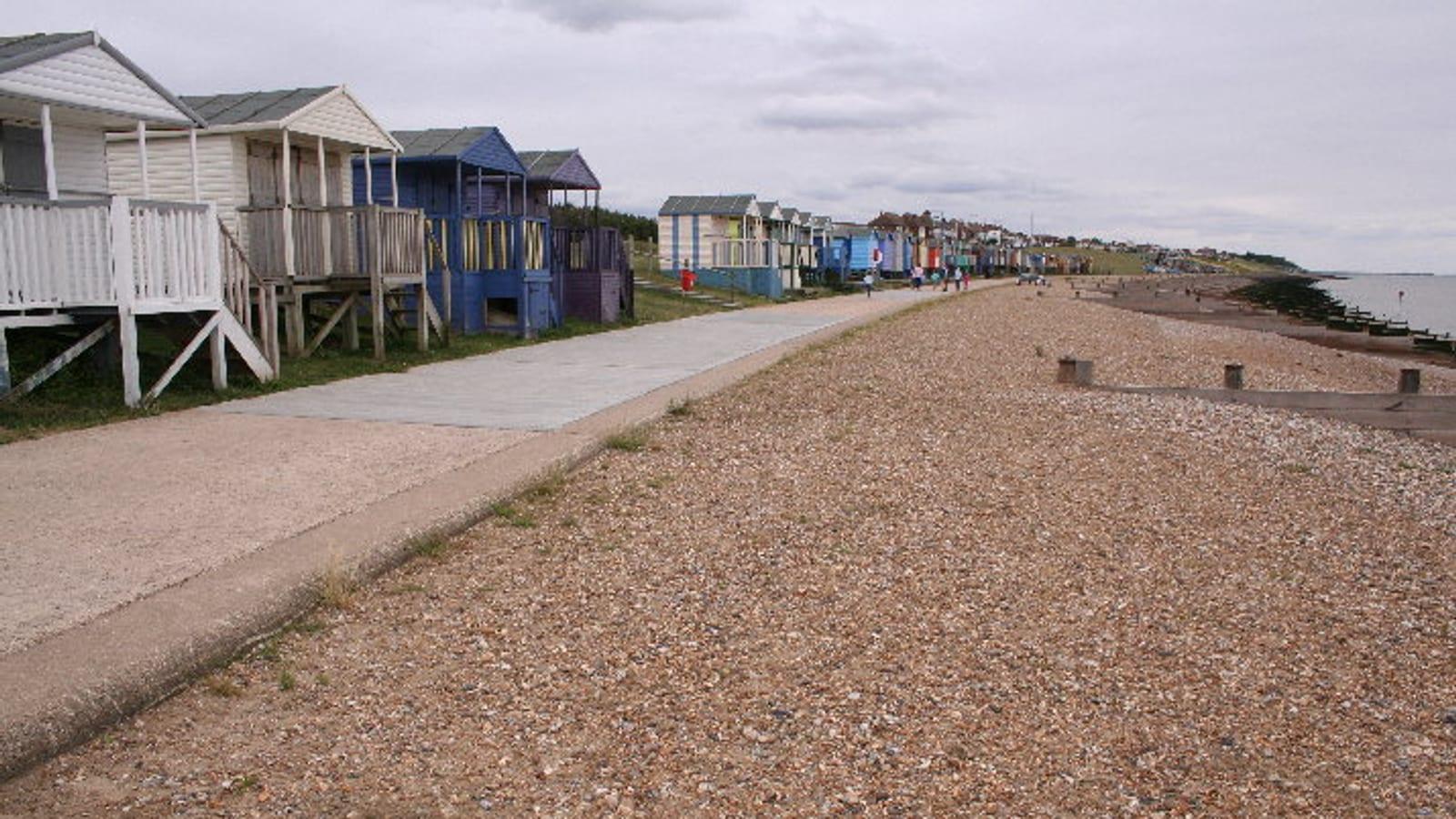
Tankerton Kent Fossil Hunting Guide
Tankerton
Fish remains, Shark Teeth, Fish Vertebrae
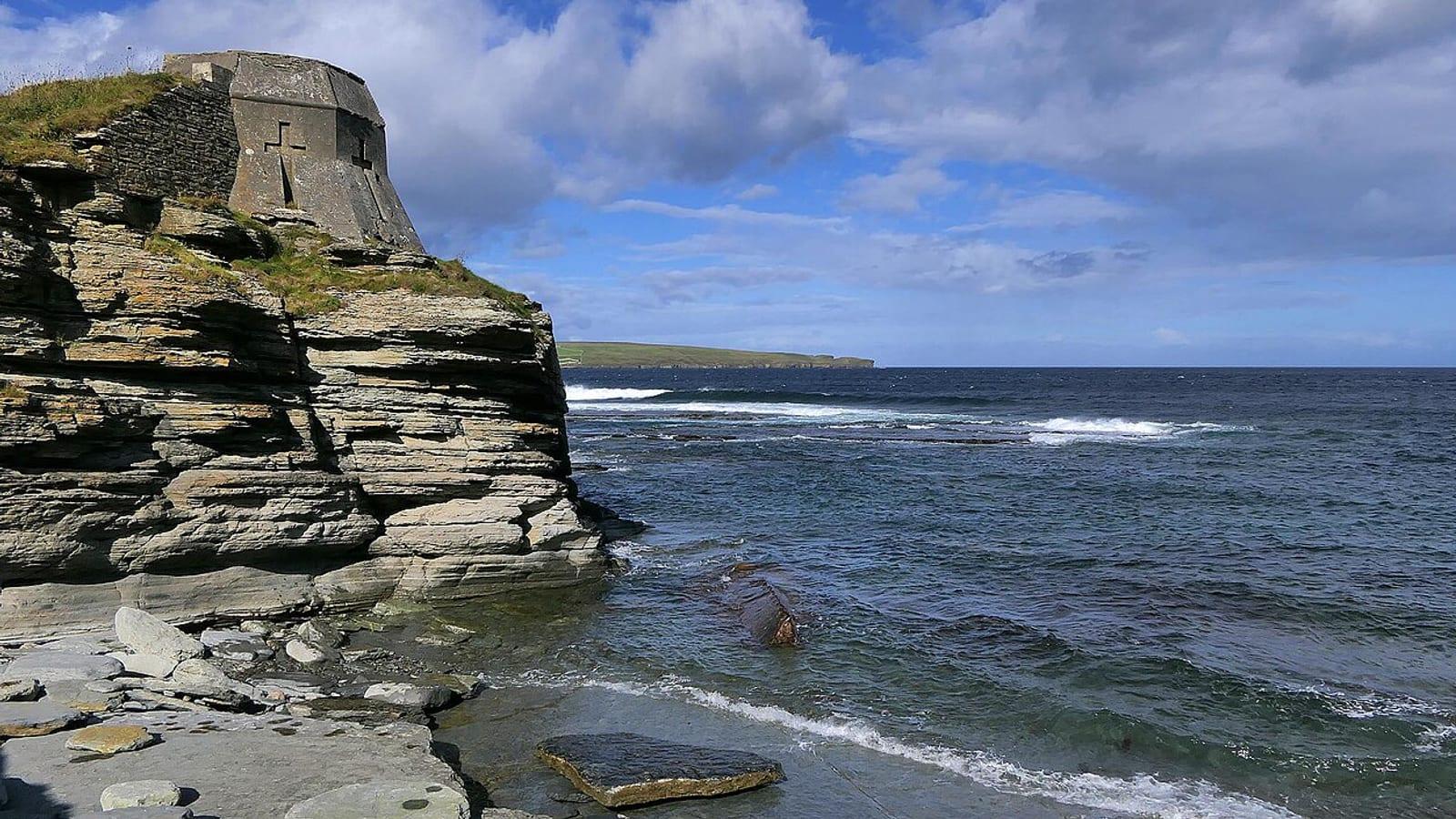
Thurso Fossil Hunting Guide
United Kingdom
Fish scales, Fish teeth, Complete fish, Fish bone fragments
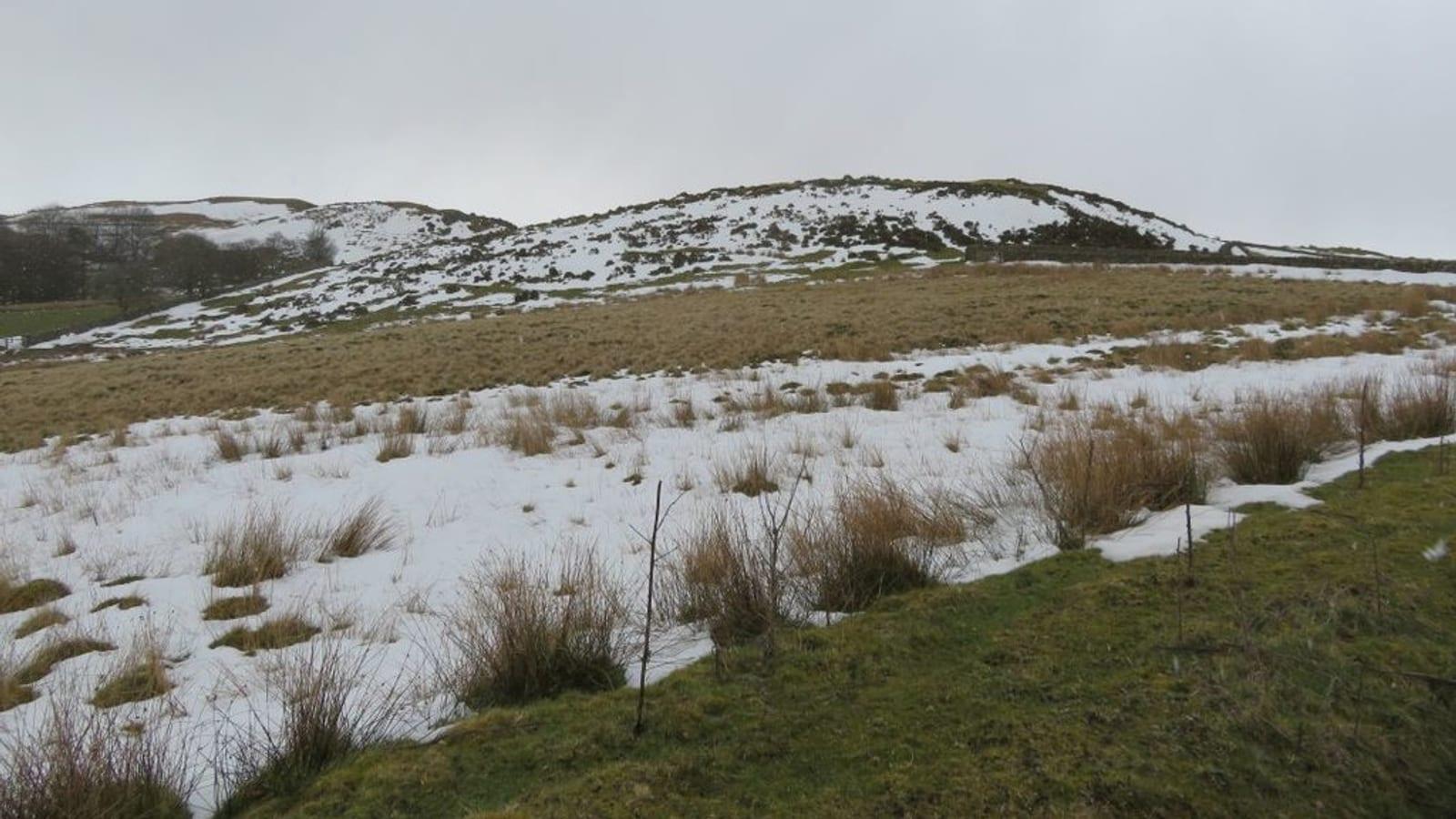
Upper Gilwern Hill Wales Fossil Hunting Guide
United Kingdom
Brachiopods, Solitary corals, Crinoid columnals, Bryozoans
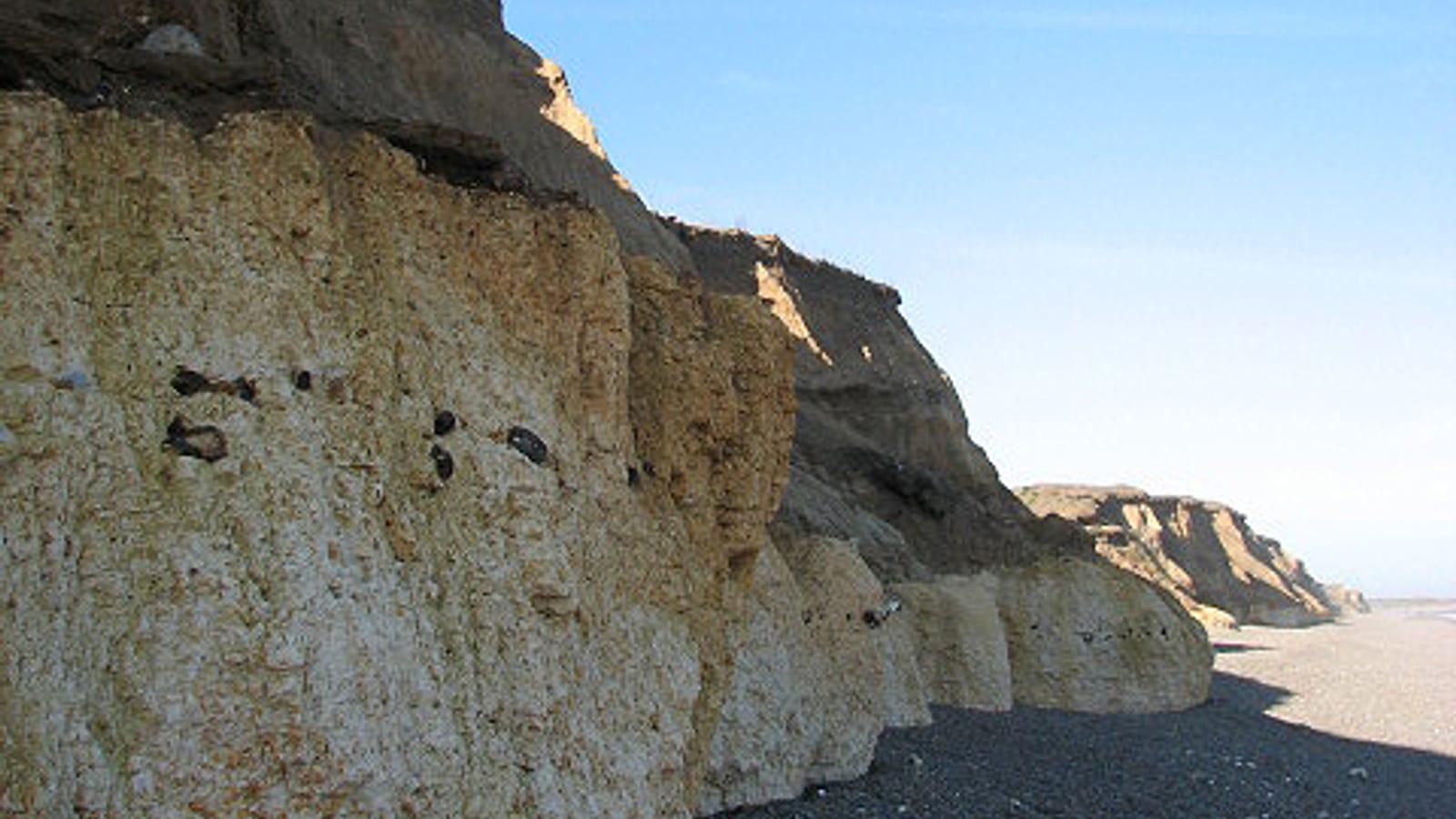
Vinnels Fossil Hunting Guide
England, United Kingdom
Brachiopods, Trilobites, Crinoids, Corals
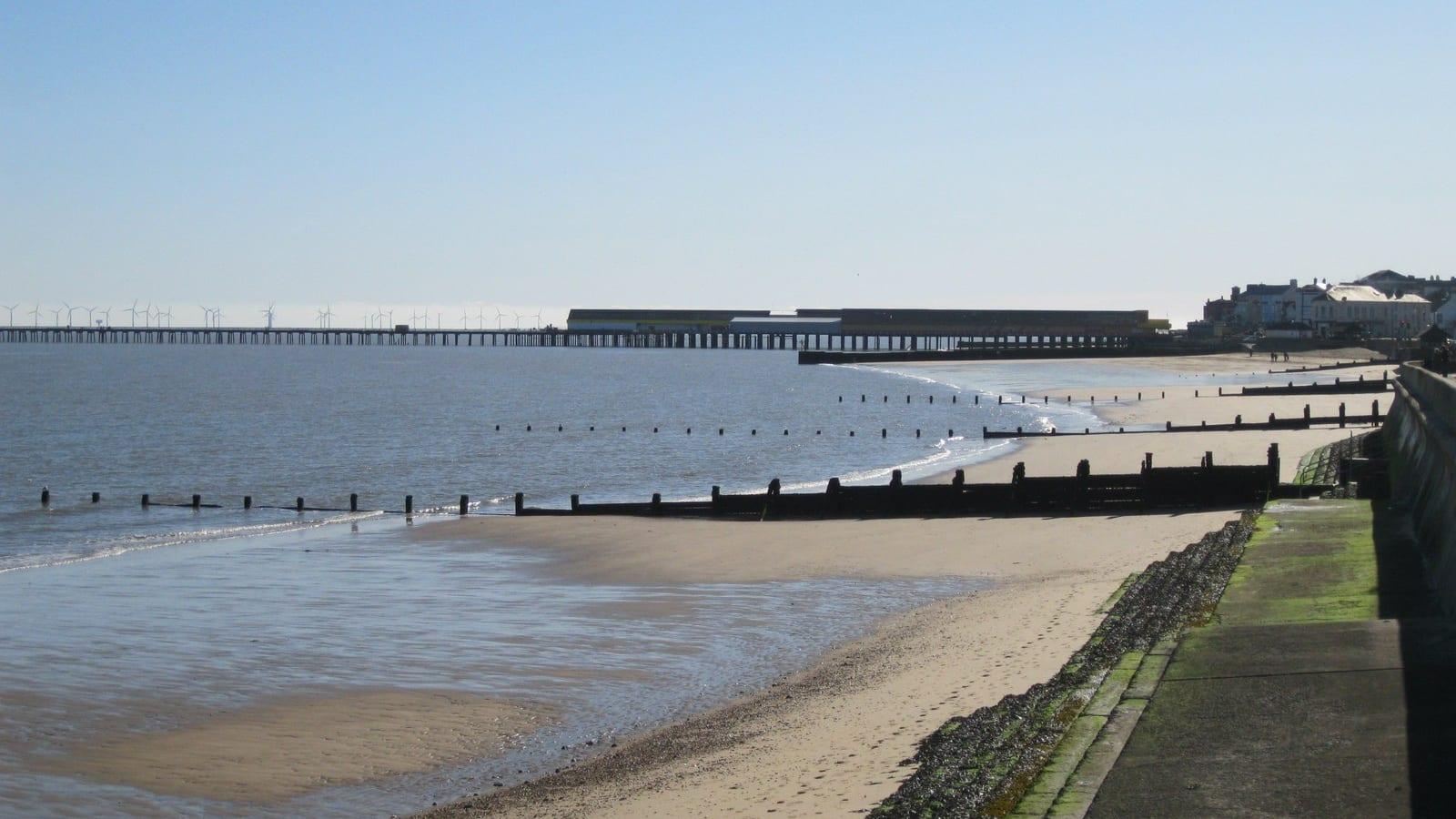
Walton-on-the-Naze Fossil Hunting Guide
England, United Kingdom
shark teeth, pyritised wood, fish bones and vertebrae, Junction Bed
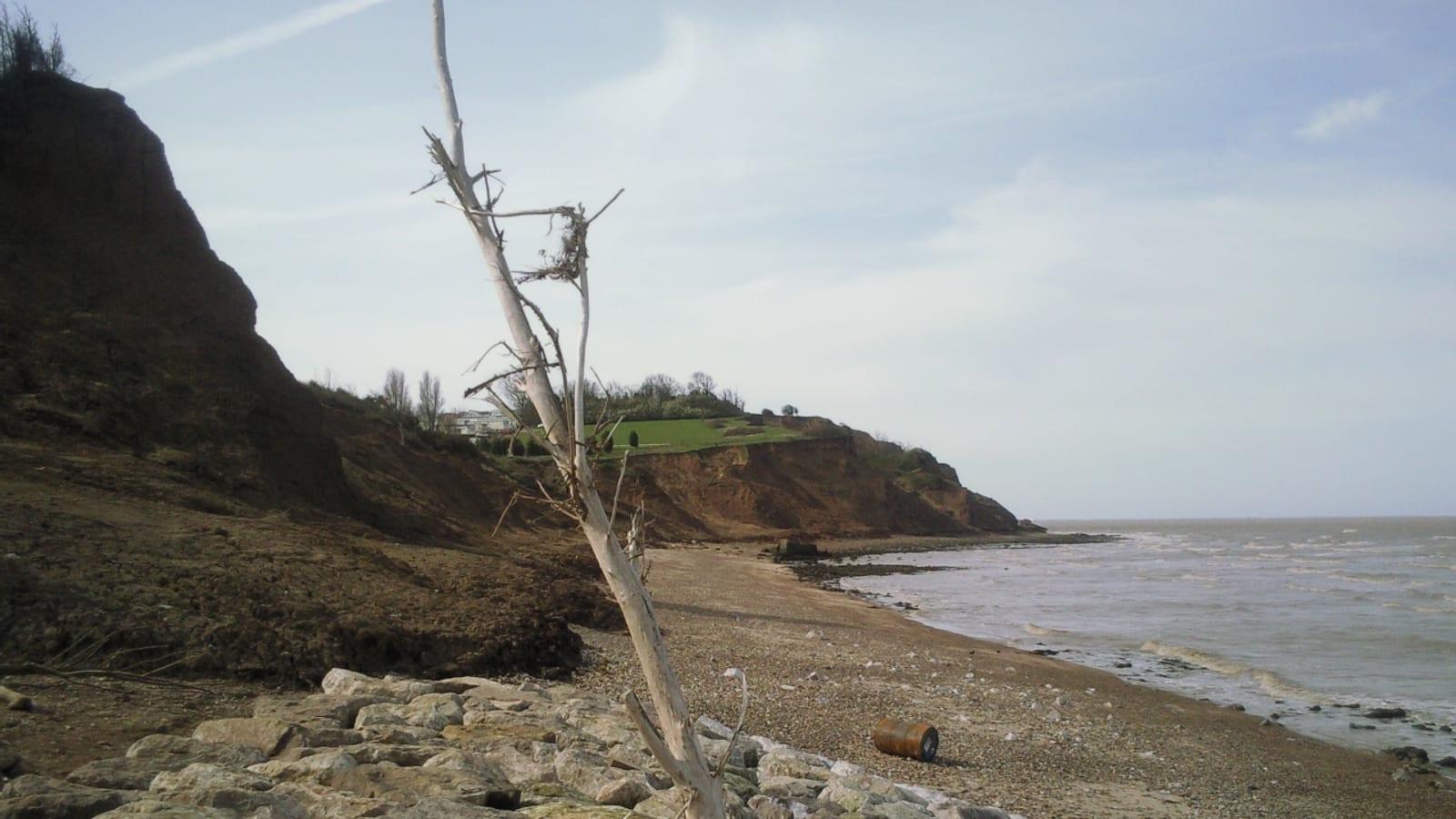
Warden Point Isle of Sheppey Fossil Hunting Guide
United Kingdom
Turtle shell fragments, Shark Teeth, Ray Teeth, Fish Vertebrae
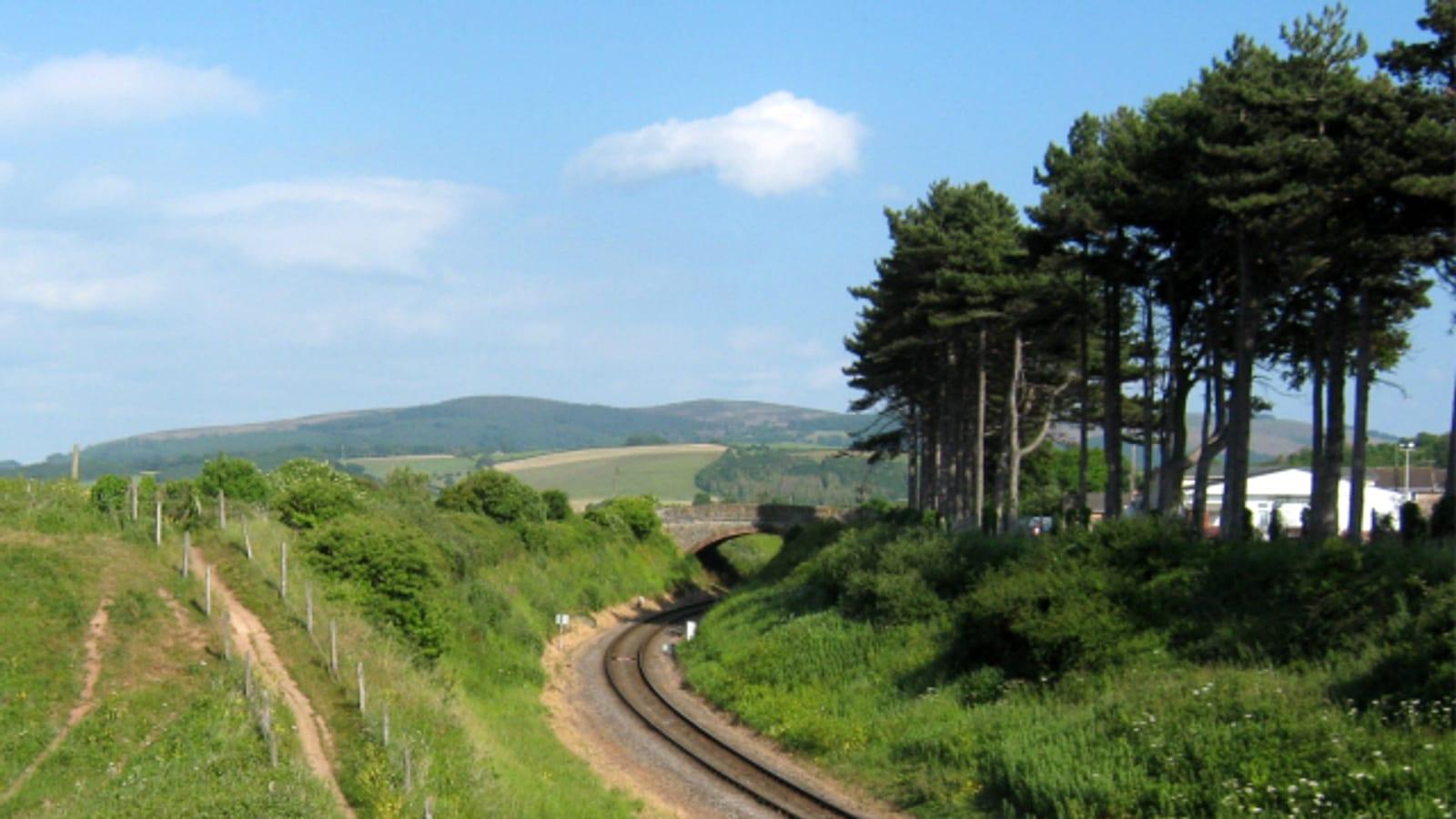
Watchet Somerset Fossil Hunting Guide
United Kingdom
Ammonites, Bivalves, Ichthyosaur
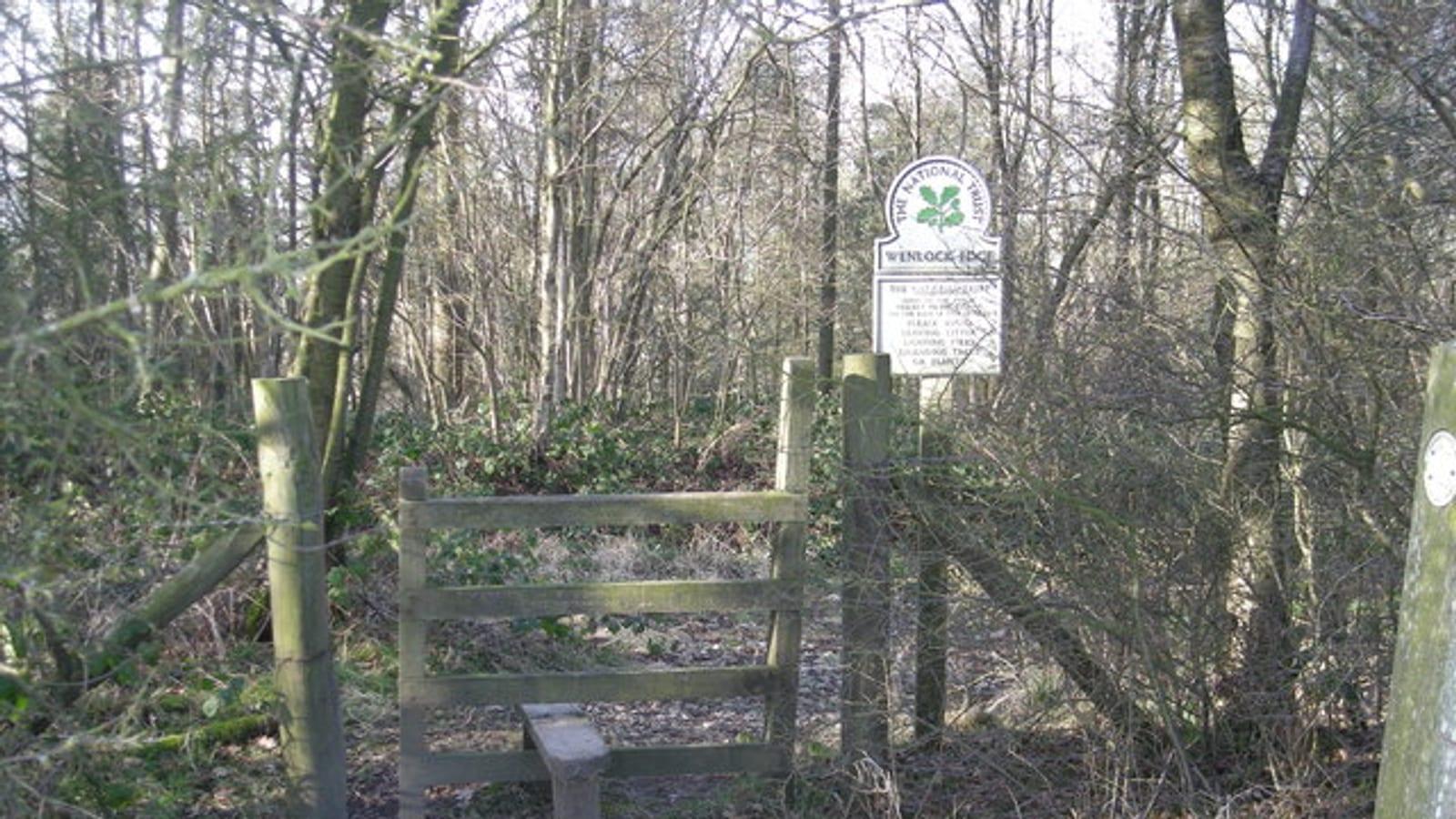
Wenlock Edge Presthope Shropshire Fossil Hunting Guide
United Kingdom
Crinoids, Corals, Brachiopods
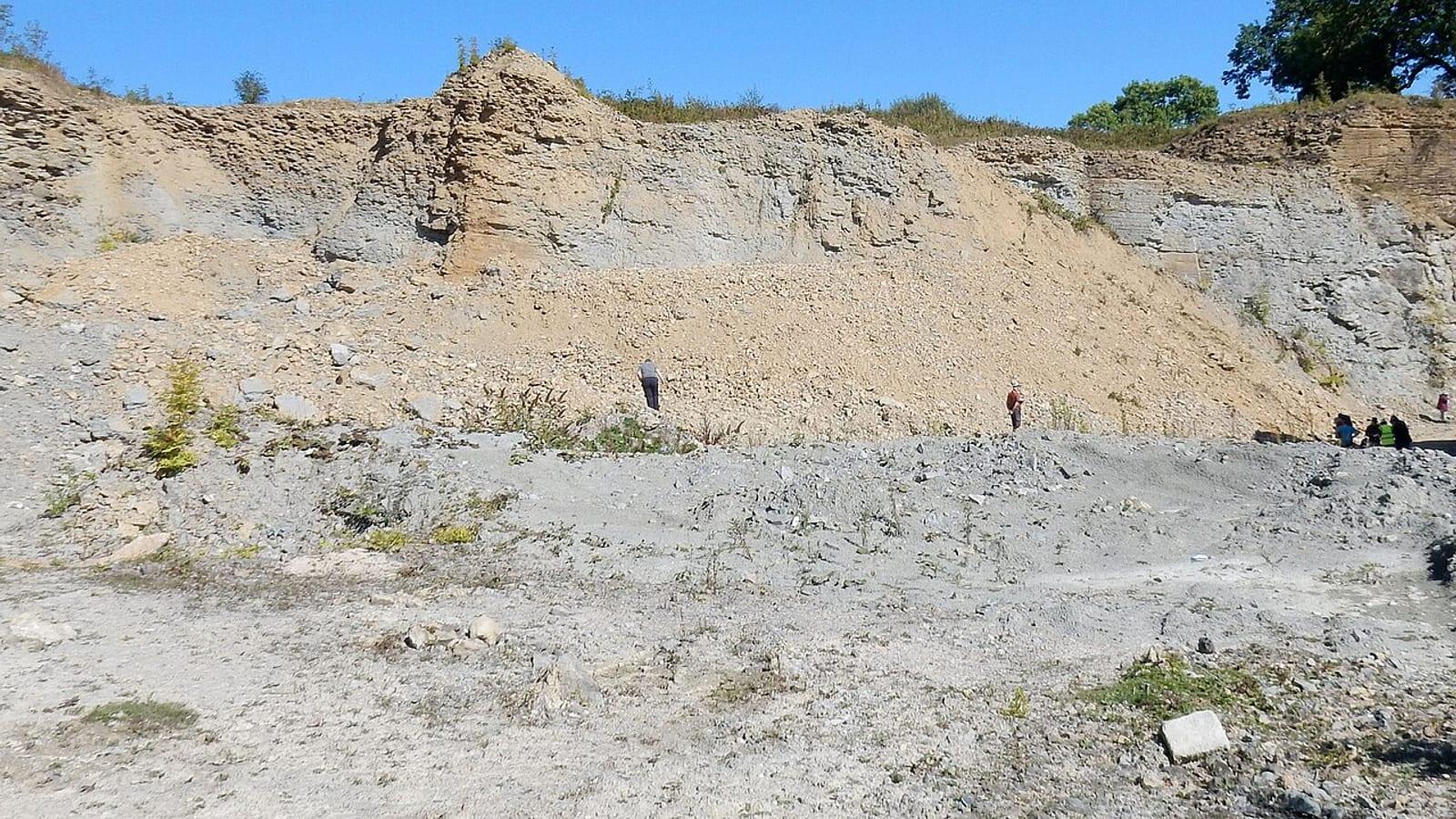
Wenlock Quarry Much Wenlock Shropshire Fossil Hunting Guide
United Kingdom
Corals, Brachiopods, Crinoids, Trilobites
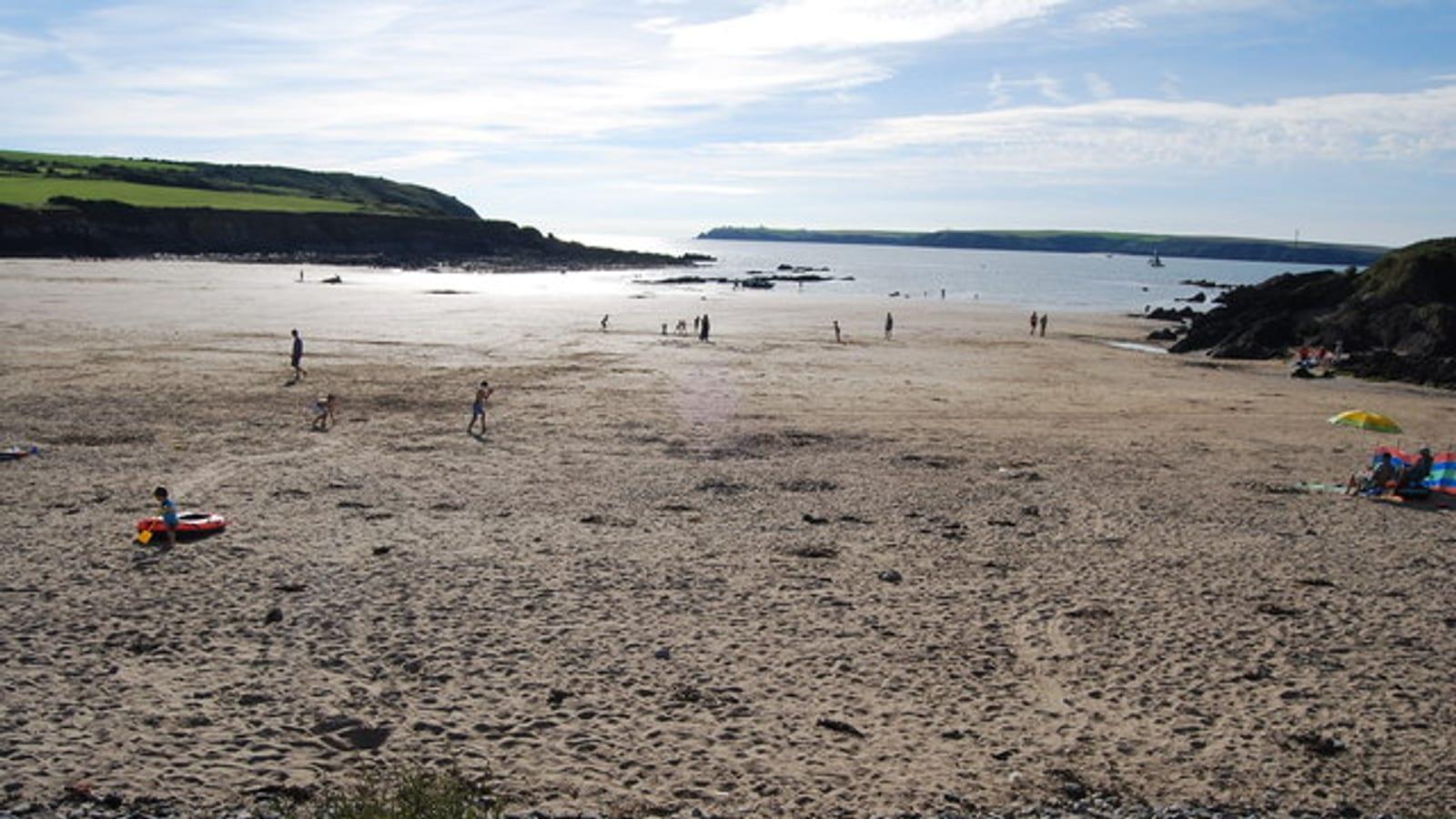
West Angle Bay Fossil Hunting Guide
United Kingdom
Crinoid ossicles, Bryozoa, Corals, Brachiopods
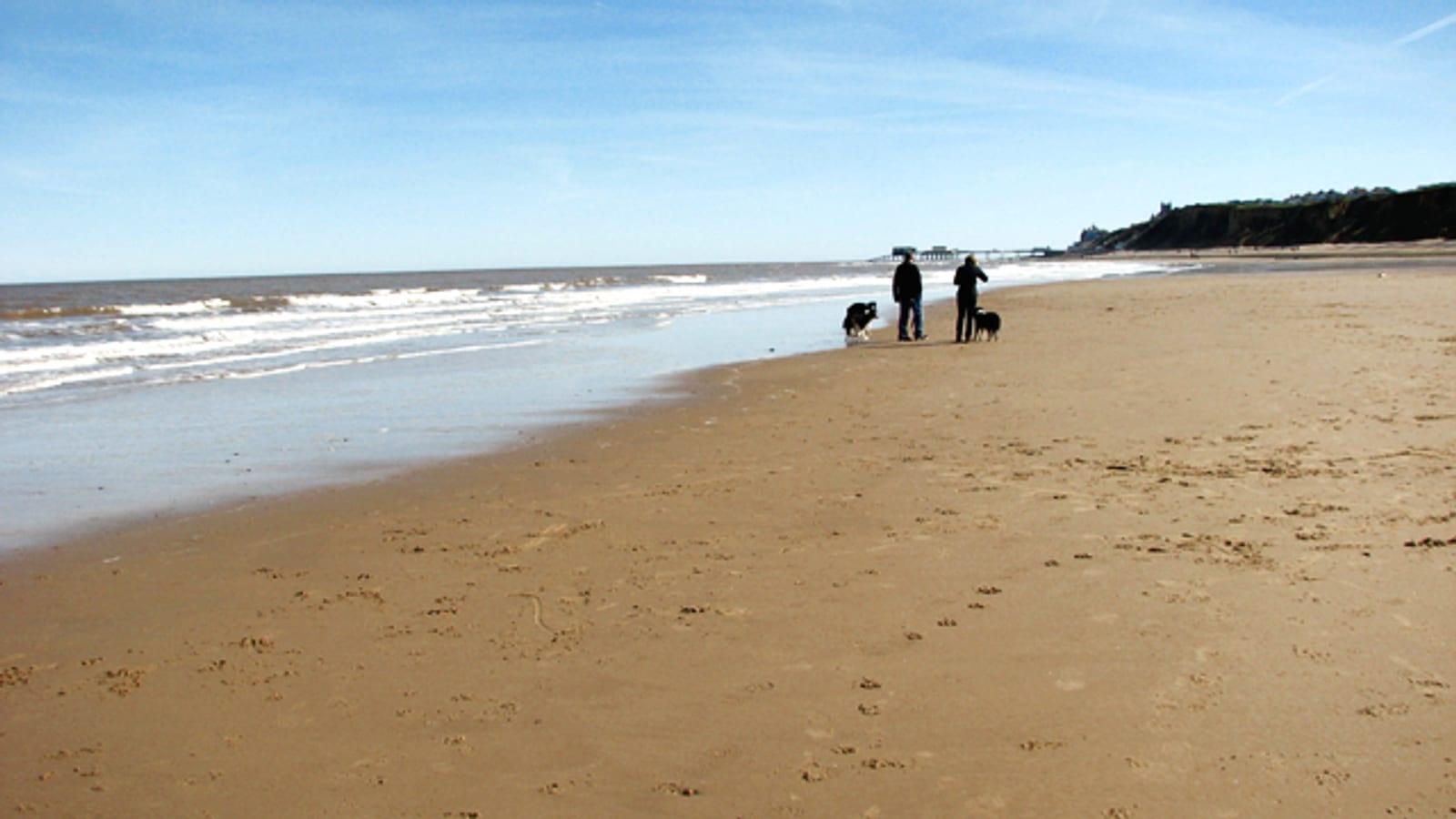
West Runton Fossil Hunting Guide
West Runton
Mammal remains, Freshwater shells, Plant material, Echinoids and sponges
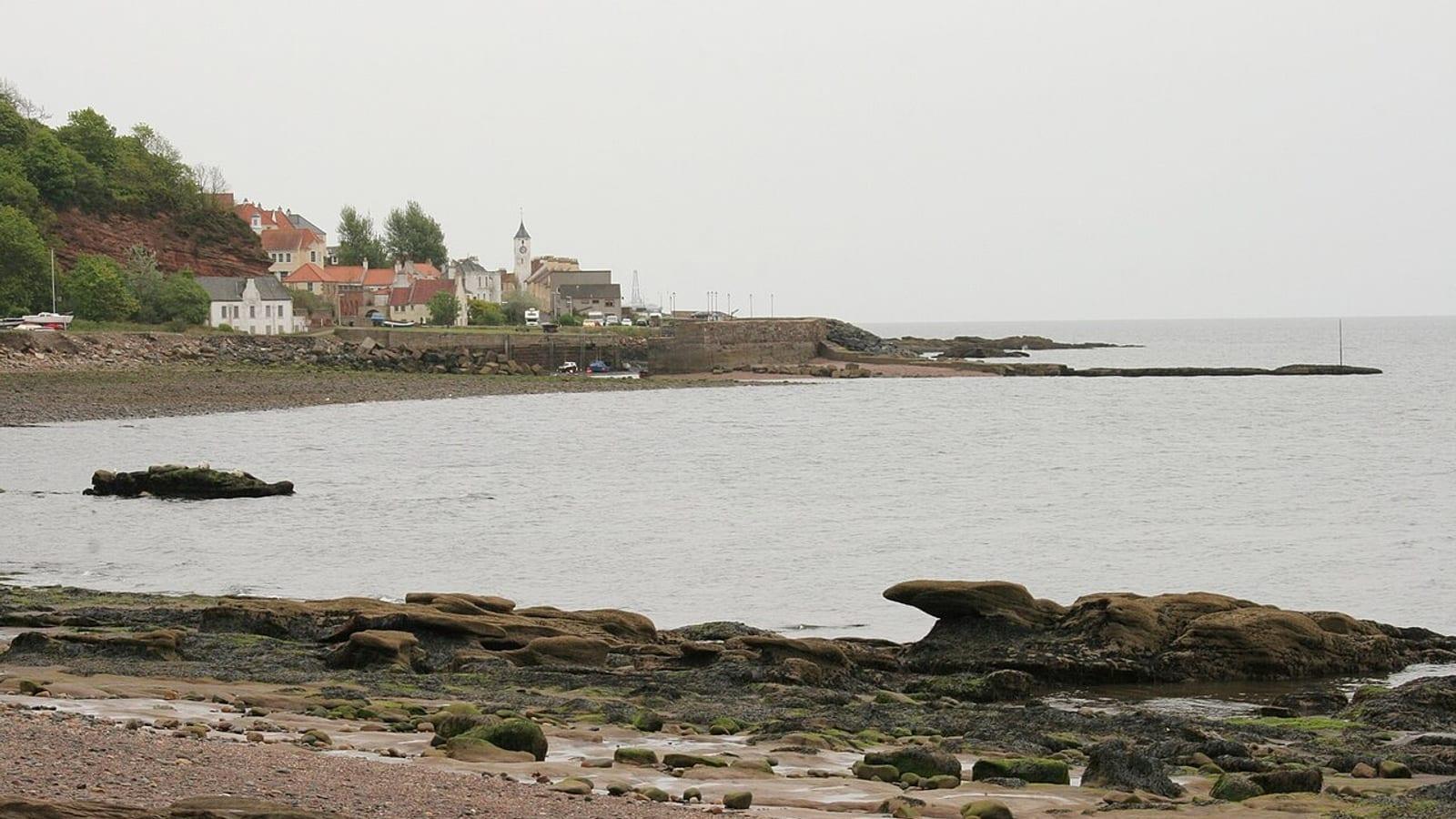
West Wemyss Fife Scotland Fossil Hunting Guide
United Kingdom
Lepidodendron, Sigillaria, Neuropteris, Pecopteris
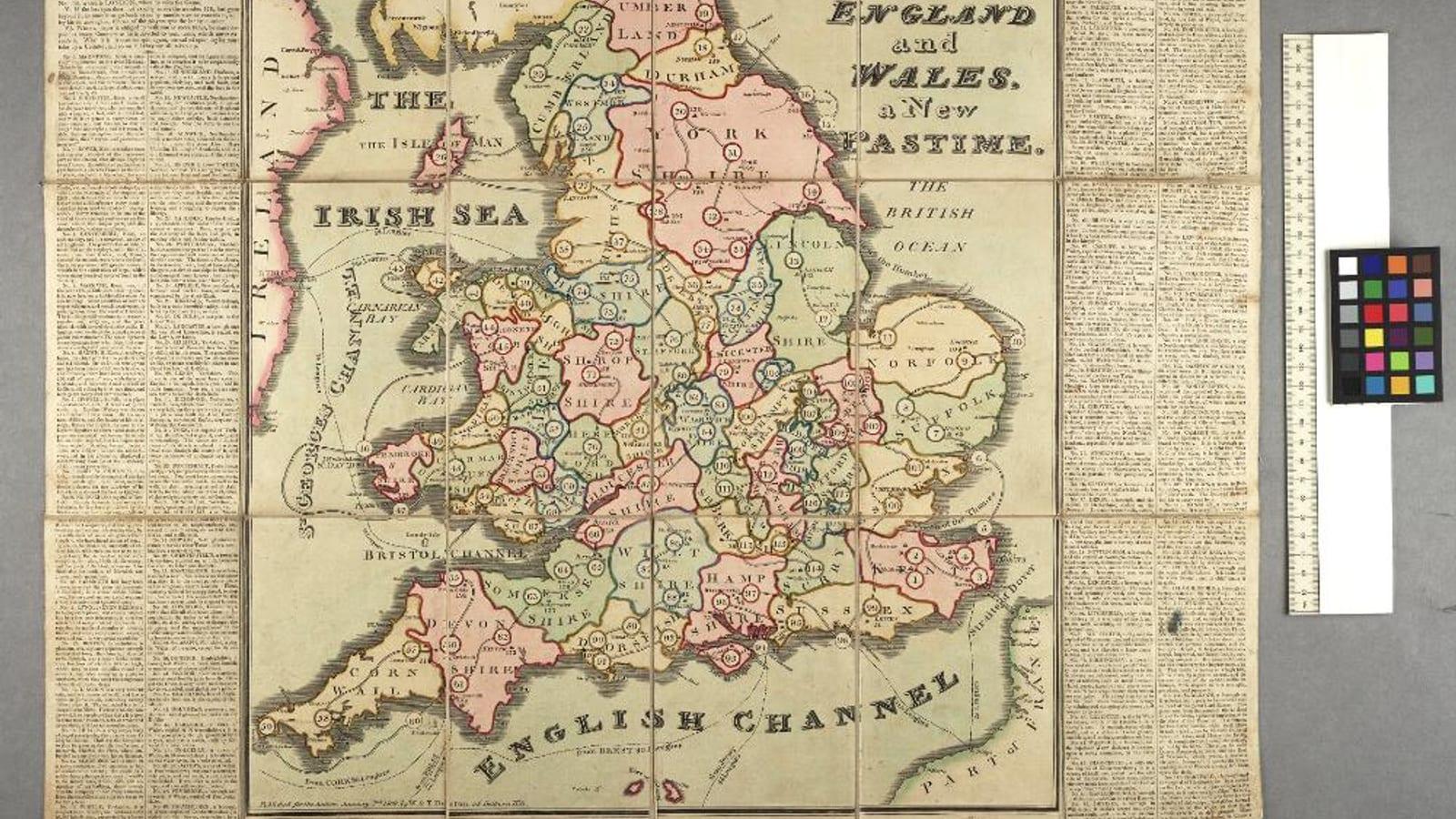
Whitby Yorkshire Fossil Hunting Guide
United Kingdom
Ammonites, Belemnites, Dinosaur Footprints, Ichthyosaur
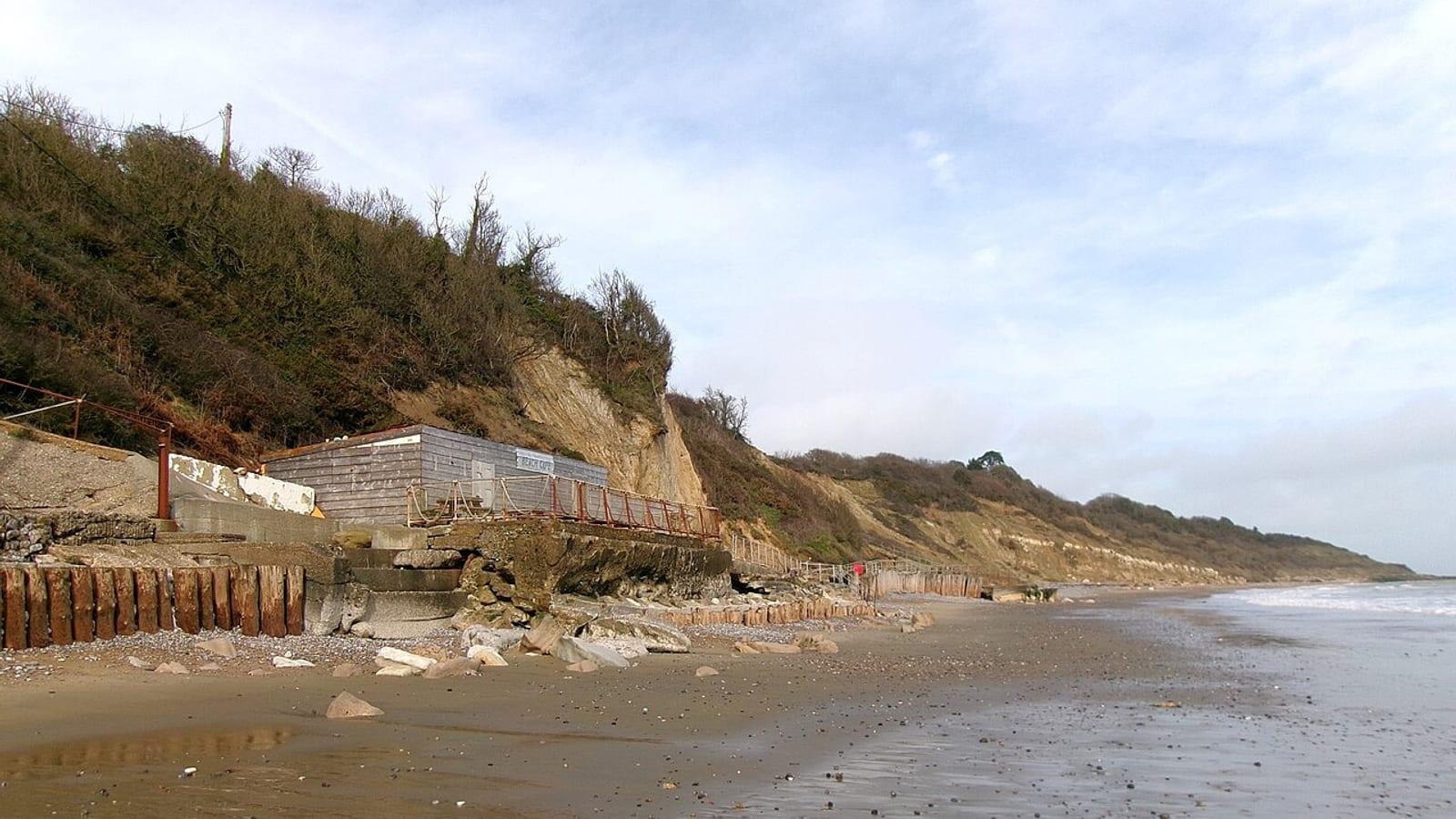
Whitecliff Bay Isle of Wight Fossil Hunting Guide
United Kingdom
shark teeth, turtle remains, bird bones, bivalves and gastropods
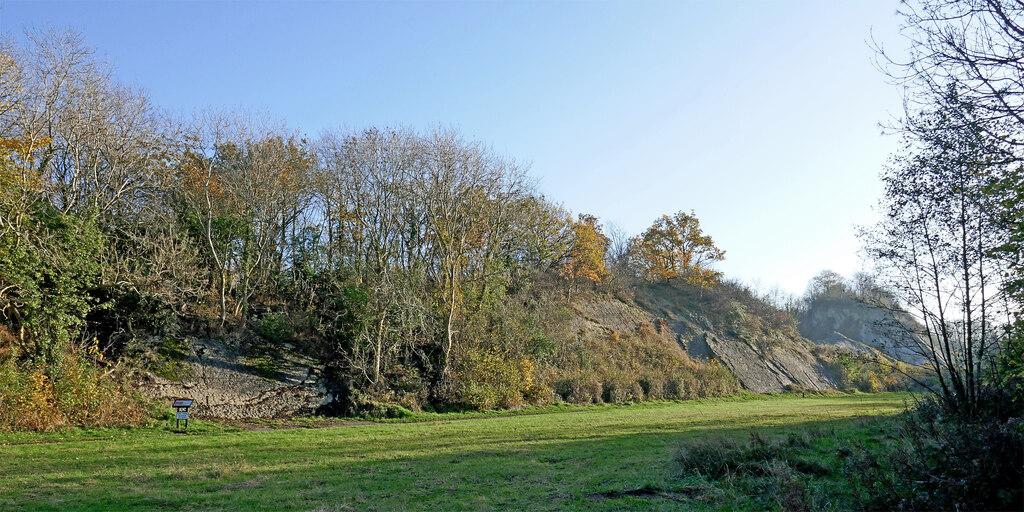
Wren's Nest National Nature Reserve Fossil Guide
England, United Kingdom
Trilobites, Calymene (Dudley Bug), Brachiopods, Crinoids
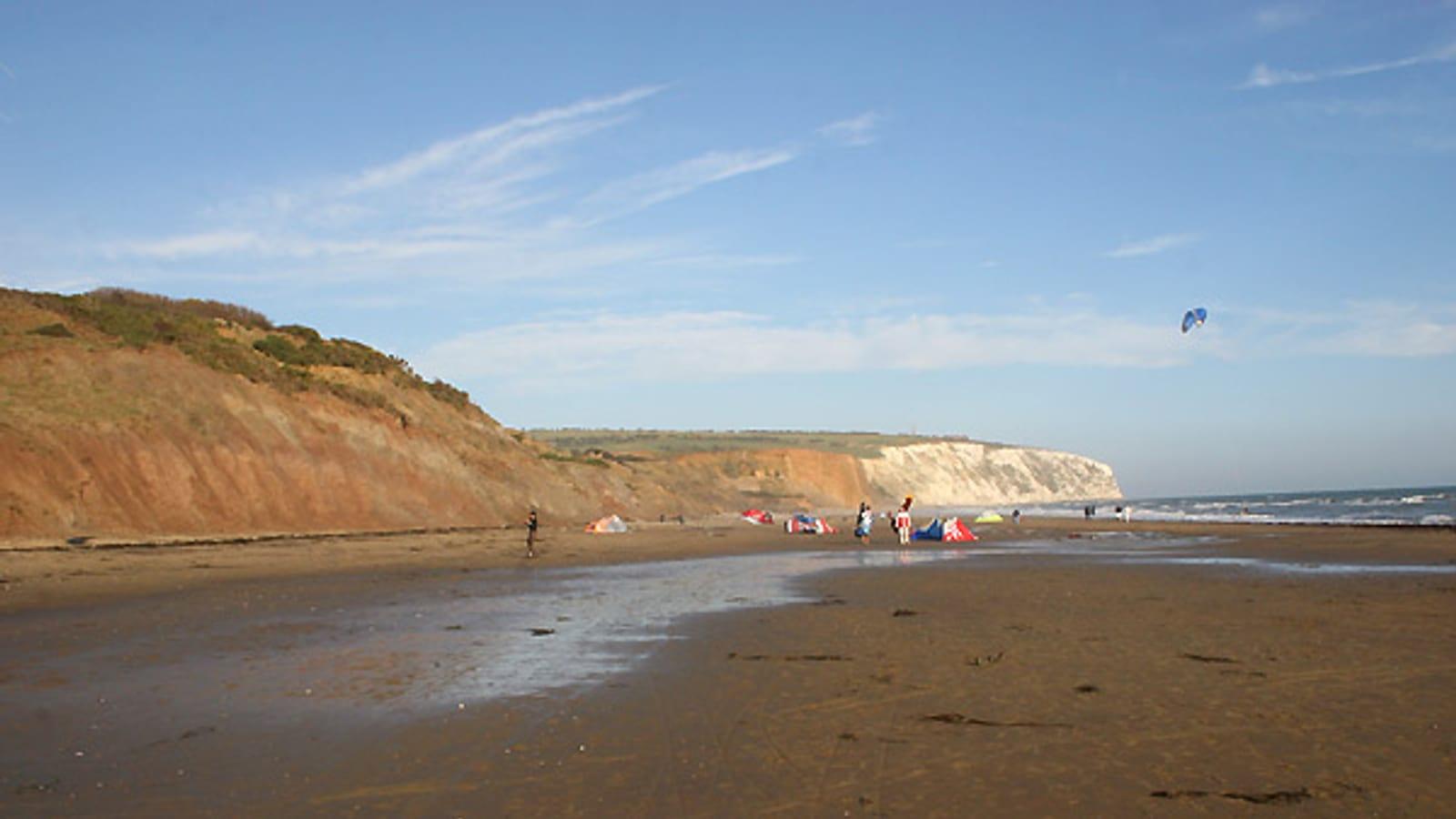
Yaverland Fossil Hunting Guide
Sandown
Dinosaur bone fragments, Dinosaur teeth, Dinosaur footprints, Fish remains