Fossil type
Where to find corals
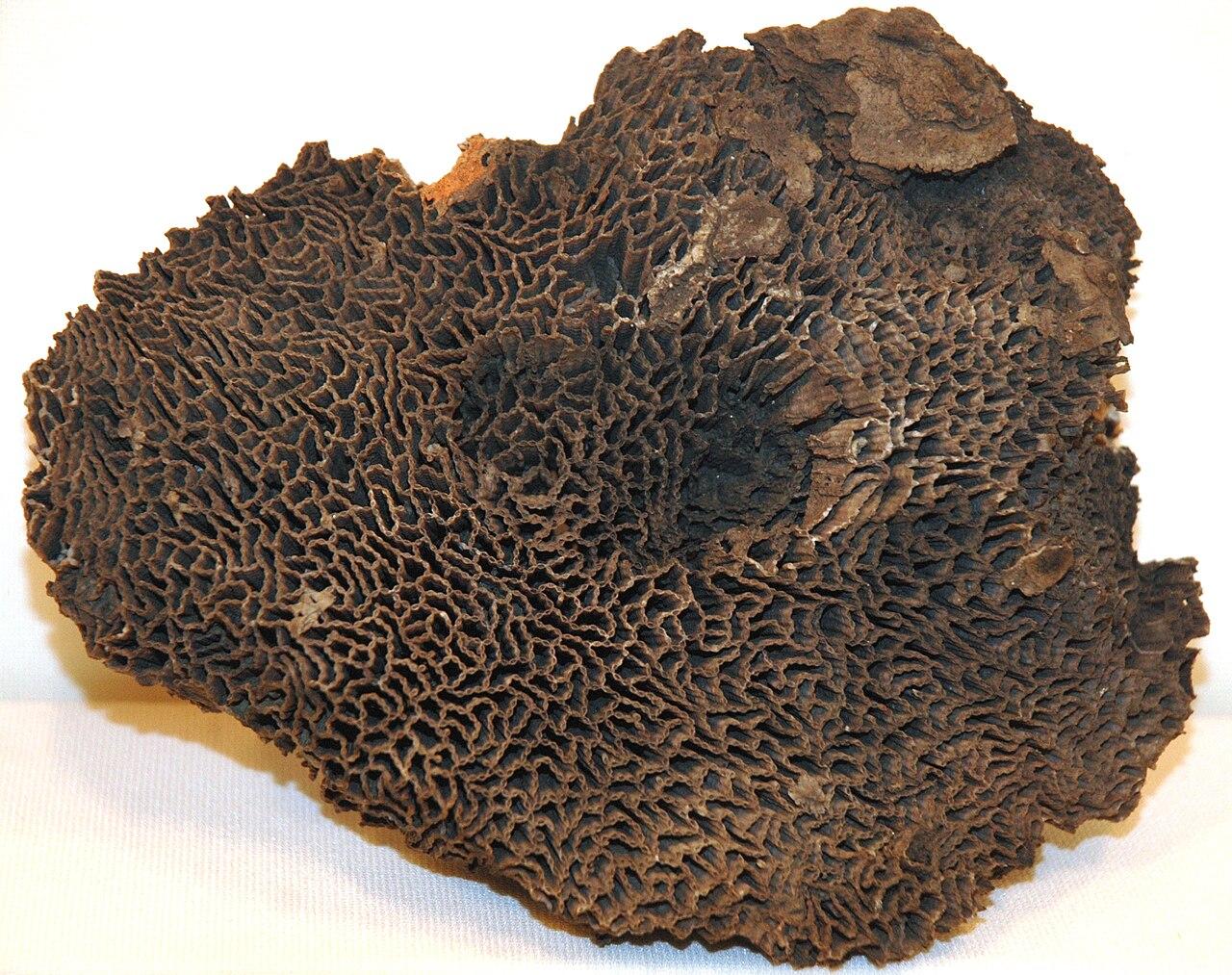
Coral fossils preserve the calcium carbonate skeletons of colonial reef-building animals. Devonian reefs of the British Wenlock and the Australian Gogo Formation, plus Carboniferous limestones across Europe and North America, are the major collecting areas.
58 fossil sites
Updated 4 August 2026
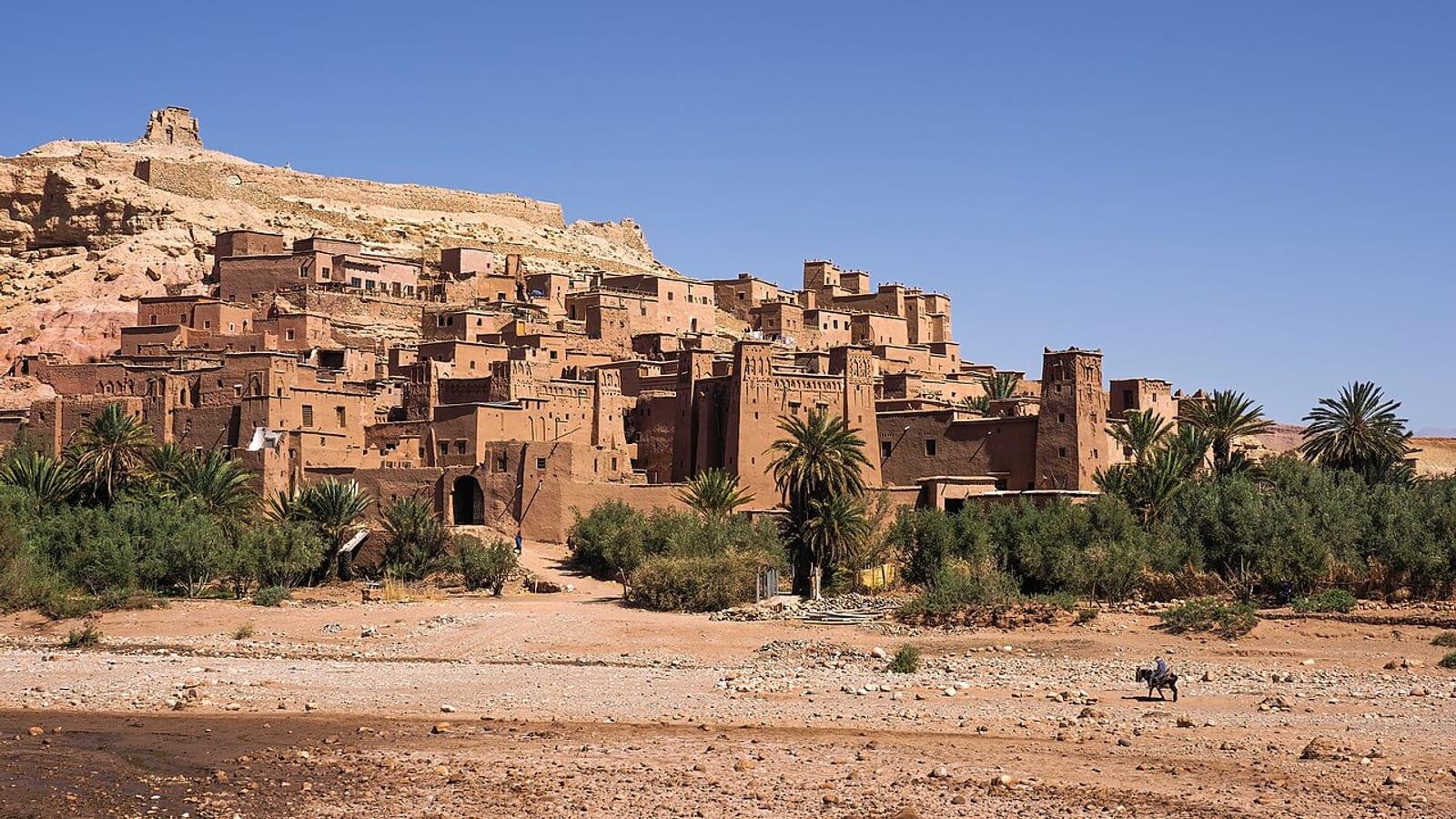
Ait Benhaddou Echinoid Site Ouarzazate Fossil Hunting Guide
Morocco
Cretaceous echinoids, Brachiopods, Gastropods, bivalves and coral fragments
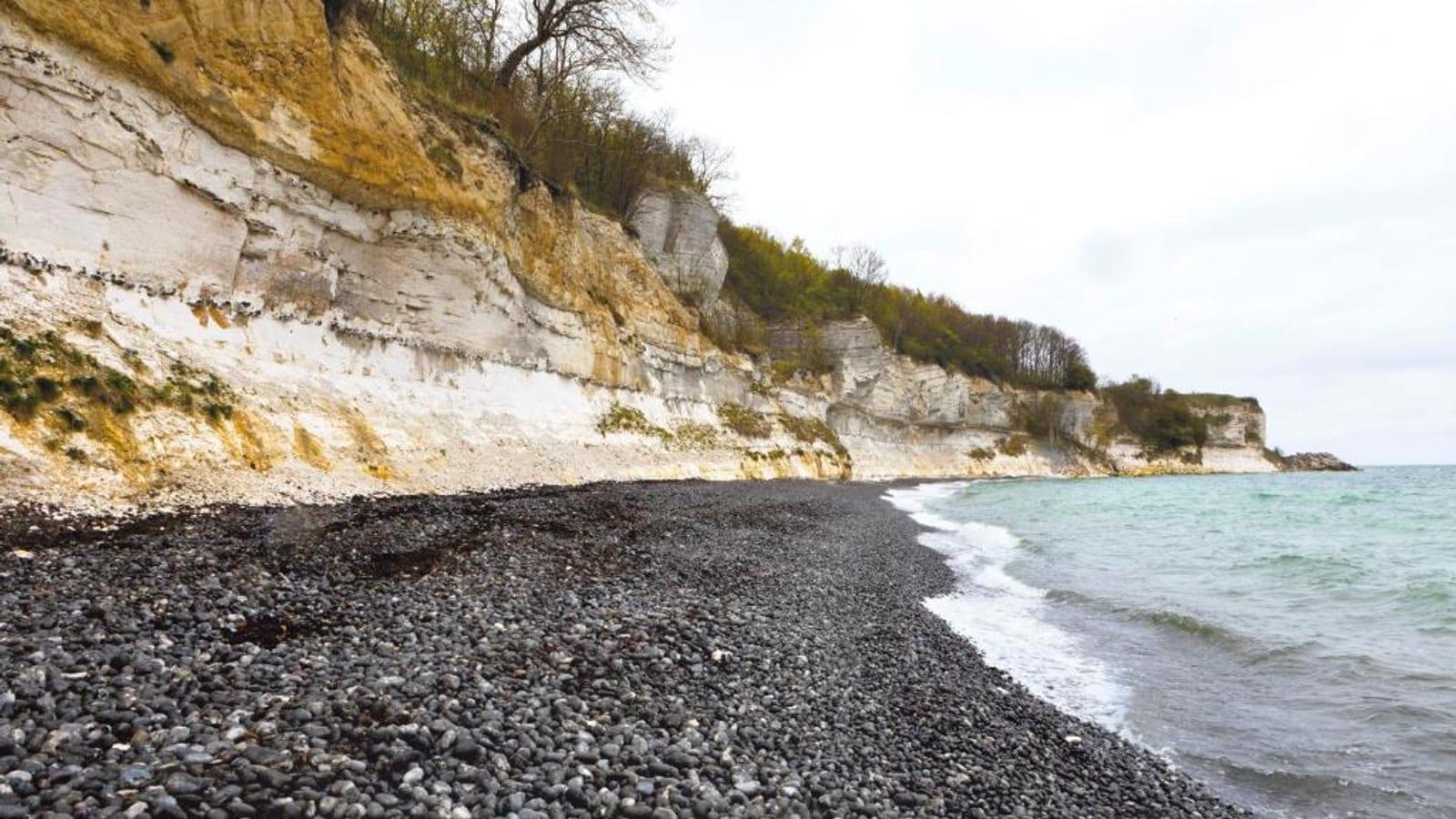
Baggy Point Fossil Hunting Guide
England, United Kingdom
Brachiopods, Bivalves, Gastropods, Crinoids
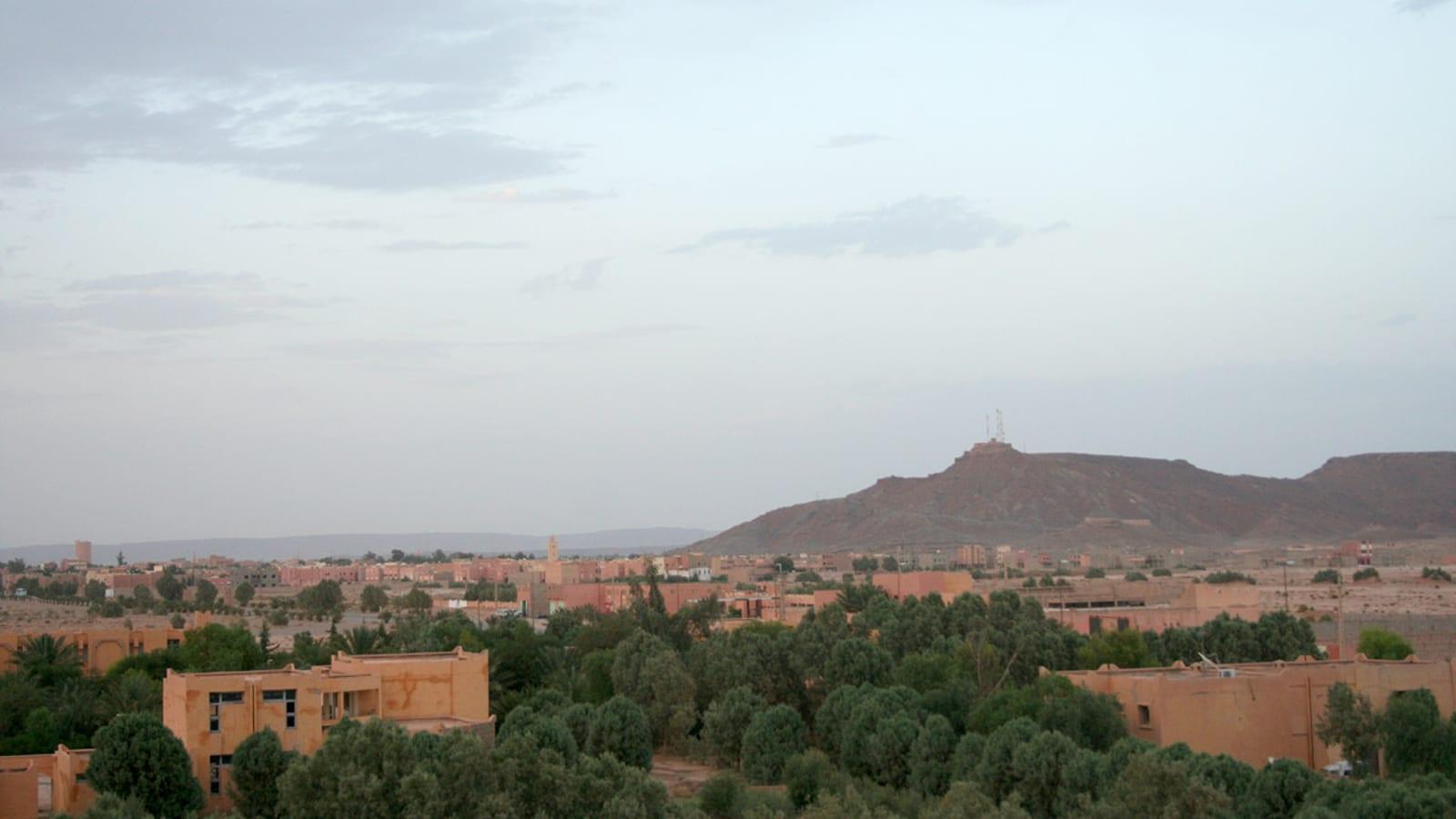
Boutchafine Mount Trilobite Quarry Erfoud Fossil Hunting Guide
Morocco
Phacops, Hollardops, Phacops rana, Hollardops merocristata
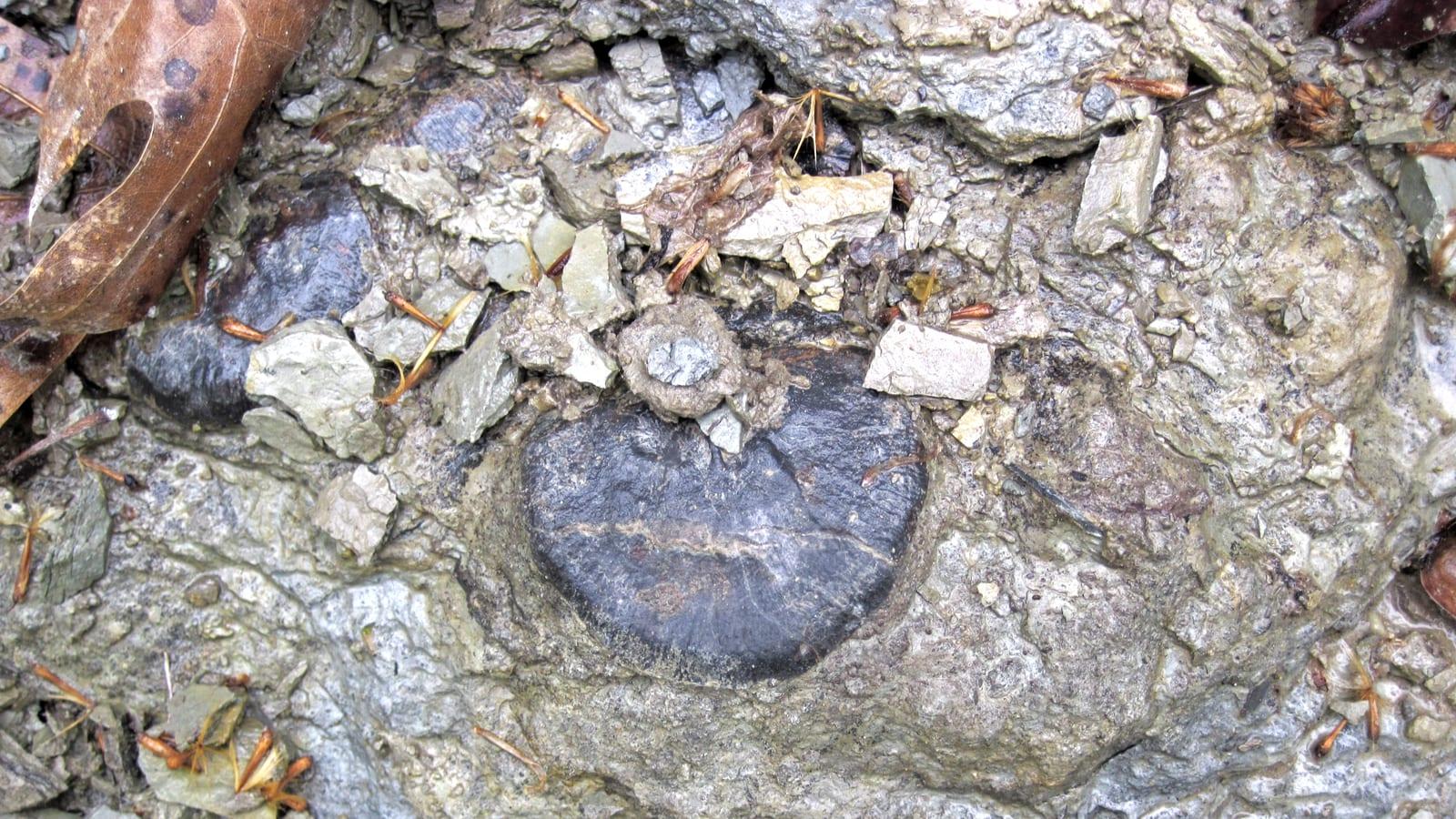
Caesar Creek State Park Fossil Hunting Guide
Ohio, United States
Trilobites, Brachiopods, Crinoids, Corals
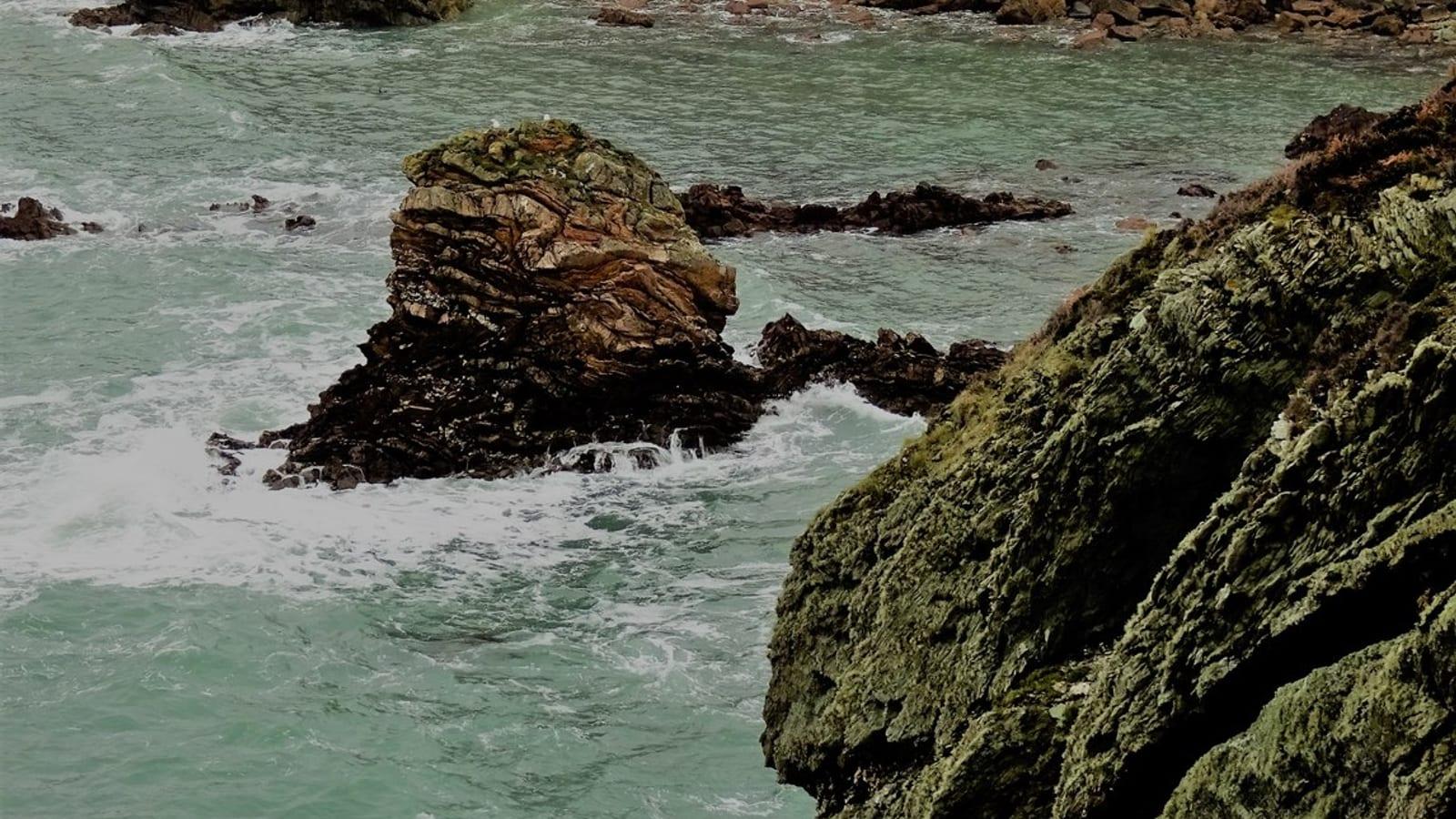
Caim Anglesey Carboniferous Corals Fossil Hunting Guide
United Kingdom
Corals, Brachiopods, Bivalves
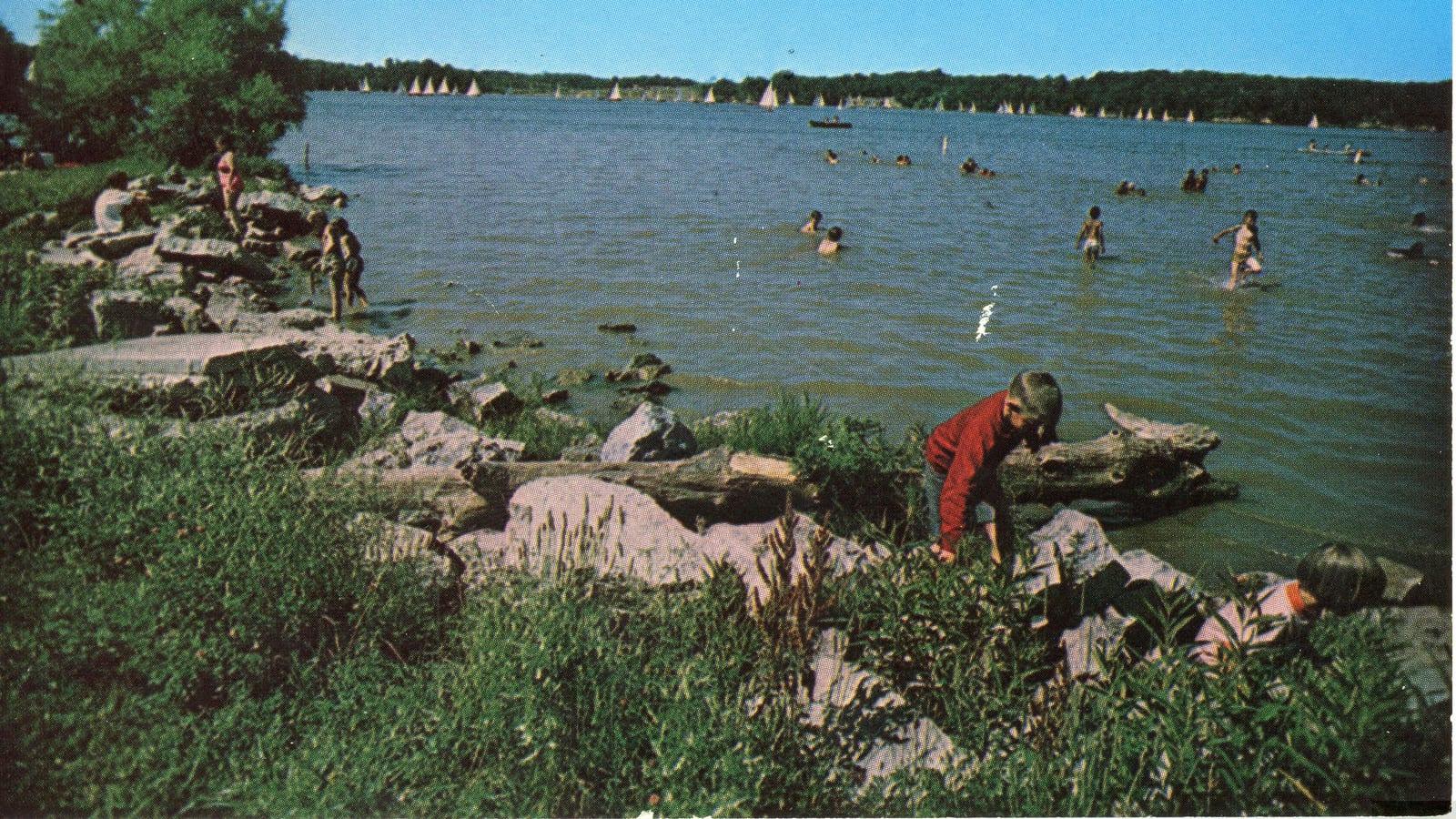
Cowan Lake State Park Fossil Hunting Guide
Ohio, United States
Brachiopods, Bryozoans, Corals, Crinoids
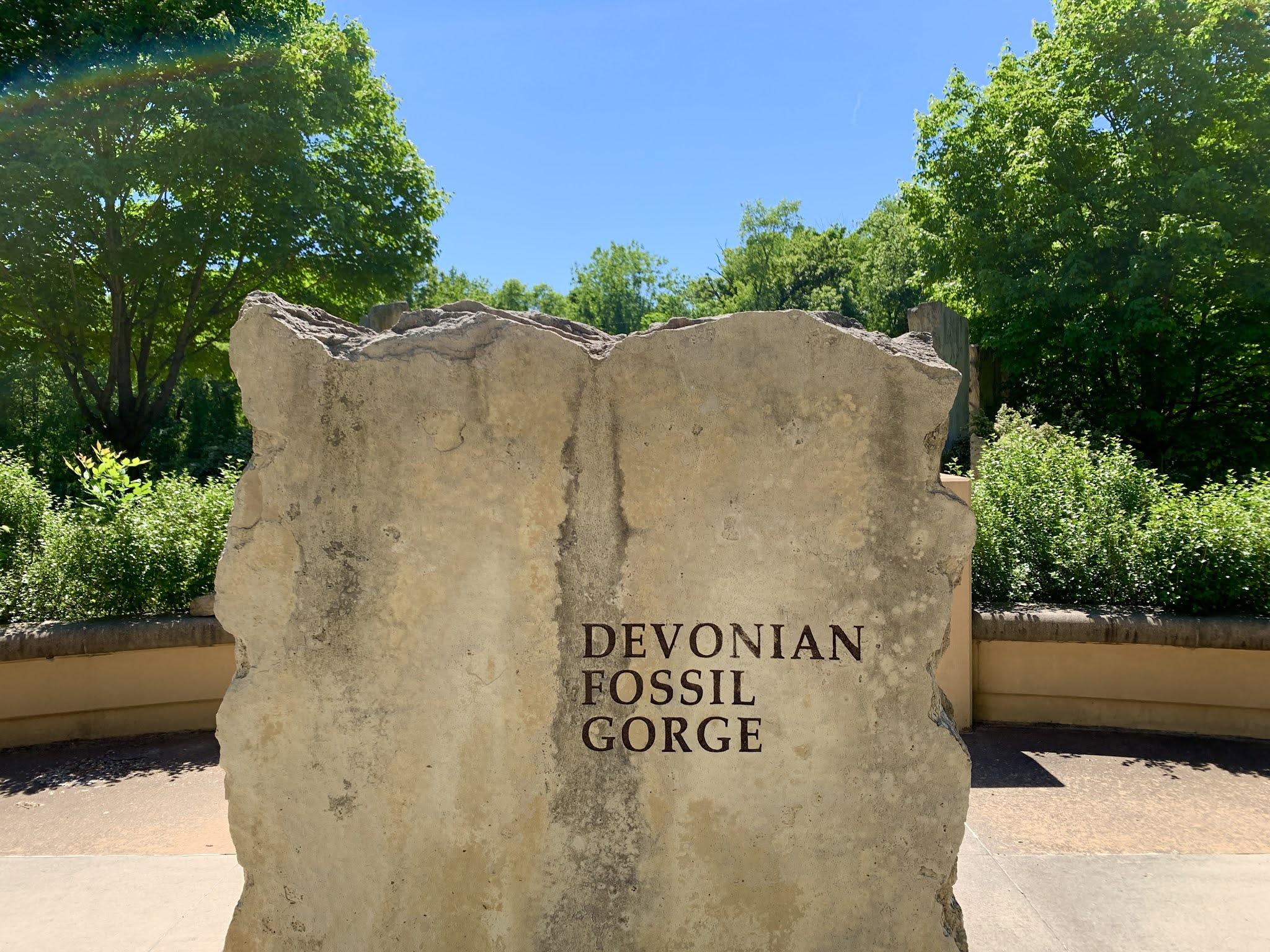
Devonian Fossil Gorge Fossil Hunting Guide
Iowa, United States
Crinoid columnals, Brachiopods, Corals (Hexagonaria), Corals (Favosites)
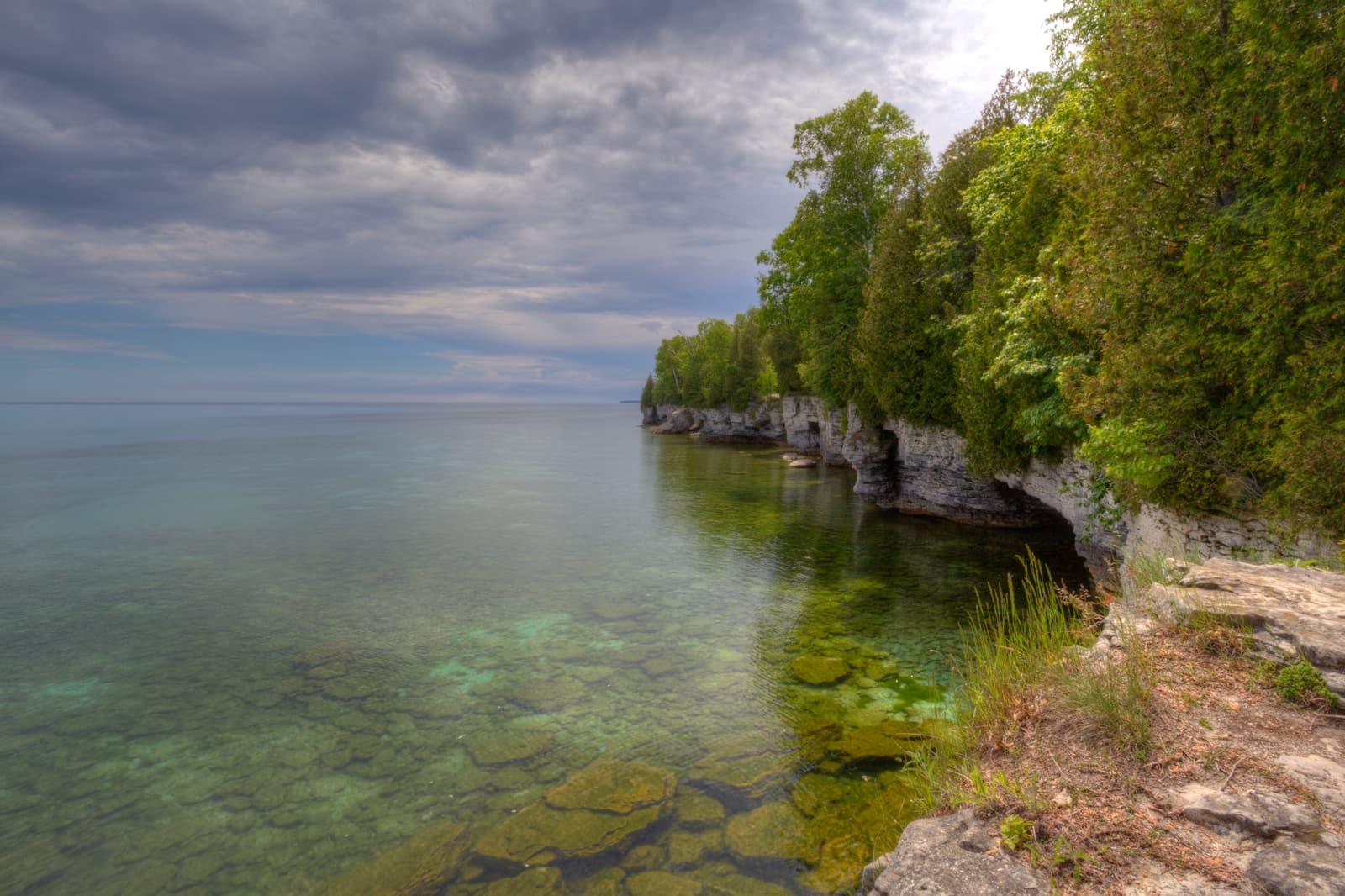
Door County Niagaran Reef Fossil Guide
Wisconsin, United States
Corals, Brachiopods, Gastropods, Cephalopods
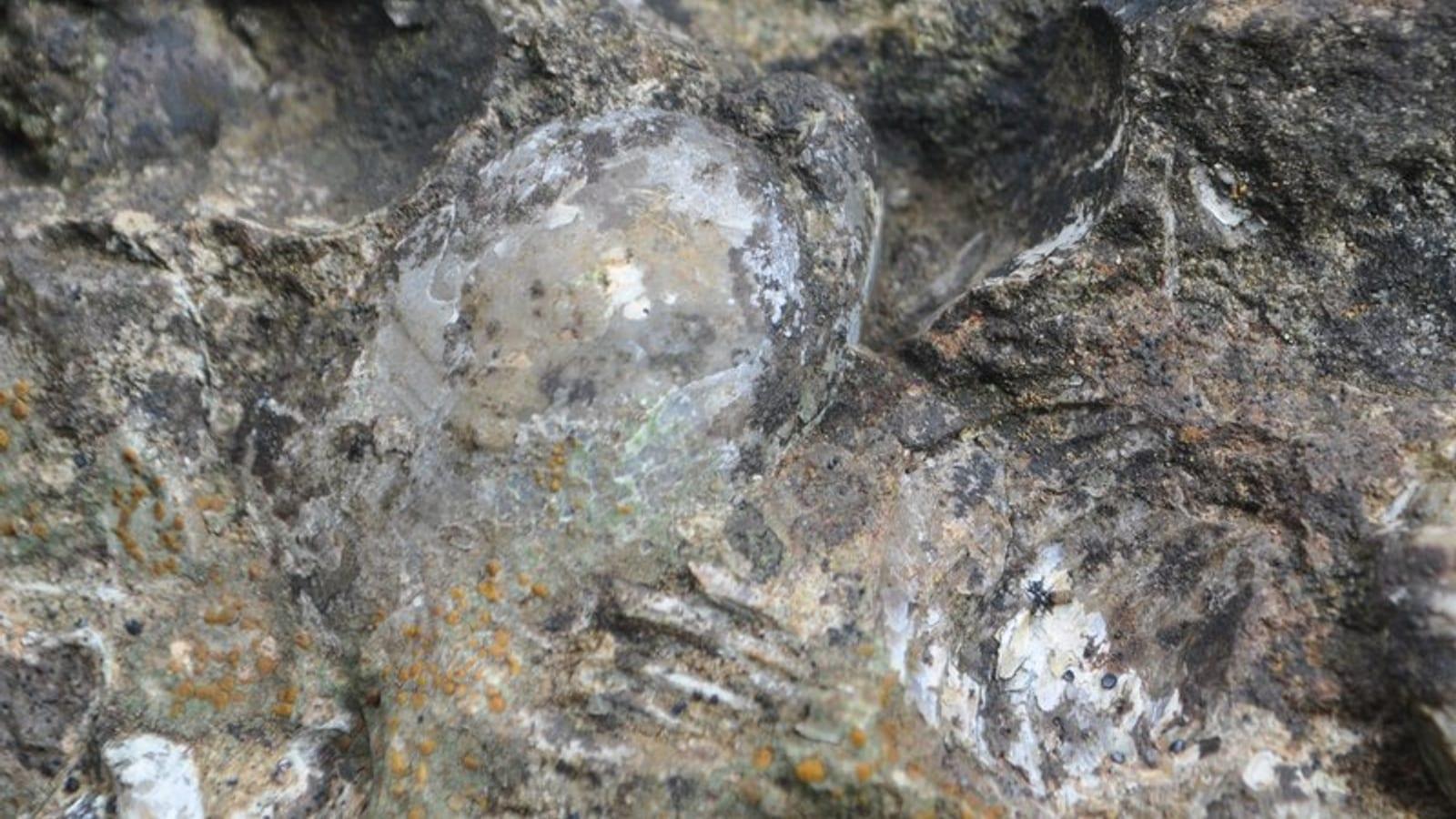
East Fork State Park Fossil Hunting Guide
Ohio, United States
Trilobites, Brachiopods, Crinoids, Corals
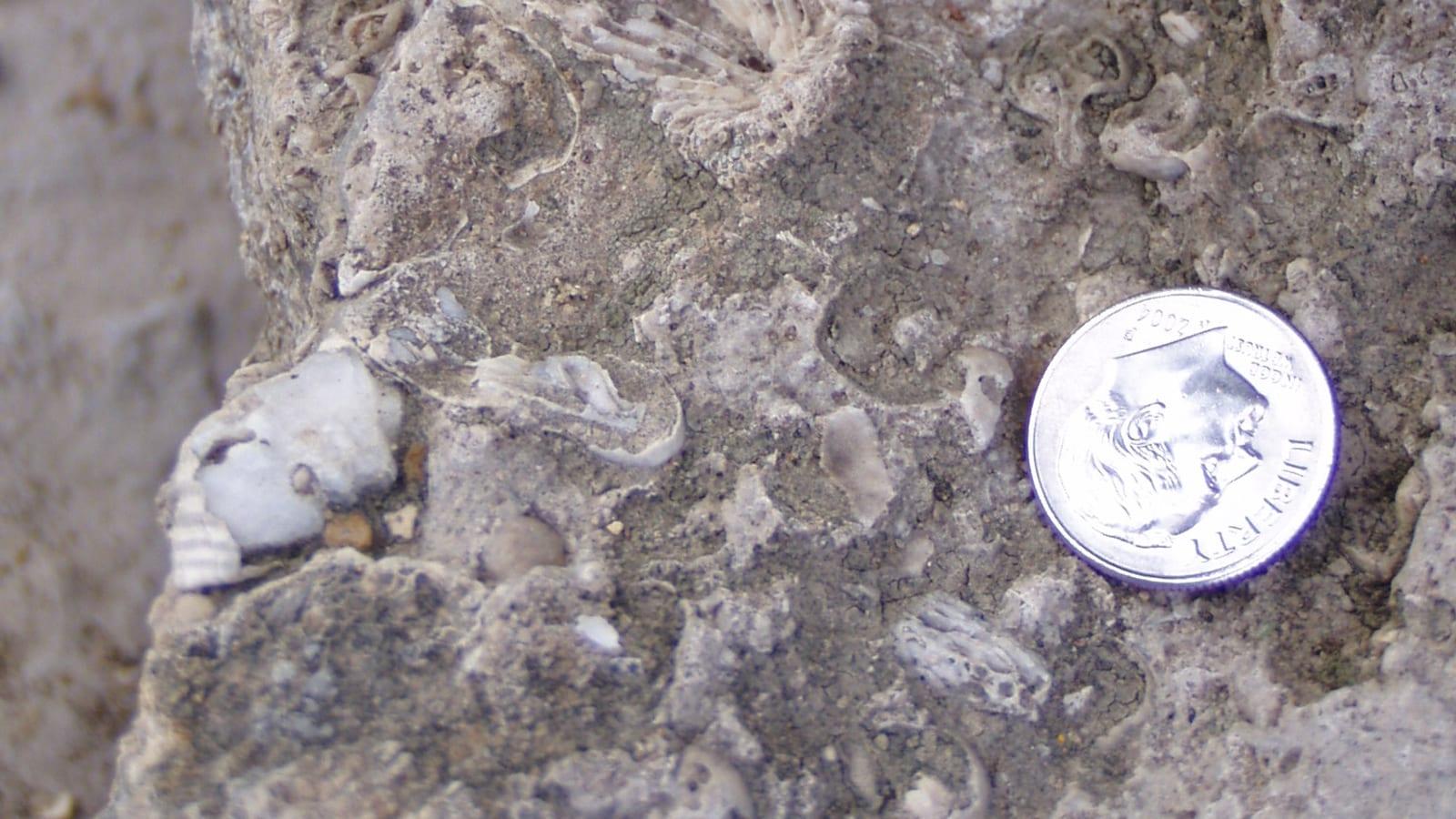
Falls of the Ohio State Park Fossil Hunting Guide
Indiana, United States
Corals, Brachiopods, Crinoids, Bryozoans
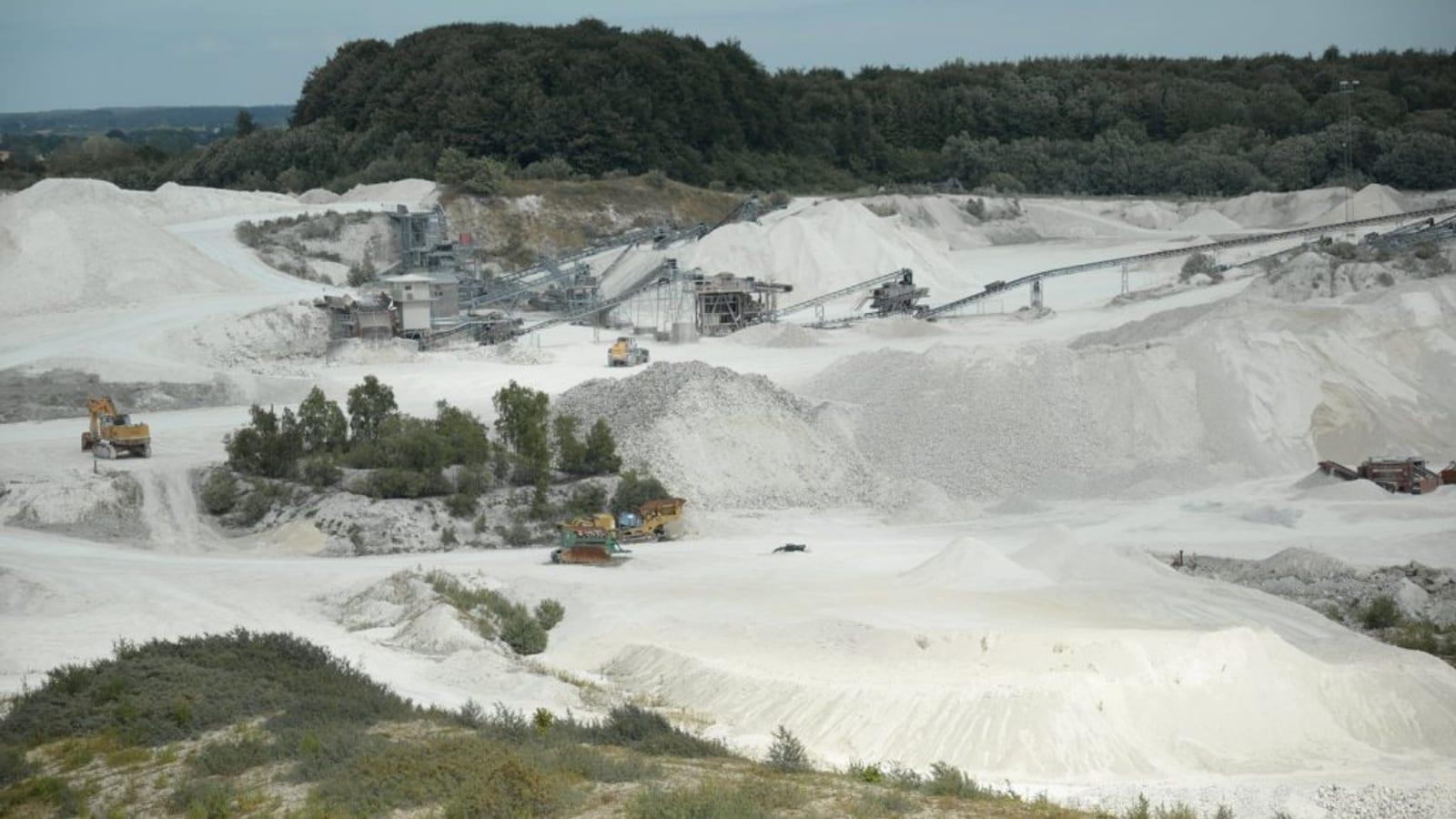
Faxe Quarry South Area Fossil Hunting Guide
Denmark
Corals, Crabs, Bryozoans, Bivalves
Fossil & Prairie Park Preserve Fossil Hunting Guide
Iowa, United States
Brachiopods, Corals, Crinoids, Gastropods
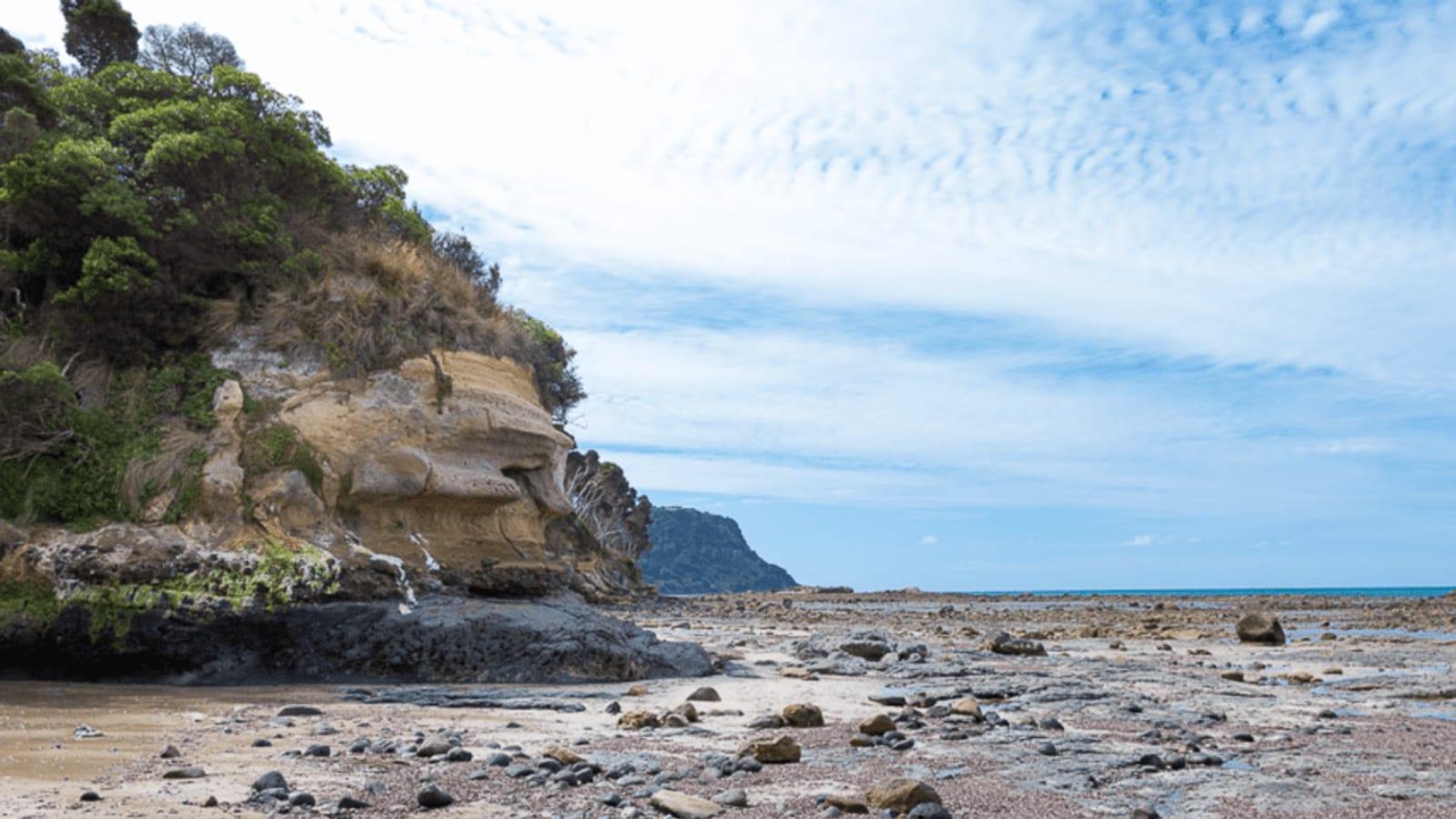
Fossil Bluff Wynyard Fossil Hunting Guide
Tasmania, Australia
Bivalves, Gastropods, Corals, Echinoids
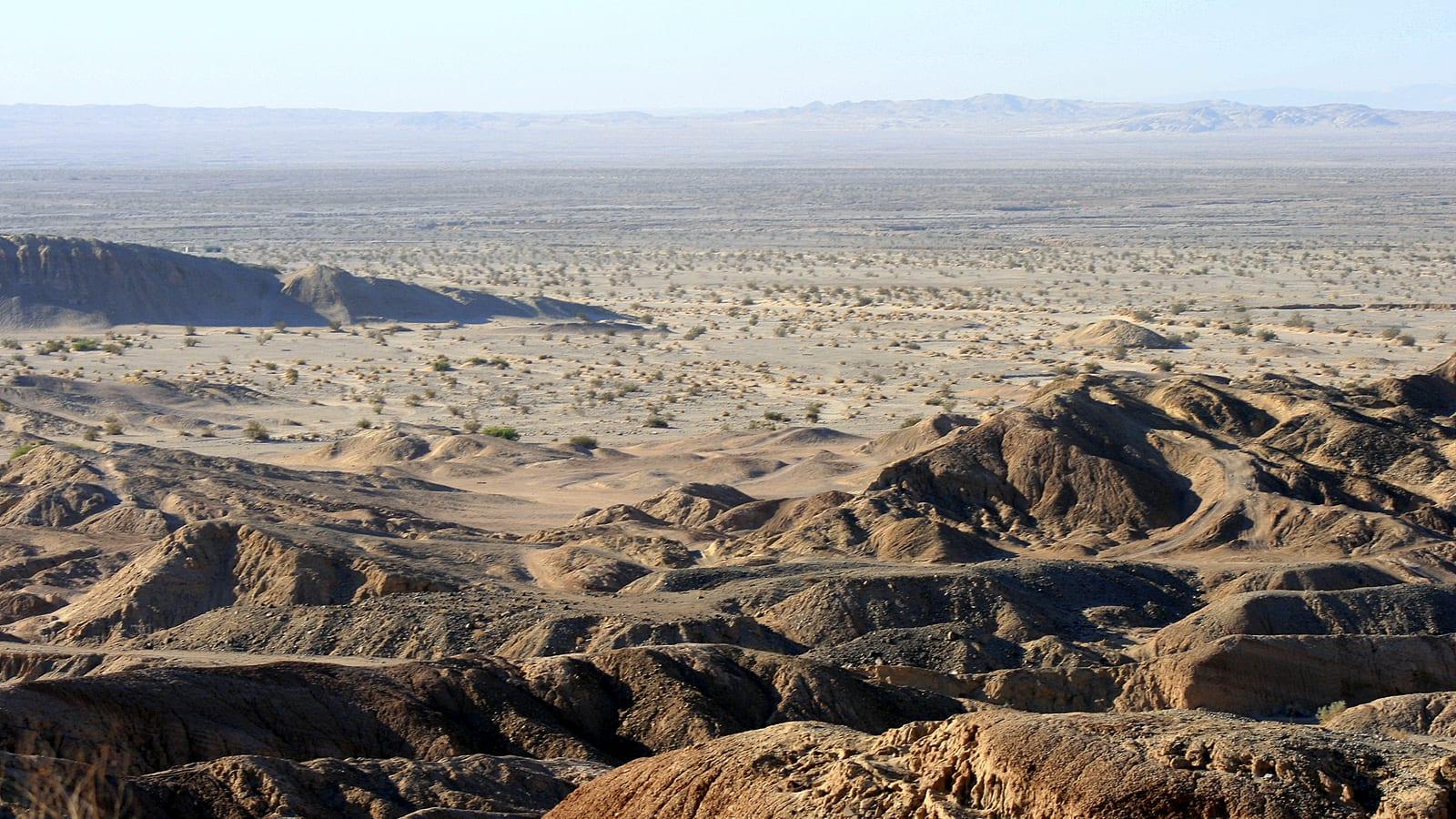
Fossil Canyon near Ocotillo Fossil Hunting Guide
Imperial County, California, United States
Corals, Bivalves, Gastropods, Echinoids
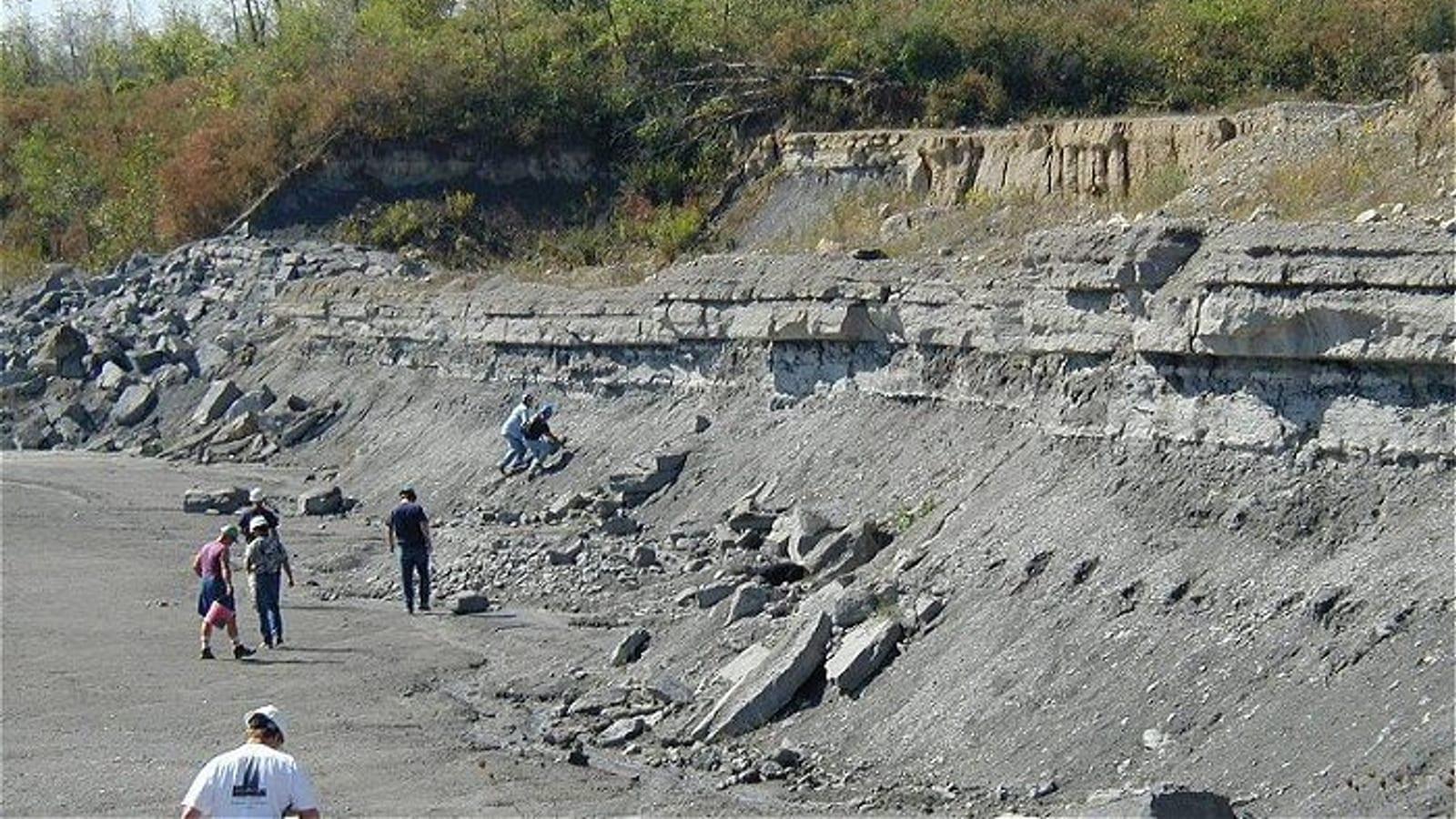
Fossil Park Sylvania Fossil Hunting Guide
Ohio, United States
Trilobites, Brachiopods, Crinoids, Corals
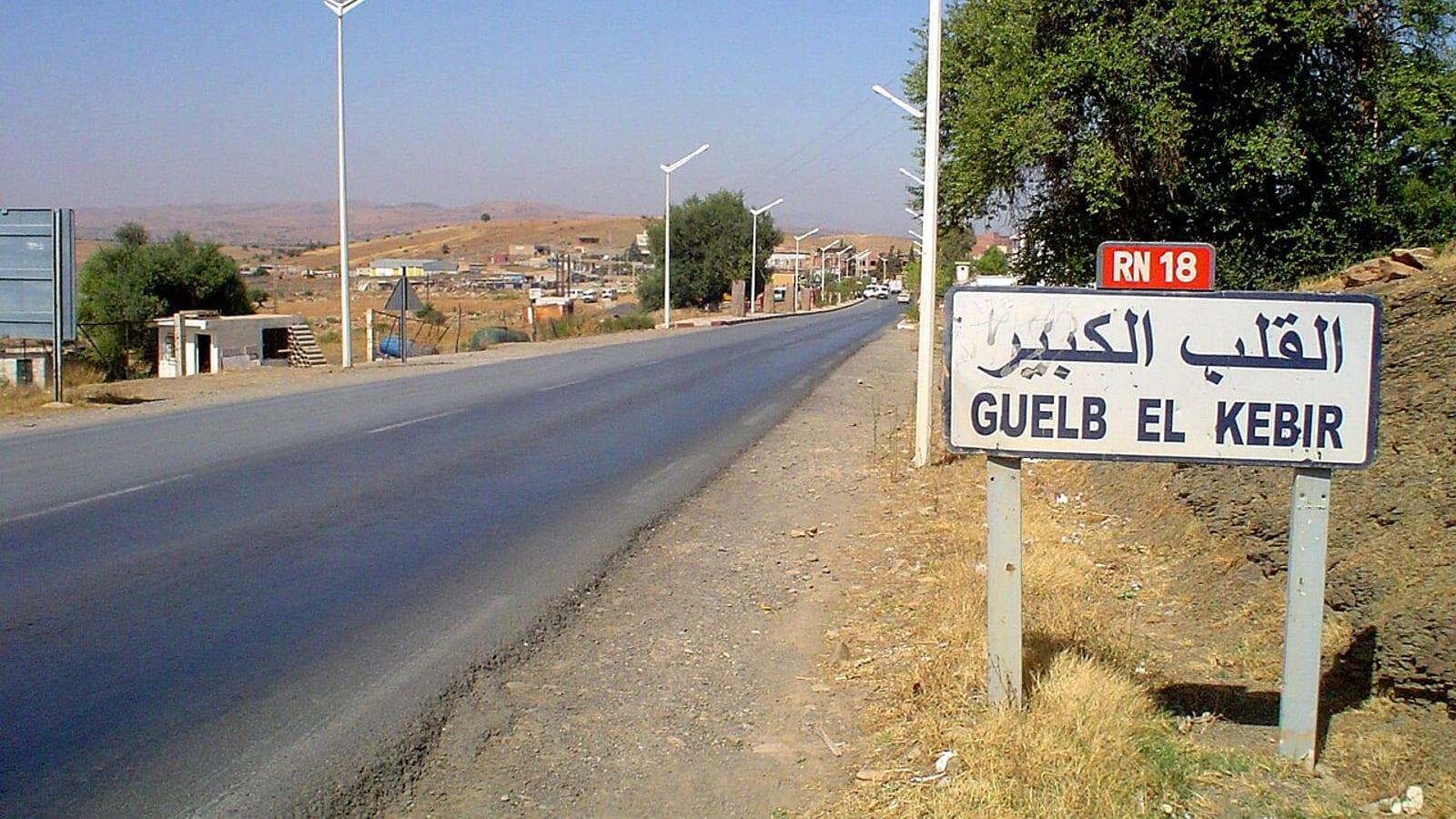
Guelb el Mharch Mud Volcano Fossil Site Rissani Fossil Hunting Guide
Morocco
Guelb el Mharch, Tabulate corals, Rugose corals, Brachiopods
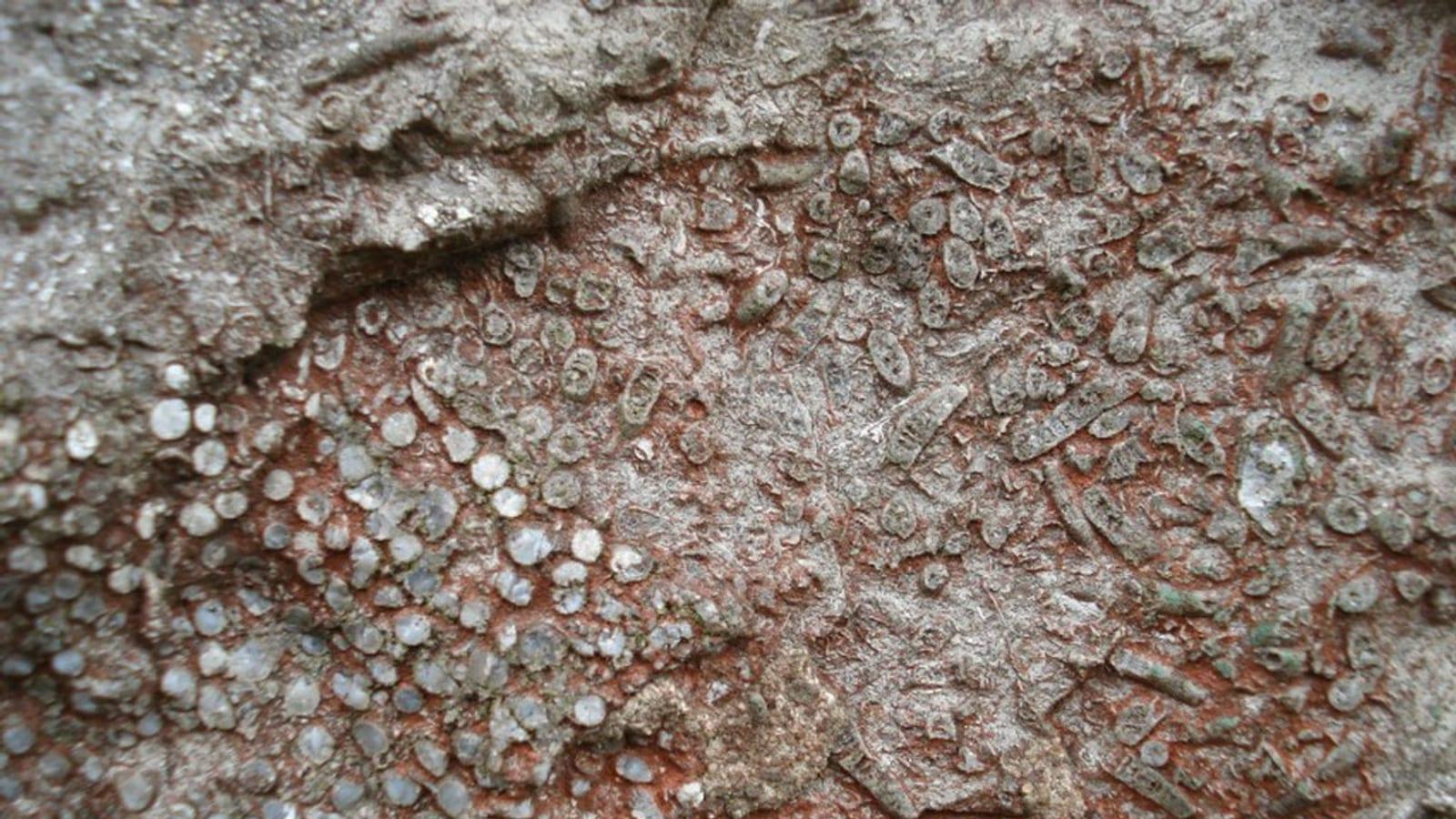
Halkyn Mountain Fossil Hunting Guide
Wales, United Kingdom
Brachiopods, Crinoids, Corals, Bryozoans
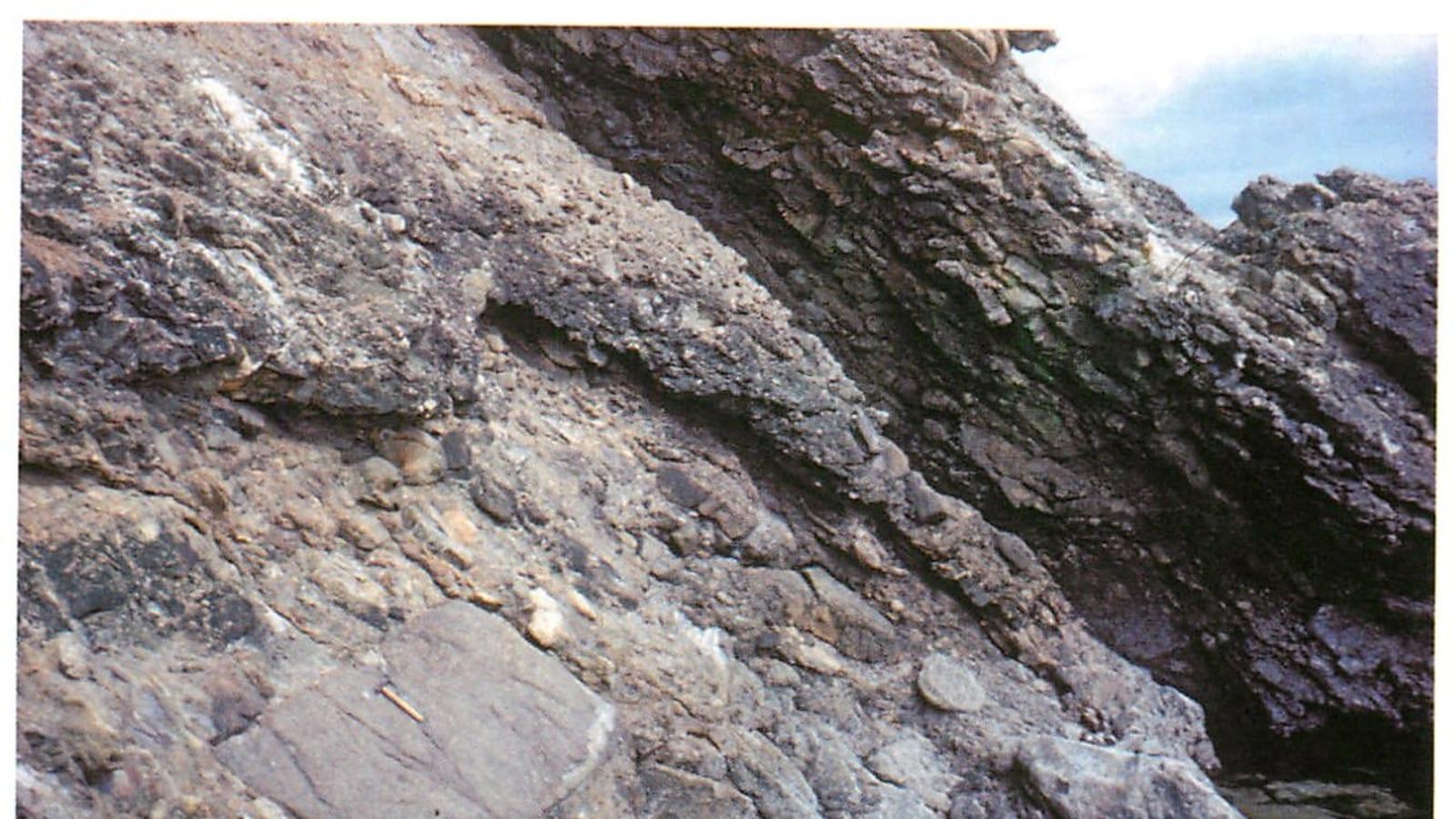
Helmsdale Fossil Hunting Guide
Scotland, United Kingdom
Ammonites, Corals, Marine Reptiles
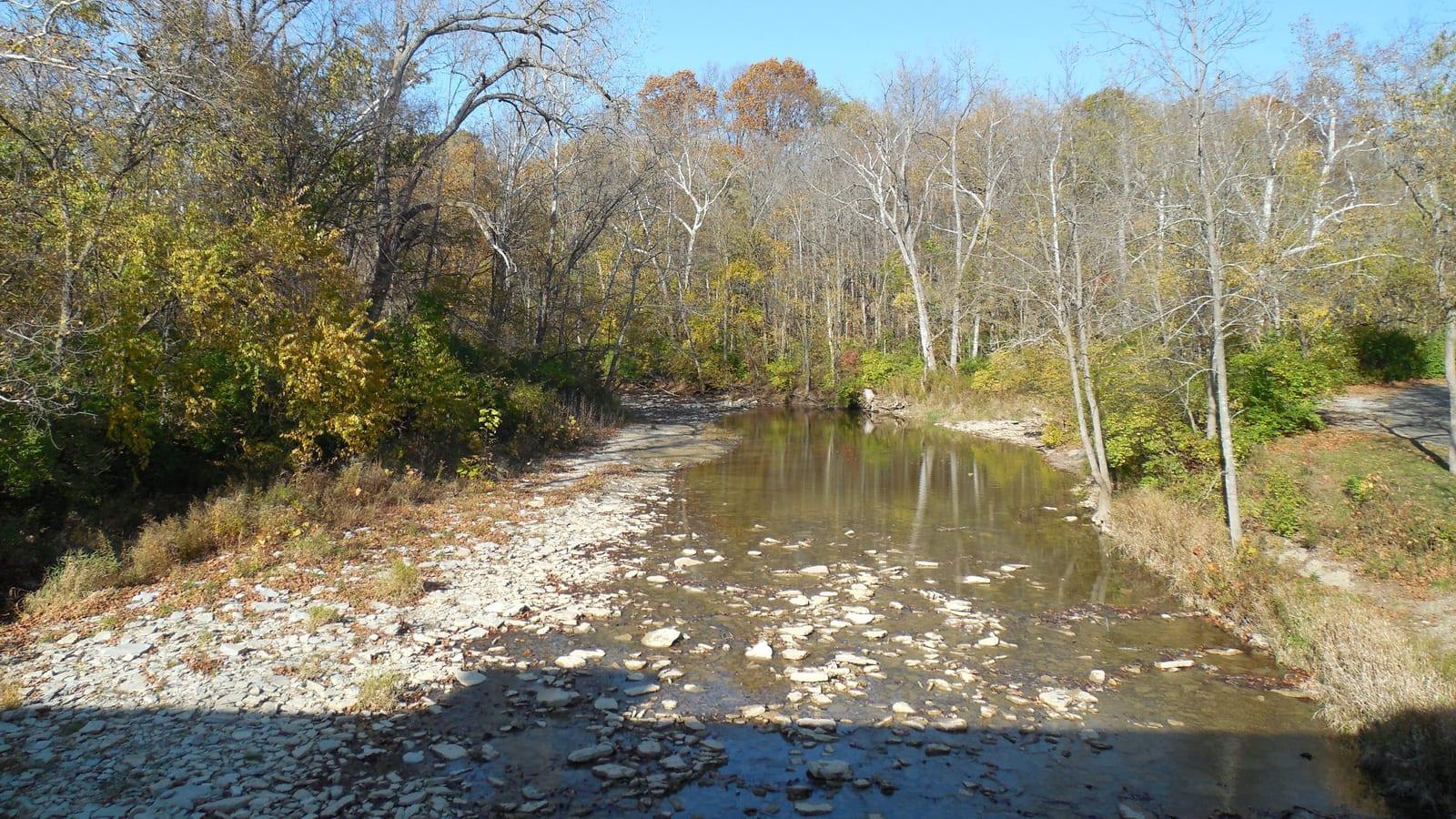
Hueston Woods State Park Fossil Hunting Guide
Ohio, United States
Brachiopods, Bivalves, Bryozoans, Corals
Isle La Motte Chazy Reef Fossil Hunting Guide
Vermont, United States
Stromatoporoids, Corals, Nautiloids, Gastropods
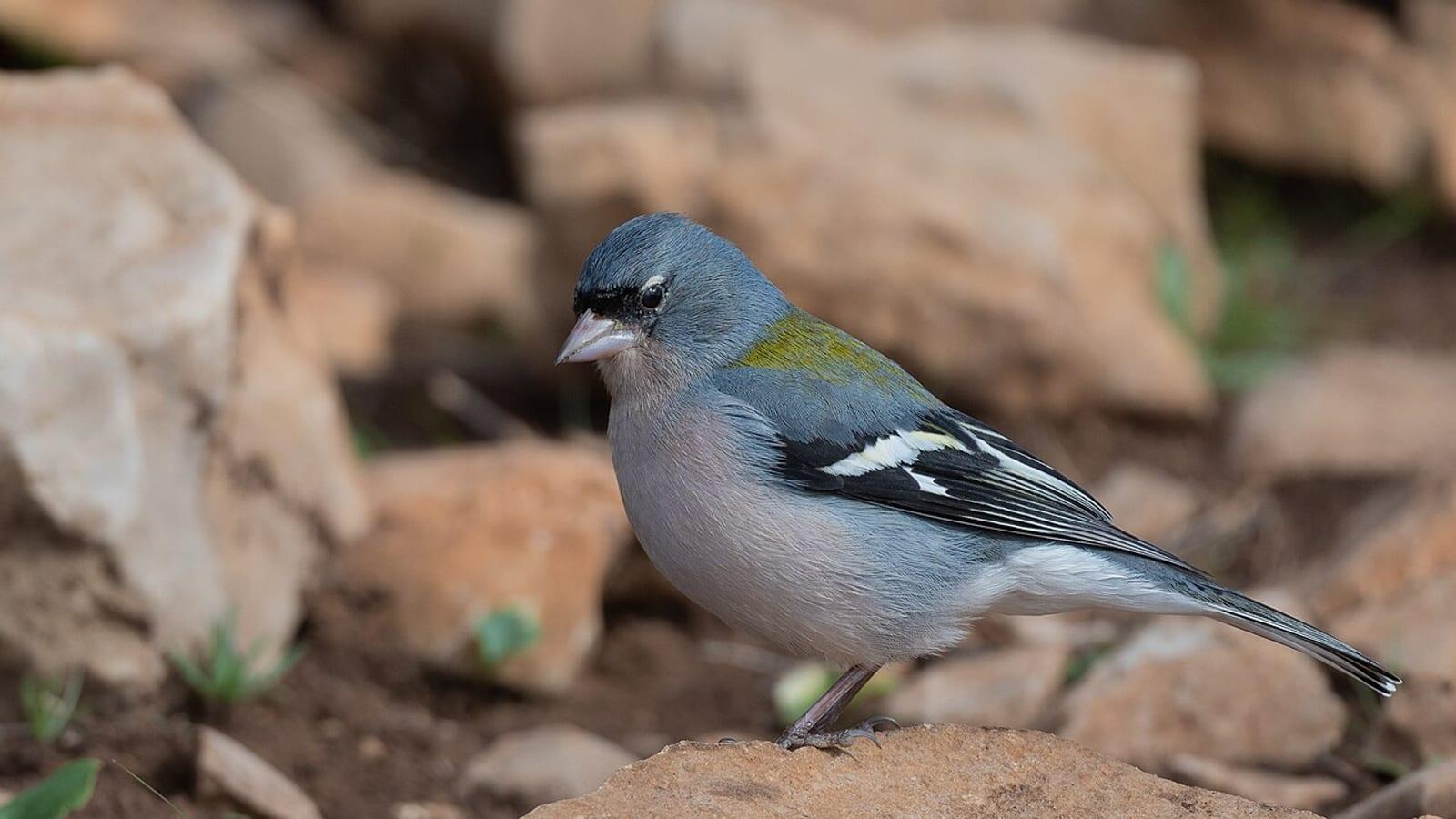
Jbel el Mrakib Devonian Reef Site Rissani Fossil Hunting Guide
Morocco
Jbel El Mrakib Devonian Reef Site, Coral reef fossils, Stromatoporoids, Brachiopods
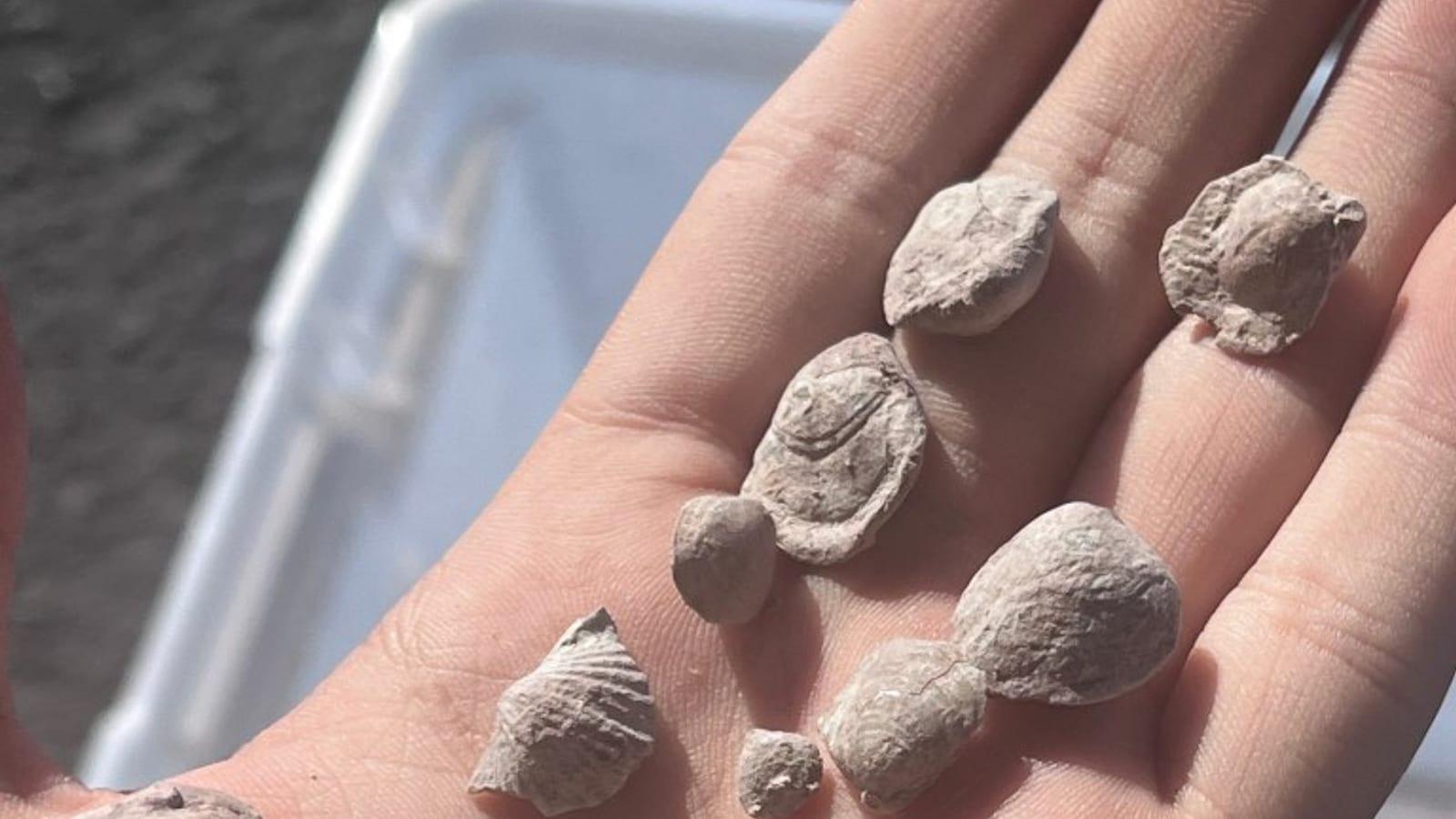
Kohls Ranch Fossils, Mogollon Rim Fossil Hunting Guide
Gila County, Arizona, United States
Brachiopods, Crinoids, Corals, Bryozoans
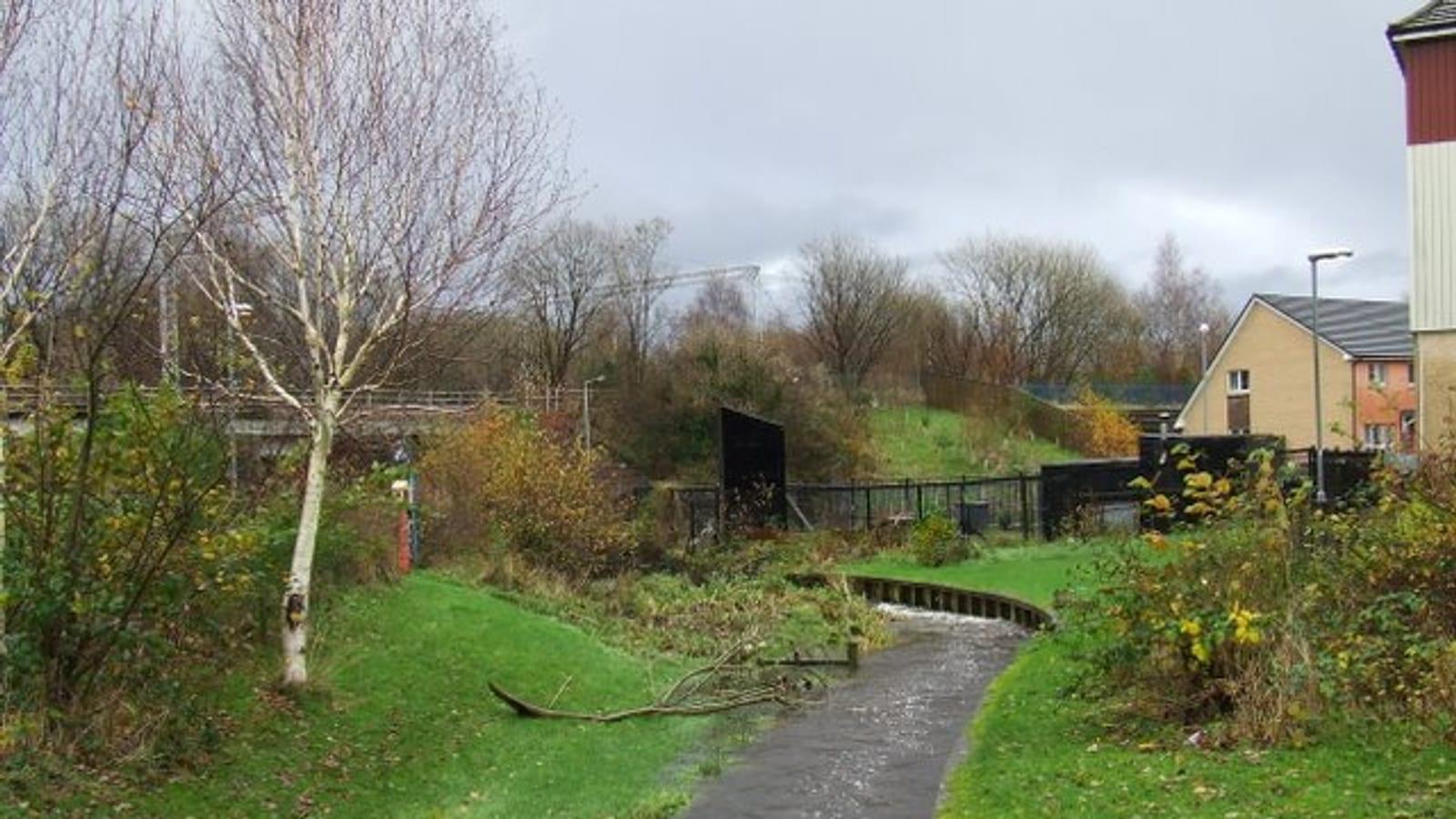
Lady Burn Fossil Hunting Guide
near Drummuck
Starfish, Trilobites, Brachiopods and bivalves, Orthocones and cephalopods
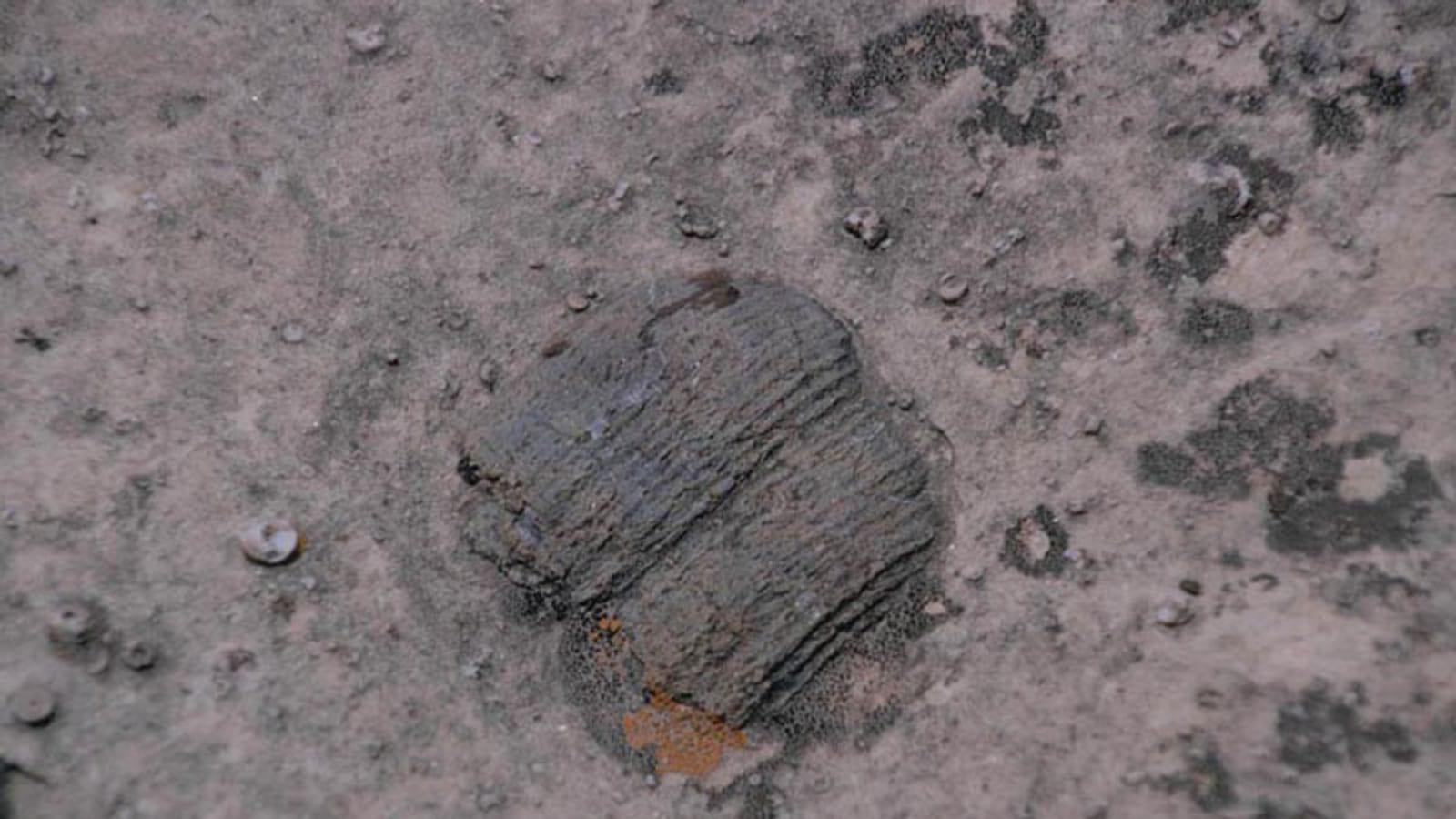
Lost River Fossil Hunting Guide
West Virginia, United States
Trilobites, Brachiopods, Corals, Crinoids
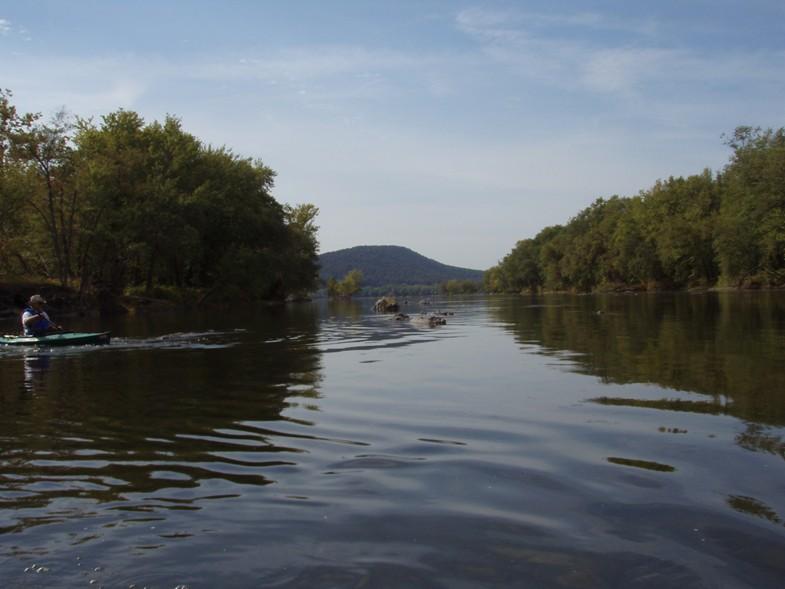
Mahantango Creek (Snyder County) Fossil Hunting Guide
Pennsylvania, United States
Brachiopods, Trilobites, Corals, Cephalopods
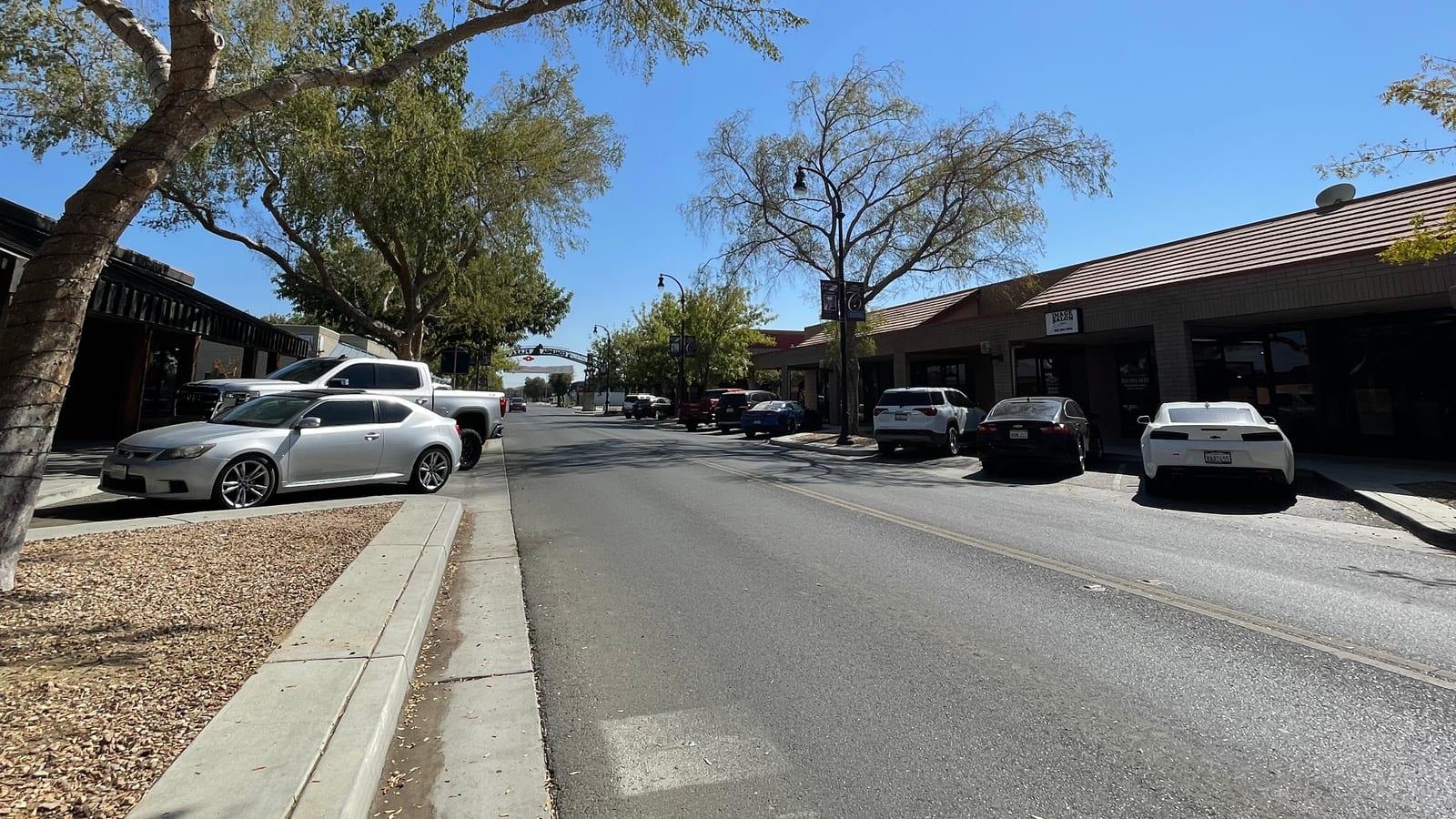
Marine Fossils near Coalinga Fossil Hunting Guide
Fresno County, California, United States
Sand Dollars, Bivalves, Gastropods, Corals
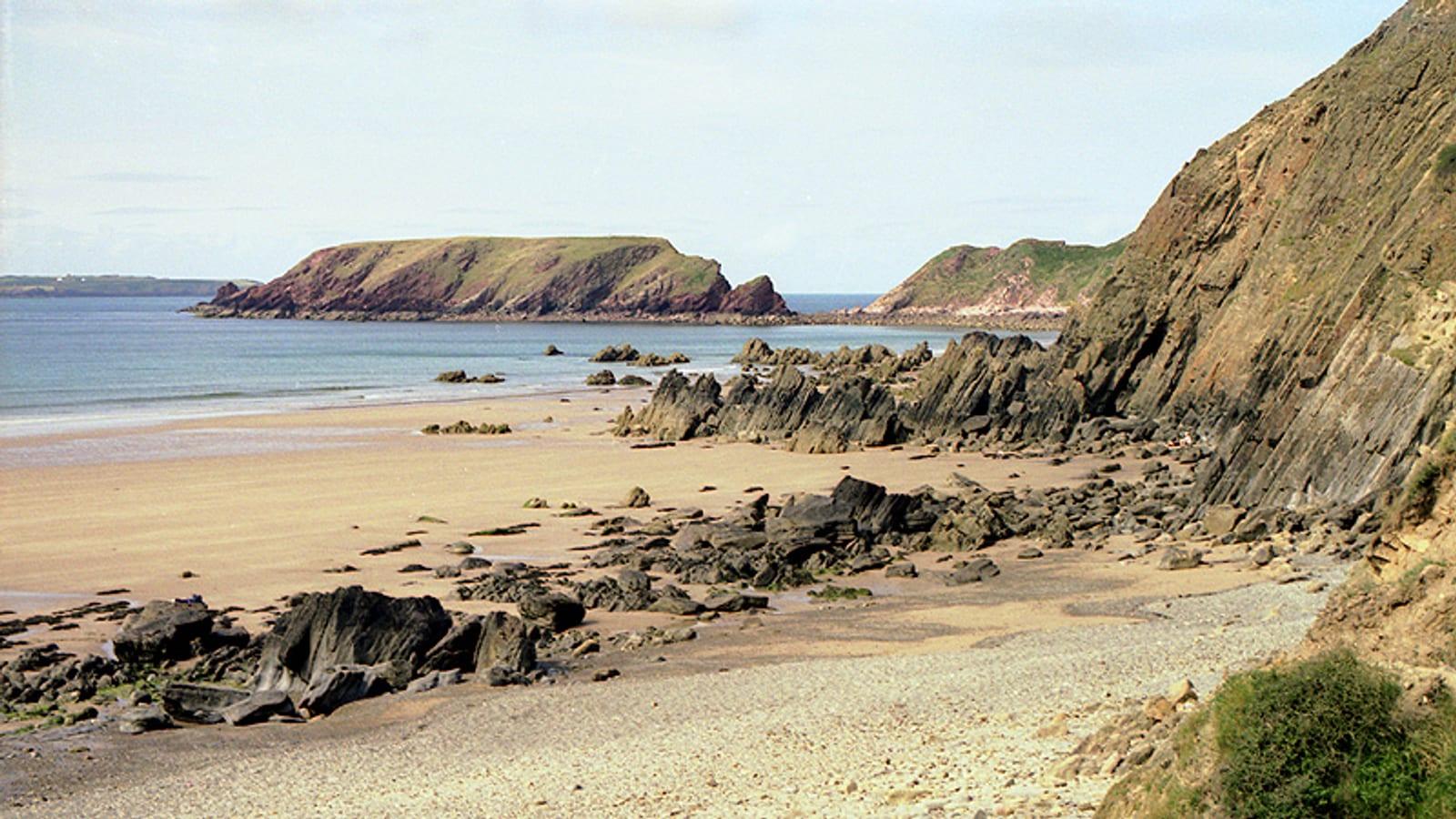
Marloes Sands Fossil Hunting Guide
Pembrokeshire
Corals, Brachiopods, Trilobites, Bryozoans
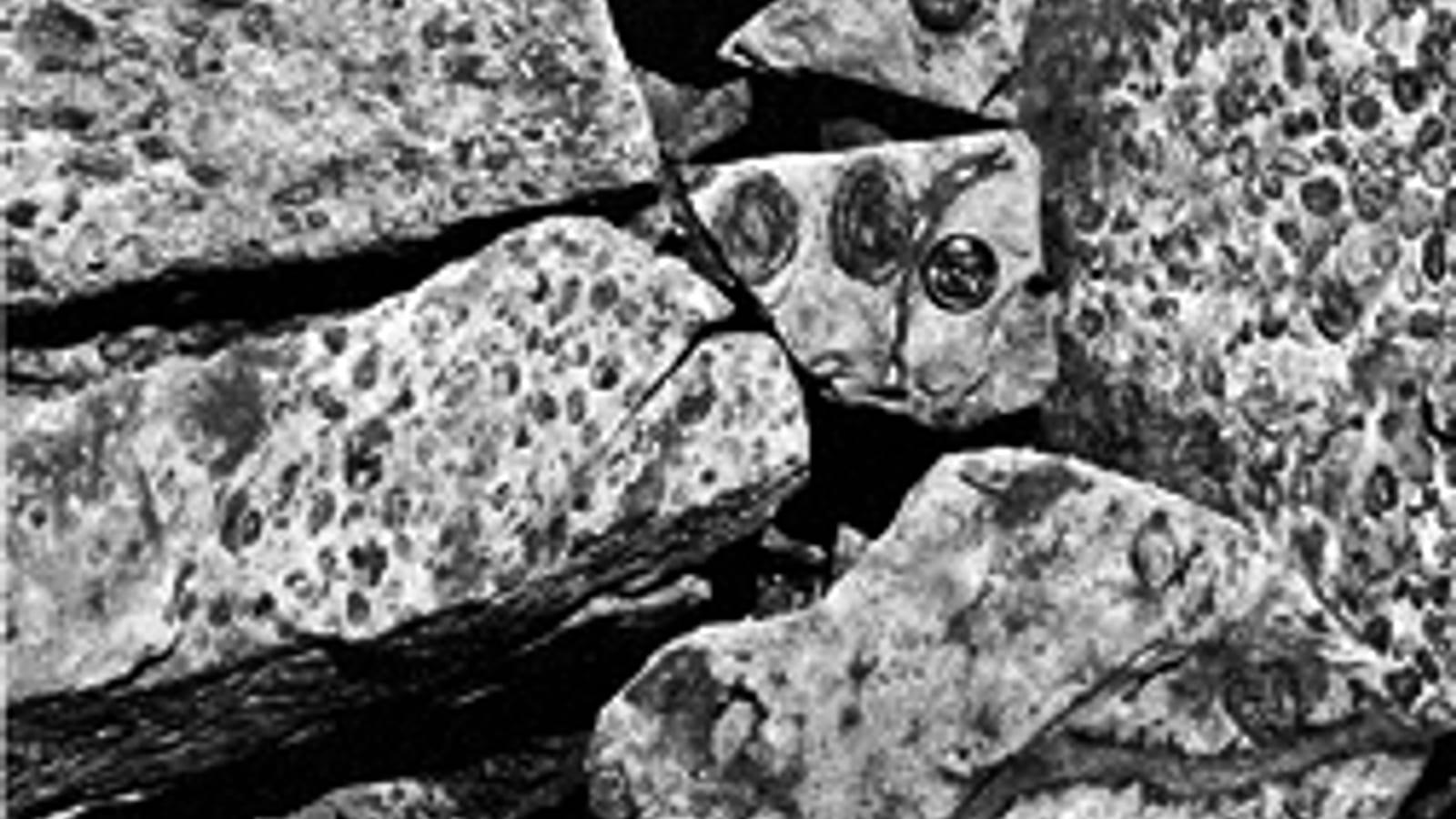
Mazourka Canyon Fossil Hunting Guide
Inyo County, California, United States
Trilobites, Brachiopods, Corals, Gastropods
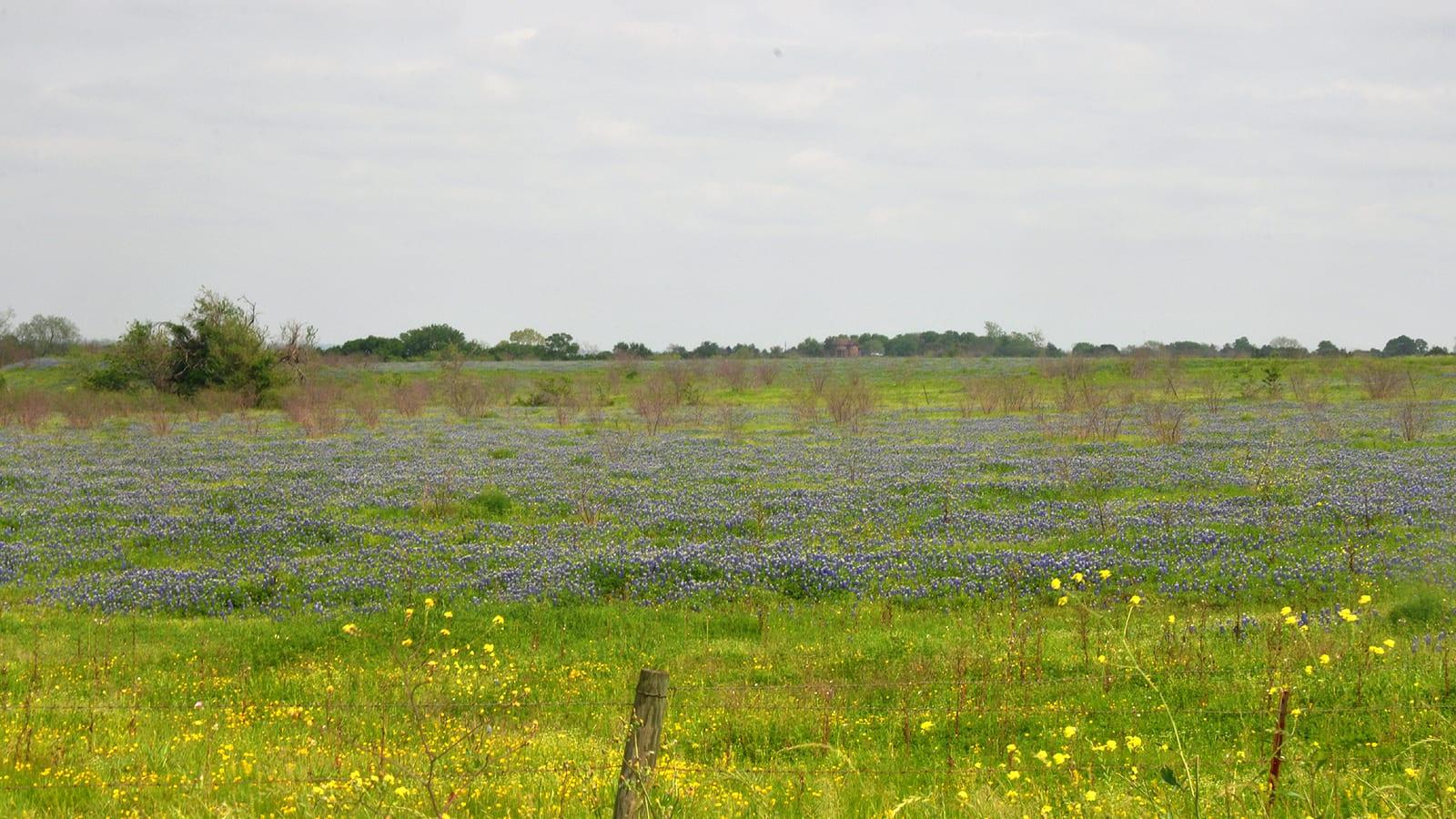
Mineral Wells Fossil Park Fossil Hunting Guide
Texas, United States
Crinoids, Echinoids, Brachiopods, Bivalves
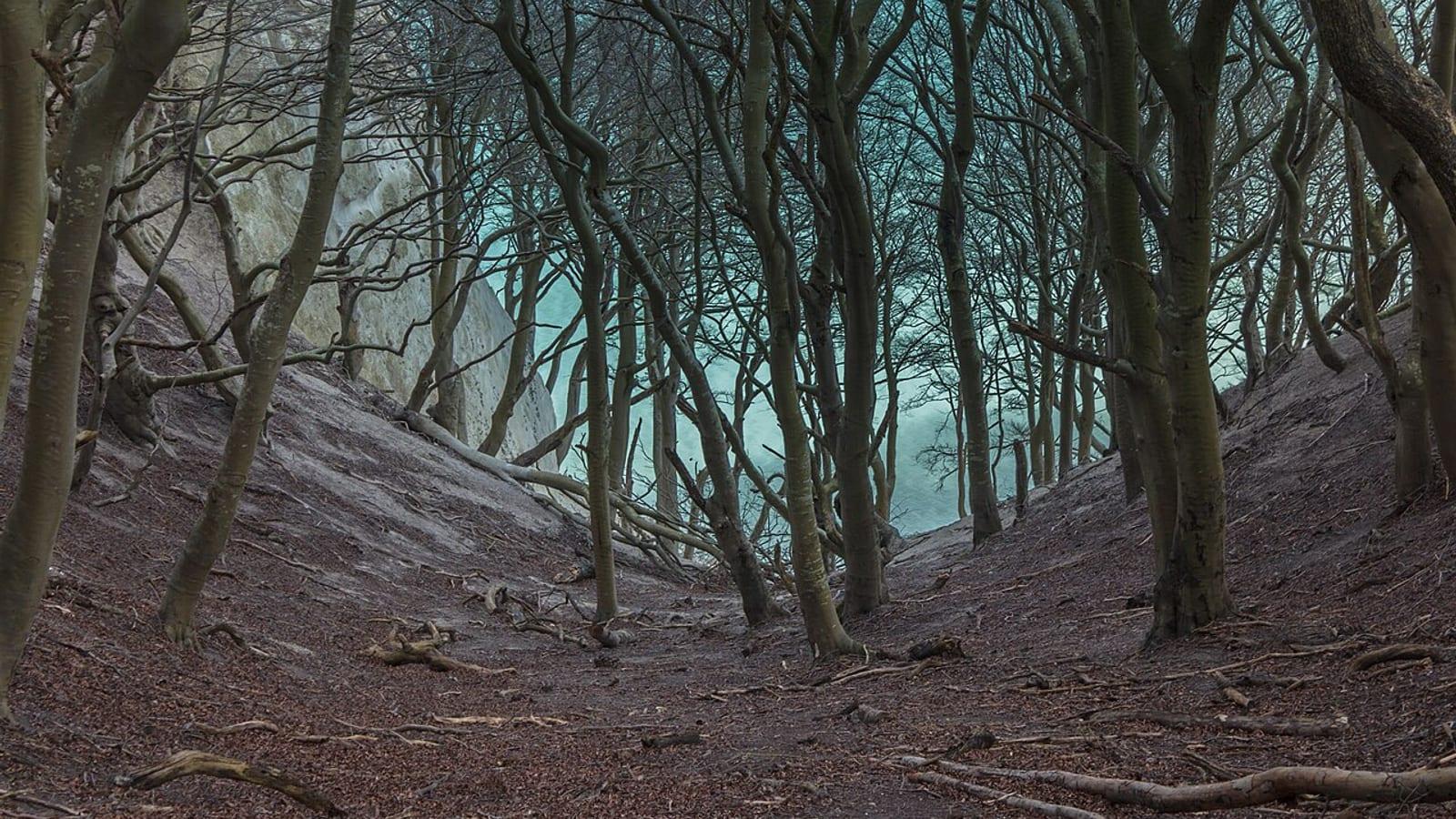
Mons Klint Beach Fossil Hunting Guide
Denmark
Møns Klint, Belemnites, Sea urchin, Brachiopods
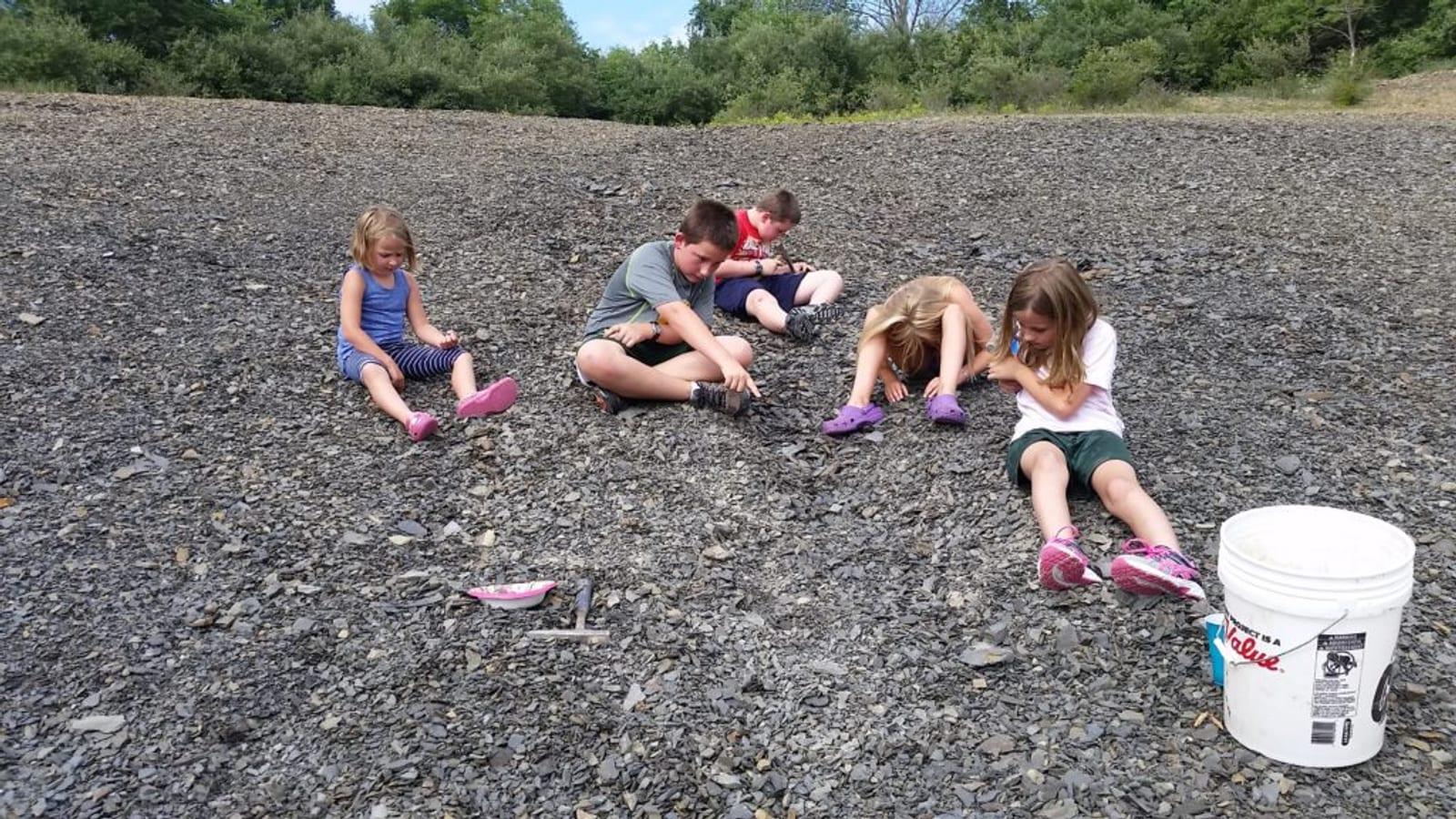
Montour Preserve Fossil Pit Fossil Hunting Guide
Pennsylvania, United States
Bivalves, Brachiopods, Trilobites, Corals
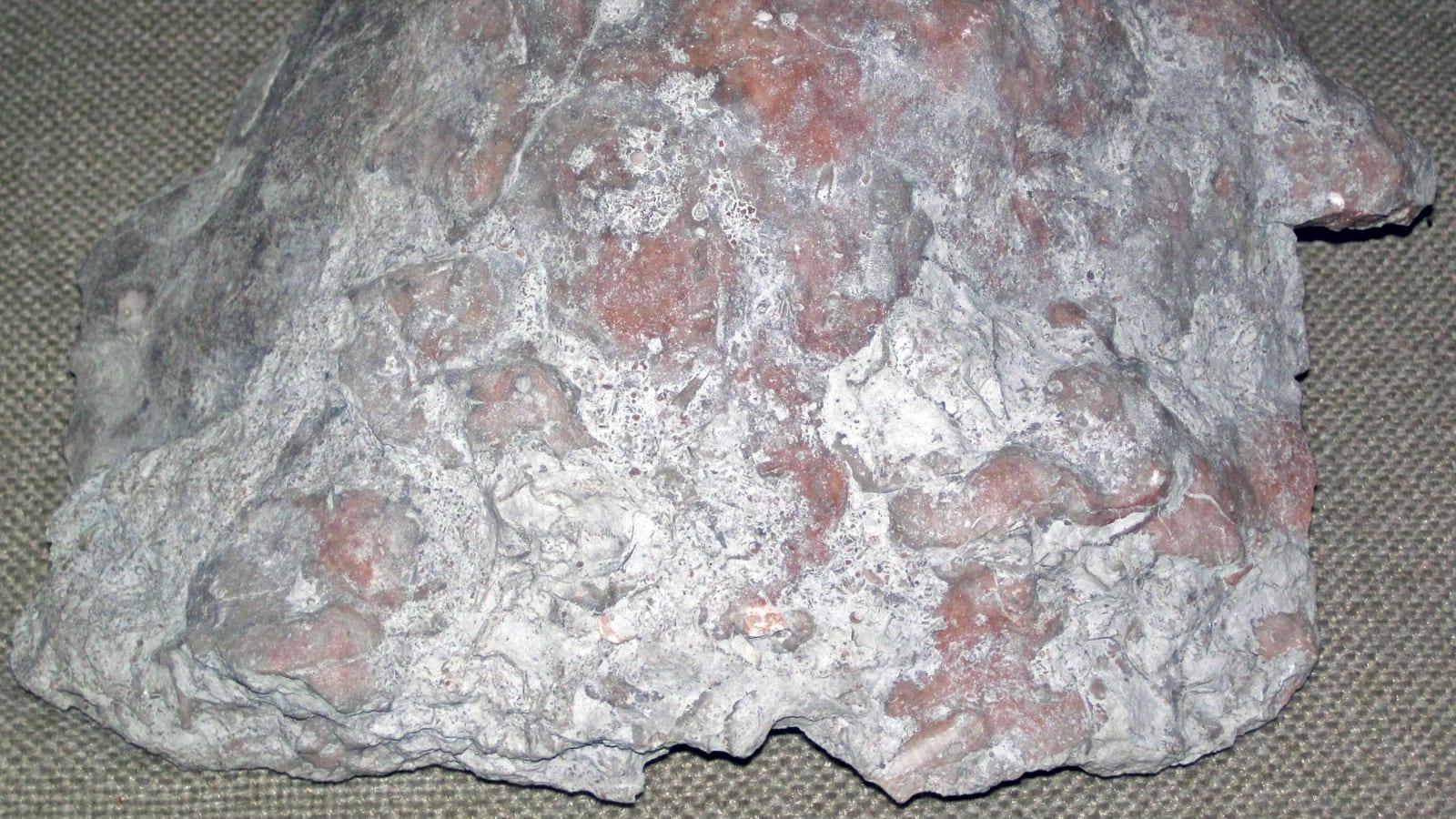
Oakes Quarry Park Fossil Hunting Guide
Ohio, United States
Brachiopods, Crinoids, Corals, Bryozoans
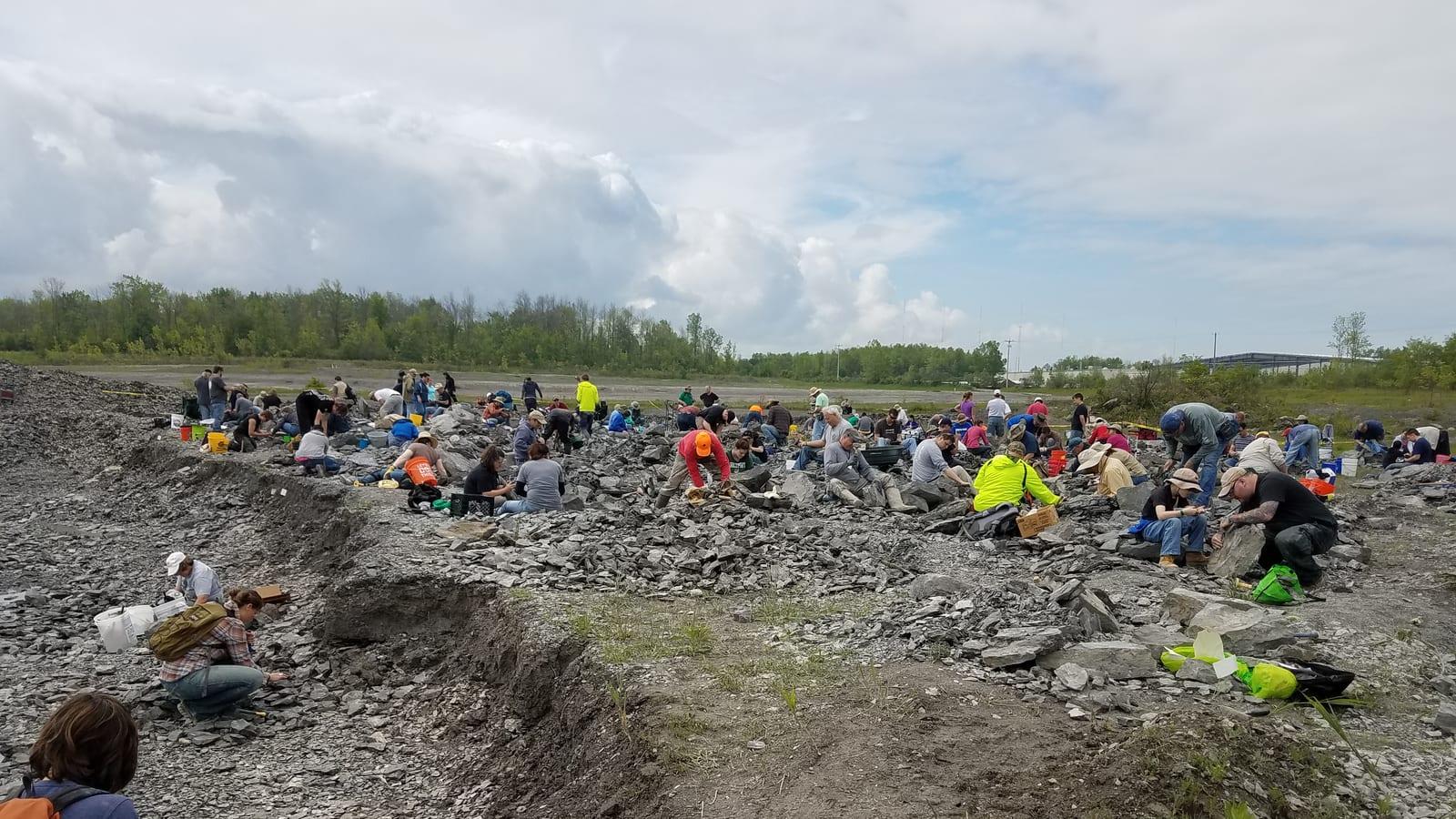
Penn Dixie Fossil Park & Nature Reserve Fossil Hunting Guide
New York, United States
Trilobites, Brachiopods, Crinoids, Bryozoans
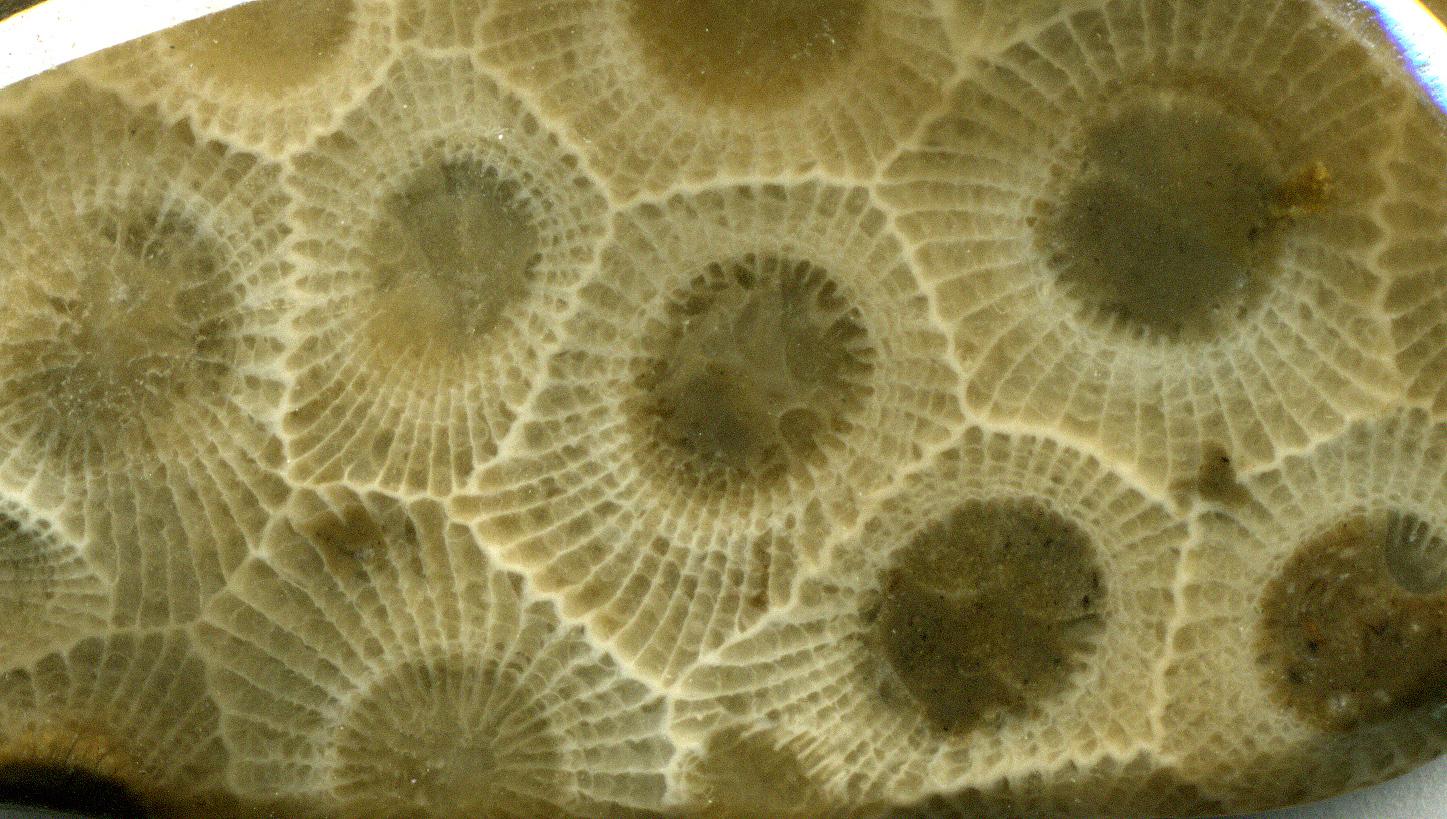
Petoskey State Park Fossil Hunting Guide
Michigan, United States
Corals, Brachiopods, Crinoids
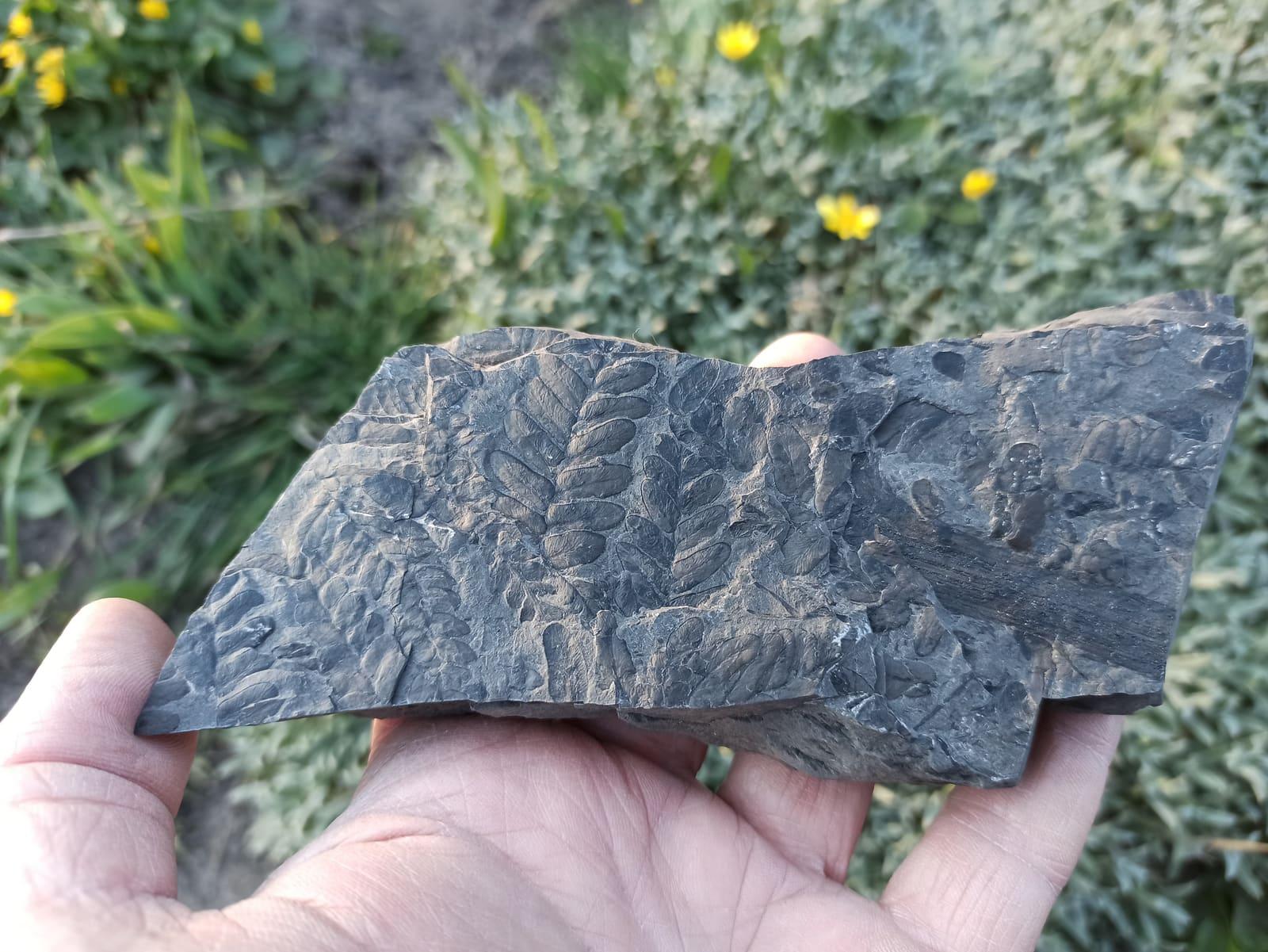
Pratts Ferry Carboniferous Fossil Site Guide
Alabama, United States
Plants, Crinoids, Brachiopods, Bryozoans
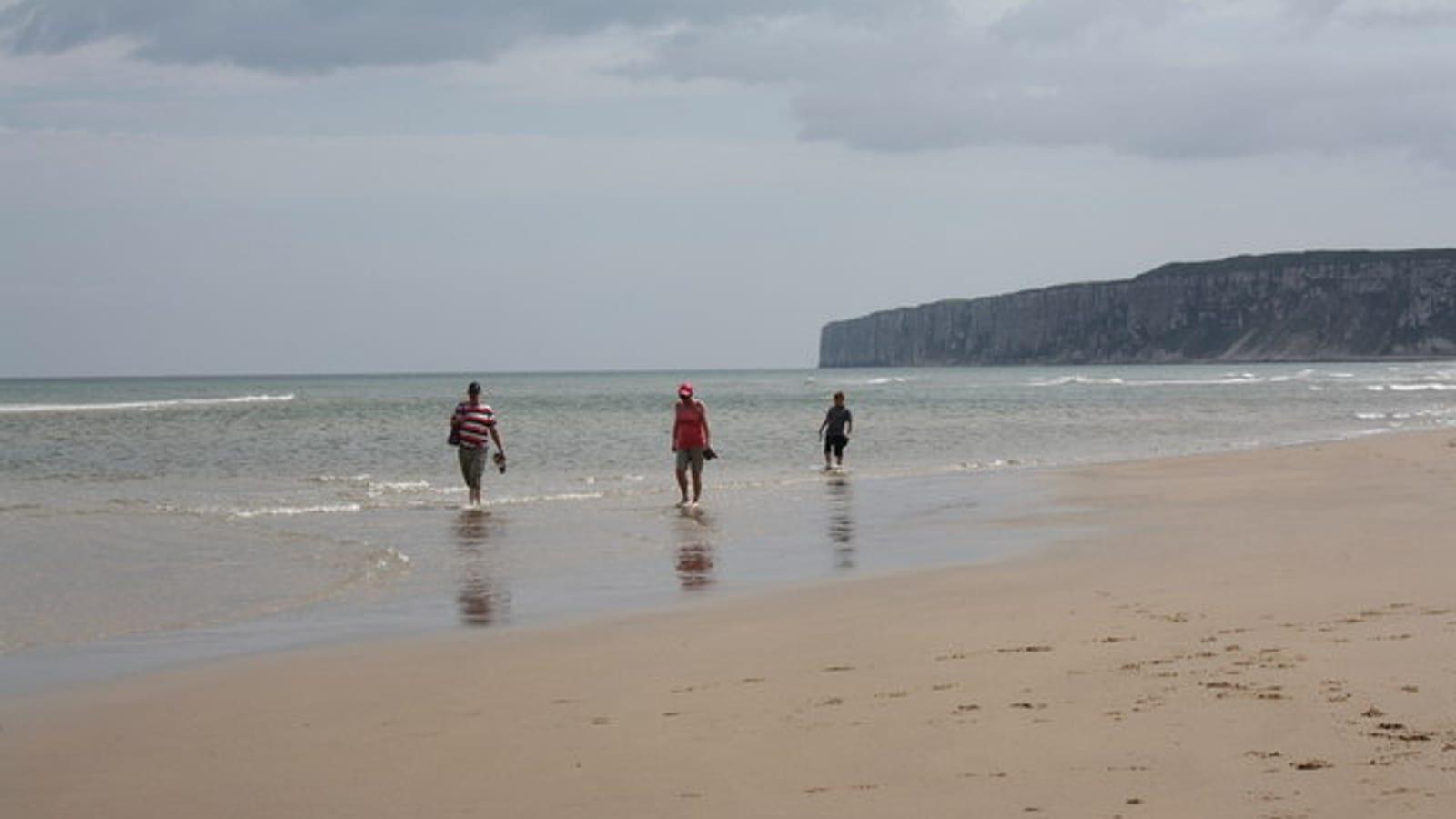
Reighton Sands Yorkshire Fossil Hunting Guide
near Reighton
Erratic boulders, Kimmeridge Clay, Ammonites, Belemnites
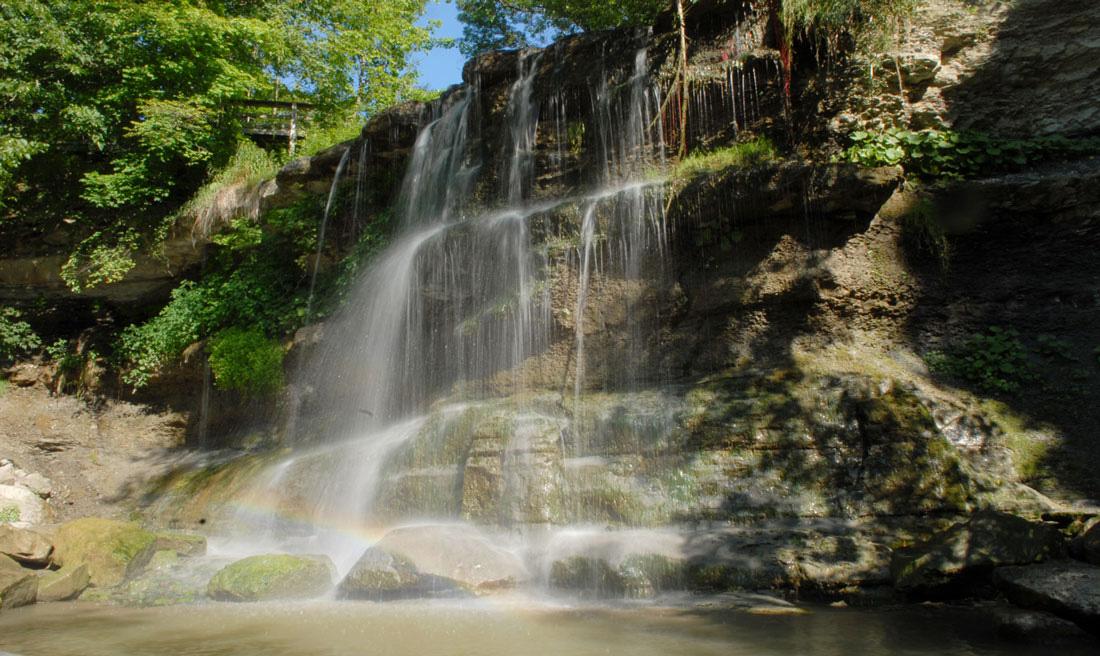
Rock Glen Conservation Area Fossil Guide
Ontario, Canada
Brachiopods, Horn corals, Crinoids, Phacops trilobites
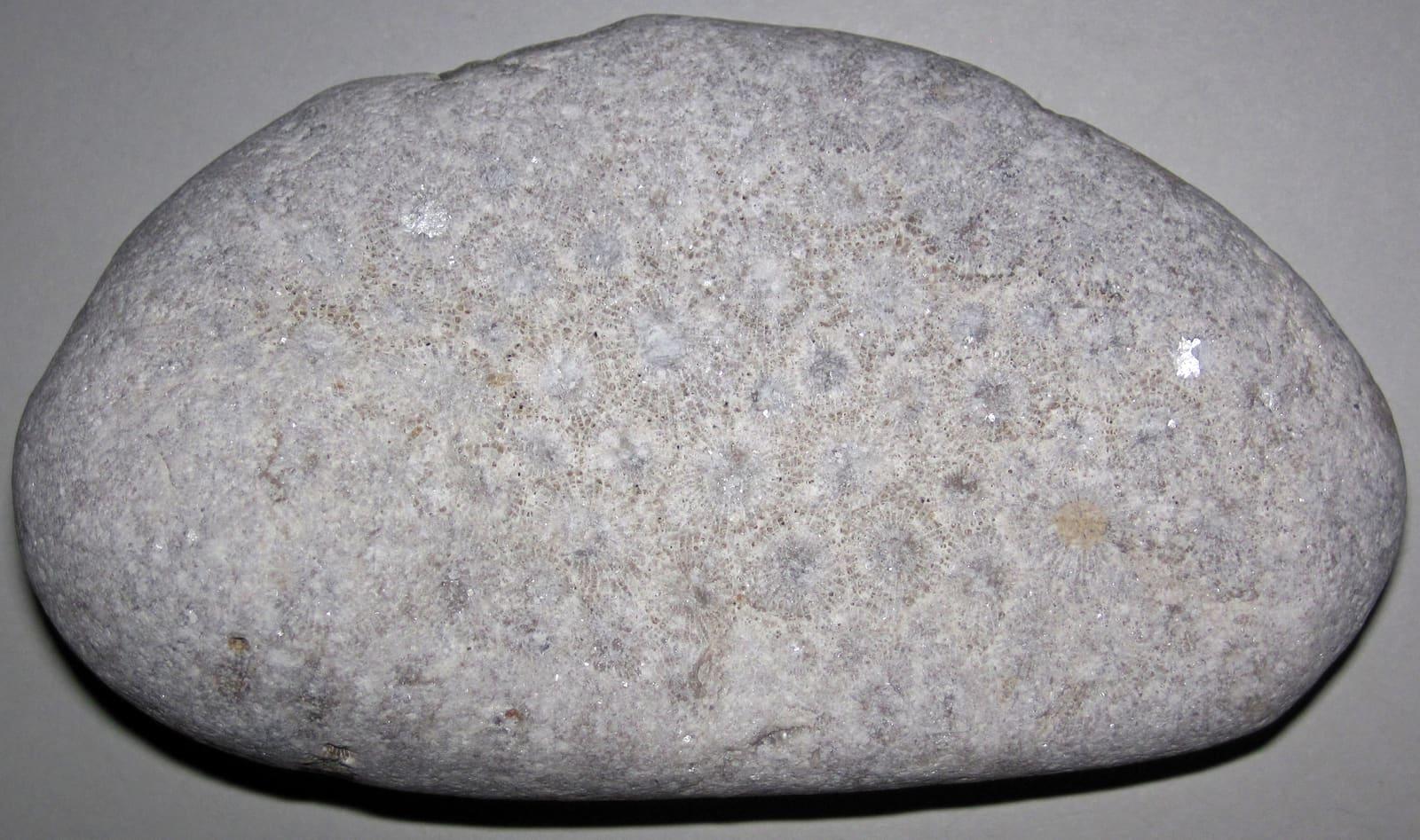
Rockport State Recreation Area Fossil Guide
Michigan, United States
Corals, Brachiopods, Crinoids, Bryozoans
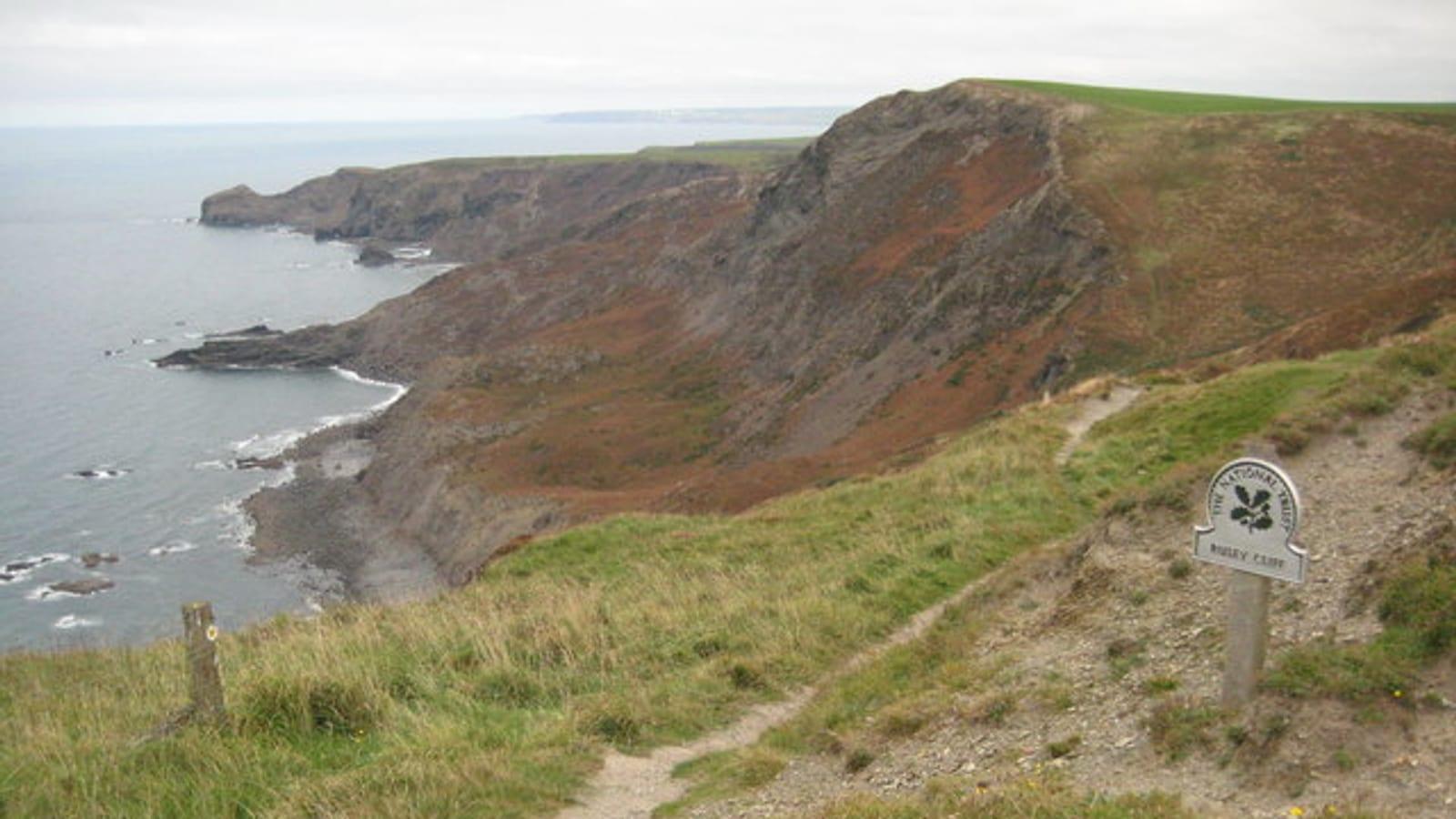
Rusey Cliff Cornwall Fossil Hunting Guide
United Kingdom
Plant remains, Corals, Brachiopods, Goniatites
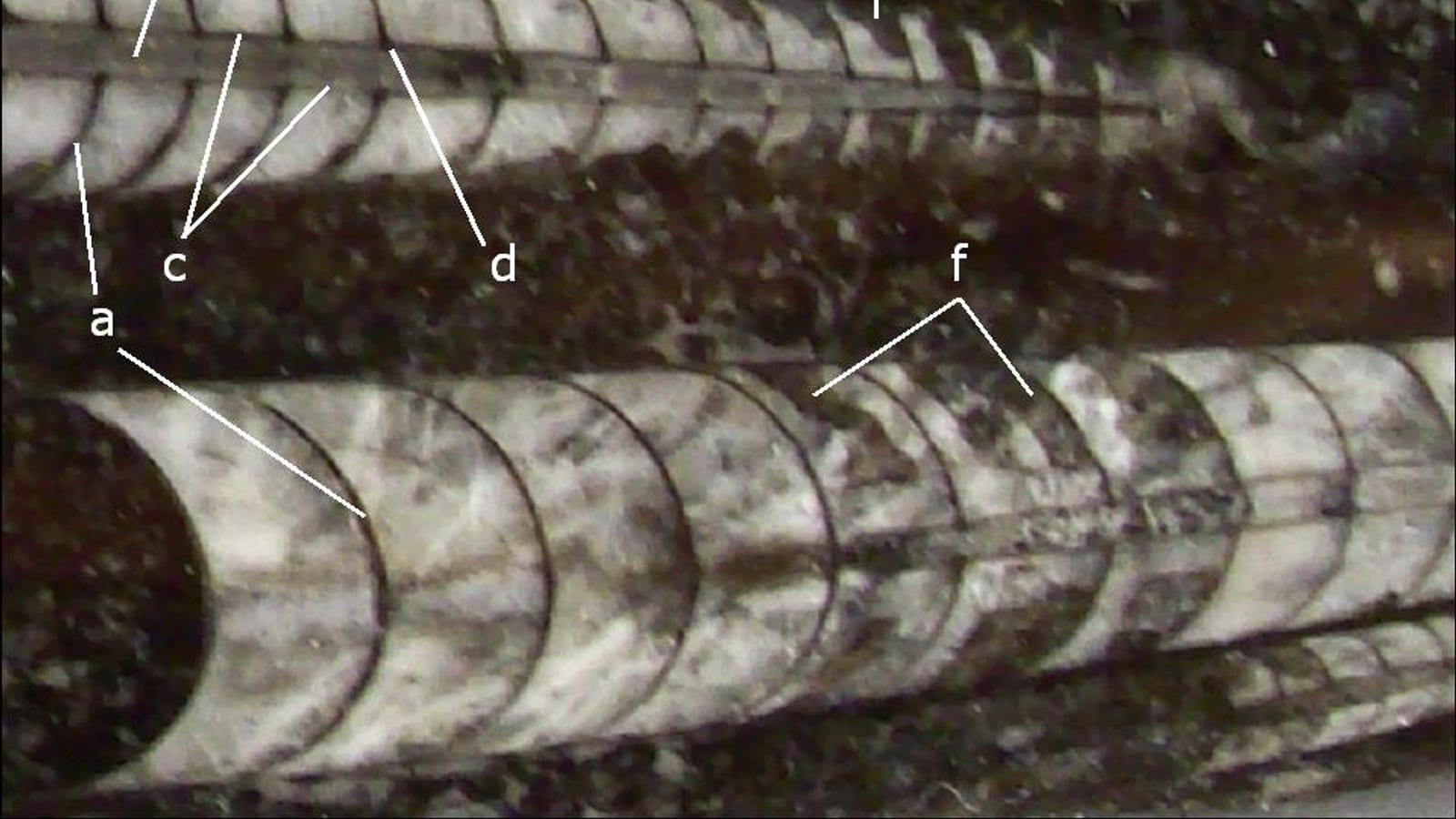
Saredrar Orthoceras Quarry Tazzarine Alnif Fossil Hunting Guide
Morocco
Orthocerids, Goniatites, Brachiopods, coral fragments
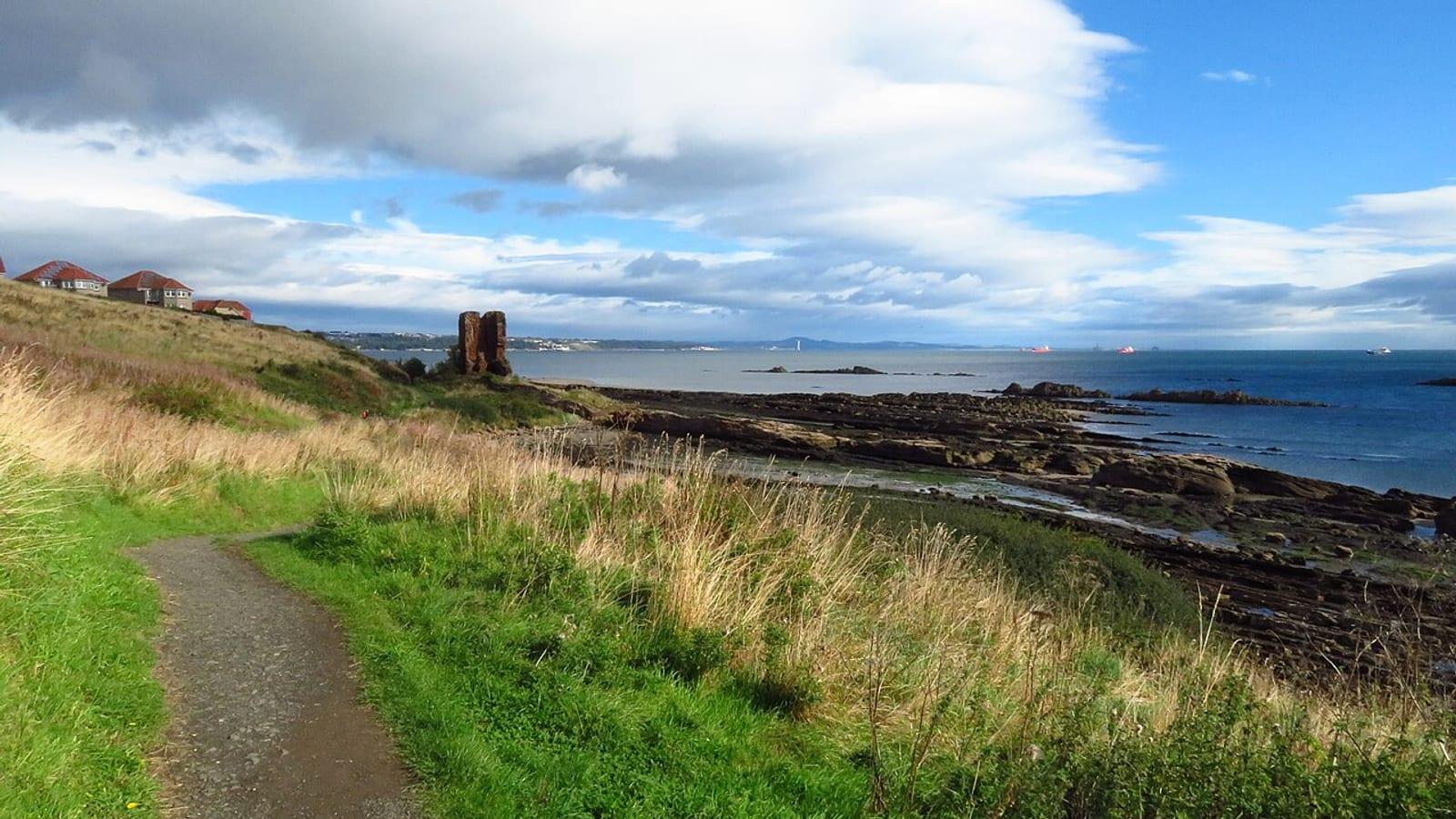
Seafield Tower Fossil Hunting Guide
United Kingdom
Crinoid stems, Bryozoans, Rugose and tabulate corals, Brachiopod shells
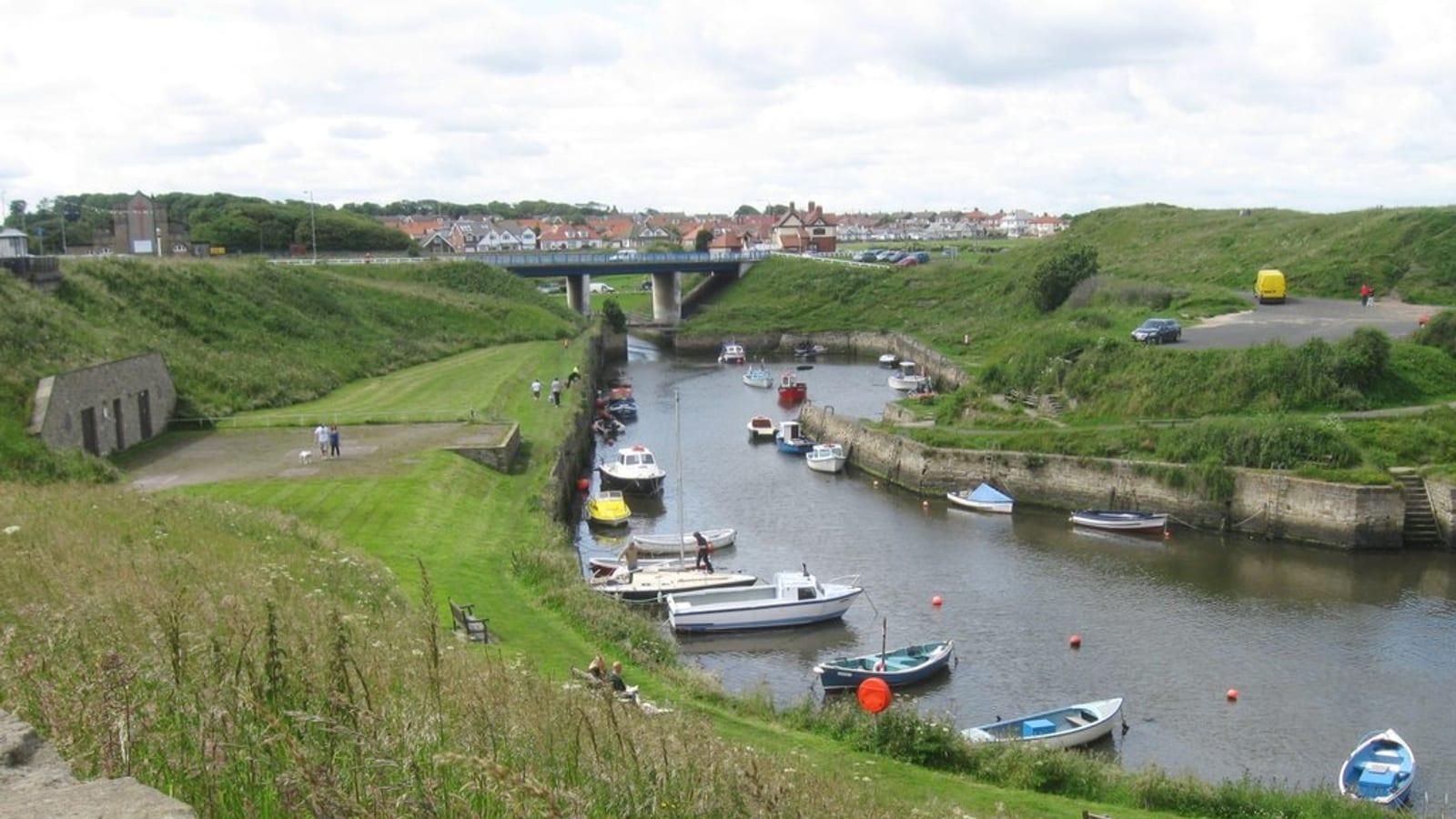
Seaton Sluice Northumberland Fossil Hunting Guide
Seaton Sluice
Plant remains, Coal, Corals, Bivalves
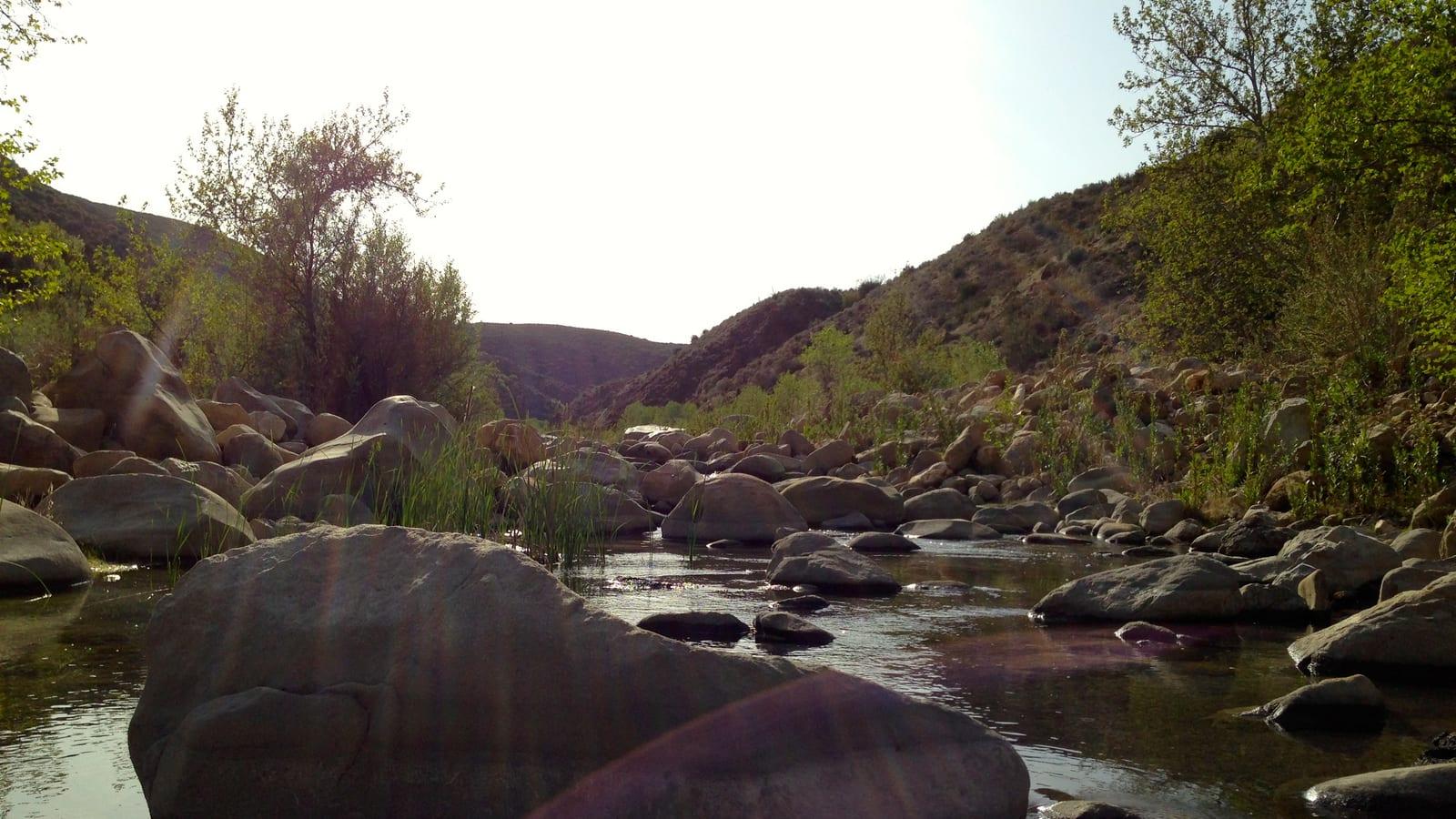
Sespe Wilderness Fossil Hunting Guide
Ventura County, California, United States
Bivalves, Gastropods, Corals
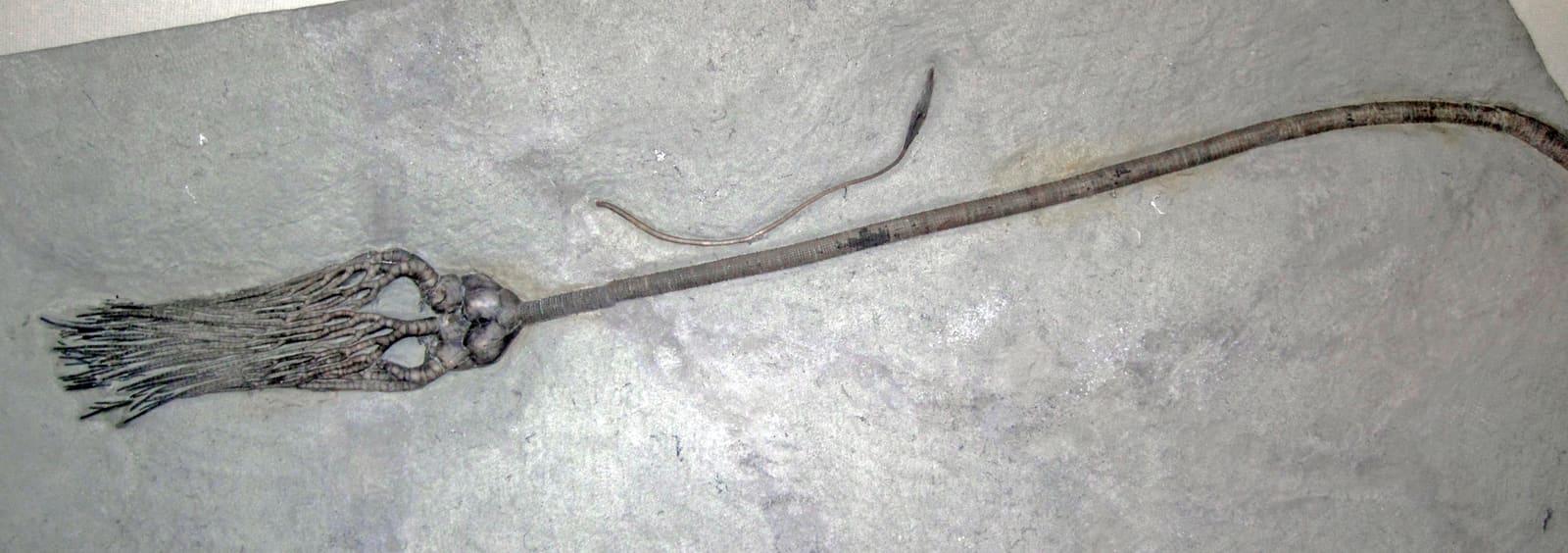
Springfield Plateau Crinoid Sites (Caplinger Mills) Fossil Guide
Missouri, United States
Crinoids, Brachiopods, Bryozoans, Blastoids
St. Leon Roadcut Fossil Hunting Guide
Indiana, United States
Brachiopods, Bryozoans, Crinoids, Horn corals
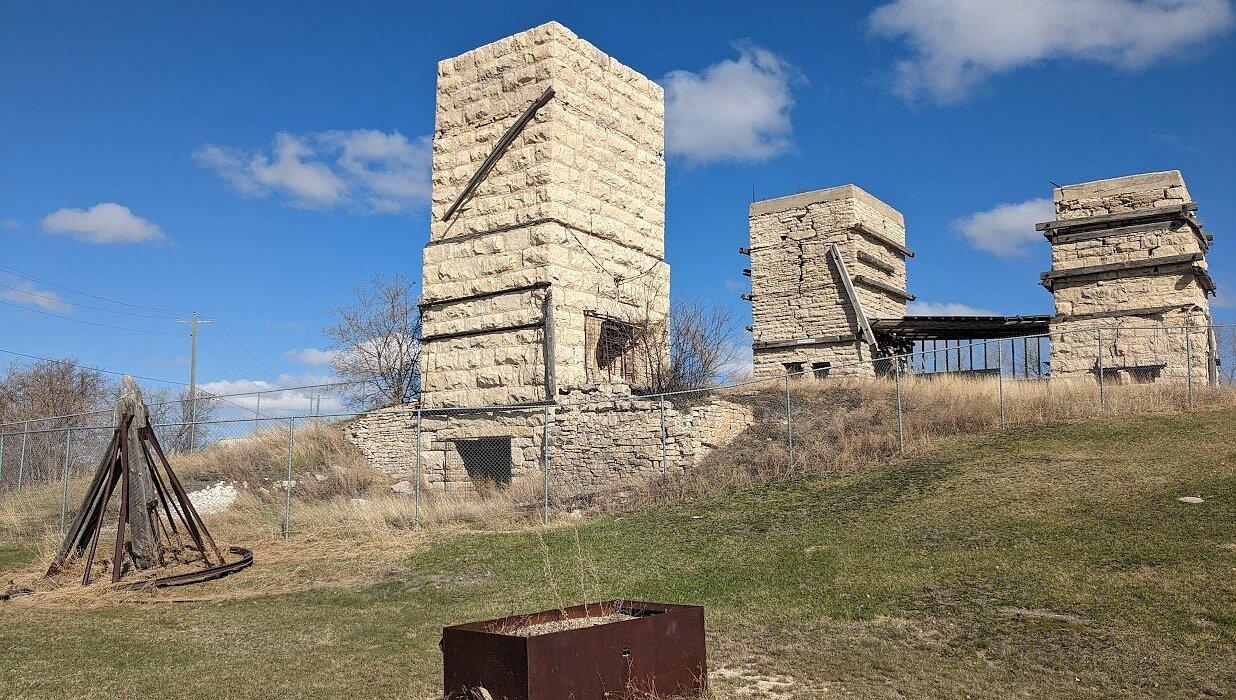
Stonewall Quarry Park Manitoba Fossil Hunting Guide
Manitoba, Canada
Cephalopods, Brachiopods, Trilobites, Crinoids
Store Klint Mons Klint Tallest Cliffs Fossils Fossil Hunting Guide
Denmark
Belemnites, Sea urchin, Brachiopods, Bryozoan
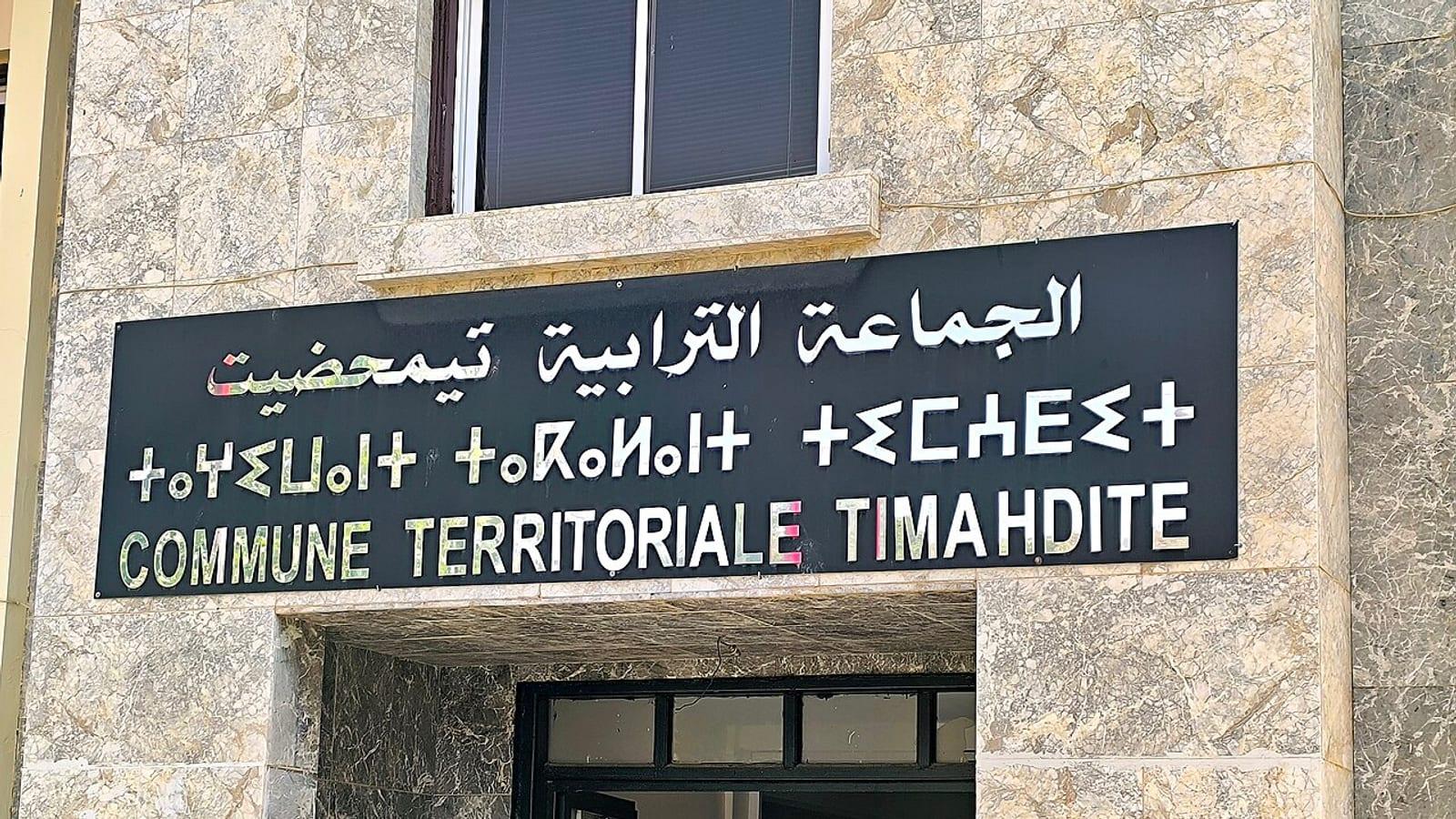
Timahdite Brachiopod Collecting Site Fossil Hunting Guide
Morocco
brachiopods, Spiriferid brachiopods, Terebratulid brachiopods, Crinoid columnals
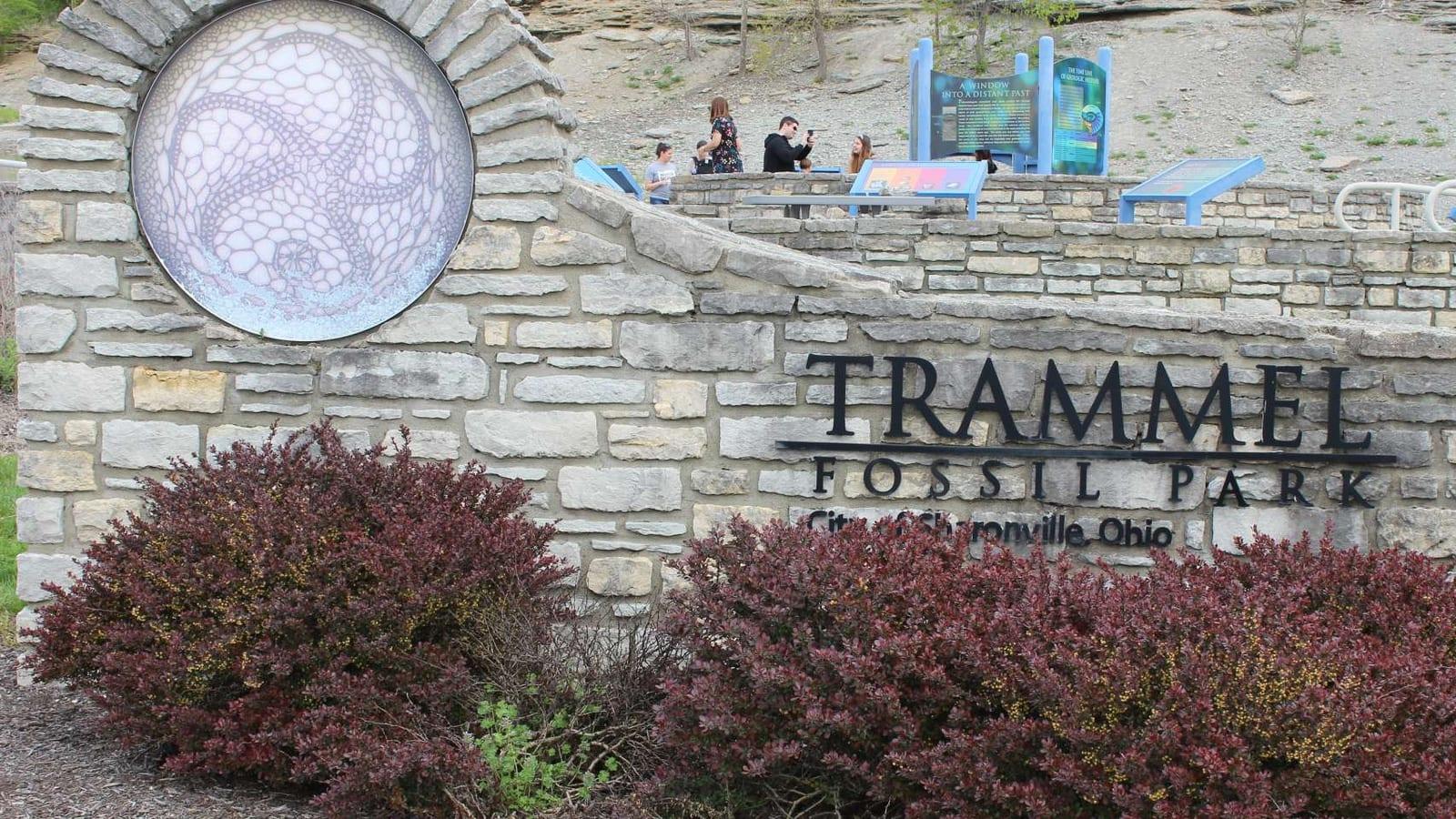
Trammel Fossil Park Fossil Hunting Guide
Ohio, United States
Trilobites, Brachiopods, Crinoids, Corals
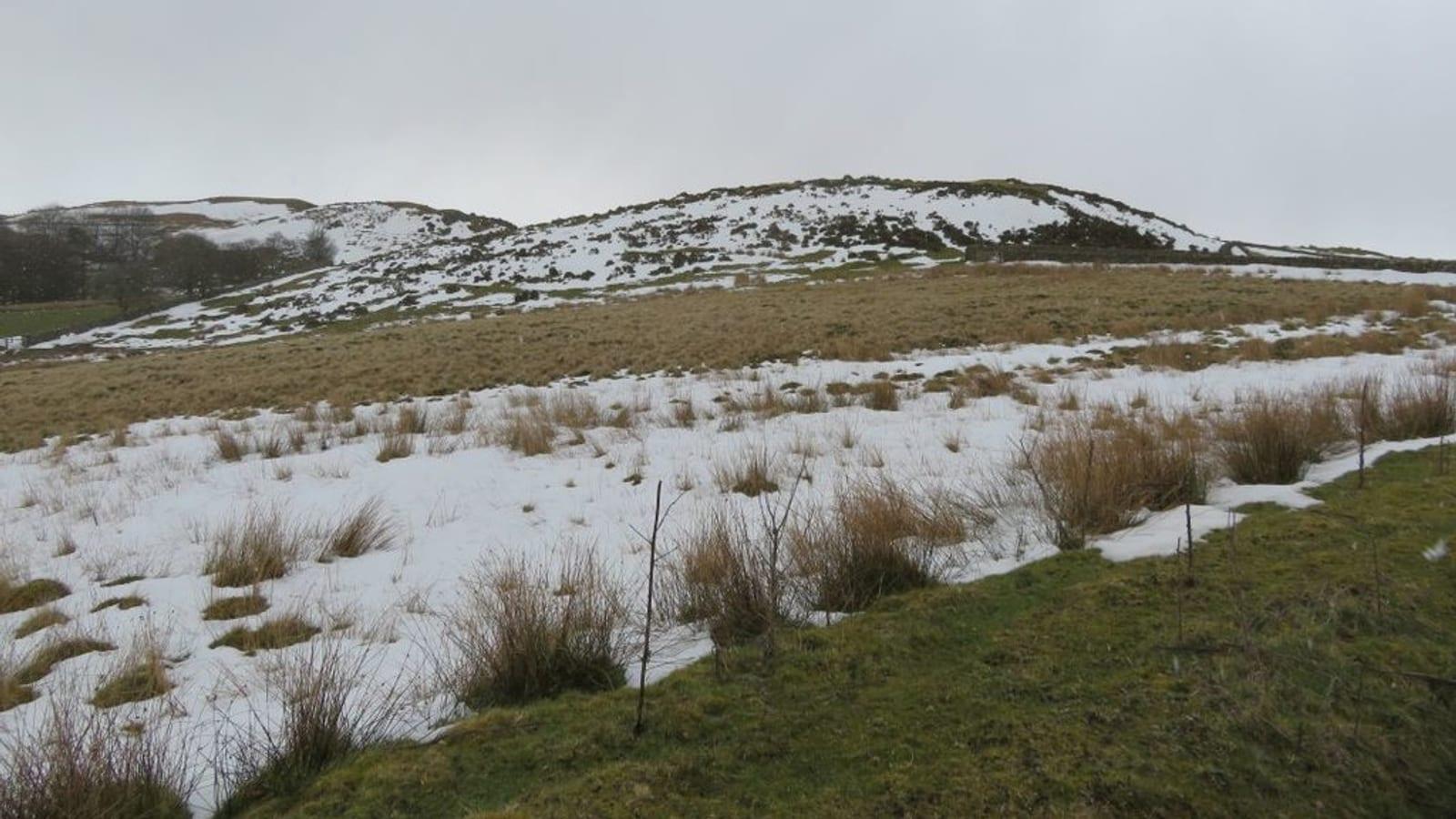
Upper Gilwern Hill Wales Fossil Hunting Guide
United Kingdom
Brachiopods, Solitary corals, Crinoid columnals, Bryozoans
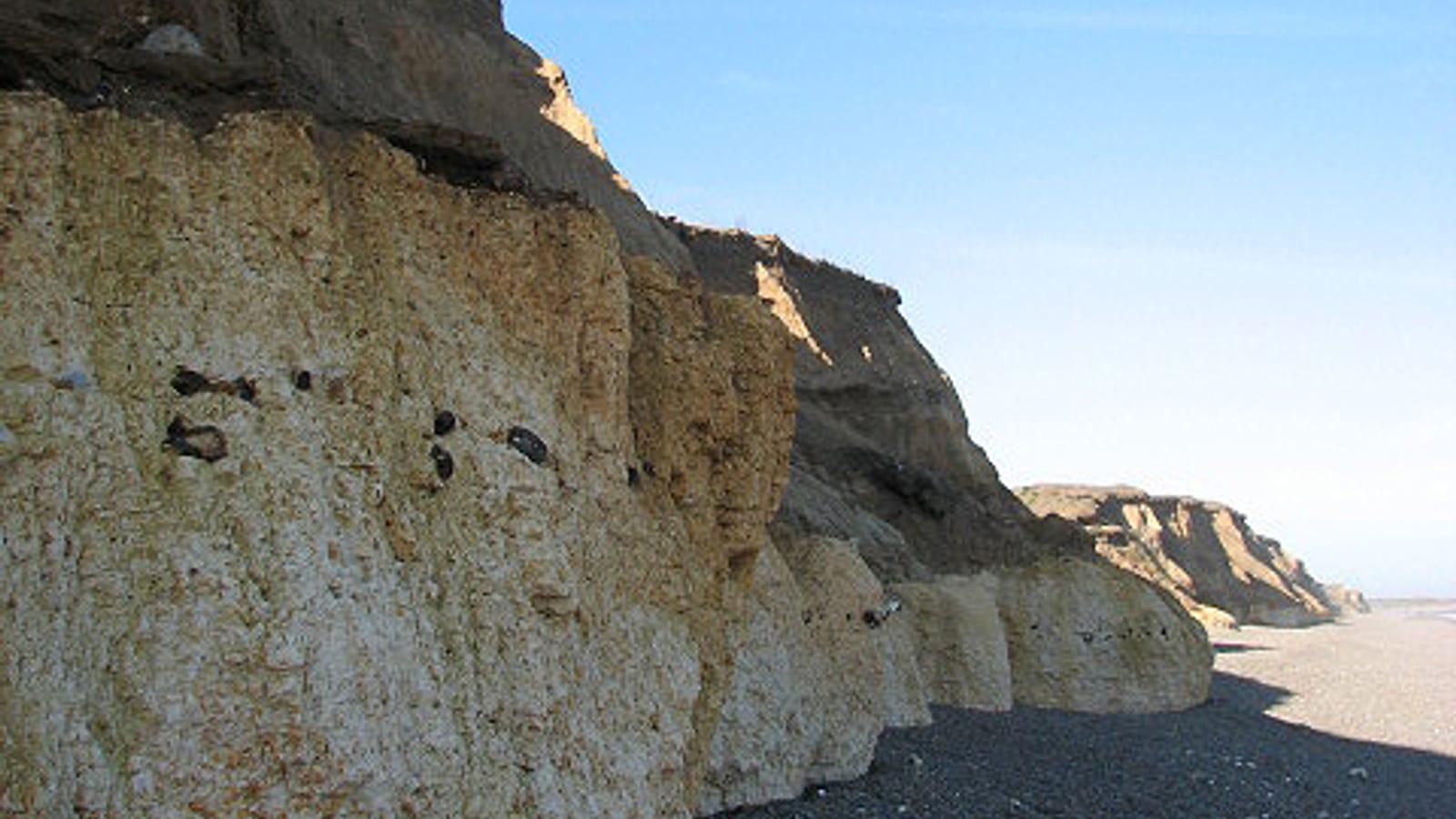
Vinnels Fossil Hunting Guide
England, United Kingdom
Brachiopods, Trilobites, Crinoids, Corals
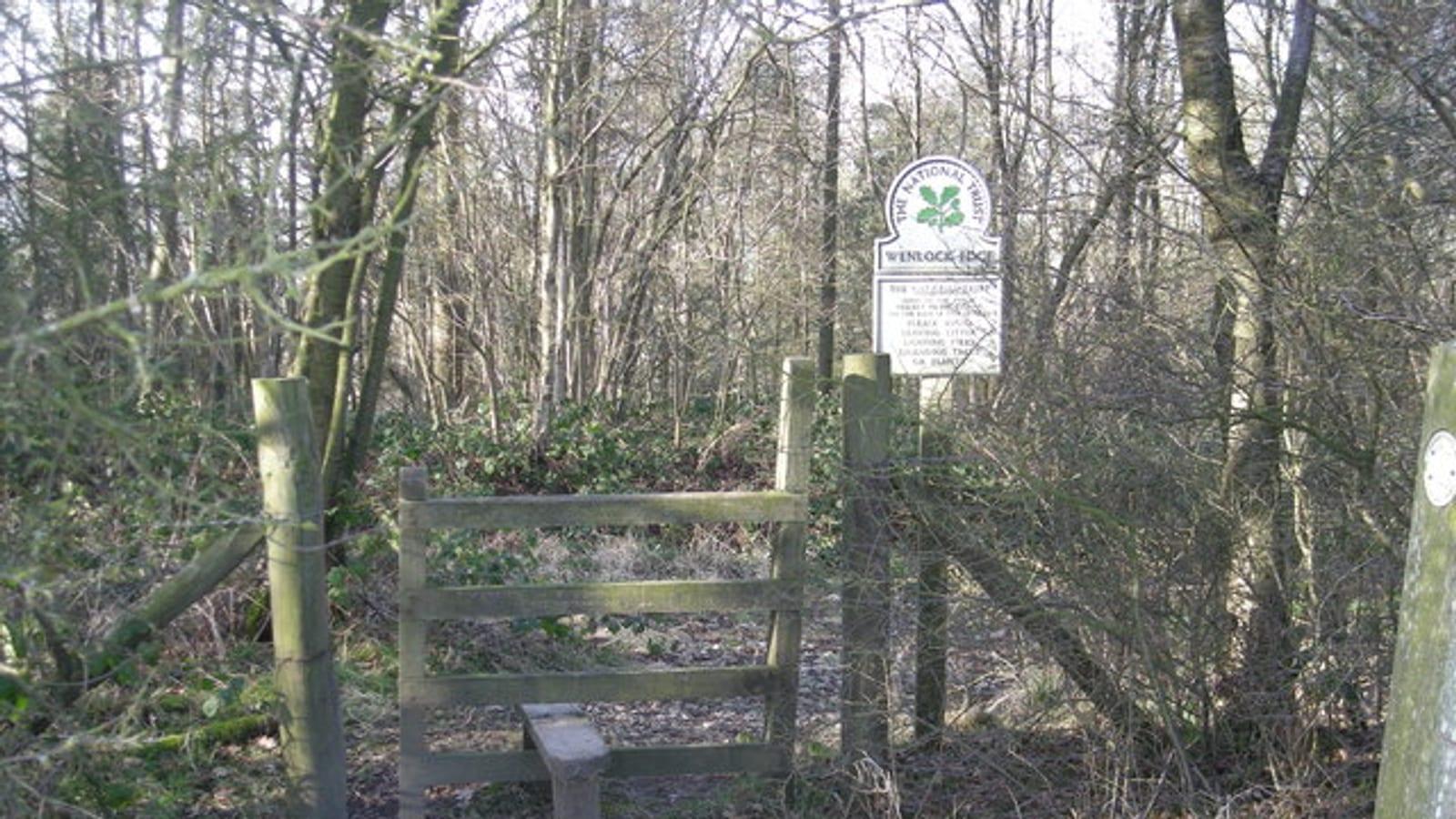
Wenlock Edge Presthope Shropshire Fossil Hunting Guide
United Kingdom
Crinoids, Corals, Brachiopods
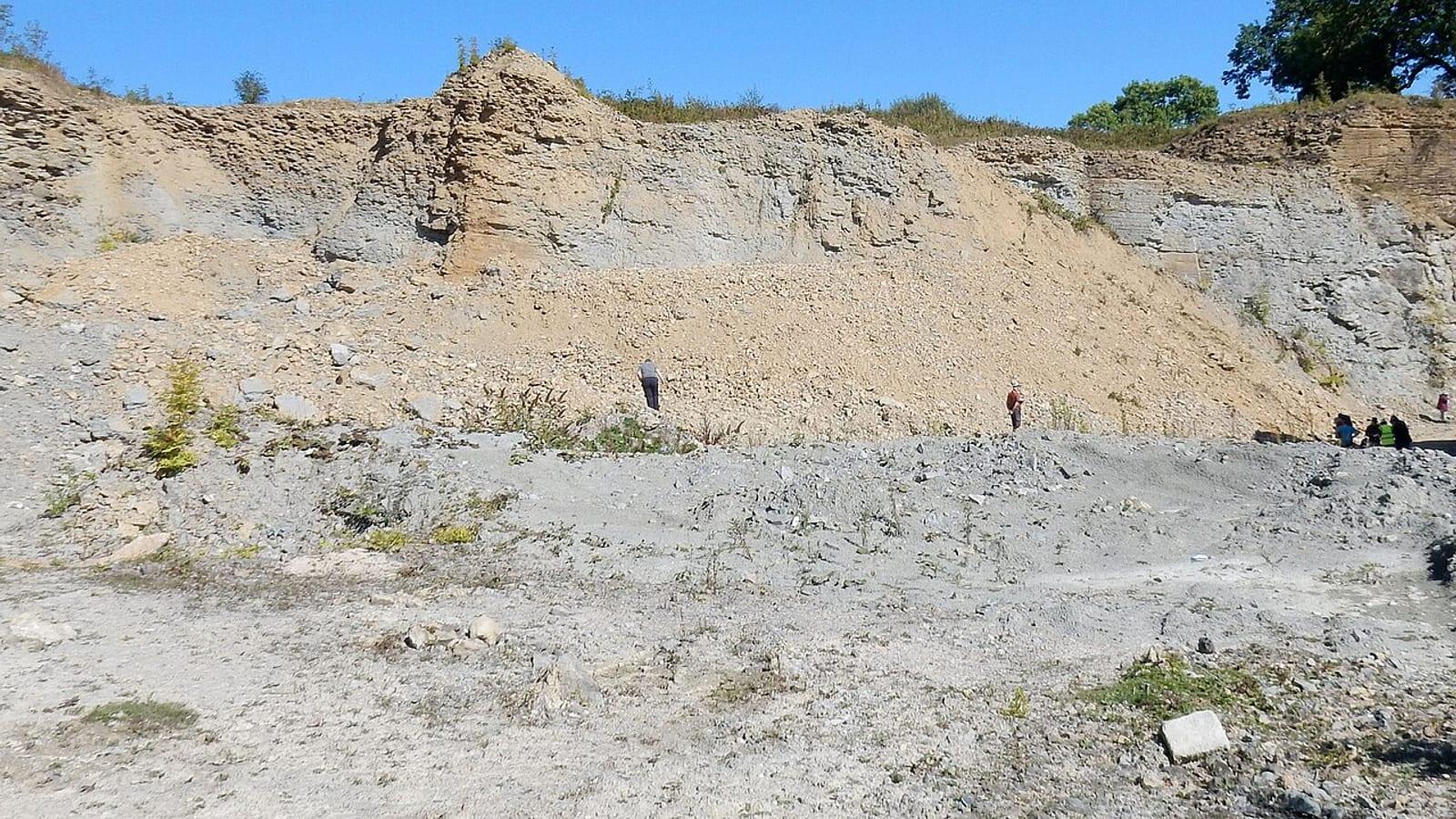
Wenlock Quarry Much Wenlock Shropshire Fossil Hunting Guide
United Kingdom
Corals, Brachiopods, Crinoids, Trilobites
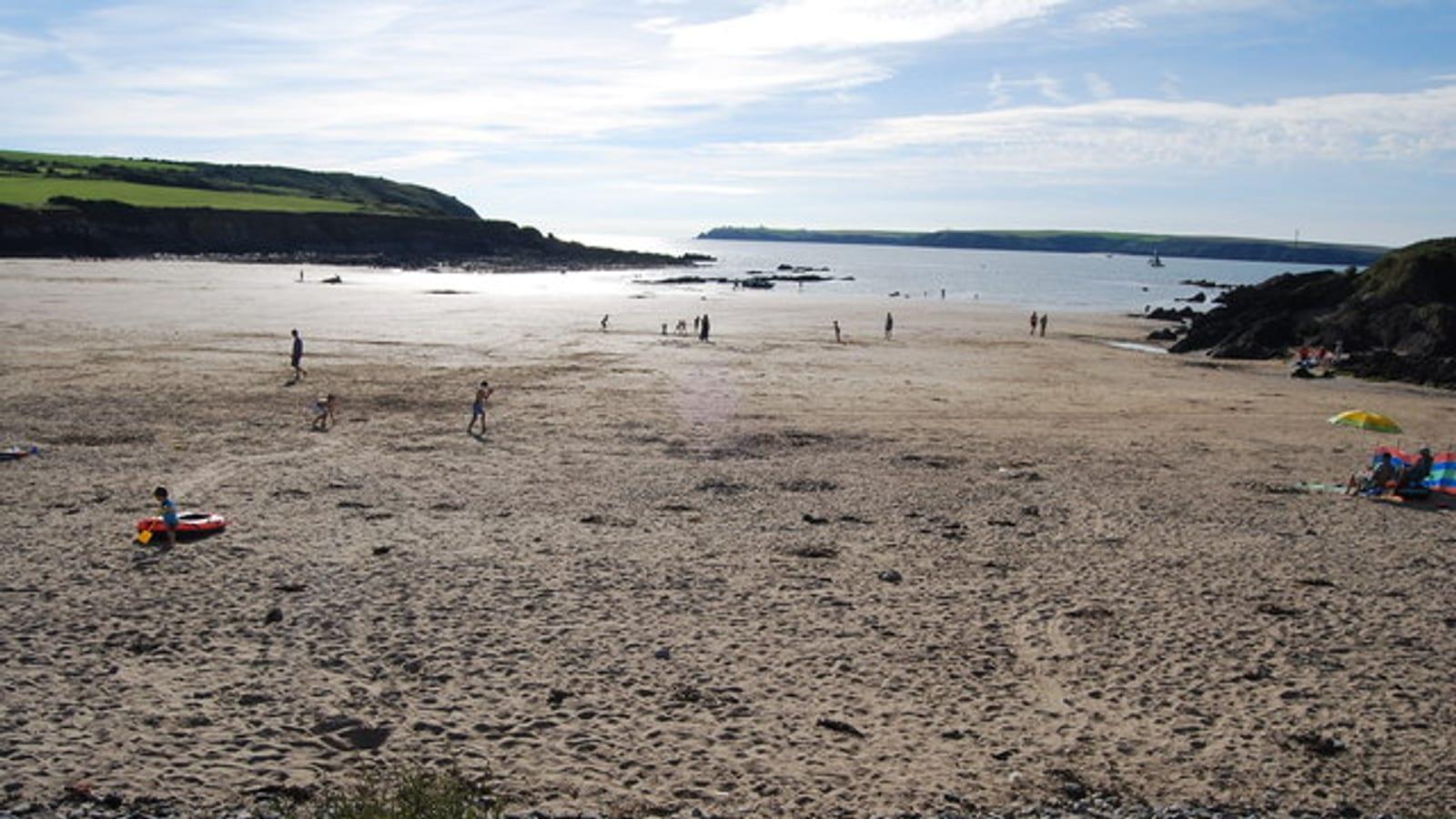
West Angle Bay Fossil Hunting Guide
United Kingdom
Crinoid ossicles, Bryozoa, Corals, Brachiopods
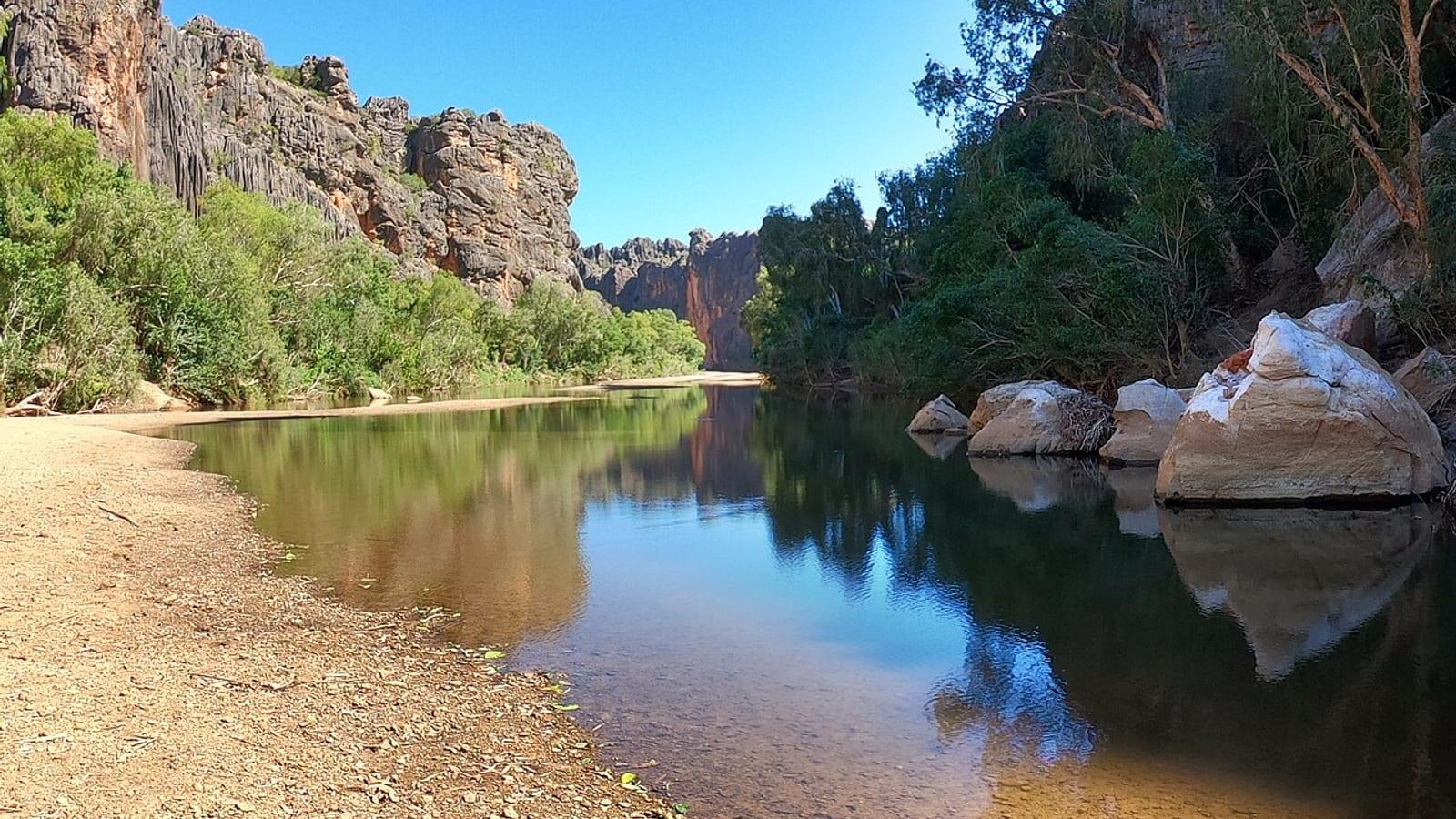
Windjana Gorge Geikie Gorge Kimberley Fossil Hunting Guide
Australia
corals, stromatoporoids, brachiopods, crinoid
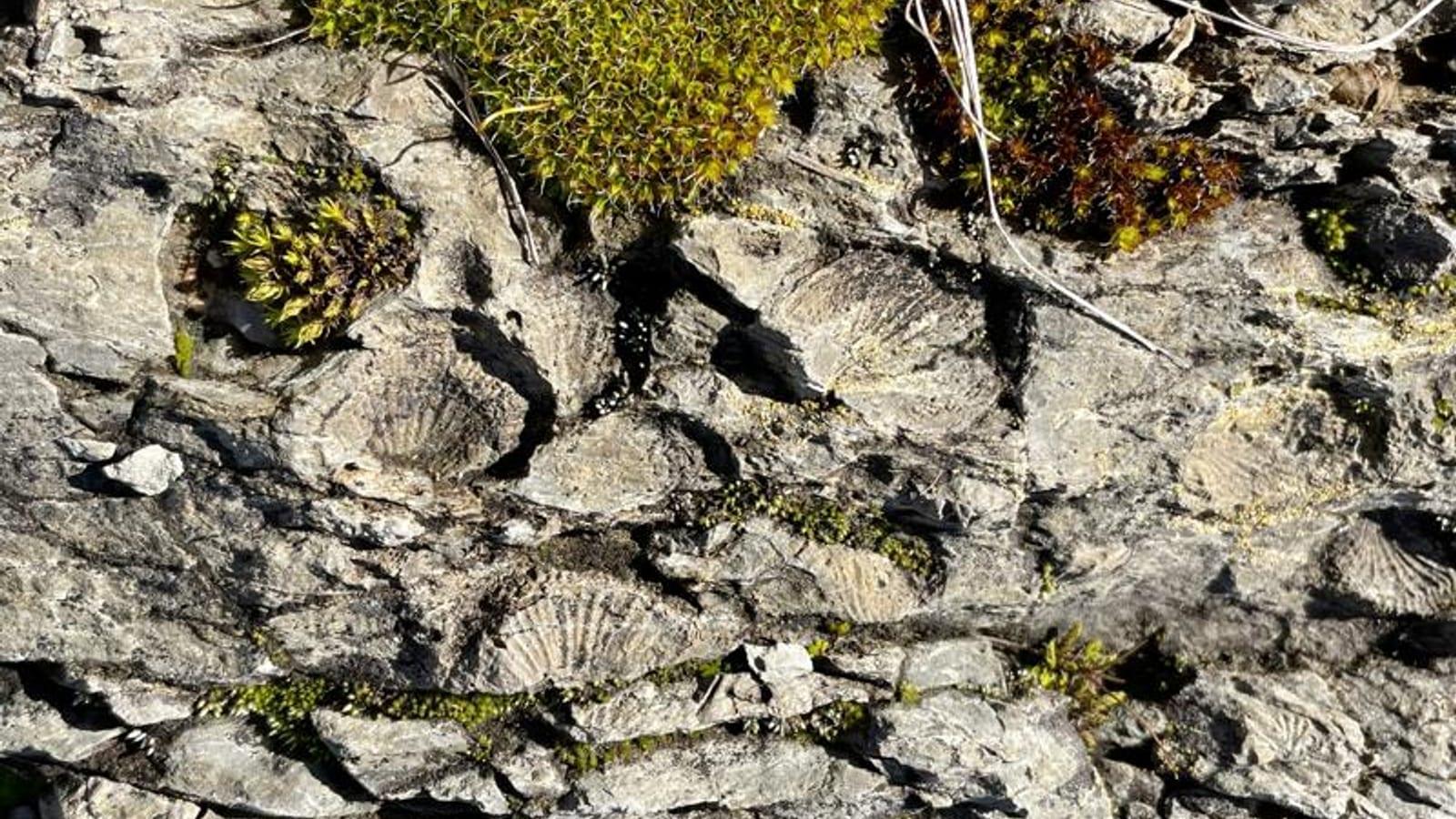
Woolshed Creek Fossil Hunting Guide
Australian Capital Territory, Australia
Brachiopods, Trilobites, Corals, Bryozoans
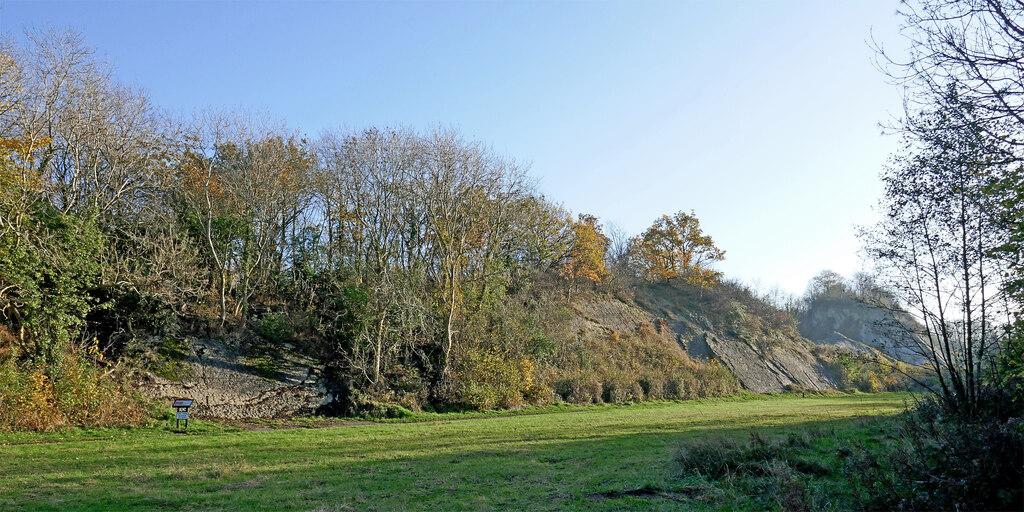
Wren's Nest National Nature Reserve Fossil Guide
England, United Kingdom
Trilobites, Calymene (Dudley Bug), Brachiopods, Crinoids
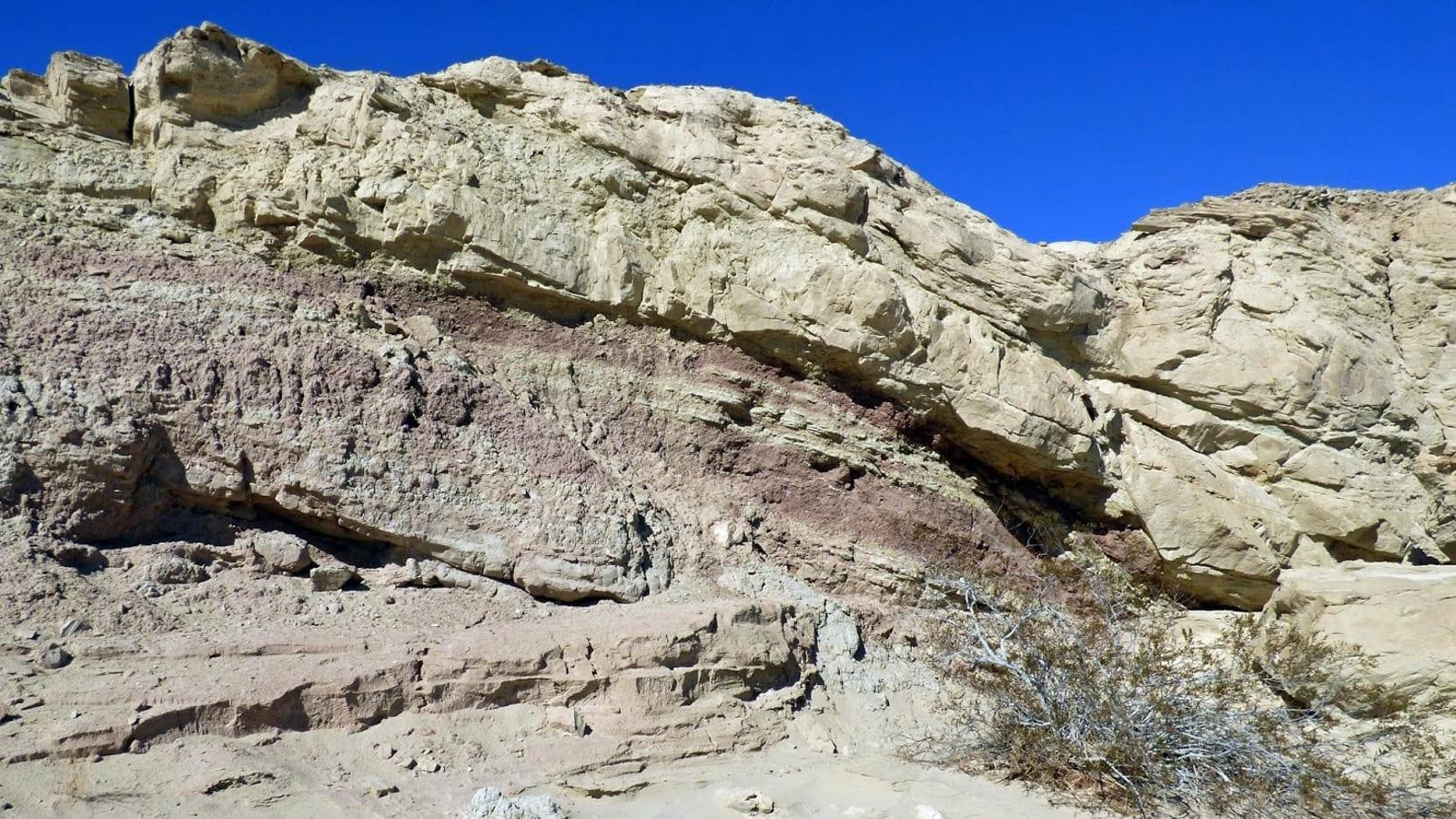
Yuha Basin Fossil Hunting Guide
Imperial County, California, United States
Bivalves, Corals, Gastropods, Echinoids
Frequently asked questions
- How do I identify a fossil coral?
- Fossil corals preserve the calcium carbonate skeleton secreted by coral polyps. There are three main groups to recognize. Rugose corals (Ordovician to Permian) occur as solitary horn-shaped or conical forms, often called horn corals, with a deep cup (calyx) at the top and radial septa (dividing walls) visible in cross-section. Colonial rugose forms make irregular masses. Tabulate corals (Ordovician to Permian) are always colonial, forming low mats with tube-like corallites and horizontal dividing plates (tabulae) inside each tube rather than vertical septa. Favosites (honeycomb coral) and Halysites (chain coral) are the classic examples. Modern-style scleractinian corals appear from the Triassic onward and have septa arranged in multiples of six. If you find a honeycomb-textured rock with clear cell boundaries and tube structures, it is almost certainly a colonial tabulate or rugose coral.
- Where can I find fossil corals?
- Devonian and Carboniferous limestone exposures are the most productive sites. Mineral Wells Fossil Park in Texas (Pennsylvanian, free) produces rugose corals alongside crinoids and brachiopods. Caesar Creek State Park in Ohio (Ordovician, Army Corps spillway) produces both rugose and tabulate corals. Wenlock Edge in Shropshire and Wren's Nest Hill in Dudley, UK, expose Silurian reef limestone with abundant tabulate corals including Favosites and Halysites. The Devonian limestones around Torquay in south Devon produce well-preserved colonial and solitary Devonian corals. Faxe Quarry in Denmark (Paleocene, approximately 59 Ma) is notable for producing post-Cretaceous scleractinian reef material accessible to visitors with landowner permission.
- Are fossil corals different from modern corals?
- Yes, significantly. The two dominant Paleozoic coral groups, rugose and tabulate, went extinct in the end-Permian mass extinction (approximately 252 Ma) and have no living representatives. Modern coral reefs are built by scleractinian corals, which first appeared in the Triassic and belong to an entirely separate evolutionary lineage. The structural similarity between Paleozoic and modern corals is an example of convergent evolution. Similar reef-building functions selected for similar skeletal forms. The Cretaceous mass extinction (66 Ma) also devastated scleractinian reefs, and present-day reef diversity represents their subsequent recovery. Fossil corals commonly found in UK Silurian and Devonian limestones, including Favosites (honeycomb coral) and Heliophyllum, are not ancestral to any modern reef coral.