Country
Fossil hunting in Thailand
Thailand has two fossil regions and they could not be less alike. Satun in the far south exposes Cambrian and Ordovician marine rock on island coasts. Khorat in the northeast is dinosaur and mammal country, with museums built on the quarries.
Satun UNESCO Global Geopark calls itself the land of Palaeozoic fossils, and the label is earned. Trilobites, brachiopods, stromatolites, conodonts, graptolites, tentaculites and nautiloids occur across the geopark. The Cambrian trilobites of Tarutao Island are the oldest recorded in the Thai-Malay peninsula.
Khorat UNESCO Global Geopark in Nakhon Ratchasima covers Cretaceous dinosaurs as well as a mammal and petrified-wood record running from 16 million to 10,000 years old. Its museums sit on one campus in Mueang district and include the Petrified Wood Museum, the Ancient Elephant Museum and the Dinosaur Museum.
Northeastern Thailand also has two major dinosaur sites with buildings over the bone. Phu Kum Khao in Kalasin is one of the largest sauropod bonebeds in southeast Asia and is roofed by the Sirindhorn Museum. Phu Wiang in Khon Kaen preserves the material of Phuwiangosaurus sirindhornae in place.
4 fossil sites
Updated 12 September 2026
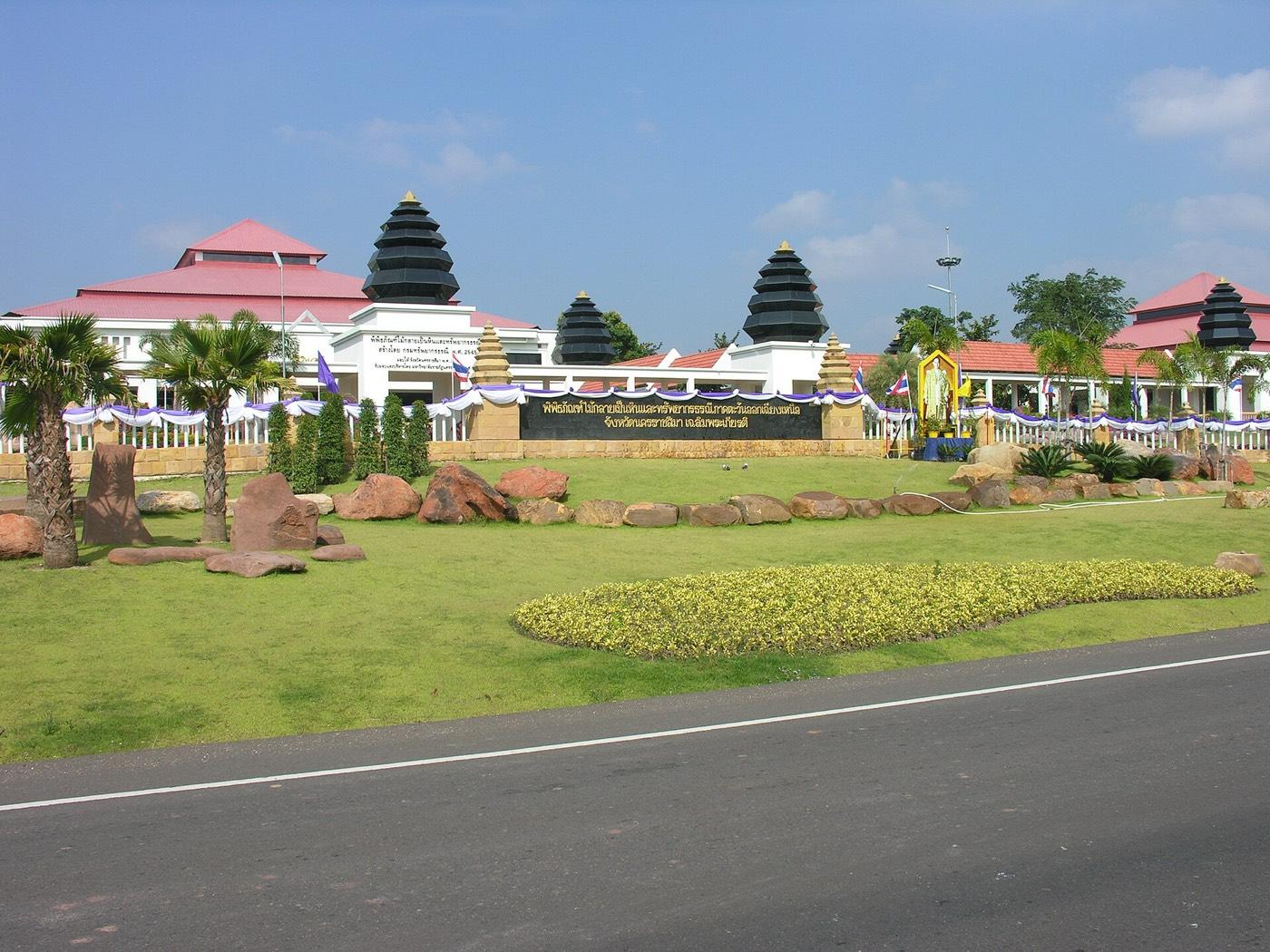
Khorat Fossil Museum and Petrified Wood Fossil Hunting Guide
Nakhon Ratchasima, Thailand
Petrified wood, Mammals, Dinosaurs, Plants
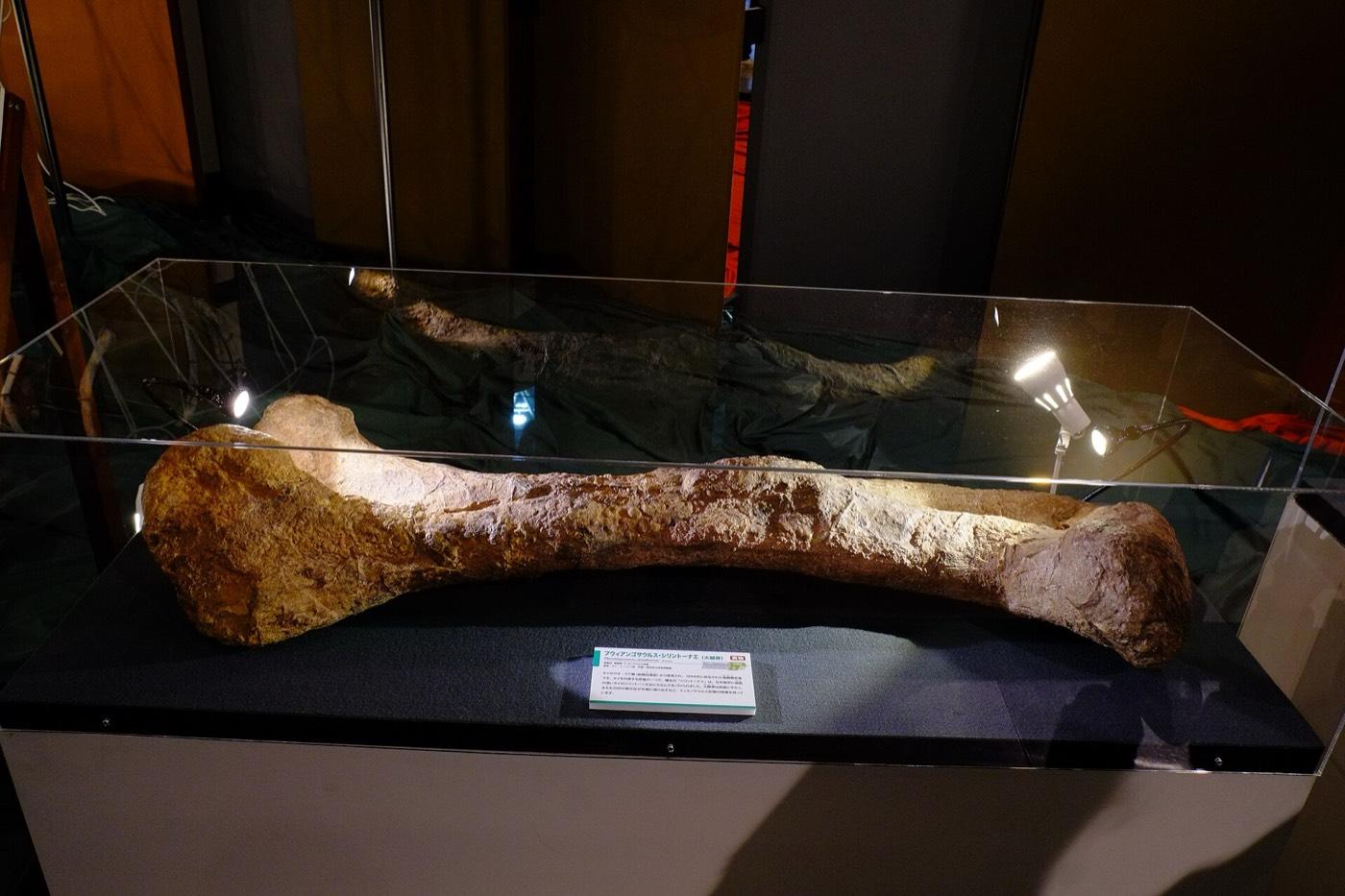
Phu Kum Khao and the Sirindhorn Museum Fossil Hunting Guide
Kalasin, Thailand
Dinosaurs, Sauropods, Theropods, Crocodilians
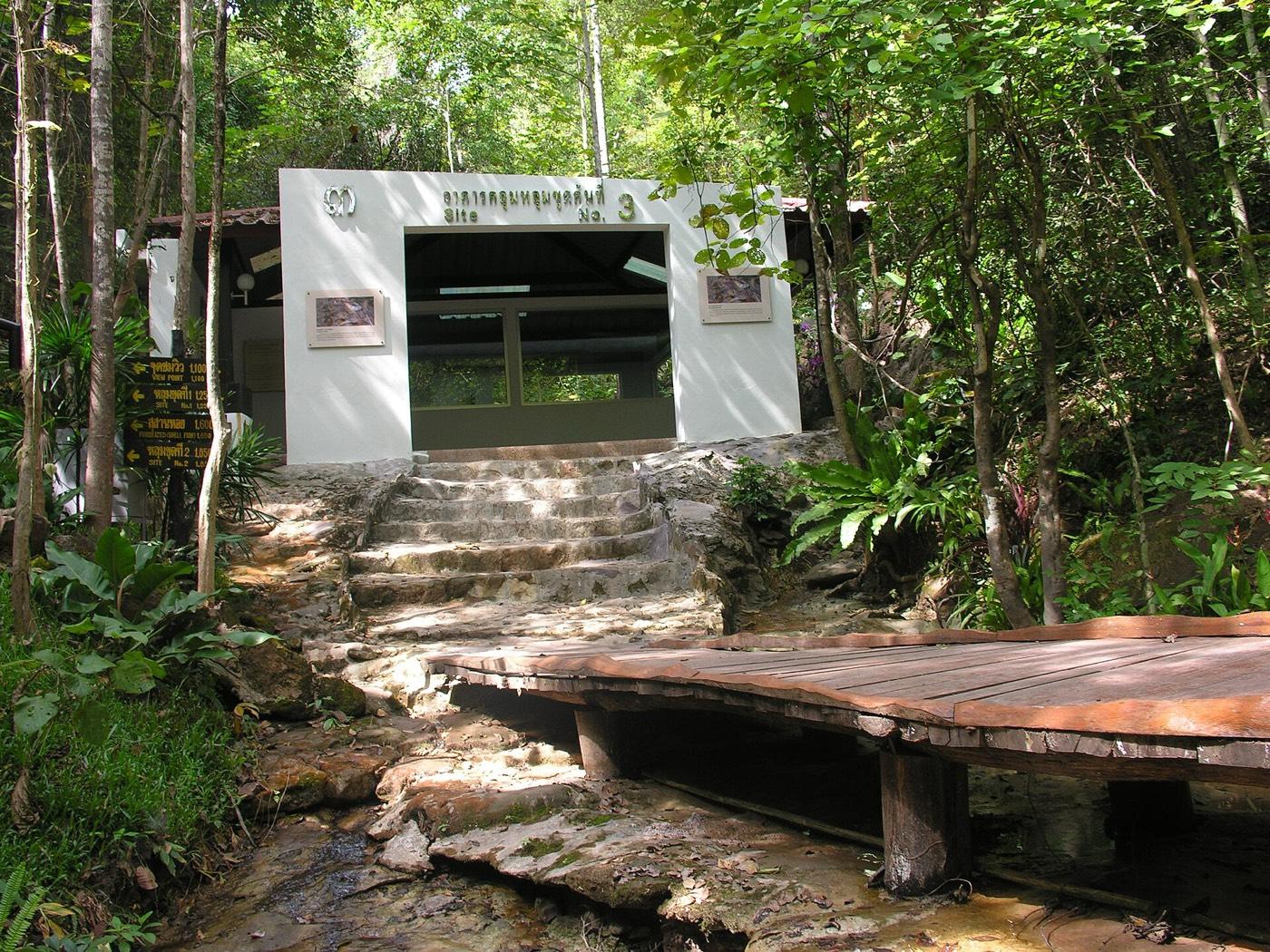
Phu Wiang Dinosaur Park Fossil Hunting Guide
Khon Kaen, Thailand
Dinosaurs, Sauropods, Theropods, Trace fossils
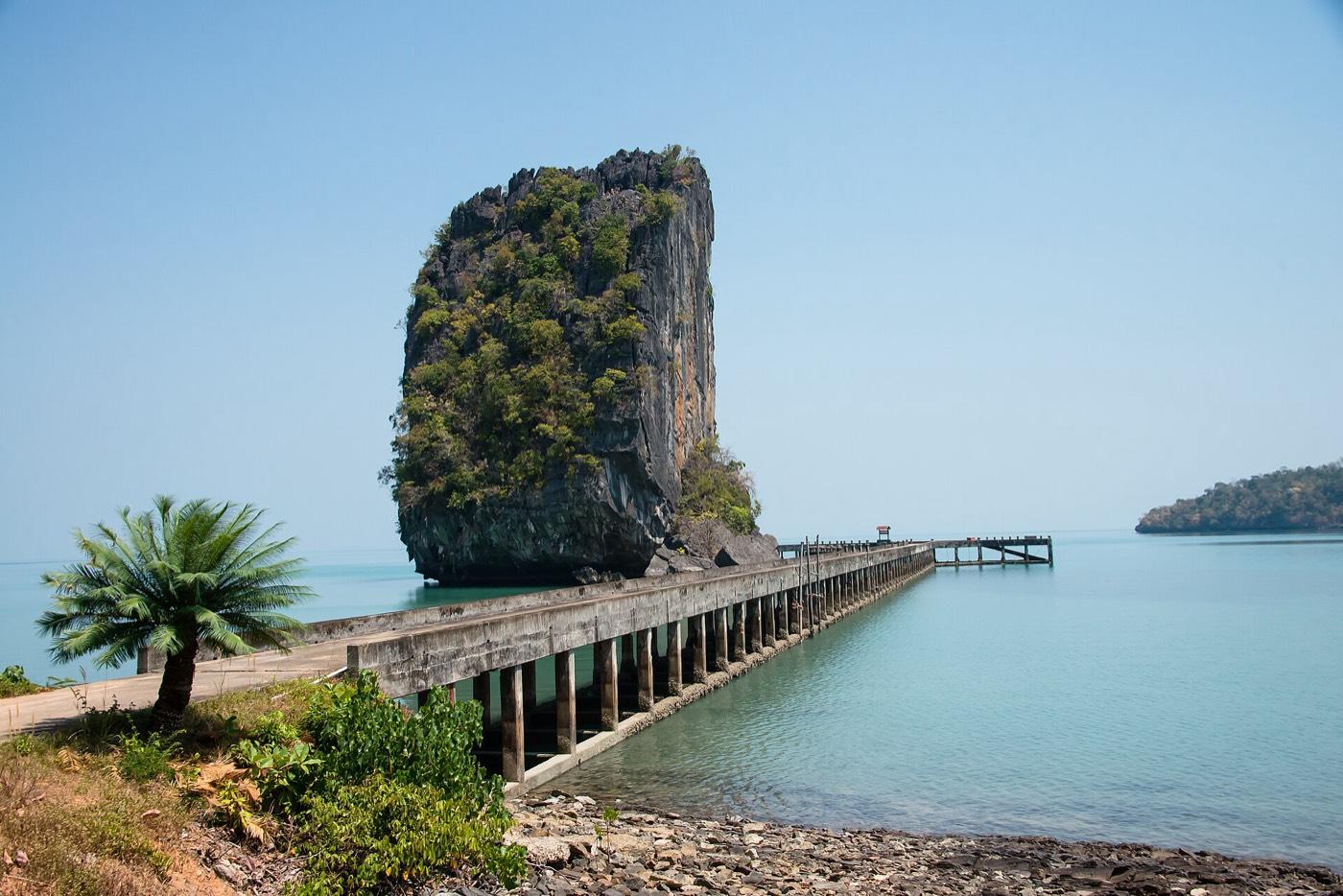
Tarutao Trilobite Site, Satun Geopark Fossil Hunting Guide
Satun, Thailand
Trilobites, Brachiopods, Stromatolites, Nautiloids
Frequently asked questions
- Can you collect fossils in Thailand?
- No. The main localities sit inside national parks or declared geoparks, and fossils are protected. Every site listed here is for viewing.
- Where are dinosaur fossils found in Thailand?
- In the northeast, in the Khorat plateau. Phu Kum Khao in Kalasin holds one of the largest sauropod bonebeds in southeast Asia, and Phu Wiang in Khon Kaen preserves Phuwiangosaurus sirindhornae in place.