Phu Kum Khao and the Sirindhorn Museum Fossil Hunting Guide
Image: ★Kumiko★ (CC BY-SA 2.0)
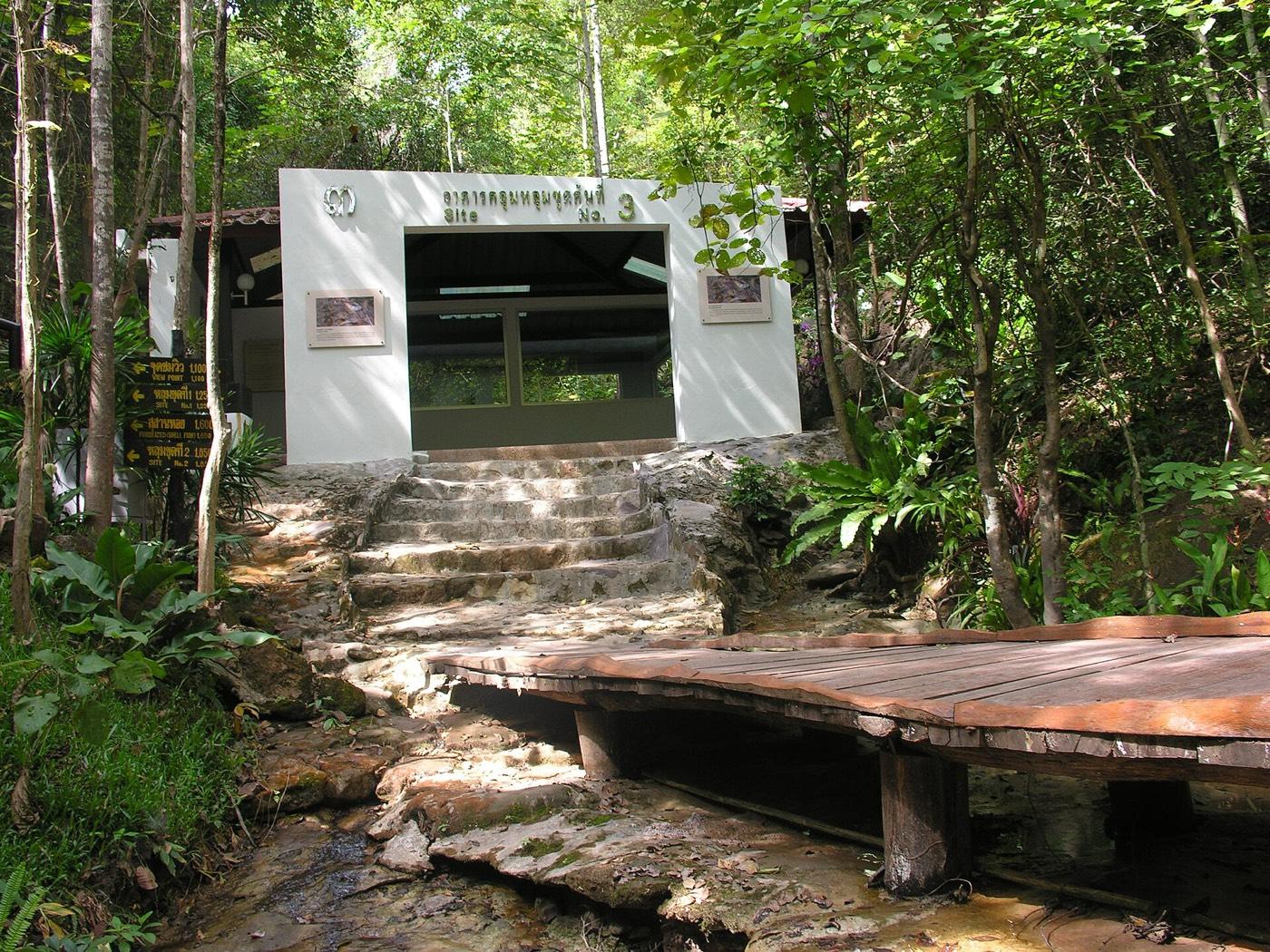
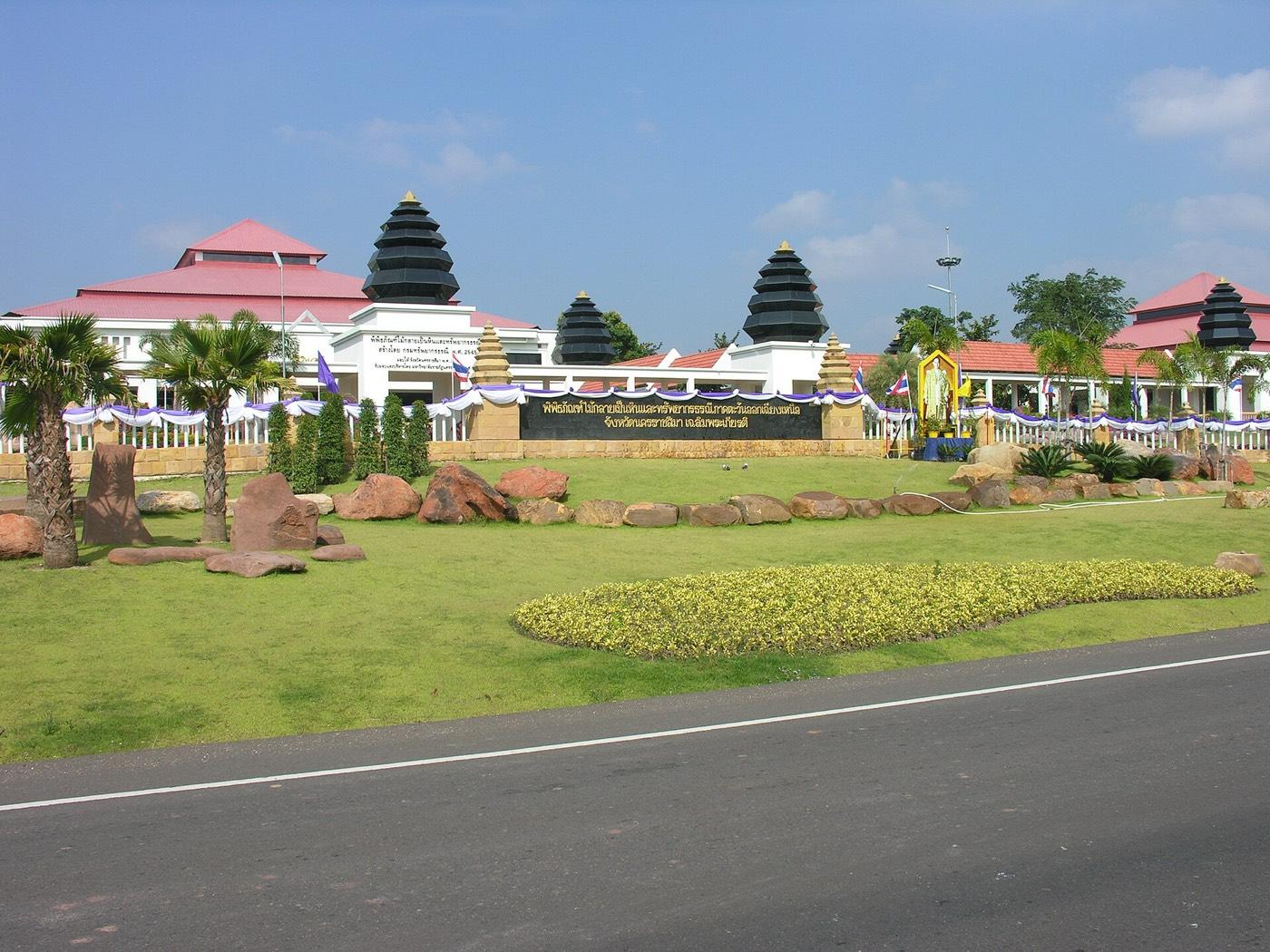
One of the largest sauropod bonebeds in south-east Asia, roofed and left in place at Kalasin in north-east Thailand, with the Sirindhorn Museum built beside it. The bone belongs mostly to Phuwiangosaurus sirindhornae.
By Edward Chen · Published 12 September 2026
Introduction
Phu Kum Khao is a hillside in Kalasin province where a monk noticed bone eroding out in 1994. Excavation found one of the densest concentrations of sauropod remains in south-east Asia, and the response was to roof the trench rather than empty it.
The result is a long excavation shelter with hundreds of bones lying as they were buried, and a museum beside it. The museum is named for Princess Maha Chakri Sirindhorn, whose interest in Thai geology and palaeontology is the reason several Thai fossil taxa carry her name.
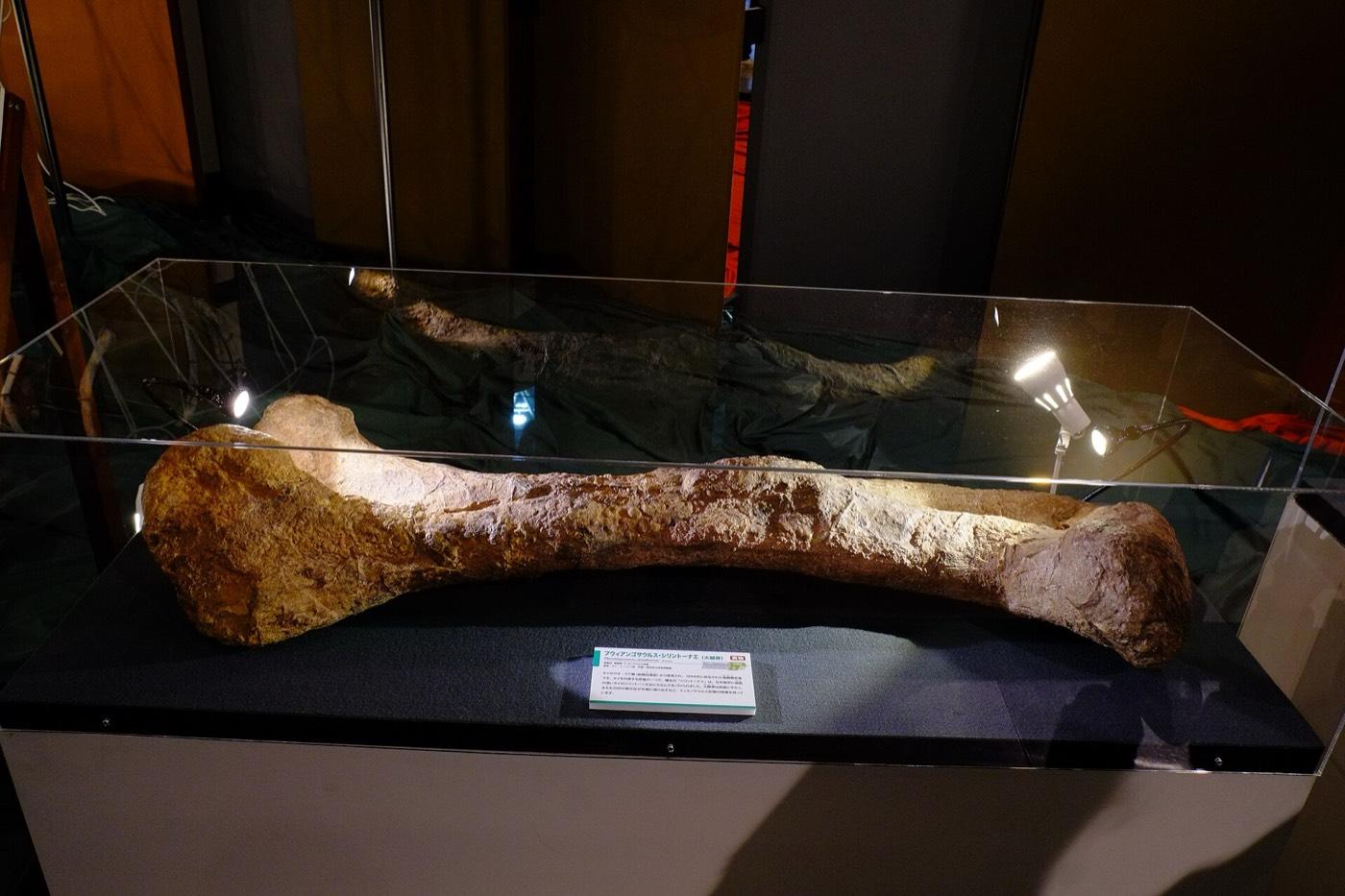
Most of the bone belongs to Phuwiangosaurus sirindhornae, a titanosauriform sauropod between roughly 15 and 20 metres long and around 17 tonnes. It was named in 1994 after the Phu Wiang area where the first material was found, and Phu Kum Khao is the richer site.
Location and Directions
The museum and excavation are in Sahatsakhan district, Kalasin province, in the Isan region of north-east Thailand.
GPS: 16.6922°N, 103.5239°E.
Kalasin town is the local centre, reached by road from Khon Kaen and Udon Thani. The nearest airports are at Khon Kaen and Roi Et.
Admission is charged. Check opening before you travel, because Thai provincial museums usually close one day a week and hours shift around public holidays.
The site is one of several along an informal dinosaur trail through Isan, with Phu Wiang in Khon Kaen and the Khorat museums in Nakhon Ratchasima the other main stops.
What Fossils You'll Find
Nothing is collectable. The excavation is protected and the visit is a viewing one.
The shelter is the reason to come. Bone lies in the sediment in a jumble of vertebrae, limb elements and ribs across a long exposed trench. The scale of it reads immediately in a way that a single mounted skeleton does not.
Alongside the sauropod material the Sao Khua Formation has produced theropods including Siamotyrannus, crocodilians, turtles, fish and freshwater bivalves.
The museum holds prepared specimens, casts and reconstructions, and it is the better place to understand what the bone in the trench belongs to.
The 1994 discovery story is worth telling because it explains the site's character. A monk at the local temple noticed bone weathering out of the hillside and reported it, and the excavation that followed became a national project. The temple connection remains, and the site is presented locally as much as a community asset as a research station.
Geologic History
The Sao Khua Formation is part of the Khorat Group and is Early Cretaceous. Age assignments have moved: earlier work suggested Late Jurassic. Current estimates fall in the late Valanginian to early Hauterivian, roughly 134 to 132 million years ago.
The Khorat Plateau was a broad continental lowland with meandering rivers, floodplains and seasonal drying. Red beds accumulated across it through the Mesozoic.
Carcasses were concentrated in a channel or an abandoned meander. The mixture of individuals and the disarticulated bone point to transport and accumulation. The animals did not die where they now lie.
Phuwiangosaurus sits among the titanosauriforms, the group that includes the largest land animals known. At 15 to 20 metres it was mid-sized for a sauropod, which in practice still means an animal considerably longer than a bus.
Collecting Rules and Regulations
Collecting is prohibited. The site is a government-run museum and research excavation, and it was registered under the Fossil Protection Act on 7 October 2014.
The operative law is the Fossil Protection Act B.E. 2551, of 2008, which the Department of Mineral Resources administers. Section 25 requires anyone who finds something that could reasonably be a fossil to notify the local competent officer within seven days. Section 28 makes trading in fossils an offence without a licence from the Director-General. Taking a fossil out of the Kingdom needs its own licence.
Do not attempt to buy fossils in Thailand or to export them. Material offered to tourists is either illegal, fake, or both.
Stay on the visitor walkways inside the shelter.
Isan's dinosaur sites work well as a circuit. Phu Kum Khao in Kalasin, Phu Wiang in Khon Kaen and the Korat museums in Nakhon Ratchasima sit within a few hours of each other. Together they cover the Mesozoic of the Khorat Plateau far better than any one of them does alone.
Safety
The excavation shelter is a managed visitor facility.
Isan is hot for most of the year, with the hot season from March to May reaching extreme temperatures. Carry water.
The rainy season runs roughly May to October, and unsurfaced approaches can be difficult.
Snakes occur in the surrounding scrub, so keep to paths outside the shelter.
The museum is the best-resourced palaeontological facility in Isan and is designed for school groups, so expect it to be busy on Thai term-time weekdays.
Thai fossil taxa named for Princess Sirindhorn run to several species across different groups, reflecting a long royal involvement in the country's earth sciences. The museum's name follows the same pattern, and the connection is part of why these sites received sustained state funding.
The Khorat Group is a thick continental sequence spanning the Late Jurassic and Early Cretaceous, and it underlies most of north-east Thailand. Its formations are distinguished by grain size and colour, and the Sao Khua, the Phu Kradung and the Khok Kruat all carry vertebrate bone.
Sources
https://en.wikipedia.org/wiki/Sao_Khua_Formation https://www.academia.edu/346223/Description_of_topotypes_of_Phuwiangosaurus_sirindhornae_a_sauropod_from_the_Sao_Khua_Formation_Early_Cretaceous_of_Thailand_and_their_phylogenetic_implications https://www.bangkokpost.com/thailand/special-reports/1770549/dinosaur-dig-opens-up-path-to-the-future https://www.sciencedirect.com/science/article/abs/pii/S0195667122002981