Australia Fossil Hunting Guide
8 Best Fossil Hunting Sites in Australia
Australia preserves a longer stretch of animal history than any other single country on this site, from the 550-million-year-old Ediacaran bedding planes of the Flinders Ranges to Pleistocene megafauna bone beds under the Limestone Coast. The strongest sites span six states and six geological periods, and most of them are protected places where the fossils stay where they lie. Two allow collecting: Carcharocles megalodon teeth wash onto a suburban Melbourne beach for free, and the opal fields of Lightning Ridge are open to fossicking with hand tools.
8 fossil sites
Updated 4 November 2026
What makes Australia productive
Australia rode the southern edge of Gondwana for most of the Phanerozoic, and the fossil record tracks that journey. The Ediacara Member of the Rawnsley Quartzite in South Australia preserves soft-bodied organisms from about 550 million years ago, on a shallow sea floor where storm and flood layers buried whole communities fast enough to cast them in sandstone. By the Early Permian, Tasmania lay at a high southern latitude near the pole, and the Maria Island cliffs record a cold shelf sea where brachiopods and bryozoans filtered food beside boulders dropped from floating ice. In the mid-Cretaceous the Eromanga Sea flooded more than a million square kilometers of eastern Australia, laying down the Toolebuc Formation marine beds behind Richmond and the Griman Creek Formation sediments at Lightning Ridge, while rivers built the Winton Formation floodplain that holds the Lark Quarry trackways. The Broome Sandstone of the Kimberley coast records a separate Early Cretaceous coastal plain around 120 to 130 million years old.
The two youngest sites are the two most accessible. At Beaumaris, the Late Miocene Black Rock Sandstone accumulated in warm shallow water between five and ten million years ago, and wave erosion of the soft cliff releases new shark, whale, seal and penguin material onto the beach every storm season. Naracoorte works the other way round: the caves are dissolved out of Oligocene marine limestone, but the bones inside them are far younger, washed or fallen into the chambers through sinkholes from at least 500,000 years ago onward. Access reflects that spread. Four of these eight are viewing-only national or conservation parks, two more run on guided access that operators control, and only Beaumaris and the Lightning Ridge fossicking areas let a visitor keep what they find. Queensland, South Australia, Tasmania and Western Australia each legislate separately, and the federal Environment Protection and Biodiversity Conservation Act 1999 sits over the top of the protected sites, so read the rule for the site you are visiting rather than assuming a national one.
- 1
Naracoorte Caves Fossil Hunting Guide
South Australia, Australia
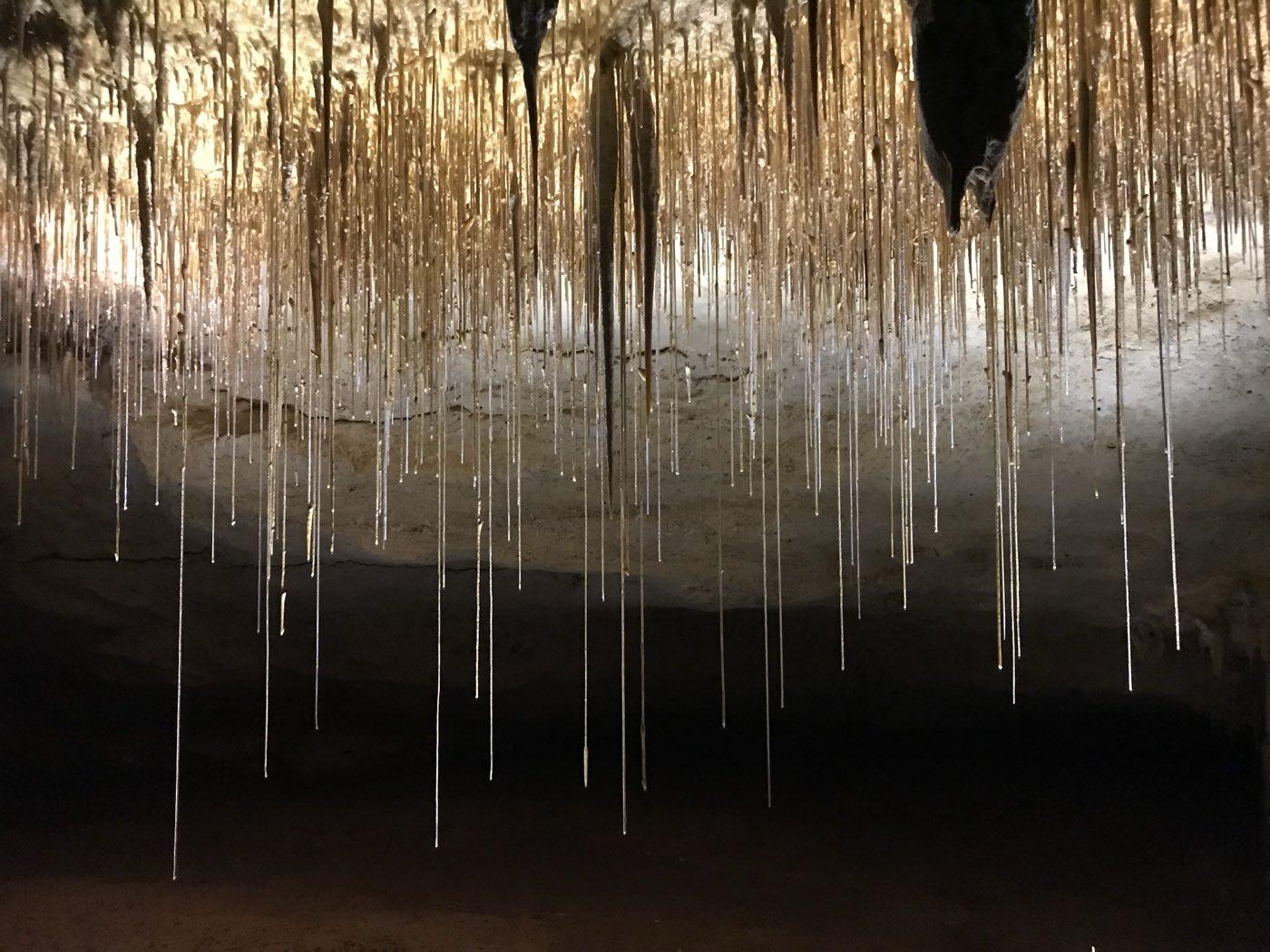
Viewing onlyDiprotodonThylacoleo carnifexProcoptodonNaracoorte Caves holds one of the best-preserved Pleistocene megafauna bone beds in the southern hemisphere, and the Victoria Fossil Cave tour puts you beside it. The Fossil Chamber exposes a bone bed three to four meters deep, with more than 90 vertebrate species identified, among them the marsupial lion Thylacoleo carnifex, the rhino-sized Diprotodon optatum and the giant flightless bird Genyornis newtoni. Collecting is prohibited. This is a national park and part of the Australian Fossil Mammal Sites World Heritage Area that UNESCO inscribed with Riversleigh in 1994, protected under the National Parks and Wildlife Act 1972 (South Australia). Access to the Fossil Chamber is by guided tour only, the caves sit at around 17 degrees Celsius all year, and the tour includes about 50 steps and a steep climb out. Best for families and for anyone who wants the clearest picture of Ice Age Australia.
Read the full guide → - 2
Lark Quarry Dinosaur Trackways Fossil Hunting Guide
Queensland, Australia
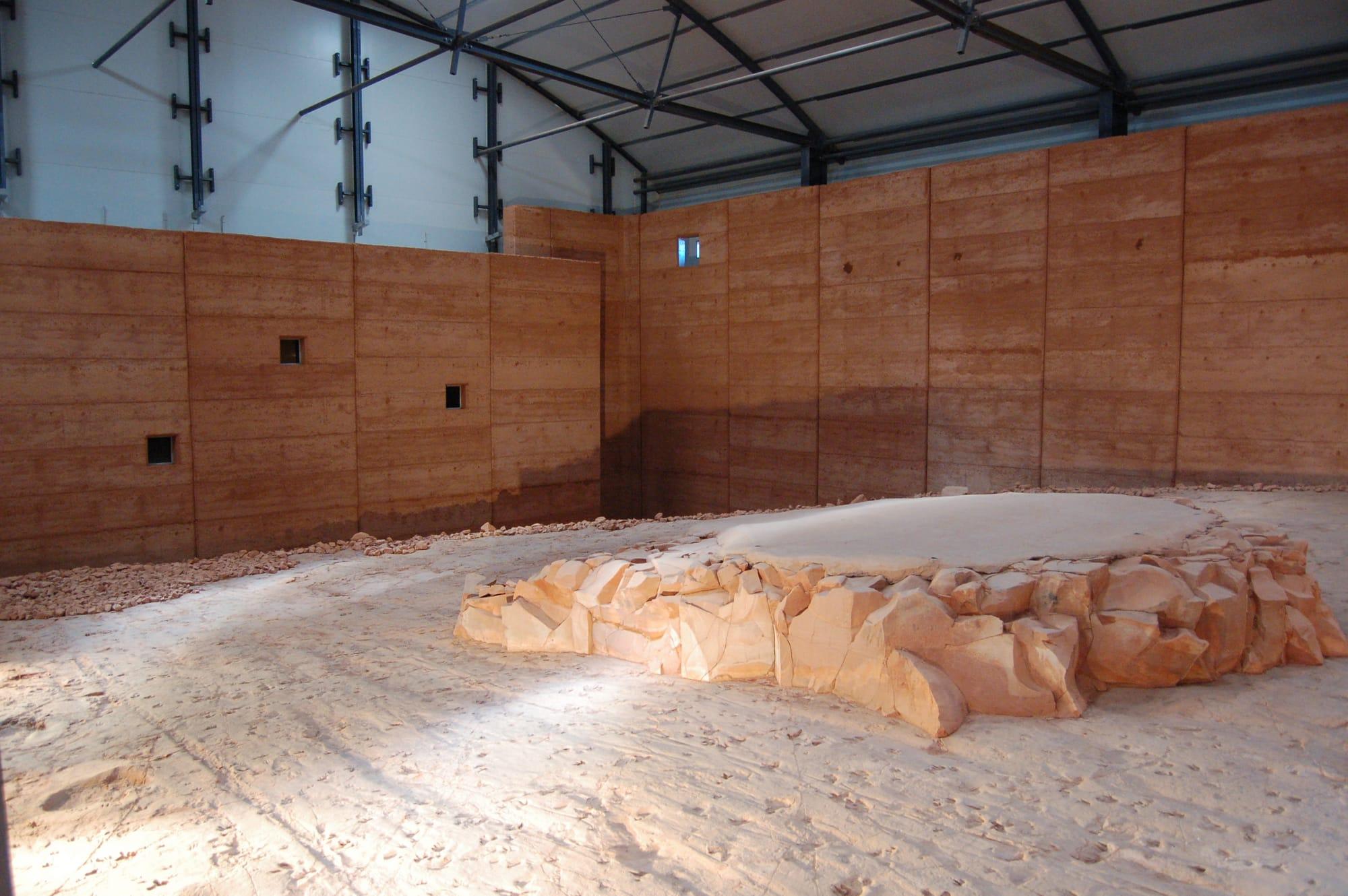
Viewing onlyTheropod footprintsSmall ornithopod printsSmall theropod printsLark Quarry preserves more than 3,300 mid-Cretaceous dinosaur footprints on a single bedding plane of the Winton Formation, about 95 million years old. At least 150 small theropod and ornithopod dinosaurs crossed that wet floodplain surface alongside one much larger trackmaker. Access to the slab is by guided tour only, run by the Australian Age of Dinosaurs Museum under a Queensland Parks and Wildlife Service concession, and walking on the slab itself is not permitted. Removing fossils, rock or plants from the conservation park is an offence under the Queensland Nature Conservation Act 1992, so the elevated boardwalk is the whole experience. The last 65 kilometers from Winton are unsealed gravel and there is no cell coverage at the site, which makes this one for visitors comfortable with remote outback driving.
Read the full guide → - 3
Kronosaurus Korner Queensland Fossil Museum Fossil Hunting Guide
Richmond
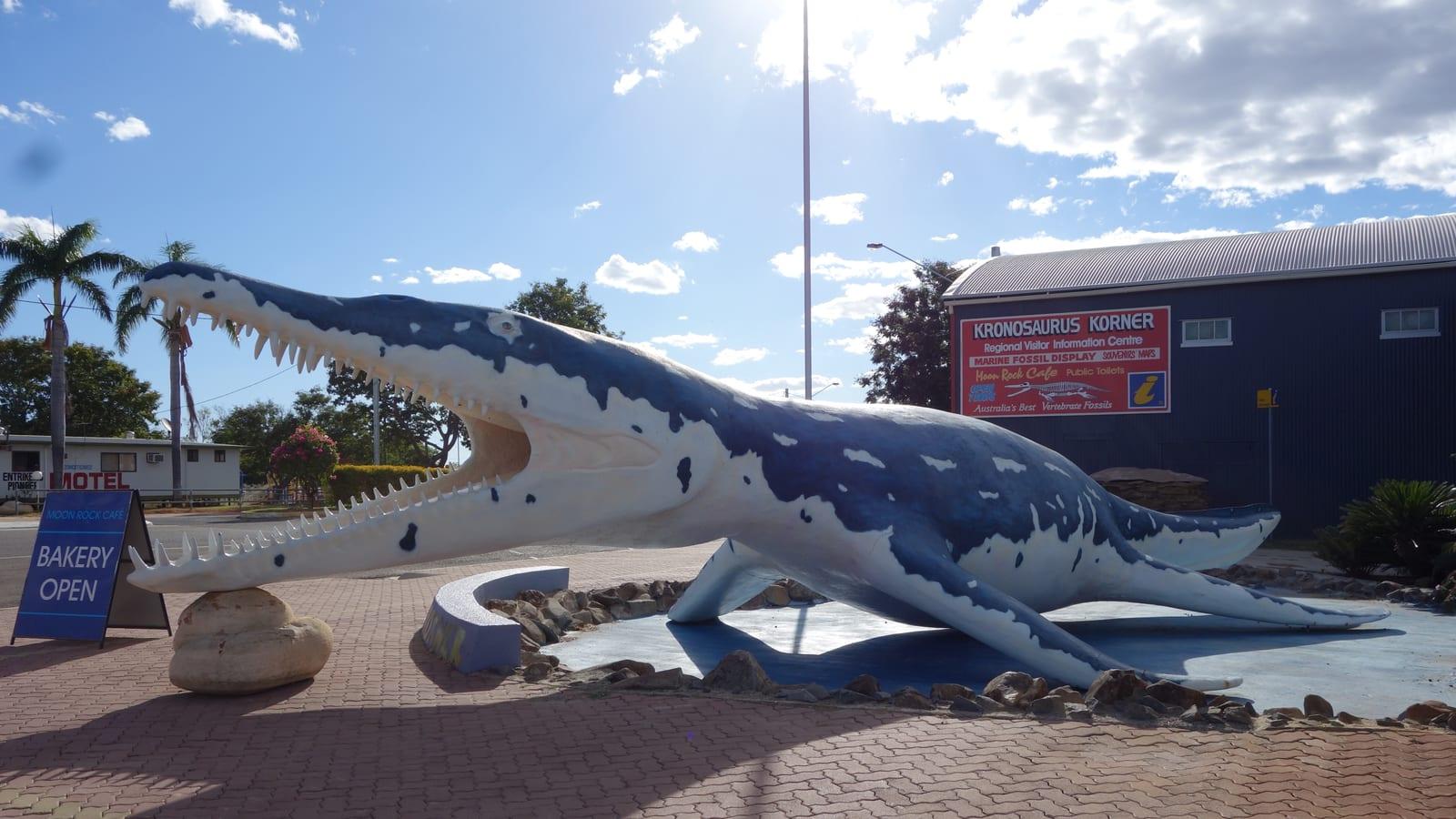
Pay to digEromanga SeaKronosaurus queenslandicusMuttaburrasaurus langdoniKronosaurus Korner at Richmond is the one site in this guide where a visitor gets to dig. The museum runs the Shearing Straggler, a supervised dig through prepared sediment, and any specimen a participant uncovers stays the property of the museum. The mounted Kronosaurus queenslandicus inside is roughly 11 meters long with a skull over two meters, recovered from a grazing property near town in 1989, and the Muttaburrasaurus langdoni skeleton is about 75 per cent complete. Fossils in the ground in Queensland belong to the Crown under the Queensland Heritage Act 1992, so independent collecting on the surrounding pastoral properties needs both the landowner's written permission and a state permit. Best for families, and the strongest paid fossil experience on Australia's Dinosaur Trail.
Read the full guide → - 4
Nilpena Ediacara National Park Fossil Hunting Guide
Parachilna
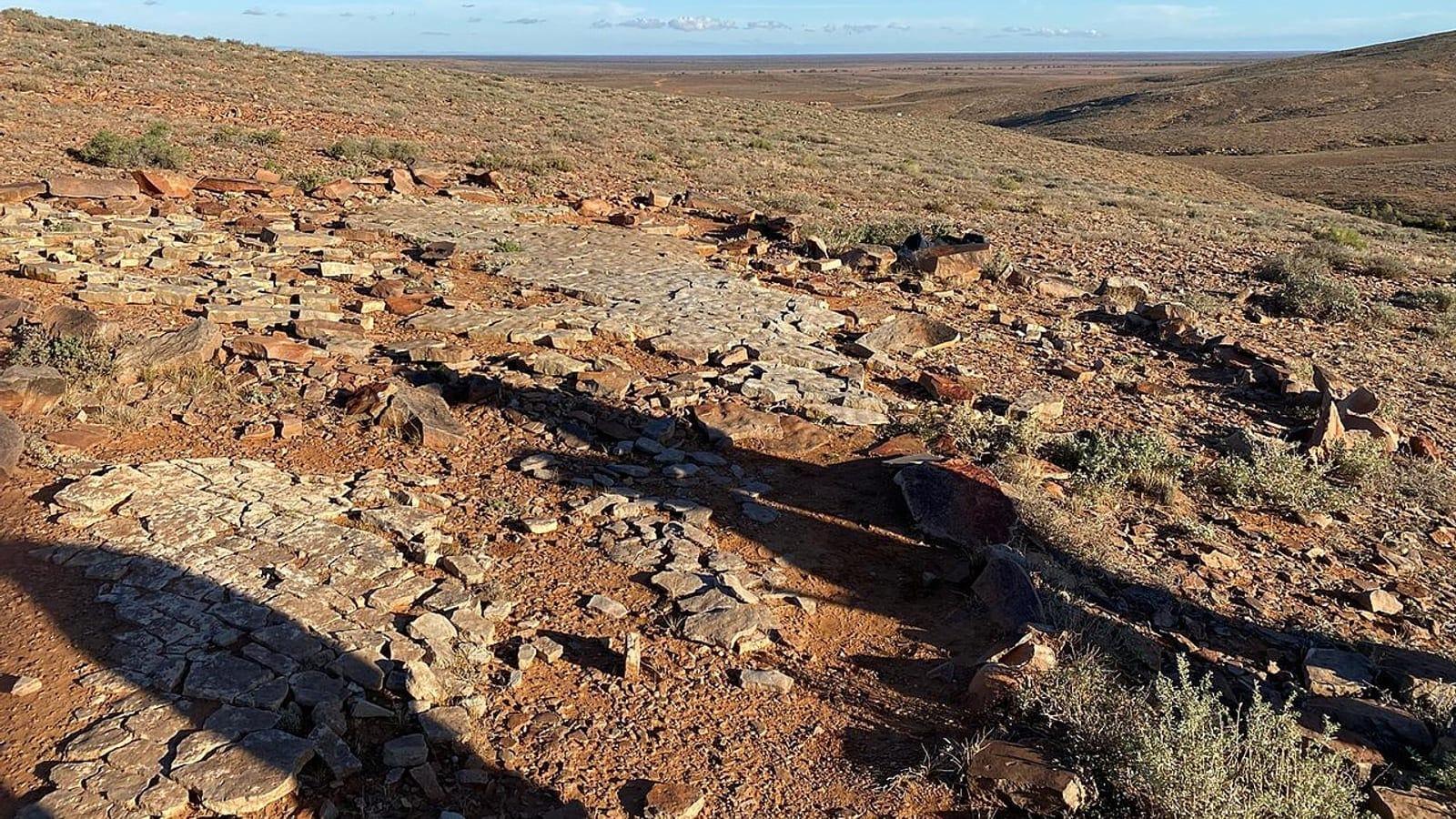
Viewing onlyEdiacaran fossilsDickinsoniaSprigginaNilpena Ediacara National Park preserves the largest known concentration of Ediacaran fossils, roughly 550 million years old, in the Ediacara Member of the Rawnsley Quartzite. Excavated bedding planes carry Dickinsonia up to a meter across, the segmented Spriggina and the three-armed Tribrachidium heraldicum, and some surfaces hold hundreds of specimens within a square meter. The Ediacara Experience runs about two hours, costs $250 per person, takes a maximum of eight visitors, and must be booked in advance through the South Australian Museum. No collecting is permitted under any circumstances, and the park closes from 16 November to 15 March because of summer heat above 45 degrees Celsius. Best for experienced visitors: the drive from Adelaide is seven to eight hours and the final approach needs a high-clearance four-wheel drive.
Read the full guide → - 5
Beaumaris Bay Fossil Site Melbourne Fossil Hunting Guide
Australia
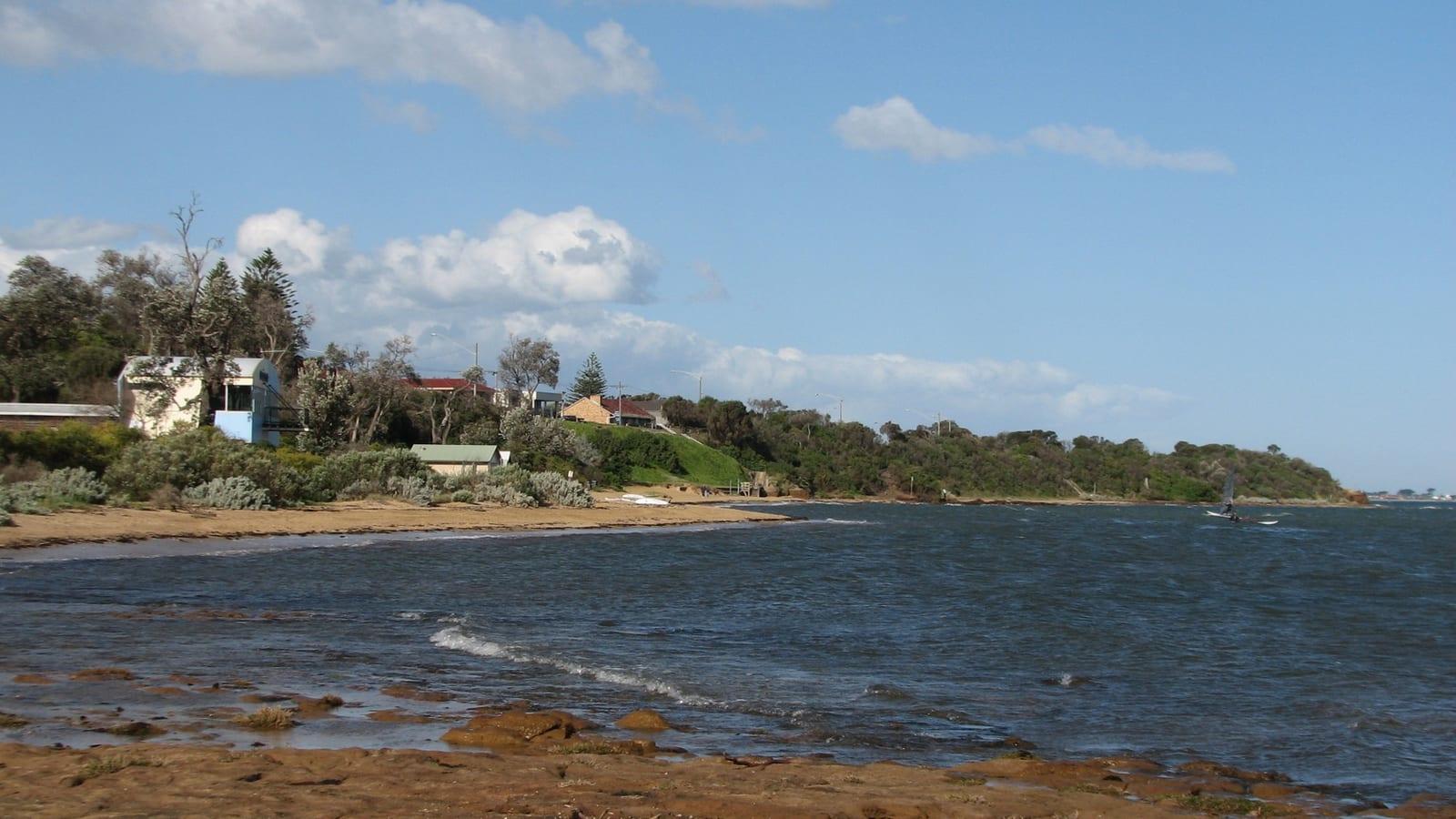
Free collectingshark teethCarcharocles megalodonIsurus hastalisBeaumaris Bay is the most productive marine fossil beach in Australia and by far the easiest site here to reach, 25 kilometers from central Melbourne. The cliffs expose the Black Rock Sandstone, a Late Miocene marine unit five to ten million years old that has produced over 140 vertebrate species. Loose beach material yields shark teeth, including Carcharocles megalodon and the broad-toothed mako Isurus hastalis, along with whale ear bones, seal bone and penguin material. Collecting loose fossils from the beach surface is permitted for personal, non-commercial use, but digging into or chipping at the cliff is not: the site carries heritage registration under the Victorian Heritage Act 2017, and Museums Victoria asks collectors to report notable finds. Best for beginners, and best within a day or two of a storm when fresh material washes down.
Read the full guide → - 6
Lightning Ridge Opalised Dinosaur Fossils Fossil Hunting Guide
Lightning Ridge
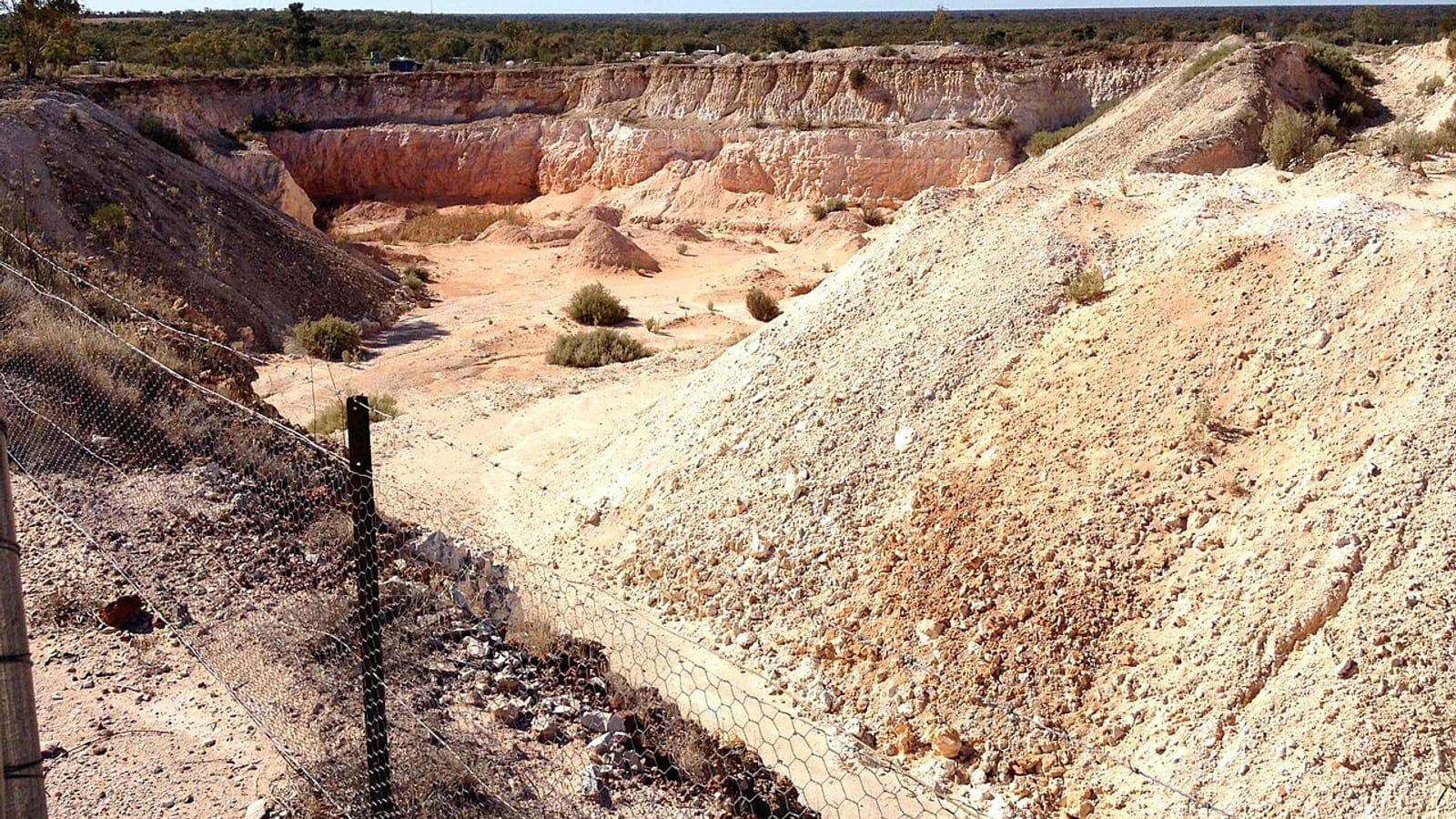
Free collectingOpalised dinosaur bonesOpalised mammalsLightning Ridge produces the only opalised dinosaur bone known anywhere on Earth. Silica-rich groundwater replaced the original bone in Cretaceous sediments of the Griman Creek Formation, 105 to 95 million years old, and some specimens are transparent gem opal. Named material includes the ornithopods Weewarrasaurus pobeni and Fostoria dhimbangunmal, plus Steropodon galmani, described in 1985 from a lower jaw and the first Mesozoic mammal documented from Australia. Fossicking with hand tools needs no permit on designated Crown Land fossicking areas under the NSW Mining Act 1992, but private leases cover most of the productive fields and you must not enter them without the lease holder's permission. Scientifically valuable finds should go to the Australian Opal Centre or the Australian Museum, and unmarked open mine shafts across the fields are a genuine hazard.
Read the full guide → - 7
Broome Dinosaur Trackways Gantheaume Point
Broome
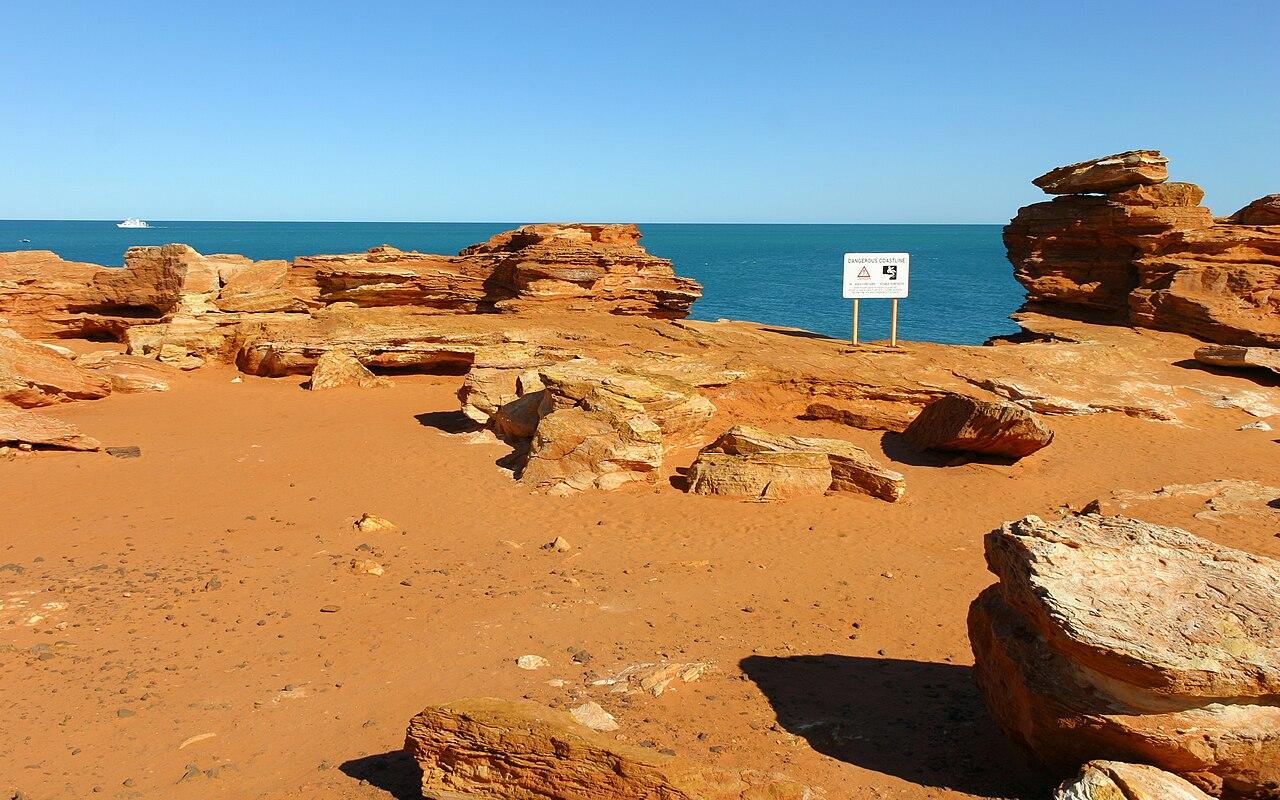
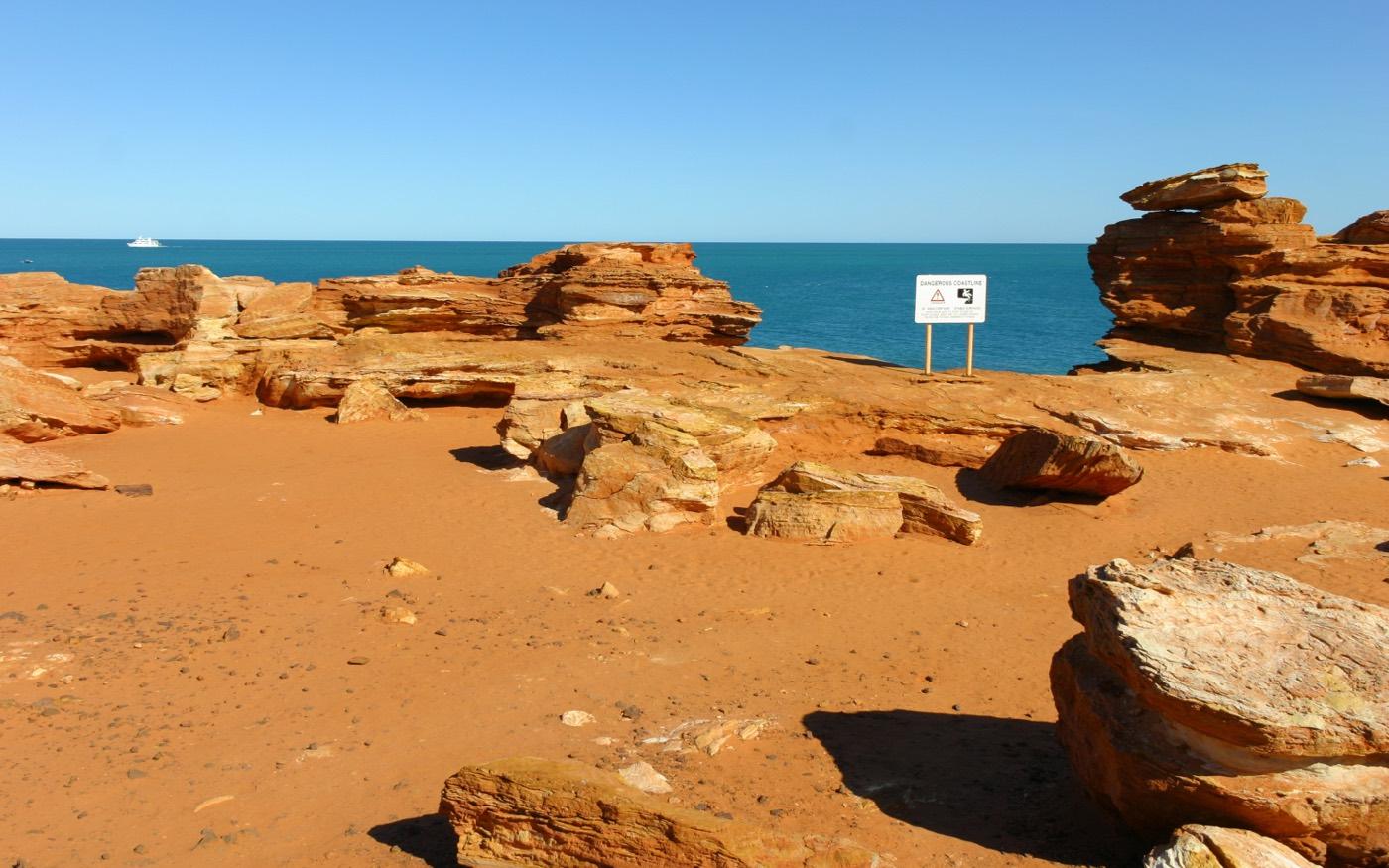
Viewing onlySauropod tracksTheropod tracksOrnithopod tracksGantheaume Point near Broome exposes dinosaur tracks on tidal rock platforms, free of charge and without a booking. The Broome Sandstone here and along roughly 80 kilometers of the Dampier Peninsula records at least 21 distinct track types, more than any other coastline on Earth, including sauropod prints up to 1.7 meters across. The tracks need a tide below about 2.16 meters at the Broome gauge, so check the Bureau of Meteorology predictions before you drive out. Plaster casts of selected types sit above the high-tide line and are available at any state of tide. No collecting of any kind is permitted: the tracks are protected under the federal Environment Protection and Biodiversity Conservation Act 1999 and the Aboriginal Heritage Act 1972 (WA), and they belong to the Marala creation story of the Dampier Peninsula custodians.
Read the full guide → - 8
Maria Island Fossil Cliffs Fossil Hunting Guide
Australia
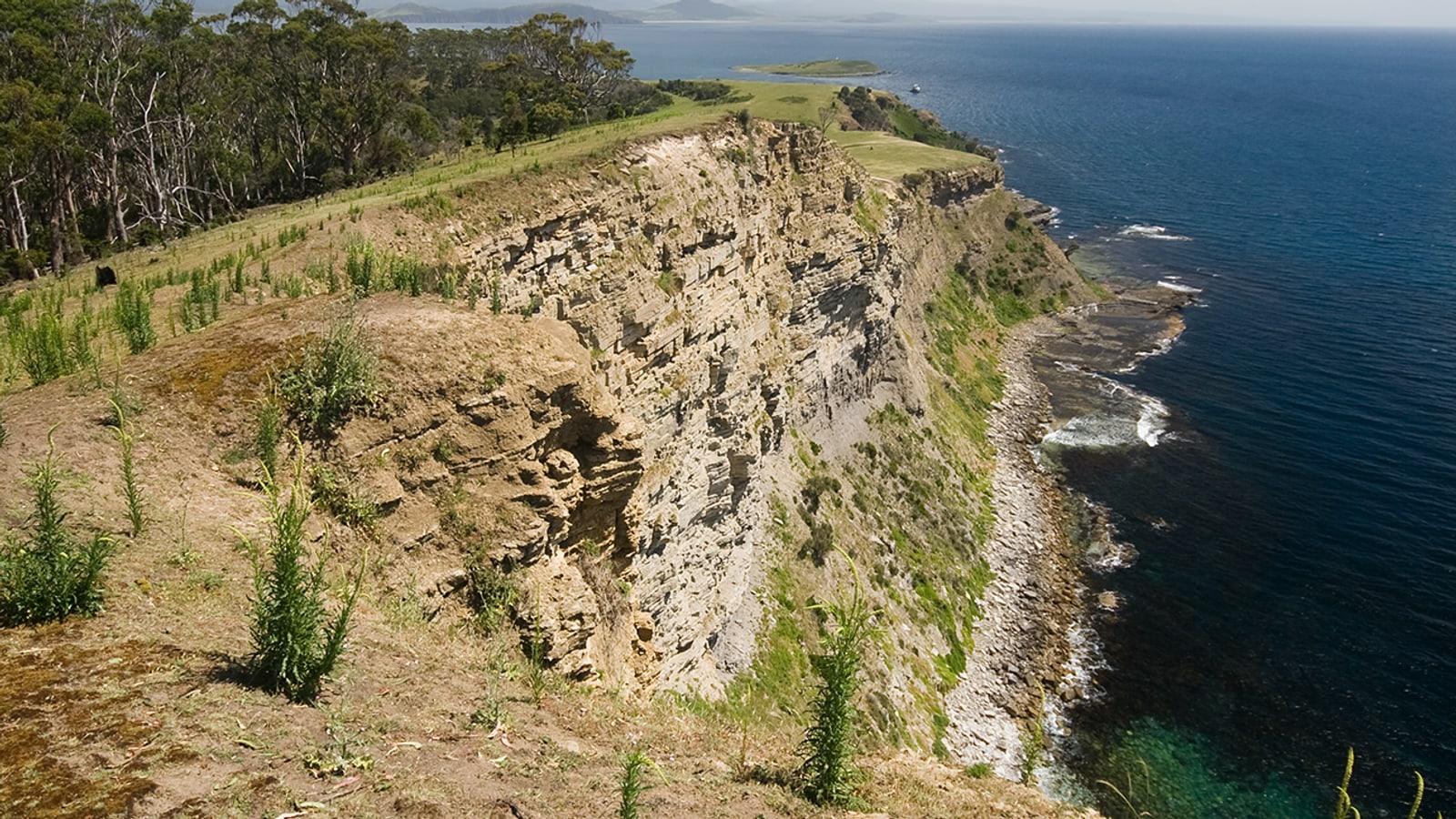
Viewing onlybrachiopod shellsbryozoanscrinoidsThe Fossil Cliffs on Maria Island expose Early Permian marine beds, 290 to 270 million years old, laid down when Tasmania sat at a high southern latitude close to the pole. The Darlington Limestone and associated sediments carry brachiopod shells, lacy bryozoan colonies, crinoid ossicles and the thick-ribbed bivalve Eurydesma, the index fossil of the cold Early Permian seas around Gondwana. Glacial dropstones sit in the same beds, foreign boulders released from calving ice into fine marine sediment, which is a direct record of icebergs in this ancient ocean. Collecting is not permitted under the Tasmanian National Parks and Wildlife Act 1970 or the federal Environment Protection and Biodiversity Conservation Act 1999, so bring a hand lens and a camera instead. Reaching the cliffs means the ferry from Triabunna and a 2 km coastal walk north from Darlington, because no private vehicles run on the island.
Read the full guide →
Planning your visit
When to visit
Australian fossil trips are planned around heat first and tides second. The Queensland outback sites, Lark Quarry and Richmond, are best from April to September, when daytime temperatures sit around 22 to 30 degrees Celsius and summer storms are not flooding the unsealed roads. Nilpena closes outright from 16 November to 15 March, and its tours run April to October. Broome follows the Kimberley dry season from May to October. Beaumaris depends on weather rather than season: aim for low tide within a day or two of a storm, which strips sand off the beach surface and washes fresh material down from the cliff. Gantheaume Point needs a tide below about 2.16 meters at the Broome gauge, so the Bureau of Meteorology predictions decide your visiting hour.
What to bring
Water and sun cover come before anything geological. Lark Quarry asks for at least 4 litres of water per person and has none on its walking tracks, and Nilpena asks for 2 litres for the tour alone. Add a wide-brimmed hat, high-SPF sunscreen and closed boots with grip for loose scree and wet rock platforms. Carry a light jacket for Naracoorte, where the caves stay near 17 degrees Celsius whatever the surface weather does. A 10x hand lens earns its place at Maria Island and Beaumaris, where brachiopod shell texture and small tooth serrations are the detail that matters, and the free Museums Victoria identification handbook is worth loading onto your phone before Beaumaris. Nilpena needs a high-clearance four-wheel drive for the final approach. Lark Quarry has no cell coverage at all, so carry a satellite communication device and tell someone your route before you leave Winton.
Rules and access
There is no single Australian collecting rule, because the states legislate separately. South Australia protects Naracoorte and Nilpena under the National Parks and Wildlife Act 1972, and both also fall under the federal Environment Protection and Biodiversity Conservation Act 1999, which makes removing fossil, rock or sediment a serious offence. Queensland Parks and Wildlife Service administers Lark Quarry under the Nature Conservation Act 1992, and in Queensland more broadly, fossils in the ground are Crown property under the Queensland Heritage Act 1992. Tasmania protects the Maria Island cliffs under its National Parks and Wildlife Act 1970. Broome's tracks carry both federal protection and protection under the Aboriginal Heritage Act 1972 (WA), and the custodians of the Dampier Peninsula connect them to the Marala creation story, so visitors keep to the designated viewing areas. Victoria takes the opposite approach at Beaumaris: the site has heritage registration under the Heritage Act 2017, which means no excavation or removal of in-place material, but loose beach fossils may be collected for personal use, and Museums Victoria asks for notable finds to be reported. At Lightning Ridge, hand-tool fossicking on designated Crown Land areas needs no permit under the NSW Mining Act 1992, though the NSW Heritage Act 1977 applies to scientifically valuable opalised fossils.
Getting there
The eight sites are spread across a continent, so treat them as separate trips. Adelaide serves South Australia: Naracoorte is a 3.5 to 4 hour drive southeast on the Dukes Highway, and Nilpena is seven to eight hours north through Port Augusta and Hawker. Queensland splits in two, with Lark Quarry about two hours southwest of Winton, which has daily air service and sits 175 kilometers northwest of Longreach, and Richmond on the sealed Flinders Highway 500 kilometers west of Townsville. Beaumaris is the simplest of all: drive the Nepean Highway south from central Melbourne, or take the Frankston line to Sandringham and connect by bus. Lightning Ridge is 770 kilometers from Sydney on the Castlereagh Highway, sealed but remote for the last 200 kilometers. Broome has a commercial airport, and Gantheaume Point is seven kilometers south of town on a sealed road. Maria Island needs the Tasman Highway to Triabunna, 88 kilometers northeast of Hobart, then a 30 minute ferry crossing to Darlington.
This guide is a selection rather than the full picture. Browse the complete index of Australian fossil sites for every location we document, including the ones that did not make this list.
Frequently asked questions
- Can you collect fossils in Australia?
- In most of the best-known places, no. Six of the eight sites in this guide prohibit collecting outright, because they sit inside national parks or conservation parks protected under state legislation and the federal Environment Protection and Biodiversity Conservation Act 1999. The two exceptions work differently from each other. Beaumaris Bay in Melbourne allows personal collecting of loose fossils from the beach surface, with no permit and no fee, provided you do not dig into the heritage-registered cliff. Lightning Ridge allows fossicking with hand tools on designated Crown Land fossicking areas under the NSW Mining Act 1992. At Richmond, the museum's Shearing Straggler dig lets you uncover real Cretaceous specimens, but they stay the property of the museum. In Queensland, fossils in the ground belong to the Crown under the Queensland Heritage Act 1992.
- Which Australian fossil site is best for a beginner?
- Beaumaris Bay. It is a public suburban beach on Port Phillip Bay with free access at all times, reachable from central Melbourne by car or by train to Sandringham and then bus. Shark teeth are the most common find and are easy to recognize, dark grey to black, triangular and serrated. Museums Victoria publishes a free identification handbook for the site as a PDF, which is worth loading onto your phone before you go. Search the strandline and the wave-washed beach surface rather than the cliff, and go within a day or two of a storm. If you would rather have supervision and no tide planning at all, the next easiest option is the Shearing Straggler dig at Kronosaurus Korner in Richmond, where staff provide the tools.
- Where can you see Australian megafauna fossils in the ground?
- Naracoorte Caves National Park in South Australia. The Victoria Fossil Cave tour, typically run at 10:15 am and 2:15 pm, follows about 400 meters of paved cave path and spends roughly 30 minutes in the Fossil Chamber, where the bone bed is exposed in section behind low railings. Over 90 vertebrate species have been identified from the deposit, which accumulated over more than 200,000 years as animals fell through sinkholes into the chambers below. The Wonambi Fossil Centre at the park entrance displays articulated reconstructions and full-scale dioramas of the same fauna. Local farmers found the first bones in cave entrances in the 1850s, and cavers Grant Gartrell and Rod Wells broke into the sealed Fossil Chamber in 1969.
- When is the best time of year to visit Australian fossil sites?
- It depends on the state, and the hot months rule several sites out entirely. For the Queensland outback sites, Lark Quarry and Richmond, visit between April and September, when daytime temperatures run around 22 to 30 degrees Celsius and summer rain is not closing the unsealed roads. Nilpena closes from 16 November to 15 March, and its tour season runs April to October. Broome follows the Kimberley dry season from May to October, because wet-season cyclones make parts of the Dampier Peninsula unreachable. Naracoorte and Maria Island work year-round, though Maria Island depends on the seasonal ferry timetable from Triabunna. Beaumaris is governed by weather rather than season: go at low tide, within a day or two of a storm.
- Which Australian fossil sites hold UNESCO World Heritage listing?
- Of the eight sites in this guide, Naracoorte Caves is the World Heritage listing. UNESCO inscribed it together with Riversleigh in Queensland as the Australian Fossil Mammal Sites World Heritage Area in 1994, and the designation covers the Pleistocene bone deposits inside the caves. Nilpena Ediacara National Park was gazetted as a national park in 2021 and protects the fossil beds under South Australian national park legislation. Lark Quarry was designated a Queensland Conservation Park in 1996. Maria Island became a national park in 1972. The listings matter practically as well as symbolically, because the strongest protection also means the strictest rules: at each of these sites the fossils stay where they are.
- Why are the Lightning Ridge fossils made of opal?
- Because of the local groundwater chemistry. Animals that died on or near the shoreline of the Cretaceous Eromanga Sea were buried in fine-grained, low-oxygen sediment that discouraged bacterial decay. Over millions of years, silica-rich groundwater percolated through the sediment column and filled the pore spaces in the bone with silica gel, which then hardened into opal. At Lightning Ridge the groundwater was enriched by the weathering of volcanic rocks in the region's history, so the result is precious opal rather than common opal or plain silica replacement. Opal was first found at Lightning Ridge around 1902, and miners working vertical shafts have turned up opalised bone alongside gem opal ever since. Some specimens are transparent, which makes them the only known transparent fossils of large vertebrates anywhere.
Recommended resources
- Parks South Australia: Naracoorte Caves National Park · The land manager's own listing for Naracoorte, with current tour timetables, fees and park conditions. Tour schedules change seasonally, so check it before you drive out.
- Museums Victoria: Beaumaris fossil site · The museum's teaching resource for Beaumaris Bay, including the free identification handbook for the site's shark teeth, whale bone and seal material, and the route for reporting notable finds.
- Queensland Parks and Wildlife Service: Lark Quarry Conservation Park · Official park information for the trackway site, covering the guided tour timetable, the two free self-guided walks and the rules that apply inside the conservation park.
- Australian Opal Centre · Holds the largest public collection of opalised fossils in the world and is the right contact for current guidance on the legal framework for opalised finds at Lightning Ridge.