Scotland Fossil Hunting Guide
8 Best Fossil Hunting Sites in Scotland
Scotland holds two of the reference points by which the rest of the world dates its rocks. Dobs Linn in the Borders carries the ratified marker for the base of the Silurian, and Bearreraig Bay on Skye carries the auxiliary point for the base of the Bajocian. Between them sit the Devonian fish beds of Caithness, the Carboniferous reef and coal swamps of the Fife coast, the Jurassic of the Moray Firth, and the Ordovician starfish beds near Girvan. Seven of these eight sites are free, and NatureScot sets the rules at almost every one.

8 fossil sites
Updated 21 October 2026
What makes Scotland productive
Scotland is not one fossil story but four, and they sit hundreds of kilometres apart. The oldest are Ordovician. Dobs Linn in the Moffat Water hills and Lady Burn near Girvan both expose sediments of the Iapetus Ocean, the sea that separated Laurentia from Avalonia, at roughly 446 to 443 million years ago. The Devonian fish beds of Caithness come next, where the Caithness Flagstone Group records Lake Orcadie in annual laminae at Achanarras and at Thurso. The Carboniferous follows on the Fife coast, with a tropical reef platform at Seafield Tower and coal swamp cyclothems at West Wemyss. The Jurassic closes the sequence at Helmsdale on the Sutherland coast and at Bearreraig Bay on Skye.
Access works differently here from England and Wales. The Land Reform (Scotland) Act 2003 gives a broad right of responsible access to be on the land, although that right covers being there rather than taking anything away. What you may collect comes from the Scottish Fossil Code, NatureScot guidance prepared under the Nature Conservation (Scotland) Act 2004 and current since August 2023. Seven of these eight sites are free to visit, and seven carry SSSI designation. Lady Burn is the one that needs a permit in advance, and West Wemyss is the one that is not designated at the cliff face. On the protected sites the rule is consistent: surface collecting of loose material is accepted, and hammering the bedrock is not.
- 1
Helmsdale Fossil Hunting Guide
Scotland, United Kingdom
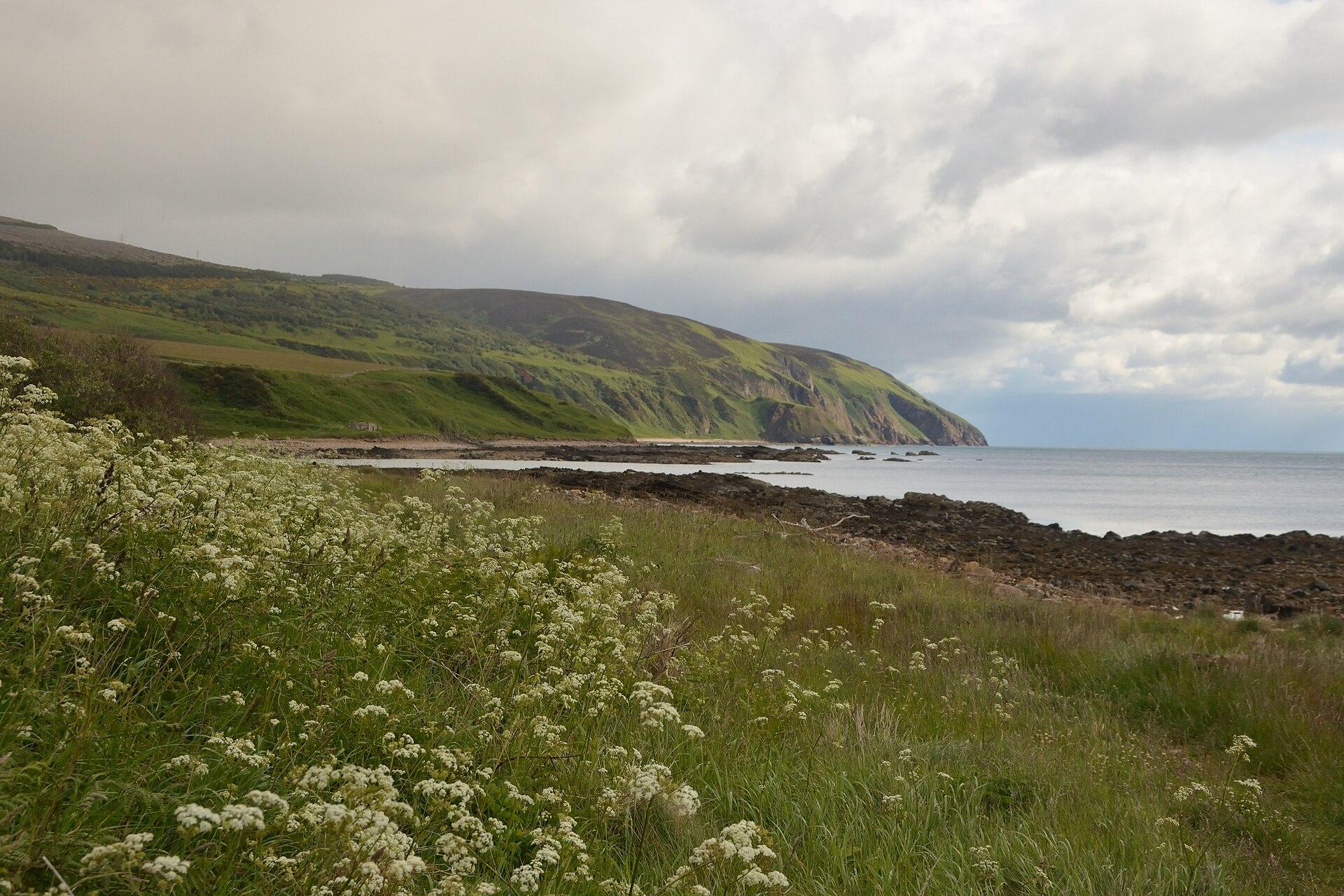
Free collectingAmmonitesBelemnitesCoralsHelmsdale tops this list for the range of Kimmeridgian material on a single stretch of foreshore north of the harbour. NatureScot dates the Helmsdale Boulder Beds Formation to about 155 to 150 million years ago, and the SSSI citation records a virtually complete Kimmeridgian zonal ammonite succession here. The dark siltstones between the boulder beds carry the ammonites and belemnites, while the boulder-bed matrix holds brachiopods, echinoids, bivalve debris and colonies of the reef coral Isastrea oblonga, which BGS records most prominently around Navidale. Work the two hours before low water and the hour after, because the sea reaches the base of the rocks at high tide. The productive stretch sits inside Helmsdale Coast SSSI, so ask NatureScot about collecting before you travel, and if you are in doubt, do not collect.
Read the full guide → - 2
Lady Burn Fossil Hunting Guide
near Drummuck
Permit requiredStarfishTrilobitesBrachiopods and bivalvesLady Burn is the most productive Ordovician locality in Scotland and the most demanding to visit. Three named starfish beds in the Farden Member of the South Threave Formation have produced complete articulated starfish, buried fast when turbidites swept shallow-water faunas into deeper water. Trilobites, brachiopods, orthocone nautiloids, crinoid columnals, bryozoans and very early corals come out of the same grey silty mudstones, dated to roughly 446.5 to 445.6 million years ago. A permit from NatureScot's South Ayrshire area team is mandatory, and it sets out where you may excavate, which tools you may use and what must be reported. Add cross-country walking over wet farmland and a burn crossing, and this becomes a planned trip for experienced collectors rather than a day out.
Read the full guide → - 3
Thurso Fossil Hunting Guide
United Kingdom
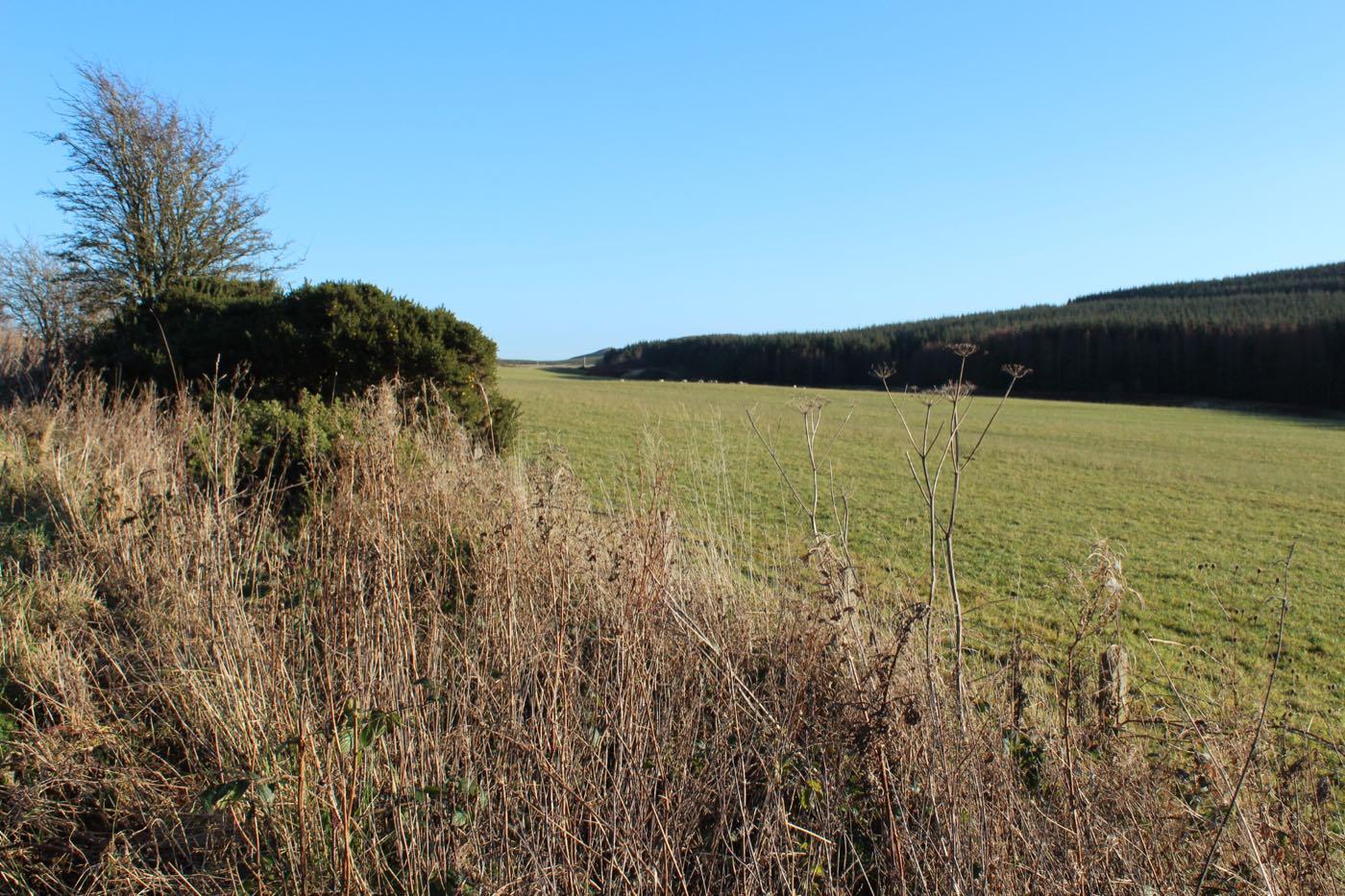
Free collectingFish scalesFish teethComplete fishThurso is the easiest place in Britain to find a Devonian fish fossil, because the flagstones on the foreshore east of the town are full of scales. Some beds hold them densely enough to see without bending down, and the reflective glint of preserved scale material is what to scan for on flat flagstone surfaces. Teeth take a sharper eye and sit among concentrated scale debris, where a whole carcass broke up in place. The Caithness Flagstone Group here was laid down in Lake Orcadie between 395 and 385 million years ago, and Hugh Miller collected and described this fauna in the nineteenth century. The site is an SSSI, so hammering the bedrock platforms is prohibited and you work loose material only, which still leaves a great deal to do.
Read the full guide → - 4
Bearreraig Bay Isle of Skye Fossil Hunting Guide
United Kingdom
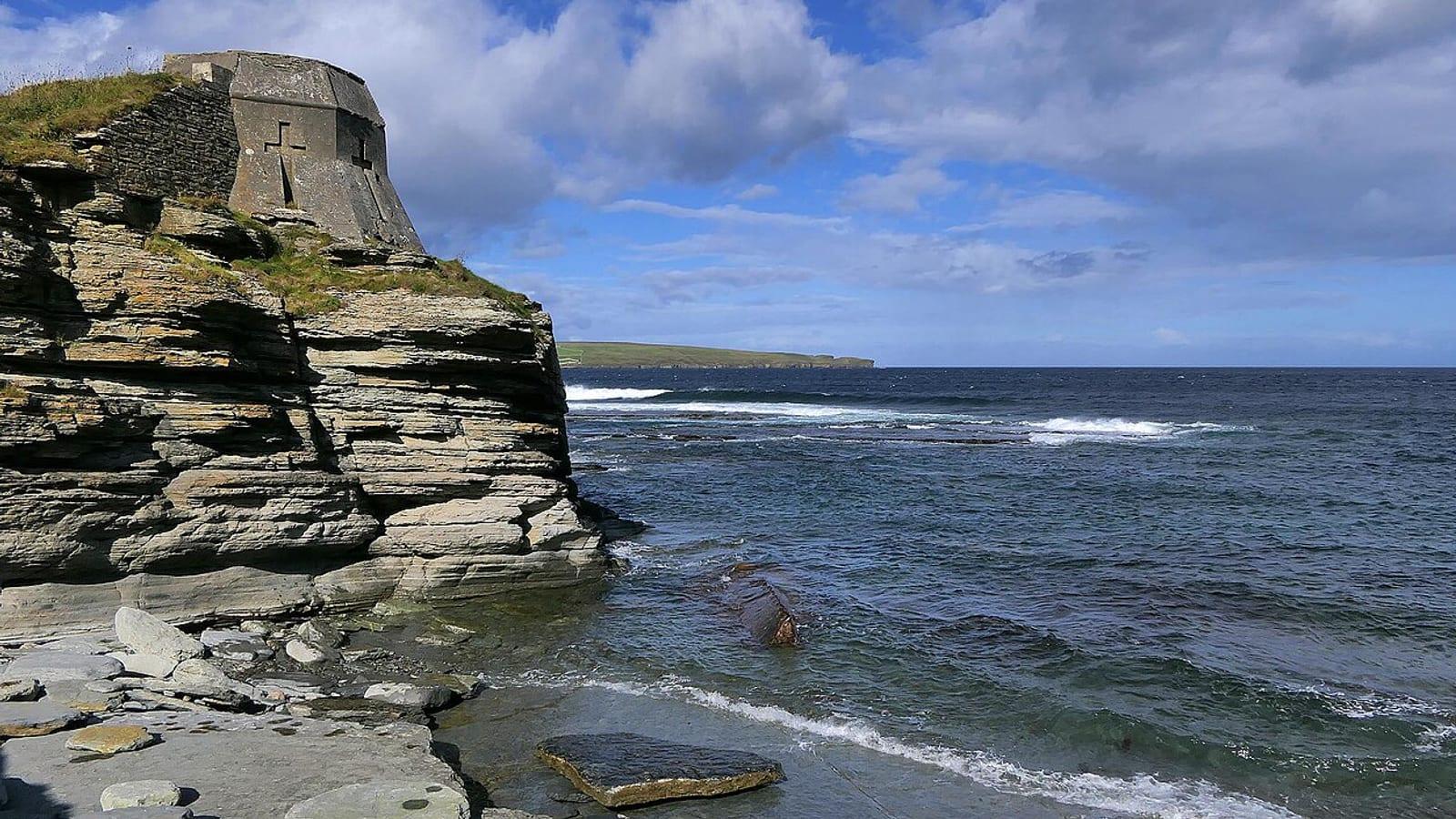
Free collectingammonitesTmetocerasbivalvesBearreraig Bay holds the Auxiliary Stratotype Point for the base of the Bajocian, which makes this bay an international reference for Middle Jurassic time. Ammonites across the Aalenian-Bajocian boundary come out of the calcareous sandstone and interbedded limestone on the wave-cut platform, with Ludwigia the genus serious collectors want and Tmetoceras lower in the sequence. Bivalves, brachiopods and echinoderm fragments occur in the more calcareous horizons. The access is the problem: a steep concrete stairway beside the power station's cliff railway, slippery when wet, and unsuitable for young children or anyone uneasy with exposed heights. Skye applies the invertebrate and vertebrate distinction strictly, so ammonites from loose foreshore material are fine, while any bone or tooth needs a NatureScot licence and a report to the Staffin Dinosaur Museum.
Read the full guide → - 5
Dobs Linn Scottish Borders Fossil Hunting Guide
United Kingdom
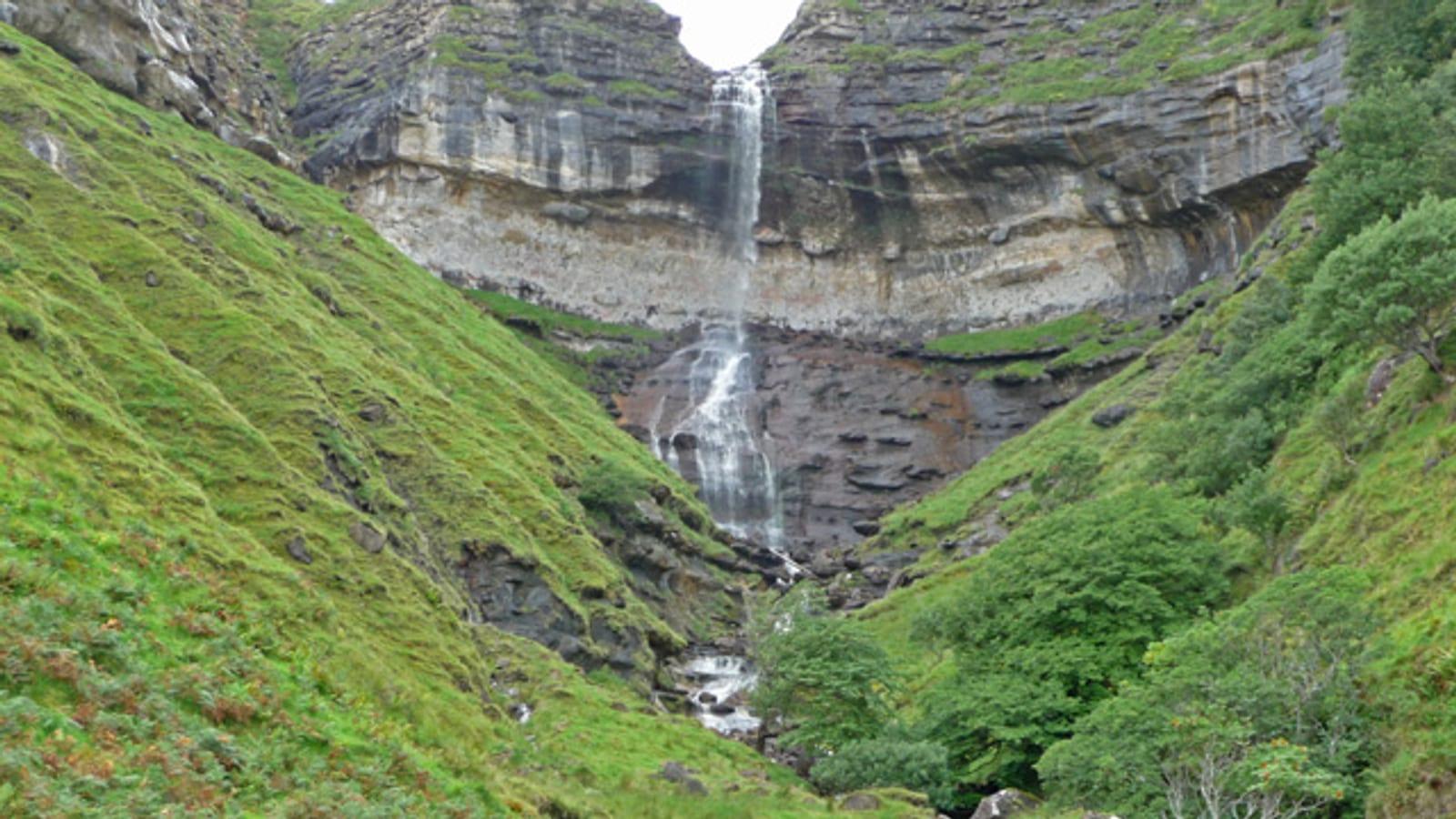
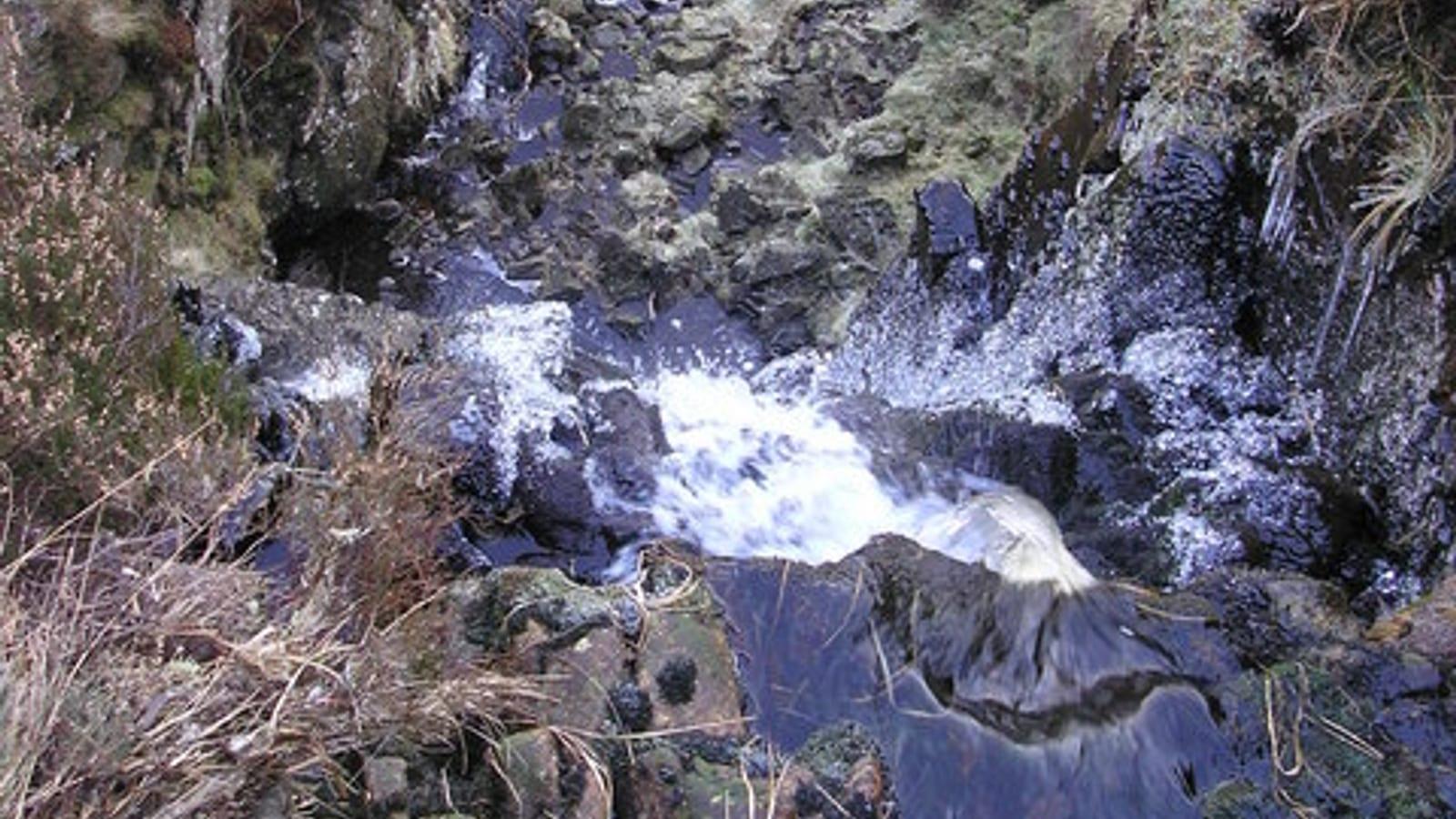
Free collectingGraptolitesDobs Linn is where the Silurian begins. The International Union of Geological Sciences ratified the GSSP for the base of the Silurian here in 1984, at a point 1.6 metres above the base of the Birkhill Shale in the stream section. Graptolites are the only fossil you will find in quantity, and they are abundant once you can pick out the silvery saw-tooth and twig-like impressions on the black shale. Charles Lapworth worked this gully from 1872 onwards and used it to build the graptolite zonation that still underpins Ordovician and Silurian correlation worldwide. Careful surface collecting of detached shale is accepted, but the bedrock faces are off limits, particularly around the GSSP marker level.
Read the full guide → - 6
Achanarras Quarry Caithness Scotland Fossil Hunting Guide
United Kingdom
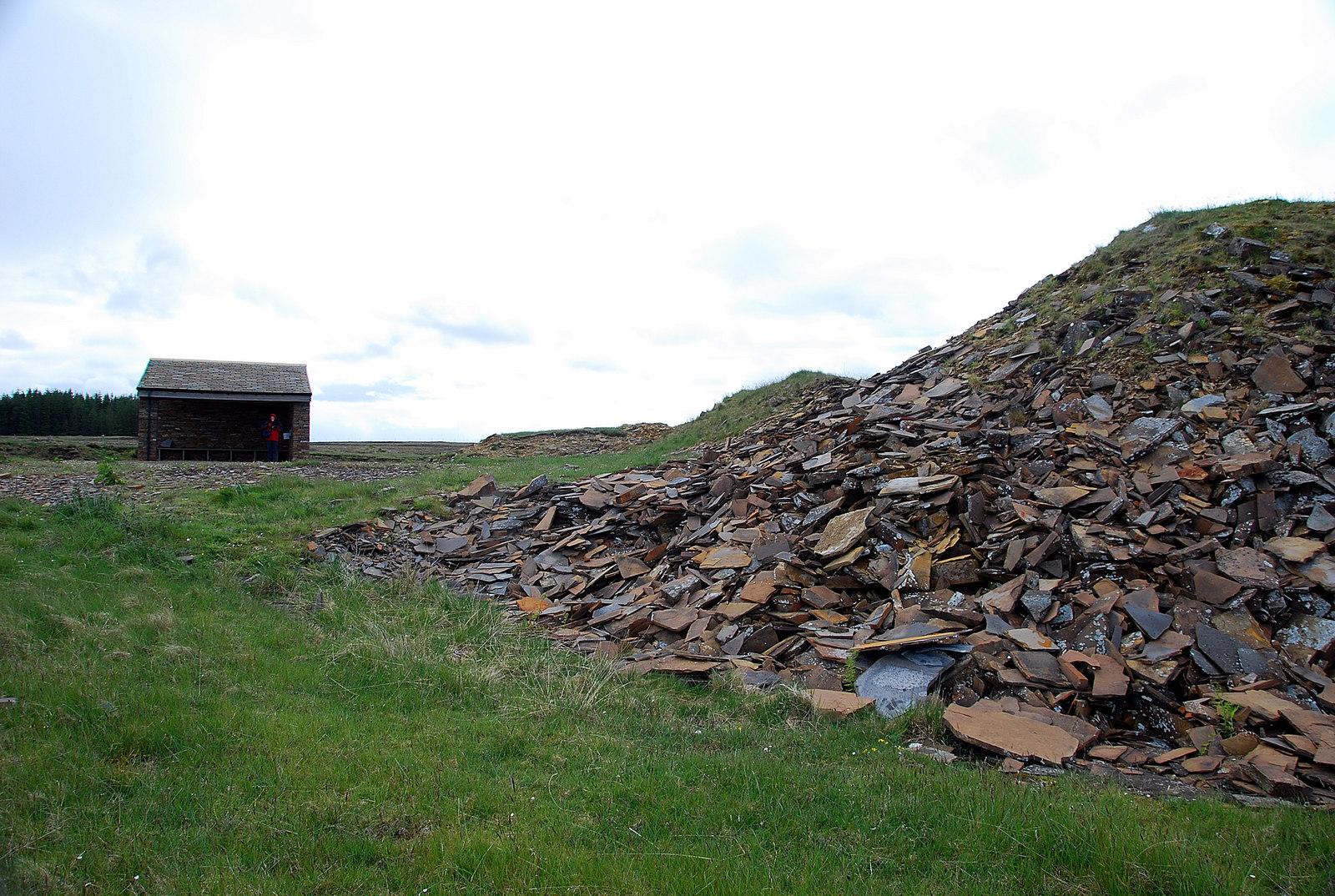
Free collectingDipterusPalaeospondylus gunniCoccosteus cuspidatusAchanarras is the Caithness fish bed that the others are measured against, with at least 16 species and more than 15 genera recovered from the Achanarras Limestone Member. Coccosteus cuspidatus is the reliable find, a placoderm whose bony head shield often comes out intact, alongside the lungfish Dipterus valenciennesi and the lobe-finned Osteolepis macrolepidotus. It is also the type locality for Palaeospondylus gunni, although specimens are extremely rare. NatureScot runs the quarry as a National Nature Reserve with a shelter, interpretive panels and a timeline walk where every three metres stands for a million years, and the old permit system ended after the Nature Conservation (Scotland) Act 2004, so no permit is needed. Split loose flagstone only, and carry midge repellent between May and September.
Read the full guide → - 7
Seafield Tower Fossil Hunting Guide
United Kingdom
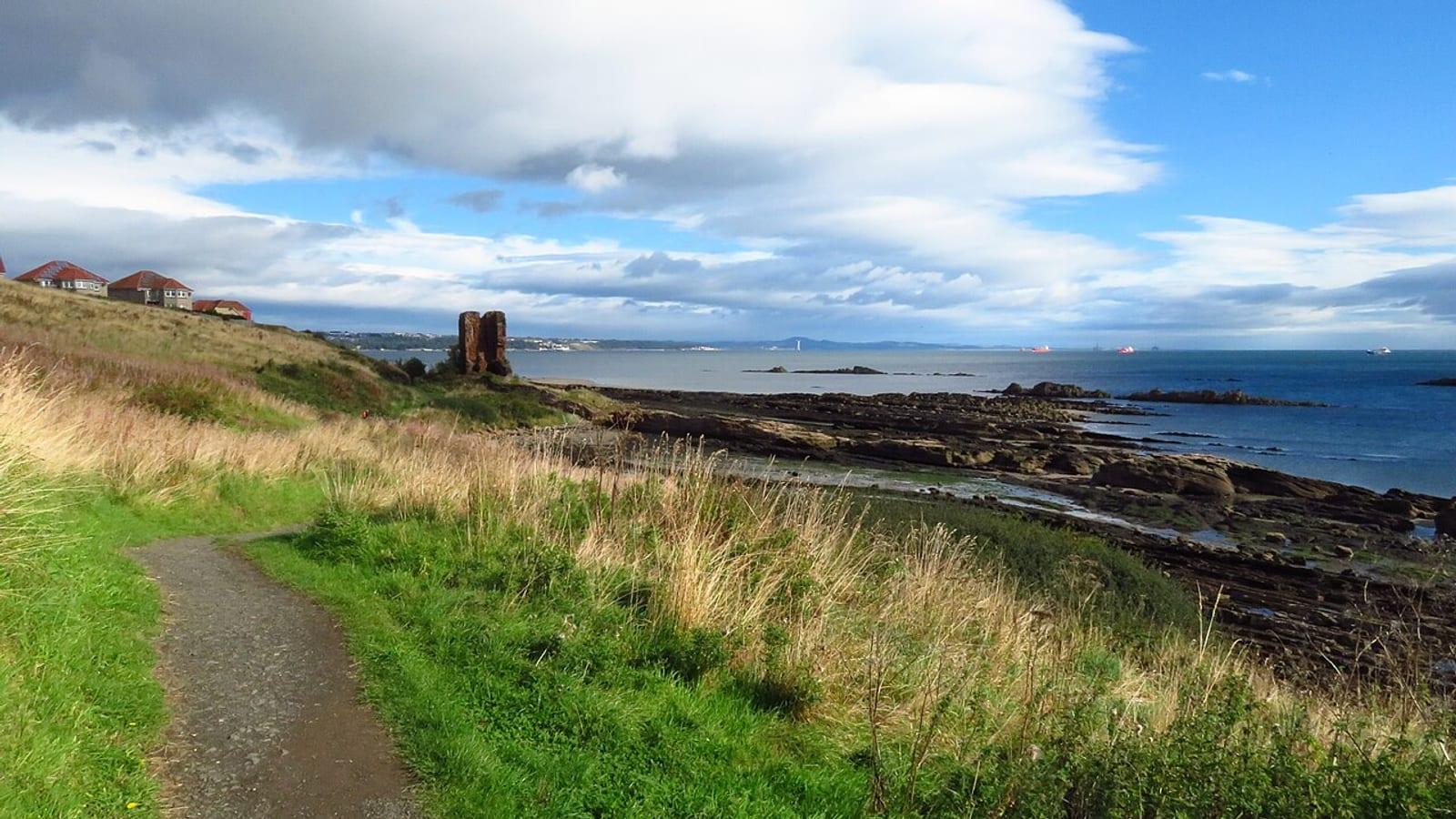
Free collectingCrinoid stemsBryozoansRugose and tabulate coralsSeafield Tower puts a Carboniferous reef platform on a Fife foreshore within easy reach of Kirkcaldy. The Seafield Tower Limestone belongs to the Lower Limestone Formation and dates to roughly 331 to 323 million years ago, when Scotland sat close to the equator. Crinoid stems are everywhere, rugose and tabulate corals show their radiating septa where weathering has cut them across, and productid and spiriferid brachiopods weather free and gather in pools and crevices. Shark teeth are the find most people want, small and dark and triangular, and they turn up in the fine sediment between the limestone ledges. The platforms are an SSSI, they are reachable only within about two hours either side of low water, and they are slick with algae when wet.
Read the full guide → - 8
West Wemyss Fife Scotland Fossil Hunting Guide
United Kingdom
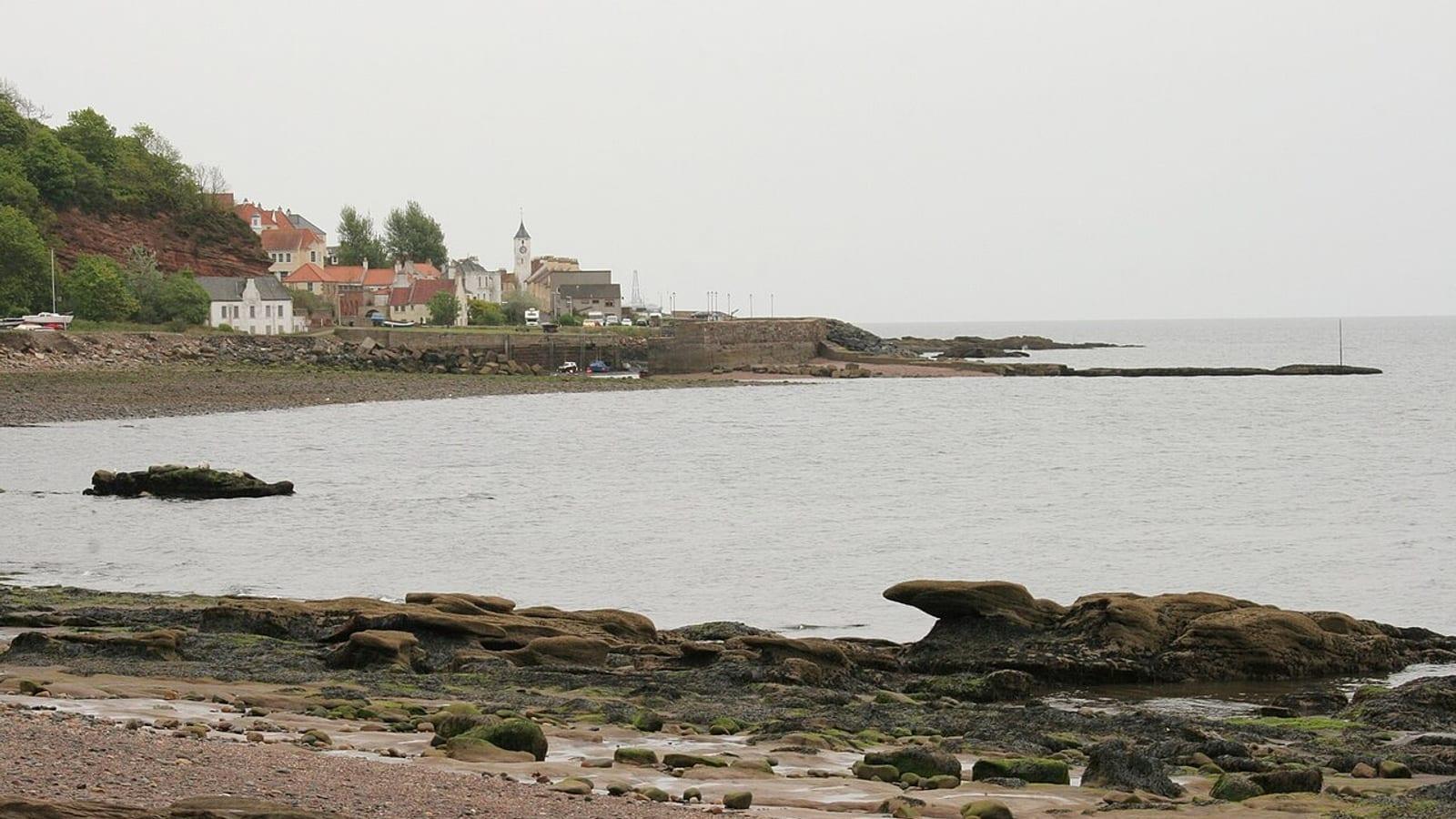
Free collectingLepidodendronSigillariaNeuropterisWest Wemyss is one of very few British beaches where you can look at coal seams and their plant-bearing shales still in place in the cliff. The Scottish Coal Measures Group here was laid down between about 315 and 307 million years ago on a tropical delta plain, and the cliff shows the cyclothems in order: channel sandstone, floodplain mudstone, lagoon shale, then a coal. Neuropteris and Pecopteris fern fronds come off the fine shale surfaces as dark carbonised impressions, with seed fern foliage and occasional non-marine bivalves alongside them. The cliff face is not designated as an SSSI, and the Land Reform (Scotland) Act 2003 gives a right of responsible access to be there, but you collect loose fallen material rather than hammer the face. Access is tidal and some sections cut off entirely at high water, so check Fife tide times first.
Read the full guide →
Planning your visit
When to visit
Tides set the day at the coastal sites and the season sets the trip. Late spring to early autumn gives the longest daylight, which matters in Sutherland and Caithness where winter days are very short. Midges can be severe at Achanarras between May and September, so carry repellent if you visit then. Dobs Linn is the one site where rain is the deciding factor, because water levels in the burn rise quickly and the stream banks turn slippery. Do not attempt the Bearreraig Bay stairway in poor visibility or high winds. For Helmsdale, Seafield Tower, West Wemyss and Bearreraig Bay, check local tide times first and work the ebb.
What to bring
Boots with a firm sole and real grip come first, because weed-covered boulders at Helmsdale, algal limestone at Seafield Tower and wet shale ledges at West Wemyss are all slippery. Take windproof and waterproof layers even on a fine summer day, and add a hat and gloves outside high summer, since the North Sea coast is cold year round and haar can cut visibility within minutes. Carry wellingtons or waterproof hiking boots for the burn crossing at Lady Burn, plus consolidant such as Paraloid B-72 for stabilising delicate starfish material in the field. A hand lens is essential in Caithness for scales and teeth, and newspaper or tissue paper matters at Dobs Linn and Achanarras, where impressions and complete fish are fragile. Bring flat-bottomed containers for flagstone slabs, which are heavy, and a map or GPS for Dobs Linn, where the track up the stream is unmarked.
Rules and access
NatureScot is the governing authority, and the Scottish Fossil Code is its guidance rather than law. On protected sites the Code states that consent is required from NatureScot to collect fossils from bedrock, and that in some instances consent may also be required to collect loose fossils. It states that you must not hammer exposed bedrock inside an SSSI without consent, and that unconsented hammering or chiselling risks reckless damage, which is a wildlife crime. In practice that means loose material only at Thurso, Achanarras, Seafield Tower, Dobs Linn, Helmsdale and Bearreraig Bay. Lady Burn needs a permit from the South Ayrshire area team before you go. Skye applies a hard line between invertebrates, which you may collect from loose foreshore material, and vertebrates, which need a licence and a report to the Staffin Dinosaur Museum. Report scientifically important finds to NatureScot or National Museums Scotland, and label each specimen with where you found it.
Getting there
The A9 is the spine of the northern half of this guide. Helmsdale is about 68 miles north of Inverness through Tain, Golspie and Brora, Thurso is further north on the same road, and Achanarras lies 2 kilometres west of Spittal near Halkirk at grid reference ND 155 546. Bearreraig Bay means Skye: take the A855 north from Portree for about 11 kilometres, then walk in over the Storr Lochs Dam. The southern sites are closer to the central belt. Seafield Tower and West Wemyss sit on either side of Kirkcaldy in Fife, reached on the Esplanade and the A955 respectively, and Dobs Linn is about 10 miles northeast of Moffat on the A708 just past the Grey Mare's Tail car park. Lady Burn runs inland from Girvan on the B741 towards Dailly, with room for one car outside East Threave Farm.
Scotland has more documented sites than the eight ranked above. Browse the full index of UK fossil sites for the complete list. Our other guide outside England covers the best fossil hunting sites in Wales, which has its own access framework and its own geology.
Frequently asked questions
- Do you need a permit to collect fossils in Scotland?
- It depends on the site. Lady Burn is the strict case in this guide, where a permit from NatureScot's South Ayrshire area team is required in advance and access without one is not allowed. Achanarras needs no permit, because NatureScot's site management statement records that the old permit system stopped after the Nature Conservation (Scotland) Act 2004 and that visitors follow the Scottish Fossil Code instead. At Helmsdale, which lies inside Helmsdale Coast SSSI, ask NatureScot about collecting before you visit. Vertebrate fossils on Skye need a licence from NatureScot, and commercial collecting at Thurso and Seafield Tower needs separate permission from NatureScot.
- What is the Scottish Fossil Code?
- NatureScot guidance, not law. The Nature Conservation (Scotland) Act 2004 required its preparation, and the current version dates from August 2023. On protected sites the Code states that consent is required from NatureScot to collect fossils from bedrock, and it adds that in some instances consent may also be required to collect loose fossils. It is direct about tools. A hammer and chisel are not always necessary, and you must not hammer exposed bedrock inside an SSSI without consent, because unconsented hammering or chiselling risks reckless damage to the site, which is a wildlife crime. The Code also asks collectors to exercise restraint, to leave an unusual fossil in place and seek expert advice, to note where each loose fossil came from and label it, and to consult the Scottish Outdoor Access Code before accessing the land.
- Which Scottish site is best for a beginner?
- Thurso. The foreshore east of the town is flat and open, fish scales appear almost as soon as you reach the beach, and the walk from the car park is short. Seafield Tower and West Wemyss come next, both on the Fife coast with level foreshore access and a tidal window to plan around. Achanarras is straightforward to reach by car and has a shelter and interpretation on site, although complete fish are less common now than in earlier decades. Leave Lady Burn and Bearreraig Bay for later, because one needs a permit and cross-country walking and the other needs a steep, exposed stairway.
- Can you hammer the rock at Scottish fossil sites?
- Not the bedrock, at any site in this guide. Thurso, Achanarras, Seafield Tower, Dobs Linn, Helmsdale and Bearreraig Bay all prohibit hammering or chiselling the in-situ faces and platforms, and the Scottish Fossil Code treats unconsented hammering of SSSI bedrock as reckless damage. What you may do is split loose material that has already come away from the rock. A geological hammer and thin chisels work well on detached flagstone at Thurso and Achanarras, and on scree shale at Dobs Linn. The same practice applies at West Wemyss, which is not designated at the cliff face, because those cliffs shed material and the section has scientific value.
- Why are the Caithness flagstones full of fish?
- Mass mortality in a lake. The Caithness Flagstone Group was deposited in Lake Orcadie, a large freshwater to brackish lake system that covered what is now Caithness and Orkney during the Middle Devonian, when Scotland lay roughly 20 to 30 degrees south of the equator. In wetter periods the lake deepened and stratified into an oxygenated surface layer and an anoxic bottom layer. Fine sediment settled continuously, and each pair of laminae in the flagstone stands for one year. The fish beds mark episodes when large numbers of fish died together, probably through temperature or salinity change or oxygen depletion during algal blooms, then sank into bottom water where decay was slow enough for fine preservation.
- How much do tides matter at these sites?
- They decide the trip at five of the eight. Helmsdale works best in the two hours before low water and the hour after, because the sea reaches the base of the rocks at high tide and there is no easy escape upward along much of that shore. The most productive platforms at Seafield Tower are reachable only within about two hours either side of low water. West Wemyss narrows at high water and some sections cut off entirely. The foreshore at Bearreraig Bay narrows at high water too, and the low-tide traverse to South Bearreraig is for experienced coastal walkers only. Thurso is flat and open, where the real risk is the incoming tide catching you further along the foreshore than you planned.
Recommended resources
- NatureScot: Scottish Fossil Code and guidance · The guidance that sets what you may collect in Scotland, including the consent rules for bedrock and, in some instances, loose fossils on protected sites. Read it before any SSSI visit in this guide.
- NatureScot: Sites of Special Scientific Interest · How SSSI designation works, and the route to the area team you contact about collecting or about a permit for Lady Burn.
- NatureScot: Achanarras Quarry Nature Reserve · Visitor information for the Caithness fish quarry, which NatureScot manages as a National Nature Reserve with a shelter, interpretive panels and a geological timeline walk.
- NatureScot: Scottish Outdoor Access Code · The access rules the Fossil Code tells you to consult before you go on the land. It covers the right of responsible access, not what you may take away.
- BGS Lexicon: Helmsdale Boulder Beds Formation · The British Geological Survey's formal definition of the Helmsdale unit, and the source for the ammonite zones and the Isastrea coral blocks around Navidale.
- National Museums Scotland collections · Where scientifically important specimens from Achanarras and Thurso should be reported, and a reference collection for identifying Devonian fish from the Caithness beds.