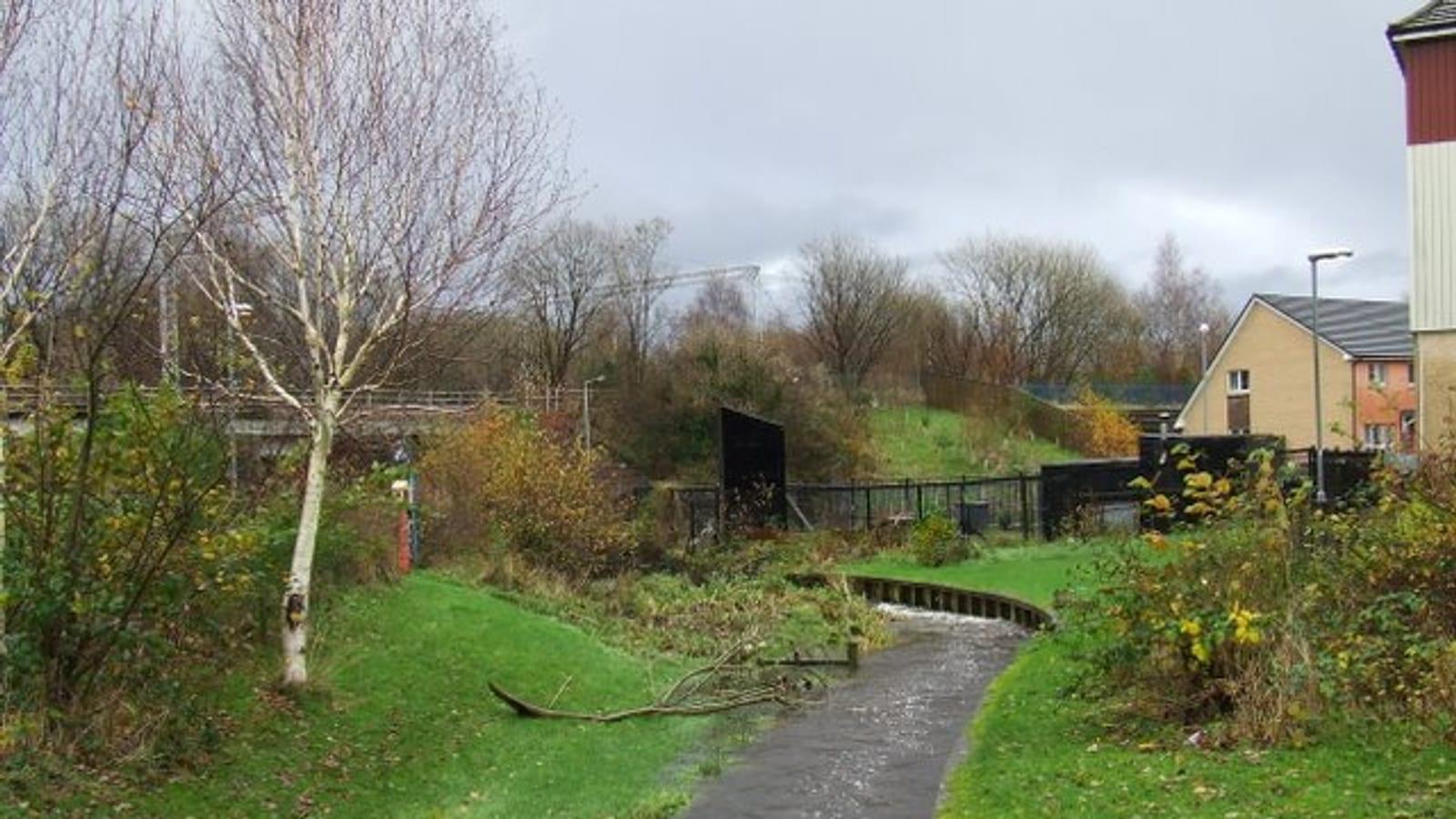
Lady Burn Fossil Hunting Guide
Image: Billy McCrorie (CC BY-SA 2.0)
Collect trilobites, starfish, and brachiopods from the Late Ordovician beds at Lady Burn near Girvan, South Ayrshire. Permit required from NatureScot before visiting this SSSI site.
By Edward Chen · Updated 1 August 2026
Introduction
Lady Burn near Drummuck in South Ayrshire is one of the most productive Ordovician fossil sites in Scotland, and one of the most demanding to visit. The rocks here are almost impossibly old, around 446 million years, and they preserve a fauna of trilobites, starfish, brachiopods, crinoids, bryozoans, corals, and straight-shelled and coiled nautiloids that lived on the floor of the ancient Iapetus Ocean long before any complex life had colonised land. Three named starfish beds within the sequence have produced complete, articulated starfish specimens of exceptional quality. The site is strictly controlled as a Site of Special Scientific Interest under the management of NatureScot, and a permit must be obtained before visiting. This is not a casual day-trip destination. It requires planning, a permit application in advance, cross-country walking to reach the burn, and careful attention to the precise instructions for accessing the site without damaging the resource. For the collector who prepares properly, it delivers results that are available almost nowhere else in the British Isles. This guide explains the access process, the challenging route to the site, what the beds yield, the geological setting of these Late Ordovician sediments, and what the permit conditions require.
Location and Directions
Address
East Threave Farm, near Drummuck, Girvan, South Ayrshire, KA26 0SE, Scotland.
Directions
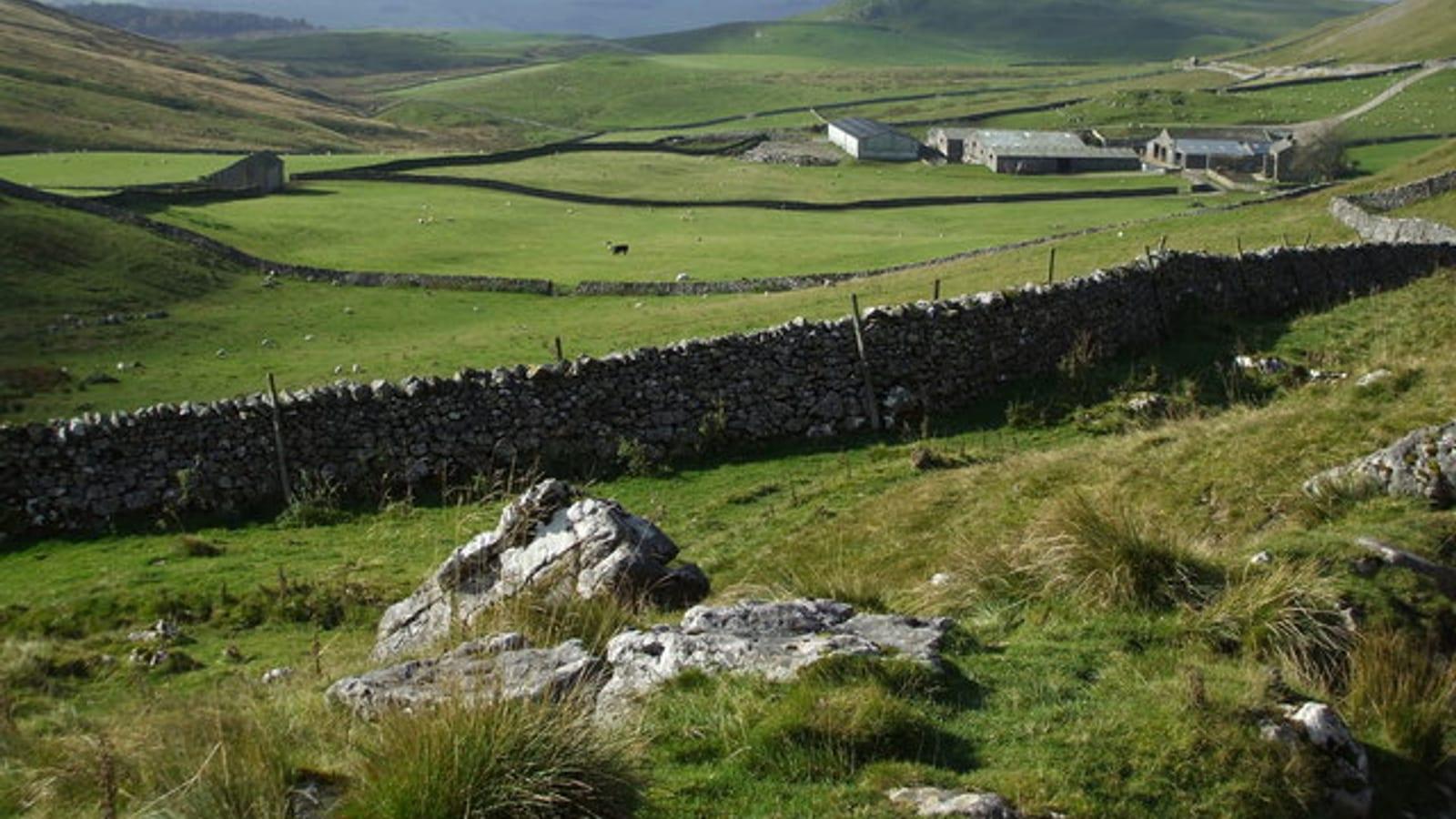
You must obtain a permit from NatureScot before visiting. Contact NatureScot's South Ayrshire area office to request access permission for Lady Burn SSSI. Once you have a permit, use the following directions. From the A77 just north of Girvan, take the B741 toward Dailly immediately after the last roundabout. At Craighead, take the minor road on the left toward Drummuck. Follow until you reach the give-way sign at Drummuck and turn left. Continue to the crossroads, turn right, and follow the road past the large North Threave Farm. At the second smaller farm, East Threave Farm, park in the space just outside their driveway, which has room for one car. Leave space for farm vehicles at all times. Walk west up the road and count the fields on your left. At the end of the second field, where the third field begins, there is a large double gate leading to both. Enter the field and walk to the top of the small hill to locate the burn. Descend the slope using the small footstile over the fence at the back of the field. Cross the burn at the most suitable point, then follow the left bank uphill. At the top of the opposite hillside, look for the small excavation pits where fossils have been found by previous visitors.
What Fossils You'll Find
Starfish are the site's most celebrated specimens. Three distinct starfish beds within the Farden Member of the South Threave Formation have produced complete and articulated specimens of multiple species. These beds are interpreted as mass-flow deposits, turbidites that rapidly buried shallow-water faunas and preserved them in exceptional detail. Finding a complete starfish here is not guaranteed but it is a genuine possibility for the patient excavator working within the permitted excavation areas.
 Photo: Michael Garlick, CC BY-SA 2.0, via Wikimedia Commons
Trilobites are present and range from fragmentary to near-complete specimens. Multiple genera representing the Late Ordovician trilobite fauna of Scotland have been documented from the Lady Burn sequence. Look for enrolled (curled) specimens as well as flattened or partial material in the grey mudstones.
Brachiopods and bivalves are common throughout the Lady Burn Formation and the Farden Member. Many specimens occur as articulated pairs preserved in the orientation in which the animals lived, embedded in the grey silty mudstone matrix.
Orthocones and cephalopods occur as straight-shelled nautiloid relatives that were active predators in the Iapetus Ocean. Their elongated, conical shells are distinctive in cross-section and can be found in the nodular siltstones.
Crinoids, bryozoans, and corals contribute to the diverse invertebrate fauna documented from this site. Crinoid columnals are scattered through the mudstone beds, bryozoan colonies appear as encrusting or branching forms, and corals from this Ordovician setting are representatives of very early coral evolution.
Coiled nautiloids are a rarer component of the fauna, distinguishable from the orthocones by their curved or coiled shells. True ammonoids do not appear until the Devonian, so nothing at Lady Burn is a goniatite or an ammonite.
Geologic History
The Ancient Environment
Lady Burn exposes rocks of the uppermost Lady Burn Formation and the Farden Member of the South Threave Formation, both within the Drummuck Subgroup of the Ardmillan Group. These units were deposited during the Rawtheyan Stage of the Late Ordovician, approximately 446.5 to 445.6 million years ago, making them among the oldest fossiliferous rocks accessible for collection in Scotland. The Lady Burn Formation consists of grey silty mudstones representing relatively deep-water marine deposits laid down in the Iapetus Ocean, the ancient body of water that separated the landmasses of Laurentia (North America and Scotland) from Avalonia (England and Wales) during the Ordovician. Scotland at this time lay at approximately 25 degrees south latitude, within warm, subtropical waters receiving sunlight year-round. The seafloor community included a rich benthic assemblage of brachiopods, trilobites, echinoderms, corals, and bryozoans living in well-oxygenated conditions on the shallow shelf. The famous starfish beds near the top of the Farden Member are interpreted as turbidite deposits: episodic underwater landslides that swept material from the shallow shelf into deeper water, rapidly burying the fauna and preserving it in exceptional articulation. This rapid burial is the reason why complete starfish are possible here when they are so difficult to find elsewhere.
How Lady Burn Became a Fossil Collecting Site
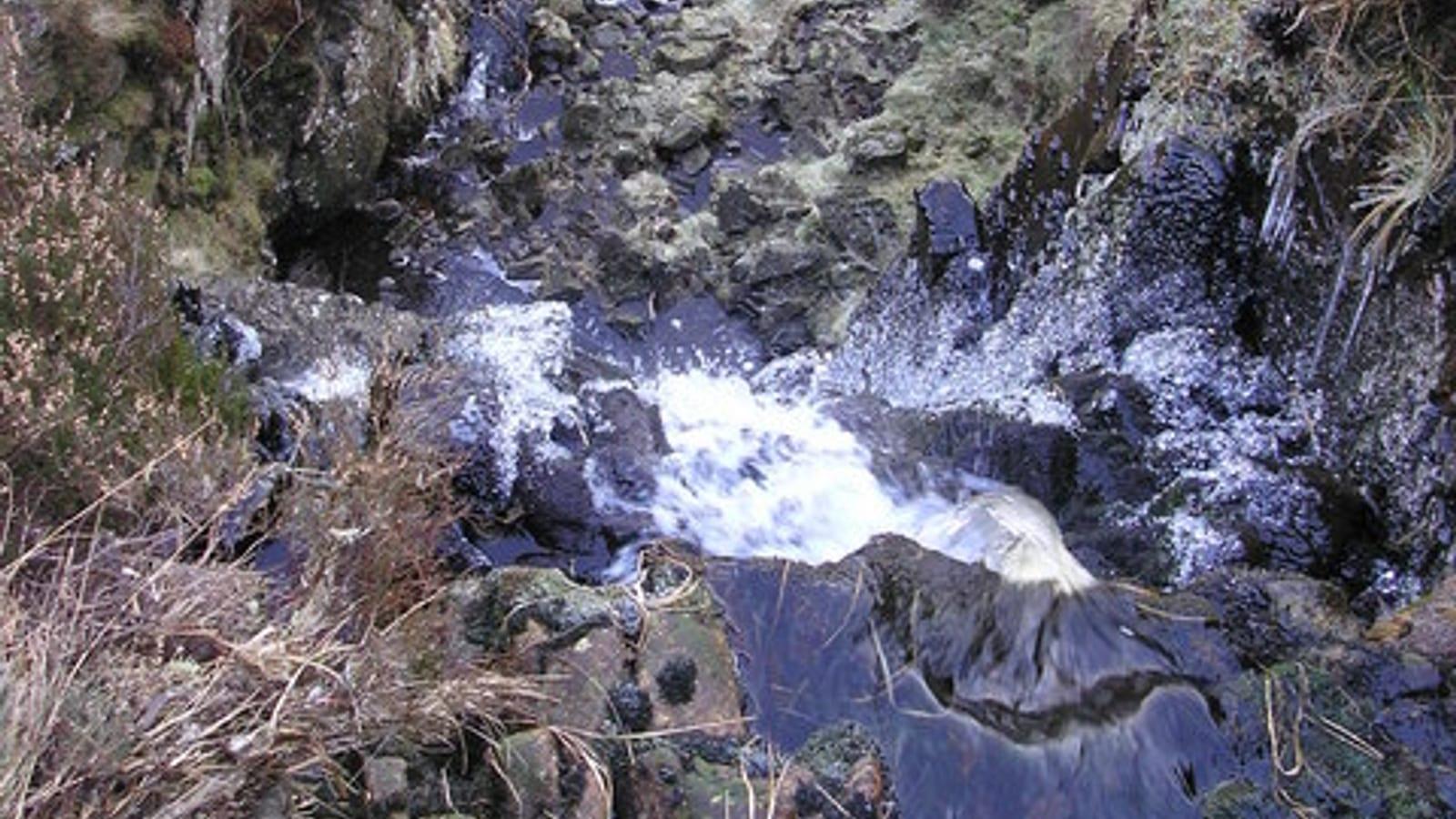
The Lady Burn is a small stream cutting through the South Ayrshire farmland south of Girvan, and it has been eroding into the Ordovician mudstones for thousands of years. The stream action exposes fresh faces of the fossil-bearing beds and concentrates material in the stream bed and banks. The site has been known to geologists and collectors since the nineteenth century and is recognised internationally for the quality of its Ordovician fauna. NatureScot designated it as an SSSI to manage the significant scientific resource and to keep collecting from depleting the beds to the point where scientific study becomes impossible. The permit system reflects the site's fragility and its national importance.
Collecting Rules and Regulations
Is Fossil Collecting Allowed?
Fossil collecting at Lady Burn is permitted but requires a permit from NatureScot in advance. This is a strictly controlled SSSI and access without a permit is not allowed. Contact NatureScot's South Ayrshire area team to apply. The permit will specify the areas in which you may excavate, the tools you may use, and any conditions regarding what material may be retained and what must be left or reported. Commercial collection is not permitted. Scientifically significant finds, particularly complete or articulated specimens of any taxon, should be reported to NatureScot and may be required to be deposited in a public museum collection.
Recommended Tools
A geological hammer, chisels, and brushes are appropriate for working the mudstone beds at Lady Burn. The grey silty mudstone splits reasonably well along bedding planes. Bring containers for fragile specimens, especially any articulated starfish material, and consolidant (such as Paraloid B-72) for stabilising delicate fossils in the field before transport. Knee pads and waterproofs are useful for working in and around the burn.
Safety
The route to Lady Burn involves cross-country walking over farmland. The terrain is wet and uneven, particularly close to the burn. Wellington boots or waterproof hiking boots are essential. The burn itself can be difficult to cross in wet weather. Check conditions before visiting and have a contingency plan if water levels are high. Mobile phone signal is limited in this area. Inform someone of your plans and expected return time before setting out. The site is remote enough that help would take considerable time to reach.