Utah Fossil Hunting Guide
6 Best Fossil Hunting Sites in Utah
Utah splits cleanly into two kinds of fossil site, and the line between them is federal law. Common invertebrate and plant fossils may be collected on BLM public land in reasonable amounts for personal use, which is why two Cambrian trilobite quarries in the House Range hand visitors a bucket of Elrathia kingii. Vertebrate fossils may not be collected at all without a permit, which is why the state's four great dinosaur localities are places to look. The six sites below cover both halves, from a free scrap pile 50 miles west of Delta to the largest in-place display of Jurassic dinosaur bone in the world.
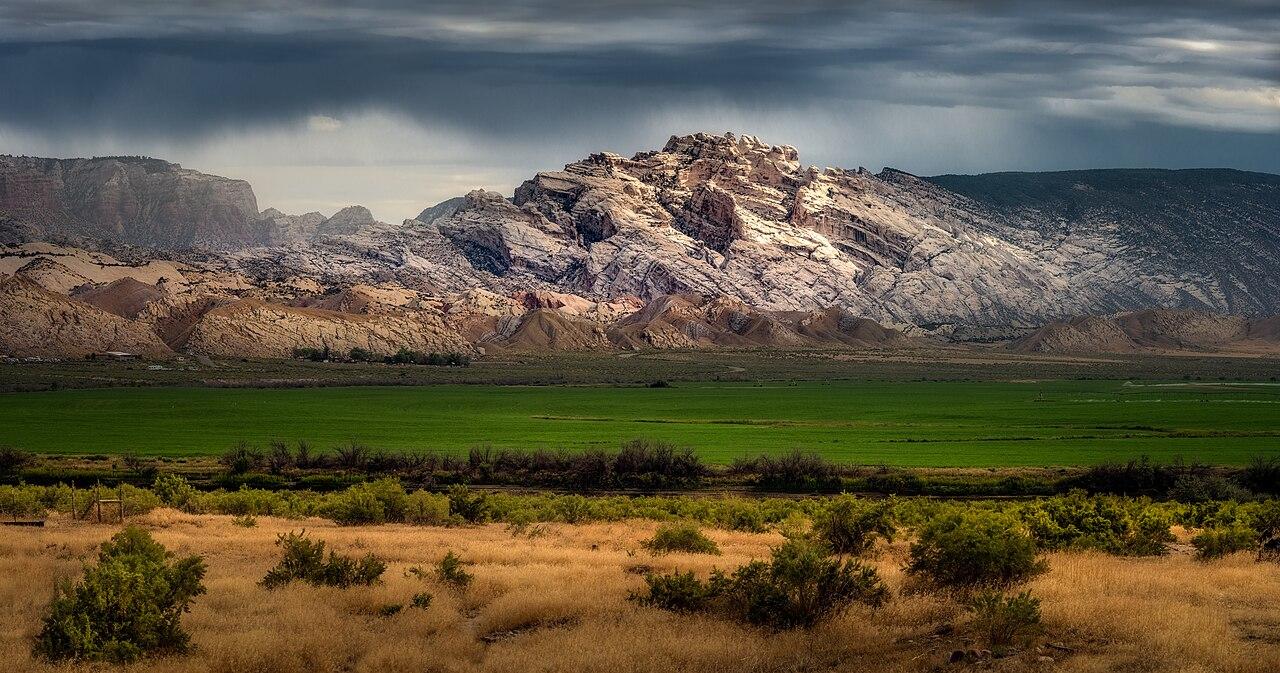
6 fossil sites
Updated 1 August 2026
What makes Utah productive
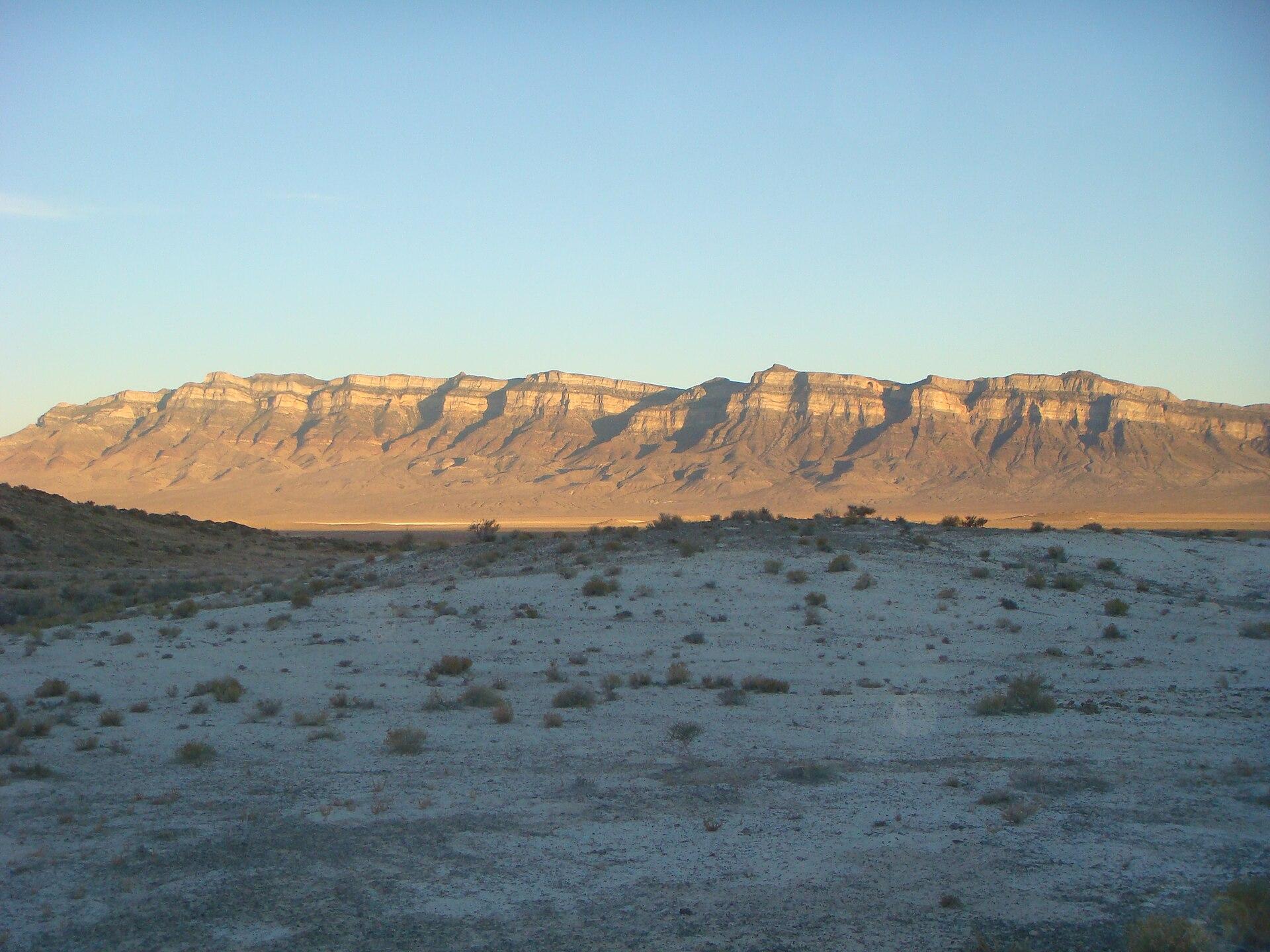
Two episodes do most of the work. In the Middle Cambrian, about 507 million years ago, western Utah sat on the trailing-margin shelf of proto-North America, and a deeper-water basin called the House Range Embayment collected fine mud between two carbonate platforms. Oxygen-poor bottom water kept scavengers off the seafloor, so trilobite exoskeletons accumulated as undisturbed bed assemblages in shale that still splits cleanly by hand. The Ptychagnostus atavus zone in the Wheeler Formation defines the global boundary for the Drumian Stage, the only Cambrian stage boundary marker of its kind in the United States. Much later, in the Late Jurassic, central and eastern Utah lay on a seasonal alluvial plain east of a rising mountain belt, and the rivers crossing it buried dinosaurs in channel sands and drying ponds. Those beds are the Morrison Formation, and its Brushy Basin Member holds both Cleveland-Lloyd and the Carnegie Quarry.
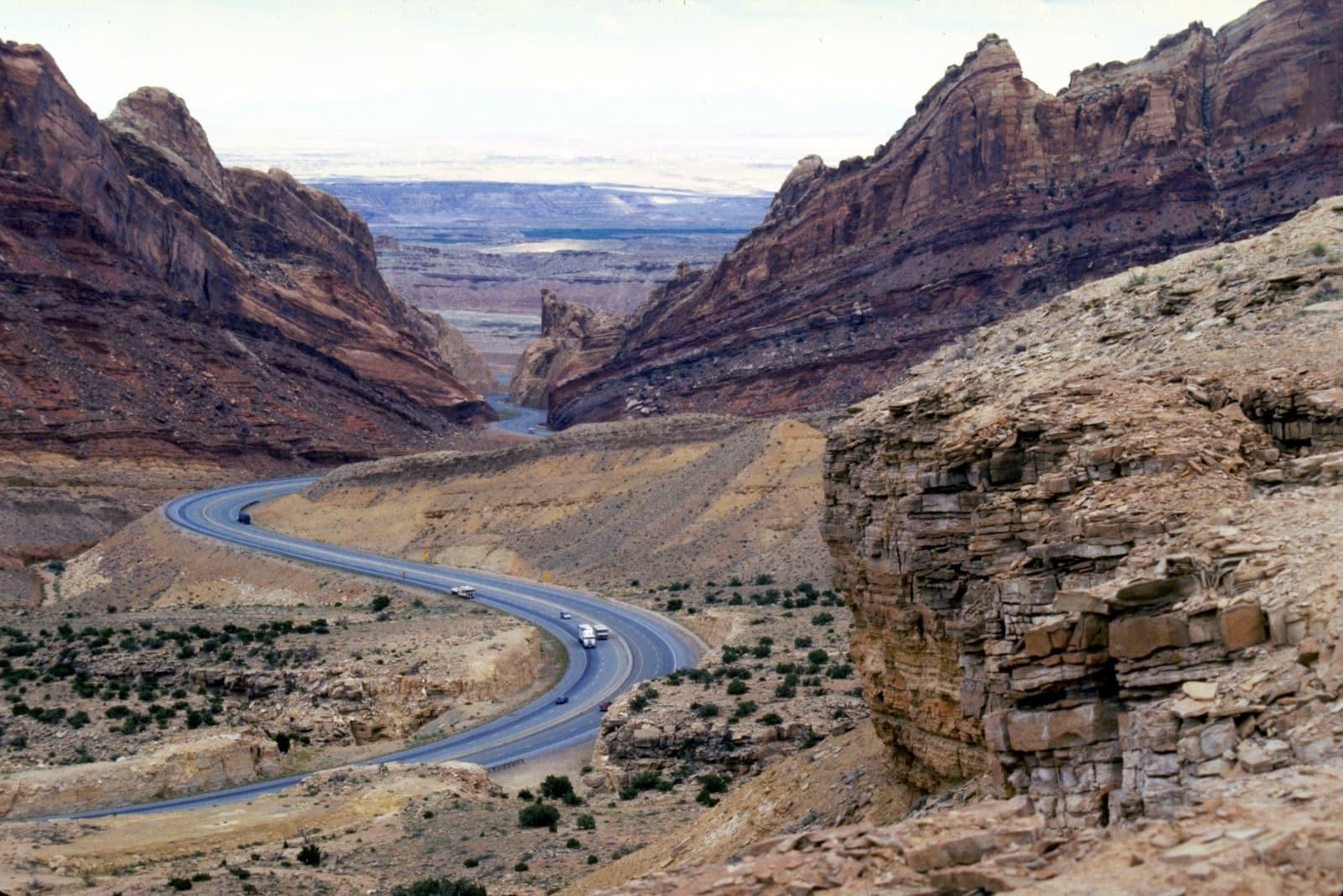
Basin and Range faulting and Laramide uplift then tilted and stripped the whole stack, which is why so much of it reaches the surface. The House Range is an uplifted fault block with Wheeler shale weathering onto its slopes. The San Rafael Swell is a dome whose upturned layers expose Triassic dune sand through Cretaceous marine shale in a single drive. The Carnegie Quarry sandbar was tilted until its bedding stood almost on end, which is the only reason a 24-meter bone-bearing surface can be displayed as a wall. Access follows the rock. Common invertebrates, common plant fossils and petrified wood come home with you from BLM ground, capped at 25 pounds a day plus one piece and 250 pounds a year, and never for sale. Vertebrate fossils and trackways stay where they are, and inside Jurassic National Monument, Dinosaur National Monument and Utahraptor State Park nothing may be taken at all.
- 1
BLM Trilobite Quarry (Antelope Springs) Fossil Guide
Utah, United States
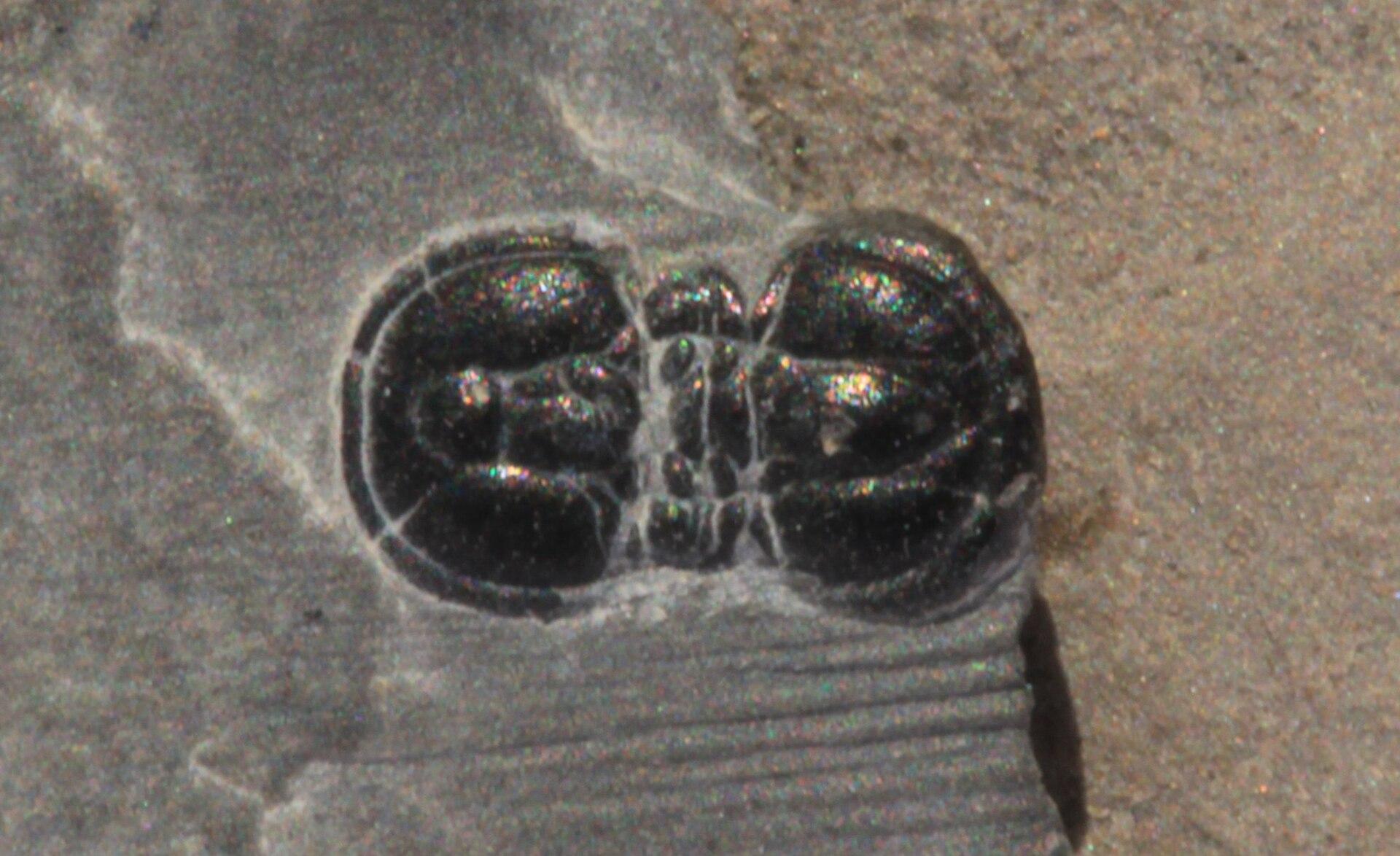
Free collectingTrilobitesElrathia kingiiAsaphiscusThis is the free counterpart to the commercial quarry 20 minutes down the road, an acre of worked slopes and scrap piles in the Wheeler Formation of the House Range. The shale splits by hand along its bedding, and a careful afternoon produces a dozen complete Elrathia kingii, with the larger Asaphiscus wheeleri as the better find and Olenoides nevadensis as the rare one. BLM rules allow casual personal collection of common invertebrate fossils in reasonable amounts, with no permit and no fee, which puts a world reference Cambrian section on open public land. The cost is the approach: 50 miles west of Delta on rough gravel, no fuel, no water and no signal, and a road that becomes impassable when wet. It ranks first for the combination of free access and fossils that are genuinely abundant, but it suits a self-sufficient collector with a high-clearance vehicle.
Read the full guide → - 2
U-Dig Fossils Fossil Hunting Guide
Utah, United States
Pay to digTrilobitesBrachiopodsU-Dig works roughly 40 acres of the same Wheeler Shale on private ground, and the arrangement is simple. You pay for two hours, four hours or a full day, the quarry hands you the tools, and everything you find is yours with no limit and no reporting. Most visitors find trilobites within the first few minutes, and a methodical four-hour session commonly fills a bucket, chiefly with Elrathia kingii alongside Asaphiscus wheeleri and the tiny agnostid Peronopsis interstricta. The 2026 season runs from 30 March to 24 October, the gate opens at 9am, and the quarry closes on Sundays and Independence Day. No reservation is needed and under-sixes dig free with a paying adult, which makes this the one Utah site that reliably works for a family.
Read the full guide → - 3
Cleveland-Lloyd Dinosaur Quarry Fossil Hunting Guide
Utah, United States
Viewing onlyAllosaurus fragilisCamarasaurusStegosaurusMore than 12,000 bones from at least 74 dinosaurs have come out of a few hundred cubic yards of Brushy Basin mudstone here, and roughly three in four of those animals are Allosaurus fragilis. Nobody has settled why so many predators died in one small pond deposit, and the drought-stressed water hole, the mired carcass and the slow low-energy accumulation all remain live hypotheses. The covered quarry shelter lets you look at ribs, vertebrae and limb bones still in the gray-green matrix, often within arm's length, and university crews sometimes work the wall while visitors watch. Collecting is prohibited across the quarry and the surrounding Jurassic National Monument. Access is 13 miles of graded dirt that turns to slick clay when wet, and the site normally opens Friday through Monday from late spring into early fall, so call the BLM Price Field Office first.
Read the full guide → - 4
Dinosaur National Monument Quarry Exhibit Hall Fossil Hunting Guide
Utah, United States
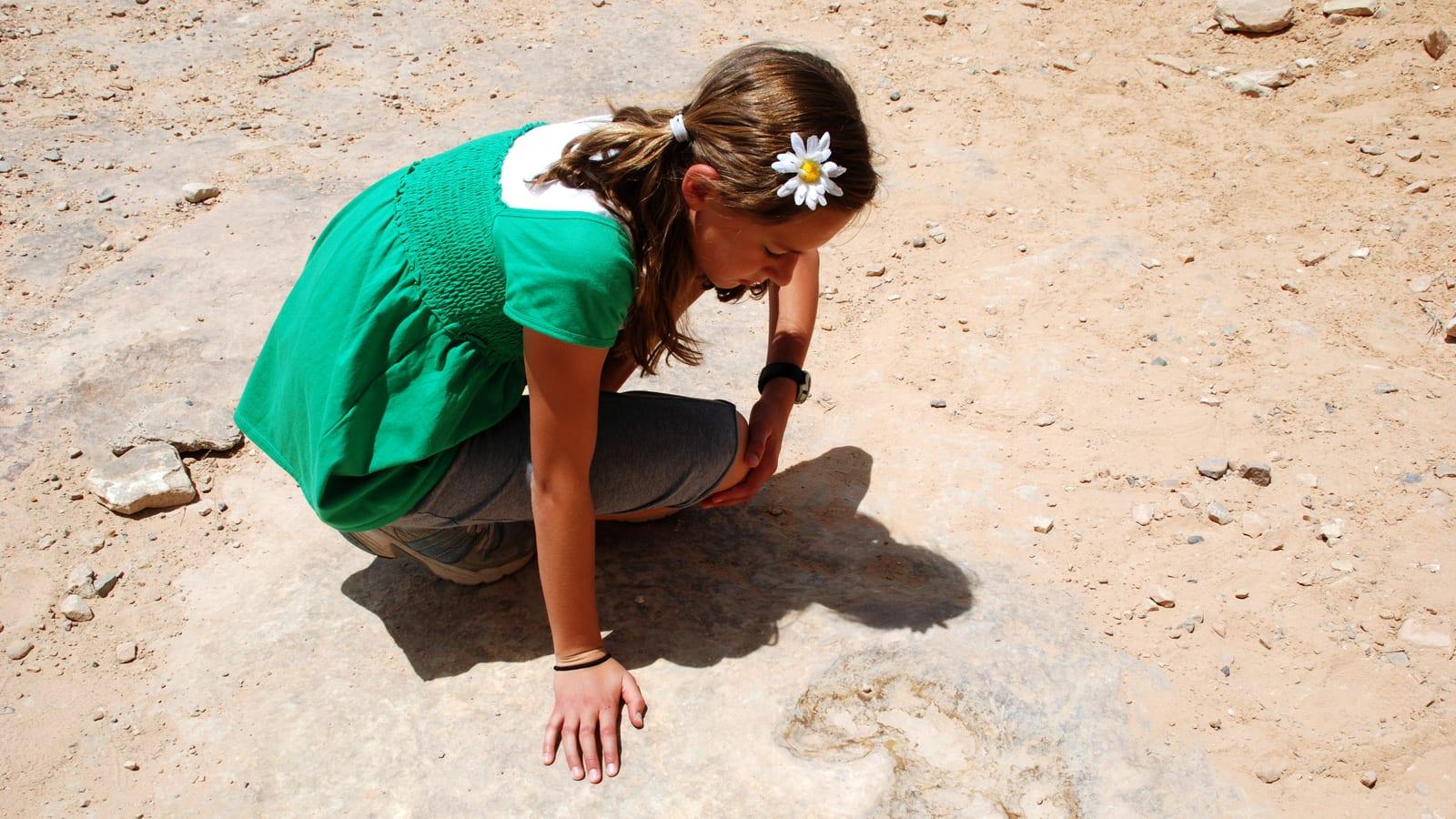
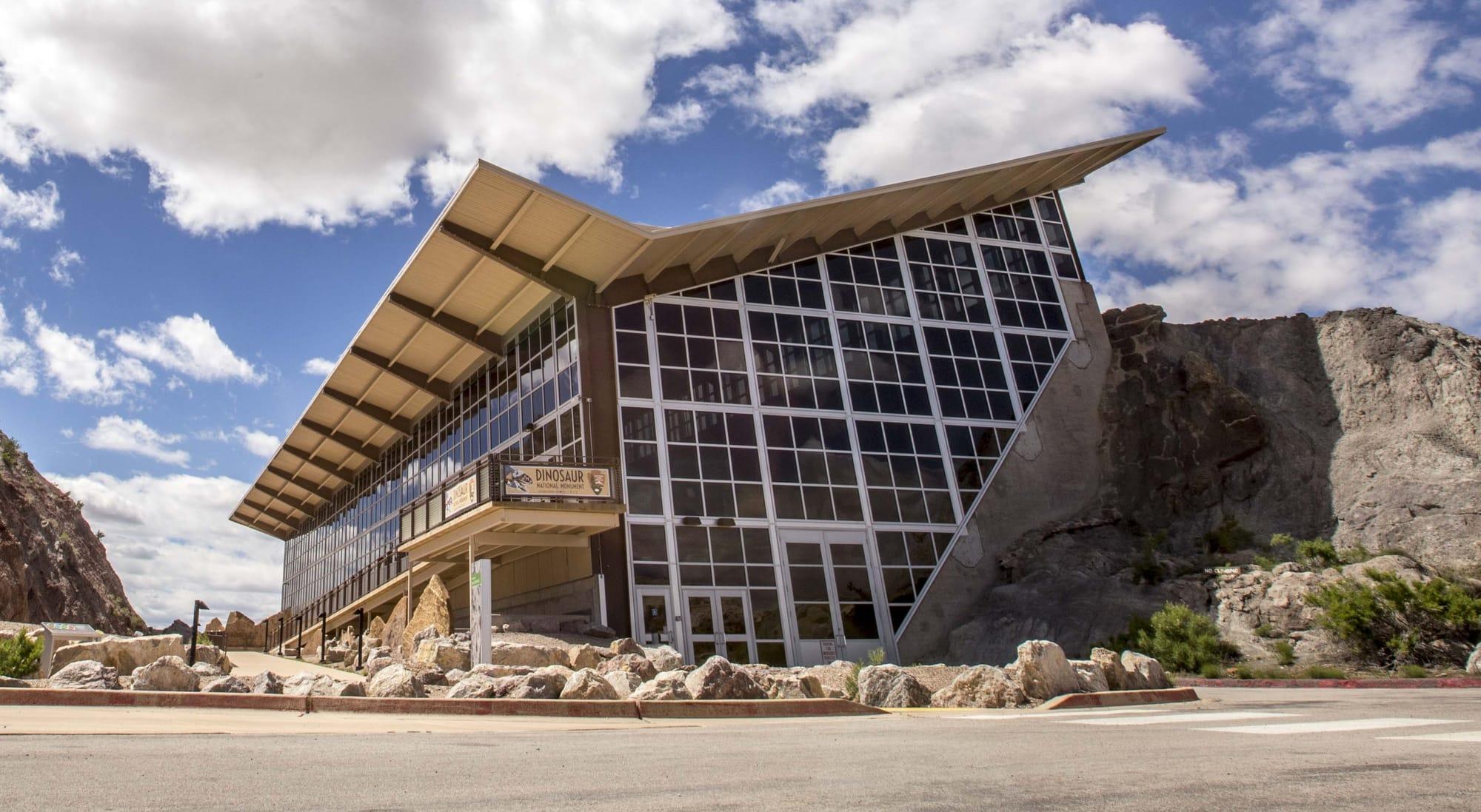
Viewing onlyAllosaurus fragilisApatosaurus louisaeDiplodocus longusThe Quarry Exhibit Hall encloses a 24-meter cliff face holding more than 1,500 catalogued bones in their original burial position, which makes it the largest in-place display of Jurassic dinosaur fossils in the world. Allosaurus, Apatosaurus, Diplodocus, Camarasaurus, Stegosaurus and the small ornithopod Dryosaurus lie side by side in one tilted sandbar, and a single tactile zone lets visitors touch specific bones under ranger supervision. Entry is 25 dollars per vehicle for seven days, and from mid-May to mid-September you park at the visitor center and ride a free shuttle that runs every 15 minutes. Collecting anywhere in the monument is a federal offense under the Paleontological Resources Preservation Act. It ranks below Cleveland-Lloyd only because the hall is a finished exhibit rather than a working quarry, and it is the most comfortable site on this list, indoor, level and accessible.
Read the full guide → - 5
San Rafael Swell Fossil Guide
Utah, United States
Free collectingPetrified woodAmmonitesBivalvesThe Swell is a giant uplifted dome in Emery County where erosion has stripped the cover off Triassic through Cretaceous rock, so the fossil range runs from Morrison dinosaur bone to Mancos Shale ammonites and clams. For a hobby collector the targets are the legal ones: petrified wood scatters and the marine shell beds, both collectable by hand on BLM ground in reasonable amounts for personal use. The dinosaur bone, the trackways and anything uncommon are protected, and nothing at all may be taken inside Jurassic National Monument. This is backcountry with no services, crossed by dirt roads that turn impassable when wet, so carry water, fuel, a paper map and recovery gear. Ranked fifth because the reward depends entirely on how carefully you work out whose land you are standing on.
Read the full guide → - 6
Cedar Mountain Formation Yellow Cat Member Fossil Guide
Utah, United States
Viewing onlyDinosaursUtahraptorTheropodsEvery known specimen of Utahraptor ostrommaysorum, the largest dromaeosaur on record, has come from the lowermost Cedar Mountain Formation in Grand County, which makes this drab badland mudstone some of the most consequential dinosaur ground in North America. The same beds have produced the small coelurosaur Nedcolbertia, large theropods, sauropods, armored dinosaurs and iguanodont ornithopods, and the megablock lifted from the area holds the jumbled bones of several Utahraptor of different ages. The richest bone beds, Dalton Wells among them, now sit inside Utahraptor State Park, so this is a place to see prepared specimens and the fossil-bearing layers in place rather than to dig. Loose bone does weather out of the mudstone, and the correct response is to leave it, note the spot and report it to the park, the BLM or the Utah Geological Survey. The park is still developing, so check Utah State Parks for current access before you drive out.
Read the full guide →
Planning your visit
When to visit
Spring and fall beat summer at every site here. This is high desert with severe heat and almost no shade, and the quarries put you on an open slope for hours at a time. Two sites also have fixed seasons. U-Dig runs from 30 March to 24 October in 2026 and closes on Sundays, and the Cleveland-Lloyd visitor center normally opens Friday through Monday from late spring into early fall with reduced winter access. The weather rule that matters most is rain, because the graded dirt approaches to the House Range, Cleveland-Lloyd and the San Rafael Swell all turn to slick clay and can strand a vehicle far from help.
What to bring
Water, well beyond what the day appears to need, since the elevation speeds dehydration and ultraviolet exposure is stronger than at sea level. The BLM Trilobite Quarry needs a small hammer and chisel, eye protection, gloves and boots with a firm sole, because splitting shale throws chips and the plates have sharp edges. U-Dig provides tools, so there you only need clothing, water and something to pack the plates in. The approach roads deserve their own kit. Fill the tank in Delta, Price or Moab, carry a full-size spare and the means to fit it, take a paper map, and tell somebody your route, because cell coverage disappears long before the sites do.
Rules and access
The Bureau of Land Management governs most of the ground in this guide, and its rule is a split rather than a blanket. Common invertebrate fossils, common plant fossils and petrified wood may be collected without a permit in reasonable amounts for personal use, by surface collection with non-powered hand tools, up to 25 pounds a day plus one piece and 250 pounds a year, and never for sale or barter. Vertebrate fossils, including all dinosaur bone and teeth, may not be dug, removed, cast or molded, and the same protection covers trackways and uncommon invertebrate and plant fossils. Jurassic National Monument, Dinosaur National Monument and Utahraptor State Park are closed to all collecting. U-Dig is private ground where the operator's terms apply, and those terms let you keep everything you find.
Getting there
Utah's fossil sites spread across three separate corners of the state, so pick one per trip. Delta is the base for the House Range, with U-Dig signed off U.S. 6/50 about 32 miles west of town and 20 miles of gravel after that, and the BLM quarry a few miles further on. Price serves Cleveland-Lloyd, roughly 30 miles south and southeast on Highway 10 and then signed BLM road, and it is also the northern gateway to the San Rafael Swell. Vernal has the nearest airport and lodging for Dinosaur National Monument, which is about three hours east of Salt Lake City on U.S. 40. Moab is the base for the Yellow Cat exposures, roughly 15 miles northwest of town off U.S. 191.
Want every documented location, not just the curated top sites? Browse the full index of Utah fossil sites for the complete list, including locations beyond this guide. This guide is part of our national roundup of the best places to fossil hunt in the United States.
Frequently asked questions
- Can you collect fossils on BLM land in Utah?
- Some fossils, and the distinction is the single most useful thing to know before a Utah trip. Anyone may collect a reasonable amount of common invertebrate fossils, common plant fossils and petrified wood without a permit, using surface collection and non-powered hand tools that cause only negligible ground disturbance. The BLM defines reasonable for personal use as up to 25 pounds per day plus one piece, with a yearly cap of 250 pounds, and collected material may not be sold or bartered. Vertebrate fossils are a flat no. It is illegal to dig, remove, collect or make molds or casts of vertebrate fossils, including dinosaur, fish and reptile bone, and the same protection covers fossil trackways and uncommon invertebrate and plant fossils.
- Where can you find trilobites in Utah?
- The House Range in Millard County, about 50 miles west of Delta, where the Middle Cambrian Wheeler Shale splits open along its bedding and the trilobites lie on the parted surfaces. Two sites work for the public and they sit 20 minutes apart. The BLM Trilobite Quarry at Antelope Springs is free public land with scrap piles you work yourself, and U-Dig Fossils is a private pay-to-dig quarry that provides the tools and lets you keep everything. Both produce Elrathia kingii in quantity, probably the most widely collected trilobite in the world, along with the larger Asaphiscus wheeleri.
- Can you collect dinosaur bone in Utah?
- No, not as a member of the public. Dinosaur bone is vertebrate material, which may be collected on federal land only by qualified researchers under permit. All four Utah dinosaur sites in this guide are closed to collecting for that reason. Cleveland-Lloyd Dinosaur Quarry and the surrounding Jurassic National Monument are BLM land under the Paleontological Resources Preservation Act, Dinosaur National Monument is National Park Service land under the same act and 36 CFR 2.1, and the Yellow Cat bone beds are inside Utahraptor State Park. If you find exposed bone, leave it in place, note the location and report it to the BLM or the Utah Geological Survey, because a reported find can become a studied specimen while a dug-up one loses its scientific value.
- Do you need a reservation for U-Dig Fossils?
- No. Reservations are not required, and you choose a two-hour, four-hour or full-day dig when you arrive. The 2026 season runs from 30 March to 24 October, the gate opens at 9am and closes by 6pm, and the quarry is closed on Sundays and on Independence Day. Children aged six and under dig free alongside a paying adult. Tools are provided, so you do not need to bring a hammer, and the office takes all the usual forms of payment.
- When is the best time to visit Utah fossil sites?
- Spring and fall. Every site in this guide sits in high desert where summer temperatures are severe and shade is minimal, and the trilobite quarries in particular put you on an open slope with no cover at all. The season sets hard limits in places. U-Dig opens from late March to late October, and the Cleveland-Lloyd visitor center normally opens Friday through Monday from late spring into early fall with reduced winter access. Avoid every unpaved approach road during and after rain, when graded dirt turns to slick clay that strands vehicles a long way from help.
- What should you bring to a Utah fossil site?
- Water first, and more of it than the day appears to need, because elevation speeds dehydration and the nearest town is often an hour away. For the BLM Trilobite Quarry bring a small hammer and chisel, eye protection, work gloves, sturdy boots and sun protection, since splitting shale sends chips flying and the plates have sharp edges. U-Dig provides tools, so you only need the clothing and the water. For any of the remote approaches, fill the tank in the last town, carry a full-size spare and the means to change it, and tell somebody your route and expected return, because there is no cell service across most of this ground.
Recommended resources
- Bureau of Land Management: Collecting fossils on public land · The federal rule that governs most Utah fossil ground, including the weight limits for casual personal collection and the flat prohibition on vertebrate fossils and trackways.
- Utah Geological Survey: Fossil collecting guide · The state survey's own summary of what may be collected and where, and the body to contact when you find vertebrate bone exposed in the field.
- U-Dig Fossils · The operator of the private Wheeler Shale quarry. Current season dates, hours and rates come from here, since the quarry sets its own terms.
- National Park Service: Quarry Exhibit Hall · Opening hours and shuttle arrangements for the Wall of Bones at Dinosaur National Monument, which change with the season.
- Bureau of Land Management: Jurassic National Monument · The land manager for Cleveland-Lloyd Dinosaur Quarry. Check here for access road conditions and visitor center staffing before the drive from Price.