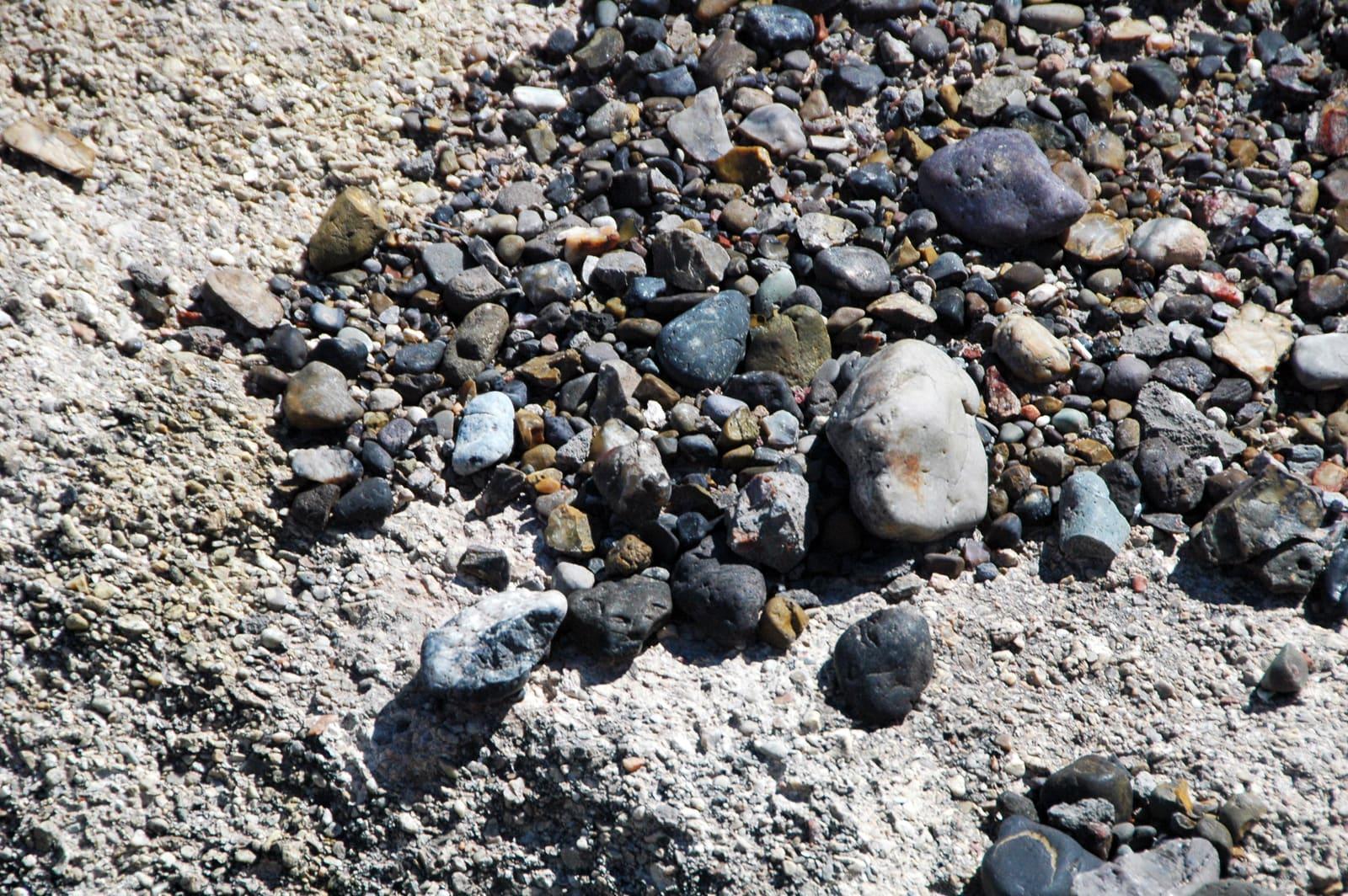
Cedar Mountain Formation Yellow Cat Member Fossil Guide
Image: James St. John (CC BY 2.0)
The Yellow Cat Member of the Cedar Mountain Formation, in Grand County, Utah northwest of Moab, is among the state's most productive dinosaur layers and the only rock that has produced the giant raptor Utahraptor. Its bone beds are now protected within Utahraptor State Park, making this a place to see and learn about Early Cretaceous dinosaurs rather than to collect them.
By Edward Chen · Published 22 June 2026
Introduction
The Yellow Cat Member is the lowest part of the Cedar Mountain Formation, an Early Cretaceous rock unit in eastern Utah, and it is one of the most important dinosaur-producing layers in the state. Above all it is the home of Utahraptor ostrommaysorum, the largest known dromaeosaur, or "raptor," a heavily built predator far bigger than the famous Velociraptor. Every Utahraptor specimen found so far has come from the lowermost Cedar Mountain rocks in Grand County, making this drab badland mudstone some of the most exciting dinosaur ground in North America.
The richest bone beds, including the Dalton Wells quarry, sit northwest of Moab and are now protected within Utahraptor State Park, created to preserve both the dinosaur sites and the area's human history. The bones here are scientific resources and protected park features, so this is a place to learn about and, increasingly, to view Early Cretaceous dinosaurs rather than to dig for them.
Location and Directions
The key Yellow Cat exposures lie in Grand County, Utah, roughly 15 miles northwest of Moab off US Highway 191, in the Dalton Wells area now within Utahraptor State Park, near 38.70°N, 109.68°W. The terrain is open high desert of low, grayish mudstone hills and sandstone ledges typical of the Cedar Mountain Formation.
As the state park develops, check the Utah State Parks and Utah Geological Survey websites for current access, hours, facilities, and any interpretive trails or programs. The area is hot, dry, and exposed, so bring plenty of water, sun protection, and a full tank of fuel, and stay on designated roads and trails. Because active research and protection are ongoing, respect all signs, fences, and closures around quarry sites.
What Fossils You'll Find
The Yellow Cat Member preserves a varied Early Cretaceous dinosaur fauna. Its signature animal is the giant raptor Utahraptor, but the same beds have produced the small coelurosaur Nedcolbertia, large carnivorous theropods, long-necked sauropods, armored dinosaurs, and plant-eating iguanodont ornithopods. The famous "megablock" excavated from the area is a massive sandstone block packed with the jumbled bones of multiple Utahraptor of different ages, recovered whole for careful laboratory preparation.
For a visitor, the fossils to experience are the prepared specimens and interpretive displays associated with the park and Utah museums, and the dinosaur-bearing rock layers seen in place. Loose bone fragments do weather out of the mudstone, but the dinosaur fossils here are protected and not collectible.
Geologic History
The Yellow Cat Member was deposited during the Early Cretaceous, roughly 135 to 125 million years ago, although the exact age has been much debated and refined by ongoing dating work. It consists mostly of drab mudstone, siltstone, and sandstone laid down by rivers and on floodplains, with ancient soils marking long pauses in deposition. Dinosaurs living on these plains were buried in river channels and floodplain muds, sometimes in concentrations like the Dalton Wells bone beds.
The Cedar Mountain Formation as a whole spans much of the Early Cretaceous and is divided, from bottom to top, into the Yellow Cat Member, Poison Strip Sandstone, Ruby Ranch Member, and Mussentuchit Member, each recording a different slice of that time. After burial and lithification, regional uplift and erosion exposed these layers across eastern Utah, and continued weathering of the soft mudstone keeps revealing new fossils, which is exactly how many of the Utahraptor discoveries came to light.
Collecting Rules and Regulations
Collecting dinosaur fossils here is not allowed. Vertebrate fossils, including all dinosaur bone and teeth, are protected on public land and may be collected only by qualified researchers under permit, and the most productive Yellow Cat sites are now within Utahraptor State Park, where removing any natural or fossil material is prohibited. Do not dig, collect, or make casts of bone or trackways, and stay out of fenced or signed quarry areas. On nearby BLM land, the same federal rules apply: common invertebrate and plant fossils and petrified wood may be collected in reasonable amounts by hand, but vertebrate fossils and trackways are off-limits. If you spot exposed bone, leave it in place, note the location, and report it to the park, the BLM, or the Utah Geological Survey, since a reported find can become an important specimen while a dug-up one loses its scientific value.
Safety
This is hot, dry, remote desert, so heat and dehydration are the chief dangers. Carry far more water than you think you will need and avoid the midday sun in summer. Dirt roads can become impassable when wet, and flash floods can fill washes during storms, so watch the weather and stay out of low ground when rain threatens. Watch for rattlesnakes, wear sturdy boots and a hat, and use sun protection. The badland slopes are loose and crumbly, so step carefully and keep back from steep edges and undercut banks. Tell someone your plans, since cell coverage is unreliable.
Sources
https://en.wikipedia.org/wiki/Cedar_Mountain_Formation https://geology.utah.gov/map-pub/survey-notes/paleo-news-utahraptor-state-park-preserving-dinosaur-and-human-history/ https://geology.utah.gov/popular/dinosaurs-fossils/megablock/ https://geology.utah.gov/map-pub/survey-notes/utahs-newly-recognized-dinosaur-record/
Nearby sites
 Fruita Paleontological Area Fossil Hunting GuideDinosaur bones, Mammal remains
 San Rafael Swell Fossil GuidePetrified wood, Ammonites
 Cleveland-Lloyd Dinosaur Quarry Fossil Hunting GuideAllosaurus fragilis, Camarasaurus
 Dinosaur National Monument Quarry Exhibit Hall Fossil Hunting GuideAllosaurus fragilis, Apatosaurus louisae