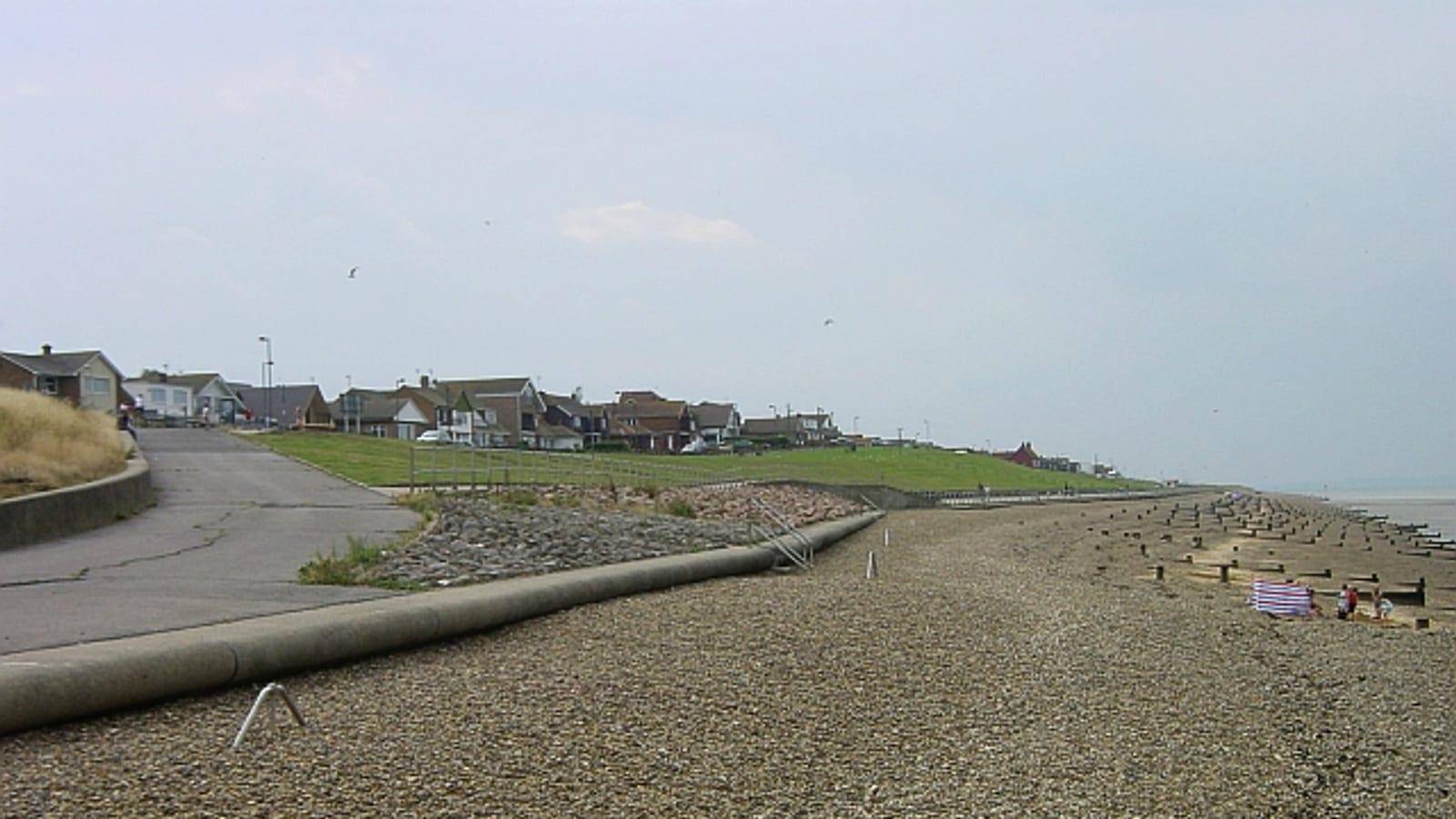
Minster Beach Isle of Sheppey Fossil Hunting Guide
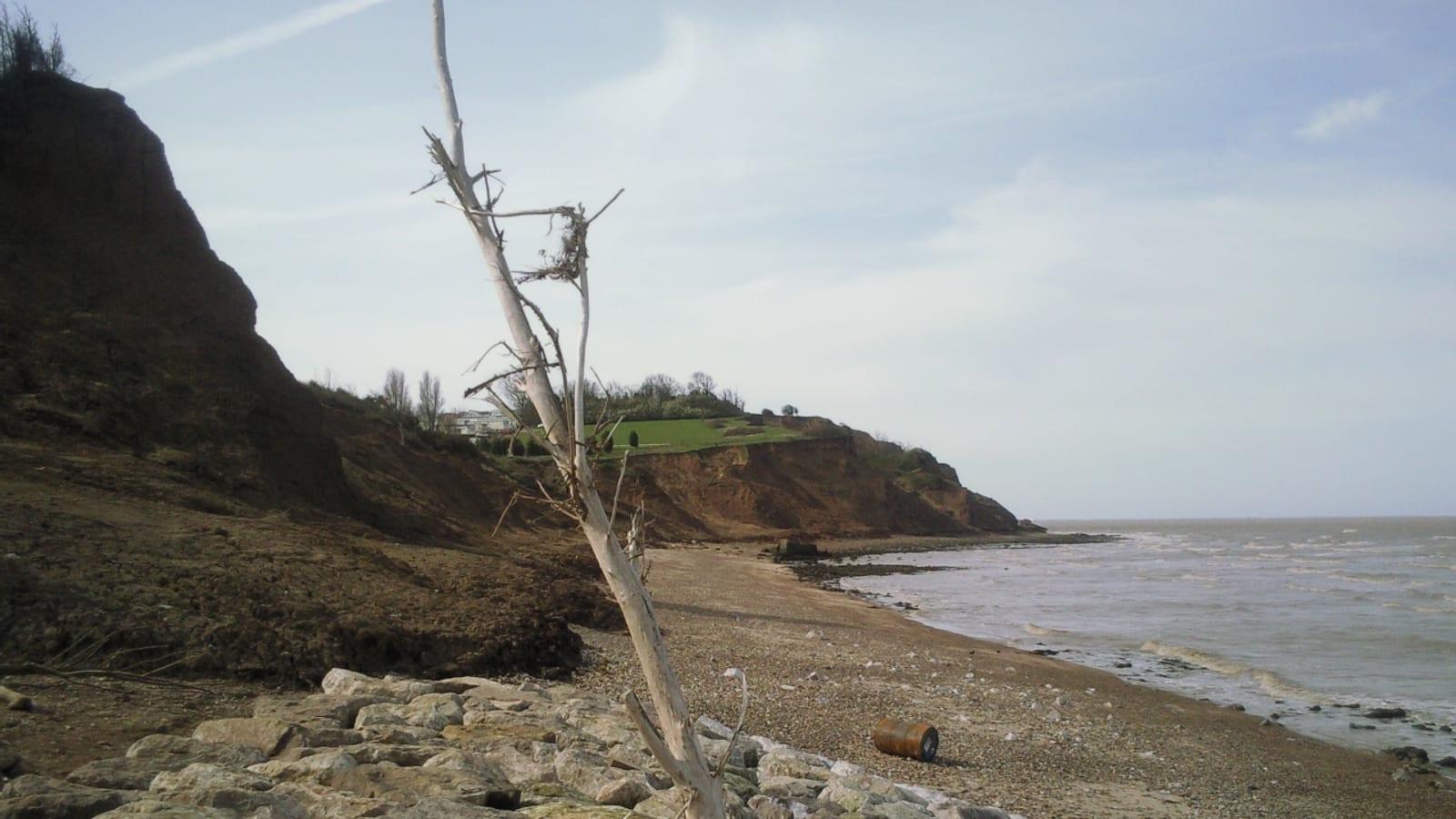
Image: Penny Mayes (CC BY-SA 2.0)
Minster Beach on the Isle of Sheppey is part of the UK's longest London Clay coastal exposure, yielding Nipa palm seeds, shark teeth, and pyritised fish from Eocene deposits.
By Edward Chen · Published 27 April 2026
Introduction
Minster Beach on the Isle of Sheppey in Kent forms the western end of the longest London Clay coastal exposure in the UK, a six-kilometre stretch that runs east to Warden Point. While Warden Point is better known, Minster regularly produces fossils that differ from those found at the eastern end of the section, with plant remains such as Nipa palm seeds, shark teeth, and pyritised material turning up in different concentrations depending on which London Clay division is exposed at beach level on any given visit. The site also requires a longer walk from the nearest car park, which means it sees fewer collectors and can reward the effort.
This guide covers the access route from Minster, the specific fossils to look for, the London Clay geology of the Isle of Sheppey section, and the rules for collecting at this SSSI-designated foreshore.
 Photo: Penny Mayes, CC BY-SA 2.0, via Wikimedia Commons
Location and Directions
Address
Minster Beach, Isle of Sheppey, Kent ME12 3SZ. The village of Minster-on-Sea is the nearest settlement with parking.
Directions and Parking
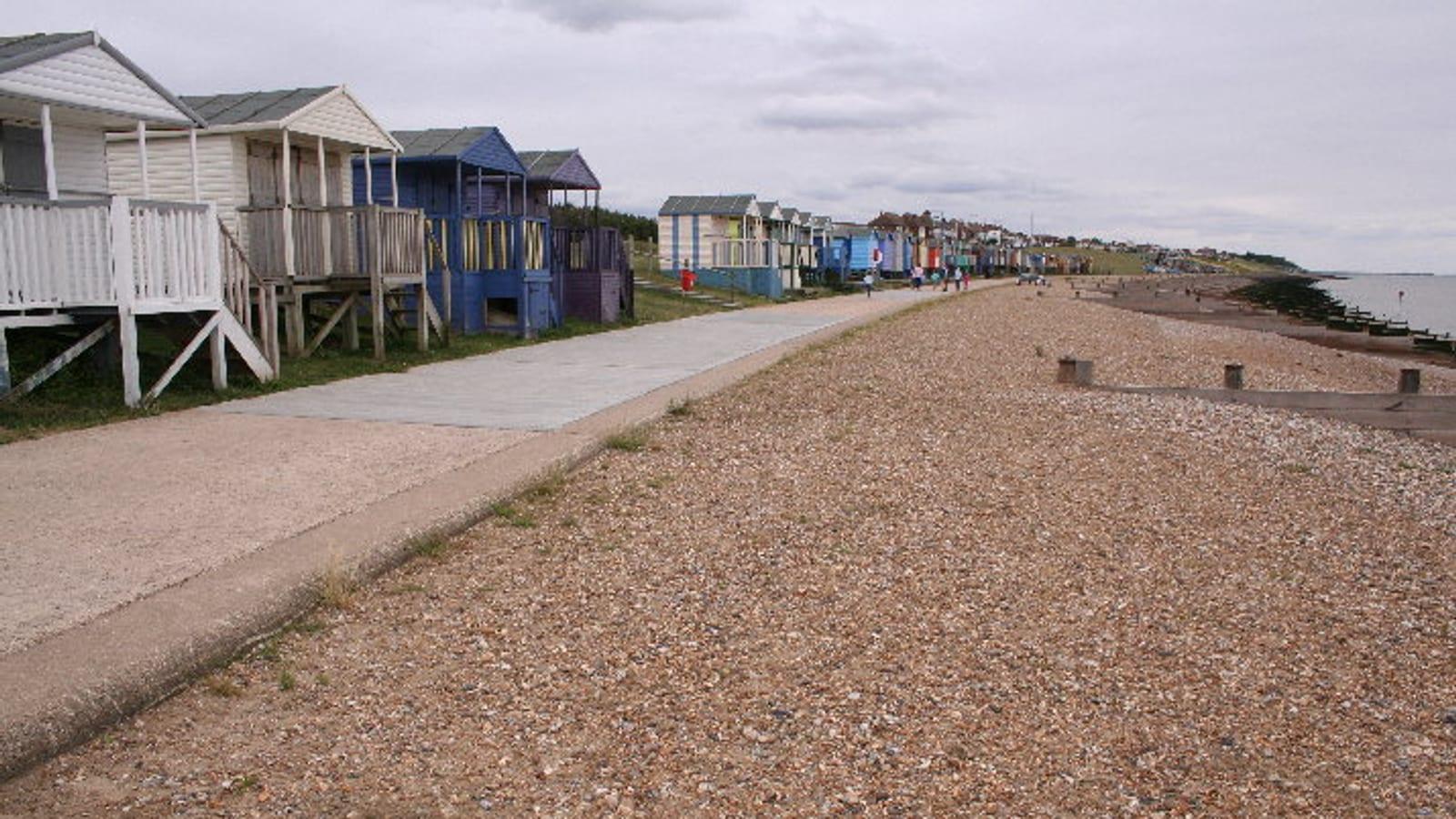
From the A249 Sheppey Crossing onto the Isle of Sheppey, follow the A2231 toward Minster-on-Sea. Park in the village and walk the coastal path east toward Warden Point. The beach is accessible from several points along the coast road. The full walk from Minster to Warden Point covers approximately six kilometres along the foreshore. Most collectors choose a section of coast rather than walking the entire length. For the Minster-end London Clay exposures, aim for the beach access closest to the village and work eastward from there. Be aware that the foreshore can be muddy and slippery, particularly after rain, and the walk requires more physical effort than the access at Warden Point.
What Fossils You'll Find
Plant remains are the defining find at Minster and a particular strength of this section compared to other London Clay sites. Nipa palm seeds, the fruit of a mangrove-like palm that grew along the ancient tropical coastline, are found here in notably complete condition. They are oval, brown, and fibrous in appearance, sometimes with the original surface texture preserved. These seeds were transported into the sea from nearby land by rivers and tidal action, and the calm seafloor conditions allowed them to be buried without significant damage.
Shark teeth appear regularly along this section of coast, with the same species diversity as the broader Sheppey London Clay: multiple carcharhinid species, larger otodont teeth, and smaller carpet shark teeth. Dark brown or black teeth of varying sizes are found loose in the clay or on the foreshore surface after scouring.
Fish vertebrae, scales, and jaw fragments are common in the London Clay here. Pyritised fossils, where original material has been replaced by iron pyrite giving a golden metallic sheen, turn up among the plant material and in loose clay patches. These can include small fish bones, crustacean fragments, and plant seeds. Pyrite is unstable and should be stabilised with a consolidant promptly after collection to prevent decay.
Occasional turtle shell fragments and crocodile teeth have been recorded from the Sheppey London Clay as a whole. Finds from the Minster section are less frequently documented than those from Warden Point, but the fauna is essentially continuous along the whole six-kilometre exposure.
Geologic History
The Ancient Environment
The foreshore at Minster exposes the London Clay Formation, upper Divisions C and D, of Ypresian age in the Early Eocene, approximately 52 to 51 million years old. The dark grey-blue clay turns chocolate-brown when exposed to oxygen. Division D at the Minster end sits slightly higher stratigraphically than the Upper C beds toward Warden Point, and the whole exposure from Warden round to Minster records something on the order of a million years of sedimentation.
At the time of deposition, the Isle of Sheppey region lay at approximately 40 degrees north latitude, ten degrees closer to the equator than today. The water temperature averaged around 23 degrees Celsius annually. The sea was relatively placid, with fine sediment settling slowly onto the seafloor from suspension. The nearest land lay 20 to 30 miles away, and rivers from that land delivered the wood, seeds, and fruits of the adjacent tropical forest into the marine system. This terrestrial input is what makes the Sheppey section so important for palaeoecology: the combination of marine animal fossils and land-derived plant material allows reconstruction of both the sea and its surrounding environment.
How Minster Became a Fossil Collecting Site
The Isle of Sheppey has some of the highest rates of coastal erosion in England. The London Clay cliffs are soft and retreat steadily under wave action, with the foreshore receiving fresh material throughout the year. The Minster-to-Warden Point section has been eroding since the island's coastline took its present form after the last ice age. The same erosion that created the beach has exposed a six-kilometre window into the Early Eocene sea, and that window stays open because the cliffs continue to retreat. Collectors have documented species and specimens from this section since the 19th century, and the site continues to produce new finds.
Collecting Rules and Regulations
Is Fossil Collecting Allowed?
Surface collecting from the beach and foreshore at Minster Beach is permitted and free. Personal, non-commercial collection of loose material from the beach is legal under UK law. The Sheppey London Clay foreshore carries SSSI designation. Under SSSI regulations, you must not hammer or chisel in-situ cliff or bedrock. Picking up loose material from the beach surface and from fallen cliff material already on the foreshore is the standard and accepted method.
Recommended Tools
A hand trowel for turning clay material on the foreshore, a hand lens for examining small seeds and teeth, labelled sample bags, and a consolidant such as Paraloid B-72 for stabilising pyritised specimens on site are all useful. Sturdy waterproof boots are essential given the muddy foreshore conditions. Old clothing is recommended as the London Clay is highly staining.
Safety
The cliffs at Minster and along the Sheppey foreshore are actively eroding and produce cliff falls. Stay well clear of the cliff base throughout your visit. The foreshore can be extremely muddy after rain or at low tide. Test ground stability before committing weight. Check tide times before visiting and allow adequate time to return to the car park before the tide rises. The walk is longer than at Warden Point, so plan your route and time accordingly.