Burnham on Crouch Essex London Clay Fossil Hunting Guide
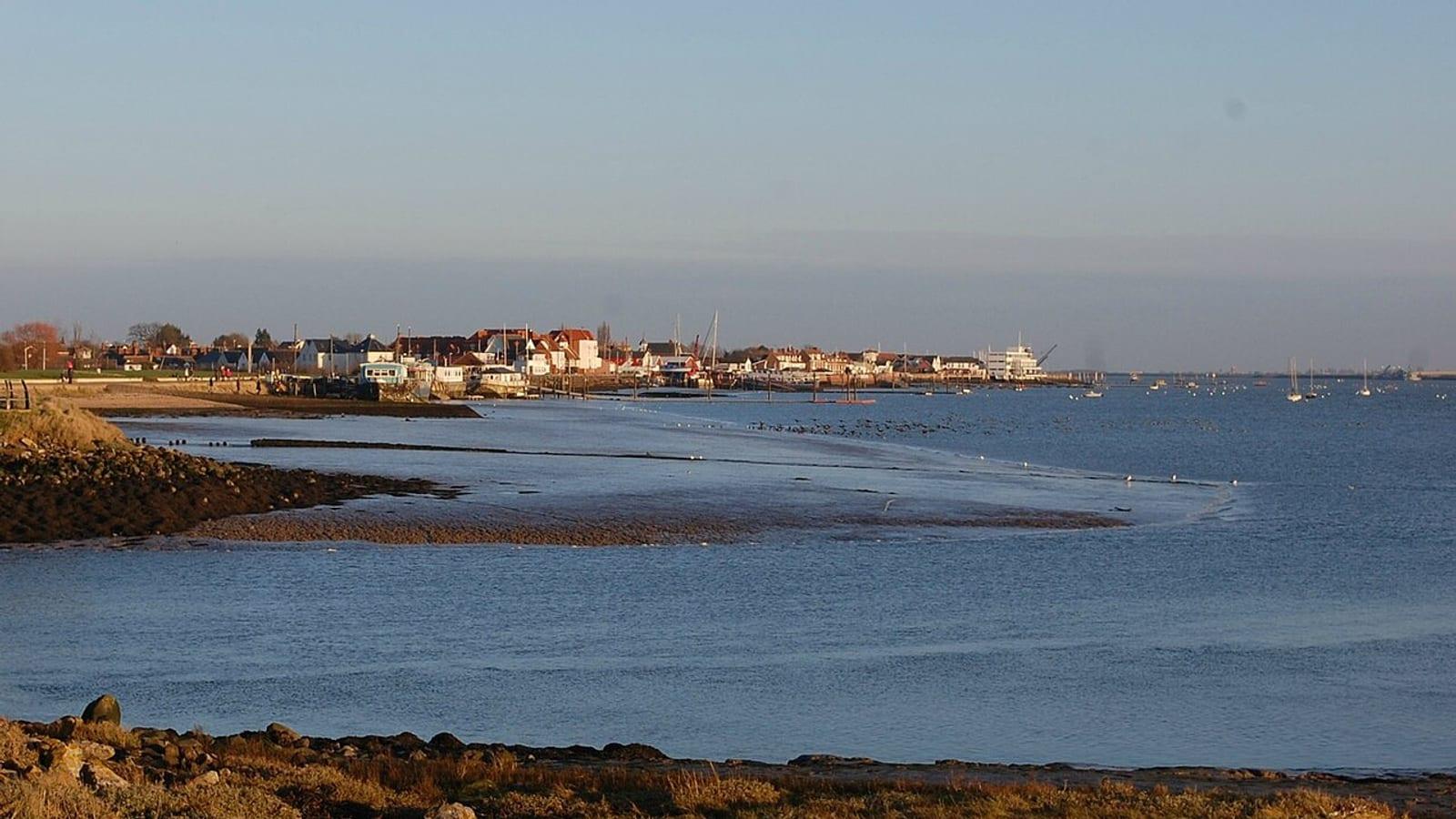
Image: Trevor Harris (CC BY-SA 2.0)
Burnham-on-Crouch on the River Crouch in Essex produces a wide range of Eocene London Clay fossils including shark teeth, ray teeth, vertebrae, and crabs from tidal shingle.
By Edward Chen · Updated 30 July 2026
Introduction
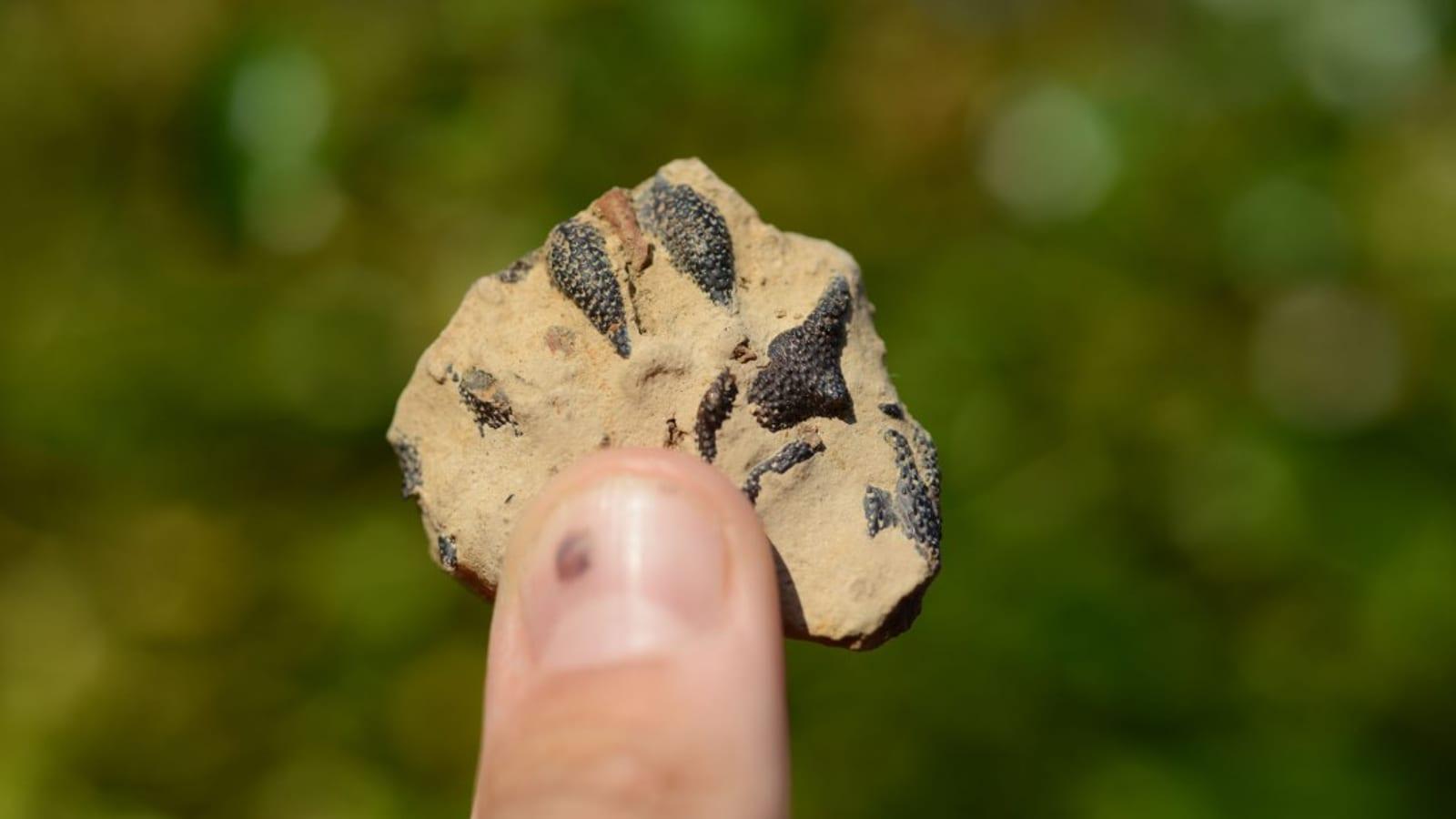
The River Crouch foreshore at Burnham-on-Crouch, on the Dengie peninsula in Essex, produces an unpredictable and wide-ranging array of Eocene fossils from the London Clay Formation, deposited approximately 50 to 54 million years ago. Shark teeth and vertebrae are the most consistently found items, but the site is better known among seasoned collectors for its variety: ray teeth, crab remains, fish otoliths, plant seeds, and occasional crustacean claws all turn up in the shingle that accumulates over the eroding clay. The sheer range of taxa reflects the diversity of the Eocene subtropical sea that once covered Essex, and the uncertainty about what each visit will produce is one of the reasons collectors return repeatedly.
Burnham-on-Crouch is a working estuary town with good road links, car parks, and facilities, which makes it one of the more convenient London Clay sites in Essex to visit. The foreshore requires tide-dependent access, and conditions vary considerably between visits depending on recent weather, tidal patterns, and the position of productive shingle patches. This guide covers the access route, the fossils, the geological history of the site, and the rules that apply on the River Crouch foreshore.
 Photo: Trevor Harris, CC BY-SA 2.0, via Wikimedia Commons
Location and Directions
Address
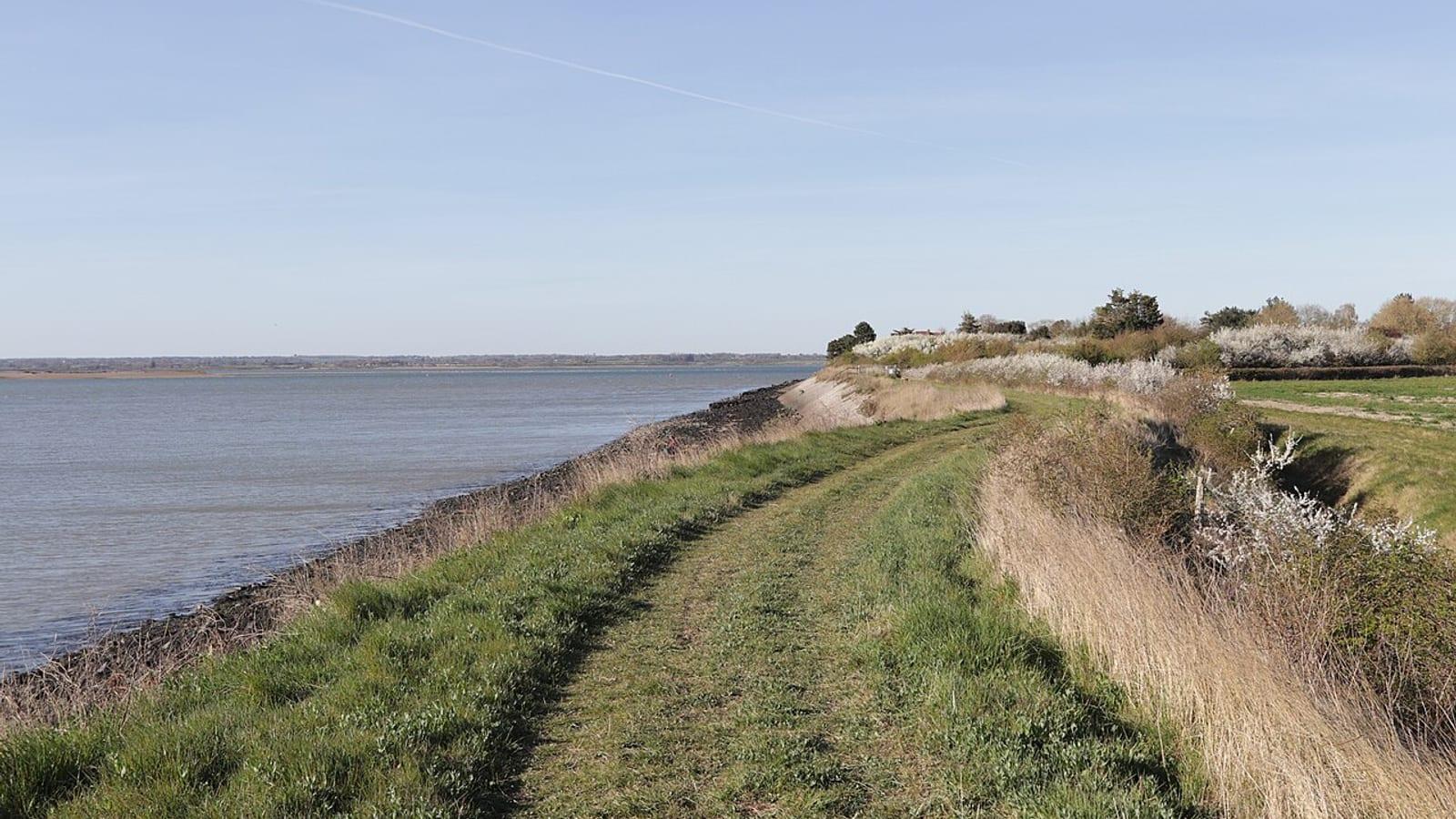
River Crouch foreshore, Burnham-on-Crouch, Essex CM0. The collecting area is along the riverbank foreshore accessible from the town's riverside area.
Directions and Parking
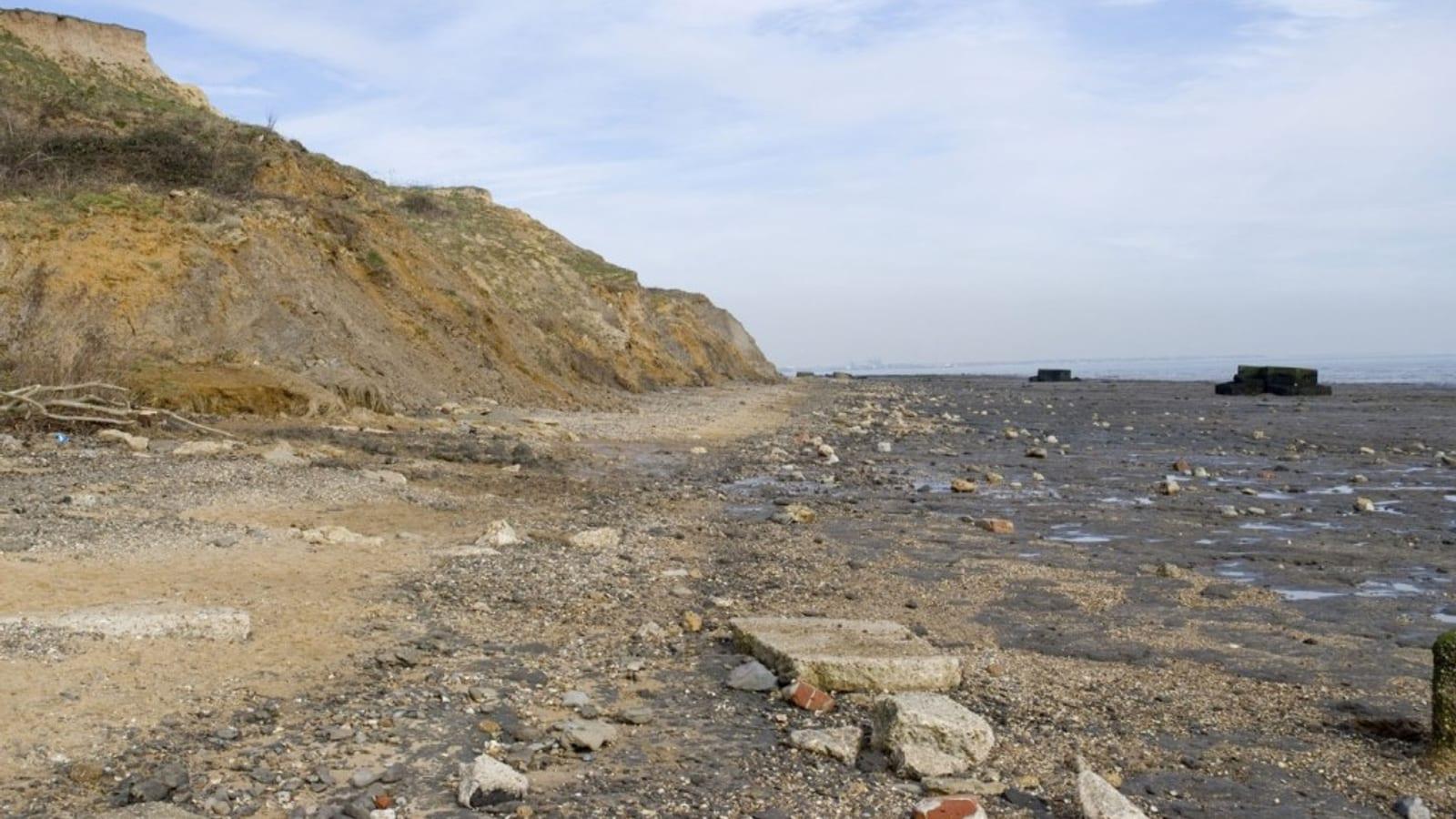
Burnham-on-Crouch is reached from the B1010 off the A414 east of Chelmsford. From Chelmsford, the drive takes approximately 40 minutes. In Burnham, follow signs to the town centre and riverside. Pay-and-display car parks are available near the quay. From the car park, walk toward the River Crouch foreshore and follow the riverbank path eastward (or westward, depending on the direction you choose to search). The London Clay is exposed in the river bank and foreshore. Fossil-bearing shingle accumulates at the base of the clay face and along the strand line. Check tide times for Burnham-on-Crouch (the town has its own tidal reference point in standard UK tide tables). Plan to arrive at the foreshore within an hour of low water and allow yourself a clear window before the tide returns. The foreshore can become narrow or inaccessible at mid-tide and above.
What Fossils You'll Find
Ray teeth are present and somewhat distinctive: they are flattened, plate-like, and often show a hexagonal or pavement-like surface texture. They occur in the same shingle patches as shark teeth and are worth looking for alongside them. Battery ray (Myliobatid) teeth are among the most recognisable forms.
Fish vertebrae occur as biconcave disc-shaped elements, typically 5 to 15 mm across, found loose in the shingle. They are common at this site and are sometimes found in short articulated sequences if a nodule containing a partial fish skeleton has been broken apart by wave action.
Crabs, seeds, and plant remains add to the diversity of finds. Crab claws and carapace fragments occur in the phosphatic nodules that concentrate in the shingle, and plant seeds (particularly those of tropical and subtropical trees and shrubs that grew on the Eocene coast) are occasionally found preserved in three dimensions within nodules or as impressions in clay.
Geologic History
The Ancient Environment
The London Clay Formation at Burnham-on-Crouch was deposited during the Ypresian Stage of the Early Eocene, approximately 50 to 54 million years ago, at a time when global temperatures were significantly higher than today and the world was free of permanent polar ice. The Essex area lay beneath a warm subtropical sea, the northern arm of a broader marine transgression that covered much of northwest Europe. The sea was approximately 100 to 200 metres deep, and the seafloor was a low-oxygen muddy environment where organic matter including fish, sharks, crustaceans, and plant material from adjacent coastlines accumulated and was slowly buried. Seeds and plant debris from subtropical coastal forests were transported into the marine basin by rivers and by surface currents, explaining the presence of tropical plant material alongside fully marine vertebrates. The sharks and rays that inhabited this sea were predators in a complex food web that also included bony fish, cephalopods, and large crustaceans. As the London Clay was later buried and then re-exposed by post-glacial coastal erosion, the more resistant fossils concentrated in a residual lag of shingle and nodules at the surface of the modern foreshore.
How Burnham-on-Crouch Became a Fossil Collecting Site
The River Crouch cuts through the London Clay of the Dengie peninsula, and post-glacial sea level rise has driven the Crouch estuary progressively inland, exposing clay banks along the riverfront. Tidal action erodes the soft clay, releasing fossils and concentrating them in shingle bands on the foreshore. The process is ongoing: each spring tide cycle erodes more clay and distributes new material along the bank. Burnham-on-Crouch's location on a tidal river rather than an open coast means that the foreshore is somewhat sheltered, but productive patches of shingle can shift between visits as sediment is reworked by tidal flow. The town has been associated with sailing and the River Crouch since the nineteenth century, and the foreshore has been a known fossil locality for decades among Essex collectors.
Collecting Rules and Regulations
Is Fossil Collecting Allowed?
The foreshore along the River Crouch is publicly accessible tidal land. Surface collection of loose material from the shingle and foreshore is permitted under standard foreshore rights in England. The Crown Estate, which manages the foreshore of most of England's tidal rivers and coasts, does not restrict casual surface collecting of naturally occurring material. You should not excavate into the clay bank itself or remove large sections of the bank. The town of Burnham-on-Crouch is a popular recreational boating area, and the riverside is in regular use. Be considerate of other users of the foreshore and the river.
Recommended Tools
A small hand fork or trowel is useful for sifting through shingle patches. A geological hammer allows you to split nodules to check for crustacean or fish remains inside. Bring a small container or bag for keeping shark teeth separate from heavier shingle so they are not lost. Waterproof boots are necessary as the foreshore can be muddy where the clay is exposed. A hand lens helps with identifying the finer surface detail of shark teeth species and ray teeth.
Safety
Tidal management is the key safety consideration at Burnham-on-Crouch. The Crouch estuary floods and drains quickly, and the foreshore accessible at low tide can be below water within 90 minutes on a fast tide. Check the tide table specifically for Burnham-on-Crouch and plan your visit accordingly. The clay surface below the shingle is slippery. Take care when moving between areas of firmer ground. The riverside quay area at Burnham is busy with boat traffic in the summer season. Keep clear of mooring areas and boat launching zones.