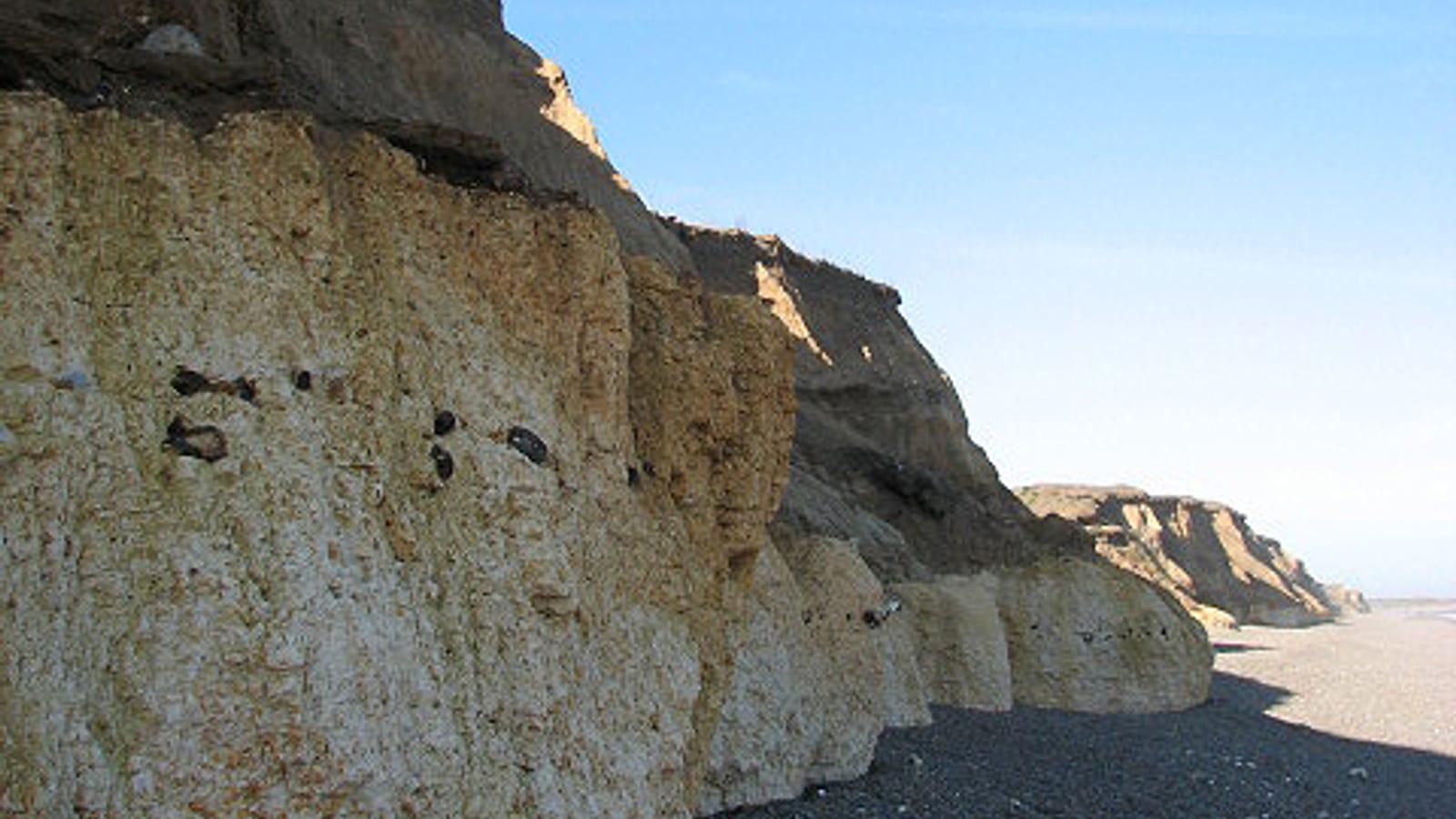
Vinnels Fossil Hunting Guide
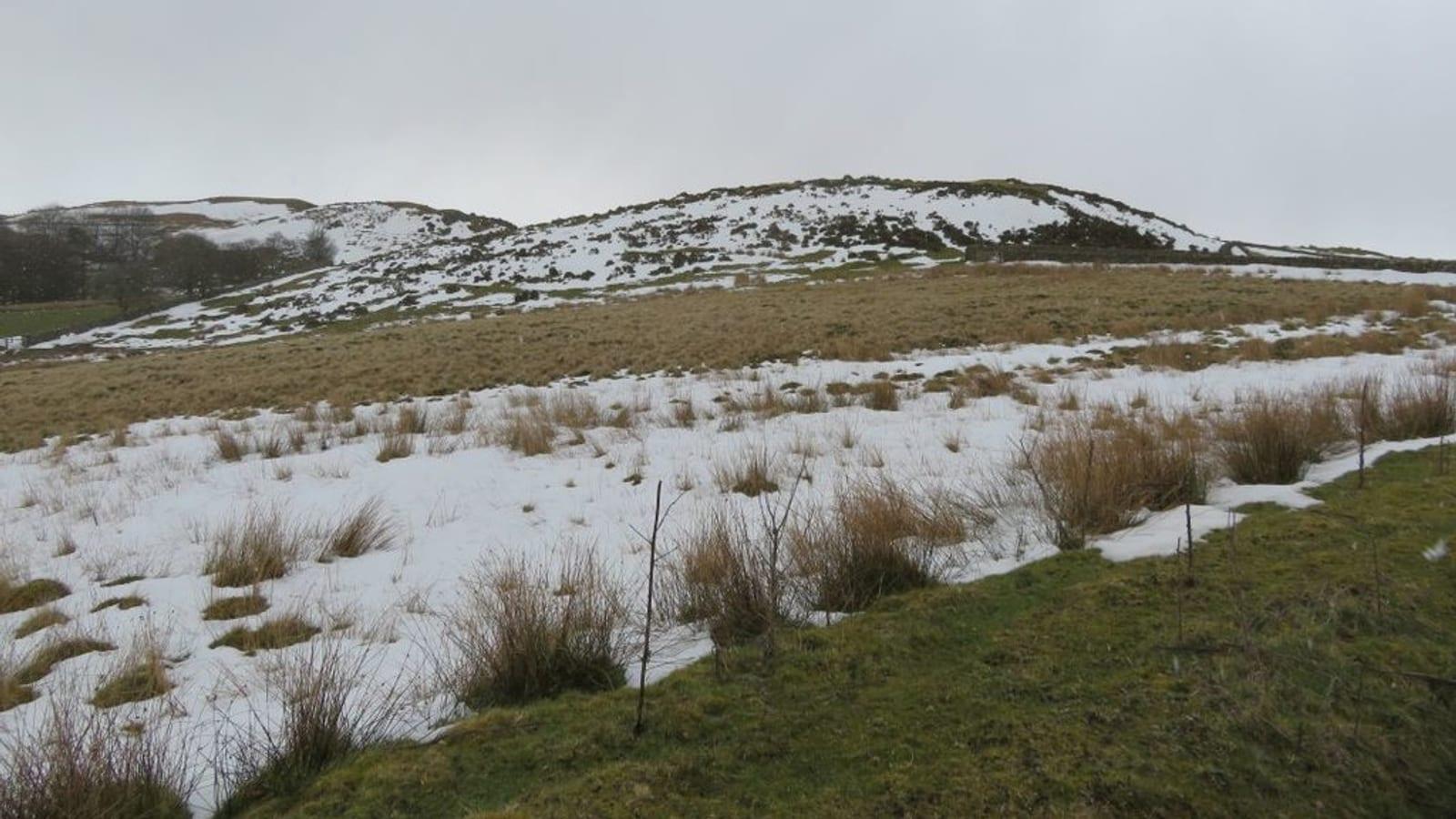
Image: Ian Capper (CC BY-SA 2.0)
Vinnels near Ludlow, Shropshire exposes Silurian Ludlow Series rocks yielding brachiopods, trilobites, crinoids, and corals from the international type region for the Ludlow Epoch.
By Edward Chen · Updated 1 August 2026
Introduction
The Vinnels area near Ludlow in south Shropshire lies at the heart of the type region for the Silurian Ludlow Epoch, the interval of geological time named in the nineteenth century for the rocks exposed in and around this town. A small stream in Mortimer Forest has cut low banks through siltstones, mudstones, and limestone bands of the Ludlow Series, deposited in shallow marine to nearshore environments approximately 426 to 423 million years ago. Brachiopods are the most abundant fossils, occurring in such quantities in some beds that individual slabs are almost entirely composed of their shells. Trilobites, crinoids, corals, and ostracods complete the assemblage, and the site's position in the internationally recognised type region for the Ludlow Epoch gives every specimen found here a degree of historical significance. The site is an SSSI with a public car park and forest paths, so getting there is straightforward, but the SSSI designation sets limits on how you collect. This guide covers the approach, the fossils, the geological context, and those limits.
Location and Directions
Address
Vinnels, in Mortimer Forest near Ludlow, Shropshire. The site is in the type region for the Silurian Ludlow Series, south of Much Wenlock and north of the Herefordshire border.
Directions and Parking
Ludlow is most easily reached from the A49, which passes through the town. From Ludlow town centre, follow Whitcliffe Road southwest out of the town and into Mortimer Forest. A large car park signed Vinnels sits on the left. From there the exposures are downstream, reached on forest paths, some of which are waymarked as all-ability routes. The Shropshire Geological Society (shropshiregeology.org.uk) runs regular field meetings in this area and is the best source of current guidance if conditions have changed. Ludlow town centre has ample parking including pay-and-display car parks on the eastern approach road. If you are combining a visit to the Vinnels exposures with time in Ludlow, the town is also worth exploring for its Norman castle, medieval street plan, and the Ludlow Museum Resource Centre, which holds significant Silurian fossil collections from the local area.
 Photo: Path in the Mortimer Forest by Fabian Musto, CC BY-SA 2.0, via Wikimedia Commons

What Fossils You'll Find
Brachiopods are the dominant fossil at Vinnels and in the wider Ludlow Series outcrops. Species present include rhynchonellids, spiriferids, and strophomenids. In some beds, shell concentrations are so dense that the rock is essentially a shell hash. Complete articulated specimens are less common than disarticulated valves, but both occur. The robust shells of the larger brachiopods survive transport and reworking, so they can be found in a range of preservation states from pristine to worn.
Trilobites occur but are typically found as fragmentary material: free cheeks, pygidia, and occasional thoracic segments. The most common Ludlow trilobites in the Shropshire area belong to forms such as Dalmanites and Encrinurus, both of which have been described from type-area material. Crinoids are represented by stem fragments and individual columnals. The stem segments can be found both isolated and in short articulated sections. Their five-fold symmetry and characteristic texture on the columnal face make them straightforward to identify. Corals are present in the limestone bands within the sequence. Rugose solitary corals and small tabulate colonies have been recorded. The limestone bands are thinner and less frequent than at the Wenlock limestone sites to the north, so coral-bearing horizons require systematic searching. Ostracods are microscopic crustaceans preserved in the finer-grained siltstone beds. They are visible to the naked eye as small bean-shaped or oval objects on bedding surfaces and are most easily found by examining fresh surfaces under a hand lens.
Geologic History
The Ancient Environment
The Ludlow Series rocks exposed around Ludlow and Vinnels were deposited during the Ludfordian Stage of the Ludlow Epoch, approximately 426 to 423 million years ago, in the late Silurian Period. The area lay south of the equator in the shallow tropical to subtropical seas of the early Palaeozoic, in a setting transitional between the deeper water carbonate environments of the Wenlock to the north and the shallower, more siliciclastic environments that would develop further toward the end of the Silurian. The siltstones and mudstones record quieter-water conditions with periodic pulses of fine terrigenous sediment from emerging land areas to the north and east. The limestone bands represent intervals of reduced clastic input when carbonate production could dominate on the seafloor. The abundant brachiopod fauna is consistent with a productive marine shelf environment with well-oxygenated bottom water and a stable substrate. The trilobites, crinoids, and corals confirm a diverse marine community comparable to those seen in the underlying Wenlock limestone, but with a different taxonomic composition reflecting ecological change over the intervening several million years.
How Vinnels Became a Fossil Collecting Site
The exposures at Vinnels are the work of a small stream that has cut down through the Silurian sequence, leaving low banks of siltstone and shale beside the water and loose slabs in the bed. Forestry tracks and the paths of Mortimer Forest keep those banks reachable on foot. Every winter's flow scours the banks again and drops fresh material, which is why a site this small keeps producing. The Ludlow region's status as the type locality for the Ludlow Epoch has attracted geological attention since the nineteenth century, and collections from the area made by Roderick Murchison and his contemporaries helped define the upper part of the Silurian System as it is understood globally.
Collecting Rules and Regulations
Is Fossil Collecting Allowed?
Vinnels is open to visitors and free to collect at, and the car park and forest paths are public. It is an SSSI designated for its Silurian stratigraphy and palaeontology, so the standard SSSI rules apply: you may pick up loose material and split slabs that have already come away, but hammering the bedrock is not permitted, and finds of scientific significance should be reported. The Shropshire Geological Society has long-standing relationships with landowners in the wider Ludlow area and can arrange access to sites that are not open in the way Vinnels is.
Recommended Tools
A geological hammer and chisels for splitting siltstone and limestone blocks are useful. A hand lens at 10x is helpful for examining small ostracods and the fine suture detail of brachiopod shells. Bring adequate wrapping material, as some specimens from limestone beds can be delicate once cleaned. Good walking boots are necessary for the forest paths and the stream bank.
Safety
The stream banks are undercut in places and can give way, and the ground beside the water is uneven and slippery. Do not work beneath an overhanging bank. The stream rises quickly after heavy rain, so avoid the bed in wet weather. Carry a charged mobile phone and visit with at least one other person.
Sources
Nearby sites
 Wenlock Edge Presthope Shropshire Fossil Hunting GuideCrinoids, Corals
 Wenlock Quarry Much Wenlock Shropshire Fossil Hunting GuideCorals, Brachiopods
 Wren's Nest National Nature Reserve Fossil GuideTrilobites, Calymene (Dudley Bug)
 Upper Gilwern Hill Wales Fossil Hunting GuideBrachiopods, Solitary corals