Silurian · 443.8 – 419.2 Ma
Silurian fossil sites
The Silurian saw life emerge onto land. The first vascular plants and the first jawed fish both appear in Silurian rocks. Wenlock-age limestones in the English West Midlands preserve some of the best-known fossil reefs of any period.
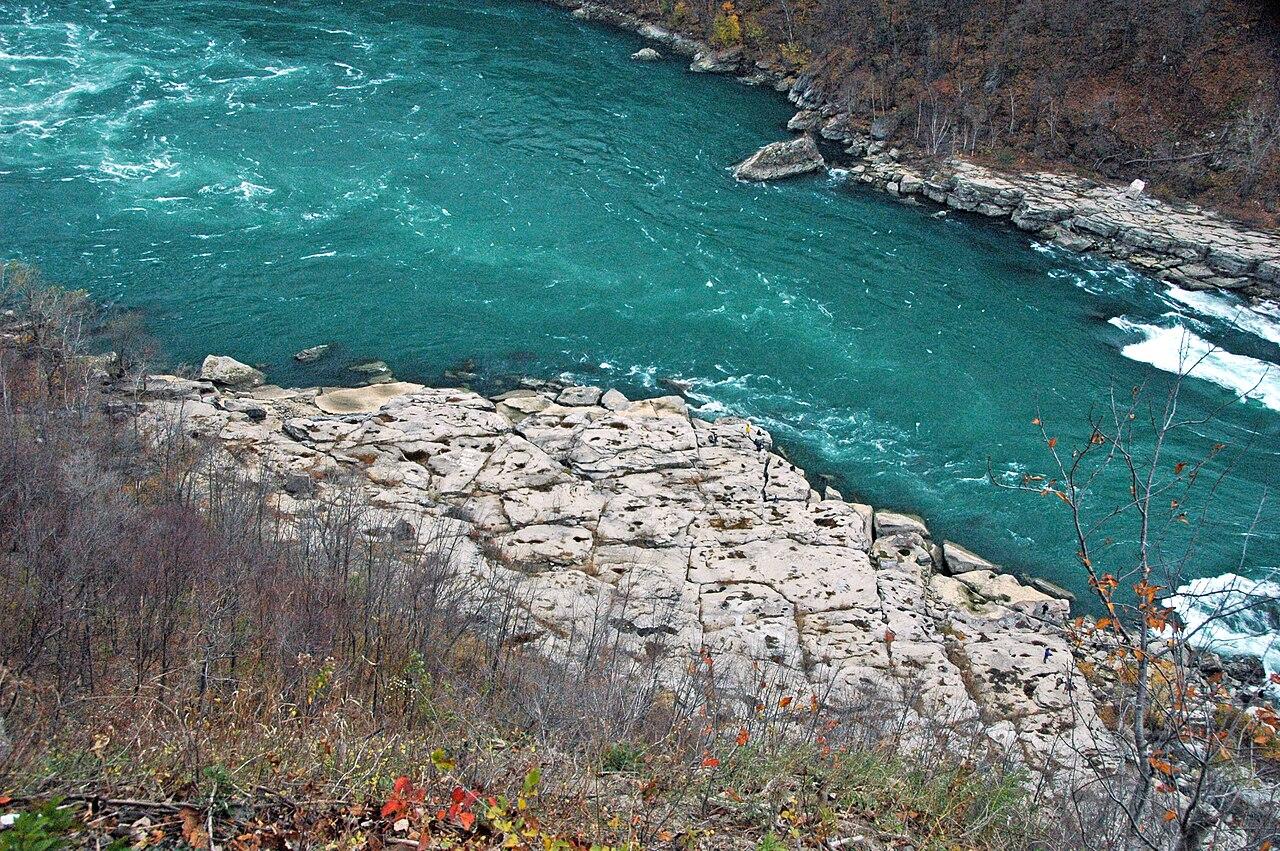
The Silurian is short, about 24 million years, and warm throughout. Sea level rose after the Ordovician glaciation and flooded the continents again. Reefs spread widely across the shallow shelves. On land, the first vascular plants took hold, and the first millipedes and arachnids followed them out of the water.
Silurian reef limestone is the collector's target. It preserves corals, crinoid stems, brachiopods, and the bryozoans that helped build the mounds. Rugose corals appear as horn-shaped cones. Tabulate corals form honeycomb or chain patterns. Both weather cleanly out of the limestone and stand out on a fresh surface.
The Silurian list runs to nine entries, and most sit in the British Isles. Wenlock Edge in Shropshire runs for miles along an ancient reef and gives the Wenlock Series its name. Seven of the nine allow free collecting, which makes the Silurian one of the more accessible periods covered here. One site sits in Wisconsin, where Silurian dolostone forms the Niagara escarpment and weathers to release whole corals.
9 fossil sites
Updated 3 August 2026
Life of the period
Three to know from the Silurian
You will not find all of these yourself. They are the animals and plants that make the period worth reading about.

Sea scorpionPterygotus
An aquatic arthropod that reached over 1.5 metres, with grasping claws and compound eyes. It was among the largest arthropods that have ever lived, and it hunted in coastal seas.
ДиБгд, CC BY-SA 4.0

Early land plantCooksonia
A few centimetres tall, no leaves, no roots, just forking green stems with spore capsules on the tips. This is close to the beginning of plant life on land.
Wikimedia Commons, CC BY-SA 3.0

Spined trilobiteDalmanites Carries a long tail spine and large crescent eyes set high on the head. Those eyes gave it a wide field of view across the sea floor, which suits an animal that fed in the sediment.
James St. John, CC BY 2.0
All Silurian sites
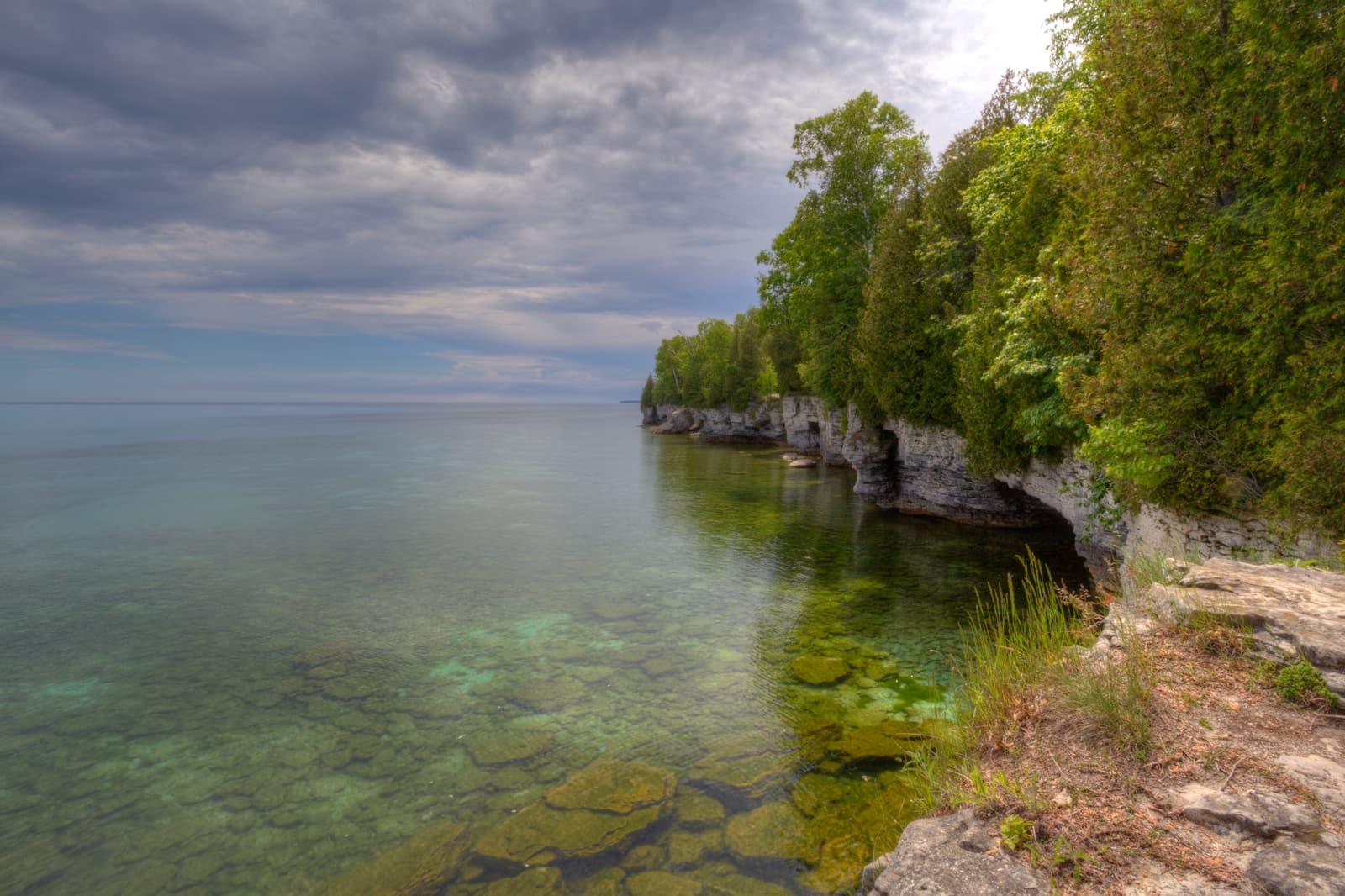
Door County Niagaran Reef Fossil Guide
Wisconsin, United States
Corals, Brachiopods, Gastropods, Cephalopods
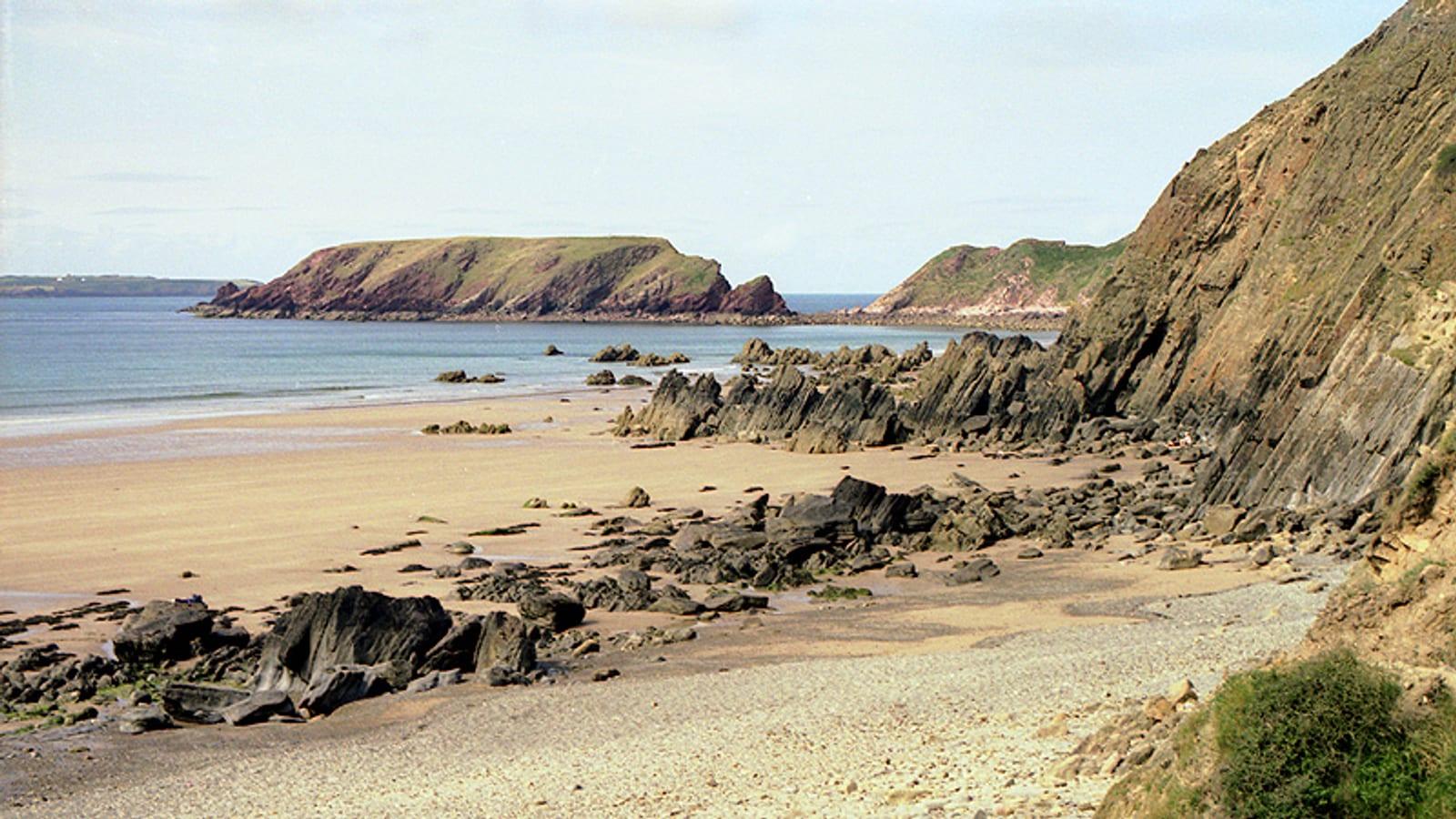
Marloes Sands Fossil Hunting Guide
Pembrokeshire
Corals, Brachiopods, Trilobites, Bryozoans
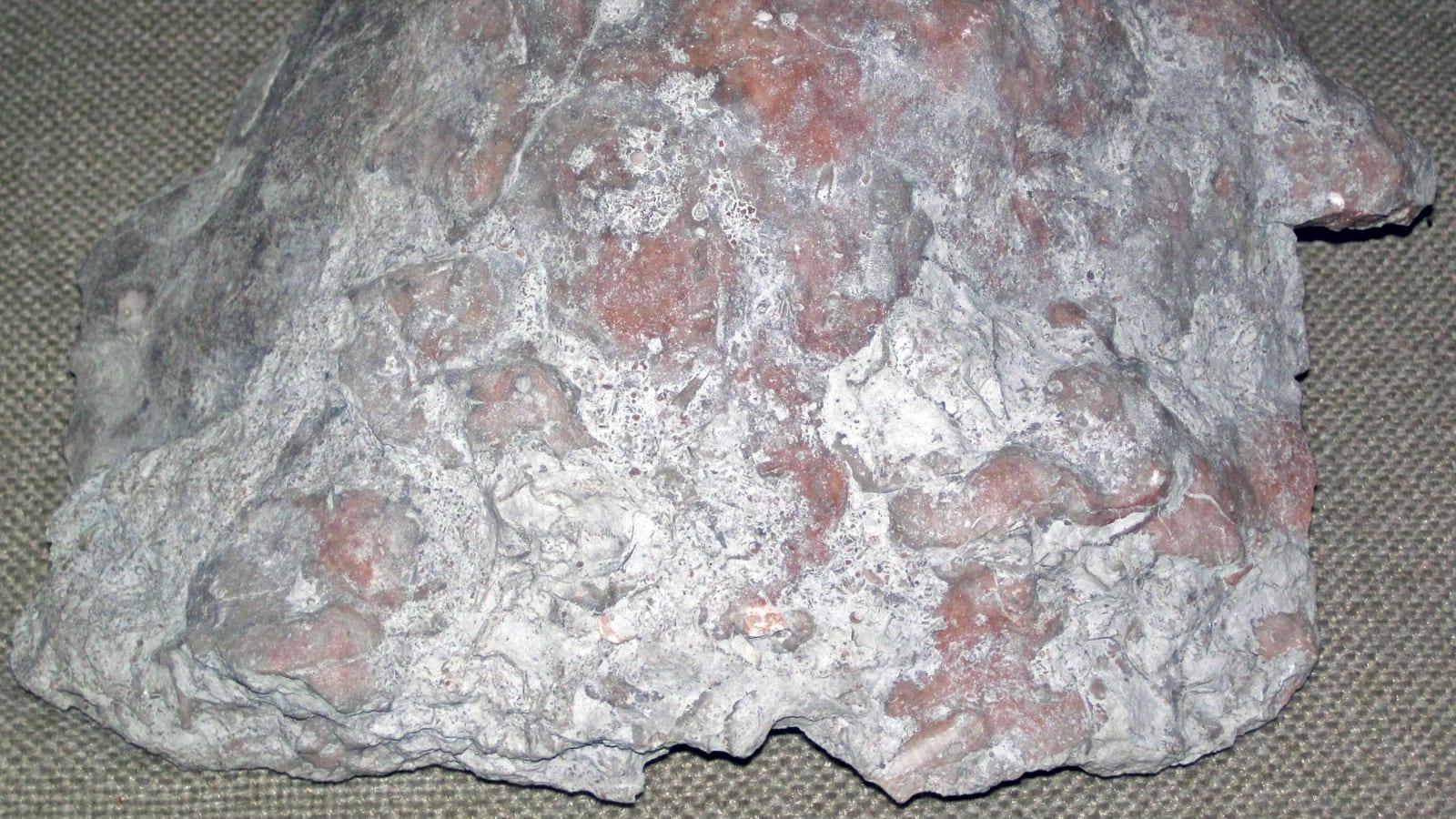
Oakes Quarry Park Fossil Hunting Guide
Ohio, United States
Brachiopods, Crinoids, Corals, Bryozoans
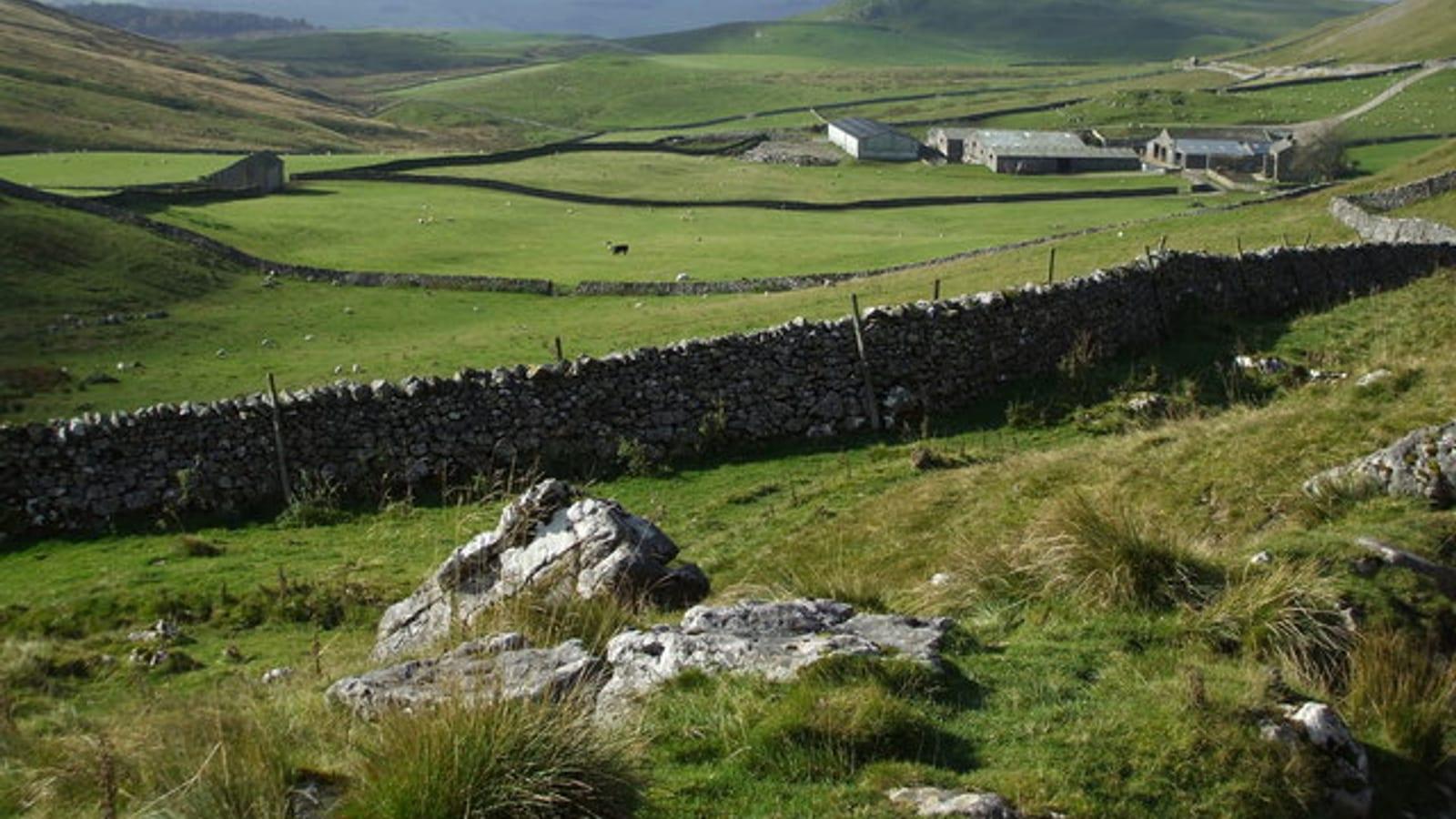
Stockdale Silurian Yorkshire Dales Fossil Hunting Guide
United Kingdom
Graptolites, Brachiopods, Trilobites, Crinoid columnals
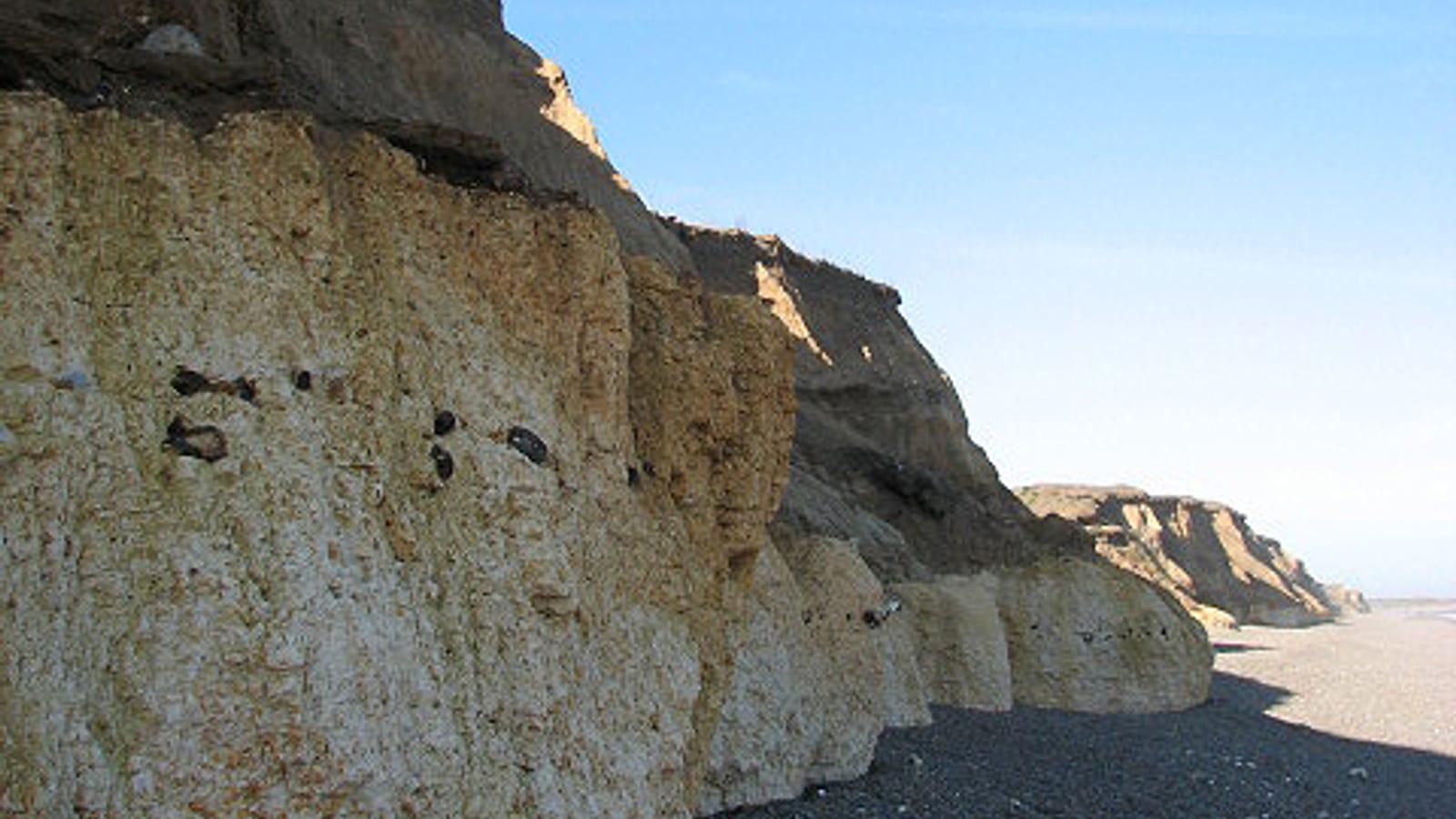
Vinnels Fossil Hunting Guide
England, United Kingdom
Brachiopods, Trilobites, Crinoids, Corals
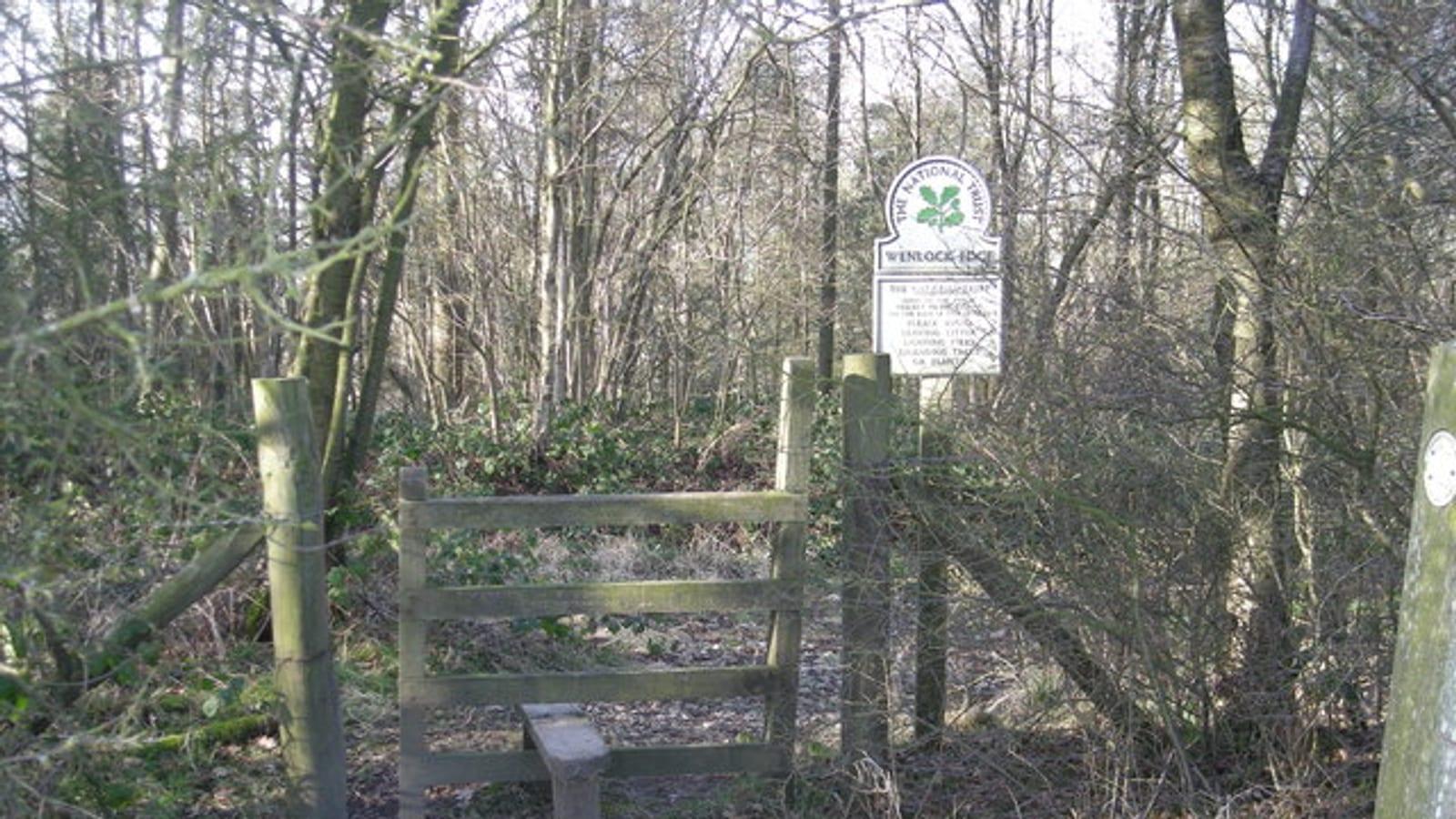
Wenlock Edge Presthope Shropshire Fossil Hunting Guide
United Kingdom
Crinoids, Corals, Brachiopods
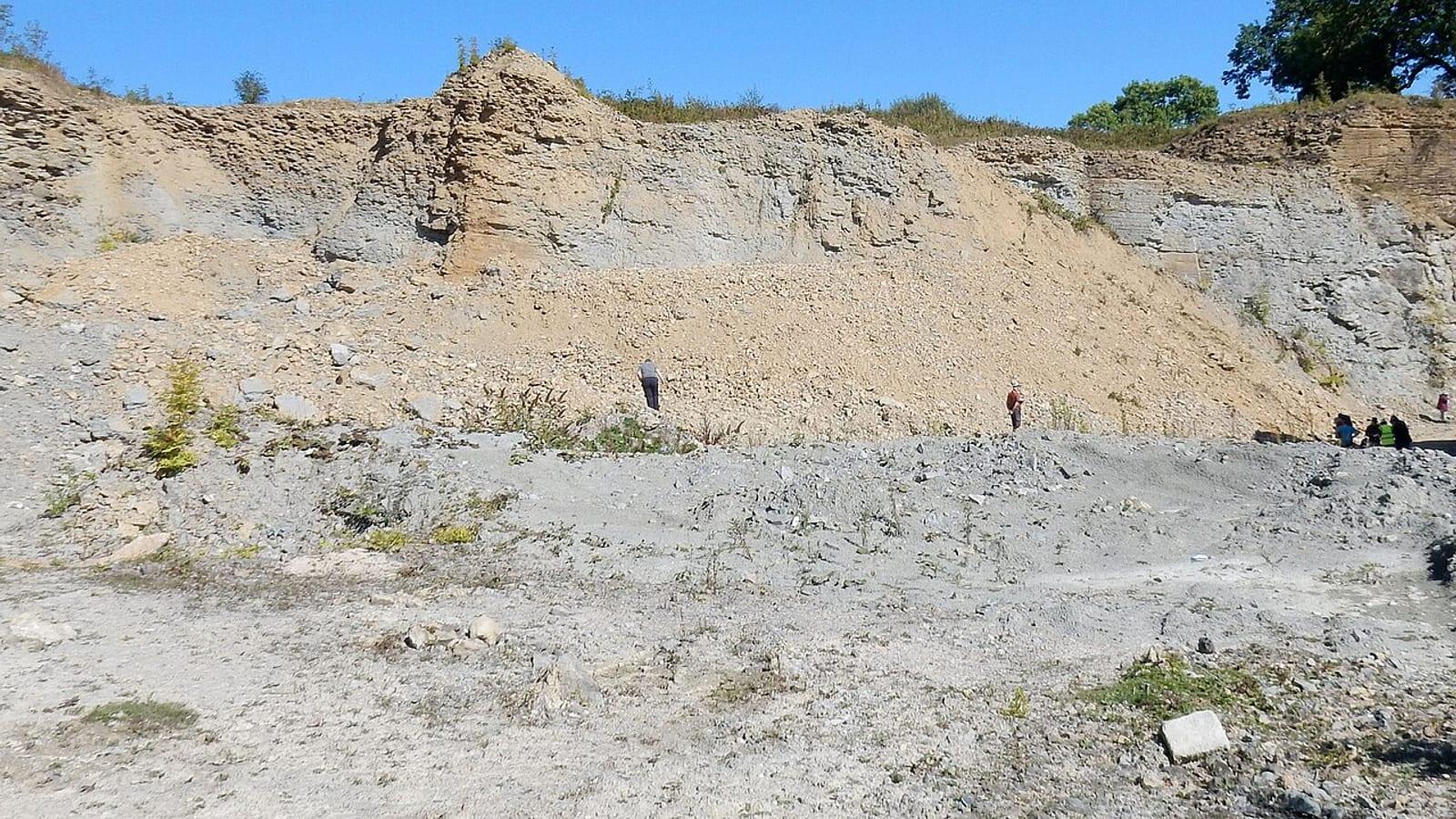
Wenlock Quarry Much Wenlock Shropshire Fossil Hunting Guide
United Kingdom
Corals, Brachiopods, Crinoids, Trilobites
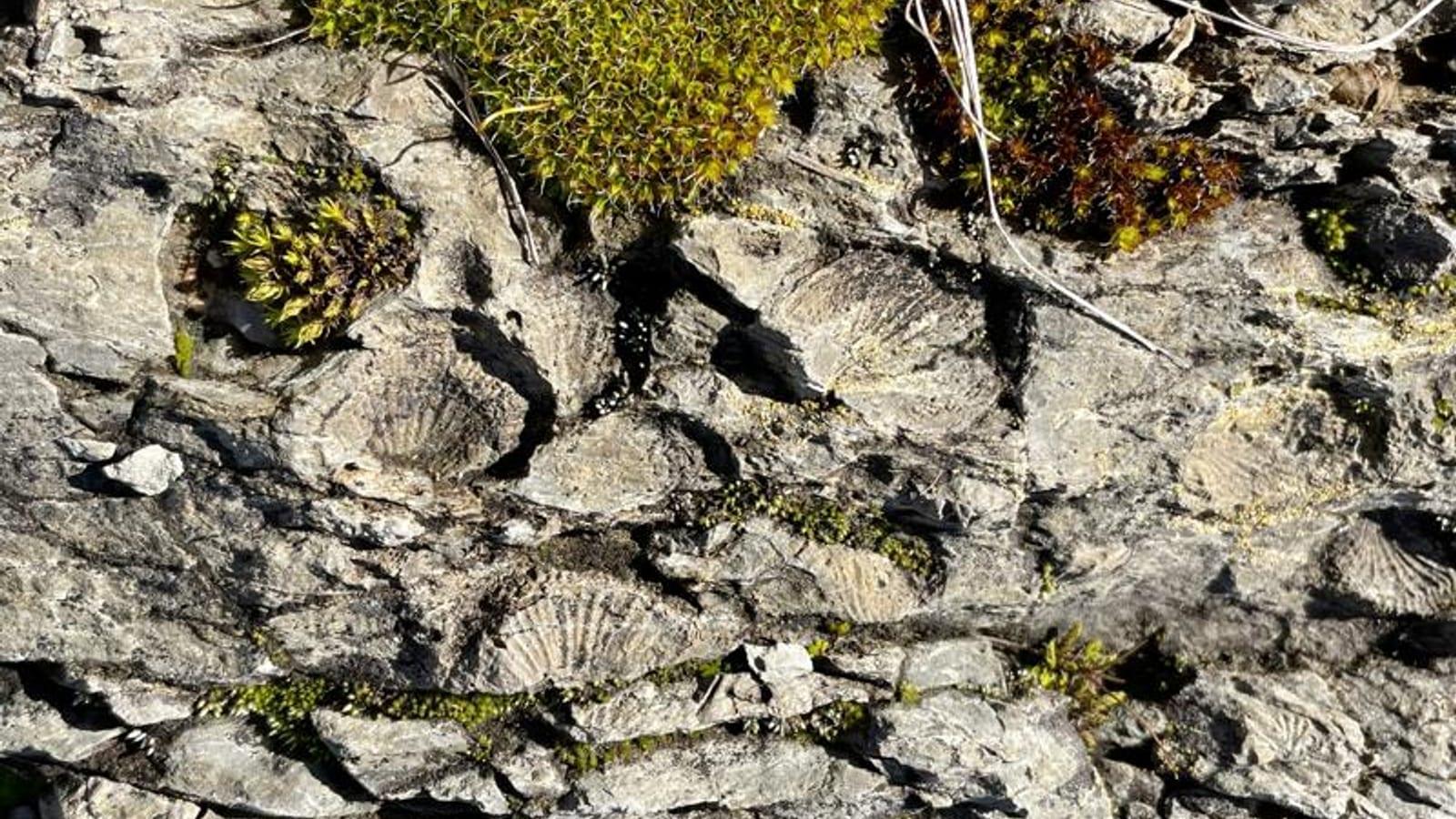
Woolshed Creek Fossil Hunting Guide
Australian Capital Territory, Australia
Brachiopods, Trilobites, Corals, Bryozoans
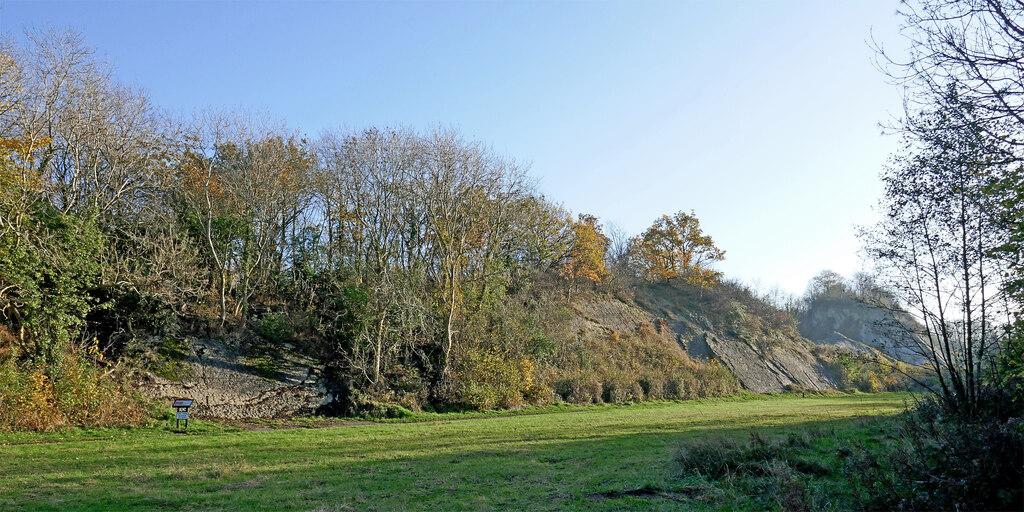
Wren's Nest National Nature Reserve Fossil Guide
England, United Kingdom
Trilobites, Calymene (Dudley Bug), Brachiopods, Crinoids
Frequently asked questions
- What fossils define the Silurian?
- Reef builders. Rugose and tabulate corals, stromatoporoid sponges, crinoids, and brachiopods dominate. Graptolites are the other signature fossil and appear in dark shale as thin saw-toothed films.
- What is a graptolite?
- A graptolite is a colonial animal that floated in the open ocean. The fossil preserves the tube system it lived in. On shale it looks like a pencil mark with fine teeth along one or both edges.
- Where can I collect Silurian fossils in Britain?
- Wenlock Edge and the ground around Much Wenlock in Shropshire are the classic localities. Dudley in the West Midlands is historically famous for its trilobites, though the old quarries there are now largely built over or protected.