Ordovician · 485.4 – 443.8 Ma
Ordovician fossil sites
The Ordovician was a period of warm seas and explosive marine diversification. Trilobite morphology became extravagant. The first true reef-building corals appeared. Nautiloid cephalopods grew to over five meters. The period ended with one of the largest mass extinctions in Earth's history.
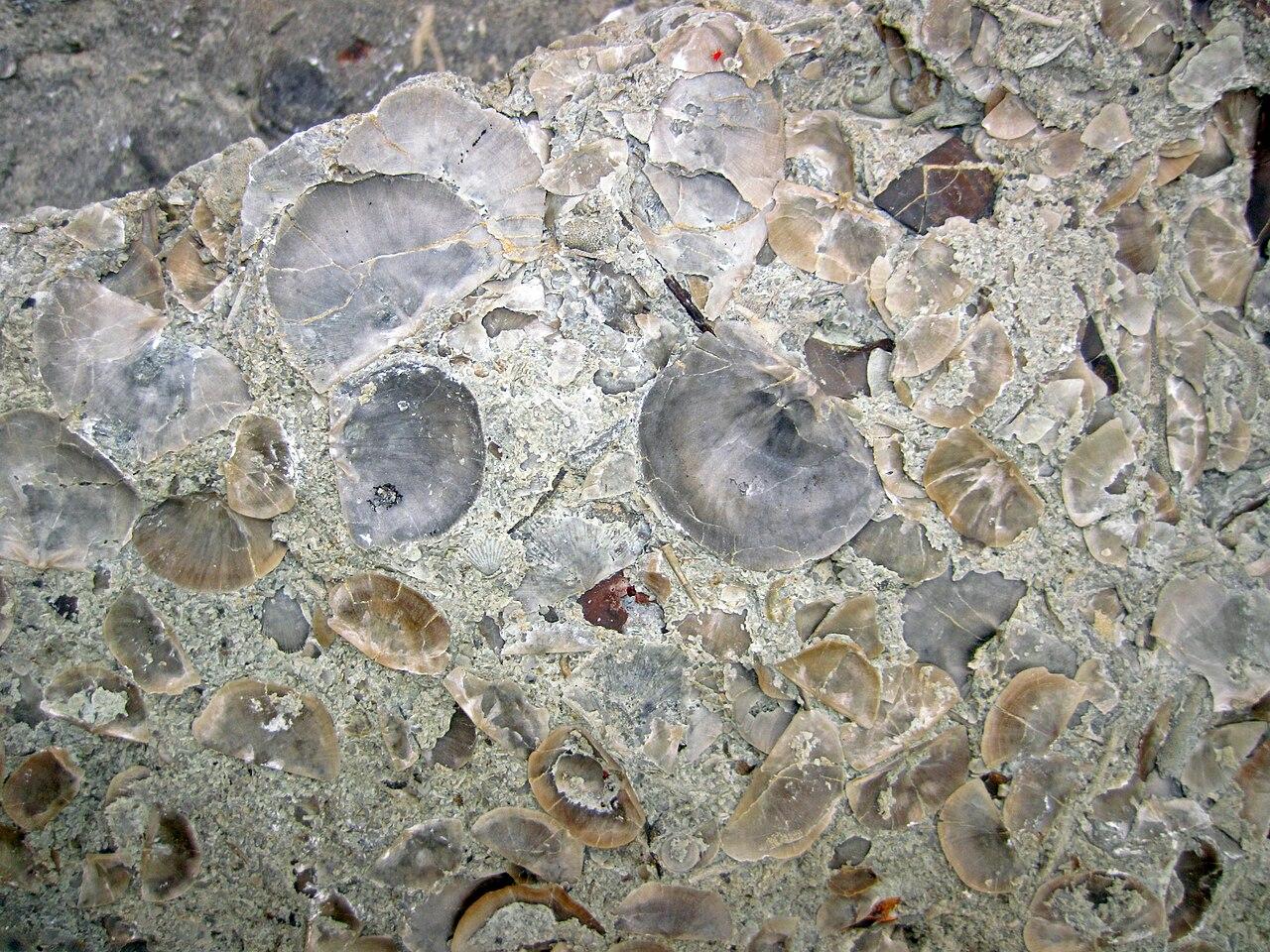
Ordovician seas were warm, shallow, and crowded. Reefs built by bryozoans and corals spread across tropical shelves. Brachiopods carpeted the sea floor in numbers that modern shellfish beds rarely match. The period ended in a severe glaciation and one of the largest extinctions in the whole fossil record.
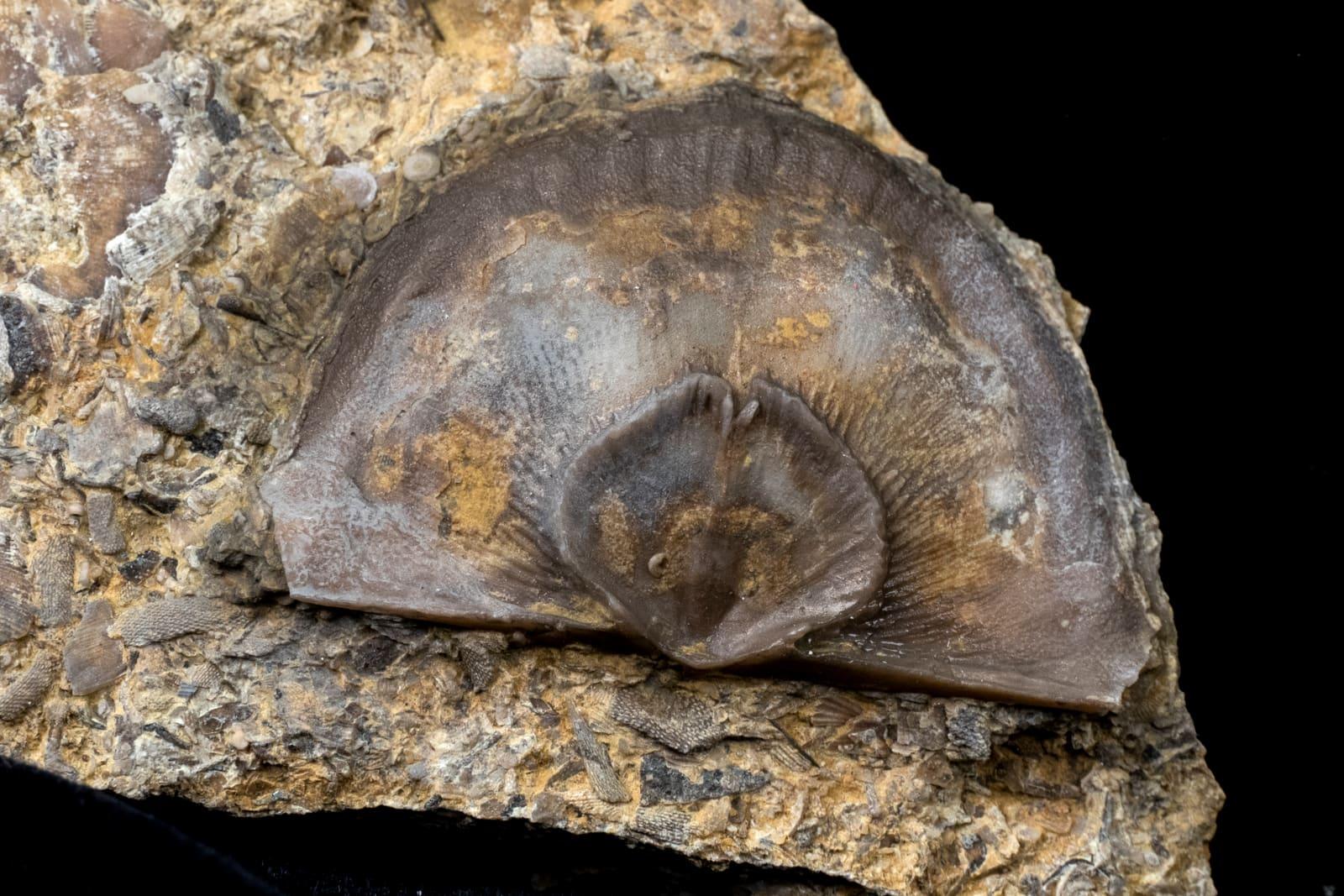
The rocks reflect that abundance. Ordovician limestone often breaks into slabs packed edge to edge with shells. Brachiopods outnumber everything else. Bryozoan colonies appear as lacy sheets or twiggy stems. Trilobites are less common but far more sought after, and Isotelus grew larger here than in almost any other period.
Coverage here runs to twenty-one Ordovician sites. The Cincinnati region of Ohio supplies five of them, and its roadcuts and lake spillways rank among the most productive fossil grounds in North America. Morocco supplies four more, worked commercially for trilobites. Eight of the twenty-one allow free collecting and four require a permit, so read the access note before you travel.
21 fossil sites
Updated 1 August 2026
Life of the period
Three to know from the Ordovician
You will not find all of these yourself. They are the animals and plants that make the period worth reading about.

Straight-shelled nautiloidCameroceras A cephalopod in a straight cone rather than a coil. Length estimates have fallen over the years. It remains among the largest animals of its time, and it hunted in shallow tropical seas.
James St. John, CC BY 2.0

Giant trilobiteIsotelus A specimen found in Manitoba in 1998 measures over 70 centimetres and is the largest complete trilobite ever recorded. Most trilobites you find fit on a thumbnail.
James St. John, CC BY 2.0
Enrolled trilobiteFlexicalymene Rolls into a tight ball for defence, exactly as a woodlouse does. Enrolled specimens are the ones collectors want, because the animal died in the act and preserved in three dimensions.
Smithsonian National Museum of Natural History, CC0
All Ordovician sites
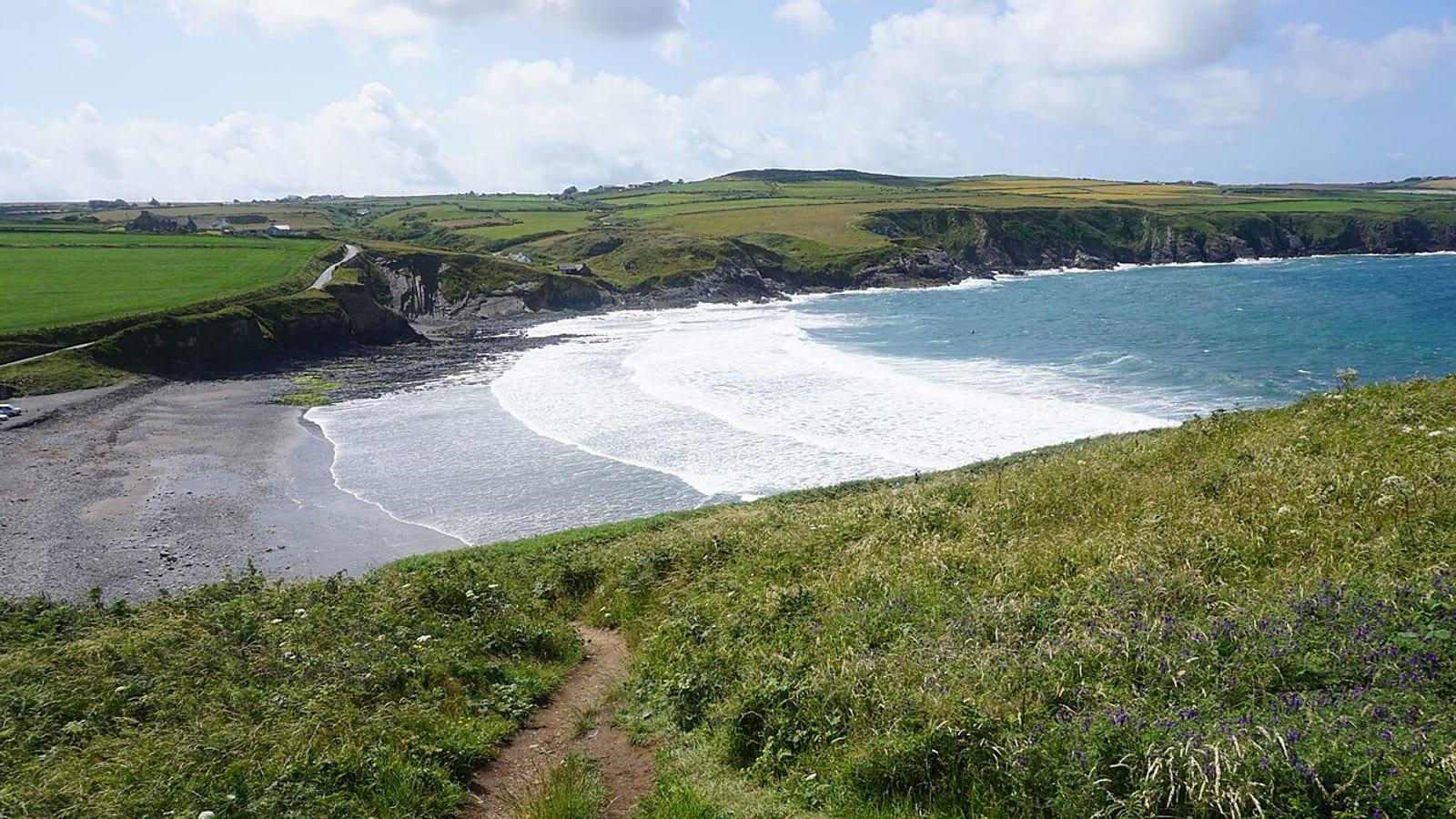
Abereiddy Bay Fossil Hunting Guide
principally Didymograptus murchisoni (tuning-fork graptolite)
Graptolites, Trilobite
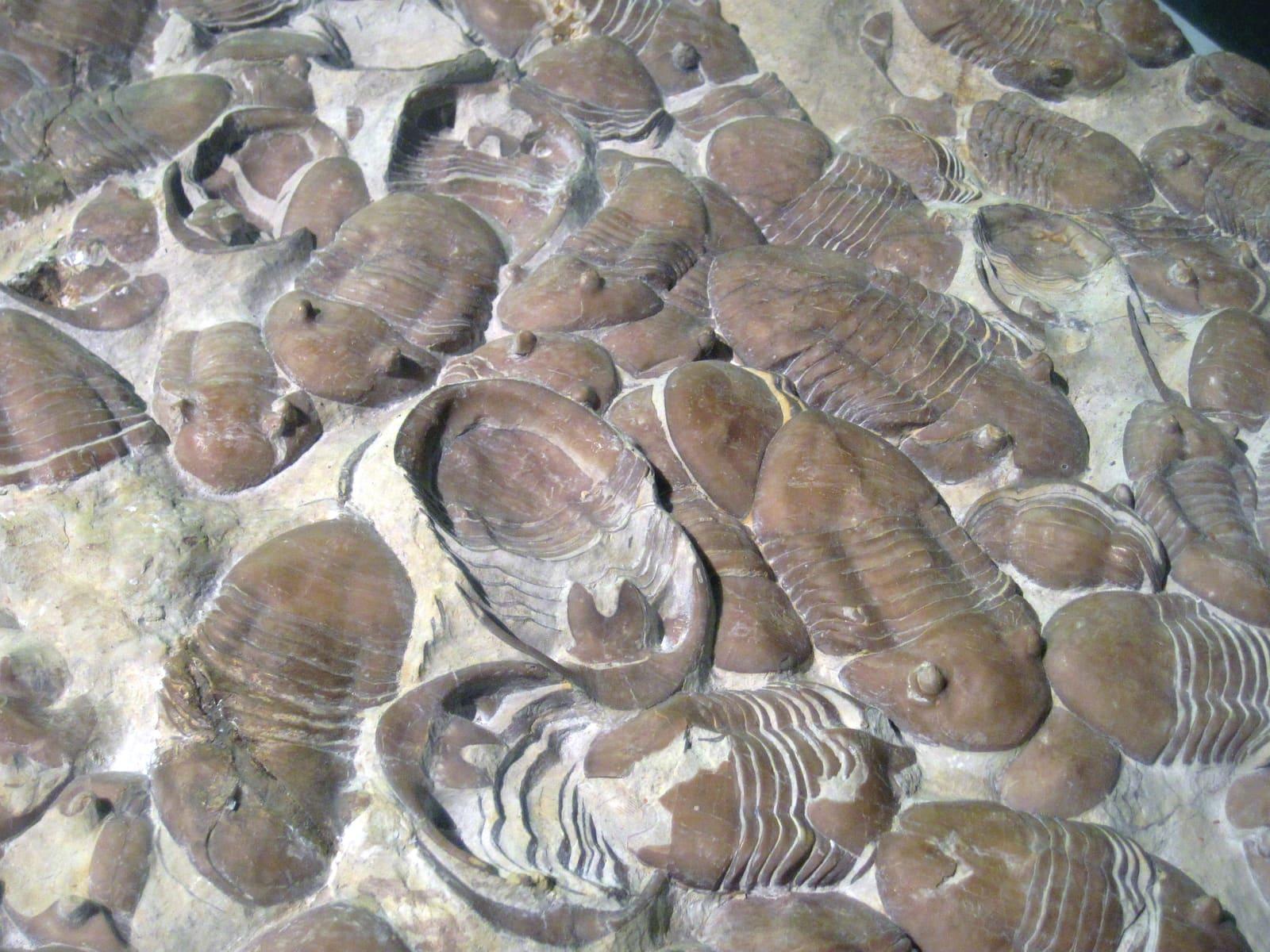
Arbuckle Mountains Bromide Formation Fossil Guide
Oklahoma, United States
Trilobites, Crinoids, Brachiopods, Bryozoans
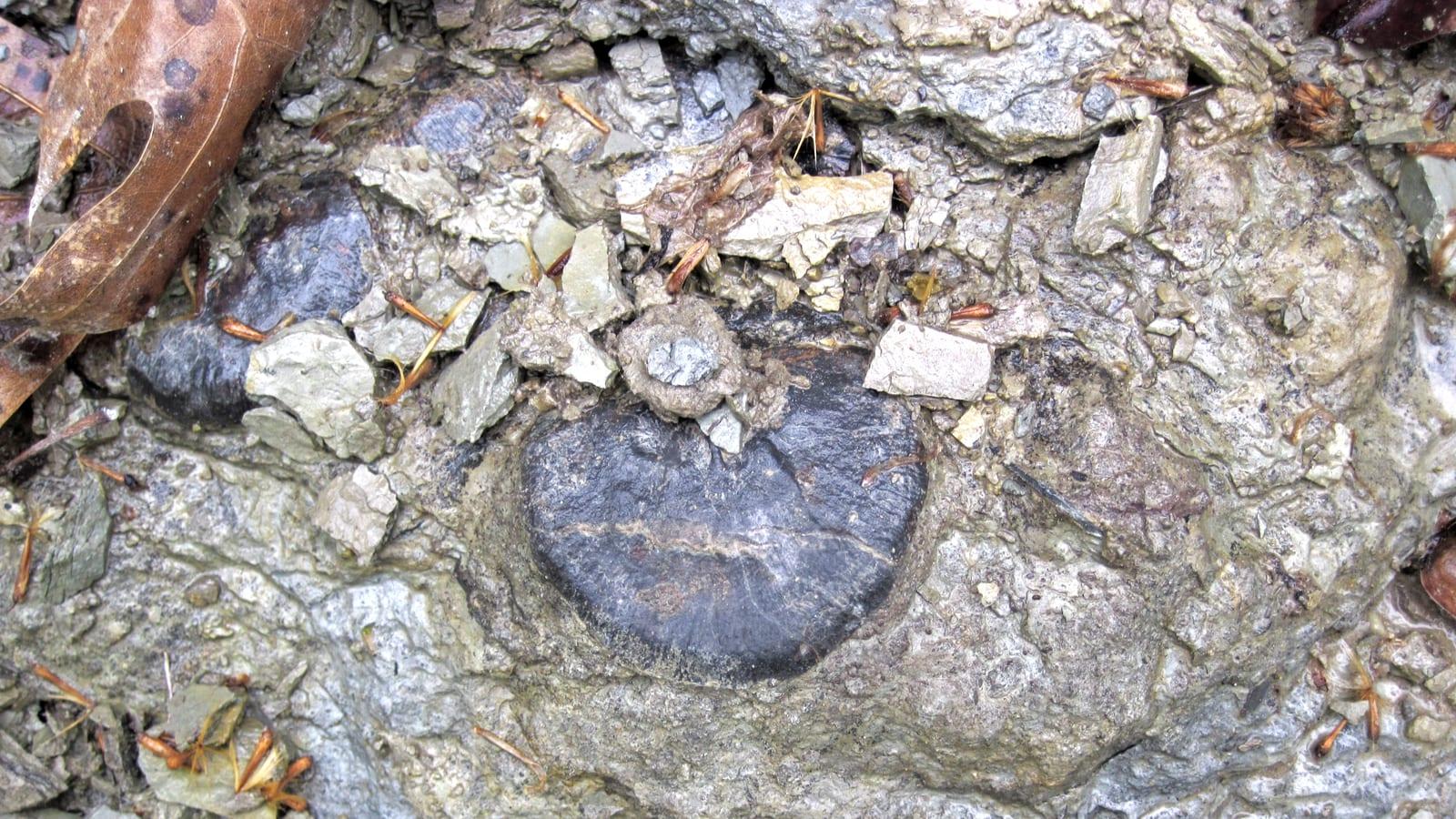
Caesar Creek State Park Fossil Hunting Guide
Ohio, United States
Trilobites, Brachiopods, Crinoids, Corals
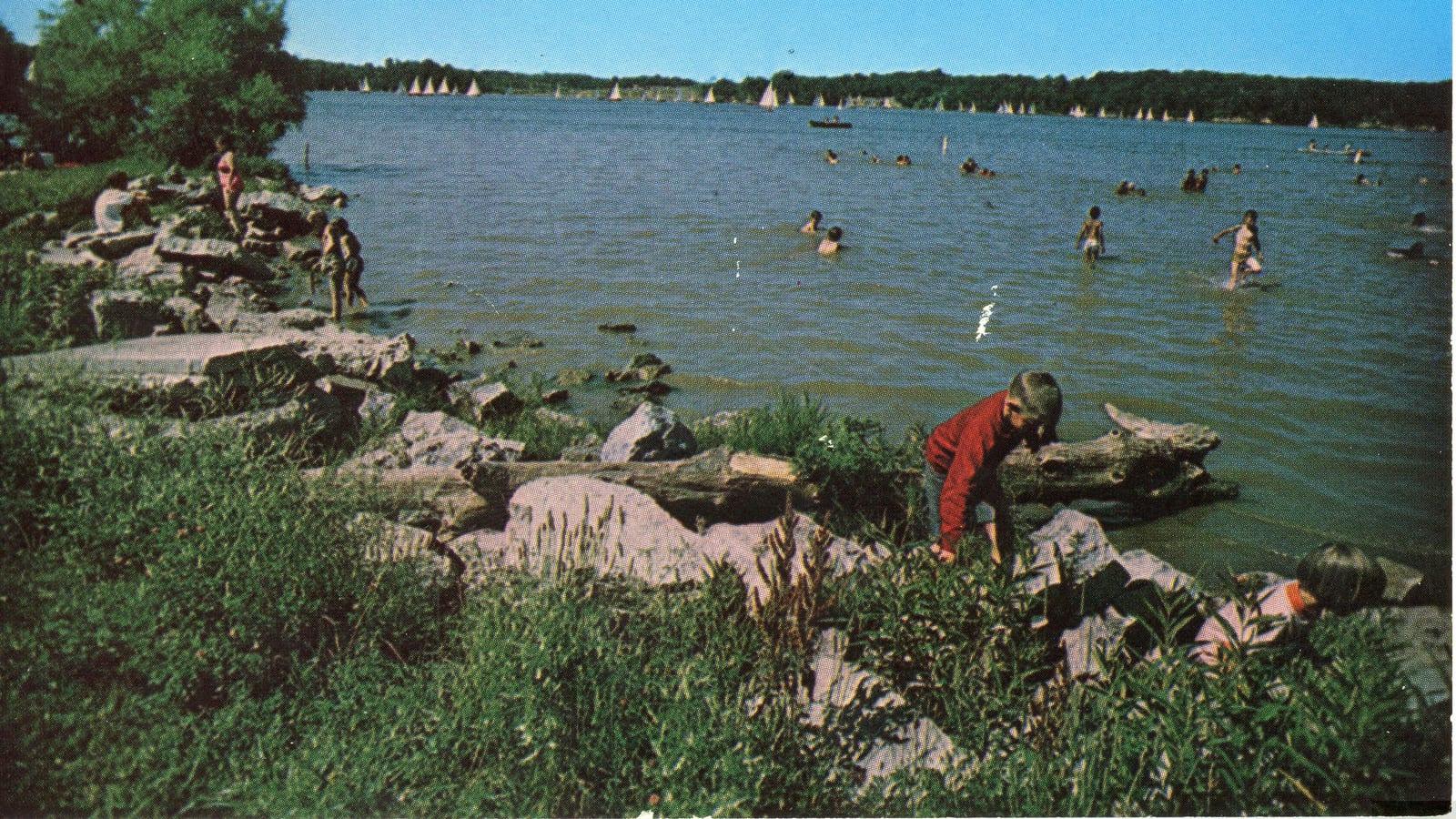
Cowan Lake State Park Fossil Hunting Guide
Ohio, United States
Brachiopods, Bryozoans, Corals, Crinoids
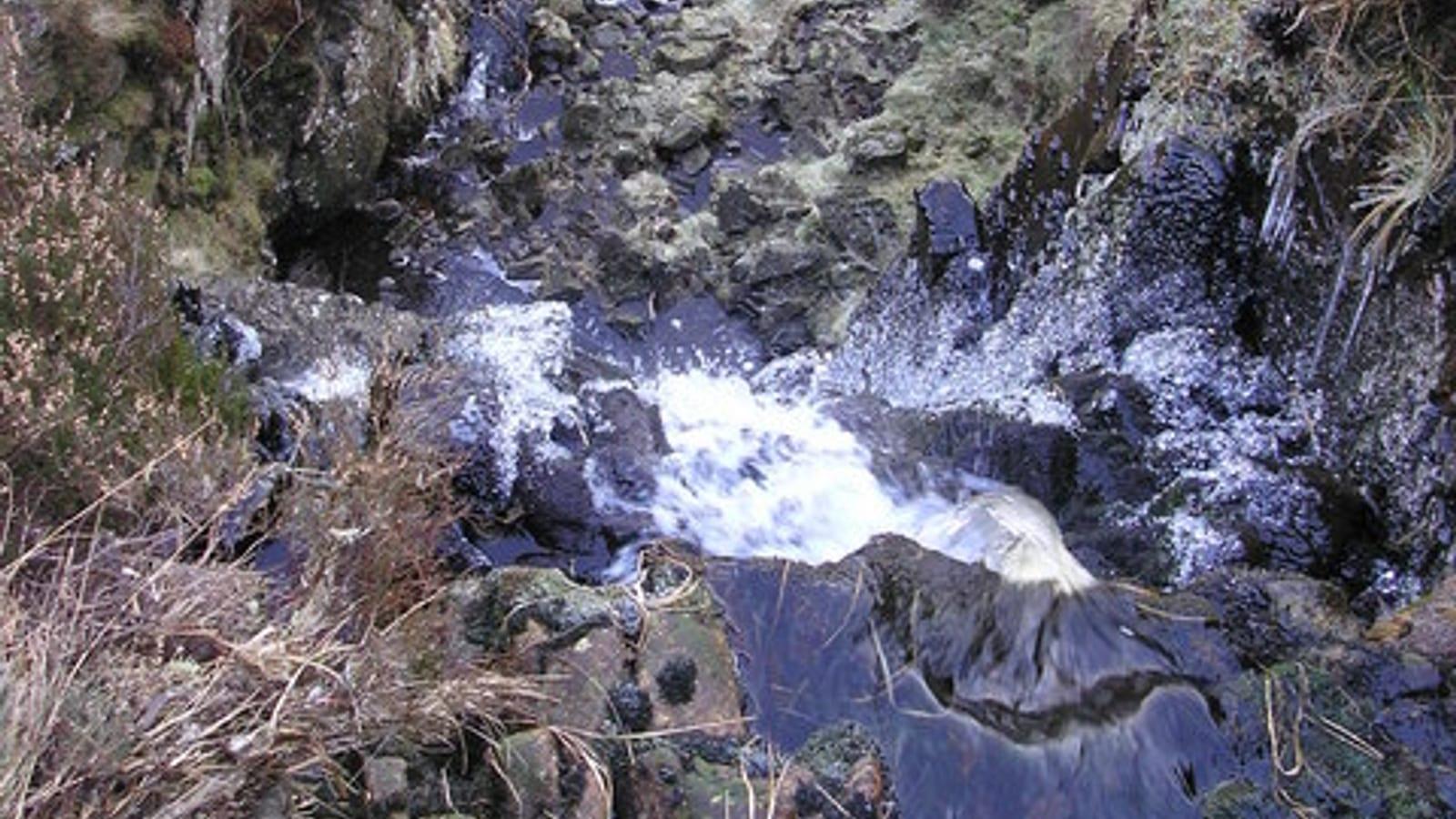
Dobs Linn Scottish Borders Fossil Hunting Guide
United Kingdom
Graptolites
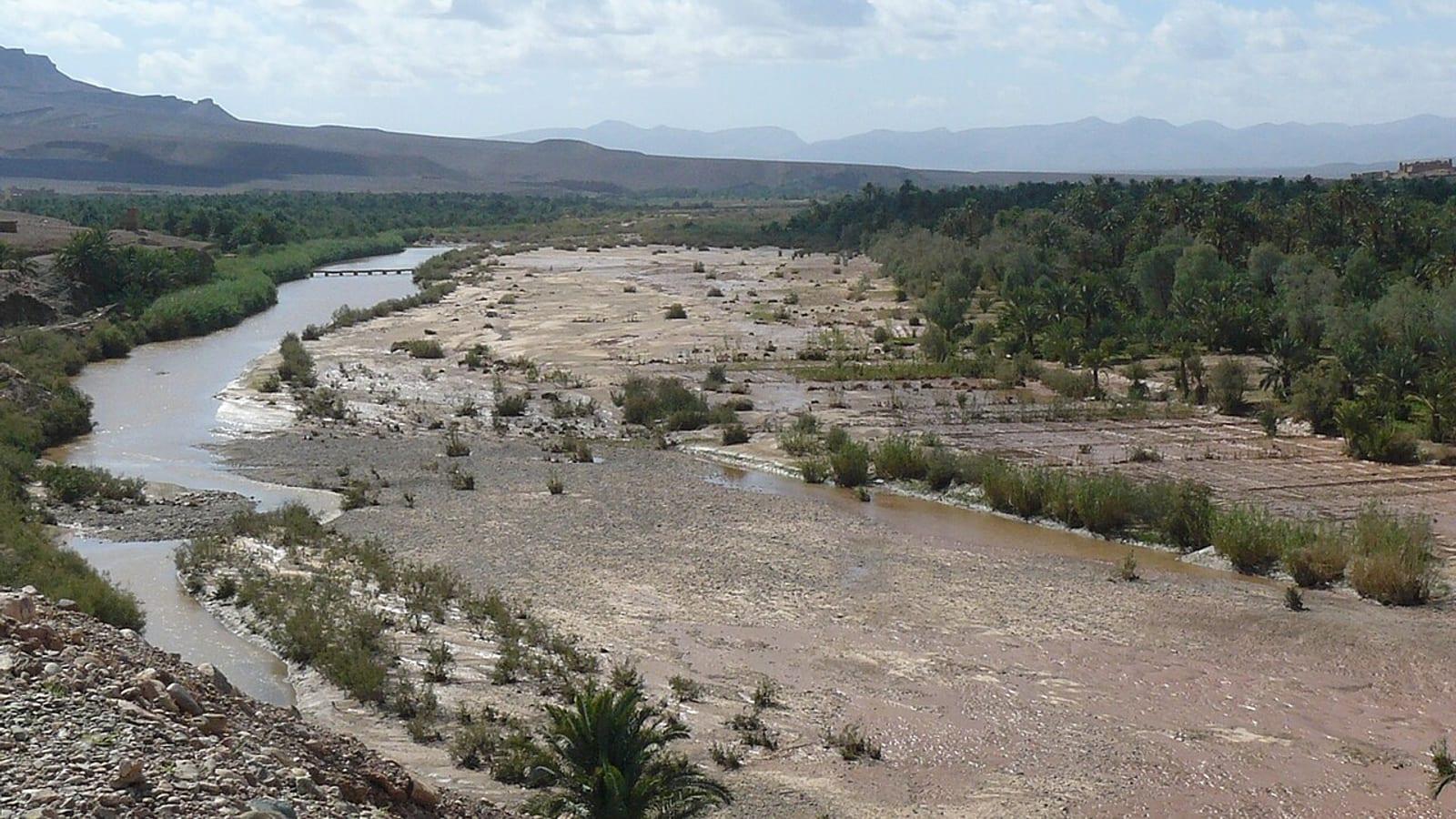
Draa Valley Ordovician Trilobite Site Agdz Fossil Hunting Guide
Morocco
Giant trilobites, Brachiopods, Graptolite fragments, cystoid echinoderm plates
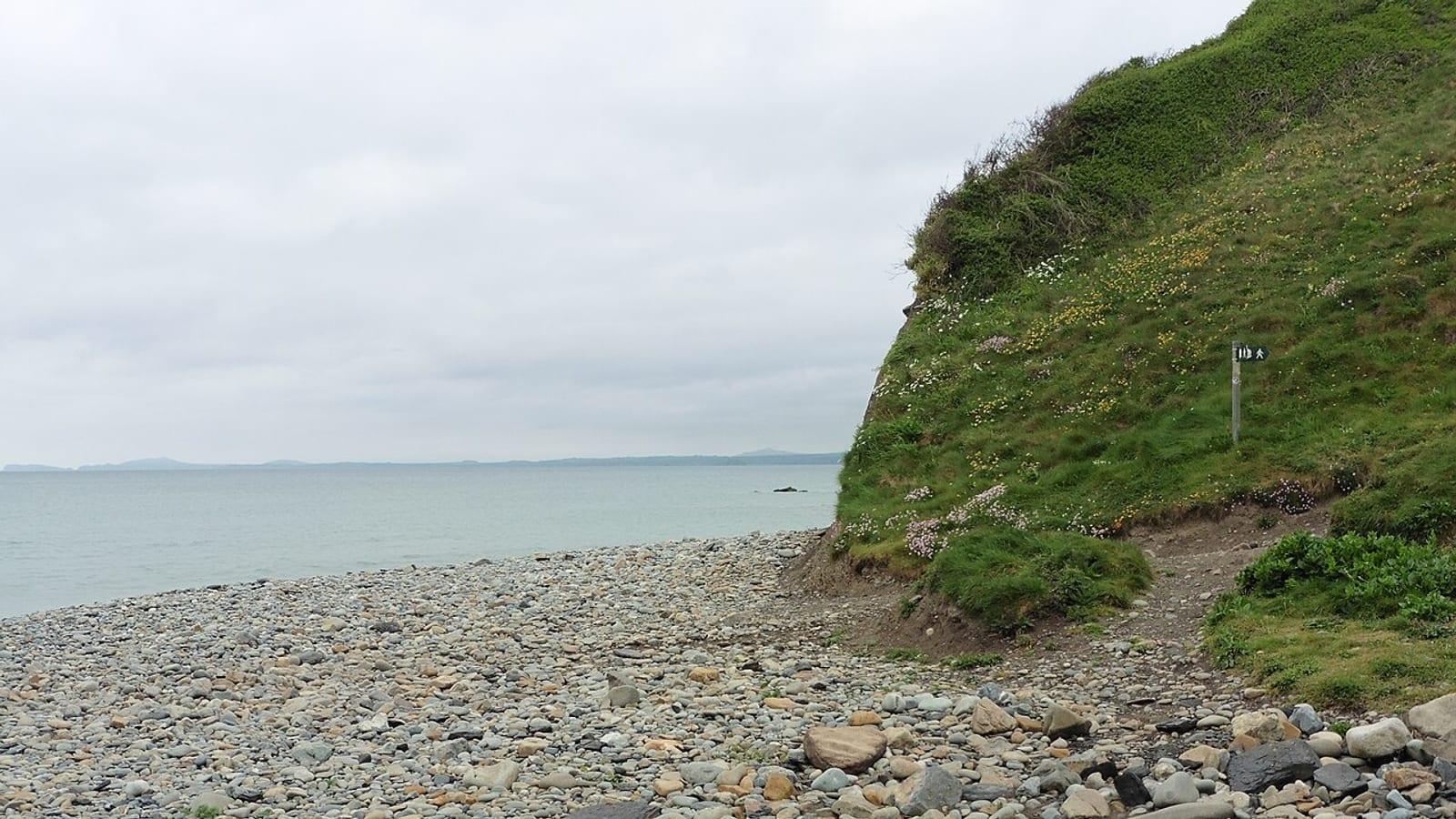
Druidston Haven Pembrokeshire Fossil Hunting Guide
United Kingdom
Graptolites, diplograptids, plant fossil impressions
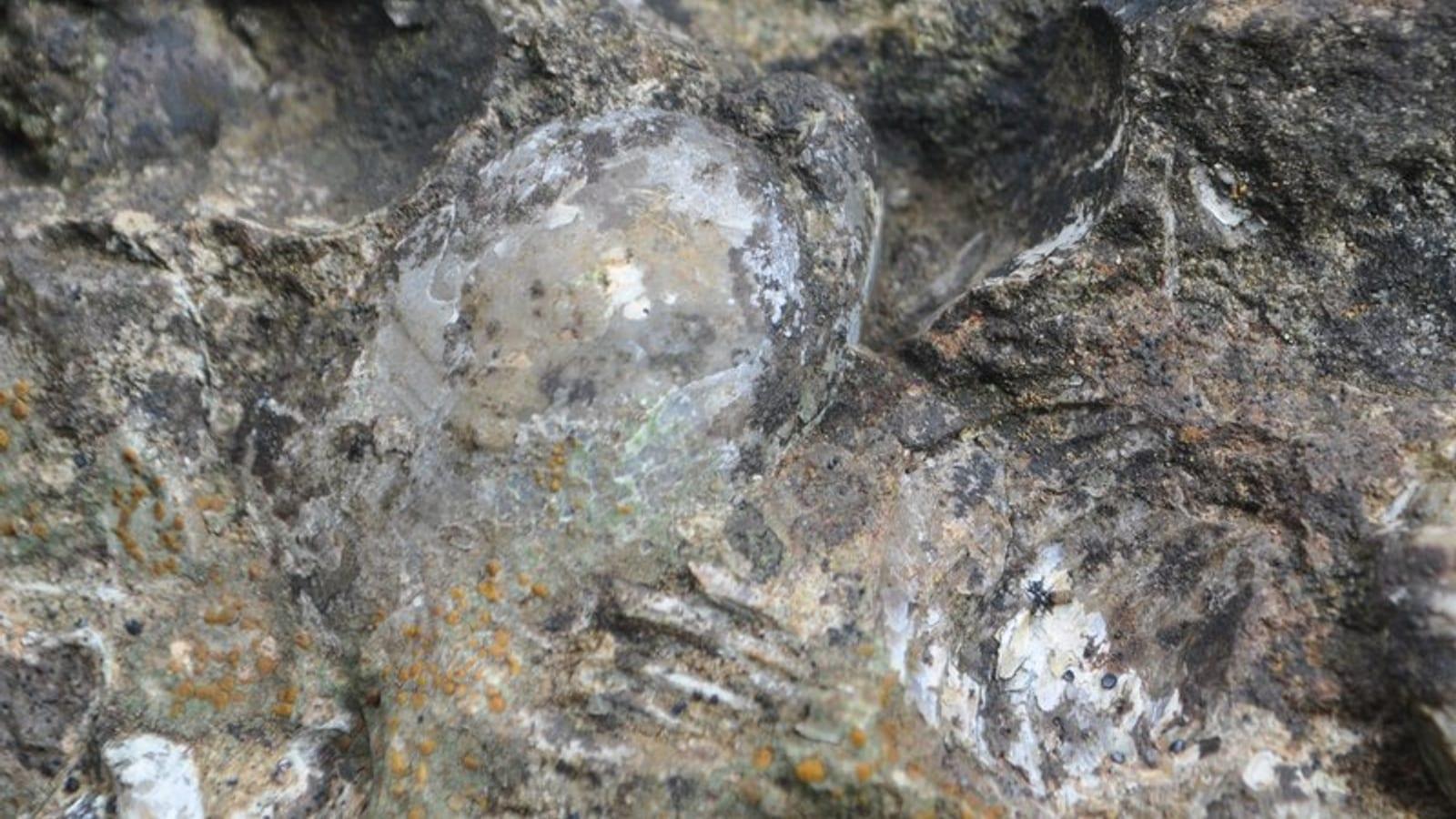
East Fork State Park Fossil Hunting Guide
Ohio, United States
Trilobites, Brachiopods, Crinoids, Corals
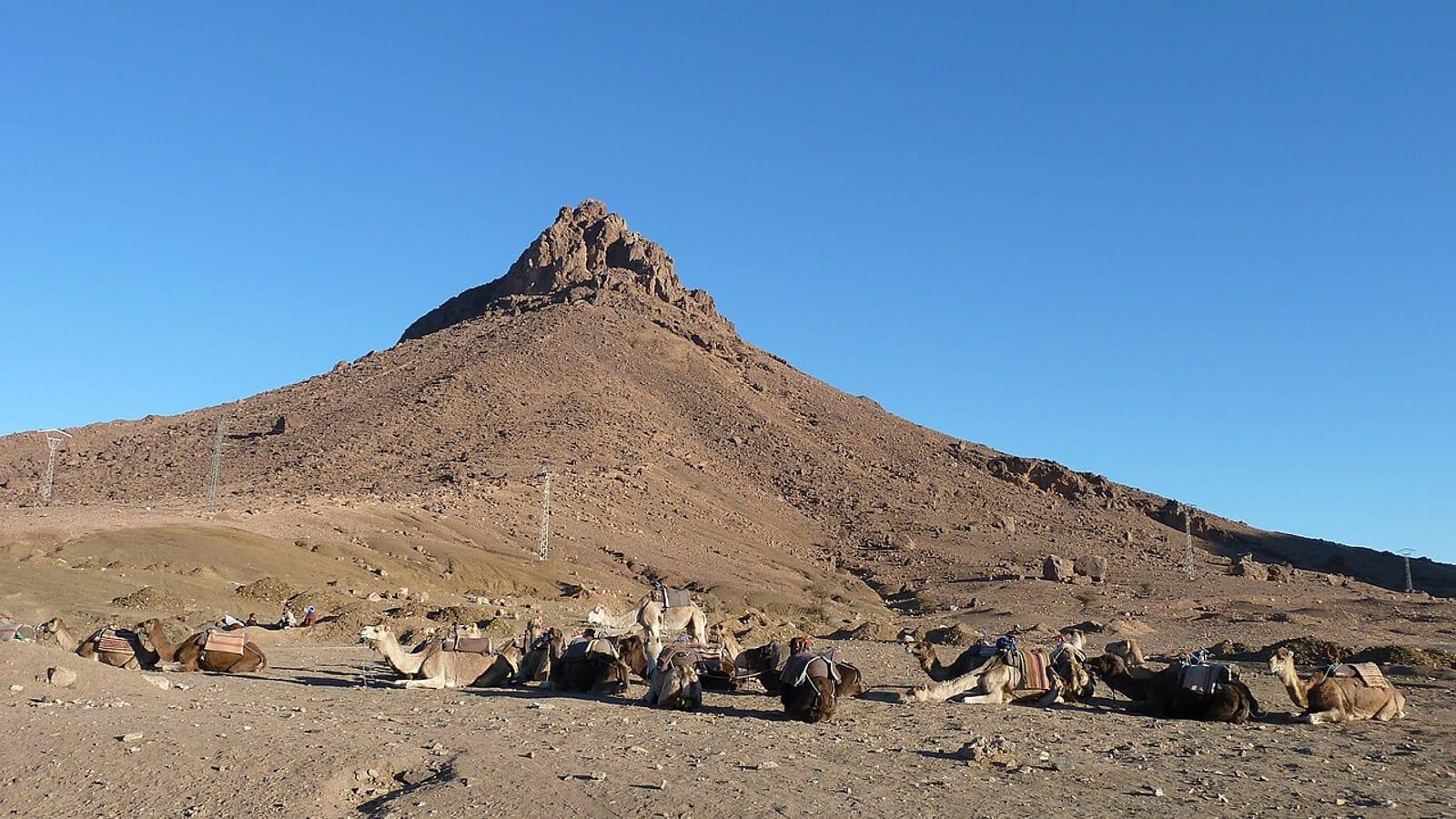
Fezouata Biota Locality Zagora Fossil Hunting Guide
Morocco
anomalocaridids, Trilobites, Echinoderms, Brachiopods
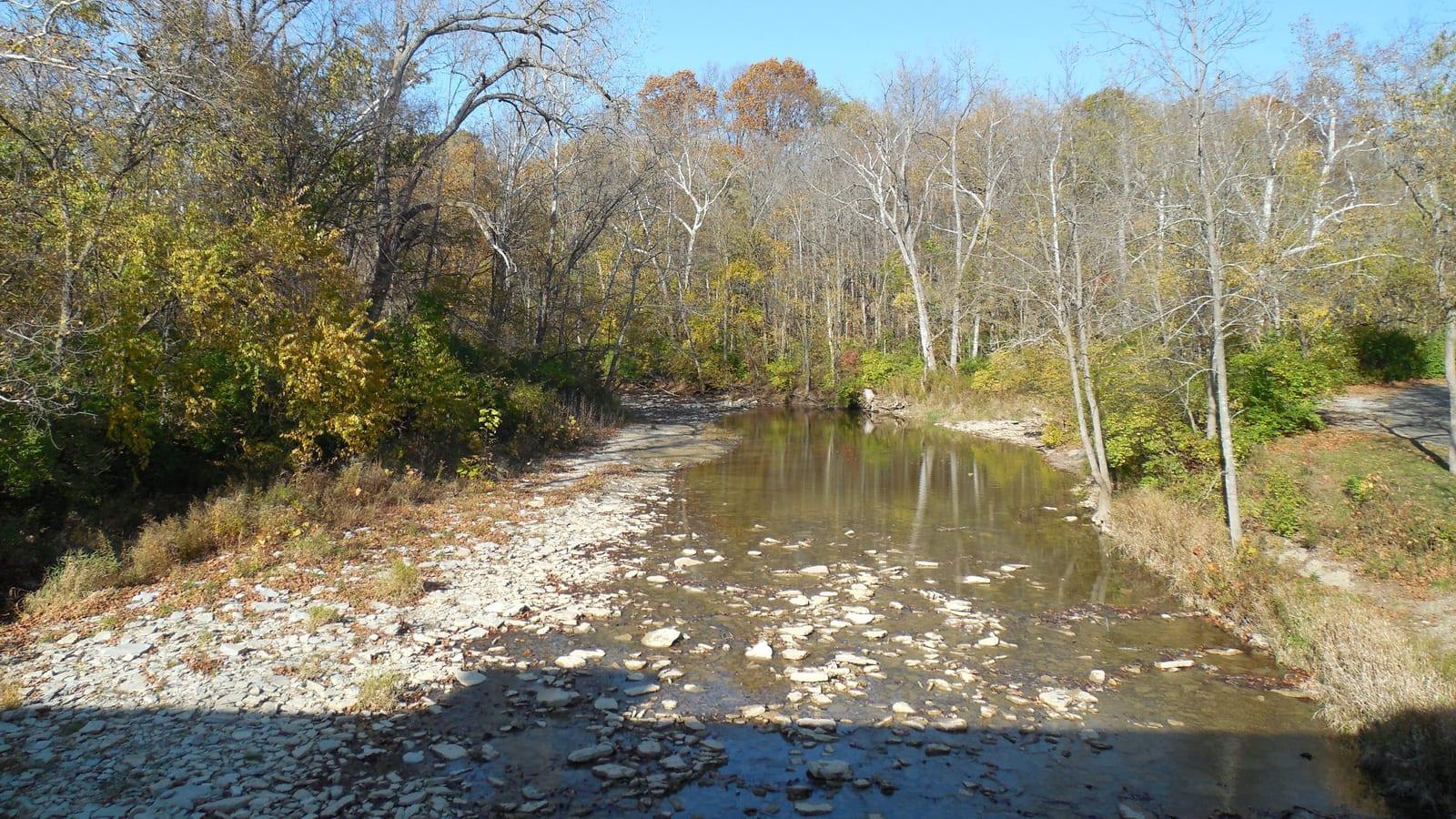
Hueston Woods State Park Fossil Hunting Guide
Ohio, United States
Brachiopods, Bivalves, Bryozoans, Corals
Isle La Motte Chazy Reef Fossil Hunting Guide
Vermont, United States
Stromatoporoids, Corals, Nautiloids, Gastropods
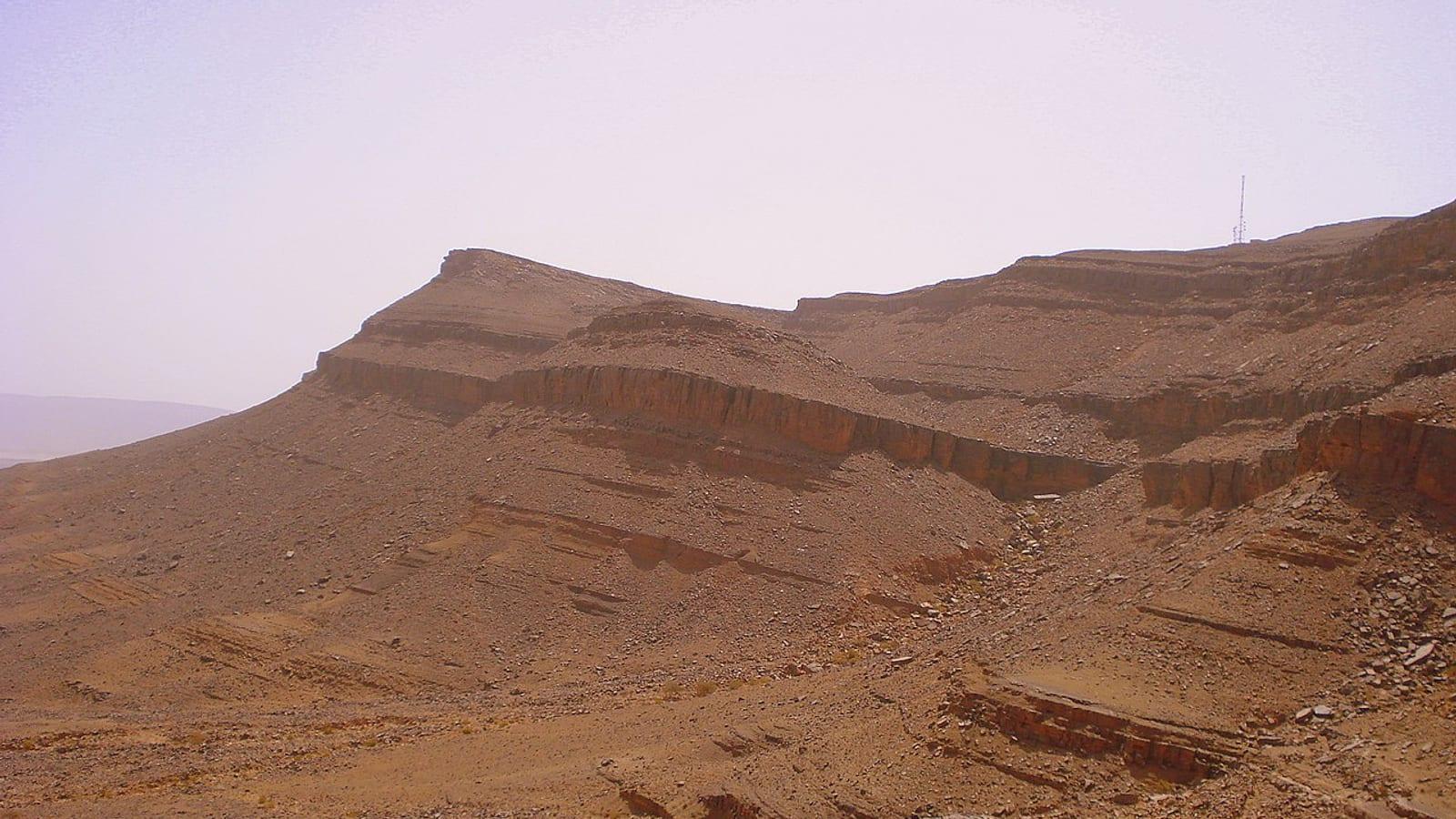
Jbel Tiskaouine Ordovician Trilobite Site Alnif Fossil Hunting Guide
Morocco
Jbel Tiskaouine, Flexicalymene, Colpocoryphe, Neseuretus
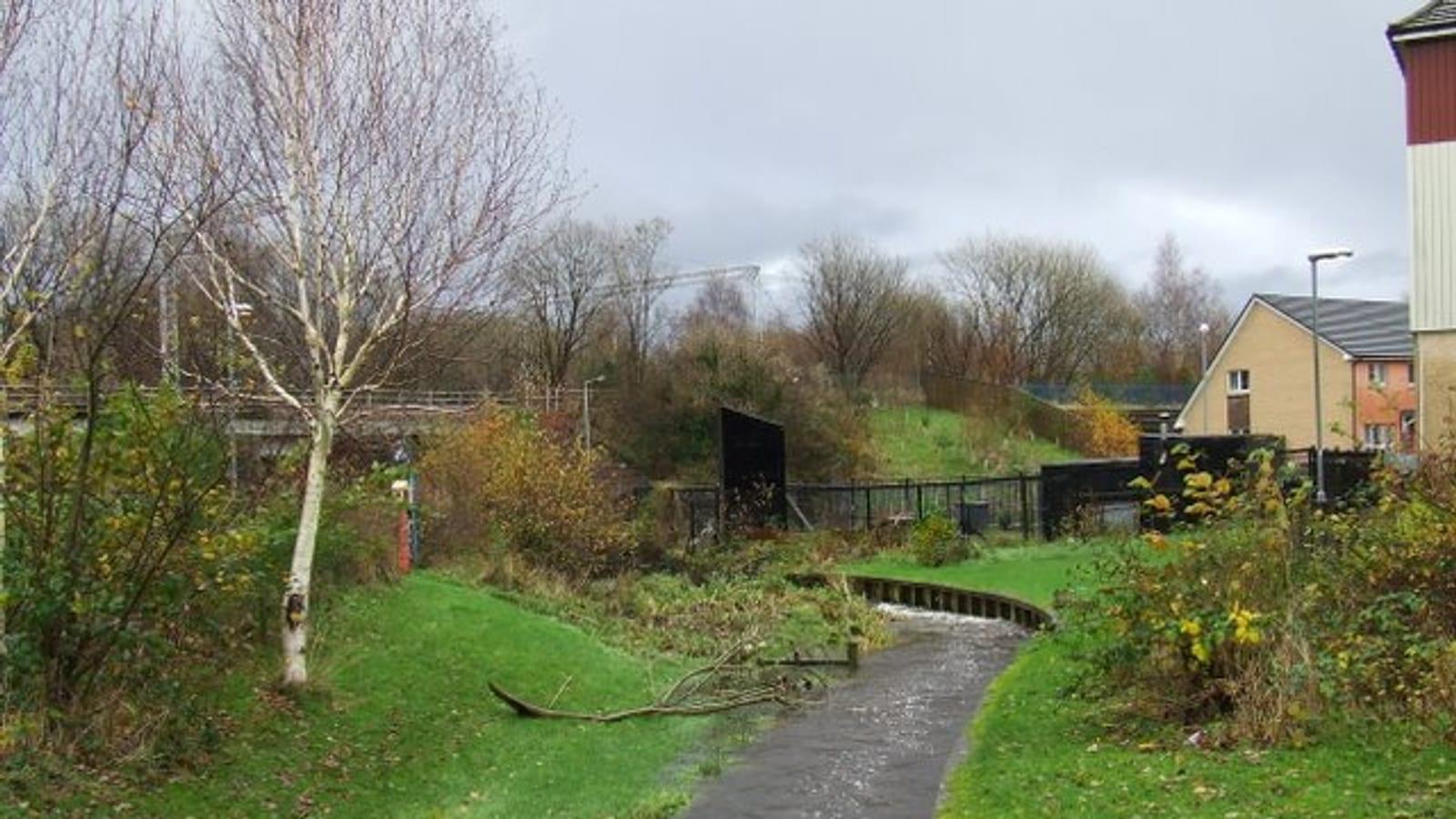
Lady Burn Fossil Hunting Guide
near Drummuck
Starfish, Trilobites, Brachiopods and bivalves, Orthocones and cephalopods
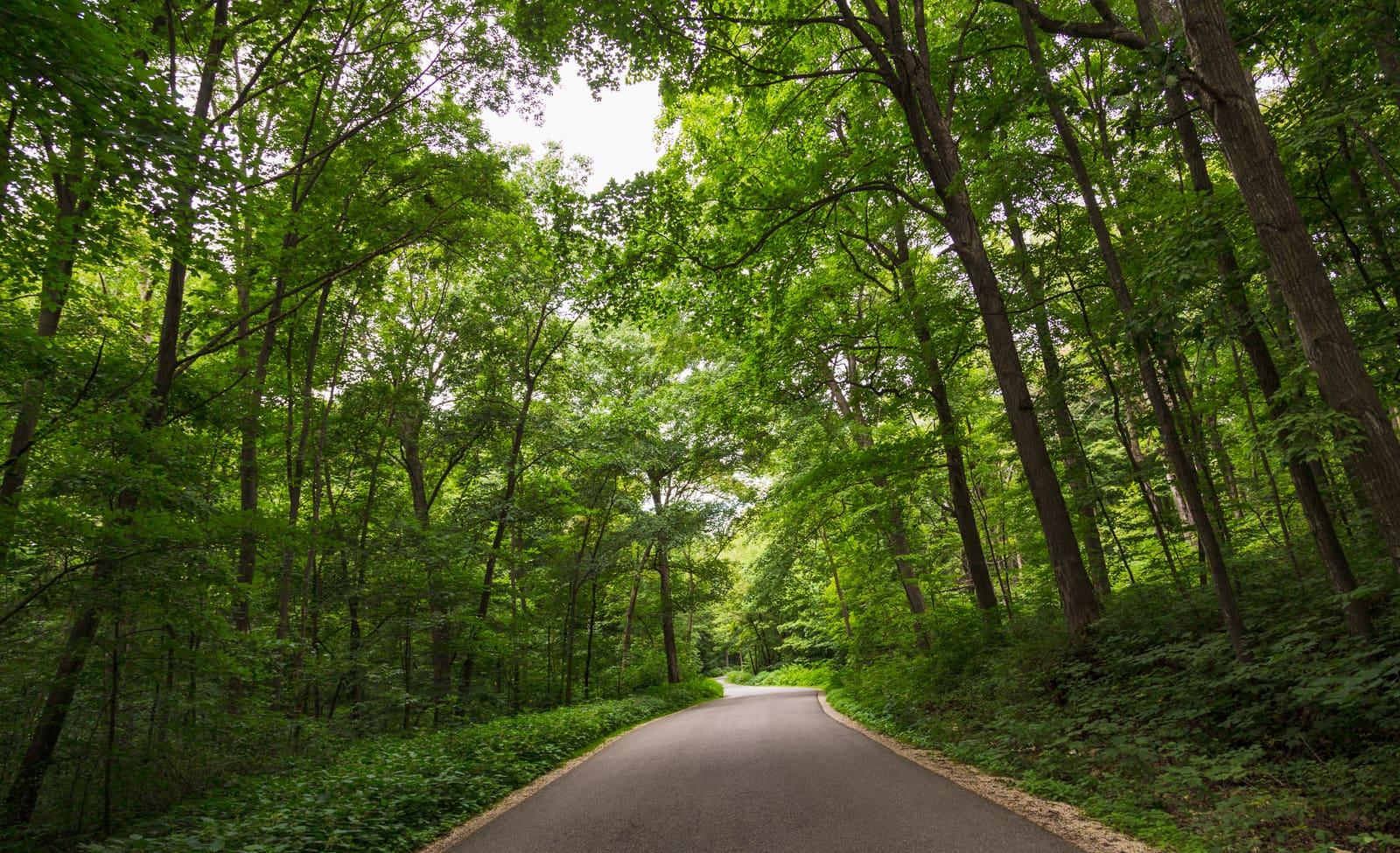
Lanesboro Karst Country (Forestville/Mystery Cave) Fossil Guide
Minnesota, United States
Brachiopods, Cephalopods, Gastropods, Trilobites
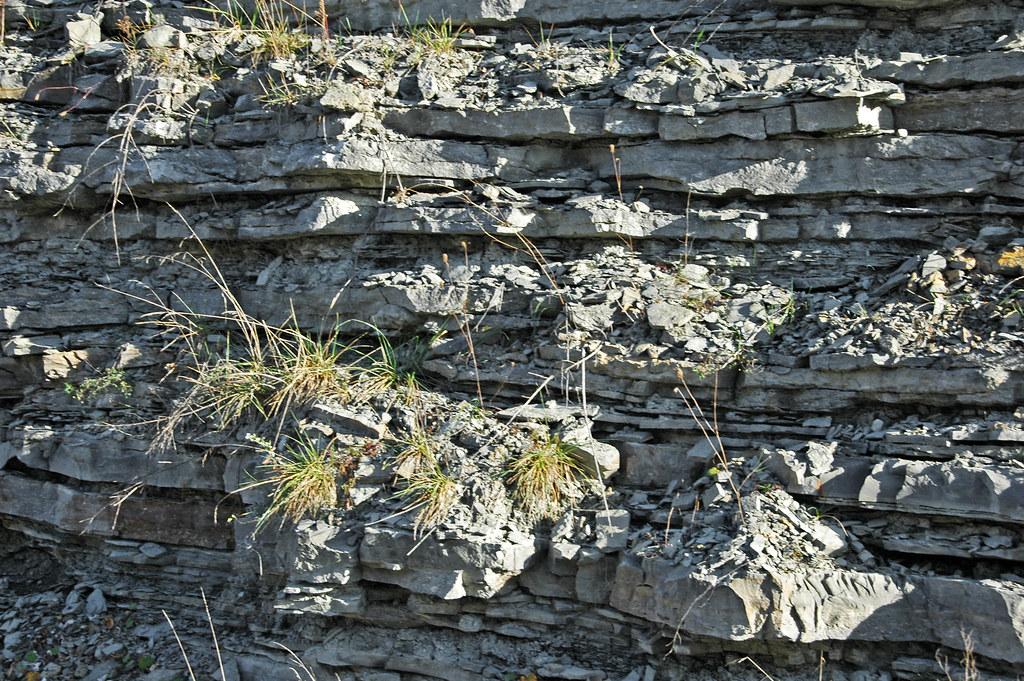
Maysville Ordovician Roadcut Fossil Hunting Guide
Kentucky, United States
Brachiopods, Trilobites, Bryozoans, Cephalopods
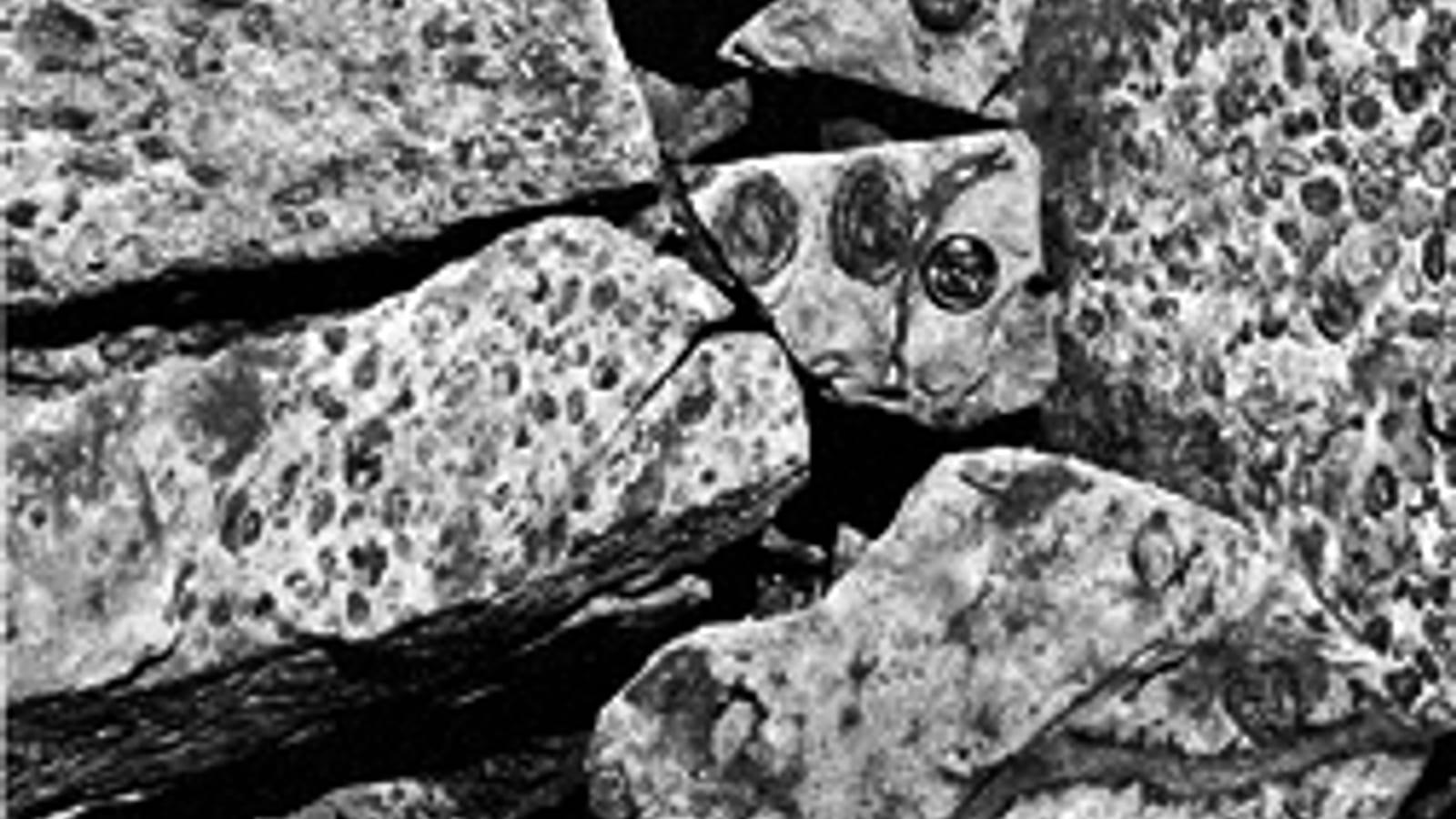
Mazourka Canyon Fossil Hunting Guide
Inyo County, California, United States
Trilobites, Brachiopods, Corals, Gastropods
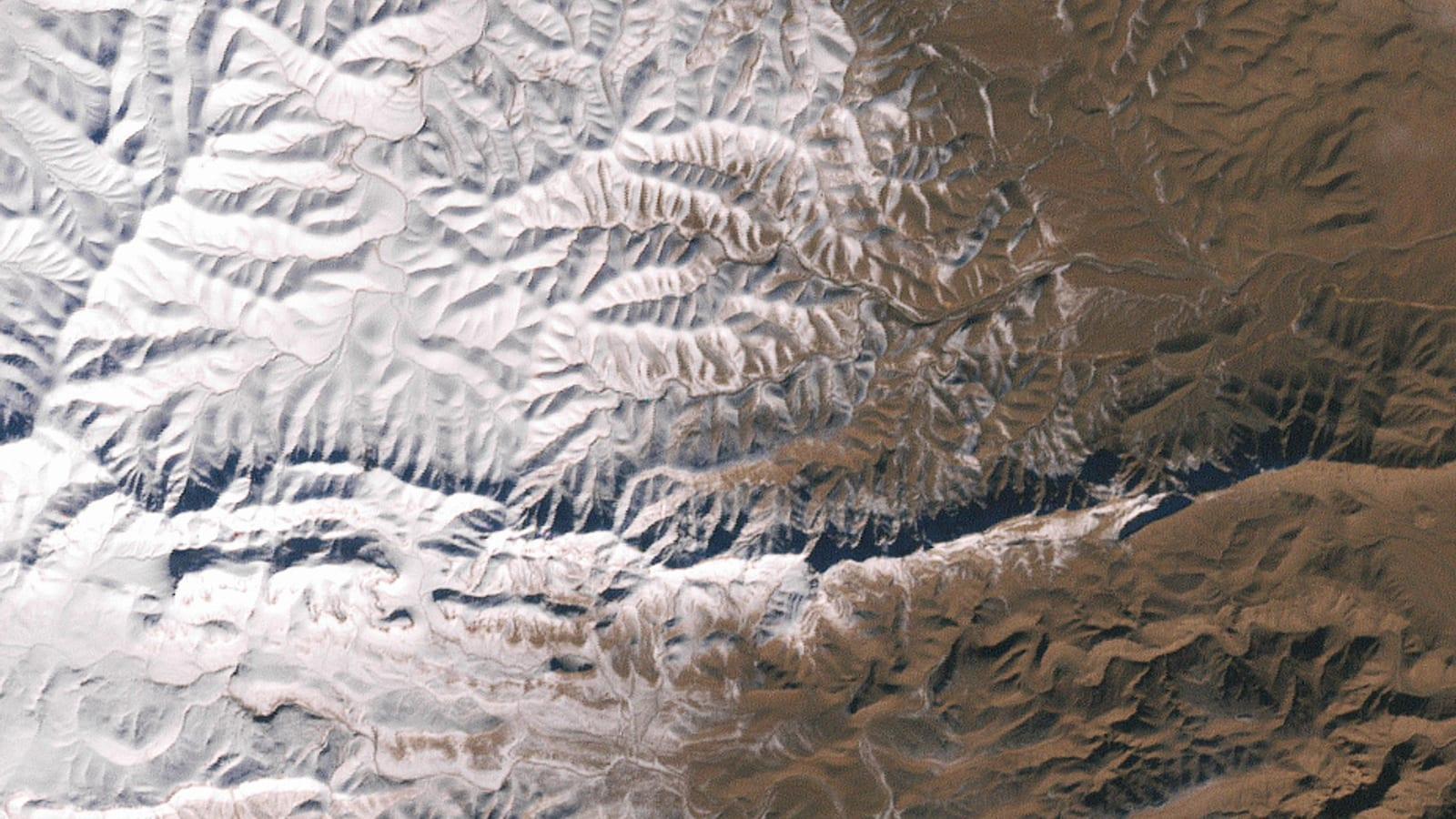
Ouzina Ordovician Graptolite Locality Fossil Hunting Guide
Morocco
graptolite fossils, Graptolites, Trilobites, Brachiopods
St. Leon Roadcut Fossil Hunting Guide
Indiana, United States
Brachiopods, Bryozoans, Crinoids, Horn corals
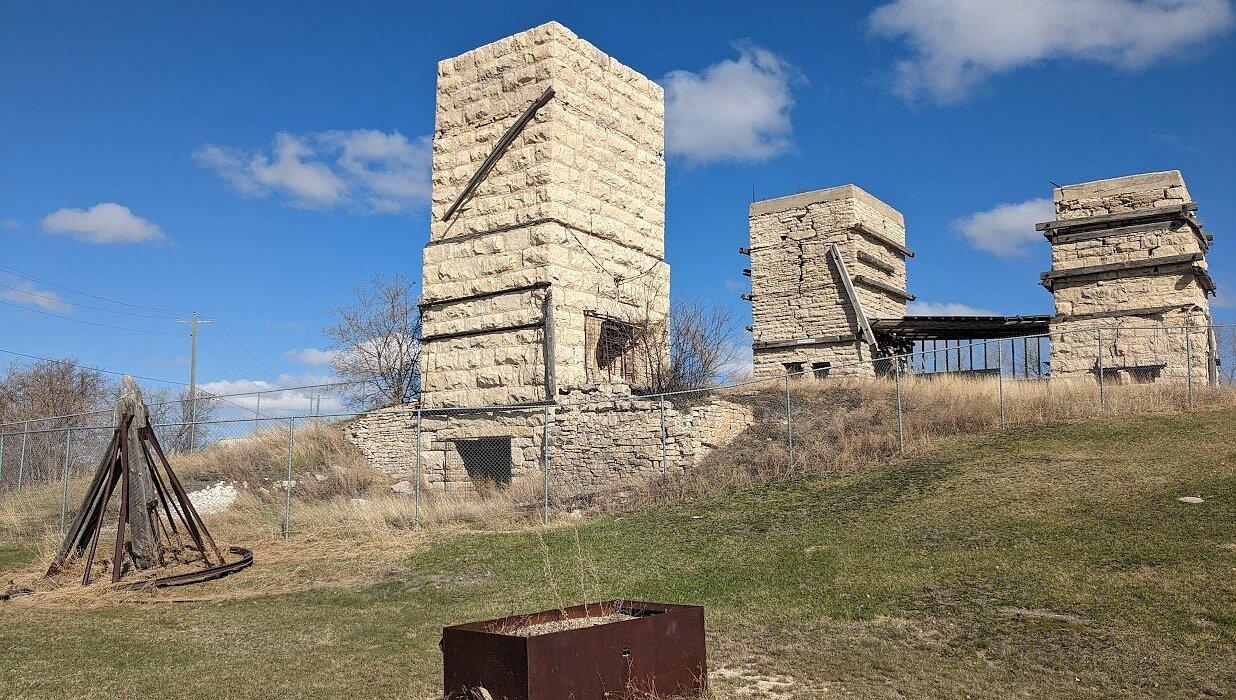
Stonewall Quarry Park Manitoba Fossil Hunting Guide
Manitoba, Canada
Cephalopods, Brachiopods, Trilobites, Crinoids
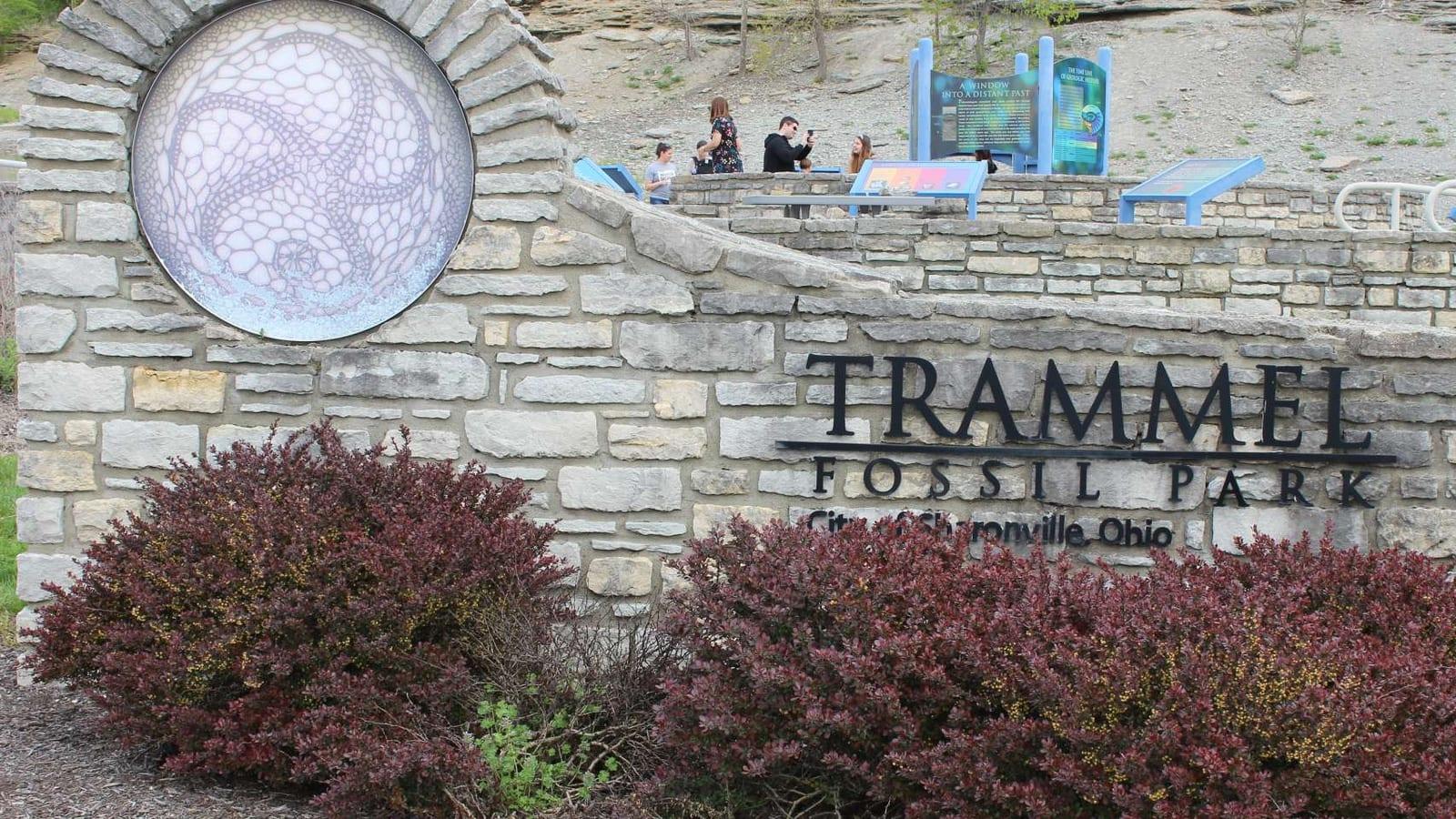
Trammel Fossil Park Fossil Hunting Guide
Ohio, United States
Trilobites, Brachiopods, Crinoids, Corals
Twin Cities Decorah Shale Trilobite Sites Fossil Guide
Minnesota, United States
Trilobites, Brachiopods, Bryozoans, Crinoids
Frequently asked questions
- Where is the best Ordovician collecting?
- The Cincinnati Arch, which covers southwest Ohio, southeast Indiana, and northern Kentucky. Roadcuts and lake spillways expose shell-rich limestone and shale. Weathered slopes at the base of an exposure usually produce more than the fresh rock face above.
- What is the most common Ordovician fossil?
- Brachiopods, by a wide margin. Look for two shells of unequal size that are symmetrical about a line down the middle. That symmetry separates them from clams, which are instead symmetrical between the two shells.
- Are Ordovician trilobites easy to find?
- Whole ones are not. Fragments are common in the right beds. Flexicalymene and Isotelus are the two genera most collectors hope for around Cincinnati, and enrolled Flexicalymene specimens are the prize.