Country
Fossil hunting in France
France protects its best fossil localities as geological nature reserves rather than closing them. The Reserve Naturelle Geologique de Haute-Provence protects 18 sites totalling about 270 hectares, inside a protection perimeter of roughly 230,000 hectares across 59 communes. Several stay open with free access all year.
Two legal regimes matter here. Inside a reserve naturelle geologique, fossils stay where they lie and collecting needs research authorization. On the open coast, prefectoral orders made under site classifications set the terms instead, and they differ from place to place.
The Opal Coast is the collecting ground. The Vaches Noires cliffs in Normandy shed ammonites, echinoids and marine reptile bone from Callovian and Oxfordian clays onto the foreshore. A decree of September 2026 made them a national nature reserve and banned collecting there, so go to look. At Cap Blanc-Nez, hand collection of naturally eroded material on the foreshore is tolerated while heavy tools, including a hammer, are prohibited. The biotope order on the same stretch protects seabirds and says nothing about fossils.
Inland, the attraction is in place rather than in the hand. The Dalle aux Ammonites near Digne-les-Bains carries more than 1,500 ammonites on one tilted slab beside a road. The ichthyosaur of La Robine lies under a shelter at the end of a marked walk, exactly where its finders left it.
5 fossil sites
Updated 11 September 2026
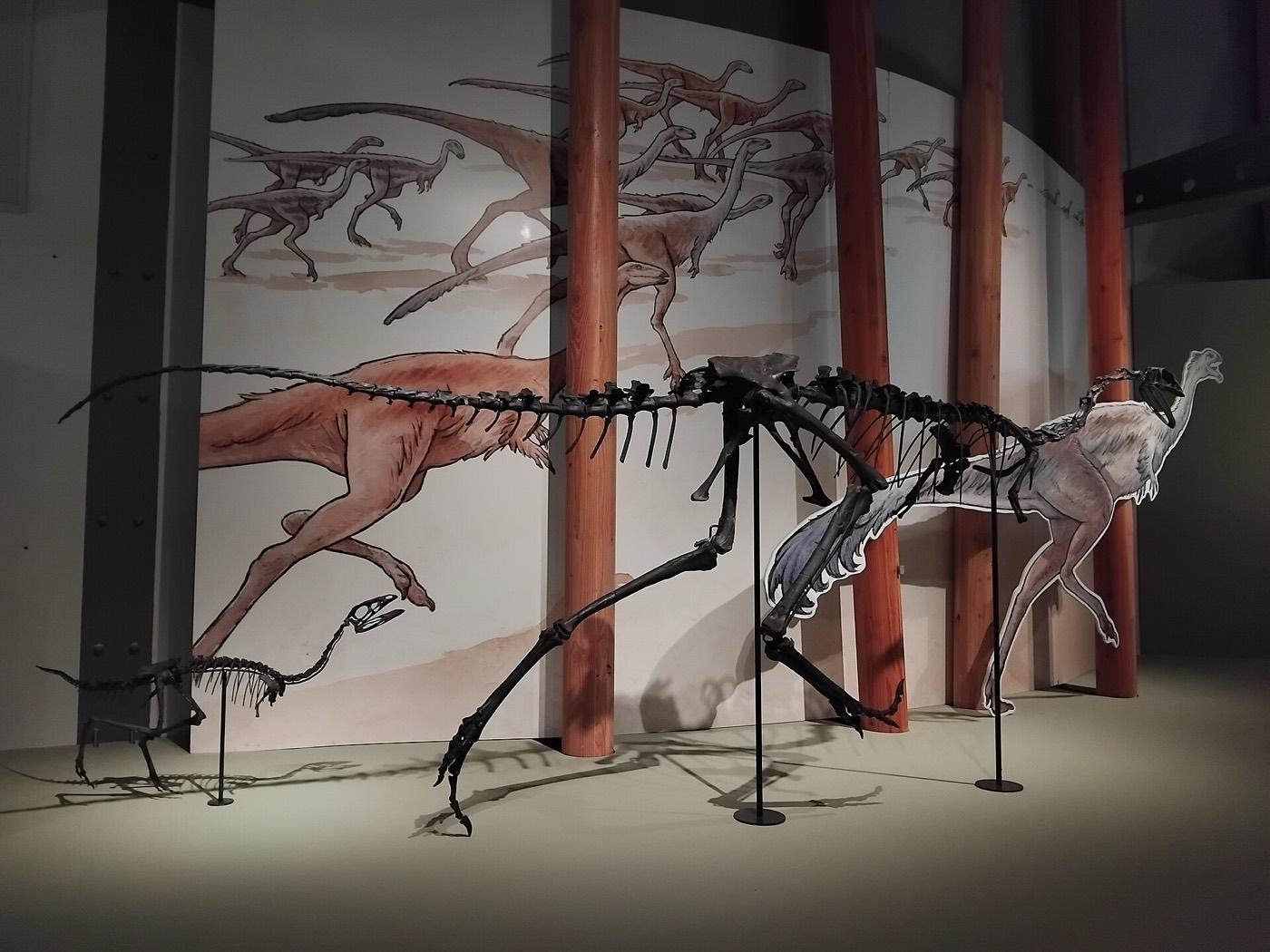
Angeac-Charente Dinosaur Dig Fossil Hunting Guide
Charente, Nouvelle-Aquitaine, France
Dinosaurs, Sauropods, Theropods, Turtles
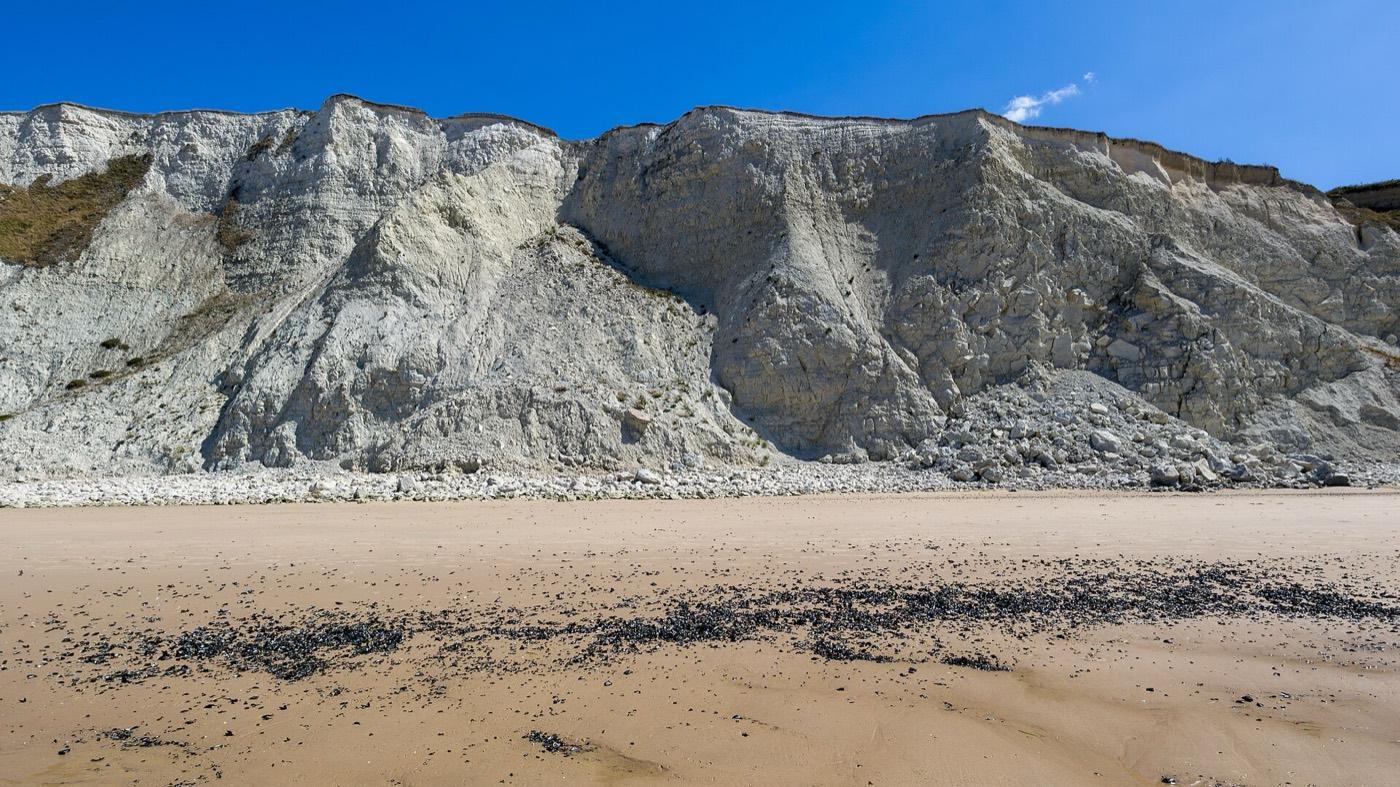
Cap Blanc-Nez Fossil Hunting Guide
Pas-de-Calais, Hauts-de-France, France
Ammonites, Belemnites, Echinoids, Bivalves
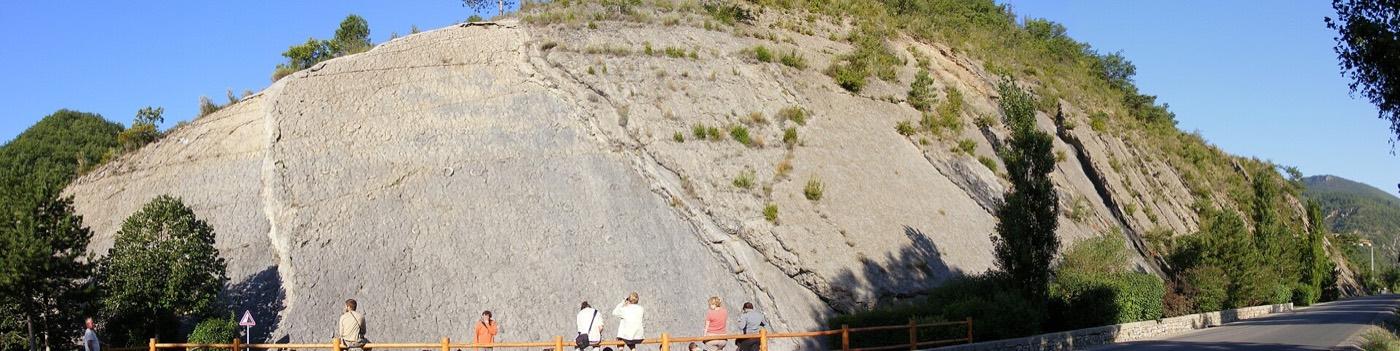
Dalle aux Ammonites, Digne-les-Bains Fossil Hunting Guide
Alpes-de-Haute-Provence, France
Ammonites, Nautiloids
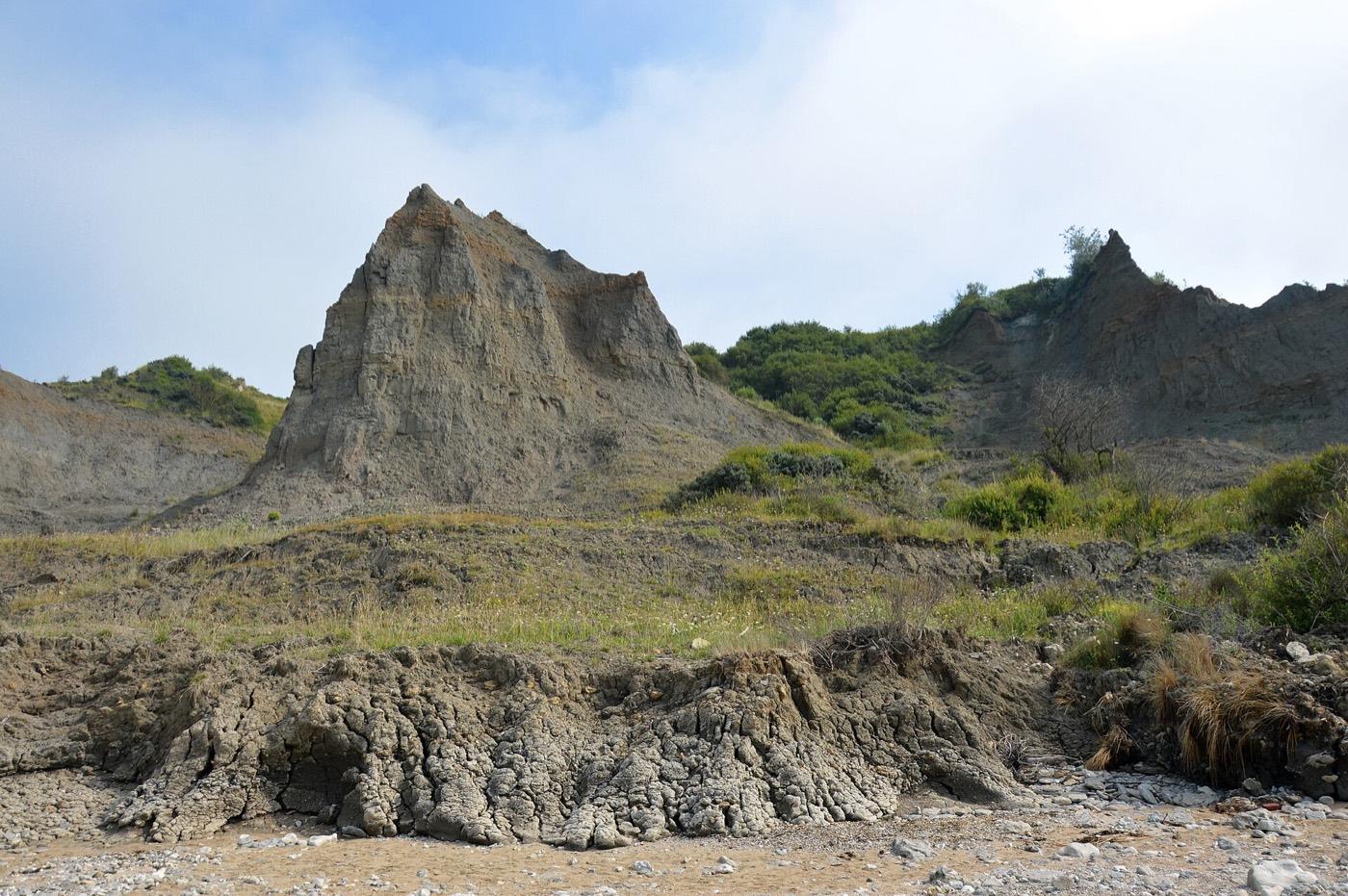
Falaises des Vaches Noires Fossil Hunting Guide
Calvados, Normandy, France
Ammonites, Echinoids, Nautiloids, Bivalves
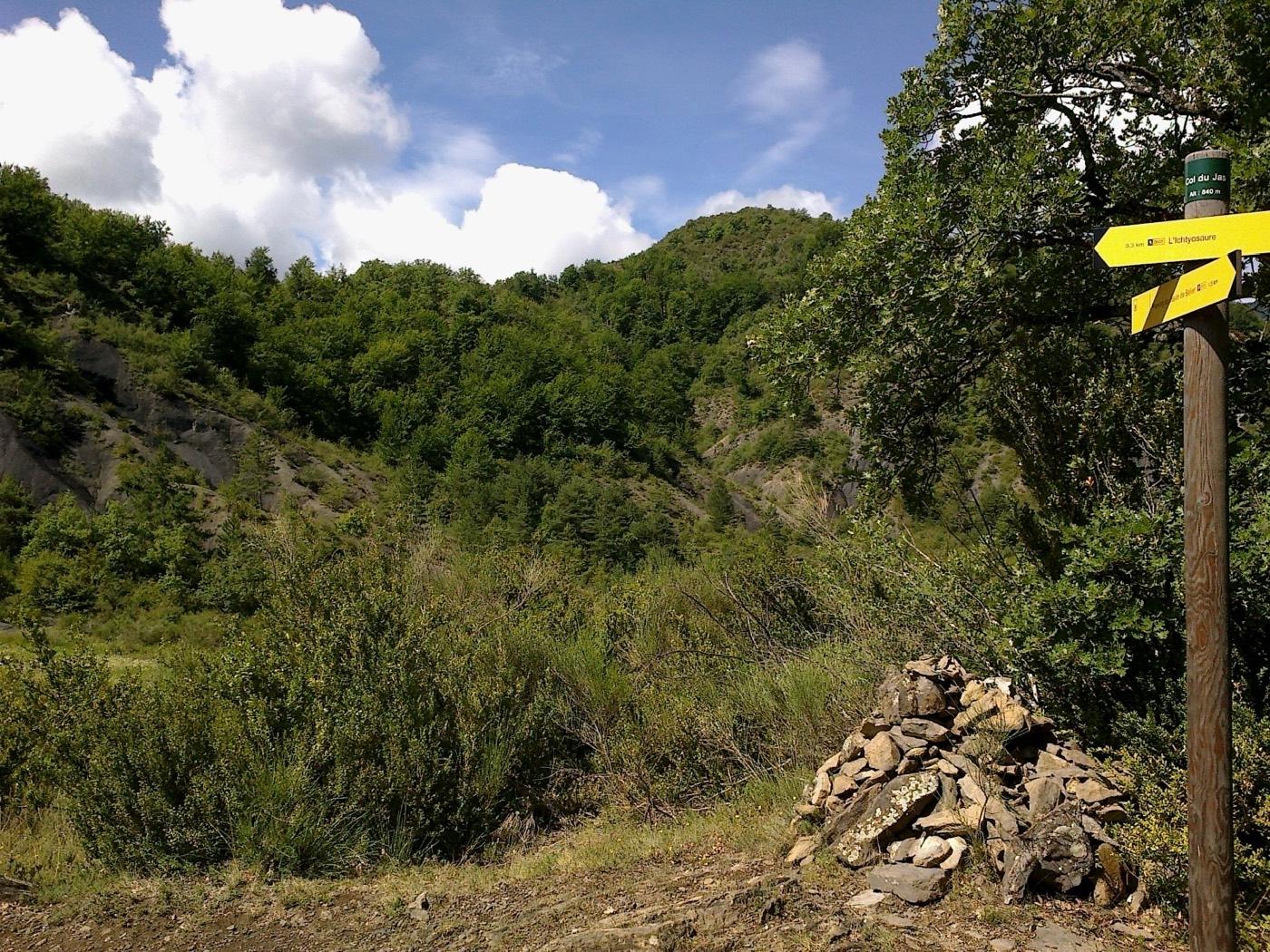
Ichthyosaur of La Robine Fossil Hunting Guide
Alpes-de-Haute-Provence, France
Marine reptiles, Ammonites
Frequently asked questions
- Can you collect fossils in France?
- It depends on the designation, and the designations are moving. In a reserve naturelle geologique you cannot, and fossils must stay in place. The Calvados coast, including the Vaches Noires, became a national nature reserve on 10 September 2026, which bans collecting there outright. Elsewhere a prefectoral biotope order may apply instead, and work on a cliff face stays prohibited everywhere. Check the current designation before you travel.
- Where is the best fossil hunting in France?
- Cap Blanc-Nez near Calais, where hand collection of naturally eroded material on the foreshore is tolerated. The Vaches Noires in Normandy are more productive but have been closed to collecting since September 2026, so that is a trip to look rather than to collect.
- Do you need a permit to visit the Haute-Provence geological reserve?
- No. The 18 protected sites cover about 270 hectares, inside a protection perimeter of roughly 230,000 hectares. Several have free access all year, including the Dalle aux Ammonites and the ichthyosaur of La Robine. On the 18 sites a collecting permit goes to researchers. In the wider perimeter, hand collection of naturally exposed fossils is tolerated and amateurs can apply for a prefectoral permit.