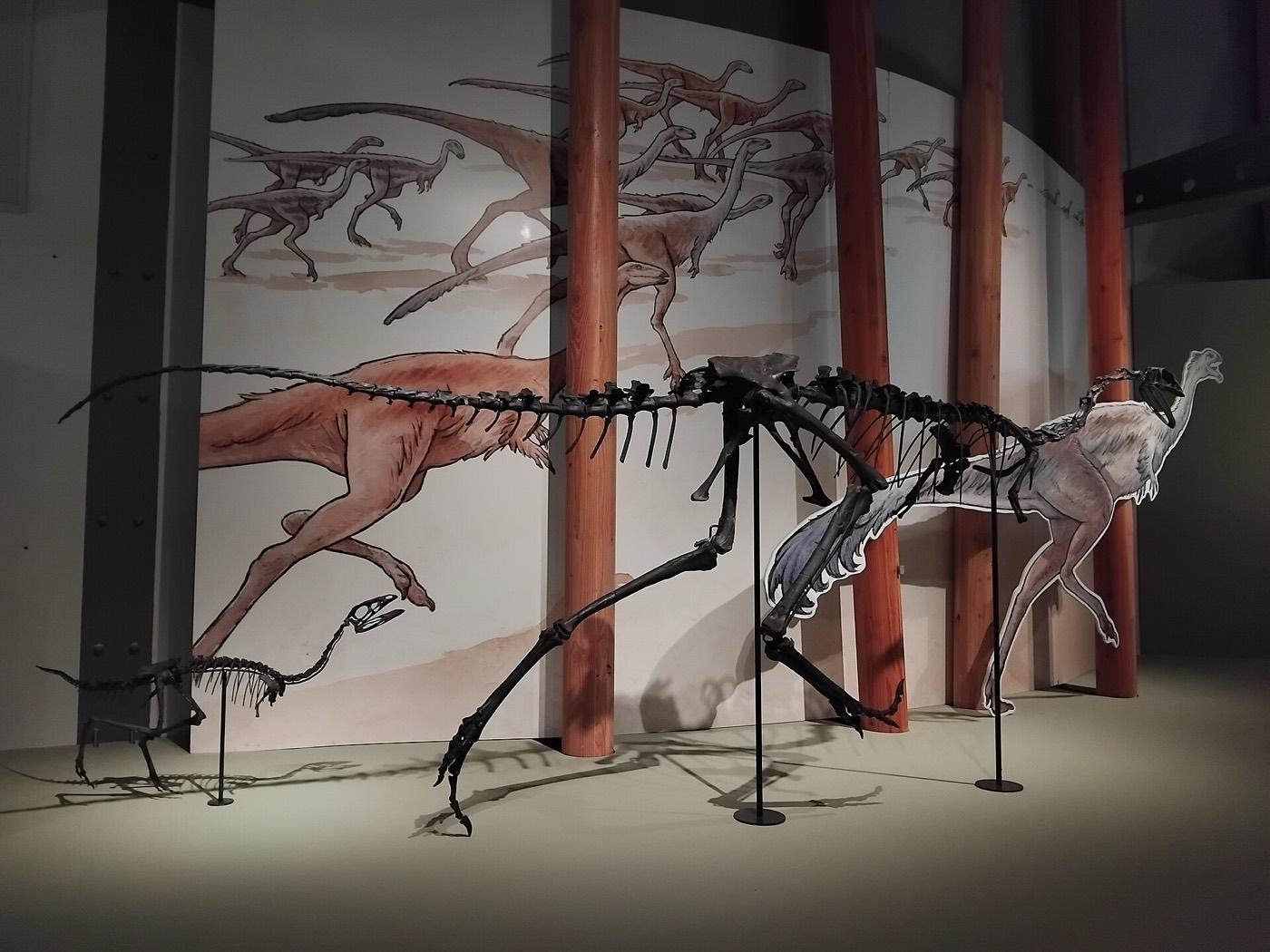
Angeac-Charente Dinosaur Dig Fossil Hunting Guide
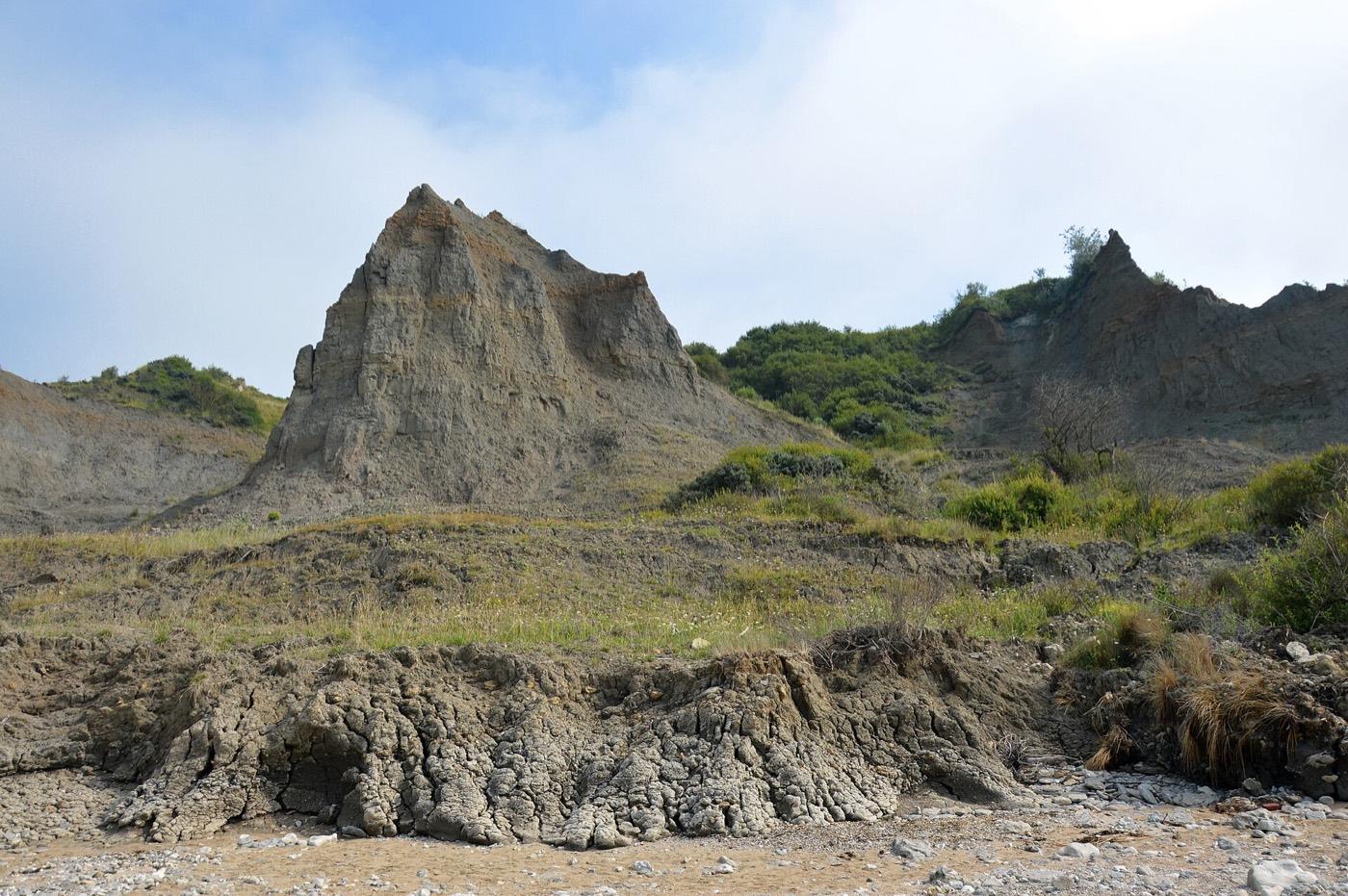
Image: Gustave en résidence (CC BY-SA 3.0)
An Early Cretaceous bonebed in gravel quarries on the bank of the Charente near Cognac, holding thousands of fossils from dozens of vertebrate taxa including a herd of ornithomimosaurs and one of the largest sauropod bones known from Europe. Underwater most of the year and open to guided visits in July only.
By Edward Chen · Published 11 September 2026
Introduction
Angeac-Charente is a working scientific excavation that opens its gates for a few weeks each summer, and the timing is not a matter of convenience. The bonebed lies in gravel quarries on the bank of the Charente, below the water table for most of the year. July is when it can be pumped dry and dug.
The deposit was found in 2008 and has been excavated every summer since 2010. It has produced thousands of fossils. Published counts run to 38 or 39 vertebrate taxa, or about 56 animal and 10 plant species, depending on the study. That makes it one of the most productive Early Cretaceous vertebrate sites in Europe.
Two finds define its reputation. A herd of ornithomimosaurs, ostrich-like theropods, was recovered together, and that association is rare enough to support real conclusions about how the animals lived. Separately, a sauropod femur of exceptional size came out of the pit. In July 2014 a 34 centimetre phalanx was exposed from one of the largest plant-eating dinosaurs known.
Location and Directions
The site is at Angeac-Charente, in the Charente department of Nouvelle-Aquitaine, roughly 20 kilometres east-south-east of Cognac and west of Angoulême.
Commune GPS: 45.6314°N, 0.0739°W. Visits meet at the former village school on the Route des Bergeries in the centre of Angeac-Charente, not at the dig. The excavation itself lies in the quarries by the river, and access to it runs through the organised visit only.
You cannot visit on your own. Guided visits of the dig run in July, and reservations are mandatory. Visit numbers are limited because this is first and foremost a scientific work site. For 2026 the excavation runs from 8 to 22 July, with guided visits at 10:30 and 14:30.
Dates move from year to year with the water level and the research programme. Book through the Cognac tourist office or the Grand Cognac agglomération, and do it early, because the slots fill.
Check the meeting point when you book. The former school on the Route des Bergeries is where the immersive experience starts. Excavation visits meet at the dig itself, about 1.7 kilometres from the village centre.
The Département de la Charente owns the site. It built an open-air discovery area of almost 300 square metres nearby. The area covers the Charente and its inhabitants in the Lower Cretaceous. That area is the fallback if you cannot get a place on a dig tour.
What Fossils You'll Find
You will not collect. You will watch palaeontologists work, and see material coming out of the ground.
The assemblage is dominated by vertebrates. Ornithomimosaur remains are abundant and represent multiple individuals. Sauropod material includes some of the largest bones recorded from Europe. Theropods, turtles and crocodilians are present, alongside a substantial plant record preserved in the lignite.
The lignitic nature of the deposit matters. Lignite is compressed plant material, and organic-rich sediments of this kind preserve fine detail, including wood and leaves as well as bone.
Finds from the excavation are curated by the Musée d'Angoulême, which coordinates the campaign. Material from Angeac has also been displayed at the Muséum national d'Histoire naturelle in Paris, so it is possible to see the fossils outside July.
One detail explains why so much survives here. Waterlogged, oxygen-poor sediment stops the bacteria that normally destroy bone and wood, and a lignite bed is exactly that environment. The same conditions that make the site hard to dig are the conditions that preserved it.
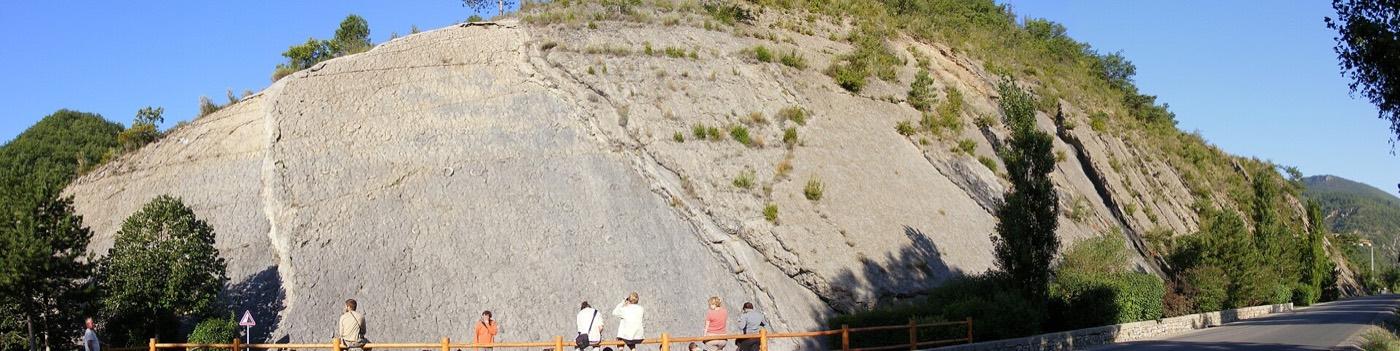
 Photo: Thesupermat, CC BY-SA 3.0, via Wikimedia Commons
Geologic History
The bonebed is Berriasian, the first stage of the Cretaceous, and dates to roughly 140 million years ago. Some earlier literature discussed a Hauterivian to Barremian age, which is slightly younger, and the stratigraphic position has been the subject of published debate.
The environment was a river floodplain with standing water and heavy vegetation. Animals died or were washed into a channel, and their remains accumulated together with plant debris that later became lignite.
That setting explains the character of the site. A single channel deposit can concentrate many individuals and many species into a small volume of rock. That is why so many taxa can come from one pit.
Collecting Rules and Regulations
Collecting is prohibited. This is an active scientific excavation on land owned by the Département de la Charente. All material is recovered under the direction of the Musée d'Angoulême.
Visitors attend as observers. Follow the instructions of the excavation staff, keep to the marked routes, and do not enter the working faces.
French law treats palaeontological material of scientific interest as heritage, and removal from a research excavation is not a grey area.
Safety
A working quarry and a working dig are both hazardous environments. Do not attend outside an organised visit.
Follow staff instructions at all times, stay inside the marked visitor area, and keep clear of machinery and spoil heaps.
The pit is dug below the water table and pumped. Surfaces are wet, muddy and uneven. Wear boots with grip and expect them to get dirty.
July in the Charente is hot. There is little shade on the excavation floor, so bring water, a hat and sun protection.
Sources
https://www.destination-cognac.com/en/visits-and-heritage/the-palaeontologic-site-at-angeac-charente/ https://hal.science/hal-04063218/ https://fr.wikipedia.org/wiki/Site_pal%C3%A9ontologique_d%27Angeac-Charente https://www.grand-cognac.fr/decouvrir-et-sortir/culture-et-patrimoine/vivre-les-dinosaures-dangeac-charente