Fossiliensammelstelle Titting Free Fossil Hunting Guide
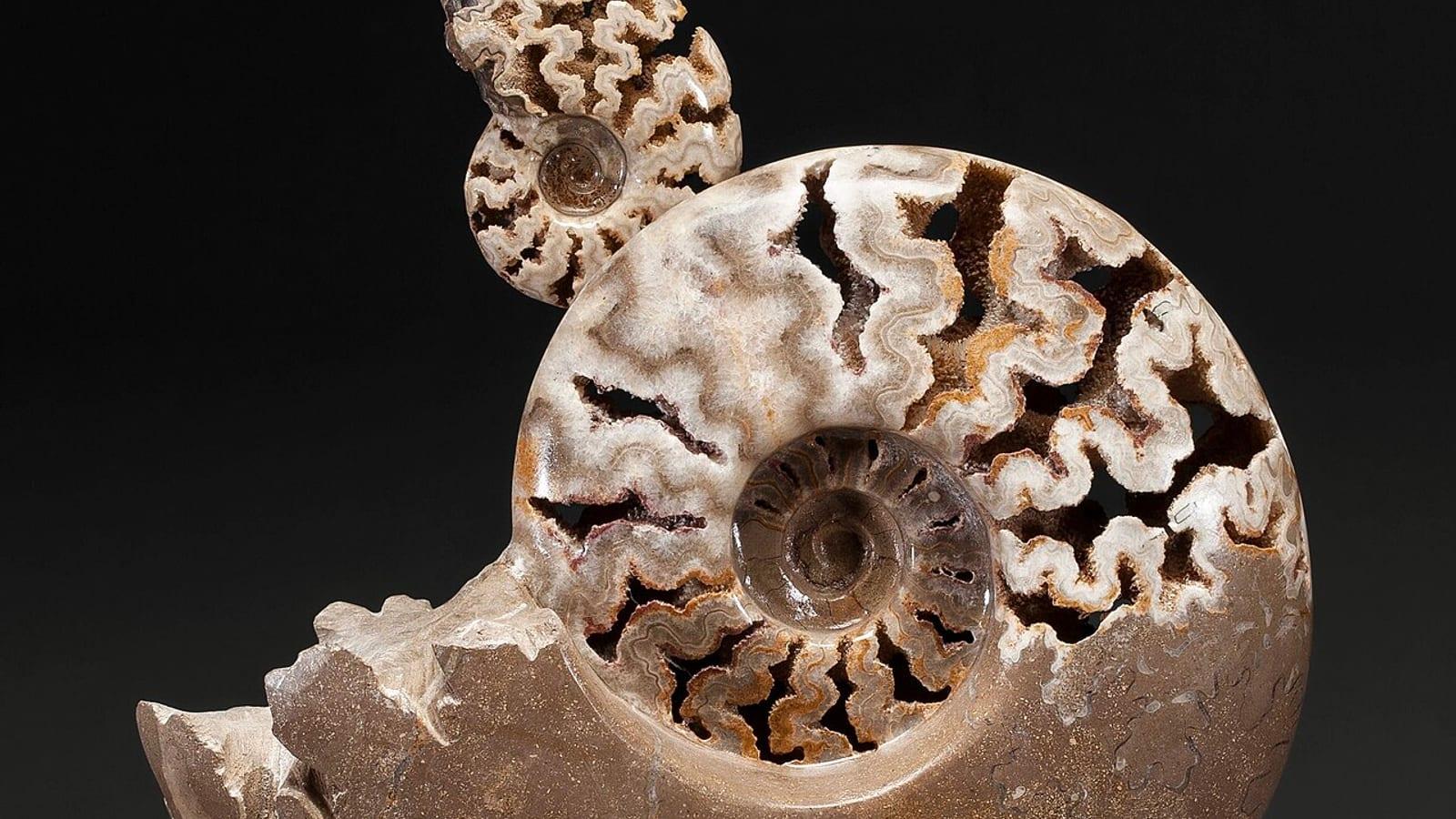
Image: Steve Jurvetson (CC BY 4.0)
Free Jurassic fossil collecting at Titting, Bavaria. Hunt ammonites, crinoids, and plant fossils in Torleite Formation limestone. Open year-round, tools rentable nearby.
By Edward Chen · Updated 30 July 2026
Introduction
Not every good fossil site in the Altmühltal charges a fee. Fossiliensammelstelle Titting is a public collecting locality on the hillside south of Titting village, Eichstätt district, where ammonites, crinoids, belemnites, bivalves, and plant fossils come out of Torleite Formation limestone at no cost to the visitor. The site is open year-round during daylight, unstaffed, and requires only that you bring your own tools or arrange a rental from the tourist office in the village.
The Titting collecting site was established by the municipality in the late 1990s as part of geological tourism development within the Altmühltal Nature Park. It has become one of the most visited free fossil sites in Bavaria, drawing school groups, families, and experienced collectors who use it as a warm-up for the paid Besuchersteinbrüche at Eichstätt and Solnhofen, roughly 15 km and 30 km away by road. The Torleite Formation is a Late Jurassic limestone unit correlative with the broader Solnhofen Limestone sequence, and while its preservation is not as fine as classic plattenkalk, the site reliably produces invertebrate fossils from a shallow tropical marine environment approximately 150 million years old. This guide covers the directions, fossils, geology, rules, and practical details for a visit to Fossiliensammelstelle Titting.
 Photo: Steve Jurvetson, CC BY 4.0, via Wikimedia Commons
.jpg)
Location and Directions
Address
Fossiliensammelstelle Titting, Am Galgenberg, 85125 Titting, Eichstätt district, Bavaria, Germany. The site is located on the hillside on the southern edge of Titting village, signposted from the town centre.
Directions
From Ingolstadt, take the B13 north-west for approximately 30 km to Eichstätt, then stay on the B13 north through the Altmühl valley for a further 15 km to Titting. The collecting site is on Am Galgenberg, on the southern outskirts of the village, and is clearly signposted from the main road through the village centre. Total driving time from Ingolstadt is approximately 35 minutes.
From Munich, take the A9 north to the Lenting/Kösching exit (junction 60), then join the B13 north-west through Eichstätt and on to Titting. Total distance is approximately 105 km, taking around 1 hour 20 minutes.
From Nuremberg, take the A9 south to the Greding exit (junction 54), then local roads south-west for roughly 20 km to Titting. Total distance is approximately 75 km, taking around 55 minutes.
Free roadside parking is available at the collecting site. There are no public transport connections to Titting. A car is necessary. Titting village has limited facilities: the tourist office (Marktstraße 21) is open Monday to Friday 09:00–12:00 and 14:00–17:00 and can arrange tool rental. Restaurants and fuel are available in Eichstätt, about 15 km south.
What Fossils You'll Find
Ammonites are the most common find at Fossiliensammelstelle Titting. The Torleite Formation contains multiple Late Jurassic ammonite species, and specimens occur throughout the loose limestone blocks and weathered surfaces that make up the collecting area. Unlike at the Altmühltal plattenkalk quarries, where you split prepared slabs, collecting at Titting involves examining weathered blocks and loose rubble on the hillside slope. Weathered surfaces often show ammonite moulds that have been naturally exposed by erosion and are immediately visible without any splitting. These are easy finds for beginners.
 Photo: Balise42, CC BY-SA 4.0, via Wikimedia Commons

Crinoid fragments are found throughout the site and are among the most abundant fossils. Isolated columnals are common in virtually every block. Partial stem sections with multiple columnals attached appear regularly, and occasional partial crowns reward more careful inspection of larger blocks.
Belemnites and bivalves occur with moderate frequency across the collecting area. Belemnite guards are dense and robust and survive weathering well. Look for elongated cylindrical forms in the rubble. Bivalves appear as paired impressions in the limestone. Some beds carry them in density.
Plant fossils are a distinctive feature of the Titting site and less commonly reported at the purely marine plattenkalk quarries. Leaf impressions and plant fragments preserved in marginal marine sediments give the formation a different character. These require more careful splitting and a good eye for subtle textural differences on slab faces.
Fish remains have been reported from the site, though they are uncommon compared to the dedicated plattenkalk Besuchersteinbrüche. Scales and isolated bones occur in the finer-grained limestone beds and reward careful inspection of split surfaces.
Geologic History
The Ancient Environment
The limestone at Fossiliensammelstelle Titting belongs to the Torleite Formation, deposited during the Late Jurassic, approximately 150 million years ago. The formation belongs to the same broad stratigraphic succession as the Solnhofen Limestone Group but represents a slightly different depositional environment: shallower, more marginal conditions with more input from coastal vegetation, which accounts for the presence of plant fossils alongside the typical marine fauna.
During the Late Jurassic, the Titting area lay within the shallow tropical sea that covered much of what is now Bavaria. Carbonate sediments accumulated in warm, shallow water on the margins of the lagoon system. The presence of plant material suggests proximity to vegetated landmasses or islands. Ammonites, crinoids, belemnites, and bivalves inhabited the shallow marine environment and were buried by carbonate muds when they died. Tithonian sea temperatures in this region averaged 24–27°C year-round, and the fauna reflects a productive shallow-water community.
The rock at Titting is somewhat coarser-grained than classic Solnhofen plattenkalk, which is why the preservation, while good, does not typically achieve the soft-tissue detail seen in the deeper lagoon deposits of Solnhofen or Eichstätt. The site's exposure results from natural hillside erosion on the Galgenberg and from the cumulative effect of many years of collector activity removing material, which continuously exposes new surfaces.
How Fossiliensammelstelle Titting Became a Fossil Collecting Site
The hillside at Titting has been known locally as a fossil locality since the 19th century, when geologists mapping the Altmühltal noted the similarity between its limestone fauna and the commercially important Solnhofen deposits. Local residents collected fossils informally from the exposed hillside, and the site was used for construction stone in earlier centuries, leaving accessible exposures.
The municipality of Titting formalized public access in the late 1990s as part of the Altmühltal Nature Park's programme of geological tourism. The free-access model was a deliberate choice to provide an entry point for families and school groups who might find the fees at the paid quarries a barrier. The site has been managed as a public collecting locality since then, with the tourist office in the village providing tool rental and practical information for visitors.
Collecting Rules and Regulations
Is Fossil Collecting Allowed?
Yes. Fossiliensammelstelle Titting is a designated public fossil collecting site with free admission. No fee is charged at any time. The site is open year-round during daylight hours and is unstaffed.
- Free admission, open year-round during daylight hours
- No booking required, no time limit, no staff present
- Tools must be brought from home or rented from the Titting Tourist Information Office: Marktstraße 21, Titting, +49 8423 985589, open Monday to Friday 09:00–12:00 and 14:00–17:00
- Tool rental: typically €1–2 per item plus refundable deposit
- All fossils found may be kept by the finder
- No facilities (toilets, water, shelter) are available on-site
- Take all waste away with you. Leave the site as you found it
The site falls within the Altmühltal Nature Park, and Bavarian state heritage law applies to scientifically significant finds, though this is rarely relevant for the invertebrate material that forms the typical Titting yield.
Recommended Tools
A rock hammer in the 1–1.5 kg range and a flat chisel are the primary collecting tools for limestone blocks at this site. Safety glasses are recommended whenever you strike the rock. A spray bottle of water helps reveal fossil surfaces on freshly split faces. Bring a stiff brush, a bag or bucket for specimens, and newspaper or bubble wrap for wrapping finds. Because the site involves hillside terrain rather than a quarry floor, wear sturdy shoes or boots with ankle support and good traction. The tool rental service at the Titting tourist office covers basic hammers and chisels for visitors who have not brought their own equipment.
Safety
The site is an open hillside rather than a managed quarry, which means there is no staff supervision on-site. Be aware of your footing on the slope, which can be loose and uneven. Wear eye protection when splitting rock. Supervise children actively on the slope and keep them away from steep or unstable sections. In summer, the open hillside offers limited shade. Bring water and sun protection. After rain, the hillside can be muddy and slippery: extra caution is needed, and boots are strongly preferable to trainers in wet conditions. Take all your waste with you. The site's continued free-access status depends on visitors leaving it in good condition.
Sources
Nearby sites
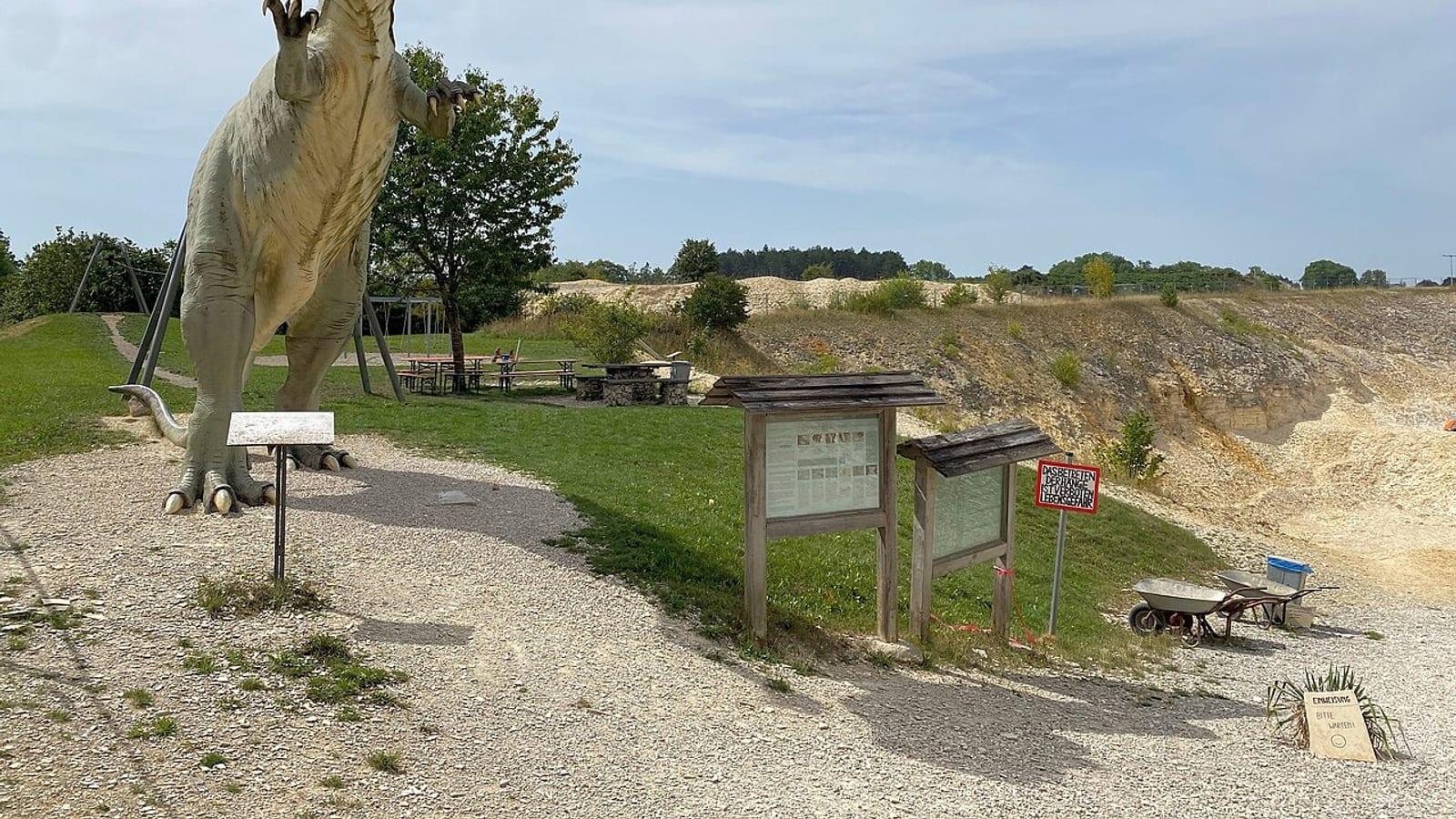 Fossiliensteinbruch Blumenberg Eichstatt Fossil Hunting GuideAmmonites, Fish fossils
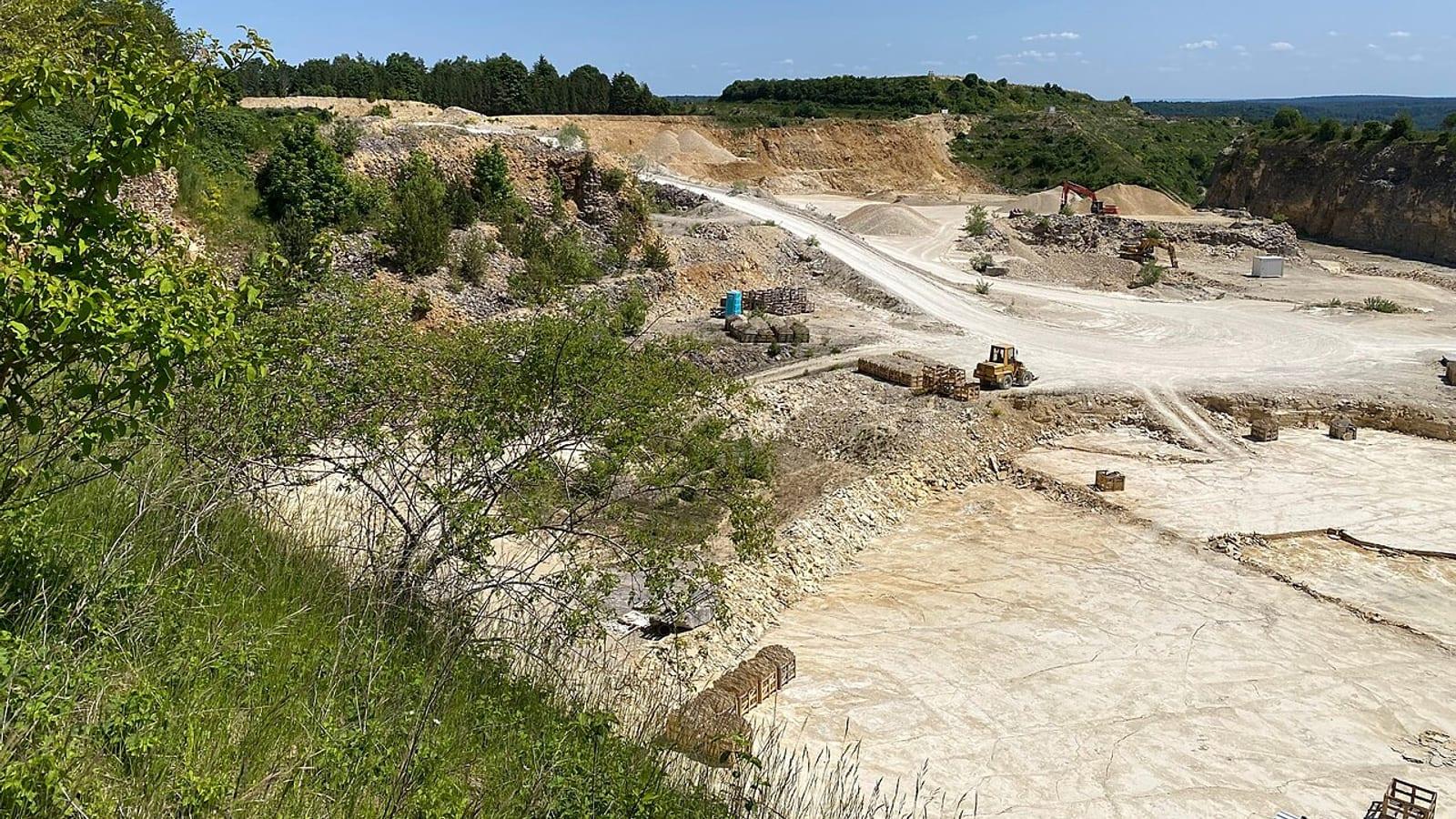 Steinbruch Schernfeld Jurassic Fossil Quarry Fossil Hunting GuideN/A
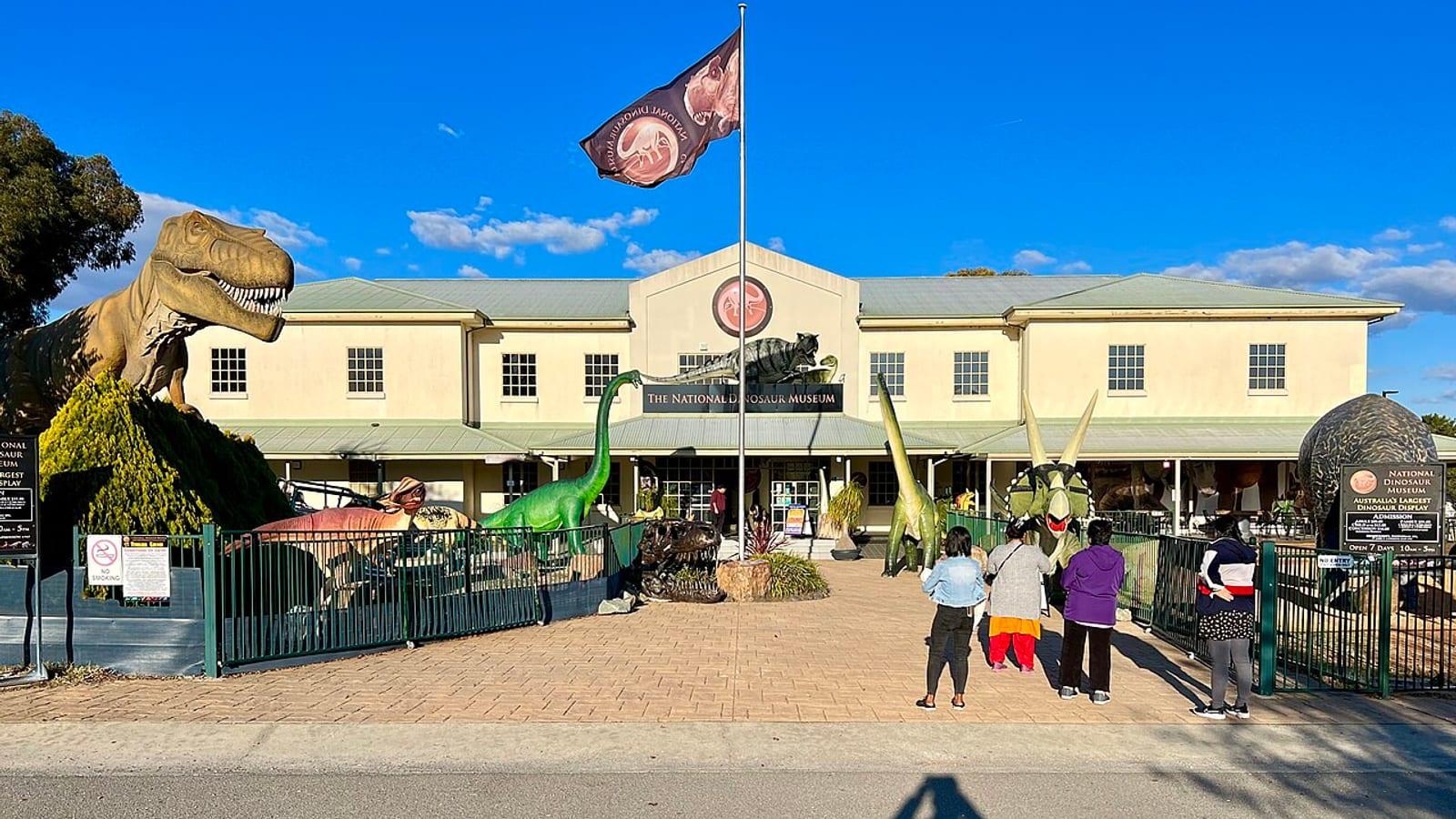 Dinosaur Museum Altmuehltal Fossil Park Fossil Hunting GuideAmmonites, Crinoid fragments
 Hobbysteinbruch Solnhofen Fossil Hunting GuideAmmonites, Fish fossils