Texas Fossil Hunting Guide
7 Best Fossil Hunting Sites in Texas
The seven Texas sites below span more than 260 million years, from the Permian reef of the Guadalupe Mountains to a Pleistocene mammoth herd at Waco. Four of them allow free collecting, because Texas treats navigable streambeds as public land. The shark teeth in those creek gravels are the easiest first find in the state. The other three protect what they hold: Dinosaur Valley State Park, Guadalupe Mountains National Park and Waco Mammoth National Monument all prohibit collecting, and all three earn the trip anyway.

7 fossil sites
Updated 4 August 2026
What makes Texas productive
Texas was under water for most of the time that matters here, and the sea kept arriving from different directions. In the Permian, a deep marine basin occupied what is now the Permian Basin oil country, and a carbonate reef grew around its western margin to form the Capitan Limestone of the Guadalupe Mountains. In the Late Carboniferous, a shallow sea near the equator covered north-central Texas and laid down the soft Salesville Shale that weathers out crinoids at Mineral Wells. The Cretaceous brought two separate floods. Around 113 million years ago a carbonate tidal flat fringed central Texas, and dinosaurs walking it left the Glen Rose trackways. By 95 million years ago the Western Interior Seaway had joined the Arctic Ocean to the Gulf of Mexico, and north Texas sat on its eastern margin under the low-oxygen muds that now hold shark and mosasaur teeth.
The access picture follows the water just as closely. Texas treats navigable streambeds as public, so the Brazos River at Whiskey Bridge, Post Oak Creek in Sherman and the North Sulphur River at Ladonia are all open for invertebrate fossils and shark teeth taken in reasonable amounts for personal use. The limit is the high-water mark, because the banks above it are private. The protected sites sit at the other end of the scale. Dinosaur Valley State Park prohibits all collecting under the Antiquities Code of Texas, and Guadalupe Mountains National Park and Waco Mammoth National Monument prohibit it under the federal statutes that cover National Park Service land. Mineral Wells Fossil Park is the hybrid, a free city park that lets you keep what you find but allows no digging and no tools.
- 1
Dinosaur Valley State Park: Dinosaur Trackways
Texas, United States
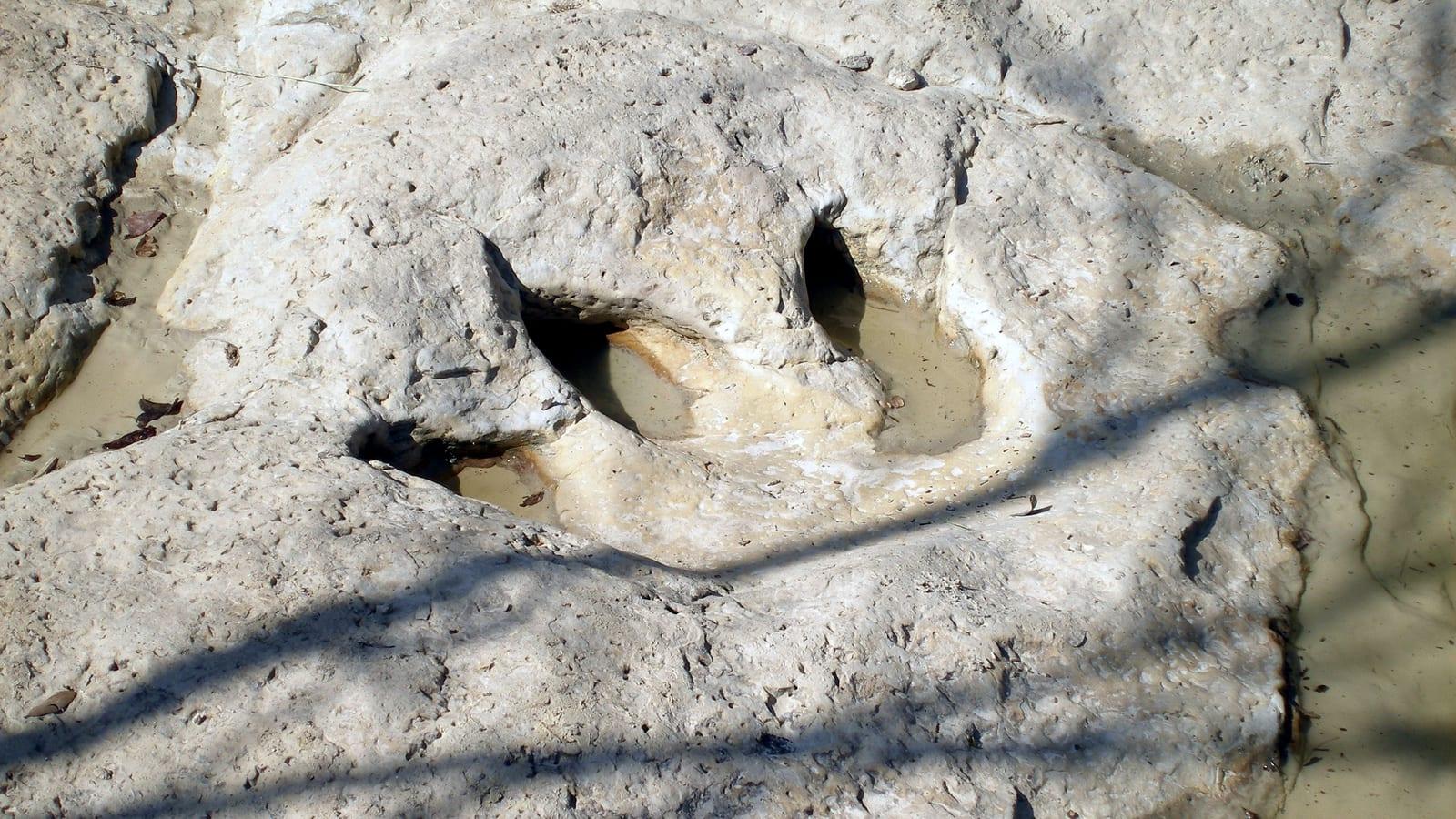
Viewing onlyDinosaur TracksTrace FossilsDinosaur Valley preserves the most accessible set of in-situ dinosaur trackways in North America, cut into the bed of the Paluxy River. Three-toed theropod prints 18 to 24 inches long sit on the same limestone surfaces as sauropod rear prints up to 38 inches across, and park staff mark the major trackways with blue paint so you can wade between them. Nothing may be collected here, not the tracks, not loose limestone, not the oysters weathering out of the river cobbles, because the Antiquities Code of Texas protects the site. Track visibility depends entirely on river level, so call Texas Parks and Wildlife before you drive out. Ranked first because no other Texas site puts a 113-million-year-old animal's footprint under your own feet.
Read the full guide → - 2
Ladonia Fossil Park (North Sulphur River) Guide
Texas, United States
Free collectingMosasaur teethShark TeethAmmonitesThe North Sulphur River was straightened for flood control in 1928 and has been cutting down into Late Cretaceous chalk ever since, which means the gravel bars are restocked every year. Shark teeth are the most abundant find, and mosasaur teeth are the headline draw, with partial jaws and vertebrae recovered every season alongside ammonites and reworked Pleistocene mammoth and bison bone. The City of Ladonia and the Upper Trinity Regional Water District run the park as the formal public access, with a car park, a pavilion and a paved path to the river, free from dawn to dusk. Access upstream toward the Leon Hurse Dam is closed for reservoir construction, so stay between the park and the downstream access points. This is the best free site in Texas for vertebrate material, and it suits a collector who does not mind wading.
Read the full guide → - 3
Whiskey Bridge (Stone City Bluff) Fossil Guide
Texas, United States
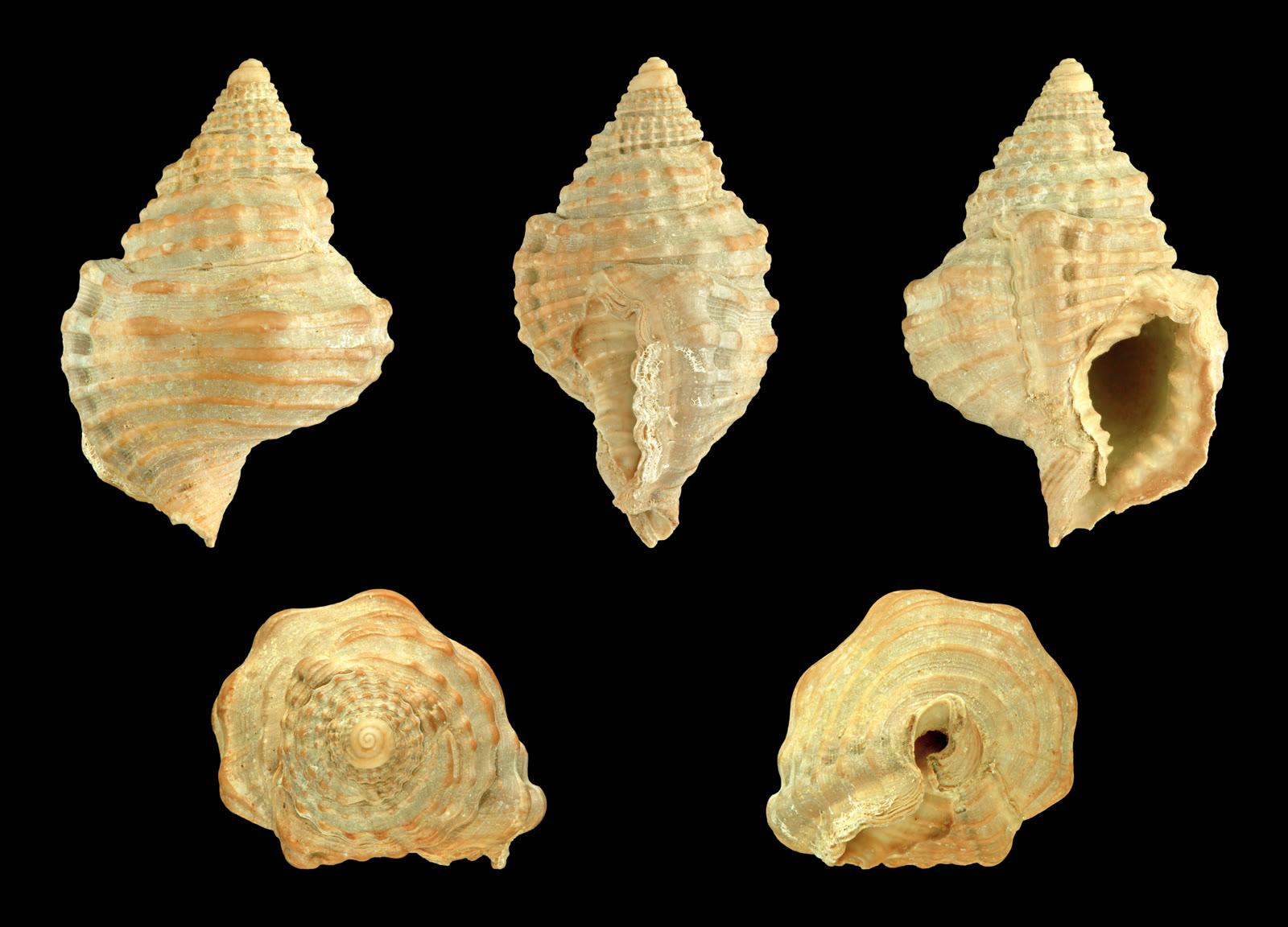
Free collectingGastropodsBivalvesShark TeethStone City Bluff is the type section of the Stone City Member, a middle Eocene shellbed that collectors and university classes have screened for generations. Gastropods dominate by sheer number, including the volute Athleta petrosus, which Texas designated its state fossil shell in 2009, and the beds also hold ribbed bivalves, sea biscuits, crab claws and small shark teeth. The Brazos is a navigable waterway, so the streambed and the bank below the high-water mark are public, and invertebrate collecting is allowed year-round. The bluff above the high-water mark is private, and the cut bank is steep and actively collapsing, so work the talus at its foot rather than the face. Ranked third for variety of finds per hour, and it rewards anyone who brings a quarter-inch screen.
Read the full guide → - 4
Post Oak Creek Fossil Hunting Guide
Texas, United States
Free collectingShark TeethBivalvesAmmonitesPost Oak Creek runs through the southern half of Sherman and cuts the Eagle Ford Group, which puts one of the best-known public shark-tooth localities in the country within an hour of Dallas. Screen-washing the gravel produces goblin shark, Cretolamna and Squalicorax teeth in quantity, with Ptychodus crushing teeth, Enchodus fangs and the occasional small mosasaur tooth as the better finds. Texas treats navigable streambeds as public, so there is no fee and no permit, and the day or two after a storm is consistently the most productive window. Access is still an informal shoulder pull-off near the S. Travis Street bridge with a steep, unmarked bank, and the City of Sherman is assembling land for a future Shark Tooth Park. Best for a beginner who wants volume and owns a kitchen sieve.
Read the full guide → - 5
Guadalupe Mountains National Park Fossil Reef Guide
Texas, United States
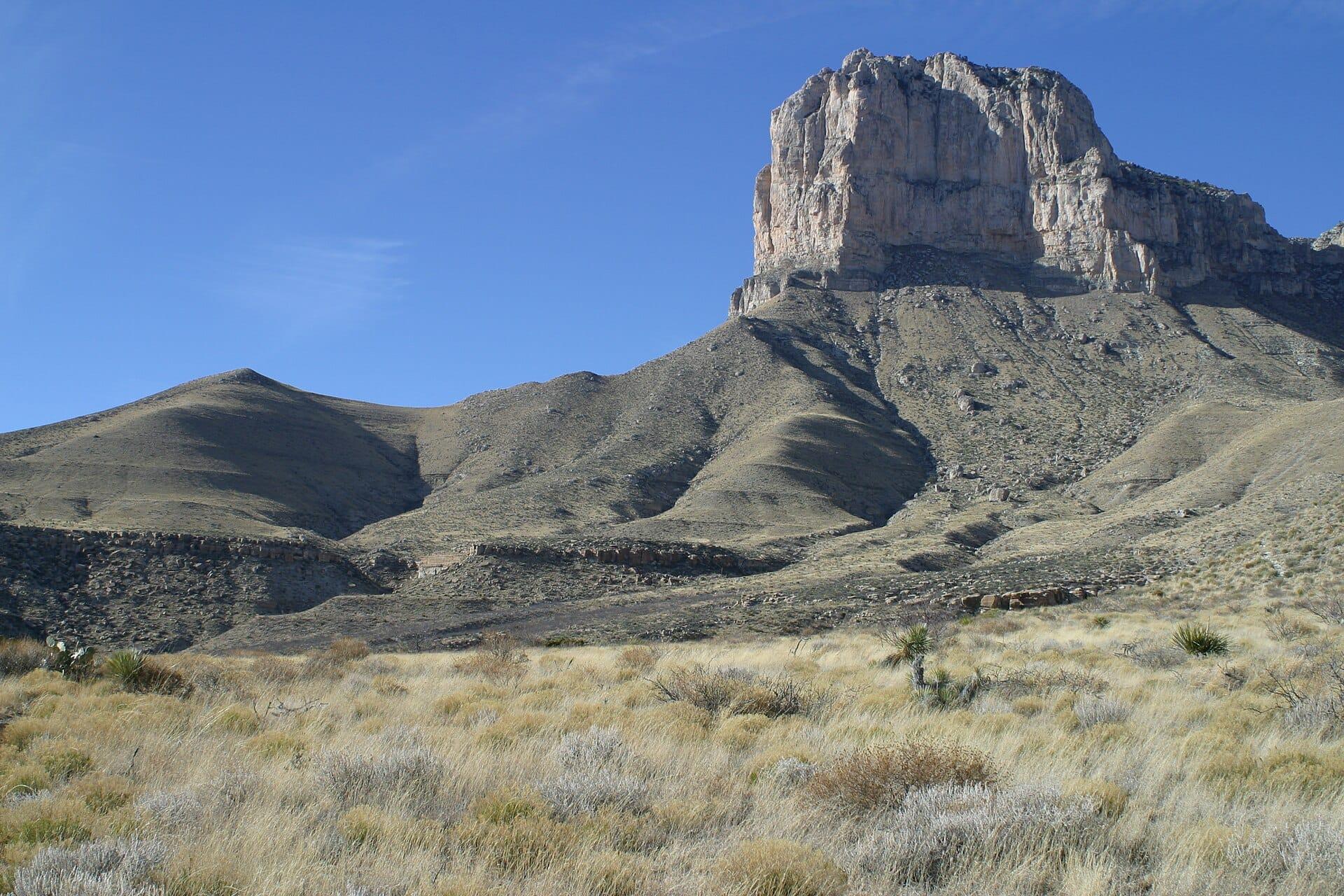
Viewing onlyBrachiopodsCrinoidsAmmonoidsThe escarpment above the Chihuahuan Desert is not a mountain range in the ordinary sense but the eroded edge of a Permian reef that rimmed the Delaware Basin. The National Park Service documents brachiopods, crinoids, ammonoids, nautiloids, bryozoans, sponges, fusulinids and sea urchins from the Capitan Limestone, and the brachiopod imprints and coin-sized crinoid columnals are visible on trail surfaces without any equipment. The Permian Reef Trail climbs 8.4 miles and more than 2,000 feet through the fore-reef, reef core and back-reef in succession, and the 0.9-mile McKittrick Canyon Nature Trail reaches reef limestone on an easy walk. Collecting is prohibited everywhere in the park, and there is no entry fee. This is the geology hike on the list, and it needs a full day and all your water carried from the trailhead.
Read the full guide → - 6
Mineral Wells Fossil Park Fossil Hunting Guide
Texas, United States
Free collectingCrinoidsEchinoidsBrachiopodsA 1990s borrow pit west of Fort Worth became the most forgiving fossil site in Texas once rain started cutting gullies into the exposed Pennsylvanian shale. Crinoid columnals lie loose on the washed surfaces in quantity, echinoid spines and plates are common here in a way they are not at most sites, and brachiopods, bivalves, bryozoans and small solitary corals turn up alongside them. Digging and tools are not permitted, which costs you nothing, because erosion does the excavation and every downpour exposes a new crop. Admission and parking are free and you keep what you find, but opening is limited and seasonal and the park closes when the clay is impassable, so check the schedule before the drive. The right first site for a child or a complete beginner.
Read the full guide → - 7
Waco Mammoth National Monument Fossil Hunting Guide
Texas, United States
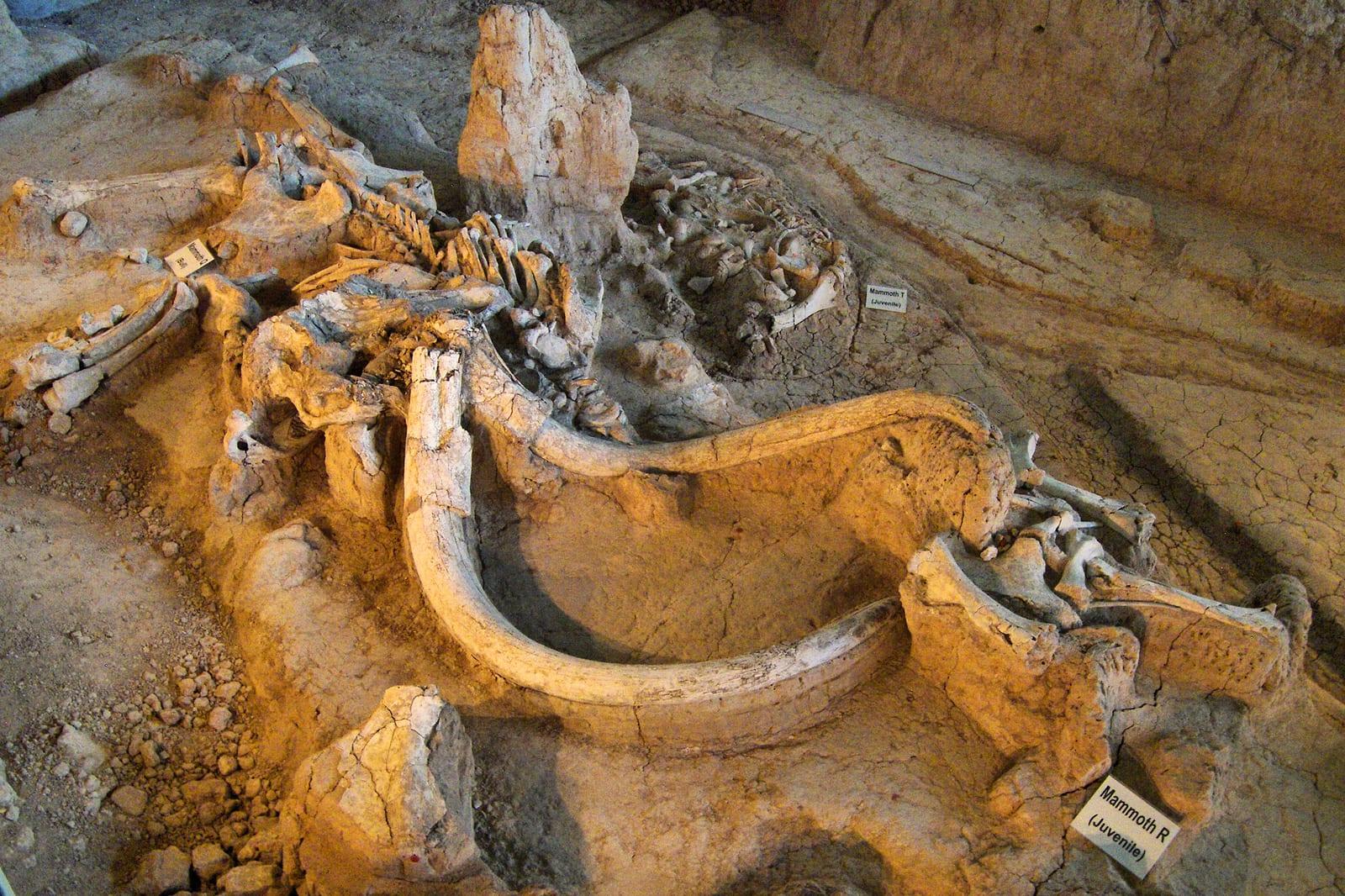
Viewing onlyColumbian mammoth (Mammuthus columbi)American camel (Camelops)Western horse (Equus)Waco Mammoth preserves the only documented nursery herd of Columbian mammoths excavated in the United States, with at least 24 animals recovered from two levels dated to roughly 67,000 and 51,000 years ago. The skeletons were never lifted or mounted. They remain partly embedded where they came to rest in the flood sediments of the Bosque River, inside a climate-controlled dig shelter. Entry to the grounds is free, and the dig shelter requires a ranger-led tour that runs every 30 minutes with no reservation, at 6 dollars for adults on the 2026 schedule. Nothing is collected or handled here. It closes the list because it is the easiest site to visit well, fully enclosed and accessible, and the articulated bone in the ground is worth the ticket.
Read the full guide →
Planning your visit
When to visit
Late summer and early fall are the strongest window for the river sites, because low water exposes the most trackways in the Paluxy and the widest gravel bars on the Brazos. The creeks work on a different clock. At Post Oak Creek and the North Sulphur River the best collecting comes a day or two after a storm, once the bank has been scoured and the level has dropped, and you should stay out of the channel while the water is still up. Spring rain can submerge the Dinosaur Valley main track site for weeks, and Mineral Wells Fossil Park closes when its clay turns impassable, so check both before you commit to the drive.
What to bring
Four of these sites put you in moving water, so rubber boots or river shoes with a firm sole matter more than anything else you carry. Add a quarter-inch screen and a wash bucket for Post Oak Creek and Whiskey Bridge, where the finds come out of sorted gravel rather than off the surface, and zip-top bags or a small bucket for the finds themselves. Mineral Wells needs no tools at all, since tools are not allowed, but a small box or an egg carton protects the crinoid material on the way home. Every site in this guide gets hot and most have no shade, so carry more water than a half-day appears to need, plus sun protection and insect repellent.
Rules and access
Texas treats navigable streambeds as public land, and that single rule is what makes free collecting possible at Ladonia, Whiskey Bridge and Post Oak Creek. Invertebrate fossils and shark teeth may be taken in reasonable amounts for personal, non-commercial use. Vertebrate fossils are the line to respect, because vertebrate material on federally administered land is off-limits and Texas Game Wardens enforce those rules in adjacent settings. Native American artifacts may not be collected anywhere. Texas Parks and Wildlife prohibits collecting at Dinosaur Valley State Park, and the National Park Service prohibits it at Guadalupe Mountains and Waco Mammoth.
Getting there
Five of these seven sites sit inside a two-hour radius of Dallas and Fort Worth, which makes the metroplex the practical base. Glen Rose is about 90 minutes southwest via U.S. 67, Sherman is an hour north, Ladonia is about 90 miles northeast via I-30 and U.S. 69, and Mineral Wells Fossil Park lies some 50 miles west of Fort Worth on U.S. 180. Whiskey Bridge is 12 miles west of Bryan and College Station on State Highway 21, and Waco Mammoth sits off exit 339 on I-35. Guadalupe Mountains National Park is the outlier by a wide margin, 110 miles east of El Paso on U.S. 62/180 with no fuel inside the park, so fill up and buy supplies before you arrive.
Want every documented location, not just the curated top sites? Browse the full index of Texas fossil sites for the complete list, including locations beyond this guide. This guide is part of our national roundup of the best places to fossil hunt in the United States.
Frequently asked questions
- Where can you collect fossils for free in Texas?
- Four of the seven sites in this guide allow free collecting. Texas treats navigable streambeds as public land, which covers the North Sulphur River at the Ladonia Fossil Park, the Brazos River below the high-water mark at Whiskey Bridge, and Post Oak Creek in Sherman. All three permit invertebrate fossils and shark teeth in reasonable amounts for personal use, with no fee and no permit. Mineral Wells Fossil Park is a free city park where visitors keep what they find, though collecting there is surface collecting only and no tools are allowed.
- Can you keep fossils from Texas state and national parks?
- No. Dinosaur Valley State Park prohibits the collection of any fossil, rock or mineral, including loose limestone fragments, under Texas state park regulations and the Antiquities Code of Texas. Guadalupe Mountains National Park and Waco Mammoth National Monument are federal land, where removal of any natural object is prohibited under the National Park Service Organic Act and the Antiquities Act. Photography is unrestricted at all three. Treat them as viewing sites and do your collecting on the rivers and creeks.
- Which Texas site is best for shark teeth?
- Post Oak Creek in Sherman is the most reliable. Shark teeth are by far the most common find there, and a collector who screen-washes gravel can go home with several hundred small teeth, mostly the slender striated crowns of the goblin shark Scapanorhynchus texanus and the teeth of Cretolamna appendiculata and Squalicorax kaupi. The Ladonia Fossil Park on the North Sulphur River produces the same Cretaceous species plus mosasaur material. Whiskey Bridge yields smaller Eocene teeth, including the broad triangular blades of Otodus auriculatus, an ancestor of Otodus megalodon.
- What fossils does Texas produce?
- The state exposes a stack of marine and coastal rock spanning most of the last 300 million years. Pennsylvanian shale at Mineral Wells yields crinoids and echinoids from 306 to 302 million years ago. The Permian Capitan reef in the Guadalupe Mountains holds brachiopods, sponges and nautiloids from 265 to 260 million years ago. Cretaceous units produce dinosaur trackways at Glen Rose and shark, mosasaur and ammonite material in the north Texas creeks. Eocene beds on the Brazos hold gastropods and crabs, and Pleistocene river terraces hold mammoth, bison and ground sloth.
- When should you plan a Texas fossil trip?
- Late summer and early fall suit the river sites best, because low water exposes the most Paluxy trackways and the widest gravel bars on the Brazos. At the creek sites the best collecting comes a day or two after a storm, once rain has scoured fresh material from the banks and the level has dropped. Do not enter a Texas river or creek during or immediately after heavy rain. Summer heat is severe at every site in this guide and most of them have no shade, so start early and carry more water than a half-day appears to need.
- Do you need a permit to collect fossils in Texas?
- Not at the four free sites in this guide. Collecting invertebrate fossils and shark teeth from a navigable streambed for personal, non-commercial use needs no permit or fee. Vertebrate fossils are the exception to watch. Texas Game Wardens enforce federal vertebrate rules in adjacent settings, vertebrate fossils on federally administered land are off-limits, and on private land the owner's rules apply. Native American artifacts may not be collected anywhere. At Whiskey Bridge and Post Oak Creek, stay in the streambed and below the high-water mark, because the banks above are private.
Recommended resources
- Texas Parks and Wildlife: Dinosaur Valley State Park · The land manager for the Paluxy trackways. Carries current river levels, entrance fees, reservation rules and the daily visitation cap that fills the main track site car park on summer weekends.
- City of Ladonia: Ladonia Fossil Park · The operator of the formal public access on the North Sulphur River. Posts opening conditions and the current closure upstream toward the Leon Hurse Dam.
- Mineral Wells Fossil Park · The park's own site, and the authority on its terms. Check the limited opening days here before driving out, since a city park sets its own rules and they can change.
- National Park Service: Fossils of Guadalupe Mountains · The NPS list of fossil groups documented from the Capitan reef, useful for working out what you are looking at on the Permian Reef Trail.