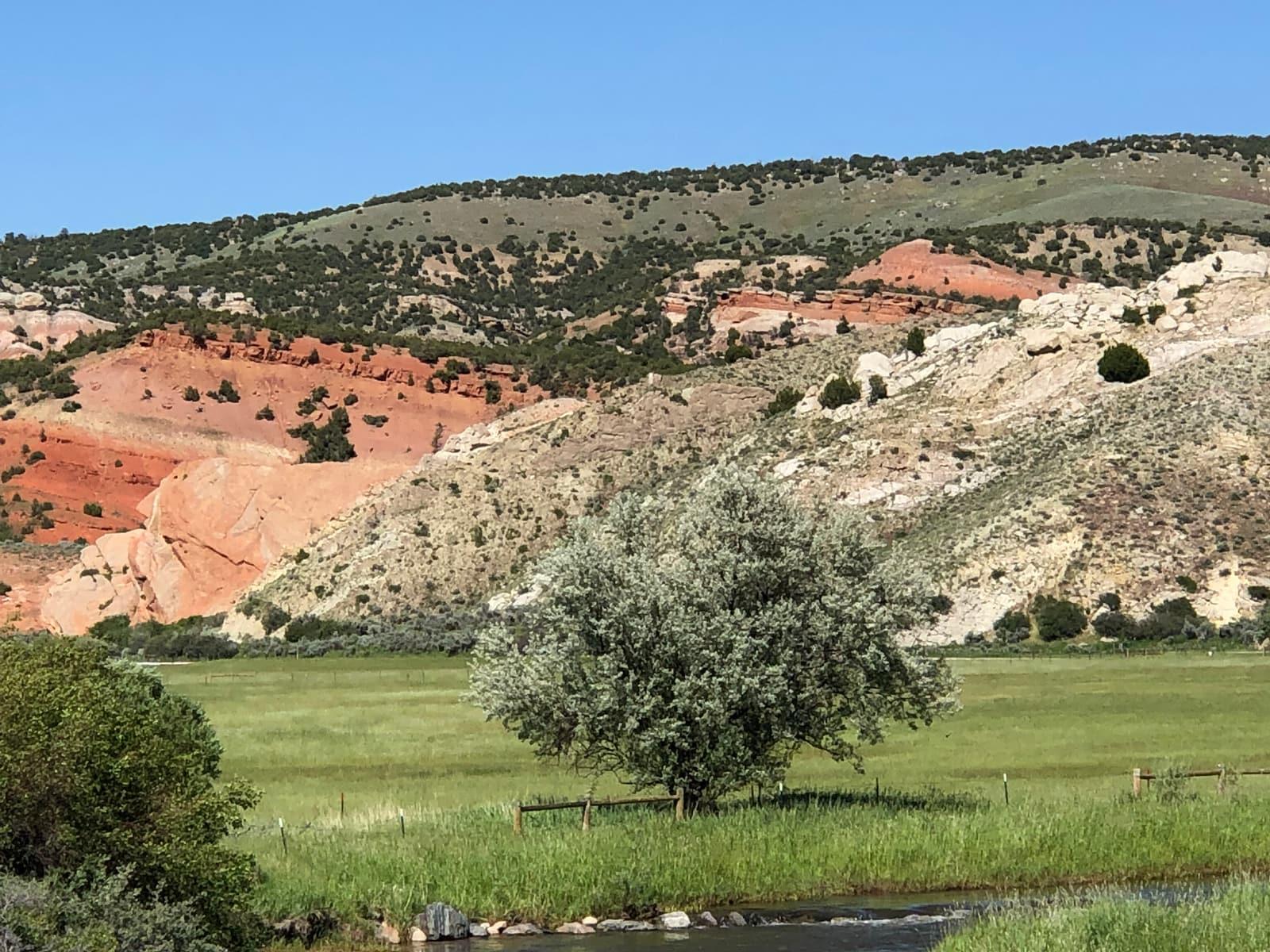
Como Bluff Fossil Hunting Guide
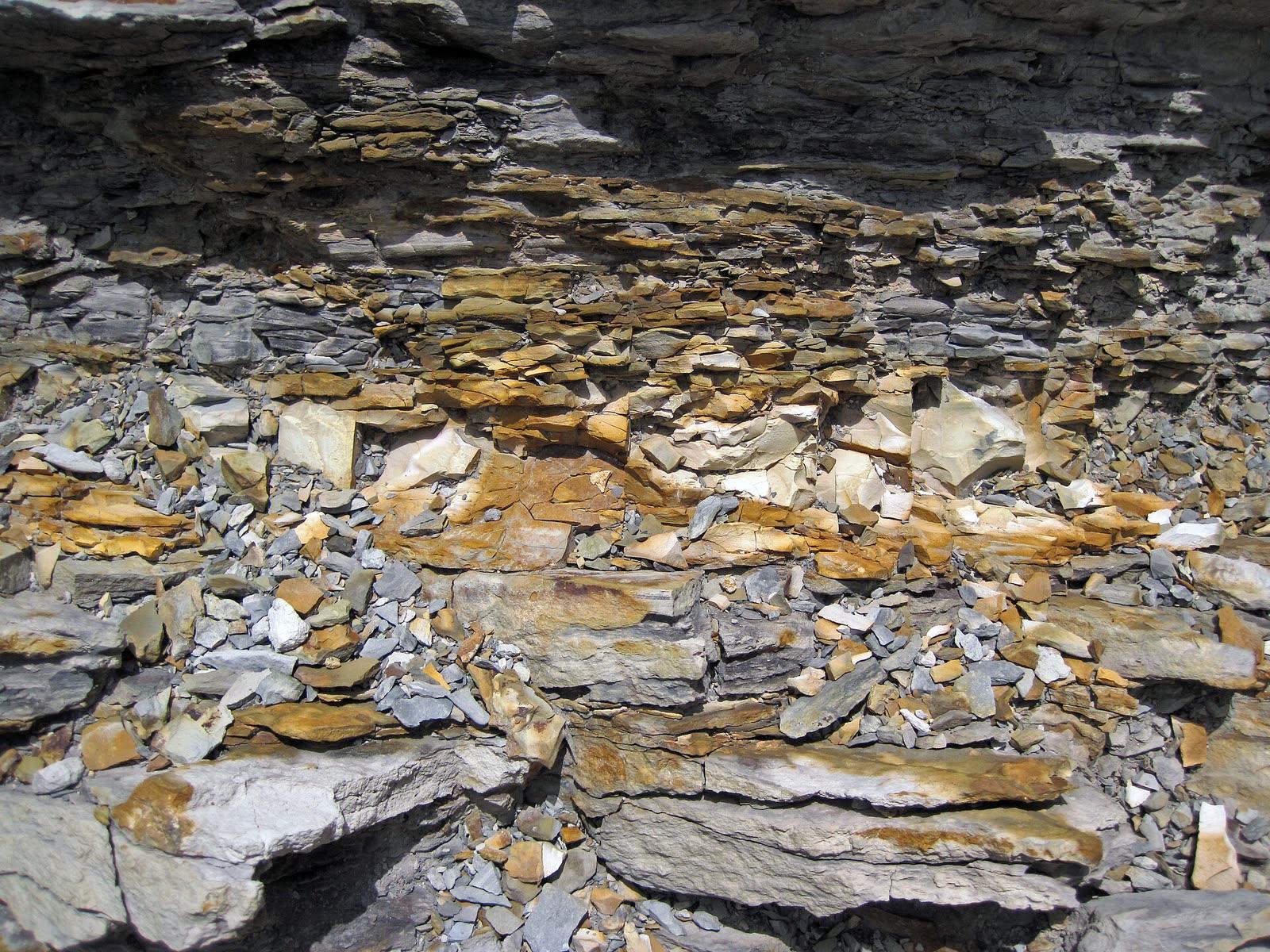
Image: Stuartplotkin (CC BY-SA 4.0)
Como Bluff is a long ridge between Medicine Bow and Rock River, Wyoming, that exposes the Late Jurassic Morrison Formation. Cope and Marsh quarried it from 1877 during the Bone Wars, pulling out Apatosaurus, Diplodocus, Camarasaurus, Stegosaurus, and Allosaurus. The ridge is private land and a National Natural Landmark, so it is viewing-only from the highway, not a collecting site.
By Edward Chen · Published 21 June 2026
Introduction
Como Bluff is a low ridge in southern Wyoming that holds one of the most productive Late Jurassic dinosaur beds in North America. The Morrison Formation exposed along its flank yielded the first good skeletons of several famous dinosaurs after collectors began working it in 1877. It became a central battleground of the Bone Wars, the rivalry between Edward Drinker Cope and Othniel Charles Marsh, whose crews shipped trainloads of bones east from quarries along the ridge. The Sundance, Morrison, and Cloverly Formations are all exposed here, but the Morrison is the dinosaur-bearing unit.
Visitors should understand from the start that Como Bluff is private land and a protected National Natural Landmark. It is a place to see and understand, not a place to collect. The ridge is easily viewed from the highway, and the history of what came out of it is the reason to stop.
Location and Directions
Como Bluff runs roughly east to west in Carbon and Albany counties, between the towns of Medicine Bow and Rock River in southern Wyoming. It parallels US Highway 30/287 and can be seen clearly from the road, near 41.95°N, 105.88°W. Medicine Bow lies to the west, Rock River to the east, and Laramie is the nearest larger town, about 40 miles southeast.
The historic Fossil Cabin, a small roadside building once constructed from dinosaur bones, sits along the highway near the bluff and marks the area for travelers. The ridge itself is on private ranch land. View it from the public highway right-of-way and do not cross fences or enter the property.
What Fossils You'll Find
Como Bluff is where crews recovered early skeletons of the giant sauropods Apatosaurus, Diplodocus, and Camarasaurus, along with the plated Stegosaurus and the predator Allosaurus. The Morrison beds here also preserved turtles, crocodilians, fish, and the small Jurassic mammals whose teeth and jaws helped document early mammal evolution.
Because the ridge is private and protected, none of this is available to collect. What a visitor sees today is the landform and the exposures, not loose bone for the taking. The fossils themselves are in museums, having been excavated across more than a century of work that left the site largely depleted of easily reached material.
Geologic History
The Morrison Formation was laid down between roughly 157 and 148 million years ago, in the Late Jurassic, across a broad plain of rivers, floodplains, and seasonal wetlands. Sediment from channels and floods buried the carcasses of dinosaurs and other animals, preserving bones in sandstone and mudstone. At Como Bluff these beds were later tilted and uplifted, then eroded so that the fossil-bearing layers reached the surface along the ridge. The underlying Sundance Formation records an earlier Jurassic sea, and the overlying Cretaceous Cloverly Formation caps part of the section, so the bluff exposes a span of geologic time in one ridge.
Collecting Rules and Regulations
Collecting is not permitted at Como Bluff. The ridge is privately owned, and it is designated both a National Natural Landmark and a listing on the National Register of Historic Places. Vertebrate fossils on private land belong to the landowner, and entering the property without permission is trespassing. Treat this as a viewing and history stop only. Stay on the public highway right-of-way, do not climb fences, and do not remove anything. Travelers who want to handle and collect Jurassic Morrison fossils should look to commercial dig operations elsewhere in Wyoming that work private quarries with landowner permission.
Safety
This is a roadside viewing stop, so the main hazards are traffic and terrain rather than the fossils. Pull completely off the highway at a safe, legal spot, and be careful of fast traffic on US 30/287. The Wyoming high plains are exposed and weather changes quickly, so carry water and watch for sudden storms and wind. If you visit the Fossil Cabin or other roadside points, park clear of the travel lanes. Do not attempt to walk onto the private ridge.
Sources
https://en.wikipedia.org/wiki/Como_Bluff https://www.wyohistory.org/encyclopedia/como-bluff https://main.wsgs.wyo.gov/outreach/cultural-geology/guide-como-bluff https://www.nps.gov/subjects/fossils/the-morrison-formation.htm
Nearby sites
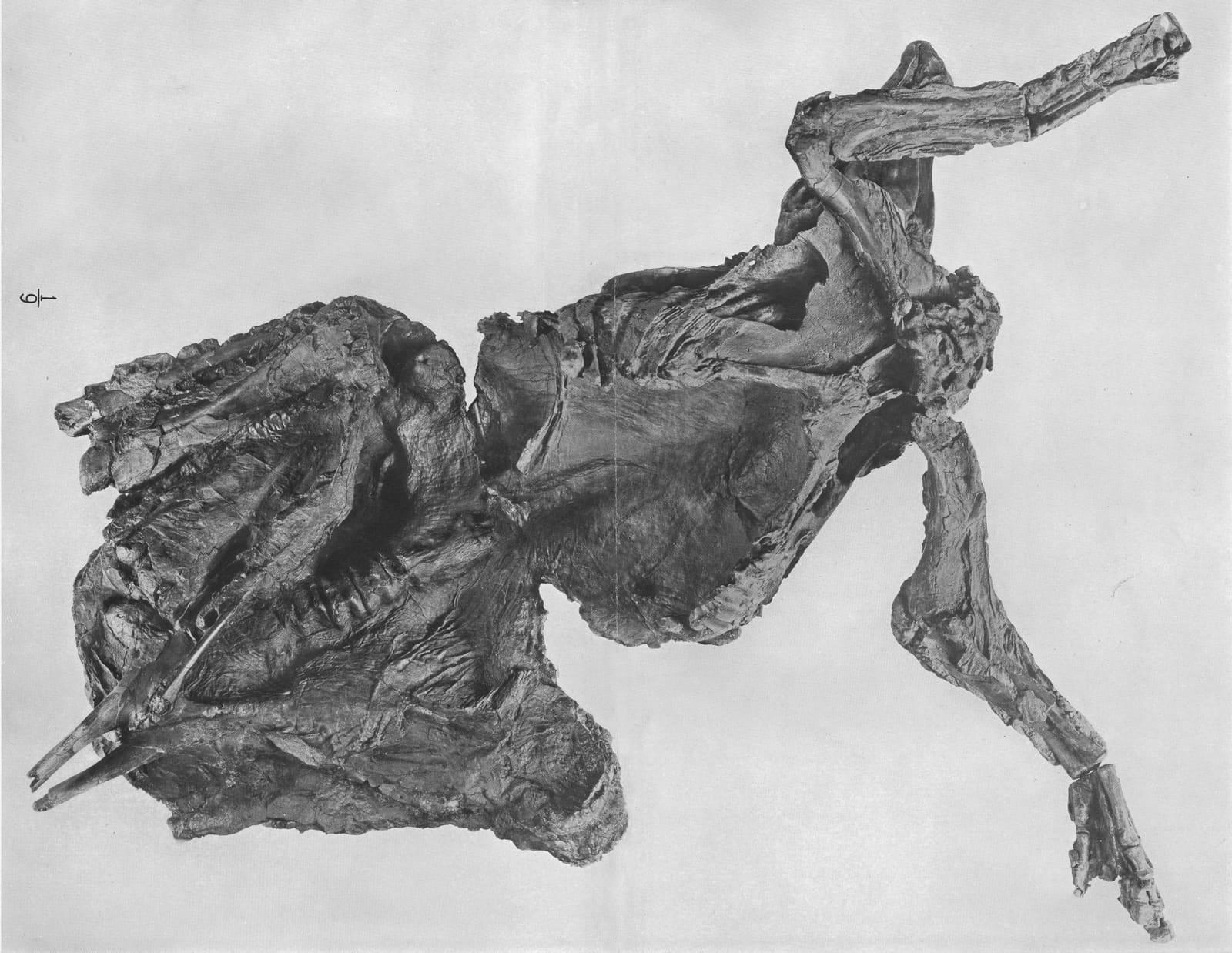 Lance Creek Fossil Hunting GuideTriceratops, Tyrannosaurus rex
 Agate Fossil Beds National Monument Fossil Hunting GuideMenoceras arikarense, Stenomylus hitchcocki
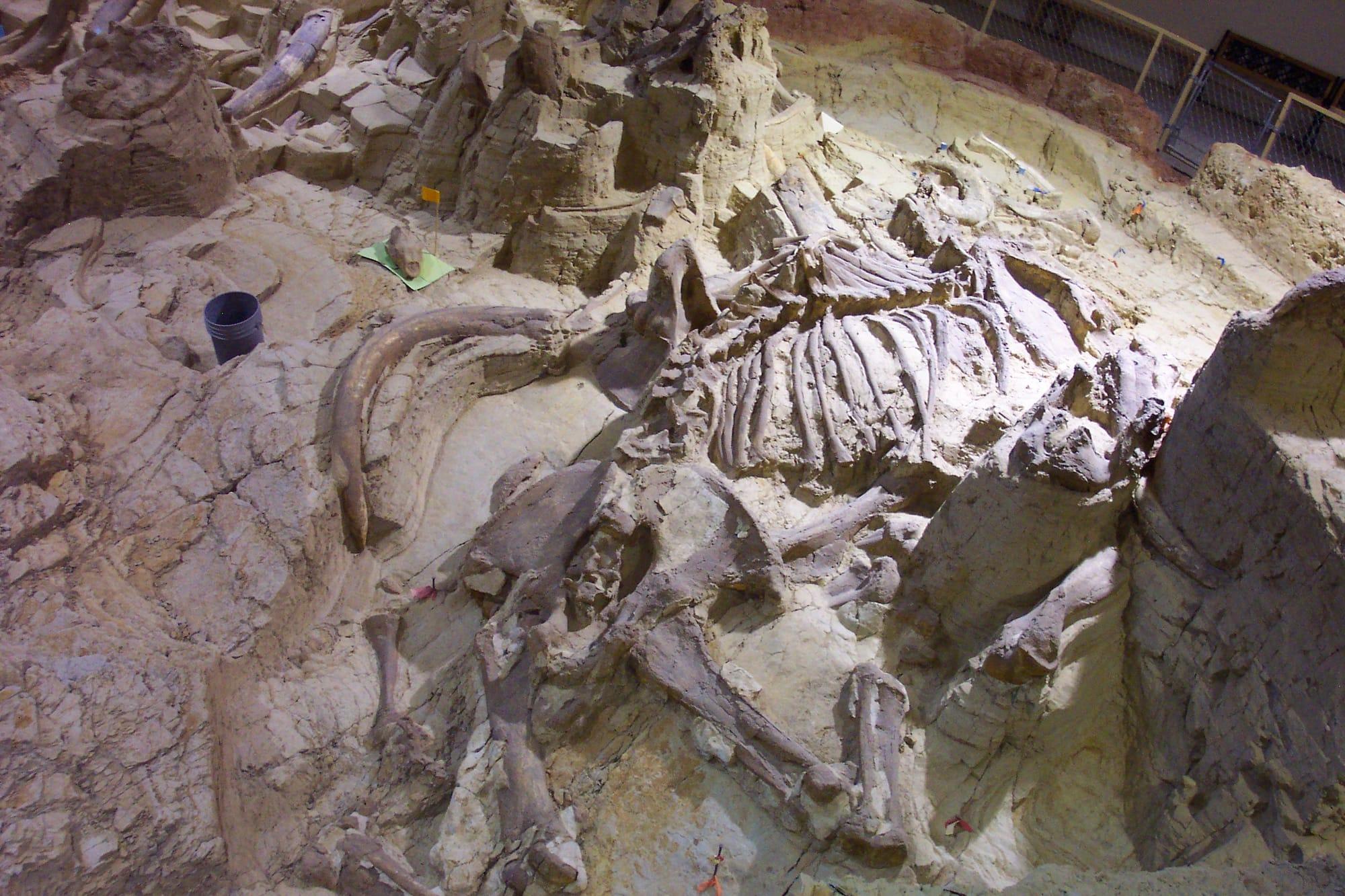 The Mammoth Site of Hot Springs Fossil Hunting GuideColumbian mammoth (Mammuthus columbi), Woolly mammoth (Mammuthus primigenius)
 Dinosaur Ridge: Dinosaur TrackwaysDinosaur Tracks, Dinosaur Bones