Maylandsea Fossil Hunting Guide
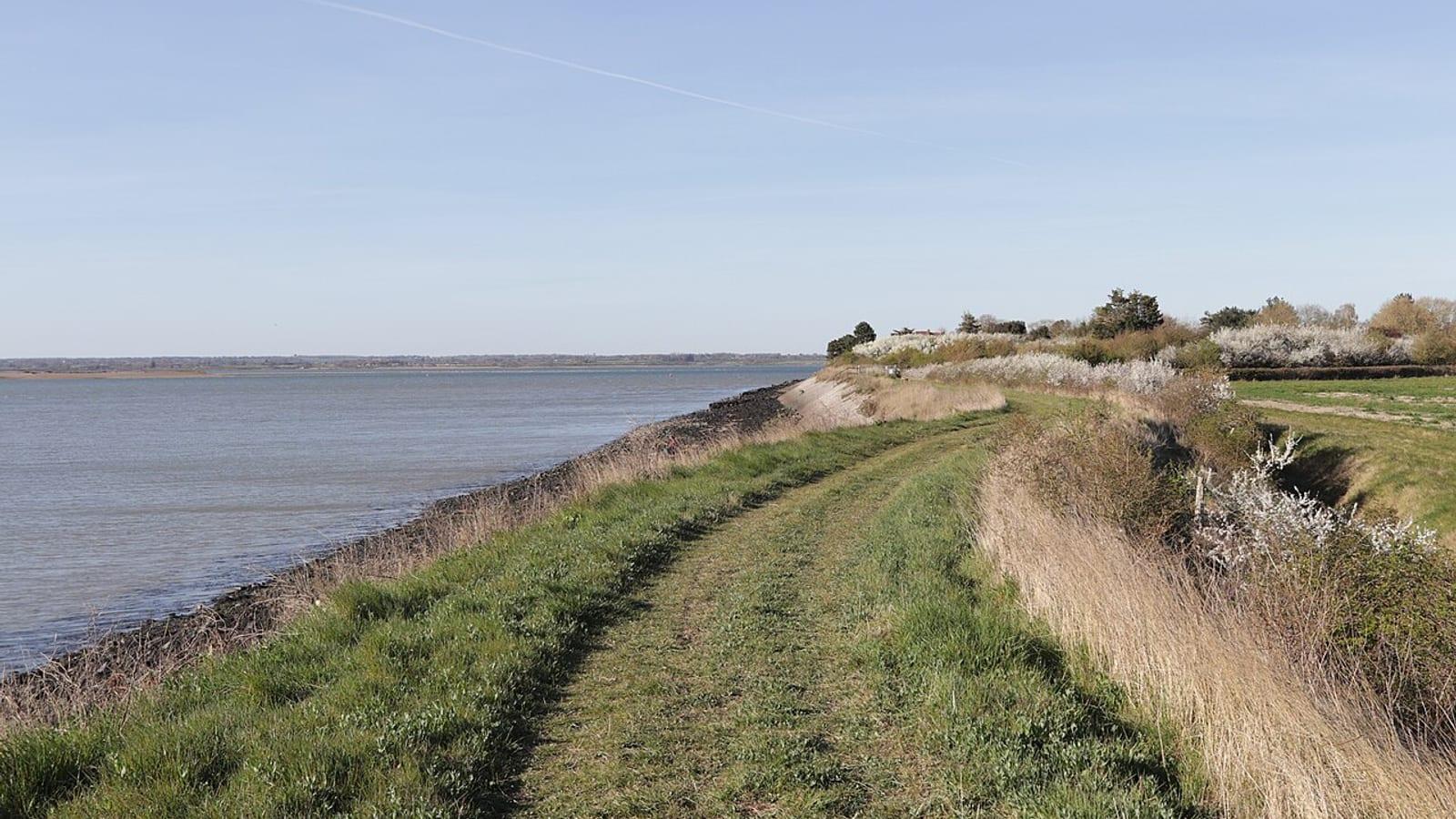
Image: View (CC BY-SA 2.0)
Discover lobsters, crabs, shark teeth, fish remains, bivalves, seeds, sea urchin spines at Maylandsea in Maylandsea. Complete collecting guide.
By Edward Chen · Updated 1 August 2026
Introduction
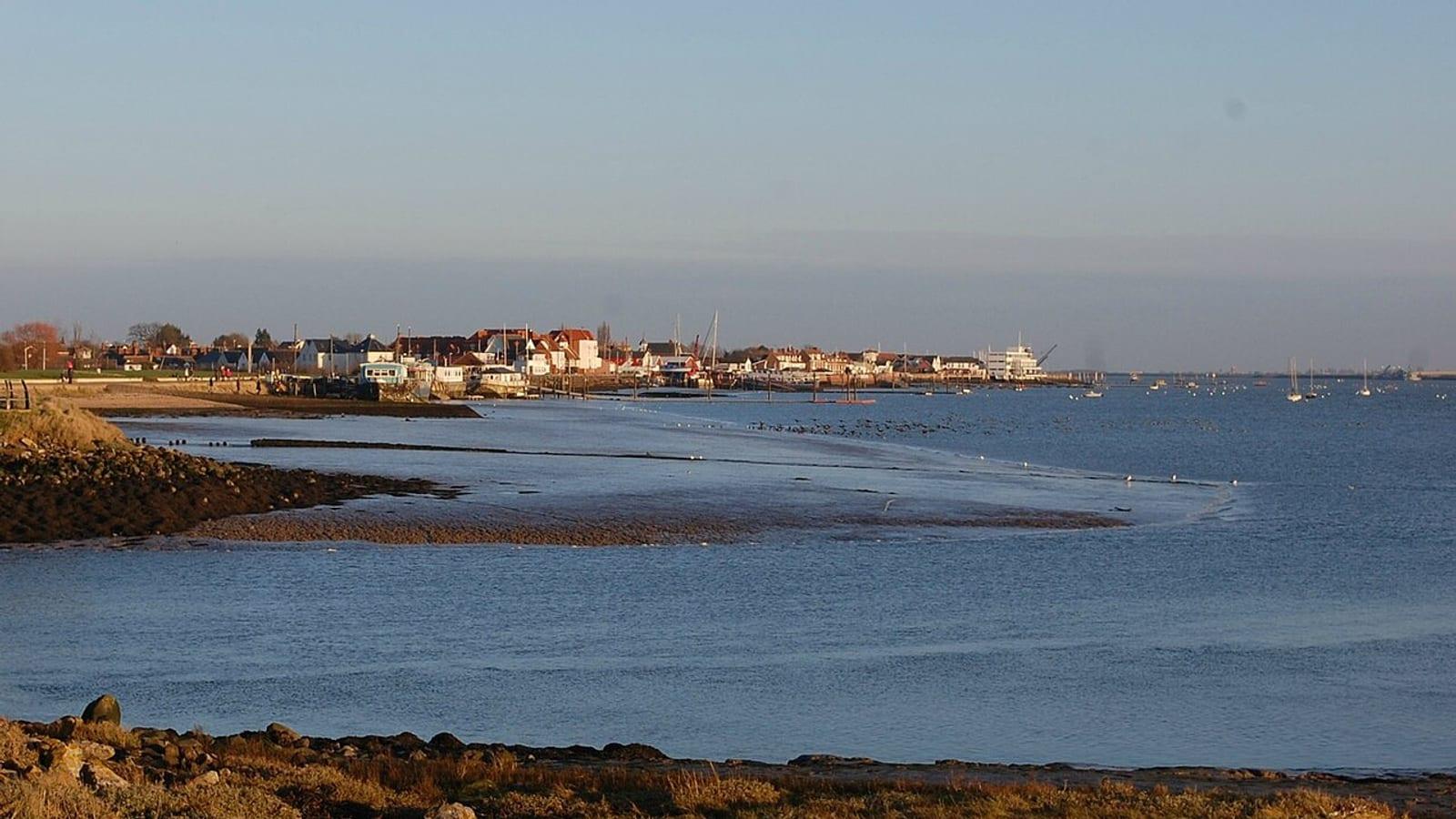
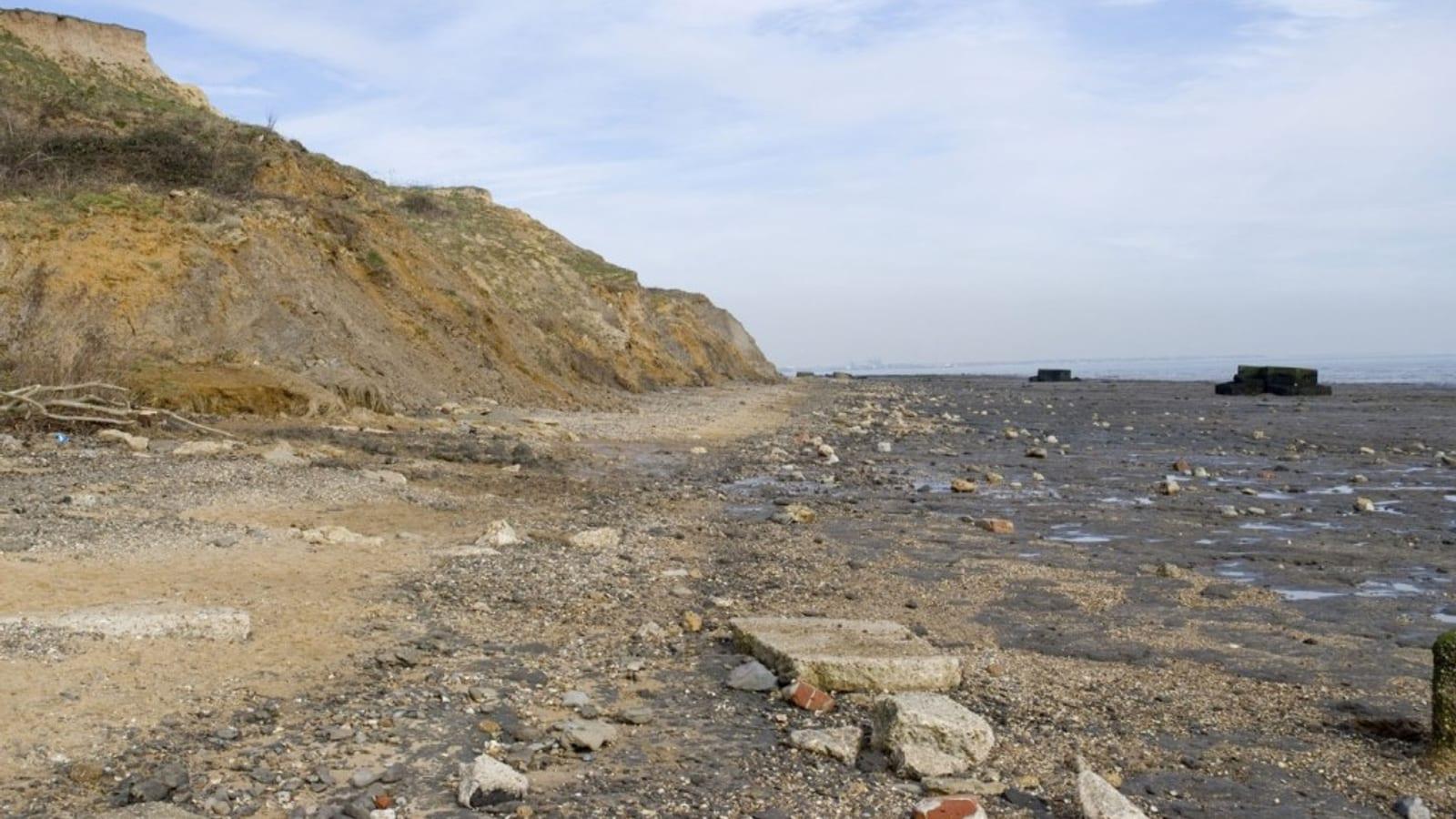
Maylandsea is a foreshore site on the Blackwater Estuary in Essex, best known among collectors for fossil lobsters. The London Clay Formation, an Eocene marine mud roughly 50 million years old, is exposed on the tidal flats on the east bank of Lawling Creek, and it weathers out phosphate nodules that split to reveal crustaceans. Shark teeth, fish remains, bivalves, and fossil seeds turn up in the same clay and shingle.
This is a small, low-cliff site that rewards patience over drama. The clay lies on the open foreshore, so the collecting is a matter of walking the flats at low water and searching the nodules and shingle rather than working a cliff face. The site falls within the Blackwater Estuary SSSI.
Location and Directions
Maylandsea can be found at the foreshore on the East bank of Lawling Creek, north of Maylandsea, River Blackwater, Essex.
To get there, head towards Mayland in Essex. At the West of the village, follow road as it veers left. Drive down the first road on the right (North Drive), and park at the bottom. The footpath leads along the River Blackwater banks. Walk right (eastward) following the embankment edge until clay is visible on the foreshore, past the small shaded area under the trees.
What Fossils You’ll Find
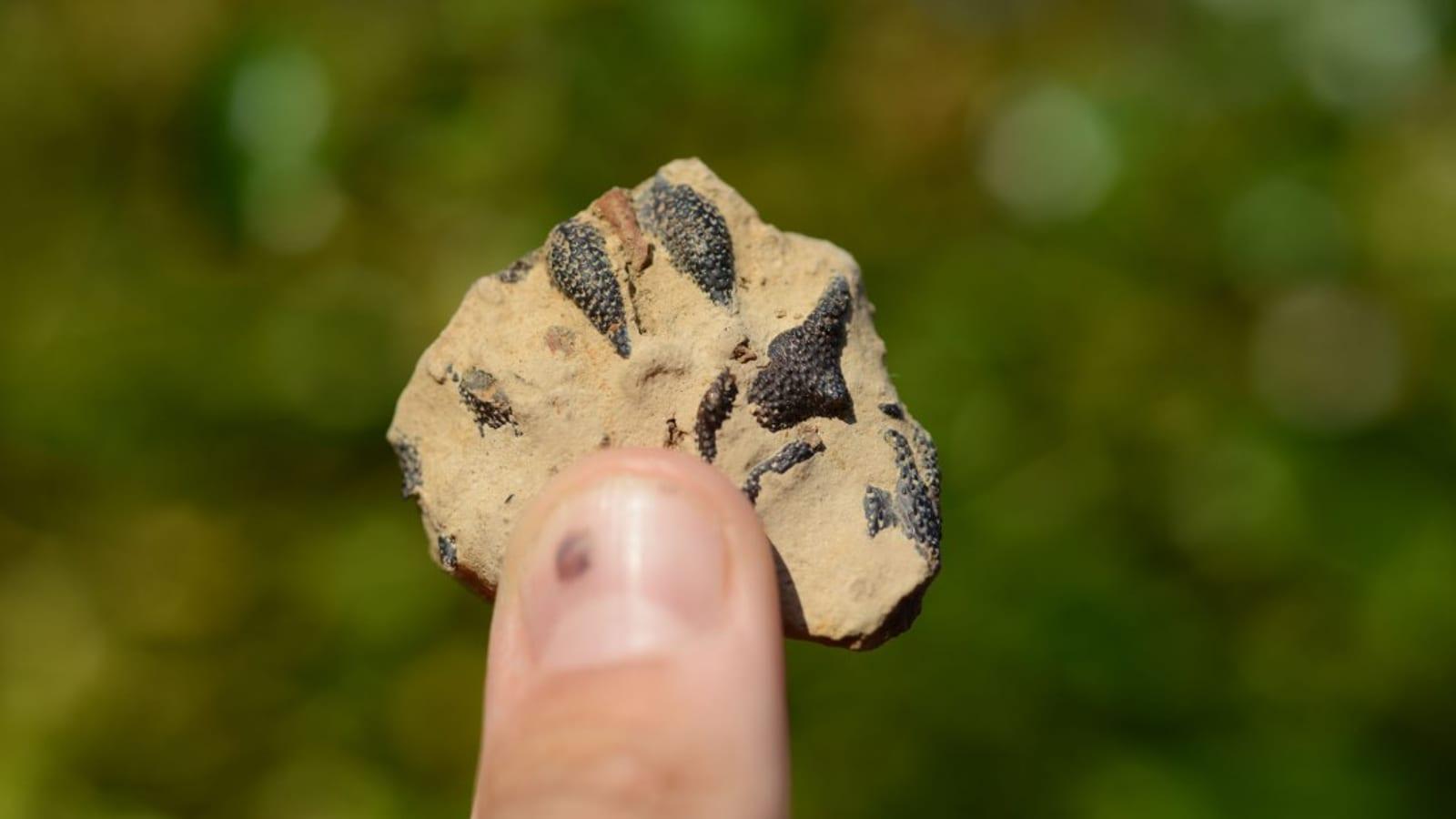
The signature find is the fossil lobster, preserved inside small phosphate nodules and often the species Hoploparia. Split a likely nodule and you may find a claw or a segment of shell. Crustaceans aside, the clay and its shingle yield shark teeth, fish remains, bivalves, fossil seeds, and sea urchin spines, all Eocene in age, about 50 million years old. The productive approach here is wet-washing and sieving the grit and shingle on the foreshore, then checking nodules, rather than looking for fossils standing proud of a cliff.
Geologic History
The site exposes the London Clay Formation.
The site preserves fossils from the Eocene, about 56 to 47 million years ago. London Clay was deposited during the Eocene in the area’s warm, shallow subtropical marine shelf. The ancient environment supported a diverse marine life: sharks, rays, fish, crustaceans (particularly lobsters and crabs) lived here as well as the occasional terrestrial animals and vegetation carried by river estuaries. Phosphate nodules containing lobster remains formed in oxygen-poor bottom conditions. The area’s fine grits and shingles are also highly rich in microfossils.
The Eocene period (56-34 Ma) was characterized by warm global temperatures in the area. Essex experienced subtropical to tropical climate with warm seas at the time, with lush coastal vegetation including palm trees, mangroves, and magnolias. The climate during this period was characterized by hot and humid conditions with no polar ice caps. Sea surface temperatures were significantly higher than today.
Site History
Maylandsea is recognized as one of the most productive Essex locations for lobster fossil fragments. Hoploparia is the most common lobster species fossilized here.
Collecting Rules and Regulations
Maylandsea lies within the Blackwater Estuary Site of Special Scientific Interest, so collecting comes with responsibilities. Loose fossils and nodules may be picked from the foreshore, but do not dig into the low cliffs or the SSSI features, and follow the UK fossil collecting code for SSSI coastal sites. Take only loose material, and leave the habitat undisturbed, since the estuary is also important for birds and saltmarsh.
Safety
The whole site is tidal, so check a tide table and work a falling tide, keeping the walk back to firm ground in mind. Estuary mud can be soft and deep in places, so test your footing and avoid the softest flats. Wear boots you can wash off, bring water, and give yourself daylight and time. This is a quiet, out-of-the-way foreshore, so tell someone your plans before you go.
Sources
- UK Fossils Network https://ukfossils.co.uk/2012/01/23/maylandsea/
- Essex Wildlife Trust https://www.essexwt.org.uk/
- GeoEssex http://www.geoessex.org.uk/
- accessed December 9, 2025