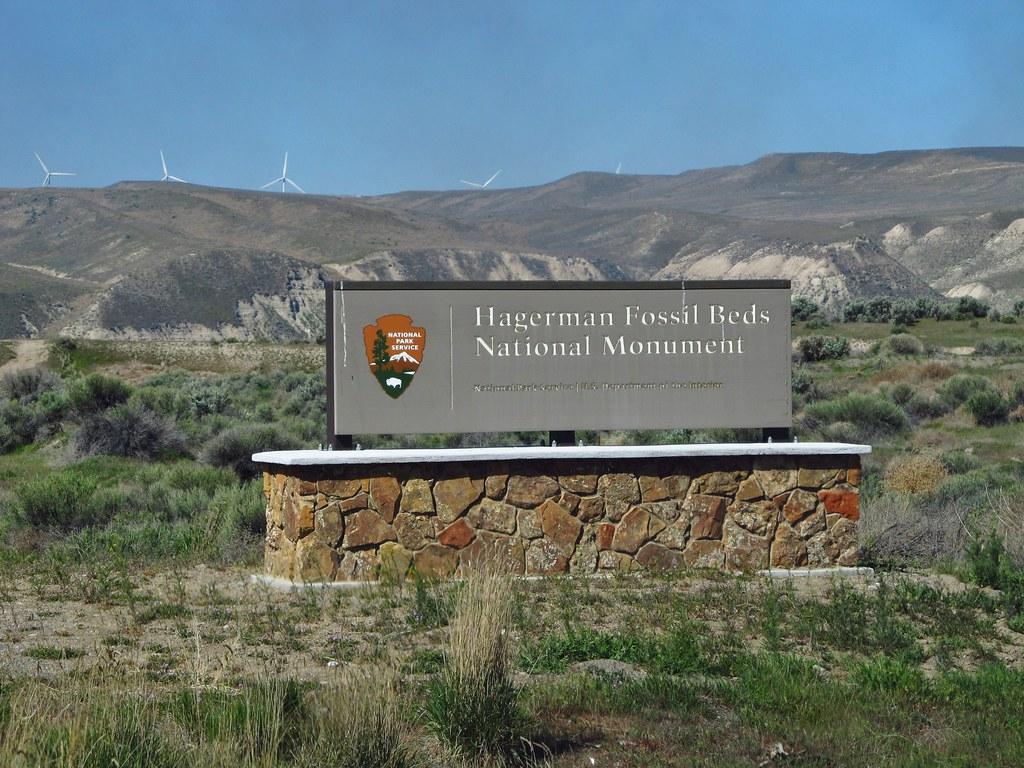
Hagerman Fossil Beds National Monument Fossil Hunting Guide
Image: Chris Light (CC BY 4.0)
Hagerman Fossil Beds National Monument protects 4,351 acres of Pliocene lake and floodplain deposits along the Snake River in southern Idaho. The Glenns Ferry Formation here contains more than 200 documented species, including the largest concentration of the Hagerman horse (Equus simplicidens) on record. The site is viewing-only.
By Edward Chen · Updated 2 August 2026
Introduction
Hagerman Fossil Beds National Monument covers 4,351 acres on the west bank of the Snake River in south-central Idaho. The monument was authorised by Congress in 1988 to protect the Hagerman Horse Quarry and the surrounding bluffs of the Glenns Ferry Formation, which together preserve one of the most complete late Pliocene terrestrial faunas in North America. Scientific work began in 1928, when a local rancher named Elmer Cook brought fossil bones to the attention of the Smithsonian, and excavation of the Horse Quarry by the United States National Museum between 1929 and 1934 recovered more than 200 partial skeletons of the Hagerman horse, Equus simplicidens, the species that the State of Idaho later designated as its state fossil. More than 550 distinct fossil localities and more than 200 species of plants and animals have since been documented within the monument boundary. The site is administered by the National Park Service and collecting is federally prohibited. Visitors view the bluffs from two overlooks above the Snake River and learn about the quarry through the Hagerman Visitor Center exhibits in town. This guide covers the access, the geology, the species recovered, and the rules that apply to a viewing-only NPS unit.
Location and Directions
The monument lies in Twin Falls and Gooding counties, on the west side of the Snake River about 30 miles northwest of the city of Twin Falls. From Interstate 84, take Exit 141 and head south on State Highway 30 about 10 miles to the town of Hagerman.
The Hagerman Visitor Center is at 221 North State Street, Hagerman, Idaho 83332. The visitor center holds the exhibit gallery, restrooms, and the main interpretive films. There is no visitor center inside the monument itself. Park staff direct visitors to the two overlooks from the in-town building.
The Hagerman Fossil Beds Overlook is at the end of Bell Rapids Road, about 5 miles south of the visitor center off Old Highway 30. GPS for the overlook is 42.7625 degrees north, 114.9494 degrees west. A short paved path leads to interpretive panels above the Horse Quarry bluffs.
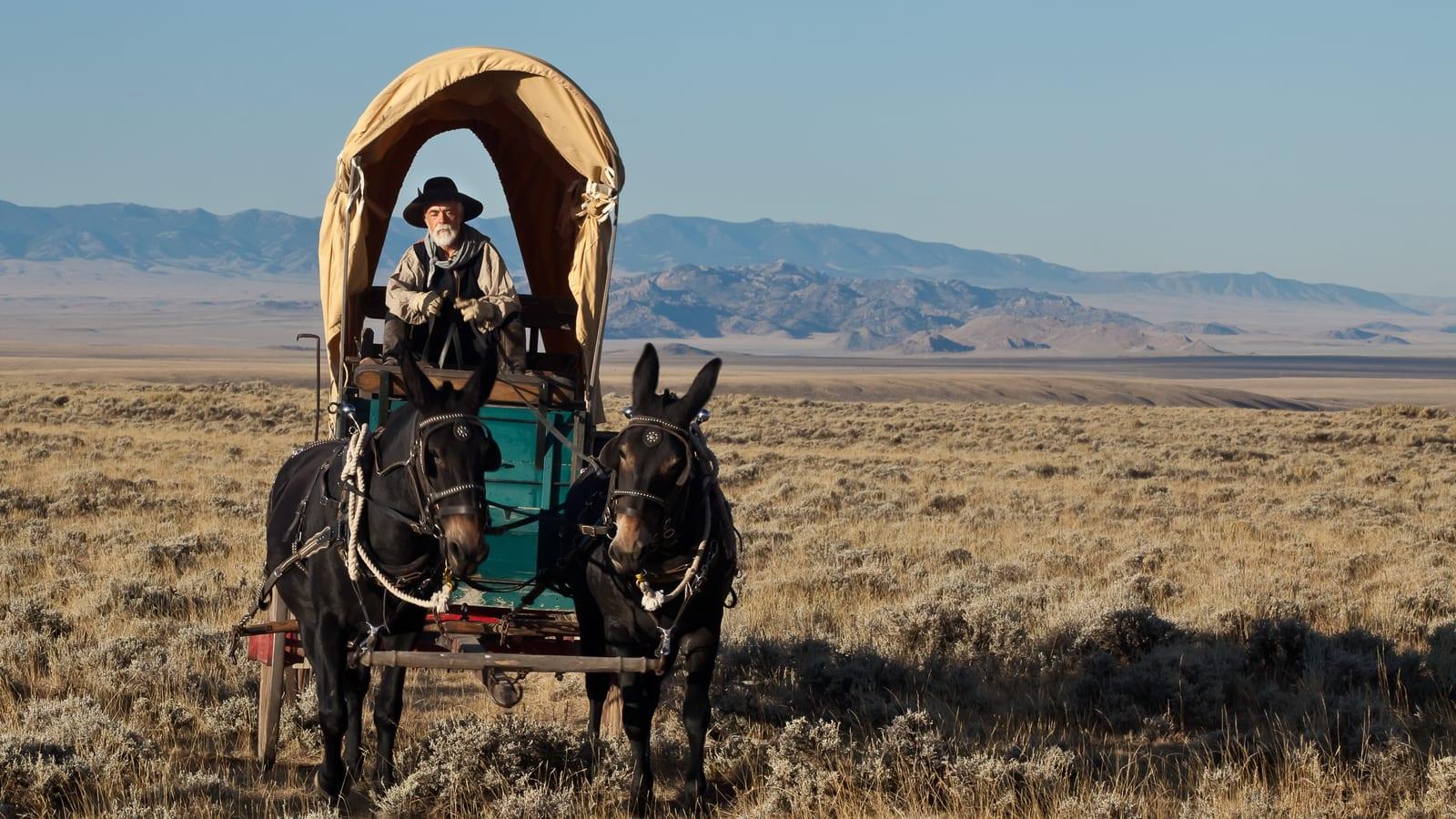
The Oregon Trail Overlook is 5 miles farther south on Bell Rapids Road. This stop combines a view of the Snake River canyon, the historic Oregon Trail ruts, and the southern part of the monument.
The monument is open year round. The visitor center keeps regular hours through the warm season and reduced hours in winter. There is no entrance fee. The closest commercial airports are Twin Falls (about 45 minutes) and Boise (about two hours). Fuel and groceries are available in Hagerman and Twin Falls.
 Photo: Chris Light, CC BY 4.0, via Wikimedia Commons

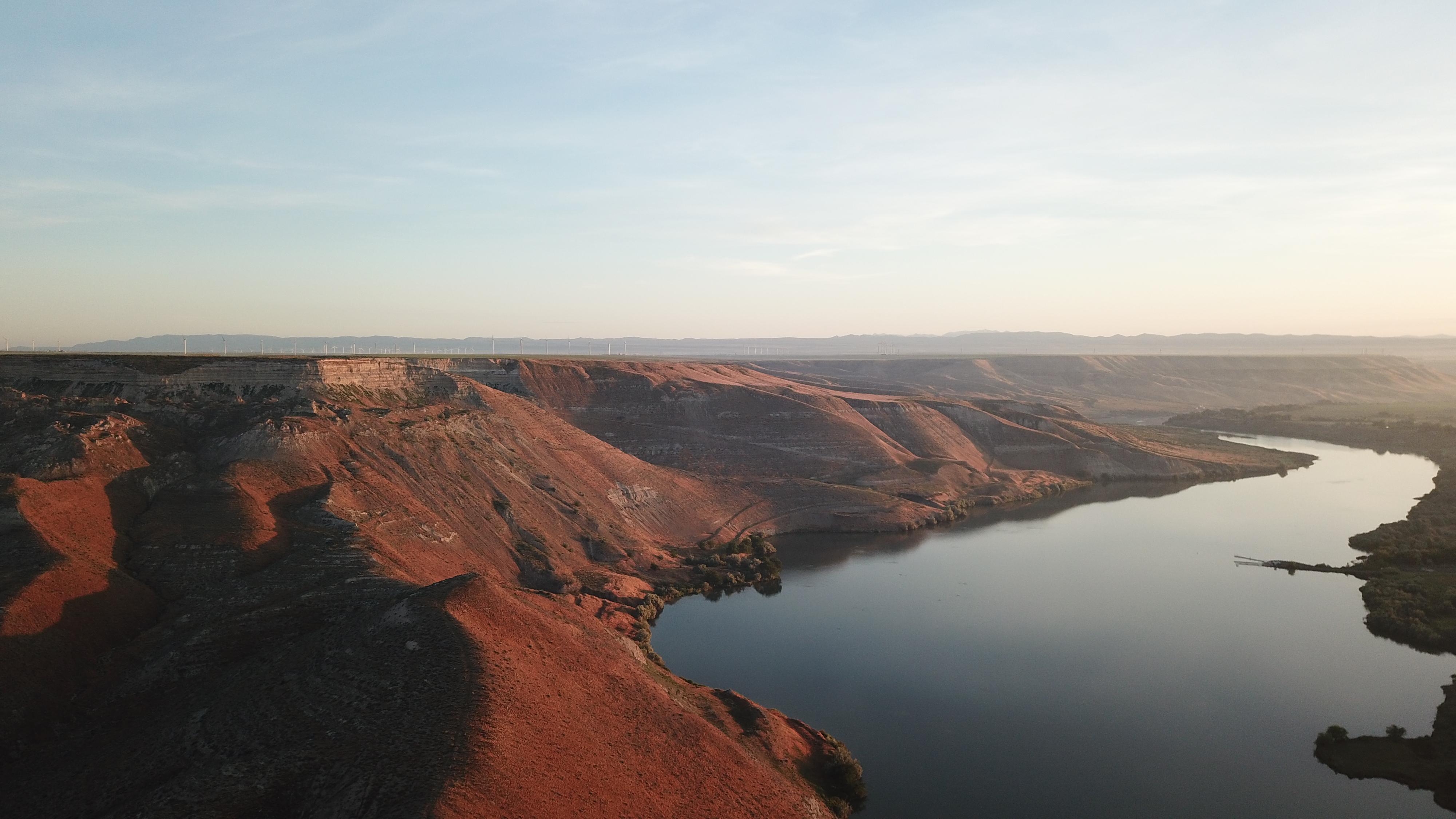 Photo: NPS Photo, public domain, via National Park Service
What Fossils You'll Find
You will not collect at Hagerman. What you can do is read the in-place geology from the overlooks, see prepared specimens at the visitor center, and walk a short interpretive path with photographs of the major species recovered from the cliffs.
- Equus simplicidens (Hagerman horse). Roughly the size of a modern Grevy's zebra, this is the earliest well-documented species of Equus. The 1929 to 1934 USNM dig produced more than 200 partial skeletons and 30 complete skulls from a single quarry. The species is the official state fossil of Idaho.
- Mastodons. Material referable to Mammut has been recovered from several localities in the monument.
- Camels. Megatylopus and Hemiauchenia remains occur in the Glenns Ferry Formation here.
- Sabertooth cat. Material attributed to Megantereon hesperus has been recovered from the bluffs.
- Beavers. Castor and the giant beaver Procastoroides have both been documented.
- Mollusks and ostracodes. Freshwater snail and clam shells fill many of the lake-margin layers and are visible in the panel displays at the visitor center.
- Plants. Pollen, leaves, and wood from cottonwoods, willows, and grasses help reconstruct the Pliocene streamside vegetation.
The collection holds more than 200 species across 13 fish, amphibian, reptile, bird, and mammal groups, and 44 species have their type specimen from Hagerman. The full holotype list is maintained on the NPS Geodiversity Atlas page.
Geologic History
The fossils come from the Glenns Ferry Formation, a sequence of overbank silt, channel sand, and lake clay that accumulated in the western Snake River Plain between roughly 3.7 and 3.2 million years ago, in the late Pliocene. Through this interval the plain held a large, slow river that drained from northern Nevada and southern Idaho into a series of lakes. Quiet floodplain ponds, point bars, and oxbow lakes trapped carcasses of horses, camels, and other mammals that came to drink at the water's edge.
Volcanic ash from Snake River Plain volcanic centres falls intermittently through the section and gives a series of age tie points. The lower Glenns Ferry Formation is dated to about 3.7 mya by ash from the Tuana volcanic centre. The upper part of the section reaches roughly 3.2 mya. The Horse Quarry itself sits in a sand layer about 50 metres above the base of the formation and is dated to approximately 3.5 mya.
The bluffs that visitors see today were cut by the Snake River during Pleistocene downcutting following the Bonneville Flood, exposing the soft Pliocene strata in cross section along more than 7 kilometres of cliff face.
How Hagerman Became a Fossil Site
Elmer Cook, a Hagerman rancher, brought several bone fragments to a visiting Smithsonian geologist named Harold Stearns in 1928. Stearns relayed the find to James Gidley at the United States National Museum, and Gidley led the first excavation of the Horse Quarry in 1929. Annual digs through 1934 produced the bulk of the type collection, which is housed at the Smithsonian. Later work by Idaho State University, the Smithsonian Migratory Bird Center, and the University of Texas added new species and refined the stratigraphy.
A 1975 study by the Idaho State Historical Society documented the site's national significance, and in 1988 Congress established the national monument with the purpose of protecting the fossil resource for in-place research. Active research collection continues under federal permit, and the visible parts of the monument are managed as viewing-only.
Collecting Rules and Regulations
Collecting is federally prohibited. Hagerman Fossil Beds National Monument is administered by the National Park Service, and removing, damaging, defacing, or disturbing any paleontological resource on NPS land is a federal offense under the Paleontological Resources Preservation Act of 2009 and 36 CFR 2.1. This includes bone fragments, plant material, and float pieces on the ground.
Practical rules:
- Stay on the paved overlook paths. Off-trail descent into the Horse Quarry bluffs is prohibited and unsafe.
- Photography for personal use is permitted at both overlooks and inside the visitor center.
- There is no entrance fee.
- Drones are not allowed under standard NPS regulations.
- Pets must be leashed at the overlooks and are not allowed inside the visitor center.
- Research permits are issued only to qualified scientists working with an institutional affiliation.
The adjacent Bureau of Land Management lands along the Snake River canyon include some areas where casual rock and fossil collecting is allowed under standard BLM rules. The monument boundary is signed. Confirm boundaries with the visitor center staff before any collecting trip on BLM ground.
Safety
Summer temperatures along the Snake River canyon regularly reach 100 degrees Fahrenheit, and the overlooks have very little shade. Carry water on every visit, even short ones.
The bluffs themselves are unstable. Soft Glenns Ferry siltstone fails in slumps and falls without warning, especially during and after rain. Do not climb the bluffs or stand near the edge above them.
Rattlesnakes occur across the monument. Watch foot placement in sage and rocks at both overlooks. Bell Rapids Road is unpaved for the last few miles and can become impassable in heavy rain or snow.
Sources
- National Park Service, "Hagerman Fossil Beds National Monument." https://www.nps.gov/hafo/index.htm
- National Park Service, "Geodiversity Atlas: Hagerman Fossil Beds NM." https://www.nps.gov/articles/nps-geodiversity-atlas-hagerman-fossil-beds-national-monument-idaho.htm
- National Park Service, "Hagerman Horse." https://www.nps.gov/hafo/learn/nature/hagerman-horse.htm
- Bjork, P.R., 1970. "The Carnivora of the Hagerman Local Fauna (Late Pliocene) of Southwestern Idaho." Transactions of the American Philosophical Society, 60.
- Ruez, D.R., 2009. "Framework for stratigraphic analysis of Pliocene fossiliferous deposits at Hagerman Fossil Beds National Monument, Idaho." Rocky Mountain Geology, 44.
Nearby sites
 Fossil Butte National Monument Fossil Hunting GuideFossil fish (Knightia), Fossil fish (Diplomystus)
 Ulrich's Fossil Gallery Fossil Hunting GuideFish, Plants
 American Fossil Quarry Fossil Hunting GuideFish Fossils, Plant Fossils
 BLM Trilobite Quarry (Antelope Springs) Fossil GuideTrilobites, Elrathia kingii