Neogene · 23.03 – 2.58 Ma
Neogene fossil sites
Modern mammal groups rose to dominance, including the great ape lineage that produced humans. The Calvert Cliffs of Maryland and the Peace River system of Florida are the iconic North American Neogene fossil destinations.
The Neogene brings the world close to its modern form. Grasslands spread, grazing mammals diversified, and the Isthmus of Panama closed and joined two continents. Ice sheets grew in the north toward the end of the period. Most Neogene marine fossils belong to genera that still live today.
That familiarity helps in the field. Neogene shell beds hold scallops, clams, and snails that look much like beach shells, because they are close relatives of them. The difference is that fossil shells are usually chalky, stained, or partly recrystallized. Shark teeth are abundant, and Neogene beds produce the largest ones, including Otodus megalodon.
The Neogene list runs to forty-eight entries. California supplies ten and Florida six. Twenty-six are viewing sites and fifteen allow free collecting. The Calvert Cliffs of Maryland and the phosphate district of central Florida are the two best known concentrations of Miocene material in North America.
48 fossil sites
Updated 4 August 2026
Life of the period
Three to know from the Neogene
You will not find all of these yourself. They are the animals and plants that make the period worth reading about.

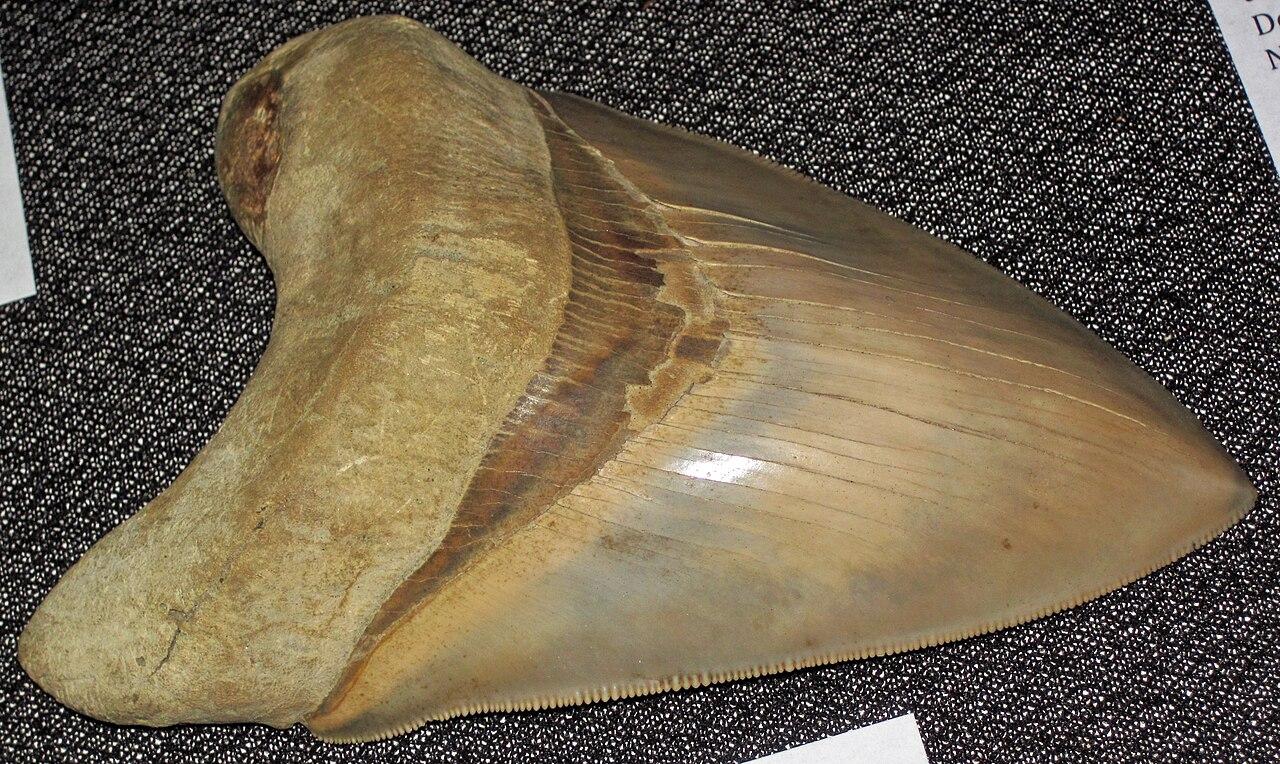
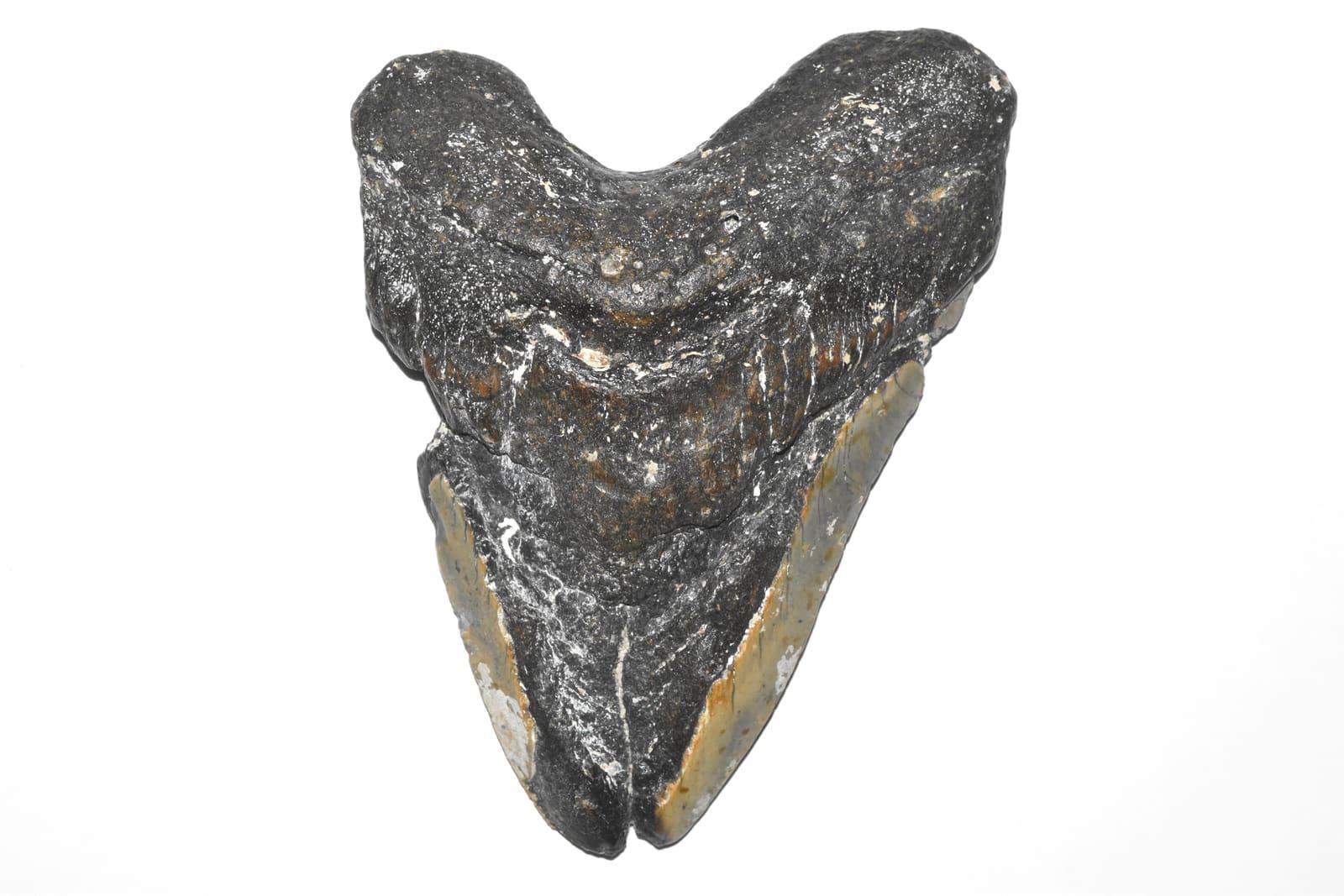
MegalodonOtodus Teeth reach about 18 centimetres. Almost nothing else survives, because a shark skeleton is cartilage. Every size estimate you have read is built from teeth and a handful of vertebrae.
Hugo Saláis, CC BY 4.0
Chesapeake scallopChesapecten Virginia's state fossil, and the species name honours Thomas Jefferson. The shell is common enough along Chesapeake Bay that a first-time collector can expect to find one.
Smithsonian National Museum of Natural History, CC0

Early homininAustralopithecus The skeleton known as Lucy dates to about 3.2 million years ago, which places her in the Pliocene. She walked upright but kept a brain roughly the size of a chimpanzee's.
anagoria, CC BY 3.0
All Neogene sites
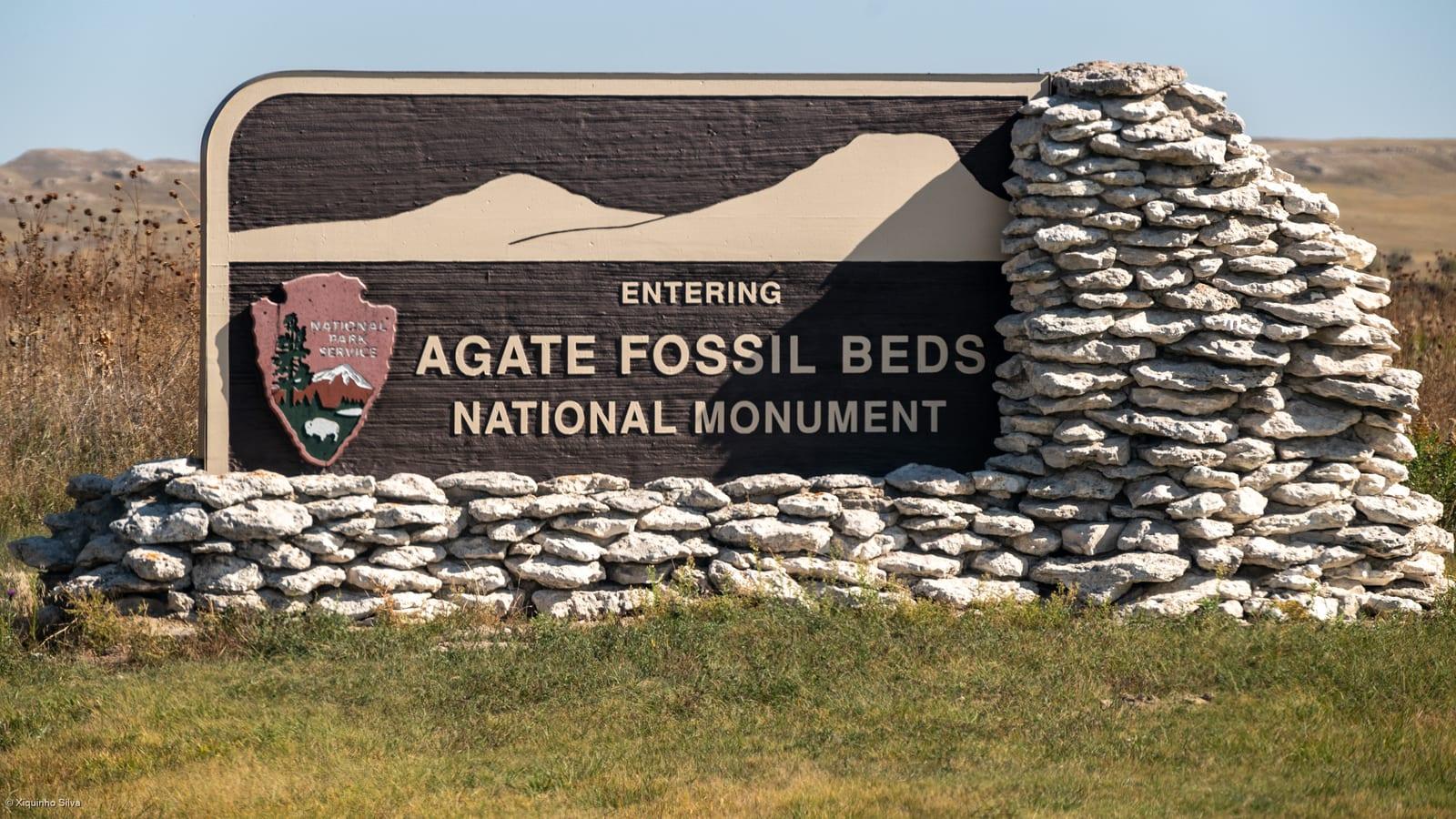
Agate Fossil Beds National Monument Fossil Hunting Guide
Nebraska, United States
Menoceras arikarense, Stenomylus hitchcocki, Moropus elatus, Dinohyus (Daeodon) hollandi
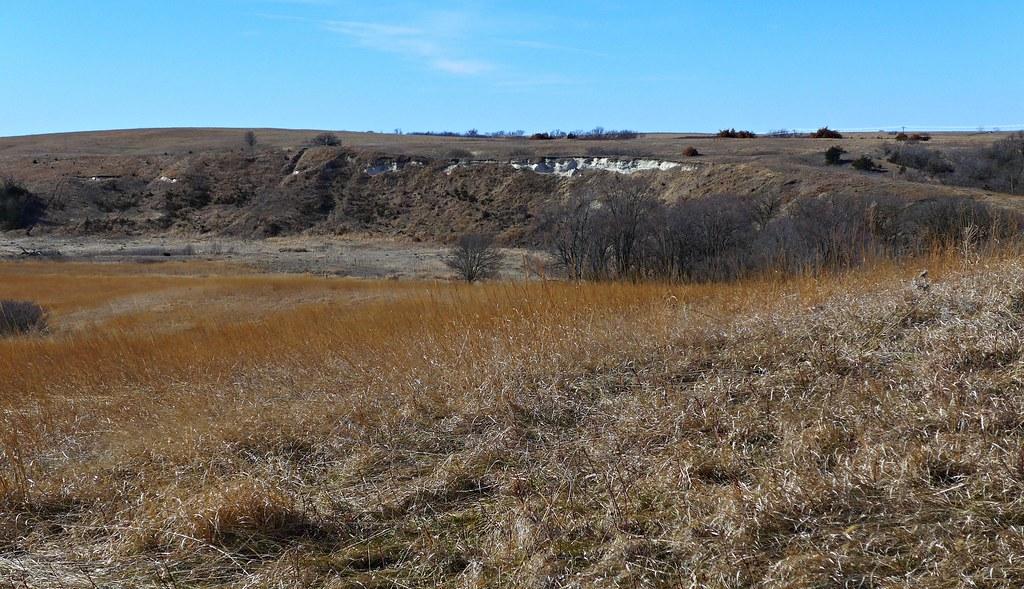
Ashfall Fossil Beds State Historical Park Fossil Hunting Guide
Nebraska, United States
Teleoceras major (barrel-bodied rhinos), Cormohipparion occidentale (three-toed horses), Pseudhipparion gratum, Pliohippus pernix
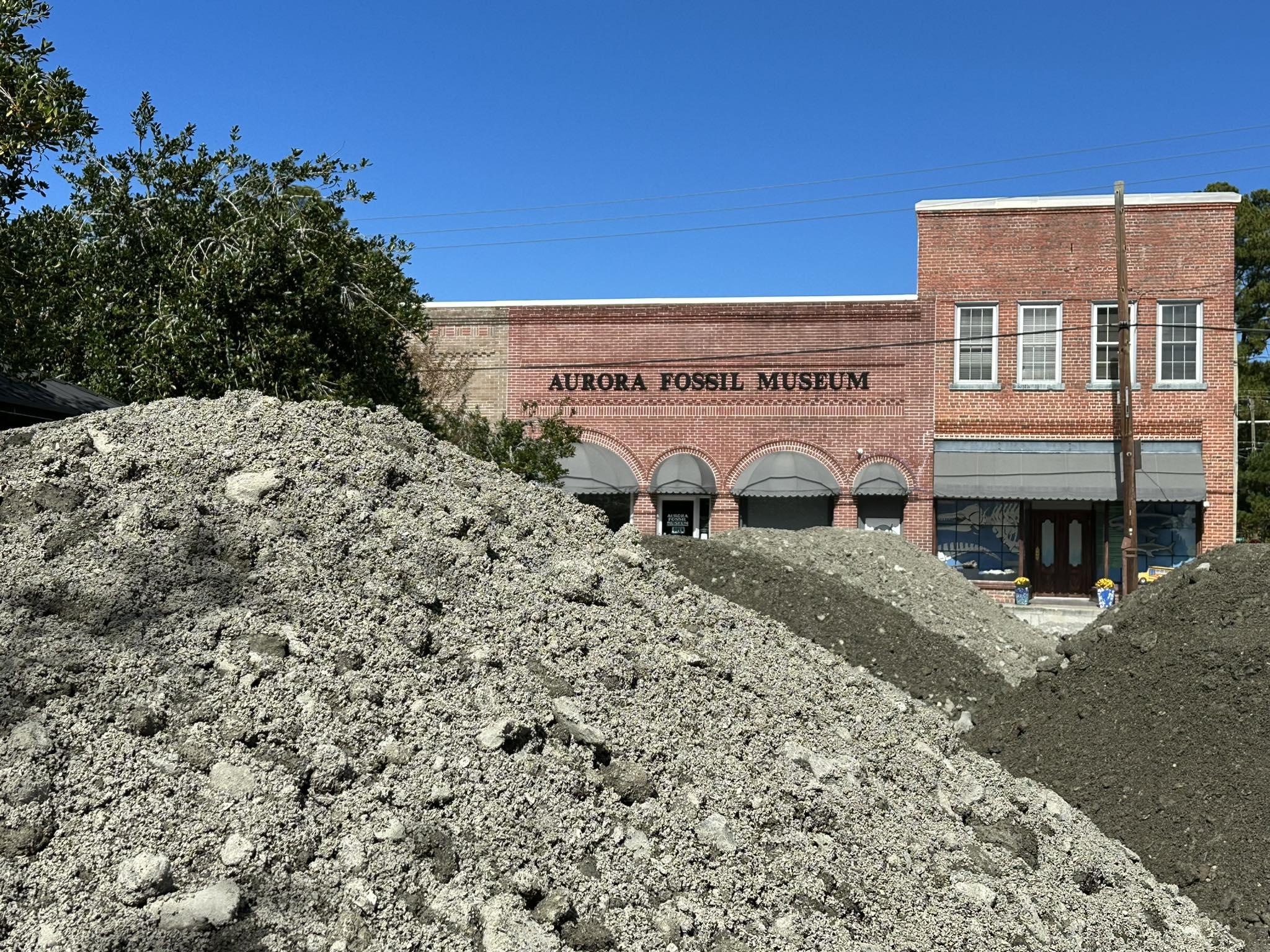
Aurora Fossil Museum Fossil Park Guide
North Carolina, United States
Megalodon teeth, Shark Teeth, Whale Bone, Ray dental plates
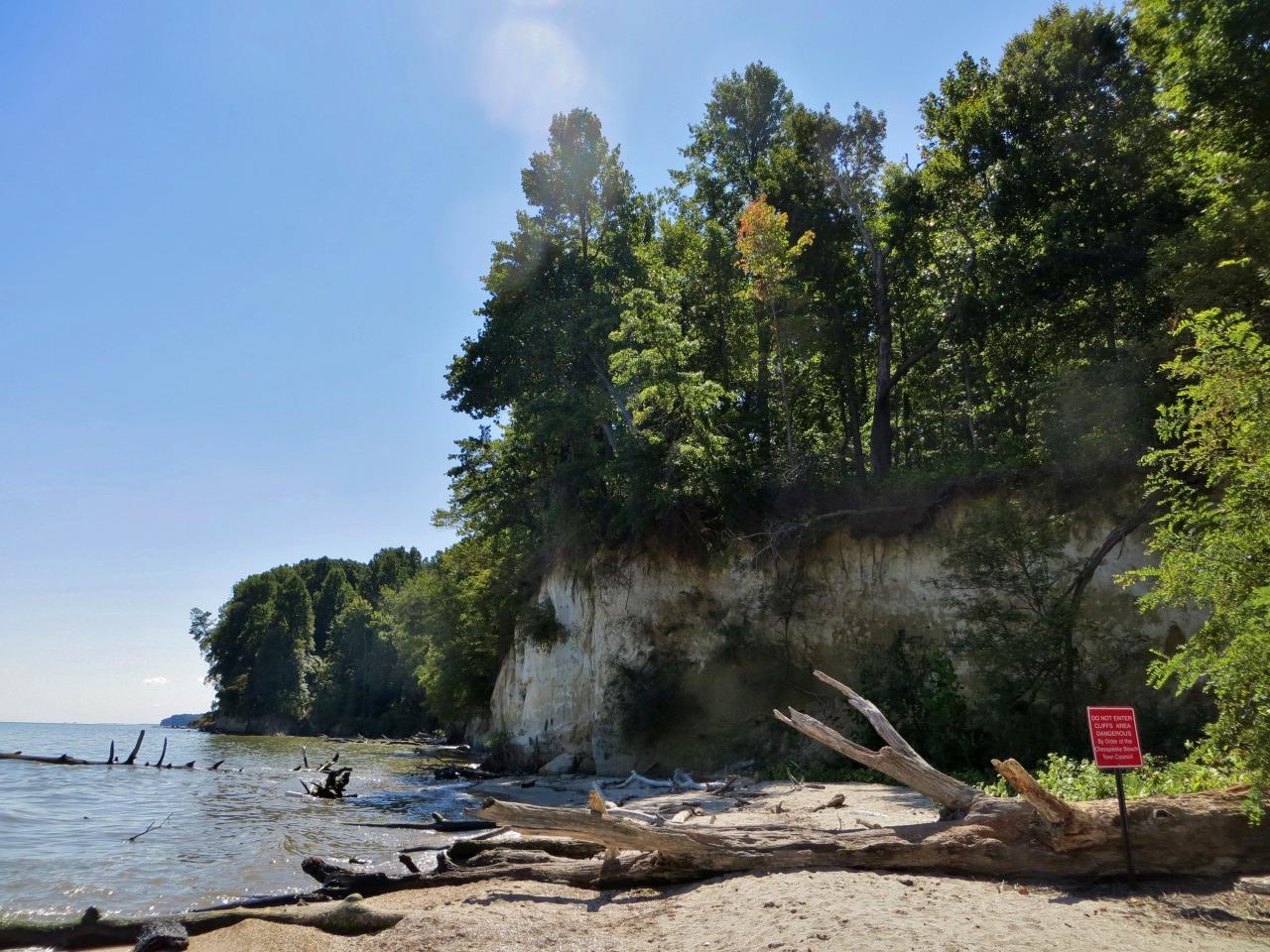
Bay Front Park (Brownie's Beach) Fossil Hunting Guide
Maryland, United States
Shark Teeth, Ray dental plates, Marine shells, Whale bone fragments
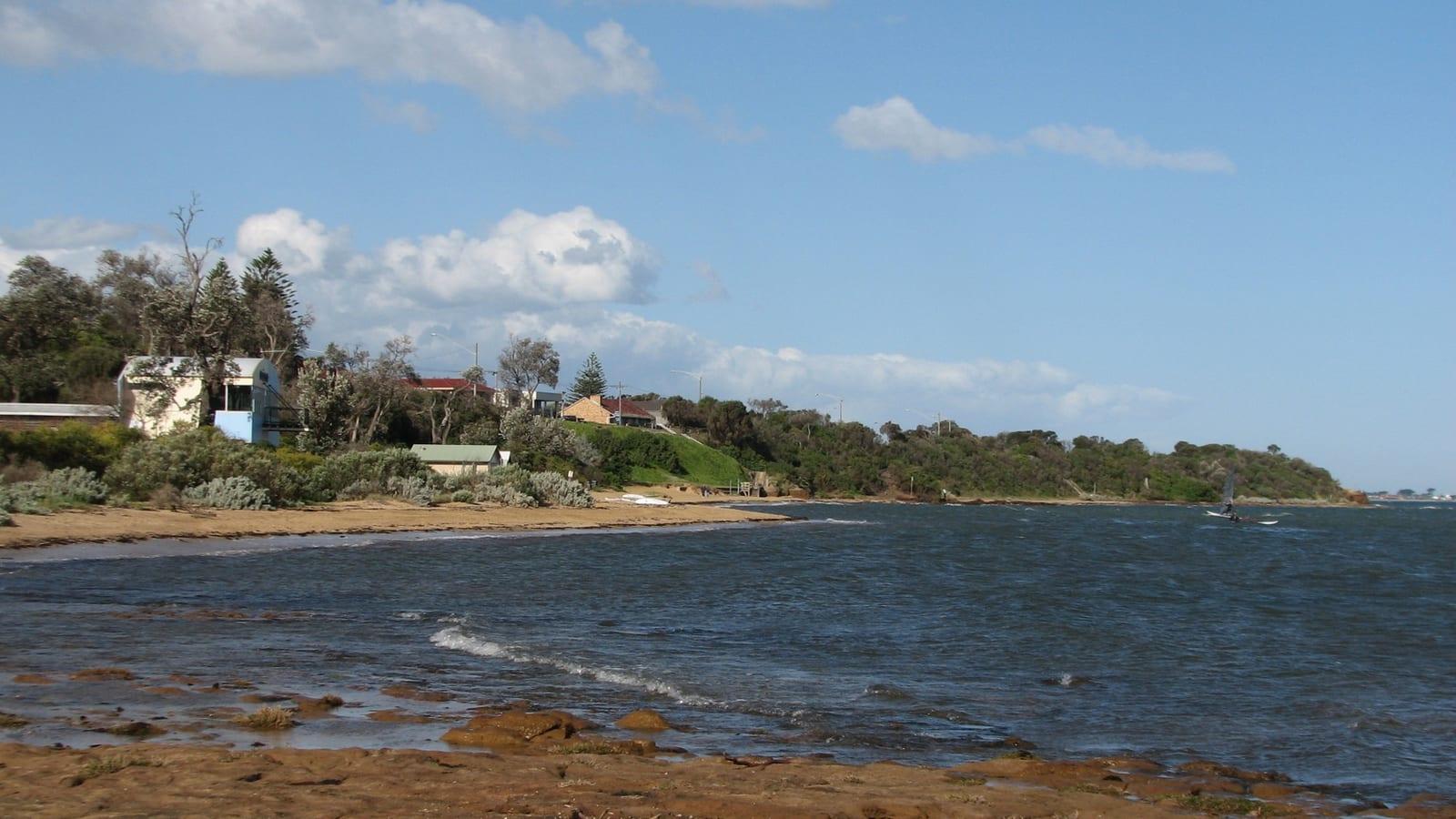
Beaumaris Bay Fossil Site Melbourne Fossil Hunting Guide
Australia
shark teeth, Carcharocles megalodon, Isurus hastalis, Cetacean bones
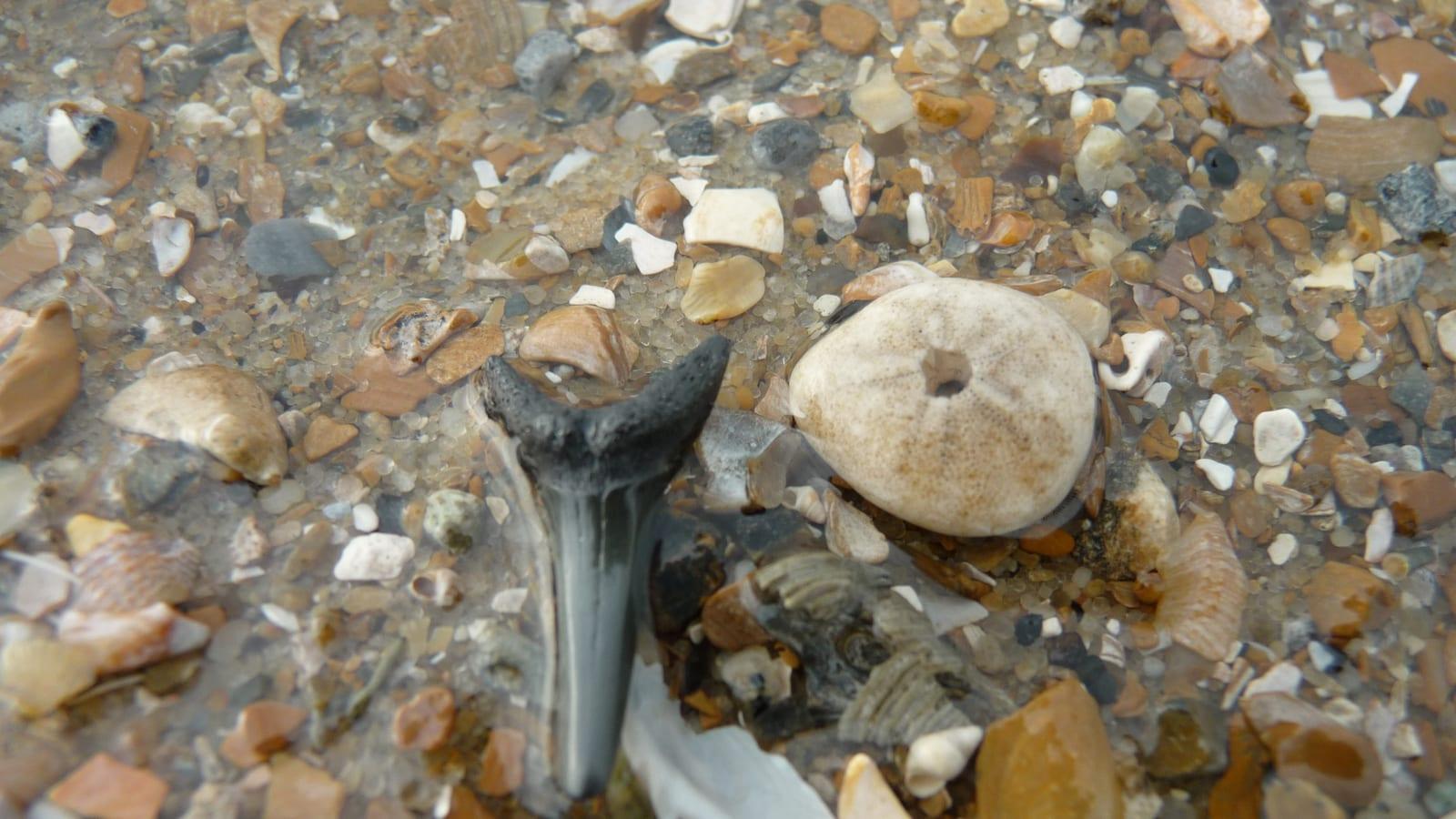
Bone Valley Fossil Hunting Guide
Florida, United States
Shark Teeth, Megalodon, Marine Mammals, Mammoth
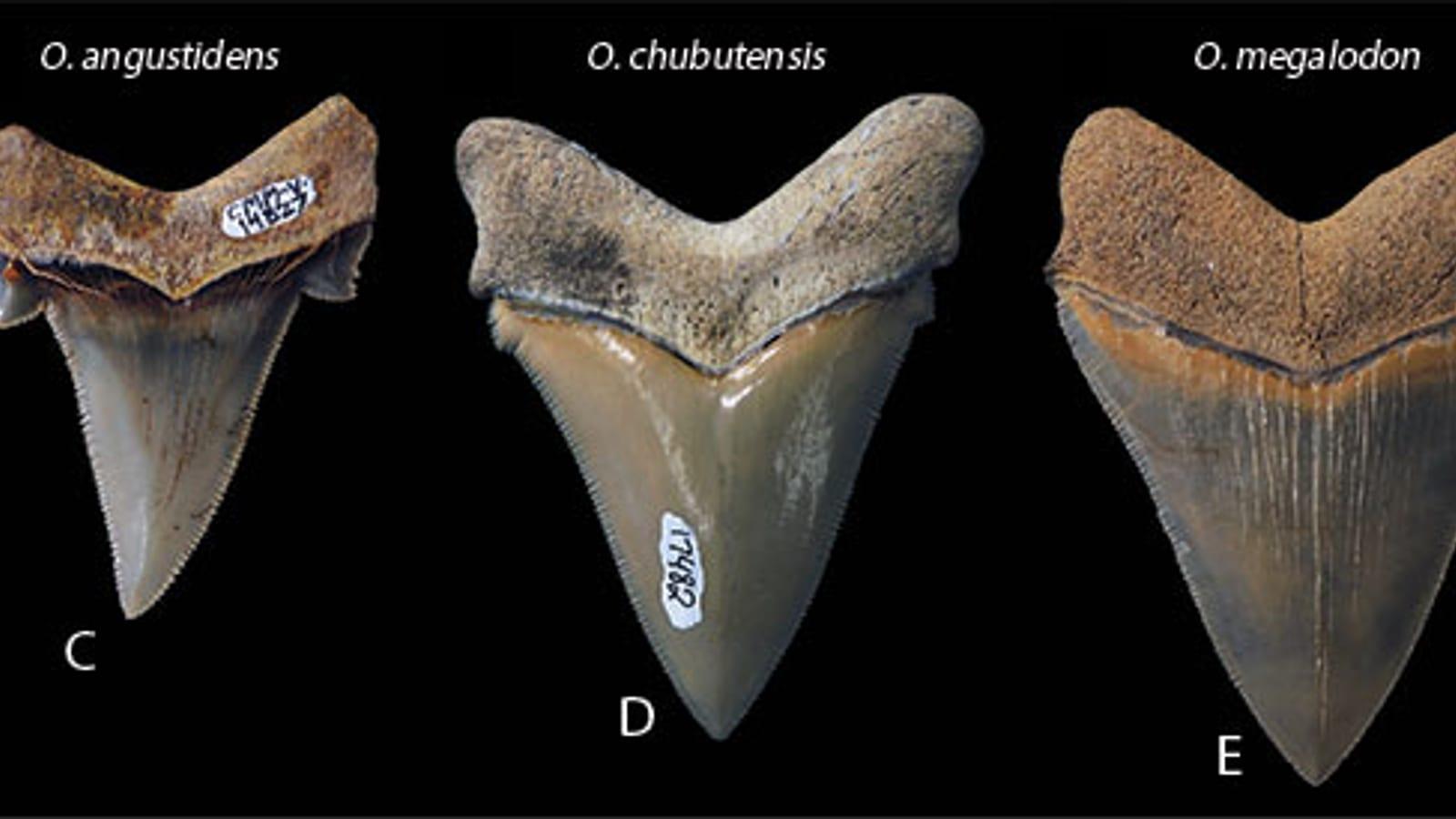
Calvert Cliffs Fossil Hunting Guide
Maryland, United States
Shark Teeth, Bivalves, Gastropods, Marine Mammals
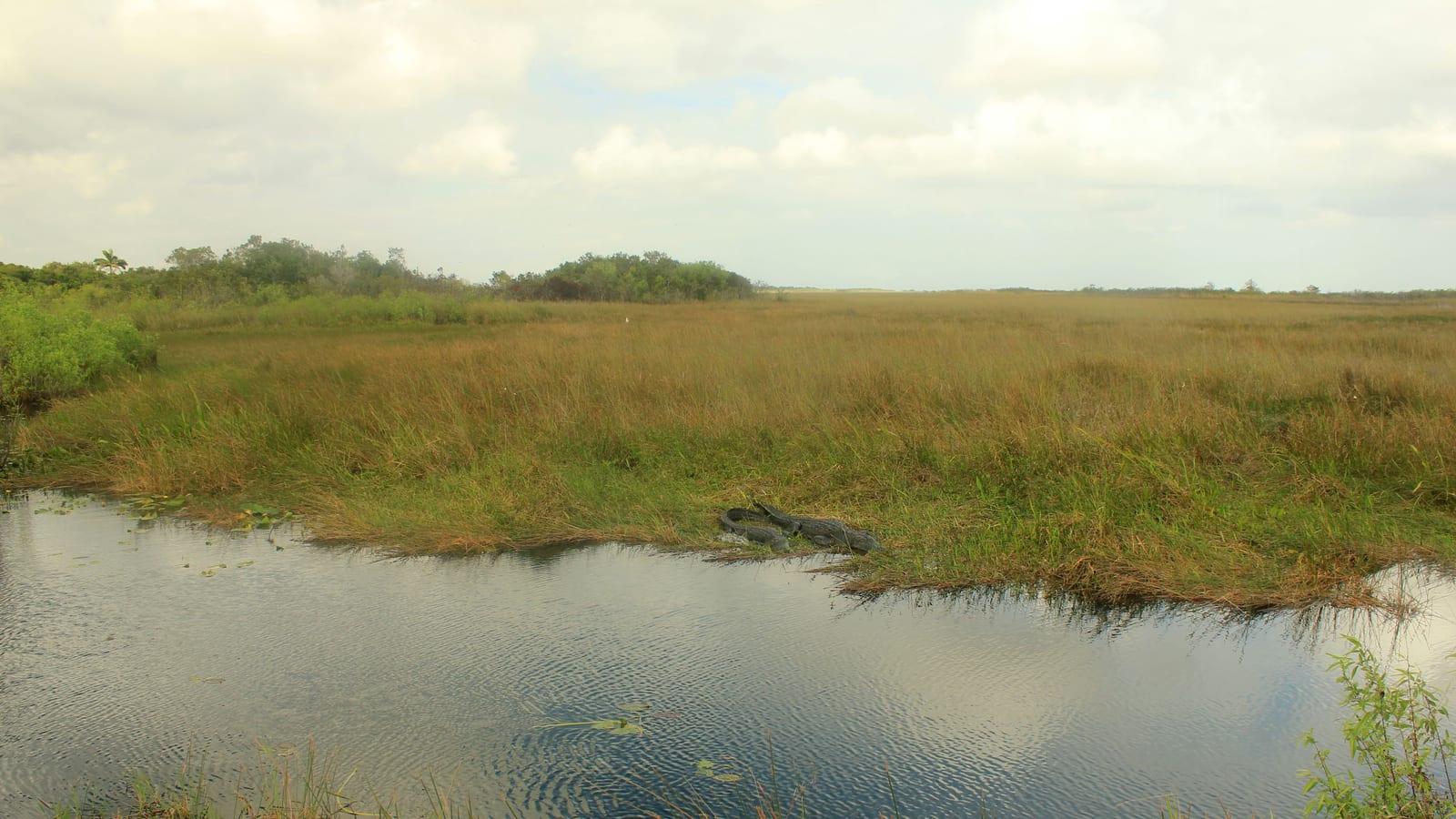
Casey Key Fossil Hunting Guide
Florida, United States
Shark Teeth, Ray Teeth, Mollusks
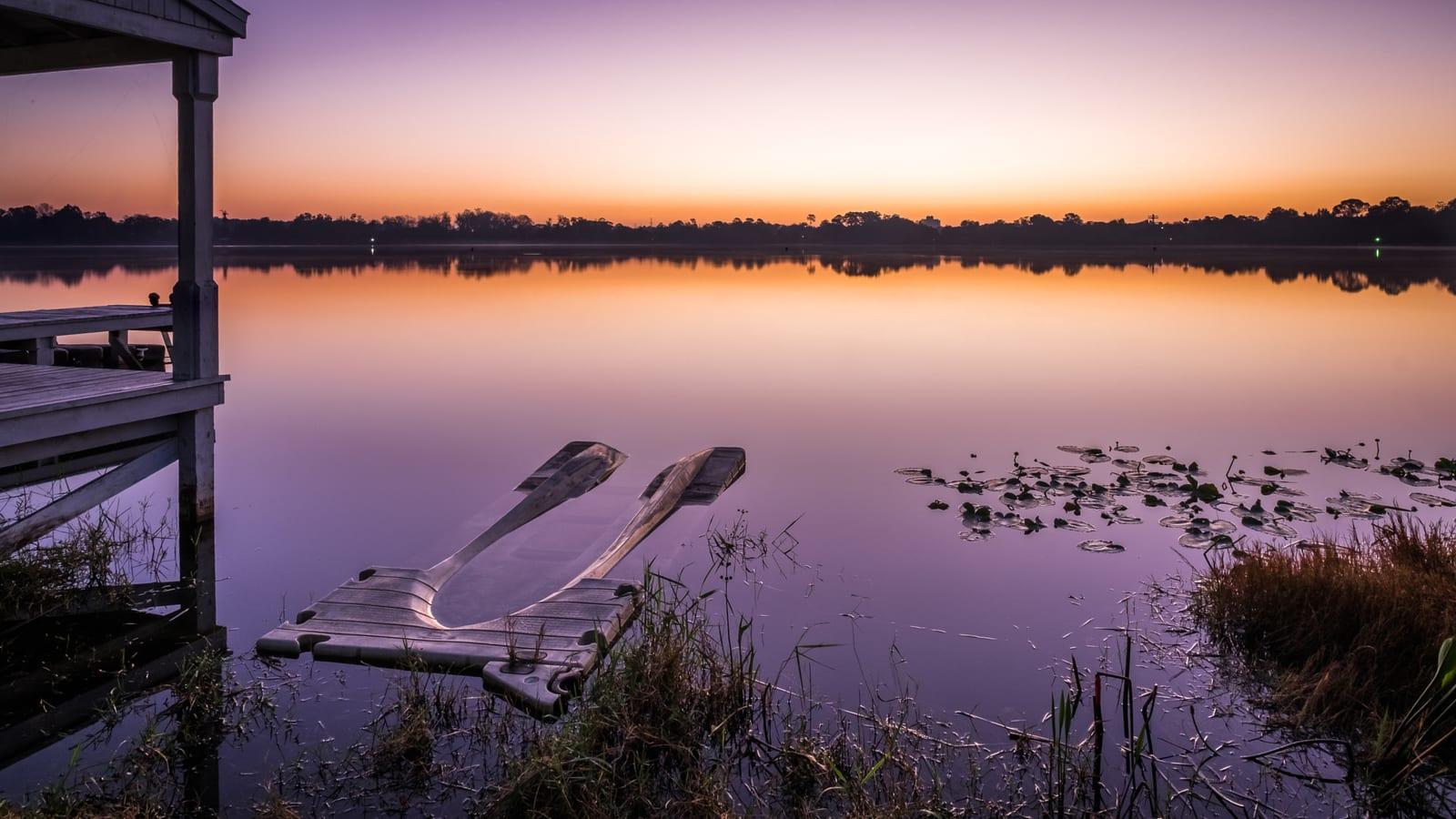
Caspersen Beach Fossil Hunting Guide
Florida, United States
Shark Teeth, Mollusks
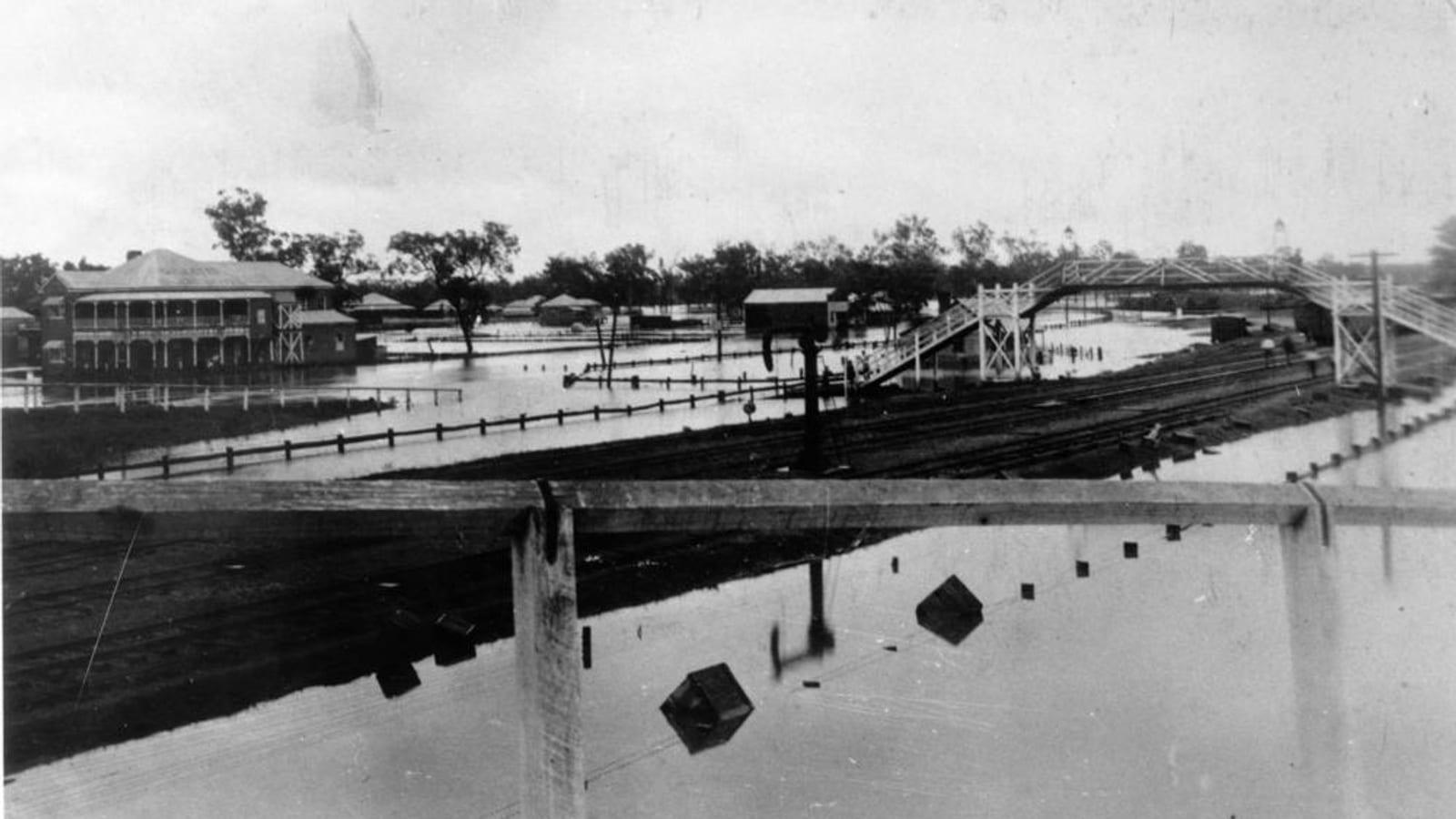
Chinchilla Fossil Museum Queensland Fossil Hunting Guide
Chinchilla
Chinchilla Sand, Varanus komodoensis, Euryzygoma dunense, Quinkana
Cooper River Dive Sites Fossil Guide
South Carolina, United States
Megalodon teeth, Shark Teeth, Mastodon, Whale bone
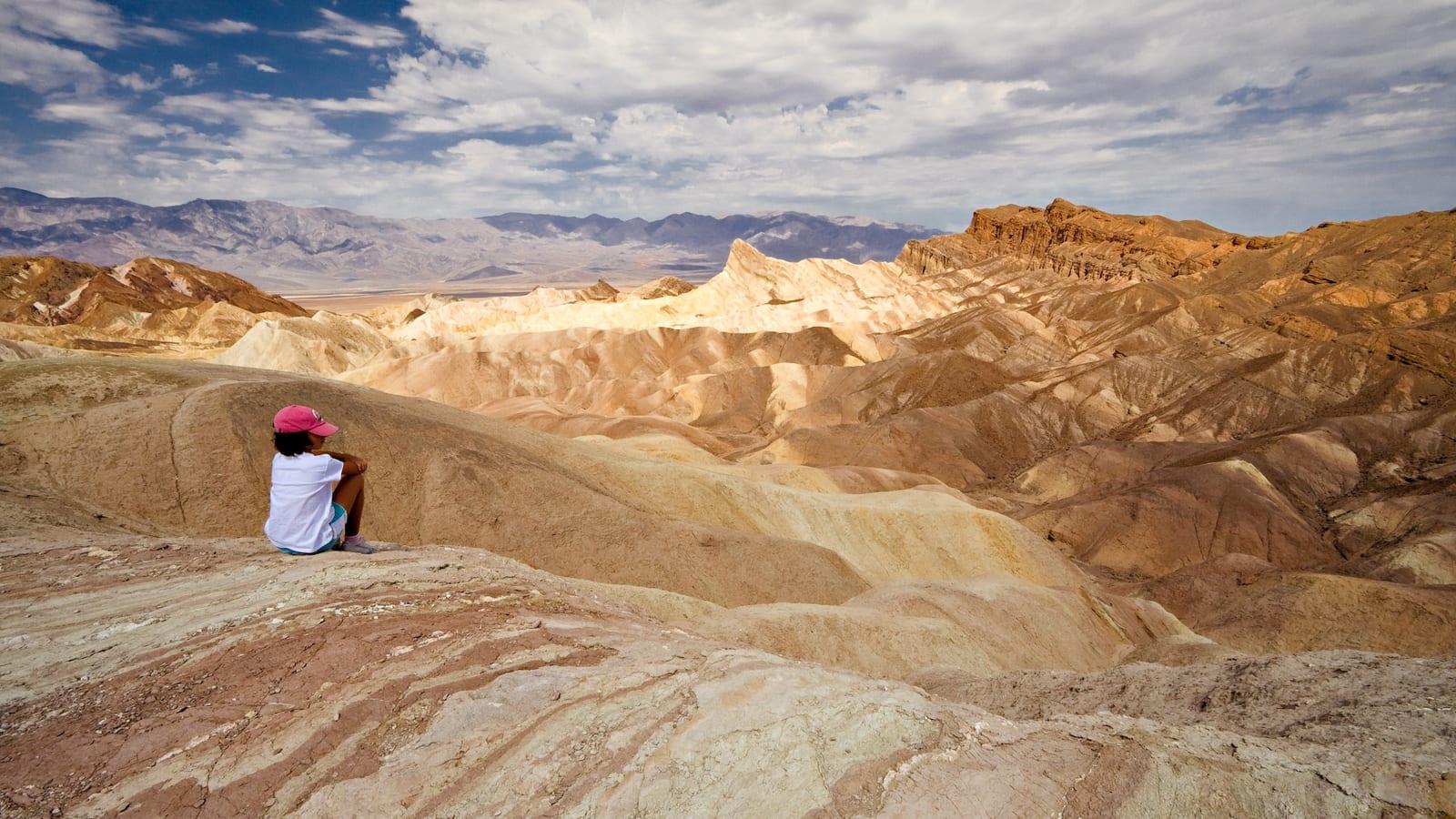
Death Valley National Park Fossil Hunting Guide
California, United States
Trackways, Trilobites, Stromatolites
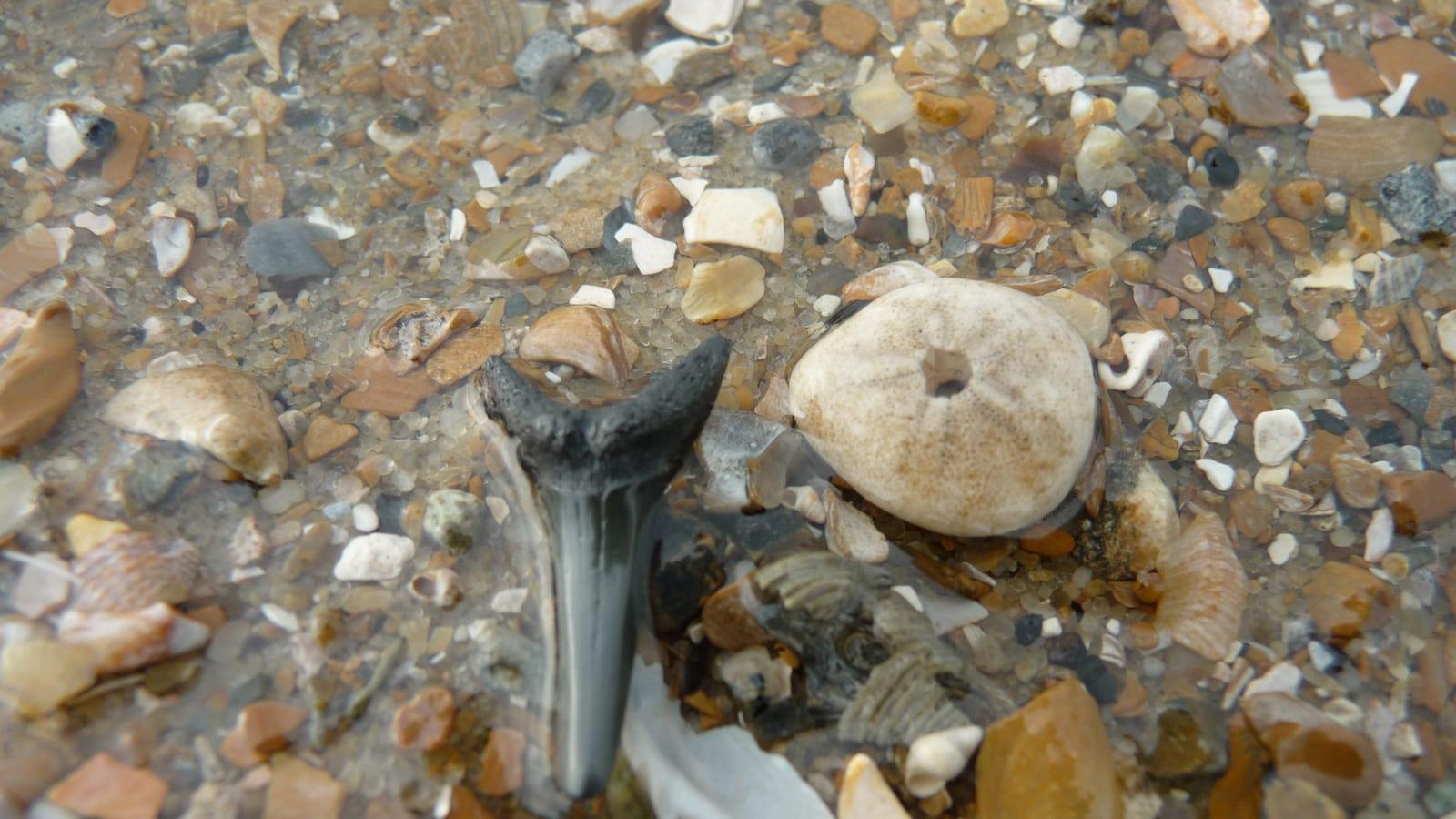
Englewood Beach Fossil Hunting Guide
Florida, United States
Shark Teeth, Ray Teeth, Mollusks
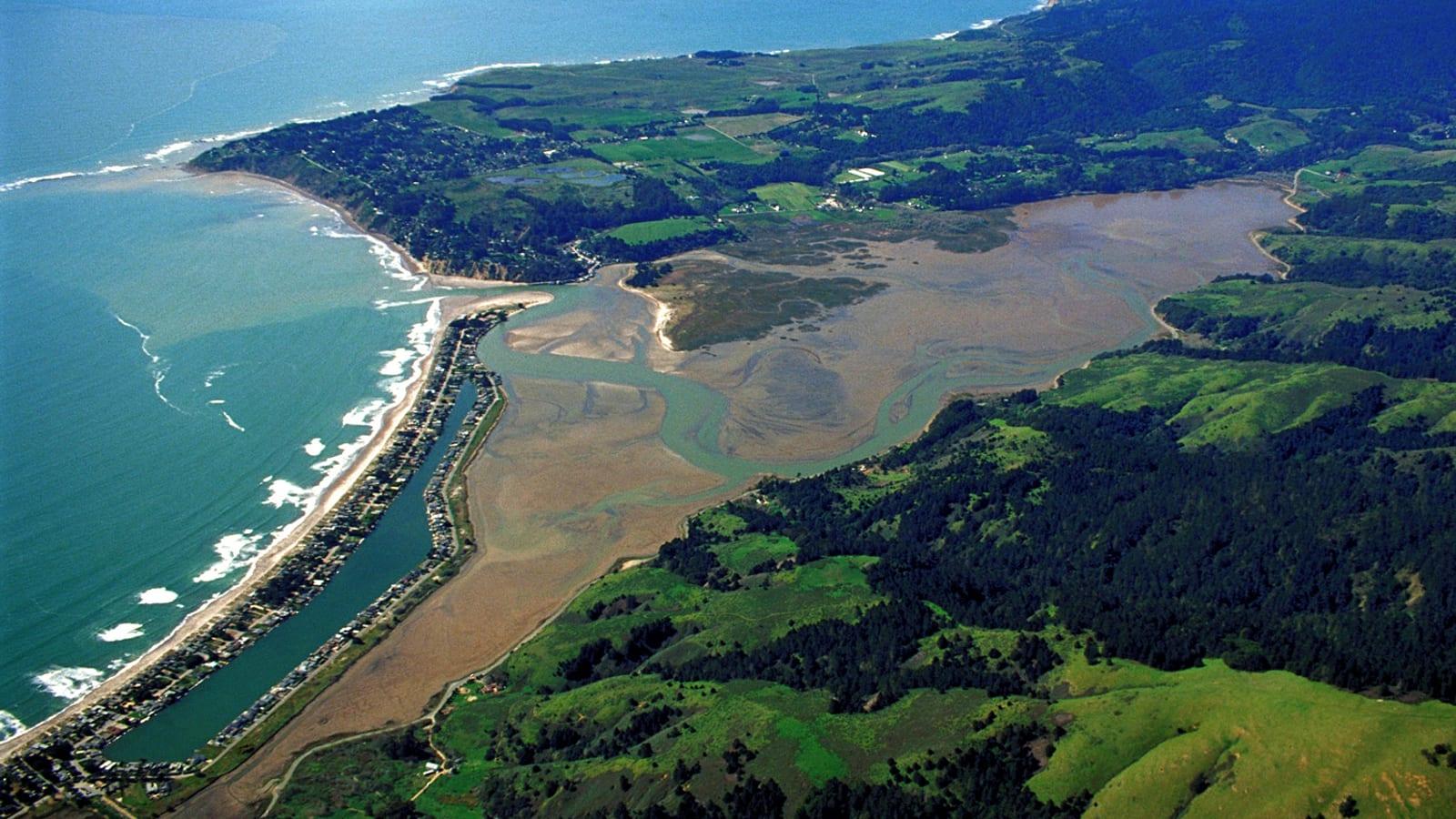
Find Fossils at Bolinas Lagoon Fossil Hunting Guide
California, United States
Fish Vertebrae, Marine Mammal Fragments, Diatoms
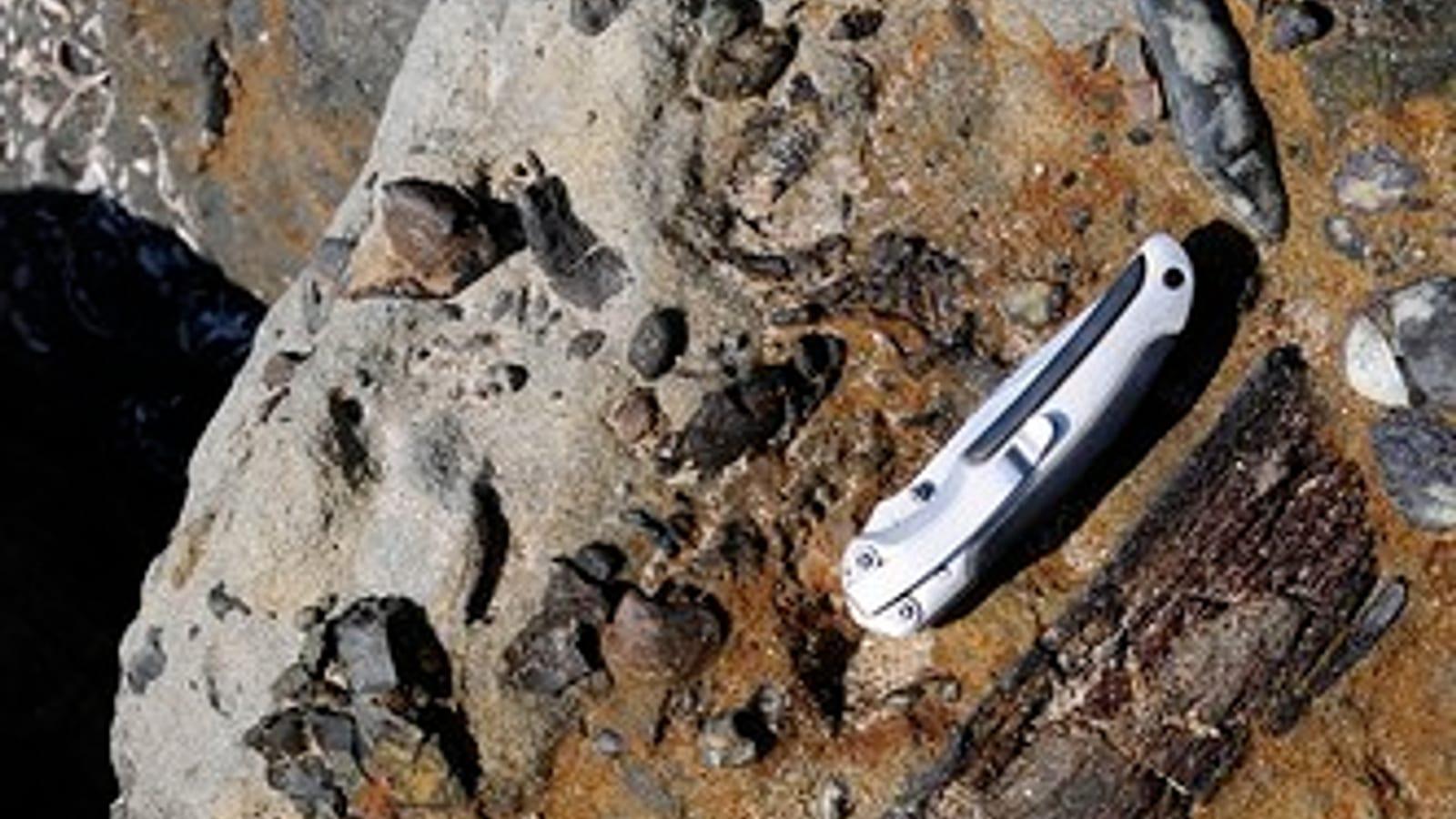
Find Fossils on Capitola Beach Fossil Hunting Guide
California, United States
Shark Teeth, Bivalves, Gastropods
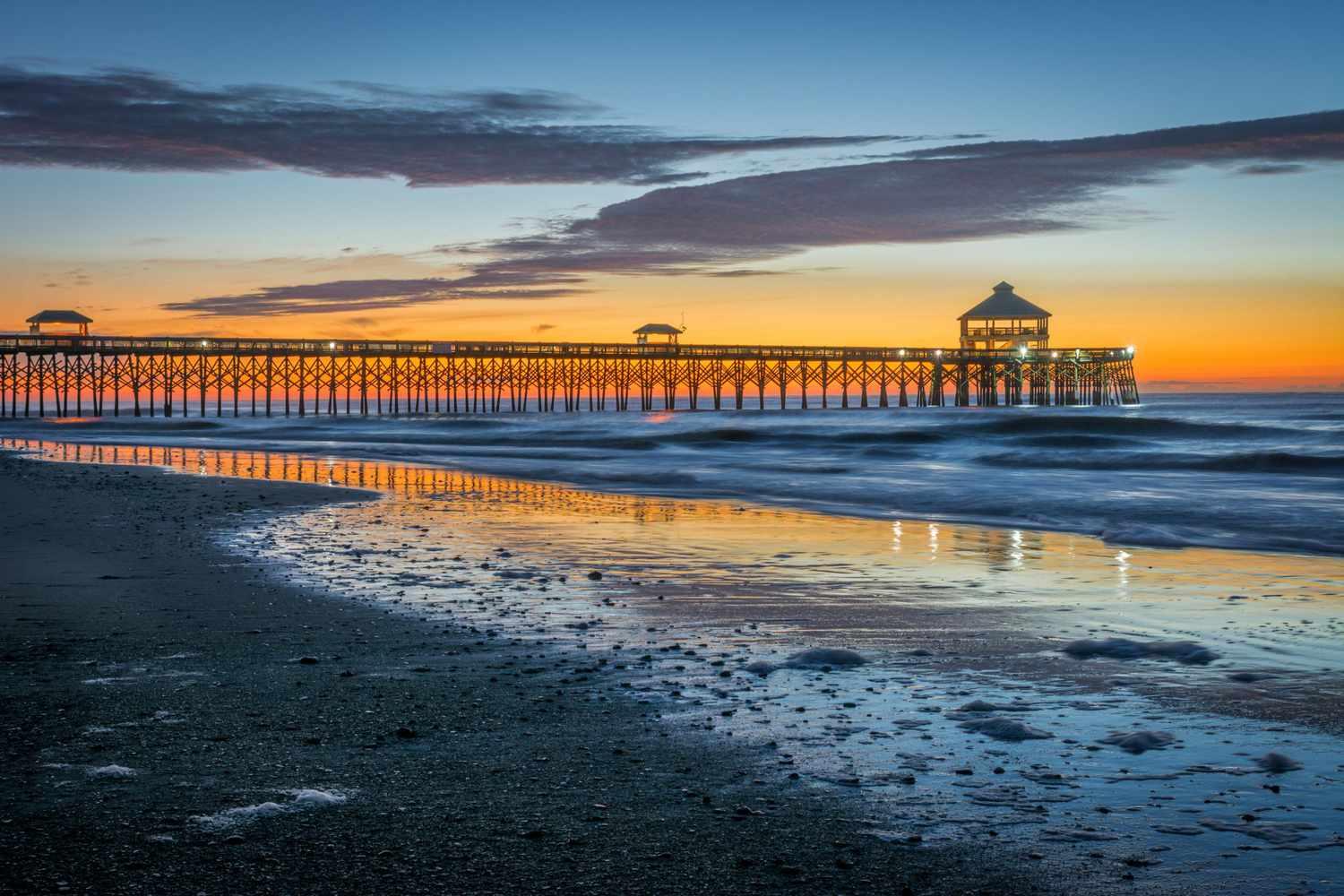
Folly Beach Fossil Hunting Guide
South Carolina, United States
Shark Teeth, Megalodon, Whale Bone, Ray dental plates
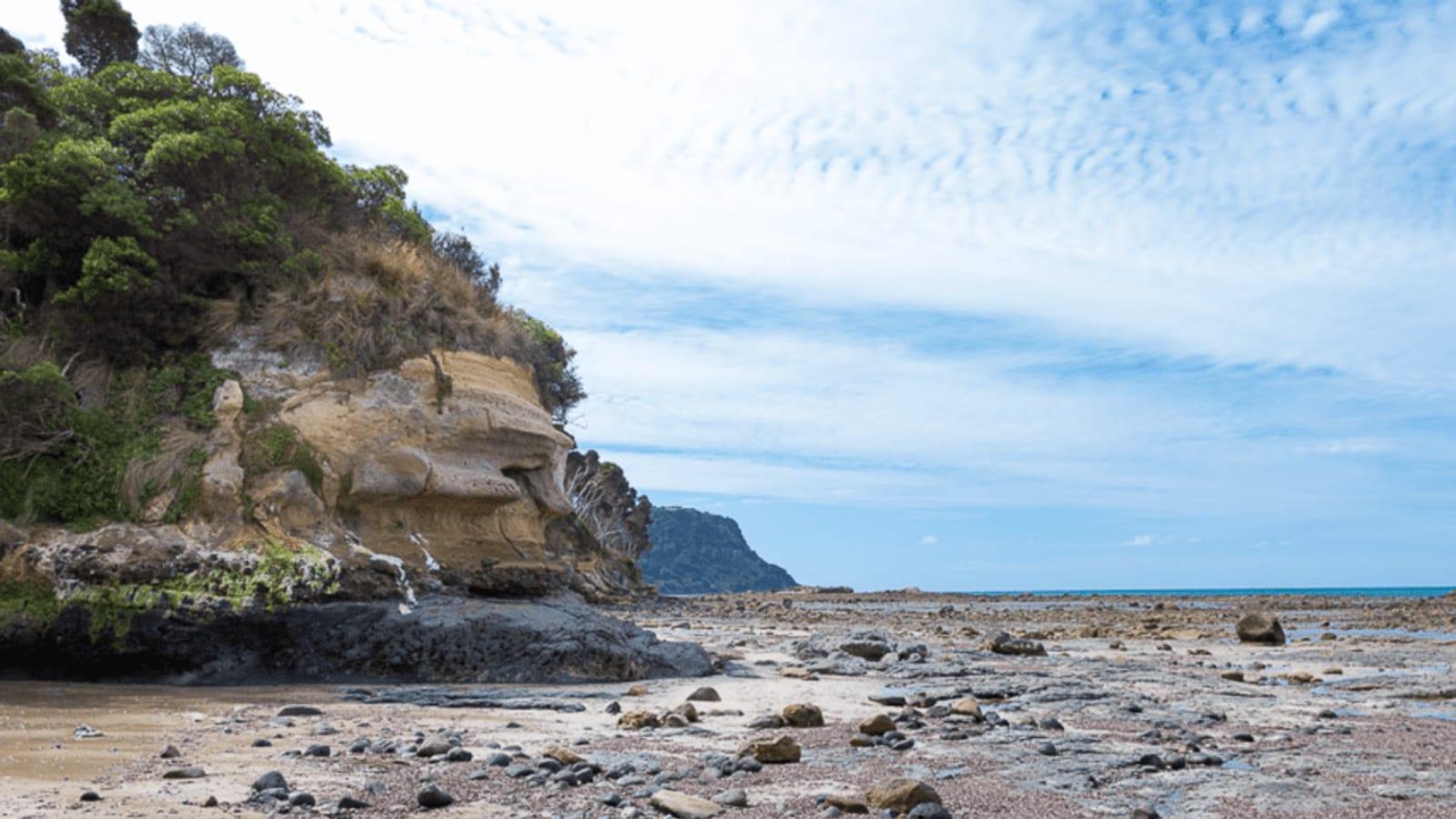
Fossil Bluff Wynyard Fossil Hunting Guide
Tasmania, Australia
Bivalves, Gastropods, Corals, Echinoids
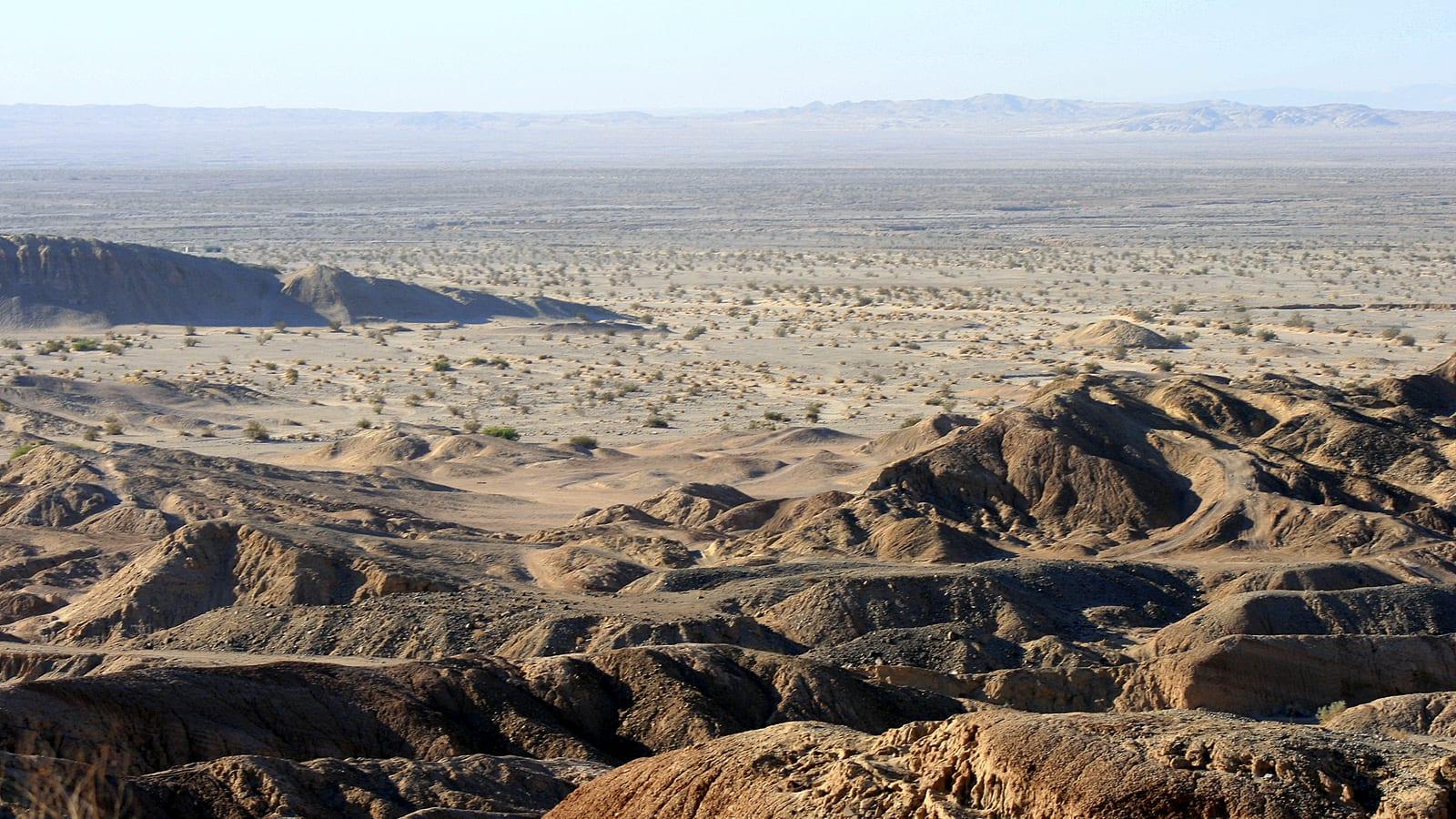
Fossil Canyon near Ocotillo Fossil Hunting Guide
Imperial County, California, United States
Corals, Bivalves, Gastropods, Echinoids
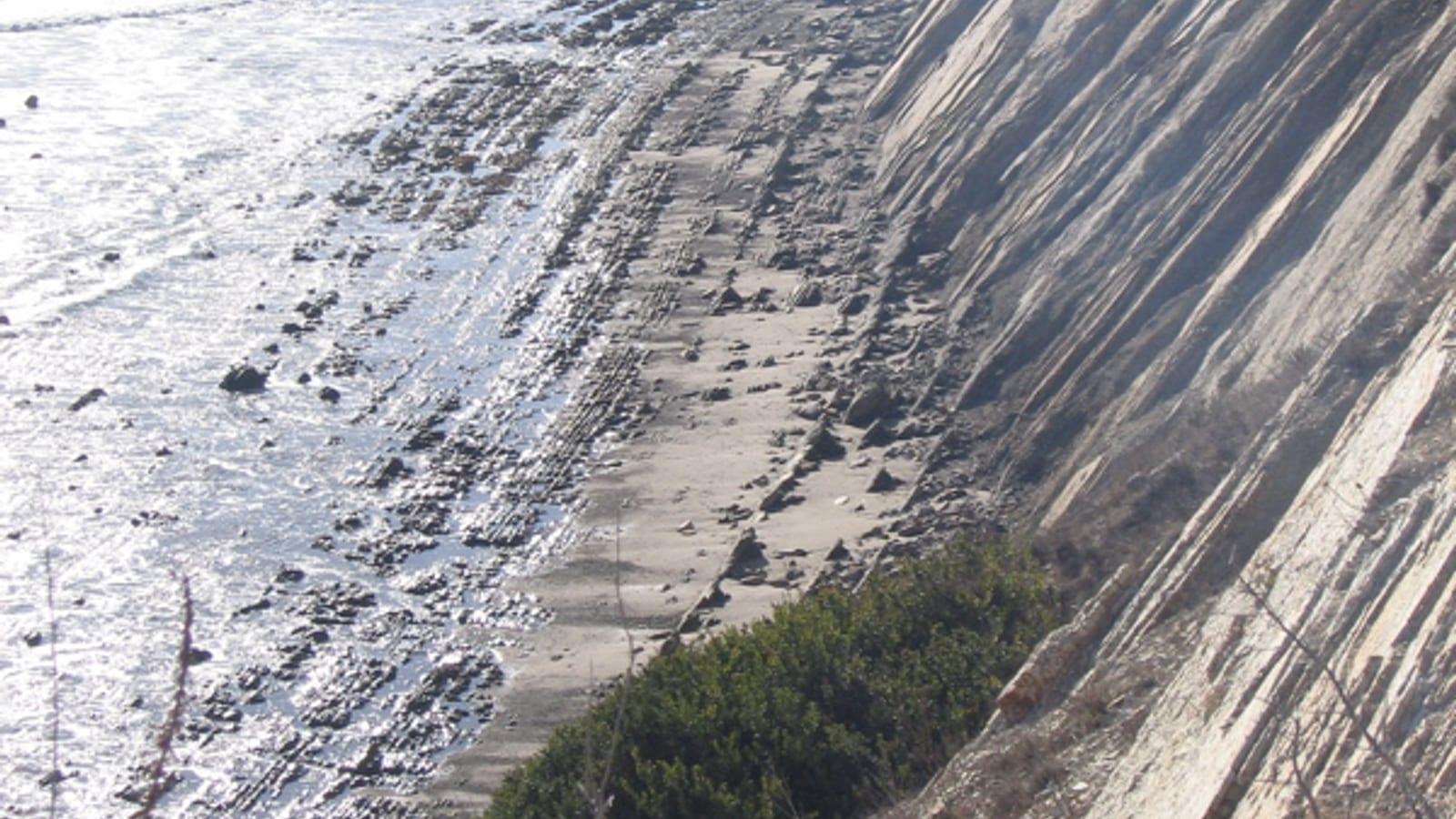
Gaviota State Beach Fossil Hunting Guide
Santa Barbara County, California, United States
Fish, Marine Mammals, Bivalves, Diatoms
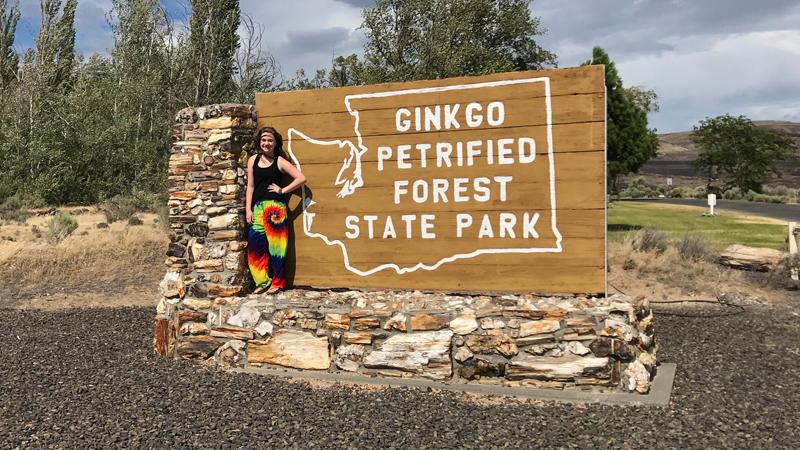
Ginkgo Petrified Forest State Park Fossil Hunting Guide
Washington, United States
Petrified wood (Ginkgo), Petrified wood (50+ species), Fossil wood (Douglas-fir-related), Fossil wood (sweetgum-related)
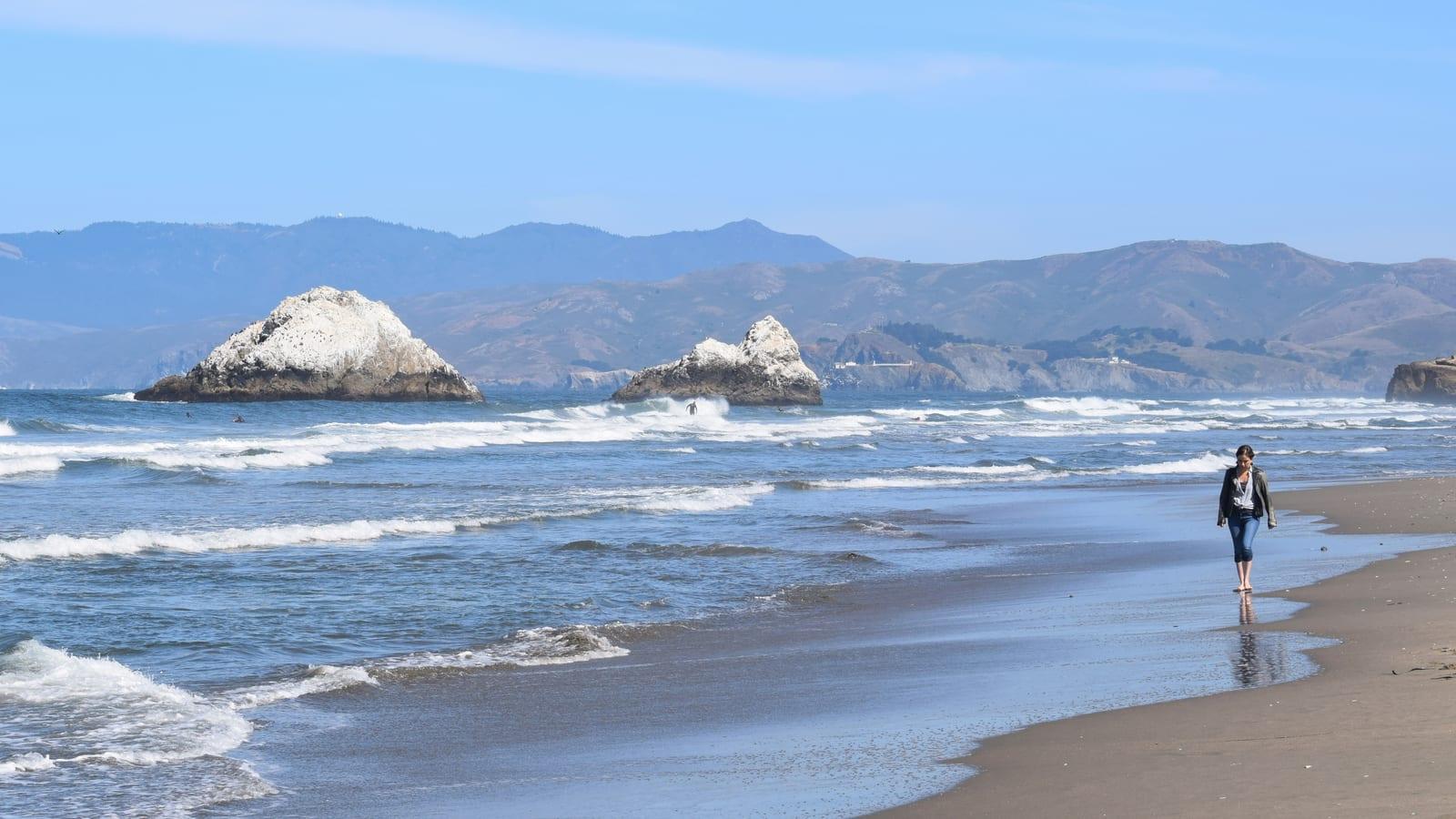
Golden Gate National Recreation Area Fossil Hunting Guide
California, United States
Radiolarians, Marine Invertebrates, Plant Fossils
Gram Clay Pit Fossil Hunting Guide
Denmark
Shark Teeth, Megalodon
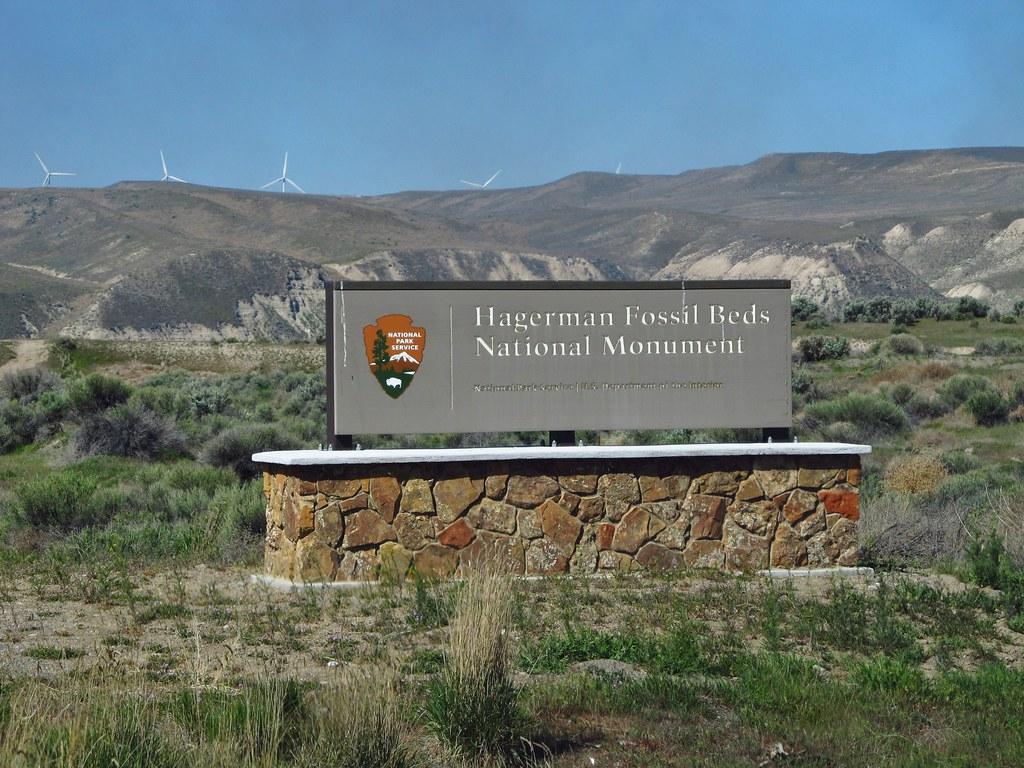
Hagerman Fossil Beds National Monument Fossil Hunting Guide
Idaho, United States
Hagerman horse (Equus simplicidens), Mastodons, Camels, Sabertooth cats
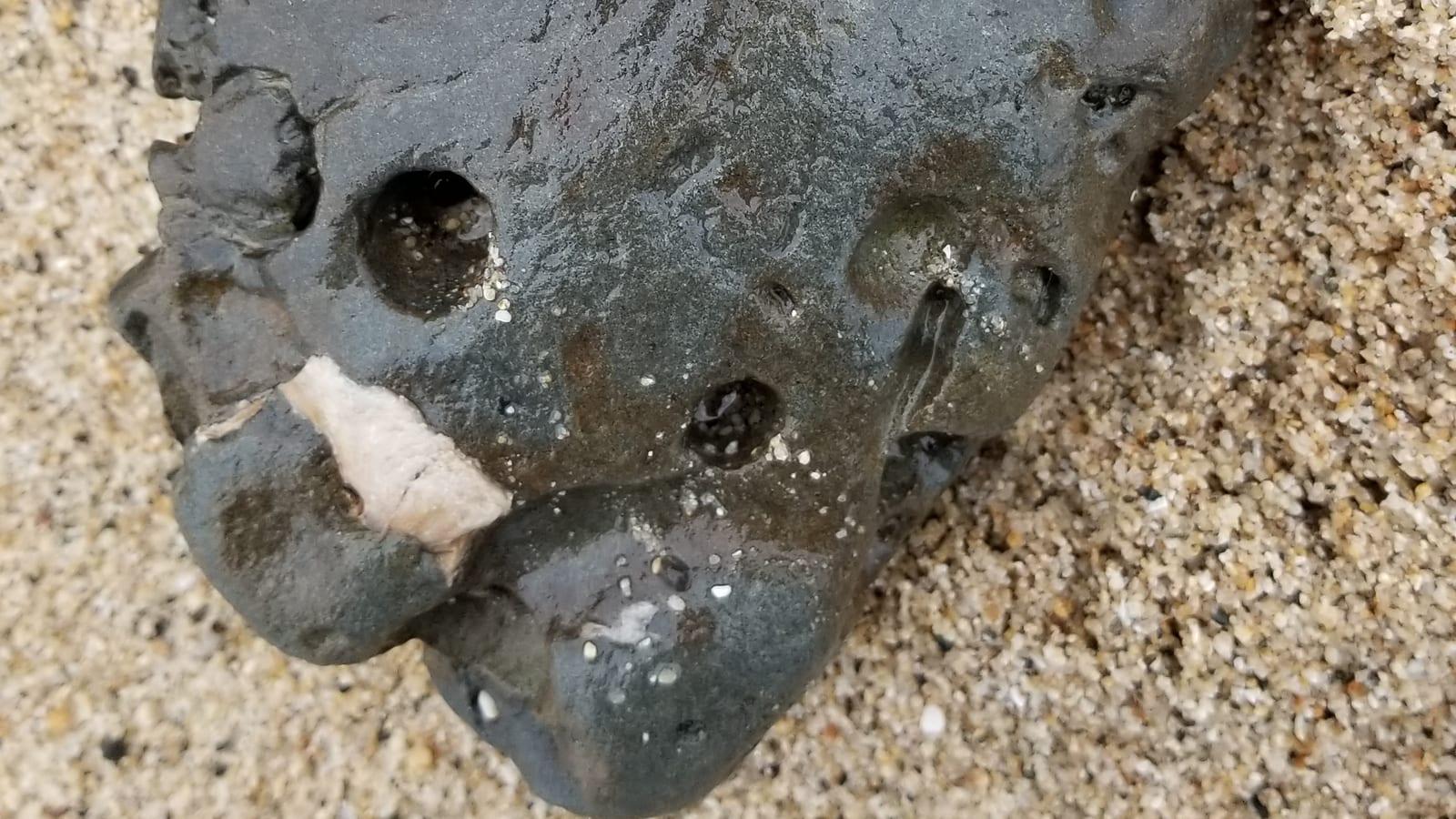
Half Moon Bay Fossil Hunting Guide
San Mateo County, California, United States
Bivalves, Sand Dollars, Shark Teeth, Marine Mammals
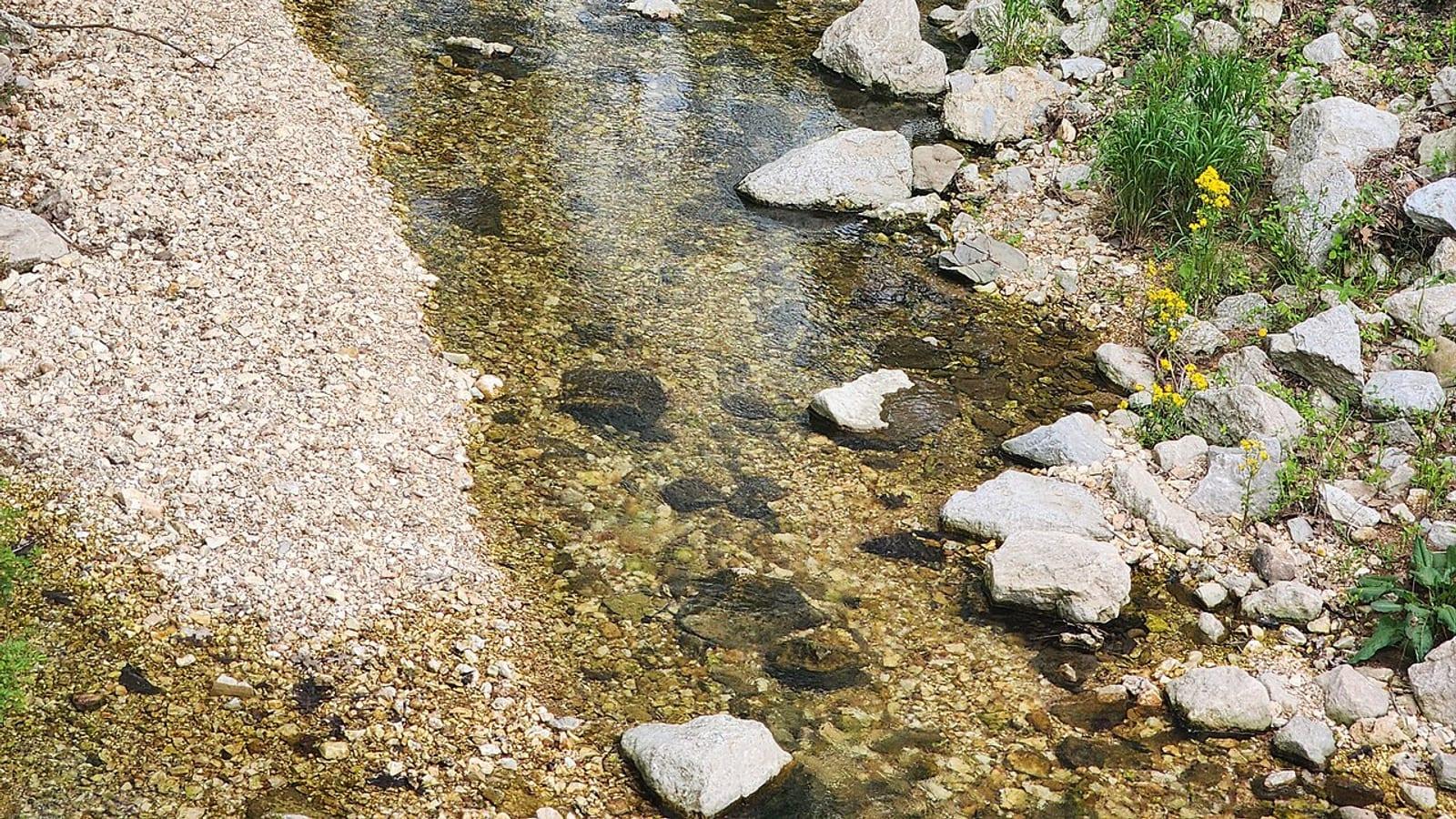
Hamilton Grange Burn Fossil Hunting Guide
Australia
Macropodids, Diprotodontids, Phalangerids
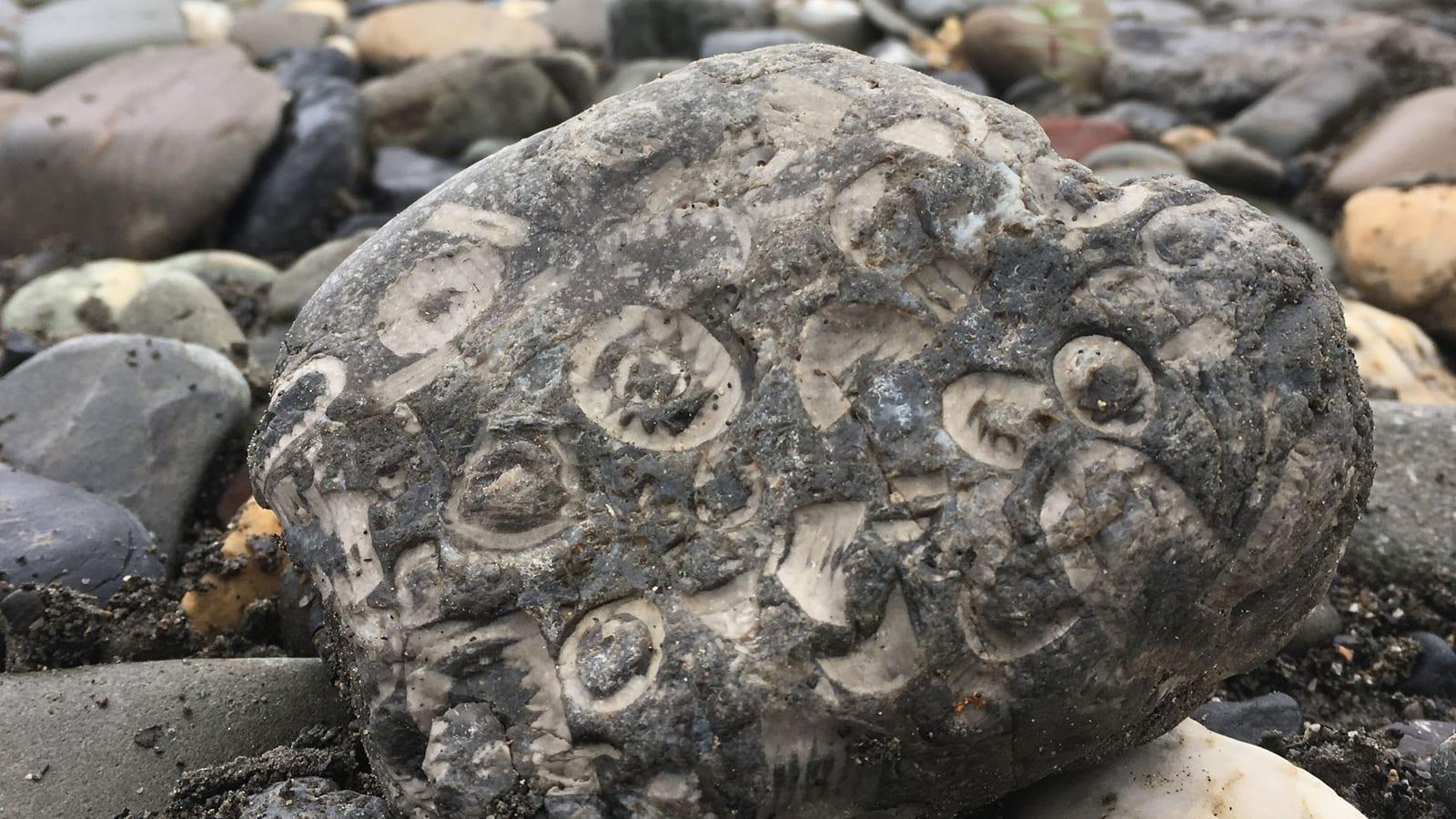
Homer, Alaska Coast Fossil Hunting Guide
Kenai Peninsula, Alaska, United States
Plants, Petrified Wood, Bivalves
Jacalitos Creek Fossil Hunting Guide
Fresno County, California, United States
Bivalves, Gastropods, Echinoids, Barnacles
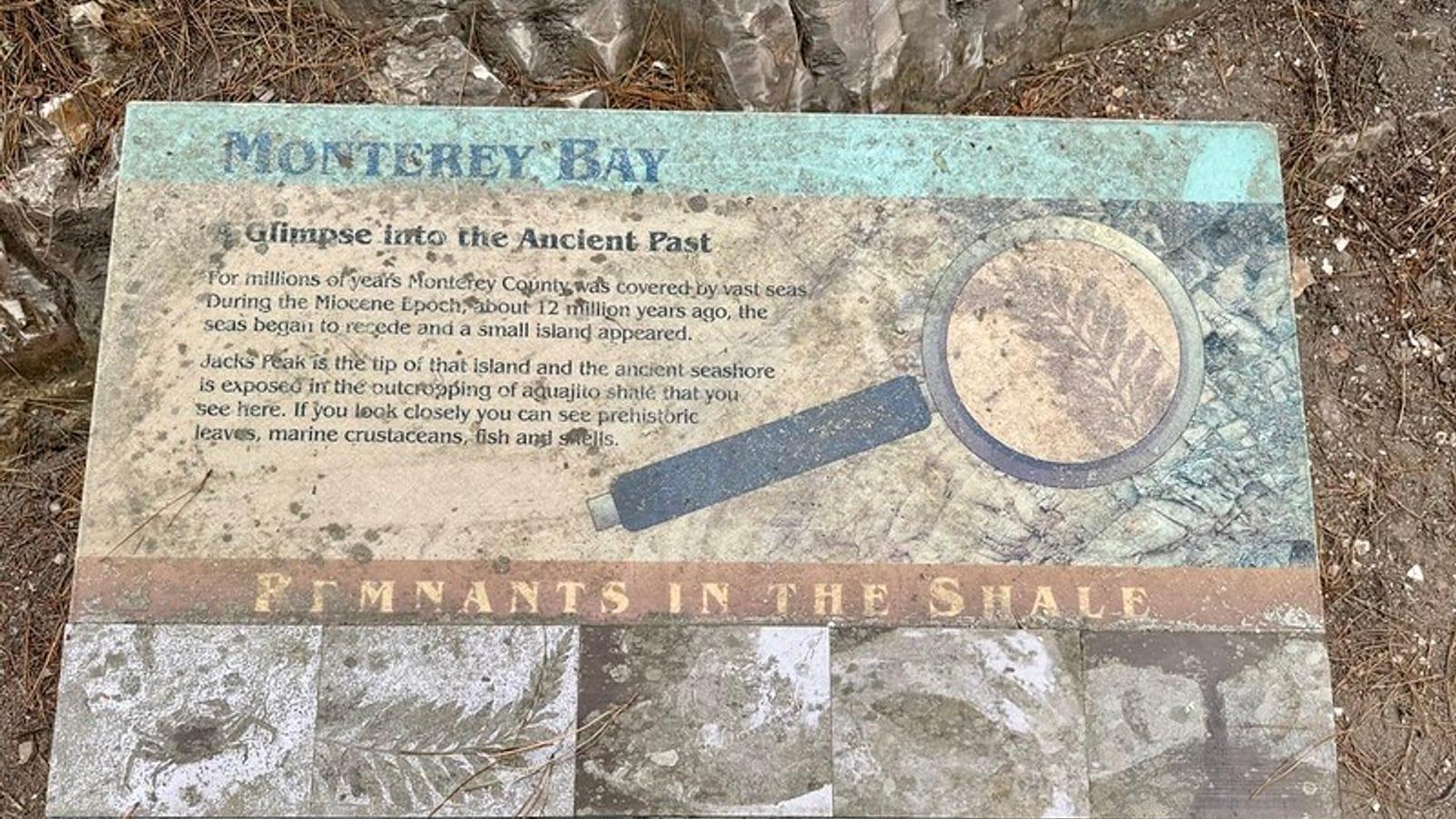
Jacks Peak County Park Fossil Hunting Guide
California, United States
Leaf impressions, Marine shells, Diatoms, Foraminifera
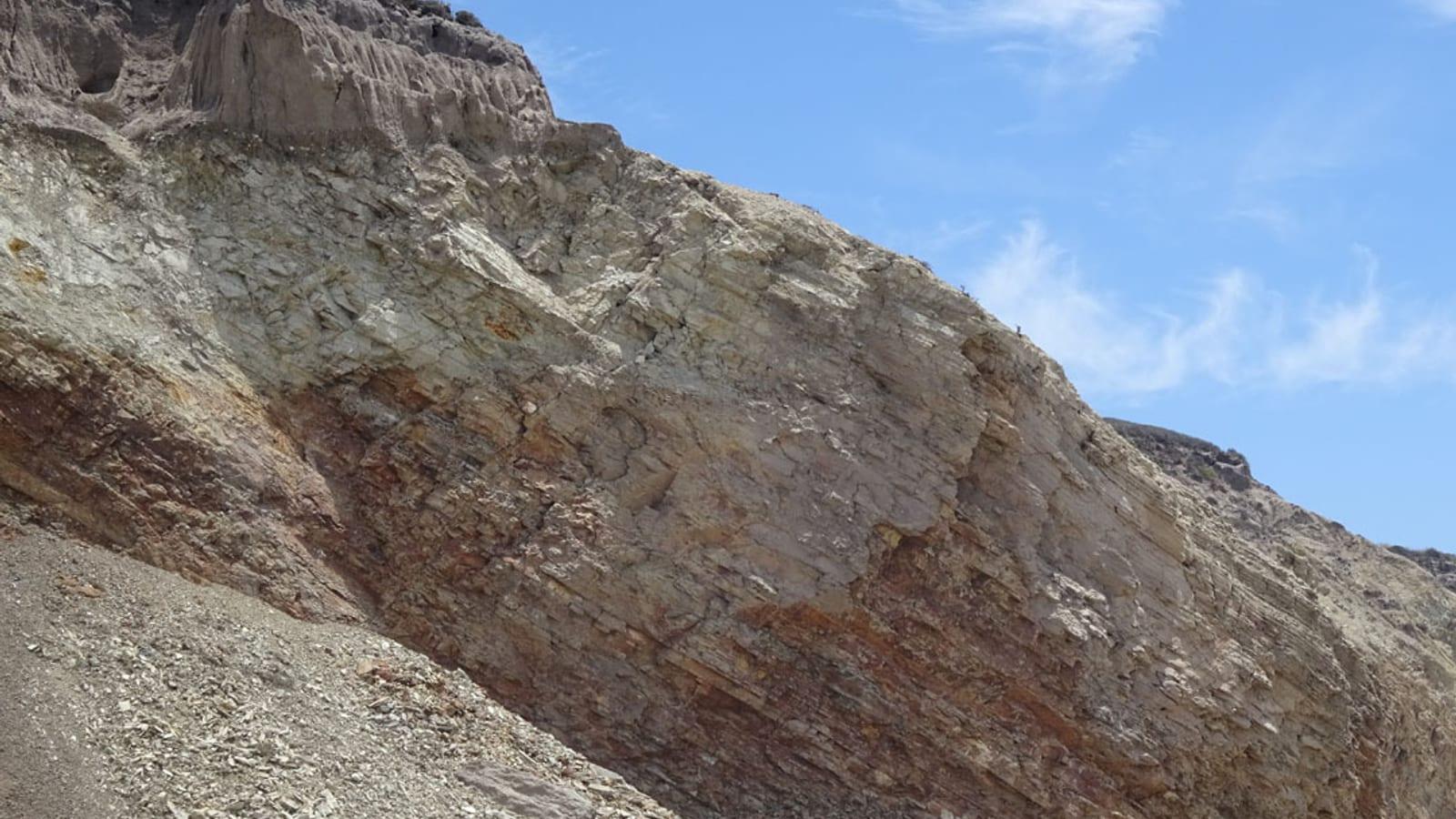
Jalama Beach Fossil Hunting Guide
California, United States
N/A
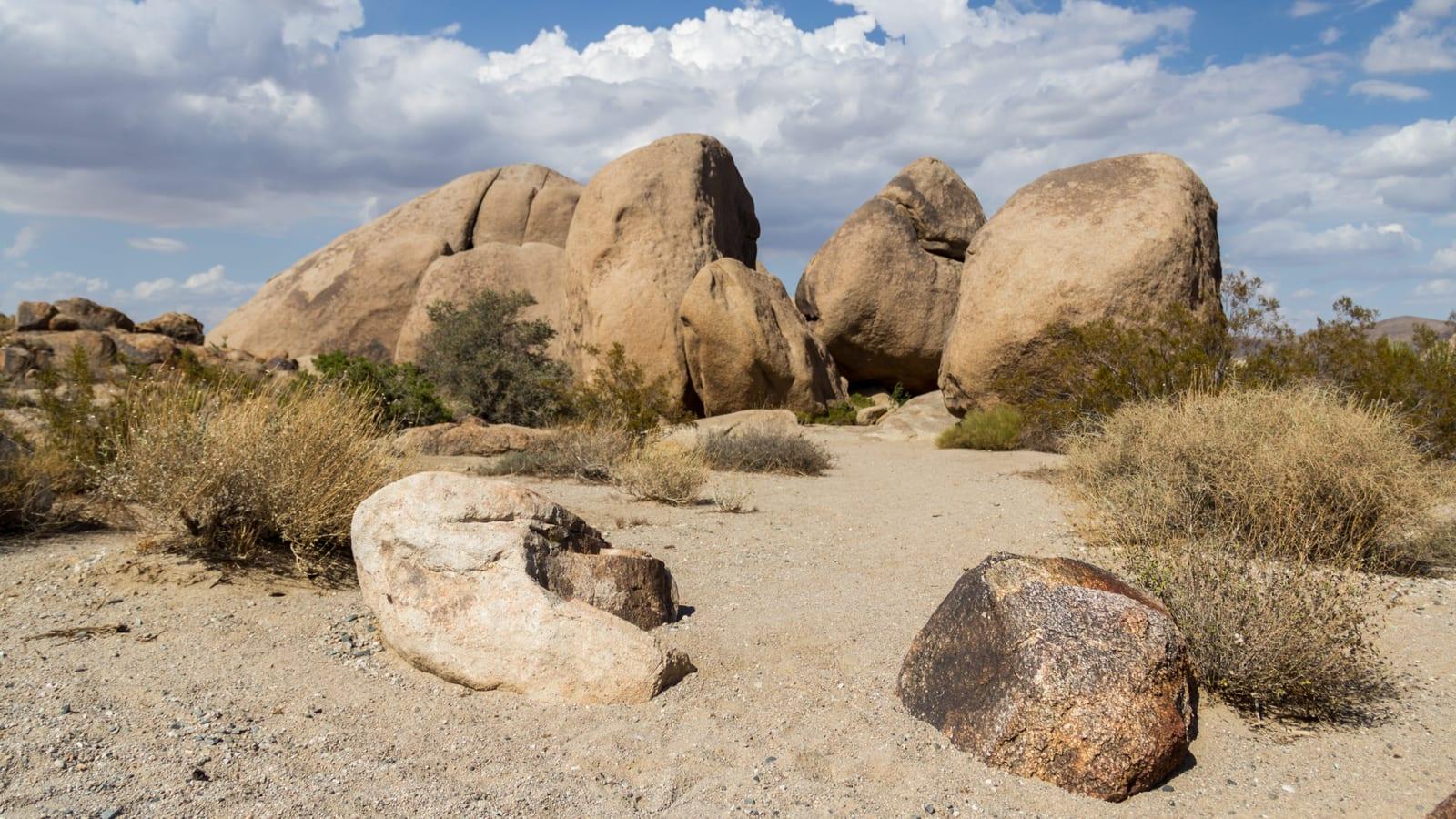
Joshua Tree National Park Fossil Hunting Guide
California, United States
Echinoids, Plant Fossils, Mollusks
Marine Fossils near Coalinga Fossil Hunting Guide
Fresno County, California, United States
Sand Dollars, Bivalves, Gastropods, Corals
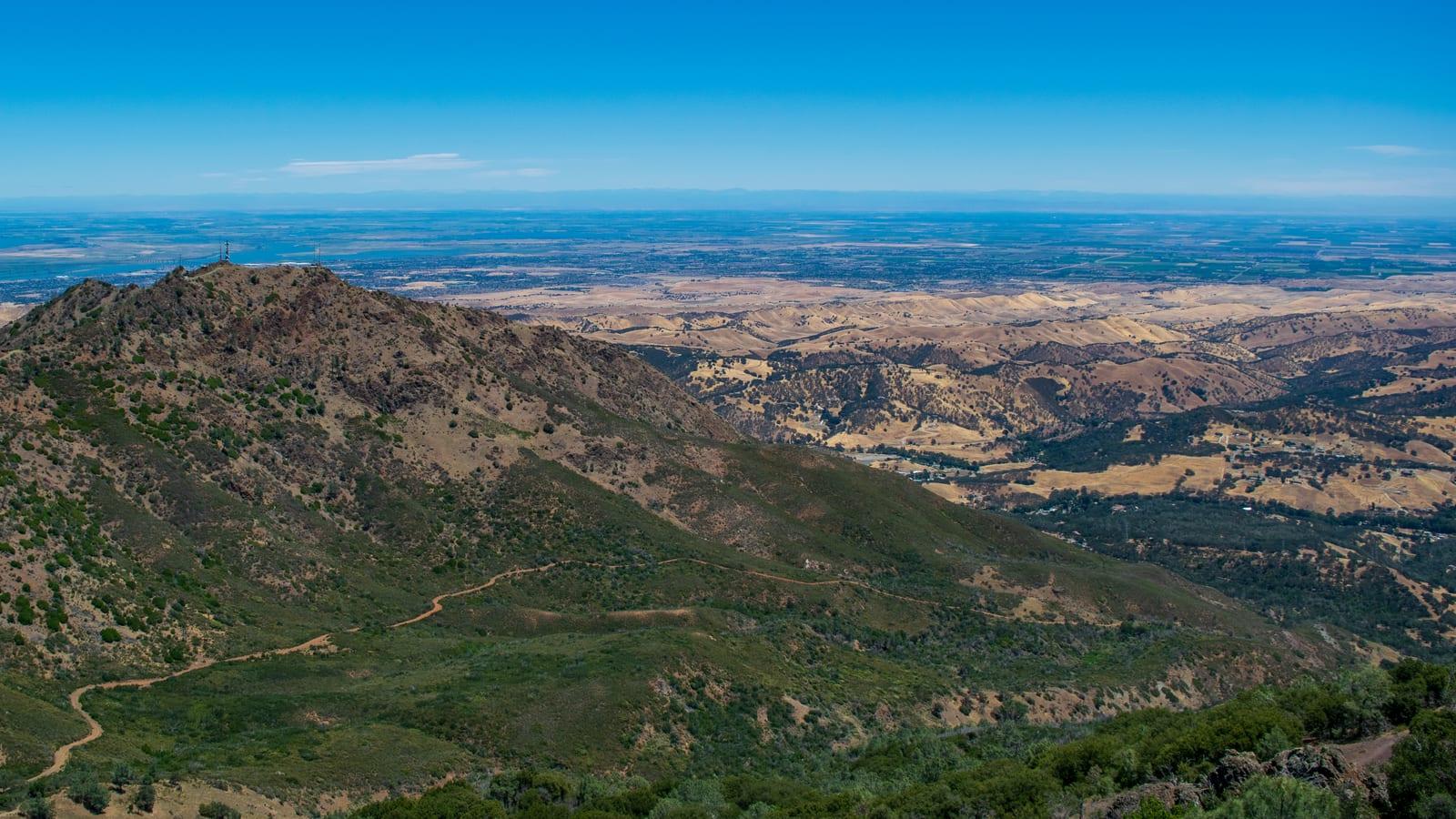
Mt. Diablo Fossil Hunting Guide
California, United States
Clams, Pectens, Other shallow-marine invertebrates
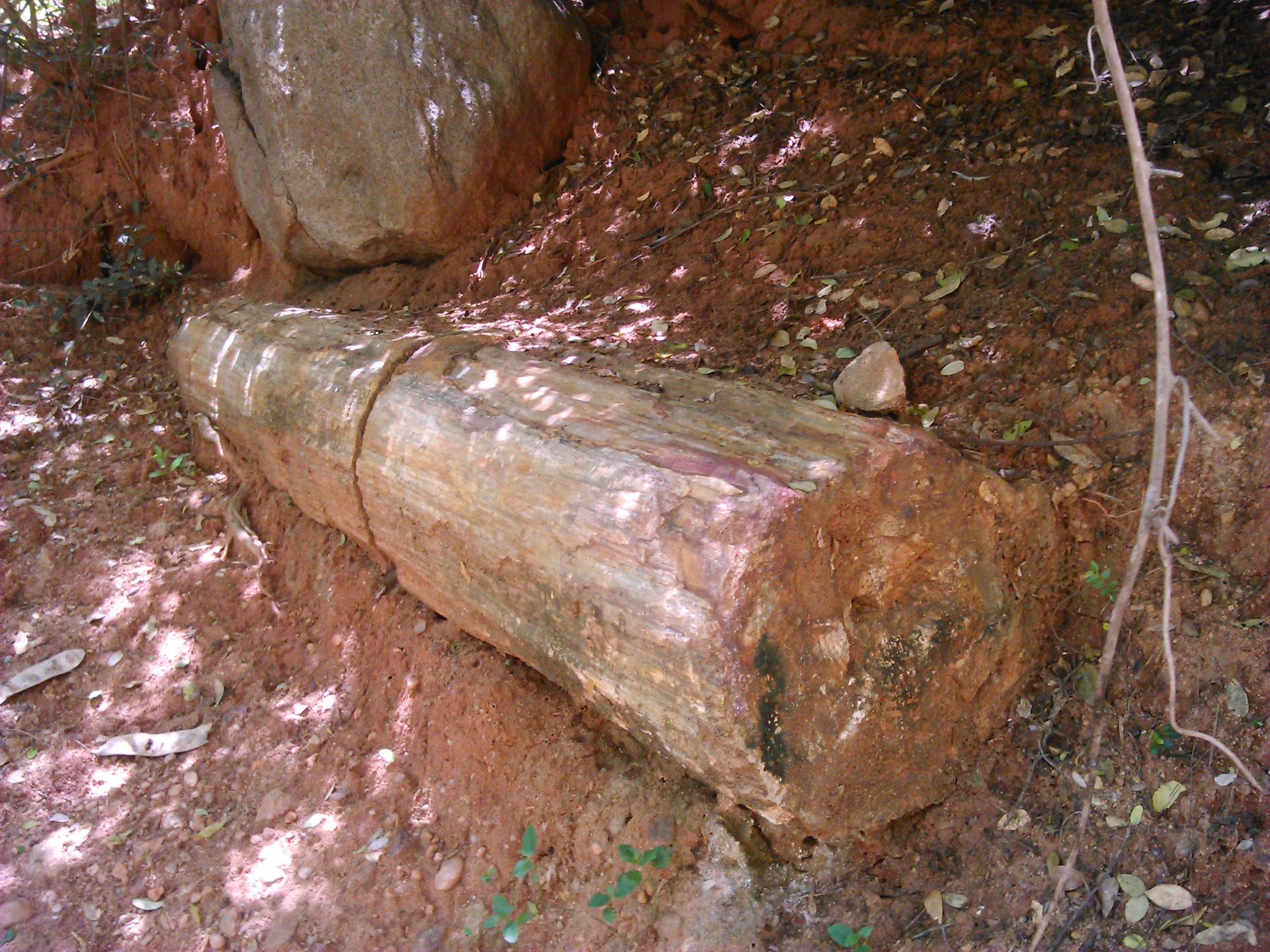
National Fossil Wood Park at Tiruvakkarai Fossil Hunting Guide
Tamil Nadu, India
Petrified Wood, Plants
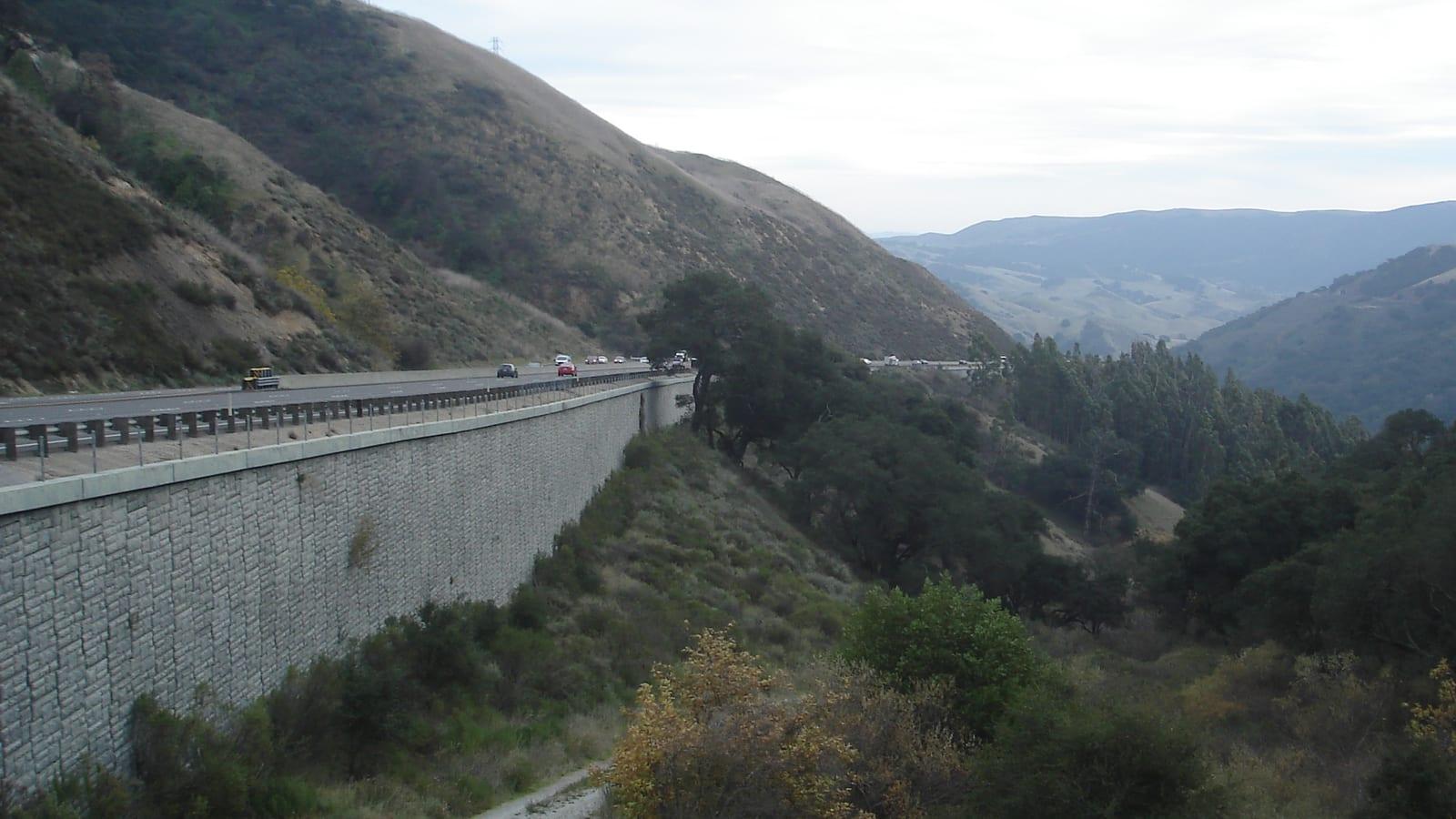
Oyster Fossils at Santa Margarita Ranch, San Luis Obispo County
California, United States
Oysters (Crassostrea titan), Bivalves, Sand dollars (Astrodapsis), Echinoids
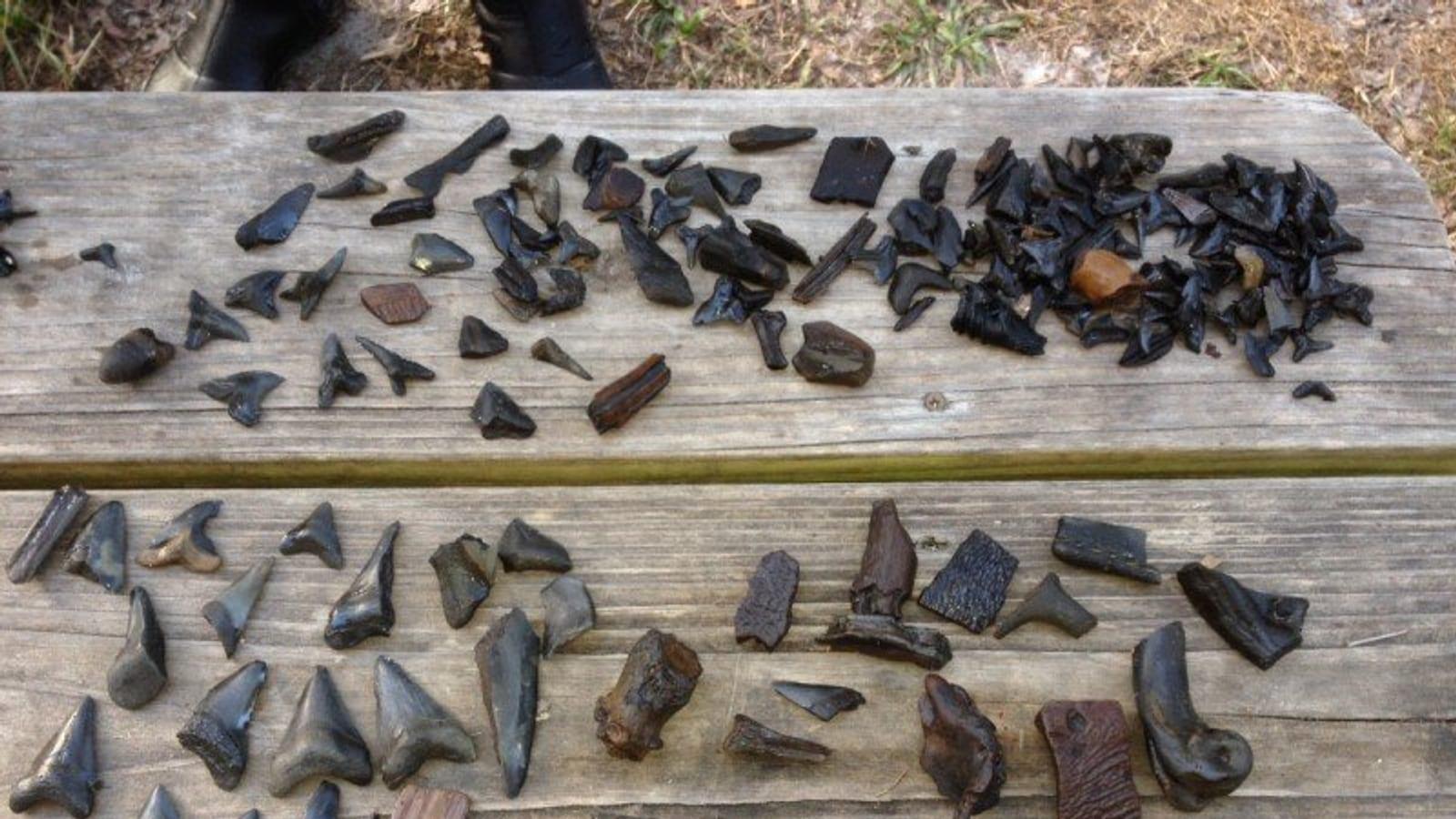
Peace River Fossil Hunting Guide
Florida, United States
Shark Teeth, Ray Teeth, Megalodon, Mammoth
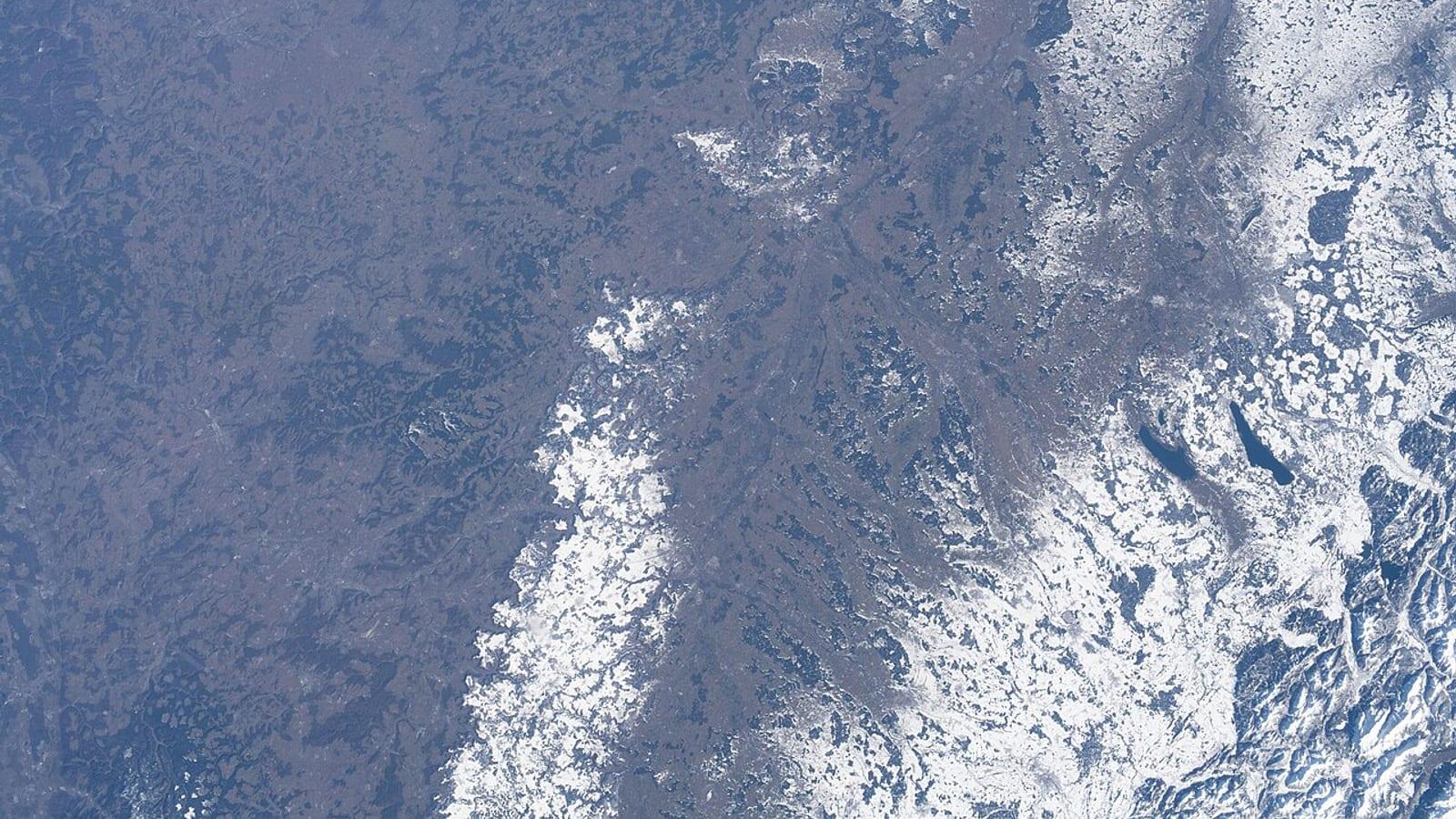
Ries Crater Nordlingen Meteorite Impact Geopark Fossil Hunting Guide
86720 Nördlingen
suevite impact breccia
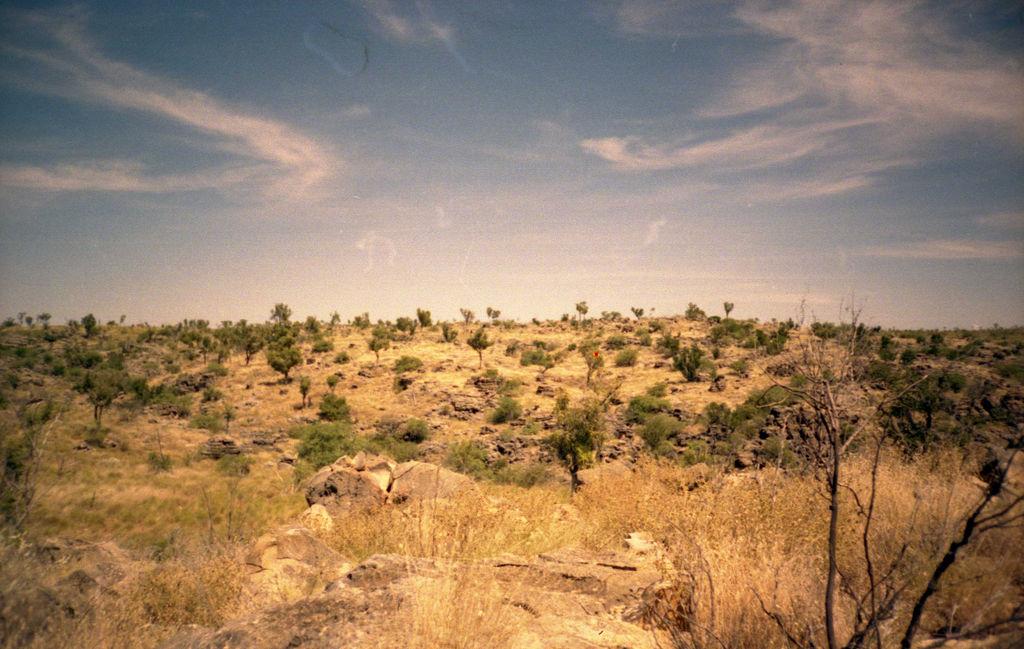
Riversleigh World Heritage Area Fossil Hunting Guide
Queensland, Australia
Marsupial lions (Wakaleo, Priscileo), Carnivorous kangaroos (Ekaltadeta), Toothed platypus (Obdurodon), Diprotodontids
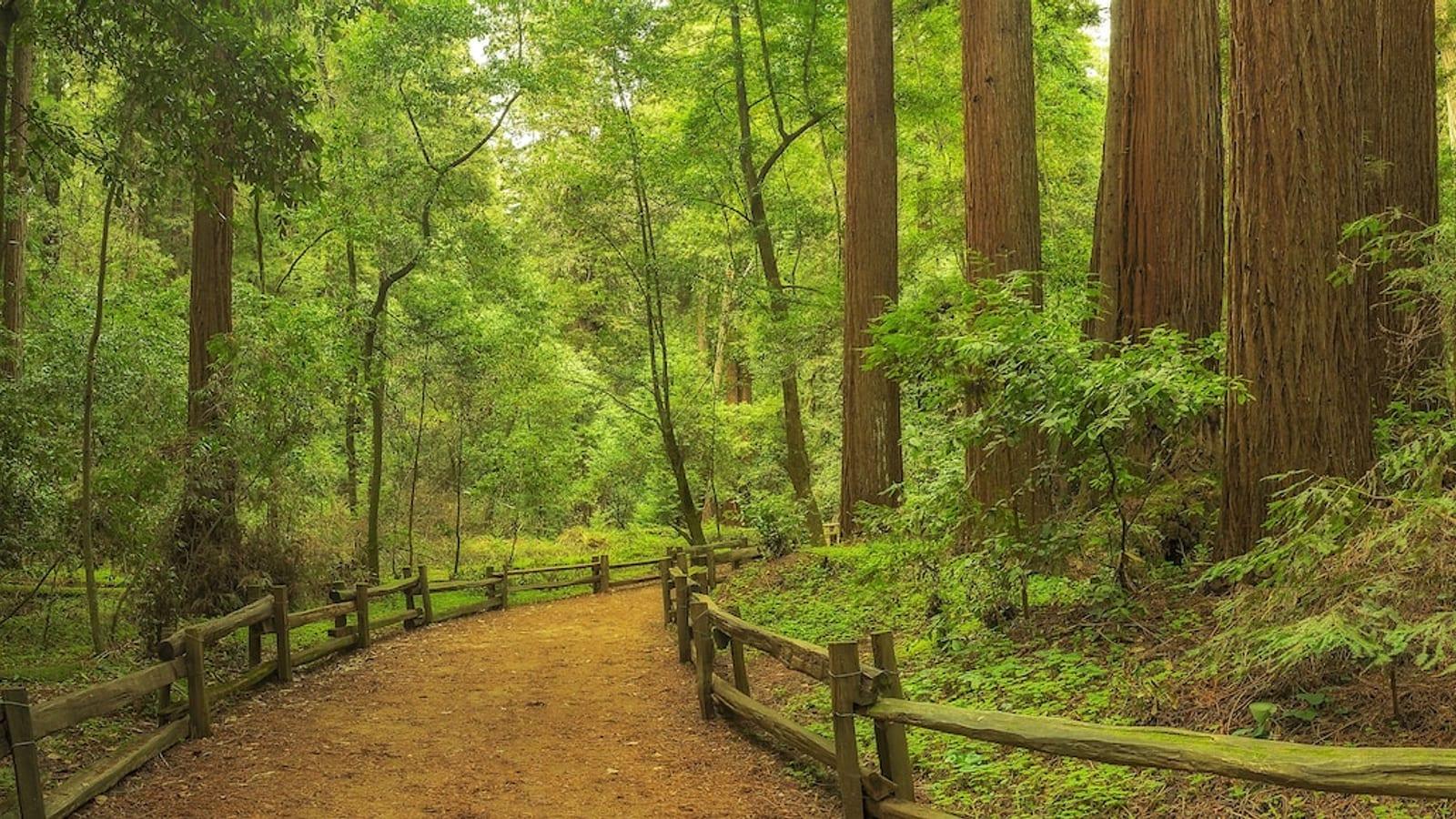
Scotts Valley Fossil Hunting Guide
Santa Cruz County, California, United States
Shark Teeth, Sand Dollars, Bivalves, Marine Mammals
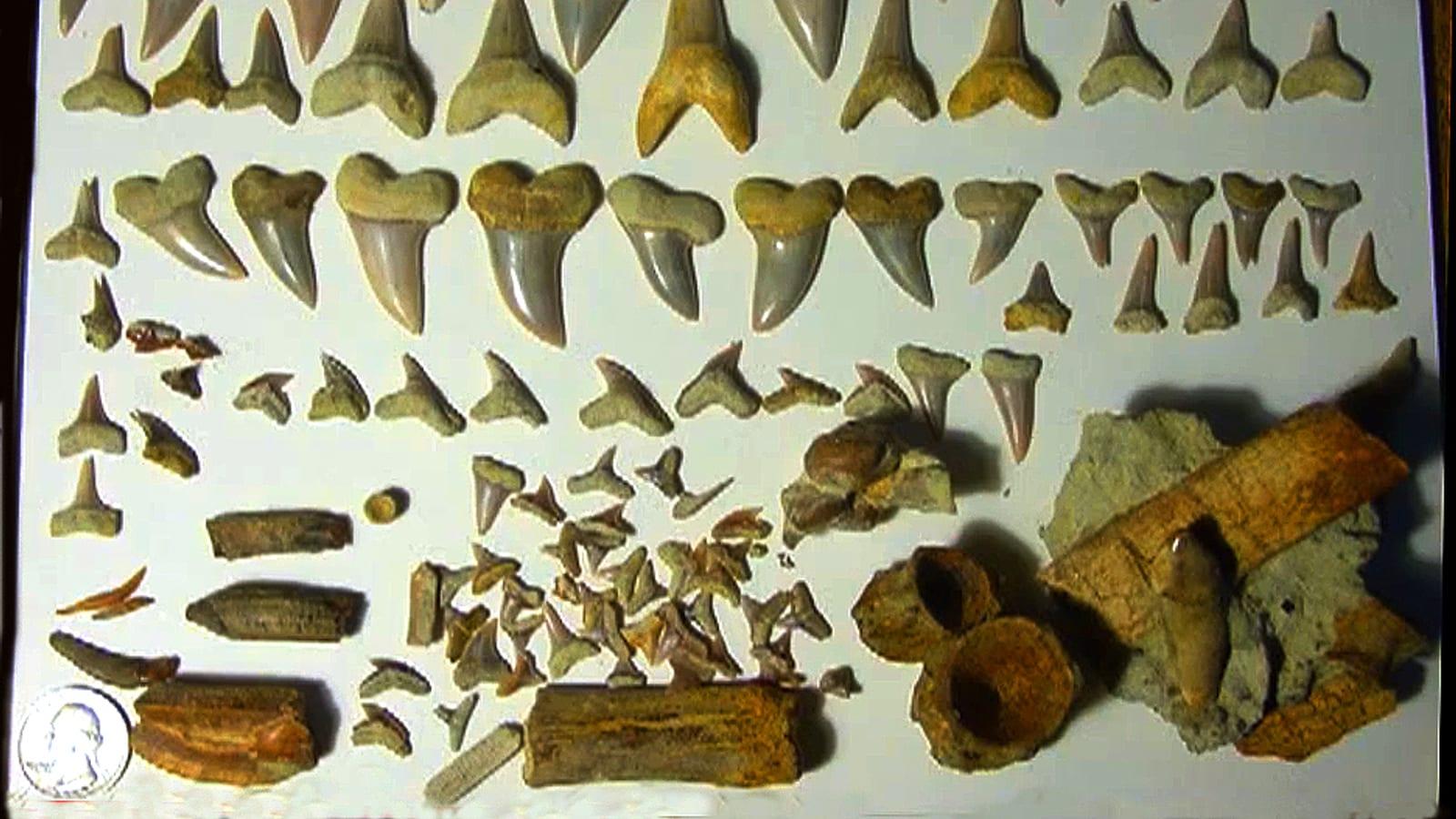
Shark Tooth Hill Fossil Hunting Guide
California, United States
Shark Teeth, Whale Vertebrae, Dolphin Skulls, Ray Dental Plates
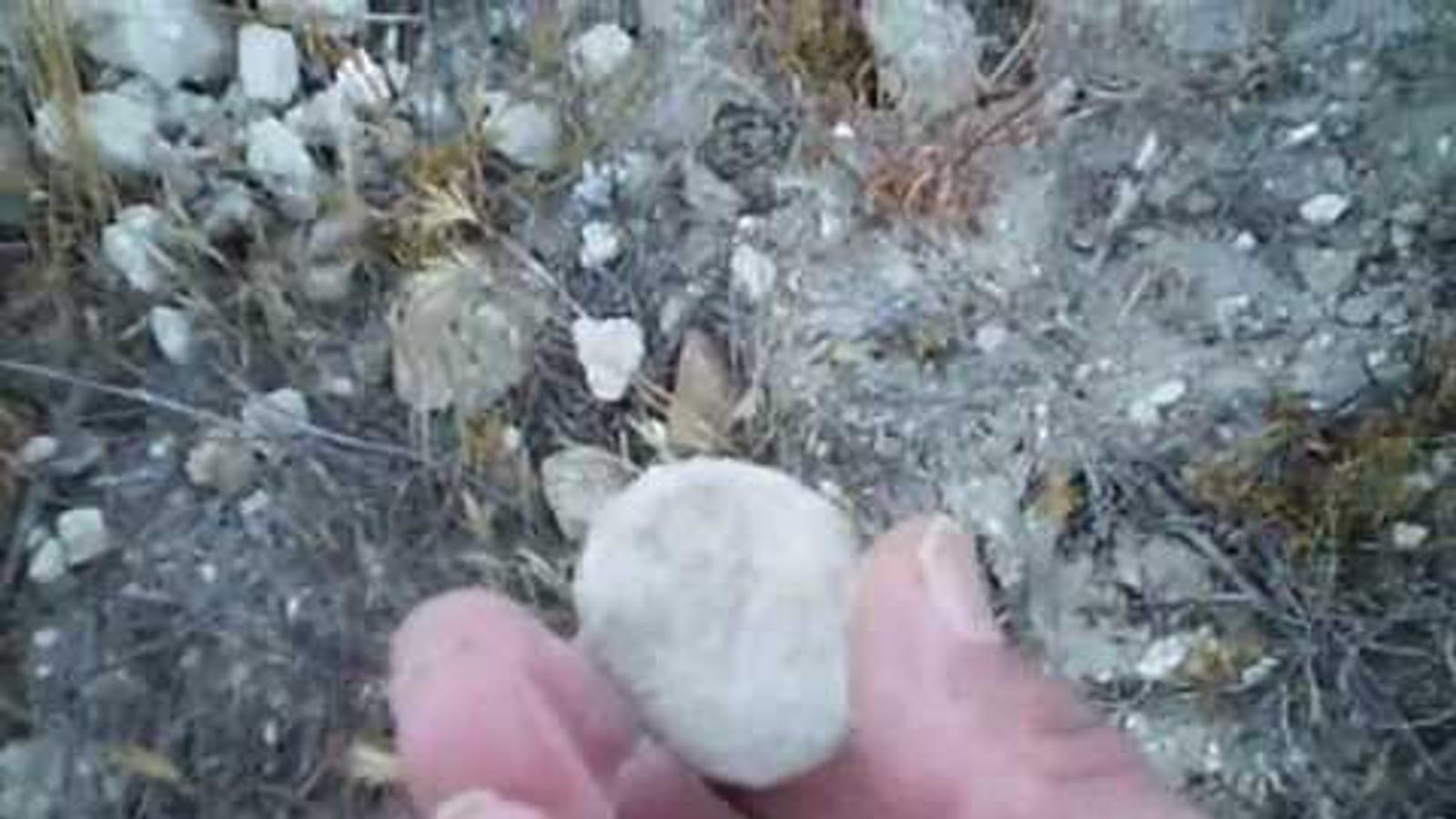
Shell Creek Fossil Hunting Guide
San Luis Obispo County, California, United States
Clams (Protothaca staleyi), Oysters (Crassostrea), Scallops (Lyropecten estrellanus), Sand Dollars (Astrodapsis tumidus)
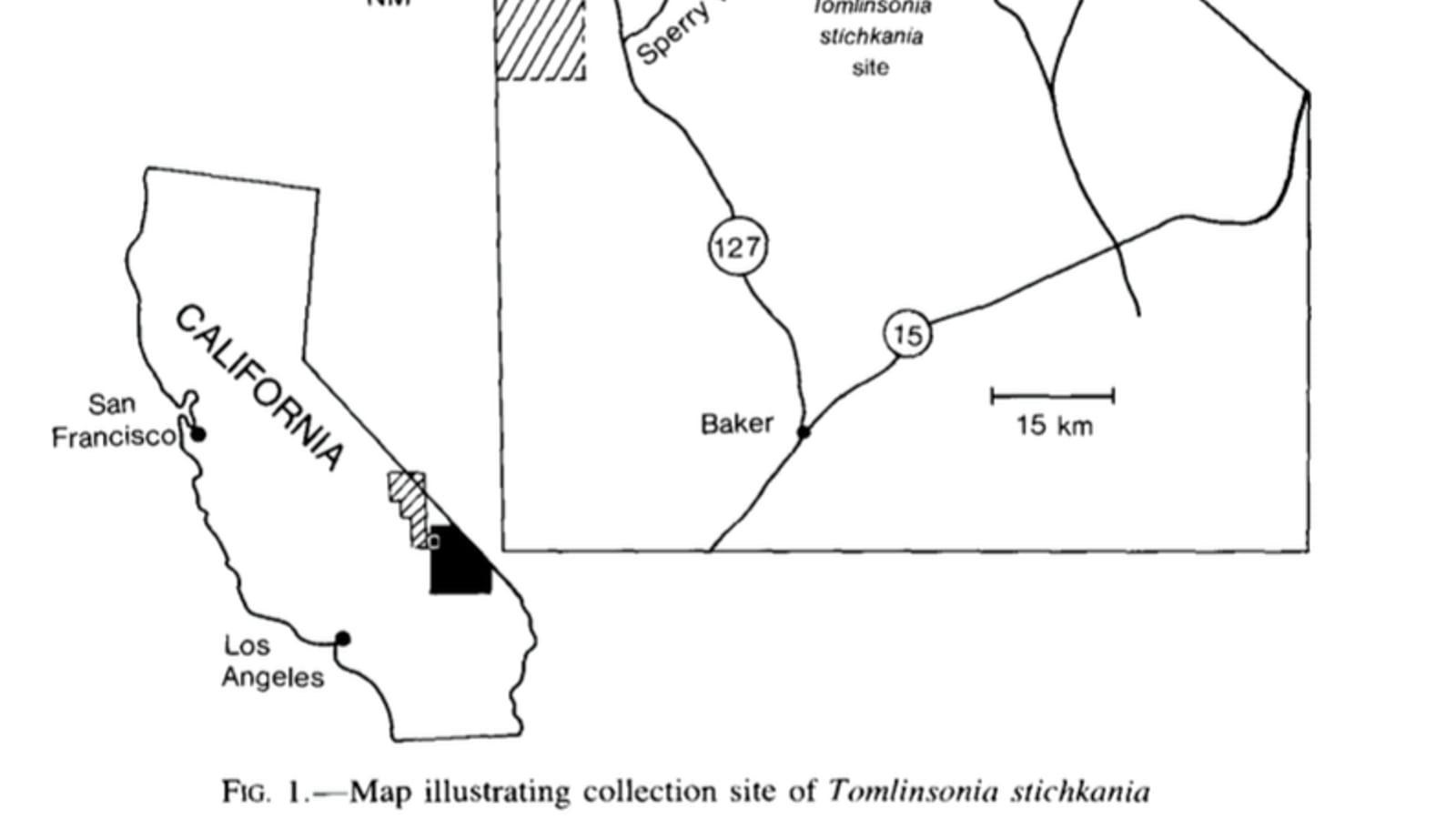
Sperry Wash Fossil Hunting Guide
Inyo County, California, United States
Petrified Wood, Plants
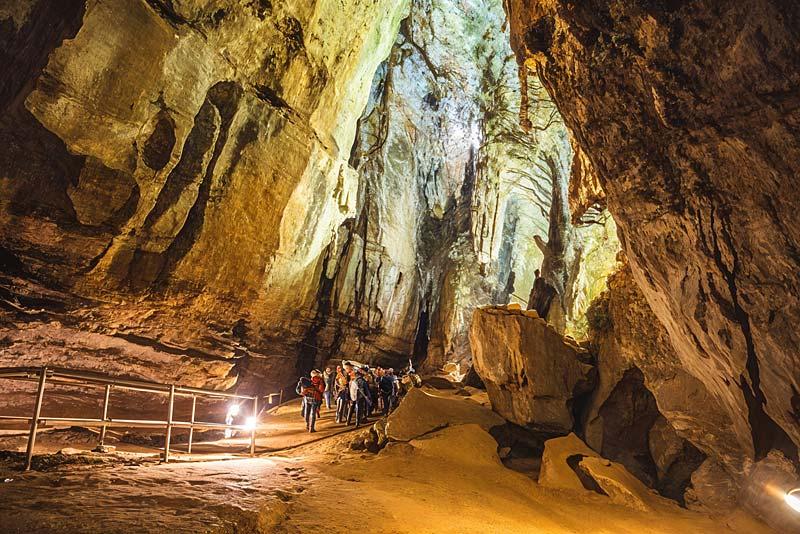
Sterkfontein Caves Fossil Site Guide
Gauteng, South Africa
Australopithecus, Hominin remains, Cercopithecid monkeys, Carnivores
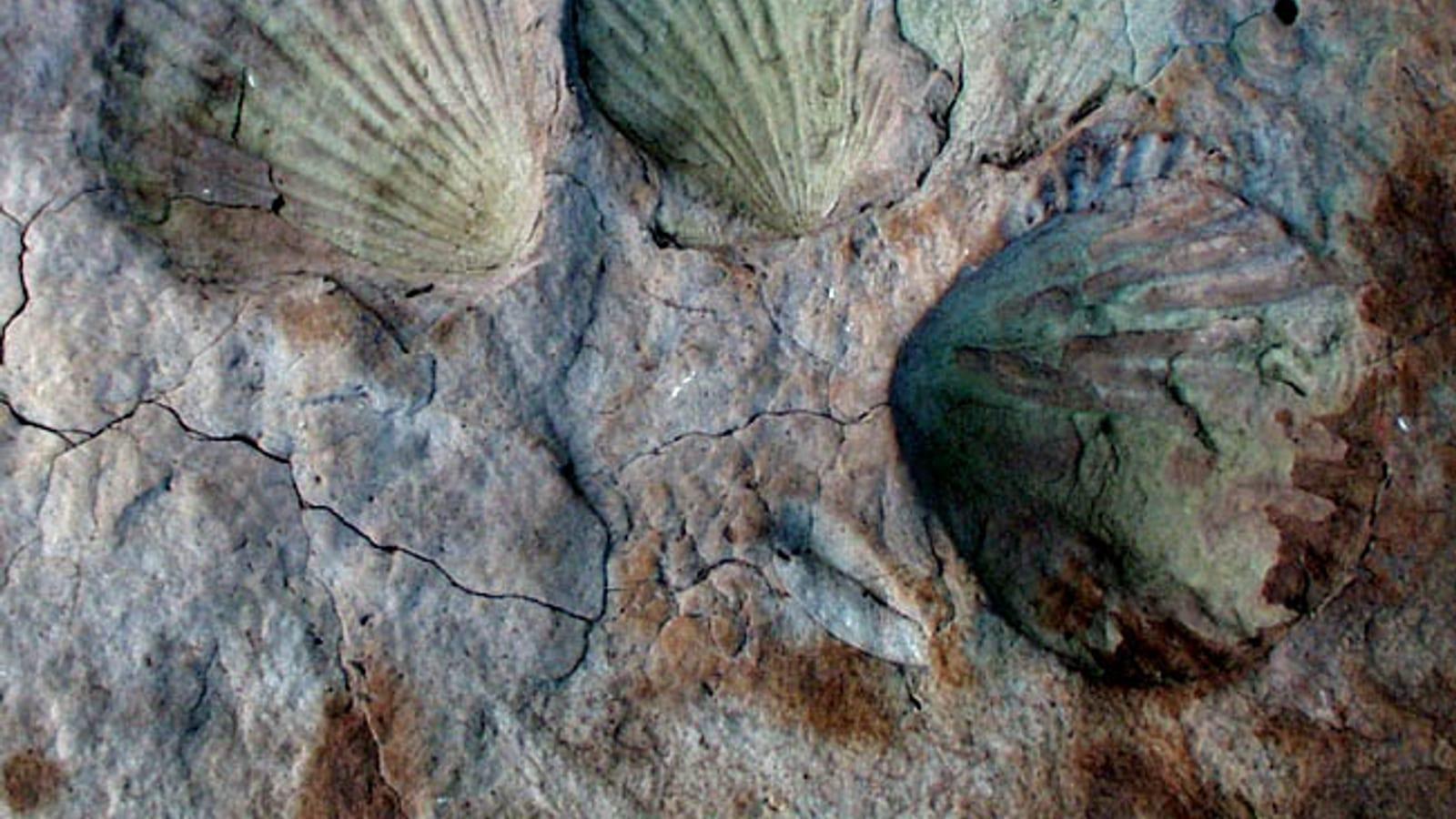
Topanga Canyon Fossil Hunting Guide
Los Angeles County, California, United States
Gastropods, Bivalves, Fish, Marine Mammals
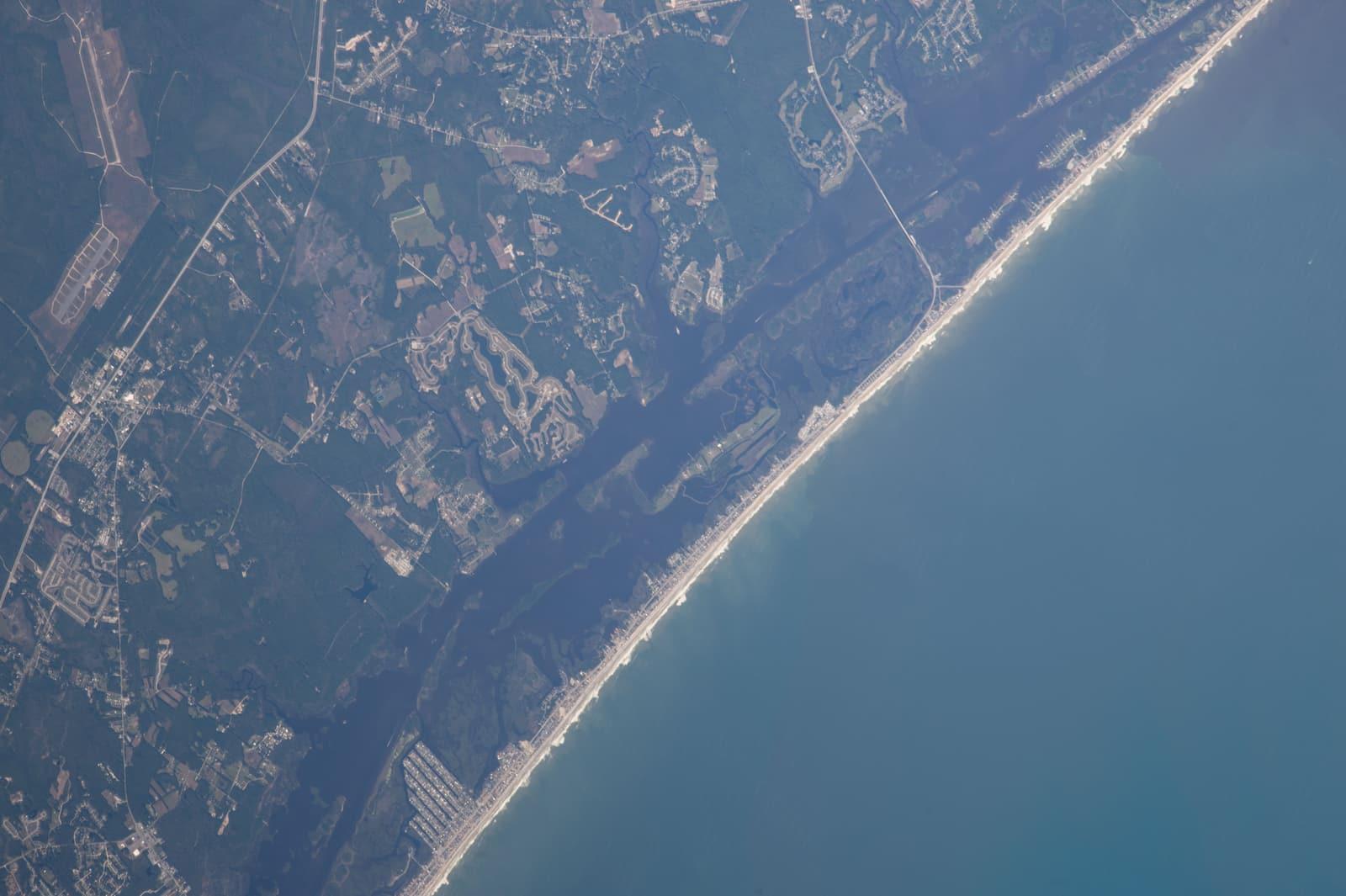
Topsail Beach Fossil Hunting Guide
North Carolina, United States
Shark Teeth, Megalodon teeth, Ray dental plates, Marine shells
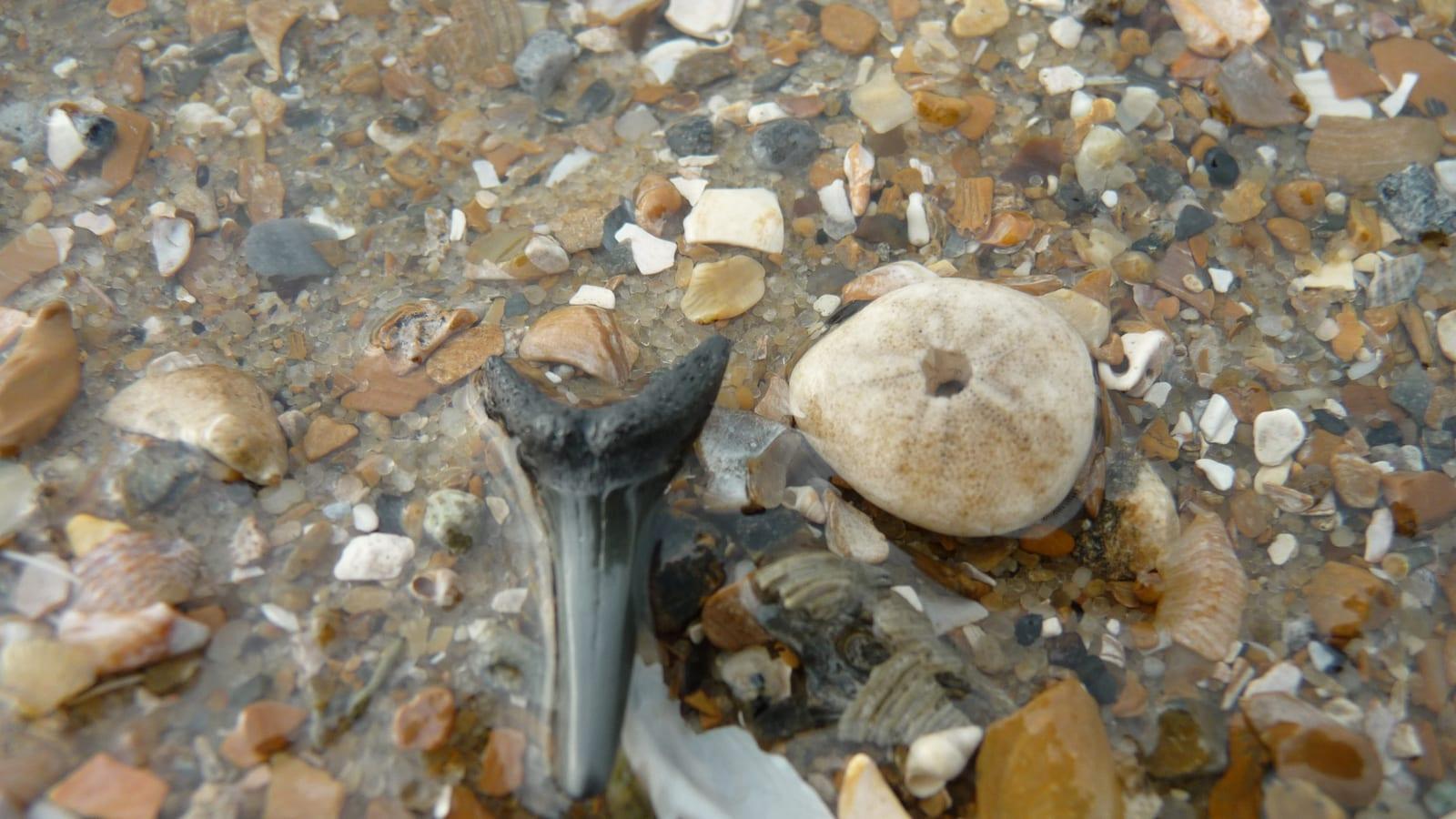
Venice Beach Fossil Hunting Guide
Florida, United States
Shark Teeth, Megalodon, Ray Teeth, Mollusks
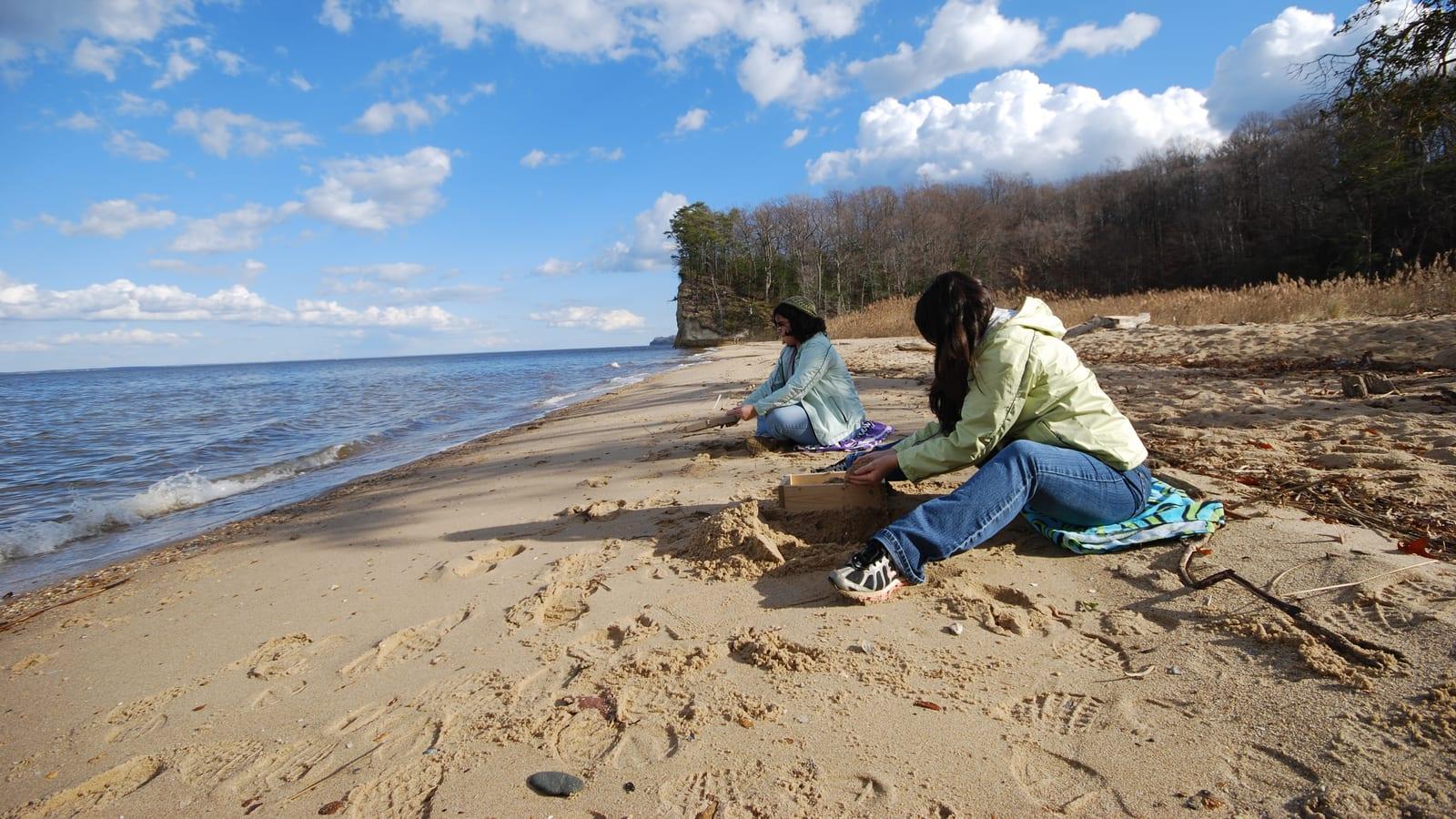
Westmoreland State Park Fossil Hunting Guide
Virginia, United States
Shark Teeth, Bivalves, Gastropods, Marine Mammals
Wrightsville Beach Fossil Hunting Guide
North Carolina, United States
Megalodon teeth, Shark Teeth, Ray dental plates, Fossil bone
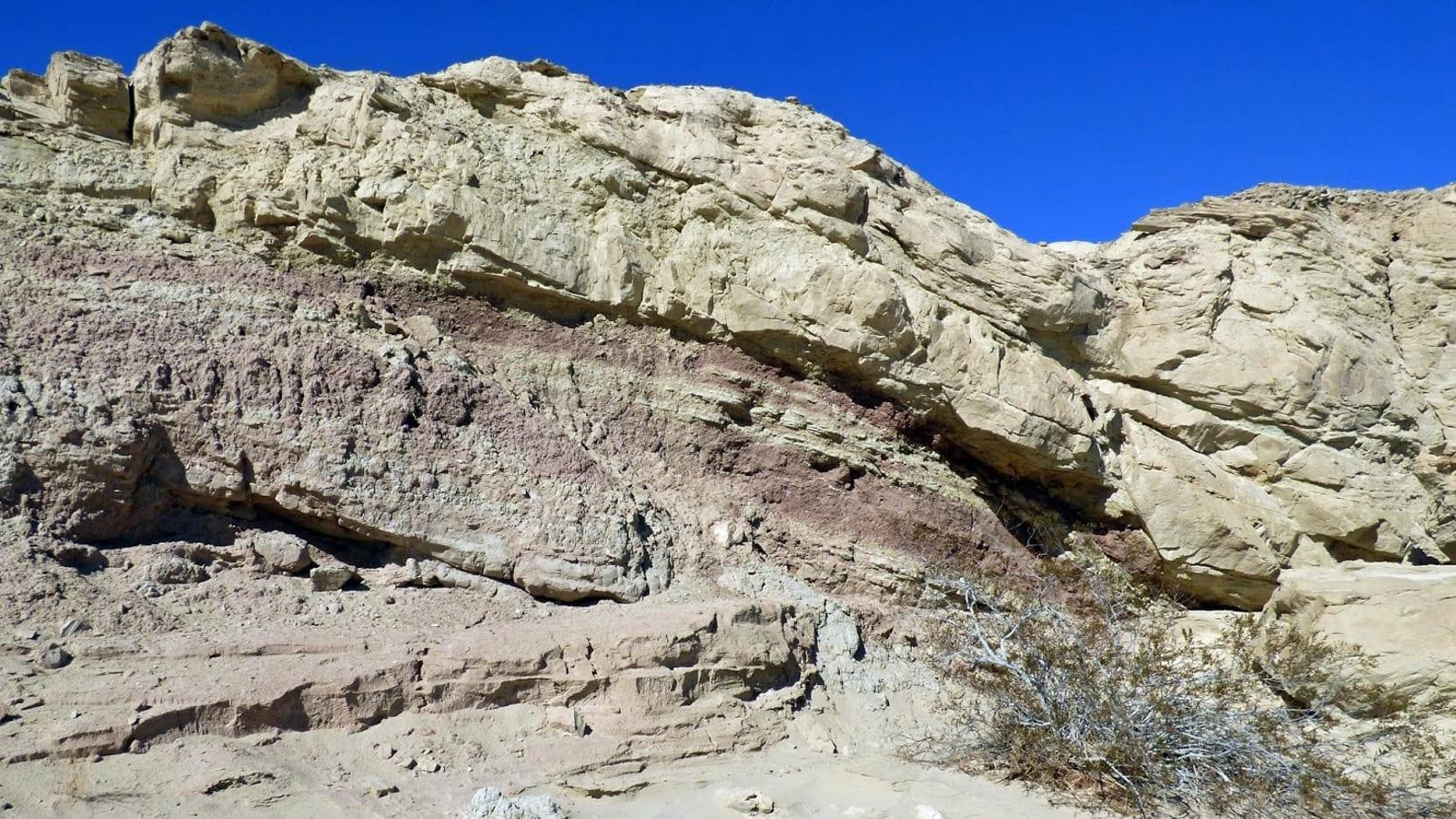
Yuha Basin Fossil Hunting Guide
Imperial County, California, United States
Bivalves, Corals, Gastropods, Echinoids
Frequently asked questions
- Where do megalodon teeth come from?
- Miocene and Pliocene marine deposits, roughly 20 to 3.6 million years old. Calvert Cliffs in Maryland, the Florida phosphate district, and river gravels in the Carolinas are the main sources. Complete large teeth carry high value and are often restored.
- How do I tell a fossil shell from a modern one?
- Fossil shells usually lose their original luster and color. They feel chalky, sound dull when tapped, and often carry mineral staining. Modern beach shells keep a glossy inner surface. Some Neogene shells preserve so well that this test fails, so check the bed they came from.
- What is the Calvert Formation?
- A Miocene marine unit within the Chesapeake Group, exposed along the western shore of Chesapeake Bay in Maryland. It formed between about 18 and 14 million years ago and yields shark teeth, shells, and whale bone.